

The design and construction of reference pangenome graphs with minigraph
Open accessThe DOI matches its Crossref record; 69 of the 69 references it cites were found in a registry or an index.
Abstract
The recent advances in sequencing technologies enable the assembly of individual genomes to the quality of the reference genome. How to integrate multiple genomes from the same species and make the integrated representation accessible to biologists remains an open challenge. Here, we propose a graph-based data model and associated formats to represent multiple genomes while preserving the coordinate of the linear reference genome. We implement our ideas in the minigraph toolkit and demonstrate that we can efficiently construct a pangenome graph and compactly encode tens of thousands of structural variants missing from the current reference genome.
Overview
The claims and statistics of this paper haven’t been checked yet.
Free: it reads the open-access text and checks the first 5 claims that cite a source we can check. Create a free account to check every claim.
Integrity signals
Registry
Cites
Statistics
Figures
Verification
Claims the paper makes
The claims and statistics of this paper haven’t been checked yet.
Free: it reads the open-access text and checks the first 5 claims that cite a source we can check. Create a free account to check every claim.
Claims other papers make about this one
Each is checked against this paper’s own text: does it say what the citing paper says it does?
The source backs part of the claim, not all of it — or backs it for a different population, condition or comparison.
In the citing paper
“Although minigraph can perform base-level alignment since version 0.17, it only includes SVs (≥50 base pairs (bp) by default) during graph construction.”
From Pangenome graph construction from genome alignments with Minigraph-Cactus (2024) · cites this paper as [16]
Experimental — accuracy not yet measuredThe source backs part of the claim, not all of it — or backs it for a different population, condition or comparison.
In the citing paper
“Either the graphs needed to be constructed from variant calls against a reference 3,6,32 and, therefore, unable to properly represent nested variation while still suffering from some reference bias, or they were limited to only SVs 16 and unable to effectively be used for short-read mapping with current tools 6 .”
From Pangenome graph construction from genome alignments with Minigraph-Cactus (2024) · cites this paper as [16]
Experimental — accuracy not yet measured
Self-check
Percentages, sums and reported differences re-computed from the paper’s own numbers.
The self-check needs the paper’s full text.
Citations
Cites
The variant call format and VCFtools
Danecek, P., Auton, A., Abecasis, G., Albers, C. A., Banks, E., DePristo, M. A., Handsaker, R. E., Lunter, G., Marth, G. T., Sherry, S. T., et al. (2011) · Bioinformatics · doi:10.1093/bioinformatics/btr330 · Cited by 16,200
Robinson, J. T., Thorvaldsdóttir, H., Winckler, W., Guttman, M., Lander, E. S., Getz, G., & Mesirov, J. P. (2011) · Nature Biotechnology · doi:10.1038/nbt.1754 · Cited by 15,390 · cited 1×
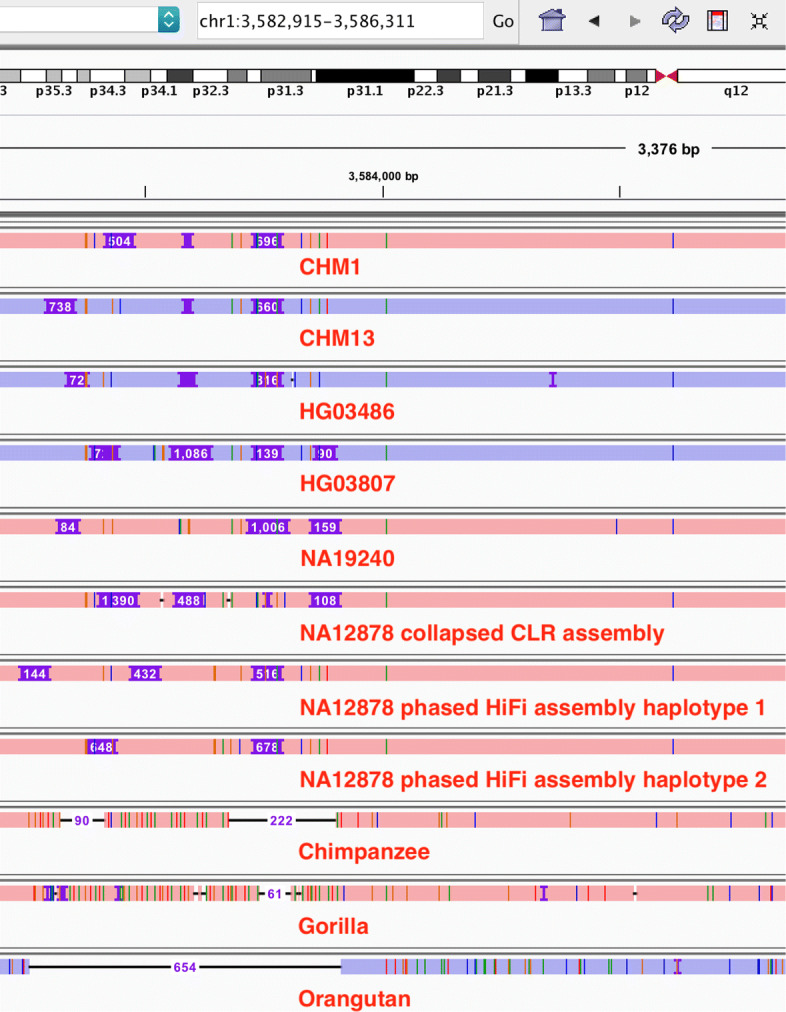
“We manually inspected tens of differences in IGV [42] and identified two causes.”
MethodMinimap2: Pairwise alignment for nucleotide sequences
Li, H. (2018) · Bioinformatics · doi:10.1093/bioinformatics/bty191 · Cited by 14,807 · cited 3×
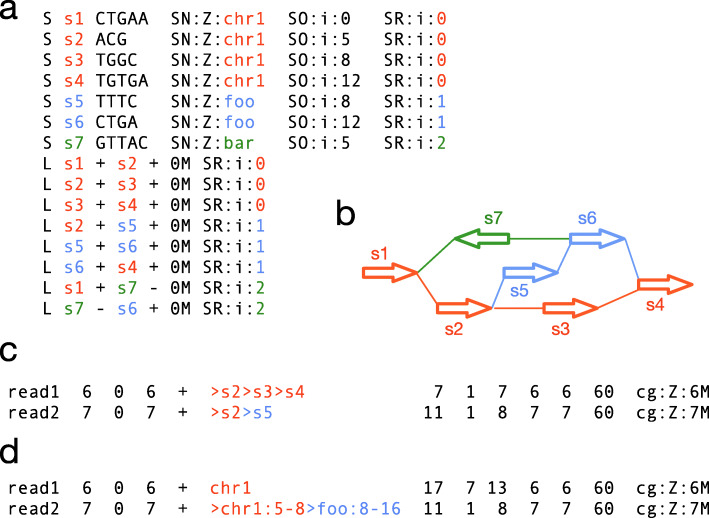
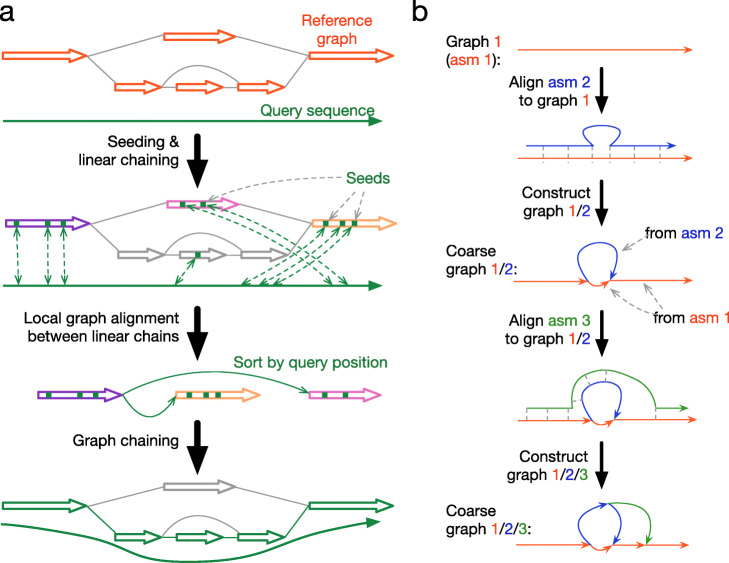
“As existing sequence-to-graph aligners [38, 39] do not work with chromosomelong query sequences, we adapted minimap2 [40] for our purpose and implemented minigraph (Fig.”
BackgroundMethodInfluentialSelf-citationA framework for variation discovery and genotyping using next-generation DNA sequencing data
DePristo, M. A., Banks, E., Poplin, R., Garimella, K. V., Maguire, J. R., Hartl, C., Philippakis, A. A., del Angel, G., Rivas, M. A., Hanna, M., et al. (2011) · Nature Genetics · doi:10.1038/ng.806 · Cited by 11,456 · cited 1×
“1.2 [46].”
InfluentialUsing RepeatMasker to Identify Repetitive Elements in Genomic Sequences
Tarailo‐Graovac, M., & Chen, N. (2009) · Current Protocols in Bioinformatics · doi:10.1002/0471250953.bi0410s25 · Cited by 3,398
Wenger, A. M., Peluso, P., Rowell, W. J., Chang, P.-C., Hall, R. J., Concepcion, G. T., Ebler, J., Fungtammasan, A., Kolesnikov, A., Olson, N. D., et al. (2019) · Nature Biotechnology · doi:10.1038/s41587-019-0217-9 · Cited by 1,841 · cited 1×
“iting factor in our understanding of genetic variations. Meanwhile, the advances in long-read sequencing technologies make it possible to assemble a human individual to a quality comparable to GRCh38 [1,5]. There are already a dozen of high-quality human assemblies available in GenBank [6]. Properly integrating these…”
BackgroundSelf-citationThe ENCODE Blacklist: Identification of Problematic Regions of the Genome
Amemiya, H. M., Kundaje, A., & Boyle, A. P. (2019) · Scientific Reports · doi:10.1038/s41598-019-45839-z · Cited by 1,831 · cited 1×
“We constructed a human pangenome graph excluding CHM1 and CHM13, the two samples used in the SynDip benchmark [4], and generated regions around variations (see Methods), which we call as blacklist regions, following the rationale in [45].”
MethodMissing heritability and strategies for finding the underlying causes of complex disease
Eichler, E. E., Flint, J., Gibson, G., Kong, A., Leal, S. M., Moore, J. H., & Nadeau, J. H. (2010) · Nature Reviews Genetics · doi:10.1038/nrg2809 · Cited by 1,687 · cited 1×
“Some of these variants are likely associated with phenotype [3] but are often missed or misinterpreted when we map sequence data to GRCh38, in particular with short reads [4].”
BackgroundHigh-quality draft assemblies of mammalian genomes from massively parallel sequence data
Gnerre, S., MacCallum, I., Przybylski, D., Ribeiro, F. J., Burton, J. N., Walker, B. J., Sharpe, T., Hall, G., Shea, T. P., Sykes, S., et al. (2011) · Proceedings of the National Academy of Sciences · doi:10.1073/pnas.1017351108 · Cited by 1,533 · cited 1×
“In a de Bruijn graph, we often attach sequences to edges instead of vertices [36, 37].”
BackgroundMinimap and miniasm: fast mapping and de novo assembly for noisy long sequences
Li, H. (2016) · Bioinformatics · doi:10.1093/bioinformatics/btw152 · Cited by 1,508 · cited 6×
“As there are no text formats for sequence-to-graph alignment, we propose a new Graphical mApping Format (GAF) by extending the Pairwise mApping Format (PAF) [35].”
BackgroundMethodInfluentialSelf-citation
Cited by
Items 101–200 of 461
The Manchurian Walnut Genome: Insights into Juglone and Lipid Biosynthesis
Li, X., Cai, K., Zhang, Q., Pei, X., Chen, S., Jiang, L., Han, Z., Zhao, M., Li, Y., Zhang, X., et al. (2022) · GigaScience · doi:10.1093/gigascience/giac057 · Cited by 36
“Additionally,the gfatools [80] was employed to obtain the sequence graphs with the FASTA format.”
From genotype to phenotype with 1,086 near telomere-to-telomere yeast genomes
Loegler, V., Thiele, P., Teyssonnière, É., Tsouris, A., Brach, G., Cruaud, C., Payen, E., Engelen, S., Dunham, M. J., Hou, J., et al. (2025) · Nature · doi:10.1038/s41586-025-09637-0 · Cited by 45
“A first graph, built from whole-genome alignments using Minigraph 58 , included only SVs and reached a length of 48.6 Mb, 4 times the size of the linear reference (Fig.”
InfluentialPanache: a web browser-based viewer for linearized pangenomes
Durant, É., Sabot, F., Conte, M., & Rouard, M. (2021) · Bioinformatics · doi:10.1093/bioinformatics/btab688 · Cited by 38
The landscape of human SVA retrotransposons
Chu, C., Lin, E. W., Tran, A. V., Jin, H., Ho, N. I., Veit, A. D., Cortés‐Ciriano, I., Burns, K. H., Ting, D. T., & Park, P. J. (2023) · Nucleic Acids Research · doi:10.1093/nar/gkad821 · Cited by 45
Self-citationFitness consequences of structural variation inferred from a House Finch pangenome
Fang, B., & Edwards, S. V. (2024) · Proceedings of the National Academy of Sciences · doi:10.1073/pnas.2409943121 · Cited by 43
PanKmer: k-mer-based and reference-free pangenome analysis
Aylward, A., Petrus, S., Mamerto, A., Hartwick, N. T., & Michael, T. P. (2023) · Bioinformatics · doi:10.1093/bioinformatics/btad621 · Cited by 44
“Other methods gain efficiency by focusing on specific categories of variants (Li et al. 2020, Bradbury et al. 2022).”
BackgroundMethodA draft UAE-based Arab pangenome reference
Nassir, N., Almarri, M. A., Kumail, M., Mohamed, N., Balan, B., Hanif, S., AlObathani, M., Jamalalail, B. A., ElSokary, H. A., Kondaramage, D., et al. (2025) · Nature Communications · doi:10.1038/s41467-025-61645-w · Cited by 43
Gramtools enables multiscale variation analysis with genome graphs
Letcher, B., Hunt, M., & Iqbal, Z. (2021) · Genome biology · doi:10.1186/s13059-021-02474-0 · Cited by 40
“Recently, the rGFA format for describing genome graphs was proposed [35]; starting from a central linear reference, it assigns stable names and offset coordinates to alternate references. rGFA is a valuable and complementary idea to the jVCF described here: it assigns coordinates and references in…”
BackgroundPan-genome analysis reveals the evolution and diversity of Malus
Li, W., Chu, C., Zhang, T., Sun, H., Wang, S., Liu, Z., Wang, Z., Li, H., Li, Y., Zhang, X., et al. (2025) · Nature Genetics · doi:10.1038/s41588-025-02166-6 · Cited by 41
Self-citationAre we there yet? Driving the road to evolutionary graph-pangenomics
Hübner, S. (2022) · Current Opinion in Plant Biology · doi:10.1016/j.pbi.2022.102195 · Cited by 32
Tetikol, H. S., Narcı, K., Turgut, D., Budak, G., Kalay, Ö., Arslan, E., Demirkaya-Budak, S., Dolgoborodov, A., Jain, A., Kabakci-Zorlu, D., et al. (2022) · Nature Communications · doi:10.1038/s41467-022-31724-3 · Cited by 34
“…been proposed including nucleotide additions and extensions to the current reference 11 – 13 , de novo assembly of raw read data to generate a population-speci fi c consensus sequence 14 – 16 , and graph-based references capable of simultaneously representing multiple diverse populations 17 – 22 .”
MethodXu, X., Zhao, R.-P., Xiao, L., Lu, L.-Y., Gao, M., Luo, Y., Zhou, Z.-W., Ye, S.-Y., Qian, Y.-Q., Fan, B.-L., et al. (2023) · Horticulture Research · doi:10.1093/hr/uhad200 · Cited by 31
“20) [26] was used to compare the two haplotype-resolved genomes and generate structural variations (SVs) between haplotypes, with a total of 36956 SVs (variation length > 50 bp).”
BackgroundMethodInfluentialQian, Y.-Q., Zhou, Z.-W., Ouyang, T., Li, D., Li, R., Gan, P., Qiao, R., Tan, Y. L., Qian, M., Liu, L., et al. (2025) · Nature Communications · doi:10.1038/s41467-025-62887-4 · Cited by 31
Probably Correct: Rescuing Repeats with Short and Long Reads
Čechová, M. (2020) · Genes · doi:10.3390/genes12010048 · Cited by 31
“with shared and private variants, some of the new approaches have proposed elegant ways of creating pan-genome graphs while preserving linear coordinates [108].”
BackgroundThe genome atlas: navigating a new era of reference genomes
Kaye, A. M., & Wasserman, W. W. (2021) · Trends in Genetics · doi:10.1016/j.tig.2020.12.002 · Cited by 37
The Dynamic Structure and Rapid Evolution of Human Centromeric Satellite DNA
Logsdon, G. A., & Eichler, E. E. (2022) · Genes · doi:10.3390/genes14010092 · Cited by 32
Advances in the discovery and analyses of human tandem repeats
Chaisson, M., Sulovari, A., Valdmanis, P. N., Miller, D. E., & Eichler, E. E. (2023) · Emerging Topics in Life Sciences · doi:10.1042/etls20230074 · Cited by 33
Identification of transposable element families from pangenome polymorphisms
Sierra, P., & Durbin, R. M. (2024) · Mobile DNA · doi:10.1186/s13100-024-00323-y · Cited by 31
“…to generate pangenomes which represent multiple closely related genome sequences in a computational graph structure which explicitly identifies sequence segments present only in a subset of the genomes, i.e. structural variants (SVs) (Hickey et al., 2020) (Li et al., 2020) (Garrison et al., 2023).”
BackgroundBWT construction and search at the terabase scale
Li, H. (2024) · Bioinformatics · doi:10.1093/bioinformatics/btae717 · Cited by 56
“However, when most k-mers are present in the index, metagraph is impractically slow.”
BackgroundSelf-citationSun, M., Cao, B., Li, K., Li, J., Liu, J., Xue, C., Gu, K., Xu, S., Li, Y., Li, Q., et al. (2025) · Nature Genetics · doi:10.1038/s41588-025-02273-4 · Cited by 34
“Each haplotype sequence was mapped to the graph-based genome for SV genotyping in DS and MRB using Minigraph (v.0.20-r559) 108 .”
InfluentialA stepwise guide for pangenome development in crop plants: an alfalfa (Medicago sativa) case study
Kaur, H., Shannon, L. M., & Samac, D. A. (2024) · BMC Genomics · doi:10.1186/s12864-024-10931-w · Cited by 32
Plant graph-based pangenomics: techniques, applications, and challenges
Du, Z., He, J.-B., & Jiao, W. (2025) · aBIOTECH · doi:10.1007/s42994-025-00206-7 · Cited by 31
“Recently, the Minigraph-Cactus pipeline (Hickey et al. 2024) combines the advantages of Minigraph and Cactus and an improved version of vg to generate base-level pangen-ome graphs that incorporate all types of genetic variations directly from whole-genome alignments.”
InfluentialA Graph-based Goat Pangenome Reveals Structural Variations Involved in Domestication and Adaptation
Bian, P., Li, J., Zhou, S., Wang, X., Gong, M., Guo, X., Cai, Y., Yang, Q., Fu, J., Li, R., et al. (2024) · Molecular Biology and Evolution · doi:10.1093/molbev/msae251 · Cited by 30
Multispecies pangenomes reveal a pervasive influence of population size on structural variation
Edwards, S. V., Fang, B., Khost, D. E., Kolyfetis, G. E., Cheek, R. G., DeRaad, D. A., Chen, N. X., Fitzpatrick, J. W., McCormack, J. E., Funk, W. C., et al. (2025) · Science · doi:10.1126/science.adw1931 · Cited by 35
Self-citationChaining for accurate alignment of erroneous long reads to acyclic variation graphs
Ma, J., Cáceres, M., Salmela, L., Mäkinen, V., & Tomescu, A. I. (2023) · Bioinformatics · doi:10.1093/bioinformatics/btad460 · Cited by 30
“To the best of our knowledge, the only sequenceto-graph aligners tailored to long reads are SPAligner [11], designed for assembly graphs, GraphAligner [37], designed for both assembly and variation graphs, PaSGAL [23], designed for both short and long reads on acyclic graphs, the extension of AStarix for long reads [2…”
BackgroundMethodMilia, S., Leonard, A. S., Mapel, X. M., Bernal Ulloa, S. M., Drögemüller, C., & Pausch, H. (2025) · Genome Research · doi:10.1101/gr.279064.124 · Cited by 22
“We used the merged VCF file of SVs called from optical mapping data from (Talenti et al. 2022) to investigate the presence of the candidate SV in taurine and indicine cattle.”
Xia, Z., Du, Z., Zhou, X., Jiang, S., Zhu, T., Wang, L., Chen, F., Carvalho, L. J. C. B., Zou, M., López‐Lavalle, L. A. B., et al. (2025) · Molecular Plant · doi:10.1016/j.molp.2025.05.014 · Cited by 23
Self-citationCharacterization of large-scale genomic differences in the first complete human genome
Yang, X., Wang, X., Zou, Y., Zhang, S., Xia, M., Fu, L., Vollger, M. R., Chen, N.-C., Taylor, D. J., Harvey, W. T., et al. (2023) · Genome biology · doi:10.1186/s13059-023-02995-w · Cited by 24
“com/ Pacifi cBio scien ces/ pbsv), and minigraph [20] (https:// github.”
BackgroundMethodRates and spectra of de novo structural mutations in Chlamydomonas reinhardtii
López‐Cortegano, E., Craig, R. J., Chebib, J., Balogun, E. J., & Keightley, P. D. (2022) · Genome Research · doi:10.1101/gr.276957.122 · Cited by 26
Oryza pan-genomics: A new foundation for future rice research and improvement
Huang, C., Chen, Z., & Liang, C. (2021) · The Crop Journal · doi:10.1016/j.cj.2021.04.003 · Cited by 23
Wu, J., Xu, X., Liu, L., Ma, L., Pu, Y., Wang, W., Hua, X.-Y., Song, J., Liu, K., Lu, G., et al. (2022) · Frontiers in Plant Science · doi:10.3389/fpls.2022.936958 · Cited by 30
Cluster-efficient pangenome graph construction with nf-core/pangenome
Heumos, S., Heuer, M., Hanssen, F., Heumos, L., Guarracino, A., Heringer, P., Ehmele, P., Prins, P., Garrison, E. P., & Nahnsen, S. (2024) · Bioinformatics · doi:10.1093/bioinformatics/btae609 · Cited by 23
“While tools like Minigraph (Li et al. 2020) or PGR-TK (Chin et al. 2023) also address pangenome analysis, nf-core/pangenome uniquely integrates this capability into the standardized nf-core framework, offering compatibility with a wide range of modular work-flows and community-developed best practices.”
A survey of sequence-to-graph mapping algorithms in the pangenome era
Cui, Y., Peng, C., Xia, Z., Yang, C., & Guo, Y. (2025) · Genome biology · doi:10.1186/s13059-025-03606-6 · Cited by 28
“However, this approach may encounter exponential space and time issues in extreme cases [53].”
InfluentialWu, J. Q., Song, L., Ding, Y., Dong, C., Hasan, M. T., & Park, R. (2021) · Frontiers in Microbiology · doi:10.3389/fmicb.2021.704253 · Cited by 25
Cohen, Z., Schoville, S. D., & Hawthorne, D. J. (2023) · Molecular Ecology · doi:10.1111/mec.16838 · Cited by 23
“These assemblies were reciprocally mapped to one another using minigraph version 0.14- r425- dirty (Li et al., 2020), which was then converted into a structural variant graph using vg version 1.31.0 (Hickey et al., 2020).”
MethodInfluentialCRISPR-Cas technology in corn: a new key to unlock genetic knowledge and create novel products
Nuccio, M. L., Claeys, H., & Heyndrickx, K. S. (2021) · Molecular Breeding · doi:10.1007/s11032-021-01200-9 · Cited by 24
“Some manually select sites with (Li et al. 2020b) or without (Li et al. 2018; Zhong et al. 2019a) specific rules.”
BackgroundInfluentialA Hitchhiker's Guide to long-read genomic analysis
Mahmoud, M., Agustinho, D. P., & Sedlazeck, F. J. (2025) · Genome Research · doi:10.1101/gr.279975.124 · Cited by 27
“For instance, Minigraph (Li et al. 2020) and Minigraph-Cactus (Hickey et al. 2024) leverage de novo assemblies to construct graph-based genome representations and align reads to existing graphs.”
Methods and Developments in Graphical Pangenomics
Outten, J., & Warren, A. S. (2021) · Journal of the Indian Institute of Science · doi:10.1007/s41745-021-00255-z · Cited by 23
From the reference human genome to human pangenome: Premise, promise and challenge
Singh, V. K., Pandey, S., & Bhardwaj, A. (2022) · Frontiers in Genetics · doi:10.3389/fgene.2022.1042550 · Cited by 23
Cai, Y., Gao, X., Mao, J., Liu, Y., Tong, L., Chen, X., Liu, Y., Kou, W., Chang, C., Foster, T., et al. (2024) · Nature Communications · doi:10.1038/s41467-024-54428-2 · Cited by 27
Sarashetti, P., Lipovac, J., Tomas, F., Šikić, M., & Liu, J. (2024) · Genome biology · doi:10.1186/s13059-024-03452-y · Cited by 20
“20 [18] and paftools v2.”
Yang, Z., Guarracino, A., Biggs, P. J., Black, M. A., Ismail, F. N., Wold, J., Merriman, T. R., Prins, P., Garrison, E. P., & de Ligt, J. (2023) · Frontiers in Genetics · doi:10.3389/fgene.2023.1225248 · Cited by 20
“Moreover, the linear representation of a genome fails to capture the complexity of genomic rearrangements, duplications, and structural variants (SVs) that are critical for understanding pathogen evolution and adaptation, especially in highly recombinogenic species (Eizenga et al., 2020; Colquhoun et al., 2021).”
BackgroundMethodInfluentialFeng, X., & Li, H. (2021) · Molecular Biology and Evolution · doi:10.1093/molbev/msab062 · Cited by 24
Self-citationMaestri, S., Gambino, G., Lopatriello, G., Minio, A., Perrone, I., Cosentino, E., Giovannone, B., Marcolungo, L., Alfano, M., Rombauts, S., et al. (2022) · BMC Genomics · doi:10.1186/s12864-022-08389-9 · Cited by 19
“In combination with graph-based toolkits for their visualization and analysis, such infrastructures should increase the accuracy of the SVs calling process [42, 43].”
BackgroundBubbleGun: enumerating bubbles and superbubbles in genome graphs
Dabbaghie, F., Ebler, J., & Marschall, T. (2022) · Bioinformatics · doi:10.1093/bioinformatics/btac448 · Cited by 29
Vogel, N. A., Rubin, J. D., Swartz, M., Vlieghe, J., Sackett, P. W., Pedersen, A. G., Pedersen, M. W., & Renaud, G. (2023) · Methods in Ecology and Evolution · doi:10.1111/2041-210x.14214 · Cited by 20
“Although tools like Minigraph (Li et al., 2020 ) provide efficient solutions to handle larger genomes, vg giraffe remains the only haplotype-aware mapper suitable for euka's framework.”
MethodPan-human consensus genome significantly improves the accuracy of RNA-seq analyses
Kaminow, B., Ballouz, S., Gillis, J., & Dobin, A. (2022) · Genome Research · doi:10.1101/gr.275613.121 · Cited by 22
“Graph-based aligners, such as VG (Hickey et al. 2020), HISAT2 (Kim et al. 2019), and minigraph (Li et al. 2020), have been shown to increase the accuracy of mapping.”
Quah, F. X., Almeida, M. V., Blumer, M., Yuan, C. U., Fischer, B., See, K., Jackson, B., Zatha, R., Rusuwa, B., Turner, G. F., et al. (2025) · Genome Research · doi:10.1101/gr.279674.124 · Cited by 26
Kopalli, V., Arslan, K., Morales-Díaz, N., Zanini, S. F., & Golicz, A. A. (2025) · GigaScience · doi:10.1093/gigascience/giaf121 · Cited by 20
“…pangenomes by aligning multiple genome assemblies against a reference, facilitating the detection of large insertions, deletions, and complex rearrangements [ 14 ], and was used to build the pangenome graph database representing presence/absence variation across 16 bread wheat genomes [ 15 ].”
van der Merwe, N., Ramesar, R., & de Vries, J. (2022) · Frontiers in Genetics · doi:10.3389/fgene.2022.864822 · Cited by 23
“…include nucleotide additions and extensions to GRCh38, graph-based references that simultaneously represent multiple, diverse populations and the generation of population-specific consensus sequences via de novo assembly of raw read data (Huang et al., 2013; Duan et al., 2019; Li et al., 2020).”
BackgroundPig pangenome graph reveals functional features of non-reference sequences
Miao, J., Wei, X., Cao, C., Sun, J., Xu, Y., Zhang, Z., Wang, Q., Pan, Y., & Wang, Z. (2024) · Journal of Animal Science and Biotechnology/Journal of animal science and biotechnology · doi:10.1186/s40104-023-00984-4 · Cited by 20
When less is more: sketching with minimizers in genomics
Ndiaye, M., Prieto-Baños, S., Fitzgerald, L. M., Kharrazi, A. Y., Oreshkov, S., Dessimoz, C., Sedlazeck, F. J., Glover, N., & Majidian, S. (2024) · Genome biology · doi:10.1186/s13059-024-03414-4 · Cited by 25
“This approach, though efficient in memory reduction, generally fails to adequately represent longer genetic variations, such as translocations, inversions, or duplications, due to its reliance on classical methods which assume collinearity [60, 141].”
InfluentialGenomic variations and epigenomic landscape of the Medaka Inbred Kiyosu-Karlsruhe (MIKK) panel
Léger, A., Brettell, I., Monahan, J., Barton, C., Wolf, N., Kusminski, N., Herder, C., Aadepu, N., Becker, C., Gierten, J., et al. (2022) · Genome biology · doi:10.1186/s13059-022-02602-4 · Cited by 17
Haplotype-aware sequence alignment to pangenome graphs
Chandra, G., Gibney, D., & Jain, C. (2024) · Genome Research · doi:10.1101/gr.279143.124 · Cited by 24
“Let C ( i , h ) denote the optimal score of a chain ending at pair ( i , h ), where i ∈ A single anchor is a valid chain of size one; therefore, we initialize We update C ( i , h ) to its optimal value using the following recursion:”
GET_PANGENES: calling pangenes from plant genome alignments confirms presence-absence variation
Contreras‐Moreira, B., Saraf, S., Naamati, G., Casas, A. M., Amberkar, S., Flicek, P., Jones, A. R., & Dyer, S. C. (2023) · Genome biology · doi:10.1186/s13059-023-03071-z · Cited by 19
Accelerating range minimum queries with ray tracing cores
Meneses, E., Navarro, C. A., Ferrada, H., & Quezada, F. A. (2024) · Future Generation Computer Systems · doi:10.1016/j.future.2024.03.040 · Cited by 21
Zhang, T., Zhou, L., Pu, Y., Tang, Y., Liu, J., Yang, L., Zhou, T., Feng, L., & Wang, X. (2024) · BMC Plant Biology · doi:10.1186/s12870-024-04972-2 · Cited by 19
“5-r234 [45].”
MacNish, T. R., Al-Mamun, H. A., Bayer, P. E., McPhan, C., Fernandez, C. G. T., Upadhyaya, S. R., Liu, S., Batley, J., Parkin, I. A. P., Sharpe, A. G., et al. (2024) · The Plant Genome · doi:10.1002/tpg2.20535 · Cited by 19
“Minigraph has a limited ability to align sequences against small variants (Li et al., 2020), so constructing the pangenome in order of N50 increases the number of sequences included within the pangenome.”
InfluentialCo-linear Chaining with Overlaps and Gap Costs
Jain, C., Gibney, D., & Thankachan, S. V. (2022) · Lecture notes in computer science · doi:10.1007/978-3-031-04749-7_15 · Cited by 19
Independent expansion, selection, and hypervariability of the TBC1D3 gene family in humans
Guitart, X., Porubsky, D., Yoo, D., Dougherty, M. L., Dishuck, P. C., Munson, K. M., Lewis, A. P., Hoekzema, K., Knuth, J., Chang, S., et al. (2024) · Genome Research · doi:10.1101/gr.279299.124 · Cited by 14
“S11; Li et al. 2020).”
Pangenomes: new tools for ecological and evolutionary genomics
Fang, B., & Edwards, S. V. (2025) · Trends in Ecology & Evolution · doi:10.1016/j.tree.2025.11.010 · Cited by 17
TALCO: Tiling Genome Sequence Alignment Using Convergence of Traceback Pointers
Walia, S., Ye, C., Bera, A., Lodhavia, D., & Turakhia, Y. (2024) · IEEE International Symposium on High-Performance Computer Architecture (HPCA) · doi:10.1109/hpca57654.2024.00044 · Cited by 22
“Many emerging applications, such as pangenomics [73], [74], utilize dynamic programming for sequence-to-graph [74], [75], and partial-order alignments [76].”
BackgroundPopulation-scale genotyping of structural variation in the era of long-read sequencing
Quan, C., Lu, H. X., Lu, Y., & Zhou, G. (2022) · Computational and Structural Biotechnology Journal · doi:10.1016/j.csbj.2022.05.047 · Cited by 16
“minigraph VG GFA A graph-based data model to represent multiple genomes [104]”
MethodSequence to Graph Alignment Using Gap-Sensitive Co-linear Chaining
Chandra, G., & Jain, C. (2023) · Lecture notes in computer science · doi:10.1007/978-3-031-29119-7_4 · Cited by 25
Li, R., Gong, M., Zhang, X., Wang, F., Liu, Z., Zhang, L., Xu, M., Zhang, Y. F., Dai, X., Zhang, Z., et al. (2021) · bioRxiv (Cold Spring Harbor Laboratory) · doi:10.1101/2021.12.22.472709 · Cited by 19
Geometric deep learning framework for de novo genome assembly
Vrček, L., Bresson, X., Laurent, T., Schmitz, M., Kawaguchi, K., & Šikić, M. (2024) · Genome Research · doi:10.1101/gr.279307.124 · Cited by 17
“In terms of quality, GNNome produces assemblies with slightly lower QV for CHM13 and G. gallus than hifiasm, but with a notably higher QV than assemblies of all the other tools on A. thaliana .”
Independent expansion, selection and hypervariability of the TBC1D3 gene family in humans
Guitart, X., Porubsky, D., Yoo, D., Dougherty, M. L., Dishuck, P. C., Munson, K. M., Lewis, A. P., Hoekzema, K., Knuth, J., Chang, S., et al. (2024) · doi:10.1101/2024.03.12.584650 · Cited by 14
Dynamics of genome evolution in the era of pangenome analysis
Loegler, V., Friedrich, A., & Schacherer, J. (2025) · Cell Genomics · doi:10.1016/j.xgen.2025.101067 · Cited by 24
“Genomes can be aligned either in an iterative manner, starting from the linear reference, 76,77 or in an all-to-all manner, by aligning all possible combinations of genomes.”
Pasa: leveraging population pangenome graph to scaffold prokaryote genome assemblies
Do, V. H., Nguyen, S. H., Le, D. Q., Nguyen, T. T., Nguyen, C. H., Ho, T. H., Vo, N. S., Nguyen, T. T., Nguyen, H. A., & Cao, M. D. (2023) · Nucleic Acids Research · doi:10.1093/nar/gkad1170 · Cited by 16
“…variant graph as a comprehensive but compact reference model to alleviate the bias issue of using individual references has been proposed in various applications of human genomics ( 20 ,21 ), microbial genomics ( 22 ,23 ), and error correction for long-read sequencing metagenomic data ( 24 ).”
BackgroundUrhan, A., & Abeel, T. (2021) · Microbial Genomics · doi:10.1099/mgen.0.000690 · Cited by 18
A pan-genome approach to decipher variants in the highly complex tandem repeat of LPAPreprint
Chin, C.-S., Behera, S., Metcalf, G., Gibbs, R. A., Boerwinkle, E., & Sedlazeck, F. J. (2022) · bioRxiv (Cold Spring Harbor Laboratory) · doi:10.1101/2022.06.08.495395 · Cited by 15
Shaw, J., & Yu, Y. W. (2023) · Genome Research · doi:10.1101/gr.277637.122 · Cited by 18
“For the chaining step, we implemented an AVL tree – based max-range-query method (Mäkinen et al. 2015; Li et al. 2020).”
BackgroundMethodInfluentialThe rate and spectrum of new mutations in mice inferred by long-read sequencing
López‐Cortegano, E., Chebib, J., Jonas, A., Vock, A., Künzel, S., Keightley, P. D., & Tautz, D. (2024) · Genome Research · doi:10.1101/gr.279982.124 · Cited by 14
The impact of long-read sequencing on human population-scale genomics
Rausch, T., Marschall, T., & Korbel, J. O. (2025) · Genome Research · doi:10.1101/gr.280120.124 · Cited by 16
Cheng, H., Kong, L., Zhu, K., Zhao, H., Li, X., Zhang, Y., Ning, W., Jiang, M., Song, B., & Cheng, S. (2025) · Journal of genetics and genomics/Journal of Genetics and Genomics · doi:10.1016/j.jgg.2025.03.015 · Cited by 17
Constructing small genome graphs via string compression
Qiu, Y., & Kingsford, C. (2021) · Bioinformatics · doi:10.1093/bioinformatics/btab281 · Cited by 17
Graph Pangenomes Track Genetic Variants for Crop Improvement
Hameed, A., Poznanski, P., Nadolska‐Orczyk, A., & Orczyk, W. (2022) · International Journal of Molecular Sciences · doi:10.3390/ijms232113420 · Cited by 12
“Famous tools for linear pangenomics include VG map/Minigraph for mapping and alignment, Graphtyper for variant genotyping, Paragraph for SVs, PLAST for homology searches, VG rna for transcript mapping/quantification, and Bandage/MoMI-G for visualization (adapted from [9]).”
MethodRomain, S. J., & Lemaitre, C. (2023) · Bioinformatics · doi:10.1093/bioinformatics/btad237 · Cited by 19
“19) (Li et al. 2020), with the “-x lr” argument for aligning long reads and without base-level alignment to increase speed since only the read position on the graph is needed in our method to predict the SV genotype.”
MethodPanKA: Leveraging population pangenome to predict antibiotic resistance
Do, V. H., Nguyễn, V. S., Nguyen, S. H., Le, D. Q., Nguyen, T. T., Nguyen, C. H., Ho, T. H., Vo, N. S., Nguyen, T., Nguyen, H. A., et al. (2024) · iScience · doi:10.1016/j.isci.2024.110623 · Cited by 16
“35 This technique has been shown to have advantages over the traditional linear reference in alignment, variant calling, and sequence typing analyses.”
Building a cattle pan-genome using more de novo assemblies
Gong, M., Yang, P., Fang, W., Li, R., & Jiang, Y. (2022) · Journal of genetics and genomics/Journal of Genetics and Genomics · doi:10.1016/j.jgg.2022.01.003 · Cited by 13
Algorithms for Colinear Chaining with Overlaps and Gap Costs
Jain, C., Gibney, D., & Thankachan, S. V. (2022) · Journal of Computational Biology · doi:10.1089/cmb.2022.0266 · Cited by 23
Co-linear chaining on pangenome graphs
Rajput, J., Chandra, G., & Jain, C. (2024) · Algorithms for Molecular Biology · doi:10.1186/s13015-024-00250-w · Cited by 15
“We defined our problem formulation to produce an optimal chain, but we actually compute multiple best chains, similar to [5, 23, 24].”
BackgroundMethodResultInfluentialZhang, H., Zhang, P., Niu, Y., Tao, T., Liu, G., Dong, C., Zheng, Z., Zhang, Z., Li, Y., Niu, Z., et al. (2025) · Nature Ecology & Evolution · doi:10.1038/s41559-025-02653-3 · Cited by 12
“We first applied Minigraph 42 to integrate our two high-quality genomes into a ‘multi-assembly’ graph, using the de novo genome of the green morph as a linear reference backbone and mapping the de novo genome of the camouflaged morph against it.”
Mo, C., Wu, Z., Shang, X., Shi, P., Wei, M., Wang, H., Xiao, L., Cao, S., Lu, L.-Y., Zeng, W.-D., et al. (2022) · DNA Research · doi:10.1093/dnares/dsac030 · Cited by 13
The Effect of Methodological Considerations on the Construction of Gene-Based Plant Pan-genomes
Glick, L., & Mayrose, I. (2023) · Genome Biology and Evolution · doi:10.1093/gbe/evad121 · Cited by 11
“Multiple tools have been devised to facilitate the construction of graph-based PGs (Garrison et al. 2018; Li et al. 2020; Guarracino et al. 2022; Hickey et al. 2022).”
A variant selection framework for genome graphs
Jain, C., Tavakoli, N., & Aluru, S. (2021) · Bioinformatics · doi:10.1093/bioinformatics/btab302 · Cited by 14
“There is abundant research on data structures designed for graph representations of genomes and pangenomes (Garrison et al., 2018; Li et al., 2020), their spaceefficient indexing (Sirén et al.”
BackgroundConserved features and diversity attributes of chimeric RNAs across accessions in four plants
Cong, J., Zhang, S., Zhang, Q., Yu, X., Huang, J., Wei, X., Huang, X., Qiu, J., & Zhou, X. (2024) · Plant Biotechnology Journal · doi:10.1111/pbi.14437 · Cited by 10
PlantPan : A comprehensive multi‐species plant pan‐genome database
Jiang, M., Qian, Q., Lu, M., Chen, M., Fan, Z., Shang, Y., Bu, C., Du, Z.-L., Song, S., Zeng, J., et al. (2025) · The Plant Journal · doi:10.1111/tpj.70144 · Cited by 10
Beyond single references: pangenome graphs and the future of genomic medicine
Nyaga, D. M., Zaied, R. E., Silander, O., Black, M. A., & O'Sullivan, J. M. (2025) · Frontiers in Genetics · doi:10.3389/fgene.2025.1679660 · Cited by 12
“This enables precise backwardly compatible connections between graph structures and biological features for accurate variant identi fi cation (Li et al., 2020; Andreace et al., 2023; Chin et al., 2023; Hickey et al., 2023; Groza et al., 2024).”
InfluentialDeepGene: An Efficient Foundation Model for Genomics Based on Pan-Genome Graph Transformer
Zhang, X., Yang, M., Yin, X., Qian, Y., & Sun, F. (2025) · IEEE Transactions on Computational Biology and Bioinformatics · doi:10.1109/tcbbio.2025.3614354 · Cited by 15
“The pan-genome graph in this article is based on the sequencing results of 47 ancestrally diverse humans and was constructed using the methods of Minigraph [12], Minigraph-Cactus [27], [28], and the Pan-genome Graph Builder (PGGB) [16].”
Compressive pangenomics using mutation-annotated networks
Walia, S., Motwani, H., Tseng, Y.-H., Smith, K., Corbett-Detig, R. B., & Turakhia, Y. (2026) · Nature Genetics · doi:10.1038/s41588-025-02478-7 · Cited by 12
Pan-genome de Bruijn graph using the bidirectional FM-index
Depuydt, L., Renders, L., Abeel, T., & Fostier, J. (2023) · BMC Bioinformatics · doi:10.1186/s12859-023-05531-6 · Cited by 14
“In contrast, the most popular sequence-to-graph aligners [20–23] handle general variation graphs.”
BackgroundReference-free structural variant detection in microbiomes via long-read co-assembly graphs
Curry, K. D., Yu, F. B., Vance, S. E., Segarra, S., Bhaya, D., Chikhi, R., Rocha, E. P. C., & Treangen, T. J. (2024) · Bioinformatics · doi:10.1093/bioinformatics/btae224 · Cited by 11
Rapid, accurate long- and short-read mapping to large pangenome graphs with vg GiraffePreprint
Chang, X. H., Novak, A. M., Eizenga, J. M., Sirén, J., Monlong, J., Negi, S., Andreace, F., Nag, S., Kyriakidis, K., Hickey, G., et al. (2025) · Research Square · doi:10.1101/2025.09.29.678807 · Cited by 16
“To deal with the increased difficulty of mapping long reads, many tools [10, 26, 27, 28] build on the seed-and-extend approach by adopting a seed-and-chain or seed-chain-extend strategy [11].”
InfluentialNematode-resistance loci in upland cotton genomes are associated with structural differences
Cohen, Z., Perkin, L., Wagner, T. A., Liu, J., Bell, A. A., Arick, M. A., Grover, C. E., Yu, J. Z., Udall, J. A., & Suh, C. P. ‐. (2024) · G3 Genes Genomes Genetics · doi:10.1093/g3journal/jkae140 · Cited by 11
K-mer analysis of long-read alignment pileups for structural variant genotyping
English, A. C., Cunial, F., Metcalf, G., Gibbs, R. A., & Sedlazeck, F. J. (2025) · Nature Communications · doi:10.1038/s41467-025-58577-w · Cited by 20
“SVJedi ’ s process needs unaligned reads in FASTQ format as input in order to run minigraph 28 .”
Accurate, Scalable Structural Variant Genotyping in Complex Genomes at Population Scales
Hu, M., Wan, P., Chen, C., Tang, S., Chen, J., Wang, L., Chakraborty, M., Zhou, Y., Chen, J., Gaut, B. S., et al. (2025) · Molecular Biology and Evolution · doi:10.1093/molbev/msaf180 · Cited by 9
Sorin, V., Naji, M. M., Birbes, C., Grohs, C., Escouflaire, C., Fritz, S., Eché, C., Marcuzzo, C., Suin, A., Donnadieu, C., et al. (2025) · Genetics Selection Evolution · doi:10.1186/s12711-025-01012-x · Cited by 9
“The Minigraph software [15] efficiently detects large structural variants (≥ 50 bp) using a reference genome as a backbone but it is not well-suited for studying small genomic variations.”
Canalda-Baltrons, A., Silcocks, M., Hall, M. B., Theys, D., Chang, X., Viberg, L. T., Sherry, N. L., Coin, L., & Dunstan, S. J. (2025) · Nature Communications · doi:10.1038/s41467-025-65779-9 · Cited by 12
The 1000 Chinese Pangenome empowers medical and population genetics
Wang, Y., Duan, Z., Chen, D., Shi, D., Ding, Y., Wang, Z., Li, B., Wang, Z., Guo, M., Yang, W., et al. (2026) · Nature · doi:10.1038/s41586-026-10315-y · Cited by 17
“We first constructed the pangenome containing only SVs using Minigraph (v.0.21) 89 , which iteratively integrates assemblies into the pangenome.”
Influential
Metadata
- Authors
- Li, H., Feng, X., & Chu, C.
- Affiliations
- Harvard University (US)
- Corresponding author
- Li, Heng
- Venue
- Genome Biology
- Published
- 2020-10-16
- Volume
- 21
- Issue
- 1
- Pages
- 265-265
- ISSN
- 1465-6906 (ISSN-L)
- 1474-760X
- PMC
- PMC7568353
- OpenAlex
- W3092652421
- Semantic Scholar
- 4aa51fbe41e6588e59c8f9f7aaaaac3c83a56019
- Cited by
- 455
- References
- 68
- Citations by year
- 2026: 70 · 2025: 101 · 2024: 93 · 2023: 68 · 2022: 67 · 2021: 50 · 2020: 5
- FWCI
- 15.48
- Type
- journal article
- Language
- en
- Open access
- gold
- doi.org
- Licence
- cc-by
- creativecommons.org/licenses/by/4.0 (tdm)
- creativecommons.org/licenses/by/4.0 (vor)
- Locations
- Genome biology (publishedVersion, cc-by)
- PubMed Central (publishedVersion, cc-by)
- PubMed (publishedVersion)
- DOAJ (DOAJ: Directory of Open Access Journals) (submittedVersion, cc-by-sa)
- Funders
- National Institutes of Health
- National Human Genome Research Institute (U01HG010961, R01HG010040)
- Topics
- Life Sciences › Biochemistry, Genetics and Molecular Biology › Molecular Biology › Genomics and Phylogenetic Studies
- Life Sciences › Biochemistry, Genetics and Molecular Biology › Genetics › Genome Rearrangement Algorithms
- Physical Sciences › Mathematics › Theoretical Computer Science › Algorithms and Data Compression
- Keywords
- pangenome graphs, Minigraph, reference genome, structural variants, graph-based data model, genome assembly, coordinate alignment, chromosomal integration
- MeSH terms
- Animals, Humans, Reference Standards, Genome, Human, Genomics, Genomic Structural Variation
About these checks
Registry, retraction, Cites and statistics results are computed, not judged, with one exception: a printed reference that no index lists is read once by a model before it counts as a citation error. Claims are extracted by a model and kept only when their quote appears verbatim in the text; each cited source is then checked, with a model’s help, for whether it says what the claim relies on. Those verdicts can be wrong — read the claim’s quote and the cited source before relying on one.
Statistics and arithmetic are recomputed, not judged.
Confidence bands are shown only for fields calibrated on our annotated test set. None is calibrated yet, so no band is shown.
What counts as a claim ›How we measure confidence ›How we check this ›
Are you an author, or do you see a problem with this page? Request a review
Data sources
Bibliographic data: Semantic Scholar, OpenAlex, Crossref.
Contains information from the Semantic Scholar Academic Graph Datasets, made available under the ODC Attribution License (ODC-BY 1.0).
Semantic Scholar’s data is described in: Kinney, R., et al. (2023). The Semantic Scholar Open Data Platform. arXiv:2301.10140.
