

The design and construction of reference pangenome graphs with minigraph
Open accessThe DOI matches its Crossref record; 69 of the 69 references it cites were found in a registry or an index.
Abstract
The recent advances in sequencing technologies enable the assembly of individual genomes to the quality of the reference genome. How to integrate multiple genomes from the same species and make the integrated representation accessible to biologists remains an open challenge. Here, we propose a graph-based data model and associated formats to represent multiple genomes while preserving the coordinate of the linear reference genome. We implement our ideas in the minigraph toolkit and demonstrate that we can efficiently construct a pangenome graph and compactly encode tens of thousands of structural variants missing from the current reference genome.
Overview
The claims and statistics of this paper haven’t been checked yet.
Free: it reads the open-access text and checks the first 5 claims that cite a source we can check. Create a free account to check every claim.
Integrity signals
Registry
Cites
Statistics
Figures
Verification
Claims the paper makes
The claims and statistics of this paper haven’t been checked yet.
Free: it reads the open-access text and checks the first 5 claims that cite a source we can check. Create a free account to check every claim.
Claims other papers make about this one
Each is checked against this paper’s own text: does it say what the citing paper says it does?
The source backs part of the claim, not all of it — or backs it for a different population, condition or comparison.
In the citing paper
“Although minigraph can perform base-level alignment since version 0.17, it only includes SVs (≥50 base pairs (bp) by default) during graph construction.”
From Pangenome graph construction from genome alignments with Minigraph-Cactus (2024) · cites this paper as [16]
Experimental — accuracy not yet measuredThe source backs part of the claim, not all of it — or backs it for a different population, condition or comparison.
In the citing paper
“Either the graphs needed to be constructed from variant calls against a reference 3,6,32 and, therefore, unable to properly represent nested variation while still suffering from some reference bias, or they were limited to only SVs 16 and unable to effectively be used for short-read mapping with current tools 6 .”
From Pangenome graph construction from genome alignments with Minigraph-Cactus (2024) · cites this paper as [16]
Experimental — accuracy not yet measured
Self-check
Percentages, sums and reported differences re-computed from the paper’s own numbers.
The self-check needs the paper’s full text.
Citations
Cites
The variant call format and VCFtools
Danecek, P., Auton, A., Abecasis, G., Albers, C. A., Banks, E., DePristo, M. A., Handsaker, R. E., Lunter, G., Marth, G. T., Sherry, S. T., et al. (2011) · Bioinformatics · doi:10.1093/bioinformatics/btr330 · Cited by 16,200
Robinson, J. T., Thorvaldsdóttir, H., Winckler, W., Guttman, M., Lander, E. S., Getz, G., & Mesirov, J. P. (2011) · Nature Biotechnology · doi:10.1038/nbt.1754 · Cited by 15,390 · cited 1×
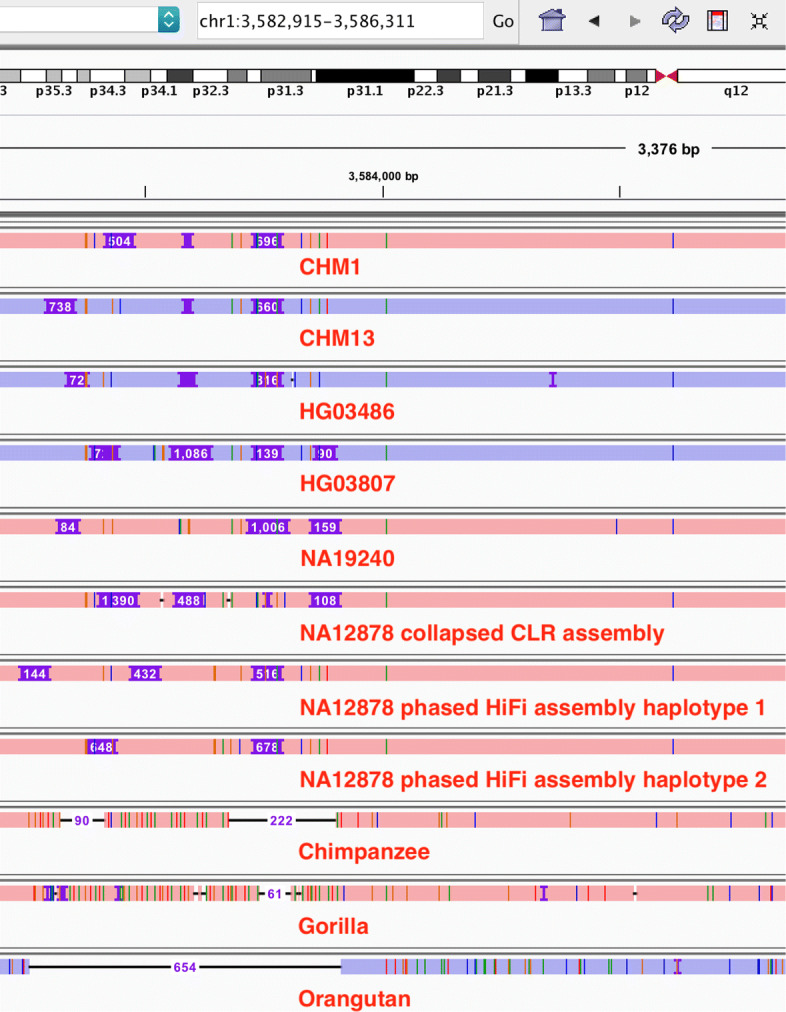
“We manually inspected tens of differences in IGV [42] and identified two causes.”
MethodMinimap2: Pairwise alignment for nucleotide sequences
Li, H. (2018) · Bioinformatics · doi:10.1093/bioinformatics/bty191 · Cited by 14,807 · cited 3×
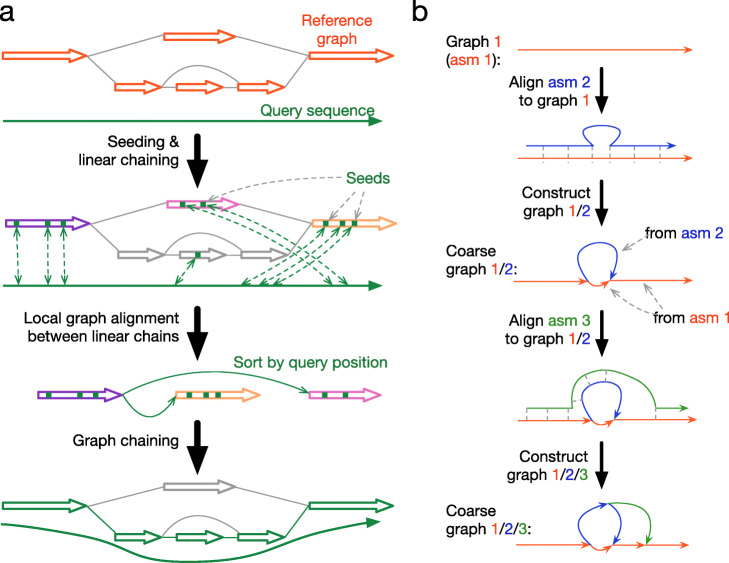
“As existing sequence-to-graph aligners [38, 39] do not work with chromosomelong query sequences, we adapted minimap2 [40] for our purpose and implemented minigraph (Fig.”
BackgroundMethodInfluentialSelf-citationA framework for variation discovery and genotyping using next-generation DNA sequencing data
DePristo, M. A., Banks, E., Poplin, R., Garimella, K. V., Maguire, J. R., Hartl, C., Philippakis, A. A., del Angel, G., Rivas, M. A., Hanna, M., et al. (2011) · Nature Genetics · doi:10.1038/ng.806 · Cited by 11,456 · cited 1×
“1.2 [46].”
InfluentialUsing RepeatMasker to Identify Repetitive Elements in Genomic Sequences
Tarailo‐Graovac, M., & Chen, N. (2009) · Current Protocols in Bioinformatics · doi:10.1002/0471250953.bi0410s25 · Cited by 3,398
Wenger, A. M., Peluso, P., Rowell, W. J., Chang, P.-C., Hall, R. J., Concepcion, G. T., Ebler, J., Fungtammasan, A., Kolesnikov, A., Olson, N. D., et al. (2019) · Nature Biotechnology · doi:10.1038/s41587-019-0217-9 · Cited by 1,841 · cited 1×
“iting factor in our understanding of genetic variations. Meanwhile, the advances in long-read sequencing technologies make it possible to assemble a human individual to a quality comparable to GRCh38 [1,5]. There are already a dozen of high-quality human assemblies available in GenBank [6]. Properly integrating these…”
BackgroundSelf-citationThe ENCODE Blacklist: Identification of Problematic Regions of the Genome
Amemiya, H. M., Kundaje, A., & Boyle, A. P. (2019) · Scientific Reports · doi:10.1038/s41598-019-45839-z · Cited by 1,831 · cited 1×
“We constructed a human pangenome graph excluding CHM1 and CHM13, the two samples used in the SynDip benchmark [4], and generated regions around variations (see Methods), which we call as blacklist regions, following the rationale in [45].”
MethodMissing heritability and strategies for finding the underlying causes of complex disease
Eichler, E. E., Flint, J., Gibson, G., Kong, A., Leal, S. M., Moore, J. H., & Nadeau, J. H. (2010) · Nature Reviews Genetics · doi:10.1038/nrg2809 · Cited by 1,687 · cited 1×
“Some of these variants are likely associated with phenotype [3] but are often missed or misinterpreted when we map sequence data to GRCh38, in particular with short reads [4].”
BackgroundHigh-quality draft assemblies of mammalian genomes from massively parallel sequence data
Gnerre, S., MacCallum, I., Przybylski, D., Ribeiro, F. J., Burton, J. N., Walker, B. J., Sharpe, T., Hall, G., Shea, T. P., Sykes, S., et al. (2011) · Proceedings of the National Academy of Sciences · doi:10.1073/pnas.1017351108 · Cited by 1,533 · cited 1×
“In a de Bruijn graph, we often attach sequences to edges instead of vertices [36, 37].”
BackgroundMinimap and miniasm: fast mapping and de novo assembly for noisy long sequences
Li, H. (2016) · Bioinformatics · doi:10.1093/bioinformatics/btw152 · Cited by 1,508 · cited 6×
“As there are no text formats for sequence-to-graph alignment, we propose a new Graphical mApping Format (GAF) by extending the Pairwise mApping Format (PAF) [35].”
BackgroundMethodInfluentialSelf-citation
Cited by
Haplotype-resolved de novo assembly using phased assembly graphs with hifiasm
Cheng, H., Concepcion, G. T., Feng, X., Zhang, H., & Li, H. (2021) · Nature Methods · doi:10.1038/s41592-020-01056-5 · Cited by 5,859
Self-citationThe complete sequence of a human genome
Nurk, S., Koren, S., Rhie, A., Rautiainen, M., Bzikadze, A. V., Mikheenko, A., Vollger, M. R., Altemose, N., Uralsky, L., Gershman, A., et al. (2022) · Science · doi:10.1126/science.abj6987 · Cited by 3,136
Self-citationNew strategies to improve minimap2 alignment accuracy
Li, H. (2021) · Bioinformatics · doi:10.1093/bioinformatics/btab705 · Cited by 1,236
“This has inspired new chaining algorithms (Li et al., 2020; Ren and Chaisson, 2021) which are not integrated into minimap2.”
MethodSelf-citationA draft human pangenome reference.
Liao, W.-W., Asri, M., Ebler, J., Doerr, D., Haukness, M., Hickey, G., Lu, S., Lucas, J. K., Monlong, J., Abel, H. J., et al. (2023) · Nature · doi:10.1038/s41586-023-05896-x · Cited by 1,129
“The SV sites were then annotated as described in the Methods section of minigraph paper (Li et al., 2020).”
BackgroundMethodInfluentialSelf-citationPlant pan-genomes are the new reference
Bayer, P. E., Golicz, A. A., Scheben, A., Batley, J., & Edwards, D. (2020) · Nature Plants · doi:10.1038/s41477-020-0733-0 · Cited by 550
Graph pangenome captures missing heritability and empowers tomato breeding
Zhou, Y., Zhang, Z., Bao, Z., Li, H., Lyu, Y., Zan, Y., Wu, Y., Cheng, L., Fang, Y., Wu, K., et al. (2022) · Nature · doi:10.1038/s41586-022-04808-9 · Cited by 511
Self-citationThe Human Pangenome Project: a global resource to map genomic diversity
Wang, T., Antonacci-Fulton, L., Howe, K., Lawson, H. A., Lucas, J. K., Phillippy, A. M., Popejoy, A. B., Asri, M., Carson, C., Chaisson, M. J. P., et al. (2022) · Nature · doi:10.1038/s41586-022-04601-8 · Cited by 494
Self-citationPangenomics enables genotyping of known structural variants in 5202 diverse genomes
Sirén, J., Monlong, J., Chang, X., Novak, A. M., Eizenga, J. M., Markello, C., Sibbesen, J. A., Hickey, G., Chang, P.-C., Carroll, A., et al. (2021) · Science · doi:10.1126/science.abg8871 · Cited by 400
“ForSVs,andforparticularlylargeinser-tions,weandothershaveshownthatthe benefitsofpangenomesforgenotypingare notmerelyincrementalbuttransformative ( 8 , 39 , 44 ).”
BackgroundMethodA super pan-genomic landscape of rice
Shang, L., Li, X., He, H., Yuan, Q., Song, Y., Wei, Z., Lin, H., Hu, M., Zhao, F., Zhang, C., et al. (2022) · Cell Research · doi:10.1038/s41422-022-00685-z · Cited by 369
Segmental duplications and their variation in a complete human genome
Vollger, M. R., Guitart, X., Dishuck, P. C., Mercuri, L., Harvey, W. T., Gershman, A., Diekhans, M., Sulovari, A., Munson, K. M., Lewis, A. P., et al. (2022) · Science · doi:10.1126/science.abj6965 · Cited by 350
“To better represent the structural genetic variation at this locus, we used a graph-based representation (61), which identified two TBC1D3 genes as common among all human haplotypes examined thus far (TBC1D3B at site 1 and TBC1D3A at site 2).”
MethodPangenome graph construction from genome alignments with Minigraph-Cactus
Hickey, G., Monlong, J., Ebler, J., Novak, A. M., Eizenga, J. M., Gao, Y., Human Pangenome Reference Consortium, Abel, H. J., Antonacci-Fulton, L. L., Asri, M., et al. (2024) · Nature Biotechnology · doi:10.1038/s41587-023-01793-w · Cited by 343
“…needed to be constructed from variant calls against a reference 3,6,32 and, therefore, unable to properly represent nested variation while still suffering from some reference bias, or they were limited to only SVs 16 and unable to effectively be used for short-read mapping with current tools 6 .”
Self-citationTowards population-scale long-read sequencing
De Coster, W., Weissensteiner, M. H., & Sedlazeck, F. J. (2021) · Nature Reviews Genetics · doi:10.1038/s41576-021-00367-3 · Cited by 323
“However, some conceptual challenges remain, such as the representation of nested and highly complex variation 97 .”
BackgroundGarrison, E., Guarracino, A., Heumos, S., Villani, F., Bao, Z., Tattini, L., Hagmann, J., Vorbrugg, S., Marco-Sola, S., Kubica, C., et al. (2024) · Nature Methods · doi:10.1038/s41592-024-02430-3 · Cited by 277
“However, existing methods for constructing pangenome graphs [7, 8] are biased due to their reference and tree-guided approaches [5, 9], which can lead to incomplete and unstable representations of genetic variation [10].”
Long-read mapping to repetitive reference sequences using Winnowmap2
Jain, C., Rhie, A., Hansen, N. F., Koren, S., & Phillippy, A. M. (2022) · Nature Methods · doi:10.1038/s41592-022-01457-8 · Cited by 267
GraphAligner: rapid and versatile sequence-to-graph alignment
Rautiainen, M., & Marschall, T. (2020) · Genome Biology · doi:10.1186/s13059-020-02157-2 · Cited by 242
Curated variation benchmarks for challenging medically relevant autosomal genes
Wagner, J., Olson, N. D., Harris, L., McDaniel, J., Cheng, H., Fungtammasan, A., Hwang, Y.-C., Gupta, R., Wenger, A. M., Rowell, W. J., et al. (2022) · Nature Biotechnology · doi:10.1038/s41587-021-01158-1 · Cited by 241
Self-citationExtensive variation within the pan-genome of cultivated and wild sorghum
Tao, Y., Luo, H., Xu, J., Cruickshank, A., Zhao, X., Teng, F., Hathorn, A., Wu, X., Liu, Y., Shatte, T., et al. (2021) · Nature Plants · doi:10.1038/s41477-021-00925-x · Cited by 231
Genome assembly in the telomere-to-telomere era
Li, H., & Durbin, R. (2024) · Nature Reviews Genetics · doi:10.1038/s41576-024-00718-w · Cited by 224
“It then simplifies the initial graph with the same algorithm for constructing multiple DBGs. Hifiasm instead performs ultra-long-to-graph alignment with an algorithm similar to minigraph 108 .”
Self-citationScalable telomere-to-telomere assembly for diploid and polyploid genomes with double graph
Cheng, H., Asri, M., Lucas, J., Koren, S., & Li, H. (2024) · Nature Methods · doi:10.1038/s41592-024-02269-8 · Cited by 222
Self-citationODGI: understanding pangenome graphs
Guarracino, A., Heumos, S., Nahnsen, S., Prins, P., & Garrison, E. (2022) · Bioinformatics · doi:10.1093/bioinformatics/btac308 · Cited by 195
Yang, T., Liu, R., Luo, Y., Hu, S., Wang, D., Wang, C., Pandey, M. K., Ge, S., Xu, Q., Li, N., et al. (2022) · Nature Genetics · doi:10.1038/s41588-022-01172-2 · Cited by 191
A pangenome reference of 36 Chinese populations
Gao, Y., Yang, X., Chen, H., Tan, X., Yang, Z., Deng, L., Wang, B., Kong, S., Li, S., Cui, Y., et al. (2023) · Nature · doi:10.1038/s41586-023-06173-7 · Cited by 176
Structural variation in the pangenome of wild and domesticated barley
Jayakodi, M., Lu, Q., Pidon, H., Rabanus‐Wallace, M. T., Bayer, M., Lux, T. M., Guo, Y., Jaegle, B., Badea, A., Bekele, W. A., et al. (2024) · Nature · doi:10.1038/s41586-024-08187-1 · Cited by 213
“11 and Supplementary Tables 20 and 21).”
Plant pan-genomics and its applications
Shi, J., Tian, Z., Lai, J., & Huang, X. (2023) · Molecular Plant · doi:10.1016/j.molp.2022.12.009 · Cited by 160
Variant calling and benchmarking in an era of complete human genome sequences
Olson, N. D., Wagner, J., Dwarshuis, N. J., Miga, K. H., Sedlazeck, F. J., Salit, M., & Zook, J. M. (2023) · Nature Reviews Genetics · doi:10.1038/s41576-023-00590-0 · Cited by 181
“…along with refined graph-based variant-calling methods (Giraffe-DeepVariant) 108 and genotype inference methods (PanGenie) 107 , enabled further improvements in variant calling, particularly for large indels, SVs, highly polymorphic regions and regions with errors in the GRCh38 reference 107–109 .”
MethodKolmogorov, M., Billingsley, K. J., Mastoras, M., Meredith, M., Monlong, J., Lorig-Roach, R., Asri, M., Jerez, P. Á., Malik, L., Dewan, R., et al. (2023) · Nature Methods · doi:10.1038/s41592-023-01993-x · Cited by 158
The pan-genome and local adaptation of Arabidopsis thaliana
Kang, M., Wu, H., Liu, H., Liu, W., Zhu, M., Han, Y., Liu, W., Chen, C., Song, Y., Tan, L., et al. (2023) · Nature Communications · doi:10.1038/s41467-023-42029-4 · Cited by 155
The Need for a Human Pangenome Reference Sequence
Miga, K. H., & Wang, T. (2021) · Annual Review of Genomics and Human Genetics · doi:10.1146/annurev-genom-120120-081921 · Cited by 137
Recombination between heterologous human acrocentric chromosomes
Guarracino, A., Buonaiuto, S., de Lima, L. G., Potapova, T., Rhie, A., Koren, S., Rubinstein, B., Fischer, C., Human Pangenome Reference Consortium, Abel, H. J., et al. (2023) · Nature · doi:10.1038/s41586-023-05976-y · Cited by 134
“However, due to the high cost of the all-to-all alignment problem, current approaches for building pangenome graphs are progressive, and construct the graph by serial or phylogeny-guided incremental inclusion of genomes in the PVG (28,29).”
BackgroundSelf-citationStructural variation in 1,019 diverse humans based on long-read sequencing
Schloissnig, S., Pani, S., Ebler, J., Hain, C., Tsapalou, V., Söylev, A., Hüther, P., Ashraf, H., Prodanov, T., Asparuhova, M., et al. (2025) · Nature · doi:10.1038/s41586-025-09290-7 · Cited by 177
Plant pan-genomics: recent advances, new challenges, and roads ahead
Li, W., Liu, J., Zhang, H., Liu, Z., Wang, Y., Xing, L., He, Q., & Du, H. (2022) · Journal of genetics and genomics/Journal of Genetics and Genomics · doi:10.1016/j.jgg.2022.06.004 · Cited by 134
The European Variation Archive: a FAIR resource of genomic variation for all species
Cezard, T., Cunningham, F. M., Hunt, S. E., Koylass, B., Kumar, N., Saunders, G. I., Shen, A., Silva, A. F., Tsukanov, K., Venkataraman, S., et al. (2021) · Nucleic Acids Research · doi:10.1093/nar/gkab960 · Cited by 173
“We are seeing the emergence of graph-based genome representations to efficiently store and represent collections of variants and genomes of related individuals or strains (20).”
BackgroundA sheep pangenome reveals the spectrum of structural variations and their effects on tail phenotypes
Li, R., Gong, M., Zhang, X., Wang, F., Liu, Z., Zhang, L., Yang, Q., Xu, Y., Xu, M., Zhang, H., et al. (2023) · Genome Research · doi:10.1101/gr.277372.12 · Cited by 126
“PDGFD is rec- ognizedasthemostplausiblecandidategeneforthefat-tailpheno-type in recent studies (Dong et al. 2020; Li et al. 2020b).”
InfluentialBuilding pan-genome infrastructures for crop plants and their use in association genetics
Jayakodi, M., Schreiber, M., Stein, N., & Mascher, M. (2021) · DNA Research · doi:10.1093/dnares/dsaa030 · Cited by 135
Reference flow: reducing reference bias using multiple population genomes
Chen, N.-C., Solomon, B., Mun, T., Iyer, S., & Langmead, B. (2021) · Genome biology · doi:10.1186/s13059-020-02229-3 · Cited by 139
A pangenome reference of wild and cultivated rice
Guo, D., Li, Y., Lu, H., Zhao, Y., Kurata, N., Wei, X., Wang, A., Wang, Y., Zhan, Q., Fan, D., et al. (2025) · Nature · doi:10.1038/s41586-025-08883-6 · Cited by 141
Genomic investigation of 18,421 lines reveals the genetic architecture of rice
Wei, X., Chen, M., Zhang, Q. L., Gong, J., Liu, J., Yong, K., Wang, Q., Fan, J., Chen, S., Hua, H., et al. (2024) · Science · doi:10.1126/science.adm8762 · Cited by 120
Chu, C., Borges-Monroy, R., Viswanadham, V., Lee, S., Li, H., Lee, E. A., & Park, P. J. (2021) · Nature Communications · doi:10.1038/s41467-021-24041-8 · Cited by 128
“6) (Zook et al. 2020) with all >50bp insertion calls from the haplotype-resolved assembly (Li et al. 2020) into one call set.”
BackgroundSelf-citationPlant pan-genomics comes of age
Lei, L., Goltsman, E., Goodstein, D., Wu, G. A., Rokhsar, D. S., & Vogel, J. P. (2021) · Annual Review of Plant Biology · doi:10.1146/annurev-arplant-080720-105454 · Cited by 102
SVision: a deep learning approach to resolve complex structural variants
Lin, J., Wang, S., Audano, P. A., Meng, D., Flores, J. I., Kosters, W. A., Yang, X., Jia, P., Marschall, T., Beck, C. R., et al. (2022) · Nature Methods · doi:10.1038/s41592-022-01609-w · Cited by 115
Novel Functional Sequences Uncovered through a Bovine Multiassembly Graph
Crysnanto, D., Leonard, A. S., Fang, Z.-H., & Pausch, H. (2021) · Proceedings of the National Academy of Sciences · doi:10.1073/pnas.2101056118 · Cited by 96
The rise and fall of genes: origins and functions of plant pathogen pangenomes
Badet, T., & Croll, D. (2020) · Current Opinion in Plant Biology · doi:10.1016/j.pbi.2020.04.009 · Cited by 100
Garrison, E., & Guarracino, A. (2023) · Bioinformatics · doi:10.1093/bioinformatics/btac743 · Cited by 95
Zanini, S. F., Bayer, P. E., Wells, R., Snowdon, R. J., Batley, J., Varshney, R. K., Nguyen, H. T., Edwards, D., & Golicz, A. A. (2021) · The Plant Genome · doi:10.1002/tpg2.20177 · Cited by 104
“Minigraph can be used to generate graphs from assembled genomes, map sequences to graphs, and call structural variants (Li et al., 2020).”
BackgroundMethodBoatwright, J. L., Sapkota, S., Jin, H., Schnable, J. C., Brenton, Z. W., Boyles, R. E., & Kresovich, S. (2022) · The Plant Journal · doi:10.1111/tpj.15853 · Cited by 103
“While some pan-genomic tools utilize pairwise alignment of multiple reference genomes to generate a pan-genome (Li et al., 2020), the iterative alignment of reference genomes can result in a biased pan-genome (Hickey et al., 2020).”
Open problems in human trait genetics
Brandes, N., Weissbrod, O., & Linial, M. (2022) · Genome Biology · doi:10.1186/s13059-022-02697-9 · Cited by 83
“Another long-standing idea is to represent genomes as graphs of haplotypes [100].”
BackgroundTelomere-to-telomere Citrullus super-pangenome provides direction for watermelon breeding
Zhang, Y., Zhao, M., Tan, J., Huang, M., Chu, X., Li, Y., Han, X., Fang, T., Tian, Y., Jarret, R. L., et al. (2024) · Nature Genetics · doi:10.1038/s41588-024-01823-6 · Cited by 92
“Using the genome of 26 watermelon accessions reassembled in this study, a graphical pangenome was created via minigraph 106 .”
MethodHaplotype-aware pantranscriptome analyses using spliced pangenome graphs
Sibbesen, J. A., Eizenga, J. M., Novak, A. M., Sirén, J., Chang, X., Garrison, E., & Paten, B. (2023) · Nature Methods · doi:10.1038/s41592-022-01731-9 · Cited by 83
“Constructing these graphs is currently an area of active research [62, 63].”
BackgroundNear telomere-to-telomere genome of the model plant Physcomitrium patens
Bi, G., Zhao, S., Yao, J., Wang, H., Zhao, M., Sun, Y., Hou, X., Haas, F. B., Varshney, D., Prigge, M. J., et al. (2024) · Nature Plants · doi:10.1038/s41477-023-01614-7 · Cited by 89
Leonard, A. S., Crysnanto, D., Fang, Z.-H., Heaton, M. P., Vander Ley, B. L., Herrera, C., Bollwein, H., Bickhart, D. M., Kuhn, K. L., Smith, T. P. L., et al. (2022) · Nature Communications · doi:10.1038/s41467-022-30680-2 · Cited by 80
Pangenome graphs and their applications in biodiversity genomics
Secomandi, S., Gallo, G. R., Rossi, R., Fernandes, C., Jarvis, E. D., Bonisoli‐Alquati, A., Gianfranceschi, L., & Formenti, G. (2025) · Nature Genetics · doi:10.1038/s41588-024-02029-6 · Cited by 100
“MC implements minigraph 61 , a sequence-to-graph aligner, as a graph constructor.”
InfluentialTelomere-to-telomere assembly using HERRO-corrected Nanopore Simplex reads
Stanojević, D., Lin, D., Nurk, S., de Sessions, P. F., & Šikić, M. (2026) · Nature · doi:10.1038/s41586-026-10563-y · Cited by 88
MONI: A Pangenomic Index for Finding Maximal Exact Matches
Rossi, M., Oliva, M., Langmead, B., Gagie, T., & Boucher, C. A. (2022) · Journal of Computational Biology · doi:10.1089/cmb.2021.0290 · Cited by 107
“…as MONI, from the Finnish for ‘‘multi,’’ since our ultimate intention is to index and use multiple genomes as a reference, whereas other approaches are to pangenomic (Garrison et al., 2018; Li et al., 2020; Maarala et al., 2020) index models of genomic databases, but not the databases themselves.”
Bayer, P. E., Petereit, J., Durant, É., Monat, C., Rouard, M., Hu, H., Chapman, B., Li, C., Cheng, S., Batley, J., et al. (2022) · The Plant Genome · doi:10.1002/tpg2.20221 · Cited by 82
Diversity and consequences of structural variation in the human genome
Collins, R. L., & Talkowski, M. E. (2025) · Nature Reviews Genetics · doi:10.1038/s41576-024-00808-9 · Cited by 105
Hassan, S., Bahar, R., Johan, M. F., Hashim, E. K. M., Abdullah, W. Z., Esa, E., Hamid, F. S. A., & Zulkafli, Z. B. (2023) · Diagnostics · doi:10.3390/diagnostics13030373 · Cited by 76
“A pangenome integrates whole-genome sequences from multiple individuals to represent genetic diversity [142,143].”
BackgroundWold, J., Koepfli, K., Galla, S. J., Eccles, D., Hogg, C. J., Lec, M. F. L., Guhlin, J. G., Santure, A. W., & Steeves, T. E. (2021) · Molecular Ecology · doi:10.1111/mec.16141 · Cited by 82
StellarPGx: A Nextflow Pipeline for Calling Star Alleles in Cytochrome P450 Genes
Twesigomwe, D., Drögemöller, B. I., Wright, G. E. B., Siddiqui, A., da Rocha, J., Lombard, Z., & Hazelhurst, S. (2021) · Clinical Pharmacology & Therapeutics · doi:10.1002/cpt.2173 · Cited by 76
A gentle introduction to pangenomics
Matthews, C., Watson‐Haigh, N. S., Burton, R. A., & Sheppard, A. E. (2024) · Briefings in Bioinformatics · doi:10.1093/bib/bbae588 · Cited by 78
Systematic benchmark of ancient DNA read mapping
Oliva, A., Tobler, R., Cooper, A., Llamas, B., & Souilmi, Y. (2021) · Briefings in Bioinformatics · doi:10.1093/bib/bbab076 · Cited by 63
Kale, S. M., Schulthess, A. W., Padmarasu, S., Boeven, P. H. G., Schacht, J., Himmelbach, A., Steuernagel, B., Wulff, B. B. H., Reif, J. C., Stein, N., et al. (2022) · Plant Biotechnology Journal · doi:10.1111/pbi.13843 · Cited by 68
“9 (Li et al., 2009) and then the sorting was carried out using NovoSort (V3.”
MethodEvolutionary origin of genomic structural variations in domestic yaks
Liu, X., Liu, W., Lenstra, J. A., Zheng, Z., Wu, X., Jiao, Y., Li, B., Yang, Y. P., Qiu, Q., Liu, H., et al. (2023) · Nature Communications · doi:10.1038/s41467-023-41220-x · Cited by 80
“5-r234) 25 was used to derive the structuralvariants from the multi-assembly graph for assemblies.”
InfluentialComputational graph pangenomics: a tutorial on data structures and their applications
Baaijens, J. A., Bonizzoni, P., Boucher, C. A., Vedova, G. D., Pirola, Y., Rizzi, R., & Sirén, J. (2022) · Natural Computing · doi:10.1007/s11047-022-09882-6 · Cited by 92
Visualizing metagenomic and metatranscriptomic data: A comprehensive review
Aplakidou, E., Vergoulidis, N., Chasapi, M. N., Venetsianou, N. K., Kokoli, M., Panagiotopoulou, E., Iliopoulos, I., Karatzas, E., Pafilis, E., Georgakopoulos‐Soares, I., et al. (2024) · Computational and Structural Biotechnology Journal · doi:10.1016/j.csbj.2024.04.060 · Cited by 74
“Other relevant tools include PanGP [205], Roary [206], Panseq [207], Pan-GraphViewer [112], Pantools [142], Bifrost [143], PanGenome Graph Builder [144], Minigraph-Cactus [146], and TwoPaCo [145].”
MethodA survey of mapping algorithms in the long-reads era
Sahlin, K., Baudeau, T., Cazaux, B., & Marchet, C. (2023) · Genome biology · doi:10.1186/s13059-023-02972-3 · Cited by 75
“Recently, [59] integrated a solution designed for mapping long structural variants in pangenomic graphs [61].”
BackgroundProfiling variable-number tandem repeat variation across populations using repeat-pangenome graphs
Lu, T.-Y., The Human Genome Structural Variation Consortium, Munson, K. M., Lewis, A. P., Zhu, Q., Tallon, L. J., Devine, S. E., Lee, C., Eichler, E. E., & Chaisson, M. J. P. (2021) · Nature Communications · doi:10.1038/s41467-021-24378-0 · Cited by 64
Graph-based pan-genomes: increased opportunities in plant genomics
Wang, S., Qian, Y.-Q., Zhao, R.-P., Chen, L., & Song, J. (2022) · Journal of Experimental Botany · doi:10.1093/jxb/erac412 · Cited by 68
Comparing methods for constructing and representing human pangenome graphs
Andreace, F., Lechat, P., Dufresne, Y., & Chikhi, R. (2023) · Genome biology · doi:10.1186/s13059-023-03098-2 · Cited by 76
“Min-igraph [14] builds a particular type of pangenome graph by aligning sequences in an iterative way to a reference template.”
BackgroundMethodCrysnanto, D., & Pausch, H. (2020) · Genome Biology · doi:10.1186/s13059-020-02105-0 · Cited by 60
Smith, T. P. L., Bickhart, D. M., Boichard, D., Chamberlain, A. J., Djikeng, A., Jiang, Y., Low, W. Y., Pausch, H., Demyda-Peyrás, S., Prendergast, J., et al. (2023) · Genome biology · doi:10.1186/s13059-023-02975-0 · Cited by 57
“The most robust pangenome representations have resulted from independent de novo assembly and whole-genome alignment [26, 34] as demonstrated by a comparison of approaches to the same dataset [35].”
BackgroundMérot, C., Stenløkk, K., Venney, C. J., Laporte, M., Moser, M., Normandeau, É., Árnyasi, M., Kent, M., Rougeux, C., Flynn, J. M., et al. (2022) · Molecular Ecology · doi:10.1111/mec.16468 · Cited by 67
“(i) We built a genome-graph with the two assemblies using mini - graph (Li et al., 2020) with the - xggs options and retrieved SVs in bed format with gfatools - bubble .”
MethodGraph construction method impacts variation representation and analyses in a bovine super-pangenome
Leonard, A. S., Crysnanto, D., Mapel, X. M., Bhati, M., & Pausch, H. (2023) · Genome Biology · doi:10.1186/s13059-023-02969-y · Cited by 57
The phased pan-genome of tetraploid European potato
Sun, H., Tusso, S., Dent, C., Goel, M., Wijfjes, R. Y., Correa-Baus, L., Xiao, D., Campoy, J. A., Kurdadze, A., Walkemeier, B., et al. (2025) · Nature · doi:10.1038/s41586-025-08843-0 · Cited by 61
“Further haplotypes were iteratively incorporated using alignments against the haplotypes that were already included in the pan-genome using minigraph (v.0.20-r55966) 27 with parameters ‘-cxggs -t 20’.”
InfluentialChin, C.-S., Behera, S., Khalak, A., Sedlazeck, F. J., Sudmant, P. H., Wagner, J., & Zook, J. M. (2023) · Nature Methods · doi:10.1038/s41592-023-01914-y · Cited by 54
“Many of the recently developed pangenome analysis tools allow graph analysis at the whole-genome level 22–24 .”
BackgroundQi, W., Lim, Y., Patrignani, A., Schläpfer, P., Bratus-Neuenschwander, A., Grüter, S., Chanez, C., Rodde, N., Prat, E., Vautrin, S., et al. (2022) · GigaScience · doi:10.1093/gigascience/giac028 · Cited by 59
“Technically, large SVs are a frequent source of errors in aligning short Illumina reads, which may lead to misinterpretation of data [49].”
Cali, D. S., Kanellopoulos, K., Lindegger, J., Bingöl, Z., Kalsi, G. S., Zuo, Z., Fırtına, C., Cavlak, M. B., Kim, J. S., Ghiasi, N. M., et al. (2022) · Proceedings - International Symposium on Computer Architecture/Proceedings · doi:10.1145/3470496.3527436 · Cited by 85
“towards using genome graphs [36, 51, 54, 56, 61, 62, 65, 66, 124, 125] to more accurately express the genetic diversity in a population.”
MethodResultInfluentialRice, E. S., Alberdi, A., Alfieri, J. M., Athrey, G., Balacco, J., Bardou, P., Blackmon, H., Charles, M., Cheng, H. H., Fedrigo, O. D., et al. (2023) · BMC Biology · doi:10.1186/s12915-023-01758-0 · Cited by 66
Plant pangenomics, current practice and future direction
Hu, H., Wang, J., Nie, S., Zhao, J., Batley, J., & Edwards, D. (2024) · Agriculture Communications · doi:10.1016/j.agrcom.2024.100039 · Cited by 73
Beyond the Human Genome Project: The Age of Complete Human Genome Sequences and Pangenome References
Taylor, D. J., Eizenga, J. M., Li, Q., Das, A., Jenike, K. M., Kenny, E. E., Miga, K. H., Monlong, J., McCoy, R. C., Paten, B., et al. (2024) · Annual Review of Genomics and Human Genetics · doi:10.1146/annurev-genom-021623-081639 · Cited by 81
“Many graph manipulations and analyses are implemented in toolkits like vg (52), odgi (64), and gfatools (89).”
BackgroundMethodWhat Are We Learning from Plant Pangenomes?
Jayakodi, M., Shim, H., & Mascher, M. (2024) · Annual Review of Plant Biology · doi:10.1146/annurev-arplant-090823-015358 · Cited by 60
Pangenome graphs improve the analysis of structural variants in rare genetic diseases
Groza, C., Schwendinger-Schreck, C., Cheung, W., Farrow, E., Thiffault, I., Lake, J. A., Rizzo, W. B., Evrony, G. D., Curran, T., Bourque, G., et al. (2024) · Nature Communications · doi:10.1038/s41467-024-44980-2 · Cited by 61
“20 (r559) 13 with base-level alignments to build the genome graph with the command “ minigraph -cxggs -t16 chm13v2.fa hg38.fa sample1.fa sample2.fa … sample668.fa > graph.gfa ” .”
MethodThe role of pangenomics in orphan crop improvement
Hu, H., Zhao, J., Thomas, W. J. W., Batley, J., & Edwards, D. (2025) · Nature Communications · doi:10.1038/s41467-024-55260-4 · Cited by 60
Naithani, S., Deng, C. H., Sahu, S. K., & Jaiswal, P. (2023) · Biomolecules · doi:10.3390/biom13091403 · Cited by 55
“Tool for graph construction, mapping, and variant calling [72].”
MethodPanacus: fast and exact pangenome growth and core size estimation
Parmigiani, L., Garrison, E. P., Stoye, J., Marschall, T., & Doerr, D. (2024) · Bioinformatics · doi:10.1093/bioinformatics/btae720 · Cited by 52
“While plenty of tools are available to manipulate sequence graphs, e.g. gfatools (Li et al. 2020) or gfastats (Formenti et al. 2022), pangenome graphs are less represented.”
The motif composition of variable number tandem repeats impacts gene expression
Lu, T.-Y. T., Smaruj, P. N., Fudenberg, G., Mancuso, N., & Chaisson, M. (2023) · Genome Research · doi:10.1101/gr.276768.122 · Cited by 54
“However, variant calling remains challenging for multiallelic VNTR regions as the position of calls varies (Li et al. 2020); an extra processing step is needed to reveal the multiallelic property of a locus.”
BackgroundMethodInfluentialDai, X., Bian, P., Hu, D., Luo, F., Huang, Y., Jiao, S., Wang, X., Gong, M., Li, R., Cai, Y., et al. (2023) · Genome Research · doi:10.1101/gr.277481.122 · Cited by 43
“15) (Li et al. 2020) was used to integrate 21 genome assemblies into a multiassembly graph.”
BackgroundMethodInfluentialJiang, Y., Wang, S., Wang, C., Xu, R.-H., Wang, W., Jiang, Y., Wang, M., Jiang, L., Dai, L.-H., Wang, J., et al. (2023) · iScience · doi:10.1016/j.isci.2023.106119 · Cited by 49
Population comparative genomics discovers gene gain and loss during grapevine domestication
Long, Q., Cao, S., Huang, G., Wang, X., Liu, Z., Liu, W., Wang, Y., Xiao, H., Peng, Y., & Zhou, Y. (2024) · PLANT PHYSIOLOGY · doi:10.1093/plphys/kiae039 · Cited by 48
Pangenomes as a Resource to Accelerate Breeding of Under-Utilised Crop Species
Fernandez, C. G. T., Nestor, B. J., Danilevicz, M. F., Gill, M., Petereit, J., Bayer, P. E., Finnegan, P. M., Batley, J., & Edwards, D. (2022) · International Journal of Molecular Sciences · doi:10.3390/ijms23052671 · Cited by 44
“Sequence graphs such as minigraph [85] represent nodes as short sequences, leading to highly complex networks that can present SVs in a manner where they can be compared among closely-related species [85,86].”
BackgroundState-of-the-art genome inference in the human MHC
Dilthey, A. (2020) · The International Journal of Biochemistry & Cell Biology · doi:10.1016/j.biocel.2020.105882 · Cited by 45
Application of long-read sequencing to the detection of structural variants in human cancer genomes
Sakamoto, Y., Zaha, S., Suzuki, Y., Seki, M., & Suzuki, A. (2021) · Computational and Structural Biotechnology Journal · doi:10.1016/j.csbj.2021.07.030 · Cited by 46
“As this remains a pioneering field, no agreed-upon format for a genome graph has been established [94].”
BackgroundTechnological Development and Advances for Constructing and Analyzing Plant Pangenomes
Hu, H., Li, R., Zhao, J., Batley, J., & Edwards, D. (2024) · Genome Biology and Evolution · doi:10.1093/gbe/evae081 · Cited by 41
Exploring gene content with pangene graphs
Li, H., Marin, M. G., & Farhat, M. R. (2024) · Bioinformatics · doi:10.1093/bioinformatics/btae456 · Cited by 46
“Pangene takes a set of protein sequences and multiple genome assemblies as input, and outputs a graph in the Graphical Fragament Assembly format (GFA; Li et al. 2020).”
BackgroundMethodSelf-citationThe developments and prospects of plant super-pangenomes: Demands, approaches, and applications
He, W., Li, X., Qian, Q., & Shang, L. (2024) · Plant Communications · doi:10.1016/j.xplc.2024.101230 · Cited by 44
“This method, supported by tools like minigraph (Li et al., 2020) or minigraph-cactus (Hickey et al., 2024), is much faster than other methods and can effectively identify and integrate large SVs.”
Multiscale pangenome graphs empower the genomic dissection of mixed-ploidy sugarcane species
Huang, Y., Zhang, Y., Zhang, Q., Zhuang, G. H., Li, C., Wang, B., Gao, R., Xu, Y., Qi, Y., Hua, X., et al. (2026) · Science · doi:10.1126/science.adx1616 · Cited by 40
Driguez, P., Bougouffa, S., Carty, K., Putra, A., Jabbari, K., Reddy, M., Soppe, R. W. O., Cheung, M. S., Fukasawa, Y., & Ermini, L. (2021) · Genome biology · doi:10.1186/s13059-021-02475-z · Cited by 43
Marin, M. G., Quinones‐Olvera, N., Wippel, C., Behruznia, M., Jeffrey, B. M., Harris, M., Mann, B., Rosenthal, A., Jacobson, K. R., Warren, R. M., et al. (2025) · Bioinformatics · doi:10.1093/bioinformatics/btaf219 · Cited by 42
Self-citationGBZ file format for pangenome graphs
Sirén, J., & Paten, B. (2022) · Bioinformatics · doi:10.1093/bioinformatics/btac656 · Cited by 35
A chromosome-level reference genome and pangenome for barn swallow population genomics
Secomandi, S., Gallo, G. R., Sozzoni, M., Iannucci, A., Galati, E., Abueg, L. A. L., Balacco, J., Caprioli, M., Chow, W., Ciofi, C., et al. (2023) · Cell Reports · doi:10.1016/j.celrep.2023.111992 · Cited by 45
Genomic variant benchmark: if you cannot measure it, you cannot improve it
Majidian, S., Agustinho, D. P., Chin, C.-S., Sedlazeck, F. J., & Mahmoud, M. (2023) · Genome biology · doi:10.1186/s13059-023-03061-1 · Cited by 38
“Sequencing reads can be aligned into this reference graph [89], which improves the read alignments [80, 90].”
Background
Metadata
- Authors
- Li, H., Feng, X., & Chu, C.
- Affiliations
- Harvard University (US)
- Corresponding author
- Li, Heng
- Venue
- Genome Biology
- Published
- 2020-10-16
- Volume
- 21
- Issue
- 1
- Pages
- 265-265
- ISSN
- 1465-6906 (ISSN-L)
- 1474-760X
- PMC
- PMC7568353
- OpenAlex
- W3092652421
- Semantic Scholar
- 4aa51fbe41e6588e59c8f9f7aaaaac3c83a56019
- Cited by
- 455
- References
- 68
- Citations by year
- 2026: 70 · 2025: 101 · 2024: 93 · 2023: 68 · 2022: 67 · 2021: 50 · 2020: 5
- FWCI
- 15.48
- Type
- journal article
- Language
- en
- Open access
- gold
- doi.org
- Licence
- cc-by
- creativecommons.org/licenses/by/4.0 (tdm)
- creativecommons.org/licenses/by/4.0 (vor)
- Locations
- Genome biology (publishedVersion, cc-by)
- PubMed Central (publishedVersion, cc-by)
- PubMed (publishedVersion)
- DOAJ (DOAJ: Directory of Open Access Journals) (submittedVersion, cc-by-sa)
- Funders
- National Institutes of Health
- National Human Genome Research Institute (U01HG010961, R01HG010040)
- Topics
- Life Sciences › Biochemistry, Genetics and Molecular Biology › Molecular Biology › Genomics and Phylogenetic Studies
- Life Sciences › Biochemistry, Genetics and Molecular Biology › Genetics › Genome Rearrangement Algorithms
- Physical Sciences › Mathematics › Theoretical Computer Science › Algorithms and Data Compression
- Keywords
- pangenome graphs, Minigraph, reference genome, structural variants, graph-based data model, genome assembly, coordinate alignment, chromosomal integration
- MeSH terms
- Animals, Humans, Reference Standards, Genome, Human, Genomics, Genomic Structural Variation
About these checks
Registry, retraction, Cites and statistics results are computed, not judged, with one exception: a printed reference that no index lists is read once by a model before it counts as a citation error. Claims are extracted by a model and kept only when their quote appears verbatim in the text; each cited source is then checked, with a model’s help, for whether it says what the claim relies on. Those verdicts can be wrong — read the claim’s quote and the cited source before relying on one.
Statistics and arithmetic are recomputed, not judged.
Confidence bands are shown only for fields calibrated on our annotated test set. None is calibrated yet, so no band is shown.
What counts as a claim ›How we measure confidence ›How we check this ›
Are you an author, or do you see a problem with this page? Request a review
Data sources
Bibliographic data: Semantic Scholar, OpenAlex, Crossref.
Contains information from the Semantic Scholar Academic Graph Datasets, made available under the ODC Attribution License (ODC-BY 1.0).
Semantic Scholar’s data is described in: Kinney, R., et al. (2023). The Semantic Scholar Open Data Platform. arXiv:2301.10140.
