

The design and construction of reference pangenome graphs with minigraph
Open accessThe DOI matches its Crossref record; 69 of the 69 references it cites were found in a registry or an index.
Abstract
The recent advances in sequencing technologies enable the assembly of individual genomes to the quality of the reference genome. How to integrate multiple genomes from the same species and make the integrated representation accessible to biologists remains an open challenge. Here, we propose a graph-based data model and associated formats to represent multiple genomes while preserving the coordinate of the linear reference genome. We implement our ideas in the minigraph toolkit and demonstrate that we can efficiently construct a pangenome graph and compactly encode tens of thousands of structural variants missing from the current reference genome.
Overview
The claims and statistics of this paper haven’t been checked yet.
Free: it reads the open-access text and checks the first 5 claims that cite a source we can check. Create a free account to check every claim.
Integrity signals
Registry
Cites
Statistics
Figures
Verification
Claims the paper makes
The claims and statistics of this paper haven’t been checked yet.
Free: it reads the open-access text and checks the first 5 claims that cite a source we can check. Create a free account to check every claim.
Claims other papers make about this one
Each is checked against this paper’s own text: does it say what the citing paper says it does?
The source backs part of the claim, not all of it — or backs it for a different population, condition or comparison.
In the citing paper
“Although minigraph can perform base-level alignment since version 0.17, it only includes SVs (≥50 base pairs (bp) by default) during graph construction.”
From Pangenome graph construction from genome alignments with Minigraph-Cactus (2024) · cites this paper as [16]
Experimental — accuracy not yet measuredThe source backs part of the claim, not all of it — or backs it for a different population, condition or comparison.
In the citing paper
“Either the graphs needed to be constructed from variant calls against a reference 3,6,32 and, therefore, unable to properly represent nested variation while still suffering from some reference bias, or they were limited to only SVs 16 and unable to effectively be used for short-read mapping with current tools 6 .”
From Pangenome graph construction from genome alignments with Minigraph-Cactus (2024) · cites this paper as [16]
Experimental — accuracy not yet measured
Self-check
Percentages, sums and reported differences re-computed from the paper’s own numbers.
The self-check needs the paper’s full text.
Citations
Cites
The variant call format and VCFtools
Danecek, P., Auton, A., Abecasis, G., Albers, C. A., Banks, E., DePristo, M. A., Handsaker, R. E., Lunter, G., Marth, G. T., Sherry, S. T., et al. (2011) · Bioinformatics · doi:10.1093/bioinformatics/btr330 · Cited by 16,200
Robinson, J. T., Thorvaldsdóttir, H., Winckler, W., Guttman, M., Lander, E. S., Getz, G., & Mesirov, J. P. (2011) · Nature Biotechnology · doi:10.1038/nbt.1754 · Cited by 15,390 · cited 1×
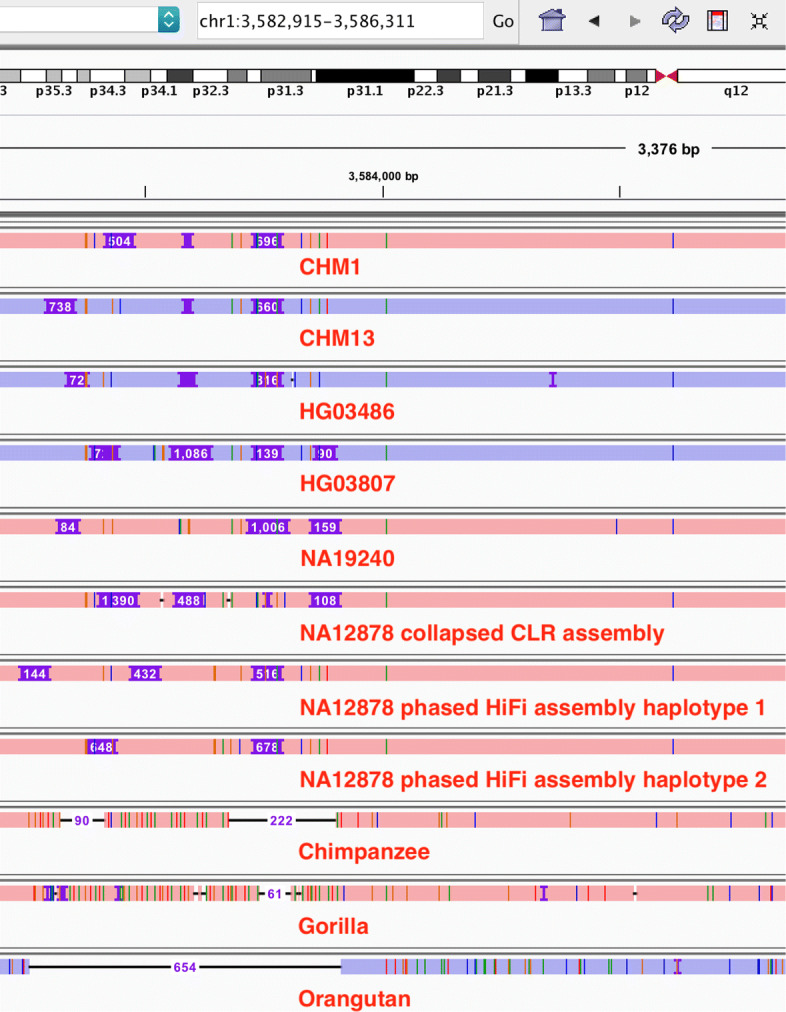
“We manually inspected tens of differences in IGV [42] and identified two causes.”
MethodMinimap2: Pairwise alignment for nucleotide sequences
Li, H. (2018) · Bioinformatics · doi:10.1093/bioinformatics/bty191 · Cited by 14,807 · cited 3×
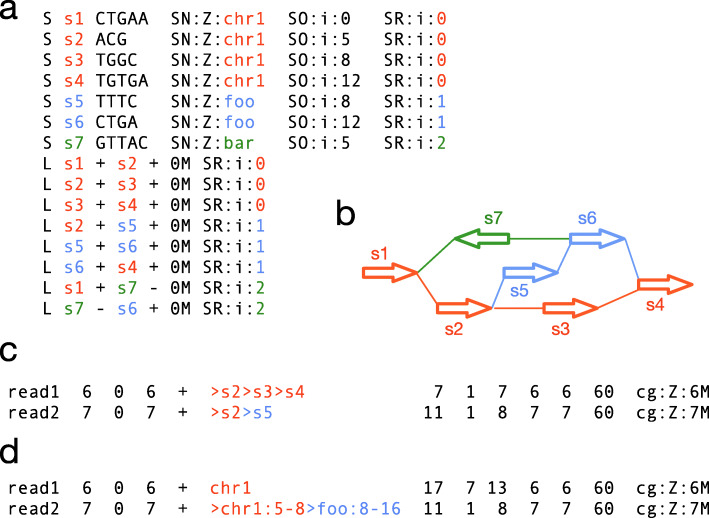
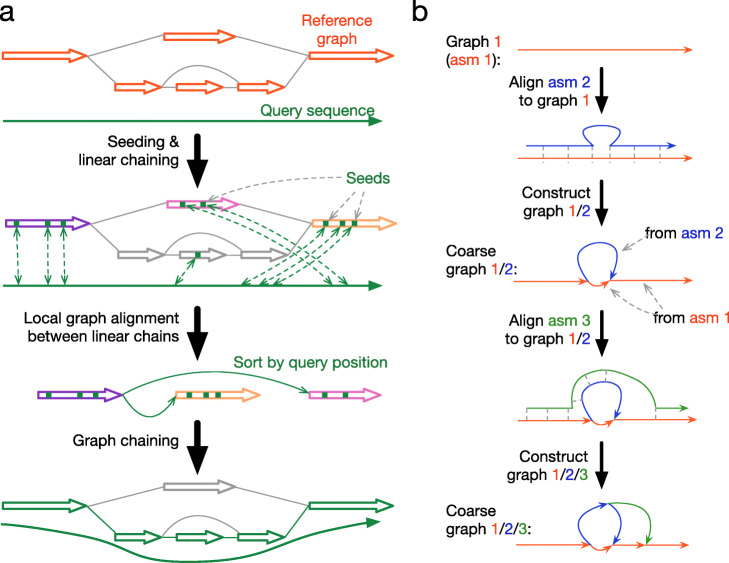
“As existing sequence-to-graph aligners [38, 39] do not work with chromosomelong query sequences, we adapted minimap2 [40] for our purpose and implemented minigraph (Fig.”
BackgroundMethodInfluentialSelf-citationA framework for variation discovery and genotyping using next-generation DNA sequencing data
DePristo, M. A., Banks, E., Poplin, R., Garimella, K. V., Maguire, J. R., Hartl, C., Philippakis, A. A., del Angel, G., Rivas, M. A., Hanna, M., et al. (2011) · Nature Genetics · doi:10.1038/ng.806 · Cited by 11,456 · cited 1×
“1.2 [46].”
InfluentialUsing RepeatMasker to Identify Repetitive Elements in Genomic Sequences
Tarailo‐Graovac, M., & Chen, N. (2009) · Current Protocols in Bioinformatics · doi:10.1002/0471250953.bi0410s25 · Cited by 3,398
Wenger, A. M., Peluso, P., Rowell, W. J., Chang, P.-C., Hall, R. J., Concepcion, G. T., Ebler, J., Fungtammasan, A., Kolesnikov, A., Olson, N. D., et al. (2019) · Nature Biotechnology · doi:10.1038/s41587-019-0217-9 · Cited by 1,841 · cited 1×
“iting factor in our understanding of genetic variations. Meanwhile, the advances in long-read sequencing technologies make it possible to assemble a human individual to a quality comparable to GRCh38 [1,5]. There are already a dozen of high-quality human assemblies available in GenBank [6]. Properly integrating these…”
BackgroundSelf-citationThe ENCODE Blacklist: Identification of Problematic Regions of the Genome
Amemiya, H. M., Kundaje, A., & Boyle, A. P. (2019) · Scientific Reports · doi:10.1038/s41598-019-45839-z · Cited by 1,831 · cited 1×
“We constructed a human pangenome graph excluding CHM1 and CHM13, the two samples used in the SynDip benchmark [4], and generated regions around variations (see Methods), which we call as blacklist regions, following the rationale in [45].”
MethodMissing heritability and strategies for finding the underlying causes of complex disease
Eichler, E. E., Flint, J., Gibson, G., Kong, A., Leal, S. M., Moore, J. H., & Nadeau, J. H. (2010) · Nature Reviews Genetics · doi:10.1038/nrg2809 · Cited by 1,687 · cited 1×
“Some of these variants are likely associated with phenotype [3] but are often missed or misinterpreted when we map sequence data to GRCh38, in particular with short reads [4].”
BackgroundHigh-quality draft assemblies of mammalian genomes from massively parallel sequence data
Gnerre, S., MacCallum, I., Przybylski, D., Ribeiro, F. J., Burton, J. N., Walker, B. J., Sharpe, T., Hall, G., Shea, T. P., Sykes, S., et al. (2011) · Proceedings of the National Academy of Sciences · doi:10.1073/pnas.1017351108 · Cited by 1,533 · cited 1×
“In a de Bruijn graph, we often attach sequences to edges instead of vertices [36, 37].”
BackgroundMinimap and miniasm: fast mapping and de novo assembly for noisy long sequences
Li, H. (2016) · Bioinformatics · doi:10.1093/bioinformatics/btw152 · Cited by 1,508 · cited 6×
“As there are no text formats for sequence-to-graph alignment, we propose a new Graphical mApping Format (GAF) by extending the Pairwise mApping Format (PAF) [35].”
BackgroundMethodInfluentialSelf-citation
Cited by
Items 201–300 of 461
Clinical Bioinformatician Body of Knowledge—Bioinformatics and Software Core
Kadri, S., Craven, K. E., Fussell, A. M., Gee, E. P. S., Jordan, D., Klee, E. W., Krumm, N., Temple‐Smolkin, R., Zehir, A., Zhang, W., et al. (2025) · Journal of Molecular Diagnostics · doi:10.1016/j.jmoldx.2025.04.008 · Cited by 11
Aligning distant sequences to graphs using long seed sketches
Joudaki, A., Meterez, A., Mustafa, H., Koerkamp, R. G., Kahles, A., & Rätsch, G. (2023) · Genome Research · doi:10.1101/gr.277659.123 · Cited by 10
“Notably, we have not applied any seed filtering approaches, such as co-linear chaining [32,8,25,1,29].”
Liu, G. E. (2025) · Journal of Animal Science and Biotechnology · doi:10.1186/s40104-025-01294-7 · Cited by 8
Assembly-free typing of Nanopore and Illumina data through proximity scoring with KMA
Clausen, P. T. L. C., Hallgren, M. B., Overballe‐Petersen, S., Marcelino, V. R., Hasman, H., & Aarestrup, F. M. (2025) · NAR Genomics and Bioinformatics · doi:10.1093/nargab/lqaf116 · Cited by 10
“A similar problem is observed with the second-generation sequence data, where short reads do not always span regions of variation between references, giving rise to the multimapping problem [ 7 , 11 , 12 ].”
Liu, C., Xu, H., Li, Z., Wang, Y., Zhang, J., Qiao, S., & Zhang, H. (2025) · Frontiers in Plant Science · doi:10.3389/fpls.2025.1673637 · Cited by 11
StrainFLAIR : strain-level profiling of metagenomic samples using variation graphs
Silva, K. D., Pons, N., Berland, M., Oñate, F. P., Almeida, M., & Peterlongo, P. (2021) · PeerJ · doi:10.7717/peerj.11884 · Cited by 13
“Such graph representations are well defined, and tools to build and manipulate graphs are under active development (Garrison et al., 2017; Kim et al., 2019; Rakocevic et al., 2019; Li et al., 2020a).”
PanGraphViewer: A Versatile Tool to Visualize Pangenome GraphsPreprint
Yuan, Y., Ka-Kui, R., & Chan, T. (2023) · bioRxiv (Cold Spring Harbor Laboratory) · doi:10.1101/2023.03.30.534931 · Cited by 10
Gao, Y., Yang, L., Kuhn, K. L., Li, W., Zanton, G. I., Bowman, M., Zhao, P., Zhou, Y., Fang, L., Cole, J. B., et al. (2025) · Journal of Advanced Research · doi:10.1016/j.jare.2025.04.014 · Cited by 10
“In the reference graph model of minigraph (v.0.20-r559) [54], each bubble indicates an SV, comprising the start and end nodes of reference sequences as well as the paths that connect them.”
InfluentialChallenges in structural variant calling in low-complexity regions
Qin, Q., & Li, H. (2025) · GigaScience · doi:10.1093/gigascience/giaf154 · Cited by 8
“To look for these LCRs, we ran longdust on all 462 assemblies from HPRC and used the results to annotate variant bubbles in the minigraph graph of these assemblies [10].”
Self-citationPopulation-level structural variant characterization using pangenome graphs
Wang, S., Xu, T., Zhang, P., & Ye, K. (2026) · Nature Genetics · doi:10.1038/s41588-026-02538-6 · Cited by 9
From structural pangenomes to functional panomics in plants
Cochetel, N., & Cantù, D. (2026) · Molecular Biology and Evolution · doi:10.1093/molbev/msag087 · Cited by 11
“Minigraph-Cactus (MC) begins by constructing an SV graph using minigraph (Li et al. 2020; Hickey et al. 2024), followed by alignment of all assemblies to this graph to produce a base-level pangenome (Hickey et al. 2024).”
Benchmarking multi-platform sequencing technologies for human genome assembly
Wang, J., Veldsman, W. P., Fang, X., Huang, Y., Xie, X., Lü, A., & Zhang, L. (2023) · Briefings in Bioinformatics · doi:10.1093/bib/bbad300 · Cited by 7
Genome assembly of wisent (Bison bonasus) uncovers a deletion that likely inactivates the THRSP gene
Bortoluzzi, C., Mapel, X. M., Neuenschwander, S., Janett, F., Pausch, H., & Leonard, A. S. (2024) · Communications Biology · doi:10.1038/s42003-024-07295-y · Cited by 9
“20 69 using “ -cxggs -j 0.2 ” from the fi ve Bos and two Bison species from the synteny analysis, using the Bos taurus taurus reference sequence as back-bone and adding assembliesin order of their mash v2.”
InfluentialEfficient compression of SARS-CoV-2 genome data using Nucleotide Archival Format
Kryukov, K. A., Jin, L., & Nakagawa, S. (2022) · Patterns · doi:10.1016/j.patter.2022.100562 · Cited by 7
“, Li et al.(11)), FASTA format remains widely used in sequence databases.”
A Pangenome Approach to Detect and Genotype TE Insertion Polymorphisms
Groza, C., Bourque, G., & Goubert, C. (2022) · Methods in molecular biology · doi:10.1007/978-1-0716-2883-6_5 · Cited by 8
Chaining of Maximal Exact Matches in Graphs
Rizzo, N., Cáceres, M., & Mäkinen, V. (2023) · Lecture notes in computer science · doi:10.1007/978-3-031-43980-3_29 · Cited by 7
PanSVR: Pan-Genome Augmented Short Read Realignment for Sensitive Detection of Structural Variations
Li, G., Jiang, T., Li, J., & Wang, Y. (2021) · Frontiers in Genetics · doi:10.3389/fgene.2021.731515 · Cited by 7
“VG (Garrison et al., 2018; Hickey et al., 2020), giraffe (Sirén et al., 2020b), minigraph (Li et al., 2020) are designed for aligning short reads and GraphAligner (Rautiainen and Marschall, 2020) is designed for aligning long reads.”
BackgroundQuah, F. X., Almeida, M. V., Blumer, M., Yuan, C. U., Fischer, B., See, K., Jackson, B., Zatha, R., Rusuwa, B., Turner, G. F., et al. (2024) · bioRxiv (Cold Spring Harbor Laboratory) · doi:10.1101/2024.03.28.587230 · Cited by 8
“Minigraph’s whole-genome alignment approach produces a more straightforward graph to visualize complex variation (Li et al. 2020) , but it requires that the incorporated genome assemblies are reliable and accurate to begin with.”
BackgroundWhite paper: standards for handling and analyzing plant pan-genomes
Heuermann, M. C., Barros, P., Beier, S., Gundlach, H., Álvarez-Jarreta, J., Hassani‐Pak, K., König, P., Fiebig, A., Godec, T., Gruden, K., et al. (2025) · F1000Research · doi:10.12688/f1000research.166538.1 · Cited by 8
“(cid:129) Derived data : Structural variants in VCF/BCF, orthogroups in TSV (cluster ID + member gene), and graph-based representations (GFA format) for complex pan-genomes (Li et al., 2020).”
Wang, W., Wu, T., Fan, G., Zhang, S., Liu, S., Jiang, S., Cheng, Q., Shang, M., Xu, Y., Zhang, W., et al. (2025) · Plant Communications · doi:10.1016/j.xplc.2025.101626 · Cited by 9
Approaches to Studying Viral Pangenome Variation Graphs
Downing, T. (2026) · Genomics Proteomics & Bioinformatics · doi:10.1093/gpbjnl/qzag003 · Cited by 7
“In addition, some tools can now map long reads to reference graphs, such as Giraffe [20], GraphAligner [54], Minigraph [34], Variant Map (V-Map) [55], and PanAligner [56].”
InfluentialPangenome comparison via ED strings
Gabory, E., Mwaniki, M. N., Pisanti, N., Pissis, S. P., Radoszewski, J., Sweering, M., & Zuba, W. (2024) · Frontiers in Bioinformatics · doi:10.3389/fbinf.2024.1397036 · Cited by 13
gaftools: a toolkit for analyzing and manipulating pangenome alignments
Pani, S., Dabbaghie, F., Marschall, T., & Söylev, A. (2026) · Bioinformatics · doi:10.1093/bioinformatics/btag406 · Cited by 8
“…), we leverage the quasi-linear property of graphs incrementally built starting with a linear reference and then adding assemblies, e.g. using Minigraph (Li et al. 2020) (which produces rGFA) or Minigraph-Cactus (Hickey et al. 2024) (which can be converted to rGFA using gaftools gfa2rgfa ).”
InfluentialVACmap: an accurate long-read aligner for unraveling complex genomic rearrangements
Ding, H., Sedlazeck, F. J., Proukakis, C., Morley, C., Toffoli, M., Schapira, A. H. V., Liao, Z., Pu, L., & Zhu, S. (2026) · Nature Communications · doi:10.1038/s41467-025-67096-7 · Cited by 9
“However, we show that existing algorithms, such as minigraph 39 , encounter substantial dif fi culties in producing correct genome graphs (Supplementary Note 1).”
Representation and detection of inversions in pangenome graphs
Romain, S., Dubois, S., Legeai, F., & Lemaitre, C. (2026) · NAR Genomics and Bioinformatics · doi:10.1093/nargab/lqag125 · Cited by 7
“For each set of haplotypes, simulated or real, we constructed four versions of pangenome graphs using Minigraph [ 5 ], Minigraph-Cactus [ 4 ], PGGB [ 6 ], and Progressive Cactus [ 7 ].”
Fast Exact String to D-Texts Alignments
Mwaniki, M. N., Garrison, E. P., & Pisanti, N. (2023) · International Joint Conference on Biomedical Engineering Systems and Technologies (BIOSTEC) · doi:10.5220/0011666900003414 · Cited by 11
Gap-Sensitive Colinear Chaining Algorithms for Acyclic Pangenome Graphs
Chandra, G., & Jain, C. (2023) · Journal of Computational Biology · doi:10.1089/cmb.2023.0186 · Cited by 10
“20 (Li et al., 2020).”
InfluentialLiu, H.-S., Wang, W.-H., Song, Y.-F., Yang, Y., Zhang, D.-Y., Bai, W.-N., & Zhang, B.-W. (2025) · doi:10.1101/2025.03.10.642285 · Cited by 6
Advancing the Indian Cattle Pangenome: Characterizing Non-Reference Sequences in Bos indicus
Azam, S., Sahu, A., Pandey, N. K., Neupane, M., Van Tassell, C. P., Rosen, B. D., Gandham, R. K., Rath, S. N., & Majumdar, S. S. (2025) · Journal of Animal Science and Biotechnology · doi:10.1186/s40104-024-01133-1 · Cited by 5
Chromosome-Level Genome Assembly of the Meishan Pig and Insights into Its Domestication Mechanisms
Du, H., Hu, J., Zhang, Z., & Wu, Z. (2025) · Animals · doi:10.3390/ani15040603 · Cited by 7
“1 reference genome, and used DipCall [56] to detect structural variations (SVs) in each genome.”
Jiang, Z., Pan, W., Gao, R., Hu, H. K., Gao, W., Zhou, M., Yin, Y., Qian, Z., Shuilin, J., & Wang, G. (2025) · Advanced Science · doi:10.1002/advs.202515308 · Cited by 5
“…the default mode, which used CHM13-T2T as a linear reference for clustering guidance, and the optional mode, which required both CHM13-T2T reference genome and a human pan-genome reference [ 6 ] constructed using minigraph [ 36 ] Statistics of human primary assemblies across different assemblers.”
Harnessing super pan-genomics for accelerated crop improvement
Zhuang, Y., Li, X., Liu, L., Ran, X., & Zhang, D. (2026) · New Crops · doi:10.1016/j.ncrops.2026.100109 · Cited by 8
A k-mer-based genome-wide association study approach empowering gene mining in polyploids
Chen, S., Liu, X., Qu, S., Song, Y., Chai, K., Liu, H., Zhang, Y., Xia, Z., Li, X., Wang, J., et al. (2026) · Nature Genetics · doi:10.1038/s41588-026-02641-8 · Cited by 6
Self-citationNxumalo, N., Rhode, C., Kunene, N. W., & Molotsi, A. (2024) · Ecological Genetics and Genomics · doi:10.1016/j.egg.2024.100305 · Cited by 7
Structural features of somatic and germline retrotransposition events in humans
Sulo, P., Cajuso, T., Norri, T., Taira, A., Kuisma, H., Välimäki, N., Lepistö, A., Renkonen‐Sinisalo, L., Koskensalo, S., Seppälä, T. T., et al. (2025) · Mobile DNA · doi:10.1186/s13100-025-00357-w · Cited by 6
“We proceeded by realigning the reads to the graph that represented the corresponding donor using mini-graph 0.21-r606 [84].”
InfluentialLiu, H.-S., Wang, W.-H., Song, Y.-F., Yang, Y., Zhang, D.-Y., Bai, W.-N., & Zhang, B.-W. (2025) · Current Biology · doi:10.1016/j.cub.2025.09.017 · Cited by 5
GrAnnoT, a tool for efficient and reliable annotation transfer through pangenome graph
Marthe, N., Zytnicki, M., & Sabot, F. (2025) · Peer Community Journal · doi:10.24072/pcjournal.651 · Cited by 10
Saidi, S., Blaison, M., Rodríguez-Ordóñez, M. D. P., Confais, J., & Quesneville, H. (2026) · Genome biology · doi:10.1186/s13059-026-03984-5 · Cited by 9
“For comparison with Minigraph and GraffiTE [31, 32], we used the panREPET results obtained for the 42 B. distachyon genomes (see Results, Retracing shared TE insertions).”
Qin, Q., Heinz, J., & Li, H. (2026) · Cancer Research Communications · doi:10.1158/2767-9764.crc-25-0769 · Cited by 8
Self-citationPanPA : generation and alignment of panproteome graphs
Dabbaghie, F., Srikakulam, S. K., Marschall, T., & Kalinina, O. V. (2023) · Bioinformatics Advances · doi:10.1093/bioadv/vbad167 · Cited by 6
“…alignments using GraphAligner (Rautiainen and Marschall 2020) against the E.coli pange-nome graph from all 1351 assemblies that we constructed with minigraph (Li et al. 2020); and (iii) amino acid sequence alignments using PanPA against the E.coli panpro-teome constructed in the first experiments.”
BackgroundMethodRivera, D., Henderson, J., Lam, A. W., Hostetter, N. J., Collazo, J. A., & Bell, R. C. (2024) · Genome Biology and Evolution · doi:10.1093/gbe/evae079 · Cited by 5
Zhang, Y., Chen, D., Zeng, G., Zhu, J., Li, Z., Chen, L., Wei, S., & Liu, L. (2024) · International Conference on Architectural Support for Programming Languages and Operating Systems (ASPLOS) · doi:10.1145/3620666.3651331 · Cited by 9
“There are different ways to interpret a genome graph, as shown in Figure 1, including directly storing it as a directed acyclic graph (DAG) [20, 47, 51], or as a base sequence with branches [35, 51].”
BackgroundMethodInfluentialLabel-guided seed-chain-extend alignment on annotated De Bruijn graphs
Mustafa, H., Karasikov, M., Ghiasi, N. M., Rätsch, G., & Kahles, A. (2024) · Bioinformatics · doi:10.1093/bioinformatics/btae226 · Cited by 9
“Some works determine a traversal distance between nodes on-the-fly by traversing local neighbourhoods around nodes (Dvorkina et al. 2020, Li et al. 2020).”
InfluentialLandscape of structural variants reveals insights for local adaptations in the Asian corn borer
Peng, Y., Mao, K., Zhang, Z., Ping, J., Jin, M., Liu, X., Wu, C., Zhao, C., Wang, P., Duan, X., et al. (2024) · Cell Reports · doi:10.1016/j.celrep.2024.114928 · Cited by 6
Self-citationOptimal Sequence Alignment to ED-Strings
Mwaniki, M. N., & Pisanti, N. (2022) · Lecture notes in computer science · doi:10.1007/978-3-031-23198-8_19 · Cited by 11
Visualization and review of reads alignment on the graphical pan-genome with VAGPreprint
Li, F., Hu, H., Xiao, Z., Wang, J., Liu, J., Zhao, D., Fu, Y., Wang, Y., Yuan, X., Bu, S., et al. (2023) · bioRxiv (Cold Spring Harbor Laboratory) · doi:10.1101/2023.01.20.524849 · Cited by 7
“Softwares of GFAtool, Bedtool and Samtool were integrated into VAG in this process (Li et al., 2020).”
MethodEfficient indexing and querying of annotations in a pangenome graphPreprint
Novak, A. M., Chung, D., Hickey, G., Djebali, S., Yokoyama, T., Garrison, E. P., Narzisi, G., Paten, B., & Monlong, J. (2024) · bioRxiv (Cold Spring Harbor Laboratory) · doi:10.1101/2024.10.12.618009 · Cited by 8
GTasm: a genome assembly method using graph transformers and HiFi reads
Luo, J., Zhang, Z., Ma, X., Yan, C., & Luo, H. (2024) · Frontiers in Genetics · doi:10.3389/fgene.2024.1495657 · Cited by 6
Yang, Z., Fan, H., Chen, Y., Li, J., Chen, M., Tan, Y. L., Guo, L., Li, J., Liu, K., & Yang, Q. (2025) · Advanced Science · doi:10.1002/advs.202512036 · Cited by 6
Accessing crop genetic diversity via pangenomics
MacNish, T. R., Kopalli, V., Zanini, S. F., Snowdon, R. J., Golicz, A. A., & Edwards, D. (2026) · Theoretical and Applied Genetics · doi:10.1007/s00122-026-05201-0 · Cited by 5
“However, as a reference-based method, genetic variation graphs are biased to previously detected variants and may overlook novel or complex SVs. Minigraph (Li et al. 2020), extends this concept to hundreds of assemblies, aligning each to a reference to automatically detect insertions, deletions, and rearrangements.”
InfluentialAssembly and comparative analysis of the mitochondrial genome in diploid potatoes
Lian, Q., Zhang, S., Wú, Z., Zhang, C., & Negrão, S. (2024) · Plant Cell Reports · doi:10.1007/s00299-024-03326-4 · Cited by 4
“15–r426) (Li et al. 2020) to construct a graph-genome, incorporating all assembled contigs to comprehensively capture the entire sequence.”
Short‐Read Pangenomes and Their Potential Utility in Population and Conservation Genomics
Jeon, J. Y., Allen, N. M., Black, A. N., & DeWoody, J. A. (2025) · Molecular Ecology Resources · doi:10.1111/1755-0998.70060 · Cited by 6
“We used the Minigraph-Cactus pipeline with Cactus v2.”
Efficient homology‐based annotation of transposable elements using minimizers
González-García, L. N., Lozano‐Arce, D., Londoño, J. P., Guyot, R., & Duitama, J. (2023) · Applications in Plant Sciences · doi:10.1002/aps3.11520 · Cited by 4
“…use of minimizers has been implemented as a base for e ffi cient alignment of error ‐ prone long DNA sequencing reads (Li, 2018), for identi fi cation of read overlaps in de novo genome assembly (Ruan and Li, 2019), for genome assembly alignment, and for building pan ‐ genome graphs (Li et al., 2020).”
Haplotype-aware sequence alignment to pangenome graphsPreprint
Chandra, G., Gibney, D., & Jain, C. (2023) · bioRxiv (Cold Spring Harbor Laboratory) · doi:10.1101/2023.11.15.566493 · Cited by 5
Chromosome-level genome assembly of the diploid oat species Avena longiglumis
Liu, Q., Xiong, G., Wang, Z., Wu, Y., Tu, T., Schwarzacher, T., & Heslop-Harrison, J. S. (2024) · Scientific Data · doi:10.1038/s41597-024-03248-6 · Cited by 4
Bellows, E., Heatley, M. C., Shah, N., Archer, N., Giles, T. C., & Fray, R. G. (2024) · Plant Biology · doi:10.1111/plb.13670 · Cited by 3
Information theoretic clustering of the human pangenome minigraph
Ferrero, R., Gandino, F., & Carbone, A. (2025) · Pattern Recognition Letters · doi:10.1016/j.patrec.2025.03.004 · Cited by 3
Wang, B., Hu, H. K., Gao, R., Wang, G., & Jiang, T. (2026) · Briefings in Bioinformatics · doi:10.1093/bib/bbaf702 · Cited by 3
“We employ Minigraph [37],an alignment tool specifically designed for graph structures, to perform this task.”
Sorin, V., Besnard, F., Capitan, A., Grohs, C., Naji, M. M., Escouflaire, C., Fritz, S., Lledo, J., Eché, C., Iampietro, C., et al. (2026) · Journal of Animal Science and Biotechnology/Journal of animal science and biotechnology · doi:10.1186/s40104-026-01373-3 · Cited by 3
252. Comparison of methods for building pangenome graphs
Crysnanto, D., Leonard, A. S., & Pausch, H. (2022) · World Congress on Genetics Applied to Livestock Production (WCGALP) · doi:10.3920/978-90-8686-940-4_252 · Cited by 3
Wheat Sequencing: The Pan-Genome and Opportunities for Accelerating Breeding
N’Diaye, A., Walkowiak, S., & Pozniak, C. J. (2023) · Compendium of plant genomes · doi:10.1007/978-3-031-38294-9_14 · Cited by 6
Generating multiple alignments on a pangenomic scale
Olbrich, J., Büchler, T., & Ohlebusch, E. (2025) · Bioinformatics · doi:10.1093/bioinformatics/btaf104 · Cited by 8
Nine high-quality Anas genomes provide insights into Anas evolution and domestication
Zhang, Z., Ni, Z., Li, T., Ning, M., Gao, C., Hu, J., Han, M., Yang, J., Wu, F., Chen, L., et al. (2025) · Cell Reports · doi:10.1016/j.celrep.2025.115477 · Cited by 7
Diversity of U1 Small Nuclear RNAs and Diagnostic Methods for Their Mutations
Nakashima, T., Miyauchi, T., Takeuchi, R., Sugihara, Y., Funakoshi, Y., Ohka, F., Maeda, S., Hirato, J., Yoshioka, T., Okita, H., et al. (2025) · Cancer Science · doi:10.1111/cas.70110 · Cited by 3
“To further evaluate the complexity of U1 snRNA loci, we employed Minigraph and annotated cU1 and vU1 snRNA genes [6, 12].”
G^3SA: A GPU-Accelerated Gold Standard Genomics Library for End-to-End Sequence Alignment
Han, Y., Kim, S., Park, S., & Lee, J. (2025) · International Conference on Supercomputing · doi:10.1145/3721145.3729516 · Cited by 4
“This approach uses a simplified linear scoring function and a longer gap threshold, enhancing its performance for certain scenarios [43].”
Human acrocentric chromosome short-arm de novo mutation and recombination
Lin, J., Mastrorosa, F. K., Noyes, M. D., Yoo, D., Rhie, A., Porubskỳ, D., Hoekzema, K., Munson, K. M., Koundinya, N., Watkins, W. S., et al. (2026) · Cell · doi:10.1016/j.cell.2026.05.035 · Cited by 8
Jiang, T., Hu, H. K., Gao, R., Cao, S., Jiang, Z., Zhou, M., Gao, W., Zhou, S., & Wang, G. (2026) · Nature Methods · doi:10.1038/s41592-026-03219-2 · Cited by 4
Haplotype-aware variant selection for genome graphs
Tavakoli, N., Gibney, D., & Aluru, S. (2022) · ACM International Conference on Bioinformatics, Computational Biology, and Health Informatics (ACM-BCB) · doi:10.1145/3535508.3545556 · Cited by 5
The human pangenome reference: the beginning of a new era for genomics
Wang, B., Dang, N., Yang, X., Xu, S., & Ye, K. (2023) · 中国科学通报:英文版 · doi:10.1016/j.scib.2023.06.014 · Cited by 3
Chen, G., Shi, G., Dai, Y., Zhao, R.-L., & Wu, Q. (2024) · Journal of Fungi · doi:10.3390/jof10080575 · Cited by 4
“19 [34] to construct a rough graph with only SVs larger than 50 bp across the 42 genomes.”
BackgroundGuo, J., Pang, E., Song, H., & Lin, K. (2021) · BMC Bioinformatics · doi:10.1186/s12859-021-04149-w · Cited by 3
Constructing founder sets under allelic and non-allelic homologous recombination
Bonnet, K., Marschall, T., & Doerr, D. (2023) · Algorithms for Molecular Biology · doi:10.1186/s13015-023-00241-3 · Cited by 3
“builders such as MBG [23], minigraph [12], or pggb2.”
BackgroundRates and spectra of de novo structural mutation in Chlamydomonas reinhardtiiPreprint
López‐Cortegano, E., Craig, R. J., Chebib, J., Balogun, E. J., & Keightley, P. D. (2022) · bioRxiv (Cold Spring Harbor Laboratory) · doi:10.1101/2022.05.23.493040 · Cited by 4
Shaw, J., & Yu, Y. W. (2022) · bioRxiv (Cold Spring Harbor Laboratory) · doi:10.1101/2022.10.14.512303 · Cited by 4
“Our chaining score is the L1 or linear gap cost (Abouelhoda and Ohlebusch, 2005; Li et al., 2020) of the form u ζ [( i u − i 1 )+( j u − j 1 )] for ζ > 0, which penalizes long chains from distant spurious anchors and is necessary for our proofs when n > m .”
BackgroundMethodHelmy, M., Li, J. U., Yan, X. F., Meade, R. K., Anderson, E., Chen, P. B., Czechanski, A. M., Di Domenico, T., Flint, J., Garrison, E., et al. (2026) · Cell Genomics · doi:10.1016/j.xgen.2025.101074 · Cited by 8
Miao, J., Wang, Q., Zhang, Z., Wang, Q., Pan, Y., & Wang, Z. (2025) · BMC Biology · doi:10.1186/s12915-025-02194-y · Cited by 4
A 28-nm 239-bp/μJ Agile Pangenome Analysis Accelerator for Multi-Scheme Read Mapping
Zhang, Y., Zhu, J., Li, L., Zeng, G., Chen, D., Zhang, T., Deng, Y., Gong, Z., Zhang, A., Liu, Y., et al. (2025) · IEEE Journal of Solid-State Circuits · doi:10.1109/jssc.2025.3554616 · Cited by 4
“The collinear chaining [18], [19] is a seed clustering algorithm relying on the heuristic that if two sequences form a good approximate match, the seed pairs on the two sequences should appear in a similar order (i.e., collinear).”
InfluentialBenson, C. W., Chen, T.-H., Thomson, S. J., Deng, C. H., & Ou, S. (2026) · Nature Communications · doi:10.1038/s41467-026-78884-0 · Cited by 2
Sharma, A., Kaur, R., Sharma, V., Singh, J., Gaikwad, P. N., Pandey, K., & Sidhu, G. S. (2025) · Springer eBooks · doi:10.1007/978-3-031-84802-5_8 · Cited by 2
Kamaraj, V., Gupta, A., Raman, K., Narayanan, M., & Sinha, H. (2025) · NAR Genomics and Bioinformatics · doi:10.1093/nargab/lqaf121 · Cited by 3
The value of structural variants to conservation genomics in the pangenome era
Pegan, T. M., Sivakumar, A., Burns, C. A., Lopez, K. A., Fang, B., Melendez, N. M., Bartel, L., & Edwards, S. V. (2025) · Journal of Heredity · doi:10.1093/jhered/esaf098 · Cited by 6
RIFinder reveals widespread adaptive remote introgression in grass genomes
Huang, Y., Zhang, S., Lin, H., Liu, C., Li, Z. K., YANG, K. Y., Liu, Y., Jin, L., Lu, C., Cheng, Y., et al. (2025) · Plant Communications · doi:10.1016/j.xplc.2025.101658 · Cited by 2
“21-r606; Li et al., 2020).”
Interpretable feature interaction via statistical self-supervised learning on tabular data
Zhang, X., & Xiong, H. (2025) · Machine Learning Science and Technology · doi:10.1088/2632-2153/ae3104 · Cited by 3
“Global interpretations offer an overarching view by summarizing how features collectively impact predictions [32], while local interpretations delve into instance-specific effects [33], together enabling robust and transparent decision-making in high-stakes applications.”
Shi, J., Lu, Y., Sheng, Z., Liu, H., Li, K., Chong, Y., Gao, Z., Deng, W., & Wu, D. (2026) · Biology · doi:10.3390/biology15110832 · Cited by 3
“By capturing SV skeletons via minigraphs [39] and supplementing with base-level alignment, this approach effectively addresses the limitations of linear reference genomes in characterizing complex genomic rearrangements [40].”
Low, W. Y. (2024) · Animal Research and One Health · doi:10.1002/aro2.86 · Cited by 2
PangeBlocks: customized construction of pangenome graphs via maximal blocks
Cartes, J. A., Bonizzoni, P., Ciccolella, S., Vedova, G. D., & Denti, L. (2024) · BMC Bioinformatics · doi:10.1186/s12859-024-05958-5 · Cited by 4
“For example, pangenome graphs can be built with different tools ( vg [8], minigraph [9], pggb [10], minigraph-cactus [6], make_prg [11], founderblockgraph [12]), but the comparison of their results has always relied on specific downstream analyses [5, 6, 13], while we would like to have a quality…”
BackgroundWFA-vect: a SIMD wavefront algorithm for gap-affine pairwise alignment
Guo, Y., Tang, T., Wang, Q., Yang, C., Xia, Z., Peng, C., Guo, Y., & Cui, Y. (2024) · IEEE International Conference on Bioinformatics and Biomedicine (BIBM) · doi:10.1109/bibm62325.2024.10822352 · Cited by 2
“To address this challenge, various strategies have been proposed, including heuristic methods to limit alignment regions [10]–[12], piece-wise extension to reduce unnecessary computations [3], [13], machine learning to avoid the expensive base-level alignment [14], and more.”
Reference-based QUantification Of gene Dispensability (QUOD)
Sielemann, K., Weißhaar, B., & Pucker, B. (2021) · Plant Methods · doi:10.1186/s13007-021-00718-5 · Cited by 2
Qiu, Y., & Kingsford, C. (2022) · Bioinformatics · doi:10.1093/bioinformatics/btac264 · Cited by 2
“Multiple types of genome graphs have been introduced [9, 10, 11, 12, 13, 14, 15, 16, 17, 18].”
BackgroundHairSplitter: haplotype assembly from long, noisy reads
Faure, R., Lavenier, D. D., & Flot, J. (2024) · Peer Community Journal · doi:10.24072/pcjournal.481 · Cited by 3
Quantum Time Complexity and Algorithms for Pattern Matching on Labeled Graphs
Darbari, P., Gibney, D., & Thankachan, S. V. (2022) · Lecture notes in computer science · doi:10.1007/978-3-031-20643-6_22 · Cited by 6
Finding maximal exact matches in graphs
Rizzo, N., Cáceres, M., & Mäkinen, V. (2024) · Algorithms for Molecular Biology · doi:10.1186/s13015-024-00255-5 · Cited by 2
“In this paper, we study the problem of efficiently finding MEMs between a query string Q and a labeled graph G , where we extend the MEM definition to capture any maximal match between Q and the string spelled by some path of G .”
BackgroundMethodAligning Distant Sequences to Graphs using Long Seed SketchesPreprint
Joudaki, A., Meterez, A., Mustafa, H., Koerkamp, R. G., Kahles, A., & Rätsch, G. (2022) · bioRxiv (Cold Spring Harbor Laboratory) · doi:10.1101/2022.10.26.513890 · Cited by 2
VRPG: an interactive visualization framework for reference-projected pangenome graphPreprint
Miao, Z., & Yue, J. (2023) · bioRxiv (Cold Spring Harbor Laboratory) · doi:10.1101/2023.01.20.524991 · Cited by 2
Expanded methylome and quantitative trait loci detection by long-read profiling of personal DNA
Groza, C., Ge, B., Cheung, W., Pastinen, T., & Bourque, G. (2025) · Genome Research · doi:10.1101/gr.279240.124 · Cited by 7
“Moreover, computational methods that can compile personalized genomes into pangenome graphs, can capture megabases of nonreference sequences and integrate SVs from a cohort of genomes (Li et al. 2020; Hickey et al. 2023; Garrison et al. 2024).”
Current status and prospects of super-pangenome studies in plants
Huang, X., Hu, L., Rui, F. A. N., Zhang, X., & Hao, C. (2025) · Scientia Sinica Vitae · doi:10.1360/ssv-2024-0337 · Cited by 1
“…GWAS )及可视化(如 Gbrowse ) [77, 87] 。然而,该 方法存在参考基因组偏倚,可能忽略非参考基因组特有的遗传变异,且不同参考基因组或添加顺 序会导致超泛基因组图谱不同 [77] 。首先确定参考基因组,再将所有目标基因组输入构建软件(如 Minigraph [88] 、 Minigraph-Cactus [89] ),软件自动生成图形超泛基因组,无需独立进行变异分析。 cc 高 [87] 。目前主要用于牛 [90] 等动物的超泛基因组构建。第三种构建方法消除了参考基因组的偏倚,…”
A Work-Optimal Parallel Algorithm for Aligning Sequences to Genome Graphs
Banerjee, A., Gibney, D., Xu, H., & Aluru, S. (2025) · IEEE International Parallel and Distributed Processing Symposium (IPDPS) · doi:10.1109/ipdps64566.2025.00048 · Cited by 1
Panaln: indexing pangenome for read alignment
Guo, L., He, Z., & Huo, H. (2025) · Bioinformatics · doi:10.1093/bioinformatics/btaf476 · Cited by 1
“Minigraph (Li et al. 2020) uses a minimizer-based (Roberts et al. 2004) hash index to construct a pangenome graph from dozens of human assemblies, compactly encoding SVs but not performing base alignment.”
InfluentialPangenomics-assisted breeding for better yield and quality in food crops
Arora, A., Sharma, J., Venadan, S., Bhamare, D., Kumar, S., Sharma, S., Bangari, M. P. S., & Saini, D. K. (2025) · Elsevier eBooks · doi:10.1016/b978-0-443-26791-8.00003-0 · Cited by 1
Xue, Z., Wang, Y., Wang, X., Yuan, J., Wang, L., Zeng, J., Jin, X., Zhu, H., & Wang, J. (2025) · Briefings in Bioinformatics · doi:10.1093/bib/bbaf550 · Cited by 1
“[33, 36].”
Metadata
- Authors
- Li, H., Feng, X., & Chu, C.
- Affiliations
- Harvard University (US)
- Corresponding author
- Li, Heng
- Venue
- Genome Biology
- Published
- 2020-10-16
- Volume
- 21
- Issue
- 1
- Pages
- 265-265
- ISSN
- 1465-6906 (ISSN-L)
- 1474-760X
- PMC
- PMC7568353
- OpenAlex
- W3092652421
- Semantic Scholar
- 4aa51fbe41e6588e59c8f9f7aaaaac3c83a56019
- Cited by
- 455
- References
- 68
- Citations by year
- 2026: 70 · 2025: 101 · 2024: 93 · 2023: 68 · 2022: 67 · 2021: 50 · 2020: 5
- FWCI
- 15.48
- Type
- journal article
- Language
- en
- Open access
- gold
- doi.org
- Licence
- cc-by
- creativecommons.org/licenses/by/4.0 (tdm)
- creativecommons.org/licenses/by/4.0 (vor)
- Locations
- Genome biology (publishedVersion, cc-by)
- PubMed Central (publishedVersion, cc-by)
- PubMed (publishedVersion)
- DOAJ (DOAJ: Directory of Open Access Journals) (submittedVersion, cc-by-sa)
- Funders
- National Institutes of Health
- National Human Genome Research Institute (U01HG010961, R01HG010040)
- Topics
- Life Sciences › Biochemistry, Genetics and Molecular Biology › Molecular Biology › Genomics and Phylogenetic Studies
- Life Sciences › Biochemistry, Genetics and Molecular Biology › Genetics › Genome Rearrangement Algorithms
- Physical Sciences › Mathematics › Theoretical Computer Science › Algorithms and Data Compression
- Keywords
- pangenome graphs, Minigraph, reference genome, structural variants, graph-based data model, genome assembly, coordinate alignment, chromosomal integration
- MeSH terms
- Animals, Humans, Reference Standards, Genome, Human, Genomics, Genomic Structural Variation
About these checks
Registry, retraction, Cites and statistics results are computed, not judged, with one exception: a printed reference that no index lists is read once by a model before it counts as a citation error. Claims are extracted by a model and kept only when their quote appears verbatim in the text; each cited source is then checked, with a model’s help, for whether it says what the claim relies on. Those verdicts can be wrong — read the claim’s quote and the cited source before relying on one.
Statistics and arithmetic are recomputed, not judged.
Confidence bands are shown only for fields calibrated on our annotated test set. None is calibrated yet, so no band is shown.
What counts as a claim ›How we measure confidence ›How we check this ›
Are you an author, or do you see a problem with this page? Request a review
Data sources
Bibliographic data: Semantic Scholar, OpenAlex, Crossref.
Contains information from the Semantic Scholar Academic Graph Datasets, made available under the ODC Attribution License (ODC-BY 1.0).
Semantic Scholar’s data is described in: Kinney, R., et al. (2023). The Semantic Scholar Open Data Platform. arXiv:2301.10140.
