

The DOI matches its Crossref record; 112 of the 113 references it cites were found in a registry or an index, and 1 are not checked yet.
The genetic and biochemical determinants of mRNA degradation rates in mammals
Open accessPublished version of a preprint
Abstract
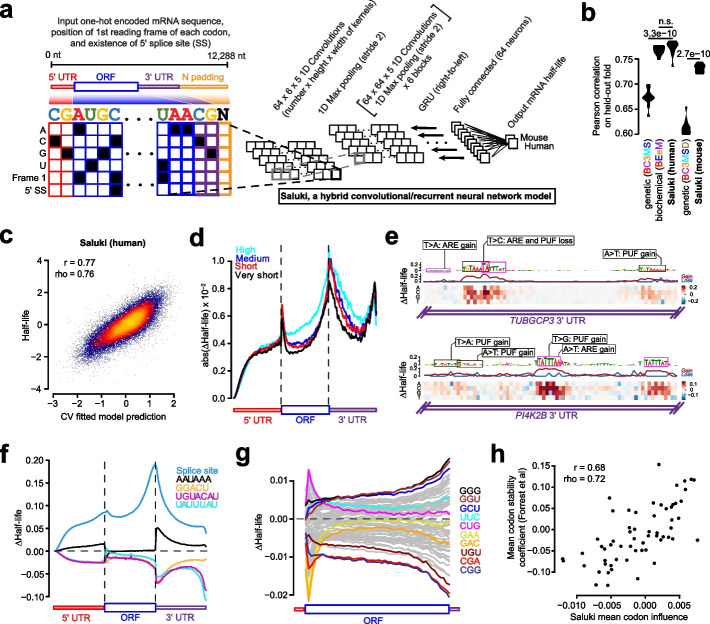
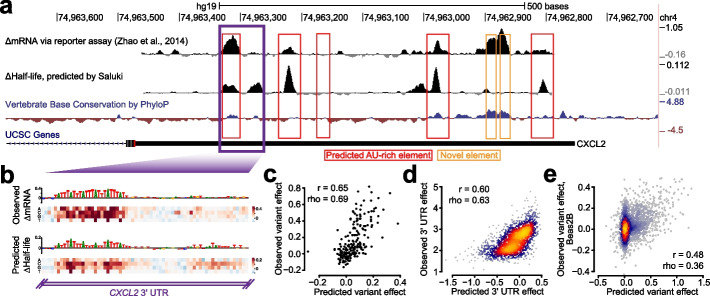
BACKGROUND: Degradation rate is a fundamental aspect of mRNA metabolism, and the factors governing it remain poorly characterized. Understanding the genetic and biochemical determinants of mRNA half-life would enable more precise identification of variants that perturb gene expression through post-transcriptional gene regulatory mechanisms. RESULTS: We establish a compendium of 39 human and 27 mouse transcriptome-wide mRNA decay rate datasets. A meta-analysis of these data identified a prevalence of technical noise and measurement bias, induced partially by the underlying experimental strategy. Correcting for these biases allowed us to derive more precise, consensus measurements of half-life which exhibit enhanced consistency between species. We trained substantially improved statistical models based upon genetic and biochemical features to better predict half-life and characterize the factors molding it. Our state-of-the-art model, Saluki, is a hybrid convolutional and recurrent deep neural network which relies only upon an mRNA sequence annotated with coding frame and splice sites to predict half-life (r=0.77). The key novel principle learned by Saluki is that the spatial positioning of splice sites, codons, and RNA-binding motifs within an mRNA is strongly associated with mRNA half-life. Saluki predicts the impact of RNA sequences and genetic mutations therein on mRNA stability, in agreement with functional measurements derived from massively parallel reporter assays. CONCLUSIONS: Our work produces a more robust ground truth for transcriptome-wide mRNA half-lives in mammalian cells. Using these revised measurements, we trained Saluki, a model that is over 50% more accurate in predicting half-life from sequence than existing models. Saluki succinctly captures many of the known determinants of mRNA half-life and can be rapidly deployed to predict the functional consequences of arbitrary mutations in the transcriptome.
Overview
The claims and statistics of this paper haven’t been checked yet.
Run the check — free, no account needed. It reads the open-access text and checks the sources it cites.
Integrity signals
Registry
Cites
Statistics
Figures
Verification
Claims the paper makes
The claims and statistics of this paper haven’t been checked yet.
Run the check — free, no account needed. It reads the open-access text and checks the sources it cites.
Claims other papers make about this one
Each is checked against this paper’s own text: does it say what the citing paper says it does?
The source backs part of the claim, not all of it — or backs it for a different population, condition or comparison.
In the citing paper
“Similarly, sequence-based models of post-transcriptional regulation rely on genome annotations and transformed measurements extracted from RNA-seq to isolate each regulatory mechanism (for example, percent spliced-in for splicing)14–23.”
From Predicting RNA-seq coverage from DNA sequence as a unifying model of gene regulation (2025) · cites this paper as [23]
Experimental — accuracy not yet measuredThe source backs part of the claim, not all of it — or backs it for a different population, condition or comparison.
In the citing paper
“Furthermore, we did not find sequence elements related to mRNA half-life in Borzoi’s sequence attributions23,82.”
From Predicting RNA-seq coverage from DNA sequence as a unifying model of gene regulation (2025) · cites this paper as [23]
Experimental — accuracy not yet measuredThe cited source says what the claim attributes to it.
In the citing paper
“Prior work has demonstrated strong relationships between codon usage and mRNA half-life23,78.”
From Predicting RNA-seq coverage from DNA sequence as a unifying model of gene regulation (2025) · cites this paper as [23]
The check wasn’t confident either way, so it gives no verdict — never disputed.
In the citing paper
“Borzoi performs better at longer distances (dAUPRC > 0.050 at 2,000 bp) with a more comparable performance closer to the PAS (dAUPRC = 0.025 at 50 bp) (Fig. 6g).”
From Predicting RNA-seq coverage from DNA sequence as a unifying model of gene regulation (2025) · cites this paper as [23]
Experimental — accuracy not yet measured
Self-check
Percentages, sums and reported differences re-computed from the paper’s own numbers.
The self-check needs the paper’s full text.
Citations
Cites
BEDTools: a flexible suite of utilities for comparing genomic features
Quinlan, A. R., & Hall, I. M. (2010) · Bioinformatics · doi:10.1093/bioinformatics/btq033 · Cited by 27,437
Most mammalian mRNAs are conserved targets of microRNAs
Friedman, R. C., Farh, K. K.-H., Burge, C. B., & Bartel, D. P. (2009) · Genome Research · doi:10.1101/gr.082701.108 · Cited by 8,462
Predicting effective microRNA target sites in mammalian mRNAs
Agarwal, V., Bell, G. W., Nam, J.-W., & Bartel, D. P. (2015) · eLife · doi:10.7554/elife.05005 · Cited by 7,318
Self-citationGlobal quantification of mammalian gene expression control
Schwanhäusser, B., Busse, D., Li, N., Dittmar, G., Schuchhardt, J., Wolf, J., Chen, W., & Selbach, M. (2011) · Nature · doi:10.1038/nature10098 · Cited by 6,566 · cited 1×
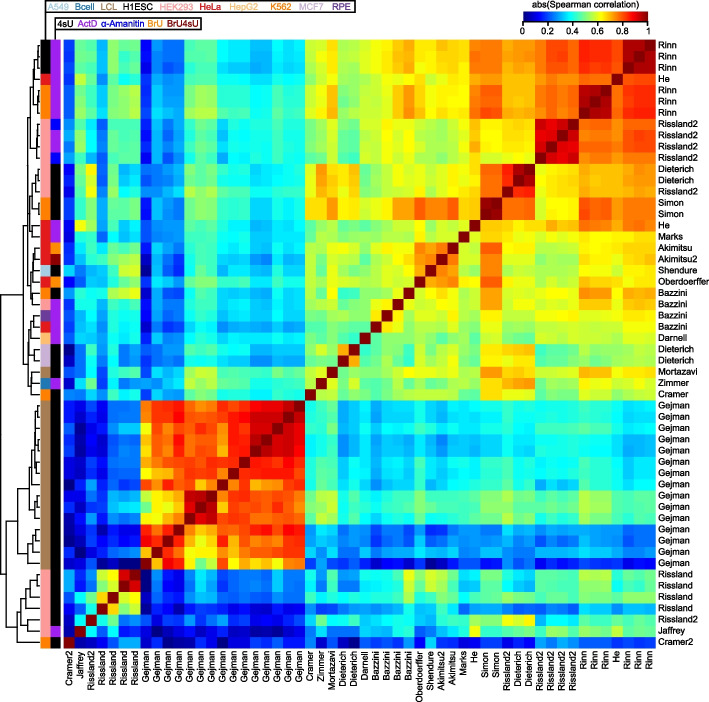
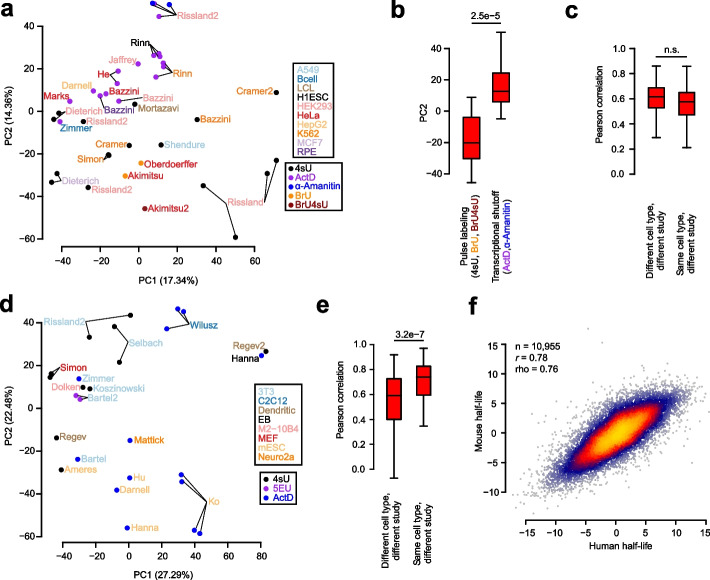
“GroupID Method Species Cell types Samples Reference Akimitsu BrU (BRIC-seq) H HeLa 1 [45] Akimitsu2 BrU+4sU (Dyrec-seq) H HeLa 1 [46] Bazzini 4sU (SLAM-seq), ActD H K562, RPE, HeLa, HEK293 4 [29] Cramer 4sU (TT-seq) H K562 1 [47] Cramer2 4sU (TT-seq) H K562 1 [43] Darnell ActD H HepG2 1 [38] Dieterich 4sU H HEK293, MC…”
The GTEx Consortium atlas of genetic regulatory effects across human tissues
The GTEx Consortium, Aguet, F., Anand, S., Ardlie, K. G., Gabriel, S., Getz, G. A., Graubert, A., Hadley, K., Handsaker, R. E., Huang, K. H., et al. (2020) · Science · doi:10.1126/science.aaz1776 · Cited by 5,547
Li, J.-H., Liu, S., Zhou, H., Qu, L.-H., & Yang, J.-H. (2014) · Nucleic Acids Research · doi:10.1093/nar/gkt1248 · Cited by 4,686
N6-methyladenosine-dependent regulation of messenger RNA stability
Wang, X., Lu, Z., Gomez, A., Hon, G. C., Yue, Y., Han, D., Fu, Y., Parisien, M., Dai, Q., Jia, G., et al. (2014) · Nature · doi:10.1038/nature12730 · Cited by 4,558
MicroRNA Targeting Specificity in Mammals: Determinants beyond Seed Pairing
Grimson, A., Farh, K. K.-H., Johnston, W. K., Garrett-Engele, P., Lim, L. P., & Bartel, D. P. (2007) · Molecular Cell · doi:10.1016/j.molcel.2007.06.017 · Cited by 3,766
Bartel, D. P. (2018) · Cell · doi:10.1016/j.cell.2018.03.006 · Cited by 3,751
CADD: predicting the deleteriousness of variants throughout the human genome
Rentzsch, P., Witten, D., Cooper, G. M., Shendure, J., & Kircher, M. (2019) · Nucleic Acids Research · doi:10.1093/nar/gky1016 · Cited by 3,534
N6-methyladenosine Modulates Messenger RNA Translation Efficiency
Wang, X., Zhao, B. S., Roundtree, I. A., Lu, Z., Han, D., Ma, H., Weng, X., Chen, K., Shi, H., & He, C. (2015) · Cell · doi:10.1016/j.cell.2015.05.014 · Cited by 3,483
A METTL3–METTL14 complex mediates mammalian nuclear RNA N6-adenosine methylation
Liu, J., Yue, Y., Han, D., Wang, X., Fu, Y., Zhang, L., Jia, G., Yu, M., Lu, Z., Deng, X., et al. (2014) · Nature Chemical Biology · doi:10.1038/nchembio.1432 · Cited by 3,433
Xie, X., Lu, J., Kulbokas, E. J., Golub, T. R., Mootha, V., Lindblad-Toh, K., Lander, E. S., & Kellis, M. (2005) · Nature · doi:10.1038/nature03441 · Cited by 1,872
Mayr, C., & Bartel, D. P. (2009) · Cell · doi:10.1016/j.cell.2009.06.016 · Cited by 1,613
m 6 A mRNA methylation facilitates resolution of naïve pluripotency toward differentiation
Geula, S., Moshitch-Moshkovitz, S., Dominissini, D., Mansour, A. A., Kol, N., Salmon‐Divon, M., Hershkovitz, V., Peer, E., Mor, N., Manor, Y. S., et al. (2015) · Science · doi:10.1126/science.1261417 · Cited by 1,583
Du, H., Zhao, Y., He, J., Zhang, Y., Xi, H., Liu, M., Ma, J., & Wu, L. (2016) · Nature Communications · doi:10.1038/ncomms12626 · Cited by 1,500
mRNA stability in mammalian cells
Ross, J. (1995) · Microbiological Reviews · doi:10.1128/mr.59.3.423-450.1995 · Cited by 1,411
Effective gene expression prediction from sequence by integrating long-range interactions
Avsec, Ž., Agarwal, V., Visentin, D., Ledsam, J. R., Grabska-Barwinska, A., Taylor, K. R., Assael, Y., Jumper, J., Kohli, P., & Kelley, D. R. (2021) · Nature Methods · doi:10.1038/s41592-021-01252-x · Cited by 1,326
Self-citationA large-scale binding and functional map of human RNA-binding proteins
Van Nostrand, E. L., Freese, P., Pratt, G. A., Wang, X., Wei, X., Xiao, R., Blue, S. M., Chen, J.-Y., Cody, N. A. L., Dominguez, D., et al. (2020) · Nature · doi:10.1038/s41586-020-2077-3 · Cited by 1,317
m6A RNA Modification Controls Cell Fate Transition in Mammalian Embryonic Stem Cells
Batista, P. J., Molinié, B., Wang, J., Qu, K., Zhang, J., Li, L., Bouley, D. M., Lujan, E., Haddad, B., Daneshvar, K., et al. (2014) · Cell stem cell · doi:10.1016/j.stem.2014.09.019 · Cited by 1,276
Schwartz, S., Mumbach, M. R., Jovanović, M., Wang, T., Maciag, K., Bushkin, G. G., Mertins, P., Ter‐Ovanesyan, D., Habib, N., Cacchiarelli, D., et al. (2014) · Cell Reports · doi:10.1016/j.celrep.2014.05.048 · Cited by 1,231
A simple new approach to variable selection in regression, with application to genetic fine mapping
Wang, G., Sarkar, A., Carbonetto, P., & Stephens, M. (2020) · Journal of the Royal Statistical Society Series B (Statistical Methodology) · doi:10.1111/rssb.12388 · Cited by 1,121
A high-resolution map of human evolutionary constraint using 29 mammals
Broad Institute Sequencing Platform and Whole Genome Assembly Team, Lindblad-Toh, K., Baylor College of Medicine Human Genome Sequencing Center Sequencing Team, Genome Institute at Washington University, Garber, M., Zuk, O., Lin, M. F., Parker, B. J., Washietl, S., Kheradpour, P., et al. (2011) · Nature · doi:10.1038/nature10530 · Cited by 1,108
Codon Optimality Is a Major Determinant of mRNA Stability
Presnyak, V., Alhusaini, N., Chen, Y.-H., Martin, S., Morris, N., Kline, N., Olson, S., Weinberg, D., Baker, K. E., Graveley, B. R., et al. (2015) · Cell · doi:10.1016/j.cell.2015.02.029 · Cited by 1,078 · cited 1×
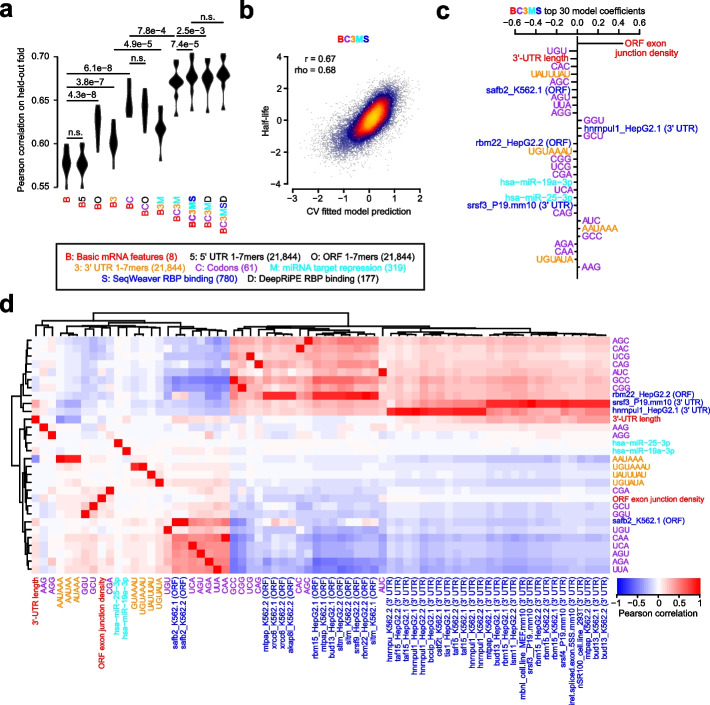
“Moreover, the signs of coefficients associated with codon frequencies are consistent with previously published human codon stability coefficients (CSCs) [26, 27, 29, 30], which were computed based upon an isolated Pearson or Spearman correlation between the codon frequencies and half-lives [28].”
MethodReversible methylation of m6Am in the 5′ cap controls mRNA stability
Mauer, J., Luo, X., Blanjoie, A., Jiao, X., Grozhik, A. V., Patil, D. P., Linder, B., Pickering, B. F., Vasseur, J., Chen, Q., et al. (2016) · Nature · doi:10.1038/nature21022 · Cited by 1,072
Kelley, D. R., Snoek, J., & Rinn, J. L. (2016) · Genome Research · doi:10.1101/gr.200535.115 · Cited by 1,048
Self-citationEmerging issues in AAV-mediated in vivo gene therapy
Colella, P., Ronzitti, G., & Mingozzi, F. (2018) · Molecular Therapy - Methods & Clinical Development · doi:10.1016/j.omtm.2017.11.007 · Cited by 881
Genome-wide probing of RNA structure reveals active unfolding of mRNA structures in vivo
Rouskin, S., Zubradt, M., Stefan Washietl, A., Kellis, M., & Weissman, J. S. (2013) · Nature · doi:10.1038/nature12894 · Cited by 862
Acetylation of Cytidine in mRNA Promotes Translation Efficiency
Arango, D., Sturgill, D., Alhusaini, N., Dillman, A. A., Sweet, T. J., Hanson, G., Hosogane, M., Sinclair, W. R., Nanan, K. K., Mandler, M. D., et al. (2018) · Cell · doi:10.1016/j.cell.2018.10.030 · Cited by 862
A Unified Model for the Function of YTHDF Proteins in Regulating m6A-Modified mRNA
Zaccara, S., & Jaffrey, S. R. (2020) · Cell · doi:10.1016/j.cell.2020.05.012 · Cited by 819
Rentzsch, P., Schubach, M., Shendure, J., & Kircher, M. (2021) · Genome Medicine · doi:10.1186/s13073-021-00835-9 · Cited by 640
Thiol-linked alkylation of RNA to assess expression dynamics
Herzog, V. A., Reichholf, B., Neumann, T., Rescheneder, P., Bhat, P., Burkard, T. R., Wlotzka, W., von Haeseler, A., Zuber, J., & Ameres, S. L. (2017) · Nature Methods · doi:10.1038/nmeth.4435 · Cited by 622
Thiol-linked alkylation for the metabolic sequencing of RNA
Herzog, V. A., Reichholf, B., Neumann, T., Rescheneder, P., Bhat, P., Burkard, T. R., Wlotzka, W., von Haeseler, A., Zuber, J., & Ameres, S. L. (2017) · doi:10.1101/177642 · Cited by 622
Decay Rates of Human mRNAs: Correlation With Functional Characteristics and Sequence AttributesPreprint
Yang, E., van Nimwegen, E., Zavolan, M., Rajewsky, N., Schroeder, M., Magnasco, M., & Darnell, J. E., Jr. (2003) · Genome Research · doi:10.1101/gr.1272403 · Cited by 617
Sharova, L. V., Sharov, A. A., Nedorezov, T., Piao, Y., Shaik, N., & Ko, M. S. H. (2009) · DNA Research · doi:10.1093/dnares/dsn030 · Cited by 591 · cited 6×
“39) [6, 7] have severely lagged behind the performance of those in yeast (achieving r2=0.”
BackgroundResultInfluentialEndoribonucleolytic Cleavage of m6A-Containing RNAs by RNase P/MRP Complex
Park, O. H., Ha, H., Lee, Y., Boo, S. H., Kwon, D. H., Song, H. K., & Kim, Y. K. (2019) · Molecular Cell · doi:10.1016/j.molcel.2019.02.034 · Cited by 587
Rabani, M., Levin, J. Z., Fan, L., Adiconis, X., Raychowdhury, R., Garber, M., Gnirke, A., Nusbaum, C., Hacohen, N., Friedman, N., et al. (2011) · Nature Biotechnology · doi:10.1038/nbt.1861 · Cited by 583
TT-seq maps the human transient transcriptome
Schwalb, B., Michel, M., Zacher, B., Frühauf, K., Demel, C., Tresch, A., Gagneur, J., & Cramer, P. (2016) · Science · doi:10.1126/science.aad9841 · Cited by 570
Deep learning sequence-based ab initio prediction of variant effects on expression and disease risk
Zhou, J., Theesfeld, C. L., Yao, K., Chen, K. M., Wong, A. K., & Troyanskaya, O. G. (2018) · Nature Genetics · doi:10.1038/s41588-018-0160-6 · Cited by 559
mRNA structure regulates protein expression through changes in functional half-life
Mauger, D. M., Cabral, B. J., Presnyak, V., Su, S. V., Reid, D. W., Goodman, B., Link, K., Khatwani, N., Reynders, J., Moore, M. J., et al. (2019) · Proceedings of the National Academy of Sciences · doi:10.1073/pnas.1908052116 · Cited by 555
The UCSC Genome Browser database: 2021 update
Gonzalez, J. N., Zweig, A. S., Speir, M. L., Schmelter, D., Rosenbloom, K. R., Raney, B. J., Powell, C. C., Nassar, L. R., Maulding, N. D., Lee, C. M., et al. (2020) · Nucleic Acids Research · doi:10.1093/nar/gkaa1070 · Cited by 545
Ke, S., Pandya‐Jones, A., Saito, Y., Fak, J. J., Vågbø, C. B., Geula, S., Hanna, J. H., Black, D. L., Darnell, J. E., Jr., & Darnell, R. B. (2017) · Genes & Development · doi:10.1101/gad.301036.117 · Cited by 537
Sequential regulatory activity prediction across chromosomes with convolutional neural networks
Kelley, D. R., Reshef, Y. A., Bileschi, M., Belanger, D., McLean, C. Y., & Snoek, J. (2018) · Genome Research · doi:10.1101/gr.227819.117 · Cited by 537
Self-citationAken, B. L., Achuthan, P., Akanni, W., Amode, M. R., Bernsdorff, F., Bhai, J., Billis, K., Carvalho-Silva, D., Cummins, C., Clapham, P., et al. (2017) · Nucleic Acids Research · doi:10.1093/nar/gkw1104 · Cited by 512
Tani, H., Onoguchi‐Mizutani, R., Salam, K. A., Tano, K., Ijiri, K., Wakamatsu, A., Isogai, T., Suzuki, Y., & Akimitsu, N. (2012) · Genome Research · doi:10.1101/gr.130559.111 · Cited by 461
Human 5′ UTR design and variant effect prediction from a massively parallel translation assay
Sample, P. J., Wang, B., Reid, D. W., Presnyak, V., McFadyen, I. J., Morris, D. R., & Seelig, G. (2019) · Nature Biotechnology · doi:10.1038/s41587-019-0164-5 · Cited by 442
Dölken, L., Ruzsics, Z., Rädle, B., Friedel, C. C., Zimmer, R., Mages, J., Hoffmann, R. F. G., Dickinson, P., Forster, T., Ghazal, P., et al. (2008) · RNA · doi:10.1261/rna.1136108 · Cited by 407
Combinatorial optimization of mRNA structure, stability, and translation for RNA-based therapeutics
Leppek, K., Byeon, G. W., Kladwang, W., Wayment-Steele, H. K., Kerr, C. H., Xu, A. F., Kim, D. S., Topkar, V. V., Choe, C., Rothschild, D., et al. (2022) · Nature Communications · doi:10.1038/s41467-022-28776-w · Cited by 399
Combinatorial optimization of mRNA structure, stability, and translation for RNA-based therapeutics
Leppek, K., Byeon, G. W., Kladwang, W., Wayment-Steele, H. K., Kerr, C. H., Xu, A. F., Kim, D. S., Topkar, V. V., Choe, C., Rothschild, D., et al. (2021) · doi:10.1101/2021.03.29.437587 · Cited by 399
Dynamic transcriptome analysis measures rates of mRNA synthesis and decay in yeast
Miller, C., Schwalb, B., Maier, K. C., Schulz, D., Dümcke, S., Zacher, B., Mayer, A., Sydow, J. F., Marcinowski, L., Dölken, L., et al. (2011) · Molecular Systems Biology · doi:10.1038/msb.2010.112 · Cited by 393
Lam, L. T., Pickeral, O. K., Peng, A. C., Rosenwald, A., Hurt, E. M., Giltnane, J. M., Averett, L., Zhao, H. G., Davis, R. E., Sathyamoorthy, M., et al. (2001) · Genome biology · doi:10.1186/gb-2001-2-10-research0041 · Cited by 371
Global Analyses of the Effect of Different Cellular Contexts on MicroRNA Targeting
Nam, J., Rissland, O. S., Koppstein, D., Abreu‐Goodger, C., Jan, C. H., Agarwal, V., Yıldırım, M. A., Rodríguez, A., & Bartel, D. P. (2014) · Molecular Cell · doi:10.1016/j.molcel.2014.02.013 · Cited by 337
Self-citationmRNA vaccines for COVID-19: what, why and how
Park, J. W., Lagniton, P. N. P., Liu, Y., & Xu, R.-H. (2021) · International Journal of Biological Sciences · doi:10.7150/ijbs.59233 · Cited by 321
Sun, M., Schwalb, B., Schulz, D., Pirkl, N., Etzold, S., Larivière, L., Maier, K. C., Seizl, M., Tresch, A., & Cramer, P. (2012) · Genome Research · doi:10.1101/gr.130161.111 · Cited by 305
Translation affects mRNA stability in a codon-dependent manner in human cells
Wu, Q., Medina, S. G., Kushawah, G., DeVore, M. L., Castellano, L. A., Hand, J. M., Wright, M., & Bazzini, A. A. (2019) · eLife · doi:10.7554/elife.45396 · Cited by 283
Chromatin environment, transcriptional regulation, and splicing distinguish lincRNAs and mRNAsPreprint
Melé, M., Mattioli, K., Mallard, W., Shechner, D. M., Gerhardinger, C., & Rinn, J. L. (2016) · Genome Research · doi:10.1101/gr.214205.116 · Cited by 275
Structural basis for the recruitment of the human CCR4–NOT deadenylase complex by tristetraprolin
Fabian, M. R., Frank, F., Rouya, C., Siddiqui, N., Lai, W. S., Karetnikov, A., Blackshear, P. J., Nagar, B., & Sonenberg, N. (2013) · Nature Structural & Molecular Biology · doi:10.1038/nsmb.2572 · Cited by 273
Widespread RNA binding by chromatin-associated proteins
Hendrickson, D. G., Kelley, D. R., Tenen, D. E., Bernstein, B., & Rinn, J. L. (2016) · Genome biology · doi:10.1186/s13059-016-0878-3 · Cited by 258
Self-citationTimeLapse-seq: adding a temporal dimension to RNA sequencing through nucleoside recoding
Schofield, J. A., Duffy, E. E., Kiefer, L. A., Sullivan, M., & Simon, M. D. (2018) · Nature Methods · doi:10.1038/nmeth.4582 · Cited by 254
GC content shapes mRNA storage and decay in human cells
Courel, M., Clément, Y., Bossevain, C., Foretek, D., Vidal Cruchez, O., Yi, Z., Bénard, M., Benassy, M.-N., Kress, M., Vindry, C., et al. (2019) · eLife · doi:10.7554/elife.49708 · Cited by 250
Signals for pre‐mRNA cleavage and polyadenylation
Tian, B., & Graber, J. H. (2011) · Wiley Interdisciplinary Reviews - RNA · doi:10.1002/wrna.116 · Cited by 250
Predicting mRNA Abundance Directly from Genomic Sequence Using Deep Convolutional Neural Networks
Agarwal, V., & Shendure, J. (2020) · Cell Reports · doi:10.1016/j.celrep.2020.107663 · Cited by 243
Self-citationGenome-wide analysis of mRNA decay in resting and activated primary human T lymphocytes
Raghavan, A. (2002) · Nucleic Acids Research · doi:10.1093/nar/gkf682 · Cited by 233
scSLAM-seq reveals core features of transcription dynamics in single cells
Erhard, F., Baptista, M. A. P., Krammer, T., Hennig, T., Lange, M., Arampatzi, P., Jürges, C. S., Theis, F. J., Saliba, A.-E., & Dölken, L. (2019) · Nature · doi:10.1038/s41586-019-1369-y · Cited by 233
Conserved principles of mammalian transcriptional regulation revealed by RNA half-life
Friedel, C. C., Dölken, L., Ruzsics, Z., Koszinowski, U. H., & Zimmer, R. (2009) · Nucleic Acids Research · doi:10.1093/nar/gkp542 · Cited by 230
Shrikumar, A., Tian, K., Avsec, Ž., Shcherbina, A., Banerjee, A., Sharmin, M., Nair, S., & Kundaje, A. (2018) · arXiv · doi:10.48550/arxiv.1811.00416 · Cited by 229
Cross-species regulatory sequence activity prediction
Kelley, D. R. (2020) · PLOS Computational Biology · doi:10.1371/journal.pcbi.1008050 · Cited by 228
Self-citationHigh-Resolution Sequencing and Modeling Identifies Distinct Dynamic RNA Regulatory Strategies
Rabani, M., Raychowdhury, R., Jovanovic, M., Rooney, M., Stumpo, D. J., Pauli, A., Hacohen, N., Schier, A. F., Blackshear, P. J., Friedman, N., et al. (2014) · Cell · doi:10.1016/j.cell.2014.11.015 · Cited by 226
A metabolic labeling method detects m6A transcriptome-wide at single base resolution
Shu, X., Cao, J., Cheng, M., Xiang, S., Gao, M., Li, T., Ying, X., Wang, F., Yue, Y., Lu, Z., et al. (2020) · Nature Chemical Biology · doi:10.1038/s41589-020-0526-9 · Cited by 219
Spies, N., Burge, C. B., & Bartel, D. P. (2013) · Genome Research · doi:10.1101/gr.156919.113 · Cited by 217
A Deep Neural Network for Predicting and Engineering Alternative Polyadenylation
Bogard, N., Linder, J., Rosenberg, A. B., & Seelig, G. (2019) · Cell · doi:10.1016/j.cell.2019.04.046 · Cited by 215
Chan, L. Y., Mugler, C. F., Heinrich, S., Vallotton, P., & Weis, K. (2018) · eLife · doi:10.7554/elife.32536 · Cited by 214
mRNA Stability and the Control of Gene Expression: Implications for Human Disease
Hollams, E. M., Giles, K. M., Thomson, A. M., & Leedman, P. J. (2002) · Neurochemical Research · doi:10.1023/a:1020992418511 · Cited by 212
Human Pumilio Proteins Recruit Multiple Deadenylases to Efficiently Repress Messenger RNAs
Van Etten, J., Schagat, T. L., Hrit, J., Weidmann, C. A., Brumbaugh, J., Coon, J. J., & Goldstrohm, A. C. (2012) · Journal of Biological Chemistry · doi:10.1074/jbc.m112.373522 · Cited by 205
Feedback GAN for DNA optimizes protein functions
Gupta, A., & Zou, J. (2019) · Nature Machine Intelligence · doi:10.1038/s42256-019-0017-4 · Cited by 203
Systematic discovery of structural elements governing stability of mammalian messenger RNAs
Goodarzi, H., Najafabadi, H. S., Oikonomou, P., Greco, T. M., Fish, L., Salavati, R., Cristea, I. M., & Tavazoie, S. (2012) · Nature · doi:10.1038/nature11013 · Cited by 187
The Dynamics of Cytoplasmic mRNA Metabolism
Eisen, T. J., Eichhorn, S. W., Subtelny, A. O., Lin, K. S., McGeary, S. E., Gupta, S., & Bartel, D. P. (2020) · Molecular Cell · doi:10.1016/j.molcel.2019.12.005 · Cited by 177
TU-tagging: cell type–specific RNA isolation from intact complex tissues
Miller, M. R., Robinson, K. J., Cleary, M. D., & Doe, C. Q. (2009) · Nature Methods · doi:10.1038/nmeth.1329 · Cited by 176
Griesemer, D. S., Xue, J. R., Reilly, S. K., Ulirsch, J. C., Kukreja, K., Davis, J. R., Kanai, M., Yang, D. K., Butts, J. C., Guney, M. H., et al. (2021) · Cell · doi:10.1016/j.cell.2021.08.025 · Cited by 176
Codon bias confers stability to human mRNAs
Hia, F., Yang, S. F., Shichino, Y., Yoshinaga, M., Murakawa, Y., Vandenbon, A., Fukao, A., Fujiwara, T., Landthaler, M., Natsume, T., et al. (2019) · EMBO Reports · doi:10.15252/embr.201948220 · Cited by 171
Sci-fate characterizes the dynamics of gene expression in single cells
Cao, J., Zhou, W. Y., Steemers, F. J., Trapnell, C., & Shendure, J. (2020) · Nature Biotechnology · doi:10.1038/s41587-020-0480-9 · Cited by 164
Lee, J. E., Lee, J. Y., Wilusz, J., Tian, B., & Wilusz, C. J. (2010) · PLoS ONE · doi:10.1371/journal.pone.0011201 · Cited by 133
Widespread Influence of 3′-End Structures on Mammalian mRNA Processing and Stability
Wu, X., & Bartel, D. P. (2017) · Cell · doi:10.1016/j.cell.2017.04.036 · Cited by 131
Coding regions affect mRNA stability in human cells
Narula, A., Ellis, J., Taliaferro, J. M., & Rissland, O. S. (2019) · RNA · doi:10.1261/rna.073239.119 · Cited by 127
Massively parallel functional annotation of 3′ untranslated regions
Zhao, W., Pollack, J. L., Blagev, D. P., Zaitlen, N., McManus, M. T., & Erle, D. J. (2014) · Nature Biotechnology · doi:10.1038/nbt.2851 · Cited by 125
Predicting microRNA targeting efficacy in Drosophila
Agarwal, V., Subtelny, A. O., Thiru, P., Ulitsky, I., & Bartel, D. P. (2018) · Genome biology · doi:10.1186/s13059-018-1504-3 · Cited by 122
Self-citationmRNA turnover rate limits siRNA and microRNA efficacy
Larsson, E., Sander, C., & Marks, D. S. (2010) · Molecular Systems Biology · doi:10.1038/msb.2010.89 · Cited by 120
Deep neural networks for interpreting RNA-binding protein target preferencesPreprint
Ghanbari, M., & Ohler, U. (2020) · Genome Research · doi:10.1101/gr.247494.118 · Cited by 119
Codon and amino acid content are associated with mRNA stability in mammalian cells
Forrest, M. E., Pinkard, O., Martin, S., Sweet, T. J., Hanson, G., & Coller, J. (2020) · PLOS ONE · doi:10.1371/journal.pone.0228730 · Cited by 116
Harrold, S. M., Genovese, C., Kobrin, B. J., Morrison, S. L., & Milcarek, C. (1991) · Analytical Biochemistry · doi:10.1016/0003-2697(91)90500-s · Cited by 111
Pai, A. A., Cain, C. E., Mizrahi-Man, O., Leon, S. D., Lewellen, N., Veyrieras, J., Degner, J. F., Gaffney, D. J., Pickrell, J. K., Stephens, M., et al. (2012) · PLoS Genetics · doi:10.1371/journal.pgen.1003000 · Cited by 107
Linder, J., Bogard, N., Rosenberg, A. B., & Seelig, G. (2020) · Cell Systems · doi:10.1016/j.cels.2020.05.007 · Cited by 107
Wang, Q. S., Kelley, D. R., Ulirsch, J. C., Kanai, M., Sadhuka, S., Cui, R., Albors, C., Cheng, N., Okada, Y., The Biobank Japan Project, et al. (2021) · Nature Communications · doi:10.1038/s41467-021-23134-8 · Cited by 98
Self-citationDifferential protein occupancy profiling of the mRNA transcriptome
Schueler, M., Munschauer, M., Gregersen, L. H., Finzel, A., Loewer, A., Chen, W., Landthaler, M., & Dieterich, C. (2014) · Genome biology · doi:10.1186/gb-2014-15-1-r15 · Cited by 84
Duan, J., Shi, J., Ge, X., Dölken, L., Moy, W., S, D. H. B., Shi, S., Sanders, A. R., Ross, J., & Gejman, P. V. (2013) · Scientific Reports · doi:10.1038/srep01318 · Cited by 83
Transcriptional Pulsing Approaches for Analysis of mRNA Turnover in Mammalian Cells
Loflin, P. T., Chen, C. A., Xu, N., & Shyu, A. (1999) · Methods · doi:10.1006/meth.1998.0702 · Cited by 80
Park, C. Y., Zhou, J., Wong, A. K., Chen, K., Theesfeld, C. L., Darnell, R. B., & Troyanskaya, O. G. (2021) · Nature Genetics · doi:10.1038/s41588-020-00761-3 · Cited by 80
Cis -regulatory elements explain most of the mRNA stability variation across genes in yeast
Cheng, J., Maier, K. C., Avsec, Ž., Rus, P., & Gagneur, J. (2017) · RNA · doi:10.1261/rna.062224.117 · Cited by 79
Global donor and acceptor splicing site kinetics in human cells
Wachutka, L., Caizzi, L., Gagneur, J., & Cramer, P. (2019) · eLife · doi:10.7554/elife.45056 · Cited by 78
Characterizing RNA stability genome-wide through combined analysis of PRO-seq and RNA-seq data
Blumberg, A., Zhao, Y., Huang, Y.-F., Dukler, N., Rice, E. J., Chivu, A. G., Krumholz, K., Danko, C. G., & Siepel, A. C. (2021) · BMC Biology · doi:10.1186/s12915-021-00949-x · Cited by 70
The landscape of alternative polyadenylation in single cells of the developing mouse embryo
Agarwal, V., Lopez-Darwin, S. L., Kelley, D. R., & Shendure, J. (2021) · Nature Communications · doi:10.1038/s41467-021-25388-8 · Cited by 66
Self-citationSiegel, D. A., Tonquèze, O. L., Biton, A., Zaitlen, N., & Erle, D. J. (2021) · G3 Genes Genomes Genetics · doi:10.1093/g3journal/jkab404 · Cited by 66
Deciphering human ribonucleoprotein regulatory networks
Mukherjee, N., Wessels, H., Lebedeva, S., Sajek, M. P., Ghanbari, M., Garzia, A., Munteanu, A., Yusuf, D., Farazi, T. A., Hoell, J. I., et al. (2018) · Nucleic Acids Research · doi:10.1093/nar/gky1185 · Cited by 61
The influence of microRNAs and poly(A) tail length on endogenous mRNA–protein complexes
Rissland, O. S., Subtelny, A. O., Wang, M., Lugowski, A., Nicholson, B. L., Laver, J. D., Sidhu, S. S., Smibert, C. A., Lipshitz, H. D., & Bartel, D. P. (2017) · Genome biology · doi:10.1186/s13059-017-1330-z · Cited by 52
DRUID: a pipeline for transcriptome-wide measurements of mRNA stability
Lugowski, A., Nicholson, B. L., & Rissland, O. S. (2018) · RNA · doi:10.1261/rna.062877.117 · Cited by 47
CNOT3-Dependent mRNA Deadenylation Safeguards the Pluripotent State
Zheng, X., Yang, P., Lackford, B. L., Bennett, B. D., Wang, L., Li, H., Wang, Y., Miao, Y., Foley, J. F., Fargo, D. C., et al. (2016) · Stem Cell Reports · doi:10.1016/j.stemcr.2016.09.007 · Cited by 44
Kawata, K., Wakida, H., Yamada, T., Taniue, K., Han, H., Seki, M., Suzuki, Y., & Akimitsu, N. (2020) · Genome Research · doi:10.1101/gr.264408.120 · Cited by 34
Heritable variation of mRNA decay rates in yeastPreprint
Andrie, J. M., Wakefield, J., & Akey, J. M. (2014) · Genome Research · doi:10.1101/gr.175802.114 · Cited by 10
Computational modeling of mRNA degradation dynamics using deep neural networks
Yaish, O., & Orenstein, Y. (2021) · Bioinformatics · doi:10.1093/bioinformatics/btab800 · Cited by 8
New bugs in the human genome draft
Veitia, R. A. (2001) · Genome biology · doi:10.1186/gb-2001-2-11-reports0041 · Cited by 5
Long-TUC-seq is a robust method for quantification of metabolically labeled full-length isoformsPreprint
Rahmanian, S., Balderrama-Gutierrez, G., Wyman, D., McGill, C. J., Nguyen, K., Spitale, R. C., & Mortazavi, A. (2020) · bioRxiv (Cold Spring Harbor Laboratory) · doi:10.1101/2020.05.01.073296 · Cited by 3
vagarwal87/saluki_paper: v1.0.0
Agarwal, V. (2022) · Zenodo (CERN European Organization for Nuclear Research) · doi:10.5281/zenodo.7158835 · Cited by 3
Self-citationAuthor response: Global donor and acceptor splicing site kinetics in human cells
Wachutka, L., Caizzi, L., Gagneur, J., & Cramer, P. (2019) · eLife · doi:10.7554/elife.45056.067 · Cited by 1
Research works printed but not linked: 3
- [cited 2022 Feb 22]. Available from: https://academic.oup.com/g3journal/article-abstract/12/1/jkab404/6446033.
- Ba JL, Kiros JR, Hinton GE. Layer normalization. arXiv preprint arXiv:160706450. arxiv.org; 2016; Available from: http://arxiv.org/abs/1607.06450 · arXiv
- Chung J, Gulcehre C, Cho K, Bengio Y. Empirical evaluation of gated recurrent neural networks on sequence modeling. arXiv [cs.NE]. 2014. Available from: http://arxiv.org/abs/1412.3555 · arXiv
Cited by
Sorted by citations
Predicting RNA-seq coverage from DNA sequence as a unifying model of gene regulation
Linder, J., Srivastava, D., Yuan, H., Agarwal, V., & Kelley, D. R. (2025) · Nature Genetics · doi:10.1038/s41588-024-02053-6 · Cited by 265
Self-citationUzonyi, A., Dierks, D., Nir, R., Kwon, O. S., Toth, U., Barbosa, I., Burel, C., Brandis, A. S., Rossmanith, W., Hir, H. L., et al. (2023) · Molecular Cell · doi:10.1016/j.molcel.2022.12.026 · Cited by 209
Massively parallel characterization of transcriptional regulatory elements
Agarwal, V., Inoue, F., Schubach, M., Penzar, D., Martin, B. K., Dash, P. M., Keukeleire, P., Zhang, Z., Sohota, A., Zhao, J., et al. (2025) · Nature · doi:10.1038/s41586-024-08430-9 · Cited by 146
Self-citationOptimizing 5’UTRs for mRNA-delivered gene editing using deep learning
Castillo-Hair, S., Fedak, S., Wang, B., Linder, J., Havens, K., Certo, M., & Seelig, G. (2024) · Nature Communications · doi:10.1038/s41467-024-49508-2 · Cited by 98
Ietswaart, R., Smalec, B. M., Xu, A., Choquet, K., McShane, E., Jowhar, Z. M., Guegler, C. K., Baxter-Koenigs, A. R., West, E. R., Fu, B. X. H., et al. (2024) · Molecular Cell · doi:10.1016/j.molcel.2024.06.008 · Cited by 83
Metadata
- Authors
- Agarwal, V., & Kelley, D. R.
- Affiliations
- Calico Life Sciences (US)
- Corresponding author
- Agarwal, Vikram
- Kelley, David R.
- Venue
- Genome Biology
- Published
- 2022-11-23
- Volume
- 23
- Issue
- 1
- Pages
- 245-245
- ISSN
- 1465-6906 (ISSN-L)
- 1474-760X
- PMC
- PMC9684954
- OpenAlex
- W4309925698
- Cited by
- 155
- References
- 111
- Citations by year
- 2026: 38 · 2025: 57 · 2024: 36 · 2023: 18 · 2022: 5
- FWCI
- 3.02
- Type
- journal article
- Language
- en
- Open access
- gold
- doi.org
- Locations
- Genome biology (publishedVersion, cc-by)
- bioRxiv (Cold Spring Harbor Laboratory) (acceptedVersion, cc-by-nc-nd)
- PubMed Central (publishedVersion, cc-by)
- PubMed (publishedVersion)
- DOAJ (DOAJ: Directory of Open Access Journals) (submittedVersion, cc-by-sa)
- Funders
- Calico Life Sciences LLC
- Topics
- Life Sciences › Biochemistry, Genetics and Molecular Biology › Molecular Biology › RNA Research and Splicing
- Life Sciences › Biochemistry, Genetics and Molecular Biology › Molecular Biology › RNA and protein synthesis mechanisms
- Life Sciences › Biochemistry, Genetics and Molecular Biology › Molecular Biology › RNA regulation and disease
- Keywords
- mRNA half-life, mRNA degradation rate, mRNA stability, post-transcriptional regulation, deep neural network inference, splice sites, RNA-binding motif, codon position, measurement bias correction, massively parallel reporter assay
- MeSH terms
- Animals, Biological Assay, Humans, Mammals, RNA, Messenger, RNA Stability, Mice, Transcriptome
About these checks
Registry, retraction, Cites and statistics results are computed, not judged, with one exception: a printed reference that no index lists is read once by a model before it counts as a citation error. Claims are extracted by a model and kept only when their quote appears verbatim in the text; each cited source is then checked, with a model’s help, for whether it says what the claim relies on. Those verdicts can be wrong — read the claim’s quote and the cited source before relying on one.
Statistics and arithmetic are recomputed, not judged.
Confidence bands are shown only for fields calibrated on our annotated test set. None is calibrated yet, so no band is shown.
What counts as a claim ›How we measure confidence ›How we check this ›
Are you an author, or do you see a problem with this page? Request a review
