

CAR T cells in solid tumors: challenges and opportunities
Open accessThe DOI matches its Crossref record; 150 of the 150 references it cites were found in a registry or an index.
Abstract
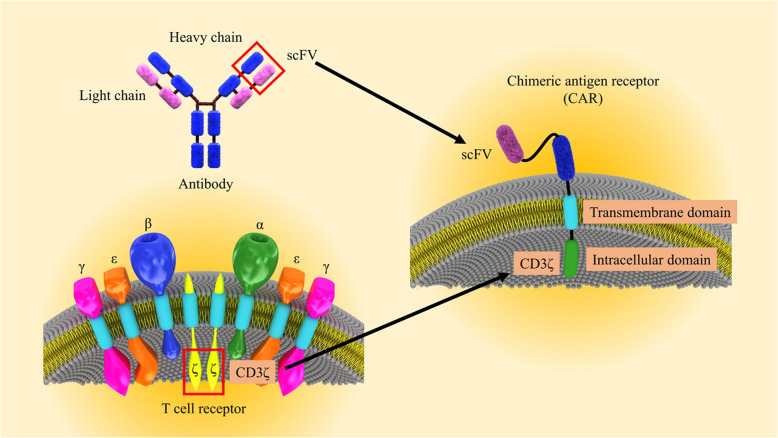
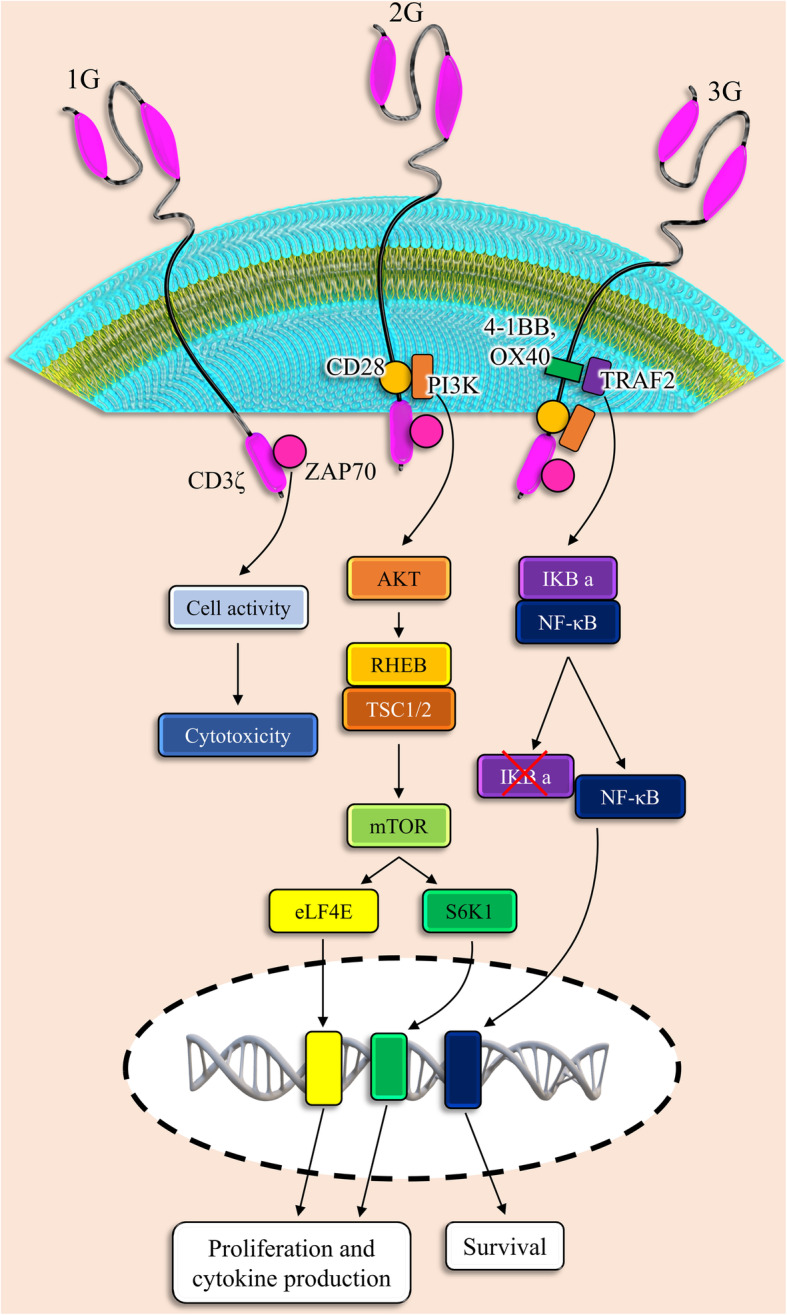
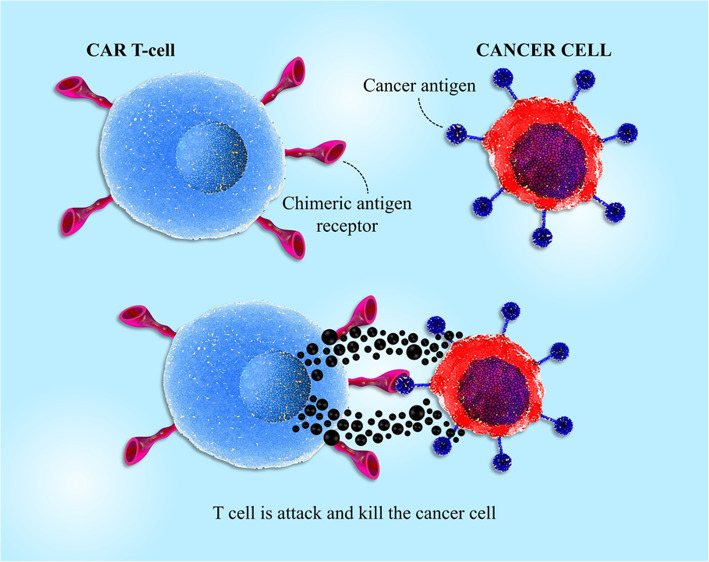
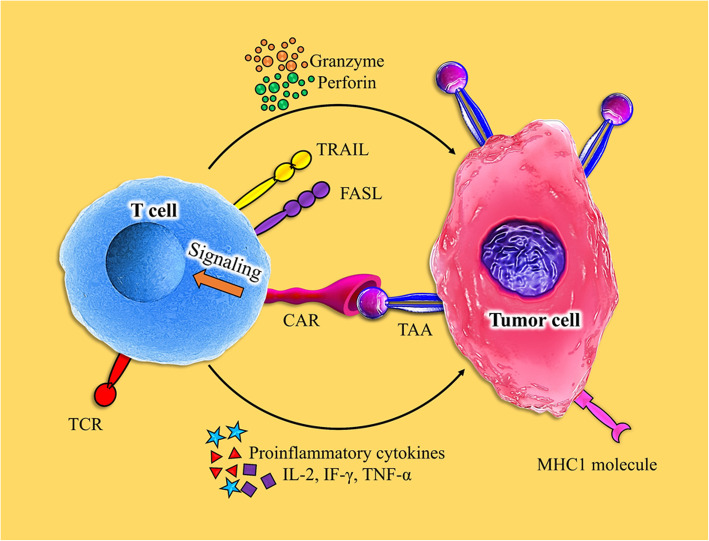
BACKGROUND: CARs are simulated receptors containing an extracellular single-chain variable fragment (scFv), a transmembrane domain, as well as an intracellular region of immunoreceptor tyrosine-based activation motifs (ITAMs) in association with a co-stimulatory signal. MAIN BODY: Chimeric antigen receptor (CAR) T cells are genetically engineered T cells to express a receptor for the recognition of the particular surface marker that has given rise to advances in the treatment of blood disorders. The CAR T cells obtain supra-physiological properties and conduct as "living drugs" presenting both immediate and steady effects after expression in T cells surface. But, their efficacy in solid tumor treatment has not yet been supported. The pivotal challenges in the field of solid tumor CAR T cell therapy can be summarized in three major parts: recognition, trafficking, and surviving in the tumor. On the other hand, the immunosuppressive tumor microenvironment (TME) interferes with T cell activity in terms of differentiation and exhaustion, and as a result of the combined use of CARs and checkpoint blockade, as well as the suppression of other inhibitor factors in the microenvironment, very promising results were obtained from the reduction of T cell exhaustion. CONCLUSION: Nowadays, identifying and defeating the mechanisms associated with CAR T cell dysfunction is crucial to establish CAR T cells that can proliferate and lyse tumor cells severely. In this review, we discuss the CAR signaling and efficacy T in solid tumors and evaluate the most significant barriers in this process and describe the most novel therapeutic methods aiming to the acquirement of the promising therapeutic outcome in non-hematologic malignancies.
Overview
The claims and statistics of this paper haven’t been checked yet.
Free: it reads the open-access text and checks the first 5 claims that cite a source we can check. Create a free account to check every claim.
Integrity signals
Registry
Cites
Statistics
Figures
Verification
Claims the paper makes
The claims and statistics of this paper haven’t been checked yet.
Free: it reads the open-access text and checks the first 5 claims that cite a source we can check. Create a free account to check every claim.
Claims other papers make about this one
Each is checked against this paper’s own text: does it say what the citing paper says it does?
The cited source says what the claim attributes to it.
In the citing paper
“CD133‐CAR‐T therapy in colorectal, pancreatic and hepatocellular carcinoma has shown anti‐metastatic potential in a phase I clinical trial [91].”
From Tumor microenvironment signaling and therapeutics in cancer progression (2023) · cites this paper as [91]
Self-check
Percentages, sums and reported differences re-computed from the paper’s own numbers.
The self-check needs the paper’s full text.
Citations
Cites
Microenvironmental regulation of tumor progression and metastasis
Quail, D. F., & Joyce, J. A. (2013) · Nature Medicine · doi:10.1038/nm.3394 · Cited by 7,994 · cited 1×
“Regulatory T cells (Tregs), myeloid-derived suppressor cells (MDSCs), and M2 tumor-associated macrophages (TAMs) are the most prominent types of immune suppressor cells in the tumor environment [122, 123].”
BackgroundUnderstanding the tumor immune microenvironment (TIME) for effective therapy
Binnewies, M., Roberts, E. W., Kersten, K., Chan, V., Fearon, D. F., Merad, M., Coussens, L. M., Gabrilovich, D. I., Ostrand-Rosenberg, S., Hedrick, C. C., et al. (2018) · Nature Medicine · doi:10.1038/s41591-018-0014-x · Cited by 6,145 · cited 1×
“immune checkpoint molecules such as CTLA-4 and PD-1 also reduce antitumor immunity [120, 124].”
BackgroundAccessories to the Crime: Functions of Cells Recruited to the Tumor Microenvironment
Hanahan, D., & Coussens, L. M. (2012) · Cancer Cell · doi:10.1016/j.ccr.2012.02.022 · Cited by 4,632 · cited 1×
“solid tumors can be strongly infiltrated by different cell types that support tumor growth, angiogenesis, and metastasis [121].”
BackgroundMelanoma-intrinsic β-catenin signalling prevents anti-tumour immunity
Spranger, S., Bao, R., & Gajewski, T. F. (2015) · Nature · doi:10.1038/nature14404 · Cited by 2,830 · cited 1×
“Identifying solid tumors requires cells to transition from the blood into the cancer site, and various abnormalities develop such that T cell infiltration is roughly blocked [113, 114].”
BackgroundMorgan, R. A., Yang, J. C., Kitano, M., Dudley, M. E., Laurencot, C. M., & Rosenberg, S. A. (2010) · Molecular Therapy · doi:10.1038/mt.2010.24 · Cited by 2,533 · cited 1×
“This catastrophic toxicity occurred for a patient with metastatic CRC who received Her2-CAR T cells [36] and a neuroblastoma patient who was treated with GD2-CAR T cells [37].”
BackgroundA human memory T cell subset with stem cell–like properties
Gattinoni, L., Lugli, E., Ji, Y., Pos, Z., Paulos, C. M., Quigley, M. F., Almeida, J. R., Gostick, E., Yu, Z., Carpenito, C., et al. (2011) · Nature Medicine · doi:10.1038/nm.2446 · Cited by 1,974 · cited 1×
“, CD4+, CD8+ αβ T cells, and γδ T cells) are superior to other cells with the aim of optimal tumor suppression [17, 18].”
BackgroundRegression of Glioblastoma after Chimeric Antigen Receptor T-Cell Therapy
Brown, C. E., Alizadeh, D., Starr, R., Weng, L., Wagner, J. R., Naranjo, A., Ostberg, J. R., Blanchard, M. S., Kilpatrick, J., Simpson, J., et al. (2016) · New England Journal of Medicine · doi:10.1056/nejmoa1610497 · Cited by 1,836 · cited 1×
“Intracranial transport has been exposed to be safe and to have an acceptable anti-cancer effect in glioblastoma [115], and intra-pleural transport of CAR T cells was more effective than their systemic administration in human pleural malignancy preclinical researches [116].”
BackgroundO’Rourke, D. M., Nasrallah, M. P., Desai, A., Melenhorst, J. J., Mansfield, K., Morrissette, J. J. D., Martinez-Lage, M., Brem, S., Maloney, E., Shen, A., et al. (2017) · Science Translational Medicine · doi:10.1126/scitranslmed.aaa0984 · Cited by 1,803
Eshhar, Z., Waks, T., Gross, G., & Schindler, D. G. (1993) · Proceedings of the National Academy of Sciences · doi:10.1073/pnas.90.2.720 · Cited by 1,658 · cited 1×
“Although CD3-ζ chain accretion is adequate to support cytolytic function in cytotoxic T cells (CTL) lines, it has been found that the strength of the essential signal to the presentation of the cytotoxic activity is lower compared with the other types of their functions [21].”
BackgroundThe Basic Principles of Chimeric Antigen Receptor Design
Sadelain, M., Brentjens, R., & Rivière, I. (2013) · Cancer Discovery · doi:10.1158/2159-8290.cd-12-0548 · Cited by 1,535 · cited 2×
“Alternative tactics independent of transgene integration, which used either RNA electroporation or cell surface conjugation, in turn, lead to the transient CAR expression and limitation of CAR T cell persistence beyond 7–14 days [3].”
BackgroundInfluential
Cited by
Items 301–400 of 617
Zappa, E., Vitali, A., Anders, K., Molenaar, J. J., Wienke, J., & Künkele, A. (2023) · European Journal of Cancer · doi:10.1016/j.ejca.2023.113347 · Cited by 10
“CAR, chimeric antigen receptors; CIK, cytokine-induced killer; CTL, cytotoxic T lymphocytes; iNKT, invariant NKT; NK, natural killer; TIL, tumour-infiltrating lymphocytes. but still meets challenges in solid tumours [13,14].”
Ou, L., Su, C., Liang, L., Duan, Q., Li, Y., Zang, H., He, Y., Zeng, R., Li, Y., Zhou, H. H., et al. (2023) · Human Vaccines & Immunotherapeutics · doi:10.1080/21645515.2023.2267865 · Cited by 10
Mechanisms of Cancer Resistance to Various Therapies
Batool, A., Rashid, W., Fatima, K., & Khan, S. U. (2024) · Springer eBooks · doi:10.1007/978-981-97-1666-1_2 · Cited by 13
O'Neill, A. F., Ribeiro, R. C., Pinto, E. M., Clay, M. R., Zambetti, G. P., Orr, B. A., Weldon, C. B., & Galindo, C. R. (2024) · Cancer Management and Research · doi:10.2147/cmar.s348725 · Cited by 10
Taking a BiTE out of the CAR T space race
Patel, A., Oluwole, O. O., Savani, B. N., & Dholaria, B. (2021) · British Journal of Haematology · doi:10.1111/bjh.17622 · Cited by 12
Barboy, O., Katzenelenbogen, Y., Shalita, R., & Amit, I. (2023) · Cancer Discovery · doi:10.1158/2159-8290.cd-23-0010 · Cited by 11
Toward the clinical development of synthetic immunity to cancer
Garcia, J. M., Burnett, C. E., & Roybal, K. T. (2023) · Immunological Reviews · doi:10.1111/imr.13245 · Cited by 11
Ito, Y., Suzuki, T., Shimomura, M., Takenouchi, K., Ohnuki, K., Shoda, K., Kenmochi, Y., Yagyu, S., Matsuura, K., Hayashi, R., et al. (2025) · Cancer Science · doi:10.1111/cas.70023 · Cited by 9
Arora, S., Sethi, P., Banerjee, A., Akanda, M. K. M., Hafeez, M. S. A. E., Mehjabin, S., Moharir, K. S., Mohanty, S., & Sheoran, S. (2025) · International Immunopharmacology · doi:10.1016/j.intimp.2025.115838 · Cited by 12
Polymer-based nanomedicines: Supporting multimodal approaches to glioblastoma multiforme treatment
Benaicha-Fernández, A., Atkinson, S. P., Conejos‐Sánchez, I., Medel, M., & Vicent, M. J. (2025) · Advanced Drug Delivery Reviews · doi:10.1016/j.addr.2025.115735 · Cited by 9
Cancer Immunotherapy: Diverse Approaches and Obstacles
Sanatkar, S. A., Heidari, A., & Rezaei, N. (2022) · Current Pharmaceutical Design · doi:10.2174/1381612828666220728160519 · Cited by 9
Cho, S., Jeong, S. M., Jeon, Y. J., Yang, S. J., Hwang, J. E., Yoo, B. M., & Kim, H. S. (2023) · International Journal of Molecular Sciences · doi:10.3390/ijms24021501 · Cited by 9
“However, CAR-T is limited to the treatment of blood cancer, which comprises a very small proportion of all cancer types [35].”
BackgroundDietary fungi in cancer immunotherapy: From the perspective of gut microbiota
Wei, Y., Song, D., Wang, R., Li, T., Wang, H., & Li, X. (2023) · Frontiers in Oncology · doi:10.3389/fonc.2023.1038710 · Cited by 9
“In addition, the efficacy of CAR-T therapy on solid tumors is compromised by low ability of tissue infiltration (67), which leads to less promising therapeutic outcomes (68).”
BackgroundThe capability of heterogeneous γδ T cells in cancer treatment
Yan, W., Chard, L. S., Lemoine, N. R., Wang, Y., Wang, Y., & Wang, P. (2023) · Frontiers in Immunology · doi:10.3389/fimmu.2023.1285801 · Cited by 9
Su, M., Zhang, Z., Jiang, P., Wang, X., Tong, X., & Wu, G. (2024) · Cell Transplantation · doi:10.1177/09636897241293964 · Cited by 9
“To overcome these challenges, a large number of studies have concentrated on enhancing the function of CAR-T cells by modifying the TME 33–35 .”
Geometric immunosuppression in CAR T-cell treatment: Insights from mathematical modeling
Bordel-Vozmediano, S., Sabir, S., Benito-Barca, L., Weigelin, B., & Pérez‐García, V. M. (2025) · Computers in Biology and Medicine · doi:10.1016/j.compbiomed.2025.110427 · Cited by 9
Linking Immunity with Genomics in Sarcomas: Is Genomic Complexity an Immunogenic Trigger?
van Oost, S., Meijer, D. M., Kuijjer, M. L., Bovée, J. V. M. G., & de Miranda, N. F. C. C. (2021) · Biomedicines · doi:10.3390/biomedicines9081048 · Cited by 10
“, vascular endothelium, and the lack of chemo attractants, thereby limiting the therapy responses [136].”
BackgroundPavithra, S. P., & Vidhya, K. (2022) · International Conference on Technological Advancements in Computational Sciences (ICTACS) · doi:10.1109/ictacs56270.2022.9988232 · Cited by 9
“publications have been produced on a range of topics [17]”
BackgroundToward high-throughput engineering techniques for improving CAR intracellular signaling domains
Butler, S. E., Hartman, C. J., Huang, Y. H., & Ackerman, M. E. (2023) · Frontiers in Bioengineering and Biotechnology · doi:10.3389/fbioe.2023.1101122 · Cited by 9
“While no single in vitro activity is known to be perfectly predictive of CAR T clinical efficacy, several T cell characteristics have been tied to improved clinical outcome, including adhesion, migration, polyfunctionality, persistence, and proliferation (Rafiq et al., 2020; Marofi et al., 2021).”
BackgroundVaccine Boosting CAR-T Cell Therapy: Current and Future Strategies
Ansah, E. O., Baah, A., & Agyenim, E. B. (2023) · Advances in Cell and Gene Therapy · doi:10.1155/2023/8030440 · Cited by 10
Bispecific c-Met/PD-1 CAR-T Cells Have Enhanced Therapeutic Effects on Solid Tumor
Yang, H., Zhang, Y., Li, Y., Peng, S., An, R., Du, N., Cao, J., Chu, F., & Min, J. (2025) · Technology in Cancer Research & Treatment · doi:10.1177/15330338251336850 · Cited by 8
Yang, Y., Nilsson, M. B., Yu, X., Poteete, A., Jiang, H., Huang, Q., He, J., Heeke, S., & Heymach, J. V. (2025) · Clinical Cancer Research · doi:10.1158/1078-0432.ccr-25-1693 · Cited by 9
Chimeric antigen receptor–based cell therapy for treating urological tumors
Tang, H., Guo, L., Zhang, W., & Tang, D. (2025) · Current Urology · doi:10.1097/cu9.0000000000000305 · Cited by 8
Induced Vascular Normalization—Can One Force Tumors to Surrender to a Better Microenvironment?
Sun, X., Nosrati, Z., Ko, J., Lee, C.-M., Bennewith, K. L., & Bally, M. B. (2023) · Pharmaceutics · doi:10.3390/pharmaceutics15082022 · Cited by 8
Zhang, Z., Zhao, X., Zhao, Q., Chen, X., Li, C., Liu, Y., Shen, C., Song, L., Miao, L., Guo, F., et al. (2024) · Cancer Immunology Research · doi:10.1158/2326-6066.cir-24-0037 · Cited by 8
Wang, J., Qiu, J., Tsang, K. C., Su, Z., Zhang, C., Tang, J., Wang, Y., Zhang, C., Li, C. K., Pan, G., et al. (2025) · Liver International · doi:10.1111/liv.70450 · Cited by 8
“Among the various challenges recognised [31], the inadequate infiltration of CAR-T cells into solid tumour tissues is the most direct and detrimental cause of their ineffectiveness.”
Myeloid Immune Cells CARrying a New Weapon Against Cancer
Ramos, R. N., Couto, S. C. F., de Oliveira, T. G. M., Klinger, P. H. D. S., Braga, T. T., Rego, E. M., Barbuto, J. A. M., & Rocha, V. (2021) · Frontiers in Cell and Developmental Biology · doi:10.3389/fcell.2021.784421 · Cited by 8
“Many authors have extensively discussed the possible limitations for the success of CAR-T and CAR-NK in solid tumors (Hanahan and Coussens 2012; Li et al., 2018; Marofi et al., 2021).”
BackgroundTargeting CD10 on B-Cell Leukemia Using the Universal CAR T-Cell Platform (UniCAR)
Mitwasi, N., Arndt, C., Loureiro, L. R., Kegler, A., Faßlrinner, F., Berndt, N., Bergmann, R., Hořejší, V., Rössig, C., Bachmann, M. P., et al. (2022) · International Journal of Molecular Sciences · doi:10.3390/ijms23094920 · Cited by 8
Harnessing immunomodulation during DNA damage in Ewing sarcoma
Daley, J. D., Olson, A. C., & Bailey, K. M. (2022) · Frontiers in Oncology · doi:10.3389/fonc.2022.1048705 · Cited by 8
Holistic immunomodulation for small cell lung cancer
Leung, E. L., Fan, X., Huang, J., Huang, C., Lin, H., & Cao, Y. (2022) · Seminars in Cancer Biology · doi:10.1016/j.semcancer.2022.11.012 · Cited by 8
Redirection of CAR-T Cell Cytotoxicity Using Metabolic Glycan Labeling with Unnatural Sugars
Hyeon, J., Kim, E., Lee, H. J., Lee, Y.-H., Lee, J., Kim, E., & Kim, C. H. (2023) · Journal of Medicinal Chemistry · doi:10.1021/acs.jmedchem.3c00048 · Cited by 8
Fibroblasts Impair Migration and Antitumor Activity of NK-92 Lymphocytes in a Melanoma-on-Chip Model
Iaia, I., Brancato, V., Caballero, D., Reis, R. L., Aglietta, M., Sangiolo, D., & Kundu, S. C. (2022) · Bioengineering · doi:10.3390/bioengineering10010052 · Cited by 8
“Despite its success and benefit in hematological malignancies [5,6], ACT faces disappointing clinical results in solid tumors [7].”
BackgroundZhang, C., Zhang, C., Wang, K., & Wang, H. (2023) · Journal of Translational Medicine · doi:10.1186/s12967-023-04338-6 · Cited by 9
“These two domains are bound together by a transmembrane domain connected to a hinge [180].”
BackgroundJiang, F., Zheng, M., Ding, Y., Xiong, F., Liu, X., Zhou, X., Yan, Z., & Luo, J. (2025) · Cancer Investigation · doi:10.1080/07357907.2025.2548603 · Cited by 7
Alamán‐Díez, P., Ferrer-Royo, S., Oñate, C., Compaired, P. M., Balsas, P., Pardo, J., Garcia-Aznar, J. M., & González‐Loyola, A. (2026) · Acta Biomaterialia · doi:10.1016/j.actbio.2026.01.050 · Cited by 9
Dörr, J., Gregor, L., Lacher, S. B., Öner, A., Sun, Y., Piseddu, I., Fertig, L., Spajic, S., Lesch, S., Michaelides, S., et al. (2026) · Nature Biomedical Engineering · doi:10.1038/s41551-025-01610-6 · Cited by 7
“…introduced into T cells, which is composed of an extracellular single-chain variable fragment targeting a specific tumour surface antigen, a hinge/spacer and transmembrane domain, an intracellular co-stimulatory domain and an intracellular signalling domain triggering T cell activation 2,3 .”
Wu, K.-L., Martinez-Paniagua, M. A., Reichel, K., Menon, P. S., Deo, S., Roysam, B., & Varadarajan, N. (2023) · Bioinformatics · doi:10.1093/bioinformatics/btad584 · Cited by 9
“This success has sparked a strong interest in evaluating therapeutics for other types of cancer (including solid tumors) and personalizing treatments (Marofi et al. 2021).”
BackgroundUnlocking cancer vaccine potential: What are the key factors?
Grant, M. D., Lee, L. N., Chinnakannan, S. K., Tong, O., Kwok, J., Cianci, N., Tillman, L., Saha, A., Almeida, V. P., & Leung, C. S. K. (2024) · Human Vaccines & Immunotherapeutics · doi:10.1080/21645515.2024.2331486 · Cited by 8
A Flow Cytometry–Based Method for Assessing CAR Cell Binding Kinetics Using Stable CAR Jurkat Cells
Shepherd, A., Bennychen, B., Zafer, A., Weeratna, R. D., & McComb, S. (2024) · BIO-PROTOCOL · doi:10.21769/bioprotoc.5021 · Cited by 7
Chen, W., Xu, L., Guo, Z., & Zhou, M. (2024) · Current Research in Translational Medicine · doi:10.1016/j.retram.2024.103491 · Cited by 9
Zhao, Z., Cutmore, L. C., Baleeiro, R. B., Hartlebury, J., Brown, N. F., Chard, L. S., Lemoine, N. R., Wang, Y., & Marshall, J. F. (2025) · Cancers · doi:10.3390/cancers17091534 · Cited by 7
“…regulatory T cells (Tregs), myeloid-derived The immune in fi ltrate within the PDAC TME includes regulatory T cells (Tregs), myeloid-derived suppressor cells (MDSCs) and tumour-associated macrophages (TAMs) [33,68–71]. suppressor cells (MDSCs) and tumour-associated macrophages (TAMs) [33,68–71].”
Chen, C., Jung, A., Yang, A., Monroy, I., Zhang, Z., Chaurasiya, S., Deshpande, S., Priceman, S. J., Fong, Y., Park, A. K., et al. (2023) · Cancers · doi:10.3390/cancers15235661 · Cited by 8
Therapeutic advantage of combinatorial chimeric antigen receptor T cell and chemotherapies
Ward, M. B., Jones, A. B., & Krenciute, G. (2024) · Pharmacological Reviews · doi:10.1124/pharmrev.124.001070 · Cited by 8
“This is not often a challenge with solid and brain cancers, but poor in fi ltration and quick progression of exhaustion are (Maro fi et al, 2021).”
The Role of STEAP1 in Prostate Cancer: Implications for Diagnosis and Therapeutic Strategies
Zhang, L., Ren, X., An, R., Song, H., Tian, Y., Wei, X., Shi, M., & Wang, Z. (2025) · Biomedicines · doi:10.3390/biomedicines13040794 · Cited by 7
“Although CAR-T is more extensively applied in hematological diseases, it is also rapidly developed in solid tumors [65].”
Implications of Antigen Selection on T Cell-Based Immunotherapy
Camp, F. A., & Slansky, J. E. (2021) · Pharmaceuticals · doi:10.3390/ph14100993 · Cited by 8
Sun, Z., Chen, J., Chen, G., Zhang, C., & Li, C. (2022) · Biomedical Materials · doi:10.1088/1748-605x/ac4c8b · Cited by 8
Luo, Q., Napoleon, J. V., Liu, X., Zhang, B., Zheng, S., & Low, P. S. (2022) · Molecular Cancer Research · doi:10.1158/1541-7786.mcr-21-0711 · Cited by 7
Renuka, M., & Anithaashri, T. P. (2022) · International Conference on Technological Advancements in Computational Sciences (ICTACS) · doi:10.1109/ictacs56270.2022.9988701 · Cited by 8
CAR-Based Cell Therapy in Head and Neck Cancer: A Comprehensive Review on Clinical Applicability
Perri, F., Ottaviano, M., Tomaciello, M., & Felice, F. D. (2025) · Cancers · doi:10.3390/cancers17132215 · Cited by 6
“Innovations such as the synNotch system, which allows modulation of CAR-T cell affinity for specific antigens, offer the potential for more precise targeting of tumors and reduced damage to healthy tissues [30].”
Fumagalli, M., An, D., Simula, L., Combe, C., Aziez, L., Simoni, Y., Alves‐Guerra, M., Valentini, A., Marchais, M., Vermare, A., et al. (2026) · Molecular Therapy · doi:10.1016/j.ymthe.2026.04.009 · Cited by 6
Momtazkari, S., Choudhury, A. D., Yong, Z. W. E., Le, D. T., Canh, H. N., Harada, K., Hori, T., Osato, M., Takahashi, C., Koh, C. P., et al. (2024) · Journal of Leukocyte Biology · doi:10.1093/jleuko/qiae034 · Cited by 6
Wang, Z., ZHOU, L., & WU, X. (2024) · Oncology Research Featuring Preclinical and Clinical Cancer Therapeutics · doi:10.32604/or.2024.048564 · Cited by 6
“Furthermore, the migration of these redirected effector cells across the vascular endothelium into the tumor tissue may be impeded [9].”
BackgroundEnhancing CAR T-Cell Function with Domains of Innate Immunity Sensors
Mlakar, T., Skrbinek, M., Fink, T., & Lainšček, D. (2025) · International Journal of Molecular Sciences · doi:10.3390/ijms26031339 · Cited by 7
“Unlike hematological malignancies, where specific antigens, such as CD19, CD20, or BCMA, are uniformly expressed and can be targeted with minimal risk of life-threatening off-target effects, solid tumors exhibit significant heterogeneity in surface antigen expression [22,23].”
Chimeric antigen receptor T cell immunotherapy for gynecological malignancies
Gao, Y., He, J. N., Wang, J., Xu, H., & Ma, L. (2025) · Critical Reviews in Oncology/Hematology · doi:10.1016/j.critrevonc.2025.104680 · Cited by 6
Evtimov, V. J., Nguyen, N.-Y. N., Hammett, M. V., Pupovac, A., Hudson, P. J., Zhuang, J., Lee, J., Kim, S., Trounson, A. O., Boyd, R. L., et al. (2025) · Molecular Therapy Oncology · doi:10.1016/j.omton.2025.200962 · Cited by 7
Li, C., Liu, Z., & Shi, R. (2023) · Frontiers in Medicine · doi:10.3389/fmed.2023.1072359 · Cited by 8
New T-Cell Therapies for Brain Metastasis, CD133 in the Driver's Seat
Sloan, A. R., Thapliyal, M., & Lathia, J. D. (2023) · Clinical Cancer Research · doi:10.1158/1078-0432.ccr-23-3051 · Cited by 6
Safa, H., Mercinelli, C., Spiess, P. E., Necchi, A., & Chahoud, J. (2024) · Expert Opinion on Pharmacotherapy · doi:10.1080/14656566.2024.2337244 · Cited by 7
The latest trends in improving CAR-T cell therapy: from leukemia to solid malignant tumors
Валерьевич, Е. А., Demyanov, G. V., Nasrullaeva, D. A., Radkevich, E. R., Долгих, В. Т., Сидорова, Н. В., Valiev, T. T., Михайловна, Е. М., Борисовна, М. Е., Киргизов, К. И., et al. (2021) · Russian Journal of Pediatric Hematology and Oncology · doi:10.21682/2311-1267-2021-8-2-84-95 · Cited by 9
Zhou, Y., Li, Y., Wang, H., Sun, H., Su, J., Fan, Y., Xing, W., & Fu, J. (2024) · Current Stem Cell Research & Therapy · doi:10.2174/011574888x287102240101060146 · Cited by 6
Cerqueira, O. L. D., Antunes, F., de Assis, N. G., Cardoso, E. C., Clavijo-Salomon, M. A., Domingues, A. C. M., Tessarollo, N. G., & Strauss, B. E. (2022) · Frontiers in Molecular Biosciences · doi:10.3389/fmolb.2022.777775 · Cited by 7
“Despite impressive results reported for hematological malignancies, CAR-T cell therapy in solid tumors has failed to meet expectations (Newick et al., 2017; Dana et al., 2021; Marofi et al., 2021).”
Kumar, B. P., & Baskar, R. (2022) · International Conference on Technological Advancements in Computational Sciences (ICTACS) · doi:10.1109/ictacs56270.2022.9988240 · Cited by 6
“Our team has extensive knowledge and research experience that has translate into high quality publications [4][9][10][12][14][15][16][24].”
BackgroundImmunotherapy for Pediatric Gliomas: CAR-T Cells Against B7H3: A Review of the Literature
Santiago-Vicente, Y., Castillejos-López, M. D. J., Carmona‐Aparicio, L., Coballase-Urrutía, E., Velasco‐Hidalgo, L., Niembro-Zúñiga, A. M., Zapata‐Tarrés, M., & Espíndola, L. M. T. (2023) · CNS & Neurological Disorders - Drug Targets · doi:10.2174/1871527322666230406094257 · Cited by 6
Les nouvelles générations de cellules CAR-T
Messaoudi, D., Perez, F., & Gouveia, Z. L. (2024) · médecine/sciences · doi:10.1051/medsci/2024151 · Cited by 6
Advances in Gene Therapy with Oncolytic Viruses and CAR-T Cells and Therapy-Related Groups
Matsuzaka, Y., & Yashiro, R. (2025) · Current Issues in Molecular Biology · doi:10.3390/cimb47040268 · Cited by 5
“CART-T cells are becoming established as a modality that can be expected to have reliable antitumor effects [214,249–252].”
A Review of Emerging Immunotherapeutic Strategies for IDH-Mutant Glioma
Tazhibi, M., Grewal, E. P., Ramapriyan, R., Richardson, L. G., Vandecandelaere, G., Kalaw, A., Kotlarz, P. L., Steuart, S. J., Sun, J. M., Gaffey, M., et al. (2025) · Cancers · doi:10.3390/cancers17132178 · Cited by 5
“Third-generation CAR T cells have multiple co-stimulatory domains for greater efficacy [45].”
Exploiting B7-H3: Molecular Insights and Immunotherapeutic Strategies for Osteosarcoma
Xie, Y., Wang, H., Zeng, F., Zhang, Y., Huang, J., Chen, C., & Wang, S. (2025) · Bioengineering · doi:10.3390/bioengineering12121344 · Cited by 5
“However, the application of CAR-T cells in solid tumors seems to be less effective, despite extensive research efforts [79,80].”
Wu, Z., Fu, X., Feng, Y., Zeng, R., Qin, H., & Yao, K. (2025) · Cancer Biology & Therapy · doi:10.1080/15384047.2025.2603105 · Cited by 5
“136 For example, by simultaneously targeting the FOLR1 and MSLN antigens, which are highly expressed in ovarian cancer, tumor cell elimination significantly increased from 48% with single-target therapy to 88.75%, effectively reducing the risk of recurrence caused by antigen loss.”
InfluentialNKG2D CAR-T cells for solid tumor immunotherapy: advances, challenges, and future directions
Liu, C., Wang, Z., Zhang, W., Cheng, G., Cheng, S., Qin, L., Ye, H., & Ren, W. (2026) · Frontiers in Immunology · doi:10.3389/fimmu.2026.1763843 · Cited by 7
“Although neuroblastoma cells commonly express NKG2DLs (including MICA/B and ULBP1-3), their levels are frequently suppressed by oncogenic pathways such as MYCN ampli fi cation, which suppresses NKG2DL transcription, thereby reducing tumor immunogenicity and promoting resistance to NK and T cell-mediated cytotoxicity (6…”
InfluentialAkana, R. V., Yoe, J., Laveroni, O., Sun, C., Kim, Y.-M., & Jerby‐Arnon, L. (2026) · Nature Genetics · doi:10.1038/s41588-026-02561-7 · Cited by 6
“Existing immunotherapies can be very potent but are limited in the face of cancer cell intrinsic resistance and involve the risk of mild-to-severe adverse effects 7,8,61 .”
CAR-T Cell Therapy for Solid Tumors: Are we Still That Far? a Systematic Review of Literature
Karam, A., Mjaess, G., Chanzá, N. M., Aoun, F. Y., Kheir, G. B., Younes, H., Kazzi, H., Albisinni, S., & Roumeguère, T. (2022) · Cancer Investigation · doi:10.1080/07357907.2022.2125004 · Cited by 7
“This is why combinations are now used between CAR T cell therapy and immune checkpoint inhibitors, and suppression of other inhibitory factors of the microenvironment is actually being tested with promising results (45).”
Prasse, N., Wessolowski, C., Müller, I., Cornils, K., & Franke, A.-K. (2024) · International Journal of Molecular Sciences · doi:10.3390/ijms25105344 · Cited by 6
“The main problem is getting the CAR T cells through the fibrous matrix barrier of solid tumors and making them resistant to the suppressive tumor environment to eradicate the tumor cells [22].”
BackgroundTulsian, K., Thakker, D., & Vyas, V. K. (2025) · International Journal of Biological Macromolecules · doi:10.1016/j.ijbiomac.2025.141364 · Cited by 6
Knoedler, L., Herfeld, K., Schaefer, D., Diatta, F. H., Clune, J. E., Evans, B. G. A., Seu, M. Y., Kim, B., Alfertshofer, M. G., Schaschinger, T., et al. (2025) · Cell Reports Medicine · doi:10.1016/j.xcrm.2025.102240 · Cited by 6
“21 Further, the administration of CAR-T cells can offset various side effects, ranging from cytokine release syndrome (CRS) to neurological toxicity and prolonged cytopenia.”
CAR T Cell Immunotherapy That Revolutionary Breakthrough in Human Oncology Treatment: A Review
Bashar, S. B., Akhter, Z., Saha, B. C., Himaloy, M. M. I., Kulsum, U., & Rahman, M. R. (2022) · Pharmacology & Pharmacy · doi:10.4236/pp.2022.1311036 · Cited by 5
Jahnavi, P., & Kalyanasundaram, P. (2022) · International Conference on Technological Advancements in Computational Sciences (ICTACS) · doi:10.1109/ictacs56270.2022.9987981 · Cited by 5
“Our team of experts with full-fledged ideas have been involved in this area of research and they have converted their work into publications [9-26].”
BackgroundVarma, D. R. D., & Priyanka, R. (2022) · International Conference on Technological Advancements in Computational Sciences (ICTACS) · doi:10.1109/ictacs56270.2022.9988176 · Cited by 5
“80% of pretest power and the acceptable error of 0.05 were used to identify the number of samples [17].”
MethodInfluentialGoto, A., Moriya, Y., Nakayama, M., Iwasaki, S., & Yamamoto, S. (2024) · Drug Metabolism and Pharmacokinetics · doi:10.1016/j.dmpk.2024.101003 · Cited by 5
Wei, J., Chaney, K., Shim, W. J., Chen, H., Leonard, G., O'Brien, S., Liu, Z., Jiang, J., & Ulrey, R. (2024) · Cryobiology · doi:10.1016/j.cryobiol.2024.104889 · Cited by 5
Inhibition of K+ Channels Affects the Target Cell Killing Potential of CAR T Cells
Medyouni, G., Vörös, O., Jusztus, V., Panyi, G., Vereb, G., Szöőr, Á., & Hajdú, P. (2024) · Cancers · doi:10.3390/cancers16223750 · Cited by 5
Mendoza, C., & Mizrachi, D. (2022) · Biomedicines · doi:10.3390/biomedicines10020381 · Cited by 5
“CD19-directed CAR-T cell therapy is a powerful novel FDA-approved treatment that is currently being expanded to other immune cells [19] and to treat solid tumors [20].”
BackgroundTbc1d10c is a selective, constitutive suppressor of the CD8 T-cell anti-tumor response
Cohen, A. O., Woo, S., Zhang, J., Cho, J., Ruiz, M. E., Gong, J., Du, R., Yarygina, O., Jafri, D. Z., Bachelor, M. A., et al. (2022) · OncoImmunology · doi:10.1080/2162402x.2022.2141011 · Cited by 7
Reddy, K. S. K., & Kanimozhi, K. V. (2022) · International Conference on Technological Advancements in Computational Sciences (ICTACS) · doi:10.1109/ictacs56270.2022.9988098 · Cited by 5
Chen, Z., Lin, C., Pei, H., Yuan, X., Xu, J., Zou, M., Zhang, X., Fossier, A., Liu, M., Goo, S., et al. (2023) · Oncogenesis · doi:10.1038/s41389-023-00480-4 · Cited by 5
“The primer sequences are (Forward: ATCACGAGCAGCTGGTTTCT, Reverse: GACCTCATGTCTAGCACAGTTTTG).”
Mangolini, M., Srivastava, S., Souster, E., Yang, Y., Wang, H., Karattil, R., Schultz, L., Ma, B., Pombal, D., Greenig, M., et al. (2025) · bioRxiv (Cold Spring Harbor Laboratory) · doi:10.1101/2025.01.10.632392 · Cited by 5
Role of CAR-T cell K+ channels in tumor infiltration and elimination
Jusztus, V., Szöőr, Á., & Hajdú, P. (2025) · The Journal of Immunology · doi:10.1093/jimmun/vkaf084 · Cited by 4
DR5 CAR-T cells target melanoma and suppress MDSCs with minimal toxicity
Wang, H., Liu, S., Sinha, P., Liu, F., Zhang, X., Guo, Y., Goncalves, B., Zheng, Q., Mou, H., Yang, J., et al. (2025) · Molecular Therapy · doi:10.1016/j.ymthe.2025.12.025 · Cited by 4
Li, R., Barish, M. E., Gutova, M., Feldman, L. A., Brown, C. E., Rockne, R. C., & Cho, H. (2026) · npj Systems Biology and Applications · doi:10.1038/s41540-025-00642-7 · Cited by 4
“Forthecalibration,weconsiderarangeforattachmentrate r attach ∈ [0.5, 5] and the killing rate r kill ∈ [0.1, 0.2].”
InfluentialXiao, Y., Liu, L., 刘树梅, Wang, L., Tian, J., Shao, Z., Shi, J., & Cui, C. (2026) · Annals of Medicine · doi:10.1080/07853890.2026.2640457 · Cited by 4
“…to specifically target and kill tumour cells (including antigen recognition, migration in the tumour microenvironment, and sustained survival) [8]. the structural design of caR-t cells directly affects their targeting, activity and durability. in the treatment of aMl, optimization should be…”
Smart control of CAR-T cells: emerging strategies for safer and more effective cancer immunotherapy
Zhang, G.-K., Wang, H., & Zhou, F. (2026) · Frontiers in Immunology · doi:10.3389/fimmu.2026.1746673 · Cited by 5
“One limitation observed is that if tumor and normal cells are intermingled, a synNotch T cell might get “ primed ” by a tumor cell with antigen A and then immediately kill a neighboring normal cell with antigen B (since once the CAR-B is expressed, it will attack any B-expressing cell) (61).”
InfluentialNanotechnology-enhanced CAR-T therapy strategies in cancer, aging, and autoimmune diseases
Li, H., Li, J., Liu, X. D., Wei, X., Zeng, X., Wang, Q. Y., Han, Y., Huang, H., & Qian, P. (2026) · Journal of Hematology & Oncology · doi:10.1186/s13045-026-01805-7 · Cited by 4
“Solid tumors typically have an immunosuppressive TME, which leads to the exhaustion or even death of CAR-T cells [150].”
Recent Innovative Approaches to Intensify the Efficacy and Safety of CAR-T Cell Therapy in Cancers
Tahmasebi, S., Khosh, E., Rostami, S. M., & Rezaei, N. (2022) · Interdisciplinary cancer research · doi:10.1007/16833_2022_64 · Cited by 4
Self-citationBreaking down the tumor immune infiltration within pediatric sarcomas
Weil, R., & Loeb, D. M. (2023) · Frontiers in Endocrinology · doi:10.3389/fendo.2023.1187289 · Cited by 5
Engineering dense tumor constructs via cellular contraction of extracellular matrix hydrogels
McKee, J. A., Olsen, E. A., Kpeli, G. W., Brooks, M. R., Beitollahpoor, M., Pesika, N. S., Burow, M. E., & Mondrinos, M. J. (2023) · Biotechnology and Bioengineering · doi:10.1002/bit.28561 · Cited by 4
“Similarly, the translation of cellular immunotherapies for the treatment of solid tumors is hampered by the inability of cytotoxic T cells to traverse the complex physical barriers in a dense and compacted TME (Lanitis et al., 2017; Marofi et al., 2021).”
BackgroundAniogo, E. C., Kujawski, M., Awuah, D., Cha, S. E., Espinosa, R., Hui, S. K., Ghimire, H., Yazaki, P. J., Brown, C. E., Wang, X., et al. (2024) · Frontiers in Immunology · doi:10.3389/fimmu.2024.1499471 · Cited by 4
Engineered SH3-Derived Sherpabodies Function as a Modular Platform for Targeted T-cell Immunotherapy
Hernández-López, R. A., Kesti, T., Mäkelä, A. R., Zhao, Z., Yu, W., Tonai, Y., Monzó, H. J., Kalander, K., Leppä, S., Ojala, P. M., et al. (2025) · Cancer Research · doi:10.1158/0008-5472.can-24-1959 · Cited by 4
“These proteins are well-established targets in solid cancer immunotherapy (26, 27).”
Nano-immunotherapy: Merging immunotherapy precision with nanomaterial delivery
Hà, N. T. T., Menon, S., & Rivero‐Müller, A. (2025) · iScience · doi:10.1016/j.isci.2025.112319 · Cited by 4
“56 Tumors are heterogeneous in terms of their various cell types, including cancer cells, TILs, cytotoxic T lymphocytes (CTLs), cancer-associated fibroblasts (CAFs), immunosuppressive cells that secrete cytokines, chemokines, growth factors, and other molecules, and the extracellular matrix—all…”
Mirsky, P. O., Wagner, P. L., Mandic-Popov, M., Donnenberg, V. S., & Donnenberg, A. D. (2025) · Cancers · doi:10.3390/cancers17193217 · Cited by 4
“CARs are transduced into peripheral T cells by vectors that encode four major components: an extracellular antigen-sensing domain, an extracellular hinge domain, a transmembrane domain, and an intracellular signaling domain [138].”
Strategies to improve γδTCRs engineered T-cell therapies for the treatment of solid malignancies
Meringa, A. D., Hernández-López, P., Cleven, A., de Witte, M. A., Straetemans, T., Kuball, J. H. E., Beringer, D. X., & Sebestyén, Z. (2023) · Frontiers in Immunology · doi:10.3389/fimmu.2023.1159337 · Cited by 4
Einloth, K. R., Gayfield, S., McMaster, T., Didier, A. J., Dworkin, L. D., & Creeden, J. F. (2023) · Bioimpacts · doi:10.34172/bi.2023.27521 · Cited by 4
“20,21 Additionally, ex vivo expansion of CTCs provides an exciting new avenue of cancer prognostication based on samples of CTCs obtained from patients and personalized treatment through mouse models.”
Background
Metadata
- Authors
- Marofi, F., Motavalli, R., Safonov, V. A., Thangavelu, L., Yumashev, A. V., Alexander, M., Shomali, N., Chartrand, M. S., Pathak, Y., Jarahian, M., Izadi, S., Hassanzadeh, A., Shirafkan, N., Tahmasebi, S., & Khiavi, F. M.
- Affiliations
- Tabriz University of Medical Sciences (IR)
- Russian Academy of Sciences (RU)
- Saveetha University (IN)
- Sechenov University (RU)
- Industrial University of Tyumen (RU)
- German Cancer Research Center (DE)
- University of South Florida (US)
- Pasteur Institute of Iran (IR)
- Corresponding author
- Motavalli, Roza
- Khiavi, Farhad Motavalli
- ORCID
- Venue
- Stem Cell Research & Therapy
- Published
- 2021-01-25
- Volume
- 12
- Issue
- 1
- Pages
- 81-81
- ISSN
- 1757-6512 (ISSN-L)
- PMC
- PMC7831265
- OpenAlex
- W3122724341
- Cited by
- 582
- References
- 149
- Citations by year
- 2026: 63 · 2025: 105 · 2024: 120 · 2023: 133 · 2022: 121 · 2021: 39
- FWCI
- 12.51
- Type
- journal article
- Language
- en
- Open access
- gold
- doi.org
- Licence
- cc-by
- creativecommons.org/licenses/by/4.0 (tdm)
- creativecommons.org/licenses/by/4.0 (vor)
- Locations
- Stem Cell Research & Therapy (publishedVersion, cc-by)
- PubMed Central (publishedVersion, cc-by)
- PubMed (publishedVersion)
- DOAJ (DOAJ: Directory of Open Access Journals) (submittedVersion, cc-by-sa)
- Topics
- Health Sciences › Medicine › Oncology › CAR-T cell therapy research
- Health Sciences › Medicine › Oncology › Cancer Immunotherapy and Biomarkers
- Life Sciences › Immunology and Microbiology › Immunology › Immunotherapy and Immune Responses
- Keywords
- chimeric antigen receptor T cells, solid tumors, chimeric antigen receptor, tumor microenvironment, T cell exhaustion, immune checkpoint blockade, CAR signaling, T cell migration, tumor recognition, non-hematologic malignancies, T cell survival
- MeSH terms
- Receptors, Chimeric Antigen, Humans, Neoplasms, T-Lymphocytes, Immunotherapy, Adoptive, Tumor Microenvironment
About these checks
Registry, retraction, Cites and statistics results are computed, not judged, with one exception: a printed reference that no index lists is read once by a model before it counts as a citation error. Claims are extracted by a model and kept only when their quote appears verbatim in the text; each cited source is then checked, with a model’s help, for whether it says what the claim relies on. Those verdicts can be wrong — read the claim’s quote and the cited source before relying on one.
Statistics and arithmetic are recomputed, not judged.
Confidence bands are shown only for fields calibrated on our annotated test set. None is calibrated yet, so no band is shown.
What counts as a claim ›How we measure confidence ›How we check this ›
Are you an author, or do you see a problem with this page? Request a review
Data sources
Bibliographic data: Semantic Scholar, OpenAlex, Crossref.
Contains information from the Semantic Scholar Academic Graph Datasets, made available under the ODC Attribution License (ODC-BY 1.0).
Semantic Scholar’s data is described in: Kinney, R., et al. (2023). The Semantic Scholar Open Data Platform. arXiv:2301.10140.
