

CAR T cells in solid tumors: challenges and opportunities
Open accessThe DOI matches its Crossref record; 150 of the 150 references it cites were found in a registry or an index.
Abstract
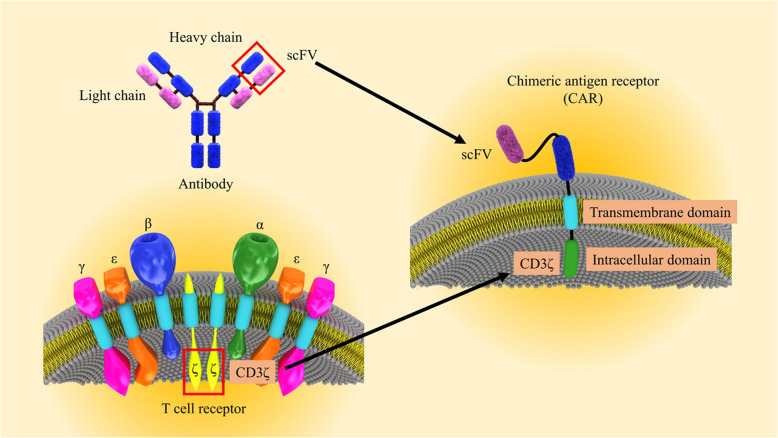
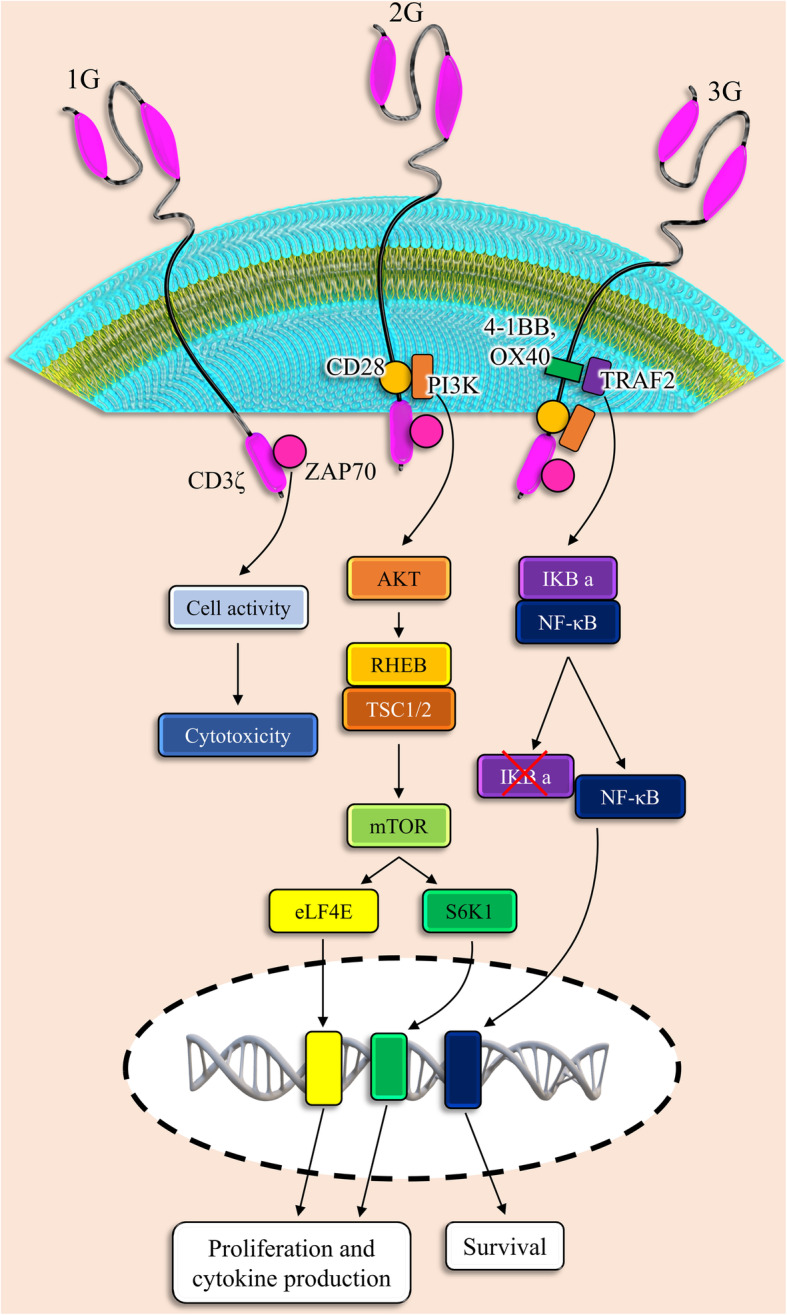
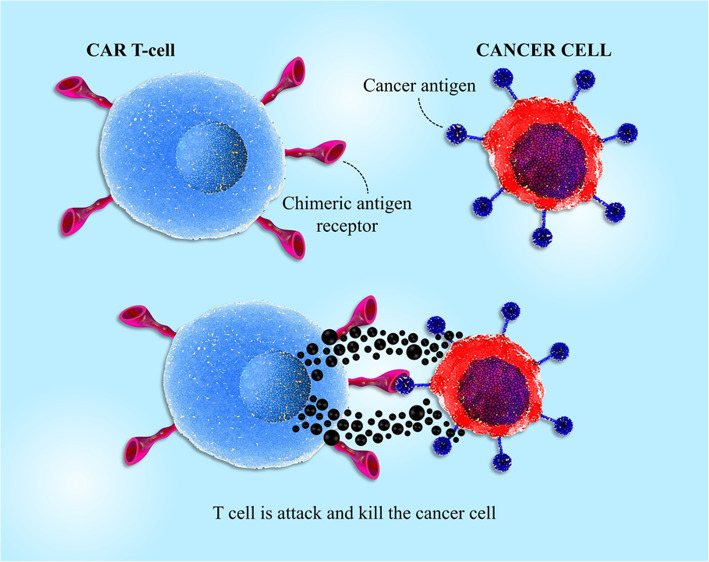
BACKGROUND: CARs are simulated receptors containing an extracellular single-chain variable fragment (scFv), a transmembrane domain, as well as an intracellular region of immunoreceptor tyrosine-based activation motifs (ITAMs) in association with a co-stimulatory signal. MAIN BODY: Chimeric antigen receptor (CAR) T cells are genetically engineered T cells to express a receptor for the recognition of the particular surface marker that has given rise to advances in the treatment of blood disorders. The CAR T cells obtain supra-physiological properties and conduct as "living drugs" presenting both immediate and steady effects after expression in T cells surface. But, their efficacy in solid tumor treatment has not yet been supported. The pivotal challenges in the field of solid tumor CAR T cell therapy can be summarized in three major parts: recognition, trafficking, and surviving in the tumor. On the other hand, the immunosuppressive tumor microenvironment (TME) interferes with T cell activity in terms of differentiation and exhaustion, and as a result of the combined use of CARs and checkpoint blockade, as well as the suppression of other inhibitor factors in the microenvironment, very promising results were obtained from the reduction of T cell exhaustion. CONCLUSION: Nowadays, identifying and defeating the mechanisms associated with CAR T cell dysfunction is crucial to establish CAR T cells that can proliferate and lyse tumor cells severely. In this review, we discuss the CAR signaling and efficacy T in solid tumors and evaluate the most significant barriers in this process and describe the most novel therapeutic methods aiming to the acquirement of the promising therapeutic outcome in non-hematologic malignancies.
Overview
The claims and statistics of this paper haven’t been checked yet.
Free: it reads the open-access text and checks the first 5 claims that cite a source we can check. Create a free account to check every claim.
Integrity signals
Registry
Cites
Statistics
Figures
Verification
Claims the paper makes
The claims and statistics of this paper haven’t been checked yet.
Free: it reads the open-access text and checks the first 5 claims that cite a source we can check. Create a free account to check every claim.
Claims other papers make about this one
Each is checked against this paper’s own text: does it say what the citing paper says it does?
The cited source says what the claim attributes to it.
In the citing paper
“CD133‐CAR‐T therapy in colorectal, pancreatic and hepatocellular carcinoma has shown anti‐metastatic potential in a phase I clinical trial [91].”
From Tumor microenvironment signaling and therapeutics in cancer progression (2023) · cites this paper as [91]
Self-check
Percentages, sums and reported differences re-computed from the paper’s own numbers.
The self-check needs the paper’s full text.
Citations
Cites
Microenvironmental regulation of tumor progression and metastasis
Quail, D. F., & Joyce, J. A. (2013) · Nature Medicine · doi:10.1038/nm.3394 · Cited by 7,994 · cited 1×
“Regulatory T cells (Tregs), myeloid-derived suppressor cells (MDSCs), and M2 tumor-associated macrophages (TAMs) are the most prominent types of immune suppressor cells in the tumor environment [122, 123].”
BackgroundUnderstanding the tumor immune microenvironment (TIME) for effective therapy
Binnewies, M., Roberts, E. W., Kersten, K., Chan, V., Fearon, D. F., Merad, M., Coussens, L. M., Gabrilovich, D. I., Ostrand-Rosenberg, S., Hedrick, C. C., et al. (2018) · Nature Medicine · doi:10.1038/s41591-018-0014-x · Cited by 6,145 · cited 1×
“immune checkpoint molecules such as CTLA-4 and PD-1 also reduce antitumor immunity [120, 124].”
BackgroundAccessories to the Crime: Functions of Cells Recruited to the Tumor Microenvironment
Hanahan, D., & Coussens, L. M. (2012) · Cancer Cell · doi:10.1016/j.ccr.2012.02.022 · Cited by 4,632 · cited 1×
“solid tumors can be strongly infiltrated by different cell types that support tumor growth, angiogenesis, and metastasis [121].”
BackgroundMelanoma-intrinsic β-catenin signalling prevents anti-tumour immunity
Spranger, S., Bao, R., & Gajewski, T. F. (2015) · Nature · doi:10.1038/nature14404 · Cited by 2,830 · cited 1×
“Identifying solid tumors requires cells to transition from the blood into the cancer site, and various abnormalities develop such that T cell infiltration is roughly blocked [113, 114].”
BackgroundMorgan, R. A., Yang, J. C., Kitano, M., Dudley, M. E., Laurencot, C. M., & Rosenberg, S. A. (2010) · Molecular Therapy · doi:10.1038/mt.2010.24 · Cited by 2,533 · cited 1×
“This catastrophic toxicity occurred for a patient with metastatic CRC who received Her2-CAR T cells [36] and a neuroblastoma patient who was treated with GD2-CAR T cells [37].”
BackgroundA human memory T cell subset with stem cell–like properties
Gattinoni, L., Lugli, E., Ji, Y., Pos, Z., Paulos, C. M., Quigley, M. F., Almeida, J. R., Gostick, E., Yu, Z., Carpenito, C., et al. (2011) · Nature Medicine · doi:10.1038/nm.2446 · Cited by 1,974 · cited 1×
“, CD4+, CD8+ αβ T cells, and γδ T cells) are superior to other cells with the aim of optimal tumor suppression [17, 18].”
BackgroundRegression of Glioblastoma after Chimeric Antigen Receptor T-Cell Therapy
Brown, C. E., Alizadeh, D., Starr, R., Weng, L., Wagner, J. R., Naranjo, A., Ostberg, J. R., Blanchard, M. S., Kilpatrick, J., Simpson, J., et al. (2016) · New England Journal of Medicine · doi:10.1056/nejmoa1610497 · Cited by 1,836 · cited 1×
“Intracranial transport has been exposed to be safe and to have an acceptable anti-cancer effect in glioblastoma [115], and intra-pleural transport of CAR T cells was more effective than their systemic administration in human pleural malignancy preclinical researches [116].”
BackgroundO’Rourke, D. M., Nasrallah, M. P., Desai, A., Melenhorst, J. J., Mansfield, K., Morrissette, J. J. D., Martinez-Lage, M., Brem, S., Maloney, E., Shen, A., et al. (2017) · Science Translational Medicine · doi:10.1126/scitranslmed.aaa0984 · Cited by 1,803
Eshhar, Z., Waks, T., Gross, G., & Schindler, D. G. (1993) · Proceedings of the National Academy of Sciences · doi:10.1073/pnas.90.2.720 · Cited by 1,658 · cited 1×
“Although CD3-ζ chain accretion is adequate to support cytolytic function in cytotoxic T cells (CTL) lines, it has been found that the strength of the essential signal to the presentation of the cytotoxic activity is lower compared with the other types of their functions [21].”
BackgroundThe Basic Principles of Chimeric Antigen Receptor Design
Sadelain, M., Brentjens, R., & Rivière, I. (2013) · Cancer Discovery · doi:10.1158/2159-8290.cd-12-0548 · Cited by 1,535 · cited 2×
“Alternative tactics independent of transgene integration, which used either RNA electroporation or cell surface conjugation, in turn, lead to the transient CAR expression and limitation of CAR T cell persistence beyond 7–14 days [3].”
BackgroundInfluentialSimpson, T. R., Li, F., Montalvo-Ortiz, W., Sepulveda, M. A., Bergerhoff, K., Arce, F., Roddie, C., Henry, J. Y., Yagita, H., Wolchok, J. D., et al. (2013) · Journal of Experimental Medicine · doi:10.1084/jem.20130579 · Cited by 1,472 · cited 1×
“Furthermore, antiCTLA-4 antibodies can trigger an immune reaction in a cell-extrinsic manner after diminishing of CTLA-4+ Treg cells, which in turn may likely assistance CAR T cells [136].”
BackgroundSpranger, S., Dai, D., Horton, B., & Gajewski, T. F. (2017) · Cancer Cell · doi:10.1016/j.ccell.2017.04.003 · Cited by 1,441 · cited 1×
“Identifying solid tumors requires cells to transition from the blood into the cancer site, and various abnormalities develop such that T cell infiltration is roughly blocked [113, 114].”
BackgroundMilone, M. C., Fish, J. D., Carpenito, C., Carroll, R. G., Binder, G. K., Teachey, D., Samanta, M., Lakhal, M., Gloss, B., Danet-Desnoyers, G., et al. (2009) · Molecular Therapy · doi:10.1038/mt.2009.83 · Cited by 1,197
Identification of unique neoantigen qualities in long-term survivors of pancreatic cancer
Initiative, A. P. C. G., Balachandran, V. P., Łuksza, M., Zhao, J. N., Makarov, V., Moral, J. A., Remark, R., Herbst, B., Askan, G., Bhanot, U., et al. (2017) · Nature · doi:10.1038/nature24462 · Cited by 1,191
Salmon, H., Franciszkiewicz, K., Damotte, D., Dieu-Nosjean, M.-C., Validire, P., Trautmann, A., Mami-Chouaib, F., & Donnadieu, E. (2012) · Journal of Clinical Investigation · doi:10.1172/jci45817 · Cited by 1,138 · cited 1×
“CAR-T cell therapy is more limited in solid tumors than in hematological tumors, because CAR-T cells return to the bloodstream and lymphatic system, so they have more contact with blood tumor cells, whereas in solid tumors, CAR-T cells may not be able to penetrate tumor tissue through the vascular endothelium [110].”
BackgroundThe Principles of Engineering Immune Cells to Treat Cancer
Lim, W. A., & June, C. H. (2017) · Cell · doi:10.1016/j.cell.2017.01.016 · Cited by 1,080 · cited 1×
“Overall, based on the modular nature of chimeric antigen receptor construction, CARs are swiftly developing and demonstrate a remarkable capacity for their effective use in a wide spectrum of immunotherapies [8].”
BackgroundHuman T-lymphocyte cytotoxicity and proliferation directed by a single chimeric TCRζ /CD28 receptor
Maher, J., Brentjens, R. J., Gunset, G., Rivière, I., & Sadelain, M. (2002) · Nature Biotechnology · doi:10.1038/nbt0102-70 · Cited by 1,034
Savoldo, B., Ramos, C. A., Liu, E., Mims, M. P., Keating, M. J., Carrum, G., Kamble, R. T., Bollard, C. M., Gee, A. P., Mei, Z., et al. (2011) · Journal of Clinical Investigation · doi:10.1172/jci46110 · Cited by 1,023 · cited 1×
“The improved perseverance established by the second generation of CARs has been approved in individuals exposed to CAR T cells with either a CD28/CD3ζ or CD3ζ-only CAR [26].”
BackgroundCAR T Cell Therapy for Solid Tumors
Newick, K., O'Brien, S., Moon, E., & Albelda, S. M. (2017) · Annual Review of Medicine · doi:10.1146/annurev-med-062315-120245 · Cited by 909
Carpenito, C., Milone, M. C., Hassan, R., Simonet, J. C., Lakhal, M., Suhoski, M. M., Varela-Rohena, A., Haines, K. M., Heitjan, D. F., Albelda, S. M., et al. (2009) · Proceedings of the National Academy of Sciences · doi:10.1073/pnas.0813101106 · Cited by 888
Heparanase promotes tumor infiltration and antitumor activity of CAR-redirected T lymphocytes
Caruana, I., Savoldo, B., Hoyos, V., Weber, G., Liu, H., Kim, E. S., Ittmann, M. M., Marchetti, D., & Dotti, G. (2015) · Nature Medicine · doi:10.1038/nm.3833 · Cited by 814 · cited 1×
“Interestingly, applying the FAP-specific CAR T for reduction of CAF cell activity or engineering novel types of the CAR T cells aiming to secrete ECM-degrading enzymes can remarkably increase their potential to traffic and lyse tumors [130].”
MethodIrving, B. A., & Weiss, A. (1991) · Cell · doi:10.1016/0092-8674(91)90314-o · Cited by 805
Rupp, L. J., Schumann, K., Roybal, K. T., Gate, R. E., Ye, C. J., Lim, W. A., & Marson, A. (2017) · Scientific Reports · doi:10.1038/s41598-017-00462-8 · Cited by 757
Transgenic Aedes aegypti Mosquitoes Transfer Genes into a Natural Population
Evans, B. R., Kotsakiozi, P., Costa-da-Silva, A. L., Ioshino, R. S., Garziera, L., Pedrosa, M. C., Malavasi, A., Virginio, J. F., Capurro, M. L., & Powell, J. R. (2019) · Scientific Reports · doi:10.1038/s41598-019-49660-6 · Cited by 732
Ionic immune suppression within the tumour microenvironment limits T cell effector function
Eil, R., Vodnala, S. K., Clever, D., Klebanoff, C. A., Sukumar, M., Pan, J. H., Palmer, D. C., Gros, A., Yamamoto, T. N., Patel, S. J., et al. (2016) · Nature · doi:10.1038/nature19364 · Cited by 678 · cited 7×
“Researches have demonstrated that in the TME, the defeating of the immunosuppressive cells is routinely necessary to the high-level efficacy of CAR T cells.”
BackgroundInfluentialBUI, M. H. T., Seligson, D. B., Han, K. R., Pantuck, A. J., Dorey, F. J., Huang, Y., Horvath, S., Leibovich, B. C., Chopra, S., Liao, S. Y., et al. (2003) · PubMed · Cited by 654
Zhang, C., Liu, J., Zhong, J. F., & Zhang, X. (2017) · Biomarker Research · doi:10.1186/s40364-017-0102-y · Cited by 578
Argani, P., Iacobuzio–Donahue, C. A., Ryu, B., Rosty, C., Goggins, M., Wilentz, R. E., Murugesan, S. R., Leach, S. D., Jaffee, E. M., Yeo, C. J., et al. (2001) · PubMed · Cited by 574
Adusumilli, P. S., Cherkassky, L., Villena-Vargas, J., Colovos, C., Servais, E., Plotkin, J., Jones, D. R., & Sadelain, M. (2014) · Science Translational Medicine · doi:10.1126/scitranslmed.3010162 · Cited by 572 · cited 1×
“Intracranial transport has been exposed to be safe and to have an acceptable anti-cancer effect in glioblastoma [115], and intra-pleural transport of CAR T cells was more effective than their systemic administration in human pleural malignancy preclinical researches [116].”
BackgroundZhong, X.-S., Matsushita, M., Plotkin, J., Riviere, I., & Sadelain, M. (2010) · Molecular Therapy · doi:10.1038/mt.2009.210 · Cited by 543 · cited 7×
“2 [66], NKG2D [28], HER2 [65, 66], FR-α [67]”
BackgroundResultInfluentialKilling Mechanisms of Chimeric Antigen Receptor (CAR) T Cells
Benmebarek, M.-R., Karches, C. H., Cadilha, B. L., Lesch, S., Endres, S., & Kobold, S. (2019) · International Journal of Molecular Sciences · doi:10.3390/ijms20061283 · Cited by 531
Till, B. G., Jensen, M. C., Wang, J., Qian, X., Gopal, A. K., Maloney, D. G., Lindgren, C. G., Lin, Y., Pagel, J. M., Budde, L. E., et al. (2012) · Blood · doi:10.1182/blood-2011-10-387969 · Cited by 529 · cited 1×
“While the first clinical research using CD20-specific CD28/4-1BB/CD3ζ did not expose desirable responses, these results should not diminish from the therapeutic importance of these “triple-decker” chimeric receptors [33].”
BackgroundCraddock, J. A., Lu, A., Bear, A., Pule, M., Brenner, M. K., Rooney, C. M., & Foster, A. E. (2010) · Journal of Immunotherapy · doi:10.1097/cji.0b013e3181ee6675 · Cited by 513
Pulè, M. A., Straathof, K. C., Dotti, G., Heslop, H. E., Rooney, C. M., & Brenner, M. K. (2005) · Molecular Therapy · doi:10.1016/j.ymthe.2005.04.016 · Cited by 487 · cited 1×
“For example, various CD28/CD3ζ CARs vary in their potential to prompt interleukin-2 secretions [29, 30].”
BackgroundKowolik, C. M., Topp, M. S., Gonzalez, S., Pfeiffer, T., Olivares, S., Gonzalez, N., Smith, D. D., Forman, S. J., Jensen, M. C., & Cooper, L. J. N. (2006) · Cancer Research · doi:10.1158/0008-5472.can-06-0160 · Cited by 487
Du, H., Hirabayashi, K., Ahn, S., Kren, N. P., Montgomery, S. A., Wang, X., Tiruthani, K., Mirlekar, B., Michaud, D., Greene, K., et al. (2019) · Cancer Cell · doi:10.1016/j.ccell.2019.01.002 · Cited by 479 · cited 1×
“Interestingly, 4-1BB co-stimulation supports lower PD-1 expression in generated T cells, and more antitumor activity when we want to target PD-L1 constitutively expressed tumor cells [80, 81].”
BackgroundTran, E., Chinnasamy, D., Yu, Z., Morgan, R. A., Lee, C.-C. R., Restifo, N. P., & Rosenberg, S. A. (2013) · Journal of Experimental Medicine · doi:10.1084/jem.20130110 · Cited by 463 · cited 9×
“2-CAR T cells [74], NKG2D-CAR T cells [75], folate receptor 1 (FOLR1)-CAR T cells [76], and HER2CAR T cells [77] can be considered as a novel therapeutic approach for gastric cancer therapy.”
BackgroundInfluentialGenetically Targeted T Cells Eradicate Systemic Acute Lymphoblastic Leukemia Xenografts
Brentjens, R. J., Santos, E., Nikhamin, Y., Yeh, R., Matsushita, M., La Perle, K., Quintás-Cardama, A., Larson, S. M., & Sadelain, M. (2007) · Clinical Cancer Research · doi:10.1158/1078-0432.ccr-07-0674 · Cited by 463
Engineered T Cell Therapy for Cancer in the Clinic
Zhao, L., & Cao, Y. J. (2019) · Frontiers in Immunology · doi:10.3389/fimmu.2019.02250 · Cited by 410
Isolation of neoantigen-specific T cells from tumor and peripheral lymphocytes
Cohen, C. J., Gartner, J. J., Horovitz-Fried, M., Shamalov, K., Trebska-McGowan, K., Bliskovsky, V. V., Parkhurst, M. R., Ankri, C., Prickett, T. D., Crystal, J. S., et al. (2015) · Journal of Clinical Investigation · doi:10.1172/jci82416 · Cited by 374 · cited 1×
“Investigations based on using whole-exome sequencing of melanoma [46] and glioblastoma multiforme (GBM) samples exhibited multiple mutated epitopes in these patients [42].”
BackgroundSuarez, E. R., Chang, D.-K., Sun, J., Sui, J., Freeman, G. J., Signoretti, S., Zhu, Q., & Marasco, W. A. (2016) · Oncotarget · doi:10.18632/oncotarget.9114 · Cited by 340 · cited 1×
“It should be noted that these markers are also expressed at a low degree on the human body’s natural tissues [34, 35].”
BackgroundCD133-directed CAR T cells for advanced metastasis malignancies: A phase I trial
Wang, Y., Chen, M., Wu, Z., Tong, C., Dai, H., Guo, Y., Liu, Y., Huang, J., Lv, H., Luo, C., et al. (2018) · OncoImmunology · doi:10.1080/2162402x.2018.1440169 · Cited by 338 · cited 7×
“In solid tumors, usually, it is more common to recognize a tumor-associated antigen (TAA) wherever the expression of markers, such as CEA, ERBB2, EGFR, GD2, mesothelin, MUC1, and PSMA, is increased on cancer cells.”
BackgroundInfluentialNishio, N., Diaconu, I., Liu, H., Cerullo, V., Caruana, I., Hoyos, V., Bouchier-Hayes, L., Savoldo, B., & Dotti, G. (2014) · Cancer Research · doi:10.1158/0008-5472.can-14-0697 · Cited by 331 · cited 2×
“Advance understanding of the process that improves or excludes T cell access to tumors are expected to shape opportunities to augment CAR T cell trafficking [117], either by further genetic variances of T cells or by composed use of CAR T cells in association with oncolytic viruses or other approaches, which finally e…”
BackgroundMicroRNA-494 promotes cancer progression and targets adenomatous polyposis coli in colorectal cancer
Zhang, Y., Guo, L., Li, Y., Feng, G.-H., Teng, F., Li, W., & Zhou, Q. (2018) · Molecular Cancer · doi:10.1186/s12943-017-0753-1 · Cited by 326
Hege, K. M., Bergsland, E. K., Fisher, G. A., Nemunaitis, J. J., Warren, R. S., McArthur, J. G., Lin, A. A., Schlom, J., June, C. H., & Sherwin, S. A. (2017) · Journal for ImmunoTherapy of Cancer · doi:10.1186/s40425-017-0222-9 · Cited by 325 · cited 5×
“Importantly, ROR1-CAR T cells infiltrate into cancerous tissue and eradicate multiple layers of tumor cells [90].”
BackgroundInfluentialSequence requirements for induction of cytolysis by the T cell antigenFc receptor ζ chain
Romeo, C., Amiot, M., & Seed, B. (1992) · Cell · doi:10.1016/0092-8674(92)90032-8 · Cited by 324 · cited 1×
“As noticed, the first engineered receptors that presented noticeable T cell-stimulating ability were chimeric molecules between CD3-ζ or Fc receptor γ and CD8, CD4, CD25, or CD16, which stimulated the phosphatidylinositol and tyrosine kinase signaling cascades associated with calcium influx in the human leukemic T cel…”
BackgroundKrenciute, G., Prinzing, B. L., Yi, Z., Wu, M.-F., Liu, H., Dotti, G., Balyasnikova, I. V., & Gottschalk, S. (2017) · Cancer Immunology Research · doi:10.1158/2326-6066.cir-16-0376 · Cited by 319 · cited 6×
“Moreover, in the GBM model, a CAR T cell-based IL13Rα2 expanded and released various cytokine in vivo, but inhibition of IL13Rα2 expression was shown in recurrent tumors [54].”
BackgroundInfluentialArgani, P., Rosty, C., Reiter, R. E., Wilentz, R. E., Murugesan, S. R., Leach, S. D., Ryu, B., Skinner, H. G., Goggins, M., Jaffee, E. M., et al. (2001) · PubMed · Cited by 313
Tumor microenvironment differences between primary tumor and brain metastases
Cacho-Díaz, B., García-Botello, D. R., Wegman-Ostrosky, T., Reyes-Soto, G., Ortiz-Sánchez, E., & Herrera-Montalvo, L. A. (2020) · Journal of Translational Medicine · doi:10.1186/s12967-019-02189-8 · Cited by 310
Beatty, G. L., Winograd, R., Evans, R. A., Long, K. B., Luque, S. L., Lee, J. W., Clendenin, C., Gladney, W. L., Knoblock, D. M., Guirnalda, P. D., et al. (2015) · Gastroenterology · doi:10.1053/j.gastro.2015.04.010 · Cited by 293
The Immune Revolution: A Case for Priming, Not Checkpoint
Vonderheide, R. H. (2018) · Cancer Cell · doi:10.1016/j.ccell.2018.03.008 · Cited by 293
Zhou, Q., Munger, M. E., Highfill, S. L., Tolar, J., Weigel, B. J., Riddle, M., Sharpe, A. H., Vallera, D. A., Azuma, M., Levine, B. L., et al. (2010) · Blood · doi:10.1182/blood-2010-03-275446 · Cited by 287
Catch me if you can: Leukemia Escape after CD19-Directed T Cell Immunotherapies
Ruella, M., & Maus, M. V. (2016) · Computational and Structural Biotechnology Journal · doi:10.1016/j.csbj.2016.09.003 · Cited by 285 · cited 1×
“However, one study investigates a particular mutation caused in a form of CD19, which lost the special epitope targeted by the CD19-based CAR T cells [52].”
BackgroundBatra, S. A., Rathi, P., Guo, L., Courtney, A. N., Fleurence, J., Balzeau, J., Shaik, R. S., Nguyen, T. P., Wu, M.-F., Bulsara, S., et al. (2020) · Cancer Immunology Research · doi:10.1158/2326-6066.cir-19-0293 · Cited by 268 · cited 4×
“Lung MAGE-A1 [101], CD32A [102], ROR [103], EGFRvIII [104]”
BackgroundInfluentialJunghans, R. P., Ma, Q., Rathore, R., Gomes, E. M., Bais, A. J., Lo, A. S. Y., Abedi, M., Davies, R. A., Cabral, H. J., Al‐Homsi, A. S., et al. (2016) · The Prostate · doi:10.1002/pros.23214 · Cited by 267 · cited 6×
“2 [66], NKG2D [28], HER2 [65, 66], FR-α [67]”
InfluentialRichman, S. A., Nunez-Cruz, S., Moghimi, B., Li, L. Z., Gershenson, Z. T., Mourelatos, Z., Barrett, D. M., Grupp, S. A., & Milone, M. C. (2018) · Cancer Immunology Research · doi:10.1158/2326-6066.cir-17-0211 · Cited by 267 · cited 1×
“This catastrophic toxicity occurred for a patient with metastatic CRC who received Her2-CAR T cells [36] and a neuroblastoma patient who was treated with GD2-CAR T cells [37].”
BackgroundKerkar, S. P., Muranski, P., Kaiser, A., Boni, A., Sanchez-Perez, L., Yu, Z., Palmer, D. C., Reger, R. N., Borman, Z. A., Zhang, L., et al. (2010) · Cancer Research · doi:10.1158/0008-5472.can-10-0735 · Cited by 254
Chimeric antigen receptors for T cell immunotherapy: current understanding and future directions
Curran, K. J., Pegram, H. J., & Brentjens, R. J. (2012) · The Journal of Gene Medicine · doi:10.1002/jgm.2604 · Cited by 251 · cited 1×
“CARs are recombinant receptors for cell surface antigen redirected the specificity and activity of blood T lymphocytes and other types of the immune cells [2].”
BackgroundJiang, H., Shi, Z., Wang, P., Wang, C., Yang, L., Du, G., Zhang, H., Shi, B., Jia, J., Li, Q., et al. (2019) · JNCI: Journal of the National Cancer Institute · doi:10.1093/jnci/djy134 · Cited by 247 · cited 5×
“2-CAR T cells [74], NKG2D-CAR T cells [75], folate receptor 1 (FOLR1)-CAR T cells [76], and HER2CAR T cells [77] can be considered as a novel therapeutic approach for gastric cancer therapy.”
BackgroundInfluentialLi, J., Li, W., Huang, K., Zhang, Y., Kupfer, G., & Zhao, Q. (2018) · Journal of Hematology & Oncology · doi:10.1186/s13045-018-0568-6 · Cited by 246 · cited 12×
“In solid tumors, usually, it is more common to recognize a tumor-associated antigen (TAA) wherever the expression of markers, such as CEA, ERBB2, EGFR, GD2, mesothelin, MUC1, and PSMA, is increased on cancer cells.”
BackgroundInfluentialHoskin, D., Mader, J., Furlong, S., Conrad, D., & Blay, J. (2008) · International Journal of Oncology · doi:10.3892/ijo.32.3.527 · Cited by 242
Watanabe, K., Kuramitsu, S., Posey, A. D., & June, C. H. (2018) · Frontiers in Immunology · doi:10.3389/fimmu.2018.02486 · Cited by 242 · cited 1×
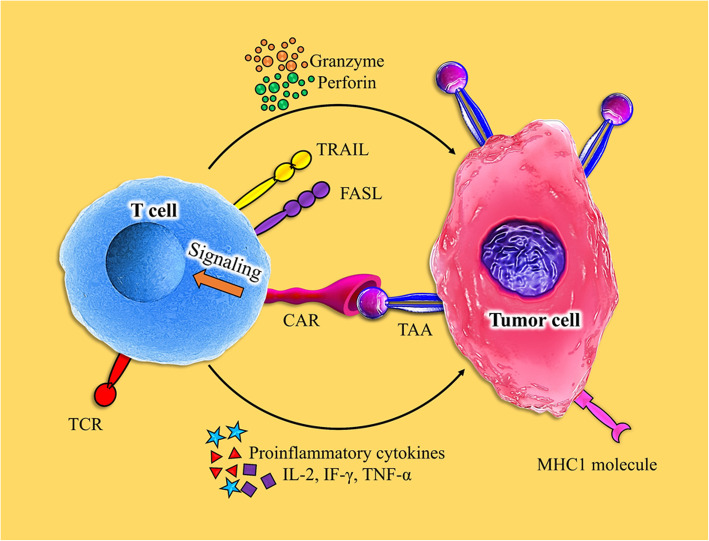
“Based on the biological and molecular investigations, CAR delivery has a wider spectrum of functional effects than transduced T cell receptors (TCRs), in which power of signaling that is generally modified by the affinity of TCRs to the target antigen is the central factor in the determination of T cell fate [6].”
BackgroundCRISPR-Cas9 mediated LAG-3 disruption in CAR-T cells
Zhang, Y., Zhang, X., Cheng, C., Mu, W., Liu, X., Li, N., Wei, X., Liu, X., Xia, C., & Wang, H. (2017) · Frontiers of Medicine · doi:10.1007/s11684-017-0543-6 · Cited by 239 · cited 1×
“On the other hand, particular CAR T cells have engineered to release anti-PD-L1 antibodies to PD-1 and LAG3 suppressing through CRISPR [134, 135].”
BackgroundBurga, R. A., Thorn, M., Point, G. R., Guha, P., Nguyen, C. T., Licata, L. A., DeMatteo, R. P., Ayala, A., Joseph Espat, N., Junghans, R. P., et al. (2015) · Cancer Immunology, Immunotherapy · doi:10.1007/s00262-015-1692-6 · Cited by 230
Wang, J., Jensen, M., Lin, Y., Sui, X., Chen, E., Lindgren, C. G., Till, B., Raubitschek, A., Forman, S. J., Qian, X., et al. (2007) · Human Gene Therapy · doi:10.1089/hum.2007.028 · Cited by 213 · cited 1×
“The third generation of CARs, containing two different costimulatory domains collective with a special activation domain in their cytoplasmic section, demonstrated a greater ability to the treatment of solid tumors in several mouse models [31, 32].”
BackgroundWhilding, L., Halim, L., Draper, B., Parente-Pereira, A., Zabinski, T., Davies, D., & Maher, J. (2019) · Cancers · doi:10.3390/cancers11050674 · Cited by 209 · cited 7×
“2-CAR T cells [74], NKG2D-CAR T cells [75], folate receptor 1 (FOLR1)-CAR T cells [76], and HER2CAR T cells [77] can be considered as a novel therapeutic approach for gastric cancer therapy.”
BackgroundInfluentialNewick, K., O'Brien, S., Sun, J., Kapoor, V., Maceyko, S., Lo, A., Puré, E., Moon, E., & Albelda, S. M. (2016) · Cancer Immunology Research · doi:10.1158/2326-6066.cir-15-0263 · Cited by 197 · cited 1×
“Advance understanding of the process that improves or excludes T cell access to tumors are expected to shape opportunities to augment CAR T cell trafficking [117], either by further genetic variances of T cells or by composed use of CAR T cells in association with oncolytic viruses or other approaches, which finally e…”
BackgroundWallstabe, L., Göttlich, C., Nelke, L. C., Kühnemundt, J., Schwarz, T., Nerreter, T., Einsele, H., Walles, H., Dandekar, G., Nietzer, S. L., et al. (2019) · JCI Insight · doi:10.1172/jci.insight.126345 · Cited by 193 · cited 6×
“2-CAR T cells [74], NKG2D-CAR T cells [75], folate receptor 1 (FOLR1)-CAR T cells [76], and HER2CAR T cells [77] can be considered as a novel therapeutic approach for gastric cancer therapy.”
BackgroundInfluentialT cell apoptosis and reactive oxygen species
Hildeman, D. A., Mitchell, T., Kappler, J., & Marrack, P. (2003) · Journal of Clinical Investigation · doi:10.1172/jci18007 · Cited by 188
CAR T Cells Targeting the Tumor MUC1 Glycoprotein Reduce Triple-Negative Breast Cancer Growth
Zhou, R., Yazdanifar, M., Roy, L. D., Whilding, L. M., Gavrill, A., Maher, J., & Mukherjee, P. (2019) · Frontiers in Immunology · doi:10.3389/fimmu.2019.01149 · Cited by 184 · cited 3×
“Liver CEA [59], Glypican3 [60], AFP [61]”
BackgroundMesothelin, a novel immunotherapy target for triple negative breast cancer
Tchou, J., Wang, L.-C., Selven, B., Zhang, H., Conejo-Garcia, J., Borghaei, H., Kalos, M., Vondeheide, R. H., Albelda, S. M., June, C. H., et al. (2012) · Breast Cancer Research and Treatment · doi:10.1007/s10549-012-2018-4 · Cited by 172 · cited 4×
“Gastric Mesothelin [62], ANTXR1 [63], MUC3A [63], Trop2 [64], Claudin18.”
BackgroundInfluentialChekmasova, A. A., Rao, T. D., Nikhamin, Y., Park, K. J., Levine, D. A., Spriggs, D. R., & Brentjens, R. J. (2010) · Clinical Cancer Research · doi:10.1158/1078-0432.ccr-10-0192 · Cited by 171 · cited 8×
“2-CAR T cells [74], NKG2D-CAR T cells [75], folate receptor 1 (FOLR1)-CAR T cells [76], and HER2CAR T cells [77] can be considered as a novel therapeutic approach for gastric cancer therapy.”
BackgroundInfluentialPD-1 disrupted CAR-T cells in the treatment of solid tumors: Promises and challenges
McGowan, E., Lin, Q., Ma, G., Yin, H., Chen, S., & Lin, Y. (2020) · Biomedicine & Pharmacotherapy · doi:10.1016/j.biopha.2019.109625 · Cited by 171 · cited 1×
“5) [132, 133]; in this case, checkpoint blockade is ameliorated following improving the preparation of tumor-specific T cells and may rationally be composed with the adoptive transmission of CAR T cells, while the risk of toxicity may be improved in normal calls.”
BackgroundTammana, S., Huang, X., Wong, M., Milone, M. C., Ma, L., Levine, B. L., June, C. H., Wagner, J. E., Blazar, B. R., & Zhou, X. (2010) · Human Gene Therapy · doi:10.1089/hum.2009.122 · Cited by 165 · cited 1×
“The third generation of CARs, containing two different costimulatory domains collective with a special activation domain in their cytoplasmic section, demonstrated a greater ability to the treatment of solid tumors in several mouse models [31, 32].”
BackgroundPark, S., Shevlin, E., Vedvyas, Y., Zaman, M., Park, S., Hsu, Y.-M. S., Min, I. M., & Jin, M. M. (2017) · Scientific Reports · doi:10.1038/s41598-017-14749-3 · Cited by 163 · cited 1×
“An in vivo research showed that utilizing ICAM-1-specific CAR T cells with μM affinity had a low-level side effect and was more effective compared with CARs with nM affinity [38, 39].”
BackgroundVargas, J. E., Chicaybam, L., Stein, R. T., Tanuri, A., Delgado-Cañedo, A., & Bonamino, M. H. (2016) · Journal of Translational Medicine · doi:10.1186/s12967-016-1047-x · Cited by 154 · cited 1×
“Transposases, which support arbitrary vector integration, are beginning to be assessed in the field of CAR therapy [15].”
BackgroundMejstríková, E., Hrusak, O., Borowitz, M. J., Whitlock, J. A., Brethon, B., Trippett, T. M., Zugmaier, G., Gore, L., von Stackelberg, A., & Locatelli, F. (2017) · Blood Cancer Journal · doi:10.1038/s41408-017-0023-x · Cited by 146 · cited 1×
“Although this event has already been demonstrated with leukemia cells after transfusion of CD19-CAR T cell, the involved process is not well identified [51].”
BackgroundMurad, J. P., Kozłowska, A. K., Lee, H. J., Ramamurthy, M., Chang, W.-C., Yazaki, P. J., Colcher, D. M., Shively, J. E., Cristea, M. C., Forman, S. J., et al. (2018) · Frontiers in Immunology · doi:10.3389/fimmu.2018.02268 · Cited by 146 · cited 2×
“According to reports, a humanized TAG72specific CAR T cell demonstrated cytotoxicity potential and cytokine production in OC; on the other hand, TAG72-based CAR T cells meaningfully diminished proliferation potential and augmented experimented mice viability [55].”
BackgroundClinical investigation of CAR T cells for solid tumors: Lessons learned and future directions
Bagley, S. J., & O’Rourke, D. M. (2020) · Pharmacology & Therapeutics · doi:10.1016/j.pharmthera.2019.107419 · Cited by 145 · cited 2×
“CA-IX is a metalloprotease normally participating in the catalysis of carbon dioxide hydration [13, 68], whereas it is applicable as a critical antigen in renal cell carcinoma and several normal tissues, including gastric mucosa epithelium, small intestine epithelium, and duodenum, and biliary tree expresses it modera…”
BackgroundMagee, M. S., Abraham, T. S., Baybutt, T. R., Flickinger, J. C., Ridge, N. A., Marszalowicz, G. P., Prajapati, P., Hersperger, A. R., Waldman, S. A., & Snook, A. E. (2018) · Cancer Immunology Research · doi:10.1158/2326-6066.cir-16-0362 · Cited by 143
PSCA and MUC1 in non-small-cell lung cancer as targets of chimeric antigen receptor T cells
Wei, X., Lai, Y., Li, J., Qin, L., Xu, Y., Zhao, R., Li, B., Lin, S., Wang, S., Wu, Q., et al. (2017) · OncoImmunology · doi:10.1080/2162402x.2017.1284722 · Cited by 142 · cited 2×
“Also, it has been verified that CAR T cell-based mesothelin [92], erythropoietin-producing hepatocellular carcinoma A2 (EphA2) [93], and PSCA and mucin-1 [94] can lead to the desired therapeutic outcome in lung cancers.”
BackgroundWang, H., Chen, W., Jin, M. L., Hou, L., Chen, X., Zhang, R., Zhang, J., & Zhu, J. (2018) · Molecular Cancer · doi:10.1186/s12943-018-0909-7 · Cited by 141
Strohl, W. R., & Naso, M. (2019) · Antibodies · doi:10.3390/antib8030041 · Cited by 134 · cited 1×
“, EGFR on solid tumor cells or CD19 on B cells) and an intracellular stimulating domain that provides the T-cell receptor (TCR) signaling to trigger CAR T-cell activation and function [9, 10].”
BackgroundCarbonic Anhydrase IX as an Imaging and Therapeutic Target for Tumors and Metastases
Tafreshi, N. K., Lloyd, M. C., Bui, M. M., Gillies, R. J., & Morse, D. L. (2013) · Sub-cellular biochemistry/Subcellular biochemistry · doi:10.1007/978-94-007-7359-2_12 · Cited by 131 · cited 1×
“Pancreatic MUC1 [68], Mesothelin [69], αvβ6 [70], CEA [71], PSCA [71], FAP [71], CD47 [72], HER2 [73], NKG2D [74]”
An Analysis of Natural T Cell Responses to Predicted Tumor Neoepitopes
Bjerregaard, A.-M., Nielsen, M., Jurtz, V. I., Barra, C., Hadrup, S. R., Szállási, Z., & Eklund, A. C. (2017) · Frontiers in Immunology · doi:10.3389/fimmu.2017.01566 · Cited by 129 · cited 1×
“The neoantigens can also be recognized through DNA or RNA sequencing and also using whole-exome screening to investigate somatic mutations in cancers [44, 45].”
BackgroundMesothelin is a target of chimeric antigen receptor T cells for treating gastric cancer
Lv, J., Zhao, R., Wu, D., Zheng, D., Wu, Z., Shi, J., Wei, X., Wu, Q., Long, Y., Lin, S., et al. (2019) · Journal of Hematology & Oncology · doi:10.1186/s13045-019-0704-y · Cited by 129 · cited 7×
“2-CAR T cells [74], NKG2D-CAR T cells [75], folate receptor 1 (FOLR1)-CAR T cells [76], and HER2CAR T cells [77] can be considered as a novel therapeutic approach for gastric cancer therapy.”
BackgroundInfluentialHER2 overexpression correlates with survival after curative resection of pancreatic cancer
Komoto, M., Nakata, B., Amano, R., Yamada, N., Yashiro, M., Ohira, M., Wakasa, K., & Hirakawa, K. (2009) · Cancer Science · doi:10.1111/j.1349-7006.2009.01176.x · Cited by 126 · cited 5×
“Glioblastoma EGFRvIII [87], HER2 [88], B7-H3 [89], NKG2D [90], CAIX [91], αvβ3, IL13Rα2 [92]”
BackgroundInfluentialMirzaei, H. R., Mirzaei, H., Lee, S. Y., Hadjati, J., & Till, B. G. (2016) · Cancer Letters · doi:10.1016/j.canlet.2016.07.001 · Cited by 126
Tumor immunotherapy across MHC barriers using allogeneic T-cell precursors
Zakrzewski, J. L., Suh, D. Y., Markley, J. C., Smith, O. M., King, C. G., Goldberg, G. L., Jenq, R. R., Holland, A. M., Grubin, J., Cabrera-Pérez, J., et al. (2008) · Nature Biotechnology · doi:10.1038/nbt1395 · Cited by 124 · cited 1×
“, CD4+, CD8+ αβ T cells, and γδ T cells) are superior to other cells with the aim of optimal tumor suppression [17, 18].”
BackgroundQu, C. F., Li, Y., Song, Y. J., Rizvi, S. M. A., Raja, C., Zhang, D., Samra, J., Smith, R., Perkins, A. C., Apostolidis, C., et al. (2004) · British Journal of Cancer · doi:10.1038/sj.bjc.6602232 · Cited by 123 · cited 3×
“Neuroblastoma GD2 [82, 83], CD56 [84], Glypican 2 [85], CD171 [86]”
BackgroundSong, Y., Tong, C., Wang, Y., Gao, Y., Dai, H., Guo, Y., Zhao, X., Wang, Y., Wang, Z., Han, W., et al. (2017) · Protein & Cell · doi:10.1007/s13238-017-0384-8 · Cited by 123 · cited 3×
“Melanoma GD2 [76], GSPG4 [77], Glypican3 [78], HER2 [79]”
BackgroundIngegnere, T., Mariotti, F. R., Pelosi, A., Quintarelli, C., De Angelis, B., Tumino, N., Besi, F., Cantoni, C., Locatelli, F., Vacca, P., et al. (2019) · Frontiers in Immunology · doi:10.3389/fimmu.2019.00957 · Cited by 122 · cited 1×
“Considering the principles, an antigen expressed on the cell surface can be targeted by a CAR and varied T cell subsets, T cell progenitors, and other immune cells, in particular, natural killer (NK) cells, can be targeted by a CAR [5].”
BackgroundControl of triple-negative breast cancer using ex vivo self-enriched, costimulated NKG2D CAR T cells
Han, Y., Xie, W., Song, D.-G., & Powell, D. J. (2018) · Journal of Hematology & Oncology · doi:10.1186/s13045-018-0635-z · Cited by 117 · cited 4×
“Liver CEA [59], Glypican3 [60], AFP [61]”
BackgroundInfluentialKatz, S. C., Hardaway, J. C., Prince, E. A., Guha, P., Cunetta, M., Moody, A. E., Wang, L., Armenio, V. A., Espat, N. J., & Junghans, R. P. (2019) · Cancer Gene Therapy · doi:10.1038/s41417-019-0104-z · Cited by 114 · cited 6×
“In solid tumors, usually, it is more common to recognize a tumor-associated antigen (TAA) wherever the expression of markers, such as CEA, ERBB2, EGFR, GD2, mesothelin, MUC1, and PSMA, is increased on cancer cells.”
BackgroundInfluentialRetroviral Integrations in Gene Therapy Trials
Biasco, L., Baricordi, C., & Aiuti, A. (2012) · Molecular Therapy · doi:10.1038/mt.2011.289 · Cited by 106 · cited 1×
“However, T cell transformation due to the insertional mutagenesis has not been confirmed to date; direct integration of the vector into the safe regions of the genome is able to finally lead to the long-term CAR expression without insertional mutagenesis occurrence risk [16].”
BackgroundThymocyte emigration is mediated by active movement away from stroma-derived factors
Poznansky, M. C., Olszak, I. T., Evans, R. H., Wang, Z., Foxall, R. B., Olson, D. P., Weibrecht, K., Luster, A. D., & Scadden, D. T. (2002) · Journal of Clinical Investigation · doi:10.1172/jci13853 · Cited by 104 · cited 1×
“On the other hand, the migration of CAR-T cells in solid tumors depends on the adjustment of chemokines such as ligand11 and 12 chemokines [112].”
BackgroundTargeting PD-L1 in non-small cell lung cancer using CAR T cells
Liu, M., Wang, X., Li, W., Yu, X., Flores-Villanueva, P. O., Xu-Monette, Z. Y., Li, L., Zhang, M., Young, K. H., Ma, X., et al. (2020) · Oncogenesis · doi:10.1038/s41389-020-00257-z · Cited by 104 · cited 5×
“NSCLC and to some extent leads to the recovery of patients with (PD-L1) NSCLC [95].”
BackgroundInfluentialAdoptive T-Cell Therapy for Solid Tumors
Yeku, O., Li, X., & Brentjens, R. J. (2017) · American Society of Clinical Oncology Educational Book · doi:10.1200/edbk_180328 · Cited by 103
Chen, C., Li, K., Jiang, H., Song, F., Gao, H., Pan, X., Shi, B., Bi, Y., Wang, H., Wang, H., et al. (2016) · Cancer Immunology Immunotherapy · doi:10.1007/s00262-016-1949-8 · Cited by 102 · cited 7×
“Prostate stem cell antigen (PSCA) and prostate-specific membrane antigen (PSMA) are utilized commonly for targeting chimeric antigen receptors for reaching the appropriate therapeutic outcomes in prostate cancer (PC) [107].”
BackgroundInfluentialCAR T Therapy Targeting ICAM-1 Eliminates Advanced Human Thyroid Tumors
Min, I. M., Shevlin, E., Vedvyas, Y., Zaman, M., Wyrwas, B., Scognamiglio, T., Moore, M. D., Wang, W., Park, S., Park, S., et al. (2017) · Clinical Cancer Research · doi:10.1158/1078-0432.ccr-17-2008 · Cited by 99 · cited 1×
“An in vivo research showed that utilizing ICAM-1-specific CAR T cells with μM affinity had a low-level side effect and was more effective compared with CARs with nM affinity [38, 39].”
BackgroundProspects for chimeric antigen receptor-modified T cell therapy for solid tumors
Zhang, E., Gu, J., & Xu, H. (2018) · Molecular Cancer · doi:10.1186/s12943-018-0759-3 · Cited by 99 · cited 1×
“Furthermore, different levels of antigen expression at various tumor sites may impair the function of CAR T cells at the tumor location because malignant cell antigen diversity makes it difficult to identify tumor cell-specific antigens [108].”
BackgroundThe Landscape of CAR-T Cell Clinical Trials against Solid Tumors—A Comprehensive Overview
Schaft, N. (2020) · Cancers · doi:10.3390/cancers12092567 · Cited by 99 · cited 1×
“Interestingly, 4-1BB co-stimulation supports lower PD-1 expression in generated T cells, and more antitumor activity when we want to target PD-L1 constitutively expressed tumor cells [80, 81].”
BackgroundMaus, M. V., Plotkin, J., Jakka, G., Stewart-Jones, G., Rivière, I., Merghoub, T., Wolchok, J., Renner, C., & Sadelain, M. (2016) · Molecular Therapy - Oncolytics · doi:10.1038/mto.2016.23 · Cited by 96 · cited 1×
“On the other hand, CARs induce cell death in target cells without any dependency on the MHC molecules [7].”
BackgroundThe killing effect of novel bi-specific Trop2/PD-L1 CAR-T cell targeted gastric cancer.
Zhao, W., Jia, L., Zhang, M., Huang, X., Qian, P., Tang, Q., Zhu, J. W., & Feng, Z. (2019) · PubMed · Cited by 96
Hombach, A. A., Geumann, U., Günther, C., Hermann, F. G., & Abken, H. (2020) · Cells · doi:10.3390/cells9040873 · Cited by 96 · cited 5×
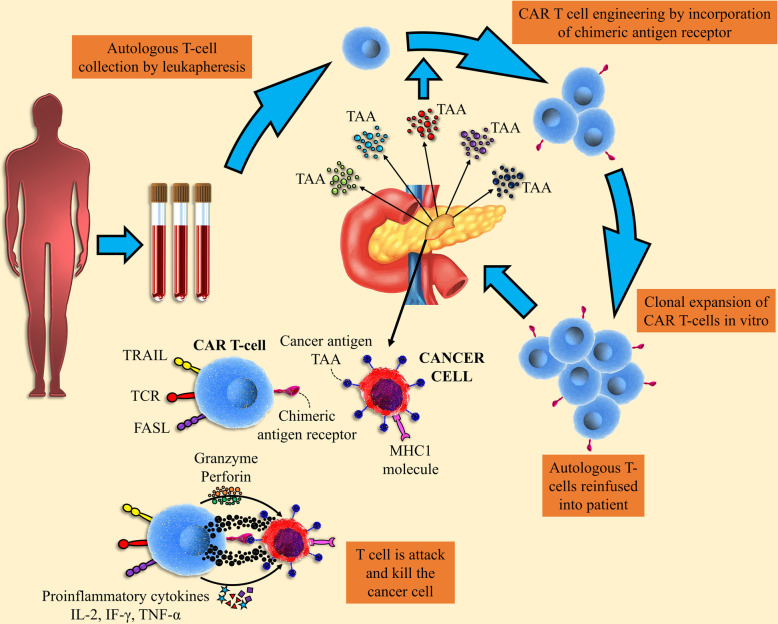
“Similarily, EGFRvIII-CART specifically and proficiently identify and kill A549-EGFRvIII cells upon expressing and releasing cytokines, such as perforin, granzyme B, IFN-γ, and TNF-α; on the other hand, studies showed that the metastasis of A549-EGFRvIII cells in mice was robustly diminished by EGFRvIII-CART cells, and…”
BackgroundInfluentialSimon, B., Harrer, D. C., Schuler‐Thurner, B., Schaft, N., Schuler, G., Dörrie, J., & Uslu, U. (2018) · Experimental Dermatology · doi:10.1111/exd.13678 · Cited by 95 · cited 1×
“5) [132, 133]; in this case, checkpoint blockade is ameliorated following improving the preparation of tumor-specific T cells and may rationally be composed with the adoptive transmission of CAR T cells, while the risk of toxicity may be improved in normal calls.”
BackgroundNovel TCR-based biologics: mobilising T cells to warm ‘cold’ tumours
Lowe, K. L., Cole, D., Kenefeck, R., OKelly, I., Lepore, M., & Jakobsen, B. K. (2019) · Cancer Treatment Reviews · doi:10.1016/j.ctrv.2019.06.001 · Cited by 95
The Emergence of Universal Immune Receptor T Cell Therapy for Cancer
Minutolo, N. G., Hollander, E. E., & Powell, D. J. (2019) · Frontiers in Oncology · doi:10.3389/fonc.2019.00176 · Cited by 93 · cited 1×
“, EGFR on solid tumor cells or CD19 on B cells) and an intracellular stimulating domain that provides the T-cell receptor (TCR) signaling to trigger CAR T-cell activation and function [9, 10].”
BackgroundUse of chimeric antigen receptor NK-92 cells to target mesothelin in ovarian cancer
Cao, B., Liu, M., Wang, L., Liang, B., Feng, Y., Chen, X., Shi, Y., Zhang, J., Ye, X., Tian, Y., et al. (2020) · Biochemical and Biophysical Research Communications · doi:10.1016/j.bbrc.2020.01.053 · Cited by 92 · cited 7×
“In solid tumors, usually, it is more common to recognize a tumor-associated antigen (TAA) wherever the expression of markers, such as CEA, ERBB2, EGFR, GD2, mesothelin, MUC1, and PSMA, is increased on cancer cells.”
BackgroundInfluentialChimeric antigen receptor-engineered T-cell therapy for liver cancer
Yang, C., Changyong, E., Gong, Z.-W., Liu, S., Wang, Z., Yang, Y., & Zhang, X. (2018) · Hepatobiliary & pancreatic diseases international · doi:10.1016/j.hbpd.2018.05.005 · Cited by 87 · cited 9×
“In solid tumors, usually, it is more common to recognize a tumor-associated antigen (TAA) wherever the expression of markers, such as CEA, ERBB2, EGFR, GD2, mesothelin, MUC1, and PSMA, is increased on cancer cells.”
BackgroundInfluentialVedvyas, Y., McCloskey, J. E., Yang, Y., Min, I. M., Fahey, T. J., Zarnegar, R., Hsu, Y.-M. S., Hsu, J., van Besien, K., Gaudet, I. D., et al. (2019) · Scientific Reports · doi:10.1038/s41598-019-46938-7 · Cited by 85 · cited 1×
“For example, overexpression of endothelin B receptors in cancer tissues downregulates the ICAM-1 level and thus prevents T cells escape from the blood vessels [111].”
BackgroundSiu, M. K. Y., Jiang, Y., Wang, J., Leung, T. H. Y., Ngu, S., Cheung, A., Ngan, H., & Chan, K. K. L. (2020) · Oncogenesis · doi:10.1038/s41389-020-0209-0 · Cited by 84
Hung, C.-F., Xu, X., Li, L., Ma, Y., Jin, Q., Viley, A., Allen, C., Natarajan, P., Shivakumar, R., Peshwa, M. V., et al. (2018) · Human Gene Therapy · doi:10.1089/hum.2017.080 · Cited by 81 · cited 5×
“Colorectal NKG2D [54], EP-CAM [55], HER2 [56], GUCY2C [57], TAG-72 [58], CD46 [58]”
BackgroundInfluentialDevelopment of NKG2D-based chimeric antigen receptor-T cells for gastric cancer treatment
Tao, K., He, M. Q., Tao, F., Xu, G., Ye, M., Zheng, Y., & Li, Y. (2018) · Cancer Chemotherapy and Pharmacology · doi:10.1007/s00280-018-3670-0 · Cited by 81 · cited 1×
“2-CAR T cells [74], NKG2D-CAR T cells [75], folate receptor 1 (FOLR1)-CAR T cells [76], and HER2CAR T cells [77] can be considered as a novel therapeutic approach for gastric cancer therapy.”
BackgroundExpression of CD24 in adenocarcinomas of the pancreas correlates with higher tumor grades
Jacob, J., Bellach, J., Grützmann, R., Alldinger, I., Pilarsky, C. P., Dietel, M., & Kristiansen, G. (2004) · Pancreatology · doi:10.1159/000079824 · Cited by 79
Chimeric Antigen Receptor-Engineered T Cells for the Treatment of Metastatic Prostate Cancer
Hillerdal, V., & Essand, M. (2015) · BioDrugs · doi:10.1007/s40259-015-0122-9 · Cited by 76 · cited 1×
“Prostate stem cell antigen (PSCA) and prostate-specific membrane antigen (PSMA) are utilized commonly for targeting chimeric antigen receptors for reaching the appropriate therapeutic outcomes in prostate cancer (PC) [107].”
BackgroundChen, X., Amar, N., Zhu, Y., Wang, C., Xia, C., Yang, X., Wu, D., & Feng, M. (2020) · Journal for ImmunoTherapy of Cancer · doi:10.1136/jitc-2020-000785 · Cited by 75 · cited 6×
“2-CAR T cells [74], NKG2D-CAR T cells [75], folate receptor 1 (FOLR1)-CAR T cells [76], and HER2CAR T cells [77] can be considered as a novel therapeutic approach for gastric cancer therapy.”
BackgroundInfluentialAntitumor activity of NKG2D CAR-T cells against human colorectal cancer cells in vitro and in vivo.
Deng, X., Gao, F., Li, N., Li, Q., Zhou, Y., Yang, T., Cai, Z., Du, P., Chen, F., & Cai, J. (2019) · PubMed · Cited by 73
Karasaki, T., Nagayama, K., Kuwano, H., Nitadori, J., Sato, M., Anraku, M., Hosoi, A., Matsushita, H., Takazawa, M., Ohara, O., et al. (2016) · Cancer Science · doi:10.1111/cas.13131 · Cited by 71 · cited 1×
“The neoantigens can also be recognized through DNA or RNA sequencing and also using whole-exome screening to investigate somatic mutations in cancers [44, 45].”
BackgroundSlovin, S. F., Wang, X., Hullings, M. A., Arauz, G., Bartido, S. M., Lewis, J. S., Schöder, H. M., ZANZONICO, P. B., Scher, H. I., Sadelain, M., et al. (2013) · Journal of Clinical Oncology · doi:10.1200/jco.2013.31.6_suppl.72 · Cited by 69 · cited 4×
“[67] approved PSMA-directed CART cells’ safety and efficacy in PC.”
BackgroundInfluentialChimeric Antigen Receptor T Cell Therapy Targeting ICAM-1 in Gastric Cancer
Jung, M., Yang, Y., McCloskey, J. E., Zaman, M., Vedvyas, Y., Zhang, X., Stefanova, D. I., Gray, K. D., Min, I. M., Zarnegar, R., et al. (2020) · Molecular Therapy — Oncolytics · doi:10.1016/j.omto.2020.08.009 · Cited by 68 · cited 3×
“showed that ICAM-1 CAR T cells alone or in combination with chemotherapeutic agent paclitaxel or CAR T cells modified IL-12 release, as a promising approach which greatly improves ICAM1-advanced gastric cancer patients [78].”
BackgroundPreclinical Assessment of CAR T-Cell Therapy Targeting the Tumor Antigen 5T4 in Ovarian Cancer
Owens, G. L., Sheard, V., Kalaitsidou, M., Blount, D. G., Lad, Y., Cheadle, E. J., Edmondson, R. J., Kooner, G. S., Gilham, D. E., & Harrop, R. (2017) · Journal of Immunotherapy · doi:10.1097/cji.0000000000000203 · Cited by 63 · cited 1×
“Furthermore, 5T4-specific CAR T cells [106] and FRα-specific CAR T cells [58] demonstrated a noteworthy inhibitory effect on ovarian cancer cell growth and progression.”
BackgroundChimeric antigen receptor T cells in solid tumors: a war against the tumor microenvironment
Zhao, Z., Xiao, X., Saw, P. E., Wu, W., Huang, H., Chen, J., & Nie, Y. (2019) · Science China Life Sciences · doi:10.1007/s11427-019-9665-8 · Cited by 60 · cited 1×
“Regulatory T cells (Tregs), myeloid-derived suppressor cells (MDSCs), and M2 tumor-associated macrophages (TAMs) are the most prominent types of immune suppressor cells in the tumor environment [122, 123].”
BackgroundZhou, S., Wang, Q., Meng, Z., Peng, J., Zhou, Y., Song, W., Wang, J., Chen, S., & Sun, K. (2020) · Journal of Translational Medicine · doi:10.1186/s12967-020-02445-2 · Cited by 60
Li, N., Liu, S., Sun, M., Chen, W., Xu, X., Zeng, Z., Tang, Y., Dong, Y., Chang, A. H., & Zhao, Q. (2017) · Translational Oncology · doi:10.1016/j.tranon.2017.10.009 · Cited by 57 · cited 5×
“Also, it has been verified that CAR T cell-based mesothelin [92], erythropoietin-producing hepatocellular carcinoma A2 (EphA2) [93], and PSCA and mucin-1 [94] can lead to the desired therapeutic outcome in lung cancers.”
BackgroundInfluentialSureban, S. M., Berahovich, R., Zhou, H., Xu, S., Wu, L., Ding, K., May, R. J., Qu, D., Bannerman-Menson, E., Golubovskaya, V., et al. (2019) · Cancers · doi:10.3390/cancers12010054 · Cited by 55 · cited 1×
“A recent report revealed that DCLK1’s targeted CAR-T therapy effectively eradicates primary and metastatic colon cancer cells [105].”
BackgroundLiu, X., Gao, F., Jiang, L., Jia, M., Ao, L., Lü, M., Gou, L., Ho, M., Jia, S., Chen, F., et al. (2020) · Journal of Translational Medicine · doi:10.1186/s12967-020-02462-1 · Cited by 55 · cited 4×
“EGFR epidermal growth factor receptor, HER2 human epidermal growth factor receptor 2, PSCA prostate stem cell antigen, MUC1 mucin1, EpCAM epithelial cell adhesion molecule, AFP alpha-fetoprotein, FAP familial adenomatous polyposis, CEA carcinoembryonic antigen, MUC16 mucin16, PSMA prostate-specific membrane antigen, A…”
BackgroundInfluentialZhu, Q., Liu, M., Dai, L., Ying, X., Ye, H., Zhou, Y., Han, S., & Zhang, J. Y. (2013) · Autoimmunity Reviews · doi:10.1016/j.autrev.2013.06.015 · Cited by 54 · cited 1×
“In the last decade, various experimental groups exploited immunoproteomics to recognize TAAs utilizing autoantibodies toward immunogenic antigens that are functionally expressed either in the cytosol or on the surface of cancerous cells [41].”
BackgroundDDIAS promotes STAT3 activation by preventing STAT3 recruitment to PTPRM in lung cancer cells
Im, J., Kim, B., Lee, K., Chun, S.-Y., Kang, M., & Won, M. (2020) · Oncogenesis · doi:10.1038/s41389-019-0187-2 · Cited by 54
Chimeric antigen receptor T cell targeting EGFRvIII for metastatic lung cancer therapy
Zhang, Z., Jiang, J., Wu, X., Zhang, M., Luo, D., Zhang, R., Li, S., He, Y.-W., Bian, H., & Chen, Z. (2019) · Frontiers of Medicine · doi:10.1007/s11684-019-0683-y · Cited by 51 · cited 4×
“Glioblastoma EGFRvIII [87], HER2 [88], B7-H3 [89], NKG2D [90], CAIX [91], αvβ3, IL13Rα2 [92]”
BackgroundInfluentialYe, L., Lou, Y., Lu, L., & Fan, X. (2018) · Experimental and Therapeutic Medicine · doi:10.3892/etm.2018.7015 · Cited by 50 · cited 4×
“Also, it has been verified that CAR T cell-based mesothelin [92], erythropoietin-producing hepatocellular carcinoma A2 (EphA2) [93], and PSCA and mucin-1 [94] can lead to the desired therapeutic outcome in lung cancers.”
BackgroundInfluentialYang, Q., Roehrl, M. H. A., & Wang, J. Y. (2017) · Oncotarget · doi:10.18632/oncotarget.23583 · Cited by 45
Molecular oncology in pancreatic cancer
Gansauge, S., Gansauge, F., & Beger, H. G. (1996) · Journal of Molecular Medicine · doi:10.1007/bf00207508 · Cited by 44 · cited 6×
“In solid tumors, usually, it is more common to recognize a tumor-associated antigen (TAA) wherever the expression of markers, such as CEA, ERBB2, EGFR, GD2, mesothelin, MUC1, and PSMA, is increased on cancer cells.”
BackgroundInfluentialChimeric cytokine receptor enhancing PSMA-CAR-T cell-mediated prostate cancer regression
Weimin, S., Abula, A., Qianghong, D., & Wenguang, W. (2020) · Cancer Biology & Therapy · doi:10.1080/15384047.2020.1739952 · Cited by 44 · cited 7×
“2 [66], NKG2D [28], HER2 [65, 66], FR-α [67]”
BackgroundInfluentialBräunlein, E., & Krackhardt, A. M. (2017) · Frontiers in Immunology · doi:10.3389/fimmu.2017.01702 · Cited by 42 · cited 1×
“According to studies, tumors usually have only cell divisions that strongly express the target antigen, and there is usually a risk of the target antigen being destroyed and removed from the cancer cells [50].”
BackgroundAlpharetroviral Vectors: From a Cancer-Causing Agent to a Useful Tool for Human Gene Therapy
Suerth, J. D., Labenski, V., & Schambach, A. (2014) · Viruses · doi:10.3390/v6124811 · Cited by 39
Zuo, S., Wen, Y., Panha, H., Dai, G., Wang, L., Ren, X., & Fu, K. (2017) · Molecular Immunology · doi:10.1016/j.molimm.2017.03.017 · Cited by 37 · cited 4×
“Overall, in colorectal cancer, NKG2D [102], CD133 [82], GUCY2C (Guanylate Cyclase 2C) [40], and TAG-72 [103] are the most prominent target antigen to reaching the promising therapeutic goal.”
BackgroundInfluentialSlovin, S. F., Wang, X., Hullings, M. A., Arauz, G., Bartido, S. M., Lewis, J. S., Schöder, H. M., ZANZONICO, P. B., Scher, H. I., & Rivière, I. (2013) · Journal of Clinical Oncology · doi:10.1200/jco.2013.31.15_suppl.tps3115 · Cited by 34
Munisvaradass, R., Kumar, S. S., Govindasamy, C., Al-Numair, K. S., & Mok, P. L. (2017) · International Journal of Molecular Sciences · doi:10.3390/ijms18091797 · Cited by 34 · cited 3×
“Gastric Mesothelin [62], ANTXR1 [63], MUC3A [63], Trop2 [64], Claudin18.”
BackgroundZhao, G., Han, H., Yang, J., Sun, M., Cui, D., Li, Y., Gao, Y., & Zou, J. (2020) · Science China Life Sciences · doi:10.1007/s11427-019-1633-3 · Cited by 32
Adoptive T-Cell Therapy for Solid Tumors
Yeku, O., Li, X., & Brentjens, R. J. (2017) · American Society of Clinical Oncology Educational Book · doi:10.14694/edbk_180328 · Cited by 29 · cited 5×
“Pancreatic MUC1 [68], Mesothelin [69], αvβ6 [70], CEA [71], PSCA [71], FAP [71], CD47 [72], HER2 [73], NKG2D [74]”
BackgroundInfluentialZuo, B., Yan, B., Zheng, G., Xi, W., Zhang, X., Yang, A., & Jia, L. (2017) · Cancer Immunology Immunotherapy · doi:10.1007/s00262-017-2089-5 · Cited by 26 · cited 5×
“Other studies suggested that HRG1β-based CAR-T cells successfully inhibit breast cancer proliferation through HER family receptors and able to deliver an attractive therapeutic approach to defeat cancer resistance against HER2-based targeted therapy [62].”
BackgroundInfluentialAhn, D. S., Lee, H., Hwang, J., Han, H., Kim, B., Shim, B., & Kim, S. (2018) · International Journal of Molecular Sciences · doi:10.3390/ijms19051476 · Cited by 26
CAR-T in solid tumors: Blazing a new trail through the brambles
Guo, F., & Cui, J. (2020) · Life Sciences · doi:10.1016/j.lfs.2020.118300 · Cited by 26 · cited 2×
“immune checkpoint molecules such as CTLA-4 and PD-1 also reduce antitumor immunity [120, 124].”
BackgroundApplication of CAR T cells for the treatment of solid tumors
Khan, J. F., Khan, A. S., & Brentjens, R. J. (2019) · Progress in molecular biology and translational science · doi:10.1016/bs.pmbts.2019.07.004 · Cited by 20
Rupp, L. J., Schumann, K., Roybal, K. T., Marson, A., & Lim, W. A. (2016) · The Journal of Immunology · doi:10.4049/jimmunol.196.supp.214.24 · Cited by 17
Valentini, D., Rao, M., Meng, Q., von Landenberg, A., Bartek, J. J., Sinclair, G., Paraschoudi, G., Jäger, E., Peredo, I. H., Dodoo, E., et al. (2018) · Oncotarget · doi:10.18632/oncotarget.24955 · Cited by 17
Ahn, D., Lee, H., Hwang, J., et al. (2018) · Preprints.org · doi:10.20944/preprints201804.0242.v1 · Cited by 12
Valentini, D., Rao, M., Meng, Q., von Landenberg, A., Bartek, J. J., Sinclair, G., Paraschoudi, G., Jäger, E., Peredo, I. H., Dodoo, E., et al. (2018) · Oncotarget · doi:10.18632/oncotarget.26447 · Cited by 1 · cited 2×
“Investigations based on using whole-exome sequencing of melanoma [46] and glioblastoma multiforme (GBM) samples exhibited multiple mutated epitopes in these patients [42].”
Background
Cited by
Lu, P., Ruan, D., Huang, M., Tian, M., Zhu, K., Gan, Z., & Xiao, Z. (2024) · Signal Transduction and Targeted Therapy · doi:10.1038/s41392-024-01852-x · Cited by 667
CAR race to cancer immunotherapy: from CAR T, CAR NK to CAR macrophage therapy
Pan, K., Farrukh, H., Chittepu, V. C. S. R., Xu, H., Pan, C.-X., & Zhu, Z. (2022) · Journal of Experimental & Clinical Cancer Research · doi:10.1186/s13046-022-02327-z · Cited by 657
Claudin18.2-specific CAR T cells in gastrointestinal cancers: phase 1 trial interim results
Qi, C., Gong, J., Li, J., Liu, D., Qin, Y., Ge, S., Zhang, M., Peng, Z., Zhou, J., Cao, Y., et al. (2022) · Nature Medicine · doi:10.1038/s41591-022-01800-8 · Cited by 604
Engineering the next generation of cell-based therapeutics
Bashor, C. J., Hilton, I. B., Bandukwala, H., Smith, D. M., & Veiseh, O. (2022) · Nature Reviews Drug Discovery · doi:10.1038/s41573-022-00476-6 · Cited by 439
Improving CAR-T immunotherapy: Overcoming the challenges of T cell exhaustion
Gumber, D., & Wang, L. D. (2022) · eBioMedicine · doi:10.1016/j.ebiom.2022.103941 · Cited by 396
Metadata
- Authors
- Marofi, F., Motavalli, R., Safonov, V. A., Thangavelu, L., Yumashev, A. V., Alexander, M., Shomali, N., Chartrand, M. S., Pathak, Y., Jarahian, M., Izadi, S., Hassanzadeh, A., Shirafkan, N., Tahmasebi, S., & Khiavi, F. M.
- Affiliations
- Tabriz University of Medical Sciences (IR)
- Russian Academy of Sciences (RU)
- Saveetha University (IN)
- Sechenov University (RU)
- Industrial University of Tyumen (RU)
- German Cancer Research Center (DE)
- University of South Florida (US)
- Pasteur Institute of Iran (IR)
- Corresponding author
- Motavalli, Roza
- Khiavi, Farhad Motavalli
- ORCID
- Venue
- Stem Cell Research & Therapy
- Published
- 2021-01-25
- Volume
- 12
- Issue
- 1
- Pages
- 81-81
- ISSN
- 1757-6512 (ISSN-L)
- PMC
- PMC7831265
- OpenAlex
- W3122724341
- Cited by
- 582
- References
- 149
- Citations by year
- 2026: 63 · 2025: 105 · 2024: 120 · 2023: 133 · 2022: 121 · 2021: 39
- FWCI
- 12.51
- Type
- journal article
- Language
- en
- Open access
- gold
- doi.org
- Licence
- cc-by
- creativecommons.org/licenses/by/4.0 (tdm)
- creativecommons.org/licenses/by/4.0 (vor)
- Locations
- Stem Cell Research & Therapy (publishedVersion, cc-by)
- PubMed Central (publishedVersion, cc-by)
- PubMed (publishedVersion)
- DOAJ (DOAJ: Directory of Open Access Journals) (submittedVersion, cc-by-sa)
- Topics
- Health Sciences › Medicine › Oncology › CAR-T cell therapy research
- Health Sciences › Medicine › Oncology › Cancer Immunotherapy and Biomarkers
- Life Sciences › Immunology and Microbiology › Immunology › Immunotherapy and Immune Responses
- Keywords
- chimeric antigen receptor T cells, solid tumors, chimeric antigen receptor, tumor microenvironment, T cell exhaustion, immune checkpoint blockade, CAR signaling, T cell migration, tumor recognition, non-hematologic malignancies, T cell survival
- MeSH terms
- Receptors, Chimeric Antigen, Humans, Neoplasms, T-Lymphocytes, Immunotherapy, Adoptive, Tumor Microenvironment
About these checks
Registry, retraction, Cites and statistics results are computed, not judged, with one exception: a printed reference that no index lists is read once by a model before it counts as a citation error. Claims are extracted by a model and kept only when their quote appears verbatim in the text; each cited source is then checked, with a model’s help, for whether it says what the claim relies on. Those verdicts can be wrong — read the claim’s quote and the cited source before relying on one.
Statistics and arithmetic are recomputed, not judged.
Confidence bands are shown only for fields calibrated on our annotated test set. None is calibrated yet, so no band is shown.
What counts as a claim ›How we measure confidence ›How we check this ›
Are you an author, or do you see a problem with this page? Request a review
Data sources
Bibliographic data: Semantic Scholar, OpenAlex, Crossref.
Contains information from the Semantic Scholar Academic Graph Datasets, made available under the ODC Attribution License (ODC-BY 1.0).
Semantic Scholar’s data is described in: Kinney, R., et al. (2023). The Semantic Scholar Open Data Platform. arXiv:2301.10140.
