

CAR T cells in solid tumors: challenges and opportunities
Open accessThe DOI matches its Crossref record; 144 of the 150 references it cites were found in a registry or an index.
Abstract
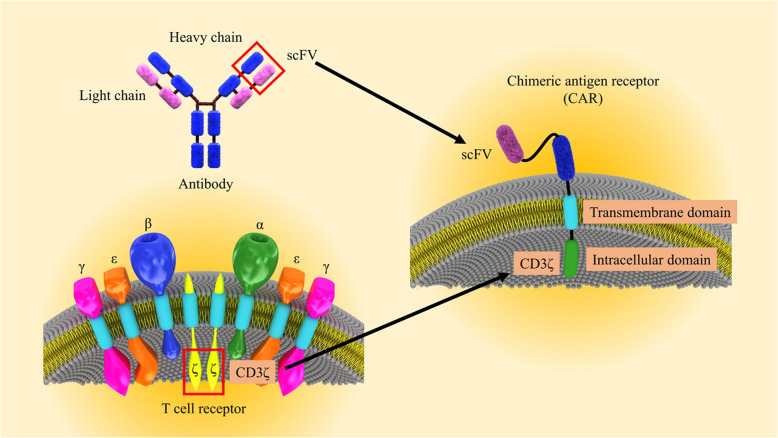
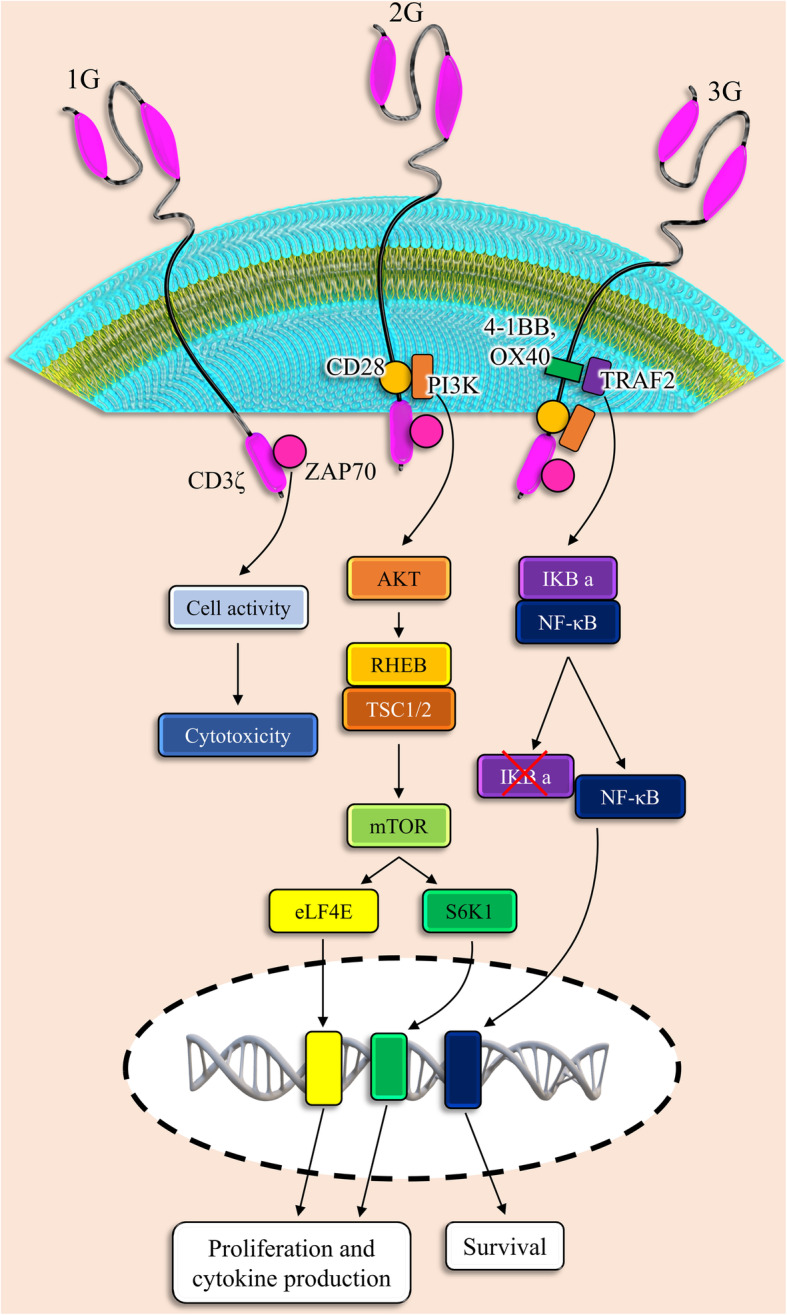
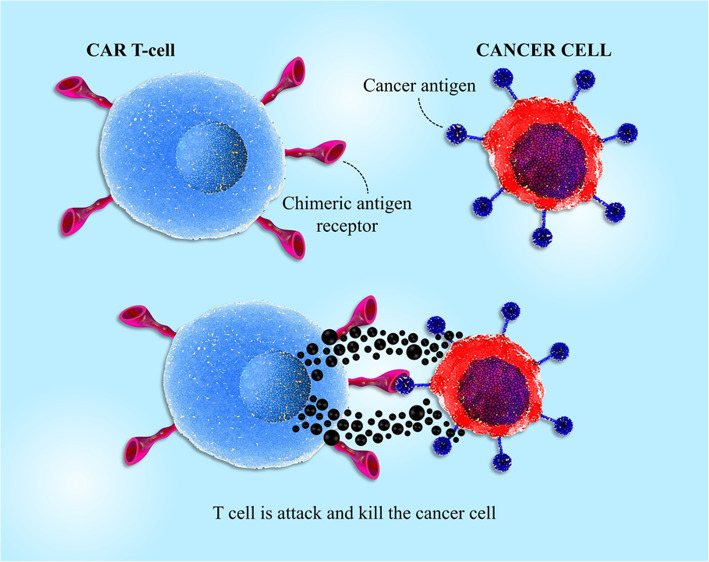
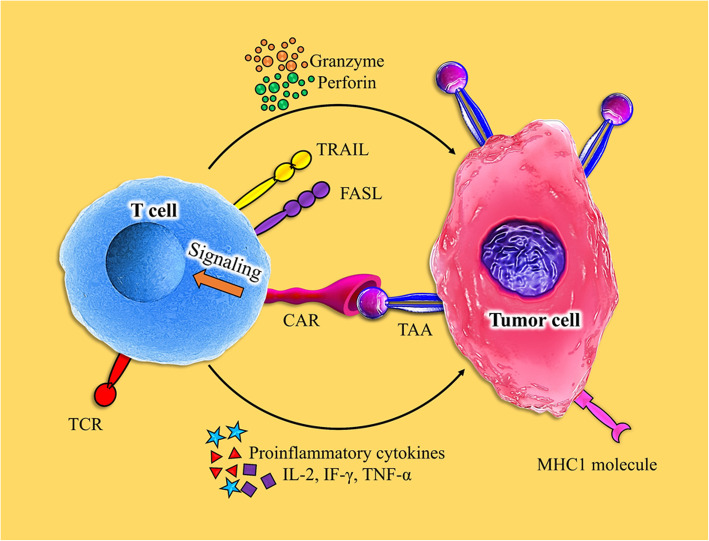
BACKGROUND: CARs are simulated receptors containing an extracellular single-chain variable fragment (scFv), a transmembrane domain, as well as an intracellular region of immunoreceptor tyrosine-based activation motifs (ITAMs) in association with a co-stimulatory signal. MAIN BODY: Chimeric antigen receptor (CAR) T cells are genetically engineered T cells to express a receptor for the recognition of the particular surface marker that has given rise to advances in the treatment of blood disorders. The CAR T cells obtain supra-physiological properties and conduct as "living drugs" presenting both immediate and steady effects after expression in T cells surface. But, their efficacy in solid tumor treatment has not yet been supported. The pivotal challenges in the field of solid tumor CAR T cell therapy can be summarized in three major parts: recognition, trafficking, and surviving in the tumor. On the other hand, the immunosuppressive tumor microenvironment (TME) interferes with T cell activity in terms of differentiation and exhaustion, and as a result of the combined use of CARs and checkpoint blockade, as well as the suppression of other inhibitor factors in the microenvironment, very promising results were obtained from the reduction of T cell exhaustion. CONCLUSION: Nowadays, identifying and defeating the mechanisms associated with CAR T cell dysfunction is crucial to establish CAR T cells that can proliferate and lyse tumor cells severely. In this review, we discuss the CAR signaling and efficacy T in solid tumors and evaluate the most significant barriers in this process and describe the most novel therapeutic methods aiming to the acquirement of the promising therapeutic outcome in non-hematologic malignancies.
Overview
The claims and statistics of this paper haven’t been checked yet.
Free: it reads the open-access text and checks the first 5 claims that cite a source we can check. Create a free account to check every claim.
Integrity signals
Registry
Cites
Statistics
Figures
Verification
Claims the paper makes
The claims and statistics of this paper haven’t been checked yet.
Free: it reads the open-access text and checks the first 5 claims that cite a source we can check. Create a free account to check every claim.
Claims other papers make about this one
Each is checked against this paper’s own text: does it say what the citing paper says it does?
The cited source says what the claim attributes to it.
In the citing paper
“CD133‐CAR‐T therapy in colorectal, pancreatic and hepatocellular carcinoma has shown anti‐metastatic potential in a phase I clinical trial [91].”
From Tumor microenvironment signaling and therapeutics in cancer progression (2023) · cites this paper as [91]
Self-check
Percentages, sums and reported differences re-computed from the paper’s own numbers.
The self-check needs the paper’s full text.
Citations
Cites
Microenvironmental regulation of tumor progression and metastasis
Quail, D. F., & Joyce, J. A. (2013) · Nature Medicine · doi:10.1038/nm.3394 · Cited by 7,994 · cited 1×
“Regulatory T cells (Tregs), myeloid-derived suppressor cells (MDSCs), and M2 tumor-associated macrophages (TAMs) are the most prominent types of immune suppressor cells in the tumor environment [122, 123].”
BackgroundUnderstanding the tumor immune microenvironment (TIME) for effective therapy
Binnewies, M., Roberts, E. W., Kersten, K., Chan, V., Fearon, D. F., Merad, M., Coussens, L. M., Gabrilovich, D. I., Ostrand-Rosenberg, S., Hedrick, C. C., et al. (2018) · Nature Medicine · doi:10.1038/s41591-018-0014-x · Cited by 6,145 · cited 1×
“immune checkpoint molecules such as CTLA-4 and PD-1 also reduce antitumor immunity [120, 124].”
BackgroundAccessories to the Crime: Functions of Cells Recruited to the Tumor Microenvironment
Hanahan, D., & Coussens, L. M. (2012) · Cancer Cell · doi:10.1016/j.ccr.2012.02.022 · Cited by 4,632 · cited 1×
“solid tumors can be strongly infiltrated by different cell types that support tumor growth, angiogenesis, and metastasis [121].”
BackgroundMelanoma-intrinsic β-catenin signalling prevents anti-tumour immunity
Spranger, S., Bao, R., & Gajewski, T. F. (2015) · Nature · doi:10.1038/nature14404 · Cited by 2,830 · cited 1×
“Identifying solid tumors requires cells to transition from the blood into the cancer site, and various abnormalities develop such that T cell infiltration is roughly blocked [113, 114].”
BackgroundMorgan, R. A., Yang, J. C., Kitano, M., Dudley, M. E., Laurencot, C. M., & Rosenberg, S. A. (2010) · Molecular Therapy · doi:10.1038/mt.2010.24 · Cited by 2,533 · cited 1×
“This catastrophic toxicity occurred for a patient with metastatic CRC who received Her2-CAR T cells [36] and a neuroblastoma patient who was treated with GD2-CAR T cells [37].”
BackgroundA human memory T cell subset with stem cell–like properties
Gattinoni, L., Lugli, E., Ji, Y., Pos, Z., Paulos, C. M., Quigley, M. F., Almeida, J. R., Gostick, E., Yu, Z., Carpenito, C., et al. (2011) · Nature Medicine · doi:10.1038/nm.2446 · Cited by 1,974 · cited 1×
“, CD4+, CD8+ αβ T cells, and γδ T cells) are superior to other cells with the aim of optimal tumor suppression [17, 18].”
BackgroundRegression of Glioblastoma after Chimeric Antigen Receptor T-Cell Therapy
Brown, C. E., Alizadeh, D., Starr, R., Weng, L., Wagner, J. R., Naranjo, A., Ostberg, J. R., Blanchard, M. S., Kilpatrick, J., Simpson, J., et al. (2016) · New England Journal of Medicine · doi:10.1056/nejmoa1610497 · Cited by 1,836 · cited 1×
“Intracranial transport has been exposed to be safe and to have an acceptable anti-cancer effect in glioblastoma [115], and intra-pleural transport of CAR T cells was more effective than their systemic administration in human pleural malignancy preclinical researches [116].”
BackgroundO’Rourke, D. M., Nasrallah, M. P., Desai, A., Melenhorst, J. J., Mansfield, K., Morrissette, J. J. D., Martinez-Lage, M., Brem, S., Maloney, E., Shen, A., et al. (2017) · Science Translational Medicine · doi:10.1126/scitranslmed.aaa0984 · Cited by 1,803
Eshhar, Z., Waks, T., Gross, G., & Schindler, D. G. (1993) · Proceedings of the National Academy of Sciences · doi:10.1073/pnas.90.2.720 · Cited by 1,658 · cited 1×
“Although CD3-ζ chain accretion is adequate to support cytolytic function in cytotoxic T cells (CTL) lines, it has been found that the strength of the essential signal to the presentation of the cytotoxic activity is lower compared with the other types of their functions [21].”
BackgroundThe Basic Principles of Chimeric Antigen Receptor Design
Sadelain, M., Brentjens, R., & Rivière, I. (2013) · Cancer Discovery · doi:10.1158/2159-8290.cd-12-0548 · Cited by 1,535 · cited 2×
“Alternative tactics independent of transgene integration, which used either RNA electroporation or cell surface conjugation, in turn, lead to the transient CAR expression and limitation of CAR T cell persistence beyond 7–14 days [3].”
BackgroundInfluential
Cited by
Items 101–200 of 617
CD44v6 specific CAR-NK cells for targeted immunotherapy of head and neck squamous cell carcinoma
Ciulean, I. S., Fischer, J., Quaiser, A., Bach, C. T., Abken, H., Tretbar, S., Fricke, S., Koehl, U., Schmiedel, D., & Grünwald, T. (2023) · Frontiers in Immunology · doi:10.3389/fimmu.2023.1290488 · Cited by 41
Hou, F., Guo, Z., Ho, M. T., Hui, Y., & Zhao, C. (2024) · ACS Nano · doi:10.1021/acsnano.3c10180 · Cited by 43
Klabukov, I., Smirnova, A., Yakimova, A. O., Kabakov, A. E., Atiakshin, D., Petrenko, D. А., Shestakova, V. A., Sulina, Y. Y., Yatsenko, E., Stepanenko, V. N., et al. (2024) · Journal of Molecular Pathology · doi:10.3390/jmp5040029 · Cited by 42
“The targeted destruction of the oncomatrix is a key step in CAR-T cell therapy for solid tumors [11,156].”
T Cell Engaging Immunotherapies, Highlighting Chimeric Antigen Receptor (CAR) T Cell Therapy
Bousser, E. D., Callewaert, N., & Festjens, N. (2021) · Cancers · doi:10.3390/cancers13236067 · Cited by 44
Nanoparticles for generating antigen-specific T cells for immunotherapy
Est-Witte, S. E., Livingston, N. K., Omotoso, M. O., Green, J. J., & Schneck, J. P. (2021) · Seminars in Immunology · doi:10.1016/j.smim.2021.101541 · Cited by 42
CAR-T Cell Therapy and the Gut Microbiota
Asokan, S., Cullin, N., Stein‐Thoeringer, C. K., & Elinav, E. (2023) · Cancers · doi:10.3390/cancers15030794 · Cited by 42
“Additionally, multiple novel target antigens are being investigated in preclinical and clinical trials across different types of cancers [22].”
BackgroundQian, H., Fu, Y., Guo, M., Chen, Y., Zhang, D., Wei, Y., Jin, F., Zeng, Q., Wang, Y., Chai, C., et al. (2022) · Molecular Therapy · doi:10.1016/j.ymthe.2022.04.015 · Cited by 39
Single-cell mapping of combinatorial target antigens for CAR switches using logic gates
Kwon, J., Kang, J., Jo, A., Seo, K., An, D., Baykan, M. Y., Lee, J. H., Kim, N., Eum, H. H., Hwang, S., et al. (2023) · Nature Biotechnology · doi:10.1038/s41587-023-01686-y · Cited by 39
Tumor Microenvironment in Melanoma—Characteristic and Clinical Implications
Sikorski, H., Zmijewski, M. A., & Piotrowska, A. (2025) · International Journal of Molecular Sciences · doi:10.3390/ijms26146778 · Cited by 40
Abadi, B., Yazdanpanah, N., Nokhodchi, A., & Rezaei, N. (2021) · Advanced Drug Delivery Reviews · doi:10.1016/j.addr.2021.114035 · Cited by 38
Recent progress in cancer immunotherapy: Overview of current status and challenges
Darvishi, M., Tosan, F., Nakhaei, P., Manjili, D. A., Kharkouei, S. A., Alizadeh, A. M., Ilkhani, S., Khalafi, F., Zadeh, F. A., & Shafagh, S.-G. (2022) · Pathology - Research and Practice · doi:10.1016/j.prp.2022.154241 · Cited by 40
NK cell defects: implication in acute myeloid leukemia
D’Silva, S. Z., Singh, M. M., & Pinto, A. S. (2023) · Frontiers in Immunology · doi:10.3389/fimmu.2023.1112059 · Cited by 38
Qiu, F., Jiang, P., Zhang, G., An, J., Ruan, K., Lyu, X., Zhou, J., & Sheng, W. (2024) · Nature Communications · doi:10.1038/s41467-024-48607-4 · Cited by 38
Immunotherapy for hepatocellular carcinoma
Zhou, M., Liu, B., & Shen, J. (2022) · Clinical and Experimental Medicine · doi:10.1007/s10238-022-00874-5 · Cited by 37
“Chimeric antigen receptors can change the specificity and activity of immune cells such as T lymphocytes and can induce target cell death independent of MHC molecules [62].”
BackgroundMoreno-Cortes, E. F., Franco-Fuquen, P., García-Robledo, J. E., Forero-Forero, J. V., Booth, N. A., & Castro, J. E. (2023) · Frontiers in Oncology · doi:10.3389/fonc.2023.1200914 · Cited by 38
Biomaterials promote in vivo generation and immunotherapy of CAR-T cells
Qin, Y., Li, Y., He, X., Wang, X., Li, W., & Zhang, Y. (2023) · Frontiers in Immunology · doi:10.3389/fimmu.2023.1165576 · Cited by 38
Xiao, K., Lai, Y., Yuan, W., Li, S., Liu, X., Xiao, Z., & Xiao, H. (2024) · Interdisciplinary Medicine · doi:10.1002/inmd.20230036 · Cited by 31
Zhong, G., Zhang, X., Guo, Z., Gao, Y., Zhao, B., Liu, X., Chen, L., Qiao, J., Yu, C., Wang, L., et al. (2024) · Frontiers in Immunology · doi:10.3389/fimmu.2024.1325860 · Cited by 37
Kong, D., Kwon, D., Moon, B., Kim, D.-H., Kim, M.-J., Choi, J., & Kang, K.-S. (2024) · Biomedicine & Pharmacotherapy · doi:10.1016/j.biopha.2024.116436 · Cited by 35
RIPTACs: A groundbreaking approach to drug discovery
Ma, Z., Bolinger, A. A., & Zhou, J. (2023) · Drug Discovery Today · doi:10.1016/j.drudis.2023.103774 · Cited by 36
“19,27 34 Radiopharmaceuticals can selectively recognize cancer cells and trigger cell death through emitting radiation within a short distance.”
Cortese, M., Torchiaro, E., D'Andrea, A., Petti, C., Invrea, F., Franco, L., Donini, C., Leuci, V., Leto, S. M., Vurchio, V., et al. (2024) · Molecular Therapy · doi:10.1016/j.ymthe.2024.06.023 · Cited by 36
“23,24 CAR-based ACT is remarkably effective in the treatment of some hematological malignancies, 25 but still requires optimization for solid tumors, 26 in particular to address the issue of target antigen speci fi city.”
Amit, U., Uslu, U., Verginadis, I. I., Kim, M. M., Motlagh, S. A. O., Diffenderfer, E. S., Assenmacher, C., Bicher, S., Atoche, S. J., Ben‐Josef, E., et al. (2024) · Proceedings of the National Academy of Sciences · doi:10.1073/pnas.2403002121 · Cited by 36
“Chimeric antigen receptor T (CAR T) cell therapy has shown impressive responses in hematological malignancies, offering potential in solid malignancies (4, 5).”
Dey, M., Kim, M. H., Nagamine, M., Karhan, E., Kozhaya, L., Dogan, M., Unutmaz, D., & Ozbolat, I. T. (2022) · Biofabrication · doi:10.1088/1758-5090/ac925a · Cited by 35
“T cells has shown remarkable efficacy in lymphomas but had been more challenging to develop for solid tumors [5].”
Paterson, K., Paterson, S., Mulholland, T., Coffelt, S. B., & Zagnoni, M. (2022) · IEEE Open Journal of Engineering in Medicine and Biology · doi:10.1109/ojemb.2022.3178302 · Cited by 35
“[1], [6] In vitro CAR-T studies are typically conducted as 2D assays.”
Strategies for Heating Up Cold Tumors to Boost Immunotherapies
Zabransky, D. J., Yarchoan, M. M., & Jaffee, E. M. (2023) · Annual Review of Cancer Biology · doi:10.1146/annurev-cancerbio-061421-040258 · Cited by 38
Santiago-Sánchez, G. S., Fabian, K. P., & Hodge, J. W. (2024) · Cancer Biology & Therapy · doi:10.1080/15384047.2024.2308097 · Cited by 36
“148 Hence, a great deal of effort is being exerted on studying the application of CAR T cells with ICI.”
BackgroundrhIL-7-hyFc, a long-acting interleukin-7, improves efficacy of CAR-T cell therapy in solid tumors
Li, D., Liang, T. J., Hutchins, L. E., Wolfarth, A. A., Ferrando‐Martínez, S., Lee, B. H., & Ho, M. (2024) · Journal for ImmunoTherapy of Cancer · doi:10.1136/jitc-2024-008989 · Cited by 33
Guo, Y., Wang, H., Liu, S., Zhang, X., Zhu, X., Huang, L., Zhong, W., Guan, L., Chen, Y., Xiao, M., et al. (2025) · Science Advances · doi:10.1126/sciadv.adp9009 · Cited by 35
Overcoming barriers in glioblastoma: The potential of CAR T cell immunotherapy
Ijaz, M., Tan, Q., Yan, Y., Zhang, D., Chen, Q., Zhang, Y., Tu, Y., & Guo, B. (2025) · Theranostics · doi:10.7150/thno.114257 · Cited by 36
“In order to guide a powerful and targeted immune response, CAR T cells are genetically modified to produce synthetic receptors that identify and bind certain antigens on tumor cells [6].”
Chan, L. Y., Dass, S. A., Tye, G. J., Imran, S. A. M., Zaman, W. S. W. K., & Nordin, F. (2022) · Biomedicines · doi:10.3390/biomedicines10040804 · Cited by 39
“Each antigen at different tumour sites is also expressed at a different level, and this affects the anti-tumour activity of CAR-T cells as they face difficulty in identifying specific antigens [1,103].”
BackgroundInfluentialSynthetic macromolecular switches for precision control of therapeutic cell functions
Teixeira, A. P., & Fussenegger, M. (2024) · Nature Reviews Bioengineering · doi:10.1038/s44222-024-00235-9 · Cited by 34
Andreu-Sanz, D., Gregor, L., Carlini, E., Scarcella, D., Marr, C., & Kobold, S. (2025) · Journal for ImmunoTherapy of Cancer · doi:10.1136/jitc-2025-011698 · Cited by 33
Zou, H., Mou, X., & Zhu, B. (2022) · Global Challenges · doi:10.1002/gch2.202200094 · Cited by 34
Cao, J. W., Lake, J. A., Impastato, R. A., Chow, L., Perez, L., Chubb, L. S., Kurihara, J. N., Verneris, M. R., & DOW, S. W. (2024) · Cancer Immunology Immunotherapy · doi:10.1007/s00262-024-03642-4 · Cited by 32
Strengthening the CAR‐T cell therapeutic application using CRISPR/Cas9 technology
Nezhad, M. S., Yazdanifar, M., Abdollahpour‐Alitappeh, M., Sattari, A., Seifalian, A. M., & Bagheri, N. (2021) · Biotechnology and Bioengineering · doi:10.1002/bit.27882 · Cited by 33
“Therefore, there are several manufacturing challenges that can affect the quality of CAR-T cell products (Marofi et al., 2021).”
Exploring chitosan-shelled nanobubbles to improve HER2 + immunotherapy via dendritic cell targeting
Argenziano, M., Occhipinti, S., Scomparin, A., Angelini, C., Novelli, F., Soster, M., Giovarelli, M., & Cavalli, R. (2022) · Drug Delivery and Translational Research · doi:10.1007/s13346-022-01185-8 · Cited by 31
“However, the heterogeneity of the tumor microenvironment in solid cancer still remains a limitation difficult to overcome for this type of therapeutic agent [5].”
BackgroundNanoparticle-based immunotherapy of pancreatic cancer
Nzeteu, G. A. N., Gibbs, B. F., Kotnik, N., Troja, A., Bockhorn, M., & Meyer, N. H. (2022) · Frontiers in Molecular Biosciences · doi:10.3389/fmolb.2022.948898 · Cited by 31
“However, in solid cancers the low proliferation and persistence of CAR T cells due to immune checkpoints such as the PD-1/PDL1 pathway and physical barriers present in the TME, which slow CART cell penetration, is detrimental for the outcome of CAR-T cell therapy (Marofi et al., 2021).”
BackgroundDrougkas, K., Karampinos, K. I., Karavolias, I., Koumprentziotis, I., Ploumaki, I., Triantafyllou, E., Trontzas, I. P., & Kotteas, E. A. (2022) · Journal of Cancer Research and Clinical Oncology · doi:10.1007/s00432-022-04547-4 · Cited by 33
Recent Advances in Cancer Immunotherapy Delivery Modalities
Muthukutty, P., Woo, H. Y., Murali, R., & Yoo, S. Y. (2023) · Pharmaceutics · doi:10.3390/pharmaceutics15020504 · Cited by 33
Steroid receptor coactivator 3 is a key modulator of regulatory T cell–mediated tumor evasion
Han, S. J., Jain, P., Gilad, Y., Xia, Y., Sung, N., Park, M. J., Dean, A. M., Lanz, R. B., Xu, J., Dacso, C. C., et al. (2023) · Proceedings of the National Academy of Sciences · doi:10.1073/pnas.2221707120 · Cited by 31
Clinical holds for cell and gene therapy trials: Risks, impact, and lessons learned
Wills, C. A., Drago, D., & Pietrusko, R. G. (2023) · Molecular Therapy — Methods & Clinical Development · doi:10.1016/j.omtm.2023.101125 · Cited by 31
Yagel, G., Rimini, D., von Locquenghien, M., Avellino, R., Barboy, O., Chalan, P., Granot, G., Xie, K., Shlomi-Loubaton, S., Sheban, F., et al. (2026) · Cancer Cell · doi:10.1016/j.ccell.2025.11.009 · Cited by 32
Oncolytic viruses for triple negative breast cancer and beyond
Jin, S., Wang, Q., Wu, H., Pang, D., & Xu, S. (2021) · Biomarker Research · doi:10.1186/s40364-021-00318-4 · Cited by 33
“CAR-T cells are genetically engineered to express specific receptors that recognize specific surface antigens expressed on cell surfaces [129].”
BackgroundAhmadi, M., Hassanpour, M., & Rezaie, J. (2022) · Life Sciences · doi:10.1016/j.lfs.2022.120935 · Cited by 31
Zhang, Y., Yang, J., Zhang, T., & Gu, H. (2023) · Frontiers in Bioengineering and Biotechnology · doi:10.3389/fbioe.2023.1211687 · Cited by 31
“Additionally, the limited durability of CAR-T, inefficient response rate caused by antigen escape, cytokine release syndrome (CRS), and neurotoxicity, as well as tedious and complex preparation processes, limit their clinical applications in a variety of malignant tumors (Hou et al., 2021; Marofi et al., 2021; The Lan…”
BackgroundAboalela, M. A., Abdelmoneim, M., Matsumura, S., Eissa, I. R., Bustos‐Villalobos, I., Sibal, P. A., Orikono, Y., Takido, Y., Naoe, Y., & Kasuya, H. (2025) · Cancer Immunology Immunotherapy · doi:10.1007/s00262-025-04039-7 · Cited by 29
“However, utilizing MSLN-CAR T cells in solid tumors, particularly pancreatic cancer, has shown limited efficacy, with stable disease being the best outcome observed [18, 19].”
Any closer to successful therapy of multiple myeloma? CAR-T cell is a good reason for optimism
Marofi, F., Tahmasebi, S., Rahman, H. S., Kaigorodov, D., Markov, A. A., Yumashev, A. V., Shomali, N., Chartrand, M. S., Pathak, Y. V., Mohammed, R. N., et al. (2021) · Stem Cell Research & Therapy · doi:10.1186/s13287-021-02283-z · Cited by 31
“The challenge may be to determine better targets and/or most efficacious combinational therapy [43].”
InfluentialSelf-citationRecent advances in antibody‐based immunotherapy strategies for COVID‐19
Esmaeilzadeh, A., Rostami, S. M., Yeganeh, P. M., Tahmasebi, S., & Ahmadi, M. (2021) · Journal of Cellular Biochemistry · doi:10.1002/jcb.30017 · Cited by 31
Self-citationBetter by design: What to expect from novel CAR-engineered cell therapies?
Luginbuehl, V., Abraham, E., Kovar, K., Flaaten, R., & Müller, A. M. S. (2022) · Biotechnology Advances · doi:10.1016/j.biotechadv.2022.107917 · Cited by 30
Nakazawa, T., Morimoto, T., Maeoka, R., Matsuda, R., Nakamura, M., Nishimura, F., Yamada, S., Nakagawa, I., Park, Y.-S., Nakase, H., et al. (2022) · Regenerative Therapy · doi:10.1016/j.reth.2022.07.001 · Cited by 34
“However, the effects are limited against solid tumors, including glioblastoma (GBM), as the loss of tumor antigens and heterogeneity cause immune escape [2,3].”
BackgroundCurrent Advances and Challenges in CAR-T Therapy for Hematological and Solid Tumors
Zhang, G., Bai, M., Du, H., Yuan, Y., Wang, Y., Fan, W., Zhu, H., Wu, D., He, P., & Xue, B. (2025) · ImmunoTargets and Therapy · doi:10.2147/itt.s519616 · Cited by 29
Razeghian, E., Margiana, R., Chupradit, S., Bokov, D. O., Abdelbasset, W. K., Marofi, F., Shariatzadeh, S., Tosan, F., & Jarahian, M. (2021) · Frontiers in Medicine · doi:10.3389/fmed.2021.721174 · Cited by 28
Self-citationRetractedNanotechnology-based chimeric antigen receptor T-cell therapy in treating solid tumor
Zuo, Y.-H., Zhao, X., & Fan, X. (2022) · Pharmacological Research · doi:10.1016/j.phrs.2022.106454 · Cited by 28
Recent advancement in breast cancer treatment using CAR T cell therapy:- A review
Dey, A., Ghosh, S., Jha, S., Hazra, S., Srivastava, N., Chakraborty, U., & Roy, A. G. (2023) · Advances in Cancer Biology - Metastasis · doi:10.1016/j.adcanc.2023.100090 · Cited by 30
Biophysical and mechanobiological considerations for T-cell-based immunotherapy
Zhuang, C., Gould, J. E., Enninful, A., Shao, S., & Mak, M. (2023) · Trends in Pharmacological Sciences · doi:10.1016/j.tips.2023.03.007 · Cited by 28
Zhang, X., Guo, H., Chen, J., Xu, C., Wang, L., Ke, Y., Gao, Y., Zhang, B., & Zhu, J. (2023) · Cancer Letters · doi:10.1016/j.canlet.2023.216355 · Cited by 29
Jangid, A. K., Kim, S., Park, H. W., Kim, H. J., & Kim, K. (2023) · Biomacromolecules · doi:10.1021/acs.biomac.3c00916 · Cited by 28
Anti-Mesothelin CAR-NK cells as a novel targeted therapy against cervical cancer
Kutle, I., Polten, R., Stalp, J. L., Hachenberg, J., Todzey, F., Hass, R., Zimmermann, K., von der Ohe, J., von Kaisenberg, C., Neubert, L., et al. (2024) · Frontiers in Immunology · doi:10.3389/fimmu.2024.1485461 · Cited by 27
Current status and innovative developments of CAR-T-cell therapy for the treatment of breast cancer
Marei, H. E. S., Bedair, K., Hasan, A., Al-Mansoori, L., Caratelli, S., Sconocchia, G., Gaiba, A., & Cenciarelli, C. (2025) · Cancer Cell International · doi:10.1186/s12935-024-03615-8 · Cited by 31
“By improving CAR-T-cell persistence, lowering toxicity, and increasing overall efficacy, patient selection criteria based on these biomarkers could be optimized, leading to safer and more successful treatments [135].”
Physiological lentiviral vectors for the generation of improved CAR-T cells
Tristán‐Manzano, M., Maldonado‐Pérez, N., Justicia-Lirio, P., Muñoz, P., Cortijo-Gutierréz, M., Pavlovic, K., Jimenez‐Moreno, R., Nogueras, S., Carmona-Luque, M. D., Sánchez-Hernández, S., et al. (2022) · Molecular Therapy — Oncolytics · doi:10.1016/j.omto.2022.05.003 · Cited by 30
Anti-ROR1 CAR-T cells: Architecture and performance
Osorio-Rodríguez, D. A., Camacho, B., & Ramirez-Segura, C. A. (2023) · Frontiers in Medicine · doi:10.3389/fmed.2023.1121020 · Cited by 27
GD2 CAR-T cells in combination with Nivolumab exhibit enhanced antitumor efficacy
Zhang, G., Zhao, Y., Liu, Z., Liu, W., Wu, H., Wang, X., & Chen, Z. (2023) · Translational Oncology · doi:10.1016/j.tranon.2023.101663 · Cited by 28
Wang, X., Li, X., Zhao, J., Li, Y., Shin, S. R., Ligresti, G., Ng, A. H. M., Bromberg, J. S., Church, G. M., Lemos, D. R., et al. (2024) · Advanced Materials · doi:10.1002/adma.202308760 · Cited by 31
A Novel Treatment for Ewing’s Sarcoma: Chimeric Antigen Receptor-T Cell Therapy
Lin, Z., Wu, Z., & Luo, W. (2021) · Frontiers in Immunology · doi:10.3389/fimmu.2021.707211 · Cited by 27
Sun, Y., Dong, Y., Sun, R., Liu, Y., Wang, Y., Luo, H., Shi, B., Jiang, H., & Li, Z. (2022) · Molecular Therapy — Oncolytics · doi:10.1016/j.omto.2022.04.003 · Cited by 26
Barriers and Solutions to Improve Access for Chimeric Antigen Receptor Therapies
Kamal‐Bahl, S. J., Puckett, J. T., Bagchi, I., Miller‐Sonet, E., & Huntington, S. F. (2022) · Immunotherapy · doi:10.2217/imt-2022-0037 · Cited by 26
CRISPR, CAR-T, and NK: Current applications and future perspectives
Khoshandam, M., Soltaninejad, H., Hamidieh, A. A., & Hosseinkhani, S. (2023) · Genes & Diseases · doi:10.1016/j.gendis.2023.101121 · Cited by 33
“16 With the appearance of genome editing tools, such as transcription activator-like effector nucleases, zinc finger nucleases, and clustered regularly interspaced short palindromic repeats (CRISPR)/CRISPR associated protein 9 (Cas9) framework, there is an opportunity to address some of the…”
MethodLee, G., Choi, Y., Hong, J., Kim, J., Chae, J., Ahn, S., Ha, H.-J., Jeong, E., Lee, H., & Choi, J. H. (2024) · BioChip Journal · doi:10.1007/s13206-024-00147-1 · Cited by 27
“CAR-T cell therapy induces a strong antitumor response by genetically modifying the patient’s own T cells to express specific CARs, so that the T cells can recognize and eliminate cells expressing specific target antigens [28, 29].”
Kara, E., Jackson, T. L., Jones, C., Sison, R., & McGee, R. L. (2024) · npj Systems Biology and Applications · doi:10.1038/s41540-024-00435-4 · Cited by 29
“Indirect killing could result from activation macrophages and/or natural killer cells by cytokines released after CAR engagement.”
BackgroundBlocking MIF secretion enhances CAR T-cell efficacy against neuroblastoma
Strijker, J. G. M., Pascual‐Pasto, G., Grothusen, G. P., Kalmeijer, Y. J., Kalaitsidou, E., Zhao, C., McIntyre, B. C., Matlaga, S., Visser, L. L., Barisa, M., et al. (2025) · European Journal of Cancer · doi:10.1016/j.ejca.2025.115263 · Cited by 26
Transcriptional determinants of cancer immunotherapy response and resistance
Gupta, R., Mehta, A., & Wajapeyee, N. (2022) · Trends in cancer · doi:10.1016/j.trecan.2022.01.008 · Cited by 25
Chiriaco, C., Donini, C., Cortese, M., Ughetto, S., Modica, C., Martinelli, I., Proment, A., Vitali, L., Fontani, L., Casucci, M., et al. (2022) · Journal of Experimental & Clinical Cancer Research · doi:10.1186/s13046-022-02479-y · Cited by 26
“While CAR-cell adoptive transfer showed dramatic potency for the treatment of B-cell malignancy, its applications in solid tumors have not yet achieved striking results [63].”
BackgroundOncolytic viruses improve cancer immunotherapy by reprogramming solid tumor microenvironment
Zhang, L., Pakmehr, S., Shahhosseini, R., Hariri, M., Fakhrioliaei, A., Shayan, F. K., Xiang, W., & Shayan, S. K. (2023) · Medical Oncology · doi:10.1007/s12032-023-02233-0 · Cited by 30
Luo, Y., Gadd, M. E., Qie, Y., Otamendi-Lopez, A., Sanchez-Garavito, J. E., Brooks, M., Navas, M. J. U., Hundal, T., Li, S., Jones, V. K., et al. (2024) · Molecular Therapy Oncology · doi:10.1016/j.omton.2024.200891 · Cited by 24
Tumor tough, therapy smarter: Rethinking CAR-T for pancreatic cancer
Guirguis, D. A., Hasan, F. N., Morris, N., Alabd, A., Tawfik, P. M. S., Pramanik, K. C., & Pandey, M. K. (2025) · Seminars in Oncology · doi:10.1016/j.seminoncol.2025.152411 · Cited by 25
Wu, H., Li, W., Hao, M., Wang, Y., Xue, L., Ju, C., & Zhang, C. (2022) · Advanced Drug Delivery Reviews · doi:10.1016/j.addr.2022.114380 · Cited by 24
Franzén, A. S., Raftery, M. J., & Pecher, G. (2022) · Cancers · doi:10.3390/cancers14133178 · Cited by 27
“However, the success against solid tumors have been more limited [7,8].”
BackgroundChira, S., Nutu, A. M., Isachesku, E., Bica, C., Pop, L., Ciocan, C. A., & Berindan‐Neagoe, I. (2022) · Cells · doi:10.3390/cells11182781 · Cited by 27
“Despite significant progress in the field of chimeric antigen receptor (CAR) T cell therapy for myeloproliferative cancers [49,50], for solid tumors, this treatment approach is hampered by the immune suppressive tumor microenvironment [51].”
BackgroundCoschi, C. H., & Juergens, R. A. (2023) · Current Oncology · doi:10.3390/curroncol31010001 · Cited by 26
“A second reason is that a remodeled TME designed to exclude immune cells from entering the environment may prevent CAR-T cells from reaching their solid tumor targets [101].”
BackgroundInfluentialBiomaterial-Based Responsive Nanomedicines for Targeting Solid Tumor Microenvironments
Avgoustakis, K., & Angelopoulou, A. (2024) · Pharmaceutics · doi:10.3390/pharmaceutics16020179 · Cited by 26
“Nanomedicine represents an important strategy to improve the delivery of therapeutic agents such as drugs, peptides, antibodies, proteins, genes, and immunotherapeutic agents in a selective and controlled manner for efficient accumulation and stimuli responsiveness [26–34].”
BackgroundThe development of chimeric antigen receptor T-cells against CD70 for renal cell carcinoma treatment
Xiong, Q., Wang, H., Shen, Q., Wang, Y., Yuan, X., Lin, G., & Jiang, P. (2024) · Journal of Translational Medicine · doi:10.1186/s12967-024-05101-1 · Cited by 24
Bioactive metallic nanoparticles for synergistic cancer immunotherapy
Wang, L., Lin, D., Li, M., Yu, J., Yang, Y., Wang, H., Chu, H., Ye, J., & Liu, Y. (2025) · Acta Pharmaceutica Sinica B · doi:10.1016/j.apsb.2025.02.022 · Cited by 25
“CAR-T therapy, a genetically engineered strategy that fuses antigenic target regions with T-cell receptor signaling chains and co-stimulatory molecules, has made significant advancements in clinical practice, particularly in the treatment of hematological malignancies 25,26 .”
Tumor-Infiltrating Lymphocyte Therapy for the Treatment of Metastatic Melanoma
Tsai, K. K., & Komanduri, K. V. (2025) · American Journal of Clinical Dermatology · doi:10.1007/s40257-025-00957-5 · Cited by 23
“…which will provide the basis for paradigm-shifting approaches in the treatment of advanced melanoma and other solid tumors. the “on-target, off-tumor” side effects frequently observed with CAR-T therapy in patients with solid tumors, which generally targeted shared tumor-associated antigens [6, 7].”
Kast, J., Nozohouri, S., Zhou, D., Yago, M. R., Chen, P., Ahamadi, M., Dutta, S., & Upreti, V. V. (2022) · Clinical and Translational Science · doi:10.1111/cts.13349 · Cited by 24
Developing ROR1 Targeting CAR-T Cells against Solid Tumors in Preclinical Studies
Lee, B. K., Wan, Y., Chin, L., Deng, L., Deng, M., Leung, T. M., Ma, J., & Zhang, H. (2022) · Cancers · doi:10.3390/cancers14153618 · Cited by 23
The recent advancement of TCR-T cell therapies for cancer treatment
Zhao, X., Shao, S., & Hu, L. (2024) · Acta Biochimica et Biophysica Sinica · doi:10.3724/abbs.2024034 · Cited by 29
“CAR-T cell therapy has achieved tremendous success in treating liquid tumors but has shown limited efficacy in treating solid tumors [30–32].”
CAR-T Cells for the Treatment of Lung Cancer
Chocarro, L., Arasanz, H., Fernández, L., Blanco, E., Echaide, M., Bocanegra, A., Teijeira, L., Garnica, M., Morilla, I., Martínez-Aguillo, M., et al. (2022) · Life · doi:10.3390/life12040561 · Cited by 25
Nanobody-based CAR T cells targeting intracellular tumor antigens
Li, H., Zhong, D., Luo, H., Shi, W., Xie, S., Qiang, H., Zhu, L., Gao, L., Liu, J., Sun, S., et al. (2022) · Biomedicine & Pharmacotherapy · doi:10.1016/j.biopha.2022.113919 · Cited by 25
The role of the natural killer (NK) cell modulation in breast cancer incidence and progress
Razeghian, E., Kameh, M. C., Shafiee, S., Khalafi, F., Jafari, F., Asghari, M., Kazemi, K., Ilkhani, S., Shariatzadeh, S., & Haj‐Mirzaian, A. (2022) · Molecular Biology Reports · doi:10.1007/s11033-022-07865-5 · Cited by 23
Sun, W., Jiang, Z., Jiang, W. G., & Yang, R. (2022) · Cancer Treatment and Research Communications · doi:10.1016/j.ctarc.2022.100638 · Cited by 28
Werchau, N., Kotter, B., Criado-Moronati, E., Gosselink, A., Cordes, N., Lock, D., Lennartz, S., Kolbe, C., Winter, N., Teppert, K., et al. (2022) · OncoImmunology · doi:10.1080/2162402x.2022.2140534 · Cited by 22
Nanomodified Switch Induced Precise and Moderate Activation of CAR‐T Cells for Solid Tumors
Wang, X., Meng, F., Li, X., Xue, L., Chen, A., Qiu, Y., Zhang, Z., Li, L., Liu, F., Li, Y., et al. (2023) · Advanced Science · doi:10.1002/advs.202205044 · Cited by 22
Domínguez-Prieto, V., Qian, S., Villarejo‐Campos, P., Meliga, C., González-Soares, S., Castellano, I. G., Jiménez-Galanes, S., García‐Arranz, M., Guadalajara, H., & García‐Olmo, D. (2023) · Frontiers in Oncology · doi:10.3389/fonc.2023.1104547 · Cited by 25
Mezősi-Csaplár, M., Szöőr, Á., & Vereb, G. (2023) · Cancers · doi:10.3390/cancers15123081 · Cited by 25
“CD19-specific second-generation CAR T cells have represented a paradigm shift in treating B cell derived leukemias and lymphomas; however, the clinical experience with CAR T cells targeting solid tumors is controversial [12].”
BackgroundThe role of carcinoembryonic antigen-related cell adhesion molecule 1 in cancer
Götz, L., Rueckschloss, U., Balk, G., Pfeiffer, V., Ergün, S., & Kleefeldt, F. (2023) · Frontiers in Immunology · doi:10.3389/fimmu.2023.1295232 · Cited by 22
Tang, H., Cao, Y., Zhou, Y., Ma, Y., Jiang, H., Zhang, H., Jiang, L., Yang, Q.-X., Tang, X.-M., Yang, C. K., et al. (2024) · Journal of Advanced Research · doi:10.1016/j.jare.2024.01.014 · Cited by 22
Advances of immune-checkpoint inhibition of CTLA-4 in pancreatic cancer
Ni, R., Hu, Z., & Tao, R. (2024) · Biomedicine & Pharmacotherapy · doi:10.1016/j.biopha.2024.117430 · Cited by 23
CLDN18.2-Targeted Therapy in Gastrointestinal Cancers
Wiscovitch, A. D., Mendez, R. J. S., & Chuy, J. W. (2025) · Cancers · doi:10.3390/cancers17233764 · Cited by 22
Wen, P., Ai, Q., Fan, X., Gu, Z., 陈波, & Qian, H. (2026) · Cancer Letters · doi:10.1016/j.canlet.2026.218257 · Cited by 21
Mezősi-Csaplár, M., Szöllõsi, J., Gottschalk, S. M., Vereb, G., & Szöőr, Á. (2021) · Cancers · doi:10.3390/cancers13174301 · Cited by 27
“However, the clinical experience with CAR T cells for solid tumors has been disappointing [7].”
Background
Metadata
- Authors
- Marofi, F., Motavalli, R., Safonov, V. A., Thangavelu, L., Yumashev, A. V., Alexander, M., Shomali, N., Chartrand, M. S., Pathak, Y., Jarahian, M., Izadi, S., Hassanzadeh, A., Shirafkan, N., Tahmasebi, S., & Khiavi, F. M.
- Affiliations
- Tabriz University of Medical Sciences (IR)
- Russian Academy of Sciences (RU)
- Saveetha University (IN)
- Sechenov University (RU)
- Industrial University of Tyumen (RU)
- German Cancer Research Center (DE)
- University of South Florida (US)
- Pasteur Institute of Iran (IR)
- Corresponding author
- Motavalli, Roza
- Khiavi, Farhad Motavalli
- ORCID
- Venue
- Stem Cell Research & Therapy
- Published
- 2021-01-25
- Volume
- 12
- Issue
- 1
- Pages
- 81-81
- ISSN
- 1757-6512 (ISSN-L)
- PMC
- PMC7831265
- OpenAlex
- W3122724341
- Semantic Scholar
- b0c68f34468a84453d091f534295485c1a741b8c
- Cited by
- 582
- References
- 149
- Citations by year
- 2026: 63 · 2025: 105 · 2024: 120 · 2023: 133 · 2022: 121 · 2021: 39
- FWCI
- 12.51
- Type
- journal article
- Language
- en
- Open access
- gold
- doi.org
- Licence
- cc-by
- creativecommons.org/licenses/by/4.0 (tdm)
- creativecommons.org/licenses/by/4.0 (vor)
- Locations
- Stem Cell Research & Therapy (publishedVersion, cc-by)
- PubMed Central (publishedVersion, cc-by)
- PubMed (publishedVersion)
- DOAJ (DOAJ: Directory of Open Access Journals) (submittedVersion, cc-by-sa)
- Topics
- Health Sciences › Medicine › Oncology › CAR-T cell therapy research
- Health Sciences › Medicine › Oncology › Cancer Immunotherapy and Biomarkers
- Life Sciences › Immunology and Microbiology › Immunology › Immunotherapy and Immune Responses
- Keywords
- chimeric antigen receptor T cells, solid tumors, chimeric antigen receptor, tumor microenvironment, T cell exhaustion, immune checkpoint blockade, CAR signaling, T cell migration, tumor recognition, non-hematologic malignancies, T cell survival
- MeSH terms
- Receptors, Chimeric Antigen, Humans, Neoplasms, T-Lymphocytes, Immunotherapy, Adoptive, Tumor Microenvironment
About these checks
Registry, retraction, Cites and statistics results are computed, not judged, with one exception: a printed reference that no index lists is read once by a model before it counts as a citation error. Claims are extracted by a model and kept only when their quote appears verbatim in the text; each cited source is then checked, with a model’s help, for whether it says what the claim relies on. Those verdicts can be wrong — read the claim’s quote and the cited source before relying on one.
Statistics and arithmetic are recomputed, not judged.
Confidence bands are shown only for fields calibrated on our annotated test set. None is calibrated yet, so no band is shown.
What counts as a claim ›How we measure confidence ›How we check this ›
Are you an author, or do you see a problem with this page? Request a review
Data sources
Bibliographic data: Semantic Scholar, OpenAlex, Crossref.
Contains information from the Semantic Scholar Academic Graph Datasets, made available under the ODC Attribution License (ODC-BY 1.0).
Semantic Scholar’s data is described in: Kinney, R., et al. (2023). The Semantic Scholar Open Data Platform. arXiv:2301.10140.
