

CAR T cells in solid tumors: challenges and opportunities
Open accessThe DOI matches its Crossref record; 144 of the 150 references it cites were found in a registry or an index.
Abstract
BACKGROUND: CARs are simulated receptors containing an extracellular single-chain variable fragment (scFv), a transmembrane domain, as well as an intracellular region of immunoreceptor tyrosine-based activation motifs (ITAMs) in association with a co-stimulatory signal. MAIN BODY: Chimeric antigen receptor (CAR) T cells are genetically engineered T cells to express a receptor for the recognition of the particular surface marker that has given rise to advances in the treatment of blood disorders. The CAR T cells obtain supra-physiological properties and conduct as "living drugs" presenting both immediate and steady effects after expression in T cells surface. But, their efficacy in solid tumor treatment has not yet been supported. The pivotal challenges in the field of solid tumor CAR T cell therapy can be summarized in three major parts: recognition, trafficking, and surviving in the tumor. On the other hand, the immunosuppressive tumor microenvironment (TME) interferes with T cell activity in terms of differentiation and exhaustion, and as a result of the combined use of CARs and checkpoint blockade, as well as the suppression of other inhibitor factors in the microenvironment, very promising results were obtained from the reduction of T cell exhaustion. CONCLUSION: Nowadays, identifying and defeating the mechanisms associated with CAR T cell dysfunction is crucial to establish CAR T cells that can proliferate and lyse tumor cells severely. In this review, we discuss the CAR signaling and efficacy T in solid tumors and evaluate the most significant barriers in this process and describe the most novel therapeutic methods aiming to the acquirement of the promising therapeutic outcome in non-hematologic malignancies.
Overview
The claims and statistics of this paper haven’t been checked yet.
Free: it reads the open-access text and checks the first 5 claims that cite a source we can check. Create a free account to check every claim.
Integrity signals
Registry
Cites
Statistics
Figures
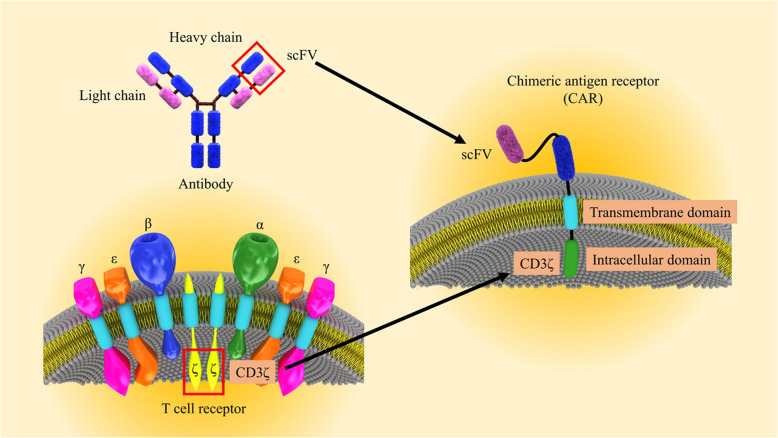
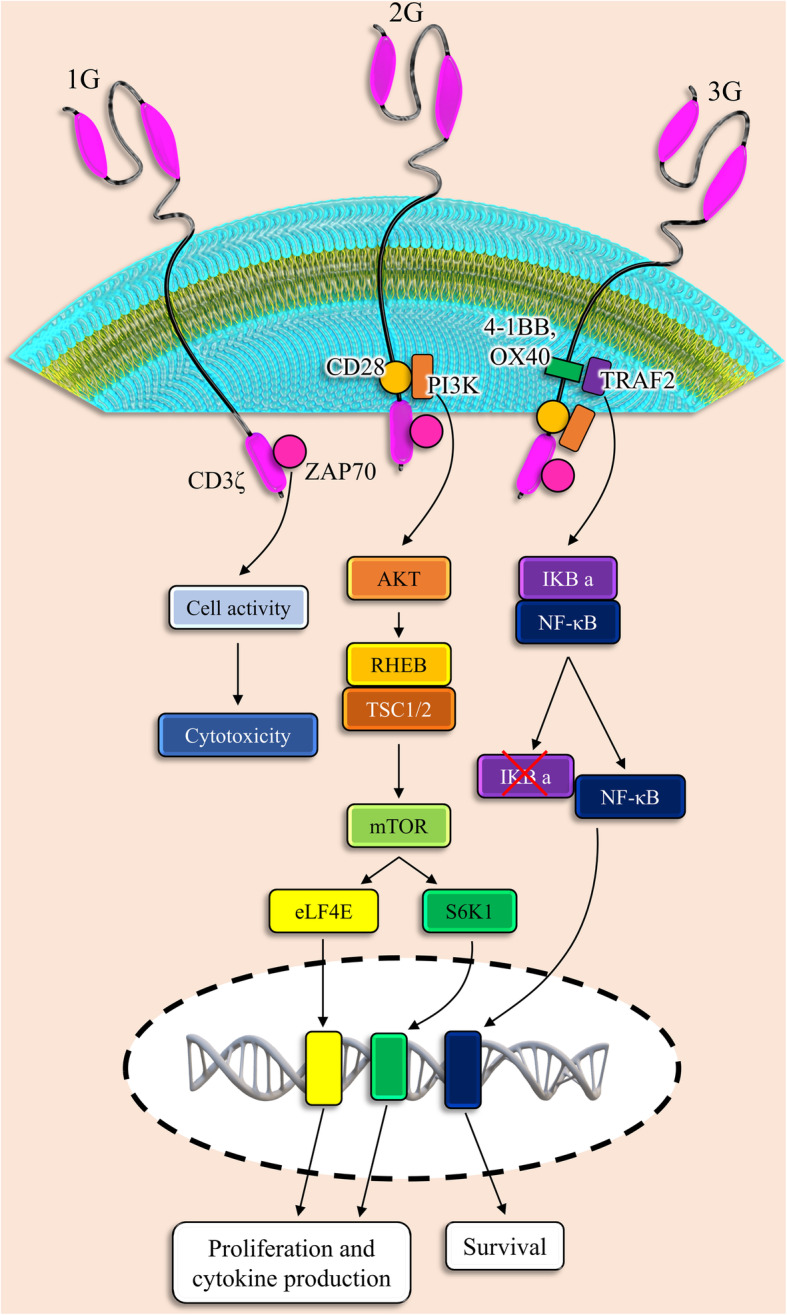
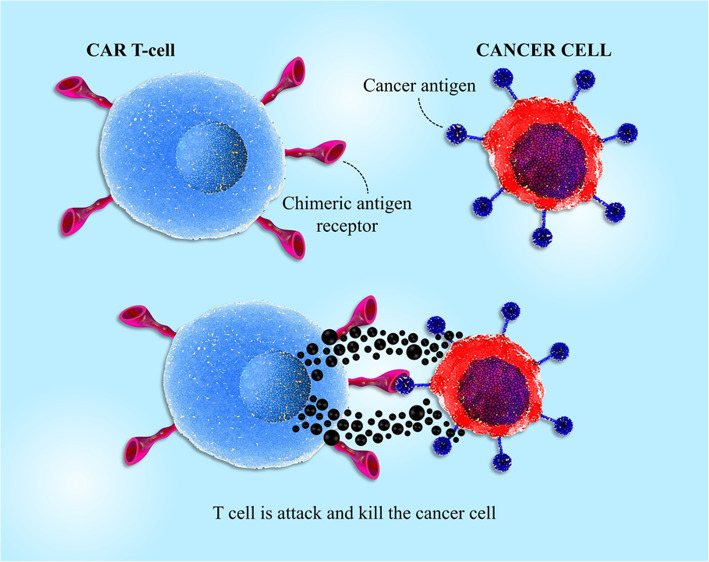
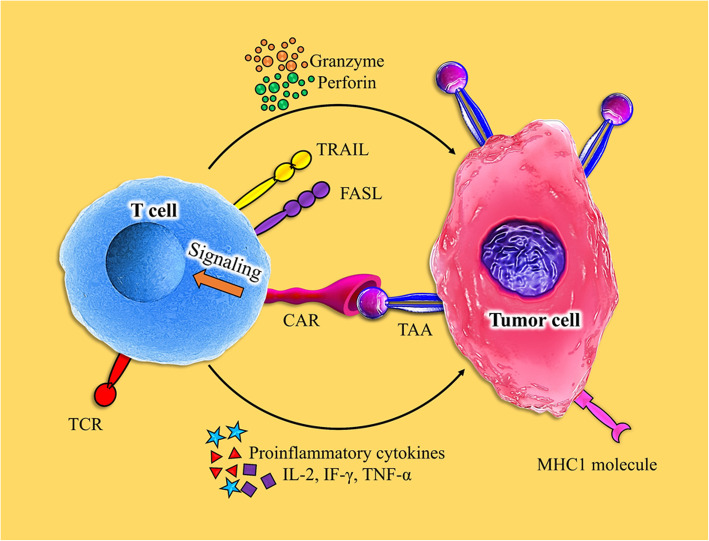
Verification
Claims the paper makes
The claims and statistics of this paper haven’t been checked yet.
Free: it reads the open-access text and checks the first 5 claims that cite a source we can check. Create a free account to check every claim.
Claims other papers make about this one
Each is checked against this paper’s own text: does it say what the citing paper says it does?
The cited source says what the claim attributes to it.
In the citing paper
“CD133‐CAR‐T therapy in colorectal, pancreatic and hepatocellular carcinoma has shown anti‐metastatic potential in a phase I clinical trial [91].”
From Tumor microenvironment signaling and therapeutics in cancer progression (2023) · cites this paper as [91]
Self-check
Percentages, sums and reported differences re-computed from the paper’s own numbers.
The self-check needs the paper’s full text.
Citations
Cites
Microenvironmental regulation of tumor progression and metastasis
Quail, D. F., & Joyce, J. A. (2013) · Nature Medicine · doi:10.1038/nm.3394 · Cited by 7,994 · cited 1×
“Regulatory T cells (Tregs), myeloid-derived suppressor cells (MDSCs), and M2 tumor-associated macrophages (TAMs) are the most prominent types of immune suppressor cells in the tumor environment [122, 123].”
BackgroundUnderstanding the tumor immune microenvironment (TIME) for effective therapy
Binnewies, M., Roberts, E. W., Kersten, K., Chan, V., Fearon, D. F., Merad, M., Coussens, L. M., Gabrilovich, D. I., Ostrand-Rosenberg, S., Hedrick, C. C., et al. (2018) · Nature Medicine · doi:10.1038/s41591-018-0014-x · Cited by 6,145 · cited 1×
“immune checkpoint molecules such as CTLA-4 and PD-1 also reduce antitumor immunity [120, 124].”
BackgroundAccessories to the Crime: Functions of Cells Recruited to the Tumor Microenvironment
Hanahan, D., & Coussens, L. M. (2012) · Cancer Cell · doi:10.1016/j.ccr.2012.02.022 · Cited by 4,632 · cited 1×
“solid tumors can be strongly infiltrated by different cell types that support tumor growth, angiogenesis, and metastasis [121].”
BackgroundMelanoma-intrinsic β-catenin signalling prevents anti-tumour immunity
Spranger, S., Bao, R., & Gajewski, T. F. (2015) · Nature · doi:10.1038/nature14404 · Cited by 2,830 · cited 1×
“Identifying solid tumors requires cells to transition from the blood into the cancer site, and various abnormalities develop such that T cell infiltration is roughly blocked [113, 114].”
BackgroundMorgan, R. A., Yang, J. C., Kitano, M., Dudley, M. E., Laurencot, C. M., & Rosenberg, S. A. (2010) · Molecular Therapy · doi:10.1038/mt.2010.24 · Cited by 2,533 · cited 1×
“This catastrophic toxicity occurred for a patient with metastatic CRC who received Her2-CAR T cells [36] and a neuroblastoma patient who was treated with GD2-CAR T cells [37].”
BackgroundA human memory T cell subset with stem cell–like properties
Gattinoni, L., Lugli, E., Ji, Y., Pos, Z., Paulos, C. M., Quigley, M. F., Almeida, J. R., Gostick, E., Yu, Z., Carpenito, C., et al. (2011) · Nature Medicine · doi:10.1038/nm.2446 · Cited by 1,974 · cited 1×
“, CD4+, CD8+ αβ T cells, and γδ T cells) are superior to other cells with the aim of optimal tumor suppression [17, 18].”
BackgroundRegression of Glioblastoma after Chimeric Antigen Receptor T-Cell Therapy
Brown, C. E., Alizadeh, D., Starr, R., Weng, L., Wagner, J. R., Naranjo, A., Ostberg, J. R., Blanchard, M. S., Kilpatrick, J., Simpson, J., et al. (2016) · New England Journal of Medicine · doi:10.1056/nejmoa1610497 · Cited by 1,836 · cited 1×
“Intracranial transport has been exposed to be safe and to have an acceptable anti-cancer effect in glioblastoma [115], and intra-pleural transport of CAR T cells was more effective than their systemic administration in human pleural malignancy preclinical researches [116].”
BackgroundO’Rourke, D. M., Nasrallah, M. P., Desai, A., Melenhorst, J. J., Mansfield, K., Morrissette, J. J. D., Martinez-Lage, M., Brem, S., Maloney, E., Shen, A., et al. (2017) · Science Translational Medicine · doi:10.1126/scitranslmed.aaa0984 · Cited by 1,803
Eshhar, Z., Waks, T., Gross, G., & Schindler, D. G. (1993) · Proceedings of the National Academy of Sciences · doi:10.1073/pnas.90.2.720 · Cited by 1,658 · cited 1×
“Although CD3-ζ chain accretion is adequate to support cytolytic function in cytotoxic T cells (CTL) lines, it has been found that the strength of the essential signal to the presentation of the cytotoxic activity is lower compared with the other types of their functions [21].”
BackgroundThe Basic Principles of Chimeric Antigen Receptor Design
Sadelain, M., Brentjens, R., & Rivière, I. (2013) · Cancer Discovery · doi:10.1158/2159-8290.cd-12-0548 · Cited by 1,535 · cited 2×
“Alternative tactics independent of transgene integration, which used either RNA electroporation or cell surface conjugation, in turn, lead to the transient CAR expression and limitation of CAR T cell persistence beyond 7–14 days [3].”
BackgroundInfluential
Cited by
Items 401–500 of 617
In vitro assays to evaluate CAR-T cell cytotoxicity
Cao, M., Carlson, R. D., Staudt, R. E., & Snook, A. E. (2023) · Methods in cell biology · doi:10.1016/bs.mcb.2023.05.009 · Cited by 5
Reddy, P. V., & Kumar, S. M. (2023) · AIP conference proceedings · doi:10.1063/5.0172961 · Cited by 4
Exosomes-based immunotherapy for cancer: Effective components in the naïve and engineered forms
Bao, H., Chen, Y., Zhang, Y.-N., Lan, H., & Jin, K. (2024) · International Immunopharmacology · doi:10.1016/j.intimp.2024.112656 · Cited by 4
Zhang, T., Celiker, B., Shao, Y., Gai, J., Hill, C. M., Wang, C., & Zheng, L. (2024) · Clinical Cancer Research · doi:10.1158/1078-0432.ccr-24-2251 · Cited by 5
“Numerous clinical trials have investigated the efficacy of targeting TAAs through cancer vaccines and T cell-based therapies (5, 6).”
Ngo, H. T., Dang, V. T., Nguyen, N. H.-T., Bui, A. N.-T., & Pham, P. V. (2022) · Cell and Tissue Banking · doi:10.1007/s10561-022-10022-8 · Cited by 4
Ding, H., Zhang, J., Zhang, F., Xu, Y., Yu, Y., Liang, W., & Li, Q. (2022) · Medical Oncology · doi:10.1007/s12032-022-01824-7 · Cited by 4
“Evidence suggests that in patients with OC, tumor recurrence occurs significantly after chemotherapy or surgery, highlighting the need for novel therapeutic approaches for this type of cancer [11].”
BackgroundInfluentialKumar, B. S. P., & Raja, M. (2022) · International Conference on Technological Advancements in Computational Sciences (ICTACS) · doi:10.1109/ictacs56270.2022.9988345 · Cited by 4
“Our team's in-depth expertise and years of research experience have resulted in publications of the highest calibre [11] [13] [8] [2] [6] [19] [20] [9] [20].”
BackgroundChimeric Antigen Receptor (CAR) T Cell Immunotherapy for Solid Tumors
Esmaeilzadeh, A., Jafari, D., Elahi, R., Bazargan, M., Rafie, M. Z., & Mansourabadi, A. H. (2023) · Interdisciplinary cancer research · doi:10.1007/16833_2023_156 · Cited by 5
Su, C., Himes, J. E., & Kirsch, D. G. (2023) · International review of cytology · doi:10.1016/bs.ircmb.2023.03.006 · Cited by 4
Optimal chemokine receptors for enhancing immune cell trafficking in adoptive cell therapy
Han, D., Jeong, B.-K., Hong, J. M., Seo, J.-H., Lee, G., Kim, K., Hong, C., Lee, H., Cha, S. M., Kim, J. H., et al. (2025) · Immunologic Research · doi:10.1007/s12026-024-09560-y · Cited by 3
“However, the efficiency of CAR-T cell therapy is limited in solid tumors due to the targeting of surface antigens on the tumor [16].”
CAR-T Cell Therapy: Managing Side Effects and Overcoming Challenges
Golmohammadi, M., Noorbakhsh, N., & Kavianpour, M. (2025) · Advanced Biomedical Research · doi:10.4103/abr.abr_531_23 · Cited by 4
“[44] CD19, a biomarker for the B‑cell lineage, is commonly found on the surface of tumor cells in patients with hematologic malignancies.”
Silva, L., Almeida, L., Al‐Naimi, F., Nascimento, D. C., Krol, A. L., Damasceno, L. E. A., Echchannaoui, H., Alves-Filho, J. C., Berod, L., & Sparwasser, T. D. (2025) · European Journal of Immunology · doi:10.1002/eji.70035 · Cited by 3
“Current FDA-approved immunotherapies include antigen-presenting cells (APC) vaccination strategies [12, 13], immune checkpoint inhibition (ICI) [14], CAR-T cell therapy, and cancer vaccines [15, 16].”
Alsharif, O., & Rombouts, K. (2025) · npj gut and liver. · doi:10.1038/s44355-025-00037-9 · Cited by 3
“For instance, CAR T-cell therapy targeting Glypican-3 (GPC3) has demonstrated promise in HCC, with studies showing that GPC3-targeted CAR T-cells can promote tumor regression and enhance antitumor responses 77 .”
Alrhmoun, S., Perik-Zavodskii, R., Fisher, M. S., Lopatnikova, J., Perik-Zavodskaia, O., Shevchenko, J. A., Вячеславович, Н. К., Philippova, J., Васильевич, К. В., Kichakova, O., et al. (2025) · Frontiers in Immunology · doi:10.3389/fimmu.2025.1646404 · Cited by 3
Gao, Y., Wu, H., Liu, T., Pu, X., Ren, T., Chen, A., Zhang, H., & Yang, J. (2026) · Frontiers in Immunology · doi:10.3389/fimmu.2026.1796382 · Cited by 3
Engineered CAR-T cells: An immunotherapeutic approach for cancer treatment and beyond
Khodke, P., & Kumbhar, B. V. (2024) · Advances in protein chemistry and structural biology · doi:10.1016/bs.apcsb.2023.12.001 · Cited by 4
Crosstalk between thyroid CSCs and immune cells: basic principles and clinical implications
Li, X., Han, H., Yang, K., Li, S., Ma, L., Yang, Z. R., & Zhao, Y. (2024) · Frontiers in Immunology · doi:10.3389/fimmu.2024.1476427 · Cited by 3
ARIAWAN, T. R., Divasta, I. G. M., BINTARI, A., de Liyis, B. G., & Wihandani, D. M. (2025) · Journal of Oncological Sciences · doi:10.37047/jos.galenos.2024.2024.104258 · Cited by 3
High Grade Meningiomas: Current Therapy Based on Tumor Biology
García-Robledo, J. E., Ordóñez‐Reyes, C., Ruíz-Patiño, A., Muñoz, Á., Arrieta, O. G., Jiménez, E., Hakim, F., Gómez, D., Ramón, J. F., & Cardona, A. F. (2022) · IntechOpen eBooks · doi:10.5772/intechopen.100432 · Cited by 3
“Different workaround strategies have been explored to address these problems and currently, highly engineered cells and very complex therapies (CAR-Ts in combination with checkpoint inhibition, or small molecules, or chemotherapy, or immunomodulators) are under study in different clinical trials [178].”
BackgroundReddy, V. R. K., & Priya, M. V. (2022) · International Conference on Technological Advancements in Computational Sciences (ICTACS) · doi:10.1109/ictacs56270.2022.9987993 · Cited by 3
“Our team has extensive knowledge and research experience that has translated into high quality publications [12]; [13]; [10]; [[1]; [8]; [20]; [21]; [11]; [22].”
BackgroundImmunotherapy guided precision medicine in solid tumors
Mehrotra, S., Kupani, M., Kaur, J., Kaur, J., & Pandey, R. K. (2024) · Advances in protein chemistry and structural biology · doi:10.1016/bs.apcsb.2024.02.004 · Cited by 3
Xiong, X., Huo, Q., Cui, C.-P., Aryal, U. K., Ku, B., Hong, C.-S., Lim, H.-C., Liu, J., Chen, A. B., Thompson, W. R., et al. (2024) · Engineering · doi:10.1016/j.eng.2024.08.025 · Cited by 4
Developing CAR T-Cell Therapies for Pediatric Solid Tumors
Canciani, G., Fabozzi, F., Pinacchio, C., Ceccarelli, M., & Bufalo, F. D. (2024) · Pediatric Drugs · doi:10.1007/s40272-024-00653-7 · Cited by 3
“The group of Park et al. tested the efficacy of CD8+ CAR T cells redirected against the L1-cell adhesion molecule, highly expressed on metastatic NB cells [12, 30].”
Nucleic acid delivery as a therapeutic approach for cancer immunotherapy
Wilson, K., Garima, & Dhanawat, M. (2024) · Advances in immunology · doi:10.1016/bs.ai.2024.10.009 · Cited by 4
Pan, W., Zhao, J., Zhang, S., Chen, X., Liang, W., & Li, Q. (2021) · International Immunopharmacology · doi:10.1016/j.intimp.2021.108337 · Cited by 3
Bandey, I. N., Montalvo, M. J., Singh, H., & Varadarajan, N. (2023) · bioRxiv (Cold Spring Harbor Laboratory) · doi:10.1101/2023.06.21.545815 · Cited by 3
“1007/s00005-020-00599-x 3 Marofi, F. et al. CAR T cells in solid tumors: challenges and opportunities. Stem Cell Research & Therapy 12, 81 (2021). https://doi.”
BackgroundPhung, L. H., Nejo, T., & Okada, H. (2024) · Vaccines · doi:10.3390/vaccines12080862 · Cited by 2
Tumor-Infiltrating Lymphocytes, CAR-, and T-Cell Receptor-Modified T Cells in Solid Cancer Oncology
Echchannaoui, H., Legscha, K. J., & Theobald, M. (2025) · Oncology Research and Treatment · doi:10.1159/000543998 · Cited by 2
Autocrine p40 enhances the efficacy of CLDN18.2 CAR-T cells in gastrointestinal cancer
Zhang, W., Zeng, M., Ma, X., Chen, J., Li, Y., & Li, Y. (2025) · Genome Instability & Disease · doi:10.1007/s42764-025-00149-9 · Cited by 2
“…malignancies remains a formidable challenge, mainly due to tumor antigen heterogeneity, suboptimal trafficking to the tumor site, limited expansion and persistence of T cells and poor infiltration capacity in the suppressive tumor microenviron - ment (TME) (Albelda, 2024 ; Marofi et al., 2021).”
Advancements in Cancer Immunotherapy: The Evolution and Future of mRNA and DNA Vaccine Technologies
Choi, K., Lee, D. H., Lee, J. W., & Park, Y. S. (2025) · Journal of Experimental & Biomedical Sciences/Biomedical Science Letters · doi:10.15616/bsl.2025.31.1.1 · Cited by 2
Revolutionizing the treatment of cancer using CAR T Cells and Bispecific Antibodies
Medapati, S., Haripriya, B. V. S. L., Dummari, P. J., Mugada, V., Medapati, R. V., & Yarguntla, S. R. (2024) · Palestinian medical and pharmaceutical journal/Palestinian medical & pharmaceutical journal · doi:10.59049/2790-0231.10.1.2262 · Cited by 2
SLC7A11-specific CAR-T cell therapy potently targets colorectal and pancreatic cancer
Pan, X., Li, J., Zhu, J. F., Wang, X., Liu, Y., Tian, X., Yang, Y., Wang, P., & Chen, S.-W. (2025) · iScience · doi:10.1016/j.isci.2025.113713 · Cited by 3
“19 SLC7A11 is overexpressed in various cancers and regulates tumor development, proliferation, metastasis, and treatment resistance, positioning it as a promising therapeutic target for a plethora of malignancies, including CRC. 20 Parts of anti-cancer effects have been observed by blocking the…”
Modulating Autoimmune Diseases with CAR-Tregs: A Cutting-edge Therapeutic Strategy
Mishra, A. P., Meena, V. S., Ukey, P., Kumar, M., & Gosipatala, S. B. (2025) · Nature Cell and Science · doi:10.61474/ncs.2025.00022 · Cited by 2
Synergistic reprogramming of the tumor immune microenvironment by Senecavirus A and STING agonist
Zhao, X., Gao, L., Chen, R., Tian, H., Liang, S., Zhang, Z., Li, W., Sun, J., Chen, X., Tang, X., et al. (2026) · Oncogene · doi:10.1038/s41388-026-03685-0 · Cited by 2
Balasubramanian, N., Gudey, S. K., Lu, Y., Rocha, A. G., & Sugimoto, H. (2026) · The AAPS Journal · doi:10.1208/s12248-025-01202-x · Cited by 2
“…(dose range finding, pivotal pharmacology, and toxicology studies) or clinical study, it is preferred to design the primer/probe at the junction of the binding domain and the neighboring vector component for the construct-specific assay after candidate selection variations in expression level (29).”
He, M., Liu, L., Chen, Z., Liu, Y., Liu, C., Ma, M., Li, J., Dong, B., Gong, J., Shen, L., et al. (2026) · Cancer Immunology Immunotherapy · doi:10.1007/s00262-026-04341-y · Cited by 3
“Compared with conventional immuno-therapy, CAR-T cells can significantly proliferate and kill tumour cells in vivo upon antigen engagement, leading to a breakthrough in therapeutic efficacy [2, 3].”
Engineering programmable CAR and antigen pairing via drug-gated light activation
Huang, Z., Limsakul, P., Wu, Y., Guo, T., Wang, Y., Wu, Z., Zhu, L., Allen, M. E., Liu, L., & Wang, Y. (2026) · Nature Communications · doi:10.1038/s41467-026-70855-9 · Cited by 2
T-cell engagers in cancer immunotherapy: mechanisms, challenges, and future perspectives
Muthughavi, K., Khokhar, M., Jha, H. C., & Pandey, R. K. (2026) · Frontiers in Immunology · doi:10.3389/fimmu.2026.1755512 · Cited by 2
“CAR-T-cell therapy is more effective in hematologic malignancies than in solid tumors, in part because of their ability to circulate through the bloodstream and lymphatic system, allowing direct contact with blood-based tumor cells (87).”
Mukherjee, A. (2026) · Journal of the Egyptian National Cancer Institute · doi:10.1186/s43046-026-00361-y · Cited by 2
“These challenges reflect gaps in causal understanding, spatial resolution, pharmacologic delivery, and clinical validation, and highlight the need for more rigorous, integrative approaches [109].”
Leonard, J., Duhamel, M., & Salzet, M. (2026) · Signal Transduction and Targeted Therapy · doi:10.1038/s41392-026-02902-2 · Cited by 2
“193,194 For example, researchers have isolated a high-af fi nity antibody (from a B cell) that binds a tumor antigen and then used its scFv in a CAR construct.”
Cell-based immunotherapies in gynecologic cancers
Lang, S. M., & Dorigo, O. (2021) · Current Opinion in Obstetrics & Gynecology · doi:10.1097/gco.0000000000000760 · Cited by 2
“CAR T-cells were among the first approved cell therapies and have demonstrated the greatest clinical efficacy in hematologic malignancies.”
BackgroundReddy, V. V. V., & S, U. P. P. (2022) · International Conference on Technological Advancements in Computational Sciences (ICTACS) · doi:10.1109/ictacs56270.2022.9988190 · Cited by 2
“[14] The research gap revealed by the literature review is that algorithms like CNN produce brain tumour images with lower accuracy and prediction efficiency.”
MethodRetractedCAR-T cell Therapy: Existing Treatments and Improvements
Gao, Z. (2023) · Highlights in Science Engineering and Technology · doi:10.54097/hset.v36i.5713 · Cited by 2
Control of CAR-T cell activity in space and time: the next level of anti-tumor action
Hoppstädter, J., & Kiemer, A. K. (2023) · Signal Transduction and Targeted Therapy · doi:10.1038/s41392-023-01424-5 · Cited by 2
Evaluation of antibacterial potential of Pithecellobium dulce against Streptococcus mutans
(2023) · Journal of Population Therapeutics and Clinical Pharmacology · doi:10.47750/jptcp.2023.30.06.009 · Cited by 2
CAR T Cell Therapy: A New Hope for Refractory Lupus?
Alsharkawy, M., Mason, A., Lwin, M., & Edwards, C. J. (2023) · touchREVIEWS in RMD · doi:10.17925/rmd.2023.2.2.1 · Cited by 2
How to Test Human CAR T Cells in Solid Tumors, the Next Frontier of CAR T Cell Therapy
Cochrane, R. W., Fiorentino, A., Allen, E., Robino, R. A., Quiroga, J., & Ferreira, L. M. R. (2023) · Methods in molecular biology · doi:10.1007/978-1-0716-3593-3_16 · Cited by 2
Precision Targeting and Genetically Modified T Cells for Targeting Cancer Cells
Mahmood, A. A. R., Srinivasan, S., & Challaraj Emmanuel, E. S. (2024) · International Journal of Trends in OncoScience · doi:10.22376/ijtos.2023.2.1.1-9 · Cited by 2
“Off the Shelf” CAR ‐T/ NK Cells
Marín, N. D., Zhou, A. Y., Jacobs, M. T., & Fehniger, T. A. (2024) · Wiley eBooks · doi:10.1002/9781119824572.ch23 · Cited by 2
Mechanism, Challenges, and Progresses of Chimeric Antigen Receptors T-cell Cancer Therapy
Hussein, A., & Edao, B. M. (2024) · Journal of Cellular Immunology · doi:10.33696/immunology.6.190 · Cited by 2
CAR-T cell a potential platform for cancer therapy
Maurya, A. K., Saraf, S., Gautam, L., & Sharma, R. (2024) · Medicine in Novel Technology and Devices · doi:10.1016/j.medntd.2024.100348 · Cited by 2
Clinical Applications, Patents, and Challenges in Cancer Immunotherapy
Nanda, A., Kanhar, S., Singh, M. K., Akram, W., & Haider, T. (2024) · Springer eBooks · doi:10.1007/978-981-97-7022-9_18 · Cited by 2
Stathopoulou, C., Zhao, M., Jiang, Q., Hong, J., Bian, J., Venugopalan, A., Zhang, J., Ho, M., & Hassan, R. (2026) · Scientific Reports · doi:10.1038/s41598-026-76125-4 · Cited by 2
Yan, K., & Xiao, Z. (2025) · Cellular Immunology · doi:10.1016/j.cellimm.2025.105001 · Cited by 2
Ha, J., & Seong, J. Y. (2025) · Biomolecules & Therapeutics · doi:10.4062/biomolther.2025.204 · Cited by 2
“Ideal targets should be abundantly and uniformly expressed on tumor cells, with minimal presence on normal tissues (Chen et al ., 2024; Dagar et al ., 2023; Marofi et al ., 2021).”
Li, Y., & Orange, J. S. (2026) · Scientific Reports · doi:10.1038/s41598-026-73116-3 · Cited by 3
Therapeutic applications of engineered chimeric antigen receptors-T cell for cancer therapy
Hussain, A. (2022) · Beni-Suef University Journal of Basic and Applied Sciences · doi:10.1186/s43088-022-00238-8 · Cited by 2
“Another way instructs T cells to release a specifically active cytotoxic protein in response to TAA #1 on the surface of the cell getting identified by chimeric antigen receptors or TCR; the designed protein gets cytotoxic only if TAA #2 within the cell is identified [72, 73].”
BackgroundMalviya, R., Singh, A. K., Singh, A., Sundram, S., & Mishra, S. K. (2022) · Current Cancer Drug Targets · doi:10.2174/1568009622666220928141727 · Cited by 2
Dinesh, P., & Uganya, G. (2022) · International Conference on Technological Advancements in Computational Sciences (ICTACS) · doi:10.1109/ictacs56270.2022.9987984 · Cited by 2
Khan, P. A., & Raja, M. (2022) · International Conference on Technological Advancements in Computational Sciences (ICTACS) · doi:10.1109/ictacs56270.2022.9988293 · Cited by 2
“Our staff has a wealth of knowledge and research expertise, which has resulted in publications of the highest calibre [16] [18] [11] [1] [7] [22][23] [13] [24].”
BackgroundDetermination of CAR T cell metabolism in an optimized protocol
Joaquina, S., Forcados, C., Caulier, B., Inderberg, E. M., & Wälchli, S. (2023) · Frontiers in Bioengineering and Biotechnology · doi:10.3389/fbioe.2023.1207576 · Cited by 2
“infiltration, iii) suboptimal T cell activation and iv) lack of persistence on site (Guedan et al., 2019; Wagner et al., 2020; Marofi et al., 2021).”
BackgroundGatell, V. I., Huang, J. J., & Puglianini, O. A. C. (2023) · Springer eBooks · doi:10.1007/978-3-031-50977-3_5 · Cited by 2
Chen, Y., Hua, W., Hsu, J. C., Chang, P. S., Wen, K. K., Huang, Y.-W., Tsai, J.-C., Kao, Y.-H., Wu, P.-H., Wang, P., et al. (2022) · bioRxiv (Cold Spring Harbor Laboratory) · doi:10.1101/2022.05.03.490469 · Cited by 3
RNF19B confers tumor resistance to CAR T cellsPreprint
Geiger, R., Vogel, I. A., Casagranda, A., Cattaneo, M., Morosi, L. G., Pecoraro, M., Sulheim, E., & Basso, C. (2025) · Research Square · doi:10.21203/rs.3.rs-7847831/v1 · Cited by 3
Ruchitha, B., & Kanimozhi, K. V. (2022) · International Conference on Technological Advancements in Computational Sciences (ICTACS) · doi:10.1109/ictacs56270.2022.9988607 · Cited by 1
Franklin, J., Pophali, P. A., Jackson, Z., Wald, D. N., & Avigan, D. (2024) · Wiley eBooks · doi:10.1002/9781394180486.ch25 · Cited by 1
Xu, X., Li, J., Setrerrahmane, S., Zhang, J., Shi, S., Hu, Y., Lin, D., & Xu, H. (2024) · Biomedicine & Pharmacotherapy · doi:10.1016/j.biopha.2024.116714 · Cited by 1
CAR T-cells therapy as a ray of hope for cancer treatment
Chopra, H., Chopra, S., Arora, S., & Dhama, K. (2024) · Trends in Immunotherapy · doi:10.24294/ti.v8.i2.2432 · Cited by 1
“There is hope for future transformative therapeutic interventions as our knowledge of tumor biology expands and technology improves, increasing the likelihood that CAR-T cell therapy will become a viable option for treating solid tumors [12].”
BackgroundOncolytic virus enhanced CAR T cell therapy in killing solid tumors
Cao, G. (2024) · E3S Web of Conferences · doi:10.1051/e3sconf/202455305022 · Cited by 1
The Role of CAR-T Cells in Targeting Cancer Stem Cells
Maali, A., & Sharifzadeh, Z. (2024) · Stem cell biology and regenerative medicine · doi:10.1007/978-3-031-74842-4_13 · Cited by 2
Individualized tumor-reactive T cells exhibit a potent anti-tumor response in prostate cancer
He, L., Jiao, N., Bao, X., Wu, Y., Qian, X., He, W., Zhen, H., Tang, L., Shao, H., Dong, Z., et al. (2025) · Translational Oncology · doi:10.1016/j.tranon.2025.102322 · Cited by 1
“On the other hand, CAR-T targets a single target and down-regulation of antigen expression after treatment is also a key factor in poor efficacy of CAR-T and tumor recurrence [18].”
Cancer Immunotherapy in Sub-Saharan Africa: Current Landscape, Barriers and Strategic Directions
Teibo, J. O., Atiba, F. A., Adebesin, A. O., Olagunju, A. S., Teibo, T. K. A., Adegoke, A. M., Al‐Hajeili, M., & Batiha, G. E. (2025) · IntechOpen eBooks · doi:10.5772/intechopen.1012288 · Cited by 1
Sayed, M. S., Gadelmawla, A. F., Abouelenin, O., Moubarak, E. S., Jibril, N. S., Kandeel, M. K., & Abdulazeem, H. M. (2025) · Medical Oncology · doi:10.1007/s12032-025-03040-5 · Cited by 1
“It is currently being investigated for the treatment of gastrointestinal cancers, as demonstrated in the study by Marofi et al [17].”
InfluentialProspect of chimeric antigen receptor T-cell therapy for cancer
Akilandeswari, P., & Pradeep, B. V. (2025) · Molecular Biology Reports · doi:10.1007/s11033-025-11316-2 · Cited by 1
“…use in the treat - ment of solid tumors by numerous clinical trials targeting various antigens such as TnMUC1, CEA, ROR1, GD2, PSCA, mesothelin, glypican 3 (GPC3), carbonic anhydrase IX (CAIX), HER2, B7H3, GUCY2C, CD19, and epidermal growth factor (EGFR) are presently in progress [85, 86].”
Pramanik, S., Thaker, M., Inoue, N., Kim, P., Kutzner, A., Manavalan, A., Pramanik, G., & Heese, K. (2026) · Discover Oncology · doi:10.1007/s12672-025-03876-3 · Cited by 1
“Positive phages could be isolated and amplified, and the selected phage DNA encoding anti-FAM168A and anti-FAM168B antibodies could be cloned pharmaceutical applications [10, 11, 36–38].”
Beatty, N. J., Ma, M., Goala, P., McSain, S. L., Lee, S. B., Boucher, J. C., Stone, M. L., Kang, Y. P., Cortes-Gomez, E., Wang, J., et al. (2026) · Scientific Reports · doi:10.1038/s41598-026-43225-0 · Cited by 1
Kim, J.-I., Park, M.-Y., Kwon, E., Mashimo, T., Kang, H. J., & Kang, B.-C. (2026) · Toxicological Research · doi:10.1007/s43188-026-00343-1 · Cited by 1
“Future studies should utilize this validated platform to assess cell therapies with higher transduction efficiencies or different modalities, and potentially expand its application to other indications, such as solid tumors [32].”
Khuisangeam, N., Chinsuwan, T., Intanachai, T., Thaiwong, R., Boonkrai, C., Phakham, T., Pisitkun, T., Suppipat, K., Hirankarn, N., & Tawinwung, S. (2026) · Scientific Reports · doi:10.1038/s41598-026-49988-w · Cited by 1
“However, CAR-T cell therapy in solid tumors is hindered by immune suppression within the TME, notably through upregulation of programmed death-ligand 1 (PD-L1) 18–20 .”
Next-generation cancer immunotherapy: the promise of CAR T-Cell therapy
Kapare, H. S., Jadhav, R., Karwa, P. N., Bhole, R. P., & Labhade, S. (2026) · Immunotherapy · doi:10.1080/1750743x.2026.2668205 · Cited by 1
Sun, R., Liu, S., Yang, X., Che, C., Zhang, Z. Q., Wang, Y., Zhang, C., Yang, Y., Li, X. Q., Wang, J., et al. (2026) · Cancer Immunology Research · doi:10.1158/2326-6066.cir-25-1490 · Cited by 1
Nano meets CAR-T: A new era in cancer immunotherapy
Ibrahim, A., & Nasr, M. (2026) · Biochimica et Biophysica Acta (BBA) - Reviews on Cancer · doi:10.1016/j.bbcan.2026.189685 · Cited by 1
Waqar, M. A., Malik, A., & Mubarak, N. (2026) · Immunologic Research · doi:10.1007/s12026-026-09850-7 · Cited by 1
Sai, P. R., & Marjorie, S. R. (2022) · International Conference on Technological Advancements in Computational Sciences (ICTACS) · doi:10.1109/ictacs56270.2022.9988115 · Cited by 1
“The team with which we are working team has a good knowledge and research experience that has been converted to good publications [10]–[18]”
BackgroundReddy, A. B. H. V., & Muthuvel, S. K. (2022) · International Conference on Technological Advancements in Computational Sciences (ICTACS) · doi:10.1109/ictacs56270.2022.9987925 · Cited by 1
“Our team has extensive knowledge and research experience that has translate into high quality publications [18]–[26]”
BackgroundPoojitha, S., & Malathi, K. (2022) · International Conference on Technological Advancements in Computational Sciences (ICTACS) · doi:10.1109/ictacs56270.2022.9987804 · Cited by 1
Pfister, F., Alexiou, C., & Janko, C. (2023) · Methods in molecular biology · doi:10.1007/978-1-0716-3052-5_21 · Cited by 1
CAR-T therapy for breast cancer
Liu, B., Ma, L., Xu, J., & Yan, G. (2023) · Theoretical and Natural Science · doi:10.54254/2753-8818/20/20230762 · Cited by 1
Xie, H. (2024) · International Conference on Biological Engineering and Medical Science (ICBioMed) · doi:10.1117/12.3012936 · Cited by 2
“…for PDAC or PC, CAR-T therapy is still facing the challenge that is the difficulties in clinical trial to cure solid tumors because of the immunosuppressive of TME, the physical burden of tumor hindering T lymphocytes from infiltration, trafficking of T cells and tumor antigen heterogeneity [77].”
BackgroundHemalatha, G. V., Lakshmi, S. V., & Karthick, V. (2024) · AIP conference proceedings · doi:10.1063/5.0197503 · Cited by 1
Navigating immunotherapy for ovarian cancer: current landscape and future perspectives
Capuozzo, M., Ferrara, F., Cinque, C., Farace, S., Lauritano, D., & Ottaiano, A. (2024) · Journal of Cancer Metastasis and Treatment · doi:10.20517/2394-4722.2024.38 · Cited by 3
Commentary on: Pre‐clinical platforms to study therapeutic efficacy of human γδ T cells
Guha, R., Waddell, J., & Banerjee, A. (2022) · Clinical and Translational Discovery · doi:10.1002/ctd2.74 · Cited by 1
CAR-T cell i nanotechnologia – najnowsze narzędzia terapii przeciwnowotworowej
Kwiatkowska, J., Wawrzyniak, P., & Knopik-Skrocka, A. (2021) · Tutoring Gedanensis · doi:10.26881/tutg.2021.3.04
Invited Commentary: Novel Cellular Immunotherapy (CAR T-Cell) in the Reading Room
Ramaiya, N. H., & Smith, D. A. (2022) · Radiographics · doi:10.1148/rg.210204
Mittal, R. J., Adhit, K. K., Vakkalagadda, N. P., Salibindla, D. B. A. M. R., & Suvvari, T. K. (2021) · Annals of Oncology Research and Therapy · doi:10.4103/aort.aort_18_21
Synthetic biology-based optimization of T cell immunotherapies for cancer
Noll, J. H., & Fraietta, J. A. (2022) · Current Opinion in Biomedical Engineering · doi:10.1016/j.cobme.2022.100372
Lin, C., Pei, H., Yuan, X., Xu, J., Zou, M., Chen, Z., Fossier, A., Liu, M., Goo, S., Ying, G., et al. (2022) · Research Square · doi:10.21203/rs.3.rs-1602710/v1
Shahrbaf, M. A., Goudarzi, K., Taheri, K. K., Alikhani, H. K., & Noori, M. (2021) · Modern Medical Laboratory Journal · doi:10.30699/mmlj17.4.2.19
The innovative approach to combat cancer: Liquid biopsy and immunotherapy
Li, X. (2022) · Highlights in Science Engineering and Technology · doi:10.54097/hset.v14i.1588
Anju Cecil Sneka, S. (2022) · Journal of Pharmaceutical Negative Results · doi:10.47750/pnr.2022.13.s08.386
Evaluating Textural Changes of Lung in CT Images using GLCM in Comparison with GLRLM
Jhansi, B., Ramesh, M., Deepak, A., & Karthikeyan, P. R. (2022) · International Conference on Technological Advancements in Computational Sciences (ICTACS) · doi:10.1109/ictacs56270.2022.9988577 · Cited by 2
Metadata
- Authors
- Marofi, F., Motavalli, R., Safonov, V. A., Thangavelu, L., Yumashev, A. V., Alexander, M., Shomali, N., Chartrand, M. S., Pathak, Y., Jarahian, M., Izadi, S., Hassanzadeh, A., Shirafkan, N., Tahmasebi, S., & Khiavi, F. M.
- Affiliations
- Tabriz University of Medical Sciences (IR)
- Russian Academy of Sciences (RU)
- Saveetha University (IN)
- Sechenov University (RU)
- Industrial University of Tyumen (RU)
- German Cancer Research Center (DE)
- University of South Florida (US)
- Pasteur Institute of Iran (IR)
- Corresponding author
- Motavalli, Roza
- Khiavi, Farhad Motavalli
- ORCID
- Venue
- Stem Cell Research & Therapy
- Published
- 2021-01-25
- Volume
- 12
- Issue
- 1
- Pages
- 81-81
- ISSN
- 1757-6512 (ISSN-L)
- PMC
- PMC7831265
- OpenAlex
- W3122724341
- Semantic Scholar
- b0c68f34468a84453d091f534295485c1a741b8c
- Cited by
- 582
- References
- 149
- Citations by year
- 2026: 63 · 2025: 105 · 2024: 120 · 2023: 133 · 2022: 121 · 2021: 39
- FWCI
- 12.51
- Type
- journal article
- Language
- en
- Open access
- gold
- doi.org
- Licence
- cc-by
- creativecommons.org/licenses/by/4.0 (tdm)
- creativecommons.org/licenses/by/4.0 (vor)
- Locations
- Stem Cell Research & Therapy (publishedVersion, cc-by)
- PubMed Central (publishedVersion, cc-by)
- PubMed (publishedVersion)
- DOAJ (DOAJ: Directory of Open Access Journals) (submittedVersion, cc-by-sa)
- Topics
- Health Sciences › Medicine › Oncology › CAR-T cell therapy research
- Health Sciences › Medicine › Oncology › Cancer Immunotherapy and Biomarkers
- Life Sciences › Immunology and Microbiology › Immunology › Immunotherapy and Immune Responses
- Keywords
- chimeric antigen receptor T cells, solid tumors, chimeric antigen receptor, tumor microenvironment, T cell exhaustion, immune checkpoint blockade, CAR signaling, T cell migration, tumor recognition, non-hematologic malignancies, T cell survival
- MeSH terms
- Receptors, Chimeric Antigen, Humans, Neoplasms, T-Lymphocytes, Immunotherapy, Adoptive, Tumor Microenvironment
About these checks
Registry, retraction, Cites and statistics results are computed, not judged, with one exception: a printed reference that no index lists is read once by a model before it counts as a citation error. Claims are extracted by a model and kept only when their quote appears verbatim in the text; each cited source is then checked, with a model’s help, for whether it says what the claim relies on. Those verdicts can be wrong — read the claim’s quote and the cited source before relying on one.
Statistics and arithmetic are recomputed, not judged.
Confidence bands are shown only for fields calibrated on our annotated test set. None is calibrated yet, so no band is shown.
What counts as a claim ›How we measure confidence ›How we check this ›
Are you an author, or do you see a problem with this page? Request a review
Data sources
Bibliographic data: Semantic Scholar, OpenAlex, Crossref.
Contains information from the Semantic Scholar Academic Graph Datasets, made available under the ODC Attribution License (ODC-BY 1.0).
Semantic Scholar’s data is described in: Kinney, R., et al. (2023). The Semantic Scholar Open Data Platform. arXiv:2301.10140.
