

Myostatin as a mediator of sarcopenia versus homeostatic regulator of muscle mass: insights using a new mass spectrometry-based assay
Open accessThe DOI matches its Crossref record; 43 of the 43 references it cites were found in a registry or an index.
Abstract
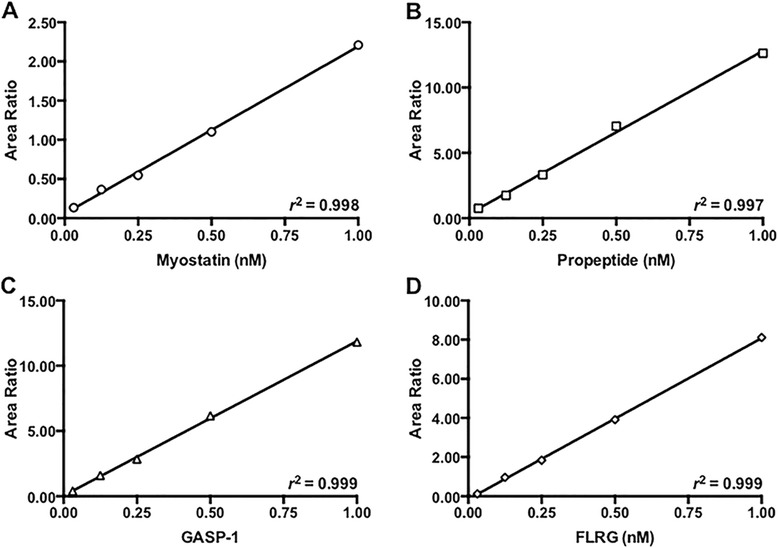
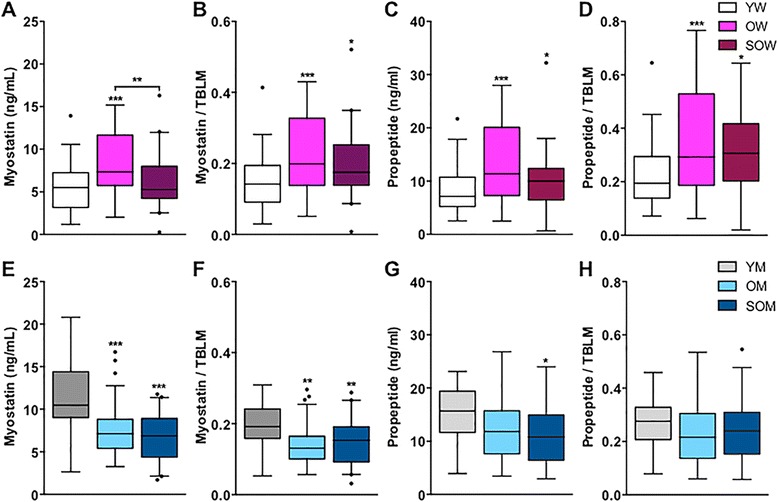
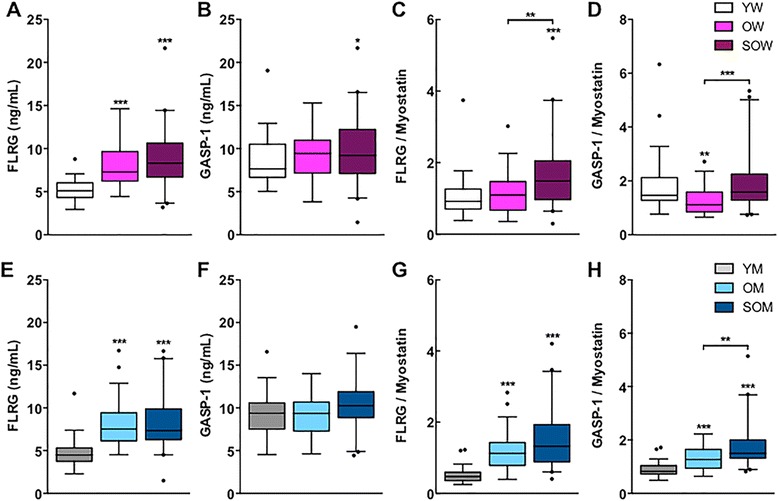
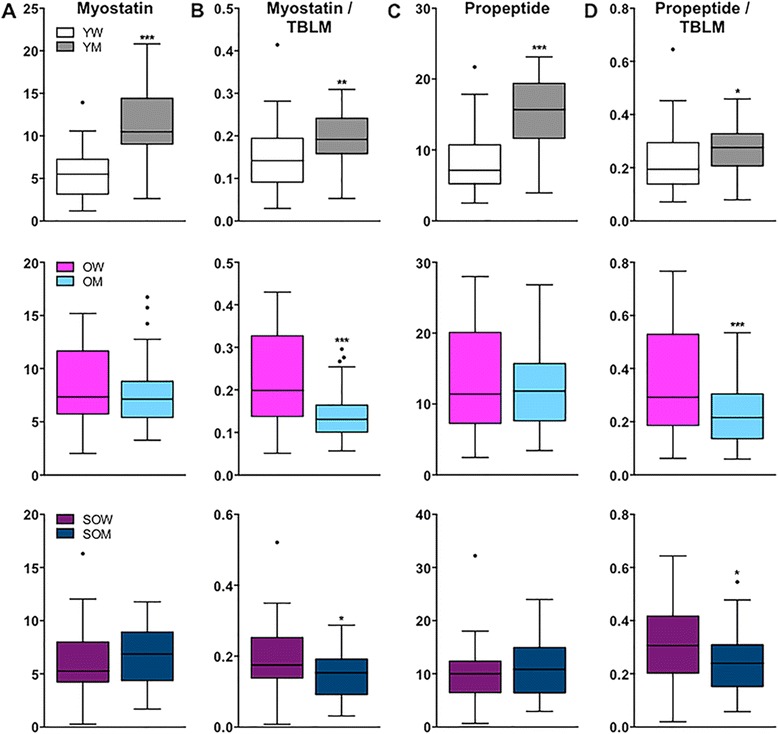
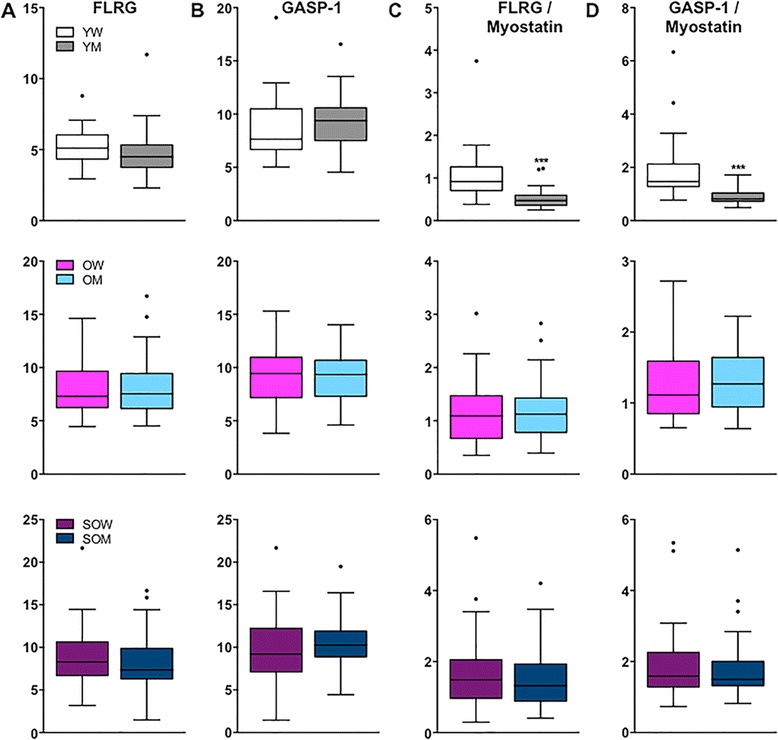
BACKGROUND: Myostatin is a protein synthesized and secreted by skeletal muscle that negatively regulates muscle mass. The extent to which circulating myostatin levels change in the context of aging is controversial, largely due to methodological barriers. METHODS: We developed a specific and sensitive liquid chromatography with tandem mass spectrometry (LC-MS/MS) assay to measure concentrations of myostatin and two of its key inhibitors, follistatin-related gene (FLRG) protein and growth and serum protein-1 (GASP-1) in 80 younger (<40 years), 80 older (>65 years), and 80 sarcopenic older women and men. RESULTS: Older women had 34 % higher circulating concentrations of myostatin than younger women. Per unit of lean mass, both older and sarcopenic older women had >23 % higher myostatin levels than younger women. By contrast, younger men had higher myostatin concentrations than older men with and without sarcopenia. Younger men had approximately twofold higher concentrations of myostatin than younger women; however, older women and sarcopenic older women had significantly higher relative myostatin levels than the corresponding groups of men. In both sexes, sarcopenic older subjects had the highest concentrations of FLRG. Circulating concentrations of myostatin exhibited positive, but not robust, correlations with relative muscle mass in both sexes. CONCLUSIONS: Our data suggest that myostatin may contribute to the higher prevalence of sarcopenia in women but acts as a homeostatic regulator of muscle mass in men. Moreover, this new LC-MS/MS-based approach offers a means to determine the extent to which myostatin serves as a biomarker of muscle health in diverse conditions of muscle loss and deterioration.
Overview
The claims and statistics of this paper haven’t been checked yet.
Free: it reads the open-access text and checks the first 5 claims that cite a source we can check. Create a free account to check every claim.
Integrity signals
Registry
Cites
Statistics
Figures
Verification
Claims the paper makes
The claims and statistics of this paper haven’t been checked yet.
Free: it reads the open-access text and checks the first 5 claims that cite a source we can check. Create a free account to check every claim.
Claims other papers make about this one
Each is checked against this paper’s own text: does it say what the citing paper says it does?
The cited source doesn’t support the claim as written.
In the citing paper
“Individuals with sarcopenia have elevated levels of myostatin443, a negative regulator of skeletal muscle growth development444.”
From Sarcopenic obesity in older adults: aetiology, epidemiology and treatment strategies (2018) · cites this paper as [443]
Checked by a reasoning model — may be wrong.
Experimental — accuracy not yet measuredThe check wasn’t confident either way, so it gives no verdict — never disputed.
In the citing paper
“In this context of reduced proteosynthesis, myostatin production would be reduced. 33”
From A Phase 1 study for safety and pharmacokinetics of BIO101 (20‐hydroxyecdysone) in healthy young and older adults (2023) · cites this paper as [33]
Experimental — accuracy not yet measured
Self-check
Percentages, sums and reported differences re-computed from the paper’s own numbers.
The self-check needs the paper’s full text.
Citations
Cites
Compendium of physical activities: an update of activity codes and MET intensities
AINSWORTH, B. E., HASKELL, W. L., WHITT, M. C., IRWIN, M. L., SWARTZ, A. M., STRATH, S. J., O???BRIEN, W. L., BASSETT, D. R., SCHMITZ, K. H., EMPLAINCOURT, P. O., et al. (2000) · Medicine & Science in Sports & Exercise · doi:10.1097/00005768-200009001-00009 · Cited by 8,497
Regulation of skeletal muscle mass in mice by a new TGF-p superfamily member
McPherron, A. C., Lawler, A. M., & Lee, S.-J. (1997) · Nature · doi:10.1038/387083a0 · Cited by 4,013
Fielding, R. A., Vellas, B., Evans, W. J., Bhasin, S., Morley, J. E., Newman, A. B., Abellan van Kan, G., Andrieu, S., Bauer, J., Breuille, D., et al. (2011) · Journal of the American Medical Directors Association · doi:10.1016/j.jamda.2011.01.003 · Cited by 3,256 · cited 1×
“23 kg/m(2) for women and men, respectively [25].”
Double muscling in cattle due to mutations in the myostatin gene
McPherron, A. C., & Lee, S.-J. (1997) · Proceedings of the National Academy of Sciences · doi:10.1073/pnas.94.23.12457 · Cited by 2,039 · cited 1×
“Despite strong evidence that genetic and pharmacological modulations of myostatin abundance and/or activity impact muscle mass in multiple species [9–13], data on circulating myostatin concentrations in humans are sparse and conflicting.”
PHYSICAL ACTIVITY AS AN INDEX OF HEART ATTACK RISK IN COLLEGE ALUMNI1
PAFFENBARGER, R. S., WING, A. L., & HYDE, R. T. (1978) · American Journal of Epidemiology · doi:10.1093/oxfordjournals.aje.a112608 · Cited by 1,980
Functional improvement of dystrophic muscle by myostatin blockade
Bogdanovich, S., Krag, T. O. B., Barton, E. R., Morris, L. D., Whittemore, L.-A., Ahima, R. S., & Khurana, T. S. (2002) · Nature · doi:10.1038/nature01154 · Cited by 831 · cited 1×
“Such interventions have been shown to increase skeletal muscle mass and improve parameters of strength and physical function in preclinical models of aging and disease [12, 37, 38].”
Myostatin reduces Akt/TORC1/p70S6K signaling, inhibiting myoblast differentiation and myotube size
Trendelenburg, A. U., Meyer, A., Rohner, D., Boyle, J., Hatakeyama, S., & Glass, D. J. (2009) · American Journal of Physiology-Cell Physiology · doi:10.1152/ajpcell.00105.2009 · Cited by 792
Smad2 and 3 transcription factors control muscle mass in adulthood
Sartori, R., Milan, G., Patron, M., Mammucari, C., Blaauw, B., Abraham, R., & Sandri, M. (2009) · American Journal of Physiology-Cell Physiology · doi:10.1152/ajpcell.00104.2009 · Cited by 517 · cited 1×
“Through ActRIIB and its downstream effectors, particularly Smad2/3, myostatin simultaneously activates protein degradation and inhibits protein synthesis in adult skeletal muscle [7, 8].”
Inhibition of myostatin in adult mice increases skeletal muscle mass and strength
Whittemore, L.-A., Song, K., Li, X., Aghajanian, J., Davies, M., Girgenrath, S., Hill, J. J., Jalenak, M., Kelley, P., Knight, A., et al. (2003) · Biochemical and Biophysical Research Communications · doi:10.1016/s0006-291x(02)02953-4 · Cited by 503
Activation of latent myostatin by the BMP-1/tolloid family of metalloproteinases
Wolfman, N. M., McPherron, A. C., Pappano, W. N., Davies, M. V., Song, K., Tomkinson, K. N., Wright, J. F., Zhao, L., Sebald, S. M., Greenspan, D. S., et al. (2003) · Proceedings of the National Academy of Sciences · doi:10.1073/pnas.2534946100 · Cited by 454
Research works printed but not linked: 1
- White TA, Lebrasseur NK. Myostatin and sarcopenia: opportunities and challenges—a mini-review. Gerontology. 2014. doi:10.1159/000356740. 24457615 · DOI · Paper page
Cited by
Sarcopenic obesity in older adults: aetiology, epidemiology and treatment strategies
Batsis, J. A., & Villareal, D. T. (2018) · Nature Reviews Endocrinology · doi:10.1038/s41574-018-0062-9 · Cited by 1,382
Role of Skeletal Muscle in Insulin Resistance and Glucose Uptake
Merz, K. E., & Thurmond, D. C. (2020) · Comprehensive Physiology · doi:10.1002/cphy.c190029 · Cited by 494
“Indeed, since the early 2000s, there have been numerous agents tested as potential myostatin antagonists (99), including follistatin (22, 86, 105), and stamulumab [myostatin antibody, (330)], albeit with none found to be clinically successful in increasing muscle strength in muscle dystrophy…”
Role of Myokines in Regulating Skeletal Muscle Mass and Function
Lee, J. H., & Jun, H.-S. (2019) · Frontiers in Physiology · doi:10.3389/fphys.2019.00042 · Cited by 432
“Although heavily contradicting reports exist on both sides, circulating myostatin shows an obvious increase in females rather than males during sarcopenia (Bergen et al., 2015), and a decrease in cancer-cachexia (Loumaye and Thissen, 2017) and generic neuromuscular disease patients (Awano et al.”
BackgroundSarcopenia and Muscle Aging: A Brief Overview
Dao, T., Green, A. E., Kim, Y. A., Bae, S.-J., Ha, K.-T., Gariani, K., Lee, M.-R., Menzies, K. J., & Ryu, D. (2020) · Endocrinology and Metabolism · doi:10.3803/enm.2020.405 · Cited by 228
Polyzos, S. A., & Margioris, A. N. (2018) · Hormones · doi:10.1007/s42000-018-0049-x · Cited by 212
“Indeed, several reports have suggested that myostatin (which negatively regulates muscle mass) is upregulated [38] and irisin (which is positively associated with muscle”
BackgroundWalker, R. G., Poggioli, T., Katsimpardi, L., Buchanan, S. M., Oh, J., Wattrus, S., Heidecker, B., Fong, Y. W., Rubin, L. L., Ganz, P., et al. (2016) · Circulation Research · doi:10.1161/circresaha.116.308391 · Cited by 209
“levels of the antagonist FSTL3 increased with age in both sexes.(137) Thus, although this latter study(137) analyzed a much”
InfluentialQuantification of GDF11 and Myostatin in Human Aging and Cardiovascular Disease
Schafer, M. J., Atkinson, E. J., Vanderboom, P. M., Kotajarvi, B., White, T. A., Moore, M. M., Bruce, C. J., Greason, K. L., Suri, R. M., Khosla, S., et al. (2016) · Cell Metabolism · doi:10.1016/j.cmet.2016.05.023 · Cited by 206
“Assay parameters for measurement of MSTN, including LOD, LOQ, assay precision, and recovery rates, have been recently described (Bergen et al., 2015).”
MethodResultSelf-citationBrook, M. S., Wilkinson, D. J., Mitchell, W. K., Lund, J. N., Phillips, B. E., Szewczyk, N. J., Greenhaff, P. L., Smith, K., & Atherton, P. J. (2016) · The Journal of Physiology · doi:10.1113/jp272857 · Cited by 204
“…mass spectrometry methods have demonstrated that in males, serum myostatin acts as a homeostatic regulator of muscle mass rather than a cause of sarcopenia (Bergen et al. 2015), further adding to oppose evidence that myostatin 4000 5000 6000 7000 8000 9000 0.0 0.5 1.0 1.5 TFFM (g) 6 Weeks R N A”
BackgroundInfluentialCirculating Growth Differentiation Factor 11/8 Levels Decline With Age
Poggioli, T., Vujic, A., Yang, P., Macias-Trevino, C., Uygur, A., Loffredo, F. S., Pancoast, J. R., Cho, M., Goldstein, J., Tandias, R. M., et al. (2016) · Circulation Research · doi:10.1161/circresaha.115.307521 · Cited by 191
Myostatin as a Biomarker of Muscle Wasting and other Pathologies-State of the Art and Knowledge Gaps
Baczek, J., Silkiewicz, M., & Wojszel, Z. B. (2020) · Nutrients · doi:10.3390/nu12082401 · Cited by 156
Regenerative decline of stem cells in sarcopenia
Sousa-Victor, P., & Muñoz-Cánoves, P. (2016) · Molecular Aspects of Medicine · doi:10.1016/j.mam.2016.02.002 · Cited by 147
“, 2009) and a recent report has confirmed that the circulating levels of myostatin increase in older sarcopenic humans (Bergen et al., 2015) suggesting that it may contribute to sarcopenic phenotypes in man.”
BackgroundStefanakis, K., Kokkorakis, M., & Mantzoros, C. S. (2024) · Metabolism · doi:10.1016/j.metabol.2024.156057 · Cited by 142
Myostatin and its Regulation: A Comprehensive Review of Myostatin Inhibiting Strategies
Baig, M. H., Ahmad, K., Moon, J. S., Park, S.-Y., Ho Lim, J., Chun, H. J., Qadri, A. F., Hwang, Y. C., Jan, A. T., Ahmad, S. S., et al. (2022) · Frontiers in Physiology · doi:10.3389/fphys.2022.876078 · Cited by 135
Consitt, L. A., & Clark, B. C. (2018) · The Journal of Frailty & Aging · doi:10.14283/jfa.2017.33 · Cited by 113
Myostatin/Activin Receptor Ligands in Muscle and the Development Status of Attenuating Drugs
Rodgers, B. D., & Ward, C. W. (2022) · Endocrine Reviews · doi:10.1210/endrev/bnab030 · Cited by 111
The clinical impact and biological mechanisms of skeletal muscle aging
Aversa, Z., Zhang, X., Fielding, R. A., Lanza, I., & LeBrasseur, N. K. (2019) · Bone · doi:10.1016/j.bone.2019.05.021 · Cited by 101
Self-citationBlocking extracellular activation of myostatin as a strategy for treating muscle wasting
Pirruccello-Straub, M., Jackson, J., Wawersik, S., Webster, M. T., Salta, L., Long, K., McConaughy, W., Capili, A., Boston, C., Carven, G. J., et al. (2018) · Scientific Reports · doi:10.1038/s41598-018-20524-9 · Cited by 94
Chew, J., Tay, L., Lim, J. P., Leung, B. P., Yeo, A., Yew, S., Ding, Y. Y., & Lim, W. S. (2019) · The Journal of nutrition, health and aging · doi:10.1007/s12603-019-1255-1 · Cited by 88
Ono, Y., & Sakamoto, K. (2017) · PLoS ONE · doi:10.1371/journal.pone.0182040 · Cited by 102
Abati, E., Manini, A., Comi, G. P., & Corti, S. P. (2022) · Cellular and Molecular Life Sciences · doi:10.1007/s00018-022-04408-w · Cited by 91
Ladang, A., Beaudart, C., Reginster, J., Al‐Daghri, N. M., Bruyère, O., Burlet, N., Cesari, M., Cherubini, A., da Silva, M. C., Cooper, C. C., et al. (2023) · Calcified Tissue International · doi:10.1007/s00223-022-01054-z · Cited by 99
Fife, E., Kostka, J., Kroc, Ł., Guligowska, A., Pigłowska, M., Sołtysik, B., Kaufman-Szymczyk, A., Fabianowska-Majewska, K., & Kostka, T. (2018) · BMC Geriatrics · doi:10.1186/s12877-018-0888-y · Cited by 77
Sheng, R., Cao, M., Song, M., Wang, M., Zhang, Y., Shi, L., Xie, T., Li, Y., Wang, J., & Rui, Y. (2023) · Journal of Orthopaedic Translation · doi:10.1016/j.jot.2023.09.007 · Cited by 91
Tang, R., Harasymowicz, N. S., Wu, C., Collins, K. H., Choi, Y., Oswald, S. J., & Guilak, F. (2020) · Science Advances · doi:10.1126/sciadv.aaz7492 · Cited by 75
Myostatin: Basic biology to clinical application
Esposito, P. B., Picciotto, D., Battaglia, Y., Costigliolo, F., Viazzi, F. C., & Verzola, D. (2022) · Advances in clinical chemistry · doi:10.1016/bs.acc.2021.09.006 · Cited by 85
Arrieta, H., Hervás, G., Rezola-Pardo, C., Ruiz-Litago, F., Iturburu, M., Yanguas, J. J., Gil, S. M., Rodriguez-Larrad, A., & Irazusta, J. (2019) · Gerontology · doi:10.1159/000494137 · Cited by 66
Reduced serum myostatin concentrations associated with genetic muscle disease progression
Burch, P. M., Pogoryelova, O., Palandra, J., Goldstein, R., Bennett, D., Fitz, L. J., Guglieri, M., Marini‐Bettolo, C., Straub, V. W., Evangelista, T., et al. (2017) · Journal of Neurology · doi:10.1007/s00415-016-8379-6 · Cited by 71
Delanaye, P., Bataille, S., Quinonez, K., Buckinx, F., Warling, X., Krzesinski, J.-M., Pottel, H., Burtey, S., Bruyère, O., & Cavalier, E. (2019) · Journal of Renal Nutrition · doi:10.1053/j.jrn.2018.11.010 · Cited by 56
Sarcopenia: Tilting the Balance of Protein Homeostasis
Tan, K. T., Ang, S. T., & Tsai, S. (2019) · PROTEOMICS · doi:10.1002/pmic.201800411 · Cited by 58
Proteomic serum biomarkers for neuromuscular diseases
Murphy, S., Zweyer, M., Mundegar, R. R., Swandulla, D., & Ohlendieck, K. (2018) · Expert Review of Proteomics · doi:10.1080/14789450.2018.1429923 · Cited by 53
Moriwaki, K., Matsumoto, H., Tanishima, S., Tanimura, C., Osaki, M., Nagashima, H., & Hagino, H. (2019) · BMC Musculoskeletal Disorders · doi:10.1186/s12891-019-2650-9 · Cited by 51
Khalafi, M., Aria, B., Symonds, M. E., & Rosenkranz, S. K. (2023) · Physiology & Behavior · doi:10.1016/j.physbeh.2023.114272 · Cited by 59
Hoogaars, W. M. H., & Jaspers, R. T. (2018) · Advances in experimental medicine and biology · doi:10.1007/978-981-13-1435-3_8 · Cited by 45
Increased Muscle Mass Protects Against Hypertension and Renal Injury in Obesity
Butcher, J. T., Mintz, J. D., Larion, S., Qiu, S., Ruan, L., Fulton, D. J., & Stepp, D. W. (2018) · Journal of the American Heart Association · doi:10.1161/jaha.118.009358 · Cited by 41
Dioh, W., Tourette, C., Del Signore, S., Daudigny, L., Dupont, P., Balducci, C., Dilda, P. J., Lafont, R., & Veillet, S. (2023) · Journal of Cachexia, Sarcopenia and Muscle · doi:10.1002/jcsm.13195 · Cited by 40
“In this context of reduced proteosynthesis, myostatin production would be reduced.(33) By contrast, BIO101 treatment is expected to stimulate muscle anabolism, as evidenced by in vitro experiments in C2C12.”
BackgroundAlexopoulos, T., Vasilieva, L., Kontogianni, M. D., Tenta, R., Georgiou, A., Stroumpouli, E., Mani, I., & Alexopoulou, A. (2021) · American Journal of Physiology-Gastrointestinal and Liver Physiology · doi:10.1152/ajpgi.00184.2021 · Cited by 40
Muscle–Brain crosstalk in cognitive impairment
Han, X., Ashraf, M., Tipparaju, S. M., & Xuan, W. (2023) · Frontiers in Aging Neuroscience · doi:10.3389/fnagi.2023.1221653 · Cited by 47
Angiotensin (1-7) Decreases Myostatin-Induced NF-κB Signaling and Skeletal Muscle Atrophy
Aravena, J., Ábrigo, J., González, F., Aguirre, F. S., González, A., Simón, F., & Cabello‐Verrugio, C. (2020) · International Journal of Molecular Sciences · doi:10.3390/ijms21031167 · Cited by 44
Mechanisms of myostatin and activin A accumulation in chronic kidney disease
Bataille, S., Dou, L., Bartoli, M., Sallée, M., Aniort, J., Ferkak, B., Chermiti, R., McKay, N., Silva, N. D., Burtey, S., et al. (2022) · Nephrology Dialysis Transplantation · doi:10.1093/ndt/gfac136 · Cited by 40
Sarcopenia versus cancer cachexia: the muscle wasting continuum in healthy and diseased aging
Moreira‐Pais, A., Ferreira, R. M., Oliveira, P. A., & Duarte, J. A. (2021) · Biogerontology · doi:10.1007/s10522-021-09932-z · Cited by 34
Abadir, P. M., Jain, A., Powell, L. J., Xue, Q., Tian, J., Hamilton, R. G., Bennett, D. A., Finucane, T. E., Walston, J. D., & Fedarko, N. S. (2016) · Circulation · doi:10.1161/circulationaha.116.022385 · Cited by 33
The interplay between muscle mass decline, obesity, and type 2 diabetes
Maliszewska, K., Adamska-Patruno, E., & Kretowski, A. J. (2019) · Polskie Archiwum Medycyny Wewnętrznej · doi:10.20452/pamw.15025 · Cited by 43
Yamada, S., Tsuruya, K., Yoshida, H., Tokumoto, M., Ueki, K., Ooboshi, H., & Kitazono, T. (2016) · Calcified Tissue International · doi:10.1007/s00223-016-0118-6 · Cited by 31
The Growth Differentiation Factor 11 (GDF11) and Myostatin (MSTN) in tissue specific aging
Fan, X., Gaur, U., Sun, L., Yang, D., & Yang, M. (2017) · Mechanisms of Ageing and Development · doi:10.1016/j.mad.2017.04.009 · Cited by 31
Cannavò, A., Carandina, A., Corbi, G., Tobaldini, E., Montano, N., & Arosio, B. (2022) · Life · doi:10.3390/life12122139 · Cited by 34
Koyun, D., Nergızoğlu, G., & Kır, M. (2018) · Saudi Journal of Kidney Diseases and Transplantation · doi:10.4103/1319-2442.239648 · Cited by 31
Kraler, S. C., Balbi, C., Vdovenko, D., Lapikova-Bryhinska, T., Camici, G. G., Liberale, L., Bonetti, N. R., Díaz-Cañestro, C., Burger, F., Roth, A., et al. (2023) · Cardiovascular Research · doi:10.1093/cvr/cvad153 · Cited by 31
The association of testosterone with sarcopenia and frailty in chronic liver disease
Chrysavgis, L., Adamantou, M., Angelousi, A. G., & Cholongitas, Ε. (2023) · European Journal of Clinical Investigation · doi:10.1111/eci.14108 · Cited by 31
Inflammageing and Cardiovascular System: Focus on Cardiokines and Cardiac-Specific Biomarkers
Perrone, M. A., Aimo, A., Bernardini, S., & Clerico, A. (2023) · International Journal of Molecular Sciences · doi:10.3390/ijms24010844 · Cited by 35
Significance of serum Myostatin in hemodialysis patients
Esposito, P. B., Battaglia, Y., Porta, E. L., Grignano, M. A., Caramella, E., Avella, A., Peressini, S., Sessa, N., Albertini, R., Natali, G. D., et al. (2019) · BMC Nephrology · doi:10.1186/s12882-019-1647-9 · Cited by 26
Identification of frailty and sarcopenia in hospitalised older people
Echeverria, I., Besga, A., Sanz, B., Amasene, M., Hervás, G., Barroso, J., Rodriguez‐Larrad, A., & Irazusta, J. (2020) · European Journal of Clinical Investigation · doi:10.1111/eci.13420 · Cited by 30
Irisin Serum Levels and Skeletal Muscle Assessment in a Cohort of Charcot-Marie-Tooth Patients
Colaianni, G., Oranger, A., Dicarlo, M., Lovero, R., Storlino, G., Pignataro, P., Fontana, A., Serio, F. D., Ingravallo, A., Caputo, G., et al. (2022) · Frontiers in Endocrinology · doi:10.3389/fendo.2022.886243 · Cited by 27
Huang, N., Ge, M., Liu, X., Tian, X., Yin, P., Bao, Z., Cao, F., Shyh‐Chang, N., Dong, B., Dai, L., et al. (2024) · Life Medicine · doi:10.1093/lifemedi/lnaf001 · Cited by 31
Amasene, M., Cadenas‐Sánchez, C., Echeverria, I., Sanz, B., Alonso, C., Tobalina, I., Irazusta, J., Labayen, I., & Besga, A. (2021) · Journal of Clinical Medicine · doi:10.3390/jcm11010097 · Cited by 27
Kim, M.-J., & O’Connor, M. B. (2020) · Development · doi:10.1242/dev.190868 · Cited by 30
Semba, R. D., Zhang, P., Zhu, M., Fabbri, E., González‐Freire, M., Carlson, O. D., Moaddel, R., Tanaka, T., Egan, J. M., & Ferrucci, L. (2018) · The Journals of Gerontology Series A · doi:10.1093/gerona/gly255 · Cited by 23
Skeletal Muscle Fiber Size and Gene Expression in the Oldest-Old With Differing Degrees of Mobility
Naro, F., Venturelli, M., Monaco, L., Toniolo, L., Muti, E., Milanese, C., Zhao, J., Richardson, R. S., Schena, F. F., & Reggiani, C. (2019) · Frontiers in Physiology · doi:10.3389/fphys.2019.00313 · Cited by 25
Differing Effects of Younger and Older Human Plasma on C2C12 Myocytes in Vitro
Kalampouka, I., van Bekhoven, A., & Elliott, B. (2018) · Frontiers in Physiology · doi:10.3389/fphys.2018.00152 · Cited by 25
Mathes, S., Fahrner, A., Luca, E., & Krützfeldt, J. (2022) · Journal of Molecular Medicine · doi:10.1007/s00109-022-02260-w · Cited by 22
Frailty in metabolic syndrome, focusing on nonalcoholic fatty liver disease
Karakousis, N. D., Chrysavgis, L., Chatzigeorgiou, A., Papatheodoridis, G., & Cholongitas, E. (2022) · Annals of Gastroenterology · doi:10.20524/aog.2022.0705 · Cited by 29
Myostatin is associated with the presence and development of acute-on-chronic liver failure
Ruiz‐Margáin, A., Pohlmann, A., Lanzerath, S., Langheinrich, M. C., Campos-Murguía, A., Román-Calleja, B. M., Schierwagen, R., Klein, S., Uschner, F. E., Brol, M. J., et al. (2023) · JHEP Reports · doi:10.1016/j.jhepr.2023.100761 · Cited by 23
Vernerová, L., Horváthová, V., Kropáčková, T., Vokurková, M., Klein, M., Tomčík, M., Oreská, S., Špiritović, M., Štorkánová, H., Heřmánková, B., et al. (2020) · Rheumatology · doi:10.1093/rheumatology/kez651 · Cited by 20
Marco-Bonilla, M., Herencia, R., Fresnadillo, M. J., Huete‐Toral, F., Carracedo, G., Largo, R., Herrero‐Beaumont, G., & Mediero, A. (2023) · Frontiers in Pharmacology · doi:10.3389/fphar.2023.1247664 · Cited by 18
Lost in translation: challenges of current pharmacotherapy for sarcopenia
Tsai, S. (2024) · Trends in Molecular Medicine · doi:10.1016/j.molmed.2024.05.016 · Cited by 20
Perry, C. A., Van Guilder, G. P., & Butterick, T. A. (2022) · BMC Nutrition · doi:10.1186/s40795-022-00516-9 · Cited by 16
Prajapati, P., Kumar, A., Chaudary, R., Mangrulkar, S. V., Arya, M., & Kushwaha, S. (2023) · Current Molecular Pharmacology · doi:10.2174/1874467216666230308142137 · Cited by 24
Bian, X., Wang, Q., Wang, Y., & Lou, S. (2024) · Frontiers in Molecular Neuroscience · doi:10.3389/fnmol.2023.1305208 · Cited by 15
Sachdev, R., Kappes‐Horn, K., Paulsen, L., Duernberger, Y., Pleschka, C., Denner, P., Kundu, B., Reimann, J., & Vorberg, I. M. (2018) · Molecular Neurobiology · doi:10.1007/s12035-018-0997-9 · Cited by 16
Orioli, L., Samaras, S., Sawadogo, K. A., de Barsy, M., Lause, P., Deswysen, Y., Navez, B., Thissen, J., & Loumaye, A. (2024) · Clinical Nutrition · doi:10.1016/j.clnu.2024.05.046 · Cited by 19
Choi, S. J., Lee, M. S., Kang, D., Ko, G. J., Lim, H., Yu, B. C., Park, M. Y., Kim, J. K., Kim, C., Hwang, S. D., et al. (2021) · International Journal of Environmental Research and Public Health · doi:10.3390/ijerph18147344 · Cited by 18
Semba, R. D., Zhang, P., Zhu, M., Fabbri, E., González‐Freire, M., Moaddel, R., Geng-Spyropoulos, M., & Ferrucci, L. (2017) · PROTEOMICS · doi:10.1002/pmic.201600232 · Cited by 15
Myostatin as a Biomarker for Diagnosis or Prognosis of Frailty and Sarcopenia: Current Knowledge
Arrieta, H., Rodriguez‐Larrad, A., & Irazusta, J. (2019) · Gerontology · doi:10.1159/000496469 · Cited by 14
Myostatin as a plausible biomarker for early stage of sarcopenic obesity
Ishibashi, C., Nakanishi, K., Nishida, M., Shinomiya, H., Shinzawa, M., Kanayama, D., Yamamoto, R., Kudo, T., Nagatomo, I., & Yamauchi‐Takihara, K. (2024) · Scientific Reports · doi:10.1038/s41598-024-79534-5 · Cited by 16
Orioli, L., & Thissen, J. (2025) · Frontiers in Endocrinology · doi:10.3389/fendo.2025.1554617 · Cited by 19
AbdelHafez, F. F., Klausen, C., Zhu, H., & Leung, P. C. K. (2022) · Biology of Reproduction · doi:10.1093/biolre/ioab238 · Cited by 13
Kim, J. Y., Gil, T., Lee, H. G., Shin, J., Jang, D. S., Kim, H. S., Park, S. S., Kim, S. W., Shin, C. S., Kong, S. H., et al. (2025) · Journal of Cachexia Sarcopenia and Muscle · doi:10.1002/jcsm.13784 · Cited by 18
Targeting Epigenetic Regulators with HDAC and BET Inhibitors to Modulate Muscle Wasting
Nevi, L., Pöllänen, N., Penna, F., & Caretti, G. (2023) · International Journal of Molecular Sciences · doi:10.3390/ijms242216404 · Cited by 12
de Oliveira, P. G. S., Schwed, J. F., Chiuso‐Minicucci, F., Duarte, S. R. D. S., Nascimento, L. M., Dorna, M. D. S., Costa, N. A., Okoshi, K., Okoshi, M. P., Azevedo, P. S., et al. (2021) · Heart Lung and Circulation · doi:10.1016/j.hlc.2021.08.018 · Cited by 12
Blum, K., Gold, M. S., Llanos-Gomez, L., Jalali, R., Thanos, P. K., Bowirrat, A., Downs, W. B., Bagchi, D., Braverman, E. R., Baron, D. A., et al. (2021) · International Journal of Environmental Research and Public Health · doi:10.3390/ijerph18189774 · Cited by 15
Aging: A struggle for beneficial to overcome negative factors made by muscle and bone
Welc, S. S., Brotto, M., White, K. E., & Bonewald, L. F. (2025) · Mechanisms of Ageing and Development · doi:10.1016/j.mad.2025.112039 · Cited by 11
Myostatin: A Powerful Biomarker for Sarcopenia and Frailty?
Laurent, M. R., Dupont, J., Dejaeger, M., & Gielen, E. (2019) · Gerontology · doi:10.1159/000495839 · Cited by 13
Proteomic architecture of frailty across the spectrum of cardiovascular disease
Perry, A., Zhao, S., Gajjar, P., Murthy, V. L., Lehallier, B., Miller, P., Nair, S., Neill, C., Carr, J. J., Fearon, W. F., et al. (2023) · Aging Cell · doi:10.1111/acel.13978 · Cited by 8
Sarcopenia in children: Lecture
Zavyalova, A. N., Новикова, В. П., & Яковлева, М. Н. (2024) · Meditsinskiy sovet = Medical Council · doi:10.21518/ms2023-470 · Cited by 12
Myostatin and Activin A as Biomarkers of Sarcopenia in Inflammatory Bowel Disease Patients
Godala, M. M., Gaszyńska, E., Walczak, K., & Małecka-Wojciesko, E. (2024) · Nutrients · doi:10.3390/nu16060810 · Cited by 12
Dichtel, L. E., Kimball, A., Bollinger, B., Scarff, G., Gerweck, A. V., Bredella, M. A., & Haines, M. S. (2024) · Physiological Reports · doi:10.14814/phy2.16169 · Cited by 14
The importance of biological sex in cardiac cachexia
Holder, E. R., Alibhai, F. J., Caudle, S. L., McDermott, J. C., & Tobin, S. W. (2022) · American Journal of Physiology-Heart and Circulatory Physiology · doi:10.1152/ajpheart.00187.2022 · Cited by 10
Serum Sestrin-1 Concentration Is Higher in Frail than Non-Frail Older People Living in Nursing Homes
Sanz, B., Rezola‐Pardo, C., Arrieta, H., Fraile-Bermúdez, A. B., Alonso-Puyo, J., Molano, I., Rodriguez‐Larrad, A., & Irazusta, J. (2022) · International Journal of Environmental Research and Public Health · doi:10.3390/ijerph19031079 · Cited by 9
Cawthon, P. M., Patel, S., Newman, A. B., Bhasin, S., Peng, L., Tracy, R. P., Kizer, J. R., Lee, S., Ferrucci, L., Ganz, P., et al. (2023) · The Journals of Gerontology Series A · doi:10.1093/gerona/glad045 · Cited by 11
Self-citationZhang, Y., Yap, K. N., Williams, T. D., & Swanson, D. L. (2018) · Physiological and Biochemical Zoology · doi:10.1086/697153 · Cited by 11
Serum Myostatin and Follistatin Levels in Patients With Dermatomyositis and Polymyositis
de Sordi, C. M., dos Reis-Neto, E. T., Keppeke, G. D., Shinjo, S. K., & Sato, E. I. (2021) · JCR Journal of Clinical Rheumatology · doi:10.1097/rhu.0000000000001806 · Cited by 12
McNeish, B. L., Miljkovic, I., Zhu, X., Cawthon, P. M., Newman, A. B., Goodpaster, B. H., Yaffe, K. S., & Rosano, C. (2023) · The Journals of Gerontology Series A · doi:10.1093/gerona/glad132 · Cited by 7
Increased Expression of MiRNA‐1 Contributes to Hypobaric Hypoxia‐Induced Skeletal Muscle Loss
Srivastava, S., Mondal, S., Rathor, R., Srivastava, S., & Suryakumar, G. (2023) · Advanced Biology · doi:10.1002/adbi.202300573 · Cited by 6
Barros, D. G. M., Silva‐Fernandes, A., Martins, S., Guerreiro, S. G., Magalhães, J., Carvalho, J., & Marques, E. A. (2024) · Journal of the American Medical Directors Association · doi:10.1016/j.jamda.2024.105271 · Cited by 9
Cote, S. M., Jackson, J., Pirruccello, M., Carven, G. J., & Wawersik, S. (2019) · SLAS DISCOVERY · doi:10.1177/2472555219860779 · Cited by 8
Lim, C., McKendry, J., Giacomin, T., Mcleod, J. C., Ng, S. Y., Currier, B. S., Coletta, G., & Phillips, S. M. (2023) · PLoS ONE · doi:10.1371/journal.pone.0286222 · Cited by 6
“Thus, one possibility to explain the discordance between myostatin circulation level and muscle mass in the present study is that the ELISA evaluating changes in myostatin concentration might not be sensitive enough to distinguish the different forms of myostatin, as Bergen et al. proposed [33].”
BackgroundZhang, G., Chen, S., Song, K., Pan, P., Qiu, Y., Amaravadi, L. S., & Wu, J. (2019) · Bioanalysis · doi:10.4155/bio-2018-0311 · Cited by 5
Improving the Identification of Frailty in Long-Term Care Residents: A Cross-Sectional Study
Arrieta, H., Rezola‐Pardo, C., Sanz, B., Virgala, J., Lacunza-Zumeta, M., Rodriguez‐Larrad, A., & Irazusta, J. (2022) · Biological Research For Nursing · doi:10.1177/10998004221100797 · Cited by 9
Moqaddam, M. A., Nemati, M., Dara, M. M., Hoteit, M., Sadek, Z., Ramezani, A., Rand, M. K., Daloii, A. A., Pashaei, Z., Almaqhawi, A., et al. (2024) · Nutrients · doi:10.3390/nu16172857 · Cited by 6
Kartika, R. W., Sidharta, V. M., Djuartina, T., Haryono, I. R., Sartika, C. R., & Timotius, K. H. (2022) · Bali Medical Journal · doi:10.15562/bmj.v12i1.3790 · Cited by 5
Sarkopenia pada Lansia: Problem Diagnosis dan Tatalaksana
Sanglah, R., & Aryana, I. G. P. S. (2021) · Baswara Press eBooks · doi:10.53638/9786239795580 · Cited by 14
Metadata
- Authors
- Bergen, H. R., Farr, J. N., Vanderboom, P. M., Atkinson, E. J., White, T. A., Singh, R. J., Khosla, S., & LeBrasseur, N. K.
- Affiliations
- Mayo Clinic (US)
- Corresponding author
- LeBrasseur, Nathan K.
- ORCID
- Venue
- Skeletal Muscle
- Published
- 2015-07-15
- Volume
- 5
- Issue
- 1
- Pages
- 21-21
- ISSN
- 2044-5040 (ISSN-L)
- PMC
- PMC4502935
- OpenAlex
- W2119826306
- Cited by
- 137
- References
- 43
- Citations by year
- 2026: 10 · 2025: 12 · 2024: 16 · 2023: 21 · 2022: 17 · 2021: 11 · 2020: 8 · 2019: 16 · 2018: 14 · 2017: 4 · 2016: 7 · 2015: 1
- FWCI
- 3.77
- Type
- journal article
- Language
- en
- Open access
- gold
- doi.org
- Licence
- cc-by
- creativecommons.org/licenses/by/4.0 (tdm)
- Locations
- Skeletal Muscle (publishedVersion, cc-by)
- PubMed Central (publishedVersion, cc-by)
- PubMed (publishedVersion)
- Funders
- National Institutes of Health (UL1TR000135, AG004875, AR027065, TR000135)
- Center for Clinical and Translational Science, Mayo Clinic (UL1‐TR000135, TR000135)
- National Institute on Aging (P01AG004875)
- National Institute of Arthritis and Musculoskeletal and Skin Diseases (AR-027065, R01AR027065)
- NIH Clinical Center
- National Center for Advancing Translational Sciences (AR027065, TR000135)
- Topics
- Life Sciences › Biochemistry, Genetics and Molecular Biology › Molecular Biology › Muscle Physiology and Disorders
- Health Sciences › Medicine › Physiology (medical) › Nutrition and Health in Aging
- Health Sciences › Nursing › Nutrition and Dietetics › Muscle metabolism and nutrition
- Keywords
- myostatin, sarcopenia, aging, sex differences, older adults
About these checks
Registry, retraction, Cites and statistics results are computed, not judged, with one exception: a printed reference that no index lists is read once by a model before it counts as a citation error. Claims are extracted by a model and kept only when their quote appears verbatim in the text; each cited source is then checked, with a model’s help, for whether it says what the claim relies on. Those verdicts can be wrong — read the claim’s quote and the cited source before relying on one.
Statistics and arithmetic are recomputed, not judged.
Confidence bands are shown only for fields calibrated on our annotated test set. None is calibrated yet, so no band is shown.
What counts as a claim ›How we measure confidence ›How we check this ›
Are you an author, or do you see a problem with this page? Request a review
Data sources
Bibliographic data: Semantic Scholar, OpenAlex, Crossref.
Contains information from the Semantic Scholar Academic Graph Datasets, made available under the ODC Attribution License (ODC-BY 1.0).
Semantic Scholar’s data is described in: Kinney, R., et al. (2023). The Semantic Scholar Open Data Platform. arXiv:2301.10140.
