

Sleep and REM sleep disturbance in the pathophysiology of PTSD: the role of extinction memory
Open accessThe DOI matches its Crossref record; 266 of the 273 references it cites were found in a registry or an index, and 1 are not checked yet; 41 of the 317 sources its claims cite were checked for support.
Abstract
Post-traumatic stress disorder (PTSD) is accompanied by disturbed sleep and an impaired ability to learn and remember extinction of conditioned fear. Following a traumatic event, the full spectrum of PTSD symptoms typically requires several months to develop. During this time, sleep disturbances such as insomnia, nightmares, and fragmented rapid eye movement sleep predict later development of PTSD symptoms. Only a minority of individuals exposed to trauma go on to develop PTSD. We hypothesize that sleep disturbance resulting from an acute trauma, or predating the traumatic experience, may contribute to the etiology of PTSD. Because symptoms can worsen over time, we suggest that continued sleep disturbances can also maintain and exacerbate PTSD. Sleep disturbance may result in failure of extinction memory to persist and generalize, and we suggest that this constitutes one, non-exclusive mechanism by which poor sleep contributes to the development and perpetuation of PTSD. Also reviewed are neuroendocrine systems that show abnormalities in PTSD, and in which stress responses and sleep disturbance potentially produce synergistic effects that interfere with extinction learning and memory. Preliminary evidence that insomnia alone can disrupt sleep-dependent emotional processes including consolidation of extinction memory is also discussed. We suggest that optimizing sleep quality following trauma, and even strategically timing sleep to strengthen extinction memories therapeutically instantiated during exposure therapy, may allow sleep itself to be recruited in the treatment of PTSD and other trauma and stress-related disorders.
Verified 2026-10-05 · 1 reference not checked yet
Overview
CoChat Summary
TL;DR
This review hypothesizes that sleep disturbance before or after trauma may contribute to PTSD by impairing sleep-dependent consolidation and generalization of fear extinction, especially through REM sleep and amygdala–vmPFC/hippocampal circuits. It synthesizes human and animal evidence and suggests that optimizing sleep after trauma, or timing sleep with exposure therapy, may help prevent or treat PTSD.
Key findings
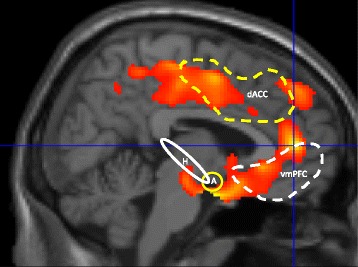
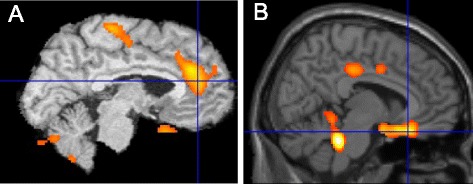
- The review proposes that acute or pre-existing sleep disturbance can initiate and maintain PTSD by disrupting extinction memory; REM sleep activates an “anterior paralimbic REM activation area” overlapping fear expression networks (amygdala, dACC, insula) and extinction memory networks (vmPFC, hippocampus).
- PTSD is associated with sleep abnormalities: a meta-analysis found increased stage 1 NREM sleep, decreased slow wave sleep, and increased REM sleep density as the most consistent polysomnographic abnormalities; subgroups also showed shorter total sleep time, increased sleep onset latency, reduced stage 2 NREM sleep, and increased REM sleep as percent of total sleep time.
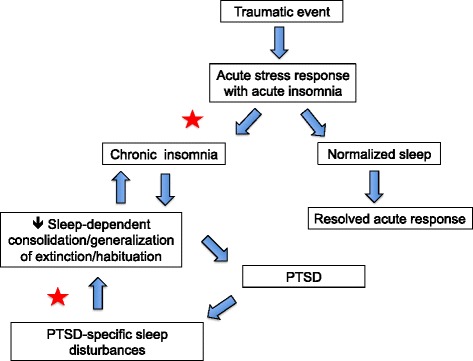
- Sleep disturbances predict later PTSD: post-trauma insomnia, nightmare severity, and REM sleep fragmentation predict later PTSD; higher sympathetic drive during REM sleep within 1 month of trauma was associated with PTSD symptoms at 2 months.
- PTSD can develop over time after trauma: among 19 adult prospective studies, a median of only 50% of those with acute stress disorder later met PTSD criteria, and a median of only 47% with PTSD previously met acute stress disorder criteria; among over 1000 traumatic injury survivors, only about a third who developed PTSD by 1 year showed acute stress disorder immediately after trauma.
Methods
- Design: narrative review and hypothesis paper, not an empirical study.
- Data or sample: no primary sample; the paper reviews human clinical, epidemiological, polysomnographic, neuroimaging, and rodent stress/sleep studies.
- Main analysis: narrative synthesis and conceptual modeling linking sleep disturbance, stress neuroendocrine systems (noradrenergic, HPA-axis, central CRF), fear extinction memory, and PTSD.
Limitations
- The paper states that there have been no studies specifically addressing sleep and extinction memory in patients with PTSD, and that current knowledge cannot attribute development of PTSD solely or in part to disturbed sleep-dependent extinction, nor to disturbed sleep alone.
- The paper states that impaired consolidation of extinction is unlikely to be the only sleep-related factor contributing to PTSD, and that post-trauma disturbed sleep is unlikely by itself sufficient to produce PTSD; other neuroendocrine, neurocognitive, psychosocial, and genetic factors are involved.
- The paper states animal-model caveats: inescapable stress disrupts sleep and REM sleep, whereas escapable shock can enhance total and REM sleep; controllability, predictability, and stressor type may produce different or opposing effects. As is evident from the text, this is a narrative review with hypotheses that remain to be directly tested.
Model-written summary. Check it against the paper before relying on it.
Integrity signals
Registry
Cites
Statistics
Figures
Verification
Claims the paper makes
21 Valid · 5 Not valid · 128 Not checked · 51 Own results and interpretations
Some cited sources support this claim and some don’t — read each source’s verdict below.
In the paper
“PTSD is associated with elevated levels of central [159, 160] and urinary [161] norepinephrine, including measurements taken during sleep [161]”
§ Sleep and REM sleep disturbance in the pathophysiology of PTSD: the role of extinction memory > Review > Sleep-related neuroendocrine abnormalities in PTSD—relationship to emotional memory consolidation?
What the sources say
- Partly supportedcites [159] Southwick SM Bremner JD Rasmusson A Morgan CA 3rd Arnsten A Charney DS Role of norepinephrine in the pathophysiology and treatment of posttraumatic stress disorder Biol Psychiatry 1999 46 9 1192 204 10560025 sourceExperimental — accuracy not yet measured
The Introduction (urine catecholamine paragraph) supports the urinary part: 'Twenty-four hour urine investigations of catecholamine excretion generally have found elevated values in subjects with PTSD compared to controls' (Kosten 1987; Yehuda 1992; Lemieux & Coe 1996; Debellis et al). The central part is supported only conditionally — the Introduction and Summary state that increased noradrenergic activity 'generally is not observed under baseline or resting conditions but rather in response to a variety of stressors,' and that consistent elevations of plasma NE and MHPG 'have not been reported at baseline.' The sleep qualifier is not supported: the only nocturnal measure the review reports is Mellman (1995), who found no differences in 24-hour urine NE or MHPG between PTSD veterans and controls, with a difference appearing in nocturnal versus daytime MHPG (not norepinephrine) excretion. (LLM, conf=0.80)
- Not checked yetcites [160] Geracioti TD Jr Baker DG Ekhator NN West SA Hill KK Bruce AB CSF norepinephrine concentrations in posttraumatic stress disorder Am J Psychiatry 2001 158 8 1227 30 11481155 source
- Disputedcites [161] Mellman TA Kumar A Kulick-Bell R Kumar M Nolan B Nocturnal/daytime urine noradrenergic measures and sleep in combat-related PTSD Biol Psychiatry 1995 38 3 174 9 7578660 sourceExperimental — accuracy not yet measured
Mellman et al. (1995) is cited here for elevated urinary norepinephrine in PTSD including sleep-period measurements, but the Results (p. n/a) state 'There were no significant differences in 24-hour or "nocturnal" norepinephrine and MHPG, or "nocturnal minus daytime" norepinephrine between PTSD patients and controls,' and the Discussion opens 'We do not find evidence for increased 24-hour noradrenergic production with PTSD.' The only sleep-related noradrenergic finding was for MHPG (the centrally derived metabolite), whose nocturnal-minus-daytime value was slightly positive in patients versus negative in controls, framed as 'nondiminished' rather than elevated nocturnal activity; the Discussion adds that the group differences and sleep correlations 'were not found for norepinephrine.' Thus the source contradicts elevated urinary norepinephrine at night and does not support elevation overall. (LLM, conf=0.85)
Checked by a reasoning model — may be wrong.
plainstates an association- Asserted: passes — The authors put it forward as true.
- Checkable: passes — It can be checked against evidence.
- Load-bearing: passes — The paper’s conclusions depend on it.
- Based: passes — The paper gives a reason why it holds.
- Partly supported
The cited sources support only part of this claim — read each source’s verdict below.
In the paper
“For instance, epidemiological and prospective studies show that sleep disturbances that are present prior to trauma exposure, or that occur soon after trauma exposure, are a robust risk factor of poor psychiatric outcomes including PTSD, anxiety disorders, mood disorders, suicidality, and alcohol/substance use disorders [17–20].”
§ Sleep and REM sleep disturbance in the pathophysiology of PTSD: the role of extinction memory > Review > Disturbances of sleep and of emotions are reciprocally related
What the sources say
- Partly supportedcites [17] Gehrman P Seelig AD Jacobson IG Boyko EJ Hooper TI Gackstetter GD Predeployment sleep duration and insomnia symptoms as risk factors for new-onset mental health disorders following military deployment Sleep 2013 36 7 1009 18 23814337 PMC3669076 sourceExperimental — accuracy not yet measured
The Discussion reports that predeployment insomnia symptoms predicted new-onset PTSD, depression, and anxiety screens after deployment. The paper does not establish the claimed risk for suicidality or alcohol/substance use disorders, and its findings concern sleep before deployment rather than sleep disturbances arising soon after trauma exposure. (LLM, conf=0.88)
- Partly supportedcites [18] Bryant RA Creamer M O’Donnell M Silove D McFarlane AC Sleep disturbance immediately prior to trauma predicts subsequent psychiatric disorder Sleep 2010 33 1 69 74 20120622 PMC2802249 sourceExperimental — accuracy not yet measured
The Discussion reports that sleep disturbance immediately before trauma predicts PTSD, other anxiety disorders, major depression, and substance use disorders. It also cites evidence that sleep impairment immediately after trauma predicts PTSD, but does not extend that finding to the other listed outcomes. No passage found supports suicidality as an outcome. (LLM, conf=0.90)
- Not checked yetcites [19] Breslau N Roth T Rosenthal L Andreski P Sleep disturbance and psychiatric disorders: a longitudinal epidemiological study of young adults Biol Psychiatry 1996 39 6 411 8 8679786 source
- Not checked yetcites [20] Mellman TA Hipolito MM Sleep disturbances in the aftermath of trauma and posttraumatic stress disorder CNS Spectr 2006 11 8 611 5 16871127 source
boostedstates a cause- Asserted: passes — The authors put it forward as true.
- Checkable: passes — It can be checked against evidence.
- Load-bearing: unclear — It is unclear whether the paper’s conclusions depend on it.
- Based: passes — The paper gives a reason why it holds.
- Partly supported
The cited sources support only part of this claim — read each source’s verdict below.
In the paper
“Post-traumatic stress disorder (PTSD) is accompanied by disturbed sleep and an impaired ability to learn and remember extinction of conditioned fear.”
- Also stated in: § Extinction and disorders with abnormal levels of anxiety · boosted
“Deficient memory for extinction has been shown to differentiate individuals with PTSD from trauma-exposed controls at both the behavioral and neural levels [88–90].”
§ Sleep and REM sleep disturbance in the pathophysiology of PTSD: the role of extinction memory > Abstract
What the sources say
- Not checked yetcites [88] Milad MR Pitman RK Ellis CB Gold AL Shin LM Lasko NB Neurobiological basis of failure to recall extinction memory in posttraumatic stress disorder Biol Psychiatry 2009 66 12 1075 82 19748076 PMC2787650 source
- Partly supportedcites [89] Milad MR Orr SP Lasko NB Chang Y Rauch SL Pitman RK Presence and acquired origin of reduced recall for fear extinction in PTSD: results of a twin study J Psychiatr Res 2008 42 7 515 20 18313695 PMC2377011 sourceExperimental — accuracy not yet measured
The Abstract and Discussion report impaired recall of fear extinction in the PTSD combat veterans, supporting the ‘remember’ part of the claim. They also report no group difference in extinction learning on Day 1; although the Introduction cites earlier studies of impaired learning in PTSD, this paper’s own results do not show it. (LLM, conf=0.89)
- Partly supportedcites [90] Shvil E Sullivan GM Schafer S Markowitz JC Campeas M Wager TD Sex differences in extinction recall in posttraumatic stress disorder: a pilot fMRI study Neurobiol Learn Mem 2014 113 101 8 24560771 PMC4053517 sourceExperimental — accuracy not yet measured
The Introduction associates PTSD with impaired recall of fear-extinction memory, and the Discussion reports poorer recall among men with PTSD. But the Results (section 4.2.2) say the PTSD and control groups achieved comparable extinction learning. The Introduction mentions impaired learning only in women with PTSD who have low estradiol levels, not in PTSD generally. (LLM, conf=0.88)
boostedstates an association- Asserted: passes — The authors put it forward as true.
- Checkable: passes — It can be checked against evidence.
- Load-bearing: passes — The paper’s conclusions depend on it.
- Based: passes — The paper gives a reason why it holds.
- Also stated in: § Extinction and disorders with abnormal levels of anxiety · boosted
The sources with a verdict support this claim; the rest weren’t checked yet, have no full text we could read, or their verdicts aren’t rated yet.
In the paper
“Post-traumatic stress disorder (PTSD) is accompanied by disturbed sleep and an impaired ability to learn and remember extinction of conditioned fear.”
- Also stated in: § Sleep disruption in PTSD · plain
“Degradation of subjective and/or objective sleep quality is commonly reported in studies of individuals with PTSD [13, 16, 31, 134–136].”
§ Sleep and REM sleep disturbance in the pathophysiology of PTSD: the role of extinction memory > Abstract
What the sources say
- Supportedcites [13] Mellman TA Sleep and anxiety disorders Sleep Med Clinics 2008 3 261 8 source
The PTSD discussion describes nightmares and difficulty initiating and maintaining sleep as prominent complaints among patients with PTSD. The Synopsis also states that sleep disturbances are commonly associated with PTSD. Page numbers were not provided in the supplied passages. (LLM, conf=0.94)
- Supportedcites [16] Babson KA Feldner MT Temporal relations between sleep problems and both traumatic event exposure and PTSD: a critical review of the empirical literature J Anxiety Disord 2010 24 1 1 15 19716676 PMC2795058 source
The Abstract reports that sleep problems commonly occur among people with PTSD. The Conclusion likewise describes disturbed sleep as a commonly endorsed symptom of PTSD. (LLM, conf=0.94)
- Not checked yetcites [31] Spoormaker VI Montgomery P Disturbed sleep in post-traumatic stress disorder: secondary symptom or core feature? Sleep Med Rev 2008 12 3 169 84 18424196 source
- Not checked yetcites [134] Kobayashi I Boarts JM Delahanty DL Polysomnographically measured sleep abnormalities in PTSD: a meta-analytic review Psychophysiology 2007 44 4 660 9 17521374 source
- Not checked yetcites [135] Mellman TA Sleep and anxiety disorders Psychiatr Clin North Am 2006 29 4 1047 58 17118281 source
- Not checked yetcites [136] Ross RJ Ball WA Sullivan KA Caroff SN Sleep disturbance as the hallmark of posttraumatic stress disorder Am J Psychiatry 1989 146 6 697 707 2658624 source
plainstates an association- Asserted: passes — The authors put it forward as true.
- Checkable: passes — It can be checked against evidence.
- Load-bearing: passes — The paper’s conclusions depend on it.
- Based: passes — The paper gives a reason why it holds.
- Also stated in: § Sleep disruption in PTSD · plain
The sources with a verdict support this claim; the rest weren’t checked yet, have no full text we could read, or their verdicts aren’t rated yet.
In the paper
“Healthy sleep is associated with normal emotion regulation [9, 10].”
§ Sleep and REM sleep disturbance in the pathophysiology of PTSD: the role of extinction memory > Review > Disturbances of sleep and of emotions are reciprocally related
What the sources say
- Not checked yetcites [9] Deliens G Gilson M Peigneux P Sleep and the processing of emotions Exp Brain Res 2014 232 5 1403 14 24449011 source
- Supportedcites [10] Goldstein AN Walker MP The role of sleep in emotional brain function Annual Reviews of Clinical Psychology 2014 10 679 708 PMC4286245 24499013 source
The Conclusion states that without sleep, adequate emotion regulation is compromised, whereas sleep restores appropriate next-day emotional reactivity. This supports the citing sentence’s association between healthy sleep and normal emotion regulation. (LLM, conf=0.94)
plainstates an association- Asserted: passes — The authors put it forward as true.
- Checkable: passes — It can be checked against evidence.
- Load-bearing: passes — The paper’s conclusions depend on it.
- Based: passes — The paper gives a reason why it holds.
146 more claims · 12 with their cited sources checked
Create a free account to see all 205 claims and to verify the 276 references still open.
- It may state two separate claims as one. 41
- Probably not a substantial claim. 18
- The quote only partly states this claim. 1
Claims other papers make about this one
Each is checked against this paper’s own text: does it say what the citing paper says it does?
In the citing paper
“Such regulation may become disrupted in mood and anxiety disorders and, conversely, sleep disruption is increasingly seen as a contributor to the development of such disorders (reviewed in Pace-Schott et al., 2015b).”
From Physiological feelings (2019) · cites this paper as Pace-Schott et al., 2015b
Citations
Cites
Diagnostic and Statistical Manual of Mental Disorders
American Psychiatric Association (2013) · doi:10.1176/appi.books.9780890425596 · Cited by 116,369
Physiology and neurobiology of stress and adaptation: central role of the brain
McEwen, B. S. (2007) · Physiological Reviews · doi:10.1152/physrev.00041.2006 · Cited by 5,429 · cited 1×
“As in other disorders of biological systems, it is likely that pathogenic factors interact and that impaired negative feedback, escalating positive feedback, or compensatory allostatic mechanisms allow abnormalities in one domain to exacerbate those in others [43].”
BackgroundDiagnostic and Statistical Manual of Mental Disorders, 5th Edition
(2013) · American Psychiatric Association Publishing eBooks · doi:10.1176/appi.books.9780890425596.893619 · Cited by 4,383
International Classification of Sleep Disorders-Third Edition
Sateia, M. J. (2014) · Chest · doi:10.1378/chest.14-0970 · Cited by 3,860
Diekelmann, S., & Born, J. (2010) · Nature Reviews Neuroscience · doi:10.1038/nrn2762 · Cited by 3,760 · cited 1×
“been widely demonstrated to promote the consolidation stage of memory formation [65–68], including processes related to prioritization and integration of newly acquired memories with existing stores [69–72].”
BackgroundEtkin, A., & Wager, T. D. (2007) · American Journal of Psychiatry · doi:10.1176/appi.ajp.2007.07030504 · Cited by 3,391 · cited 1×
“While a complete review of this diverse literature is beyond the scope of this article, excellent reviews can be found in [116, 119–126].”
BackgroundHeim, C., & Nemeroff, C. B. (2001) · Biological Psychiatry · doi:10.1016/s0006-3223(01)01157-x · Cited by 2,791 · cited 2×
“In turn, increased NE can stimulate the PVN resulting in further CRF release and activation of the HPA and central stress responses [184, 186].”
BackgroundRasch, B., & Born, J. (2013) · Physiological Reviews · doi:10.1152/physrev.00032.2012 · Cited by 2,783 · cited 1×
“Similar encoding-induced changes in subsequent sleep physiology are reported human polysomnographic and neuroimaging studies (reviewed in [67]).”
BackgroundBaglioni, C., Battagliese, G., Feige, B., Spiegelhalder, K., Nissen, C., Voderholzer, U., Lombardo, C., & Riemann, D. (2011) · Journal of Affective Disorders · doi:10.1016/j.jad.2011.01.011 · Cited by 2,779 · cited 1×
“However, a more general emotional dysregulation is a characteristic of many individuals with insomnia [206] that can be reflected in personality variables [207] such as a tendency to internalize conflict [208] as well as by the high comorbidity of insomnia with mood and anxiety disorders [22, 32, 200, 209].”
BackgroundEpidemiologic study of sleep disturbances and psychiatric disorders. An opportunity for prevention?
Ford, D. E. (1989) · JAMA · doi:10.1001/jama.262.11.1479 · Cited by 2,440
Research works printed but not linked: 3
- Pavlov I Conditioned reflexes 1927 London Oxford University Press
- Pace-Schott EF, Rubin Z, Verga PW, Spencer RMC, Orr SP, Milad MR. Chronotype, sleep quality and extinction memory, an actigraphic study. Sleep 37. 2014;(Abstract Supplement)(in press).
- AASM International classification of sleep disorders—second edition (ICSD-2) 2005 American Academy of Sleep Medicine Darien, IL
Cited by
Sleep and anxiety: From mechanisms to interventions
Chellappa, S. L., & Aeschbach, D. (2022) · Sleep Medicine Reviews · doi:10.1016/j.smrv.2021.101583 · Cited by 509
Sleep and emotional processing
Tempesta, D., Socci, V., De Gennaro, L., & Ferrara, M. (2018) · Sleep Medicine Reviews · doi:10.1016/j.smrv.2017.12.005 · Cited by 443
Prefrontal cortex, amygdala, and threat processing: implications for PTSD
Alexandra Kredlow, M., Fenster, R. J., Laurent, E. S., Ressler, K. J., & Phelps, E. A. (2022) · Neuropsychopharmacology · doi:10.1038/s41386-021-01155-7 · Cited by 346
“Because of evidence for sleep’s modulation of extinction learning across species, it has been suggested that disruptions of sleep following acute trauma, or predating the traumatic experience, may contribute to the etiology or perpetuation of PTSD [110].”
BackgroundBehavioral methods to study anxiety in rodents
Lezak, K. R., Missig, G., & Carlezon Jr, W. A. (2017) · Dialogues in Clinical Neuroscience · doi:10.31887/dcns.2017.19.2/wcarlezon · Cited by 290
Posttraumatic stress symptoms of health care workers during the corona virus disease 2019
Yin, Q., Sun, Z., Liu, T., Ni, X., Deng, X., Jia, Y., Shang, Z., Zhou, Y., & Liu, W. (2020) · Clinical Psychology & Psychotherapy · doi:10.1002/cpp.2477 · Cited by 237
Pace-Schott, E. F., Amole, M. C., Aue, T., Balconi, M., Bylsma, L. M., Critchley, H., Demaree, H. A., Friedman, B. H., Gooding, A. E. K., Gosseries, O., et al. (2019) · Neuroscience & Biobehavioral Reviews · doi:10.1016/j.neubiorev.2019.05.002 · Cited by 221
“…consolidation of emotional memory albeit with mixed findings as to whether sleep preferentially augments emotional over neutral memories (reviewed in Goldstein and Walker, 2014; Hutchison and Rathore, 2015; Kahn et al., 2013; Pace-Schott, 2015; Palmer and Alfano, 2016; Tempesta et al., 2017).”
Self-citationLisieski, M. J., Eagle, A. L., Conti, A. C., Liberzon, I., & Perrine, S. A. (2018) · Frontiers in Psychiatry · doi:10.3389/fpsyt.2018.00196 · Cited by 220
“Sleep Sleep disruption likely contributes to the development and maintenance of PTSD in humans (157), and is associated with diverse aspects of PTSD pathology, including sustained fear responses to trauma cues (158), hyperarousal (159), increased use of cannabis (160), and suicidality (161).”
BackgroundRichards, A., Kanady, J. C., & Neylan, T. C. (2020) · Neuropsychopharmacology · doi:10.1038/s41386-019-0486-5 · Cited by 200
“Fear conditioning and related protocols in both animal models and human subjects constitute the dominant approach for studying the role of sleep and REMS in emotional learning relevant to anxiety-related disorders [13, 217, 218].”
BackgroundThe Functional Role of Dreaming in Emotional Processes
Scarpelli, S., Bartolacci, C., D'Atri, A., Gorgoni, M., & De Gennaro, L. (2019) · Frontiers in Psychology · doi:10.3389/fpsyg.2019.00459 · Cited by 190
Sleep in the United States Military
Good, C. H., Brager, A. J., Capaldi, V. F., & Mysliwiec, V. (2020) · Neuropsychopharmacology · doi:10.1038/s41386-019-0431-7 · Cited by 180
“Similar to the TBI field, rodent models of stress and PTSD largely ignore the effects of pre-existing sleep dysregulation, or sleep alterations in response to stress exposure, on disorder severity or treatment outcome.”
BackgroundInfluentialRestless REM Sleep Impedes Overnight Amygdala Adaptation
Wassing, R., Lakbila-Kamal, O., Ramautar, J. R., Stoffers, D., Schalkwijk, F., & Van Someren, E. J. W. (2019) · Current Biology · doi:10.1016/j.cub.2019.06.034 · Cited by 172
Noradrenergic dysregulation in the pathophysiology of PTSD
Hendrickson, R. C., & Raskind, M. A. (2016) · Experimental Neurology · doi:10.1016/j.expneurol.2016.05.014 · Cited by 158
The centrality of fear extinction in linking risk factors to PTSD: A narrative review
Zuj, D. V., Palmer, M. A., Lommen, M. J. J., & Felmingham, K. L. (2016) · Neuroscience & Biobehavioral Reviews · doi:10.1016/j.neubiorev.2016.07.014 · Cited by 160
Shannon, S., & Opila-Lehman, J. (2016) · The Permanente Journal · doi:10.7812/tpp/16-005 · Cited by 151
Andrewes, D. G., & Jenkins, L. M. (2019) · Neuropsychology Review · doi:10.1007/s11065-019-09398-4 · Cited by 182
Effects of Sleep after Experimental Trauma on Intrusive Emotional Memories.
Kleim, B., Wysokowsky, J., Schmid, N., Seifritz, E., & Rasch, B. (2016) · Sleep · doi:10.5665/sleep.6310 · Cited by 119
Paradoxical somatodendritic decoupling supports cortical plasticity during REM sleep
Aime, M., Calcini, N., Borsa, M., Campelo, T., Rusterholz, T., Sattin, A., Fellin, T., & Adamantidis, A. (2022) · Science · doi:10.1126/science.abk2734 · Cited by 106
Sleep Disturbance Following Concussion Is a Risk Factor for a Prolonged Recovery
Bramley, H., Henson, A., Lewis, M. M., Kong, L., Stetter, C., & Silvis, M. (2017) · Clinical Pediatrics · doi:10.1177/0009922816681603 · Cited by 106
Bidirectional associations between daily PTSD symptoms and sleep disturbances: A systematic review
Slavish, D. C., Briggs, M., Fentem, A., Messman, B., & Contractor, A. A. (2022) · Sleep Medicine Reviews · doi:10.1016/j.smrv.2022.101623 · Cited by 113
Nollet, M., Hicks, H., McCarthy, A. P., Wu, H., Möller‐Levet, C. S., Laing, E., Malki, K., Lawless, N., Wafford, K. A., Dijk, D., et al. (2019) · Proceedings of the National Academy of Sciences · doi:10.1073/pnas.1816456116 · Cited by 97
Zuj, D. V., & Norrholm, S. D. (2018) · Progress in Neuro-Psychopharmacology and Biological Psychiatry · doi:10.1016/j.pnpbp.2018.08.014 · Cited by 93
“For example, a large body of research shows significant effects of sleep quality on fear extinction potential (reviewed in Pace-Schott et al., 2015a, 2015b), and therapies targeting nightmares also improve PTSD symptoms (Krakow et al., 2001).”
Fear Processing, Psychophysiology, and PTSD
Norrholm, S. D., & Jovanovic, T. (2018) · Harvard Review of Psychiatry · doi:10.1097/hrp.0000000000000189 · Cited by 83
“This deficit in extinction recall may be partly dependent on contextual cues present during extinction learning(71) and also on sleep between extinction learning and recall.(72) Impaired extinction recall may vary by sex(73) and bymenstrual cycle,(74) pointing to the role of steroid hormones in fear extinction,(65,75)…”
BackgroundConsolidative mechanisms of emotional processing in REM sleep and PTSD
Murkar, A. L. A., & De Koninck, J. (2018) · Sleep Medicine Reviews · doi:10.1016/j.smrv.2018.03.001 · Cited by 81
Sleep Deprivation Disrupts Recall of Conditioned Fear Extinction
Straus, L. D., Acheson, D. T., Risbrough, V. B., & Drummond, S. P. A. (2017) · Biological Psychiatry: Cognitive Neuroscience and Neuroimaging · doi:10.1016/j.bpsc.2016.05.004 · Cited by 77
Disturbed Sleep in PTSD: Thinking Beyond Nightmares
Lancel, M., van Marle, H. J. F., van Veen, M., & van Schagen, A. M. (2021) · Frontiers in Psychiatry · doi:10.3389/fpsyt.2021.767760 · Cited by 100
Palagini, L., Miniati, M., Caruso, V., Alfi, G., Geoffroy, P. A., Domschke, K., Riemann, D., Gemignani, A., & Pini, S. (2024) · Neuroscience Applied · doi:10.1016/j.nsa.2024.103936 · Cited by 82
The sleep benefit in episodic memory: An integrative review and a meta-analysis.
Berres, S., & Erdfelder, E. (2021) · Psychological Bulletin · doi:10.1037/bul0000350 · Cited by 74
Haunted by the past: old emotions remain salient in insomnia disorder
Wassing, R., Schalkwijk, F., Lakbila-Kamal, O., Ramautar, J. R., Stoffers, D., Mutsaerts, H. J. M. M., Talamini, L. M., & Van Someren, E. J. W. (2019) · Brain · doi:10.1093/brain/awz089 · Cited by 72
Sperl, M. F. J., Panitz, C., Hermann, C., & Mueller, E. M. (2016) · Psychophysiology · doi:10.1111/psyp.12677 · Cited by 75
Ahmadi, R., Rahimi, S., Olfati, M., Javaheripour, N., Emamian, F., Ghadami, M. R., Khazaie, H., Knight, D. C., Tahmasian, M., & Sepehry, A. A. (2022) · Neuroscience & Biobehavioral Reviews · doi:10.1016/j.neubiorev.2022.104850 · Cited by 76
Resting state functional connectivity in primary insomnia, generalized anxiety disorder and controls
Pace-Schott, E. F., Zimmerman, J. P., Bottary, R. M., Lee, E. G., Milad, M. R., & Camprodon, J. A. (2017) · Psychiatry Research: Neuroimaging · doi:10.1016/j.pscychresns.2017.05.003 · Cited by 57
Self-citationA systematic and meta-analytic review of the impact of sleep restriction on memory formation.
Crowley, R., Alderman, E., Javadi, A.-H., & Tamminen, J. (2024) · Neuroscience & Biobehavioral Reviews · doi:10.1016/j.neubiorev.2024.105929 · Cited by 61
Fear extinction memory is negatively associated with REM sleep in insomnia disorder
Bottary, R. M., Seo, J., Daffre, C., Gazecki, S., Moore, K. N., Kopotiyenko, K., Dominguez, J. P., Gannon, K., Lasko, N. B., Roth, B. R., et al. (2020) · SLEEP · doi:10.1093/sleep/zsaa007 · Cited by 55
“Notably, disrupted sleep, and insomnia specifically, are established risk factors for the development of PTSD [24–26], although the relationship between insomnia and PTSD is clearly bidirectional [27, 28].”
BackgroundInfluentialSelf-citationSleep and vigilance states: Embracing spatiotemporal dynamics
Nir, Y., & de Lecea, L. (2023) · Neuron · doi:10.1016/j.neuron.2023.04.012 · Cited by 56
Hill, J. L., Hardy, N. F., Jimenez, D. V., Maynard, K. R., Kardian, A. S., Pollock, C. J., Schloesser, R. J., & Martinowich, K. (2016) · Translational Psychiatry · doi:10.1038/tp.2016.153 · Cited by 52
Zuj, D. V., Palmer, M. A., Hsu, C.-M. K., Nicholson, E. L., Cushing, P. J., Gray, K. E., & Felmingham, K. L. (2016) · Depression and Anxiety · doi:10.1002/da.22463 · Cited by 53
“Growing evidence suggests an important role of sleep in extinction consolidation.[4, 16, 17] The first study to examine such effects found that after extinction learning, a night of sleep led to the generalization of an extinguished CS+ to a previously unextinguished CS+, compared to a period of wakefulness.”
BackgroundBoosting psychological change: Combining non-invasive brain stimulation with psychotherapy
Tatti, E., Phillips, A., Paciorek, R., Romanella, S. M., Dèttore, D., Lorenzo, G. D., Ruffini, G., Rossi, S., & Santarnecchi, E. (2022) · Neuroscience & Biobehavioral Reviews · doi:10.1016/j.neubiorev.2022.104867 · Cited by 58
Sleep and PTSD in the Military Forces: A Reciprocal Relationship and a Psychiatric Approach
Saguin, E., Gomez-Merino, D., Sauvet, F., Leger, D., & Chennaoui, M. (2021) · Brain Sciences · doi:10.3390/brainsci11101310 · Cited by 50
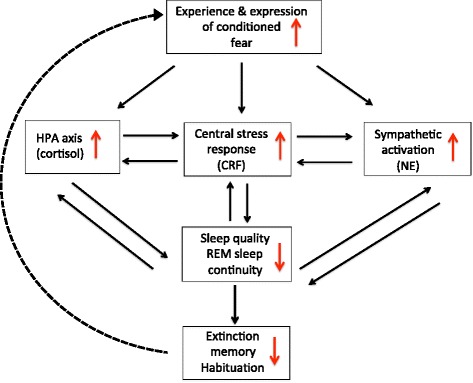
“There may be a positive feedback link between central stress systems, sleep and REM sleep disruption, and altered extinction memory as a possible pathway to worsening post-traumatic psychopathology [82].”
BackgroundDelayed fear extinction in individuals with insomnia disorder
Seo, J., Moore, K. N., Gazecki, S., Bottary, R. M., Milad, M. R., Song, H., & Pace-Schott, E. F. (2018) · Sleep · doi:10.1093/sleep/zsy095 · Cited by 49
Self-citationDietch, J. R., Ruggero, C. J., Schuler, K. L., Taylor, D. J., Luft, B. J., & Kotov, R. (2019) · Journal of Occupational Health Psychology · doi:10.1037/ocp0000158 · Cited by 58
Lerner, I., Lupkin, S. M., Tsai, A., Khawaja, A., & Gluck, M. A. (2021) · Neurobiology of Learning and Memory · doi:10.1016/j.nlm.2021.107413 · Cited by 51
Malikowska‐Racia, N., & Sałat, K. (2019) · Pharmacological Research · doi:10.1016/j.phrs.2019.02.001 · Cited by 52
Sleep quality and treatment of social anxiety disorder
Horenstein, A., Morrison, A. S., Goldin, P., ten Brink, M., Gross, J. J., & Heimberg, R. G. (2019) · Anxiety, Stress, & Coping · doi:10.1080/10615806.2019.1617854 · Cited by 45
McCall, C. A., & Watson, N. F. (2022) · Journal of Clinical Medicine · doi:10.3390/jcm11020415 · Cited by 43
The influence of sleep on fear extinction in trauma-related disorders
Pace-Schott, E. F., Seo, J., & Bottary, R. M. (2022) · Neurobiology of Stress · doi:10.1016/j.ynstr.2022.100500 · Cited by 55
“Although a myriad of other biopsychosocial factors positively or negatively influence natural resilience following trauma (16, 38, 39), it might be that extinction (e.”
BackgroundInfluentialSelf-citationFeng, P., Becker, B., Zheng, Y., & Feng, T. (2018) · Social Cognitive and Affective Neuroscience · doi:10.1093/scan/nsx148 · Cited by 42
“In the context of the important role of sleep disturbances in PTSD it seems noteworthy to mention that exaggerated arousal and biased salience processing have been proposed a key factor for the maintenance of PTSD (Buckley et al., 2000; Shin and Liberzon, 2010; Sripada et al., 2012) and exaggerated amygdalainsula conn…”
BackgroundInfluentialSeo, J., Pace-Schott, E. F., Milad, M. R., Song, H., & Germain, A. (2020) · Biological Psychiatry Cognitive Neuroscience and Neuroimaging · doi:10.1016/j.bpsc.2020.09.013 · Cited by 56
Self-citationEffects of post-exposure naps on exposure therapy for social anxiety
Pace-Schott, E. F., Bottary, R. M., Kim, S.-Y., Rosencrans, P. L., Vijayakumar, S., Orr, S. P., Lasko, N. B., Goetter, E. M., Baker, A. W., Bianchi, M. T., et al. (2018) · Psychiatry Research · doi:10.1016/j.psychres.2018.10.015 · Cited by 40
“Thus, sleep might also strengthen and generalize extinction learning and memory (Pace-Schott et al., 2015a, b).”
BackgroundSelf-citationSchenker, M. T., Ney, L. J., Miller, L. N., Felmingham, K. L., Nicholas, C. L., & Jordan, A. S. (2021) · Sleep Medicine Reviews · doi:10.1016/j.smrv.2021.101501 · Cited by 45
The role of sleep in fear learning and memory
Davidson, P., & Pace-Schott, E. F. (2019) · Current Opinion in Psychology · doi:10.1016/j.copsyc.2019.08.016 · Cited by 36
Self-citationFeng, P., Becker, B., Feng, T., & Zheng, Y. (2018) · NeuroImage · doi:10.1016/j.neuroimage.2018.01.057 · Cited by 35
“…No. 1, Tian Sheng RD est University, No. 1, Tian Sheng RD gy@swu.edu.cn (Y. Zheng). ry 2018; Accepted 21 January 2018 integrative memory processes during sleep might be of critical relevance for the development of trauma-induced psychiatric disorders (Pace-Schott et al., 2015; Yoo et al., 2007).”
REM theta activity predicts re-experiencing symptoms after exposure to a traumatic film
Sopp, M. R., Brueckner, A. H., Schäfer, S. K., Lass‐Hennemann, J., & Michael, T. (2018) · Sleep Medicine · doi:10.1016/j.sleep.2018.10.030 · Cited by 39
Treatment of sleep disturbances in refugees suffering from post-traumatic stress disorder
Sandahl, H., Vindbjerg, E., & Carlsson, J. M. (2017) · Transcultural Psychiatry · doi:10.1177/1363461517746314 · Cited by 41
“Furthermore, effective treatment to enhance sleep consolidation may accelerate recovery in PTSD (Germain, 2013; Maher et al., 2006; Nappi et al., 2012; Pace-Schott et al., 2015; Schoenfeld et al., 2012; Spoormaker & Montgomery, 2008).”
BackgroundInfluentialSeo, J., Oliver, K. I., Daffre, C., Moore, K. N., Gazecki, S., Lasko, N. B., Milad, M. R., & Pace-Schott, E. F. (2021) · SLEEP · doi:10.1093/sleep/zsab261 · Cited by 36
Self-citationTrauma Associated Sleep Disorder: Clinical Developments 5 Years After Discovery
Brock, M. S., Powell, T. A., Creamer, J. L., Moore, B. A., & Mysliwiec, V. (2019) · Current Psychiatry Reports · doi:10.1007/s11920-019-1066-4 · Cited by 36
Targeted Memory Reactivation During REM Sleep in Patients With Social Anxiety Disorder
Borghese, F., Henckaerts, P., Guy, F., Mayo, C., Delplanque, S., Schwartz, S., & Perogamvros, L. (2022) · Frontiers in Psychiatry · doi:10.3389/fpsyt.2022.904704 · Cited by 41
Rábago-Monzón, Á. R., Osuna‐Ramos, J. F., Armienta-Rojas, D. A., Camberos-Barraza, J., Camacho-Zamora, A., Magaña‐Gómez, J. A., & la Herrán-Arita, A. K. D. (2025) · Biomedicines · doi:10.3390/biomedicines13051121 · Cited by 46
“Patients with PTSD often exhibit reduced SWS, increased REM density, and heightened nocturnal awakenings, contributing to fear memory consolidation and emotional dysregulation [107,108].”
REM sleep theta changes in frequent nightmare recallers
Marquis, L.-P., Paquette, T., Blanchette-Carrière, C., Dumel, G., & Nielsen, T. (2017) · SLEEP · doi:10.1093/sleep/zsx110 · Cited by 29
“Current models of PTSD—for which NMs are a hallmark symptom32,33—emphasize the role of REM sleep in fear memory consolidation and extinction (for review, see Pace-Schott et al.34).”
BackgroundMonari, S., de Suduiraut, I. G., Grosse, J., Zanoletti, O., Walker, S. E., Mesquita, M. S., Wood, T., Cash, D., Astori, S., & Sandi, C. (2023) · Biological Psychiatry · doi:10.1016/j.biopsych.2023.09.015 · Cited by 36
Kartal, D., Arjmand, H., Varker, T., Cowlishaw, S., O'Donnell, M. L., Phelps, A. J., Howard, A., Hopwood, M., McFARLANE, A. C., Bryant, R. A., et al. (2021) · Behavior Therapy · doi:10.1016/j.beth.2020.12.006 · Cited by 33
Zhang, F., Shang, Z., Ma, H., Jia, Y., Sun, L., Guo, X., Wu, L., Sun, Z., Zhou, Y., Wang, Y., et al. (2020) · Scientific Reports · doi:10.1038/s41598-020-80649-8 · Cited by 75
Sopp, M. R., Brueckner, A. H., Schäfer, S. K., Lass‐Hennemann, J., & Michael, T. (2019) · European Journal of Psychotraumatology · doi:10.1080/20008198.2019.1644128 · Cited by 28
“This finding is in line with the position brought forward by Kleim et al. (2016) and others (Pace-Schott et al., 2015; Stickgold & Manoach, 2017) that sleep may actively support integrative processing of memories after trauma yielding integrated, consciously accessible memories of the traumatic…”
ResultSleep and mental health in recruit paramedics: a 6-month longitudinal study
Nguyen, E., Meadley, B., Harris, R., Rajaratnam, S. M. W., Williams, B., Smith, K., Bowles, K.-A., Dobbie, M. L., Drummond, S. P. A., & Wolkow, A. P. (2023) · SLEEP · doi:10.1093/sleep/zsad050 · Cited by 27
Meinhausen, C., Prather, A. A., & Sumner, J. A. (2022) · Health Psychology · doi:10.1037/hea0001143 · Cited by 34
Wang, C., Laxminarayan, S., Ramakrishnan, S., Dovzhenok, A. A., Cashmere, J. D., Germain, A., & Jaques Reifman, A. (2020) · SLEEP · doi:10.1093/sleep/zsaa064 · Cited by 26
“Given the properties and functional relevance of sleep spindles, and the fact that PTSD patients exhibit disrupted sleep [1] and anomalies in sleep-dependent memory processing [17], alterations in sleep-spindle parameters might serve as stable sleep markers of PTSD that reflect its underlying pathophysiology.”
BackgroundSelf-citationImpact of sleep on complicated grief severity and outcomes
Szuhany, K. L., Young, A., Mauro, C., de la Garza, Á. G., Spandorfer, J., Lubin, R. E., Skritskaya, N. A., Hoeppner, S. S., Li, M., Pace-Schott, E. F., et al. (2020) · Depression and Anxiety · doi:10.1002/da.22929 · Cited by 32
Self-citationSleep Disturbances in OEF/OIF/OND Veterans: Associations with PTSD, Personality, and Coping
Lind, M. J., Brown, E., Farrell‐Carnahan, L., Brown, R. C., Hawn, S. E., Berenz, E. C., McDonald, S. D., Pickett, T. C., Danielson, C. K., Thomas, S., et al. (2017) · Journal of Clinical Sleep Medicine · doi:10.5664/jcsm.6466 · Cited by 29
Sleep reactivation did not boost suppression-induced forgetting
Schechtman, E., Lampe, A., Wilson, B. J., Kwon, E., Anderson, M. C., & Paller, K. A. (2021) · Scientific Reports · doi:10.1038/s41598-020-80671-w · Cited by 25
Autonomic activity, posttraumatic and nontraumatic nightmares, and PTSD after trauma exposure
Mäder, T., Oliver, K. I., Daffre, C., Kim, S., Orr, S. P., Lasko, N. B., Seo, J., Kleim, B., & Pace-Schott, E. F. (2021) · Psychological Medicine · doi:10.1017/s0033291721002075 · Cited by 32
Self-citationSleep spindle dynamics suggest over-consolidation in post-traumatic stress disorder
van der Heijden, A. C., Hofman, W. F., de Boer, M., Nijdam, M. J., van Marle, H. J. F., Jongedijk, R. A., Olff, M., & Talamini, L. M. (2022) · SLEEP · doi:10.1093/sleep/zsac139 · Cited by 26
“These sleep problems, which occur in 70-90% of patients (5) and often predate the trauma (6), are thought to play an important role in PTSD genesis and maintenance (5,7,8).”
Frau, R., Traccis, F., & Bortolato, M. (2019) · Journal of Neuroendocrinology · doi:10.1111/jne.12792 · Cited by 31
Breen, M. S., Thomas, K. G. F., Baldwin, D. S., & Lipinska, G. (2019) · Human Psychopharmacology Clinical and Experimental · doi:10.1002/hup.2691 · Cited by 23
“Furthermore, this analytic procedure provides adequate protection against interference from drugs, drug metabolites, exercise, and stress (Peaston & Weinkove, 2004).”
BackgroundSleep disturbances in generalized anxiety Disorder: The central role of insomnia
Xue, Y., Wang, W.-D., Liu, Y., Wang, J., & Walters, A. S. (2025) · Sleep Medicine · doi:10.1016/j.sleep.2025.106545 · Cited by 37
Sleep as a window to target traumatic memories
van der Heijden, A. C., van den Heuvel, O. A., van der Werf, Y. D., Talamini, L. M., & van Marle, H. J. F. (2022) · Neuroscience & Biobehavioral Reviews · doi:10.1016/j.neubiorev.2022.104765 · Cited by 32
Richards, A. L., Inslicht, S. S., Yack, L. M., Metzler, T. J., Huie, J. R., Straus, L. D., Dukes, C., Hubachek, S. Q., Felmingham, K. L., Mathalon, D. H., et al. (2021) · SLEEP · doi:10.1093/sleep/zsab271 · Cited by 25
Kim, Y., & Lee, H. (2021) · International Journal of Environmental Research and Public Health · doi:10.3390/ijerph18063294 · Cited by 30
López, C. M., Lancaster, C. L., Wilkerson, A. K., Grös, D. F., Ruggiero, K. J., & Acierno, R. E. (2019) · Behavior Therapy · doi:10.1016/j.beth.2019.01.006 · Cited by 24
Infralimbic activity during REM sleep facilitates fear extinction memory
Hong, J., Choi, K., Fuccillo, M. V., Chung, S., & Weber, F. (2024) · Current Biology · doi:10.1016/j.cub.2024.04.018 · Cited by 24
How Are the Sleep Problems of Children in the US Foster Care System Addressed?
Alfano, C. A., Valentine, M. R., Nogales, J. M., Kim, J., Kim, J. S., Rigos, P., McGlinchey, E. L., Ripple, C. H., & Wolfson, A. R. (2022) · Journal of Developmental & Behavioral Pediatrics · doi:10.1097/dbp.0000000000001090 · Cited by 22
“Improving sleep may in turn be critical for recovery from trauma.(64) Caregivers were also asked about the things they do to ensure the children in their care sleep well.”
BackgroundSex differences in stress-induced sleep deficits
Gargiulo, A. T., Jasodanand, V. H., Luz, S., O’Mara, L., Kubin, L. K., Ross, R. J. M., Bhatnagar, S., & Grafe, L. A. (2021) · Stress · doi:10.1080/10253890.2021.1879788 · Cited by 24
“Data concerning REMS percentages in stress-related disorders such as PTSD are equivocal, with some showing a higher percentage of REMS in PTSD, while others show no changes between clinical and non-clinical populations (Pace-Schott et al., 2015).”
Lies, J., Jobson, L., Mascaro, L., Whyman, T., & Drummond, S. P. A. (2020) · Journal of Clinical Sleep Medicine · doi:10.5664/jcsm.8972 · Cited by 23
“A cutoff point of 18 has been found to be indicative of probable PTSD. 30 In the current study, the scale showed sound internal consistency ( α = .88).”
InfluentialThe impact of sleep on eyewitness identifications
Morgan, D. P., Tamminen, J., Seale-Carlisle, T. M., & Mickes, L. (2019) · Royal Society Open Science · doi:10.1098/rsos.170501 · Cited by 14
Zuj, D. V., Palmer, M. A., Malhi, G. S., Bryant, R. A., & Felmingham, K. L. (2018) · Behaviour Research and Therapy · doi:10.1016/j.brat.2018.08.005 · Cited by 19
Jou, Y. C., & Pace-Schott, E. F. (2022) · Sleep Health · doi:10.1016/j.sleh.2022.09.003 · Cited by 21
Self-citationVanuk, J. R., Pace-Schott, E. F., Bullock, A., Esbit, S., Dailey, N. S., & Killgore, W. D. S. (2022) · Frontiers in Behavioral Neuroscience · doi:10.3389/fnbeh.2022.886816 · Cited by 20
Self-citationGriffith, E. L., Jin, L., Contractor, A. A., Slavish, D. C., & Vujanovic, A. A. (2022) · Journal of Psychiatric Research · doi:10.1016/j.jpsychires.2022.06.052 · Cited by 18
Repantis, D., Wermuth, K., Tsamitros, N., Danker‐Hopfe, H., Bublitz, C., Kühn, S., & Dresler, M. (2020) · European Journal of Psychotraumatology · doi:10.1080/20008198.2020.1740492 · Cited by 19
“sleep rebound occurs, which would be important for the consolidation of extinction memory (Pace-Schott et al., 2015).”
BackgroundSleep duration and post-traumatic stress disorder symptoms: a twin study
McCall, C., Turkheimer, E. N., Tsang, S., Avery, A. R., Duncan, G. E., & Watson, N. F. (2019) · SLEEP · doi:10.1093/sleep/zsz179 · Cited by 21
Longitudinal associations between PTSD and sleep disturbances among World Trade Center responders
Slavish, D. C., Ruggero, C. J., Briggs, M., Messman, B., Contractor, A. A., Miao, J., Oltmanns, J. R., Waszczuk, M. A., Luft, B. J., & Kotov, R. (2022) · Sleep Medicine · doi:10.1016/j.sleep.2022.11.021 · Cited by 20
Daffre, C., Oliver, K. I., Nazareno, J. R. S., Mäder, T., Seo, J., Dominguez, J. P., Gannon, K., Lasko, N. B., Orr, S. P., & Pace-Schott, E. F. (2022) · Journal of Sleep Research · doi:10.1111/jsr.13685 · Cited by 18
“…multiple associations of REM with PTSD risk, diagnosis, and symptomatology (Germain, 2013; Kobayashi et al., 2007, 2016; Mellman et al., 2004, 2007; Pace-Schott et al., 2015; Ulmer et al., 2018; Zhang et al., 2019) the following variables characterising this sleep stage were specifically computed…”
BackgroundSelf-citationSympathetic Neural Control in Humans with Anxiety‐Related Disorders
Bigalke, J. A., & Carter, J. R. (2021) · Comprehensive physiology · doi:10.1002/cphy.c210027 · Cited by 37
Grafe, L. A., O’Mara, L., Branch, A., Dobkin, J., Luz, S., Vigderman, A. S., Shingala, A., Kubin, L. K., Ross, R. J. M., & Bhatnagar, S. (2020) · Frontiers in Systems Neuroscience · doi:10.3389/fnsys.2020.00006 · Cited by 19
Bottari, S. A., Lamb, D. G., Murphy, A. J., Porges, E. C., Rieke, J. D., Harciarek, M., Datta, S., & Williamson, J. B. (2021) · Brain Injury · doi:10.1080/02699052.2021.1927186 · Cited by 18
“Noradrenaline is closely involved in the regulation of the sleep-wake cycle, and increased activity of this system could contribute to fragmentation of sleep (12,13).”
BackgroundSullivan, G. M., Gendreau, R. M., Gendreau, J., Peters, P., Peters, A., Engels, J., Daugherty, B. L., Vaughn, B. J., Weathers, F. W., & Lederman, S. M. (2021) · Psychiatry Research · doi:10.1016/j.psychres.2021.113974 · Cited by 19
“(Datta and O’Malley, 2013; Diering et al., 2017; Pace-Schott et al., 2015; Smith et al., 2017; Spoormaker et al., 2012; Spoormaker et al., 2010; Zuj et al., 2016) The diagnostic criteria for PTSD were substantially updated in May, 2013 with the publication of the fifth edition of the Diagnostic and Statistical Manual…”
BackgroundSaguin, E., Feingold, D., Sipahimalani, G., Quiquempoix, M., Roseau, J.-B., Remadi, M., Annette, S., Guillard, M., Beers, P. V., Lahutte, B., et al. (2025) · Depression and Anxiety · doi:10.1155/da/8011375 · Cited by 14
“These alterations were associated with de fi cits in fear extinction, emotional memory processing, and increased frequency of TRNs, supporting the idea that sleep dysfunctions might reinforce PTSD symptomatology rather than being mere correlates of it [14, 16].”
Ansbjerg, M. B., Sandahl, H., Baandrup, L., Jennum, P., & Carlsson, J. M. (2023) · European Journal of Psychotraumatology · doi:10.1080/20008066.2023.2185943 · Cited by 19
“…stress disorder (PTSD) include flashbacks of traumatic events, avoidance behaviour, change in reactivity, and sleep disturbances, the last of these being highly prevalent (APA, 2013; Colvonen et al., 2020; Ohayon & Shapiro, 2000; Pruiksma et al., 2016; World Health Organization, 1993).”
BackgroundThe Impact of Sleep on Fear Extinction
Bottary, R. M., Straus, L. D., & Pace-Schott, E. F. (2023) · Current topics in behavioral neurosciences · doi:10.1007/7854_2023_431 · Cited by 16
Self-citationFan, F., Vetrivelan, R., Yang, Y., Guo, Z., & Lu, J. (2022) · CNS Neuroscience & Therapeutics · doi:10.1111/cns.14074 · Cited by 13
Global dissociation of the posterior amygdala from the rest of the brain during REM sleep
Matei, M., Bergel, A., Pezet, S., & Tanter, M. (2022) · Communications Biology · doi:10.1038/s42003-022-04257-0 · Cited by 18
Adkins, A. M., Wellman, L. L., & Sanford, L. D. (2022) · Life · doi:10.3390/life12091320 · Cited by 14
Metadata
- Authors
- Pace-Schott, E. F., Germain, A., & Milad, M. R.
- Affiliations
- Harvard University (US)
- University of Pittsburgh (US)
- Corresponding author
- Pace-Schott, Edward F.
- Venue
- Biology of Mood & Anxiety Disorders
- Published
- 2015-05-29
- Volume
- 5
- Issue
- 1
- Pages
- 3-3
- ISSN
- 2045-5380 (ISSN-L)
- PMC
- PMC4450835
- OpenAlex
- W2116745309
- Semantic Scholar
- 802dd2bcbe3548e1cc9fda68f64567c6bf458e8d
- Cited by
- 255
- References
- 273
- Citations by year
- 2026: 24 · 2025: 32 · 2024: 22 · 2023: 27 · 2022: 28 · 2021: 32 · 2020: 19 · 2019: 30 · 2018: 15 · 2017: 15 · 2016: 10 · 2015: 1
- FWCI
- 16.97
- Type
- journal article
- Language
- en
- Open access
- hybrid
- doi.org
- Locations
- Biology of Mood & Anxiety Disorders (publishedVersion, cc-by)
- PubMed Central (publishedVersion, cc-by)
- PubMed (publishedVersion)
- D-Scholarship@Pitt (University of Pittsburgh) (acceptedVersion)
- Digital Access to Scholarship at Harvard (DASH) (Harvard University) (submittedVersion, cc-by)
- Funders
- National Institute of Mental Health (R21MH090357, R21MH101567, R01MH097965)
- U.S. Army Medical Research Acquisition Activity
- Topics
- Social Sciences › Psychology › Clinical Psychology › Posttraumatic Stress Disorder Research
- Social Sciences › Psychology › Experimental and Cognitive Psychology › Sleep and related disorders
- Life Sciences › Neuroscience › Cognitive Neuroscience › Sleep and Wakefulness Research
- Keywords
- post-traumatic stress disorder, sleep disorders, REM sleep, REM sleep deprivation, memory extinction, fear extinction, insomnia, nightmares, neuroendocrine system, stress response, sleep-dependent memory consolidation, exposure therapy, sleep timing, trauma-related disorders
About these checks
Registry, retraction, Cites and statistics results are computed, not judged, with one exception: a printed reference that no index lists is read once by a model before it counts as a citation error. Claims are extracted by a model and kept only when their quote appears verbatim in the text; each cited source is then checked, with a model’s help, for whether it says what the claim relies on. Those verdicts can be wrong — read the claim’s quote and the cited source before relying on one.
The claim verdicts this report counts are experimental: their accuracy is not yet measured.
A language model drew the claims from the paper on 2026-10-04, under version 3 of the claim definition (model deepseek-v4.1-flash, prompt extract-v3).
A second model labelled each claim on 2026-10-04 (model jev-1.13-20260917, definition revision gold-guideline-v0.2).
Cited sources are checked with a language model’s help (qwen3.8-omni-flash and gpt-6-sol).
Statistics and arithmetic are recomputed, not judged.
Confidence bands are shown only for fields calibrated on our annotated test set. None is calibrated yet, so no band is shown.
What counts as a claim ›How we measure confidence ›How we check this ›
Are you an author, or do you see a problem with this page? Request a review
Data sources
Bibliographic data: Semantic Scholar, OpenAlex, Crossref.
Contains information from the Semantic Scholar Academic Graph Datasets, made available under the ODC Attribution License (ODC-BY 1.0).
Semantic Scholar’s data is described in: Kinney, R., et al. (2023). The Semantic Scholar Open Data Platform. arXiv:2301.10140.
