

Sleep and REM sleep disturbance in the pathophysiology of PTSD: the role of extinction memory
Open accessThe DOI matches its Crossref record; 266 of the 273 references it cites were found in a registry or an index, and 1 are not checked yet; 41 of the 317 sources its claims cite were checked for support.
Abstract
Post-traumatic stress disorder (PTSD) is accompanied by disturbed sleep and an impaired ability to learn and remember extinction of conditioned fear. Following a traumatic event, the full spectrum of PTSD symptoms typically requires several months to develop. During this time, sleep disturbances such as insomnia, nightmares, and fragmented rapid eye movement sleep predict later development of PTSD symptoms. Only a minority of individuals exposed to trauma go on to develop PTSD. We hypothesize that sleep disturbance resulting from an acute trauma, or predating the traumatic experience, may contribute to the etiology of PTSD. Because symptoms can worsen over time, we suggest that continued sleep disturbances can also maintain and exacerbate PTSD. Sleep disturbance may result in failure of extinction memory to persist and generalize, and we suggest that this constitutes one, non-exclusive mechanism by which poor sleep contributes to the development and perpetuation of PTSD. Also reviewed are neuroendocrine systems that show abnormalities in PTSD, and in which stress responses and sleep disturbance potentially produce synergistic effects that interfere with extinction learning and memory. Preliminary evidence that insomnia alone can disrupt sleep-dependent emotional processes including consolidation of extinction memory is also discussed. We suggest that optimizing sleep quality following trauma, and even strategically timing sleep to strengthen extinction memories therapeutically instantiated during exposure therapy, may allow sleep itself to be recruited in the treatment of PTSD and other trauma and stress-related disorders.
Verified 2026-10-05 · 1 reference not checked yet
Overview
CoChat Summary
TL;DR
This review hypothesizes that sleep disturbance before or after trauma may contribute to PTSD by impairing sleep-dependent consolidation and generalization of fear extinction, especially through REM sleep and amygdala–vmPFC/hippocampal circuits. It synthesizes human and animal evidence and suggests that optimizing sleep after trauma, or timing sleep with exposure therapy, may help prevent or treat PTSD.
Key findings
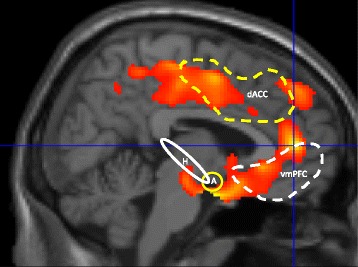
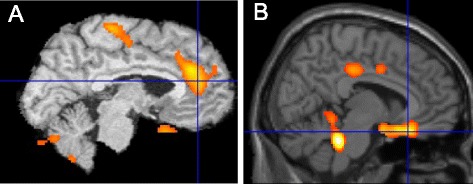
- The review proposes that acute or pre-existing sleep disturbance can initiate and maintain PTSD by disrupting extinction memory; REM sleep activates an “anterior paralimbic REM activation area” overlapping fear expression networks (amygdala, dACC, insula) and extinction memory networks (vmPFC, hippocampus).
- PTSD is associated with sleep abnormalities: a meta-analysis found increased stage 1 NREM sleep, decreased slow wave sleep, and increased REM sleep density as the most consistent polysomnographic abnormalities; subgroups also showed shorter total sleep time, increased sleep onset latency, reduced stage 2 NREM sleep, and increased REM sleep as percent of total sleep time.
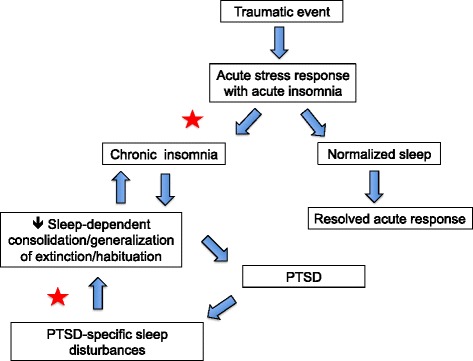
- Sleep disturbances predict later PTSD: post-trauma insomnia, nightmare severity, and REM sleep fragmentation predict later PTSD; higher sympathetic drive during REM sleep within 1 month of trauma was associated with PTSD symptoms at 2 months.
- PTSD can develop over time after trauma: among 19 adult prospective studies, a median of only 50% of those with acute stress disorder later met PTSD criteria, and a median of only 47% with PTSD previously met acute stress disorder criteria; among over 1000 traumatic injury survivors, only about a third who developed PTSD by 1 year showed acute stress disorder immediately after trauma.
Methods
- Design: narrative review and hypothesis paper, not an empirical study.
- Data or sample: no primary sample; the paper reviews human clinical, epidemiological, polysomnographic, neuroimaging, and rodent stress/sleep studies.
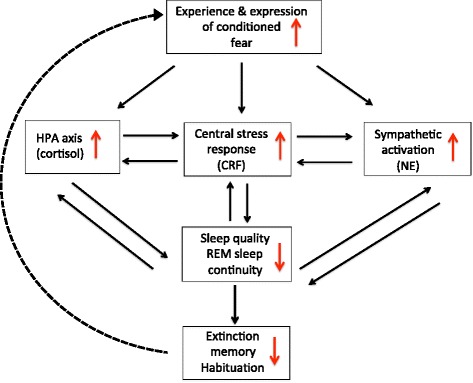
- Main analysis: narrative synthesis and conceptual modeling linking sleep disturbance, stress neuroendocrine systems (noradrenergic, HPA-axis, central CRF), fear extinction memory, and PTSD.
Limitations
- The paper states that there have been no studies specifically addressing sleep and extinction memory in patients with PTSD, and that current knowledge cannot attribute development of PTSD solely or in part to disturbed sleep-dependent extinction, nor to disturbed sleep alone.
- The paper states that impaired consolidation of extinction is unlikely to be the only sleep-related factor contributing to PTSD, and that post-trauma disturbed sleep is unlikely by itself sufficient to produce PTSD; other neuroendocrine, neurocognitive, psychosocial, and genetic factors are involved.
- The paper states animal-model caveats: inescapable stress disrupts sleep and REM sleep, whereas escapable shock can enhance total and REM sleep; controllability, predictability, and stressor type may produce different or opposing effects. As is evident from the text, this is a narrative review with hypotheses that remain to be directly tested.
Model-written summary. Check it against the paper before relying on it.
Integrity signals
Registry
Cites
Statistics
Figures
Verification
Claims the paper makes
21 Valid · 5 Not valid · 128 Not checked · 51 Own results and interpretations
Some cited sources support this claim and some don’t — read each source’s verdict below.
In the paper
“PTSD is associated with elevated levels of central [159, 160] and urinary [161] norepinephrine, including measurements taken during sleep [161]”
§ Sleep and REM sleep disturbance in the pathophysiology of PTSD: the role of extinction memory > Review > Sleep-related neuroendocrine abnormalities in PTSD—relationship to emotional memory consolidation?
What the sources say
- Partly supportedcites [159] Southwick SM Bremner JD Rasmusson A Morgan CA 3rd Arnsten A Charney DS Role of norepinephrine in the pathophysiology and treatment of posttraumatic stress disorder Biol Psychiatry 1999 46 9 1192 204 10560025 sourceExperimental — accuracy not yet measured
The Introduction (urine catecholamine paragraph) supports the urinary part: 'Twenty-four hour urine investigations of catecholamine excretion generally have found elevated values in subjects with PTSD compared to controls' (Kosten 1987; Yehuda 1992; Lemieux & Coe 1996; Debellis et al). The central part is supported only conditionally — the Introduction and Summary state that increased noradrenergic activity 'generally is not observed under baseline or resting conditions but rather in response to a variety of stressors,' and that consistent elevations of plasma NE and MHPG 'have not been reported at baseline.' The sleep qualifier is not supported: the only nocturnal measure the review reports is Mellman (1995), who found no differences in 24-hour urine NE or MHPG between PTSD veterans and controls, with a difference appearing in nocturnal versus daytime MHPG (not norepinephrine) excretion. (LLM, conf=0.80)
- Not checked yetcites [160] Geracioti TD Jr Baker DG Ekhator NN West SA Hill KK Bruce AB CSF norepinephrine concentrations in posttraumatic stress disorder Am J Psychiatry 2001 158 8 1227 30 11481155 source
- Disputedcites [161] Mellman TA Kumar A Kulick-Bell R Kumar M Nolan B Nocturnal/daytime urine noradrenergic measures and sleep in combat-related PTSD Biol Psychiatry 1995 38 3 174 9 7578660 sourceExperimental — accuracy not yet measured
Mellman et al. (1995) is cited here for elevated urinary norepinephrine in PTSD including sleep-period measurements, but the Results (p. n/a) state 'There were no significant differences in 24-hour or "nocturnal" norepinephrine and MHPG, or "nocturnal minus daytime" norepinephrine between PTSD patients and controls,' and the Discussion opens 'We do not find evidence for increased 24-hour noradrenergic production with PTSD.' The only sleep-related noradrenergic finding was for MHPG (the centrally derived metabolite), whose nocturnal-minus-daytime value was slightly positive in patients versus negative in controls, framed as 'nondiminished' rather than elevated nocturnal activity; the Discussion adds that the group differences and sleep correlations 'were not found for norepinephrine.' Thus the source contradicts elevated urinary norepinephrine at night and does not support elevation overall. (LLM, conf=0.85)
Checked by a reasoning model — may be wrong.
plainstates an association- Asserted: passes — The authors put it forward as true.
- Checkable: passes — It can be checked against evidence.
- Load-bearing: passes — The paper’s conclusions depend on it.
- Based: passes — The paper gives a reason why it holds.
- Partly supported
The cited sources support only part of this claim — read each source’s verdict below.
In the paper
“For instance, epidemiological and prospective studies show that sleep disturbances that are present prior to trauma exposure, or that occur soon after trauma exposure, are a robust risk factor of poor psychiatric outcomes including PTSD, anxiety disorders, mood disorders, suicidality, and alcohol/substance use disorders [17–20].”
§ Sleep and REM sleep disturbance in the pathophysiology of PTSD: the role of extinction memory > Review > Disturbances of sleep and of emotions are reciprocally related
What the sources say
- Partly supportedcites [17] Gehrman P Seelig AD Jacobson IG Boyko EJ Hooper TI Gackstetter GD Predeployment sleep duration and insomnia symptoms as risk factors for new-onset mental health disorders following military deployment Sleep 2013 36 7 1009 18 23814337 PMC3669076 sourceExperimental — accuracy not yet measured
The Discussion reports that predeployment insomnia symptoms predicted new-onset PTSD, depression, and anxiety screens after deployment. The paper does not establish the claimed risk for suicidality or alcohol/substance use disorders, and its findings concern sleep before deployment rather than sleep disturbances arising soon after trauma exposure. (LLM, conf=0.88)
- Partly supportedcites [18] Bryant RA Creamer M O’Donnell M Silove D McFarlane AC Sleep disturbance immediately prior to trauma predicts subsequent psychiatric disorder Sleep 2010 33 1 69 74 20120622 PMC2802249 sourceExperimental — accuracy not yet measured
The Discussion reports that sleep disturbance immediately before trauma predicts PTSD, other anxiety disorders, major depression, and substance use disorders. It also cites evidence that sleep impairment immediately after trauma predicts PTSD, but does not extend that finding to the other listed outcomes. No passage found supports suicidality as an outcome. (LLM, conf=0.90)
- Not checked yetcites [19] Breslau N Roth T Rosenthal L Andreski P Sleep disturbance and psychiatric disorders: a longitudinal epidemiological study of young adults Biol Psychiatry 1996 39 6 411 8 8679786 source
- Not checked yetcites [20] Mellman TA Hipolito MM Sleep disturbances in the aftermath of trauma and posttraumatic stress disorder CNS Spectr 2006 11 8 611 5 16871127 source
boostedstates a cause- Asserted: passes — The authors put it forward as true.
- Checkable: passes — It can be checked against evidence.
- Load-bearing: unclear — It is unclear whether the paper’s conclusions depend on it.
- Based: passes — The paper gives a reason why it holds.
- Partly supported
The cited sources support only part of this claim — read each source’s verdict below.
In the paper
“Post-traumatic stress disorder (PTSD) is accompanied by disturbed sleep and an impaired ability to learn and remember extinction of conditioned fear.”
- Also stated in: § Extinction and disorders with abnormal levels of anxiety · boosted
“Deficient memory for extinction has been shown to differentiate individuals with PTSD from trauma-exposed controls at both the behavioral and neural levels [88–90].”
§ Sleep and REM sleep disturbance in the pathophysiology of PTSD: the role of extinction memory > Abstract
What the sources say
- Not checked yetcites [88] Milad MR Pitman RK Ellis CB Gold AL Shin LM Lasko NB Neurobiological basis of failure to recall extinction memory in posttraumatic stress disorder Biol Psychiatry 2009 66 12 1075 82 19748076 PMC2787650 source
- Partly supportedcites [89] Milad MR Orr SP Lasko NB Chang Y Rauch SL Pitman RK Presence and acquired origin of reduced recall for fear extinction in PTSD: results of a twin study J Psychiatr Res 2008 42 7 515 20 18313695 PMC2377011 sourceExperimental — accuracy not yet measured
The Abstract and Discussion report impaired recall of fear extinction in the PTSD combat veterans, supporting the ‘remember’ part of the claim. They also report no group difference in extinction learning on Day 1; although the Introduction cites earlier studies of impaired learning in PTSD, this paper’s own results do not show it. (LLM, conf=0.89)
- Partly supportedcites [90] Shvil E Sullivan GM Schafer S Markowitz JC Campeas M Wager TD Sex differences in extinction recall in posttraumatic stress disorder: a pilot fMRI study Neurobiol Learn Mem 2014 113 101 8 24560771 PMC4053517 sourceExperimental — accuracy not yet measured
The Introduction associates PTSD with impaired recall of fear-extinction memory, and the Discussion reports poorer recall among men with PTSD. But the Results (section 4.2.2) say the PTSD and control groups achieved comparable extinction learning. The Introduction mentions impaired learning only in women with PTSD who have low estradiol levels, not in PTSD generally. (LLM, conf=0.88)
boostedstates an association- Asserted: passes — The authors put it forward as true.
- Checkable: passes — It can be checked against evidence.
- Load-bearing: passes — The paper’s conclusions depend on it.
- Based: passes — The paper gives a reason why it holds.
- Also stated in: § Extinction and disorders with abnormal levels of anxiety · boosted
The sources with a verdict support this claim; the rest weren’t checked yet, have no full text we could read, or their verdicts aren’t rated yet.
In the paper
“Post-traumatic stress disorder (PTSD) is accompanied by disturbed sleep and an impaired ability to learn and remember extinction of conditioned fear.”
- Also stated in: § Sleep disruption in PTSD · plain
“Degradation of subjective and/or objective sleep quality is commonly reported in studies of individuals with PTSD [13, 16, 31, 134–136].”
§ Sleep and REM sleep disturbance in the pathophysiology of PTSD: the role of extinction memory > Abstract
What the sources say
- Supportedcites [13] Mellman TA Sleep and anxiety disorders Sleep Med Clinics 2008 3 261 8 source
The PTSD discussion describes nightmares and difficulty initiating and maintaining sleep as prominent complaints among patients with PTSD. The Synopsis also states that sleep disturbances are commonly associated with PTSD. Page numbers were not provided in the supplied passages. (LLM, conf=0.94)
- Supportedcites [16] Babson KA Feldner MT Temporal relations between sleep problems and both traumatic event exposure and PTSD: a critical review of the empirical literature J Anxiety Disord 2010 24 1 1 15 19716676 PMC2795058 source
The Abstract reports that sleep problems commonly occur among people with PTSD. The Conclusion likewise describes disturbed sleep as a commonly endorsed symptom of PTSD. (LLM, conf=0.94)
- Not checked yetcites [31] Spoormaker VI Montgomery P Disturbed sleep in post-traumatic stress disorder: secondary symptom or core feature? Sleep Med Rev 2008 12 3 169 84 18424196 source
- Not checked yetcites [134] Kobayashi I Boarts JM Delahanty DL Polysomnographically measured sleep abnormalities in PTSD: a meta-analytic review Psychophysiology 2007 44 4 660 9 17521374 source
- Not checked yetcites [135] Mellman TA Sleep and anxiety disorders Psychiatr Clin North Am 2006 29 4 1047 58 17118281 source
- Not checked yetcites [136] Ross RJ Ball WA Sullivan KA Caroff SN Sleep disturbance as the hallmark of posttraumatic stress disorder Am J Psychiatry 1989 146 6 697 707 2658624 source
plainstates an association- Asserted: passes — The authors put it forward as true.
- Checkable: passes — It can be checked against evidence.
- Load-bearing: passes — The paper’s conclusions depend on it.
- Based: passes — The paper gives a reason why it holds.
- Also stated in: § Sleep disruption in PTSD · plain
The sources with a verdict support this claim; the rest weren’t checked yet, have no full text we could read, or their verdicts aren’t rated yet.
In the paper
“Healthy sleep is associated with normal emotion regulation [9, 10].”
§ Sleep and REM sleep disturbance in the pathophysiology of PTSD: the role of extinction memory > Review > Disturbances of sleep and of emotions are reciprocally related
What the sources say
- Not checked yetcites [9] Deliens G Gilson M Peigneux P Sleep and the processing of emotions Exp Brain Res 2014 232 5 1403 14 24449011 source
- Supportedcites [10] Goldstein AN Walker MP The role of sleep in emotional brain function Annual Reviews of Clinical Psychology 2014 10 679 708 PMC4286245 24499013 source
The Conclusion states that without sleep, adequate emotion regulation is compromised, whereas sleep restores appropriate next-day emotional reactivity. This supports the citing sentence’s association between healthy sleep and normal emotion regulation. (LLM, conf=0.94)
plainstates an association- Asserted: passes — The authors put it forward as true.
- Checkable: passes — It can be checked against evidence.
- Load-bearing: passes — The paper’s conclusions depend on it.
- Based: passes — The paper gives a reason why it holds.
146 more claims · 12 with their cited sources checked
Create a free account to see all 205 claims and to verify the 276 references still open.
- It may state two separate claims as one. 41
- Probably not a substantial claim. 18
- The quote only partly states this claim. 1
Claims other papers make about this one
Each is checked against this paper’s own text: does it say what the citing paper says it does?
In the citing paper
“Such regulation may become disrupted in mood and anxiety disorders and, conversely, sleep disruption is increasingly seen as a contributor to the development of such disorders (reviewed in Pace-Schott et al., 2015b).”
From Physiological feelings (2019) · cites this paper as Pace-Schott et al., 2015b
Citations
Cites
Diagnostic and Statistical Manual of Mental Disorders
American Psychiatric Association (2013) · doi:10.1176/appi.books.9780890425596 · Cited by 116,369
Physiology and neurobiology of stress and adaptation: central role of the brain
McEwen, B. S. (2007) · Physiological Reviews · doi:10.1152/physrev.00041.2006 · Cited by 5,429 · cited 1×
“As in other disorders of biological systems, it is likely that pathogenic factors interact and that impaired negative feedback, escalating positive feedback, or compensatory allostatic mechanisms allow abnormalities in one domain to exacerbate those in others [43].”
BackgroundDiagnostic and Statistical Manual of Mental Disorders, 5th Edition
(2013) · American Psychiatric Association Publishing eBooks · doi:10.1176/appi.books.9780890425596.893619 · Cited by 4,383
International Classification of Sleep Disorders-Third Edition
Sateia, M. J. (2014) · Chest · doi:10.1378/chest.14-0970 · Cited by 3,860
Diekelmann, S., & Born, J. (2010) · Nature Reviews Neuroscience · doi:10.1038/nrn2762 · Cited by 3,760 · cited 1×
“been widely demonstrated to promote the consolidation stage of memory formation [65–68], including processes related to prioritization and integration of newly acquired memories with existing stores [69–72].”
BackgroundEtkin, A., & Wager, T. D. (2007) · American Journal of Psychiatry · doi:10.1176/appi.ajp.2007.07030504 · Cited by 3,391 · cited 1×
“While a complete review of this diverse literature is beyond the scope of this article, excellent reviews can be found in [116, 119–126].”
BackgroundHeim, C., & Nemeroff, C. B. (2001) · Biological Psychiatry · doi:10.1016/s0006-3223(01)01157-x · Cited by 2,791 · cited 2×
“In turn, increased NE can stimulate the PVN resulting in further CRF release and activation of the HPA and central stress responses [184, 186].”
BackgroundRasch, B., & Born, J. (2013) · Physiological Reviews · doi:10.1152/physrev.00032.2012 · Cited by 2,783 · cited 1×
“Similar encoding-induced changes in subsequent sleep physiology are reported human polysomnographic and neuroimaging studies (reviewed in [67]).”
BackgroundBaglioni, C., Battagliese, G., Feige, B., Spiegelhalder, K., Nissen, C., Voderholzer, U., Lombardo, C., & Riemann, D. (2011) · Journal of Affective Disorders · doi:10.1016/j.jad.2011.01.011 · Cited by 2,779 · cited 1×
“However, a more general emotional dysregulation is a characteristic of many individuals with insomnia [206] that can be reflected in personality variables [207] such as a tendency to internalize conflict [208] as well as by the high comorbidity of insomnia with mood and anxiety disorders [22, 32, 200, 209].”
BackgroundEpidemiologic study of sleep disturbances and psychiatric disorders. An opportunity for prevention?
Ford, D. E. (1989) · JAMA · doi:10.1001/jama.262.11.1479 · Cited by 2,440
Epidemiologic Study of Sleep Disturbances and Psychiatric Disorders: An Opportunity for Prevention?
Ford, D. E. (1989) · JAMA · doi:10.1001/jama.1989.03430110069030 · Cited by 2,252
The Neurocircuitry of Fear, Stress, and Anxiety Disorders
Shin, L. M., & Liberzon, I. (2010) · Neuropsychopharmacology · doi:10.1038/npp.2009.83 · Cited by 2,083
Hoge, C. W., Auchterlonie, J. L., & Milliken, C. S. (2006) · JAMA · doi:10.1001/jama.295.9.1023 · Cited by 1,978 · cited 1×
“For example, 88,235 Army soldiers were evaluated immediately upon returning from the Iraq war with a self-administered Post-Deployment Health Assessment that included specific screening questions for PTSD [48].”
MethodSleep-dependent memory consolidation
Stickgold, R. (2005) · Nature · doi:10.1038/nature04286 · Cited by 1,857
Sleep disturbance and psychiatric disorders: A longitudinal epidemiological study of young Adults
Breslau, N., Roth, T., Rosenthal, L., & Andreski, P. (1996) · Biological Psychiatry · doi:10.1016/0006-3223(95)00188-3 · Cited by 1,831 · cited 1×
“For instance, epidemiological and prospective studies show that sleep disturbances that are present prior to trauma exposure, or that occur soon after trauma exposure, are a robust risk factor of poor psychiatric outcomes including PTSD, anxiety disorders, mood disorders, suicidality, and alcohol/substance use disorde…”
BackgroundHarvey, A. G. (2002) · Behaviour Research and Therapy · doi:10.1016/s0005-7967(01)00061-4 · Cited by 1,790
The hyperarousal model of insomnia: A review of the concept and its evidence
Riemann, D., Spiegelhalder, K., Feige, B., Voderholzer, U., Berger, M., Perlis, M., & Nissen, C. (2010) · Sleep Medicine Reviews · doi:10.1016/j.smrv.2009.04.002 · Cited by 1,789
Effects of an expanding-spaced vs massed exposure schedule on fear reduction and return of fear
Rowe, M. K., & Craske, M. G. (1998) · Behaviour Research and Therapy · doi:10.1016/s0005-7967(97)10016-x · Cited by 1,676
Neural Mechanisms of Extinction Learning and Retrieval
Quirk, G. J., & Mueller, D. (2008) · Neuropsychopharmacology · doi:10.1038/sj.npp.1301555 · Cited by 1,645
Milliken, C. S., Auchterlonie, J. L., & Hoge, C. W. (2007) · JAMA · doi:10.1001/jama.298.18.2141 · Cited by 1,640 · cited 5×
“Notably, among those who had reported PTSD symptoms on the immediately post-deployment assessment, approximately half reported improvement of these symptoms at reassessment [47].”
BackgroundMethodInfluentialOptimizing inhibitory learning during exposure therapy
Craske, M. G., Kircanski, K., Zelikowsky, M., Mystkowski, J., Chowdhury, N., & Baker, A. (2008) · Behaviour Research and Therapy · doi:10.1016/j.brat.2007.10.003 · Cited by 1,607 · cited 6×
“Current animal research suggests that withinsession and between-session extinction are dissociable processes [113], and studies of exposure therapy also show that the degree of within-session extinction does not predict the extent of the between-session extinction that, cumulatively, leads to clinical improvement [62].”
BackgroundInfluentialA Systematic Review Assessing Bidirectionality between Sleep Disturbances, Anxiety, and Depression
Alvaro, P. K., Roberts, R. M., & Harris, J. K. (2013) · Sleep · doi:10.5665/sleep.2810 · Cited by 1,573 · cited 1×
“However, a more general emotional dysregulation is a characteristic of many individuals with insomnia [206] that can be reflected in personality variables [207] such as a tendency to internalize conflict [208] as well as by the high comorbidity of insomnia with mood and anxiety disorders [22, 32, 200, 209].”
BackgroundBiological studies of post-traumatic stress disorder
Pitman, R. K., Rasmusson, A. M., Koenen, K. C., Shin, L. M., Orr, S. P., Gilbertson, M. W., Milad, M. R., & Liberzon, I. (2012) · Nature Reviews Neuroscience · doi:10.1038/nrn3339 · Cited by 1,529 · cited 1×
“The ability to remember fear extinction is a key element of both normal recovery from trauma [118] and of psychotherapeutic treatment of PTSD using exposure therapy [7, 62, 101].”
BackgroundSelf-citationPhasic vs Sustained Fear in Rats and Humans: Role of the Extended Amygdala in Fear vs Anxiety
Davis, M., Walker, D. L., Miles, L., & Grillon, C. (2010) · Neuropsychopharmacology · doi:10.1038/npp.2009.109 · Cited by 1,513 · cited 1×
“Activation of CRF receptors in the BNST is associated with persistent (versus acute) threat responses in the rat [180, 181].”
BackgroundFear Extinction as a Model for Translational Neuroscience: Ten Years of Progress
Milad, M. R., & Quirk, G. J. (2012) · Annual Review of Psychology · doi:10.1146/annurev.psych.121208.131631 · Cited by 1,466 · cited 2×
“A deficit in the ability to encode, consolidate, or retrieve extinction memory is believed to play a role in the development and perpetuation of such disorders [6, 59, 61, 87].”
BackgroundSelf-citationRauch, S. L., Shin, L. M., & Phelps, E. A. (2006) · Biological Psychiatry · doi:10.1016/j.biopsych.2006.06.004 · Cited by 1,397 · cited 2×
“It is important to note that, in addition to effects of sleep on amygdala-vmPFC connectivity, trauma itself may affect such circuits, as is suggested by reports of structural abnormalities in these areas in PTSD [116, 120].”
BackgroundIntegrative activity of the brain
Konorski, J. (1967) · Cited by 1,372
Neurobiological Basis of Failure to Recall Extinction Memory in Posttraumatic Stress Disorder
Milad, M. R., Pitman, R. K., Ellis, C. B., Gold, A. L., Shin, L. M., Lasko, N. B., Zeidan, M. A., Handwerger, K., Orr, S. P., & Rauch, S. L. (2009) · Biological Psychiatry · doi:10.1016/j.biopsych.2009.06.026 · Cited by 1,339 · cited 2×
“As noted, these fear-related structures are hyperactive and extinction-related areas hypoactive in PTSD [88, 130].”
BackgroundSelf-citationThe human emotional brain without sleep—a prefrontal amygdala disconnect
Yoo, S.-S., Gujar, N., Hu, P., Jolesz, F. A., & Walker, M. P. (2007) · Current Biology · doi:10.1016/j.cub.2007.08.007 · Cited by 1,303 · cited 1×
“Because sleep deprivation reduces amygdala-vmPFC functional connectivity [152] as well as task-related activation of the ventral anterior cingulate cortex (part of the vmPFC) in a positron emission tomography (PET)”
BackgroundThe Epidemiology of Post-Traumatic Stress Disorder after Disasters
Galea, S., Nandi, A., & Vlahov, D. (2005) · Epidemiologic Reviews · doi:10.1093/epirev/mxi003 · Cited by 1,287 · cited 1×
“For example, among 99 studies on diverse disasters, the prevalence of PTSD at first assessment averaged 27 % [150].”
BackgroundSex Differences in Insomnia: A Meta-Analysis
Zhang, B., & Wing, Y.-K. (2006) · Sleep · doi:10.1093/sleep/29.1.85 · Cited by 1,286 · cited 1×
“Prevalence is greater in females than in males for both insomnia [223] and PTSD [224].”
BackgroundRegional cerebral blood flow throughout the sleep-wake cycle. An H2(15)O PET study
Braun, A. (1997) · Brain · doi:10.1093/brain/120.7.1173 · Cited by 1,268
Preventing the return of fear in humans using reconsolidation update mechanisms
Schiller, D., Monfils, M.-H., Raio, C. M., Johnson, D. C., LeDoux, J. E., & Phelps, E. A. (2010) · Nature · doi:10.1038/nature08637 · Cited by 1,248
Amygdala, medial prefrontal cortex, and hippocampal function in PTSD
SHIN, L. M., RAUCH, S. L., & PITMAN, R. K. (2006) · Annals of the New York Academy of Sciences · doi:10.1196/annals.1364.007 · Cited by 1,203 · cited 1×
“PTSD patients show structural abnormalities in limbic regions associated with extinction recall including the perigenual anterior cingulate, amygdala, and hippocampus [6, 116, 117].”
BackgroundReplay of neuronal firing sequences in rat hippocampus during sleep following spatial experience
Skaggs, W. E., & McNaughton, B. L. (1996) · Science · doi:10.1126/science.271.5257.1870 · Cited by 1,173 · cited 1×
“Physiological processes underlying sleep’s effects on memory consolidation have been demonstrated in animals and include replay, during sleep, of patterns of hippocampal place-cell firing that accompanied learning [80, 81].”
BackgroundTemporally structured replay of awake hippocampal ensemble activity during rapid eye movement sleep
Louie, K., & Wilson, M. A. (2001) · Neuron · doi:10.1016/s0896-6273(01)00186-6 · Cited by 1,148
(2007) · Medical Entomology and Zoology · Cited by 1,118
Overnight therapy? The role of sleep in emotional brain processing
Walker, M. P., & van der Helm, E. (2009) · Psychological Bulletin · doi:10.1037/a0016570 · Cited by 1,087 · cited 2×
“For example, in the “Sleep to Remember, Sleep to Forget” model, Walker and colleagues suggest that REM sleep serves the dual purpose of consolidating the content of emotional memory and diminishing the memory’s emotional charge [75, 10].”
BackgroundThomas, M., Sing, H., Belenky, G., Holcomb, H., Mayberg, H., Dannals, R., Wagner JR., H., Thorne, D., Popp, K., Rowland, L., et al. (2000) · Journal of Sleep Research · doi:10.1046/j.1365-2869.2000.00225.x · Cited by 1,066 · cited 1×
“study [153], trauma-induced sleep loss might specifically impair consolidation of extinction memory via interference with vmPFC-amygdala circuitry.”
BackgroundThe role of sleep in emotional brain function
Goldstein, A. N., & Walker, M. P. (2014) · Annual Review of Clinical Psychology · doi:10.1146/annurev-clinpsy-032813-153716 · Cited by 1,052 · cited 4×
“And, as is the case for other forms of emotional memory [10], healthy sleep may be of ongoing, and cumulative importance in the consolidation of memory for both therapeutically induced and naturally learned extinction.”
BackgroundInfluentialProlonged Exposure Therapy for PTSD: Therapist Guide: Emotional processing of traumatic experiences
Foa, E. B., Hembree, E., & Rothbaum, B. (2007) · doi:10.1093/med:psych/9780195308501.001.0001 · Cited by 1,050
Morin, C. M., & Benca, R. (2012) · The Lancet · doi:10.1016/s0140-6736(11)60750-2 · Cited by 976
Extinction-Reconsolidation Boundaries: Key to Persistent Attenuation of Fear Memories
Monfils, M.-H., Cowansage, K. K., Klann, E., & LeDoux, J. E. (2009) · Science · doi:10.1126/science.1167975 · Cited by 960
Meerlo, P., Sgoifo, A., & Suchecki, D. (2008) · Sleep Medicine Reviews · doi:10.1016/j.smrv.2007.07.007 · Cited by 948 · cited 2×
“Chronically disturbed sleep can produce a persistent elevation of sympathetic activity and central NE [164, 194, 195].”
BackgroundThe Neurobiology of Sleep: Genetics, cellular physiology and subcortical networks
Pace-Schott, E. F., & Hobson, J. A. (2002) · Nature Reviews Neuroscience · doi:10.1038/nrn895 · Cited by 937 · cited 1×
“Central secretion of norepinephrine (NE), the catecholamine responsible for the acute sympathetic stress response, acts to oppose REM sleep [165], and NE normally declines with sleep onset and deepening NREM sleep to reach its nadir in REM sleep [165].”
BackgroundSelf-citationBehavioral and Neural Analysis of Extinction
Myers, K. M., & Davis, M. (2002) · Neuron · doi:10.1016/s0896-6273(02)01064-4 · Cited by 918
Hyperarousal and insomnia: state of the science
Bonnet, M. H., & Arand, D. L. (2010) · Sleep Medicine Reviews · doi:10.1016/j.smrv.2009.05.002 · Cited by 914 · cited 1×
“Such hyperarousal is manifested in both peripheral [37] and central [38] physiology as well as in pre- and post-morbid cognitive style [40, 41] and sensitivity of sleep quality to acute stress [42].”
BackgroundSocial Bonds and Posttraumatic Stress Disorder
Charuvastra, A., & Cloitre, M. (2008) · Annual Review of Psychology · doi:10.1146/annurev.psych.58.110405.085650 · Cited by 911 · cited 1×
“Moreover, posttrauma disturbed sleep is unlikely, by itself, sufficient to produce PTSD—a disorder that also shows the above neuroendocrine abnormalities [161, 172, 173] as well as neurocognitive changes [249, 250], emergent psychosocial stressors [251], and genetic predispositions [252].”
BackgroundA meta-analysis of structural brain abnormalities in PTSD
KARL, A., SCHAEFER, M., MALTA, L., DORFEL, D., ROHLEDER, N., & WERNER, A. (2006) · Neuroscience & Biobehavioral Reviews · doi:10.1016/j.neubiorev.2006.03.004 · Cited by 881
Sleep and emotions: a focus on insomnia
Baglioni, C., Spiegelhalder, K., Lombardo, C., & Riemann, D. (2010) · Sleep Medicine Reviews · doi:10.1016/j.smrv.2009.10.007 · Cited by 873 · cited 2×
“Such findings have led to the suggestion that emotional reactivity is both a risk and perpetuating factor for the development of chronic insomnia [206, 210].”
BackgroundObsessive-compulsive disorder: beyond segregated cortico-striatal pathways
Milad, M. R., & Rauch, S. L. (2012) · Trends in Cognitive Sciences · doi:10.1016/j.tics.2011.11.003 · Cited by 847 · cited 3×
“Similarly, this region includes the ventromedial prefrontal and hippocampal areas [127–129] linked to a putative extinction memory network [61].”
BackgroundSelf-citationSleep-dependent memory triage: evolving generalization through selective processing
Stickgold, R., & Walker, M. P. (2013) · Nature Neuroscience · doi:10.1038/nn.3303 · Cited by 755
Functional Neuroimaging Evidence for Hyperarousal in Insomnia
Nofzinger, E. A., Buysse, D. J., Germain, A., Price, J. C., Miewald, J. M., & Kupfer, D. J. (2004) · American Journal of Psychiatry · doi:10.1176/appi.ajp.161.11.2126 · Cited by 752 · cited 3×
“Being the stage of sleep with the highest level of forebrain arousal [38], REM sleep may also be the most vulnerable stage to disruption by awakenings due to chronic”
BackgroundSelf-citationElevated CSF corticotropin-releasing factor concentrations in posttraumatic stress disorder
(1997) · American Journal of Psychiatry · doi:10.1176/ajp.154.5.624 · Cited by 721
(2000) · PubMed · Cited by 676
Contextual and temporal modulation of extinction: behavioral and biological mechanisms
Bouton, M. E., Westbrook, R. F., Corcoran, K. A., & Maren, S. (2006) · Biological Psychiatry · doi:10.1016/j.biopsych.2005.12.015 · Cited by 671 · cited 1×
“However, rather than erasing the CS-US association, extinction represents formation of a new memory, an “extinction memory,” signifying “CS-no US,” that competitively inhibits the memory of the CS-US contingency and expression of its associated CR when the CS is again encountered [51–59].”
BackgroundFear Extinction and Relapse: State of the Art
Vervliet, B., Craske, M. G., & Hermans, D. (2013) · Annual Review of Clinical Psychology · doi:10.1146/annurev-clinpsy-050212-185542 · Cited by 671 · cited 4×
“Means by which memory for this therapeutic learning may be strengthened, and relapse to dominance of the fear (CS-US) memory prevented, are currently the subject of extensive clinical research [62–64].”
BackgroundInfluentialDe novo conditioning in trauma-exposed individuals with and without posttraumatic stress disorder.
Orr, S. P., Metzger, L. J., Lasko, N. B., Macklin, M. L., Peri, T., & Pitman, R. K. (2000) · Journal of Abnormal Psychology · doi:10.1037/0021-843x.109.2.290 · Cited by 653 · cited 1×
“Nonetheless, other studies do suggest greater de novo fear conditioning in PTSD [92] and deficient acquisition of extinction [93–95].”
BackgroundSleep disturbances as the hallmark of PTSD: where are we now?
Germain, A. (2013) · American Journal of Psychiatry · doi:10.1176/appi.ajp.2012.12040432 · Cited by 634
Self-citationCorticotropin-releasing factor, norepinephrine, and stress
Koob, G. F. (1999) · Biological Psychiatry · doi:10.1016/s0006-3223(99)00164-x · Cited by 629 · cited 3×
“Increased NE, in turn, activates other stress systems via its action on subcortical limbic structures such as the amygdala [178].”
BackgroundSleep deprivation as a neurobiologic and physiologic stressor: allostasis and allostatic load
McEwen, B. S. (2006) · Metabolism · doi:10.1016/j.metabol.2006.07.008 · Cited by 624
Fear extinction in rats: Implications for human brain imaging and anxiety disorders
Milad, M. R., Rauch, S. L., Pitman, R. K., & Quirk, G. J. (2006) · Biological Psychology · doi:10.1016/j.biopsycho.2006.01.008 · Cited by 597 · cited 3×
“PTSD patients show structural abnormalities in limbic regions associated with extinction recall including the perigenual anterior cingulate, amygdala, and hippocampus [6, 116, 117].”
BackgroundSelf-citationEspie, C. A. (2002) · Annual Review of Psychology · doi:10.1146/annurev.psych.53.100901.135243 · Cited by 596 · cited 1×
“Such findings have led to the suggestion that emotional reactivity is both a risk and perpetuating factor for the development of chronic insomnia [206, 210].”
BackgroundThe functional neuroanatomy of PTSD: a critical review
Liberzon, I., & Sripada, C. S. (2007) · Progress in Brain Research · doi:10.1016/s0079-6123(07)67011-3 · Cited by 594
Role of norepinephrine in the pathophysiology and treatment of posttraumatic stress disorder
Southwick, S. M., Bremner, J. D., Rasmusson, A., Morgan, C. A., Arnsten, A., & Charney, D. S. (1999) · Biological Psychiatry · doi:10.1016/s0006-3223(99)00219-x · Cited by 573 · cited 1×
“PTSD is associated with elevated levels of central [159, 160] and urinary [161] norepinephrine, including measurements taken during sleep [161].”
BackgroundTreatment of specific phobia in adults
Choy, Y., Fyer, A. J., & Lipsitz, J. D. (2007) · Clinical Psychology Review · doi:10.1016/j.cpr.2006.10.002 · Cited by 571 · cited 1×
“Exposure is especially effective when fearful symptoms are associated with specific stimuli as in the case of PTSD [103], social anxiety disorder [104], obsessive-compulsive disorder [105], and specific phobia [106].”
BackgroundThe whats and whens of sleep-dependent memory consolidation
Diekelmann, S., Wilhelm, I., & Born, J. (2009) · Sleep Medicine Reviews · doi:10.1016/j.smrv.2008.08.002 · Cited by 566
Sleep disturbance as the hallmark of posttraumatic stress disorder
(1989) · American Journal of Psychiatry · doi:10.1176/ajp.146.6.697 · Cited by 566 · cited 1×
“Therefore, both objective and subjective sleep disturbances represent core features of PTSD [36, 134, 136].”
BackgroundStress-restress: Effects on ACTH and fast feedback
Liberzon, I., Krstov, M., & Young, E. A. (1997) · Psychoneuroendocrinology · doi:10.1016/s0306-4530(97)00044-9 · Cited by 556
Levin, R., & Nielsen, T. A. (2007) · Psychological Bulletin · doi:10.1037/0033-2909.133.3.482 · Cited by 554 · cited 2×
“Although, there are not yet published studies on both sleep and extinction in PTSD patients, circuits involved in fear and extinction learning and memory are implicated in sleeprelated symptoms of PTSD such as nightmares [138].”
BackgroundBaker, D. G., West, S. A., Nicholson, W. E., Ekhator, N. N., Kasckow, J. W., Hill, K. K., Bruce, A. B., Orth, D. N., & Geracioti, T. D. (1999) · American Journal of Psychiatry · doi:10.1176/ajp.156.4.585 · Cited by 531 · cited 1×
“Paradoxically, although CRF is elevated in the cerebrospinal fluid (CSF) of patients with PTSD [170–172], abnormally low baseline levels of plasma cortisol are typically observed in this disorder [173], possibly due to downregulation of pituitary CRF receptors resulting from elevated CRF [174, 175].”
BackgroundDisturbed sleep in post-traumatic stress disorder: secondary symptom or core feature?
Spoormaker, V. I., & Montgomery, P. (2008) · Sleep Medicine Reviews · doi:10.1016/j.smrv.2007.08.008 · Cited by 527 · cited 1×
“Further evidence that insomnia can be primary is the fact that, whereas insomnia comorbid with anxiety disorders responds well to cognitive behavioral therapies developed for primary insomnia [209, 219], sleep disturbance often persists following successful treatment of PTSD [31].”
BackgroundPresence and acquired origin of reduced recall for fear extinction in PTSD: Results of a twin study
Milad, M. R., Orr, S. P., Lasko, N. B., Chang, Y., Rauch, S. L., & Pitman, R. K. (2008) · Journal of Psychiatric Research · doi:10.1016/j.jpsychires.2008.01.017 · Cited by 512 · cited 2×
“Notably, in these particular studies, acquisition of fear conditioning and extinction learning did not differ between these groups [88–90].”
BackgroundSelf-citationA meta-analysis of D-cycloserine and the facilitation of fear extinction and exposure therapy
Norberg, M. M., Krystal, J. H., & Tolin, D. F. (2008) · Biological Psychiatry · doi:10.1016/j.biopsych.2008.01.012 · Cited by 510
Autonomic activity during human sleep as a function of time and sleep stage
Trinder, J., Kleiman, J., Carrington, M., Smith, S., Breen, S., Tan, N., & Kim, Y. (2001) · Journal of Sleep Research · doi:10.1046/j.1365-2869.2001.00263.x · Cited by 507
Forebrain activation in REM sleep: an FDG PET study
Nofzinger, E. A., Mintun, M. A., Wiseman, M., Kupfer, D. J., & Moore, R. Y. (1997) · Brain Research · doi:10.1016/s0006-8993(97)00807-x · Cited by 501
Neuronal circuits of fear extinction
Herry, C., Ferraguti, F., Singewald, N., Letzkus, J. J., Ehrlich, I., & Lüthi, A. (2010) · European Journal of Neuroscience · doi:10.1111/j.1460-9568.2010.07101.x · Cited by 484 · cited 1×
“However, rather than erasing the CS-US association, extinction represents formation of a new memory, an “extinction memory,” signifying “CS-no US,” that competitively inhibits the memory of the CS-US contingency and expression of its associated CR when the CS is again encountered [51–59].”
BackgroundBlechert, J., Michael, T., Vriends, N., Margraf, J., & Wilhelm, F. H. (2007) · Behaviour Research and Therapy · doi:10.1016/j.brat.2007.02.012 · Cited by 479
Implications of memory modulation for post-traumatic stress and fear disorders
Parsons, R. G., & Ressler, K. J. (2013) · Nature Neuroscience · doi:10.1038/nn.3296 · Cited by 476 · cited 1×
“Moreover, the direct effects of stress and stress hormones on memory are multifold (reviewed in [198]), and memory for extinction of fear conditioning may be especially susceptible to stress effects [199].”
BackgroundDavidson, J. R. T., Rothbaum, B. O., van der Kolk, B. A., Sikes, C. R., & Farfel, G. M. (2001) · Archives of General Psychiatry · doi:10.1001/archpsyc.58.5.485 · Cited by 470
Morris, M. C., Compas, B. E., & Garber, J. (2012) · Clinical Psychology Review · doi:10.1016/j.cpr.2012.02.002 · Cited by 466 · cited 2×
“Moreover, posttrauma disturbed sleep is unlikely, by itself, sufficient to produce PTSD—a disorder that also shows the above neuroendocrine abnormalities [161, 172, 173] as well as neurocognitive changes [249, 250], emergent psychosocial stressors [251], and genetic predispositions [252].”
BackgroundCSF Norepinephrine Concentrations in Posttraumatic Stress Disorder
Geracioti, T. D., Baker, D. G., Ekhator, N. N., West, S. A., Hill, K. K., Bruce, A. B., Schmidt, D., Rounds-Kugler, B., Yehuda, R., Keck, P. E., et al. (2001) · American Journal of Psychiatry · doi:10.1176/appi.ajp.158.8.1227 · Cited by 462
The Effect of Psychosocial Stress on Sleep: A Review of Polysomnographic Evidence
Kim, E.-J., & Dimsdale, J. E. (2007) · Behavioral Sleep Medicine · doi:10.1080/15402000701557383 · Cited by 448 · cited 1×
“Conversely, sleep disturbance is both a common behavioral sequela of acute and chronic stress [11, 12] and a prominent symptom of anxiety and mood disorders [13, 14].”
BackgroundDelayed-Onset Posttraumatic Stress Disorder: A Systematic Review of the Evidence
Andrews, B., Brewin, C. R., Philpott, R., & Stewart, L. (2007) · American Journal of Psychiatry · doi:10.1176/appi.ajp.2007.06091491 · Cited by 444 · cited 1×
“Fourth, although delayed-onset PTSD, defined most strictly as onset of any PTSD symptoms only after 6 months or more following trauma, is controversial and rare [49, 50], exacerbation of existing symptoms is common [49].”
BackgroundPolysomnographically measured sleep abnormalities in PTSD: A meta‐analytic review
Kobayashi, I., Boarts, J. M., & Delahanty, D. L. (2007) · Psychophysiology · doi:10.1111/j.1469-8986.2007.537.x · Cited by 435 · cited 7×
“As noted, however, specific polysomnographic sleep abnormalities reported in different studies of PTSD are highly variable in type and severity [134] and can vary with age, sex, comorbidities, and other factors (for reviews, see [13, 134, 139, 144, 145]).”
BackgroundResultInfluentialGermain, A., Buysse, D. J., & Nofzinger, E. (2008) · Sleep Medicine Reviews · doi:10.1016/j.smrv.2007.09.003 · Cited by 421 · cited 4×
“Because nocturnal secretion of NE may remain relatively elevated in PTSD [159–161], this may be one factor serving to fragment REM sleep [29].”
BackgroundInfluentialSelf-citationEstrous cycle phase and gonadal hormones influence conditioned fear extinction
Milad, M. R., Igoe, S. A., Lebron-Milad, K., & Novales, J. E. (2009) · Neuroscience · doi:10.1016/j.neuroscience.2009.09.011 · Cited by 417 · cited 1×
“both humans [225–229] and rodents [230, 227, 228] have shown that extinction memory is sexually dimorphic (better in males) and that it varies across the menstrual cycle in females [225, 226].”
BackgroundSelf-citationREM sleep and the early development of posttraumatic stress disorder
Mellman, T. A., Bustamante, V., Fins, A. I., Pigeon, W. R., & Nolan, B. (2002) · American Journal of Psychiatry · doi:10.1176/appi.ajp.159.10.1696 · Cited by 414 · cited 2×
“For example, REM sleep fragmentation following a traumatic event is predictive of later development of PTSD [147, 148].”
BackgroundStatus of Glucocorticoid Alterations in Post‐traumatic Stress Disorder
Yehuda, R. (2009) · Annals of the New York Academy of Sciences · doi:10.1111/j.1749-6632.2009.04979.x · Cited by 409 · cited 1×
“Persons with PTSD frequently show abnormalities of the HPA axis [168].”
BackgroundThe nature of intrusive memories after trauma: the warning signal hypothesis
Ehlers, A., Hackmann, A., Steil, R., Clohessy, S., Wenninger, K., & Winter, H. (2002) · Behaviour Research and Therapy · doi:10.1016/s0005-7967(01)00077-8 · Cited by 392 · cited 1×
“Moreover, in PTSD, the same traumatic event can produce conditioned fear to multiple stimuli in multiple perceptual modalities each of which then becomes a warning signal of impending danger [236].”
BackgroundFrontal lobe function, sleep loss and fragmented sleep
Jones, K., & Harrison, Y. (2001) · Sleep Medicine Reviews · doi:10.1053/smrv.2001.0203 · Cited by 390 · cited 1×
“Sleep disruption may lead to fatigue [244, 245], executive deficits [246, 247], mood dysregulation [10], and psychosocial”
BackgroundThe Study of Fear Extinction: Implications for Anxiety Disorders
Graham, B. M., & Milad, M. R. (2011) · American Journal of Psychiatry · doi:10.1176/appi.ajp.2011.11040557 · Cited by 387 · cited 1×
“Therefore, in PTSD, there is both hyperactivation of the fear expression and hypoactivation of the extinction memory networks [59, 60].”
BackgroundSelf-citationSleep changes in the disorder of insomnia: a meta-analysis of polysomnographic studies
Baglioni, C., Regen, W., Teghen, A., Spiegelhalder, K., Feige, B., Nissen, C., & Riemann, D. (2014) · Sleep Medicine Reviews · doi:10.1016/j.smrv.2013.04.001 · Cited by 386 · cited 2×
“Although early polysomnographic studies of insomnia reported little change or small reductions in REM sleep compared to good sleepers [212], there is now increasing evidence for both percentage reductions [204] and fragmentation [213–215] of REM sleep in insomnia.”
BackgroundResultKoren, D., Arnon, I., Lavie, P., & Klein, E. (2002) · American Journal of Psychiatry · doi:10.1176/appi.ajp.159.5.855 · Cited by 384 · cited 2×
“For example, motor vehicle accident survivors who later developed PTSD, unlike survivors who did not, had more severe immediately post-trauma sleep disturbances that failed to normalize over time [146].”
BackgroundCircadian rhythms in the hypothalamo-pituitary-adrenal (HPA) axis
Kalsbeek, A., van der Spek, R., Lei, J., Endert, E., Buijs, R. M., & Fliers, E. (2012) · Molecular and Cellular Endocrinology · doi:10.1016/j.mce.2011.06.042 · Cited by 380 · cited 1×
“CRF sampled hourly in the cerebrospinal fluid of healthy volunteers showed an evening acrophase and morning nadir [176]—directly opposite to the pattern of plasma cortisol [177].”
BackgroundEllenbogen, J. M., Hulbert, J. C., Stickgold, R., Dinges, D. F., & Thompson-Schill, S. L. (2006) · Current Biology · doi:10.1016/j.cub.2006.05.024 · Cited by 377 · cited 1×
“Moreover, prior sleep can facilitate memory retrieval via such functions as protection from retroactive interference [73] and enhanced updating during reconsolidation [74].”
BackgroundStructural and functional plasticity of the human brain in posttraumatic stress disorder
Bremner, J. D., Elzinga, B., Schmahl, C., & Vermetten, E. (2007) · Progress in Brain Research · doi:10.1016/s0079-6123(07)67012-5 · Cited by 367 · cited 1×
“As noted, these fear-related structures are hyperactive and extinction-related areas hypoactive in PTSD [88, 130].”
BackgroundSleep disturbances in the wake of traumatic events
Lavie, P. (2001) · New England Journal of Medicine · doi:10.1056/nejmra012893 · Cited by 362 · cited 1×
“sequela of psychological trauma although subjective reports often indicate far greater severity than objective measurements in the immediately post-trauma period [15, 16].”
BackgroundGarfinkel, S. N., Abelson, J. L., King, A. P., Sripada, R. K., Wang, X., Gaines, L. M., & Liberzon, I. (2014) · The Journal of Neuroscience · doi:10.1523/jneurosci.4287-13.2014 · Cited by 358 · cited 1×
“Other studies have specifically implicated a deficiency in PTSD to use contextual information to disambiguate danger versus safety [91].”
BackgroundStress and multiple memory systems: from ‘thinking’ to ‘doing’
Schwabe, L., & Wolf, O. T. (2013) · Trends in Cognitive Sciences · doi:10.1016/j.tics.2012.12.001 · Cited by 355
Sleep states and memory processes in humans: procedural versus declarative memory systems
Smith, C. (2001) · Sleep Medicine Reviews · doi:10.1053/smrv.2001.0164 · Cited by 355 · cited 1×
“Critical periods requiring sleep, including specifically REM sleep, for memory consolidation following encoding have been demonstrated in animals and humans [85], and such a period for extinction memory has recently been demonstrated for REM sleep [86].”
BackgroundRaskind, M. A., Peterson, K., Williams, T., Hoff, D. J., Hart, K., Holmes, H., Homas, D., Hill, J., Daniels, C., Calohan, J., et al. (2013) · American Journal of Psychiatry · doi:10.1176/appi.ajp.2013.12081133 · Cited by 355 · cited 1×
“The success of the alpha-adrenergic antagonist prazosin in treating PTSD nightmares is strong evidence of NE involvement in the pathophysiology of this disorder [166, 167].”
BackgroundZeidan, M. A., Igoe, S. A., Linnman, C., Vitalo, A., Levine, J. B., Klibanski, A., Goldstein, J. M., & Milad, M. R. (2011) · Biological Psychiatry · doi:10.1016/j.biopsych.2011.05.016 · Cited by 354 · cited 1×
“both humans [225–229] and rodents [230, 227, 228] have shown that extinction memory is sexually dimorphic (better in males) and that it varies across the menstrual cycle in females [225, 226].”
BackgroundSelf-citationCorticotropin-Releasing Factor in Brain: A Role in Activation, Arousal, and Affect Regulation
Heinrichs, S. C., & Koob, G. F. (2004) · The Journal of Pharmacology and Experimental Therapeutics · doi:10.1124/jpet.103.052092 · Cited by 353 · cited 1×
“amygdala (CeA) is a key neuromodulator activating the central extrahypothalamic stress system via CRF1 receptors in the CeA, basolateral nucleus of the amygdala (BLA), bed nucleus of the stria terminalis (BNST), and locus coerulus (LC) [178, 179].”
BackgroundHuman Bed Nucleus of the Stria Terminalis Indexes Hypervigilant Threat Monitoring
Somerville, L. H., Whalen, P. J., & Kelley, W. M. (2010) · Biological Psychiatry · doi:10.1016/j.biopsych.2010.04.002 · Cited by 351 · cited 1×
“BNST activation also tracks sustained anxiety in humans [182], and sustained anxiety may better predict symptoms of PTSD than acute fear responses [183].”
BackgroundThe emotional brain and sleep: An intimate relationship
Vandekerckhove, M., & Cluydts, R. (2010) · Sleep Medicine Reviews · doi:10.1016/j.smrv.2010.01.002 · Cited by 350 · cited 1×
“Conversely, sleep disturbance is both a common behavioral sequela of acute and chronic stress [11, 12] and a prominent symptom of anxiety and mood disorders [13, 14].”
BackgroundMcNally, R. J. (2007) · Clinical Psychology Review · doi:10.1016/j.cpr.2007.01.003 · Cited by 348 · cited 4×
“The ability to remember fear extinction is a key element of both normal recovery from trauma [118] and of psychotherapeutic treatment of PTSD using exposure therapy [7, 62, 101].”
BackgroundInfluentialGehrman, P., Seelig, A. D., Jacobson, I. G., Boyko, E. J., Hooper, T. I., Gackstetter, G. D., Ulmer, C. S., Smith, T. C., & Millennium Cohort Study Team (2013) · Sleep · doi:10.5665/sleep.2798 · Cited by 339
Sleep and posttraumatic stress disorder: a review
Harvey, A. G., Jones, C., & Schmidt, D. A. (2003) · Clinical Psychology Review · doi:10.1016/s0272-7358(03)00032-1 · Cited by 337 · cited 1×
“As noted, however, specific polysomnographic sleep abnormalities reported in different studies of PTSD are highly variable in type and severity [134] and can vary with age, sex, comorbidities, and other factors (for reviews, see [13, 134, 139, 144, 145]).”
BackgroundTaylor, F. B., Martin, P., Thompson, C., Williams, J., Mellman, T. A., Gross, C., Peskind, E. R., & Raskind, M. A. (2008) · Biological Psychiatry · doi:10.1016/j.biopsych.2007.07.001 · Cited by 336
Advances in Understanding Neuroendocrine Alterations in PTSD and Their Therapeutic Implications
YEHUDA, R. (2006) · Annals of the New York Academy of Sciences · doi:10.1196/annals.1364.012 · Cited by 335 · cited 14×
“Recent studies in rodents suggest that the stress-induced reduction in REM sleep is attributable to the actions of CRF [190 – 192] as is the more general post-stress sleep fragmentation [193].”
BackgroundInfluentialWalker, D. L., Miles, L. A., & Davis, M. (2009) · Progress in Neuro-Psychopharmacology and Biological Psychiatry · doi:10.1016/j.pnpbp.2009.06.022 · Cited by 331 · cited 1×
“Activation of CRF receptors in the BNST is associated with persistent (versus acute) threat responses in the rat [180, 181].”
BackgroundBrunet, A., Poundja, J., Tremblay, J., Bui, É., Thomas, É., Orr, S. P., Azzoug, A., Birmes, P., & Pitman, R. K. (2011) · Journal of Clinical Psychopharmacology · doi:10.1097/jcp.0b013e318222f360 · Cited by 331
Extinction in human fear conditioning
Hermans, D., Craske, M. G., Mineka, S., & Lovibond, P. F. (2006) · Biological Psychiatry · doi:10.1016/j.biopsych.2005.10.006 · Cited by 328 · cited 4×
“The ability to remember fear extinction is a key element of both normal recovery from trauma [118] and of psychotherapeutic treatment of PTSD using exposure therapy [7, 62, 101].”
BackgroundInfluentialWessa, M., & Flor, H. (2007) · American Journal of Psychiatry · doi:10.1176/appi.ajp.2007.07030525 · Cited by 323 · cited 1×
“Generalization and multiplication of fear responses in PTSD may occur via processes such as second-order fear conditioning to primary trauma reminder cues [237].”
BackgroundThe influence of gonadal hormones on conditioned fear extinction in healthy humans
Milad, M. R., Zeidan, M. A., Contero, A., Pitman, R. K., Klibanski, A., Rauch, S. L., & Goldstein, J. M. (2010) · Neuroscience · doi:10.1016/j.neuroscience.2010.04.030 · Cited by 320 · cited 1×
“both humans [225–229] and rodents [230, 227, 228] have shown that extinction memory is sexually dimorphic (better in males) and that it varies across the menstrual cycle in females [225, 226].”
BackgroundSelf-citationJovanovic, T., Norrholm, S. D., Fennell, J. E., Keyes, M., Fiallos, A. M., Myers, K. M., Davis, M., & Duncan, E. J. (2009) · Psychiatry Research · doi:10.1016/j.psychres.2007.12.014 · Cited by 315
Milad, M. R., Furtak, S. C., Greenberg, J. L., Keshaviah, A., Im, J. J., Falkenstein, M. J., Jenike, M., Rauch, S. L., & Wilhelm, S. (2013) · JAMA Psychiatry · doi:10.1001/jamapsychiatry.2013.914 · Cited by 308
Self-citationHippocampal involvement in contextual modulation of fear extinction
Ji, J., & Maren, S. (2007) · Hippocampus · doi:10.1002/hipo.20331 · Cited by 297 · cited 1×
“However, rather than erasing the CS-US association, extinction represents formation of a new memory, an “extinction memory,” signifying “CS-no US,” that competitively inhibits the memory of the CS-US contingency and expression of its associated CR when the CS is again encountered [51–59].”
BackgroundOverlapping neural systems mediating extinction, reversal and regulation of fear
Schiller, D., & Delgado, M. R. (2010) · Trends in Cognitive Sciences · doi:10.1016/j.tics.2010.04.002 · Cited by 294 · cited 1×
“Extinction is a form of emotional memory that is important to normal emotion regulation [2], influenced by normal sleep and its disturbance [3–5], impaired in anxiety disorders [6], and”
BackgroundTalbot, L. S., Maguen, S., Metzler, T. J., Schmitz, M., McCaslin, S. E., Richards, A., Perlis, M. L., Posner, D. A., Weiss, B., Ruoff, L., et al. (2014) · Sleep · doi:10.5665/sleep.3408 · Cited by 294
Acute Stress Disorder as a Predictor of Posttraumatic Stress Disorder: A Systematic Review
Bryant, R. A. (2011) · The Journal of Clinical Psychiatry · doi:10.4088/jcp.09r05072blu · Cited by 294 · cited 8×
“A similar percentage of persons with ASD (36”
BackgroundInfluentialLebron-Milad, K., & Milad, M. R. (2012) · Biology of Mood & Anxiety Disorders · doi:10.1186/2045-5380-2-3 · Cited by 294 · cited 1×
“Additionally, as in the case of extinction memory in the experimental setting [232], it has been suggested that sleep symptoms in women may vary with hormonal levels and phase of the menstrual cycle [144].”
BackgroundSelf-citation(2009) · PubMed · Cited by 285
Blockade of Estrogen by Hormonal Contraceptives Impairs Fear Extinction in Female Rats and Women
Graham, B. M., & Milad, M. R. (2013) · Biological Psychiatry · doi:10.1016/j.biopsych.2012.09.018 · Cited by 281 · cited 1×
“both humans [225–229] and rodents [230, 227, 228] have shown that extinction memory is sexually dimorphic (better in males) and that it varies across the menstrual cycle in females [225, 226].”
BackgroundSelf-citationBabson, K. A., & Feldner, M. T. (2010) · Journal of Anxiety Disorders · doi:10.1016/j.janxdis.2009.08.002 · Cited by 278 · cited 5×
“Objective and subjective sleep abnormalities, including insomnia complaints, that either precede or follow traumatic experiences, predict later development of PTSD (reviewed in [16, 33]).”
BackgroundInfluentialTreatment of Nightmares With Prazosin: A Systematic Review
Kung, S., Espinel, Z., & Lapid, M. I. (2012) · Mayo Clinic Proceedings · doi:10.1016/j.mayocp.2012.05.015 · Cited by 277 · cited 1×
“The success of the alpha-adrenergic antagonist prazosin in treating PTSD nightmares is strong evidence of NE involvement in the pathophysiology of this disorder [166, 167].”
BackgroundFani, N., Tone, E. B., Phifer, J., Norrholm, S. D., Bradley, B., Ressler, K. J., Kamkwalala, A., & Jovanovic, T. (2012) · Psychological Medicine · doi:10.1017/s0033291711001565 · Cited by 266 · cited 1×
“Moreover, enhanced physiological reactivity to acoustic startle stimuli compared to controls is also commonly noted in this disorder [98–100].”
BackgroundInsomnia as predictor versus outcome of PTSD and depression among Iraq combat veterans
Wright, K. M., Britt, T. W., Bliese, P. D., Adler, A. B., Picchioni, D., & Moore, D. (2011) · Journal of Clinical Psychology · doi:10.1002/jclp.20845 · Cited by 264 · cited 2×
“Objective and subjective sleep abnormalities, including insomnia complaints, that either precede or follow traumatic experiences, predict later development of PTSD (reviewed in [16, 33]).”
BackgroundSleep disturbance in anxiety disorders
Papadimitriou, G. N., & Linkowski, P. (2005) · International Review of Psychiatry · doi:10.1080/09540260500104524 · Cited by 263 · cited 1×
“The ubiquity of chronic insomnia both as a primary disorder and comorbid with psychiatric [200, 201] and non-psychiatric [202] conditions suggests that it reflects a trait vulnerability that can be triggered by a variety of stressors.”
BackgroundSeeking a Spotless Mind: Extinction, Deconsolidation, and Erasure of Fear Memory
Maren, S. (2011) · Neuron · doi:10.1016/j.neuron.2011.04.023 · Cited by 259
Prevalence and Polysomnographic Correlates of Insomnia Comorbid with Medical Disorders
Budhiraja, R., Roth, T., Hudgel, D. W., Budhiraja, P., & Drake, C. L. (2011) · Sleep · doi:10.5665/sleep.1114 · Cited by 255 · cited 1×
“The ubiquity of chronic insomnia both as a primary disorder and comorbid with psychiatric [200, 201] and non-psychiatric [202] conditions suggests that it reflects a trait vulnerability that can be triggered by a variety of stressors.”
BackgroundHPA axis responsiveness to stress: implications for healthy aging
Aguilera, G. (2011) · Experimental Gerontology · doi:10.1016/j.exger.2010.08.023 · Cited by 250 · cited 1×
“The initiating factor of the HPA response is corticotropin-releasing factor (CRF), a polypeptide neurohormone whose secretion by the paraventricular nucleus (PVN) of the hypothalamus triggers release of adrenocorticotropic hormone (ACTH) from the anterior pituitary leading to the secretion of adrenal glucocorticoids […”
BackgroundSartory, G., Cwik, J., Knuppertz, H., Schürholt, B., Lebens, M., Seitz, R. J., & Schulze, R. (2013) · PLoS ONE · doi:10.1371/journal.pone.0058150 · Cited by 249
Sleep Disturbance Immediately Prior to Trauma Predicts Subsequent Psychiatric Disorder
Bryant, R. A., Creamer, M., O'Donnell, M., Silove, D., & McFarlane, A. C. (2010) · Sleep · doi:10.1093/sleep/33.1.69 · Cited by 243 · cited 1×
“For instance, epidemiological and prospective studies show that sleep disturbances that are present prior to trauma exposure, or that occur soon after trauma exposure, are a robust risk factor of poor psychiatric outcomes including PTSD, anxiety disorders, mood disorders, suicidality, and alcohol/substance use disorde…”
BackgroundREM Sleep Instability – A New Pathway for Insomnia?
Riemann, D., Spiegelhalder, K., Nissen, C., Hirscher, V., Baglioni, C., & Feige, B. (2012) · Pharmacopsychiatry · doi:10.1055/s-0031-1299721 · Cited by 242 · cited 1×
“This is because, in this activated behavioral state, the brain is closer to its threshold for awakening [213, 214].”
BackgroundMaquet, P., Ruby, P., Maudoux, A., Albouy, G., Sterpenich, V., Dang-Vu, T., Desseilles, M., Boly, M., Perrin, F., Peigneux, P., et al. (2005) · Progress in Brain Research · doi:10.1016/s0079-6123(05)50016-5 · Cited by 239
Kok, B. C., Herrell, R. K., Thomas, J. L., & Hoge, C. W. (2012) · Journal of Nervous & Mental Disease · doi:10.1097/nmd.0b013e3182532312 · Cited by 238 · cited 1×
“Similarly, prevalence of PTSD in combat-exposed infantry is only around 20 % [151].”
BackgroundCognitive-Emotional Hyperarousal as a Premorbid Characteristic of Individuals Vulnerable to Insomnia
Fernández-Mendoza, J., Vela-Bueno, A., Vgontzas, A. N., Ramos-Platón, M. J., Olavarrieta-Bernardino, S., Bixler, E. O., & De la Cruz-Troca, J. J. (2010) · Psychosomatic Medicine · doi:10.1097/psy.0b013e3181d75319 · Cited by 234 · cited 1×
“Such hyperarousal is manifested in both peripheral [37] and central [38] physiology as well as in pre- and post-morbid cognitive style [40, 41] and sensitivity of sleep quality to acute stress [42].”
BackgroundDoes cognitive–behavioral therapy for PTSD improve perceived health and sleep impairment?
Galovski, T. E., Monson, C., Bruce, S. E., & Resick, P. A. (2009) · Journal of Traumatic Stress · doi:10.1002/jts.20418 · Cited by 223 · cited 1×
“Moreover, sleep-focused treatments can significantly improve both sleep and daytime symptoms of PTSD [220–222].”
BackgroundRelationships between REM sleep findings and PTSD symptoms during the early aftermath of trauma
Mellman, T. A., Pigeon, W. R., Nowell, P. D., & Nolan, B. (2007) · Journal of Traumatic Stress · doi:10.1002/jts.20246 · Cited by 221 · cited 2×
“For example, REM sleep fragmentation following a traumatic event is predictive of later development of PTSD [147, 148].”
Backgroundde Kleine, R. A., Hendriks, G.-J., Kusters, W. J. C., Broekman, T. G., & van Minnen, A. (2012) · Biological Psychiatry · doi:10.1016/j.biopsych.2012.02.033 · Cited by 220 · cited 1×
“Some studies have suggested that outcomes from exposure therapy for PTSD can benefit from administration of D-cycloserine in temporal proximity to exposure sessions [241, 242].”
BackgroundErasing Fear Memories with Extinction Training: Figure 1.
Quirk, G. J., Paré, D., Richardson, R., Herry, C., Monfils, M. H., Schiller, D., & Vicentic, A. (2010) · The Journal of Neuroscience · doi:10.1523/jneurosci.4268-10.2010 · Cited by 220
Nocturnal/daytime urine noradrenergic measures and sleep in combat-related PTSD
Mellman, T. A., Kumar, A., Kulick-Bell, R., Kumar, M., & Nolan, B. (1995) · Biological Psychiatry · doi:10.1016/0006-3223(94)00238-x · Cited by 219 · cited 2×
“Moreover, posttrauma disturbed sleep is unlikely, by itself, sufficient to produce PTSD—a disorder that also shows the above neuroendocrine abnormalities [161, 172, 173] as well as neurocognitive changes [249, 250], emergent psychosocial stressors [251], and genetic predispositions [252].”
BackgroundEffects of sleep on memory for conditioned fear and fear extinction.
Pace-Schott, E. F., Germain, A., & Milad, M. R. (2015) · Psychological Bulletin · doi:10.1037/bul0000014 · Cited by 218 · cited 5×
“Recent experimental findings, which are reviewed in reference [8], suggest that sleep may play key roles in the consolidation, integration, and balance of fear and extinction memory.”
BackgroundInfluentialSelf-citationSleep and memory: a molecular perspective
Graves, L. (2001) · Trends in Neurosciences · doi:10.1016/s0166-2236(00)01744-6 · Cited by 216 · cited 1×
“Post-learning sleep may facilitate synaptic, second messenger, gene transcription, and protein synthesis steps required for memory consolidation [82] such as N-methyl-D-aspartate (NMDA) receptor-dependent hippocampal long-term potentiation [83, 84].”
BackgroundThe role of personality traits in insomnia
van de Laar, M., Verbeek, I., Pevernagie, D., Aldenkamp, A., & Overeem, S. (2010) · Sleep Medicine Reviews · doi:10.1016/j.smrv.2009.07.007 · Cited by 213 · cited 1×
“However, a more general emotional dysregulation is a characteristic of many individuals with insomnia [206] that can be reflected in personality variables [207] such as a tendency to internalize conflict [208] as well as by the high comorbidity of insomnia with mood and anxiety disorders [22, 32, 200, 209].”
BackgroundFear conditioning and extinction: Influence of sex and menstrual cycle in healthy humans.
Milad, M. R., Goldstein, J. M., Orr, S. P., Wedig, M. M., Klibanski, A., Pitman, R. K., & Rauch, S. L. (2006) · Behavioral Neuroscience · doi:10.1037/0735-7044.120.5.1196 · Cited by 212 · cited 1×
“both humans [225–229] and rodents [230, 227, 228] have shown that extinction memory is sexually dimorphic (better in males) and that it varies across the menstrual cycle in females [225, 226].”
BackgroundSelf-citationFEIGE, B., AL‐SHAJLAWI, A., NISSEN, C., VODERHOLZER, U., HORNYAK, M., SPIEGELHALDER, K., KLOEPFER, C., PERLIS, M., & RIEMANN, D. (2008) · Journal of Sleep Research · doi:10.1111/j.1365-2869.2008.00651.x · Cited by 211 · cited 1×
“This is because, in this activated behavioral state, the brain is closer to its threshold for awakening [213, 214].”
BackgroundAcute stress disorder: A synthesis and critique.
Harvey, A. G., & Bryant, R. A. (2002) · Psychological Bulletin · doi:10.1037/0033-2909.128.6.886 · Cited by 210 · cited 6×
“Sleep disruption is a DSM-5 [1] diagnostic criterion for generalized anxiety disorder and PTSD, is common in panic disorder [131, 132], and appears, more subtly, in obsessive-compulsive disorder [133].”
BackgroundInfluentialMellman, T. A. (2008) · Sleep Medicine Clinics · doi:10.1016/j.jsmc.2008.01.010 · Cited by 204
Sleep disturbances and mood disorders: An epidemiologic perspective
Ford, D. E., & Cooper-Patrick, L. (2001) · Depression and Anxiety · doi:10.1002/da.1041 · Cited by 202
Effects of varied-stimulus exposure training on fear reduction and return of fear
Rowe, M. K., & Craske, M. G. (1998) · Behaviour Research and Therapy · doi:10.1016/s0005-7967(97)10017-1 · Cited by 202 · cited 2×
“Clinical strategies to maximize extinction generalization include exposing patients to a variety of exemplars in a class of feared objects [101, 110], exposure of patients to feared stimuli in a variety of different contexts [101, 109] and in vivo exposure sessions [103].”
BackgroundExtinction Learning Before Trauma and Subsequent Posttraumatic Stress
Guthrie, R. M., & Bryant, R. A. (2006) · Psychosomatic Medicine · doi:10.1097/01.psy.0000208629.67653.cc · Cited by 198 · cited 1×
“In addition, the degree of recall of de novo fear conditioning may predict later development of PTSD symptoms [96, 97].”
BackgroundInsomnia and comorbid psychiatric disorders
Riemann, D. (2007) · Sleep Medicine · doi:10.1016/s1389-9457(08)70004-2 · Cited by 198 · cited 2×
“The ubiquity of chronic insomnia both as a primary disorder and comorbid with psychiatric [200, 201] and non-psychiatric [202] conditions suggests that it reflects a trait vulnerability that can be triggered by a variety of stressors.”
BackgroundNeuroimaging Studies of Emotional Responses in PTSD
LIBERZON, I., & MARTIS, B. (2006) · Annals of the New York Academy of Sciences · doi:10.1196/annals.1364.009 · Cited by 198 · cited 1×
“While a complete review of this diverse literature is beyond the scope of this article, excellent reviews can be found in [116, 119–126].”
BackgroundSleep Promotes Generalization of Extinction of Conditioned Fear
(2009) · Sleep · doi:10.5665/sleep/32.1.19 · Cited by 196
Self-citationLitz, B. T., Salters-Pedneault, K., Steenkamp, M. M., Hermos, J. A., Bryant, R. A., Otto, M. W., & Hofmann, S. G. (2012) · Journal of Psychiatric Research · doi:10.1016/j.jpsychires.2012.05.006 · Cited by 196 · cited 1×
“Some studies have suggested that outcomes from exposure therapy for PTSD can benefit from administration of D-cycloserine in temporal proximity to exposure sessions [241, 242].”
BackgroundAbnormal amygdala connectivity in patients with primary insomnia: Evidence from resting state fMRI
Huang, Z., Liang, P., Jia, X., Zhan, S., Li, N., Ding, Y., Lu, J., Wang, Y., & Li, K. (2012) · European Journal of Radiology · doi:10.1016/j.ejrad.2011.03.029 · Cited by 194 · cited 1×
“During resting-state fMRI, functional connectivity between the amygdala and other brain areas was reduced in persons with insomnia compared with healthy controls [217].”
BackgroundInsufficient Sleep Reversibly Alters Bidirectional Synaptic Plasticity and NMDA Receptor Function
Kopp, C., Longordo, F., Nicholson, J. R., & Lüthi, A. (2006) · The Journal of Neuroscience · doi:10.1523/jneurosci.2702-06.2006 · Cited by 192 · cited 2×
“Post-learning sleep may facilitate synaptic, second messenger, gene transcription, and protein synthesis steps required for memory consolidation [82] such as N-methyl-D-aspartate (NMDA) receptor-dependent hippocampal long-term potentiation [83, 84].”
BackgroundDaniels, J. K., Lamke, J.-P., Gaebler, M., Walter, H., & Scheel, M. (2013) · Depression and Anxiety · doi:10.1002/da.22044 · Cited by 190 · cited 1×
“While a complete review of this diverse literature is beyond the scope of this article, excellent reviews can be found in [116, 119–126].”
BackgroundVansteenwegen, D., Hermans, D., Vervliet, B., Francken, G., Beckers, T., Baeyens, F., & Eelen, P. (2005) · Behaviour Research and Therapy · doi:10.1016/j.brat.2004.01.001 · Cited by 188
Sleep disturbance in bipolar disorder across the lifespan.
Harvey, A. G., Talbot, L. S., & Gershon, A. (2009) · Clinical Psychology: Science and Practice · doi:10.1111/j.1468-2850.2009.01164.x · Cited by 187 · cited 1×
“Conversely, the persistence of consolidated sleep following stress or trauma exposure, as well as sleep improvements over the course of treatment for affective disorders, are associated with better mental health outcomes [28, 17].”
BackgroundSleep disturbance and its relationship to psychiatric morbidity after Hurricane Andrew
(1995) · American Journal of Psychiatry · doi:10.1176/ajp.152.11.1659 · Cited by 186 · cited 2×
“Indeed, among military service members, pre-deployment symptoms of insomnia have been shown to confer increased risk of postdeployment PTSD symptoms [17] and individuals with self-reported, pre-existing sleep problems had increased likelihood of developing PTSD following Hurricane Andrew [218].”
BackgroundThe reorganisation of memory during sleep
Landmann, N., Kühn, M., Piosczyk, H., Feige, B., Baglioni, C., Spiegelhalder, K., Frase, L., Riemann, D. W., Sterr, A., & Nissen, C. (2014) · Sleep Medicine Reviews · doi:10.1016/j.smrv.2014.03.005 · Cited by 186
Sleep promotes lasting changes in selective memory for emotional scenes
Payne, J. D., Chambers, A. M., & Kensinger, E. A. (2012) · Frontiers in Integrative Neuroscience · doi:10.3389/fnint.2012.00108 · Cited by 183
Emerging research on the treatment and etiology of secondary or comorbid insomnia
Stepanski, E. J., & Rybarczyk, B. (2006) · Sleep Medicine Reviews · doi:10.1016/j.smrv.2005.08.002 · Cited by 181 · cited 2×
“However, a more general emotional dysregulation is a characteristic of many individuals with insomnia [206] that can be reflected in personality variables [207] such as a tendency to internalize conflict [208] as well as by the high comorbidity of insomnia with mood and anxiety disorders [22, 32, 200, 209].”
BackgroundExtinction, generalization, and return of fear: A critical review of renewal research in humans
Vervliet, B., Baeyens, F., Van den Bergh, O., & Hermans, D. (2013) · Biological Psychology · doi:10.1016/j.biopsycho.2012.01.006 · Cited by 178 · cited 1×
“Such “return of fear” phenomena [234] may be conceptualized as re-emergence of conditioned fear due to failure of extinction memory to generalize from the treatment setting to diverse stimuli and settings that evoke such fears in the real world [63].”
BackgroundSanford, L. D., Suchecki, D., & Meerlo, P. (2014) · Current topics in behavioral neurosciences · doi:10.1007/7854_2014_314 · Cited by 178 · cited 4×
“First, the sleep- and REM sleep-disruptive effects of experimental stressors appear with inescapable forms of stress, of which Pavlovian cued and contextual fear conditioning are canonical examples [157, 253] as, of course, are most traumatic events that precipitate PTSD in the human.”
BackgroundInfluentialThe genetic background to PTSD
Broekman, B. F. P., Olff, M., & Boer, F. (2007) · Neuroscience & Biobehavioral Reviews · doi:10.1016/j.neubiorev.2006.10.001 · Cited by 178
Stress-induced changes in sleep in rodents: Models and mechanisms
Pawlyk, A. C., Morrison, A. R., Ross, R. J., & Brennan, F. X. (2008) · Neuroscience & Biobehavioral Reviews · doi:10.1016/j.neubiorev.2007.06.001 · Cited by 176
Hoge, E. A., Worthington, J. J., Nagurney, J. T., Chang, Y., Kay, E. B., Feterowski, C. M., Katzman, A. R., Goetz, J. M., Rosasco, M. L., Lasko, N. B., et al. (2012) · CNS Neuroscience & Therapeutics · doi:10.1111/j.1755-5949.2010.00227.x · Cited by 174 · cited 1×
“As in the pursuit of enhanced extinction, a sleep component might be added to pharmacological interventions designed to impede reconsolidation of aversive memory such as blockade of noradrenergic transmission [262, 263].”
BackgroundKales, A., Caldwell, A. B., Soldatos, C. R., Bixler, E. O., & Kales, J. D. (1983) · Psychosomatic Medicine · doi:10.1097/00006842-198308000-00008 · Cited by 170 · cited 1×
“However, a more general emotional dysregulation is a characteristic of many individuals with insomnia [206] that can be reflected in personality variables [207] such as a tendency to internalize conflict [208] as well as by the high comorbidity of insomnia with mood and anxiety disorders [22, 32, 200, 209].”
BackgroundAcute insomnia: Current conceptualizations and future directions
Ellis, J. G., Gehrman, P., Espie, C. A., Riemann, D., & Perlis, M. L. (2012) · Sleep Medicine Reviews · doi:10.1016/j.smrv.2011.02.002 · Cited by 170 · cited 1×
“Acute insomnia is ubiquitous following a wide variety of stressors [211], and insomnia following traumatic events [146] including combat [33] is predictive of later development of PTSD [16].”
BackgroundDoes PTSD Impair Cognition Beyond the Effect of Trauma?
Qureshi, S. U., Long, M. E., Bradshaw, M. R., Pyne, J. M., Magruder, K. M., Kimbrell, T., Hudson, T. J., Jawaid, A., Schulz, P. E., & Kunik, M. E. (2011) · Journal of Neuropsychiatry · doi:10.1176/appi.neuropsych.23.1.16 · Cited by 170 · cited 1×
“Moreover, posttrauma disturbed sleep is unlikely, by itself, sufficient to produce PTSD—a disorder that also shows the above neuroendocrine abnormalities [161, 172, 173] as well as neurocognitive changes [249, 250], emergent psychosocial stressors [251], and genetic predispositions [252].”
BackgroundPre-trauma individual differences in extinction learning predict posttraumatic stress
Lommen, M. J. J., Engelhard, I. M., Sijbrandij, M., van den Hout, M. A., & Hermans, D. (2013) · Behaviour Research and Therapy · doi:10.1016/j.brat.2012.11.004 · Cited by 167 · cited 1×
“Nonetheless, other studies do suggest greater de novo fear conditioning in PTSD [92] and deficient acquisition of extinction [93–95].”
BackgroundSleep Reactivity and Insomnia: Genetic and Environmental Influences
Drake, C. L., Friedman, N. P., Wright, K. P., & Roth, T. (2011) · Sleep · doi:10.5665/sleep.1234 · Cited by 166 · cited 1×
“Such hyperarousal is manifested in both peripheral [37] and central [38] physiology as well as in pre- and post-morbid cognitive style [40, 41] and sensitivity of sleep quality to acute stress [42].”
BackgroundMellman, T. A. (2006) · Psychiatric Clinics of North America · doi:10.1016/j.psc.2006.08.005 · Cited by 165
Pole, N., Neylan, T. C., Otte, C., Henn-Hasse, C., Metzler, T. J., & Marmar, C. R. (2009) · Biological Psychiatry · doi:10.1016/j.biopsych.2008.07.015 · Cited by 164
Peterson, M. J., & Benca, R. M. (2006) · Psychiatric Clinics of North America · doi:10.1016/j.psc.2006.09.003 · Cited by 164
van Liempt, S., van Zuiden, M., Westenberg, H., Super, A., & Vermetten, E. (2013) · Depression and Anxiety · doi:10.1002/da.22054 · Cited by 163 · cited 1×
“Additionally, evaluation of pre-existing sleep disorders may serve as a screening criterion to identify individuals entering high-stress professions such as the military or first responders who are at greatest risk of developing PTSD [17, 265].”
BackgroundSautter, F. J., Bissette, G., Wiley, J., Manguno-Mire, G., Schoenbachler, B., Myers, L., Johnson, J. E., Cerbone, A., & Malaspina, D. (2003) · Biological Psychiatry · doi:10.1016/s0006-3223(03)00571-7 · Cited by 162 · cited 1×
“Moreover, posttrauma disturbed sleep is unlikely, by itself, sufficient to produce PTSD—a disorder that also shows the above neuroendocrine abnormalities [161, 172, 173] as well as neurocognitive changes [249, 250], emergent psychosocial stressors [251], and genetic predispositions [252].”
BackgroundBrandenberger, G., Ehrhart, J., Piquard, F., & Simon, C. (2001) · Clinical Neurophysiology · doi:10.1016/s1388-2457(01)00507-7 · Cited by 159 · cited 1×
“Normal NREM sleep is associated with a marked decrease in sympathetic and increase in parasympathetic drive [162–164].”
BackgroundThe return of fear: Review and prospect
Rachman, S. (1989) · Clinical Psychology Review · doi:10.1016/0272-7358(89)90025-1 · Cited by 159 · cited 1×
“Such “return of fear” phenomena [234] may be conceptualized as re-emergence of conditioned fear due to failure of extinction memory to generalize from the treatment setting to diverse stimuli and settings that evoke such fears in the real world [63].”
BackgroundEnhancing exposure-based therapy from a translational research perspective
Hofmann, S. G. (2007) · Behaviour Research and Therapy · doi:10.1016/j.brat.2007.06.006 · Cited by 156 · cited 1×
“In such treatment, the patient is exposed to imaginal, pictorial, video, virtual reality, or in vivo representations of feared stimuli for a sufficient duration that anxiety is experienced and withstood and the patient thereby develops a new, inhibitory memory that opposes subsequent fear responses [7, 62, 101, 102].”
BackgroundBrain Circuits Involved in Corticotropin‐Releasing Factor‐Norepinephrine Interactions during Stress
DUNN, A. J., SWIERGIEL, A. H., & PALAMARCHOUK, V (2004) · Annals of the New York Academy of Sciences · doi:10.1196/annals.1296.003 · Cited by 155 · cited 1×
“In turn, increased NE can stimulate the PVN resulting in further CRF release and activation of the HPA and central stress responses [184, 186].”
BackgroundHeart rate variability during sleep and the early development of posttraumatic stress disorder
Mellman, T. A., Knorr, B. R., Pigeon, W. R., Leiter, J. C., & Akay, M. (2004) · Biological Psychiatry · doi:10.1016/j.biopsych.2003.12.018 · Cited by 155 · cited 1×
“In addition, higher sympathetic drive during REM sleep within 1 month of trauma was associated with development of PTSD symptoms at 2 months posttrauma [149].”
BackgroundSpoormaker, V. I., Schröter, M. S., Andrade, K. C., Dresler, M., Kiem, S. A., Goya‐Maldonado, R., Wetter, T. C., Holsboer, F., Sämann, P. G., & Czisch, M. (2012) · Human Brain Mapping · doi:10.1002/hbm.21369 · Cited by 153 · cited 1×
“Extinction is a form of emotional memory that is important to normal emotion regulation [2], influenced by normal sleep and its disturbance [3–5], impaired in anxiety disorders [6], and”
BackgroundSpoormaker, V. I., Sturm, A., Andrade, K. C., Schröter, M. S., Goya‐Maldonado, R., Holsboer, F., Wetter, T. C., Sämann, P. G., & Czisch, M. (2010) · Journal of Psychiatric Research · doi:10.1016/j.jpsychires.2010.04.017 · Cited by 150
Vansteenwegen, D., Vervliet, B., Iberico, C., Baeyens, F., Van den Bergh, O., & Hermans, D. (2007) · Behaviour Research and Therapy · doi:10.1016/j.brat.2006.08.023 · Cited by 148 · cited 1×
“Clinical strategies to maximize extinction generalization include exposing patients to a variety of exemplars in a class of feared objects [101, 110], exposure of patients to feared stimuli in a variety of different contexts [101, 109] and in vivo exposure sessions [103].”
BackgroundThe Use of Polysomnography in the Evaluation of Insomnia
Reite, M., Buysse, D., Reynolds, C., & Mendelson, W. (1995) · Sleep · doi:10.1093/sleep/18.1.58 · Cited by 148 · cited 1×
“Although early polysomnographic studies of insomnia reported little change or small reductions in REM sleep compared to good sleepers [212], there is now increasing evidence for both percentage reductions [204] and fragmentation [213–215] of REM sleep in insomnia.”
ResultDissociation of within- and between-Session Extinction of Conditioned Fear
Plendl, W., & Wotjak, C. T. (2010) · The Journal of Neuroscience · doi:10.1523/jneurosci.6038-09.2010 · Cited by 147 · cited 1×
“Current animal research suggests that withinsession and between-session extinction are dissociable processes [113], and studies of exposure therapy also show that the degree of within-session extinction does not predict the extent of the between-session extinction that, cumulatively, leads to clinical improvement [62].”
BackgroundRole of REM sleep and dream affect in overnight mood regulation: A study of normal volunteers
Cartwright, R., Luten, A., Young, M., Mercer, P., & Bears, M. (1998) · Psychiatry Research · doi:10.1016/s0165-1781(98)00089-4 · Cited by 142
Gender, trauma type, and PTSD prevalence: a re-analysis of 18 nordic convenience samples
Ditlevsen, D. N., & Elklit, A. (2012) · Annals of General Psychiatry · doi:10.1186/1744-859x-11-26 · Cited by 142 · cited 1×
“Prevalence is greater in females than in males for both insomnia [223] and PTSD [224].”
BackgroundLebron-Milad, K., Abbs, B., Milad, M. R., Linnman, C., Rougemount-Bücking, A., Zeidan, M. A., Holt, D. J., & Goldstein, J. M. (2012) · Biology of Mood & Anxiety Disorders · doi:10.1186/2045-5380-2-7 · Cited by 138
Self-citationPillai, V., Steenburg, L. A., Ciesla, J. A., Roth, T., & Drake, C. L. (2014) · Journal of Psychosomatic Research · doi:10.1016/j.jpsychores.2014.05.004 · Cited by 133 · cited 1×
“Stressful events are a significant predictor of insomnia with odds of incident insomnia increasing in a dose-response manner for each such event [203].”
BackgroundBuysse, D. J., Tu, X. M., Cherry, C. R., Begley, A. E., Kowalski, J., Kupfer, D. J., & Frank, E. (1999) · Biological Psychiatry · doi:10.1016/s0006-3223(98)00198-x · Cited by 131
Glover, E. M., Phifer, J. E., Crain, D. F., Norrholm, S. D., Davis, M., Bradley, B., Ressler, K. J., & Jovanovic, T. (2011) · Depression and Anxiety · doi:10.1002/da.20880 · Cited by 130
Fu, J., Li, P., Ouyang, X., Gu, C., Song, Z., Gao, J., Han, L., Feng, S., Tian, S., & Hu, B. (2007) · Neuroscience · doi:10.1016/j.neuroscience.2006.10.050 · Cited by 129
Neuropsychological Sequelae of PTSD and TBI Following War Deployment among OEF/OIF Veterans
Dolan, S., Martindale, S., Robinson, J., Kimbrel, N. A., Meyer, E. C., Kruse, M. I., Morissette, S. B., Young, K. A., & Gulliver, S. B. (2012) · Neuropsychology Review · doi:10.1007/s11065-012-9190-5 · Cited by 126 · cited 1×
“Moreover, posttrauma disturbed sleep is unlikely, by itself, sufficient to produce PTSD—a disorder that also shows the above neuroendocrine abnormalities [161, 172, 173] as well as neurocognitive changes [249, 250], emergent psychosocial stressors [251], and genetic predispositions [252].”
Background
Research works printed but not linked: 3
- Pavlov I Conditioned reflexes 1927 London Oxford University Press
- Pace-Schott EF, Rubin Z, Verga PW, Spencer RMC, Orr SP, Milad MR. Chronotype, sleep quality and extinction memory, an actigraphic study. Sleep 37. 2014;(Abstract Supplement)(in press).
- AASM International classification of sleep disorders—second edition (ICSD-2) 2005 American Academy of Sleep Medicine Darien, IL
Cited by
Sleep and anxiety: From mechanisms to interventions
Chellappa, S. L., & Aeschbach, D. (2022) · Sleep Medicine Reviews · doi:10.1016/j.smrv.2021.101583 · Cited by 509
Sleep and emotional processing
Tempesta, D., Socci, V., De Gennaro, L., & Ferrara, M. (2018) · Sleep Medicine Reviews · doi:10.1016/j.smrv.2017.12.005 · Cited by 443
Prefrontal cortex, amygdala, and threat processing: implications for PTSD
Alexandra Kredlow, M., Fenster, R. J., Laurent, E. S., Ressler, K. J., & Phelps, E. A. (2022) · Neuropsychopharmacology · doi:10.1038/s41386-021-01155-7 · Cited by 346
“Because of evidence for sleep’s modulation of extinction learning across species, it has been suggested that disruptions of sleep following acute trauma, or predating the traumatic experience, may contribute to the etiology or perpetuation of PTSD [110].”
BackgroundBehavioral methods to study anxiety in rodents
Lezak, K. R., Missig, G., & Carlezon Jr, W. A. (2017) · Dialogues in Clinical Neuroscience · doi:10.31887/dcns.2017.19.2/wcarlezon · Cited by 290
Posttraumatic stress symptoms of health care workers during the corona virus disease 2019
Yin, Q., Sun, Z., Liu, T., Ni, X., Deng, X., Jia, Y., Shang, Z., Zhou, Y., & Liu, W. (2020) · Clinical Psychology & Psychotherapy · doi:10.1002/cpp.2477 · Cited by 237
Metadata
- Authors
- Pace-Schott, E. F., Germain, A., & Milad, M. R.
- Affiliations
- Harvard University (US)
- University of Pittsburgh (US)
- Corresponding author
- Pace-Schott, Edward F.
- Venue
- Biology of Mood & Anxiety Disorders
- Published
- 2015-05-29
- Volume
- 5
- Issue
- 1
- Pages
- 3-3
- ISSN
- 2045-5380 (ISSN-L)
- PMC
- PMC4450835
- OpenAlex
- W2116745309
- Semantic Scholar
- 802dd2bcbe3548e1cc9fda68f64567c6bf458e8d
- Cited by
- 255
- References
- 273
- Citations by year
- 2026: 24 · 2025: 32 · 2024: 22 · 2023: 27 · 2022: 28 · 2021: 32 · 2020: 19 · 2019: 30 · 2018: 15 · 2017: 15 · 2016: 10 · 2015: 1
- FWCI
- 16.97
- Type
- journal article
- Language
- en
- Open access
- hybrid
- doi.org
- Locations
- Biology of Mood & Anxiety Disorders (publishedVersion, cc-by)
- PubMed Central (publishedVersion, cc-by)
- PubMed (publishedVersion)
- D-Scholarship@Pitt (University of Pittsburgh) (acceptedVersion)
- Digital Access to Scholarship at Harvard (DASH) (Harvard University) (submittedVersion, cc-by)
- Funders
- National Institute of Mental Health (R21MH090357, R21MH101567, R01MH097965)
- U.S. Army Medical Research Acquisition Activity
- Topics
- Social Sciences › Psychology › Clinical Psychology › Posttraumatic Stress Disorder Research
- Social Sciences › Psychology › Experimental and Cognitive Psychology › Sleep and related disorders
- Life Sciences › Neuroscience › Cognitive Neuroscience › Sleep and Wakefulness Research
- Keywords
- post-traumatic stress disorder, sleep disorders, REM sleep, REM sleep deprivation, memory extinction, fear extinction, insomnia, nightmares, neuroendocrine system, stress response, sleep-dependent memory consolidation, exposure therapy, sleep timing, trauma-related disorders
About these checks
Registry, retraction, Cites and statistics results are computed, not judged, with one exception: a printed reference that no index lists is read once by a model before it counts as a citation error. Claims are extracted by a model and kept only when their quote appears verbatim in the text; each cited source is then checked, with a model’s help, for whether it says what the claim relies on. Those verdicts can be wrong — read the claim’s quote and the cited source before relying on one.
The claim verdicts this report counts are experimental: their accuracy is not yet measured.
A language model drew the claims from the paper on 2026-10-04, under version 3 of the claim definition (model deepseek-v4.1-flash, prompt extract-v3).
A second model labelled each claim on 2026-10-04 (model jev-1.13-20260917, definition revision gold-guideline-v0.2).
Cited sources are checked with a language model’s help (qwen3.8-omni-flash and gpt-6-sol).
Statistics and arithmetic are recomputed, not judged.
Confidence bands are shown only for fields calibrated on our annotated test set. None is calibrated yet, so no band is shown.
What counts as a claim ›How we measure confidence ›How we check this ›
Are you an author, or do you see a problem with this page? Request a review
Data sources
Bibliographic data: Semantic Scholar, OpenAlex, Crossref.
Contains information from the Semantic Scholar Academic Graph Datasets, made available under the ODC Attribution License (ODC-BY 1.0).
Semantic Scholar’s data is described in: Kinney, R., et al. (2023). The Semantic Scholar Open Data Platform. arXiv:2301.10140.
