

Unified theory of Alzheimer’s disease (UTAD): implications for prevention and curative therapy
Open accessThe DOI matches its Crossref record; 644 of the 644 references it cites were found in a registry or an index.
Abstract
The aim of this review is to propose a Unified Theory of Alzheimer's disease (UTAD) that integrates all key behavioural, genetic and environmental risk factors in a causal chain of etiological and pathogenetic events. It is based on three concepts that emanate from human's evolutionary history: (1) The grandmother-hypothesis (GMH), which explains human longevity due to an evolutionary advantage in reproduction by trans-generational transfer of acquired knowledge. Consequently it is argued that mental health at old-age must be the default pathway of humans' genetic program and not development of AD. (2) Therefore, mechanism like neuronal rejuvenation (NRJ) and adult hippocampal neurogenesis (AHN) that still function efficiently even at old age provide the required lifelong ability to memorize personal experiences important for survival. Cumulative evidence from a multitude of experimental and epidemiological studies indicate that behavioural and environmental risk factors, which impair productive AHN, result in reduced episodic memory performance and in reduced psychological resilience. This leads to avoidance of novelty, dysregulation of the hypothalamic-pituitary-adrenal (HPA)-axis and cortisol hypersecretion, which drives key pathogenic mechanisms of AD like the accumulation and oligomerization of synaptotoxic amyloid beta, chronic neuroinflammation and neuronal insulin resistance. (3) By applying to AHN the law of the minimum (LOM), which defines the basic requirements of biological growth processes, the UTAD explains why and how different lifestyle deficiencies initiate the AD process by impairing AHN and causing dysregulation of the HPA-axis, and how environmental and genetic risk factors such as toxins or ApoE4, respectively, turn into disease accelerators under these unnatural conditions. Consequently, the UTAD provides a rational strategy for the prevention of mental decline and a system-biological approach for the causal treatment of AD, which might even be curative if the systemic intervention is initiated early enough in the disease process. Hence an individualized system-biological treatment of patients with early AD is proposed as a test for the validity of UTAD and outlined in this review.
Overview
The claims and statistics of this paper haven’t been checked yet.
Free: it reads the open-access text and checks the first 5 claims that cite a source we can check. Create a free account to check every claim.
Integrity signals
Registry
Cites
Statistics
Figures
Verification
Claims the paper makes
The claims and statistics of this paper haven’t been checked yet.
Free: it reads the open-access text and checks the first 5 claims that cite a source we can check. Create a free account to check every claim.
Claims other papers make about this one
Each is checked against this paper’s own text: does it say what the citing paper says it does?
The source backs part of the claim, not all of it — or backs it for a different population, condition or comparison.
In the citing paper
“Decades of intensive research on a relatively narrow set of pathogenic processes occurring in the brain and body have produced few effective new drugs or other significant advances in the prevention and treatment of Alzheimer’s disease and related dementias (ADRD).1–3”
From Why the cognitive ‘fountain of youth’ may be upstream: pathways to dementia risk and resilience through social connectedness (2022) · cites this paper as [2]
Experimental — accuracy not yet measuredIn the citing paper
“Neurologists have argued that any successful intervention for ADRD must target multiple pathophysiological processes simultaneously.2”
From Why the cognitive ‘fountain of youth’ may be upstream: pathways to dementia risk and resilience through social connectedness (2022) · cites this paper as [2]
Self-check
Percentages, sums and reported differences re-computed from the paper’s own numbers.
The self-check needs the paper’s full text.
Citations
Cites
4 retracted
Items 401–600 of 644
Bonnet, E., Touyarot, K., Alfos, S., Pallet, V., Higueret, P., & Abrous, D. N. (2008) · PLoS ONE · doi:10.1371/journal.pone.0003487 · Cited by 128 · cited 1×
“In line with the LOM, each individual deficit inhibits productive AHN and was shown to increase the risk of AD, including deficits of vitamin A [314], all the B-”
BackgroundExercise, APOE genotype, and the evolution of the human lifespan
Raichlen, D. A., & Alexander, G. E. (2014) · Trends in Neurosciences · doi:10.1016/j.tins.2014.03.001 · Cited by 127 · cited 3×
“that prevailed for the longest part of our evolution [50].”
BackgroundInfluentialSaaltink, D.-J., & Vreugdenhil, E. (2014) · Cellular and Molecular Life Sciences · doi:10.1007/s00018-014-1568-5 · Cited by 127
Gruenewald, T. L., Tanner, E. K., Fried, L. P., Carlson, M. C., Xue, Q.-L., Parisi, J. M., Rebok, G. W., Yarnell, L. M., & Seeman, T. E. (2016) · The Journals of Gerontology Series B: Psychological Sciences and Social Sciences · doi:10.1093/geronb/gbv005 · Cited by 126 · cited 1×
“ment program not only positively alters self-perceptions of generativity in older adulthood [433], but also buff-”
BackgroundDaRocha-Souto, B., Scotton, T. C., Coma, M., Serrano-Pozo, A., Hashimoto, T., Serenó, L., Rodríguez, M., Sánchez, B., Hyman, B. T., & Gómez-Isla, T. (2011) · Journal of Neuropathology & Experimental Neurology · doi:10.1097/nen.0b013e318217a118 · Cited by 126 · cited 1×
“Ironically, not the insoluble plaques but, as mentioned above, rather the excess of soluble oligomers were recently shown to be harmful [132].”
Effects of Stress and Stress Hormones on Amyloid-β Protein and Plaque Deposition
Dong, H., & Csernansky, J. G. (2009) · Journal of Alzheimer's Disease · doi:10.3233/jad-2009-1152 · Cited by 125
Donepezil, an acetylcholinesterase inhibitor, enhances adult hippocampal neurogenesis
Kotani, S., Yamauchi, T., Teramoto, T., & Ogura, H. (2008) · Chemico-Biological Interactions · doi:10.1016/j.cbi.2008.04.004 · Cited by 125 · cited 1×
“One should be aware of the fact that ALA’s mode of action is much different from acetylcholinesterase inhibitors (AChEI) like donecepil [582], which raises ACH by inhibiting its degradation.”
BackgroundmTOR and the health benefits of exercise
Watson, K., & Baar, K. (2014) · Seminars in Cell and Developmental Biology · doi:10.1016/j.semcdb.2014.08.013 · Cited by 125 · cited 1×
“A sedentary lifestyle aggravates this proaging effect, whereas prolonged physical exercise reduces mTOR-activity [102], possibly also by increasing ketone body production.”
BackgroundHow longevity research can lead to therapies for Alzheimer's disease: The rapamycin story
Richardson, A., Galvan, V., Lin, A.-L., & Oddo, S. (2015) · Experimental Gerontology · doi:10.1016/j.exger.2014.12.002 · Cited by 125 · cited 1×
“But there are always hopes that instead we can put a healthy lifestyle in a pill: Rapamycin is an approved immunosuppressant in humans used to prevent rejection in organ transplantation and meanwhile clinical trials are under way to test efficacy in AD (for review see [103]).”
BackgroundHomocysteine as a predictor of cognitive decline in Alzheimer's disease
Oulhaj, A., Refsum, H., Beaumont, H., Williams, J., King, E., Jacoby, R., & Smith, A. D. (2010) · International Journal of Geriatric Psychiatry · doi:10.1002/gps.2303 · Cited by 124 · cited 1×
“An elevated homocysteine blood level is a predictor of cognitive decline in AD [323].”
BackgroundGlucocorticoids, epigenetic control and stress resilience
Reul, J. M. H. M., Collins, A., Saliba, R. S., Mifsud, K. R., Carter, S. D., Gutierrez-Mecinas, M., Qian, X., & Linthorst, A. C. E. (2015) · Neurobiology of Stress · doi:10.1016/j.ynstr.2014.10.001 · Cited by 124 · cited 1×
“Since stress coping stimulates AHN in adult non human primates [450], psychotherapies designed to promote stress coping combined with AHN-promoting behaviours, as outlined in this review, should have similar beneficiary effects in humans [451].”
BackgroundWalton, J. R. (2014) · Journal of Alzheimer’s Disease · doi:10.3233/jad-132204 · Cited by 123 · cited 1×
“Aluminium might act as an accelerator of the progression of [523].”
BackgroundNiacin stimulates adiponectin secretion through the GPR109A receptor
Plaisance, E. P., Lukasova, M., Offermanns, S., Zhang, Y., Cao, G., & Judd, R. L. (2009) · American Journal of Physiology-Endocrinology and Metabolism · doi:10.1152/ajpendo.91004.2008 · Cited by 123 · cited 2×
“For example, βOHB acts through the adipocyte receptor HCAR2 (hydroxycarboxylic acid receptor 2), also known as GPR109A, through which niacin (Vitamin B3) stimulates the secretion of adiponectin [318], known to induce AHN [247].”
BackgroundChanges in uptake of vitamin B12 and trace metals in brains of mice treated with clioquinol
Yassin, M. S., Ekblom, J., Xilinas, M., Gottfries, C. G., & Oreland, L. (2000) · Journal of the Neurological Sciences · doi:10.1016/s0022-510x(99)00297-x · Cited by 123 · cited 1×
“In this respect it is important to note that metal chelators like ALA might interfere with vitamin B12’s uptake mechanism from the GI tract [587].”
BackgroundGinkgo biloba extract (Egb 761) inhibits β-amyloid production by lowering free cholesterol levels
Yao, Z., Han, Z. J., Drieu, K., & Papadopoulos, V. (2004) · The Journal of Nutritional Biochemistry · doi:10.1016/j.jnutbio.2004.06.008 · Cited by 122 · cited 1×
“Each of its constituents has different effects on the pathological mechanisms of AD (for review see [591]): In addition to the two effects mentioned above, (3) EGb-761 is able to reduce Aβ42-induced cell apoptosis [592], (4) Aβtoxicity [593] and even (5) Aβ-production [594]; (6) EGbs positively modulate tau-metabolism…”
BackgroundMakizako, H., Liu-Ambrose, T., Shimada, H., Doi, T., Park, H., Tsutsumimoto, K., Uemura, K., & Suzuki, T. (2015) · The Journals of Gerontology Series A: Biological Sciences and Medical Sciences · doi:10.1093/gerona/glu136 · Cited by 122 · cited 1×
“Another intervention study in humans provided further evidence that hippocampal volume loss, which was significantly and directly associated with poor memory performance, could be counteracted by moderate-intensity exercise [229].”
BackgroundHornsby, A. K. E., Redhead, Y. T., Rees, D. J., Ratcliff, M. S. G., Reichenbach, A., Wells, T., Francis, L., Amstalden, K., Andrews, Z. B., & Davies, J. S. (2016) · Psychoneuroendocrinology · doi:10.1016/j.psyneuen.2015.09.023 · Cited by 121
Adult Neurogenesis Transiently Generates Oxidative Stress
Walton, N. M., Shin, R., Tajinda, K., Heusner, C. L., Kogan, J. H., Miyake, S., Chen, Q., Tamura, K., & Matsumoto, M. (2012) · PLoS ONE · doi:10.1371/journal.pone.0035264 · Cited by 120 · cited 1×
“[346].”
Oxytocin in the socioemotional brain: implications for psychiatric disorders
Kirsch, P. (2015) · Dialogues in Clinical Neuroscience · doi:10.31887/dcns.2015.17.4/pkirsch · Cited by 120 · cited 1×
“In humans, oxytocin is released in the hippocampus under conditions of social reward [446].”
BackgroundPoddar, R., & Paul, S. (2009) · Journal of Neurochemistry · doi:10.1111/j.1471-4159.2009.06207.x · Cited by 119 · cited 1×
“Homocysteine induces oxidative stress through neuronal nitric oxide synthase activation and free radical formation [324], thus causing a significant increase in neuronal cell death [325].”
BackgroundAmyloid-β Peptide: Dr. Jekyll or Mr. Hyde?
Puzzo, D., & Arancio, O. (2012) · Journal of Alzheimer's Disease · doi:10.3233/jad-2012-129033 · Cited by 118
Midlife personality and risk of Alzheimer disease and distress: A 38-year follow-up
Johansson, L., Guo, X., Duberstein, P. R., Hällström, T., Waern, M., Östling, S., & Skoog, I. (2014) · Neurology · doi:10.1212/wnl.0000000000000907 · Cited by 118
Tau Phosphorylation by GSK3 in Different Conditions
Avila, J., León-Espinosa, G., García, E., García-Escudero, V., Hernández, F., & DeFelipe, J. (2012) · International Journal of Alzheimer's Disease · doi:10.1155/2012/578373 · Cited by 117 · cited 1×
“Aβ-plaques and neurofibrillary tangles, respectively [127].”
Seasonal hippocampal plasticity in food-storing birds
Sherry, D. F., & Hoshooley, J. S. (2010) · Philosophical Transactions of the Royal Society B: Biological Sciences · doi:10.1098/rstb.2009.0220 · Cited by 117 · cited 1×
“The study of food-storing [200] and song-learning birds [201] revealed the phenomenon of seasonal growth of functionally hippocampus-like brain structures and that AHN and behaviour (e.”
BackgroundThe keystone of Alzheimer pathogenesis might be sought in Aβ physiology
Puzzo, D., Gulisano, W., Arancio, O., & Palmeri, A. (2015) · Neuroscience · doi:10.1016/j.neuroscience.2015.08.039 · Cited by 116 · cited 2×
“recently put it [133]: “the vision of Aβ exclusively as a”bad’ protein has”
BackgroundJara‐Prado, A., Ortega‐Vázquez, A., Martínez‐Ruano, L., Ríos, C., & Santamaría, A. (2003) · Neurotoxicity Research · doi:10.1007/bf03033381 · Cited by 115 · cited 1×
“Homocysteine induces oxidative stress through neuronal nitric oxide synthase activation and free radical formation [324], thus causing a significant increase in neuronal cell death [325].”
BackgroundNovelle, M. G., Contreras, C., Romero-Picó, A., López, M., & Diéguez, C. (2013) · International Journal of Endocrinology · doi:10.1155/2013/746281 · Cited by 114 · cited 1×
“as a potential treatment option for AD [245], although, as the LOM predicts, single therapeutic measures have a”
BackgroundCamberos-Luna, L., Gerónimo‐Olvera, C., Montiel, T., Rincón-Heredia, R., & Massieu, L. (2015) · Neurochemical Research · doi:10.1007/s11064-015-1700-4 · Cited by 113 · cited 1×
“in cultured cortical neurons [391].”
Diaz Brinton, R., & Ming Wang, J. (2006) · Current Alzheimer Research · doi:10.2174/156720506777632817 · Cited by 113 · cited 1×
“determined, but that loss in growth factors like FGF-2, IGF-1 and VEGF, in the microenvironment of the subgranular zone (SGZ) are prime contributors to the reduced neurogenic potential hypothesis [620].”
BackgroundHarwood, D. G., Kalechstein, A., Barker, W. W., Strauman, S., St. George‐Hyslop, P., Iglesias, C., Loewenstein, D., & Duara, R. (2010) · International Journal of Geriatric Psychiatry · doi:10.1002/gps.2372 · Cited by 112 · cited 1×
“the onset of AD is on average 10 years earlier [502].”
BackgroundStress coping stimulates hippocampal neurogenesis in adult monkeys
Lyons, D. M., Buckmaster, P. S., Lee, A. G., Wu, C., Mitra, R., Duffey, L. M., Buckmaster, C. L., Her, S., Patel, P. D., & Schatzberg, A. F. (2010) · Proceedings of the National Academy of Sciences · doi:10.1073/pnas.0914568107 · Cited by 112 · cited 1×
“Since stress coping stimulates AHN in adult non human primates [450], psychotherapies designed to promote stress coping combined with AHN-promoting behaviours, as outlined in this review, should have similar beneficiary effects in humans [451].”
BackgroundTaverniers, J., Van Ruysseveldt, J., Smeets, T., & von Grumbkow, J. (2010) · Stress · doi:10.3109/10253891003642394 · Cited by 112 · cited 1×
“Therefore, extreme levels of physical exercise should be omitted as they are leading to adverse neurological effects [257].”
BackgroundHan, J., Calvo, C.-F., Kang, T. H., Baker, K. L., Park, J.-H., Parras, C., Levittas, M., Birba, U., Pibouin-Fragner, L., Fragner, P., et al. (2015) · Cell Reports · doi:10.1016/j.celrep.2015.01.049 · Cited by 111 · cited 1×
“VEGF was even shown to be necessary for exercise-induced AHN [230, 231].”
BackgroundLangballe, E. M., Ask, H., Holmen, J., Stordal, E., Saltvedt, I., Selbæk, G., Fikseaunet, A., Bergh, S., Nafstad, P., & Tambs, K. (2015) · European Journal of Epidemiology · doi:10.1007/s10654-015-0029-2 · Cited by 110 · cited 1×
“Interestingly, abstaining from alcohol was also seen as a risk factor in the past [504], but this finding has not been confirmed [505].”
BackgroundCole, G. M., & Frautschy, S. A. (2006) · Nutrition and Health · doi:10.1177/026010600601800307 · Cited by 110 · cited 29×
“DHA depletion has been shown to result in decreased BDNF levels [513], in impeded productive AHN [514] and in neuroinflammation [308].”
BackgroundInfluentialSczelecki, S., Besse-Patin, A., Abboud, A., Kleiner, S., Laznik-Bogoslavski, D., Wrann, C. D., Ruas, J. L., Haibe-Kains, B., & Estall, J. L. (2014) · American Journal of Physiology-Endocrinology and Metabolism · doi:10.1152/ajpendo.00578.2013 · Cited by 108 · cited 17×
“By activating PGC-1α, the effects of ALA are not organelle-limited, but reside on the functional and effective coordination of mitochondria-cytosol-nucleus communication that restores age-associated impairment of brain energy metabolism [572].”
BackgroundInfluentialCholinergic activation of hippocampal neural stem cells in aged dentate gyrus
Itou, Y., Nochi, R., Kuribayashi, H., Saito, Y., & Hisatsune, T. (2011) · Hippocampus · doi:10.1002/hipo.20761 · Cited by 107 · cited 1×
“In fact, increased release of ACh in the hippocampus due to physical activity might contribute to the stimulatory effect of exercise on AHN [580].”
BackgroundMeta-analysis of the efficacy and safety of Ginkgo biloba extract for the treatment of dementia
Hashiguchi, M., Ohta, Y., Shimizu, M., Maruyama, J., & Mochizuki, M. (2015) · Journal of Pharmaceutical Health Care and Sciences · doi:10.1186/s40780-015-0014-7 · Cited by 107 · cited 1×
“Two recent meta-analyses concluded that treatment with EGb-761 at 240 mg/day over half a year stabilizes or slows decline in cognition, function, behaviour, and global change in cognitive impairment and dementia [601, 602].”
BackgroundStreeper, R. S., Henriksen, E. J., Jacob, S., Hokama, J. Y., Fogt, D. L., & Tritschler, H. J. (1997) · American Journal of Physiology-Endocrinology and Metabolism · doi:10.1152/ajpendo.1997.273.1.e185 · Cited by 106 · cited 1×
“The (S)(−)-enantiomer as a by-product in chemical synthesis and many over-the-counter ALA-products might even block important biological activities of the natural form, like for instance ALA ability to reduce insulin resistance [565].”
BackgroundPotential application of lithium in Parkinson's and other neurodegenerative diseases
Lazzara, C. A., & Kim, Y. (2015) · Frontiers in Neuroscience · doi:10.3389/fnins.2015.00403 · Cited by 106 · cited 2×
“represent another important and modifiable risk factor in this neurodegenerative disease [369].”
BackgroundExtra-virgin olive oil attenuates amyloid-β and tau pathologies in the brains of TgSwDI mice
Qosa, H., Mohamed, L. A., Batarseh, Y. S., Alqahtani, S., Ibrahim, B., LeVine, H., Keller, J. N., & Kaddoumi, A. (2015) · The Journal of Nutritional Biochemistry · doi:10.1016/j.jnutbio.2015.07.022 · Cited by 105 · cited 1×
“A healthy alternative would be the use of extra-virgin olive oil [281–283], as well as the Nehls Journal of Molecular Psychiatry (2016) 4:3 Page 17 of 52”
BackgroundObesity as a risk factor for Alzheimer’s disease: the role of adipocytokines
Letra, L., Santana, I. J., & Seiça, R. M. F. (2014) · Metabolic Brain Disease · doi:10.1007/s11011-014-9501-z · Cited by 105 · cited 1×
“ity [423].”
Kumar, S., Wirths, O., Stüber, K., Wunderlich, P., Koch, P., Theil, S., Rezaei-Ghaleh, N., Zweckstetter, M., Bayer, T. A., Brüstle, O., et al. (2016) · Acta Neuropathologica · doi:10.1007/s00401-016-1546-0 · Cited by 105 · cited 1×
“Furthermore, extracellular matrix (ECM) ecto-protein kinases and phosphatases [486] were found to enhance the aggregation and toxicity of the Aβ-species [487].”
BackgroundFood Processing and the Mediterranean Diet
Hoffman, R., & Gerber, M. (2015) · Nutrients · doi:10.3390/nu7095371 · Cited by 104
Hertz, L., Chen, Y., & Waagepetersen, H. S. (2015) · Journal of Neurochemistry · doi:10.1111/jnc.13107 · Cited by 104 · cited 1×
“Similarly, βOHB protects hippocampal cultures from hypoxia and glutamate excitotoxicity [386], as well as Aβ-toxicity (for review see [387, 388]).”
BackgroundDifferential Effects of Stress and Glucocorticoids on Adult Neurogenesis
Schoenfeld, T. J., & Gould, E. (2013) · Current topics in behavioral neurosciences · doi:10.1007/7854_2012_233 · Cited by 103 · cited 2×
“This cortisol hypersecretion was found to aggravate neuroinflammation [254].”
BackgroundPaz-Filho, G., Wong, M.-L., & Licinio, J. (2010) · International Journal of Clinical Practice · doi:10.1111/j.1742-1241.2010.02536.x · Cited by 103 · cited 1×
“morphology, neuron excitability, neuroprotection and even regulation of Aβ levels [419].”
BackgroundDepressive Symptoms Precede Memory Decline, but Not Vice Versa, in Non‐Demented Older Adults
Zahodne, L. B., Stern, Y., & Manly, J. J. (2014) · Journal of the American Geriatrics Society · doi:10.1111/jgs.12600 · Cited by 103 · cited 1×
“Further support for the hypothesis that HPA axis dysregulation might be an important causal contributor to memory decline in AD comes from the recent prospective Washington/Hamilton Heights Inwood Columbia Aging Project, whose findings clearly revealed that depressive symptoms in late life precede memory decline, but…”
ResultRisk of suicide after a concussion
Fralick, M., Thiruchelvam, D., Tien, H. C., & Redelmeier, D. A. (2016) · Canadian Medical Association Journal · doi:10.1503/cmaj.150790 · Cited by 103 · cited 17×
“However, despite the fact that lowering homocysteinelevels by supplementing B vitamins was shown to significantly slow-down the rate of accelerated brain atrophy in MCI (from 1.08 % per year in the placebo group to 0.76 % in the active treatment group) [329], no full prevention nor cure of AD can be expected, accordin…”
BackgroundInfluentialComorbidity in Dementia: An Autopsy Study
Fu, C., Chute, D. J., Farag, E. S., Garakian, J., Cummings, J. L., & Vinters, H. V. (2004) · Archives of Pathology & Laboratory Medicine · doi:10.5858/2004-128-32-cid · Cited by 102
Hamaguchi, T., Eisele, Y. S., Varvel, N. H., Lamb, B. T., Walker, L. C., & Jucker, M. (2012) · Acta Neuropathologica · doi:10.1007/s00401-011-0912-1 · Cited by 101 · cited 1×
“But, fortunately, many lines of evidence disagree with this explanation (for example see [21, 22]).”
BackgroundJohansson, L., Guo, X., Hällström, T., Norton, M. C., Waern, M., Östling, S., Bengtsson, C., & Skoog, I. (2013) · BMJ Open · doi:10.1136/bmjopen-2013-003142 · Cited by 101 · cited 1×
“According to a recent 38-year longitudinal population study, such psychosocial stressors in middle-aged women appear to increase the risk of AD in later life [440].”
BackgroundRahimi, R., Nikfar, S., & Abdollahi, M. (2009) · Progress in Neuro-Psychopharmacology and Biological Psychiatry · doi:10.1016/j.pnpbp.2008.10.018 · Cited by 101 · cited 1×
“Similarly, another meta-analysis concluded that HPE does not differ from SSRIs by its efficacy but by its advantage in the management of major depressive disorder and by its higher patient compliance due to less adverse events [555].”
ResultNeuroinflammation in Alzheimer’s disease wanes with age
Hoozemans, J. J., Rozemuller, A. J., van Haastert, E. S., Eikelenboom, P., & van Gool, W. A. (2011) · Journal of Neuroinflammation · doi:10.1186/1742-2094-8-171 · Cited by 100
Valente, T., Hidalgo, J., Bolea, I., Ramirez, B., Anglés, N., Reguant, J., Morelló, J. R., Gutiérrez, C., Boada, M., & Unzeta, M. (2009) · Journal of Alzheimer's Disease · doi:10.3233/jad-2009-1188 · Cited by 98 · cited 1×
“For instance, n-3 polyunsaturated fatty acids (PUFAs), flavonoids, antioxidant-rich berries and resveratrol, a polyphenol found in red grapes and other fruits, were all shown to stimulate AHN [265].”
BackgroundZhang, Y., Feustel, P. J., & Kimelberg, H. K. (2006) · Brain Research · doi:10.1016/j.brainres.2006.03.111 · Cited by 98 · cited 1×
“Since PQQ showed neuroprotective effects in a cerebral ischemia model [611], it attracted pharmacological interest for the treatment of neurodegenerative diseases.”
BackgroundVitamin D and Alzheimer’s Disease: Neurocognition to Therapeutics
Banerjee, A., Khemka, V. K., Ganguly, A., Roy, D., Ganguly, U., & Chakrabarti, S. (2015) · International Journal of Alzheimer's Disease · doi:10.1155/2015/192747 · Cited by 97 · cited 1×
“sive review see [320]), D (see below and [321]), and the”
BackgroundKulstad, J. J., McMillan, P. J., Leverenz, J. B., Cook, D. G., Green, P. S., Peskind, E. R., Wilkinson, C. W., Farris, W., Mehta, P. D., & Craft, S. (2005) · Journal of Neuropathology & Experimental Neurology · doi:10.1093/jnen/64.2.139 · Cited by 97 · cited 1×
“Moreover, experimental administration of glucocorticoids was found to increase hippocampal Aβ concentrations in aged nonhuman primates due to reduced production of insulin-degrading enzyme, which is known to degrade excess Aβ [195].”
BackgroundMartire, S. I., Maniam, J., South, T., Holmes, N. M., Westbrook, R. F., & Morris, M. J. (2014) · Behavioural Brain Research · doi:10.1016/j.bbr.2014.02.027 · Cited by 96 · cited 1×
“This type of modern diet also leads to increased ROS levels and neuroinflammation, which also hampers AHN and dysregulates the HPA axis by chronic cortisol hypersecretion [270].”
BackgroundAdult interleukin-6 knockout mice show compromisedneurogenesis
Bowen, K. K., Dempsey, R. J., & Vemuganti, R. (2011) · NeuroReport · doi:10.1097/wnr.0b013e3283430a44 · Cited by 96 · cited 7×
“-induced neuroinflammatory processes are mediated by inflammatory cytokines like interleukin-1 (Il-1) [273], interleukin-6 (IL-6) [274] or tumour necrosis factor-alpha (TNF-α) [275] and aggravate neurodegenerative processes and were shown to further decrease productive AHN [276].”
BackgroundInfluentialOlive Oil Phenols as Promising Multi-targeting Agents Against Alzheimer’s Disease
Rigacci, S. (2015) · Advances in experimental medicine and biology · doi:10.1007/978-3-319-18365-7_1 · Cited by 95 · cited 1×
“A healthy alternative would be the use of extra-virgin olive oil [281–283], as well as the Nehls Journal of Molecular Psychiatry (2016) 4:3 Page 17 of 52”
BackgroundExposure to bisphenol A appears to impair hippocampal neurogenesis and spatial learning and memory
Kim, M. E., Park, H. R., Gong, E. J., Choi, S. Y., Kim, H. S., & Lee, J. (2011) · Food and Chemical Toxicology · doi:10.1016/j.fct.2011.09.017 · Cited by 95 · cited 1×
“learning and memory [517].”
Familial Alzheimer’s Disease Mutations Differentially Alter Amyloid β-Protein Oligomerization
Gessel, M. M., Bernstein, S., Kemper, M., Teplow, D. B., & Bowers, M. T. (2012) · ACS Chemical Neuroscience · doi:10.1021/cn300050d · Cited by 95 · cited 2×
“that conglomerating Aβ42 is produced in higher quantities by certain AD-mutations [113], has led to ascribe pathological effects to the oligomers and the physiologic properties of Aβ almost solely to monomers.”
BackgroundThe impact of alcohol on Alzheimer's disease: A systematic review
Piazza-Gardner, A. K., Gaffud, T. J. B., & Barry, A. E. (2013) · Aging & Mental Health · doi:10.1080/13607863.2012.742488 · Cited by 94 · cited 1×
“Interestingly, abstaining from alcohol was also seen as a risk factor in the past [504], but this finding has not been confirmed [505].”
BackgroundLeptin, Abdominal Obesity, and Onset of Depression in Older Men and Women
Milaneschi, Y., Simonsick, E. M., Vogelzangs, N., Strotmeyer, E. S., Yaffe, K., Harris, T. B., Tolea, M. I., Ferrucci, L., Penninx, B. W. J. H., & Health, A. (2012) · The Journal of Clinical Psychiatry · doi:10.4088/jcp.11m07552 · Cited by 94 · cited 1×
“hence disturbed AHN and depression [421].”
Epidemiology of dementia in Nigeria: results from the Indianapolis–Ibadan study
Ogunniyi, A., Baiyewu, O., Gureje, O., Hall, K. S., Unverzagt, F., Siu, S. H., Gao, S., Farlow, M., Oluwole, O. S. A., Komolafe, O., et al. (2000) · European Journal of Neurology · doi:10.1046/j.1468-1331.2000.00124.x · Cited by 94 · cited 1×
“Similarly, the prevalence of AD among African-American populations living in the US is several-fold higher when compared to age matched Africans in their homelands [31, 32].”
BackgroundPhysiological Roles of Amyloid-?? and Implications for its Removal in Alzheimer???s Disease
Bishop, G. M., & Robinson, S. R. (2004) · Drugs & Aging · doi:10.2165/00002512-200421100-00001 · Cited by 94 · cited 1×
“In addition, monomeric Aβ protects neurons against oxidative stress in situations of high energy metabolism [192, 193].”
BackgroundSleep disruption and the sequelae associated with traumatic brain injury
Lucke-Wold, B. P., Smith, K. E., Nguyen, L., Turner, R. C., Logsdon, A. F., Jackson, G. J., Huber, J. D., Rosen, C. L., & Miller, D. B. (2015) · Neuroscience & Biobehavioral Reviews · doi:10.1016/j.neubiorev.2015.04.010 · Cited by 92 · cited 1×
“When frequently interrupted sleep becomes a chronic condition, no matter what the aetiology, it causes decreased cellular repair and neuroinflammation, compromised BBB function, altered neuroplasticity, neurodegeneration, a reduction of AHN and hippocampal volume and impaired hippocampal plasticity and function [142,…”
BackgroundERK1/2 is an endogenous negative regulator of the γsecretase activity
Kim, S., Park, H., Hong, H. S., Baik, E. J., Jung, M. W., & Mook‐Jung, I. (2006) · The FASEB Journal · doi:10.1096/fj.05-4055fje · Cited by 92
Grant, W. B. (2013) · Journal of Alzheimer's Disease · doi:10.3233/jad-130719 · Cited by 92 · cited 1×
“over the last half of the 20th century [26].”
BackgroundThoughts on B-vitamins and dementia
Morris, M. C., Schneider, J. A., & Tangney, C. C. (2006) · Journal of Alzheimer's Disease · doi:10.3233/jad-2006-9409 · Cited by 91 · cited 1×
“complex vitamins [315], vitamin B1 [316, 317], B3 [318, 319], B6, B9 and B12 (see below), C (for a comprehen-”
Zhao, N., Zhong, C., Wang, Y., Zhao, Y., Gong, N., Zhou, G., Xu, T., & Hong, Z. (2008) · Neurobiology of Disease · doi:10.1016/j.nbd.2007.08.014 · Cited by 91
Bauerly, K. A., Harris, C., Chowanadisai, W., Graham, J. L., Havel, P. J., Tchaparian, E. H., Satre, M. A., Karliner, J. S., & Rucker, R. B. (2011) · PLoS ONE · doi:10.1371/journal.pone.0021779 · Cited by 91 · cited 1×
“PQQ is reported to participate in a range of biological functions with apparent survival benefits (for example, improved neonatal growth and reproductive performance) [605].”
BackgroundTrans fatty acids enhance amyloidogenic processing of the Alzheimer amyloid precursor protein (APP)
Grimm, M. O. W., Rothhaar, T. L., Grösgen, S., Burg, V. K., Hundsdörfer, B., Haupenthal, V. J., Frieß, P., Kins, S., Grimm, H. S., & Hartmann, T. (2011) · The Journal of Nutritional Biochemistry · doi:10.1016/j.jnutbio.2011.06.015 · Cited by 91 · cited 1×
“A recent in-vitro study provided convincing evidence that TFAs increase amyloidogenic processing of the amyloid precursor protein (APP), resulting in an overproduction of Aβ [515].”
BackgroundThe Monomer State of Beta-Amyloid: Where the Alzheimer's Disease Protein Meets Physiology
Giuffrida, M. L., Caraci, F., De Bona, P., Pappalardo, G., Nicoletti, F., Rizzarelli, E., & Copani, A. (2010) · Reviews in the Neurosciences · doi:10.1515/revneuro.2010.21.2.83 · Cited by 91 · cited 1×
“In addition, monomeric Aβ protects neurons against oxidative stress in situations of high energy metabolism [192, 193].”
BackgroundDaytime Sleepiness and Sleep Inadequacy as Risk Factors for Dementia
Tsapanou, A., Gu, Y., Manly, J., Schupf, N., Tang, M.-X., Zimmerman, M., Scarmeas, N., & Stern, Y. (2015) · Dementia and Geriatric Cognitive Disorders Extra · doi:10.1159/000431311 · Cited by 90 · cited 1×
“mentia, independent of demographic and clinical factors [466].”
BackgroundA Unifying Hypothesis of Alzheimer's Disease. IV. Causation and Sequence of Events
Heininger, K. (2000) · Reviews in the Neurosciences · doi:10.1515/revneuro.2000.11.s1.213 · Cited by 90
How do I remember? Let me count the ways
Stickgold, R. (2009) · Sleep Medicine Reviews · doi:10.1016/j.smrv.2009.05.004 · Cited by 90 · cited 1×
“In the second part of nocturnal sleep, the new memory is being cross-linking with former experiences during the rapid eye movement (REM) phases, a process thought to inspire insight while we dream [110].”
BackgroundREM Sleep Loss and Recovery Regulates Blood-Brain Barrier Function
Gomez-Gonzalez, B., Hurtado-Alvarado, G., Esqueda-Leon, E., Santana- Miranda, R., Rojas-Zamorano, J., & Velazquez-Moctezuma, J. (2013) · Current Neurovascular Research · doi:10.2174/15672026113109990002 · Cited by 89
Major Depression: A Role for Hippocampal Neurogenesis?
Lee, M. M., Reif, A., & Schmitt, A. G. (2012) · Current topics in behavioral neurosciences · doi:10.1007/7854_2012_226 · Cited by 87 · cited 1×
“Conversely, impairment of AHN leads to anxiety (inhibition of a novelty-seeking behaviour), major depression [175] and chronically elevated cortisol, all three distinctive warning signs of early AD and potential causative risk factors [176, 177].”
BackgroundWoodard, J. L., Sugarman, M. A., Nielson, K. A., Smith, J. C., Seidenberg, M., Durgerian, S., Butts, A., Hantke, N., Lancaster, M., & Matthews, M. A. (2012) · Current Alzheimer Research · doi:10.2174/156720512800492477 · Cited by 87 · cited 1×
“For example, in some studies, engagement in physical activity seems to reduce AD risk primarily in ApoE4 carriers [55], in line with the “grandmother hypothesis” (see below), which argues that the evolution of the long human lifespan likely required older individuals to maintain high levels of both physical and cognit…”
ResultWu, Z., & Nakanishi, H. (2014) · Journal of Pharmacological Sciences · doi:10.1254/jphs.14r11cp · Cited by 86 · cited 1×
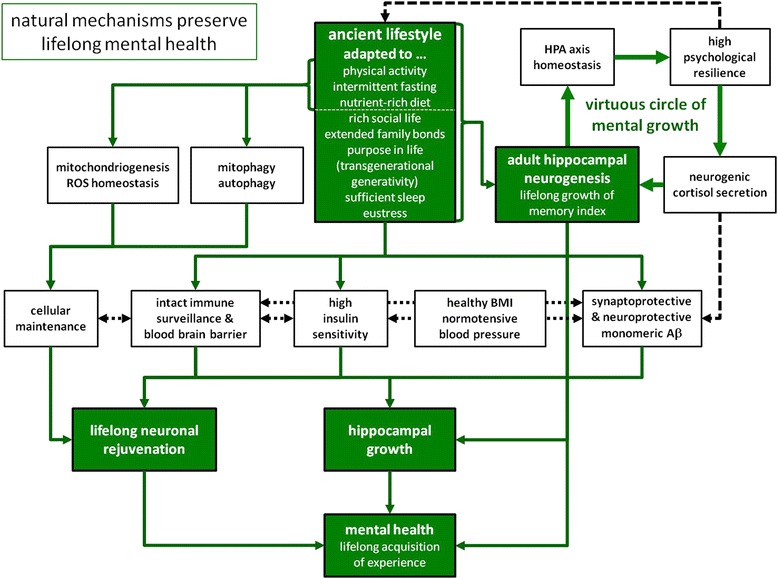
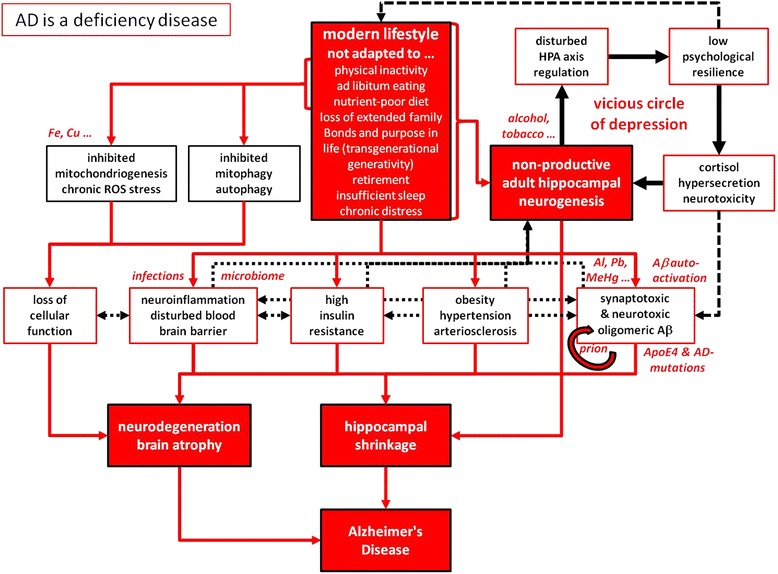
“Starting with age as the main cause and primary risk factor, AD is being explained by the oligomeric amyloid beta (Aβ) cascade hypothesis, which includes hyperphosphorylated and dysregulated tau [1], the intoxication hypothesis [2–4], chronic infections [5–7], microbiome composition [8], neuronal insulin resistance [9…”
BackgroundHofrichter, J., Krohn, M., Schumacher, T., Lange, C., Feistel, B., Walbroel, B., Heinze, H.-J., Crockett, S., F.Sharbel, T., & Pahnke, J. (2013) · Current Alzheimer Research · doi:10.2174/15672050113106660171 · Cited by 86 · cited 1×
“(7) HPE treatment significantly decreases intracerebral Aβ42 levels (8), rescues neocortical neurons from toxic Aβ, (9) restores cognition to normal levels, and (10) and activates microglia in vitro and in vivo [557].”
BackgroundObesity, diabetes, and leptin resistance promote tau pathology in a mouse model of disease
Platt, T. L., Beckett, T. L., Kohler, K., Niedowicz, D. M., & Murphy, M. P. (2016) · Neuroscience · doi:10.1016/j.neuroscience.2015.12.011 · Cited by 85 · cited 1×
“shown to promote AD-relevant tau pathology [422].”
Carrier, N., & Kabbaj, M. (2012) · Biological Psychiatry · doi:10.1016/j.biopsych.2011.11.028 · Cited by 84 · cited 1×
“In addition to BDNF, NGF, GDNF, EPO and VEGF, mentioned above, physical exercise was found to stimulate AHN through dihydrotestosterone [238], which, not surprisingly, mediates the well-known antidepressant effects of physical activity [239].”
BackgroundTemporal dynamics of hippocampal neurogenesis in chronic neurodegeneration
Gomez-Nicola, D., Suzzi, S., Vargas-Caballero, M., Fransen, N. L., Al-Malki, H., Cebrian-Silla, A., Garcia-Verdugo, J. M., Riecken, K., Fehse, B., & Perry, V. H. (2014) · Brain · doi:10.1093/brain/awu155 · Cited by 84 · cited 1×
“Proof of the persistence of the neurogenic potential up to higher age is even provided by analysis of postmortem brains in late-stage AD [621].”
BackgroundRaymond, L. J., Deth, R. C., & Ralston, N. V. C. (2014) · Autism Research and Treatment · doi:10.1155/2014/164938 · Cited by 82
Nunes, M. A., Schöwe, N. M., Monteiro-Silva, K. C., Baraldi-Tornisielo, T., Souza, S. I. G., Balthazar, J., Albuquerque, M. S., Caetano, A. L., Viel, T. A., & Buck, H. S. (2015) · PLOS ONE · doi:10.1371/journal.pone.0142267 · Cited by 82 · cited 1×
“Furthermore, such “ADmice” treated from two months of age had decreased numbers of senile plaques, no neuronal loss in cortex and hippocampus and increased BDNF levels when compared to non-treated transgenic mice [363].”
ResultReview of Dairy Consumption and Cognitive Performance in Adults: Findings and Methodological Issues
Crichton, G. E., Bryan, J., Murphy, K. J., & Buckley, J. D. (2010) · Dementia and Geriatric Cognitive Disorders · doi:10.1159/000320987 · Cited by 81 · cited 1×
“TFAs drive the mortality risk from cardiovascular diseases [509] and increase the rates of cognitive decline in the elderly, again, irrespective of the source [510, 511].”
BackgroundOhnuma, T., Toda, A., Kimoto, A., Takebayashi, Y., Higashiyama, R., Tagata, Y., Ito, M., Ota, T., Shibata, N., & Arai, H. (2016) · Clinical Interventions in Aging · doi:10.2147/cia.s95362 · Cited by 81
Local and regional heterogeneity underlying hippocampal modulation of cognition and mood
Tannenholz, L., Jimenez, J. C., & Kheirbek, M. A. (2014) · Frontiers in Behavioral Neuroscience · doi:10.3389/fnbeh.2014.00147 · Cited by 80
Brenn, A., Grube, M., Jedlitschky, G., Fischer, A., Strohmeier, B., Eiden, M., Keller, M., Groschup, M. H., & Vogelgesang, S. (2014) · Brain Pathology · doi:10.1111/bpa.12069 · Cited by 79 · cited 1×
“Likewise, HPE treatment reduced Aβ-accumulation in a double transgenic ADmodel by activating ABCB1, another ABC transporter involved in Aβ export [558].”
BackgroundAutophagy in Aging and Alzheimer's Disease: Pathologic or Protective?
Barnett, A., & Brewer, G. J. (2011) · Journal of Alzheimer's Disease · doi:10.3233/jad-2011-101989 · Cited by 78 · cited 1×
“Conversely, the accumulation of nonfunctional macromolecular and damaged mitochondria affect cell function with symptoms arising, when over many years the rate of damage exceeds the rate of repair and turnover [76].”
BackgroundSystemically delivered Erythropoietin transiently enhances adult hippocampal neurogenesis
Ransome, M. I., & Turnley, A. M. (2007) · Journal of Neurochemistry · doi:10.1111/j.1471-4159.2007.04684.x · Cited by 77 · cited 1×
“It also activates AHN [233, 234] and protects hippocampal neurons through increasing the expression of BDNF [235].”
BackgroundConner, T. S., Richardson, A. C., & Miller, J. C. (2014) · Journal of Nutrition · doi:10.3945/jn.114.198010 · Cited by 77 · cited 1×
“risk of depressive symptomatology in young adults [345].”
BackgroundTreatment for mild cognitive impairment: a systematic review and meta-analysis
Fitzpatrick-Lewis, D., Warren, R., Ali, M. U., Sherifali, D., & Raina, P. (2015) · CMAJ Open · doi:10.9778/cmajo.20150057 · Cited by 77 · cited 17×
“However, despite the fact that lowering homocysteinelevels by supplementing B vitamins was shown to significantly slow-down the rate of accelerated brain atrophy in MCI (from 1.08 % per year in the placebo group to 0.76 % in the active treatment group) [329], no full prevention nor cure of AD can be expected, accordin…”
InfluentialDynamic role of adult-born dentate granule cells in memory processing
Kropff, E., Yang, S. M., & Schinder, A. F. (2015) · Current Opinion in Neurobiology · doi:10.1016/j.conb.2015.06.002 · Cited by 76 · cited 1×
“membered event is required [147], as originally outlined by the hippocampal memory index theory (HMIT).”
BackgroundVisceral Adipose Tissue and Atherosclerosis
Öhman, M. K., Wright, A., Wickenheiser, K. J., Luo, W., & Eitzman, D. T. (2009) · Current Vascular Pharmacology · doi:10.2174/157016109787455680 · Cited by 75 · cited 1×
“In particular, the epidemic visceral obesity causes a rise of several disease risks for AD like the development of chronic inflammation [411], insulin resistance [412], hypertension [413], hypercholesterolemia [414], arteriosclerosis [415] and finally, the metabolic syndrome, a condition composed of more or less all t…”
BackgroundFu, B., Zhang, J., Zhang, X., Zhang, C., Li, Y., Zhang, Y., He, T., Li, P., Zhu, X., Zhao, Y., et al. (2014) · Neuroscience · doi:10.1016/j.neuroscience.2014.09.058 · Cited by 75 · cited 1×
“(7) ALA increases PGC-1α expression and activates a compromised cerebral blood flow, thereby protecting against focal ischemia [573].”
BackgroundDrago, D., Cavaliere, A., Mascetra, N., Ciavardelli, D., Di Ilio, C., Zatta, P., & Sensi, S. L. (2008) · Rejuvenation Research · doi:10.1089/rej.2008.0761 · Cited by 75 · cited 1×
“In addition, aluminium may play crucial roles as a cross-linker in Aβ oligomerization [524].”
BackgroundPerrone, L., & Grant, W. B. (2015) · Journal of Alzheimer's Disease · doi:10.3233/jad-140720 · Cited by 74 · cited 1×
“siderable evidence that advanced glycation end products (AGEs) might play a role in AD [271].”
BackgroundHippocampal ER Stress and Learning Deficits Following Repeated Pyrethroid Exposure
Hossain, M. M., DiCicco-Bloom, E., & Richardson, J. R. (2015) · Toxicological Sciences · doi:10.1093/toxsci/kfu226 · Cited by 74 · cited 1×
“The widely used pyrethroid pesticide deltamethrin induces apoptotic signalling in the hippocampus and impairs AHN [521].”
BackgroundSleep and Adult Neurogenesis: Implications for Cognition and Mood
Mueller, A. D., Meerlo, P., McGinty, D., & Mistlberger, R. E. (2013) · Current topics in behavioral neurosciences · doi:10.1007/7854_2013_251 · Cited by 74 · cited 1×
“In addition to the manifold mechanisms by which sleep disruption causes an increase in AD risk [456], a”
BackgroundEnvironmental Enrichment Counteracts Alzheimer’s Neurovascular Dysfunction in TgCRND8 Mice
Herring, A., Yasin, H., Ambrée, O., Sachser, N., Paulus, W., & Keyvani, K. (2008) · Brain Pathology · doi:10.1111/j.1750-3639.2007.00094.x · Cited by 73 · cited 17×
“Indeed, sleep restriction in general [463] and REM sleep restriction in particular was found to increase BBB permeability, but even brief periods of deep sleep rapidly and effectively restored even severe alterations of BBB function [464].”
BackgroundInfluentialAlzheimer’s disease causation by copper toxicity and treatment with zinc
Brewer, G. J. (2014) · Frontiers in Aging Neuroscience · doi:10.3389/fnagi.2014.00092 · Cited by 73 · cited 2×
“patients [3] and (3) treatment with free copperlowering ALA [537], as will be discussed in more”
BackgroundMethodMelatonin Therapy in Patients with Alzheimer’s Disease
Cardinali, D., Vigo, D., Olivar, N., Vidal, M., & Brusco, L. (2014) · Antioxidants · doi:10.3390/antiox3020245 · Cited by 73 · cited 1×
“Medications like melatonin [468], analogues [469], or its precursor tryptophan (which is also”
BackgroundPyrroloquinoline quinone (PQQ) prevents fibril formation of α-synuclein
Kobayashi, M., Kim, J., Kobayashi, N., Han, S.-W., Nakamura, C., Ikebukuro, K., & Sode, K. (2006) · Biochemical and Biophysical Research Communications · doi:10.1016/j.bbrc.2006.08.144 · Cited by 73 · cited 1×
“Surprisingly, PQQ was found to inhibit the neurotoxic oligomerization of α-Synuclein, a causative link in the chain of events leading to Parkinson’s disease [612].”
BackgroundMetabolic Syndrome and Cognitive Decline in Early Alzheimer's Disease and Healthy Older Adults
Watts, A. S., Loskutova, N., Burns, J. M., & Johnson, D. K. (2013) · Journal of Alzheimer's Disease · doi:10.3233/jad-121168 · Cited by 72 · cited 1×
“In particular, the epidemic visceral obesity causes a rise of several disease risks for AD like the development of chronic inflammation [411], insulin resistance [412], hypertension [413], hypercholesterolemia [414], arteriosclerosis [415] and finally, the metabolic syndrome, a condition composed of more or less all t…”
BackgroundLow Risk of Male Suicide and Lithium in Drinking Water
Ishii, N., Terao, T., Araki, Y., Kohno, K., Mizokami, Y., Shiotsuki, I., Hatano, K., Makino, M., Kodama, K., & Iwata, N. (2015) · The Journal of Clinical Psychiatry · doi:10.4088/jcp.14m09218 · Cited by 72 · cited 1×
“In humans, epidemiological studies indicate an inverse correlation between lithium concentration in drinking water and mood, depression and suicide rates [354], amongst other psychiatric conditions [355].”
BackgroundHormonal regulation of ketone-body metabolism in man.
Alberti, K. G. M. M., Johnston, D. G., Gill, A., Barnes, A., & Ørskov, H. (1978) · PubMed · Cited by 71
Varman, D. R., & Rajan, K. E. (2015) · PLoS ONE · doi:10.1371/journal.pone.0127945 · Cited by 71 · cited 1×
“Interestingly, the NPY-ergic system was recently found to be a key mediator of the EE-facilitated coping-with-stress response and reduced anxiety in an animal model for posttraumatic stress [449].”
BackgroundEhninger, D. (2012) · Neuropharmacology · doi:10.1016/j.neuropharm.2012.05.015 · Cited by 71
Genuis, S. J., & Kelln, K. L. (2015) · Behavioural Neurology · doi:10.1155/2015/620143 · Cited by 71 · cited 1×
“Elimination of stockpiled toxins from the body by ALA may diminish their adverse impact on human biology and allow restoration of physiological function (for review see [567]).”
BackgroundSocial isolation disrupts hippocampal neurogenesis in young non-human primates
Cinini, S. M., Barnabe, G. F., Galvão-Coelho, N., de Medeiros, M. A., Perez-Mendes, P., Sousa, M. B. C., Covolan, L., & Mello, L. E. (2014) · Frontiers in Neuroscience · doi:10.3389/fnins.2014.00045 · Cited by 71 · cited 1×
“In contrast, unintended by the individual or even forced social isolation is stressful and disrupts AHN, as was recently shown in marmoset monkeys [435].”
BackgroundNejati, S., Zahiroddin, A., Afrookhteh, G., Rahmani, S., & Hoveida, S. (2015) · PubMed Central · Cited by 70
Hawkes, K. (2010) · Proceedings of the National Academy of Sciences · doi:10.1073/pnas.0914627107 · Cited by 69
Neuroticism and introversion are associated with salivary cortisol patterns in adolescents
Hauner, K. K. Y., Adam, E. K., Mineka, S., Doane, L. D., DeSantis, A. S., Zinbarg, R., Craske, M., & Griffith, J. W. (2008) · Psychoneuroendocrinology · doi:10.1016/j.psyneuen.2008.07.011 · Cited by 69 · cited 1×
““neuroticism” and introversion, are associated with HPA axis dysregulation [442, 443].”
BackgroundRabaneda, L. G., Carrasco, M., López-Toledano, M. A., Murillo‐Carretero, M., Ruiz, F. A., Estrada, C., & Castro, C. (2008) · The FASEB Journal · doi:10.1096/fj.08-109306 · Cited by 69 · cited 1×
“Furthermore, elevated homocysteine was shown to be detrimental to AHN [326], where it inhibits the proliferation of neuronal precursors by interfering with several signalling pathways required for cell proliferation [327].”
BackgroundNutritional status, oxidative stress and dementia: the role of selenium in Alzheimer's disease
dos Santos, J. R., de Gois, A. M., Mendonça, D. M. F., & Freire, M. A. M. (2014) · Frontiers in Aging Neuroscience · doi:10.3389/fnagi.2014.00206 · Cited by 68 · cited 1×
“Selenium deficiency plays an important role in AD [342, 343], because selenium-dependent enzymes (sele-”
BackgroundWilson, V. K., Houston, D. K., Kilpatrick, L., Lovato, J., Yaffe, K., Cauley, J. A., Harris, T. B., Simonsick, E. M., Ayonayon, H. N., Kritchevsky, S. B., et al. (2014) · Journal of the American Geriatrics Society · doi:10.1111/jgs.12765 · Cited by 68
Mishra, D., Tiwari, S. K., Agarwal, S., Sharma, V. P., & Chaturvedi, R. K. (2012) · Toxicological Sciences · doi:10.1093/toxsci/kfs004 · Cited by 68 · cited 1×
“Similar effects were observed for Carbofuran, a carbamate pesticide [522].”
BackgroundRole of Thiamine in Alzheimer's Disease
Lương, K. V. Q., & Nguyễn, L. (2011) · American Journal of Alzheimer s Disease & Other Dementias® · doi:10.1177/1533317511432736 · Cited by 68 · cited 1×
“complex vitamins [315], vitamin B1 [316, 317], B3 [318, 319], B6, B9 and B12 (see below), C (for a comprehen-”
The mammalian target of rapamycin at the crossroad between cognitive aging and Alzheimer’s disease
Talboom, J. S., Velazquez, R., & Oddo, S. (2015) · npj Aging and Mechanisms of Disease · doi:10.1038/npjamd.2015.8 · Cited by 67 · cited 13×
“Rapamycin treatment was found to activate autophagy by inhibiting mTOR [80], thereby slowing down both aging and cognitive decline of caged mice [81], suggesting that inefficient autophagy as part of the NRJ-program might be a central element of both processes.”
BackgroundInfluentialMura, E., Zappettini, S., Preda, S., Biundo, F., Lanni, C., Grilli, M., Cavallero, A., Olivero, G., Salamone, A., Govoni, S., et al. (2012) · PLoS ONE · doi:10.1371/journal.pone.0029661 · Cited by 66 · cited 1×
“It has been shown, that at lower, picomolar concentrations, Aβ increase LTP, whereas at higher, nanomolar concentrations, Aβ leads to a reduction of potentiation [119].”
BackgroundThe Effect of Lipoic Acid Therapy on Cognitive Functioning in Patients with Alzheimer's Disease
Fava, A., Pirritano, D., Plastino, M., Cristiano, D., Puccio, G., Colica, C., Ermio, C., De Bartolo, M., Mauro, G., & Bosco, D. (2013) · Journal of Neurodegenerative Diseases · doi:10.1155/2013/454253 · Cited by 65 · cited 1×
“Treatment with 600 mg ALA daily improved MMSE scores in mild to moderate AD patients particularly if there was a comorbidity with type-2-diabetes [585], perhaps due to the additional capability of ALA of improving insulin sensitivity.”
BackgroundJiang, T., Yin, F., Yao, J., Brinton, R. D., & Cadenas, E. (2013) · Aging Cell · doi:10.1111/acel.12127 · Cited by 65
Inestrosa, N. C., Tapia-Rojas, C., Griffith, T. N., Carvajal, F. J., Benito, M. J., Rivera-Dictter, A., Alvarez, A. R., Serrano, F. G., Hancke, J. L., Burgos, P. V., et al. (2011) · Translational Psychiatry · doi:10.1038/tp.2011.19 · Cited by 64 · cited 1×
“By this mode of action, (12) THH prevented tau phosphorylation and synaptotoxicity in a murine AD model [560].”
BackgroundThe Ever-Changing Morphology of Hippocampal Granule Neurons in Physiology and Pathology
Llorens-Martín, M., Rábano, A., & Ávila, J. (2016) · Frontiers in Neuroscience · doi:10.3389/fnins.2015.00526 · Cited by 64 · cited 1×
“(for review see [624]).”
Oxytocin modulates behavioral and physiological responses to a stressor in marmoset monkeys
Cavanaugh, J., Carp, S. B., Rock, C. M., & French, J. A. (2016) · Psychoneuroendocrinology · doi:10.1016/j.psyneuen.2015.12.027 · Cited by 64 · cited 1×
“Particularly oxytocin is a potent activator of AHN even under stressful situations marked by high cortisol levels [444], and was found to positively modulate the behavioural and physiological responses to stressors [445].”
BackgroundJasienska, G., Ellison, P. T., Galbarczyk, A., Jasienski, M., Kalemba-Drozdz, M., Kapiszewska, M., Nenko, I., Thune, I., & Ziomkiewicz, A. (2015) · Proceedings of the Royal Society B: Biological Sciences · doi:10.1098/rspb.2014.2395 · Cited by 62 · cited 1×
“ApoE4 might therefore be advantageous regarding fertility and therefore in reproductive performance [52].”
BackgroundImportance and management of micronutrient deficiencies in patients with Alzheimer’s disease
Cardoso, B., Cominetti, & Cozzolino (2013) · Clinical Interventions in Aging · doi:10.2147/cia.s27983 · Cited by 62 · cited 1×
“Therefore, management of potential micronutrients deficiencies can only be one, albeit important, aspect of AD prevention and treatment strategies (for review see [313, 330]).”
BackgroundZhao, R., Xu, F., Xu, X., Tan, G., Liu, L.-M., Wu, N., Zhang, W.-Z., & Liu, J.-X. (2014) · Neuroscience Letters · doi:10.1016/j.neulet.2014.12.037 · Cited by 62 · cited 1×
“By activation of choline acetyltransferase [581], ALA raises brain ACH-levels and thereby as well supports AHN.”
BackgroundK. Lee, J., K. Jin, H., & Bae, J.-S. (2010) · Current Alzheimer Research · doi:10.2174/156720510792231739 · Cited by 62 · cited 1×
“Some experiments provided the unexpected evidence that proliferating stem cells injected in the murine hippocampus even ameliorated Aβ-induced neurotoxicity and cognitive decline by inhibiting apoptotic cell death and oxidative stress [635].”
BackgroundBanin, R. M., Hirata, B. K. S., de Andrade, I. S., Zemdegs, J. C. S., Clemente, A. P. G., Dornellas, A. P. S., Boldarine, V. T., Estadella, D., de Albuquerque, K. T., Oyama, L. M., et al. (2014) · Brazilian Journal of Medical and Biological Research · doi:10.1590/1414-431x20142983 · Cited by 61 · cited 1×
“In diet-induced obese rats, (8) EGbs improve insulin signalling, dyslipidemia, and body adiposity, hence support dysfunctional energy metabolism [597]; (9) EGb-761 protected in ovariectomized rats as models of post-menopause against the decrease of cytochrome c oxidase activity, mitochondrial adenosine-5′-triphosphate…”
BackgroundDepression subtypes and 5‐year risk of dementia and Alzheimer disease in patients aged 70 years
Vilalta‐Franch, J., López‐Pousa, S., Llinàs‐Reglà, J., Calvó‐Perxas, L., Merino‐Aguado, J., & Garre‐Olmo, J. (2013) · International Journal of Geriatric Psychiatry · doi:10.1002/gps.3826 · Cited by 60 · cited 1×
“Conversely, impairment of AHN leads to anxiety (inhibition of a novelty-seeking behaviour), major depression [175] and chronically elevated cortisol, all three distinctive warning signs of early AD and potential causative risk factors [176, 177].”
BackgroundLossi, L., Mioletti, S., & Merighi, A. (2002) · Neuroscience · doi:10.1016/s0306-4522(02)00112-4 · Cited by 60
Effects of nicotine on neurogenesis and plasticity of hippocampal neurons
Shingo, A. S., & Kito, S. (2005) · Journal of Neural Transmission · doi:10.1007/s00702-005-0370-2 · Cited by 60 · cited 1×
“But also electronic cigarettes, even if they would only contain nicotine as an ingredient (which they do not), are unhealthy and most likely AD-promoting, as nicotine impairs neurogenesis and plasticity of hippocampal neurons [501].”
BackgroundTanriover, G., Seval-Celik, Y., Ozsoy, O., Akkoyunlu, G., Savcioglu, F., Hacioglu, G., Demir, N., & Agar, A. (2010) · Folia Histochemica et Cytobiologica · doi:10.2478/v10042-010-0047-6 · Cited by 60 · cited 6×
“Abbreviations AA, arachidonic acid; Aβ, amyloid beta; AcAc, acetoacetate; ACh, acetylcholine; AChEI, acetylcholinesterase inhibitor; ACTH, adrenocorticotropic hormone; AD, Alzheimer’s Disease; AGEs, advanced glycation end products; AHN, adult hippocampal neurogenesis; ALA, α-lipoic acid; alpha7-nAChRs, alpha7containin…”
BackgroundInfluentialResponse of ketone body metabolism to exercise during transition from postabsorptive to fasted state
Fery, F., & Balasse, E. O. (1986) · American Journal of Physiology-Endocrinology and Metabolism · doi:10.1152/ajpendo.1986.250.5.e495 · Cited by 60 · cited 1×
“A physiologically relevant increase in ketone body production is already achieved by fasting overnight, which can even be enhanced if we are physically active before breaking the fasting in the morning [97].”
BackgroundMauer, S., Vergne, D., & Ghaemi, S. N. (2014) · Australian & New Zealand Journal of Psychiatry · doi:10.1177/0004867414536932 · Cited by 60 · cited 1×
“processes [358].”
Spalletta, G., Caltagirone, C., Girardi, P., Gianni, W., Casini, A. R., & Palmer, K. (2012) · Psychiatry Research · doi:10.1016/j.psychres.2011.11.018 · Cited by 59 · cited 1×
“pathology, such as increased neurofibrillary tangle load [185] and faster rate of cognitive decline [186].”
BackgroundPark, H., Ran, Y., Jung, J. I., Holmes, O. W., Price, A. R., Smithson, L. A., Ceballos‐Diaz, C., Han, C. J., Wolfe, M. S., Daaka, Y., et al. (2015) · The EMBO Journal · doi:10.15252/embj.201488795 · Cited by 59
A Survey of FDG- and Amyloid-PET Imaging in Dementia and GRADE Analysis
Daniela, P., Orazio, S., Alessandro, P., Mariano, N. F., Leonardo, I., Pasquale Anthony, D. R., Giovanni, F., & Carlo, C. (2014) · BioMed Research International · doi:10.1155/2014/785039 · Cited by 58
Suh, J. H., Zhu, B.-Z., deSzoeke, E., Frei, B., & Hagen, T. M. (2004) · Redox Report · doi:10.1179/135100004225003923 · Cited by 58 · cited 1×
“Importantly, neither ALA nor DHLA is capable of removing iron from aconites or copper from superoxide dismutase, implying that ALA supplementation modulates only the labile pool of redox active transition metals without causing metal depletion [568].”
BackgroundZhu, Y., Zhou, R., Yang, R., Zhang, Z., Bai, Y., Chang, F., Li, L., Sokabe, M., Goltzman, D., Miao, D., et al. (2010) · Hippocampus · doi:10.1002/hipo.20908 · Cited by 58
Serum 25-hydroxyvitamin D predicts cognitive performance in adults
Darwish, H., Zeinoun, P. A., Ghusn, H., Khoury, B. A., Tamim, H., & Khoury, S. J. (2015) · Neuropsychiatric Disease and Treatment · doi:10.2147/ndt.s87014 · Cited by 57
TGF-β1 Protection against Aβ1–42-Induced Neuroinflammation and Neurodegeneration in Rats
Shen, W.-X., Chen, J.-H., Lu, J.-H., Peng, Y.-P., & Qiu, Y.-H. (2014) · International Journal of Molecular Sciences · doi:10.3390/ijms151222092 · Cited by 57
Voloboueva, L. A., Lee, S. W., Emery, J. F., Palmer, T. D., & Giffard, R. G. (2010) · The Journal of Neuroscience · doi:10.1523/jneurosci.1752-10.2010 · Cited by 57 · cited 1×
“drial protection attenuates inflammation-induced impairment of AHN [570].”
BackgroundCastellani, R. J., Smith, M. A., Perry, G., & Friedland, R. P. (2004) · Neurobiology of Aging · doi:10.1016/j.neurobiolaging.2003.12.019 · Cited by 57 · cited 1×
“enhancing the arteriosclerotic process [493].”
ACTIVE cognitive training and rates of incident dementia
Unverzagt, F. W., Guey, L. T., Jones, R. N., Marsiske, M., King, J. W., Wadley, V. G., Crowe, M., Rebok, G. W., & Tennstedt, S. L. (2012) · Journal of the International Neuropsychological Society · doi:10.1017/s1355617711001470 · Cited by 56 · cited 1×
“Although computerbased mental training has it benefits for the skills being trained [431], it is therefore no surprise that cognitive training was not found to be associated with a lower rate of incidence in dementia [432].”
BackgroundChoi, K., Park, M., Kim, H.-S., Kim, K.-T., Kim, J., Kim, J., Kim, B.-C., Kim, M.-K., Park, J., & Cho, K. (2015) · Molecular Brain · doi:10.1186/s13041-015-0101-6 · Cited by 56 · cited 1×
“This might explain why ALA treatment in a stroke model was recently shown to be neuro-restorative and promoting functional recovery [575].”
BackgroundChronic in vitro ketosis is neuroprotective but not anti‐convulsant
Samoilova, M., Weisspapir, M., Abdelmalik, P., Velumian, A. A., & Carlen, P. L. (2010) · Journal of Neurochemistry · doi:10.1111/j.1471-4159.2010.06645.x · Cited by 56 · cited 1×
“Similarly, βOHB protects hippocampal cultures from hypoxia and glutamate excitotoxicity [386], as well as Aβ-toxicity (for review see [387, 388]).”
BackgroundMcAvoy, K., Besnard, A., & Sahay, A. (2015) · Frontiers in Systems Neuroscience · doi:10.3389/fnsys.2015.00120 · Cited by 55 · cited 1×
“of new with former memories [145, 146].”
Alzheimer's Disease Promotion by Obesity: Induced Mechanisms—Molecular Links and Perspectives
Businaro, R., Ippoliti, F., Ricci, S., Canitano, N., & Fuso, A. (2012) · Current Gerontology and Geriatrics Research · doi:10.1155/2012/986823 · Cited by 55 · cited 1×
“Taken together, adipokines impact directly and indirectly on key brain functions, which adds central obesity in midlife to the large list of causal risk factors for AD [extensively reviewed in [424] and [425].”
BackgroundDetrimental role of prolonged sleep deprivation on adult neurogenesis
Fernandes, C., Rocha, N. B. F., Rocha, S., Herrera-Solís, A., Salas-Pacheco, J., García-García, F., Murillo-Rodríguez, E., Yuan, T.-F., Machado, S., & Arias-Carrión, O. (2015) · Frontiers in Cellular Neuroscience · doi:10.3389/fncel.2015.00140 · Cited by 54 · cited 2×
“Hence prolonged sleep deprivation is detrimental to AHN [142] and thereby decreases the number of possible distinct codes (indexes)”
BackgroundDual effects of increased glycogen synthase kinase-3β activity on adult neurogenesis
Fuster-Matanzo, A., Llorens-Martín, M., Sirerol-Piquer, M. S., García-Verdugo, J. M., Avila, J., & Hernández, F. (2013) · Human Molecular Genetics · doi:10.1093/hmg/dds533 · Cited by 54
How amyloid, sleep and memory connect
Lucey, B. P., & Holtzman, D. M. (2015) · Nature Neuroscience · doi:10.1038/nn.4048 · Cited by 53 · cited 1×
“But toxic Aβ also impairs sleep [490], which at least in the early phase of AD might be a significant”
BackgroundKaneko, N., Kako, E., & Sawamoto, K. (2013) · Frontiers in Cellular Neuroscience · doi:10.3389/fncel.2013.00235 · Cited by 53 · cited 1×
“It also activates AHN [233, 234] and protects hippocampal neurons through increasing the expression of BDNF [235].”
BackgroundGiuffrida, M. L., Tomasello, M. F., Pandini, G., Caraci, F., Battaglia, G., Busceti, C., Di Pietro, P., Pappalardo, G., Attanasio, F., Chiechio, S., et al. (2015) · Frontiers in Cellular Neuroscience · doi:10.3389/fncel.2015.00297 · Cited by 52 · cited 1×
“,Monomeric Aβ was also shown to be neuroprotective by increasing neuronal activity-dependent glucose uptake through activation of the type-1 IGF-1receptor, which is vital for maintaining neuronal glucose homeostasis [191].”
BackgroundWhy have we Failed to Cure Alzheimer's Disease?
Korczyn, A. D. (2012) · Journal of Alzheimer's Disease · doi:10.3233/jad-2011-110359 · Cited by 52 · cited 2×
“ginal success can be reported [16], since only those few”
BackgroundLarqué, E., Pérez‐Llamas, F., Puerta, V., Girón, M. D., Suárez, M. D., Zamora, S., & Gil, Á. (2000) · Pediatric Research · doi:10.1203/00006450-200002000-00021 · Cited by 52 · cited 1×
“Furthermore, TFAs inhibit the conversion of n-3 PUFAs into DHA, limiting their accumulation in the brain [512].”
BackgroundA unifying hypothesis of alzheimer's disease
Heininger, K. (2000) · Neurobiology of Aging · doi:10.1016/s0197-4580(00)83327-8 · Cited by 52
Leontieva, O. V., Paszkiewicz, G. M., & Blagosklonny, M. V. (2012) · Aging · doi:10.18632/aging.100528 · Cited by 51 · cited 1×
“Conversely, caging (standard housing) might eliminate an important behavioural cues (like for instance physical activity or intermittent fasting, see below), which leads to unnaturally high activity of mTOR and low activity of peroxisome proliferatoractivated receptor γ coactivator 1α (PGC-1α) [82], the master control…”
BackgroundBauerly, K. A., Storms, D. H., Harris, C., Hajizadeh, S., Sun, M., Cheung, C. P., Satre, M. A., Fascetti, A. J., Tchaparian, E. H., & Rucker, R. B. (2006) · Biochimica et Biophysica Acta (BBA) - General Subjects · doi:10.1016/j.bbagen.2006.07.009 · Cited by 51 · cited 1×
“PQQ-deficient animals also show low cellular mitochondrial content, which is reversed when as little as 200–300 μg of PQQ/kg of diet are added [608].”
BackgroundLaake, I., Pedersen, J. I., Selmer, R., Kirkhus, B., Lindman, A. S., Tverdal, A., & Veierød, M. B. (2012) · British Journal of Nutrition · doi:10.1017/s0007114511005897 · Cited by 50 · cited 1×
“TFAs drive the mortality risk from cardiovascular diseases [509] and increase the rates of cognitive decline in the elderly, again, irrespective of the source [510, 511].”
BackgroundOral Health in Alzheimers Disease: A Review
Mancini, M., Grappasonni, I., Scuri, S., & Amenta, F. (2010) · Current Alzheimer Research · doi:10.2174/156720510791162359 · Cited by 50
Vitamin D and hippocampal development-the story so far
Lardner, A. L. (2015) · Frontiers in Molecular Neuroscience · doi:10.3389/fnmol.2015.00058 · Cited by 49 · cited 1×
“I understand that there is a strong scientific need to understand better how Vitamin D insufficiency dysregulates certain nerve growth factors and respective signalling pathways [337], but waiting for more scientific understanding what goes wrong when an essential vitamin is missing does not help those who suffer righ…”
BackgroundLipoic Acid Reduces the Activities of Biotin-Dependent Carboxylases in Rat Liver ,
Zempleni, J., Trusty, T. A., & Mock, D. M. (1997) · Journal of Nutrition · doi:10.1093/jn/127.9.1776 · Cited by 49
Wong, B. X., & Duce, J. A. (2014) · Frontiers in Pharmacology · doi:10.3389/fphar.2014.00081 · Cited by 49 · cited 1×
“Iron complexes with ferritin, the major cellular storage of this transition metal [530].”
BackgroundMetabolic response to a ketogenic breakfast in the healthy elderly
Freemantle, E., Vandal, M., Tremblay-Mercier, J., Plourde, M., Poirier, J., & Cunnane, S. C. (2009) · The Journal of nutrition, health and aging · doi:10.1007/s12603-009-0026-9 · Cited by 49 · cited 1×
“also to be unaffected by aging [100].”
Neuron Addition and Loss in the Song System: Regulation and Function
WILBRECHT, L., & KIRN, J. R. (2004) · Annals of the New York Academy of Sciences · doi:10.1196/annals.1298.024 · Cited by 49 · cited 1×
“The study of food-storing [200] and song-learning birds [201] revealed the phenomenon of seasonal growth of functionally hippocampus-like brain structures and that AHN and behaviour (e.”
BackgroundTam, Z. Y., Gruber, J., Ng, L. F., Halliwell, B., & Gunawan, R. (2014) · The Journals of Gerontology Series A: Biological Sciences and Medical Sciences · doi:10.1093/gerona/glt210 · Cited by 48
Dangerous Leaks: Blood-Brain Barrier Woes in the Aging Hippocampus
Iadecola, C. (2015) · Neuron · doi:10.1016/j.neuron.2014.12.056 · Cited by 47
Crawford, M. A., & Broadhurst, C. L. (2012) · Nutrition and Health · doi:10.1177/0260106012437550 · Cited by 47 · cited 1×
“Indeed, there is also now incontrovertible support from fossil evidence for the hypothesis that steady access to the marine food web must have played a critical role in human’s final steps in evolution [305].”
BackgroundMagnitude of Effect and Special Approach to Ginkgo biloba Extract EGb 761® in Cognitive Disorders
Bars, P. L. L. (2003) · Pharmacopsychiatry · doi:10.1055/s-2003-40458 · Cited by 46 · cited 1×
“9 % is bilobalide), and 5–10 % organic acids (for review see [590]).”
BackgroundGraves, A. B., Rajaram, L., Bowen, J. D., McCormick, W. C., McCurry, S. M., & Larson, E. B. (1999) · The Journals of Gerontology Series B: Psychological Sciences and Social Sciences · doi:10.1093/geronb/54b.3.s154 · Cited by 45 · cited 4×
“In particular, the epidemic visceral obesity causes a rise of several disease risks for AD like the development of chronic inflammation [411], insulin resistance [412], hypertension [413], hypercholesterolemia [414], arteriosclerosis [415] and finally, the metabolic syndrome, a condition composed of more or less all t…”
BackgroundInfluentialLuo, Y., Ma, X., Shen, Y., Hao, Y., Hu, Y., Xiao, Y., Bao, Y., & Jia, W. (2014) · PLoS ONE · doi:10.1371/journal.pone.0112715 · Cited by 45 · cited 1×
“In particular, the epidemic visceral obesity causes a rise of several disease risks for AD like the development of chronic inflammation [411], insulin resistance [412], hypertension [413], hypercholesterolemia [414], arteriosclerosis [415] and finally, the metabolic syndrome, a condition composed of more or less all t…”
BackgroundAnti-Amyloidogenic Properties of Some Phenolic Compounds
Porzoor, A., Alford, B., Hügel, H., Grando, D., Caine, J., & Macreadie, I. (2015) · Biomolecules · doi:10.3390/biom5020505 · Cited by 45
Dogan, S., Johannsen, A. C., Grande, J. P., & Cleary, M. P. (2011) · Nutrition and Cancer · doi:10.1080/01635581.2011.535968 · Cited by 45 · cited 11×
“This is a good thing, since in order to maintain cellular youth, we do not have to starve by CCR.”
ResultInfluentialZhao, L., Wang, C., Song, D., Li, Y., Song, Y., Su, G., & Dunaief, J. L. (2014) · Investigative Ophthalmology & Visual Science · doi:10.1167/iovs.14-15025 · Cited by 44 · cited 38×
“By activation of choline acetyltransferase [581], ALA raises brain ACH-levels and thereby as well supports AHN.”
BackgroundInfluentialDong, W., Wang, R., Ma, L., Xu, B., Zhang, J., Zhao, Z., Wang, Y.-L., & Zhang, X. (2015) · PubMed · Cited by 44
Divalent Copper as a Major Triggering Agent in Alzheimer’s Disease
Brewer, G. J. (2015) · Journal of Alzheimer s Disease · doi:10.3233/jad-143123 · Cited by 44 · cited 1×
“pool, thereby attributing to AD progression [536].”
Zhao, L., Gong, N., Liu, M., Pan, X., Sang, S., Sun, X., Yu, Z., Fang, Q., Zhao, N., Fei, G., et al. (2014) · Neurobiology of Aging · doi:10.1016/j.neurobiolaging.2014.06.003 · Cited by 44 · cited 24×
“Since PQQ is also a potent plant growth factor, it is also part in the animal food chain.”
BackgroundInfluentialCavieres, V. A., González, A., Muñoz, V. C., Yefi, C. P., Bustamante, H. A., Barraza, R. R., Tapia-Rojas, C., Otth, C., Barrera, M. J., González, C., et al. (2015) · PLOS ONE · doi:10.1371/journal.pone.0136313 · Cited by 43 · cited 17×
“(11) In addition, THH was found to inhibit the amylogenic processing of APP [559].”
BackgroundInfluentialHigh White Matter Lesion Load Is Associated with Hippocampal Atrophy in Mild Cognitive Impairment
Eckerström, C., Olsson, E., Klasson, N., Bjerke, M., Göthlin, M., Jonsson, M., Rolstad, S., Malmgren, H., Wallin, A., & Edman, Å. (2011) · Dementia and Geriatric Cognitive Disorders · doi:10.1159/000323014 · Cited by 43 · cited 17×
“However, despite the fact that lowering homocysteinelevels by supplementing B vitamins was shown to significantly slow-down the rate of accelerated brain atrophy in MCI (from 1.08 % per year in the placebo group to 0.76 % in the active treatment group) [329], no full prevention nor cure of AD can be expected, accordin…”
ResultInfluentialLink Between Chronic Bacterial Inflammation and Alzheimer Disease
Bibi, F., Yasir, M., Sohrab, S., Azhar, E., Al-Qahtani, M., Abuzenadah, A., Kamal, M., & Naseer, M. (2014) · CNS & Neurological Disorders - Drug Targets · doi:10.2174/1871527313666140917115741 · Cited by 43 · cited 1×
“[481]) or other causes of chronic infections [482, 483].”
BackgroundBruijnzeel, A. W., Bauzo, R. M., Munikoti, V., Rodrick, G. B., Yamada, H., Fornal, C. A., Ormerod, B. K., & Jacobs, B. L. (2011) · Brain Research · doi:10.1016/j.brainres.2011.07.041 · Cited by 40 · cited 1×
“Tobacco smoke diminishes AHN and promotes gliogenesis in rats [499].”
BackgroundErratum to “A Survey of FDG- and Amyloid-PET Imaging in Dementia and GRADE Analysis”
Perani, D., Schillaci, O., Padovani, A., Nobili, F. M., Iaccarino, L., Rosa, P. A. D., Frisoni, G. B., & Caltagirone, C. (2014) · BioMed Research International · doi:10.1155/2014/246586 · Cited by 39
Lisman, J. E. (2010) · The Journal of Physiology · doi:10.1113/jphysiol.2010.201137 · Cited by 39 · cited 1×
“Both inputs appear to be required for event or pattern separation [164].”
BackgroundThe adaptive significance of adult neurogenesis: an integrative approach
Konefal, S., Elliot, M., & Crespi, B. J. (2013) · Frontiers in Neuroanatomy · doi:10.3389/fnana.2013.00021 · Cited by 38 · cited 1×
“researchers suggested the hypothesis, that a primary function of AHN involves the production not only of new neurons per se, but of new neurons with the synaptic properties of relatively young neurons [158].”
BackgroundOmega-3 Fatty Acids and Hippocampal Neurogenesis in Depression
Kang, J., & Gleason, E. (2013) · CNS & Neurological Disorders - Drug Targets · doi:10.2174/1871527311312040004 · Cited by 38 · cited 1×
“DHA depletion has been shown to result in decreased BDNF levels [513], in impeded productive AHN [514] and in neuroinflammation [308].”
BackgroundCellular targets for neuropeptide Y-mediated control of adult neurogenesis
Geloso, M. C., Corvino, V., Di Maria, V., Marchese, E., & Michetti, F. (2015) · Frontiers in Cellular Neuroscience · doi:10.3389/fncel.2015.00085 · Cited by 38 · cited 1×
“Besides oxytocin, in particular the activity of neuropeptide Y (NPY) in the neurogenic “niche” of the hippocampus has been associated with behavioural resilience to stressors [447], mediating the positive effects of certain stressors/rewarding experiences on AHN [448].”
BackgroundEpidemiology of neurodegeneration in American-style professional football players
Lehman, E. J. (2013) · Alzheimer's Research & Therapy · doi:10.1186/alzrt188 · Cited by 38 · cited 1×
“Several other studies confirmed these finding (for review see [47]): In particular speed players who commonly build up considerable momentum prior to tackling or”
Tetrahydrohyperforin Increases Adult Hippocampal Neurogenesis in Wild-Type and APPswe/PS1ΔE9 Mice
Abbott, A. C., Toledo, C. C., Aránguiz, F. C., Inestrosa, N. C., & Varela‐Nallar, L. (2013) · Journal of Alzheimer s Disease · doi:10.3233/jad-121714 · Cited by 37
TGF β Lengthens the G1 Phase of Stem Cells in Aged Mouse Brain
Daynac, M., Pineda, J. R., Chicheportiche, A., Gauthier, L. R., Morizur, L., Boussin, F. D., & Mouthon, M.-A. (2014) · Stem Cells · doi:10.1002/stem.1815 · Cited by 37 · cited 1×
“For example, chronic exposure to TGFβ lengthens the G1 phase of the cell cycle in activated stem cells, thereby impairing cell cycle progression of neural progenitors [632].”
BackgroundPrion-like Mechanisms in Alzheimer's Disease
Yin, R., Tan, L., Jiang, T., & Yu, J. (2014) · Current Alzheimer Research · doi:10.2174/156720501108140910121425 · Cited by 37 · cited 1×
“1) Aβ as well as tau protein, the capital agents for the senile plaques and intracellular neurofibrillary tangles, are also called ‘prionoids’ indicating that proteins exhibit prion-like properties [488], which is characterized by propagation of protein misfolding [489], hence they share key biophysical and biochemica…”
BackgroundPyrroloquinoline quinone inhibits the fibrillation of amyloid proteins
Kim, J., Kobayashi, M., Fukuda, M., Ogasawara, D., Kobayashi, N., Han, S. W., Nakamura, C., Inada, M., Miyaura, C., Ikebukuro, K., et al. (2010) · Prion · doi:10.4161/pri.4.1.10889 · Cited by 36 · cited 1×
“The anti-fibril-forming function of PQQ was soon extended to mouse prion protein and Aβ-42 [613].”
BackgroundZhang, J., Zhang, R., & Meng, X. (2009) · Neuroscience Letters · doi:10.1016/j.neulet.2009.08.037 · Cited by 35 · cited 1×
“Moreover, PQQ was shown to protect neuronal cells against Aβ-induced neurotoxicity [614].”
BackgroundPGC-1α: a master gene that is hard to master
Lindholm, D., Eriksson, O., Mäkelä, J., Belluardo, N., & Korhonen, L. (2012) · Cellular and Molecular Life Sciences · doi:10.1007/s00018-012-1043-0 · Cited by 35 · cited 1×
“Conversely, caging (standard housing) might eliminate an important behavioural cues (like for instance physical activity or intermittent fasting, see below), which leads to unnaturally high activity of mTOR and low activity of peroxisome proliferatoractivated receptor γ coactivator 1α (PGC-1α) [82], the master control…”
BackgroundSabokdast, M., Habibi-Rezaei, M., Moosavi‐Movahedi, A. A., Ferdousi, M., Azimzadeh-Irani, E., & Poursasan, N. (2015) · DARU Journal of Pharmaceutical Sciences · doi:10.1186/s40199-015-0126-5 · Cited by 34 · cited 1×
“In addition, βOHB counteracts neuroinflammation [389], protects against insulin glycation (insulin-AGEs) as a mechanism for neuronal insulin resistance, and increases microglia viability by an anti-lipid peroxidation effect [390].”
Background
Research works printed but not linked: 5
- Boyd W A textbook of pathology: an introduction to medicine, Lea and febiger 1938
- Sprengel PC Von der Substanz der Ackerkrume und des Untergrundes 1828 Leipzig Journal für Technische und Ökonomische Chemie
- Jørgensen JR Fjord-Larsen L Wahlberg LU Andrade NGM Johansen TE Therapeutic use of a growth factor METRNL. US-patent 2012 8334264 B2
- Miklossy J.J. Neuroinflammation. Alzheimer’s disease - a neurospirochetosis. Analysis of the evidence following Koch’s and Hill’s criteria. 2011;8:90. doi: 10.1186/1742-2094-8-90. PMC3171359 21816039 · DOI · Paper page
- Nakano M Effect of pyrroloquinoline quinone (PQQ) on mental status of middle-aged and elderly persons Food Style 2009 13 50 53
Cited by
Alzheimer’s Disease: An Updated Overview of Its Genetics
Andrade-Guerrero, J., Santiago-Balmaseda, A., Jeronimo-Aguilar, P., Vargas-Rodríguez, I., Cadena-Suárez, A. R., Sánchez-Garibay, C., Pozo-Molina, G., Méndez-Catalá, C. F., Cardenas-Aguayo, M.-D.-C., Diaz-Cintra, S., et al. (2023) · International Journal of Molecular Sciences · doi:10.3390/ijms24043754 · Cited by 336
Advancements in nanotherapeutics for Alzheimer’s disease: current perspectives
Harilal, S., Jose, J., Parambi, D. G. T., Kumar, R., Mathew, G. E., Uddin, M. S., Kim, H., & Mathew, B. (2019) · Journal of Pharmacy and Pharmacology · doi:10.1111/jphp.13132 · Cited by 154
Neuroinflammation—A Crucial Factor in the Pathophysiology of Depression—A Comprehensive Review
Sălcudean, A., Bodo, C.-R., Popovici, R. A., Lica, M. M., Păcurar, M., Crăciun, R.-E., Crișan, A., ENĂTESCU, V. R., Marinescu, I. P., Cîmpian, D. M., et al. (2025) · Biomolecules · doi:10.3390/biom15040502 · Cited by 202
“Elevated cortisol levels have been linked to increased neuroin fl ammation in conditions such as Alzheimer’s disease, in which in fl ammation is considered a feature of the disease process [312].”
The Immunopathogenesis of Alzheimer’s Disease Is Related to the Composition of Gut Microbiota
Leblhuber, F., Ehrlich, D., Steiner, K., Geisler, S., Fuchs, D., Lanser, L., & Kurz, K. (2021) · Nutrients · doi:10.3390/nu13020361 · Cited by 159
Nanomedicine: A Promising Way to Manage Alzheimer’s Disease
Khan, N. H., Mir, M., Ngowi, E. E., Zafar, U., Khakwani, M. M. A. K., Khattak, S., Zhai, Y., Jiang, E., Zheng, M., Duan, S., et al. (2021) · Frontiers in Bioengineering and Biotechnology · doi:10.3389/fbioe.2021.630055 · Cited by 88
“Although the mechanisms of this association are complex, it is considered that hypertension can influence AD through the association of cerebrovascular pathology (Diaz-Ruiz et al., 2009; Nehls, 2016).”
Background
Metadata
- Authors
- Nehls, M.
- Corresponding author
- Nehls, Michael
- ORCID
- Nehls, Michael
- Venue
- Journal of Molecular Psychiatry
- Published
- 2016-07-15
- Volume
- 4
- Issue
- 1
- Pages
- 3-3
- ISSN
- 2049-9256 (ISSN-L)
- PMC
- PMC4947325
- OpenAlex
- W2463416598
- Cited by
- 41
- References
- 644
- Citations by year
- 2025: 3 · 2024: 4 · 2023: 3 · 2022: 4 · 2021: 8 · 2020: 5 · 2019: 4 · 2018: 4 · 2017: 4 · 2016: 1
- FWCI
- 0.51
- Type
- journal article
- Language
- en
- Open access
- hybrid
- doi.org
- Licence
- cc-by
- Locations
- Journal of Molecular Psychiatry (publishedVersion, cc-by)
- Europe PMC (PubMed Central) (publishedVersion, cc-by)
- PubMed Central (publishedVersion, cc-by)
- PubMed (publishedVersion)
- Funders
- Not applicable (Not applicable, independent researcher)
- Topics
- Life Sciences › Neuroscience › Cellular and Molecular Neuroscience › Alzheimer's disease research and treatments
- Health Sciences › Medicine › Psychiatry and Mental health › Dementia and Cognitive Impairment Research
- Life Sciences › Neuroscience › Developmental Neuroscience › Neurogenesis and neuroplasticity mechanisms
- Keywords
- Alzheimer's disease, grandmother hypothesis, adult hippocampal neurogenesis, HPA axis dysregulation, cortisol hypersecretion, amyloid-beta oligomerization, neuroinflammation, insulin resistance, APOE ε4, law of the minimum, behavioral risk factors, environmental risk factors, episodic memory, psychological resilience, early intervention, curative treatment
About these checks
Registry, retraction, Cites and statistics results are computed, not judged, with one exception: a printed reference that no index lists is read once by a model before it counts as a citation error. Claims are extracted by a model and kept only when their quote appears verbatim in the text; each cited source is then checked, with a model’s help, for whether it says what the claim relies on. Those verdicts can be wrong — read the claim’s quote and the cited source before relying on one.
Statistics and arithmetic are recomputed, not judged.
Confidence bands are shown only for fields calibrated on our annotated test set. None is calibrated yet, so no band is shown.
What counts as a claim ›How we measure confidence ›How we check this ›
Are you an author, or do you see a problem with this page? Request a review
Data sources
Bibliographic data: Semantic Scholar, OpenAlex, Crossref.
Contains information from the Semantic Scholar Academic Graph Datasets, made available under the ODC Attribution License (ODC-BY 1.0).
Semantic Scholar’s data is described in: Kinney, R., et al. (2023). The Semantic Scholar Open Data Platform. arXiv:2301.10140.
