

Correlates of interpersonal emotion regulation problems in Loss of Control eating (LOC) in youth: study protocol of the combined online and App based questionnaire, laboratory and randomized controlled online intervention i-BEAT trial
Open accessThe DOI matches its Crossref record; 88 of the 89 references it cites were found in a registry or an index; 19 of the 32 sources its claims cite were checked for support.
Abstract
Background: Binge Eating Disorder (BED) represents a common eating disorder associated with marked health impairments. A subclinical variant, loss of control eating (LOC) is prevalent in youth. LOC is associated with similar mental distress as full-blown BED, increases the risk to develop a BED and promotes continuous weight gain. The etiology of LOC is not yet fully understood and specialized treatment for youth is scarce. Methods: The i-BEAT study includes a cross-sectional and longitudinal online questionnaire study (N = 600), an App based daily-life approach and a laboratory virtual reality study in N = 60 youths (14–24 years) with and without LOC as well as a controlled randomized online treatment trial to investigate the feasibility, acceptance and efficacy of a CBT and an interpersonal emotion regulation module for youth (N = 120). The primary outcomes include self-reported as well as measured (heart rate variability, gaze behavior, reaction times in stop signal task) associations between emotion regulation problems (such as dealing with RS), psychological impairment and binge eating in a healthy control group and youth with LOC. Secondary outcomes encompass general eating disorder pathology, social anxiety, body mass index, hyperscanning behavior and therapists’ rating of patients’ condition pre and post treatment. Epigenetic correlates of RS are assessed in healthy controls and youth with LOC and explored before and after treatment. Discussion: The expected findings will specify the role of interpersonal emotion regulation problems such as coping with the experience of social exclusion and rejection sensitivity (RS) in LOC and clarify, whether including a training to cope with RS adds to the efficacy of a cognitive behavioral treatment (CBT). Trial registration: German Clinical Trial Register: DRKS00023706. Registered 27 November 2020, https://www.drks.de/drks_web/navigate.do?navigationId=trial.HTML&TRIAL_ID=DRKS00023706. © 2021, The Author(s).
Overview
CoChat Summary
## TL;DR
This paper is a study protocol for the i-BEAT trial, which combines questionnaire, app-based, laboratory virtual reality, and randomized online intervention components to study loss of control eating (LOC) in youth aged 14–24 years. It aims to test whether interpersonal emotion regulation problems, especially rejection sensitivity, are linked to LOC and whether an interpersonal module adds benefit to CBT-E.
## Key findings
- Not stated in the paper.
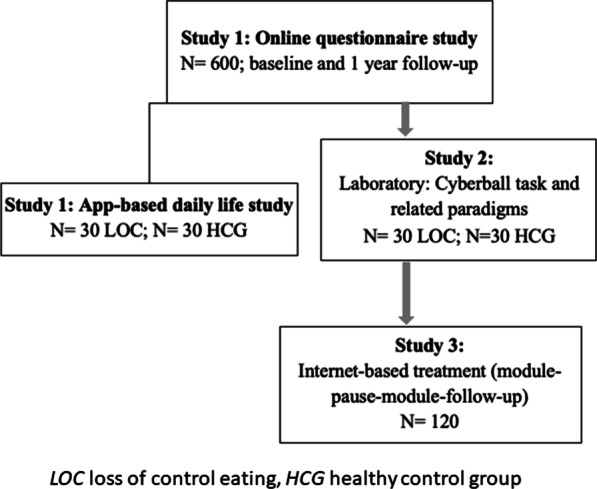
- The protocol specifies four planned study components: a cross-sectional and longitudinal online questionnaire study with N = 600, an app-based daily-life study and laboratory virtual reality study in N = 60 youths with and without LOC, and a randomized online treatment trial in N = 120 youths.
- The paper’s hypotheses predict that, compared with healthy controls, youth with LOC will show lower HRV, increased negative/reduced positive affect, greater body dissatisfaction, more pronounced RS interpretation bias, and longer stop-signal reaction times (SSRTs) during the laboratory study.
- For the intervention study, the authors hypothesize that INTER-E and CBT-E will each reduce LOC episodes, emotion regulation problems, and negative mood more than waiting, and that the two modules will have different strengths on rejection sensitivity versus LOC symptoms.
## Methods
- Study protocol following the SPIRIT statement, describing a multimethod three-study-arm design: (1) cross-sectional and longitudinal online questionnaire plus app-based daily-life assessment, (2) laboratory virtual reality Cyberball and gamified Stop Signal Task, and (3) randomized wait-list online intervention with two 6-week modules.
- Participants are youth aged 14–24 years; LOC is defined by at least 3 LOC episodes in the last 3 months with at least 3 of 5 behavioral indicators and/or distress, and controls are healthy-weight youths without eating disorder or current mental disorder.
- Planned analyses include multiple regression, multilevel models, analysis of covariance, and linear mixed models; the study also plans DNA methylation assessment from buccal cells using targeted bisulfite sequencing.
## Limitations
- The paper is a study protocol, so it reports planned hypotheses and analyses rather than results.
- The authors note that data on the prevalence and course of LOC in youth is scarce, and that studies on psychological treatments in youth are scarce.
- Evident from the text: much of the protocol is exploratory (including epigenetic analyses), and some stated outcomes rely on self-report measures alongside laboratory tasks.
Model-written summary. Check it against the paper before relying on it.
Integrity signals
Registry
Cites
Statistics
Figures
Verification
Claims the paper makes
14 Valid · 0 Not valid · 7 Not checked · 6 Own results and interpretations
The cited sources support only part of this claim — read each source’s verdict below.
In the paper
“Current research [3, 4] shows that BED variants are common during puberty and early adulthood”
§ Correlates of interpersonal emotion regulation problems in Loss of Control eating (LOC) in youth: study protocol of the combined online and App based questionnaire, laboratory and randomized controlled online intervention i-BEAT trial > Background > Binge eating disorder (BED) and loss of control over eating (LOC) Since the introduction of the fifth version of the Diagnostic and Statistical Manual of Mental Disorders (DSM-5 [1]) in 2013, BED, characterized by recurrent binge eating episodes associated with marked distress represents a separate entity in the section of feeding and eating disorders. BED is relatively common, associated with weight gain and detrimental consequences for mental and physical health [2]. Current research [3, 4] shows that BED variants are common during puberty and early adulthood, a period characterized by rapid biological changes, e.g. growth spurts, brain and secondary sex characteristics development, shifts in the accumulation of body fat. Puberty and early adulthood are furthermore accompanied by psychological challenges such as striving for autonomy and identity based on the acceptance of appearance and interpersonal competences [5]. This period at the age of c. 14 to 24 years has been named youth by the UN (www.unesco.org) and is critical for the onset of eating disorders (ED) [6]. A substantial group of youth experiences LOC, defined as loss of control eating over smaller food amounts which do not fulfil the criteria of an objective large food amount as required according to DSM-5, but with equivalent psychopathological relevance [7, 8]. The consequences of LOC in youth include weight gain, stress symptoms, substance use and low quality of life as well as increased suicide risks in female and male youth [9]. There is a consensus to apply age adapted criteria to capture the presentation of youthful BED variants and LOC (the two of them thereafter summarized as LOC). Existing research applies various frequency and duration criteria, from at least one LOC episode during the prior month to once a week during the previous 3 months [4, 10]. Up to now, most of the research in LOC relies on female participants, even though males are more often affected with BED and LOC than in other EDs [11].
What the sources say
- Supportedcites [3] Marzilli E Cerniglia L Cimino S A narrative review of binge eating disorder in adolescence: prevalence, impact, and psychological treatment strategies Adolesc Health Med Ther 2018 9 17 30 29379325 PMC5759856 source
The Introduction places one BED onset peak immediately after puberty and another in late adolescence. The Summary calls BED very common in adolescence, notes frequent subclinical forms, and reports prevalence peaks at ages 19–24. Together, these support the broad claim about BED variants across puberty and early adulthood. (LLM, conf=0.90)
- Partly supportedcites [4] Swanson SA Crow SJ Le Grange D Swendsen J Merikangas KR Prevalence and correlates of eating disorders in adolescents. Results from the national comorbidity survey replication adolescent supplement Arch Gen Psychiatry 2011 68 7 714 723 21383252 PMC5546800 sourceExperimental — accuracy not yet measured
The Results (Prevalence and Sociodemographic Correlates; page not provided) report lifetime prevalence of 1.6% for BED and 2.5% for subthreshold BED among adolescents, supporting the adolescent portion of the claim. The Participants section identifies a sample aged 13–18; the paper does not establish prevalence specifically in early adulthood. (LLM, conf=0.88)
plain- Asserted: passes — The authors put it forward as true.
- Checkable: passes — It can be checked against evidence.
- Load-bearing: unclear — It is unclear whether the paper’s conclusions depend on it.
- Based: passes — The paper gives a reason why it holds.
- Supported
The cited sources support only part of this claim — read each source’s verdict below.
In the paper
“A substantial group of youth experiences LOC, defined as loss of control eating over smaller food amounts which do not fulfil the criteria of an objective large food amount as required according to DSM-5, but with equivalent psychopathological relevance [7, 8].”
§ Correlates of interpersonal emotion regulation problems in Loss of Control eating (LOC) in youth: study protocol of the combined online and App based questionnaire, laboratory and randomized controlled online intervention i-BEAT trial > Background > Binge eating disorder (BED) and loss of control over eating (LOC) Since the introduction of the fifth version of the Diagnostic and Statistical Manual of Mental Disorders (DSM-5 [1]) in 2013, BED, characterized by recurrent binge eating episodes associated with marked distress represents a separate entity in the section of feeding and eating disorders. BED is relatively common, associated with weight gain and detrimental consequences for mental and physical health [2]. Current research [3, 4] shows that BED variants are common during puberty and early adulthood, a period characterized by rapid biological changes, e.g. growth spurts, brain and secondary sex characteristics development, shifts in the accumulation of body fat. Puberty and early adulthood are furthermore accompanied by psychological challenges such as striving for autonomy and identity based on the acceptance of appearance and interpersonal competences [5]. This period at the age of c. 14 to 24 years has been named youth by the UN (www.unesco.org) and is critical for the onset of eating disorders (ED) [6]. A substantial group of youth experiences LOC, defined as loss of control eating over smaller food amounts which do not fulfil the criteria of an objective large food amount as required according to DSM-5, but with equivalent psychopathological relevance [7, 8]. The consequences of LOC in youth include weight gain, stress symptoms, substance use and low quality of life as well as increased suicide risks in female and male youth [9]. There is a consensus to apply age adapted criteria to capture the presentation of youthful BED variants and LOC (the two of them thereafter summarized as LOC). Existing research applies various frequency and duration criteria, from at least one LOC episode during the prior month to once a week during the previous 3 months [4, 10]. Up to now, most of the research in LOC relies on female participants, even though males are more often affected with BED and LOC than in other EDs [11].
What the sources say
- Partly supportedcites [7] Goldschmidt AB Tanofsky-Kraff M Goossens L Eddy KT Ringham R Yanovski SZ Braet C Marcus MD Wilfley DE Yanovski JA Subtyping children and adolescents with loss of control eating by negative affect and dietary restraint Behav Res Ther 2008 46 7 777 787 18460404 PMC2453310 sourceExperimental — accuracy not yet measured
The Introduction (page unavailable) says LOC eating is common in youth, and the Methods (2.3, page unavailable) include episodes without an unambiguously large amount of food. The Methods (2.1, page unavailable) say LOC is associated with elevated psychopathology irrespective of episode size, but do not establish equivalent psychopathology for smaller and larger episodes. The paper cites a 1994 diagnostic definition, not DSM-5 criteria. (LLM, conf=0.86)
- Could not verifycites [8] Shomaker LB Tanofsky-Kraff M Zocca JM Courville A Kozlosky M Columbo KM Wolkoff LE Brady SM Crocker MK Ali AH Eating in the absence of hunger in adolescents: intake after a large-array meal compared with that after a standardized meal Am J Clin Nutr 2010 92 4 697 703 20720255 PMC2937581 sourceExperimental — accuracy not yet measured
The Introduction and Discussion examine eating in the absence of hunger after meals, not loss-of-control (LOC) eating. Searches for LOC, smaller-than-objectively-large eating episodes, DSM criteria, and equivalent psychopathological relevance found no passage addressing those claims. (LLM, conf=0.75)
plain- Asserted: passes — The authors put it forward as true.
- Checkable: passes — It can be checked against evidence.
- Load-bearing: passes — The paper’s conclusions depend on it.
- Based: passes — The paper gives a reason why it holds.
- Partly supported
The cited sources support only part of this claim — read each source’s verdict below.
In the paper
“While data on the dieting pathway remains controversial, the negative affect pathway has been confirmed in cross-sectional and longitudinal studies [16–18].”
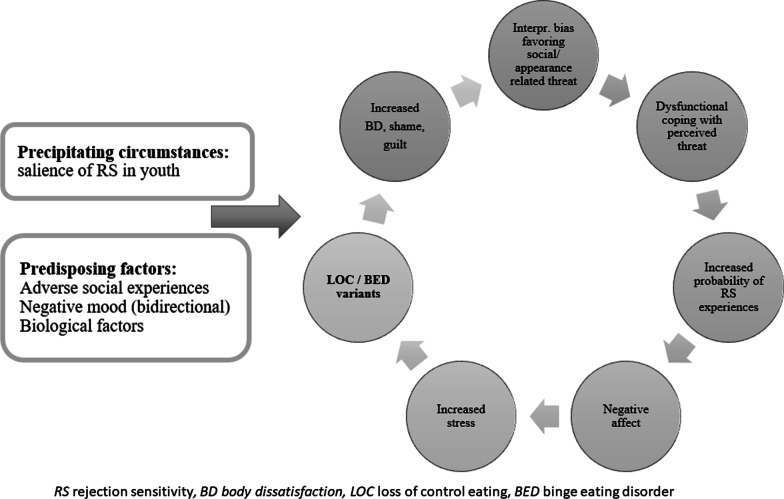
§ Correlates of interpersonal emotion regulation problems in Loss of Control eating (LOC) in youth: study protocol of the combined online and App based questionnaire, laboratory and randomized controlled online intervention i-BEAT trial > Background > Interpersonal emotion regulation as a risk factor for LOC Recent studies on psychological risk factors for the development of disordered eating confirm dual-pathway models, where sociocultural influences such as an unrealistic thin ideal are assumed to lead to body dissatisfaction, which promotes dieting and binge eating (e.g. [15]). While data on the dieting pathway remains controversial, the negative affect pathway has been confirmed in cross-sectional and longitudinal studies [16–18]. Recently, the model has been applied to LOC, where dysfunctional short-term emotion regulation strategies to alleviate negative affect play an important role [18]. An impaired awareness, understanding and acceptance of emotions or few appropriate emotion regulation strategies [19] are related to interpersonal problems [20, 21]. It can be assumed that interpersonal problems in youth interact with negative affect and lead to vicious circles promoting continued LOC [22]. Research in youth with LOC has only begun to assess the role of negative interpersonal and appearance-related evaluation, which are likely to be salient at that age [23], and therefore the sensitivity to general or appearance-related rejection (referred to as rejection sensitivity, RS) also gained interest [24]. RS describes an individual’s tendency to anxiously expect, readily perceive and overact to real or imagined rejection; often associated with past and current adverse experiences [25]. In youth, questionnaire-assessed appearance-related RS independent of gender, was related to dysfunctional eating behavior, lower self-esteem and more frequent experience of appearance-related teasing [26]. So far, there is only one laboratory study in youth with LOC which underlines the effect of negative peer evaluation in a small sample of overweight to obese females. In this study, the fictitious evaluation by peers based on photographs of the participants was associated with increased activation of anxiety related brain regions and failure to engage prefrontal cortex regions involved in emotion regulation attempts, all of which might be alleviated by overeating [27]. An increased RS in interaction with impaired emotion regulation and negative affect or mood has the potential to promote the development and maintenance of LOC in youth, but needs further clarification (Fig. 1). In addition, it can be assumed that the continued experience of rejection threatens the homeostasis of a person’s milieu, leads to a prolonged physiological stress response and might contribute to the intake of palatable food at an increased eating rate [28] and therefore to overeating and LOC. The capacity of the organism to adequately respond to stress conditions depends on the flexibility of the autonomic nervous system (ANS) which is connected to the amygdala and the medial prefrontal cortex and is indexed by heart rate variability (HRV) [29]. Reduced emotion regulation abilities are common in adults with EDs, but little is known about similar difficulties in youth with LOC [30, 31]. Consequently, investigating HRV responses to being exposed to social exclusion might help to understand emotion regulation skills in stressful situations and clarify the impact on LOC.
What the sources say
- Not checked — no full text of the sourcecites [16] Allen KL Byrne SM McLean NJ The dual-pathway and cognitive-behavioural models of binge eating: prospective evaluation and comparison Eur Child Adolesc Psychiatry 2012 21 1 51 62 22120762 source
- Not checked — no full text of the sourcecites [17] Dakanalis A Timko CA Carra G Clerici M Zanetti MA Riva G Caccialanza R Testing the original and the extended dual-pathway model of lack of control over eating in adolescent girls: a two-year longitudinal study Appetite 2014 82 180 193 25058649 source
- Partly supportedcites [18] Goldschmidt AB Lavender JM Hipwell AE Stepp SD Keenan K Emotion regulation and loss of control eating in community-based adolescents J Abnorm Child Psychol 2017 45 1 183 191 27040409 PMC5050053 sourceExperimental — accuracy not yet measured
The paper’s background passage (labelled Abstract in our copy; page unavailable) reports cross-sectional associations between negative affect and adolescent loss-of-control (LOC) eating and identifies negative affect as a risk factor for later LOC eating. The Discussion reports a prospective association in adolescent girls, but says the relationship may operate indirectly through emotion regulation and needs further study. Thus the evidence supports cross-sectional and longitudinal links, not that a negative-affect pathway has been definitively confirmed. (LLM, conf=0.84)
plainstates an association- Asserted: passes — The authors put it forward as true.
- Checkable: passes — It can be checked against evidence.
- Load-bearing: unclear — It is unclear whether the paper’s conclusions depend on it.
- Based: passes — The paper gives a reason why it holds.
Every source the paper cites for this claim was checked and supports it.
In the paper
“Recently, the model has been applied to LOC, where dysfunctional short-term emotion regulation strategies to alleviate negative affect play an important role [18].”
§ Correlates of interpersonal emotion regulation problems in Loss of Control eating (LOC) in youth: study protocol of the combined online and App based questionnaire, laboratory and randomized controlled online intervention i-BEAT trial > Background > Interpersonal emotion regulation as a risk factor for LOC Recent studies on psychological risk factors for the development of disordered eating confirm dual-pathway models, where sociocultural influences such as an unrealistic thin ideal are assumed to lead to body dissatisfaction, which promotes dieting and binge eating (e.g. [15]). While data on the dieting pathway remains controversial, the negative affect pathway has been confirmed in cross-sectional and longitudinal studies [16–18]. Recently, the model has been applied to LOC, where dysfunctional short-term emotion regulation strategies to alleviate negative affect play an important role [18]. An impaired awareness, understanding and acceptance of emotions or few appropriate emotion regulation strategies [19] are related to interpersonal problems [20, 21]. It can be assumed that interpersonal problems in youth interact with negative affect and lead to vicious circles promoting continued LOC [22]. Research in youth with LOC has only begun to assess the role of negative interpersonal and appearance-related evaluation, which are likely to be salient at that age [23], and therefore the sensitivity to general or appearance-related rejection (referred to as rejection sensitivity, RS) also gained interest [24]. RS describes an individual’s tendency to anxiously expect, readily perceive and overact to real or imagined rejection; often associated with past and current adverse experiences [25]. In youth, questionnaire-assessed appearance-related RS independent of gender, was related to dysfunctional eating behavior, lower self-esteem and more frequent experience of appearance-related teasing [26]. So far, there is only one laboratory study in youth with LOC which underlines the effect of negative peer evaluation in a small sample of overweight to obese females. In this study, the fictitious evaluation by peers based on photographs of the participants was associated with increased activation of anxiety related brain regions and failure to engage prefrontal cortex regions involved in emotion regulation attempts, all of which might be alleviated by overeating [27]. An increased RS in interaction with impaired emotion regulation and negative affect or mood has the potential to promote the development and maintenance of LOC in youth, but needs further clarification (Fig. 1). In addition, it can be assumed that the continued experience of rejection threatens the homeostasis of a person’s milieu, leads to a prolonged physiological stress response and might contribute to the intake of palatable food at an increased eating rate [28] and therefore to overeating and LOC. The capacity of the organism to adequately respond to stress conditions depends on the flexibility of the autonomic nervous system (ANS) which is connected to the amygdala and the medial prefrontal cortex and is indexed by heart rate variability (HRV) [29]. Reduced emotion regulation abilities are common in adults with EDs, but little is known about similar difficulties in youth with LOC [30, 31]. Consequently, investigating HRV responses to being exposed to social exclusion might help to understand emotion regulation skills in stressful situations and clarify the impact on LOC.
What the sources say
- Supportedcites [18] Goldschmidt AB Lavender JM Hipwell AE Stepp SD Keenan K Emotion regulation and loss of control eating in community-based adolescents J Abnorm Child Psychol 2017 45 1 183 191 27040409 PMC5050053 source
The Abstract describes LOC eating as a maladaptive way to alleviate negative affect. The Discussion explains how eating for momentary relief may reinforce LOC eating and reports associations between poor emotion regulation and greater LOC eating in adolescents. The paper presents the relief mechanism as a proposed explanation, not a proven acute trigger. (LLM, conf=0.87)
plainstates an association- Asserted: passes — The authors put it forward as true.
- Checkable: passes — It can be checked against evidence.
- Load-bearing: passes — The paper’s conclusions depend on it.
- Based: passes — The paper gives a reason why it holds.
- Supported
The sources with a verdict support this claim; the rest weren’t checked yet, have no full text we could read, or their verdicts aren’t rated yet.
In the paper
“An impaired awareness, understanding and acceptance of emotions or few appropriate emotion regulation strategies [19] are related to interpersonal problems [20, 21].”
§ Correlates of interpersonal emotion regulation problems in Loss of Control eating (LOC) in youth: study protocol of the combined online and App based questionnaire, laboratory and randomized controlled online intervention i-BEAT trial > Background > Interpersonal emotion regulation as a risk factor for LOC Recent studies on psychological risk factors for the development of disordered eating confirm dual-pathway models, where sociocultural influences such as an unrealistic thin ideal are assumed to lead to body dissatisfaction, which promotes dieting and binge eating (e.g. [15]). While data on the dieting pathway remains controversial, the negative affect pathway has been confirmed in cross-sectional and longitudinal studies [16–18]. Recently, the model has been applied to LOC, where dysfunctional short-term emotion regulation strategies to alleviate negative affect play an important role [18]. An impaired awareness, understanding and acceptance of emotions or few appropriate emotion regulation strategies [19] are related to interpersonal problems [20, 21]. It can be assumed that interpersonal problems in youth interact with negative affect and lead to vicious circles promoting continued LOC [22]. Research in youth with LOC has only begun to assess the role of negative interpersonal and appearance-related evaluation, which are likely to be salient at that age [23], and therefore the sensitivity to general or appearance-related rejection (referred to as rejection sensitivity, RS) also gained interest [24]. RS describes an individual’s tendency to anxiously expect, readily perceive and overact to real or imagined rejection; often associated with past and current adverse experiences [25]. In youth, questionnaire-assessed appearance-related RS independent of gender, was related to dysfunctional eating behavior, lower self-esteem and more frequent experience of appearance-related teasing [26]. So far, there is only one laboratory study in youth with LOC which underlines the effect of negative peer evaluation in a small sample of overweight to obese females. In this study, the fictitious evaluation by peers based on photographs of the participants was associated with increased activation of anxiety related brain regions and failure to engage prefrontal cortex regions involved in emotion regulation attempts, all of which might be alleviated by overeating [27]. An increased RS in interaction with impaired emotion regulation and negative affect or mood has the potential to promote the development and maintenance of LOC in youth, but needs further clarification (Fig. 1). In addition, it can be assumed that the continued experience of rejection threatens the homeostasis of a person’s milieu, leads to a prolonged physiological stress response and might contribute to the intake of palatable food at an increased eating rate [28] and therefore to overeating and LOC. The capacity of the organism to adequately respond to stress conditions depends on the flexibility of the autonomic nervous system (ANS) which is connected to the amygdala and the medial prefrontal cortex and is indexed by heart rate variability (HRV) [29]. Reduced emotion regulation abilities are common in adults with EDs, but little is known about similar difficulties in youth with LOC [30, 31]. Consequently, investigating HRV responses to being exposed to social exclusion might help to understand emotion regulation skills in stressful situations and clarify the impact on LOC.
What the sources say
- Not checked — no full text of the sourcecites [19] Gratz KL Roemer L Multidimensional assessment of emotion regulation and dysregulation: development, factor structure, and initial validation of the difficulties in emotion regulation scale J Psychopathol Behav Assess 2004 26 1 41 54 source
- Not checked — no full text of the sourcecites [20] Aldao A Nolen-Hoeksema S When are adaptive strategies most predictive of psychopathology? J Abnorm Psychol 2012 121 1 276 281 21553934 source
- Supportedcites [21] Humbel N, Messerli-Burgy N, Schuck K, Wyssen A, Garcia-Burgos D, Biedert E, Lennertz J, Meyer AH, Whinyates K, Isenschmid B et al: Self-reported emotion regulation difficulties are associated with mood but not with the biological stress response to thin ideal exposure. PLoS One 2018;13(6):1-18. PMC6021103 29949642 source
The Introduction describes impaired awareness, understanding and acceptance of emotions, and inadequate use of regulation strategies, as dimensions of emotion regulation difficulties. In the citing sentence, this source is attached to that description; the relationship with interpersonal problems is attributed to separate citations [20, 21]. (LLM, conf=0.93)
plainstates an association- Asserted: passes — The authors put it forward as true.
- Checkable: passes — It can be checked against evidence.
- Load-bearing: passes — The paper’s conclusions depend on it.
- Based: passes — The paper gives a reason why it holds.
3 more claims · 1 with their cited sources checked
Create a free account to see all 27 claims and every source verdict.
- Probably not a substantial claim. 13
- It may state two separate claims as one. 15
Self-check
Percentages, sums and reported differences re-computed from the paper’s own numbers.
Rated major: it would touch a result — a value a result rests on, reported and recomputed p-values on opposite sides of the significance level, two passages that conflict with no sign which is right, or a cited work retracted before this paper was published.
In the paper
“Power is sufficient (1−β = 0.8) to detect small to medium effect sizes f2 of c. 0.08, applying multiple regression models including covariates and testing specific predictors, for a given β of 0.05.”
§ Correlates of interpersonal emotion regulation problems in Loss of Control eating (LOC) in youth: study protocol of the combined online and App based questionnaire, laboratory and randomized controlled online intervention i-BEAT trial > Methods/design > Sample size
Reported 0.8 · recomputed 0.95
Rated major: it would touch a result — a value a result rests on, reported and recomputed p-values on opposite sides of the significance level, two passages that conflict with no sign which is right, or a cited work retracted before this paper was published.
In the paper
“the required sample size would be N = 34 with sufficient power to detect significant effects given 1−β = 0.8 and β = 0.05 for study 3 with N = 120 youths, even when accounting for dropouts.”
§ Correlates of interpersonal emotion regulation problems in Loss of Control eating (LOC) in youth: study protocol of the combined online and App based questionnaire, laboratory and randomized controlled online intervention i-BEAT trial > Methods/design > Sample size
Reported 0.8 · recomputed 0.95
Citations
Cites
Diagnostic and Statistical Manual of Mental Disorders
American Psychiatric Association (2013) · doi:10.1176/appi.books.9780890425596 · Cited by 116,369
Gratz, K. L., & Roemer, L. (2004) · Journal of Psychopathology and Behavioral Assessment · doi:10.1023/b:joba.0000007455.08539.94 · Cited by 8,942 · cited 1×
“An impaired awareness, understanding and acceptance of emotions or few appropriate emotion regulation strategies [19] are related to interpersonal problems [20, 21].”
BackgroundGenetics of Food Intake Self-Regulation in Childhood: Literature Review and Research Opportunities
Faith, M. S., Carnell, S., & Kral, T. V. E. (2013) · Human Heredity · doi:10.1159/000353879 · Cited by 7,601
SPIRIT 2013 Statement: Defining Standard Protocol Items for Clinical Trials
Chan, A.-W., Tetzlaff, J. M., Altman, D. G., Laupacis, A., Gøtzsche, P. C., Krleža-Jerić, K., Hróbjartsson, A., Mann, H., Dickersin, K., Berlin, J. A., et al. (2013) · Annals of Internal Medicine · doi:10.7326/0003-4819-158-3-201302050-00583 · Cited by 7,363 · cited 3×
“Study design This study protocol has been written according to the SPIRIT statement (Standard Protocol Items for Randomized Trials) [44].”
MethodInfluentialSimulator Sickness Questionnaire: An Enhanced Method for Quantifying Simulator Sickness
Kennedy, R. S., Lane, N. E., Berbaum, K. S., & Lilienthal, M. G. (1993) · The International Journal of Aviation Psychology · doi:10.1207/s15327108ijap0303_3 · Cited by 5,457 · cited 1×
“Simulator Sickness Questionniare (SSQ; [87]).”
An Ultra-Brief Screening Scale for Anxiety and Depression: The PHQ–4
Kroenke, K., Spitzer, R. L., Williams, J. B. W., & Löwe, B. (2009) · Psychosomatics · doi:10.1016/s0033-3182(09)70864-3 · Cited by 4,261 · cited 1×
“Patient Health Questionnaire for Depression and Anxiety (PHQ-4; [81]).”
BackgroundThayer, J. F., Åhs, F., Fredrikson, M., Sollers, J. J., & Wager, T. D. (2012) · Neuroscience & Biobehavioral Reviews · doi:10.1016/j.neubiorev.2011.11.009 · Cited by 3,224 · cited 7×
“HRV will be assessed continuously during the whole experiment.”
BackgroundInfluentialThe Experience of Presence: Factor Analytic Insights
Schubert, T., Friedmann, F., & Regenbrecht, H. (2001) · Presence: Teleoperators and Virtual Environments · doi:10.1162/105474601300343603 · Cited by 2,303 · cited 1×
“Igroup Presence Questionnaire (IPQ; [76]).”
Implications of rejection sensitivity for intimate relationships
Downey, G., & Feldman, S. I. (1996) · Journal of Personality and Social Psychology · doi:10.1037/0022-3514.70.6.1327 · Cited by 2,110 · cited 1×
“RS describes an individual’s tendency to anxiously expect, readily perceive and overact to real or imagined rejection; often associated with past and current adverse experiences [25].”
BackgroundSwanson, S. A., Crow, S. J., Le Grange, D., Swendsen, J., & Merikangas, K. R. (2011) · Archives of General Psychiatry · doi:10.1001/archgenpsychiatry.2011.22 · Cited by 1,611 · cited 2×
“Current research [3, 4] shows that BED variants are common during puberty and early adulthood, a period characterized by rapid biological changes, e.”
BackgroundImpulsivity and Inhibitory Control
Logan, G. D., Schachar, R. J., & Tannock, R. (1997) · Psychological Science · doi:10.1111/j.1467-9280.1997.tb00545.x · Cited by 1,394 · cited 1×
“Stop Signal Task, (vrSSRT, SSRT; [89]).”
Kessler, R. C., Berglund, P. A., Chiu, W. T., Deitz, A. C., Hudson, J. I., Shahly, V., Aguilar-Gaxiola, S., Alonso, J., Angermeyer, M. C., Benjet, C., et al. (2013) · Biological Psychiatry · doi:10.1016/j.biopsych.2012.11.020 · Cited by 1,338 · cited 1×
“BED is relatively common, associated with weight gain and detrimental consequences for mental and physical health [2].”
BackgroundCyberball: A program for use in research on interpersonal ostracism and acceptance
Williams, K. D., & Jarvis, B. (2006) · Behavior Research Methods · doi:10.3758/bf03192765 · Cited by 1,088
Kaufman, E. A., Xia, M., Fosco, G., Yaptangco, M., Skidmore, C. R., & Crowell, S. E. (2016) · Journal of Psychopathology and Behavioral Assessment · doi:10.1007/s10862-015-9529-3 · Cited by 960 · cited 1×
“Difficulties in Emotion Regulation Scale—Short Form (DERS-SF; [70]).”
BackgroundWilliams, K. D. (2009) · Advances in Experimental Social Psychology · doi:10.1016/s0065-2601(08)00406-1 · Cited by 908
Interpersonal Distance in Immersive Virtual Environments
Bailenson, J. N., Blascovich, J., Beall, A. C., & Loomis, J. M. (2003) · Personality and Social Psychology Bulletin · doi:10.1177/0146167203029007002 · Cited by 807 · cited 1×
“Translated and adapted Social Presence Survey (SPSurvey; [91]).”
MethodExamination of a short English version of the UPPS-P Impulsive Behavior Scale
Cyders, M. A., Littlefield, A. K., Coffey, S., & Karyadi, K. A. (2014) · Addictive Behaviors · doi:10.1016/j.addbeh.2014.02.013 · Cited by 749 · cited 1×
“UPPS Impulsive Behaviour Scale (UPPS; [92]).”
Culbert, K. M., Racine, S. E., & Klump, K. L. (2015) · Journal of Child Psychology and Psychiatry · doi:10.1111/jcpp.12441 · Cited by 642 · cited 1×
“org) and is critical for the onset of eating disorders (ED) [6].”
BackgroundThe Ordinal Effects of Ostracism: A Meta-Analysis of 120 Cyberball Studies
Hartgerink, C. H. J., van Beest, I., Wicherts, J. M., & Williams, K. D. (2015) · PLOS ONE · doi:10.1371/journal.pone.0127002 · Cited by 558 · cited 1×
“Study 2 applies an adapted VR Cyberball task in the laboratory [45] and primary and secondary outcomes are compared between youth with LOC and age and gender matched HCG youth.”
MethodStice, E., Gau, J. M., Rohde, P., & Shaw, H. (2017) · Journal of Abnormal Psychology · doi:10.1037/abn0000219 · Cited by 558
Neumann, A., van Lier, P. A. C., Gratz, K. L., & Koot, H. M. (2010) · Assessment · doi:10.1177/1073191109349579 · Cited by 521
When are adaptive strategies most predictive of psychopathology?
Aldao, A., & Nolen-Hoeksema, S. (2012) · Journal of Abnormal Psychology · doi:10.1037/a0023598 · Cited by 505 · cited 1×
“An impaired awareness, understanding and acceptance of emotions or few appropriate emotion regulation strategies [19] are related to interpersonal problems [20, 21].”
BackgroundWilhelm, P., & Schoebi, D. (2007) · European Journal of Psychological Assessment · doi:10.1027/1015-5759.23.4.258 · Cited by 472 · cited 2×
“App-based adapted Three Dimensions Affect scale (AppNegaff; [61, 64]).”
BackgroundMethodPrevalence and severity of DSM‐5 eating disorders in a community cohort of adolescents
Smink, F. R. E., van Hoeken, D., Oldehinkel, A. J., & Hoek, H. W. (2014) · International Journal of Eating Disorders · doi:10.1002/eat.22316 · Cited by 415 · cited 3×
“Up to now, most of the research in LOC relies on female participants, even though males are more often affected with BED and LOC than in other EDs [11].”
BackgroundThompson, J. K., Cattarin, J., Fowler, B., & Fisher, E. (1995) · Journal of Personality Assessment · doi:10.1207/s15327752jpa6501_11 · Cited by 353
Performance of a new pubertal self‐assessment questionnaire: a preliminary study
Taylor, Whincup, Hindmarsh, Lampe, Odoki, & Cook (2001) · Paediatric and Perinatal Epidemiology · doi:10.1046/j.1365-3016.2001.00317.x · Cited by 345
Margraf, J., Cwik, J. C., Pflug, V., & Schneider, S. (2017) · Zeitschrift für Klinische Psychologie und Psychotherapie · doi:10.1026/1616-3443/a000430 · Cited by 293
Randomization in clinical trials: Conclusions and recommendations
Lachin, J. M., Matts, J. P., & Wei, L. J. (1988) · Controlled Clinical Trials · doi:10.1016/0197-2456(88)90049-9 · Cited by 272 · cited 1×
“Youth with LOC participating in study 3 are randomized according to a permuted block design [46] to CBT-E or INTER-E first.”
MethodRejection sensitivity and borderline personality disorder
Staebler, K., Helbing, E., Rosenbach, C., & Renneberg, B. (2011) · Clinical Psychology & Psychotherapy · doi:10.1002/cpp.705 · Cited by 268 · cited 1×
“Adapted Rejection Sensitivity Questionnaire (RSquest, adapted from the RSQ, [58]; CRSQ, German version, FZE-K, [59]).”
MethodHandling drop‐out in longitudinal clinical trials: a comparison of the LOCF and MMRM approaches
Lane, P. (2008) · Pharmaceutical Statistics · doi:10.1002/pst.267 · Cited by 262 · cited 1×
“Multi-level models are assumed to be robust against violations of equal group sizes [55].”
BackgroundUnternaehrer, E., Luers, P., Mill, J., Dempster, E., Meyer, A. H., Staehli, S., Lieb, R., Hellhammer, D. H., & Meinlschmidt, G. (2012) · Translational Psychiatry · doi:10.1038/tp.2012.77 · Cited by 250 · cited 1×
“We further aim to explore epigenetic underpinnings (DNA methylation, DNAm) of RS and emotion regulation capacity [37].”
BackgroundJones, M., Luce, K. H., Osborne, M. I., Taylor, K., Cunning, D., Doyle, A. C., Wilfley, D. E., & Taylor, C. B. (2008) · PEDIATRICS · doi:10.1542/peds.2007-1173 · Cited by 212 · cited 1×
“The online treatment resulted in decreased LOC episodes and a moderate weight reduction up to the 9 months followup [36].”
BackgroundEvaluation and comparison of different versions of the Body Shape Questionnaire
Pook, M., Tuschen‐Caffier, B., & Brähler, E. (2007) · Psychiatry Research · doi:10.1016/j.psychres.2006.08.002 · Cited by 178
Treating eating disorders over the internet: A systematic review and future research directions
Aardoom, J. J., Dingemans, A. E., Spinhoven, P., & Van Furth, E. F. (2013) · International Journal of Eating Disorders · doi:10.1002/eat.22135 · Cited by 158 · cited 1×
“To increase compliance and decrease dropouts, therapists provide guidance via an Email generated system within the online platform [51].”
BackgroundMunsch, S., Biedert, E., Meyer, A., Michael, T., Schlup, B., Tuch, A., & Margraf, J. (2007) · International Journal of Eating Disorders · doi:10.1002/eat.20350 · Cited by 136 · cited 2×
“Weekly Binges Questionnaire (WBQ; [79]).”
MethodSelf-citationBarker, E. D., Walton, E., & Cecil, C. A. M. (2018) · Journal of Child Psychology and Psychiatry · doi:10.1111/jcpp.12782 · Cited by 134 · cited 1×
“DNAm patterns are thought to reflect exposure to various psychosocial influences across the life-span and have been shown to relate to behavioral, emotional and cognitive styles especially in youth [38, 39].”
BackgroundOberlander, T. F., Grunau, R., Mayes, L., Riggs, W., Rurak, D., Papsdorf, M., Misri, S., & Weinberg, J. (2008) · Early Human Development · doi:10.1016/j.earlhumdev.2008.06.008 · Cited by 121 · cited 2×
“We seek to explore the DNAm levels of genes involved in stress regulation and social interaction (FK506-binding protein 5 (FKBP5) [40], the glucocorticoid receptor (NR3C1) [41], oxytocin receptor (OXTR) [42, 43] and the serotonin transporter (SLC6A4) in youth with LOC compared to a HCG (prior to treatment) and in LOC…”
MethodTanofsky‐Kraff, M., Wilfley, D. E., Young, J. F., Mufson, L., Yanovski, S. Z., Glasofer, D. R., Salaita, C. G., & Schvey, N. A. (2010) · International Journal of Eating Disorders · doi:10.1002/eat.20773 · Cited by 111 · cited 4×
“The existing evidence from diverse samples regarding LOC in youth point to the efficacy of cognitive behavioral therapy (CBT) [33], interpersonal therapy (IPT) [34] or dialectic behavioral therapy (DBT) [35] in reducing binge eating frequency.”
BackgroundInfluentialMarzilli, E., Cerniglia, L., & Cimino, S. (2018) · Adolescent Health, Medicine and Therapeutics · doi:10.2147/ahmt.s148050 · Cited by 107 · cited 2×
“Current research [3, 4] shows that BED variants are common during puberty and early adulthood, a period characterized by rapid biological changes, e.”
BackgroundShort Forms of the Social Interaction Anxiety Scale and the Social Phobia Scale
Fergus, T. A., Valentiner, D. P., McGrath, P. B., Gier-Lonsway, S. L., & Kim, H.-S. (2012) · Journal of Personality Assessment · doi:10.1080/00223891.2012.660291 · Cited by 105 · cited 2×
“Short version of the Social Phobia Scale (SPS; [86]).”
BackgroundShomaker, L. B., Tanofsky-Kraff, M., Zocca, J. M., Courville, A., Kozlosky, M., Columbo, K. M., Wolkoff, L. E., Brady, S. M., Crocker, M. K., Ali, A. H., et al. (2010) · The American Journal of Clinical Nutrition · doi:10.3945/ajcn.2010.29812 · Cited by 101 · cited 1×
“A substantial group of youth experiences LOC, defined as loss of control eating over smaller food amounts which do not fulfil the criteria of an objective large food amount as required according to DSM-5, but with equivalent psychopathological relevance [7, 8].”
BackgroundWilmers, F., Munder, T., Leonhart, R., Herzog, T., Plassmann, R., Barth, J., & Linster, H. W. (2008) · University of Bern · doi:10.7892/boris.27962 · Cited by 94 · cited 1×
“Adapted Working Alliance Inventory (WAI-SR; [62]).”
An examination of the interpersonal model of loss of control eating in children and adolescents
Elliott, C. A., Tanofsky-Kraff, M., Shomaker, L. B., Columbo, K. M., Wolkoff, L. E., Ranzenhofer, L. M., & Yanovski, J. A. (2010) · Behaviour Research and Therapy · doi:10.1016/j.brat.2009.12.012 · Cited by 88 · cited 1×
“It can be assumed that interpersonal problems in youth interact with negative affect and lead to vicious circles promoting continued LOC [22].”
BackgroundLoss of control eating in adolescents from the community
Schlüter, N., Schmidt, R., Kittel, R., Tetzlaff, A., & Hilbert, A. (2015) · International Journal of Eating Disorders · doi:10.1002/eat.22488 · Cited by 87 · cited 1×
“Existing research applies various frequency and duration criteria, from at least one LOC episode during the prior month to once a week during the previous 3 months [4, 10].”
BackgroundDialectical Behavior Therapy Modified for Adolescent Binge Eating Disorder: A Case Report
Safer, D. L., Couturier, J. L., & Lock, J. (2007) · Cognitive and Behavioral Practice · doi:10.1016/j.cbpra.2006.06.001 · Cited by 80 · cited 3×
“The existing evidence from diverse samples regarding LOC in youth point to the efficacy of cognitive behavioral therapy (CBT) [33], interpersonal therapy (IPT) [34] or dialectic behavioral therapy (DBT) [35] in reducing binge eating frequency.”
BackgroundLee-Winn, A. E., Reinblatt, S. P., Mojtabai, R., & Mendelson, T. (2016) · Eating Behaviors · doi:10.1016/j.eatbeh.2016.03.021 · Cited by 78 · cited 1×
“6% for subclinical forms of BED like LOC [12], with higher prevalence of LOC and BED in obese youth than in the general population.”
BackgroundMunsch, S., Meyer, A. H., & Biedert, E. (2012) · Behaviour Research and Therapy · doi:10.1016/j.brat.2012.08.009 · Cited by 77 · cited 1×
“Online self‐help treatment for LOC Based on our previous work in BED in adults [49, 50] and based on our preliminary results of the blended treatment in our pilot BEAT study (active treatment consisting of 3 face to face sessions and 6 weekly e-mail guided self-help sessions, followed by 1, 3, 6, and 12-month follow-u…”
MethodSelf-citationEcological Momentary Assessment of Eating Episodes in Obese Adults
Goldschmidt, A. B., Crosby, R. D., Cao, L., Engel, S. G., Durkin, N., Beach, H. M., Berg, K. C., Wonderlich, S. A., Crow, S. J., & Peterson, C. B. (2014) · Psychosomatic Medicine · doi:10.1097/psy.0000000000000108 · Cited by 77 · cited 1×
“Reduced emotion regulation abilities are common in adults with EDs, but little is known about similar difficulties in youth with LOC [30, 31].”
BackgroundWebb, H. J., Zimmer‐Gembeck, M. J., Waters, A. M., Farrell, L. J., Nesdale, D., & Downey, G. (2017) · Journal of Research on Adolescence · doi:10.1111/jora.12310 · Cited by 77 · cited 1×
“In youth, questionnaireassessed appearance-related RS independent of gender, was related to dysfunctional eating behavior, lower selfesteem and more frequent experience of appearancerelated teasing [26].”
BackgroundAlpha IVBO - Construction of a Scale to Measure the Illusion of Virtual Body Ownership
Roth, D., Lugrin, J.-L., Latoschik, M. E., & Huber, S. L. (2017) · CHI Conference Extended Abstracts on Human Factors in Computing Systems (CHI EA) · doi:10.1145/3027063.3053272 · Cited by 77 · cited 1×
“Illusion of Virtual Body Ownership Scale (IVBO; [77]).”
BackgroundDakanalis, A., Timko, C. A., Carrà, G., Clerici, M., Zanetti, M. A., Riva, G., & Caccialanza, R. (2014) · Appetite · doi:10.1016/j.appet.2014.07.022 · Cited by 71
Kumsta, R., Marzi, S. J., Viana, J., Dempster, E. L., Crawford, B., Rutter, M., Mill, J., & Sonuga-Barke, E. J. S. (2016) · Translational Psychiatry · doi:10.1038/tp.2016.95 · Cited by 70 · cited 1×
“DNAm patterns are thought to reflect exposure to various psychosocial influences across the life-span and have been shown to relate to behavioral, emotional and cognitive styles especially in youth [38, 39].”
BackgroundBiased Interpretation of Ambiguous Social Scenarios in Anorexia Nervosa
Cardi, V., Turton, R., Schifano, S., Leppanen, J., Hirsch, C. R., & Treasure, J. (2017) · European Eating Disorders Review · doi:10.1002/erv.2493 · Cited by 69 · cited 1×
“Ambiguous Scenario-Sentence Completion Task; Cognitive Bias Modification-Interpretation (rejectbias; according to [63]).”
Stability and change in patterns of eating disorder symptoms from adolescence to young adulthood
Pearson, C. M., Miller, J., Ackard, D. M., Loth, K. A., Wall, M. M., Haynos, A. F., & Neumark‐Sztainer, D. (2017) · International Journal of Eating Disorders · doi:10.1002/eat.22692 · Cited by 69 · cited 1×
“One of the rare longitudinal studies on the persistence of LOC in an US cohort found that LOC was significantly related to the stability of ED symptoms over the course of 10 years [13].”
BackgroundAllen, K. L., Byrne, S. M., & McLean, N. J. (2012) · European Child & Adolescent Psychiatry · doi:10.1007/s00787-011-0231-z · Cited by 66
Cognitive Behavioral Treatment for Recurrent Binge Eating in Adolescent Girls: A Pilot Trial
DeBar, L. L., Wilson, G. T., Yarborough, B. J., Burns, B., Oyler, B., Hildebrandt, T., Clarke, G. N., Dickerson, J., & Striegel, R. H. (2013) · Cognitive and Behavioral Practice · doi:10.1016/j.cbpra.2012.04.001 · Cited by 58 · cited 7×
“2 Technology for Human Well-Being Institute (HumanTech), University of Applied Sciences of Western Switzerland, Boulevard de Pérolles 80, Fribourg, Switzerland.”
InfluentialEmotion Regulation and Loss of Control Eating in Community-Based Adolescents
Goldschmidt, A. B., Lavender, J. M., Hipwell, A. E., Stepp, S. D., & Keenan, K. (2017) · Journal of Abnormal Child Psychology · doi:10.1007/s10802-016-0152-x · Cited by 57 · cited 1×
“Recently, the model has been applied to LOC, where dysfunctional short-term emotion regulation strategies to alleviate negative affect play an important role [18].”
Forrest, L. N., Zuromski, K. L., Dodd, D. R., & Smith, A. R. (2017) · International Journal of Eating Disorders · doi:10.1002/eat.22582 · Cited by 57 · cited 1×
“The consequences of LOC in youth include weight gain, stress symptoms, substance use and low quality of life as well as increased suicide risks in female and male youth [9].”
BackgroundKnauss, C., Paxton, S. J., & Alsaker, F. D. (2009) · Body Image · doi:10.1016/j.bodyim.2009.01.002 · Cited by 56 · cited 1×
“Adapted German version of the Sociocultural Attitudes Towards Appearance Questionnaire, [56].”
BackgroundNegative affect, interpersonal perception, and binge eating behavior: An experience sampling study
Ambwani, S., Roche, M. J., Minnick, A. M., & Pincus, A. L. (2015) · International Journal of Eating Disorders · doi:10.1002/eat.22410 · Cited by 56 · cited 1×
“Research in youth with LOC has only begun to assess the role of negative interpersonal and appearance-related evaluation, which are likely to be salient at that age [23], and therefore the sensitivity to general or appearance-related rejection (referred to as rejection sensitivity, RS) also gained interest [24].”
BackgroundSystematic review of the effects of acute stress in binge eating disorder
Naish, K. R., Laliberte, M., MacKillop, J., & Balodis, I. M. (2019) · European Journal of Neuroscience · doi:10.1111/ejn.14110 · Cited by 55 · cited 1×
“In addition, it can be assumed that the continued experience of rejection threatens the homeostasis of a person’s milieu, leads to a prolonged physiological stress response and might contribute to the intake of palatable food at an increased eating rate [28] and therefore to overeating and LOC.”
BackgroundPaoli, T. D., Fuller‐Tyszkiewicz, M., Halliwell, E., Puccio, F., & Krug, I. (2017) · European Eating Disorders Review · doi:10.1002/erv.2537 · Cited by 52 · cited 1×
“Research in youth with LOC has only begun to assess the role of negative interpersonal and appearance-related evaluation, which are likely to be salient at that age [23], and therefore the sensitivity to general or appearance-related rejection (referred to as rejection sensitivity, RS) also gained interest [24].”
BackgroundChildhood loss of control eating over five‐year follow‐up
Hilbert, A., & Brauhardt, A. (2014) · International Journal of Eating Disorders · doi:10.1002/eat.22312 · Cited by 49 · cited 1×
“Another, smaller study found moderate stability of LOC over a 5-years period [14].”
BackgroundGoldschmidt, A. B., Tanofsky-Kraff, M., Goossens, L., Eddy, K. T., Ringham, R., Yanovski, S. Z., Braet, C., Marcus, M. D., Wilfley, D. E., & Yanovski, J. A. (2008) · Behaviour Research and Therapy · doi:10.1016/j.brat.2008.03.004 · Cited by 46
Jarcho, J. M., Tanofsky-Kraff, M., Nelson, E. E., Engel, S. G., Vannucci, A., Field, S. E., Romer, A. L., Hannallah, L., Brady, S. M., Demidowich, A. P., et al. (2015) · NeuroImage · doi:10.1016/j.neuroimage.2014.12.054 · Cited by 43 · cited 2×
“They are introduced to the adapted Cyberball task [27] (developed using the Unity 3D Game Engine) based on our pilot BEAT study and are informed that they will play with 2 peers and are shown pictures of these peers.”
BackgroundMethodRanzenhofer, L. M., Engel, S. G., Crosby, R. D., Haigney, M., Anderson, M., McCaffery, J. M., & Tanofsky‐Kraff, M. (2016) · International Journal of Eating Disorders · doi:10.1002/eat.22464 · Cited by 42 · cited 1×
“Reduced emotion regulation abilities are common in adults with EDs, but little is known about similar difficulties in youth with LOC [30, 31].”
BackgroundNeitzer, A., Sun, S. J., Doss, S., Moran, J., & Schiller, B. M. (2012) · Hemodialysis International · doi:10.1111/j.1542-4758.2012.00663.x · Cited by 40
Association between the Oxytocin Receptor Gene Polymorphism (rs53576) and Bulimia Nervosa
Kim, Y., Kim, J., Kim, C., Shin, J., & Treasure, J. L. (2015) · European Eating Disorders Review · doi:10.1002/erv.2354 · Cited by 39 · cited 2×
“We seek to explore the DNAm levels of genes involved in stress regulation and social interaction (FK506-binding protein 5 (FKBP5) [40], the glucocorticoid receptor (NR3C1) [41], oxytocin receptor (OXTR) [42, 43] and the serotonin transporter (SLC6A4) in youth with LOC compared to a HCG (prior to treatment) and in LOC…”
MethodMeule, A. (2017) · Eating and Weight Disorders - Studies on Anorexia Bulimia and Obesity · doi:10.1007/s40519-017-0452-3 · Cited by 39 · cited 1×
“Food Craving Questionnaire (FCQ; [75]).”
Stronger reactivity to social gaze in virtual reality compared to a classical laboratory environment
Rubo, M., & Gamer, M. (2020) · British Journal of Psychology · doi:10.1111/bjop.12453 · Cited by 38 · cited 1×
“Gaze rays in 3D space obtained for both eyes will be geometrically transposed to represent horizontal and vertical deviations from regions of interest (as introduced in [48]).”
BackgroundSelf-citationBray, S., Krongold, M., Cooper, C., & Lebel, C. (2015) · eneuro · doi:10.1523/eneuro.0003-15.2015 · Cited by 32 · cited 1×
“Puberty and early adulthood are furthermore accompanied by psychological challenges such as striving for autonomy and identity based on the acceptance of appearance and interpersonal competences [5].”
BackgroundThought-shape fusion in young healthy females appears after vivid imagination of thin ideals
Wyssen, A., Coelho, J. S., Wilhelm, P., Zimmermann, G., & Munsch, S. (2016) · Journal of Behavior Therapy and Experimental Psychiatry · doi:10.1016/j.jbtep.2016.03.010 · Cited by 31 · cited 3×
“App-based adapted Visual Analog Scale Body Image Satisfaction (AppBD; [64]).”
BackgroundMethodSelf-citationMunsch, S., Wyssen, A., Vanhulst, P., Lalanne, D., Steinemann, S. T., & Tuch, A. N. (2019) · Trials · doi:10.1186/s13063-019-3192-z · Cited by 29
Self-citationLester, K. J., Roberts, S., Keers, R., Coleman, J. R. I., Breen, G., Wong, C. C. Y., Xu, X., Arendt, K., Blatter-Meunier, J., Bögels, S., et al. (2016) · British Journal of Psychiatry · doi:10.1192/bjp.bp.114.154997 · Cited by 27 · cited 2×
“We seek to explore the DNAm levels of genes involved in stress regulation and social interaction (FK506-binding protein 5 (FKBP5) [40], the glucocorticoid receptor (NR3C1) [41], oxytocin receptor (OXTR) [42, 43] and the serotonin transporter (SLC6A4) in youth with LOC compared to a HCG (prior to treatment) and in LOC…”
MethodLichev, V., Rufer, M., Rosenberg, N., Ihme, K. A., Grabe, H. J., Kugel, H., Donges, U., Kersting, A., & Suslow, T. (2013) · Comprehensive Psychiatry · doi:10.1016/j.comppsych.2013.12.013 · Cited by 26 · cited 1×
“EmoReg weekly - Self-developed and adapted from the DERS ([69]), the TAS-20 [72], the H-FERS [73] and the TOMS [74].”
MethodMunsch, S. (2014) · BMC Psychology · doi:10.1186/s40359-014-0037-0 · Cited by 26 · cited 1×
“Visual Analog Scale - urge to eat (VASurge; selfdeveloped items based on [93]).”
BackgroundSelf-citationBieda, A., Pflug, V., Scholten, S., Lippert, M. W., Ladwig, I., Nestoriuc, Y., & Schneider, S. (2018) · PPmP - Psychotherapie · Psychosomatik · Medizinische Psychologie · doi:10.1055/s-0044-102291 · Cited by 25 · cited 1×
“Inventar zur Erfassung negativer Effekte von Psychotherpie (INEP; [78]).”
BackgroundAuer, B. J., Byrd‐Craven, J., Grant, D. M., & Granger, D. A. (2015) · Hormones and Behavior · doi:10.1016/j.yhbeh.2015.07.023 · Cited by 19 · cited 2×
“We seek to explore the DNAm levels of genes involved in stress regulation and social interaction (FK506-binding protein 5 (FKBP5) [40], the glucocorticoid receptor (NR3C1) [41], oxytocin receptor (OXTR) [42, 43] and the serotonin transporter (SLC6A4) in youth with LOC compared to a HCG (prior to treatment) and in LOC…”
MethodAllen, K. L., McLean, N. J., & Byrne, S. M. (2012) · Eating Behaviors · doi:10.1016/j.eatbeh.2012.05.005 · Cited by 19 · cited 2×
“Tolerance of Mood States Scale (TOMS; [74]).”
MethodHumbel, N., Messerli-Bürgy, N., Schuck, K., Wyssen, A., Garcia-Burgos, D., Biedert, E., Lennertz, J., Meyer, A. H., Whinyates, K., Isenschmid, B., et al. (2018) · PLOS ONE · doi:10.1371/journal.pone.0199769 · Cited by 19 · cited 1×
“An impaired awareness, understanding and acceptance of emotions or few appropriate emotion regulation strategies [19] are related to interpersonal problems [20, 21].”
BackgroundSelf-citationBarnow, S., Reinelt, E., & Sauer, C. (2016) · Springer eBooks · doi:10.1007/978-3-662-47774-8 · Cited by 19
Munsch, S., Dremmel, D., Kurz, S., De Albuquerque, J., Meyer, A. H., & Hilbert, A. (2017) · European Eating Disorders Review · doi:10.1002/erv.2489 · Cited by 18 · cited 1×
“Criteria for LOC [47] are fulfilled and youth included if they experience at least 3 episodes of LOC during the last 3 months accompanied by at least 3 out of 5 behavioral indicators and/or some degree of distress, absence of AN or BN.”
Self-citationWyssen, A., Debbeler, L. J., Meyer, A. H., Coelho, J. S., Humbel, N., Schuck, K., Lennertz, J., Messerli‐Bürgy, N., Biedert, E., Trier, S. N., et al. (2017) · Frontiers in Psychology · doi:10.3389/fpsyg.2017.02194 · Cited by 14 · cited 1×
“Adapted German version of the Thought Shape Fusion questionnaire (TSF-B; [57]).”
BackgroundSelf-citationSchmidt, J., & Martin, A. (2017) · Zeitschrift für Klinische Psychologie und Psychotherapie · doi:10.1026/1616-3443/a000433 · Cited by 14
Bullying und psychische Gesundheit
Wolke, D. (2018) · Springer eBooks · doi:10.1007/978-3-662-57369-3_54 · Cited by 10 · cited 1×
“Questionnaire on frequency and intensity of rejection experiences and bullying (reject; adapted from [83, 84]).”
BackgroundTreatment of Binge Eating Disorder
Crow, S. (2014) · Current Treatment Options in Psychiatry · doi:10.1007/s40501-014-0023-4 · Cited by 8 · cited 1×
“Treatment research in LOC Despite the relatively high prevalence of LOC in youth and the negative effects on mental and physical health, studies on psychological treatments in youth are scarce [32].”
BackgroundThompson, J. K., Cattarin, J. A., Fowler, B., et al. (1995) · PsycTESTS Dataset · doi:10.1037/t15584-000 · Cited by 1 · cited 1×
“Perception of Teasing Scale (POTS; [82]).”
Factor structure of the Barratt impulsiveness scale
Patton, J. H., Stanford, M. S., & Barratt, E. S. (1995) · Journal of Clinical Psychology · doi:10.1002/1097-4679(199511)51:6<768::aid-jclp2270510607>3.0.co;2-1
Research works printed but not linked: 2
- Munsch S, Milenkovic N, Meyer A, Schlup B, Margraf J, Wilhelm P: Electronic diaries to evaluate efficacy of a Cognitive Behavioral Treatment for BED. International Journal of Obesity 2008;32.
- NIMH: CGI. Clinical Global Impressions. In: The documentation of clinical psychotropic trug trials. edn. Rockville, Maryland: National Institute of Mental Health; 1973: 217–222.
Cited by
Valdez-Aguilar, M., Arévalo, R. V., Aguilar, X. L., Martínez, A. O. R., Rosińska, M., & Díaz, J. M. M. (2023) · Journal of Eating Disorders · doi:10.1186/s40337-023-00809-9 · Cited by 9
Psychological correlates of body dissatisfaction in Swiss youth over a one-year study-period
Müller, V. M., Forrer, F., Meyer, A. H., & Munsch, S. (2024) · Frontiers in Psychology · doi:10.3389/fpsyg.2023.1269364 · Cited by 9
Self-citationForrer, F., Rubo, M., Meyer, A. H., & Munsch, S. (2023) · BMC Psychology · doi:10.1186/s40359-023-01429-3 · Cited by 3
“The Journal examined and approved the legal basis of this procedure as well (Munsch et al. 2021).”
BackgroundSelf-citationMüller, V. M., Meyer, A. H., Forrer, F., Rauen, A. C., & Munsch, S. (2025) · Journal of Eating Disorders · doi:10.1186/s40337-025-01445-1 · Cited by 2
“The questionnaire began with sociodemographic characteristics, followed by various mental health questionnaires (for the selection used in this study see Instruments ; for a detailed overview see [89]).”
Self-citationLiu, X., & Wang, Z. (2022) · Advances in educational technologies and instructional design book series · doi:10.4018/978-1-7998-8874-1.ch009 · Cited by 1
Metadata
- Authors
- Munsch, S., Forrer, F., Naas, A., Mueller, V., Rubo, M., Hannoun, F., & Mugellini, E.
- Affiliations
- University of Fribourg (CH)
- HES-SO Fribourg (CH)
- Corresponding author
- Munsch, Simone
- ORCID
- Venue
- BMC Psychology
- Published
- 2021-12-11
- Volume
- 9
- Issue
- 1
- Pages
- 193-193
- ISSN
- 2050-7283 (ISSN-L)
- PMC
- PMC8666071
- OpenAlex
- W4200485113
- Cited by
- 8
- References
- 89
- Citations by year
- 2025: 3 · 2024: 1 · 2023: 2 · 2022: 2
- FWCI
- 0.85
- Type
- journal article
- Language
- en
- Open access
- gold
- doi.org
- Licence
- cc-by
- creativecommons.org/licenses/by/4.0 (tdm)
- creativecommons.org/licenses/by/4.0 (vor)
- Locations
- BMC Psychology (publishedVersion, cc-by)
- PubMed Central (publishedVersion, cc-by)
- PubMed (publishedVersion)
- DOAJ (DOAJ: Directory of Open Access Journals) (submittedVersion, cc-by-sa)
- Funders
- schweizerischer nationalfonds zur förderung der wissenschaftlichen forschung (100014L_149416 / 2)
- Topics
- Social Sciences › Psychology › Clinical Psychology › Eating Disorders and Behaviors
- Health Sciences › Nursing › Nutrition and Dietetics › Nutrition, Health and Food Behavior
- Social Sciences › Psychology › Experimental and Cognitive Psychology › Anxiety, Depression, Psychometrics, Treatment, Cognitive Processes
- Keywords
- loss of control eating, binge eating disorder, youth, interpersonal emotion regulation, rejection sensitivity, social exclusion, cognitive behavioral therapy, online intervention, virtual reality, heart rate variability, hyperscanning, social anxiety, epigenetics, eating disorder prevention
- MeSH terms
- Internet-Based Intervention, Emotional Regulation, Adolescent, Cross-Sectional Studies, Humans, Laboratories, Randomized Controlled Trials as Topic, Self Report, Mobile Applications
About these checks
Registry, retraction, Cites and statistics results are computed, not judged, with one exception: a printed reference that no index lists is read once by a model before it counts as a citation error. Claims are extracted by a model and kept only when their quote appears verbatim in the text; each cited source is then checked, with a model’s help, for whether it says what the claim relies on. Those verdicts can be wrong — read the claim’s quote and the cited source before relying on one.
The claim verdicts this report counts are experimental: their accuracy is not yet measured.
A language model drew the claims from the paper on 2026-10-11, under version 3 of the claim definition (model deepseek-v4.1-flash, prompt extract-v3).
A second model labelled each claim on 2026-10-11 (model jev-1.13-20260917, definition revision gold-guideline-v0.2).
Cited sources are checked with a language model’s help (gpt-6-sol).
Statistics and arithmetic are recomputed, not judged.
Confidence bands are shown only for fields calibrated on our annotated test set. None is calibrated yet, so no band is shown.
What counts as a claim ›How we measure confidence ›How we check this ›
Are you an author, or do you see a problem with this page? Request a review
Data sources
Bibliographic data: Semantic Scholar, OpenAlex, Crossref.
Contains information from the Semantic Scholar Academic Graph Datasets, made available under the ODC Attribution License (ODC-BY 1.0).
Semantic Scholar’s data is described in: Kinney, R., et al. (2023). The Semantic Scholar Open Data Platform. arXiv:2301.10140.
