

The DOI matches its Crossref record; 98 of the 98 references it cites were found in a registry or an index; none of the 174 sources its claims cite is checked for support yet.
Lung hyperinflation in COPD: applying physiology to clinical practice
Open accessAbstract
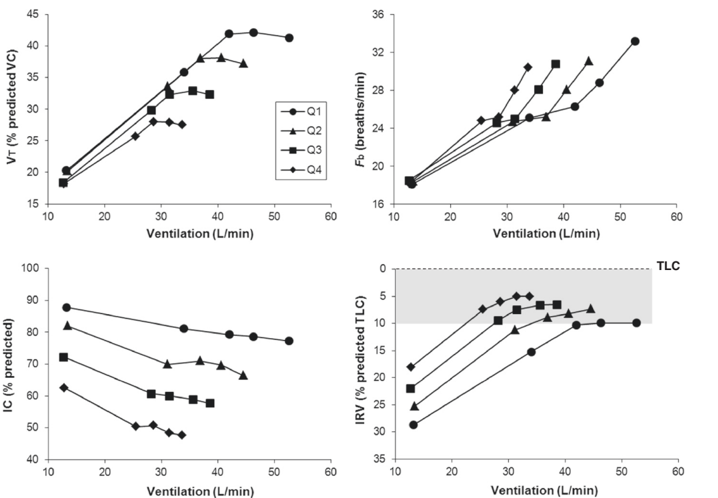
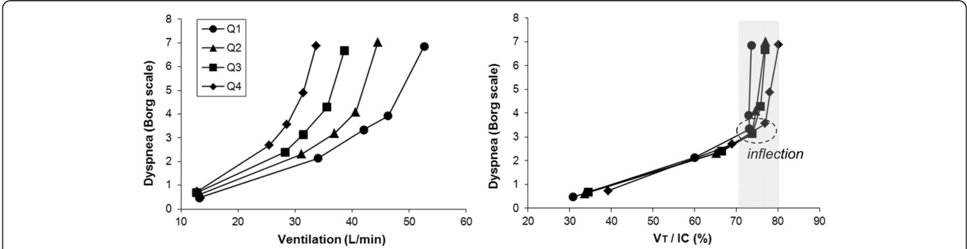
In chronic obstructive pulmonary disease (COPD), worsening expiratory flow limitation together with alteration in the elastic properties of the lung are associated with progressive lung hyperinflation and gradual decline in the resting inspiratory capacity over time. Dynamic hyperinflation (DH) refers to the variable increase in end-expiratory lung volume (EELV) above the relaxation volume (V R ) of the respiratory system that occurs when expiratory flow limitation is amplified (e.g., during bronchoconstriction and acute exacerbations) or when ventilation is increased in the setting of expiratory flow limitation. During exercise, the combined factors of worsening expiratory flow limitation, increasing respiratory neural drive and breathing pattern alterations dictate the pattern and extent of DH. Acute-on-chronic hyperinflation increases the intrinsic loads on the inspiratory muscles which become functionally weakened. The combined effects of compromised respiratory and integrated cardio-circulatory function due to lung hyperinflation contribute to exercise limitation. In COPD, the resting inspiratory capacity, which indirectly reflects the extent of lung hyperinflation, dictates the limits of tidal volume expansion and thus, peak ventilatory capacity during activity. Moreover, the growing disparity between increased respiratory neural drive and the blunted respiratory muscular/mechanical response due to lung hyperinflation is mechanistically linked to dyspnea during exercise in COPD. From a clinical standpoint, measurement of lung hyperinflation is integral to the assessment of physiological impairment in individuals with COPD and can effectively be targeted for treatment. Moreover, it is now well established that lung volume reduction (deflation) provides a solid mechanistic rationale for observed improvements in dyspnea and exercise tolerance in patients with COPD following bronchodilator therapy.
Overview
CoChat Summary
TL;DR
Lung hyperinflation in COPD arises from expiratory flow limitation and altered lung elastic properties, and it contributes to dyspnea, exercise limitation, and cardio-circulatory impairment. This narrative review argues that measuring and targeting lung hyperinflation—especially via bronchodilator-induced deflation—has important clinical value.
Key findings
- Resting inspiratory capacity (IC) declines as COPD worsens; a 4-year trial reported a mean pre-bronchodilator IC decline of 34–50 mL/year in moderate to very severe COPD, and patients with the lowest baseline IC had the greatest rates of exacerbation and death.
- Dynamic hyperinflation during exercise is common: increases in end-expiratory lung volume above resting values by 0.3–0.6 L occurred in as many as 85% of patients with moderate to severe COPD during cycle exercise.
- Severe hyperinflation, defined as an IC/TLC ratio <25%, is associated with increased cardiovascular mortality, impaired left ventricular filling, and reduced exercise tolerance; intrinsic PEEP may be as high as 6–9 cm H₂O during quiet breathing in stable severe COPD.
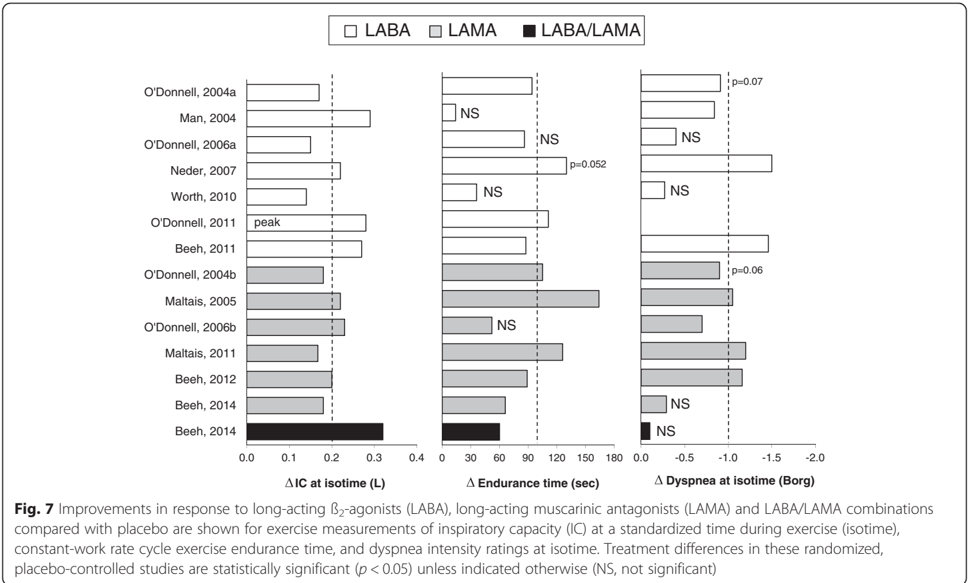
- Inhaled bronchodilators increase resting IC by approximately 0.2–0.4 L or 10–15%, and bronchodilator therapy increases cycle exercise endurance time by about 20% on average, often within the clinically important range of about 100 s.
Methods
- Narrative review of the physiology, clinical consequences, and treatment of lung hyperinflation in COPD.
- No primary sample or new data collection; the paper synthesizes prior studies, including longitudinal, cross-sectional, exercise, imaging, and randomized bronchodilator trials.
- Main analysis is conceptual and mechanistic synthesis, covering definitions, determinants, natural history, respiratory muscle and hemodynamic effects, dynamic hyperinflation during exacerbations and exercise, dyspnea mechanisms, and bronchodilator effects.
Limitations
- The paper states that insufficient longitudinal data are available to precisely chart the natural history of lung hyperinflation in COPD.
- The paper notes that the impact of dynamic hyperinflation on cardiac output and ventilatory/locomotor muscle competition during exercise merits further study, and that information on exercise responses with dual bronchodilator therapy is currently limited.
- Evident from the text: this is a narrative review without a stated systematic search strategy or meta-analysis, so its conclusions depend on selected cited studies, some of which are small or have variable outcome measurements.
Model-written summary. Check it against the paper before relying on it.
Integrity signals
Registry
Cites
Statistics
Figures
Verification
Claims the paper makes
0 Valid · 0 Not valid · 114 Not checked · 26 Own results and interpretations
A check of a cited source is scheduled, or we don’t hold its full text yet; the claim is checked once it runs.
In the paper
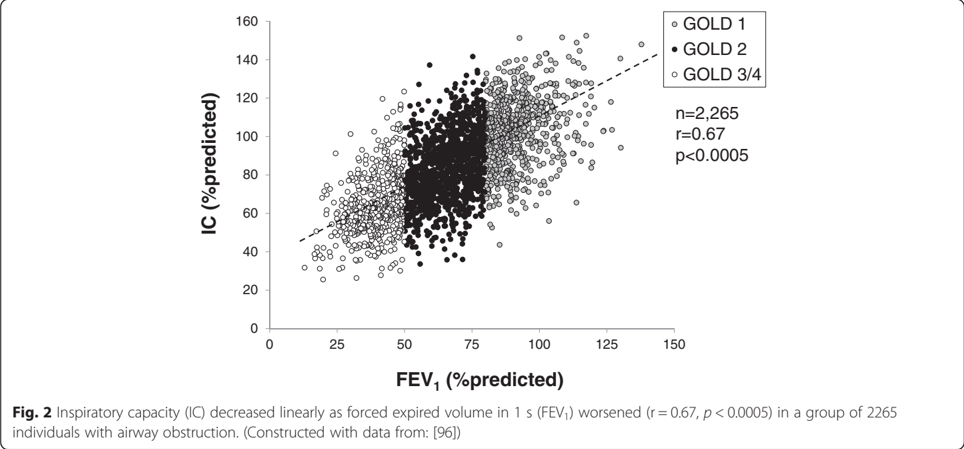
“Inspiratory capacity (IC) decreased linearly as forced expired volume in 1 s (FEV 1 ) worsened (r = 0.67, p < 0.0005) in a group of 2265 individuals with airway obstruction.(Constructed with data from:[96])”
§ Lung hyperinflation in COPD: applying physiology to clinical practice > Summary and clinical relevance
What the sources say
- Not checked yetcites [96] Deesomchok A, Webb KA, Forkert L, Lam YM, Ofir D, Jensen D, et al. Lung hyperinflation and its reversibility in patients with airway obstruction of varying severity. COPD. 2010;7:428–37. source
A check is scheduled.
plainstates an associationn = 2,265- Asserted: passes — The authors put it forward as true.
- Checkable: passes — It can be checked against evidence.
- Load-bearing: passes — The paper’s conclusions depend on it.
- Based: passes — The paper gives a reason why it holds.
- Not checked yet
None of the sources cited for this claim have been checked yet.
In the paper
“Measures of resting lung hyperinflation have been shown to be predictive of respiratory and all-cause mortality”
§ Lung hyperinflation in COPD: applying physiology to clinical practice > Introduction
What the sources say
- Not checked yetcites [3] Casanova C, Cote C, de Torres JP, Aguirre-Jaime A, Marin JM, Pinto-Plata V, et al. Inspiratory-to-total lung capacity ratio predicts mortality in patients with chronic obstructive pulmonary disease. Am J Respir Crit Care Med. 2005;171:591–7. doi:10.1164/rccm.200407-867OC. source
- Not checked yetcites [4] Tantucci C, Donati P, Nicosia F, Bertella E, Redolfi S, De Vecchi M, et al. Inspiratory capacity predicts mortality in patients with chronic obstructive pulmonary disease. Respir Med. 2008;102:613–9. doi:10.1016/j.rmed.2007.11.004. source
boostedstates an association- Asserted: passes — The authors put it forward as true.
- Checkable: passes — It can be checked against evidence.
- Load-bearing: passes — The paper’s conclusions depend on it.
- Based: passes — The paper gives a reason why it holds.
A check of a cited source is scheduled, or we don’t hold its full text yet; the claim is checked once it runs.
In the paper
“Moreover, acute DH is increasingly implicated as a major cause of dyspneathe dominant symptom in patients with chronic airway diseases [7].”
§ Lung hyperinflation in COPD: applying physiology to clinical practice > Introduction
What the sources say
- Not checked yetcites [7] Parshall MB, Schwartzstein RM, Adams L, Banzett RB, Manning HL, Bourbeau J. An official American Thoracic Society statement: update on the mechanisms, assessment, and management of dyspnea. Am J Respir Crit Care Med. 2012;185:435–52. doi:10.1164/rccm.201111-2042ST. source
A check is scheduled.
plainstates a possible cause- Asserted: passes — The authors put it forward as true.
- Checkable: passes — It can be checked against evidence.
- Load-bearing: passes — The paper’s conclusions depend on it.
- Based: passes — The paper gives a reason why it holds.
- Not checked yet
None of the sources cited for this claim have been checked yet.
In the paper
“The increase in TLC in COPD usually reflects the increased lung compliance due to emphysema [10,11]”
§ Lung hyperinflation in COPD: applying physiology to clinical practice > Hyperinflation: definitions and determinants
What the sources say
plainstates a cause- Asserted: passes — The authors put it forward as true.
- Checkable: passes — It can be checked against evidence.
- Load-bearing: unclear — It is unclear whether the paper’s conclusions depend on it.
- Based: passes — The paper gives a reason why it holds.
In the paper
“body plethysmography may overestimate thoracic gas volume in patients with severe and very severe COPD due to incomplete equilibration of mouth and alveolar pressures, heterogeneity of alveolar pressure swings during the panting maneuver, and excessive compliance of the extrathoracic airway [9].”
§ Lung hyperinflation in COPD: applying physiology to clinical practice > Hyperinflation: definitions and determinants
What the sources say
- Not checked yetcites [9] O’Donnell CR, Bankier AA, Stiebellehner L, Reilly JJ, Brown R, Loring SH. Comparison of plethysmographic and helium dilution lung volumes: which is best for COPD? Chest. 2010;137:1108–15. doi:10.1378/chest.09-1504. source
hedgedstates a possible cause- Asserted: passes — The authors put it forward as true.
- Checkable: passes — It can be checked against evidence.
- Load-bearing: unclear — It is unclear whether the paper’s conclusions depend on it.
- Based: passes — The paper gives a reason why it holds.
82 more claims
Create a free account to see all 140 claims and to verify the 171 references still open.
- It may state two separate claims as one. 52
- Probably not a substantial claim. 1
Citations
Cites
Vestbo, J., Hurd, S. S., Agustí, A. G., Jones, P. W., Vogelmeier, C., Anzueto, A., Barnes, P. J., Fabbri, L. M., Martinez, F. J., Nishimura, M., et al. (2013) · American Journal of Respiratory and Critical Care Medicine · doi:10.1164/rccm.201204-0596pp · Cited by 15,983
Parshall, M. B., Schwartzstein, R. M., Adams, L., Banzett, R. B., Manning, H. L., Bourbeau, J., Calverley, P. M., Gift, A. G., Harver, A., Lareau, S. C., et al. (2012) · American Journal of Respiratory and Critical Care Medicine · doi:10.1164/rccm.201111-2042st · Cited by 1,844
Self-citationA 4-Year Trial of Tiotropium in Chronic Obstructive Pulmonary Disease
Tashkin, D. P., Celli, B., Senn, S., Burkhart, D., Kesten, S., Menjoge, S., & Decramer, M. (2008) · New England Journal of Medicine · doi:10.1056/nejmoa0805800 · Cited by 1,604
Dynamic Hyperinflation and Exercise Intolerance in Chronic Obstructive Pulmonary Disease
O'DONNELL, D. E., REVILL, S. M., & WEBB, K. A. (2001) · American Journal of Respiratory and Critical Care Medicine · doi:10.1164/ajrccm.164.5.2012122 · Cited by 1,076
Self-citationEffects of tiotropium on lung hyperinflation, dyspnoea and exercise tolerance in COPD
O'Donnell, D. E., Flüge, T., Gerken, F., Hamilton, A., Webb, K., Aguilaniu, B., Make, B., & Magnussen, H. (2004) · European Respiratory Journal · doi:10.1183/09031936.04.00116004 · Cited by 859
Self-citationPhysiological changes in respiratory function associated with ageing
Janssens, J.-P., Pache, J. C., & Nicod, L. P. (1999) · European Respiratory Journal · doi:10.1034/j.1399-3003.1999.13a36.x · Cited by 801
Physiological changes in respiratory function associated with ageing
Rodriguez-Roisin, R., Burgos, F., Roca, J., Barbera, J., Marrades, R., & Wagner, P. (1999) · European Respiratory Journal · doi:10.1183/09031936.99.14614549 · Cited by 664
Casanova, C., Cote, C., de Torres, J. P., Aguirre-Jaime, A., Marin, J. M., Pinto-Plata, V., & Celli, B. R. (2005) · American Journal of Respiratory and Critical Care Medicine · doi:10.1164/rccm.200407-867oc · Cited by 597
Roussos, C., & Macklem, P. T. (1982) · New England Journal of Medicine · doi:10.1056/nejm198209233071304 · Cited by 538
O'DONNELL, D. E., LAM, M., & WEBB, K. A. (1998) · American Journal of Respiratory and Critical Care Medicine · doi:10.1164/ajrccm.158.5.9804004 · Cited by 532 · cited 3×
“Thus, for any given exercise intensity or _ VE, patients breathe on the more linear portion of the respiratory system’s pressure-volume curve, which delays the onset of neuromechanical dissociation and the attendant dyspnea [60, 78, 79, 90].”
BackgroundSelf-citationPercent Emphysema, Airflow Obstruction, and Impaired Left Ventricular Filling
Barr, R. G., Bluemke, D. A., Ahmed, F. S., Carr, J. J., Enright, P. L., Hoffman, E. A., Jiang, R., Kawut, S. M., Kronmal, R. A., Lima, J. A. C., et al. (2010) · New England Journal of Medicine · doi:10.1056/nejmoa0808836 · Cited by 478
Contractile Properties of the Human Diaphragm during Chronic Hyperinflation
Similowski, T., Yan, S., Gauthier, A. P., Macklem, P. T., & Bellemare, F. (1991) · New England Journal of Medicine · doi:10.1056/nejm199109263251304 · Cited by 473
Minimal Clinically Important Differences in Pharmacological Trials
Jones, P. W., Beeh, K. M., Chapman, K. R., Decramer, M., Mahler, D. A., & Wedzicha, J. A. (2014) · American Journal of Respiratory and Critical Care Medicine · doi:10.1164/rccm.201310-1863pp · Cited by 407
O'Donnell, D. E., Voduc, N., Fitzpatrick, M., & Webb, K. A. (2004) · European Respiratory Journal · doi:10.1183/09031936.04.00072703 · Cited by 365
Self-citationOfir, D., Laveneziana, P., Webb, K. A., Lam, Y.-M., & O'Donnell, D. E. (2008) · American Journal of Respiratory and Critical Care Medicine · doi:10.1164/rccm.200707-1064oc · Cited by 358
Self-citationPulmonary mechanics during exercise in subjects with chronic airflow obstruction
Stubbing, D. G., Pengelly, L. D., Morse, J. L., & Jones, N. L. (1980) · Journal of Applied Physiology · doi:10.1152/jappl.1980.49.3.511 · Cited by 314
Maltais, F., Hamilton, A., Marciniuk, D., Hernandez, P., Sciurba, F. C., Richter, K., Kesten, S., & O’Donnell, D. (2005) · Chest · doi:10.1378/chest.128.3.1168 · Cited by 305
Self-citationDiaz, O., Villafranca, C., Ghezzo, H., Borzone, G., Leiva, A., Milic-Emil, J., & Lisboa, C. (2000) · European Respiratory Journal · doi:10.1034/j.1399-3003.2000.16b14.x · Cited by 300
Human respiratory muscle actions and control during exercise
Aliverti, A., Cala, S. J., Duranti, R., Ferrigno, G., Kenyon, C. M., Pedotti, A., Scano, G., Sliwinski, P., Macklem, P. T., & Yan, S. (1997) · Journal of Applied Physiology · doi:10.1152/jappl.1997.83.4.1256 · Cited by 281
Flow limitation and dynamic hyperinflation: key concepts in modern respiratory physiology
Calverley, P. M. A., & Koulouris, N. G. (2005) · European Respiratory Journal · doi:10.1183/09031936.04.00113204 · Cited by 258
Sensory-mechanical relationships during high-intensity, constant-work-rate exercise in COPD
O’Donnell, D. E., Hamilton, A. L., & Webb, K. A. (2006) · Journal of Applied Physiology · doi:10.1152/japplphysiol.01470.2005 · Cited by 242
Self-citationCOPD exacerbations {middle dot} 3: Pathophysiology
O'Donnell, D. E. (2006) · Thorax · doi:10.1136/thx.2005.041830 · Cited by 207
Self-citationElbehairy, A. F., Ciavaglia, C. E., Webb, K. A., Guenette, J. A., Jensen, D., Mourad, S. M., Neder, J. A., & O’Donnell, D. E. (2015) · American Journal of Respiratory and Critical Care Medicine · doi:10.1164/rccm.201501-0157oc · Cited by 206
Self-citationInspiratory Capacity during Exercise: Measurement, Analysis, and Interpretation
Guenette, J. A., Chin, R. C., Cory, J. M., Webb, K. A., & O'Donnell, D. E. (2013) · Pulmonary Medicine · doi:10.1155/2013/956081 · Cited by 203
Self-citationvan Noord, J. A., Aumann, J. L., Janssens, E., Verhaert, J., Smeets, J. J., Mueller, A., & Cornelissen, P. J. G. (2006) · Chest · doi:10.1378/chest.129.3.509 · Cited by 203
Ventilation-perfusion imbalance and chronic obstructive pulmonary disease staging severity
Rodríguez-Roisin, R., Drakulovic, M., Rodríguez, D. A., Roca, J., Barberà, J. A., & Wagner, P. D. (2009) · Journal of Applied Physiology · doi:10.1152/japplphysiol.00085.2009 · Cited by 184
Newton, M. F., O'Donnell, D. E., & Forkert, L. (2002) · Chest · doi:10.1378/chest.121.4.1042 · Cited by 179
Self-citationO'Donnell, D. E., D'Arsigny, C., Fitzpatrick, M., & Webb, K. A. (2002) · American Journal of Respiratory and Critical Care Medicine · doi:10.1164/rccm.2201003 · Cited by 177
Self-citationPhysiological changes during symptom recovery from moderate exacerbations of COPD
Parker, C. M., Voduc, N., Aaron, S. D., Webb, K. A., & O'Donnell, D. E. (2005) · European Respiratory Journal · doi:10.1183/09031936.05.00136304 · Cited by 176
Self-citationIntrinsic PEEP and Arterial PCO2 in Stable Patients with Chronic Obstructive Pulmonary Disease
Haluszka, J., Chartrand, D. A., Grassino, A. E., & Milic-Emili, J. (1990) · American Review of Respiratory Disease · doi:10.1164/ajrccm/141.5_pt_1.1194 · Cited by 173
Does dynamic hyperinflation contribute to dyspnoea during exercise in patients with COPD?
Guenette, J. A., Webb, K. A., & O’Donnell, D. E. (2012) · European Respiratory Journal · doi:10.1183/09031936.00157711 · Cited by 162
Self-citationDecline of Resting Inspiratory Capacity in COPD
O'Donnell, D. E., Guenette, J. A., Maltais, F., & Webb, K. A. (2012) · Chest · doi:10.1378/chest.11-0787 · Cited by 157
Self-citationRespiratory muscle unloading improves leg muscle oxygenation during exercise in patients with COPD
Borghi-Silva, A., Oliveira, C. C., Carrascosa, C., Maia, J., Berton, D. C., Queiroga, F., Ferreira, E. M., Almeida, D. R., Nery, L. E., & Neder, J. A. (2008) · Thorax · doi:10.1136/thx.2007.090167 · Cited by 156
Self-citationO'Donnell, D. E., Webb, K. A., Bertley, J. C., Chau, L. K. L., & Conlan, A. A. (1996) · Chest · doi:10.1378/chest.110.1.18 · Cited by 154
Self-citationVentilatory limitations in chronic obstructive pulmonary disease
O???DONNELL, D. E. (2001) · Medicine and Science in Sports and Exercise · doi:10.1097/00005768-200107001-00002 · Cited by 148
Clinical and Radiographic Predictors of GOLD–Unclassified Smokers in the COPDGene Study
Wan, E. S., Hokanson, J. E., Murphy, J. R., Regan, E. A., Make, B. J., Lynch, D. A., Crapo, J. D., & Silverman, E. K. (2011) · American Journal of Respiratory and Critical Care Medicine · doi:10.1164/rccm.201101-0021oc · Cited by 147
Exercise ventilatory inefficiency in mild to end-stage COPD
Neder, J. A., Arbex, F. F., Alencar, M. C. N., O’Donnell, C. D. J., Cory, J., Webb, K. A., & O’Donnell, D. E. (2015) · European Respiratory Journal · doi:10.1183/09031936.00135514 · Cited by 143
Self-citationJörgensen, K., Müller, M. F., Nel, J., Upton, R. N., Houltz, E., & Ricksten, S.-E. (2007) · Chest · doi:10.1378/chest.06-2245 · Cited by 140
Neural respiratory drive and breathlessness in COPD
Jolley, C. J., Luo, Y. M., Steier, J., Rafferty, G. F., Polkey, M. I., & Moxham, J. (2015) · European Respiratory Journal · doi:10.1183/09031936.00063014 · Cited by 134
Statics of the respiratory system
D’Angelo, E. (1999) · Springer eBooks · doi:10.1007/978-88-470-2273-7_2 · Cited by 125
Lung Hyperinflation and Its Reversibility in Patients with Airway Obstruction of Varying Severity
Deesomchok, A., Webb, K. A., Forkert, L., Lam, Y.-M., Ofir, D., Jensen, D., & O’Donnell, D. E. (2010) · COPD: Journal of Chronic Obstructive Pulmonary Disease · doi:10.3109/15412555.2010.528087 · Cited by 124
Self-citationGuenette, J. A., Chin, R. C., Cheng, S., Dominelli, P. B., Raghavan, N., Webb, K. A., Neder, J. A., & O’Donnell, D. E. (2014) · European Respiratory Journal · doi:10.1183/09031936.00034714 · Cited by 124
Self-citationDoes the Respiratory System Limit Exercise in Mild Chronic Obstructive Pulmonary Disease?
Chin, R. C., Guenette, J. A., Cheng, S., Raghavan, N., Amornputtisathaporn, N., Cortés-Télles, A., Webb, K. A., & O’Donnell, D. E. (2013) · American Journal of Respiratory and Critical Care Medicine · doi:10.1164/rccm.201211-1970oc · Cited by 123
Self-citationChiappa, G. R., Queiroga, F., Meda, E., Ferreira, L. F., Diefenthaeler, F., Nunes, M., Vaz, M. A., Machado, M. C. L., Nery, L. E., & Neder, J. A. (2009) · American Journal of Respiratory and Critical Care Medicine · doi:10.1164/rccm.200811-1793oc · Cited by 122
Self-citationChronic Obstructive Pulmonary Disease
O’Donnell, D. E., Laveneziana, P., Webb, K., & Neder, J. A. (2014) · Clinics in Chest Medicine · doi:10.1016/j.ccm.2013.09.008 · Cited by 121
Self-citationMechanisms, assessment and therapeutic implications of lung hyperinflation in COPD
Rossi, A., Aisanov, Z., Avdeev, S., Di Maria, G., Donner, C. F., Izquierdo, J. L., Roche, N., Similowski, T., Watz, H., Worth, H., et al. (2015) · Respiratory Medicine · doi:10.1016/j.rmed.2015.03.010 · Cited by 121
Why Does the Lung Hyperinflate?
Ferguson, G. T. (2006) · Proceedings of the American Thoracic Society · doi:10.1513/pats.200508-094do · Cited by 115
Hyatt, R. E. (1983) · Journal of Applied Physiology · doi:10.1152/jappl.1983.55.1.1 · Cited by 114
Respiratory muscle function and activation in chronic obstructive pulmonary disease
McKenzie, D. K., Butler, J. E., & Gandevia, S. C. (2009) · Journal of Applied Physiology · doi:10.1152/japplphysiol.00163.2009 · Cited by 114
Effect of indacaterol on exercise endurance and lung hyperinflation in COPD
O’Donnell, D. E., Casaburi, R., Vincken, W., Puente-Maestu, L., Swales, J., Lawrence, D., & Kramer, B. (2011) · Respiratory Medicine · doi:10.1016/j.rmed.2011.03.014 · Cited by 109
Self-citationChiappa, G. R., Borghi-Silva, A., Ferreira, L. F., Carrascosa, C., Oliveira, C. C., Maia, J., Gimenes, A. C., Queiroga, F., Berton, D., Ferreira, E. M. V., et al. (2008) · Journal of Applied Physiology · doi:10.1152/japplphysiol.01364.2007 · Cited by 108
Self-citationHaemodynamic responses to exercise in patients with COPD
Hilde, J. M., Skjørten, I., Hansteen, V., Melsom, M. N., Hisdal, J., Humerfelt, S., & Steine, K. (2013) · European Respiratory Journal · doi:10.1183/09031936.00085612 · Cited by 107
Mahler, D. A., & O'Donnell, D. E. (2015) · Chest · doi:10.1378/chest.14-0800 · Cited by 105
Self-citationMahler, D. A., D'Urzo, A., Bateman, E. D., Özkan, S. A., White, T., Peckitt, C., Lassen, C., Kramer, B., & on behalf of the INTRUST-1 and INTRUST-2 study investigators (2012) · Thorax · doi:10.1136/thoraxjnl-2011-201140 · Cited by 105
Expiratory flow limitation and regulation of end-expiratory lung volume during exercise
Pellegrino, R., Brusasco, V., RODARTE, J. R., & Babb, T. G. (1993) · Journal of Applied Physiology · doi:10.1152/jappl.1993.74.5.2552 · Cited by 100
On the causes of lung hyperinflation during bronchoconstriction
Pellegrino, R., & Brusasco, V. (1997) · European Respiratory Journal · doi:10.1183/09031936.97.10020468 · Cited by 99
Effect of hyperinflation on the diaphragm
De Troyer, A. (1997) · European Respiratory Journal · doi:10.1183/09031936.97.10030708 · Cited by 99
Hyperinflation and respiratory muscle interaction
Decramer, M. (1997) · European Respiratory Journal · doi:10.1183/09031936.97.10040934 · Cited by 95
Aliverti, A., & Macklem, P. T. (2008) · Journal of Applied Physiology · doi:10.1152/japplphysiol.90336.2008 · Cited by 94
Diaphragm structure and function in health and disease
POOLE, D. C., SEXTON, W. L., FARKAS, G. A., POWERS, S. K., & REID, M. B. (1997) · Medicine & Science in Sports & Exercise · doi:10.1097/00005768-199706000-00003 · Cited by 91
O’Donnell, D. E., Ciavaglia, C. E., & Neder, J. A. (2014) · Annals of the American Thoracic Society · doi:10.1513/annalsats.201312-438fr · Cited by 91
Self-citationAssessment of Bronchodilator Efficacy in Symptomatic COPD
O'Donnell, D. E. (2000) · Chest · doi:10.1378/chest.117.2_suppl.42s · Cited by 88
Self-citationComparison of Plethysmographic and Helium Dilution Lung Volumes
O'Donnell, C. R., Bankier, A. A., Stiebellehner, L., Reilly, J. J., Brown, R., & Loring, S. H. (2010) · Chest · doi:10.1378/chest.09-1504 · Cited by 87
Casaburi, R. (2005) · COPD: Journal of Chronic Obstructive Pulmonary Disease · doi:10.1081/copd-200050576 · Cited by 87
Effect of QVA149 on lung volumes and exercise tolerance in COPD patients: The BRIGHT study
Beeh, K.-M., Korn, S., Beier, J., Jadayel, D., Henley, M., D'Andrea, P., & Banerji, D. (2014) · Respiratory Medicine · doi:10.1016/j.rmed.2014.01.006 · Cited by 86
No room to breathe: the importance of lung hyperinflation in COPD
Thomas, M., Decramer, M., & O'Donnell, D. E. (2013) · Primary Care Respiratory Journal · doi:10.4104/pcrj.2013.00025 · Cited by 84
Self-citationEffects of BMI on Static Lung Volumes in Patients With Airway Obstruction
O'Donnell, D. E., Deesomchok, A., Lam, Y.-M., Guenette, J. A., Amornputtisathaporn, N., Forkert, L., & Webb, K. A. (2011) · Chest · doi:10.1378/chest.10-2582 · Cited by 80
Self-citationEffect of Lung Volume Reduction Surgery on Resting Pulmonary Hemodynamics in Severe Emphysema
Criner, G. J., Scharf, S. M., Falk, J. A., Gaughan, J. P., Sternberg, A. L., Patel, N. B., Fessler, H. E., Minai, O. A., & Fishman, A. P. (2007) · American Journal of Respiratory and Critical Care Medicine · doi:10.1164/rccm.200608-1114oc · Cited by 78
Krumpe, P. E., Knudson, R. J., Parsons, G., & Reiser, K. (1985) · Clinics in Geriatric Medicine · doi:10.1016/s0749-0690(18)30963-7 · Cited by 74
Inspiratory fraction and exercise impairment in COPD patients GOLD stages II–III
Albuquerque, A. L. P., Nery, L. E., Villaça, D. S., Machado, T. Y. S., Oliveira, C. C., Paes, Â. T., & Neder, J. A. (2006) · European Respiratory Journal · doi:10.1183/09031936.06.00040506 · Cited by 74
Self-citationEffect of acute inflation on the mechanics of the inspiratory muscles
De Troyer, A., & Wilson, T. A. (2009) · Journal of Applied Physiology · doi:10.1152/japplphysiol.91472.2008 · Cited by 73
Prediction of the rate of decline in FEV1 in smokers using quantitative computed tomography
Yuan, R., Hogg, J. C., Pare, P. D., Sin, D. D., Wong, J. C., Nakano, Y., McWilliams, A. M., Lam, S., & Coxson, H. O. (2009) · Thorax · doi:10.1136/thx.2008.112433 · Cited by 72
Holverda, S., Bogaard, H. J., Groepenhoff, H., Postmus, P. E., Boonstra, A., & Vonk-Noordegraaf, A. (2008) · Respiration · doi:10.1159/000110207 · Cited by 68
Langer, D., Ciavaglia, C. E., Neder, J. A., Webb, K. A., & O’Donnell, D. E. (2014) · Expert Review of Respiratory Medicine · doi:10.1586/17476348.2014.949676 · Cited by 68
Self-citationAgeing and changes in lung mechanics: Fig. 1—
Pride, N. B. (2005) · European Respiratory Journal · doi:10.1183/09031936.05.00079805 · Cited by 67
Does expiratory muscle activity influence dynamic hyperinflation and exertional dyspnea in COPD?
Laveneziana, P., Webb, K. A., Wadell, K., Neder, J. A., & O’Donnell, D. E. (2014) · Respiratory Physiology & Neurobiology · doi:10.1016/j.resp.2014.04.005 · Cited by 61
Self-citationLaveneziana, P., Palange, P., Ora, J., Martolini, D., & O’Donnell, D. E. (2009) · European Journal of Applied Physiology · doi:10.1007/s00421-009-1169-4 · Cited by 60
Self-citationExpiratory Flow Limitation Definition, Mechanisms, Methods, and Significance
Tantucci, C. (2013) · Pulmonary Medicine · doi:10.1155/2013/749860 · Cited by 60
Inspiratory capacity predicts mortality in patients with chronic obstructive pulmonary disease
Tantucci, C., Donati, P., Nicosia, F., Bertella, E., Redolfi, S., De Vecchi, M., Corda, L., Grassi, V., & Zulli, R. (2008) · Respiratory Medicine · doi:10.1016/j.rmed.2007.11.004 · Cited by 59
Berton, D. C., Barbosa, P. B., Takara, L. S., Chiappa, G. R., Siqueira, A. C. B., Bravo, D. M., Ferreira, L. F., & Neder, J. A. (2010) · Thorax · doi:10.1136/thx.2009.120857 · Cited by 53
Self-citationA four-year follow-up study of lung mechanics in smokers.
(1979) · PubMed · doi:10.1164/arrd.1979.120.2.293 · Cited by 52
Effects of tiotropium and formoterol on dynamic hyperinflation and exercise endurance in COPD
Berton, D. C., Reis, M., Siqueira, A. C. B., Barroco, A. C., Takara, L. S., Bravo, D. M., Andreoni, S., & Neder, J. A. (2010) · Respiratory Medicine · doi:10.1016/j.rmed.2010.05.017 · Cited by 46
Self-citationRespiration: Pulmonary Mechanics
Mead, J. (1973) · Annual Review of Physiology · doi:10.1146/annurev.ph.35.030173.001125 · Cited by 41
Gorini, M., Misuri, G., Duranti, R., Iandelli, I., Mancini, M., & Scano, G. (1997) · Thorax · doi:10.1136/thx.52.4.355 · Cited by 34
Neder, J. A., O’Donnell, C. D. J., Cory, J., Langer, D., Ciavaglia, C. E., Ling, Y., Webb, K. A., & O’Donnell, D. E. (2015) · COPD: Journal of Chronic Obstructive Pulmonary Disease · doi:10.3109/15412555.2014.948997 · Cited by 34
Self-citationCiavaglia, C. E., Guenette, J. A., Langer, D., Webb, K. A., Alberto Neder, J., & O'Donnell, D. E. (2014) · Journal of Applied Physiology · doi:10.1152/japplphysiol.00502.2014 · Cited by 29
Self-citationMacklem, P. T. (1978) · Annual Review of Physiology · doi:10.1146/annurev.ph.40.030178.001105 · Cited by 29
Respiratory Muscle Evaluation of the Patient with Neuromuscular Disease
DePalo, V. A., & McCool, F. D. (2002) · Seminars in Respiratory and Critical Care Medicine · doi:10.1055/s-2002-33028 · Cited by 28
Does exercise test modality influence dyspnoea perception in obese patients with COPD?
Ciavaglia, C. E., Guenette, J. A., Ora, J., Webb, K. A., Neder, J. A., & O’Donnell, D. E. (2014) · European Respiratory Journal · doi:10.1183/09031936.00151513 · Cited by 28
Self-citationNoninvasive ventilation in acute respiratory failure
Masip, J., & Mas, A. (2014) · International Journal of Chronic Obstructive Pulmonary Disease · doi:10.2147/copd.s42664 · Cited by 26
The respiratory muscles in COPD. State of the art
Rochester, D. F. (1984) · Chest · doi:10.1378/chest.85.6.47s · Cited by 25
Oliveira, M. F., Zelt, J. T. J., Jones, J. H., Hirai, D. M., O'Donnell, D. E., Verges, S., & Neder, J. A. (2015) · Frontiers in Physiology · doi:10.3389/fphys.2014.00514 · Cited by 20
Self-citationO2 cost of inspiratory and expiratory resistive breathing in humans
Dodd, D. S., Yarom, J., Loring, S. H., & Engel, L. A. (1988) · Journal of Applied Physiology · doi:10.1152/jappl.1988.65.6.2518 · Cited by 19
Examining the Role of Activity, Exercise, and Pharmacology in Mild COPD
O'Donnell, D. E., & Gebke, K. B. (2014) · Postgraduate Medicine · doi:10.3810/pgm.2014.09.2808 · Cited by 17
Self-citationCan bronchodilators improve exercise tolerance in COPD patients without dynamic hyperinflation?
Scuarcialupi, M. E. A., Berton, D. C., Cordoni, P. K., Squassoni, S. D., Fiss, E., & Neder, J. A. (2014) · Jornal Brasileiro de Pneumologia · doi:10.1590/s1806-37132014000200003 · Cited by 5
Self-citationRespiratory mechanics : changes in disease
Wilson, T. (2016) · SpringerBriefs in bioengineering · doi:10.1007/978-3-319-30508-0 · Cited by 3
(1999) · PubMed
Cited by
Cardiovascular disease and COPD: dangerous liaisons?
Rabe, K. F., Hurst, J. R., & Suissa, S. (2018) · European Respiratory Review · doi:10.1183/16000617.0057-2018 · Cited by 444
Hanania, N. A., & O’Donnell, D. E. (2019) · International Journal of COPD · doi:10.2147/copd.s188141 · Cited by 159
Self-citationHypercapnia in COPD: Causes, Consequences, and Therapy
Csoma, B., Vulpi, M. R., Dragonieri, S., Bentley, A. M., Felton, T., Lázár, Z., & Bikov, A. (2022) · Journal of Clinical Medicine · doi:10.3390/jcm11113180 · Cited by 92
Beeh, K. M., Burgel, P., Franssen, F. M. E., López-Campos, J. L., Loukides, S., Hurst, J. R., Fležar, M., Ulrik, C. S., Marco, F. D., Stolz, D., et al. (2017) · American Journal of Respiratory and Critical Care Medicine · doi:10.1164/rccm.201609-1794ci · Cited by 87
Implications of Cardiopulmonary Risk for the Management of COPD: A Narrative Review
Singh, D., Han, M. K., Hawkins, N. M., Hurst, J. R., Kocks, J. W. H., SKOLNIK, N., Stolz, D., Khoury, J. E., & Gale, C. P. (2024) · Advances in Therapy · doi:10.1007/s12325-024-02855-4 · Cited by 87
Metadata
- Authors
- O’Donnell, D. E., Webb, K. A., & Neder, J. A.
- Affiliations
- Queen's University (CA)
- Corresponding author
- O’Donnell, Denis E.
- Venue
- COPD Research and Practice
- Published
- 2015-09-07
- Volume
- 1
- Issue
- 1
- ISSN
- 2054-9040 (ISSN-L)
- OpenAlex
- W2117521616
- Semantic Scholar
- 89da9539193c4986802a40915b77e5a618a9951d
- Cited by
- 93
- References
- 98
- Citations by year
- 2026: 8 · 2025: 7 · 2024: 12 · 2023: 6 · 2022: 9 · 2021: 6 · 2020: 12 · 2019: 10 · 2018: 11 · 2017: 10 · 2016: 2
- FWCI
- 5.10
- Type
- journal article
- Language
- en
- Open access
- hybrid
- doi.org
- Locations
- COPD Research and Practice (publishedVersion, cc-by)
- Topics
- Health Sciences › Medicine › Pulmonary and Respiratory Medicine › Chronic Obstructive Pulmonary Disease (COPD) Research
- Health Sciences › Medicine › Pulmonary and Respiratory Medicine › Respiratory Support and Mechanisms
- Health Sciences › Medicine › Physiology (medical) › Cardiovascular and exercise physiology
- Keywords
- chronic obstructive pulmonary disease, lung hyperinflation, dynamic hyperinflation, end-expiratory lung volume, expiratory flow limitation, inspiratory capacity, exercise limitation, dyspnea, inspiratory muscle weakness, lung volume reduction, bronchodilator therapy, acute exacerbation, bronchoconstriction
About these checks
Registry, retraction, Cites and statistics results are computed, not judged, with one exception: a printed reference that no index lists is read once by a model before it counts as a citation error. Claims are extracted by a model and kept only when their quote appears verbatim in the text; each cited source is then checked, with a model’s help, for whether it says what the claim relies on. Those verdicts can be wrong — read the claim’s quote and the cited source before relying on one.
A language model drew the claims from the paper on 2026-11-13, under version 3 of the claim definition (model deepseek-v4.1-flash, prompt extract-v3).
A second model labelled each claim on 2026-11-13 (model jev-1.13-20260917, definition revision gold-guideline-v0.2).
Statistics and arithmetic are recomputed, not judged.
Confidence bands are shown only for fields calibrated on our annotated test set. None is calibrated yet, so no band is shown.
What counts as a claim ›How we measure confidence ›How we check this ›
Are you an author, or do you see a problem with this page? Request a review
Data sources
Bibliographic data: Semantic Scholar, OpenAlex, Crossref.
Contains information from the Semantic Scholar Academic Graph Datasets, made available under the ODC Attribution License (ODC-BY 1.0).
Semantic Scholar’s data is described in: Kinney, R., et al. (2023). The Semantic Scholar Open Data Platform. arXiv:2301.10140.
