

The DOI matches its Crossref record; 60 of the 60 references it cites were found in a registry or an index.
Glutamine Deprivation Induces Abortive S-Phase Rescued by Deoxyribonucleotides in K-Ras Transformed Fibroblasts
Open accessAbstract
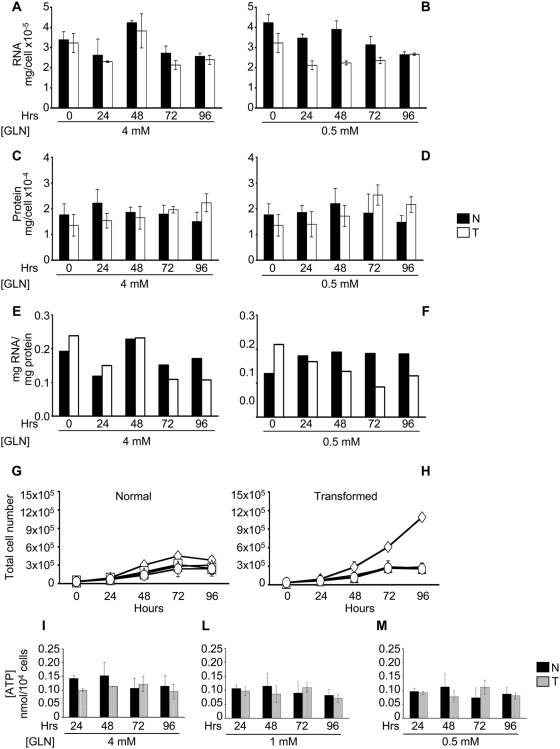
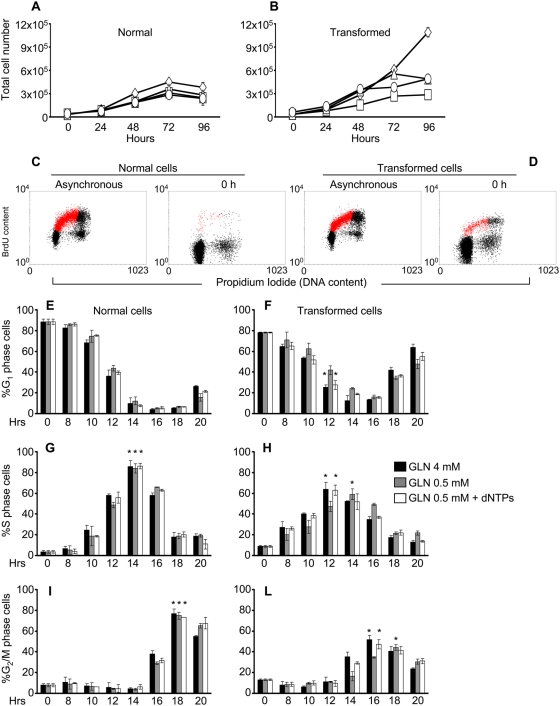
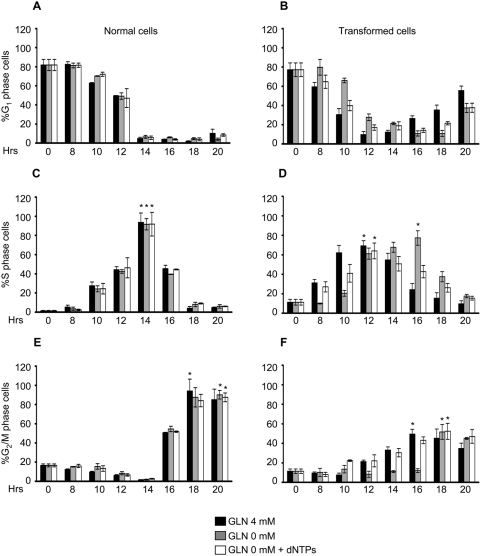
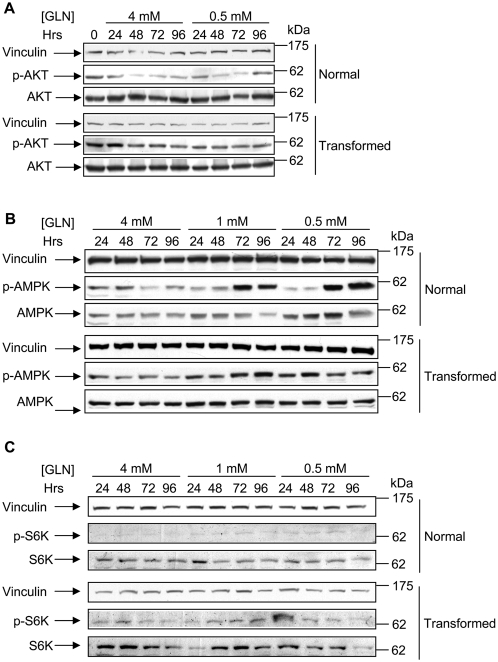
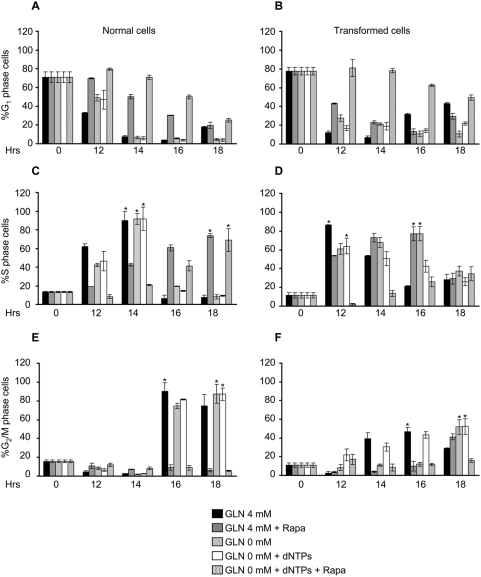
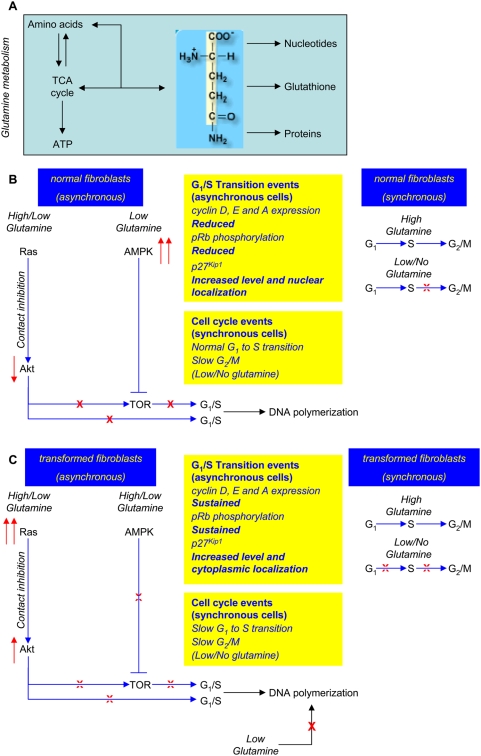
BACKGROUND: Oncogene activation plays a role in metabolic reprogramming of cancer cells. We have previously shown that K-ras transformed fibroblasts have a stronger dependence on glycolysis and a reduced oxidative phosphorylation ability as compared to their normal counterparts. Another metabolic adaptation of cancer cells, that has long been established, is their propensity to exhibit increased glutamine consumption, although the effects induced by glutamine deprivation on cancer cells are still controversial. METHODOLOGY AND PRINCIPAL FINDINGS: Here, by using nutritional perturbations and molecular physiology, we show that reduction or complete depletion of glutamine availability in K-ras transformed fibroblasts causes a strong decrease of proliferation ability and a slower re-entry of synchronized cells into the cell cycle. The reduced proliferation is accompanied by sustained expression of cyclin D and E, abortive S phase entrance and is dependent on Ras signalling deregulation, since it is rescued by expression of a dominant negative guanine nucleotide exchange factor. The growth potential of transformed cells as well as the ability to execute the G(1) to S transition is restored by adding the four deoxyribonucleotides, indicating that the arrest of proliferation of K-ras transformed cells induced by glutamine depletion is largely due to a reduced supply of DNA in the presence of signalling pathways promoting G(1) to S transition. CONCLUSIONS AND SIGNIFICANCE: Our results suggest that the differential effects of glutamine and glucose on cell viability are not a property of the transformed phenotype per se, but rather depend on the specific pathway being activated in transformation. For instance, myc-overexpressing cells have been reported to die under glutamine depletion and not under glucose shortage, while the opposite holds for ras-transformed fibroblasts as shown in this paper. These different responses of transformed cells to nutritional stress should be taken into account when designing anti-cancer therapies that aim to exploit metabolic differences between normal and transformed cells.
Overview
The claims and statistics of this paper haven’t been checked yet.
Run the check — free, no account needed. It reads the open-access text and checks the sources it cites.
Integrity signals
Registry
Cites
Statistics
Figures
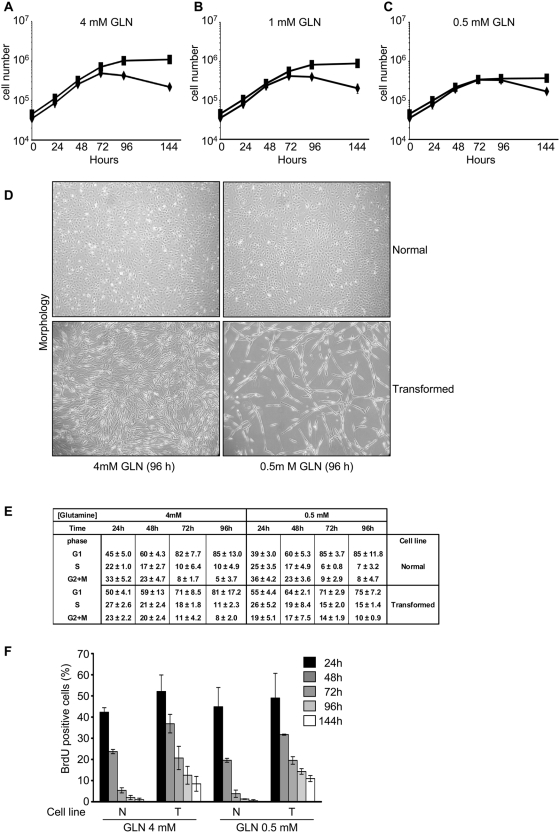
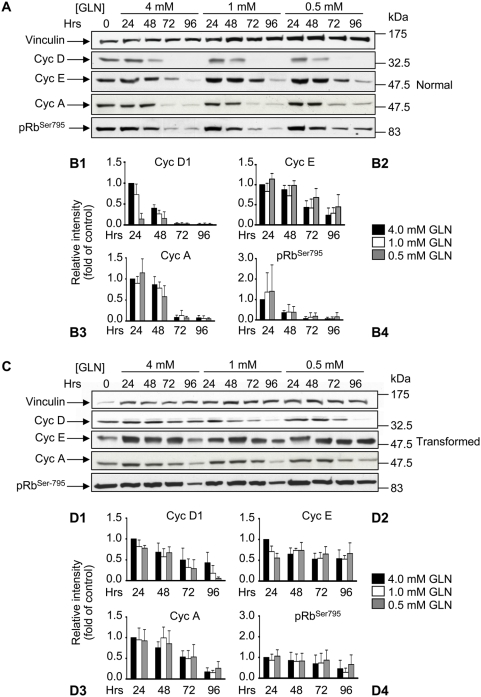
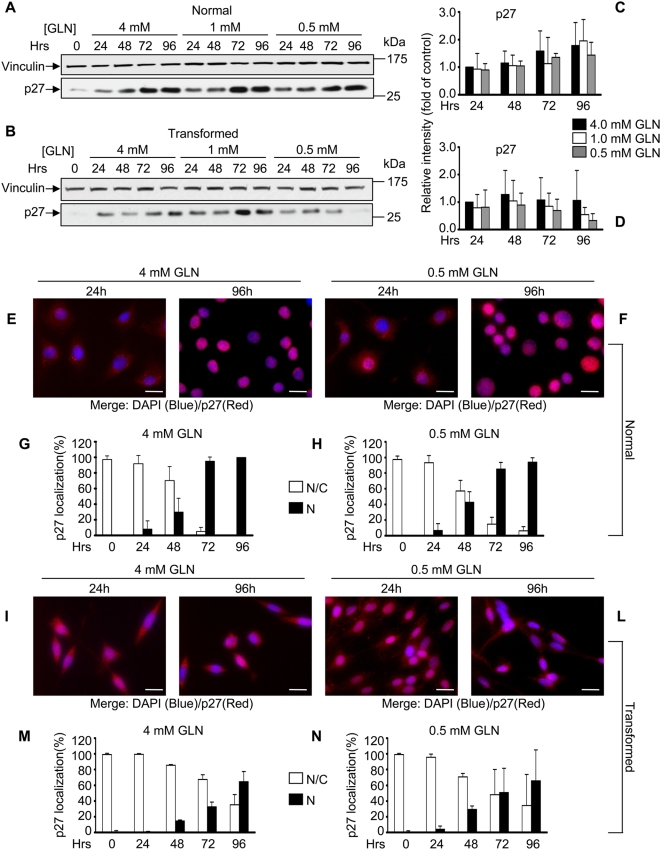
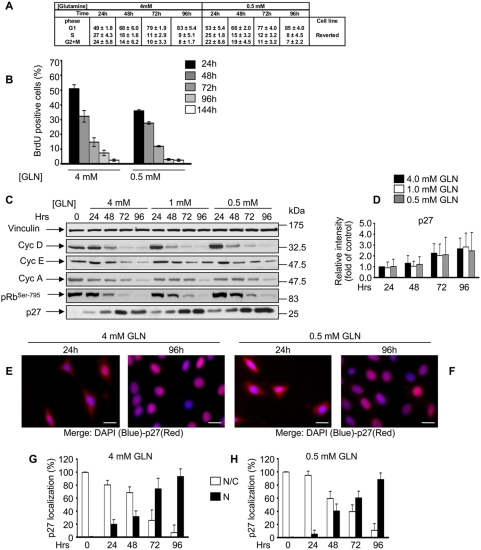
Verification
Claims the paper makes
The claims and statistics of this paper haven’t been checked yet.
Run the check — free, no account needed. It reads the open-access text and checks the sources it cites.
Claims other papers make about this one
Each is checked against this paper’s own text: does it say what the citing paper says it does?
In the citing paper
“Accordingly, glutamine levels have been shown to be rate-limiting for cell cycle progression, and glutamine deprivation leads to cell cycle arrest in the S-phase in certain cellular contexts (Fontenelle and Henderson, 1969; Gaglio et al., 2009).”
From The emerging hallmarks of cancer metabolism (2016) · cites this paper as Gaglio et al., 2009
Self-check
Percentages, sums and reported differences re-computed from the paper’s own numbers.
The self-check needs the paper’s full text.
Citations
Cites
Warburg, O. (1956) · Science · doi:10.1126/science.123.3191.309 · Cited by 13,425
Why Do Cancers Have High Aerobic Glycolysis?
Gatenby, R. A., & Gillies, R. J. (2004) · Nature reviews. Cancer · doi:10.1038/nrc1478 · Cited by 4,784
The Biology of Cancer: Metabolic Reprogramming Fuels Cell Growth and Proliferation
DeBerardinis, R. J., Lum, J. J., Hatzivassiliou, G., & Thompson, C. B. (2008) · Cell Metabolism · doi:10.1016/j.cmet.2007.10.002 · Cited by 4,088
Wallace, D. C. (2005) · Annual Review of Genetics · doi:10.1146/annurev.genet.39.110304.095751 · Cited by 3,185
DeBerardinis, R. J., Mancuso, A., Daikhin, E., Nissim, I., Yudkoff, M., Wehrli, S., & Thompson, C. B. (2007) · Proceedings of the National Academy of Sciences · doi:10.1073/pnas.0709747104 · Cited by 2,622
The Rb/E2F pathway: expanding roles and emerging paradigms
Harbour, J. W., & Dean, D. C. (2000) · Genes & Development · doi:10.1101/gad.813200 · Cited by 1,153
Cheng, M., Olivier, P., Diehl, J. A., Fero, M., Roussel, M. F., Roberts, J. M., & Sherr, C. J. (1999) · The EMBO Journal · doi:10.1093/emboj/18.6.1571 · Cited by 1,142 · cited 10×
“Notably both Cdk2 and Cdk4 kinase complexes phosphorylate, during the G1 to S transition, pRb protein on Ser 795.”
BackgroundInfluentialPKB/Akt phosphorylates p27, impairs nuclear import of p27 and opposes p27-mediated G1 arrest
Liang, J., Zubovitz, J., Petrocelli, T., Kotchetkov, R., Connor, M. K., Han, K. C.-Z., Lee, J.-H., Ciarallo, S., Catzavelos, C., Beniston, R., et al. (2002) · Nature Medicine · doi:10.1038/nm761 · Cited by 952
Transforming p21 Mutants and c-Ets-2 Activate the Cyclin D1 Promoter through Distinguishable Regions
Albanese, C., Johnson, J., Watanabe, G., Eklund, N., Vu, D., Arnold, A., & Pestell, R. G. (1995) · Journal of Biological Chemistry · doi:10.1074/jbc.270.40.23589 · Cited by 802
Shin, I., Yakes, F. M., Rojo, F., Shin, N.-Y., Bakin, A. V., Baselga, J. M., & Arteaga, C. L. (2002) · Nature Medicine · doi:10.1038/nm759 · Cited by 797
Cited by
Sorted by citations
The emerging hallmarks of cancer metabolism
Pavlova, N. N., & Thompson, C. B. (2016) · Cell Metabolism · doi:10.1016/j.cmet.2015.12.006 · Cited by 5,926
Understanding the Intersections between Metabolism and Cancer Biology
Heiden, M. G. V., & DeBerardinis, R. J. (2017) · Cell · doi:10.1016/j.cell.2016.12.039 · Cited by 2,369
From Krebs to clinic: glutamine metabolism to cancer therapy
Altman, B. J., Stine, Z. E., & Dang, C. V. (2016) · Nature Reviews Cancer · doi:10.1038/nrc.2016.71 · Cited by 2,119
Macropinocytosis of protein is an amino acid supply route in Ras-transformed cells
Commisso, C., Davidson, S. M., Soydaner-Azeloglu, R. G., Parker, S. J., Kamphorst, J. J., Hackett, S., Grabocka, E., Nofal, M., Drebin, J. A., Thompson, C. B., et al. (2013) · Nature · doi:10.1038/nature12138 · Cited by 1,683
Q's next: the diverse functions of glutamine in metabolism, cell biology and cancer
DeBerardinis, R. J., & Cheng, T. (2010) · Oncogene · doi:10.1038/onc.2009.358 · Cited by 1,365
Tumor microenvironment derived exosomes pleiotropically modulate cancer cell metabolism
Zhao, H., Yang, L., Baddour, J., Achreja, A., Bernard, V., Moss, T., Marini, J. C., Tudawe, T., Seviour, E. G., San Lucas, F. A., et al. (2016) · eLife · doi:10.7554/elife.10250 · Cited by 927
Oncogenic K‐Ras decouples glucose and glutamine metabolism to support cancer cell growth
Gaglio, D., Metallo, C. M., Gameiro, P. A., Hiller, K., Danna, L. S., Balestrieri, C., Alberghina, L., Stephanopoulos, G., & Chiaradonna, F. (2011) · Molecular Systems Biology · doi:10.1038/msb.2011.56 · Cited by 492
Self-citationJeong, S. M., Xiao, C., Finley, L. W. S., Lahusen, T., Souza, A. L., Pierce, K., Li, Y.-H., Wang, X., Laurent, G., German, N. J., et al. (2013) · Cancer Cell · doi:10.1016/j.ccr.2013.02.024 · Cited by 445
Targeted inhibition of tumor-specific glutaminase diminishes cell-autonomous tumorigenesis
Xiang, Y., Stine, Z. E., Xia, J., Lu, Y., O’Connor, R. S., Altman, B. J., Hsieh, A. L., Gouw, A. M., Thomas, A. G., Gao, P., et al. (2015) · Journal of Clinical Investigation · doi:10.1172/jci75836 · Cited by 409
Metabolic reprogramming in cancer: Unraveling the role of glutamine in tumorigenesis
Daye, D., & Wellen, K. E. (2012) · Seminars in Cell and Developmental Biology · doi:10.1016/j.semcdb.2012.02.002 · Cited by 387
Similarities and Distinctions of Cancer and Immune Metabolism in Inflammation and Tumors
Andrejeva, G., & Rathmell, J. C. (2017) · Cell Metabolism · doi:10.1016/j.cmet.2017.06.004 · Cited by 374
Yang, L., Moss, T., Mangala, L. S., Marini, J., Zhao, H., Wahlig, S., Armaiz‐Pena, G., Jiang, D., Achreja, A., Win, J., et al. (2014) · Molecular Systems Biology · doi:10.1002/msb.20134892 · Cited by 326
Targeting Glutamine Metabolism for Cancer Treatment
Choi, Y., & Park, K. (2017) · Biomolecules & Therapeutics · doi:10.4062/biomolther.2017.178 · Cited by 335
Muir, A., Danai, L. V., Gui, D. Y., Waingarten, C. Y., Lewis, C. A., & Vander Heiden, M. G. (2017) · eLife · doi:10.7554/elife.27713 · Cited by 311
Kodama, M. (2020) · Institutional Repositories DataBase (IRDB) · Cited by 267
Ma, G., Zhang, Z., Li, P., Zhang, Z., Zeng, M., Liang, Z., Li, D., Wang, L., Chen, Y., Liang, Y., et al. (2022) · Cell Communication and Signaling · doi:10.1186/s12964-022-00909-0 · Cited by 241
Revisiting the role of dihydroorotate dehydrogenase as a therapeutic target for cancer
Madak, J. T., Bankhead, A., Cuthbertson, C. R., Showalter, H. D., & Neamati, N. (2018) · Pharmacology & Therapeutics · doi:10.1016/j.pharmthera.2018.10.012 · Cited by 230
mTORC1 as a Regulator of Mitochondrial Functions and a Therapeutic Target in Cancer
de la Cruz-López, K. G., Toledo-Guzmán, M. E., Sánchez, E. O., & Carrancá, A. G. (2019) · Frontiers in Oncology · doi:10.3389/fonc.2019.01373 · Cited by 223
Control of glutamine metabolism by the tumor suppressor Rb
Reynolds, M. R., Lane, A. N., Robertson, B., Kemp, S., Liu, Y., Hill, B. G., Dean, D. C., & Clem, B. F. (2014) · Oncogene · doi:10.1038/onc.2012.635 · Cited by 216
Cancer cells escape autophagy inhibition via NRF2-induced macropinocytosis
Su, H., Yang, F., Fu, R., Li, X., French, R. P., Mose, E. S., Pu, X., Trinh, B., Kumar, A., Liu, J., et al. (2021) · Cancer Cell · doi:10.1016/j.ccell.2021.02.016 · Cited by 218
Nucleotide imbalance decouples cell growth from cell proliferation
Diehl, F. F., Miettinen, T. P., Elbashir, R., Nabel, C. S., Darnell, A. M., Do, B. T., Manalis, S. R., Lewis, C. A., & Heiden, M. G. V. (2022) · Nature Cell Biology · doi:10.1038/s41556-022-00965-1 · Cited by 218
Glutamine depletion regulates Slug to promote EMT and metastasis in pancreatic cancer
Recouvreux, M. V., Moldenhauer, M. R., Galenkamp, K. M. O., Jung, M., James, B., Zhang, Y., Lowy, A., Bagchi, A., & Commisso, C. (2020) · Journal of Experimental Medicine · doi:10.1084/jem.20200388 · Cited by 181
Glutamine Transport and Mitochondrial Metabolism in Cancer Cell Growth
Scalise, M., Pochini, L., Galluccio, M., Console, L., & Indiveri, C. (2017) · Frontiers in Oncology · doi:10.3389/fonc.2017.00306 · Cited by 183
Targeting Glutamine Induces Apoptosis: A Cancer Therapy Approach
Chen, L., & Cui, H. (2015) · International Journal of Molecular Sciences · doi:10.3390/ijms160922830 · Cited by 184
Exploiting the bad eating habits of Ras-driven cancersPreprint
White, E. (2013) · Genes & Development · doi:10.1101/gad.228122.113 · Cited by 183
Lampa, M., Arlt, H., He, T., Ospina, B., Reeves, J., Zhang, B., Murtie, J. C., Deng, G., Barberis, C., Hoffmann, D., et al. (2017) · PLoS ONE · doi:10.1371/journal.pone.0185092 · Cited by 172
Therapeutic Strategies Impacting Cancer Cell Glutamine Metabolism
Lukey, M. J., Wilson, K. F., & Cerione, R. A. (2013) · Future Medicinal Chemistry · doi:10.4155/fmc.13.130 · Cited by 155
Redox control of glutamine utilization in cancer
Alberghina, L., & Gaglio, D. (2014) · Cell Death and Disease · doi:10.1038/cddis.2014.513 · Cited by 150
Self-citationKRAS-Driven Metabolic Rewiring Reveals Novel Actionable Targets in Cancer
Pupo, E., Avanzato, D., Middonti, E., Bussolino, F., & Lanzetti, L. (2019) · Frontiers in Oncology · doi:10.3389/fonc.2019.00848 · Cited by 151
Altered energy metabolism in cancer: A unique opportunity for therapeutic intervention
Zhang, Y., & Yang, J.-M. (2013) · Cancer Biology & Therapy · doi:10.4161/cbt.22958 · Cited by 132
Wang, B., Pei, J., Xu, S., Liu, J., & Yu, J. (2024) · Journal of Experimental & Clinical Cancer Research · doi:10.1186/s13046-024-02994-0 · Cited by 140
Role of Glutamine in Cancer: Therapeutic and Imaging Implications: FIGURE 1.
Rajagopalan, K. N., & DeBerardinis, R. J. (2011) · Journal of Nuclear Medicine · doi:10.2967/jnumed.110.084244 · Cited by 120
Overview of the Development of Glutaminase Inhibitors: Achievements and Future Directions
Xu, X. J., Meng, Y., Li, L., Xu, P., Wang, J., Li, Z., & Bian, J. (2018) · Journal of Medicinal Chemistry · doi:10.1021/acs.jmedchem.8b00961 · Cited by 118
Alberghina, L. (2023) · International Journal of Molecular Sciences · doi:10.3390/ijms242115787 · Cited by 123
Self-citationSignaling, metabolism, and cancer: An important relationship for therapeutic intervention
Vaghari‐Tabari, M., Ferns, G. A., Qujeq, D., Andevari, A. N., Sabahi, Z., & Moein, S. (2021) · Journal of Cellular Physiology · doi:10.1002/jcp.30276 · Cited by 126
Damiani, C., Colombo, R., Gaglio, D., Mastroianni, F., Pescini, D., Westerhoff, H. V., Mauri, G., Vanoni, M., & Alberghina, L. (2017) · PLoS Computational Biology · doi:10.1371/journal.pcbi.1005758 · Cited by 110
Self-citationThe Pleiotropic Effects of Glutamine Metabolism in Cancer
Bott, A. J., Maimouni, S., & Zong, W. (2019) · Cancers · doi:10.3390/cancers11060770 · Cited by 111
Metabotropic glutamate receptors in cancer
Yu, L. J., Wall, B., Wangari‐Talbot, J., & Chen, S. (2016) · Neuropharmacology · doi:10.1016/j.neuropharm.2016.02.011 · Cited by 106
Lowman, X. H., Hanse, E. A., Yang, Y., Gabra, M. B. I., Tran, T. Q., Li, H., & Kong, M. (2019) · Cell Reports · doi:10.1016/j.celrep.2019.02.037 · Cited by 102
Metabolic Plasticity of Tumor Cell Mitochondria
Cannino, G., Ciscato, F., Masgras, I., Sànchez‐Martìn, C., & Rasola, A. (2018) · Frontiers in Oncology · doi:10.3389/fonc.2018.00333 · Cited by 97
Glutamine Metabolism in Brain Tumors
Natarajan, S. K., & Venneti, S. (2019) · Cancers · doi:10.3390/cancers11111628 · Cited by 99
Glutamine addiction in tumor cell: oncogene regulation and clinical treatment
Li, X., Peng, X., Li, Y., Wei, S., He, G., Liu, J., Li, X., Yang, S., Dai, L., Lin, W., et al. (2024) · Cell Communication and Signaling · doi:10.1186/s12964-023-01449-x · Cited by 103
Xiao, F., Wang, C., Yin, H., Yu, J., Chen, S., Fang, J. S., & Guo, F. (2016) · Oncotarget · doi:10.18632/oncotarget.11626 · Cited by 93
Zhu, Y., Li, T., da Silva, S. R., Lee, J. J., Lu, C., Eoh, H., Jung, J. U., & Gao, S. (2017) · mBio · doi:10.1128/mbio.01179-17 · Cited by 92
The Intersection of Purine and Mitochondrial Metabolism in Cancer
Vitto, H. D., Arachchige, D., Richardson, B. C., & French, J. B. (2021) · Cells · doi:10.3390/cells10102603 · Cited by 89
Glutamine as an Essential Amino Acid for KRas-Driven Cancer Cells
Bernfeld, E., & Foster, D. A. (2019) · Trends in Endocrinology & Metabolism · doi:10.1016/j.tem.2019.03.003 · Cited by 85
Temporal fluxomics reveals oscillations in TCA cycle flux throughout the mammalian cell cycle
Ahn, E., Kumar, P., Mukha, D., Tzur, A., & Shlomi, T. (2017) · Molecular Systems Biology · doi:10.15252/msb.20177763 · Cited by 89
Shajahan‐Haq, A. N., Cook, K. L., Schwartz‐Roberts, J. L., Eltayeb, A. E., Demas, D. M., Wärri, A. M., Facey, C. O. B., Hilakivi-Clarke, L. A., & Clarke, R. C. (2014) · Molecular Cancer · doi:10.1186/1476-4598-13-239 · Cited by 85
Autophagy is required for PDAC glutamine metabolism
Seo, J., Choi, J., Lee, S., Sung, S., Yoo, H. J., Kang, M., Cheong, H., & Son, J. (2016) · Scientific Reports · doi:10.1038/srep37594 · Cited by 86
Capturing the metabolomic diversity of KRAS mutants in non-small-cell lung cancer cells
Brunelli, L., Caiola, E., Marabese, M., Broggini, M., & Pastorelli, R. (2014) · Oncotarget · doi:10.18632/oncotarget.1958 · Cited by 82
The autophagy conundrum in cancer: influence of tumorigenic metabolic reprogramming
Eng, C. H., & Abraham, R. T. (2011) · Oncogene · doi:10.1038/onc.2011.220 · Cited by 83
Metabolic reprograming confers tamoxifen resistance in breast cancer
Mishra, A., Srivastava, A., Pateriya, A., Tomar, M. S., Mishra, A., & Shrivastava, A. (2021) · Chemico-Biological Interactions · doi:10.1016/j.cbi.2021.109602 · Cited by 76
Neitzel, C., Demuth, P., Wittmann, S., & Fahrer, J. (2020) · Cancers · doi:10.3390/cancers12071731 · Cited by 70
Saqcena, M., Mukhopadhyay, S., Hosny, C., Alhamed, A., Chatterjee, A., & Foster, D. A. (2015) · Oncogene · doi:10.1038/onc.2014.207 · Cited by 67
Palorini, R., Rasmo, D. D., Gaviraghi, M., Danna, L. S., Signorile, A., Cirulli, C., Chiaradonna, F., Alberghina, L., & Papa, S. (2012) · Oncogene · doi:10.1038/onc.2012.50 · Cited by 68
Self-citationA second Warburg‐like effect in cancer metabolism: The metabolic shift of glutamine‐derived nitrogen
Kodama, M., & Nakayama, K. I. (2020) · BioEssays · doi:10.1002/bies.202000169 · Cited by 65
Targeting Ras-Driven Cancer Cell Survival and Invasion through Selective Inhibition of DOCK1
Tajiri, H., Uruno, T., Shirai, T., Takaya, D., Matsunaga, S., Setoyama, D., Watanabe, M., Kukimoto‐Niino, M., Oisaki, K., Ushijima, M., et al. (2017) · Cell Reports · doi:10.1016/j.celrep.2017.04.016 · Cited by 65
Synthetic lethality in KRas-driven cancer cells created by glutamine deprivation
Mukhopadhyay, S., Saqcena, M., & Foster, D. A. (2015) · Oncoscience · doi:10.18632/oncoscience.253 · Cited by 61
From cancer metabolism to new biomarkers and drug targets
Chiaradonna, F., Moresco, R. M., Airoldi, C., Gaglio, D., Palorini, R., Nicotra, F., Messa, C., & Alberghina, L. (2011) · Biotechnology Advances · doi:10.1016/j.biotechadv.2011.07.006 · Cited by 61
Self-citationEffects of glutamine deprivation on oxidative stress and cell survival in breast cell lines
Gwangwa, M. V., Joubert, A. M., & Visagie, M. H. (2019) · Biological Research · doi:10.1186/s40659-019-0224-9 · Cited by 57
Conceptual Framework for Cutting the Pancreatic Cancer Fuel Supply
Le, A., Rajeshkumar, N. V., Maitra, A., & Dang, C. V. (2012) · Clinical Cancer Research · doi:10.1158/1078-0432.ccr-12-0041 · Cited by 57
Kinase Suppressor of Ras 2 (KSR2) Regulates Tumor Cell Transformation via AMPK
Fernandez, M. R., Henry, M. D., & Lewis, R. E. (2012) · Molecular and Cellular Biology · doi:10.1128/mcb.06754-11 · Cited by 60
Breathless cancer cells get fat on glutamine
Anastasiou, D., & Cantley, L. C. (2012) · Cell Research · doi:10.1038/cr.2012.5 · Cited by 56
Cai, W.-F., Zhang, C., Wu, Y.-Q., 庄桂, Ye, Z., Zhang, C., & Lin, S. (2018) · Cell Research · doi:10.1038/s41422-018-0057-z · Cited by 54
Statin-induced GGPP depletion blocks macropinocytosis and starves cells with oncogenic defects
Jiao, Z., Cai, H., Yu, L., Sirka, O. K., Padmanaban, V., Ewald, A. J., & Devreotes, P. N. (2020) · Proceedings of the National Academy of Sciences · doi:10.1073/pnas.1917938117 · Cited by 52
Chen, Z., Lin, J., Feng, S., Chen, X., Huang, H., Wang, C., Yu, Y., He, Y., Han, S., Zheng, L., et al. (2019) · OncoTargets and Therapy · doi:10.2147/ott.s189536 · Cited by 51
The Microenvironment Is a Critical Regulator of Muscle Stem Cell Activation and Proliferation
Nguyen, J. H. V., Chung, J. D., Lynch, G. S., & Ryall, J. G. (2019) · Frontiers in Cell and Developmental Biology · doi:10.3389/fcell.2019.00254 · Cited by 53
Immunometabolism: A new target for improving cancer immunotherapy
Guo, C., Chen, S., Liu, W., Ma, Y., Li, J., Fisher, P. B., Fang, X., & Wang, X. (2019) · Advances in cancer research · doi:10.1016/bs.acr.2019.03.004 · Cited by 56
Glutamine at focus: versatile roles in cancer
Vitto, H. D., Pérez-Valencia, J. A., & Radosevich, J. A. (2015) · Tumor Biology · doi:10.1007/s13277-015-4671-9 · Cited by 54
Glutamine Metabolism: Molecular Regulation, Biological Functions, and Diseases
Kumar, M. A., Baba, S. K., Khan, I. R., Khan, M. S., Husain, F. M., Ahmad, S., Haris, M., Singh, M., Akil, A. A., Macha, M. A., et al. (2025) · MedComm · doi:10.1002/mco2.70120 · Cited by 52
Alberghina, L., Gaglio, D., Gelfi, C., Moresco, R. M., Mauri, G., Bertolazzi, P., Messa, C., Gilardi, M. C., Chiaradonna, F., & Vanoni, M. (2012) · Frontiers in Physiology · doi:10.3389/fphys.2012.00362 · Cited by 45
Self-citationTargeting fuel pocket of cancer cell metabolism: A focus on glutaminolysis
Sharma, S., Agnihotri, N., & Kumar, S. (2022) · Biochemical Pharmacology · doi:10.1016/j.bcp.2022.114943 · Cited by 42
Alfieri, R. R., Barberis, M., Chiaradonna, F., Gaglio, D., Milanesi, L., Vanoni, M., Klipp, E., & Alberghina, L. (2009) · BMC Bioinformatics · doi:10.1186/1471-2105-10-s12-s16 · Cited by 40
Self-citationFrom Genotype to Functional Phenotype: Unraveling the Metabolomic Features of Colorectal Cancer
Bathe, O. F., & Farshidfar, F. (2014) · Genes · doi:10.3390/genes5030536 · Cited by 39
Ningchuan, S., Liang, Y., Chen, Y., Wang, L., Li, D., Liang, Z., Sun, L., Wang, Y., & Niu, H. (2019) · International Journal of Molecular Medicine · doi:10.3892/ijmm.2019.4385 · Cited by 38
Fernández-García, E., Paudel, U., Noji, M., Bowman, C. E., Pitarresi, J. R., Rustgi, A. K., Wellen, K. E., Arany, Z. P., Weissenrieder, J., & Foskett, J. K. (2023) · Frontiers in Cell and Developmental Biology · doi:10.3389/fcell.2023.1082213 · Cited by 35
Palmioli, A., Sacco, E., Abraham, S. J., Thomas, C. J., Domizio, A. D., GIOIA, L. D., Gaponenko, V., Vanoni, M., & Peri, F. (2009) · Bioorganic & Medicinal Chemistry Letters · doi:10.1016/j.bmcl.2009.05.107 · Cited by 36
Self-citationYoshida, Y., Tsunoda, T., Doi, K., Tanaka, Y., Fujimoto, T., Machida, T., Ota, T., Koyanagi, M., Takashima, Y., Sasazuki, T., et al. (2011) · PubMed · Cited by 36
Targeting metabolic reprogramming as a potential therapeutic strategy in melanoma
Smith, L. K., Rao, A. D., & McArthur, G. A. (2016) · Pharmacological Research · doi:10.1016/j.phrs.2016.02.009 · Cited by 36
Chemical Metabolic Inhibitors for the Treatment of Blood-Borne Cancers
Villalba, M., López-Royuela, N., Krzywińska, E., Rathore, M. G., Hipskind, R. A., Haouas, H., & Allende-Vega, N. (2014) · Anti-Cancer Agents in Medicinal Chemistry · doi:10.2174/18715206113136660374 · Cited by 32
Glutaminase inhibitors: a patent review
Wu, C., Chen, L., Jin, S., & Li, H. (2018) · Expert Opinion on Therapeutic Patents · doi:10.1080/13543776.2018.1530759 · Cited by 29
Zhong, J., Yu, Q., Zhou, S., Yu, E., Bao, Y., Lu, Z., & Fan, J. (2019) · OncoTargets and Therapy · doi:10.2147/ott.s221423 · Cited by 28
de Atauri, P., Benito, A., Vizán, P., Zanuy, M., Mangues, R., Marín, S., & Cascante, M. (2010) · Biochimica et Biophysica Acta (BBA) - Bioenergetics · doi:10.1016/j.bbabio.2010.11.015 · Cited by 26
The molecular rationale for therapeutic targeting of glutamine metabolism in pulmonary hypertension
Bertero, T., Perk, D., & Chan, S. Y. (2019) · Expert Opinion on Therapeutic Targets · doi:10.1080/14728222.2019.1615438 · Cited by 26
Application of PARP inhibitors combined with immune checkpoint inhibitors in ovarian cancer
Xiao, F., Wang, Z., Liu, Q., Zhang, X., Wu, N., Wang, J., & Xing, Y. (2024) · Journal of Translational Medicine · doi:10.1186/s12967-024-05583-z · Cited by 32
Pasquale, V., Ducci, G., Campioni, G., Ventrici, A., Assalini, C., Busti, S., Vanoni, M., Vago, R., & Sacco, E. (2020) · Cells · doi:10.3390/cells9122669 · Cited by 25
Self-citationBeier, A.-M. K., Ebersbach, C., Siciliano, T., Scholze, J., Hofmann, J., Hönscheid, P., Baretton, G. B., Woods, K., Guezguez, B., Dubrovska, A., et al. (2024) · Oncogene · doi:10.1038/s41388-024-03059-4 · Cited by 23
Importance of lactate dehydrogenase (LDH) and monocarboxylate transporters (MCTs) in cancer cells
Hatami, H., Sajedi, A., Mir, S. M., & Memar, M. Y. (2022) · Health Science Reports · doi:10.1002/hsr2.996 · Cited by 21
The role of dNTP metabolites in control of the embryonic cell cycle
Liu, B., & Großhans, J. (2019) · Cell Cycle · doi:10.1080/15384101.2019.1665948 · Cited by 21
Suppression of the HBP Function Increases Pancreatic Cancer Cell Sensitivity to a Pan-RAS Inhibitor
Ricciardiello, F., Bergamaschi, L., Vitto, H. D., Yang, G., Zhang, T., Palorini, R., & Chiaradonna, F. (2021) · Cells · doi:10.3390/cells10020431 · Cited by 21
Self-citationThe greedy nature of mutant RAS: a boon for drug discovery targeting cancer metabolism?
Lv, J., Wang, J., Chang, S., Liu, M., & Pang, X. (2015) · Acta Biochimica et Biophysica Sinica · doi:10.1093/abbs/gmv102 · Cited by 22
Weinberger, M., Sampaio‐Marques, B., Ludovico, P., & Burhans, W. C. (2013) · Cell Cycle · doi:10.4161/cc.24232 · Cited by 17
Glutamine deprivation sensitizes human breast cancer MDA-MB-231 cells to TRIAL-mediated apoptosis
Dilshara, M. G., Jeong, J.-W., Jayasooriya, R. G. P. T., Molagoda, I. M. N., Lee, S., Park, S. R., Choi, Y. H., & Kim, G. (2017) · Biochemical and Biophysical Research Communications · doi:10.1016/j.bbrc.2017.02.059 · Cited by 18
The potential therapeutic targets of glutamine metabolism in head and neck squamous cell carcinoma
Guo, S., Wang, X., Wang, Y., Bai, J., Liu, Y., & Shao, Z. (2024) · Biomedicine & Pharmacotherapy · doi:10.1016/j.biopha.2024.116906 · Cited by 17
Rewired Metabolism of Amino Acids and Its Roles in Glioma Pathology
Chen, S., Jiang, J., Shen, A., Miao, Y., Cao, Y., Zhang, Y., Cong, P., & Gao, P. (2022) · Metabolites · doi:10.3390/metabo12100918 · Cited by 17
Zhao, C., Kong, X., Han, S., Li, X., Wu, T., Zhou, J., Guo, Y., Bu, Z., Liu, C., Zhang, C., et al. (2020) · Future Oncology · doi:10.2217/fon-2019-0818 · Cited by 17
Cai, G., Ge, Z., Xu, Y., Cai, L., Sun, P., & Huang, G. (2022) · Scientific Reports · doi:10.1038/s41598-022-16610-8 · Cited by 17
Beaudry, K. M., Binet, E. R., Collao, N., & Lisio, M. D. (2022) · Frontiers in Physiology · doi:10.3389/fphys.2022.915390 · Cited by 16
NF1 deficiency drives metabolic reprogramming in ER+ breast cancer
House, R. J., Tovar, E. A., Redlon, L. N., Essenburg, C. J., Dischinger, P. S., Ellis, A. E., Beddows, I., Sheldon, R. D., Lien, E. C., Graveel, C. R., et al. (2024) · Molecular Metabolism · doi:10.1016/j.molmet.2024.101876 · Cited by 15
Glucose- and glutamine-driven de novo nucleotide synthesis facilitates WSSV replication in shrimp
Chen, C.-Y., Chen, C.-L., Ng, Y. S., Lee, D.-Y., Lin, S., Huang, C., Kumar, R., & Wang, H. (2025) · Cell Communication and Signaling · doi:10.1186/s12964-025-02186-z · Cited by 14
Metadata
- Authors
- Gaglio, D., Soldati, C., Vanoni, M., Alberghina, L., & Chiaradonna, F.
- Affiliations
- University of Milano-Bicocca (IT)
- Corresponding author
- Chiaradonna, Ferdinando
- Venue
- PLoS ONE
- Publisher
- Public Library of Science (PLoS)
- Published
- 2009-03-05
- Volume
- 4
- Issue
- 3
- Pages
- e4715
- ISSN
- 1932-6203 (ISSN-L)
- PMC
- PMC2650790
- OpenAlex
- W2070710923
- Cited by
- 164
- References
- 60
- Citations by year
- 2026: 2 · 2025: 5 · 2024: 12 · 2023: 9 · 2022: 21 · 2021: 11 · 2020: 10 · 2019: 16 · 2018: 6 · 2017: 12 · 2016: 9 · 2015: 12 · 2014: 14 · 2013: 8 · 2012: 6
- FWCI
- 1.90
- Type
- journal article
- Language
- en
- Open access
- gold
- doi.org
- Locations
- PLoS ONE (publishedVersion, cc-by)
- PubMed Central (publishedVersion, cc-by)
- PubMed (publishedVersion)
- BOA (University of Milano-Bicocca) (submittedVersion, cc-by)
- DOAJ (DOAJ: Directory of Open Access Journals) (submittedVersion, cc-by-sa)
- Figshare (submittedVersion, cc-by)
- Funders
- Fund for Astrophysical Research
- Regione Lombardia
- Topics
- Life Sciences › Biochemistry, Genetics and Molecular Biology › Cancer Research › Cancer, Hypoxia, and Metabolism
- Life Sciences › Biochemistry, Genetics and Molecular Biology › Biochemistry › Amino Acid Enzymes and Metabolism
- Life Sciences › Biochemistry, Genetics and Molecular Biology › Cancer Research › Cancer, Lipids, and Metabolism
- Keywords
- glutamine deprivation, deoxyribonucleotides, G1/S transition, Ras signaling, guanine nucleotide exchange factor, cell cycle arrest, cancer metabolism, metabolic reprogramming, nutritional stress, cell proliferation
- MeSH terms
- Animals, Cell Cycle, Cell Transformation, Neoplastic, Deoxyribonucleotides, Fibroblasts, Glutamine, Genes, ras, S Phase, 3T3 Cells, Cell Proliferation, Mice
About these checks
Registry, retraction, Cites and statistics results are computed, not judged, with one exception: a printed reference that no index lists is read once by a model before it counts as a citation error. Claims are extracted by a model and kept only when their quote appears verbatim in the text; each cited source is then checked, with a model’s help, for whether it says what the claim relies on. Those verdicts can be wrong — read the claim’s quote and the cited source before relying on one.
Statistics and arithmetic are recomputed, not judged.
Confidence bands are shown only for fields calibrated on our annotated test set. None is calibrated yet, so no band is shown.
What counts as a claim ›How we measure confidence ›How we check this ›
Are you an author, or do you see a problem with this page? Request a review
