

How Many Scientists Fabricate and Falsify Research? A Systematic Review and Meta-Analysis of Survey Data
Open accessThe DOI matches its Crossref record; 66 of the 74 references it cites were found in a registry or an index; none of the 21 sources its claims cite is checked for support yet.
Abstract
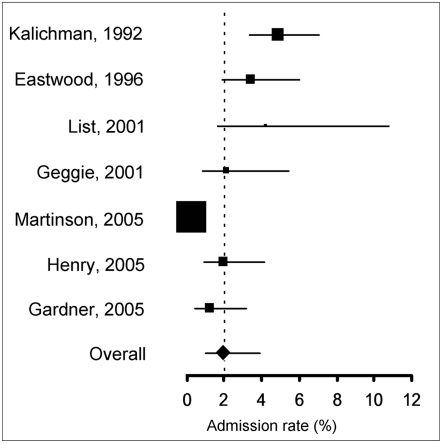
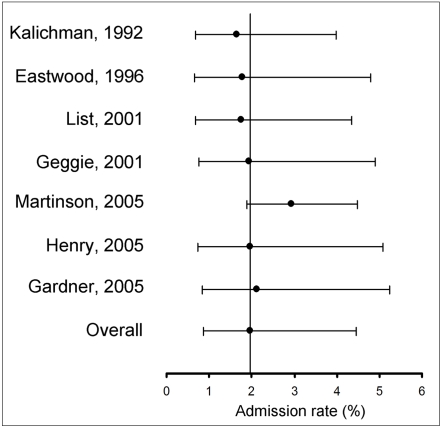
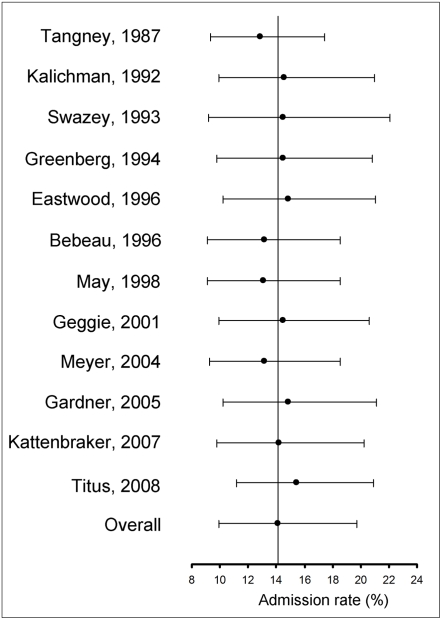
The frequency with which scientists fabricate and falsify data, or commit other forms of scientific misconduct is a matter of controversy. Many surveys have asked scientists directly whether they have committed or know of a colleague who committed research misconduct, but their results appeared difficult to compare and synthesize. This is the first meta-analysis of these surveys. To standardize outcomes, the number of respondents who recalled at least one incident of misconduct was calculated for each question, and the analysis was limited to behaviours that distort scientific knowledge: fabrication, falsification, "cooking" of data, etc... Survey questions on plagiarism and other forms of professional misconduct were excluded. The final sample consisted of 21 surveys that were included in the systematic review, and 18 in the meta-analysis. A pooled weighted average of 1.97% (N = 7, 95%CI: 0.86-4.45) of scientists admitted to have fabricated, falsified or modified data or results at least once--a serious form of misconduct by any standard--and up to 33.7% admitted other questionable research practices. In surveys asking about the behaviour of colleagues, admission rates were 14.12% (N = 12, 95% CI: 9.91-19.72) for falsification, and up to 72% for other questionable research practices. Meta-regression showed that self reports surveys, surveys using the words "falsification" or "fabrication", and mailed surveys yielded lower percentages of misconduct. When these factors were controlled for, misconduct was reported more frequently by medical/pharmacological researchers than others. Considering that these surveys ask sensitive questions and have other limitations, it appears likely that this is a conservative estimate of the true prevalence of scientific misconduct.
Overview
CoChat Summary
TL;DR
This systematic review and meta-analysis of survey data estimated that about 2% of scientists admitted to fabricating, falsifying, or modifying data or results at least once, while 14.12% reported knowing a colleague who did so. The paper argues these are conservative estimates and that methodological choices strongly shape the observed rates.
Key findings
- Across surveys explicitly asking whether scientists ever fabricated or falsified data or altered/modifed results, the pooled weighted estimate was 1.97% (95% CI 0.86–4.45; N = 7), with significant heterogeneity (Cochran’s Q = 61.7777, df = 6, P < 0.0001).
- When only questions explicitly using the words “fabrication” or “falsification” were included, the pooled estimate for self-reports was 1.06% (95% CI 0.31–3.51; N = 4).
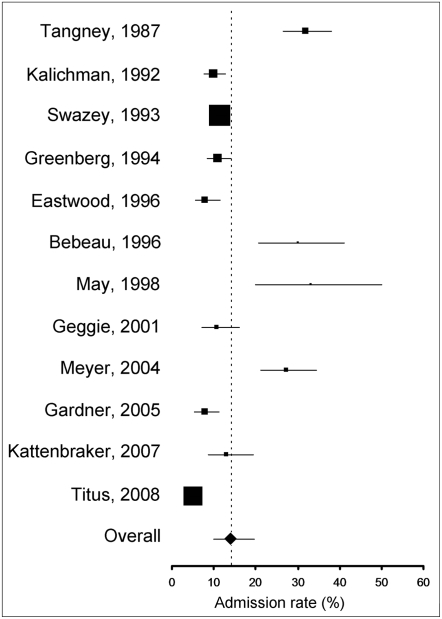
- For reports about colleagues’ misconduct, the pooled weighted estimate was 14.12% (95% CI 9.91–19.72; N = 12); restricting to questions using “fabrication” or “falsification” gave 12.34% (95% CI 8.43–17.71; N = 11).
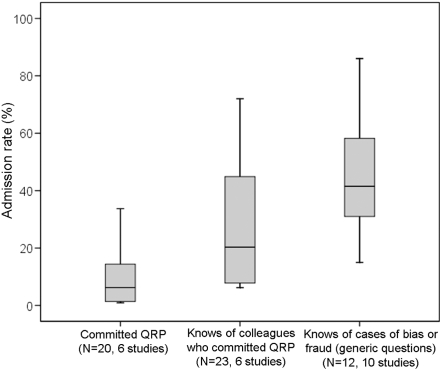
- Other questionable research practices were reported more often: up to 33.7% in self-reports and up to 72% when asking about colleagues.
Methods
- Systematic review and meta-analysis of quantitative surveys asking scientists whether they had committed or observed scientific misconduct in the past; plagiarism and other non-knowledge-distorting misconduct were excluded.
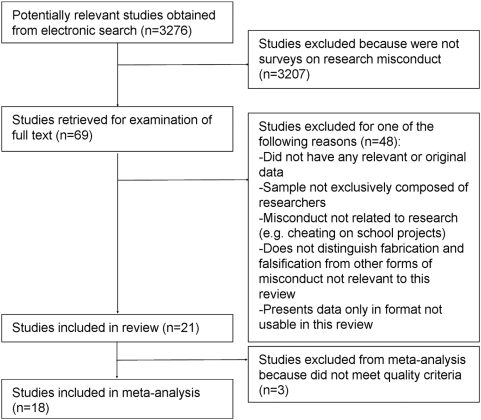
- Searches were run in the first two weeks of August 2008 across citation databases, journals, grey literature sources, and internet search engines; the final review included 21 studies, with 18 in the meta-analysis.
- Main analysis computed the proportion recalling at least one incident, logit-transformed and inverse-variance weighted in a random-effects meta-analysis; meta-regression tested methodological factors such as self vs. non-self reports, mailed vs. handed-out surveys, and use of the words “fabrication”/“falsification.”
Limitations
- The paper states that using the percentage of respondents recalling at least one incident is a rough measure of misconduct frequency; this can under- or overestimate prevalence depending on whether respondents committed multiple incidents or only one.
- The paper notes that non-response bias was recognized by most surveys as a limitation, and that the validity of self-reports may be affected by social expectations; the text also suggests self-reports likely underestimate misconduct.
- Evident from the text: the included studies were heterogeneous in methods and wording, and some outcomes were too diverse for meaningful meta-analysis, so only crude unweighted parameters were calculated for broader questionable research practices.
Model-written summary. Check it against the paper before relying on it.
Integrity signals
Registry
Cites
Statistics
Figures
Verification
Claims the paper makes
0 Valid · 0 Not valid · 14 Not checked · 61 Own results and interpretations
A result the paper reports from its own data — it cites no other source for it, so there is none to check. The quote shows it is in the paper.
In the paper
“When these factors were controlled for, misconduct was reported more frequently by medical/pharmacological researchers than others.”
§ How Many Scientists Fabricate and Falsify Research? A Systematic Review and Meta-Analysis of Survey Data > Abstract
plainstates an association- Asserted: passes — The authors put it forward as true.
- Checkable: passes — It can be checked against evidence.
- Load-bearing: passes — The paper’s conclusions depend on it.
- Based: passes — The paper gives a reason why it holds.
- Rests on 2 assumptions not shown here.
A result the paper reports from its own data — it cites no other source for it, so there is none to check. The quote shows it is in the paper.
In the paper
“A pooled weighted average of 1.97% (N = 7, 95%CI: 0.86–4.45) of scientists admitted to have fabricated, falsified or modified data or results at least once –a serious form of misconduct by any standard– and up to 33.7% admitted other questionable research practices.”
§ How Many Scientists Fabricate and Falsify Research? A Systematic Review and Meta-Analysis of Survey Data > Abstract
plainn = 7- Asserted: passes — The authors put it forward as true.
- Checkable: passes — It can be checked against evidence.
- Load-bearing: passes — The paper’s conclusions depend on it.
- Based: passes — The paper gives a reason why it holds.
- Rests on 2 assumptions not shown here.
A result the paper reports from its own data — it cites no other source for it, so there is none to check. The quote shows it is in the paper.
In the paper
“A pooled weighted average of 1.97% (N = 7, 95%CI: 0.86–4.45) of scientists admitted to have fabricated, falsified or modified data or results at least once –a serious form of misconduct by any standard– and up to 33.7% admitted other questionable research practices.”
§ How Many Scientists Fabricate and Falsify Research? A Systematic Review and Meta-Analysis of Survey Data > Abstract
plain- Asserted: passes — The authors put it forward as true.
- Checkable: passes — It can be checked against evidence.
- Load-bearing: passes — The paper’s conclusions depend on it.
- Based: passes — The paper gives a reason why it holds.
- Rests on 2 assumptions not shown here.
A result the paper reports from its own data — it cites no other source for it, so there is none to check. The quote shows it is in the paper.
In the paper
“In surveys asking about the behaviour of colleagues, admission rates were 14.12% (N = 12, 95% CI: 9.91–19.72) for falsification, and up to 72% for other questionable research practices.”
§ How Many Scientists Fabricate and Falsify Research? A Systematic Review and Meta-Analysis of Survey Data > Abstract
plainn = 12- Asserted: passes — The authors put it forward as true.
- Checkable: passes — It can be checked against evidence.
- Load-bearing: passes — The paper’s conclusions depend on it.
- Based: passes — The paper gives a reason why it holds.
- Rests on 2 assumptions not shown here.
A result the paper reports from its own data — it cites no other source for it, so there is none to check. The quote shows it is in the paper.
In the paper
“Meta-analysis yielded mean pooled estimates that are higher than most previous estimates.”
§ How Many Scientists Fabricate and Falsify Research? A Systematic Review and Meta-Analysis of Survey Data > Introduction
plain- Asserted: passes — The authors put it forward as true.
- Checkable: passes — It can be checked against evidence.
- Load-bearing: passes — The paper’s conclusions depend on it.
- Based: passes — The paper gives a reason why it holds.
- Rests on 2 assumptions not shown here.
31 more claims
Create a free account to see all 75 claims and to verify the 4 references still open.
- It may state two separate claims as one. 24
- Probably not a substantial claim. 25
Claims other papers make about this one
Each is checked against this paper’s own text: does it say what the citing paper says it does?
The cited source says what the claim attributes to it.
In the citing paper
“there are other more common sources of unreliability in the literature (41)(42)(43)(44)”
From Misconduct accounts for the majority of retracted scientific publications (2012) · cites this paper as [43]
The cited source says what the claim attributes to it.
In the citing paper
“The prevalence of researchers who have been involved in scientific misconduct is estimated to be around 2% [2]”
From Checklist to assess Trustworthiness in RAndomised Controlled Trials (TRACT checklist): concept proposal and pilot (2023) · cites this paper as [2]
The cited source says what the claim attributes to it.
In the citing paper
“This is how a small number of people 40 with flexible morals can pollute the scientific literature disproportionately.”
From Fraudulent studies are undermining the reliability of systematic reviews: on the prevalence of problematic images in preclinical depression studies (2025) · cites this paper as [40]
The cited source says what the claim attributes to it.
In the citing paper
“A meta-analysis by Fanelli, combining the results of 18 published surveys, found that 1.9% of researchers have admitted to modification, falsification, or fabrication of data (3).”
From The Prevalence of Inappropriate Image Duplication in Biomedical Research Publications (2016) · cites this paper as [3]
The cited source says what the claim attributes to it.
In the citing paper
“A systematic review and meta-analysis of survey data estimated that 1.97% of authors admitted to have fabricated, falsified, or modified data or results at least once and, in surveys asking about the behavior of colleagues, the admission rate was 14.12% for falsification [13].”
From No raw data, no science: another possible source of the reproducibility crisis (2020) · cites this paper as [13]
6 more claims about this paper
Create a free account to see every claim other papers make about this one.
Citations
Cites
(2000) · Cited by 9,198
The Sociology of Science: Theoretical and Empirical Investigations
Kaplan, N., Merton, R. K., & Storer, N. W. (1974) · Technology and Culture · doi:10.2307/3102264 · Cited by 4,005
The Normative Structure of Science
Merton, R. Κ. (1973) · Medical Entomology and Zoology · Cited by 2,315
The Hazards of Scoring the Quality of Clinical Trials for Meta-analysis
Jüni, P. (1999) · JAMA · doi:10.1001/jama.282.11.1054 · Cited by 1,981 · cited 1×
“All remaining papers were included, and were not graded on a quality scale, because the validity and use of quality measures in meta-analysis is controversial [21], [22].”
BackgroundScope and Impact of Financial Conflicts of Interest in Biomedical Research: A Systematic Review
Bekelman, J. E., Li, Y., & Gross, C. P. (2003) · JAMA · doi:10.1001/jama.289.4.454 · Cited by 1,816 · cited 1×
“This would support growing fears that the large financial interests that often drive medical research are severely biasing it [50], [51], [52].”
BackgroundTourangeau, R., & Smith, T. W. (1996) · Public Opinion Quarterly · doi:10.1086/297751 · Cited by 1,295 · cited 1×
“However, the accuracy of responses to sensitive questions is often independent of response rates, and depends strongly on respondents' perception of anonymity and confidentiality [43], [44].”
BackgroundA comparison of methods to detect publication bias in meta‐analysis
Macaskill, P., Walter, S. D., & Irwig, L. (2001) · Statistics in Medicine · doi:10.1002/sim.698 · Cited by 1,286 · cited 1×
“The popular funnel-plot-based methods to test for publication bias in meta-analysis are inappropriate and potentially misleading when the number of included studies is small and heterogeneity is large [25], [26].”
MethodMartinson, B. C., Anderson, M. S., & de Vries, R. (2005) · Nature · doi:10.1038/435737a · Cited by 1,096 · cited 9×
“All the above results were robust with respect to inclusion or exclusion of any particular study, with perhaps one exception: Martinson et al. (2005) [19], which is one of the largest and most frequently cited surveys on misconduct published to date.”
BackgroundMethodResultInfluentialAdjusting for publication bias in the presence of heterogeneity
Terrin, N., Schmid, C. H., Lau, J., & Olkin, I. (2003) · Statistics in Medicine · doi:10.1002/sim.1461 · Cited by 809 · cited 1×
“The popular funnel-plot-based methods to test for publication bias in meta-analysis are inappropriate and potentially misleading when the number of included studies is small and heterogeneity is large [25], [26].”
MethodIs Academic Medicine for Sale?
Angell, M. (2000) · New England Journal of Medicine · doi:10.1056/nejm200005183422009 · Cited by 582
Research works printed but not linked: 2
- Eastwood S Derish P Leash E Ordway S 1996 Ethical issues in biomedical research: perceptions and practices of postdoctoral research fellows responding to a survey. Science and Engineering Ethics 2 89 114 11657788 · DOI
- Kattenbraker MS 2007 Health education research and publication: ethical considerations and the response of health educators Carbondale Southern Illinois University.Doctoral dissertation
Cited by
Items 501–600 of 1,924
Artificial intelligence in medicine and research – the good, the bad, and the ugly
Grech, V., Cuschieri, S., & Eldawlatly, A. A. (2023) · Saudi Journal of Anaesthesia · doi:10.4103/sja.sja_344_23 · Cited by 34
Debunking the Myth of Value-Neutral Virginity: Toward Truth in Scientific Advertising
Mandel, D. R., & Tetlock, P. E. (2016) · Frontiers in Psychology · doi:10.3389/fpsyg.2016.00451 · Cited by 22
“…unethical research practices found that, on average, 2% of scientists admitted to having personally committed egregious forms of scientific misconduct—falsification, fabrication, or modification of data—in their research, and 14% claimed they had observed other researchers doing so (Fanelli, 2009).”
BackgroundFact or fiction: reducing the proportion and impact of false positives
Stahl, D. R., & Pickles, A. R. (2017) · Psychological Medicine · doi:10.1017/s003329171700294x · Cited by 25
Salandra, R. (2018) · Research Policy · doi:10.1016/j.respol.2018.04.005 · Cited by 24
“…the prevalence of inconsistencies in publication (Goldfarb and King, 2016), the proliferation of questionable research practices (Necker, 2014; Fanelli, 2009, John et al., 2012) and the rise in the number of retractions, the majority of which appear to be the outcome of research misconduct…”
BackgroundSchnell, S. D. (2018) · Bulletin of Mathematical Biology · doi:10.1007/s11538-018-0500-9 · Cited by 28
“Less than 2% of scientists are fabricating or falsifying data (Shapiro and Charrow 1989, Steneck 2006, Fanelli 2009).”
BackgroundPublishing Addiction Science: A Guide for the Perplexed
O’Reilly, J. (2017) · Ubiquity Press eBooks · doi:10.5334/bbd · Cited by 33
Bensa, K., & Širok, K. (2023) · International Journal of Environmental Research and Public Health · doi:10.3390/ijerph20032757 · Cited by 21
“Our scoping review thus draws attention to the potential problem of scientific misconduct [57], more specifically a type of reporting bias: “a systematic distortion that arises from the selective disclosure or withholding of information by parties involved in the design, conduct, analysis, or dissemination of a study…”
How Competition for Funding Impacts Scientific Practice: Building Pre-fab Houses but no Cathedrals
Meirmans, S. (2024) · Science and Engineering Ethics · doi:10.1007/s11948-024-00465-5 · Cited by 31
“Though these QRPs are typically viewed as less problematic than research misconduct cases (FFP: fabrication, falsification, plagiarism), they have been found to be more widespread (Steneck, 2006; Fanelli, 2009, 2010).”
BackgroundResearch, regulatory, and clinical decision-making: the importance of scientific integrity
Wallach, J. D., Gonsalves, G., & Ross, J. S. (2017) · Journal of Clinical Epidemiology · doi:10.1016/j.jclinepi.2017.08.021 · Cited by 26
Pratt, T. C., Reisig, M. D., Holtfreter, K., & Golladay, K. A. (2019) · Ethics & Behavior · doi:10.1080/10508422.2019.1612748 · Cited by 22
“The literature on these forms of misconduct shows it is rather rare, with roughly 1.9% to 4.5% of scholars self-reporting such behavior (Fanelli, 2009; see also Baerlocher, O’Brien, Newton, Gautman, & Noble, 2010; Marshall, 2000).”
BackgroundInfluentialMisinformation: an empirical study with scientists and communicators during the COVID-19 pandemic
Parker, L., Byrne, J. A., Goldwater, M. B., & Enfield, N. J. (2021) · BMJ Open Science · doi:10.1136/bmjos-2021-100188 · Cited by 30
de Ridder, J. (2022) · Studies in History and Philosophy of Science Part A · doi:10.1016/j.shpsa.2022.02.003 · Cited by 26
Schneider, J. W., Allum, N., Andersen, J. P., Petersen, M. B., Madsen, E. B., Mejlgaard, N., & Zachariae, R. H. (2024) · PLoS ONE · doi:10.1371/journal.pone.0304342 · Cited by 40
“Despite seemingly incommensurate results, an early meta-analytic attempt claimed prevalence at 34% [60], and recently, a similar meta-study claimed a pooled prevalence estimate of 12.5% [61].”
InfluentialBerhan, A. (2013) · BMC Musculoskeletal Disorders · doi:10.1186/1471-2474-14-332 · Cited by 21
“When there was a significant heterogeneity among the included studies whilst the number of included studies was small, the robustness of the pooled values was best assessed with sensitivity analysis [20].”
MethodConservative Apostles of Objectivity and the Myth of a “Liberal Bias” in Science
Larrègue, J. (2017) · The American Sociologist · doi:10.1007/s12108-017-9366-9 · Cited by 21
The Ethos of Science in Contemporary Poland
Bieliński, J., & Tomczyńska, A. (2018) · Minerva · doi:10.1007/s11024-018-9365-1 · Cited by 23
“The concept of ‘scientific mind’ may be used to explain why so many studies document normative violations in science, including biases in evaluating research works, as well as falsifications, and frauds committed by scholars (e.g., Couzin 2006; Fanelli 2009; Ferguson et al.”
BackgroundThe Menace of Misinformation: Faculty Misstatements in Management Education and Their Consequences
Giacalone, R. A., & Promislo, M. D. (2019) · Organizational Behavior Teaching Review · doi:10.1177/1052562919826613 · Cited by 22
Incidence of Data Duplications in a Randomly Selected Pool of Life Science Publications
Oksvold, M. P. (2016) · Science and Engineering Ethics · doi:10.1007/s11948-015-9668-7 · Cited by 20
Khan, K. S., Fawzy, M., & Chien, P. F. W. (2023) · International Journal of Gynecology & Obstetrics · doi:10.1002/ijgo.14837 · Cited by 20
“52,53 A meta-analysis of research integrity surveys 54 revealed that a third of scientists admitted to engaging in various questionable research practices, and around 2% admitted to falsifying or fabricating data at least once.”
BackgroundSensor Reproducibility Analysis: Challenges and Potential Solutions
Sekhar, P. K., Billey, W., Begay, M., Thomas, B., Woody, C., & Soundappan, T. (2024) · ECS Sensors Plus · doi:10.1149/2754-2726/ad9936 · Cited by 23
“43 Figure 2 shows critical factors in fl uencing barriers in reproducing results.”
GenAI synthetic data create ethical challenges for scientists. Here’s how to address them.
Resnik, D. B., Hosseini, M., Kim, J. J. H., Epiphaniou, G., & Maple, C. R. (2025) · Proceedings of the National Academy of Sciences · doi:10.1073/pnas.2409182122 · Cited by 37
“Moreover, others are developing ways of evading these tools, and an arms race of sorts may be unfolding ( 10 , 11 ).”
New Issues for New Methods: Ethical and Editorial Challenges for an Experimental Philosophy
Polonioli, A. (2016) · Science and Engineering Ethics · doi:10.1007/s11948-016-9838-2 · Cited by 23
“Over the past years, a growing number of cases of data fabrication and falsification have been discovered in the natural and social sciences, and worrying reports portray a somewhat bleak picture of the ubiquity of these kinds of malpractices (Fanelli 2009).”
BackgroundThe use of distributed consensus algorithms to curtail the spread of medical misinformation
Stawicki, S. P., Plaza, M., Paladino, L., Opara, I. N., Firstenberg, M., Wilson, B., & Papadimos, T. J. (2019) · International Journal of Academic Medicine · doi:10.4103/ijam.ijam_47_19 · Cited by 20
Enhancing reproducibility using interprofessional team best practices
Rolland, B., Burnside, E. S., Voils, C. I., Shah, M. N., & Brasier, A. R. (2020) · Journal of Clinical and Translational Science · doi:10.1017/cts.2020.512 · Cited by 24
Systemic Obstacles to Addressing Research Misconduct in Higher Education: A Case Study
Golden, J., Mazzotta, C. M., & Zittel-Barr, K. (2021) · Journal of Academic Ethics · doi:10.1007/s10805-021-09438-w · Cited by 26
Designing and detecting lies by reasoning about other agents.
Oey, L. A., Schachner, A., & Vul, E. (2023) · Journal of Experimental Psychology General · doi:10.1037/xge0001277 · Cited by 41
Steckler, T., Brose, K., Haas, M., Kas, M. J., Koustova, E., & Bespalov, A. (2015) · European Neuropsychopharmacology · doi:10.1016/j.euroneuro.2015.05.011 · Cited by 22
Marcovitch, H., Barbour, V., Borrell, C., Bosch, F., Fernández, E., Macdonald, H., Marušić, A., & Nylenna, M. (2010) · Croatian Medical Journal · doi:10.3325/cmj.2010.51.7 · Cited by 20
Ethics and professionalism in medical physics: A survey of AAPM members
Ozturk, N., Armato, S. G., Giger, M. L., Serago, C. F., & Ross, L. F. (2013) · Medical Physics · doi:10.1118/1.4797463 · Cited by 21
Research: Uncovering misconduct
Gewin, V. L. (2012) · Nature · doi:10.1038/nj7396-137a · Cited by 22
Mašić, I., Donev, D. M., Sinanović, O., Jakovljević, M., Zerem, E., Milosevic, D., Gajović, S., Gasparyan, A. Y., Sokolovic, S., Salkic, N. N., et al. (2016) · Acta Informatica Medica · doi:10.5455/aim.2016.24.424-435 · Cited by 27
On the Merits and Limits of Replication and Negation for IS Research
Olbrich, S., Frank, U., Gregor, S. D., Niederman, F., & Rowe, F. (2017) · AIS Transactions on Replication Research · doi:10.17705/1atrr.00016 · Cited by 26
Thiese, M. S., Walker, S. D., & Lindsey, J. (2017) · Journal of Thoracic Disease · doi:10.21037/jtd.2017.09.24 · Cited by 28
“Among self-reported prevalence of research misconduct, the estimated mean prevalence is approximately 2%, with a possible slight decreasing downward trend over time (20).”
BackgroundInfluentialHartley, S., & Millar, K. M. (2014) · Review of Policy Research · doi:10.1111/ropr.12102 · Cited by 24
“Implicit values may shape risk assessment through bias, self-interest or research practices (Begley, 2013; Fanelli, 2012, 2009).”
BackgroundResearch Misconduct: A Report from a Developing Country.
Khadem‐Rezaiyan, M., & Dadgarmoghaddam, M. (2017) · PubMed Central · Cited by 33
Resnik, D. B., & Hosseini, M. (2023) · doi:10.31235/osf.io/rbg9z · Cited by 20
An analysis of retractions in neurosurgery and allied clinical and basic science specialties
Madhugiri, V. S., Nagella, A. B., & Uppar, A. M. (2021) · Acta Neurochirurgica · doi:10.1007/s00701-020-04615-z · Cited by 19
Brooker, R., & Allum, N. (2024) · Research Integrity and Peer Review · doi:10.1186/s41073-024-00151-x · Cited by 31
“…aligns with the findings of Schneider et al. [19] However, contrary to Schneider et al., [19] and additionally Gopalakrishna et al., [29] Fanelli [9], and Pupovac and Fanelli [47], we find that those in the medical sciences and the natural sciences engage in more QRPs on average compared those…”
BackgroundResultTransparency, bias, and reproducibility across science: a meta-research view
Ioannidis, J. P. A. (2024) · Journal of Clinical Investigation · doi:10.1172/jci181923 · Cited by 29
“This universe includes diligent, careless, and fraudulent scientists (8, 9).”
Barnett, A. G., Zardo, P., & Graves, N. (2018) · PLoS ONE · doi:10.1371/journal.pone.0195613 · Cited by 19
Tagne, A. M., Cassina, N., Furgiuele, A., Storelli, E., Cosentino, M., & Marino, F. (2020) · Journal of Academic Ethics · doi:10.1007/s10805-020-09359-0 · Cited by 21
“This finding is consistent with prior evidence reported in a systematic review of surveys among biomedical researchers (Fanelli 2009), showing that just 2–33.7% of scientists admit to having participated in RM or QRPs at least once, while about 14–72% of them know colleagues engaged in such…”
ResultInfluentialDishonesty and research misconduct within the medical profession
Rahman, H., & Ankier, S. (2020) · BMC Medical Ethics · doi:10.1186/s12910-020-0461-z · Cited by 22
When a Crisis Becomes an Opportunity: The Role of Replications in Making Better Theories
Lavelle, J. S. (2021) · The British Journal for the Philosophy of Science · doi:10.1086/714812 · Cited by 25
Dialogical teaching of research integrity: an overview of selected methods
Koterwas, A., Dwojak-Matras, A., & Kalinowska, K. (2021) · FACETS · doi:10.1139/facets-2021-0045 · Cited by 18
Were, E. O., Kiplagat, J., Kaguiri, E., Ayikukwei, R., & Yebei, V. N. (2023) · Research Integrity and Peer Review · doi:10.1186/s41073-023-00132-6 · Cited by 26
“Reports on research misconduct have mainly been from high-income countries such as the United States of America and the United Kingdom [5].”
BackgroundResearchers Training Researchers: Ethics Training in Quantitative Applied Linguistics
Wood, M., Sterling, S., Larsson, T., Plonsky, L., Kytö, M., & Yaw, K. (2024) · TESOL Quarterly · doi:10.1002/tesq.3323 · Cited by 24
“The larger grant project was aimed at understanding research ethics behavior, with particular interest in QRPs among other aspects of research ethics (Fanelli, 2009; Hall & Martin, 2019; Isbell et al., 2022; Plonsky et al., in press; Ravn & Sørensen, 2021; Tauginiene et al., 2019).”
Scientific Integrity in Brazil
Lins-Kusterer, L., & Carvalho, F. M. (2014) · Journal of Bioethical Inquiry · doi:10.1007/s11673-014-9539-y · Cited by 20
The Challenges for Scientists in Avoiding Plagiarism
Fisher, E. R., & Partin, K. M. (2014) · Accountability in Research · doi:10.1080/08989621.2013.877348 · Cited by 20
“Whether the incidence of intentional plagiarism is on the rise or not may be debatable (Fanelli, 2009; Kornfield, 2012), but the predominance in the Office of Inspector General (OIG) at the National Science Foundation (NSF) Address correspondence to K. M. Partin, Office of the Vice President for…”
BackgroundMultivariate meta‐analysis: a robust approach based on the theory ofU‐statistic
Ma, Y., & Mazumdar, M. (2011) · Statistics in Medicine · doi:10.1002/sim.4327 · Cited by 23
The Problem of Publication-Pollution Denialism
Caplan, A. L. (2015) · Mayo Clinic Proceedings · doi:10.1016/j.mayocp.2015.02.017 · Cited by 19
“When participants were asked about their colleagues’ practices, the results were much worse: 14% for falsification of data and 72% for other questionable practices.(7) Fraud, however, pales in comparison to plagiarism as a means of polluting science and medicine.”
BackgroundPost-Hunton: Reclaiming Our Integrity and Literature
Stone, D. N. (2015) · Journal of Information Systems · doi:10.2308/isys-51094 · Cited by 23
Cole, G. D., Nowbar, A. N., Mielewczik, M., Shun-Shin, M. J., & Francis, D. P. (2015) · BMJ · doi:10.1136/bmj.h4708 · Cited by 19
Should Psychology Journals Adopt Specialized Statistical Review?
Hardwicke, T. E., Frank, M. C., Vazire, S., & Goodman, S. N. (2019) · Advances in Methods and Practices in Psychological Science · doi:10.1177/2515245919858428 · Cited by 23
“Falsification of data Fanelli (2009); John et al. (2012); Simonsohn (2013)”
BackgroundScientific ignorance: Probing the limits of scientific research and knowledge production
Pinto, M. F. (2019) · THEORIA An International Journal for Theory History and Foundations of Science · doi:10.1387/theoria.19329 · Cited by 22
Were, E. O., Kaguiri, E., & Kiplagat, J. (2020) · Accountability in Research · doi:10.1080/08989621.2020.1759425 · Cited by 19
“In a systematic review of the occurrence of RM in high-income economies, including the United States of America and the United Kingdom, it was estimated that 2 −14% of researchers may have committed fabrication or falsification while the same study estimated that 33−75% of researchers may have committed QRPs (Fanelli…”
BackgroundInfluentialRetracted articles in rehabilitation: just the tip of the iceberg? A bibliometric analysis
Bordino, M., Ravizzotti, E., & Vercelli, S. (2020) · Archives of Physiotherapy · doi:10.1186/s40945-020-00092-w · Cited by 26
“Though the percentage of articles retracted in the medical/health sector is higher than in other disciplines [18], it has been hypothesized that only a fraction of cases of misconduct are identified and publicly disclosed [19, 20].”
BackgroundRetractedUse of science in public policy: Lessons from the COVID-19 pandemic efforts to ‘Follow the Science’
Bozeman, B. L. (2022) · Science and Public Policy · doi:10.1093/scipol/scac026 · Cited by 22
Seshia, S. S., Makhinson, M., Phillips, D. F., & Young, G. B. (2014) · Journal of Evaluation in Clinical Practice · doi:10.1111/jep.12280 · Cited by 26
Evaluating solutions to the problem of false positives
Gall, T., & Maniadis, Z. (2018) · Research Policy · doi:10.1016/j.respol.2017.12.005 · Cited by 17
“This is a strong incentive against it, and - regardless of incentives - most resist such behavior because it is easy to identify as wrong (Fanelli, 2009).”
BackgroundInfluentialErhardt, C., Kullenberg, H., Grigoriadis, A., Kumar, A., Christidis, N., & Christidis, M. (2025) · International Journal for Educational Integrity · doi:10.1007/s40979-025-00195-6 · Cited by 19
“Educa-tors often hold dual roles as researchers, and their practices, both ethical and unethical, can significantly influence the behaviours and values of their students (Fanelli 2009).”
Detection of data fabrication using statistical tools
Hartgerink, C. H. J., Voelkel, J. G., Wicherts, J. M., & van Assen, M. A. L. M. (2019) · doi:10.31234/osf.io/jkws4 · Cited by 16
Is biomedical research self-correcting? Modelling insights on the persistence of spurious science
Grimes, D. R. (2024) · Royal Society Open Science · doi:10.1098/rsos.231056 · Cited by 18
“Inappropriate statistical practices and manipulation underpin many spurious results [10 – 14], affecting up to 75% of biomedical publications [15 – 17].”
BackgroundPhilosophy of Scientific Malpractice
Andersen, H. M. (2021) · SATS · doi:10.1515/sats-2021-2017 · Cited by 18
Neutralising fair credit: factors that influence unethical authorship practices
Trinkle, B. S., Phillips, T. B., Hall, A., & Moffatt, B. (2017) · Journal of Medical Ethics · doi:10.1136/medethics-2015-103365 · Cited by 18
Kosa, S. D., Mbuagbaw, L. C. E., Debono, V. B., Bhandari, M., Dennis, B. B., Ene, G. E. V., Leenus, A., Shi, D., Thabane, M., Valvasori, S., et al. (2017) · Contemporary Clinical Trials · doi:10.1016/j.cct.2017.12.011 · Cited by 21
Research ethics courses as a vaccination against a toxic research environment or culture
Yeo-Teh, N. S. L., & Tang, B. L. (2020) · Research Ethics · doi:10.1177/1747016120926686 · Cited by 21
“The proportion is notably higher, with the same meta-analysis reporting 14% researchers having observed misconduct and 72% having witnessed their colleagues engaging in QRPs (Fanelli, 2009).”
BackgroundMethodInfluentialRetracted papers by Iranian authors: causes, journals, time lags, affiliations, collaborations
Ghorbi, A., Fazeli-Varzaneh, M., Ghaderi-Azad, E., Ausloos, M., & Kozak, M. (2021) · Scientometrics · doi:10.1007/s11192-021-04104-9 · Cited by 25
“(2012), Fanelli (2009), and Steen (2011), who identified “other reasons” as the most common reason for retraction— although it should be noted that this term, “other reasons”, does not explain the actual reasons.”
BackgroundStandardised data on initiatives—STARDIT: Beta version
Nunn, J., Shafee, T. M. A., Chang, S., Stephens, R., Elliott, J., Oliver, S. R., John, D., Smith, M., Orr, N., Preston, J., et al. (2022) · Research Involvement and Engagement · doi:10.1186/s40900-022-00363-9 · Cited by 18
A bibliometric analysis of plagiarism and self-plagiarism through Déjà vu
García-Romero, A., & Lorenzo, J. M. E. (2014) · Scientometrics · doi:10.1007/s11192-014-1387-3 · Cited by 24
“Moreover, most of the studies aimed to analyse the scope of scientific misconduct (Fanelli 2009).”
Measuring Scientific Misconduct—Lessons from Criminology
Heßelmann, F., Wienefoet, V., & Reinhart, M. (2014) · Publications · doi:10.3390/publications2030061 · Cited by 20
“In science, there is evidence that many researchers who witness scientific misconduct refrain from reporting the incident [19–21].”
BackgroundAbaraogu, U. O., Henning, M. A., Chibuike, O. M., & Rajput, V. (2015) · Ethics & Behavior · doi:10.1080/10508422.2015.1055494 · Cited by 22
“In his study, Fanelli (2009) reported subtle differences in the reporting of misconduct between medical and clinical researchers when compared with respondents in biomedical research and related fields.”
BackgroundSobre a integridade ética da pesquisa
dos Santos, L. H. L. (2017) · Ciência e Cultura · doi:10.21800/2317-66602017000300002 · Cited by 18
Resnik, D. B., & Shamoo, A. E. (2017) · Accountability in Research · doi:10.1080/08989621.2017.1334556 · Cited by 24
“According to a systematic review of published survey data, about 1.7% of scientists admit to fabricating or falsifying data at least once in their careers (Fanelli 2009).”
BackgroundResultInfluentialThe State of Reproducible Research in Computer Science
Cacho, J. R. F., & Taghva, K. (2020) · Advances in intelligent systems and computing · doi:10.1007/978-3-030-43020-7_68 · Cited by 19
Ljubenković, A. M., Borovečki, A., Ćurković, M., Hofmann, B., & Holm, S. (2021) · Journal of Empirical Research on Human Research Ethics · doi:10.1177/15562646211033727 · Cited by 18
“This is in accordance with previous studies which found that respondents tend to underreport personal misconduct and overreport misconduct observed in their colleagues (Hofmann et al., 2020; Fanelli, 2009).”
ResultQuestionable Research Practices
O’Boyle, E. H., & Götz, M. (2022) · Oxford University Press eBooks · doi:10.1093/oso/9780190938550.003.0010 · Cited by 28
Why has the number of scientific retractions increased?
Steen, R. G., Casadevall, A., & Fang, F. C. (2015) · American Psychological Association eBooks · doi:10.1037/14805-034 · Cited by 20
Héroux, M. E., Butler, A. A., Cashin, A. G., McCaughey, E. J., Affleck, A. J., Green, M. A., Cartwright, A., Jones, M. D., Kiely, K. M., van Schooten, K. S., et al. (2022) · BMJ Open · doi:10.1136/bmjopen-2022-060976 · Cited by 21
“25 In response to these trends, initiatives that aim to support, guide and even coax researchers into conducting more open, rigorous and reproducible science are increasingly common.”
BackgroundResearch misconduct: time for a re‐think?
Breen, K. J. (2016) · Internal Medicine Journal · doi:10.1111/imj.13075 · Cited by 18
High school science fair and research integrity
Grinnell, F., Dalley, S., Shepherd, K., & REISCH, J. S. (2017) · PLoS ONE · doi:10.1371/journal.pone.0174252 · Cited by 19
Increasing the Reproducibility of Science through Close Cooperation and Forking Path Analysis
Wacker, J. (2017) · Frontiers in Psychology · doi:10.3389/fpsyg.2017.01332 · Cited by 19
“Assuming that neither outright scientific fraud (Fanelli, 2009) nor severe deficits in methodological training are the norm, likely reasons for this inacceptable status quo include the following: (A) a high prevalence of severely underpowered studies (e.g., Button et al., 2013), (B) hypothesizing…”
BackgroundAssociations between academic dishonesty and personality: A pre-registered multilevel meta-analysisPreprint
Plessen, C. Y., Gyimesi, M. L., Kern, B., Fritz, T., Lorca, M. V. C., Voracek, M., & Tran, U. S. (2020) · PsyArXiv (OSF Preprints) · doi:10.31234/osf.io/pav2f · Cited by 18
“In particular, data fabrication, research fraud, and the use of questionable research 59 practices have decreased the trustworthiness of empirical research substantially (Anvari & 60 Lakens, 2019; Fanelli, 2009; John, Loewenstein, & Prelec, 2012; Stürmer, Oeberst, 61 Trötschel, & Decker, 2017).”
BackgroundBalafoutas, L., Celse, J., Karakostas, A., & Umashev, N. (2024) · Journal of Behavioral and Experimental Economics · doi:10.1016/j.socec.2024.102327 · Cited by 24
Damian, E., Meuleman, B., & van Oorschot, W. (2019) · Sociological Methods & Research · doi:10.1177/0049124119882452 · Cited by 31
“…experiments (Baker 2016; Huizenga et al. 2012; Open Science Collaboration 2015), a high prevalence of various questionable research practices (Fanelli 2009; Ioannidis 2005; John, Loewenstein, and Prelec 2012; Simmons, Nelson, and Simonsohn 2011; Steneck 2006), and reports of cases of…”
BackgroundUnethical practices within medical research and publication – An exploratory study
Sivasubramaniam, S. D., Cosentino, M., Ribeiro, L. V. P. T., & Marino, F. (2021) · International Journal for Educational Integrity · doi:10.1007/s40979-021-00072-y · Cited by 25
“In a survey-based systematic review, Fanelli (2009) reported that approximately 2% of scientists claimed they had fabricated their data, at some point in their research career.”
BackgroundNioi, M., & Napoli, P. E. (2021) · Frontiers in Medicine · doi:10.3389/fmed.2021.756623 · Cited by 16
“Moreover, the income imbalance between pharmaceutical companies and publishing houses would in turn have made the latter more susceptible to the influence of the former, thus facilitating the phenomenon of scientific misconduct (data fabrication/falsification) as occurred in the past (27, 28).”
BackgroundHofmann, B., Thoresen, M., & Holm, S. (2023) · Journal of Empirical Research on Human Research Ethics · doi:10.1177/15562646221150032 · Cited by 23
“The general level of breaches with good research integrity (Fanelli, 2009; Xie et al., 2021) indicates that the results do not deviate significantly.”
BackgroundResultInfluentialPinto, M. F. (2023) · Perspectives on Science · doi:10.1162/posc_a_00589 · Cited by 34
“Wilholt, for instance, characterizes preference bias as “ the infringement of an explicit or implicit conventional standard of the respective research community in order to increase the likelihood of arriving at a preferred result ” (2009, p. 99).”
Influential“Significance sells”: Applied linguists’ views on questionable research practices
Plonsky, L., Brown, D., Chen, M., Ghanem, R., Arvizu, M. N. G., Isbell, D. R., & Zhang, M. (2024) · Research Methods in Applied Linguistics · doi:10.1016/j.rmal.2024.100099 · Cited by 18
Experts fail to reliably detect AI-generated histological data
Hartung, J., Reuter, S., Kulow, V. A., Fähling, M., Spreckelsen, C., & Mrowka, R. (2024) · Scientific Reports · doi:10.1038/s41598-024-73913-8 · Cited by 22
Knowledge, attitude and practice of research ethics among medical faculty in a teaching hospital
Munoli, S., Niveditha, G., & Deepthi, R. (2017) · International Journal of Basic & Clinical Pharmacology · doi:10.18203/2319-2003.ijbcp20171103 · Cited by 18
Baig, A. (2018) · Physiological and Molecular Plant Pathology · doi:10.1016/j.pmpp.2018.05.003 · Cited by 23
Reasons and implications of retracted articles in Brazil
Santos-d’Amorim, K., Correia, A. E. G. C., Miranda, M. K. F. D. O., & Santa‐Cruz, P. A. (2021) · Transinformação · doi:10.1590/2318-0889202133e210001 · Cited by 20
Investigating and preventing scientific misconduct using Benford’s Law
Eckhartt, G. M., & Ruxton, G. D. (2023) · Research Integrity and Peer Review · doi:10.1186/s41073-022-00126-w · Cited by 24
“A meta-analysis of survey data reports that almost 2% of scientists admitted to having fabricated, falsified or modified data on at least one occasion [4].”
Tiller, N. B., & Ekkekakis, P. (2023) · Kinesiology Review · doi:10.1123/kr.2022-0039 · Cited by 19
Responsible conduct of research: Global trends, local opportunities
Rossouw, T. M., van Zyl, C., & Pope, A. (2014) · South African Journal of Science · doi:10.1590/sajs.2014/20130103 · Cited by 17
Fraud, individuals, and networks: A biopsychosocial model of scientific frauds
Leistedt, S., & Linkowski, P. (2016) · Science & Justice · doi:10.1016/j.scijus.2016.01.002 · Cited by 20
“Recent papers from the University of Cordoba have come to light showing how this can go undetected and unchallenged for years [6,8,9,10,11].”
BackgroundEpistemic Consequences of Bibliometrics-based Evaluation: Insights from the Scientific Community
Castellani, T., Pontecorvo, E., & Valente, A. (2016) · Social Epistemology · doi:10.1080/02691728.2015.1065929 · Cited by 18
“Among the consequences of this approach, characterized by speed and competition, we may include the big number of retracted articles and the many cases of frauds (Bornmann, Nast, and Daniel 2008; Fanelli 2009; Economist 2013; Bohannon 2013).”
BackgroundScientific Misconduct: The Elephant in the Lab. A Response to Parker et al.
Clark, T. D., Binning, S. A., Raby, G. D., Speers‐Roesch, B., Sundin, J., Jutfelt, F., & Roche, D. G. (2016) · Trends in Ecology & Evolution · doi:10.1016/j.tree.2016.09.006 · Cited by 17
“, a meta-analysis of anonymous surveys revealed that 14% of scientists have direct knowledge of cases of fraud [3].”
BackgroundDetection of Fraud in a Clinical Trial Using Unsupervised Statistical Monitoring
de Viron, S., Trotta, L., Schumacher, H., Lomp, H.-J., Höppner, S., Young, S., & Buyse, M. (2022) · Therapeutic Innovation & Regulatory Science · doi:10.1007/s43441-021-00341-5 · Cited by 16
“In contrast with other types of experiments, very few publications have been made of fraud cases and no systematic review has been conducted [19].”
Result
Metadata
- Authors
- Fanelli, D.
- Affiliations
- University of Edinburgh (GB)
- Corresponding author
- Fanelli, Daniele
- ORCID
- Fanelli, Daniele
- Venue
- PLoS ONE
- Publisher
- Public Library of Science (PLoS)
- Published
- 2009-05-29
- Volume
- 4
- Issue
- 5
- Pages
- e5738
- ISSN
- 1932-6203 (ISSN-L)
- PMC
- PMC2685008
- OpenAlex
- W2152243616
- Cited by
- 1,911
- References
- 74
- Citations by year
- 2026: 77 · 2025: 110 · 2024: 128 · 2023: 136 · 2022: 157 · 2021: 145 · 2020: 163 · 2019: 166 · 2018: 125 · 2017: 125 · 2016: 119 · 2015: 106 · 2014: 82 · 2013: 93 · 2012: 84
- FWCI
- 19.42
- Type
- journal article
- Language
- en
- Open access
- gold
- doi.org
- Locations
- PLoS ONE (publishedVersion, cc-by)
- PubMed Central (publishedVersion, cc-by)
- PubMed (publishedVersion)
- Edinburgh Research Explorer (University of Edinburgh) (acceptedVersion, public-domain)
- RePEc: Research Papers in Economics (submittedVersion)
- DOAJ (DOAJ: Directory of Open Access Journals) (submittedVersion, cc-by-sa)
- Figshare (submittedVersion, cc-by)
- DigitalGeorgetown (Georgetown University Library) (submittedVersion)
- Funders
- European Commission (221441)
- Economic and Social Research Council (ES/F028180/1)
- Topics
- Social Sciences › Education › Academic integrity and plagiarism
- Physical Sciences › Mathematics › Statistics and Probability › Benford’s Law and Fraud Detection
- Social Sciences › Library and Information Sciences › Academic Publishing and Open Access
- Keywords
- research misconduct, scientific fraud, data fabrication, data falsification, questionable research practices, self-report questionnaire
- MeSH terms
- Data Collection, Regression Analysis, Research Personnel, Scientific Misconduct, Ethics, Research
About these checks
Registry, retraction, Cites and statistics results are computed, not judged, with one exception: a printed reference that no index lists is read once by a model before it counts as a citation error. Claims are extracted by a model and kept only when their quote appears verbatim in the text; each cited source is then checked, with a model’s help, for whether it says what the claim relies on. Those verdicts can be wrong — read the claim’s quote and the cited source before relying on one.
A language model drew the claims from the paper on 2026-10-10, under version 3 of the claim definition (model deepseek-v4.1-flash, prompt extract-v3).
A second model labelled each claim on 2026-10-10 (model jev-1.13-20260917, definition revision gold-guideline-v0.2).
Statistics and arithmetic are recomputed, not judged.
Confidence bands are shown only for fields calibrated on our annotated test set. None is calibrated yet, so no band is shown.
What counts as a claim ›How we measure confidence ›How we check this ›
Are you an author, or do you see a problem with this page? Request a review
Data sources
Bibliographic data: Semantic Scholar, OpenAlex, Crossref.
Contains information from the Semantic Scholar Academic Graph Datasets, made available under the ODC Attribution License (ODC-BY 1.0).
Semantic Scholar’s data is described in: Kinney, R., et al. (2023). The Semantic Scholar Open Data Platform. arXiv:2301.10140.
