

How Many Scientists Fabricate and Falsify Research? A Systematic Review and Meta-Analysis of Survey Data
Open accessThe DOI matches its Crossref record; 66 of the 74 references it cites were found in a registry or an index; none of the 21 sources its claims cite is checked for support yet.
Abstract
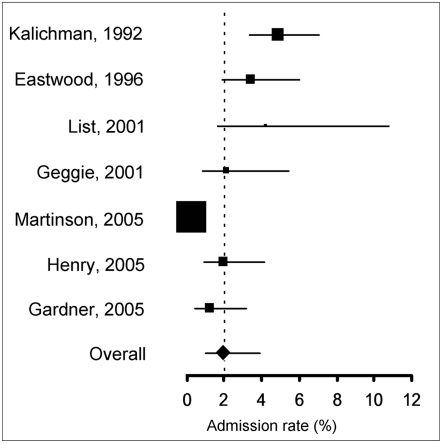
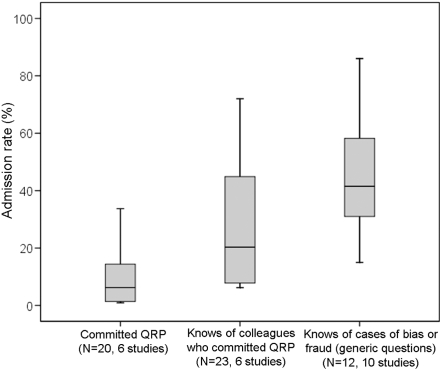
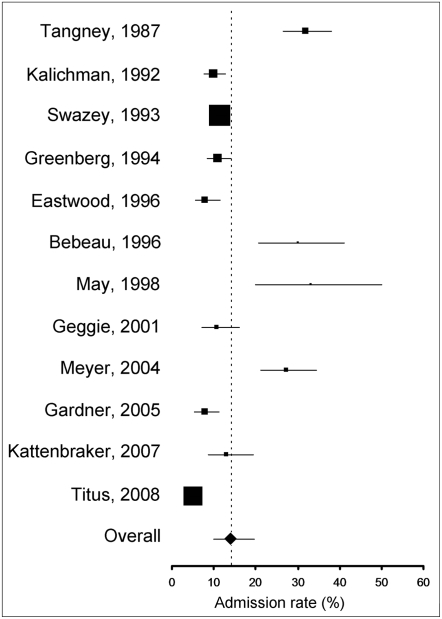
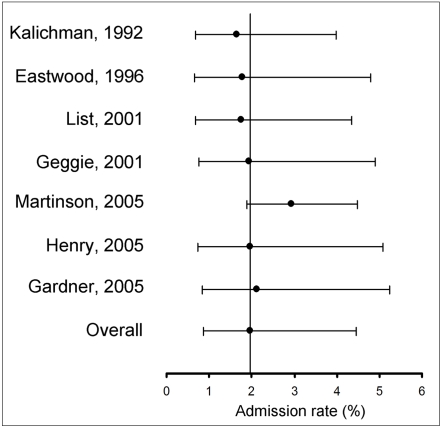
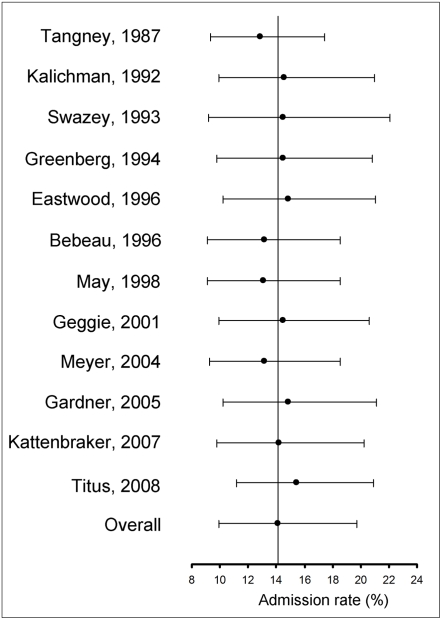
The frequency with which scientists fabricate and falsify data, or commit other forms of scientific misconduct is a matter of controversy. Many surveys have asked scientists directly whether they have committed or know of a colleague who committed research misconduct, but their results appeared difficult to compare and synthesize. This is the first meta-analysis of these surveys. To standardize outcomes, the number of respondents who recalled at least one incident of misconduct was calculated for each question, and the analysis was limited to behaviours that distort scientific knowledge: fabrication, falsification, "cooking" of data, etc... Survey questions on plagiarism and other forms of professional misconduct were excluded. The final sample consisted of 21 surveys that were included in the systematic review, and 18 in the meta-analysis. A pooled weighted average of 1.97% (N = 7, 95%CI: 0.86-4.45) of scientists admitted to have fabricated, falsified or modified data or results at least once--a serious form of misconduct by any standard--and up to 33.7% admitted other questionable research practices. In surveys asking about the behaviour of colleagues, admission rates were 14.12% (N = 12, 95% CI: 9.91-19.72) for falsification, and up to 72% for other questionable research practices. Meta-regression showed that self reports surveys, surveys using the words "falsification" or "fabrication", and mailed surveys yielded lower percentages of misconduct. When these factors were controlled for, misconduct was reported more frequently by medical/pharmacological researchers than others. Considering that these surveys ask sensitive questions and have other limitations, it appears likely that this is a conservative estimate of the true prevalence of scientific misconduct.
Overview
CoChat Summary
TL;DR
This systematic review and meta-analysis of survey data estimated that about 2% of scientists admitted to fabricating, falsifying, or modifying data or results at least once, while 14.12% reported knowing a colleague who did so. The paper argues these are conservative estimates and that methodological choices strongly shape the observed rates.
Key findings
- Across surveys explicitly asking whether scientists ever fabricated or falsified data or altered/modifed results, the pooled weighted estimate was 1.97% (95% CI 0.86–4.45; N = 7), with significant heterogeneity (Cochran’s Q = 61.7777, df = 6, P < 0.0001).
- When only questions explicitly using the words “fabrication” or “falsification” were included, the pooled estimate for self-reports was 1.06% (95% CI 0.31–3.51; N = 4).
- For reports about colleagues’ misconduct, the pooled weighted estimate was 14.12% (95% CI 9.91–19.72; N = 12); restricting to questions using “fabrication” or “falsification” gave 12.34% (95% CI 8.43–17.71; N = 11).
- Other questionable research practices were reported more often: up to 33.7% in self-reports and up to 72% when asking about colleagues.
Methods
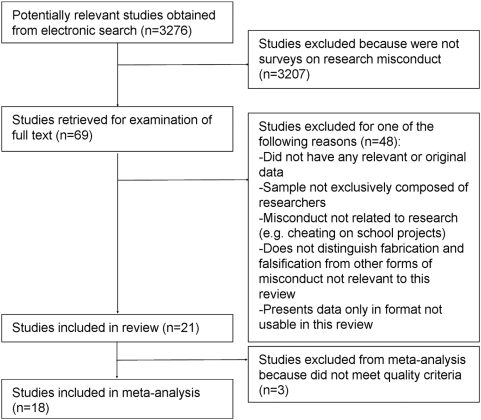
- Systematic review and meta-analysis of quantitative surveys asking scientists whether they had committed or observed scientific misconduct in the past; plagiarism and other non-knowledge-distorting misconduct were excluded.
- Searches were run in the first two weeks of August 2008 across citation databases, journals, grey literature sources, and internet search engines; the final review included 21 studies, with 18 in the meta-analysis.
- Main analysis computed the proportion recalling at least one incident, logit-transformed and inverse-variance weighted in a random-effects meta-analysis; meta-regression tested methodological factors such as self vs. non-self reports, mailed vs. handed-out surveys, and use of the words “fabrication”/“falsification.”
Limitations
- The paper states that using the percentage of respondents recalling at least one incident is a rough measure of misconduct frequency; this can under- or overestimate prevalence depending on whether respondents committed multiple incidents or only one.
- The paper notes that non-response bias was recognized by most surveys as a limitation, and that the validity of self-reports may be affected by social expectations; the text also suggests self-reports likely underestimate misconduct.
- Evident from the text: the included studies were heterogeneous in methods and wording, and some outcomes were too diverse for meaningful meta-analysis, so only crude unweighted parameters were calculated for broader questionable research practices.
Model-written summary. Check it against the paper before relying on it.
Integrity signals
Registry
Cites
Statistics
Figures
Verification
Claims the paper makes
0 Valid · 0 Not valid · 14 Not checked · 61 Own results and interpretations
A result the paper reports from its own data — it cites no other source for it, so there is none to check. The quote shows it is in the paper.
In the paper
“When these factors were controlled for, misconduct was reported more frequently by medical/pharmacological researchers than others.”
§ How Many Scientists Fabricate and Falsify Research? A Systematic Review and Meta-Analysis of Survey Data > Abstract
plainstates an association- Asserted: passes — The authors put it forward as true.
- Checkable: passes — It can be checked against evidence.
- Load-bearing: passes — The paper’s conclusions depend on it.
- Based: passes — The paper gives a reason why it holds.
- Rests on 2 assumptions not shown here.
A result the paper reports from its own data — it cites no other source for it, so there is none to check. The quote shows it is in the paper.
In the paper
“A pooled weighted average of 1.97% (N = 7, 95%CI: 0.86–4.45) of scientists admitted to have fabricated, falsified or modified data or results at least once –a serious form of misconduct by any standard– and up to 33.7% admitted other questionable research practices.”
§ How Many Scientists Fabricate and Falsify Research? A Systematic Review and Meta-Analysis of Survey Data > Abstract
plainn = 7- Asserted: passes — The authors put it forward as true.
- Checkable: passes — It can be checked against evidence.
- Load-bearing: passes — The paper’s conclusions depend on it.
- Based: passes — The paper gives a reason why it holds.
- Rests on 2 assumptions not shown here.
A result the paper reports from its own data — it cites no other source for it, so there is none to check. The quote shows it is in the paper.
In the paper
“A pooled weighted average of 1.97% (N = 7, 95%CI: 0.86–4.45) of scientists admitted to have fabricated, falsified or modified data or results at least once –a serious form of misconduct by any standard– and up to 33.7% admitted other questionable research practices.”
§ How Many Scientists Fabricate and Falsify Research? A Systematic Review and Meta-Analysis of Survey Data > Abstract
plain- Asserted: passes — The authors put it forward as true.
- Checkable: passes — It can be checked against evidence.
- Load-bearing: passes — The paper’s conclusions depend on it.
- Based: passes — The paper gives a reason why it holds.
- Rests on 2 assumptions not shown here.
A result the paper reports from its own data — it cites no other source for it, so there is none to check. The quote shows it is in the paper.
In the paper
“In surveys asking about the behaviour of colleagues, admission rates were 14.12% (N = 12, 95% CI: 9.91–19.72) for falsification, and up to 72% for other questionable research practices.”
§ How Many Scientists Fabricate and Falsify Research? A Systematic Review and Meta-Analysis of Survey Data > Abstract
plainn = 12- Asserted: passes — The authors put it forward as true.
- Checkable: passes — It can be checked against evidence.
- Load-bearing: passes — The paper’s conclusions depend on it.
- Based: passes — The paper gives a reason why it holds.
- Rests on 2 assumptions not shown here.
A result the paper reports from its own data — it cites no other source for it, so there is none to check. The quote shows it is in the paper.
In the paper
“Meta-analysis yielded mean pooled estimates that are higher than most previous estimates.”
§ How Many Scientists Fabricate and Falsify Research? A Systematic Review and Meta-Analysis of Survey Data > Introduction
plain- Asserted: passes — The authors put it forward as true.
- Checkable: passes — It can be checked against evidence.
- Load-bearing: passes — The paper’s conclusions depend on it.
- Based: passes — The paper gives a reason why it holds.
- Rests on 2 assumptions not shown here.
31 more claims
Create a free account to see all 75 claims and to verify the 4 references still open.
- It may state two separate claims as one. 24
- Probably not a substantial claim. 25
Claims other papers make about this one
Each is checked against this paper’s own text: does it say what the citing paper says it does?
The cited source says what the claim attributes to it.
In the citing paper
“there are other more common sources of unreliability in the literature (41)(42)(43)(44)”
From Misconduct accounts for the majority of retracted scientific publications (2012) · cites this paper as [43]
The cited source says what the claim attributes to it.
In the citing paper
“The prevalence of researchers who have been involved in scientific misconduct is estimated to be around 2% [2]”
From Checklist to assess Trustworthiness in RAndomised Controlled Trials (TRACT checklist): concept proposal and pilot (2023) · cites this paper as [2]
The cited source says what the claim attributes to it.
In the citing paper
“This is how a small number of people 40 with flexible morals can pollute the scientific literature disproportionately.”
From Fraudulent studies are undermining the reliability of systematic reviews: on the prevalence of problematic images in preclinical depression studies (2025) · cites this paper as [40]
The cited source says what the claim attributes to it.
In the citing paper
“A meta-analysis by Fanelli, combining the results of 18 published surveys, found that 1.9% of researchers have admitted to modification, falsification, or fabrication of data (3).”
From The Prevalence of Inappropriate Image Duplication in Biomedical Research Publications (2016) · cites this paper as [3]
The cited source says what the claim attributes to it.
In the citing paper
“A systematic review and meta-analysis of survey data estimated that 1.97% of authors admitted to have fabricated, falsified, or modified data or results at least once and, in surveys asking about the behavior of colleagues, the admission rate was 14.12% for falsification [13].”
From No raw data, no science: another possible source of the reproducibility crisis (2020) · cites this paper as [13]
6 more claims about this paper
Create a free account to see every claim other papers make about this one.
Citations
Cites
(2000) · Cited by 9,198
The Sociology of Science: Theoretical and Empirical Investigations
Kaplan, N., Merton, R. K., & Storer, N. W. (1974) · Technology and Culture · doi:10.2307/3102264 · Cited by 4,005
The Normative Structure of Science
Merton, R. Κ. (1973) · Medical Entomology and Zoology · Cited by 2,315
The Hazards of Scoring the Quality of Clinical Trials for Meta-analysis
Jüni, P. (1999) · JAMA · doi:10.1001/jama.282.11.1054 · Cited by 1,981 · cited 1×
“All remaining papers were included, and were not graded on a quality scale, because the validity and use of quality measures in meta-analysis is controversial [21], [22].”
BackgroundScope and Impact of Financial Conflicts of Interest in Biomedical Research: A Systematic Review
Bekelman, J. E., Li, Y., & Gross, C. P. (2003) · JAMA · doi:10.1001/jama.289.4.454 · Cited by 1,816 · cited 1×
“This would support growing fears that the large financial interests that often drive medical research are severely biasing it [50], [51], [52].”
BackgroundTourangeau, R., & Smith, T. W. (1996) · Public Opinion Quarterly · doi:10.1086/297751 · Cited by 1,295 · cited 1×
“However, the accuracy of responses to sensitive questions is often independent of response rates, and depends strongly on respondents' perception of anonymity and confidentiality [43], [44].”
BackgroundA comparison of methods to detect publication bias in meta‐analysis
Macaskill, P., Walter, S. D., & Irwig, L. (2001) · Statistics in Medicine · doi:10.1002/sim.698 · Cited by 1,286 · cited 1×
“The popular funnel-plot-based methods to test for publication bias in meta-analysis are inappropriate and potentially misleading when the number of included studies is small and heterogeneity is large [25], [26].”
MethodMartinson, B. C., Anderson, M. S., & de Vries, R. (2005) · Nature · doi:10.1038/435737a · Cited by 1,096 · cited 9×
“All the above results were robust with respect to inclusion or exclusion of any particular study, with perhaps one exception: Martinson et al. (2005) [19], which is one of the largest and most frequently cited surveys on misconduct published to date.”
BackgroundMethodResultInfluentialAdjusting for publication bias in the presence of heterogeneity
Terrin, N., Schmid, C. H., Lau, J., & Olkin, I. (2003) · Statistics in Medicine · doi:10.1002/sim.1461 · Cited by 809 · cited 1×
“The popular funnel-plot-based methods to test for publication bias in meta-analysis are inappropriate and potentially misleading when the number of included studies is small and heterogeneity is large [25], [26].”
MethodIs Academic Medicine for Sale?
Angell, M. (2000) · New England Journal of Medicine · doi:10.1056/nejm200005183422009 · Cited by 582
Research works printed but not linked: 2
- Eastwood S Derish P Leash E Ordway S 1996 Ethical issues in biomedical research: perceptions and practices of postdoctoral research fellows responding to a survey. Science and Engineering Ethics 2 89 114 11657788 · DOI
- Kattenbraker MS 2007 Health education research and publication: ethical considerations and the response of health educators Carbondale Southern Illinois University.Doctoral dissertation
Cited by
Items 801–900 of 1,924
Kaiser, H. (2013) · The Bulletin of zoological nomenclature · doi:10.21805/bzn.v70i4.a17 · Cited by 10
“BZN open access article It nevertheless happens on occasion that scientific misconduct is uncovered, such as when individuals knowingly (or unwittingly) usurp the position of scientists and by their actions and production compromise the integrity of scientific research (e.g. through mistakes, plagiarism, falsification…”
BackgroundForschungs- und Wissenschaftsethik
Döring, N. M., & Bortz, J. (2015) · Springer-Lehrbuch · doi:10.1007/978-3-642-41089-5_4 · Cited by 9
Scientific misconduct and the responsible conduct of research in science and economics
Wible, J. R. (2016) · Review of Social Economy · doi:10.1080/00346764.2016.1135598 · Cited by 10
“After Fanelli published his findings on research misconduct, it was followed by a systematic survey of retractions in biomedical research. Just a few years ago, Fang et al. (2012) published an analysis of retractions found in the PubMed database from the 1940s until May of 2012.”
BackgroundMisuse of statistics in surgical literature
Thiese, M. S., Ronna, B. B., & Robbins, R. (2016) · Journal of Thoracic Disease · doi:10.21037/jtd.2016.06.46 · Cited by 9
“Exclusion of data should only be done in very limited situations, ideally ones that were considered prior to collecting data (12,25).”
BackgroundDante’s Inferno: Seven Deadly Sins in Scientific Publishing and How to Avoid Them
Babor, T. F., McGovern, T. F., & Robaina, K. (2017) · Ubiquity Press eBooks · doi:10.5334/bbd.n · Cited by 9
“Misconduct is reported more frequently by medical and pharmacological researchers than those from other disciplines (Fanelli, 2009).”
BackgroundKrefeld-Schwalb, A., Witte, E. H., & Zenker, F. (2018) · Frontiers in Psychology · doi:10.3389/fpsyg.2018.00460 · Cited by 17
“It adds severity that this crisis extends beyond psychology— to medicine and health care (Ioannidis, 2014, 2016), genetics (Alfaro and Holder, 2006), sociology (Freese and Peterson, 2017), and political science (Clinton, 2012), among other fields (Fanelli, 2009)—and affects each field as a whole.”
BackgroundBadenes‐Ribera, L., Navarro, M. D. F., Iotti, N. O., Campos, A. B., & Longobardi, C. (2018) · Frontiers in Psychology · doi:10.3389/fpsyg.2018.00996 · Cited by 11
“, p-hacking) that distort scientific knowledge and harm scientific progress (Fanelli, 2009; Gadbury and Allison, 2014; Wicherts et al., 2016; Agnoli et al., 2017).”
BackgroundInfluentialDifferent aspects of scientific misconduct among Iranian academic members
(2018) · European Science Editing · doi:10.20316/ese.2018.44.17020 · Cited by 9
Mishra, K., & Dabas, A. (2021) · Indian Pediatrics · doi:10.1007/s13312-021-2291-6 · Cited by 13
“A systematic review [5], showed that in a total of 18 surveys, a pooled weighted average of 1.”
Assuring the quality of survey data: Incentives, detection and documentation of deviant behavior
Winker, P. (2016) · Statistical Journal of the IAOS · doi:10.3233/sji-161012 · Cited by 9
“Fanelli [14]).”
Publishing addiction science – A guide for the perplexed.
Bühringer, G. (2018) · SUCHT - Zeitschrift für Wissenschaft und Praxis / Journal of Addiction Research and Practice · doi:10.1024/0939-5911/a000524 · Cited by 9
Fabrication, Falsification et al
Reider, B. J. (2010) · The American Journal of Sports Medicine · doi:10.1177/0363546510363908 · Cited by 10
“Subtler misbehaviors that fall short of explicit fabrication or falsification constitute an even more prevalent concern.(6,7,12,13,18) These ‘‘questionable research practices’’(18) include discarding or selectively reporting data, suppressing results that contradict one’s past publications, digitally modifying images,…”
BackgroundTo Aid Scientific Inference, Emphasize Unconditional Descriptions of StatisticsPreprint
Greenland, S., & Rafi, Z. (2019) · arXiv (Cornell University) · Cited by 11
Charting the Constellation of Science Reform
Field, S. M. (2022) · Liberate Science GmbH eBooks · doi:10.53962/meeb-2ktd · Cited by 11
Retraction of Scientific Papers: Types of Retraction, Consequences, and Impacts
Candal‐Pedreira, C., Pérez‐Ríos, M., & Ruano‐Raviña, A. (2022) · Springer eBooks · doi:10.1007/978-3-030-99680-2_40 · Cited by 13
Detecting fabrication in large-scale molecular omics data
Bradshaw, M. S., & Payne, S. H. (2021) · PLOS ONE · doi:10.1371/journal.pone.0260395 · Cited by 8
“colleagues had fabricated data, positive response rates rose to 14-19% [4,5].”
BackgroundWatkins, S. L. (2023) · Membranes · doi:10.3390/membranes13020148 · Cited by 9
“On the downside, with the increases observed in use of membrane simulations, there is also an increase in the need for peer review [174,175].”
BackgroundDisentangling the local context—imagined communities and researchers’ sense of belonging
Horbach, S. P. J. M., Sørensen, M. P., Allum, N., & Reid, A.-K. (2023) · Science and Public Policy · doi:10.1093/scipol/scad017 · Cited by 13
Quality assurance in surgery—a moral obligation
Öfner, D. (2024) · European surgery. Supplement/European surgery · doi:10.1007/s10353-023-00825-8 · Cited by 8
“Analyses show that 72% of researchers know someone in their immediate professional environment who has manipulated data on a small or large scale [16].”
Sempa, J. B., Patil, R., Mathewson, J. D., Kabelka, H., Yaghmaei, N., Coleman, H. L. S., Sohoni, P., Straetemans, M., Gopalakrishna, G., Wienia, M., et al. (2024) · BMJ Global Health · doi:10.1136/bmjgh-2023-013917 · Cited by 8
“17 Following this logic, we defined Unfair Research Practices (URPs) as behaviours that perpetuate power imbalances, marginalisation, exploitation and inequality in the production and dissemination of knowledge.”
MethodAcademic Integrity vs. Academic Misconduct: A Thematic Evolution Through Bibliometrics
Suprapto, N., Nurhasan, N., Simamora, R. M., Mursid, A., & Ardha, M. A. A. (2024) · Journal of Academic Ethics · doi:10.1007/s10805-024-09580-1 · Cited by 16
“A systematic review and meta-analysis conducted in 2009, analyzing survey data, revealed that approximately 2% of scientists acknowledged engaging in falsification, fabri - cation, or modification of data on at least one occasion (Fanelli, 2009).”
Robust statistical methods and the credibility movement of psychological science
Sladekova, M., & Field, A. P. (2025) · PeerJ · doi:10.7717/peerj.20043 · Cited by 13
“Decisions based on these methods can only be made after the data have been observed, and are inevitably subject to bias ( Fanelli, 2009 ; Steegen et al., 2016 ).”
Evidence-based medicine: can the evidence be trusted?
Tharyan, P. (2011) · Indian Journal of Medical Ethics · doi:10.20529/ijme.2011.081 · Cited by 8
Fraud in a population-based study of headache: prevention, detection and correction
Ahmed, B., Ahmad, A., Herekar, A. A., Uqaili, U. L., Effendi, J., Alvi, S. Z., Herekar, A. D., & Steiner, T. J. (2014) · The Journal of Headache and Pain · doi:10.1186/1129-2377-15-37 · Cited by 8
“Whether or not this is true (rather than increasing awareness of it – or greater willingness to recognize it), fabrication or modification of research data is clearly common [2] and can have far-reaching consequences.”
BackgroundEl fraude en las publicaciones científicas: más allá de fabricar, falsificar y plagiar
Díaz, G. M. (2016) · TecnoLógicas · doi:10.22430/22565337.583 · Cited by 8
“Así mismo, el 34% admite haber realizado otras “prácticas cuestionables” y el 72% haberlo visto en sus colegas [4].”
A missing piece in high school science education: Research ethics in the classroom
Lee, J. (2021) · International Journal of Science Education · doi:10.1080/09500693.2021.1934602 · Cited by 9
“Even professional scientists have a high rate of committing such misconduct (Baker, 2016; De Vries et al., 2006; Fanelli, 2009; Martinson et al., 2005) owing to difficulties in detection, while in schools, they are rarely detected unless they are severe.”
BackgroundScience’s Reproducibility and Replicability Crisis: International Business Is Not Immune
Aguinis, H., Cascio, W. F., & Ramani, R. S. (2019) · JIBS special collections · doi:10.1007/978-3-030-22113-3_2 · Cited by 12
The Problem of Irreproducible Bioscience Research
Flier, J. S. (2022) · Perspectives in biology and medicine · doi:10.1353/pbm.2022.0032 · Cited by 12
“Misconduct as formally defined accounts for a small fraction of irreproducibility , but the prevalence of both misconduct and questionable research practices are too high (de Vrieze 2021; Fanelli 2009).”
Burt, A., Nuño, A., Turnbull, L. A., Fleischer‐Dogley, F., & Bunbury, N. (2022) · People and Nature · doi:10.1002/pan3.10417 · Cited by 8
Ethics and Responsible Research and Innovation in Practice: The ETHNA System Project
Esteban, E. G., Feenstra, R. A., & Camarinha-Matos, L. M. (2023) · Lecture notes in computer science · doi:10.1007/978-3-031-33177-0 · Cited by 9
Navigating the Science System: Research Integrity and Academic Survival Strategies
Elizondo, A. R., & Kaltenbrunner, W. (2024) · Science and Engineering Ethics · doi:10.1007/s11948-024-00467-3 · Cited by 13
“…scientific misconduct has been concerned with categorizing misconduct and with interrogating the incidence of different forms of misconduct (Bouter et al., 2016; Fanelli, 2009, 2011), as well as with the specificity of certain forms in particular fields (John et al., 2012; Ravn & Sørensen, 2021).”
BackgroundNazarovets, S. (2024) · Springer eBooks · doi:10.1007/978-981-97-4060-4_14 · Cited by 11
Professionalism: An exemplar for the sciences
Wurm-Schaar, M. (2015) · Biochemical Pharmacology · doi:10.1016/j.bcp.2015.06.026 · Cited by 8
Scientific ethics and publishing conduct
Lenz, H. (2014) · Journal of Business Economics · doi:10.1007/s11573-014-0722-8 · Cited by 8
“The unweighted average admission rate of questionable research practices was 9.54 % (Fanelli 2009, p. 6).”
BackgroundMethodInfluentialProfessional ethics: an overview from health research ethics point of view.
Nyika, A. (2009) · Acta Tropica · doi:10.1016/j.actatropica.2009.07.033 · Cited by 8
The future of evidence-based medicine: is the frog still boiling?
Muckart, D. J. J., & Malbrain, M. L. N. G. (2017) · Anaesthesiology Intensive Therapy · doi:10.5603/ait.a2017.0059 · Cited by 8
“Interrogation of colleagues revealed more alarming figures of 14% concerning data falsification, and 72% for dubious scientific behaviour [28].”
BackgroundБлокчейн для науки: революционные возможности, перспективы внедрения, потенциальные проблемы
Kosmarski, A. (2019) · Monitoring obŝestvennogo mneniâ: èkonomičeskie i socialʹnye peremeny · doi:10.14515/monitoring.2019.2.16 · Cited by 11
A modern method of multiple working hypotheses to improve inference in ecology
Yanco, S. W., McDevitt, A., Trueman, C. N., Hartley, L., & Wunder, M. B. (2020) · Royal Society Open Science · doi:10.1098/rsos.200231 · Cited by 13
Fraud and Misconduct in Publishing Medical Research
Elsayed, D. E. M. (2020) · Sudan Journal of Medical Sciences · doi:10.18502/sjms.v15i2.6693 · Cited by 13
Open Science als Beitrag zur Qualität in der Bildungsforschung
Krammer, G., & Svecnik, E. (2020) · Zeitschrift für Bildungsforschung · doi:10.1007/s35834-020-00286-z · Cited by 14
“So zeigen Meta-Analysen, dass 1,97% der befragten Forscher/innen angeben, bereits einmal Daten oder Ergebnisse fabriziert, gefälscht oder modifiziert zu haben (Fanelli 2009).”
BackgroundSpanish Scientists’ Opinion about Science and Researcher Behavior
Navarro, M. D. F., Pascual‐Soler, M., Perezgonzalez, J. D., Monterde-i-Bort, H., & Pascual‐Llobell, J. (2021) · The Spanish Journal of Psychology · doi:10.1017/sjp.2020.59 · Cited by 10
Paradeise, C., & Filliatreau, G. (2021) · Minerva · doi:10.1007/s11024-021-09440-x · Cited by 9
“The count of retractations as well as surveys on researchers’ individual practices (Fanelli 2009; Tijdink et al.”
BackgroundRobert, J. S. (2022) · Accountability in Research · doi:10.1080/08989621.2021.2020110 · Cited by 9
Vie, K. J. (2022) · Science and Engineering Ethics · doi:10.1007/s11948-022-00400-6 · Cited by 11
“Researchers are sometimes dishonest, and sometimes their work causes harm (Fanelli, 2009).”
BackgroundSituational analysis and urban theory
Davidson, M. (2023) · Progress in Human Geography · doi:10.1177/03091325231221777 · Cited by 9
“Much of this will be familiar to readers well-versed in epistemology debates (see Earp and Tra fi mow, 2015; Fanelli, 2009).”
BackgroundShah, S. K. (2013) · The Journal of Law Medicine & Ethics · doi:10.1111/jlme.12051 · Cited by 8
IS HOMEOPATHY REALLY ‘MORALLY AND ETHICALLY UNACCEPTABLE’? A CRITIQUE OF PURE SCIENTISM
Milgrom, L. R., & Chatfield, K. (2012) · Bioethics · doi:10.1111/j.1467-8519.2012.01948.x · Cited by 8
Publish or Perish? Fraud in Research and Scientific Publications
de Valencia, U. C., Tudela, J., & Aznar, J. (2013) · Persona y Bioética · doi:10.5294/pebi.2013.17.1.1 · Cited by 9
DuBois, J. M., Anderson, E. E., & Chibnall, J. T. (2013) · AJOB Primary Research · doi:10.1080/21507716.2013.807892 · Cited by 8
“While this is generally true, we believe that cases of serious professional wrongdoing—such as data fabrication (Fanelli 2009) and sexual abuse of patients (Carr 2003)—deserve careful study even though they are less common than less serious violations of professional standards, such as inappropriately assigning author…”
BackgroundIs research safe in their hands?
Marcovitch, H. (2011) · BMJ · doi:10.1136/bmj.d284 · Cited by 8
“by Nylenna and Simonsen decried the “bad apple” scenario, whereby research leaders might deny personal responsibility and refuse to believe that misconduct is diffused throughout the scientific community, a concept supported by a subsequent systematic review revealing that about 2% of scientists admitted to scientific…”
BackgroundEtiquette in scientific publishing
Krishnan, V. (2013) · American Journal of Orthodontics and Dentofacial Orthopedics · doi:10.1016/j.ajodo.2013.05.008 · Cited by 8
The Fraud and Retraction Epidemic
Castillo, M. (2013) · American Journal of Neuroradiology · doi:10.3174/ajnr.a3835 · Cited by 8
“In 1 survey, 2% of academics admitted to falsifying or fabricating data and 28% claimed to know colleagues who had done it.(15)”
BackgroundGunetti, M., Noghero, A., Molla, F., Staszewsky, L. I., Angelis, N. D., Soldo, A., Russo, I., Errichiello, E., Frasson, C., Rustichelli, D., et al. (2011) · Cytotherapy · doi:10.3109/14653249.2011.597559 · Cited by 10
A study exploring attributes and nature of the retracted literature on mental disorders
Balhara, Y. P. S., & Mishra, A. K. (2015) · Indian Journal of Medical Ethics · doi:10.20529/ijme.2015.007 · Cited by 17
“[ 4 ] Authors Title Journal Year of Retraction Year of Publication Country of corresponding author Article type Reason (s) for retraction”
BackgroundScientific integrity, misconduct in science
Bossi, E. (2010) · Swiss Medical Weekly · doi:10.4414/smw.2010.12981 · Cited by 8
Badylak, S., Phlips, E. J., Mathews, A. L., & Kelley, K. L. (2017) · Botanica Marina · doi:10.1515/bot-2017-0032 · Cited by 8
Preuss, H. G., Kaats, G. R., Mrvichin, N., Bagchi, D., & Swaroop, A. (2018) · Journal of the American College of Nutrition · doi:10.1080/07315724.2017.1413962 · Cited by 9
Escudero-Páez, S., Botero‐Delgadillo, E., & Estades, C. F. (2018) · Mammalia · doi:10.1515/mammalia-2017-0061 · Cited by 9
Mindful Care and Compassion in Higher Education: Cultivating Communities of Practice
Correia, H., & Strehlow, K. (2018) · Springer eBooks · doi:10.1007/978-981-13-2143-6_12 · Cited by 11
What Crisis? Management Researchers’ Experiences with and Views of Scholarly Misconduct
Hopp, C., & Hoover, G. A. (2017) · Science and Engineering Ethics · doi:10.1007/s11948-018-0079-4 · Cited by 14
Scientific Misconduct: Falsification, Fabrication, and Misappropriation of Credit
Vaux, D. L. (2016) · Springer eBooks · doi:10.1007/978-981-287-098-8_26 · Cited by 9
What is Truth? Standards of Scientific Integrity in American Heart Association Journals
Miano, J. M. (2009) · Arteriosclerosis Thrombosis and Vascular Biology · doi:10.1161/atvbaha.109.200204 · Cited by 8
(2017) · OECD economic surveys. Austria · doi:10.1787/eco_surveys-aut-2017-graph59-en · Cited by 9
Fifty Shades of QE: Conflicts of Interest in Economic ResearchPreprint
Fabo, B., Jančoková, M., Kempf, E., & Pástor, Ľ. (2020) · SSRN Electronic Journal · doi:10.2139/ssrn.3693174 · Cited by 18
The Open Science Framework: Improving Science by Making It Open and AccessiblePreprint
Spies, J. R. (2017) · Thesis Commons (OSF Preprints) · doi:10.31237/osf.io/t23za · Cited by 9
Charting the Constellation of Science Reform
Field, S. M. (2022) · University of Groningen research database (University of Groningen / Centre for Information Technology) · doi:10.33612/diss.229114775 · Cited by 32
Features and signals in precocious citation impact: a meta-research studyPreprint
Ioannidis, J. P. A. (2024) · bioRxiv (Cold Spring Harbor Laboratory) · doi:10.1101/2024.10.14.618366 · Cited by 8
How Citations Relate to Research Quality
Aksnes, D. W., & Langfeldt, L. (2024) · SpringerBriefs in political science · doi:10.1007/978-3-031-69580-3_6 · Cited by 9
Sénéquier, A., Draper‐Rodi, J., Álvarez, G., BRAITHWAITE, F., Brown, J., Corcoran, D., Forrest, L., Godsi, E., MacMillan, A., Ménard, M., et al. (2025) · Journal of Clinical Epidemiology · doi:10.1016/j.jclinepi.2025.111788 · Cited by 10
Peris, T. S., Salgari, G. C., Pérez, J., Jurgiel, J., Vreeland, A., O’Neill, J., Chang, S. W., Piacentini, J. C., & Loo, S. K. (2020) · Psychiatry Research · doi:10.1016/j.psychres.2020.113653 · Cited by 8
Apophenia and anesthesia: how we sometimes change our practice prematurely
Hanson, N. A., Lavallee, M. B., & Thiele, R. H. (2021) · Canadian Journal of Anesthesia/Journal canadien d anesthésie · doi:10.1007/s12630-021-02005-2 · Cited by 8
Strategyproofing Peer Assessment via Partitioning: The Price in Terms of Evaluators’ Expertise
Dhull, K., Jecmen, S., Kothari, P. K., & Shah, N. B. (2022) · Proceedings of the AAAI Conference on Human Computation and Crowdsourcing · doi:10.1609/hcomp.v10i1.21987 · Cited by 28
“Finally, there are various other types of strategic or dishonest behavior in peer assessment (Stelmakh, Shah, and Singh 2021; Hvistendahl 2013; Ferguson, Marcus, and Oransky 2014; Fanelli 2009; Resnik, Gutierrez-Ford, and Peddada 2008; Vijaykumar 2020; Littman 2021; Jecmen et al. 2020; Wu et al. 2021) and the design o…”
BackgroundEthical Considerations in Maritime Cybersecurity Research
Oruç, A. (2022) · TransNav the International Journal on Marine Navigation and Safety of Sea Transportation · doi:10.12716/1001.16.02.14 · Cited by 7
“Fabrication refers to the invention of data or a case [50].”
BackgroundInfluentialEarly career academic's odyssey: A narrative study of her professional identity construction
Mula-Falcón, J., & Rodríguez, K. C. (2023) · Research Evaluation · doi:10.1093/reseval/rvad005 · Cited by 12
Grimes, D. R. (2024) · eLife · doi:10.7554/elife.93050 · Cited by 7
“As discussed in the EOI paper ( Grimes, 2022 ), poor research conduct including inappropriate statistical manipulation and data redaction are not uncommon, affecting up to three quarters of all biomedical science ( Fanelli, 2009 ).”
Sting operations in biomedical publishing violate truthfulness and undermine trust in research
da Silva, J. A. T., Türp, J. C., & Daly, T. P. (2024) · Current Medical Research and Opinion · doi:10.1080/03007995.2024.2441340 · Cited by 7
Please don't aim for a highly cited paper
Calver, M. (2015) · Murdoch University Research Portal · Cited by 10
Dyer, C. (2011) · BMJ · doi:10.1136/bmj.d4017 · Cited by 7
“Research misconduct can often take years to come to light. It can go undetected for decades, poisoning the evidence base on which doctors rely in choosing treatments for their patients. The scale of the problem is uncertain, although in 2009 the first meta-analysis of surveys questioning scientists about the incidence…”
BackgroundThe European Heart Journal on the move: can scientific publishing be further improved?
Lüscher, T. F., Gersh, B. J., Hindricks, G., Landmesser, U., Nallamothu, B. K., Ruschitzka, F. T., & Wijns, W. C. (2012) · European Heart Journal · doi:10.1093/eurheartj/ehs360 · Cited by 8
Approaches to Academic Integrity in Medical and Health Research
Braunack‐Mayer, A., & Street, J. (2016) · Springer eBooks · doi:10.1007/978-981-287-098-8_46 · Cited by 8
Implementing plagiarism awareness workshop to nursing faculty members, Damanhour University
Eldin, Y. K. Z., & AbuElEla, L. A. (2016) · Journal of Nursing Education and Practice · doi:10.5430/jnep.v7n1p124 · Cited by 7
“Recently many international studies searched for research misconduct generally and plagiarism especially, for instance, Fanelli (2009)[17] conducted a meta-analysis of survey data on scientific misconduct, it was concluded that 34% of researchers admit questionable research practices and 2% admitted to have falsified…”
BackgroundGetting to grips with the public trust doctrine in biodiversity conservation: A brief overview
Blackmore, A. (2018) · Bothalia · doi:10.4102/abc.v48i1.2308 · Cited by 9
Ethical issues while reporting in scientific journals
Chadha, M., & Jain, A. (2020) · Indian Spine Journal · doi:10.4103/isj.isj_2_20 · Cited by 7
“12% for falsification and up to 72% for questionable research.[12] The conclusions drawn on the basis of such studies may affect future clinical practice and when such studies are brought to light, doubts arise in the mind of the public at large on medical practice and research.”
BackgroundDe-Biasing Strategic Communication
Gesche, T. (2017) · Games and Economic Behavior · doi:10.1016/j.geb.2021.09.001 · Cited by 7
Rethlefsen, M. L., Norton, H., Meyer, S. L., MacWilkinson, K. A., Smith, P. L., II, & Ye, H. (2022) · Journal of Statistics and Data Science Education · doi:10.1080/26939169.2022.2104767 · Cited by 12
“Though outright fraud and serious misconduct remain rare, largescale replication projects, surveys, and statistical analyses of published research confirm that a much larger proportion of scientists engage in “questionable research practices” (Fanelli 2009), such as data dredging (p-hacking) or HARKing (hypothesizing…”
BackgroundSen, U., & Gredebäck, G. (2024) · Child Development · doi:10.1111/cdev.13850 · Cited by 7
A model-based simulator for smart homes: Enabling reproducibility and standardization
Veneruso, S. V., Bertrand, Y., Leotta, F., Serral, E., & Mecella, M. (2023) · Journal of Ambient Intelligence and Smart Environments · doi:10.3233/ais-220016 · Cited by 13
“…are one of the many disciplines where we are witnessing the replication crisis (or replicability crisis or reproducibility crisis ), i.e., an ongoing methodological crisis in which it has been found that many scientific studies are difficult or impossible to replicate or reproduce [24,44].”
Handbook Transdisciplinary Learning
Philipp, T., Schmohl, T., BMBF, & Berlin University Alliance (2023) · Hochschulbildung: Lehre und Forschung · doi:10.1515/9783839463475 · Cited by 32
Candal‐Pedreira, C., Ghaddar, A., Pérez‐Ríos, M., Varela‐Lema, L., Álvarez‐Dardet, C., & Ruano‐Raviña, A. (2023) · Accountability in Research · doi:10.1080/08989621.2023.2284965 · Cited by 7
“Previous systematic reviews, one that included studies undertaken in China until 2016 and another that included studies worldwide until 2008, observed a prevalence of self-reported misconduct of 2% to 33.7% (Fanelli and Tregenza 2009; Yi, Nemery, and Dierickx 2019a).”
InfluentialNovel prediction and the problem of low-quality accommodation
Syrjänen, P. (2023) · Synthese · doi:10.1007/s11229-023-04400-2 · Cited by 7
“Based on multiple survey results (see Fanelli, 2009; Stroebe et al., 2012; Gross, 2016), Ulrich and Miller (2020) estimate that the prevalence rate is probably smaller than 2%.”
BackgroundArtificial intelligence and the scientific method: How to cope with a complete oxymoron
Lambert, W. C., Lambert, M. W., Emamian, M. H., Woźniak, M., & Grzybowski, A. E. (2024) · Clinics in Dermatology · doi:10.1016/j.clindermatol.2023.12.021 · Cited by 6
Handling the fragile vase of scientific practices
Ioannidis, J. P. A. (2014) · Addiction · doi:10.1111/add.12720 · Cited by 6
Survey Science in Pediatric Emergency Medicine
Zonfrillo, M. R., & Wiebe, D. J. (2011) · Pediatric Emergency Care · doi:10.1097/pec.0b013e3182187524 · Cited by 7
Owlia, P., Djalalinia, S., Afzali, H. M., Ghanei, M., & Peykari, N. (2016) · International Journal of Preventive Medicine · doi:10.4103/2008-7802.186227 · Cited by 7
STRESS AND PERCEPTIONS OF UNETHICAL BEHAVIOURS IN ACADEMIA
Parlangeli, O., Palmitesta, P., Bracci, M., Caratozzolo, M. C., Liston, P. M., & Marchigiani, E. (2017) · ICERI proceedings · doi:10.21125/iceri.2017.0586 · Cited by 10
Ethical issues in tourism and hospitality research
Moscardo, G. M. (2018) · Edward Elgar Publishing eBooks · doi:10.4337/9781785366284.00050 · Cited by 13
How to Supervise International PhD Students: A Narrative Inquiry Study
Hussain, M., & Ali, H. (2019) · International Journal of Higher Education · doi:10.5430/ijhe.v8n5p143 · Cited by 8
“It bounds the students to do well in publications or it may endanger their academic career (Fanelli, 2009) According to the study findings of Thomas (1996), the growing demands and within the students’ competition is more advantageous than it has disadvantageous effects on research students, and quantification of scie…”
BackgroundScientific Integrity: The Rules of Academic Research
Schuyt, K. (2019) · Leiden University Press eBooks · doi:10.24415/9789087282301 · Cited by 12
Rabima, Harlim, L., & Sogandi, S. (2020) · IOP Conference Series Earth and Environmental Science · doi:10.1088/1755-1315/475/1/012077 · Cited by 7
Science at the Crossroads: Fact or Fiction?
Goldberg, D. (2010) · Journal of Medical Biochemistry · doi:10.2478/v10011-011-0004-8 · Cited by 7
“A recent review reported that 2% of scientists admitted to outright fraud at least once, and 34% to other questionable practices (58).”
Background
Metadata
- Authors
- Fanelli, D.
- Affiliations
- University of Edinburgh (GB)
- Corresponding author
- Fanelli, Daniele
- ORCID
- Fanelli, Daniele
- Venue
- PLoS ONE
- Publisher
- Public Library of Science (PLoS)
- Published
- 2009-05-29
- Volume
- 4
- Issue
- 5
- Pages
- e5738
- ISSN
- 1932-6203 (ISSN-L)
- PMC
- PMC2685008
- OpenAlex
- W2152243616
- Cited by
- 1,911
- References
- 74
- Citations by year
- 2026: 77 · 2025: 110 · 2024: 128 · 2023: 136 · 2022: 157 · 2021: 145 · 2020: 163 · 2019: 166 · 2018: 125 · 2017: 125 · 2016: 119 · 2015: 106 · 2014: 82 · 2013: 93 · 2012: 84
- FWCI
- 19.42
- Type
- journal article
- Language
- en
- Open access
- gold
- doi.org
- Locations
- PLoS ONE (publishedVersion, cc-by)
- PubMed Central (publishedVersion, cc-by)
- PubMed (publishedVersion)
- Edinburgh Research Explorer (University of Edinburgh) (acceptedVersion, public-domain)
- RePEc: Research Papers in Economics (submittedVersion)
- DOAJ (DOAJ: Directory of Open Access Journals) (submittedVersion, cc-by-sa)
- Figshare (submittedVersion, cc-by)
- DigitalGeorgetown (Georgetown University Library) (submittedVersion)
- Funders
- European Commission (221441)
- Economic and Social Research Council (ES/F028180/1)
- Topics
- Social Sciences › Education › Academic integrity and plagiarism
- Physical Sciences › Mathematics › Statistics and Probability › Benford’s Law and Fraud Detection
- Social Sciences › Library and Information Sciences › Academic Publishing and Open Access
- Keywords
- research misconduct, scientific fraud, data fabrication, data falsification, questionable research practices, self-report questionnaire
- MeSH terms
- Data Collection, Regression Analysis, Research Personnel, Scientific Misconduct, Ethics, Research
About these checks
Registry, retraction, Cites and statistics results are computed, not judged, with one exception: a printed reference that no index lists is read once by a model before it counts as a citation error. Claims are extracted by a model and kept only when their quote appears verbatim in the text; each cited source is then checked, with a model’s help, for whether it says what the claim relies on. Those verdicts can be wrong — read the claim’s quote and the cited source before relying on one.
A language model drew the claims from the paper on 2026-10-10, under version 3 of the claim definition (model deepseek-v4.1-flash, prompt extract-v3).
A second model labelled each claim on 2026-10-10 (model jev-1.13-20260917, definition revision gold-guideline-v0.2).
Statistics and arithmetic are recomputed, not judged.
Confidence bands are shown only for fields calibrated on our annotated test set. None is calibrated yet, so no band is shown.
What counts as a claim ›How we measure confidence ›How we check this ›
Are you an author, or do you see a problem with this page? Request a review
Data sources
Bibliographic data: Semantic Scholar, OpenAlex, Crossref.
Contains information from the Semantic Scholar Academic Graph Datasets, made available under the ODC Attribution License (ODC-BY 1.0).
Semantic Scholar’s data is described in: Kinney, R., et al. (2023). The Semantic Scholar Open Data Platform. arXiv:2301.10140.
