

How Many Scientists Fabricate and Falsify Research? A Systematic Review and Meta-Analysis of Survey Data
Open accessThe DOI matches its Crossref record; 66 of the 74 references it cites were found in a registry or an index; none of the 21 sources its claims cite is checked for support yet.
Abstract
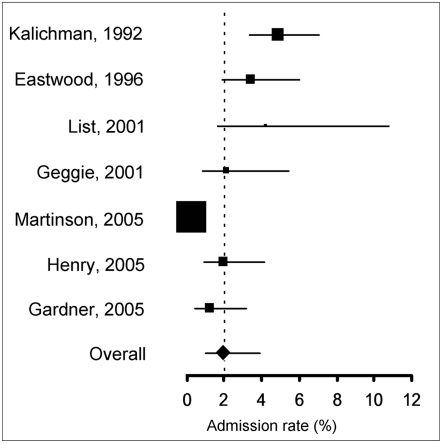
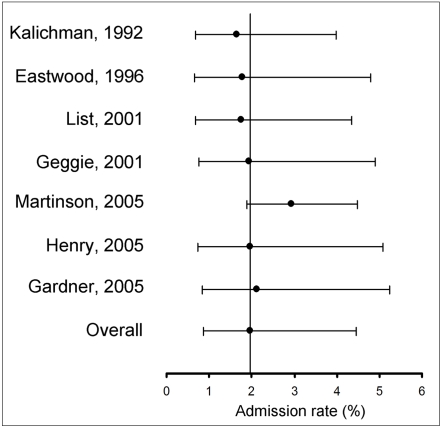
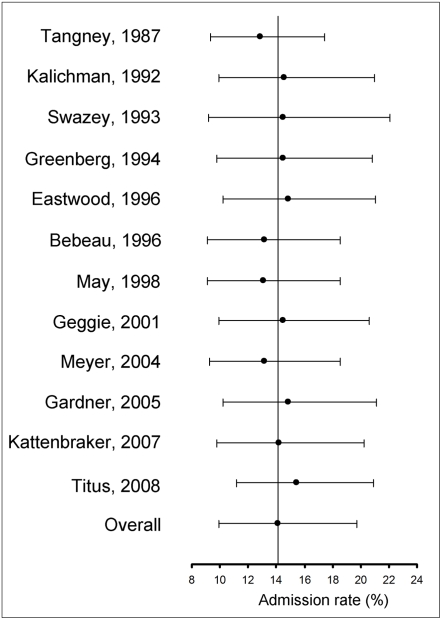
The frequency with which scientists fabricate and falsify data, or commit other forms of scientific misconduct is a matter of controversy. Many surveys have asked scientists directly whether they have committed or know of a colleague who committed research misconduct, but their results appeared difficult to compare and synthesize. This is the first meta-analysis of these surveys. To standardize outcomes, the number of respondents who recalled at least one incident of misconduct was calculated for each question, and the analysis was limited to behaviours that distort scientific knowledge: fabrication, falsification, "cooking" of data, etc... Survey questions on plagiarism and other forms of professional misconduct were excluded. The final sample consisted of 21 surveys that were included in the systematic review, and 18 in the meta-analysis. A pooled weighted average of 1.97% (N = 7, 95%CI: 0.86-4.45) of scientists admitted to have fabricated, falsified or modified data or results at least once--a serious form of misconduct by any standard--and up to 33.7% admitted other questionable research practices. In surveys asking about the behaviour of colleagues, admission rates were 14.12% (N = 12, 95% CI: 9.91-19.72) for falsification, and up to 72% for other questionable research practices. Meta-regression showed that self reports surveys, surveys using the words "falsification" or "fabrication", and mailed surveys yielded lower percentages of misconduct. When these factors were controlled for, misconduct was reported more frequently by medical/pharmacological researchers than others. Considering that these surveys ask sensitive questions and have other limitations, it appears likely that this is a conservative estimate of the true prevalence of scientific misconduct.
Overview
CoChat Summary
TL;DR
This systematic review and meta-analysis of survey data estimated that about 2% of scientists admitted to fabricating, falsifying, or modifying data or results at least once, while 14.12% reported knowing a colleague who did so. The paper argues these are conservative estimates and that methodological choices strongly shape the observed rates.
Key findings
- Across surveys explicitly asking whether scientists ever fabricated or falsified data or altered/modifed results, the pooled weighted estimate was 1.97% (95% CI 0.86–4.45; N = 7), with significant heterogeneity (Cochran’s Q = 61.7777, df = 6, P < 0.0001).
- When only questions explicitly using the words “fabrication” or “falsification” were included, the pooled estimate for self-reports was 1.06% (95% CI 0.31–3.51; N = 4).
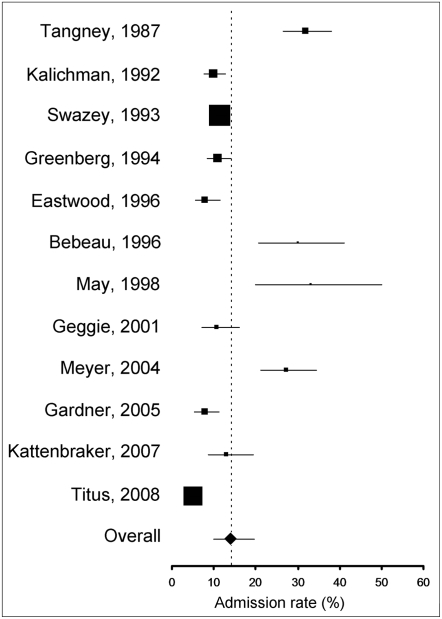
- For reports about colleagues’ misconduct, the pooled weighted estimate was 14.12% (95% CI 9.91–19.72; N = 12); restricting to questions using “fabrication” or “falsification” gave 12.34% (95% CI 8.43–17.71; N = 11).
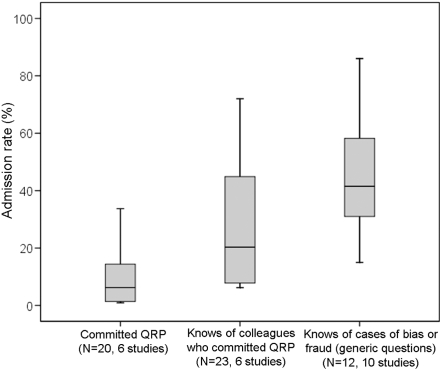
- Other questionable research practices were reported more often: up to 33.7% in self-reports and up to 72% when asking about colleagues.
Methods
- Systematic review and meta-analysis of quantitative surveys asking scientists whether they had committed or observed scientific misconduct in the past; plagiarism and other non-knowledge-distorting misconduct were excluded.
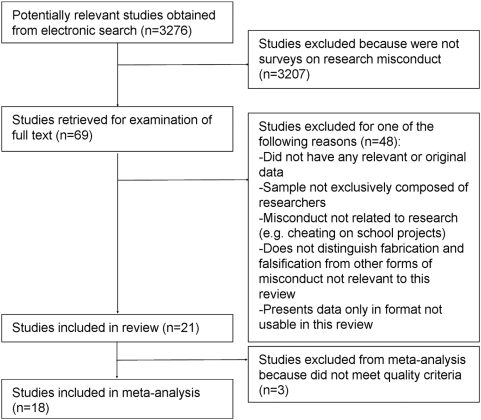
- Searches were run in the first two weeks of August 2008 across citation databases, journals, grey literature sources, and internet search engines; the final review included 21 studies, with 18 in the meta-analysis.
- Main analysis computed the proportion recalling at least one incident, logit-transformed and inverse-variance weighted in a random-effects meta-analysis; meta-regression tested methodological factors such as self vs. non-self reports, mailed vs. handed-out surveys, and use of the words “fabrication”/“falsification.”
Limitations
- The paper states that using the percentage of respondents recalling at least one incident is a rough measure of misconduct frequency; this can under- or overestimate prevalence depending on whether respondents committed multiple incidents or only one.
- The paper notes that non-response bias was recognized by most surveys as a limitation, and that the validity of self-reports may be affected by social expectations; the text also suggests self-reports likely underestimate misconduct.
- Evident from the text: the included studies were heterogeneous in methods and wording, and some outcomes were too diverse for meaningful meta-analysis, so only crude unweighted parameters were calculated for broader questionable research practices.
Model-written summary. Check it against the paper before relying on it.
Integrity signals
Registry
Cites
Statistics
Figures
Verification
Claims the paper makes
0 Valid · 0 Not valid · 14 Not checked · 61 Own results and interpretations
A result the paper reports from its own data — it cites no other source for it, so there is none to check. The quote shows it is in the paper.
In the paper
“When these factors were controlled for, misconduct was reported more frequently by medical/pharmacological researchers than others.”
§ How Many Scientists Fabricate and Falsify Research? A Systematic Review and Meta-Analysis of Survey Data > Abstract
plainstates an association- Asserted: passes — The authors put it forward as true.
- Checkable: passes — It can be checked against evidence.
- Load-bearing: passes — The paper’s conclusions depend on it.
- Based: passes — The paper gives a reason why it holds.
- Rests on 2 assumptions not shown here.
A result the paper reports from its own data — it cites no other source for it, so there is none to check. The quote shows it is in the paper.
In the paper
“A pooled weighted average of 1.97% (N = 7, 95%CI: 0.86–4.45) of scientists admitted to have fabricated, falsified or modified data or results at least once –a serious form of misconduct by any standard– and up to 33.7% admitted other questionable research practices.”
§ How Many Scientists Fabricate and Falsify Research? A Systematic Review and Meta-Analysis of Survey Data > Abstract
plainn = 7- Asserted: passes — The authors put it forward as true.
- Checkable: passes — It can be checked against evidence.
- Load-bearing: passes — The paper’s conclusions depend on it.
- Based: passes — The paper gives a reason why it holds.
- Rests on 2 assumptions not shown here.
A result the paper reports from its own data — it cites no other source for it, so there is none to check. The quote shows it is in the paper.
In the paper
“A pooled weighted average of 1.97% (N = 7, 95%CI: 0.86–4.45) of scientists admitted to have fabricated, falsified or modified data or results at least once –a serious form of misconduct by any standard– and up to 33.7% admitted other questionable research practices.”
§ How Many Scientists Fabricate and Falsify Research? A Systematic Review and Meta-Analysis of Survey Data > Abstract
plain- Asserted: passes — The authors put it forward as true.
- Checkable: passes — It can be checked against evidence.
- Load-bearing: passes — The paper’s conclusions depend on it.
- Based: passes — The paper gives a reason why it holds.
- Rests on 2 assumptions not shown here.
A result the paper reports from its own data — it cites no other source for it, so there is none to check. The quote shows it is in the paper.
In the paper
“In surveys asking about the behaviour of colleagues, admission rates were 14.12% (N = 12, 95% CI: 9.91–19.72) for falsification, and up to 72% for other questionable research practices.”
§ How Many Scientists Fabricate and Falsify Research? A Systematic Review and Meta-Analysis of Survey Data > Abstract
plainn = 12- Asserted: passes — The authors put it forward as true.
- Checkable: passes — It can be checked against evidence.
- Load-bearing: passes — The paper’s conclusions depend on it.
- Based: passes — The paper gives a reason why it holds.
- Rests on 2 assumptions not shown here.
A result the paper reports from its own data — it cites no other source for it, so there is none to check. The quote shows it is in the paper.
In the paper
“Meta-analysis yielded mean pooled estimates that are higher than most previous estimates.”
§ How Many Scientists Fabricate and Falsify Research? A Systematic Review and Meta-Analysis of Survey Data > Introduction
plain- Asserted: passes — The authors put it forward as true.
- Checkable: passes — It can be checked against evidence.
- Load-bearing: passes — The paper’s conclusions depend on it.
- Based: passes — The paper gives a reason why it holds.
- Rests on 2 assumptions not shown here.
31 more claims
Create a free account to see all 75 claims and to verify the 4 references still open.
- It may state two separate claims as one. 24
- Probably not a substantial claim. 25
Claims other papers make about this one
Each is checked against this paper’s own text: does it say what the citing paper says it does?
The cited source says what the claim attributes to it.
In the citing paper
“there are other more common sources of unreliability in the literature (41)(42)(43)(44)”
From Misconduct accounts for the majority of retracted scientific publications (2012) · cites this paper as [43]
The cited source says what the claim attributes to it.
In the citing paper
“The prevalence of researchers who have been involved in scientific misconduct is estimated to be around 2% [2]”
From Checklist to assess Trustworthiness in RAndomised Controlled Trials (TRACT checklist): concept proposal and pilot (2023) · cites this paper as [2]
The cited source says what the claim attributes to it.
In the citing paper
“This is how a small number of people 40 with flexible morals can pollute the scientific literature disproportionately.”
From Fraudulent studies are undermining the reliability of systematic reviews: on the prevalence of problematic images in preclinical depression studies (2025) · cites this paper as [40]
The cited source says what the claim attributes to it.
In the citing paper
“A meta-analysis by Fanelli, combining the results of 18 published surveys, found that 1.9% of researchers have admitted to modification, falsification, or fabrication of data (3).”
From The Prevalence of Inappropriate Image Duplication in Biomedical Research Publications (2016) · cites this paper as [3]
The cited source says what the claim attributes to it.
In the citing paper
“A systematic review and meta-analysis of survey data estimated that 1.97% of authors admitted to have fabricated, falsified, or modified data or results at least once and, in surveys asking about the behavior of colleagues, the admission rate was 14.12% for falsification [13].”
From No raw data, no science: another possible source of the reproducibility crisis (2020) · cites this paper as [13]
6 more claims about this paper
Create a free account to see every claim other papers make about this one.
Citations
Cites
(2000) · Cited by 9,198
The Sociology of Science: Theoretical and Empirical Investigations
Kaplan, N., Merton, R. K., & Storer, N. W. (1974) · Technology and Culture · doi:10.2307/3102264 · Cited by 4,005
The Normative Structure of Science
Merton, R. Κ. (1973) · Medical Entomology and Zoology · Cited by 2,315
The Hazards of Scoring the Quality of Clinical Trials for Meta-analysis
Jüni, P. (1999) · JAMA · doi:10.1001/jama.282.11.1054 · Cited by 1,981 · cited 1×
“All remaining papers were included, and were not graded on a quality scale, because the validity and use of quality measures in meta-analysis is controversial [21], [22].”
BackgroundScope and Impact of Financial Conflicts of Interest in Biomedical Research: A Systematic Review
Bekelman, J. E., Li, Y., & Gross, C. P. (2003) · JAMA · doi:10.1001/jama.289.4.454 · Cited by 1,816 · cited 1×
“This would support growing fears that the large financial interests that often drive medical research are severely biasing it [50], [51], [52].”
BackgroundTourangeau, R., & Smith, T. W. (1996) · Public Opinion Quarterly · doi:10.1086/297751 · Cited by 1,295 · cited 1×
“However, the accuracy of responses to sensitive questions is often independent of response rates, and depends strongly on respondents' perception of anonymity and confidentiality [43], [44].”
BackgroundA comparison of methods to detect publication bias in meta‐analysis
Macaskill, P., Walter, S. D., & Irwig, L. (2001) · Statistics in Medicine · doi:10.1002/sim.698 · Cited by 1,286 · cited 1×
“The popular funnel-plot-based methods to test for publication bias in meta-analysis are inappropriate and potentially misleading when the number of included studies is small and heterogeneity is large [25], [26].”
MethodMartinson, B. C., Anderson, M. S., & de Vries, R. (2005) · Nature · doi:10.1038/435737a · Cited by 1,096 · cited 9×
“All the above results were robust with respect to inclusion or exclusion of any particular study, with perhaps one exception: Martinson et al. (2005) [19], which is one of the largest and most frequently cited surveys on misconduct published to date.”
BackgroundMethodResultInfluentialAdjusting for publication bias in the presence of heterogeneity
Terrin, N., Schmid, C. H., Lau, J., & Olkin, I. (2003) · Statistics in Medicine · doi:10.1002/sim.1461 · Cited by 809 · cited 1×
“The popular funnel-plot-based methods to test for publication bias in meta-analysis are inappropriate and potentially misleading when the number of included studies is small and heterogeneity is large [25], [26].”
MethodIs Academic Medicine for Sale?
Angell, M. (2000) · New England Journal of Medicine · doi:10.1056/nejm200005183422009 · Cited by 582
Research works printed but not linked: 2
- Eastwood S Derish P Leash E Ordway S 1996 Ethical issues in biomedical research: perceptions and practices of postdoctoral research fellows responding to a survey. Science and Engineering Ethics 2 89 114 11657788 · DOI
- Kattenbraker MS 2007 Health education research and publication: ethical considerations and the response of health educators Carbondale Southern Illinois University.Doctoral dissertation
Cited by
Items 101–200 of 1,924
Academic Misconduct, Misrepresentation and Gaming: A ReassessmentPreprint
Biagioli, M., Kenney, M. F., Martin, B. R., & Walsh, J. P. (2018) · SSRN Electronic Journal · doi:10.1016/j.respol.2018.10.025 · Cited by 146
“A meta-analysis by Fanelli (2009) shows about 2% of respondents confessed to engaging in serious misconduct and about one-third to engaging in other detrimental research practices.4 However, as Fanelli notes, given the sensitive nature of this topic, intrusive research methods such as surveys are…”
Research Misconduct Definitions Adopted by U.S. Research Institutions
Resnik, D. B., Neal, T., Raymond, A., & Kissling, G. E. (2015) · Accountability in Research · doi:10.1080/08989621.2014.891943 · Cited by 123
“Although the incidence of research misconduct is thought to be low, it can have wide-ranging adverse impacts on universities, faculty, students, and the scientific community when it occurs (Martinson et al., 2005; Fanelli, 2009; Shamoo and Resnik, 2009).”
BackgroundThe flipped classroom in second language learning: A meta-analysis
Vitta, J. P., & Al-Hoorie, A. H. (2023) · Language Teaching Research · doi:10.1177/1362168820981403 · Cited by 123
WHAT'S TO KNOW ABOUT THE CREDIBILITY OF EMPIRICAL ECONOMICS?
Ioannidis, J., & Doucouliagos, C. (2013) · Journal of Economic Surveys · doi:10.1111/joes.12032 · Cited by 118
“Most errors are inadvertent or due to suboptimal research practices and deficient quality control, but falsification may also be occasionally involved (Fanelli 2009).”
BackgroundMycosphaerella graminicola: from genomics to disease control
Orton, E., Deller, S., & Brown, J. K. M. (2011) · Molecular Plant Pathology · doi:10.1111/j.1364-3703.2010.00688.x · Cited by 121
Big little lies: a compendium and simulation of p -hacking strategies
Stefan, A. M., & Schönbrodt, F. D. (2023) · Royal Society Open Science · doi:10.1098/rsos.220346 · Cited by 208
“The past years have shown a surge of survey and interview based research on scientific practices, with a particular focus on the prevalence of misconduct and malpractice [4,5,29,30].”
BackgroundCommentary: Perverse Incentives or Rotten Apples?
Bouter, L. M. (2015) · Accountability in Research · doi:10.1080/08989621.2014.950253 · Cited by 143
“Some years ago, Fanelli (2009) published a metaanalysis of the best available estimates.”
BackgroundConsortium for Transparency in Exercise Science (COTES) Collaborators, Caldwell, A. R., Vigotsky, A. D., Tenan, M. S., Radel, R., Mellor, D. T., Kreutzer, A., Lahart, I. M., Mills, J. P., & Boisgontier, M. P. (2020) · Sports Medicine · doi:10.1007/s40279-019-01227-1 · Cited by 114
Tijdink, J. K., Bouter, L. M., Veldkamp, C. L. S., van de Ven, P. M., Wicherts, J. M., & Smulders, Y. M. (2016) · PLOS ONE · doi:10.1371/journal.pone.0163251 · Cited by 114
“There is increasing evidence that research misbehaviors, specifically QRPs, are relatively common, seriously impact the scientific process, and compromises the validity of scientific results [12].”
BackgroundMethodPrevalence of Scientific Misconduct Among a Group of Researchers in N igeria
Okonta, P. I., & Rossouw, T. M. (2012) · Developing World Bioethics · doi:10.1111/j.1471-8847.2012.00339.x · Cited by 117
Towards a taxonomy of research misconduct: The case of business school research
Hall, J. K., & Martin, B. R. (2018) · Research Policy · doi:10.1016/j.respol.2018.03.006 · Cited by 130
“Such blatant misconduct can be addressed, for example, through legal mechanisms, whereas the “less flagrant, more subtle cases of potential misconduct”, or what Fanelli (2009) and John et al. (2012) call ‘questionable research practices’, remain poorly understood.”
BackgroundInfluentialMECHANISMS IN ENDOCRINOLOGYEndocrine and immunological aspects of burnout: a narrative review
Jónsdóttir, I. H., & Sjörs, A. (2018) · European Journal of Endocrinology · doi:10.1530/eje-18-0741 · Cited by 206
Scientific Utopia: II. Restructuring incentives and practices to promote truth over publishabilityPreprint
Nosek, B. A., Spies, J. R., & Motyl, M. S. (2016) · OSF Preprints (OSF Preprints) · doi:10.31219/osf.io/k4bgq · Cited by 115
Misconduct Policies in High-Impact Biomedical Journals
Bosch, X., Hernández, C., Pericas, J. M., Doti, P., & Marušić, A. (2012) · PLoS ONE · doi:10.1371/journal.pone.0051928 · Cited by 108
“Unfortunately, the prevalence of research misconduct seems to be higher than might be expected [35,36].”
BackgroundInfluentialvan der Zee, T., & Reich, J. (2018) · AERA Open · doi:10.1177/2332858418787466 · Cited by 134
Lei, L., & Zhang, Y. W. (2017) · Science and Engineering Ethics · doi:10.1007/s11948-017-9962-7 · Cited by 116
Replication in field ecology: Identifying challenges and proposing solutions
Filazzola, A., & Cahill, J. F. (2021) · Methods in Ecology and Evolution · doi:10.1111/2041-210x.13657 · Cited by 138
“While it may be unclear whether science in general (Cassey & Blackburn, 2006; Fanelli, 2009, 2018) or the discipline of ecology specifically (Fraser et al., 2020; Kelly, 2019) is in the midst of an actual replication crisis, examining approaches to improving confidence in field ecology is critical…”
BackgroundCalibrating the Scientific Ecosystem Through Meta-Research
Hardwicke, T. E., Serghiou, S., Janiaud, P., Danchev, V., Crüwell, S., Goodman, S. N., & Ioannidis, J. P. A. (2020) · Annual Review of Statistics and Its Application · doi:10.1146/annurev-statistics-031219-041104 · Cited by 98
“…that makes outcomes more favorable to the hypothesis under scrutiny) Bakker & Wicherts 2014, John et al. 2012 Falsification of data Carlisle 2012, Fanelli 2009, John et al. 2012, Simonsohn 2013 Reporting issues Illustrative references Inconsistencies (e.g., the reported combination of degrees of…”
Peer review for biomedical publications: we can improve the system
Stahel, P. F., & Moore, E. E. (2014) · BMC Medicine · doi:10.1186/s12916-014-0179-1 · Cited by 103
“Increasing numbers of reports on unethical research conduct, including the publication of fraudulent and fabricated data and of plagiarized or redundant publications, represent an additional dilemma for editors and reviewers [7-9].”
Reproducibility of research and preclinical validation: problems and solutions
Pusztai, L., Hatzis, C., & André, F. (2013) · Nature Reviews Clinical Oncology · doi:10.1038/nrclinonc.2013.171 · Cited by 114
Why the resistance to statistical innovations? Bridging the communication gap.
Sharpe, D. (2013) · Psychological Methods · doi:10.1037/a0034177 · Cited by 100
“Researchers can cook results to make them statistically significant, mine data looking for statistically significant results, and selectively publish to support preexisting hypotheses (Fanelli, 2009).”
BackgroundThe Gray Zone: Questionable Research Practices in the Business School
Butler, N., Delaney, H., & Spoelstra, S. (2017) · Academy of Management Learning & Education · doi:10.5465/amle.2015.0201 · Cited by 102
Ballantyne, N. (2019) · doi:10.1093/oso/9780190847289.001.0001 · Cited by 137
Fifty Shades of QE: Conflicts of Interest in Economic Research
Fabo, B., Jančoková, M., Kempf, E., & Pástor, Ľ. (2020) · Journal of Monetary Economics · doi:10.1016/j.jmoneco.2021.04.001 · Cited by 120
Isbell, D. R., BROWN, D., Chen, M., Derrick, D. J., Ghanem, R., Arvizu, M. N. G., Schnur, E., Zhang, M., & Plonsky, L. (2022) · Modern Language Journal · doi:10.1111/modl.12760 · Cited by 114
How to design the fair experimental classifier evaluation
Stąpor, K., Ksieniewicz, P., García, S., & Woźniak, M. (2021) · Applied Soft Computing · doi:10.1016/j.asoc.2021.107219 · Cited by 116
Linguistic Traces of a Scientific Fraud: The Case of Diederik Stapel
Markowitz, D. M., & Hancock, J. T. (2014) · PLoS ONE · doi:10.1371/journal.pone.0105937 · Cited by 116
A Call for Examining Replication and Bias in Special Education Research
Cook, B. G. (2014) · Remedial and Special Education · doi:10.1177/0741932514528995 · Cited by 108
“In a meta-analysis of surveys, Fanelli (2009) reported, on average, one third of scientists admitted to engaging in questionable research practices themselves, whereas 72% reported that colleagues had.”
BackgroundThe Costs and Underappreciated Consequences of Research Misconduct: A Case Study
Michalek, A. M., Hutson, A. D., Wicher, C. P., & Trump, D. L. (2010) · PLoS Medicine · doi:10.1371/journal.pmed.1000318 · Cited by 93
“[2] conducted a meta-analysis of published”
BackgroundInfluentialIs it time to share qualitative research data?
DuBois, J. M., Strait, M., & Walsh, H. A. (2017) · Qualitative Psychology · doi:10.1037/qup0000076 · Cited by 120
“…studies such as deviation in methods, being underpowered, publication bias in favor of positive findings, and reporting bias (which leads to under reporting of negative findings) (Nosek, 2015); in rare cases, it may be due to data fabrication (Fanelli, 2009; Titus, Wells, & Rhoades, 2008).”
BackgroundResearch Ethics for Students in the Social Sciences
Bos, J. (2020) · Springer eBooks · doi:10.1007/978-3-030-48415-6 · Cited by 258
The Prediction of Recidivism with Aboriginal Offenders: A Theoretically Informed Meta-Analysis
Gutierrez, L., Wilson, H. A., Rugge, T., & Bonta, J. (2013) · Canadian Journal of Criminology and Criminal Justice · doi:10.3138/cjccj.2011.e.51 · Cited by 96
Males Are Overrepresented among Life Science Researchers Committing Scientific Misconduct
Fang, F. C., Bennett, J. W., & Casadevall, A. (2013) · mBio · doi:10.1128/mbio.00640-12 · Cited by 92
“The importance of these influences is reflected in the burgeoning literature on research misconduct, including surveys that suggest that approximately 2% of scientists admit to having fabricated, falsified, or inappropriately modified results at least once (24).”
BackgroundArtino, A. R., Driessen, E. W., & Maggio, L. A. (2018) · Academic Medicine · doi:10.1097/acm.0000000000002412 · Cited by 111
Taking Financial Relationships into Account When Assessing Research
Resnik, D. B., & Elliott, K. C. (2013) · Accountability in Research · doi:10.1080/08989621.2013.788383 · Cited by 93
“Although data fabrication and falsification are thought to be rare in scientific research (Fanelli, 2009), when these transgressions do occur, there are often financial interests at stake, such as the need to produce results to obtain approval of a drug, to demonstrate that an invention works as…”
BackgroundThe extent and causes of academic text recycling or ‘self-plagiarism’
Horbach, S. P. J. M. (., & Halffman, W. (. (2019) · Research Policy · doi:10.1016/j.respol.2017.09.004 · Cited by 94
“These have been widely studied, leading to a growing body of literature discussing the nature (Steneck, 2006), prevalence (Fanelli, 2009), causes (Fanelli et al., 2015) and consequences (Steen, 2011; Zhang and Grieneisen, 2013) of scientific misconduct.”
BackgroundInfluentialHandbook of Research Methods for Tourism and Hospitality Management
Hristov, D., & Ramkissoon, H. R. (2018) · Edward Elgar Publishing eBooks · doi:10.4337/9781785366284 · Cited by 112
Novel, Versatile, and Tightly Regulated Expression System for E scherichia coli Strains
Choi, Y. J., Morel, L., Le François, T., Bourque, D., Bourget, L., Groleau, D., Massie, B., & Míguez, C. B. (2010) · Applied and Environmental Microbiology · doi:10.1128/aem.00413-10 · Cited by 94
You Cannot Step Into the Same River Twice: When Power Analyses Are Optimistic
McShane, B. B., & Böckenholt, U. (2014) · Perspectives on Psychological Science · doi:10.1177/1745691614548513 · Cited by 93
“This problem has gained increasing recognition in psychology (Fanelli, 2009; Nosek & Lakens, 2014; Pashler & Wagenmakers, 2012), and, indeed, several prominent findings (Bargh, Chen, & Burrows, 1996; Bargh, Gollwitzer, Lee-Chai, Barndollar, & Trotschel, 2001; Bem, 2011) have notoriously failed to…”
BackgroundRohwer, A., Young, T., Wager, E., & Garner, P. (2017) · BMJ Open · doi:10.1136/bmjopen-2017-018467 · Cited by 93
“7 In addition, the survey wording might have affected participants’ understanding and interpretation of the practices described.”
BackgroundReplication in criminology: A necessary practice
McNeeley, S., & Warner, J. J. (2015) · European Journal of Criminology · doi:10.1177/1477370815578197 · Cited by 99
“differences in the locations or environments in which the studies were conducted, an inability to exactly imitate the original study’s methods, or even scientific fraud – a metaanalysis of surveys of scientists shows that almost 2 percent of scholars have fabricated, falsified, or modified their data (Fanelli, 2009).”
BackgroundStatistical learning and dyslexia: a systematic review
Schmalz, X., Altoè, G., & Mulatti, C. (2016) · Annals of Dyslexia · doi:10.1007/s11881-016-0136-0 · Cited by 113
Commensuration Bias in Peer Review
Lee, C. J. (2015) · Philosophy of Science · doi:10.1086/683652 · Cited by 90
Mesquida, C., Murphy, J., Lakens, D., & Warne, J. P. (2022) · Royal Society Open Science · doi:10.1098/rsos.220946 · Cited by 118
“More serious forms of misconduct, including fabrication and falsification of data or study findings, have been reported to range between approximately 2% and 4% [80,81].”
BackgroundStudy quality as an intellectual and ethical imperative: A proposed framework
Plonsky, L. (2024) · Annual Review of Applied Linguistics · doi:10.1017/s0267190524000059 · Cited by 102
“…to ethics fostered by Peter De Costa and collaborators (e.g., 2016, 2021), Maggie Kubanyiova (2008), Lourdes Ortega (2005), and others within applied linguistics (e.g., Sterling & Gass, 2017; see timeline in Yaw et al., 2023) as well as many others from outside of it (e.g., Fanelli, 2009).”
The misuse and abuse of statistics in biomedical research
Thiese, M. S., Arnold, Z. C., & Walker, S. D. (2015) · Biochemia Medica · doi:10.11613/bm.2015.001 · Cited by 87
“Inappropriate study design is often the first actions in research, and has been discussed in the literature (3-5).”
BackgroundOn gender and philosophical intuition: Failure of replication and other negative results
Seyedsayamdost, H. (2014) · Philosophical Psychology · doi:10.1080/09515089.2014.893288 · Cited by 103
“…& Roberts, 1972; Makel, Plucker, & Hegarty, 2012; Neuliep & Crandall, 1991; Nosek, Spies, & Motyl, 2012), questionable research practices (QRPs; Fanelli, 2009; John, Loewenstein, & Prelec, 2012; Martinson, Anderson, & De Vries, 2005), and the incentive structures of the current research…”
Why do researchers decide to publish in questionable journals? A review of the literature
Frandsen, T. F. (2019) · Learned Publishing · doi:10.1002/leap.1214 · Cited by 104
“On the other hand, conservative estimates are expected when asking researchers sensitive questions (Fanelli, 2009).”
BackgroundInfluentialResearch Integrity and Misconduct in the Academic Profession
Anderson, M. S., Shaw, M. A., Steneck, N. H., Konkle, E. A., & Kamata, T. (2013) · Higher education · doi:10.1007/978-94-007-5836-0_5 · Cited by 110
Millar, N., Salager-Meyer, F., & Budgell, B. (2019) · English for Specific Purposes · doi:10.1016/j.esp.2019.02.004 · Cited by 85
A scoping review of the literature featuring research ethics and research integrity cases
Armond, A. C. V., Gordijn, B., Lewis, J., Hosseini, M., Bodnár, J. K., Holm, S., & Kakuk, P. (2021) · BMC Medical Ethics · doi:10.1186/s12910-021-00620-8 · Cited by 130
“However, as demonstrated in a meta-analysis by Fanelli (2009), most self-declared cases involve questionable research practices.”
Andrews, D. A., Bonta, J. L., Wormith, J. S., Guzzo, L., Brews, A. L., Rettinger, J., & Rowe, R. (2011) · Criminal Justice and Behavior · doi:10.1177/0093854811401990 · Cited by 95
“Ranging from experimenter bias to selective reporting to willful manipulation, they are itemized and described in some detail by Fanelli (2009).”
BackgroundMethodResearch misconduct and data fraud in clinical trials: prevalence and causal factors
George, S. L. (2015) · International Journal of Clinical Oncology · doi:10.1007/s10147-015-0887-3 · Cited by 95
Stavale, R., Ferreira, G. I., Galvão, J. A. M., Zicker, F., Novaes, M. R. C. G., de Oliveira, C. M., & Guilhem, D. (2019) · PLoS ONE · doi:10.1371/journal.pone.0214272 · Cited by 104
“Practices known to harm these steps are classified as research misconduct [2], [3].”
BackgroundCostly collaborations: The impact of scientific fraud on co‐authors' careers
Mongeon, P., & Larivière, V. (2016) · Journal of the Association for Information Science and Technology · doi:10.1002/asi.23421 · Cited by 83
“Others have investigated the prevalence of scientific fraud (Fanelli, 2009; Sovacool, 2008; Steen, 2011), and its potential consequences for science in general and for the public (Steen, 2012) as well as potential ways to prevent, detect, and act on scientific fraud (Steneck, 2006).”
BackgroundSijtsma, K. (2016) · Psychometrika · doi:10.1007/s11336-015-9446-0 · Cited by 96
“…such that p α (p = probability of exceedance, α = significance level) may be a deliberate act meant to deceive but the researcher may also have put into practice what he was taught in a bad learning environment where “data cooking” (Fanelli, 2009) was set as an example to young researchers.”
BackgroundMethodInfluentialA Decade of Empirical Research on Research Integrity: What Have We (Not) Looked At?
Bonn, N. A., & Pinxten, W. (2019) · Journal of Empirical Research on Human Research Ethics · doi:10.1177/1556264619858534 · Cited by 85
“…occurs more often than was initially thought, and that questionable research practices (QRP)—also referred to as detrimental research practices, practices outside the realm of misconduct which still risk damaging the scientific output—are far from rare (Fanelli 2009; Pupovac and Fanelli 2014).”
BackgroundEl-Dessouky, H. F., Abdelaziz, A., Ibrahim, C., Moni, M., Fadl, R. K. A. E., & SILVERMAN, H. J. (2011) · International Journal of Dentistry · doi:10.1155/2011/694759 · Cited by 92
Haven, T. L., Tijdink, J. K., Martinson, B. C., & Bouter, L. M. (2019) · PLoS ONE · doi:10.1371/journal.pone.0210599 · Cited by 95
Understanding Research Misconduct: A Comparative Analysis of 120 Cases of Professional Wrongdoing
DuBois, J. M., Anderson, E. E., Chibnall, J., Carroll, K., Gibb, T., Ogbuka, C., & Rubbelke, T. (2013) · Accountability in Research · doi:10.1080/08989621.2013.822248 · Cited by 81
“A meta-analysis of surveys on research misconduct found that almost 2% of investigators surveyed admitted to fabricating or falsifying data at least once; when asked about the behavior of their colleagues, approximately 14% reported observing a case (Fanelli, 2009).”
BackgroundMisconduct and Misbehavior Related to Authorship Disagreements in Collaborative Science
Smith, E., Williams-Jones, B., Master, Z., Larivière, V., Sugimoto, C. R., Paul-Hus, A., Shi, M., & Resnik, D. B. (2020) · Science and Engineering Ethics · doi:10.1007/s11948-019-00112-4 · Cited by 82
“For instance, in a meta-analysis on questionable behaviors in science, Fanelli (2009) found that an average of 1.79% of scientists admitted to fabrication or falsification of modified data.”
BackgroundInfluentialActionable recommendations for narrowing the science-practice gap in open science
Aguinis, H., Banks, G. C., Rogelberg, S. G., & Cascio, W. F. (2020) · Organizational Behavior and Human Decision Processes · doi:10.1016/j.obhdp.2020.02.007 · Cited by 80
“Over the past few years, a vast amount of knowledge has been created regarding QRPs that spans disciplines (for reviews see Aguinis et al., 2018; Banks et al., 2019; Banks, O’Boyle et al., 2016, Banks, Rogelberg et al., 2016; Fanelli, 2009; Fanelli, 2012; Nosek et al., 2015; Song et al., 2010).”
BackgroundShould research misconduct be criminalized?
Dal‐Ré, R., Bouter, L. M., Cuijpers, P. J., Gluud, C. N., & Holm, S. (2020) · Research Ethics · doi:10.1177/1747016119898400 · Cited by 91
“…or results of a study in response to pressure from a funding source”: 15.5% Research misbehaviors Systematic review of 21 surveys, 18 in the meta-analysis (Fanelli, 2009) Observed: −Falsification/fabrication: 14% −Other questionable practices: 72% Admitted: − Falsification/fabrication: 2%…”
BackgroundInfluentialEffectiveness of tutorials for promoting educational integrity: a synthesis paper
Stoesz, B. M., & Yudintseva, A. (2018) · International Journal for Educational Integrity · doi:10.1007/s40979-018-0030-0 · Cited by 98
Okonta, P. I., & Rossouw, T. M. (2014) · BMC Medical Ethics · doi:10.1186/1472-6939-15-25 · Cited by 92
“Fanelli had remarked that the method of questionnaire delivery and, in particular, how the questions are asked, could impact on the results from surveys on scientific misconduct and this must be considered when comparing results [5].”
BackgroundMethodInfluentialVandeweerd, J., Kirschvink, N. A., Clegg, P., Vandenput, S., Gustin, P. G., & Saegerman, C. (2011) · The Veterinary Journal · doi:10.1016/j.tvjl.2011.04.013 · Cited by 83
Publication Bias and Editorial Statement on Negative Findings
Blanco-Perez, C., & Brodeur, A. (2020) · The Economic Journal · doi:10.1093/ej/ueaa011 · Cited by 76
Tenopir, C., Levine, K. J., Allard, S. L., Christian, L., Volentine, R., Boehm, R., Nichols, F. R., Nicholas, D., Jamali, H. R., Herman, E., et al. (2015) · Journal of the Association for Information Science and Technology · doi:10.1002/asi.23598 · Cited by 93
“If such research misconduct is occurring in the peerreviewed literature (Carey, 2011; Fanelli, 2009; Lacetera & Zirulia, 2011; Steneck, 2006), then what does this say for nonpeer-reviewed outlets such as social media? Lankes (2008) and Metzger and Flanagin (2013) suggest that the use of social media in the research co…”
BackgroundInfluentialHeterogeneity in European Research Integrity Guidance: Relying on Values or Norms?
Godecharle, S., Nemery, B., & Dierickx, K. (2014) · Journal of Empirical Research on Human Research Ethics · doi:10.1177/1556264614540594 · Cited by 86
“…the subject of some recent research (Anderson et al., 2007; Bosch, Hernández, Pericas, Doti, & Marušić, 2012; De Vries, Anderson, & Martinson, 2006; Fanelli, 2009, 2010; Fang, Steen, & Casadevall, 2012; Martinson, Anderson, Crain, & De Vries, 2006; Martinson, Anderson, & De Vries, 2005; Steen,…”
BackgroundMethodLife Science’s Average Publishable Unit (APU) Has Increased over the Past Two Decades
Cordero, R. J. B., Leon-Rodriguez, C. M. D., Alvarado-Torres, J. K., Rodriguez, A. R., & Casadevall, A. (2016) · PLoS ONE · doi:10.1371/journal.pone.0156983 · Cited by 77
Pickett, J. T., & Roche, S. P. (2016) · Science and Engineering Ethics · doi:10.1007/s11948-017-9886-2 · Cited by 82
“While roughly 2% of scientists commit data fraud (Fanelli 2009), a much larger number engage (or have engaged) in selective reporting (Franco et al. 2014, 2015; O’Boyle et al. 2014).”
The ability of different peer review procedures to flag problematic publications
Horbach, S. P. J. M., & Halffman, W. (2019) · Scientometrics · doi:10.1007/s11192-018-2969-2 · Cited by 73
“As a result, the number of retractions has grown sharply over the last decades, which has led some scholars and journalists to use retractions as a window to study problematic research practices (e.g. Fanelli 2009; Fanelli et al.”
BackgroundPhylogeny and Evolution of Pharmacophagy in Tiger Moths (Lepidoptera: Erebidae: Arctiinae)
Zaspel, J. M., Weller, S. J., Wardwell, C. T., Zahiri, R., & Wahlberg, N. (2014) · PLoS ONE · doi:10.1371/journal.pone.0101975 · Cited by 82
Reproducibility of science: Fraud, impact factors and carelessness
Eisner, D. A. (2018) · Journal of Molecular and Cellular Cardiology · doi:10.1016/j.yjmcc.2017.10.009 · Cited by 73
“A recent meta analysis has approached this question in considerable detail [10] and points out that 0.”
BackgroundCorrection: Why Has the Number of Scientific Retractions Increased?
Steen, R. G., Casadevall, A., & Fang, F. C. (2013) · PLoS ONE · doi:10.1371/annotation/0d28db18-e117-4804-b1bc-e2da285103ac · Cited by 73
Ravn, T., & Sørensen, M. P. (2021) · Science and Engineering Ethics · doi:10.1007/s11948-021-00310-z · Cited by 86
“…is not clear, and a number of scholars have emphasized that some QRPs 1 3 may even be more detrimental to the integrity of research than FFPs, among others due to their greater prevalence (Anderson et al., 2013; Fanelli, 2009; John et al., 2012; Steneck, 2006; Bouter et al., 2016; Bouter, 2020).”
BackgroundMethodInfluentialGuo, J., Zhou, S., Chen, J., & Chen, Q. (2021) · Technological Forecasting and Social Change · doi:10.1016/j.techfore.2021.120935 · Cited by 87
Solutions to the Credibility Crisis in Management Science
Byington, E. K., & Felps, W. (2016) · Academy of Management Learning and Education · doi:10.5465/amle.2015.0035 · Cited by 77
Scientific dishonesty—a nationwide survey of doctoral students in Norway
Hofmann, B., Myhr, A. I., & Holm, S. (2013) · BMC Medical Ethics · doi:10.1186/1472-6939-14-3 · Cited by 76
“How widespread is scientific dishonesty? This is a difficult question with significant methodological challenges [8], and divergent answers can be found within empirical research [9-11].”
BackgroundResultInfluentialEthical Issues and Ethics Reviews in Social Science Research
Wassenaar, D. R., & Mamotte, N. (2012) · Oxford University Press eBooks · doi:10.1093/oxfordhb/9780199739165.013.0019 · Cited by 115
Liao, Q., Zhang, Y., Fan, Y., Zheng, M., Bai, Y., Eslick, G. D., He, X.-X., Zhang, S., Xia, H. H., & He, H. (2017) · Science and Engineering Ethics · doi:10.1007/s11948-017-9913-3 · Cited by 80
“Academic misconduct is a world-wide scientific ethics problem (Fanelli 2009; Kim and Park 2013; Pupovac and Fanelli 2015; Oksvold 2016; Patnaik 2016; Pupovac et al. 2017).”
InfluentialHoltfreter, K., Reisig, M. D., Pratt, T. C., & Mays, R. D. (2019) · Studies in Higher Education · doi:10.1080/03075079.2019.1593352 · Cited by 72
Wolff, W., Baumann, L., & Englert, C. (2018) · PLoS ONE · doi:10.1371/journal.pone.0199554 · Cited by 67
“In addition, engaging in QRP’s is a socially sensitive topic [38] and it is possible that researchers who have engaged in QRP’s were less likely to take part in the survey.”
BackgroundSegundo, F. D.-S., Moraes, M. P., Santos, T. D. L., Dias, C. C. A., & Grubman, M. J. (2009) · Journal of Virology · doi:10.1128/jvi.01874-09 · Cited by 75
Promoting Virtue or Punishing Fraud: Mapping Contrasts in the Language of ‘Scientific Integrity’
Horbach, S. P. J. M., & Halffman, W. (2016) · Science and Engineering Ethics · doi:10.1007/s11948-016-9858-y · Cited by 88
“…has challenged the effectiveness of the peerreview system as a means of preventing misconduct in science (e.g. Abma 2013; Consoli 2006; van der Heyden et al. 2009), and surveys indicate disconcerting levels of misconduct and ‘questionable research practices’ (Fanelli 2009; John et al. 2012).”
Backgroundde Winter, J. C., & Dodou, D. (2015) · PeerJ · doi:10.7717/peerj.733 · Cited by 78
Methods to assess research misconduct in health-related research: A scoping review
Bordewijk, E. M., Li, W., van Eekelen, R., Wang, R., Showell, M., Mol, B. W., & van Wely, M. (2021) · Journal of Clinical Epidemiology · doi:10.1016/j.jclinepi.2021.05.012 · Cited by 68
Ten Points to Improve Reproducibility and Translation of Animal Research
Spanagel, R. (2022) · Frontiers in Behavioral Neuroscience · doi:10.3389/fnbeh.2022.869511 · Cited by 79
“Fanelli (2009) conducted a systematic review and metaanalysis on this question.”
BackgroundMatthes, J., Marquart, F., Naderer, B., Arendt, F., Schmuck, D., & Adam, K. (2015) · Communication Methods and Measures · doi:10.1080/19312458.2015.1096334 · Cited by 66
“John et al. (2012) asked psychological researchers about their involvement in, as well as their acceptance (i.e., ethical defensibility) of QRPs (see also Fanelli, 2009).”
BackgroundInfluentialIn the centre of an epidemic: Fifteen years of LA-MRSA CC398 at the University Hospital Münster
van Alen, S., Ballhausen, B., Peters, G., Friedrich, A., Mellmann, A., Köck, R., & Becker, K. (2016) · Veterinary Microbiology · doi:10.1016/j.vetmic.2016.01.021 · Cited by 78
Arjó, G., Portero, M., Piñol, C., Viñas, J., Matias-Guiu, X., Capell, T., Bartholomaeus, A., Parrott, W., & Christou, P. (2013) · Transgenic Research · doi:10.1007/s11248-013-9692-9 · Cited by 67
“Flawed science has a deleterious impact on people and society either by delaying progress towards a better quality of life or by actively working to make life worse (Fanelli 2009).”
BackgroundThe codex of science: honesty, precision, and truth--and its violations
Lüscher, T. F. (2013) · European Heart Journal · doi:10.1093/eurheartj/eht063 · Cited by 71
“Fanelli reported that 2% of scientists admitted fabricating data, and up to a third admitted other misconduct such as dropping data points that did not fit their expectations, changing study designs retrospectively, using inappropriate methodologies, and/or altering results in response to pressures from competitors or…”
BackgroundFanelli, D., Costas, R., Fang, F. C., Casadevall, A., & Bik, E. M. (2019) · Science and Engineering Ethics · doi:10.1007/s11948-018-0023-7 · Cited by 65
“More general data is offered by surveys, which suggest that 1–2% of scientists admit to having consciously fabricated or falsified data at least once (Fanelli 2009; John et al.”
BackgroundSelf-citationBailey, C. D. (2012) · The Accounting Review · doi:10.2308/accr-50970 · Cited by 73
Scientists Still Behaving Badly? A Survey Within Industry and Universities
Godecharle, S., Fieuws, S., Nemery, B., & Dierickx, K. (2017) · Science and Engineering Ethics · doi:10.1007/s11948-017-9957-4 · Cited by 68
Maggio, L. A., Dong, T., Driessen, E. W., & Artino, A. R. (2019) · Perspectives on Medical Education · doi:10.1007/s40037-019-0501-x · Cited by 71
“For example, Fanelli conducted a meta-analysis of 21 survey studies and concluded that 2% of respondents admitted to fabrication, a finding that exactly matches our results for this particular type of misconduct [33].”
MethodRetractions in orthopaedic research: A systematic review
Yan, J., MacDonald, A., Baisi, L.-P., Evaniew, N., Bhandari, M., & Ghert, M. (2016) · Bone & Joint Research · doi:10.1302/2046-3758.56.bjr-2016-0047 · Cited by 65
Crain, A. L., Martinson, B. C., & Thrush, C. R. (2012) · Science and Engineering Ethics · doi:10.1007/s11948-012-9409-0 · Cited by 79
“Based on self-reports of recent past behavior, the best estimates of formally defined misconduct hover around 1 %, while up to a third of researchers have admitted to lesser, but still serious types of undesirable researchrelated behavior(Martinson et al. 2005; Fanelli 2009).”
Publish or be ethical? Publishing pressure and scientific misconduct in research
Paruzel‐Czachura, M., Baran, L. N., & Spendel, Z. (2020) · Research Ethics · doi:10.1177/1747016120980562 · Cited by 82
“All questions (apart from 9, 11, 13) were formulated by the first author based on the review of the literature and questions used in similar previous studies (see review: Fanelli, 2009).”
MethodKingori, P., & Gerrets, R. P. (2016) · Social Science & Medicine · doi:10.1016/j.socscimed.2016.08.019 · Cited by 76
Metadata
- Authors
- Fanelli, D.
- Affiliations
- University of Edinburgh (GB)
- Corresponding author
- Fanelli, Daniele
- ORCID
- Fanelli, Daniele
- Venue
- PLoS ONE
- Publisher
- Public Library of Science (PLoS)
- Published
- 2009-05-29
- Volume
- 4
- Issue
- 5
- Pages
- e5738
- ISSN
- 1932-6203 (ISSN-L)
- PMC
- PMC2685008
- OpenAlex
- W2152243616
- Cited by
- 1,911
- References
- 74
- Citations by year
- 2026: 77 · 2025: 110 · 2024: 128 · 2023: 136 · 2022: 157 · 2021: 145 · 2020: 163 · 2019: 166 · 2018: 125 · 2017: 125 · 2016: 119 · 2015: 106 · 2014: 82 · 2013: 93 · 2012: 84
- FWCI
- 19.42
- Type
- journal article
- Language
- en
- Open access
- gold
- doi.org
- Locations
- PLoS ONE (publishedVersion, cc-by)
- PubMed Central (publishedVersion, cc-by)
- PubMed (publishedVersion)
- Edinburgh Research Explorer (University of Edinburgh) (acceptedVersion, public-domain)
- RePEc: Research Papers in Economics (submittedVersion)
- DOAJ (DOAJ: Directory of Open Access Journals) (submittedVersion, cc-by-sa)
- Figshare (submittedVersion, cc-by)
- DigitalGeorgetown (Georgetown University Library) (submittedVersion)
- Funders
- European Commission (221441)
- Economic and Social Research Council (ES/F028180/1)
- Topics
- Social Sciences › Education › Academic integrity and plagiarism
- Physical Sciences › Mathematics › Statistics and Probability › Benford’s Law and Fraud Detection
- Social Sciences › Library and Information Sciences › Academic Publishing and Open Access
- Keywords
- research misconduct, scientific fraud, data fabrication, data falsification, questionable research practices, self-report questionnaire
- MeSH terms
- Data Collection, Regression Analysis, Research Personnel, Scientific Misconduct, Ethics, Research
About these checks
Registry, retraction, Cites and statistics results are computed, not judged, with one exception: a printed reference that no index lists is read once by a model before it counts as a citation error. Claims are extracted by a model and kept only when their quote appears verbatim in the text; each cited source is then checked, with a model’s help, for whether it says what the claim relies on. Those verdicts can be wrong — read the claim’s quote and the cited source before relying on one.
A language model drew the claims from the paper on 2026-10-10, under version 3 of the claim definition (model deepseek-v4.1-flash, prompt extract-v3).
A second model labelled each claim on 2026-10-10 (model jev-1.13-20260917, definition revision gold-guideline-v0.2).
Statistics and arithmetic are recomputed, not judged.
Confidence bands are shown only for fields calibrated on our annotated test set. None is calibrated yet, so no band is shown.
What counts as a claim ›How we measure confidence ›How we check this ›
Are you an author, or do you see a problem with this page? Request a review
Data sources
Bibliographic data: Semantic Scholar, OpenAlex, Crossref.
Contains information from the Semantic Scholar Academic Graph Datasets, made available under the ODC Attribution License (ODC-BY 1.0).
Semantic Scholar’s data is described in: Kinney, R., et al. (2023). The Semantic Scholar Open Data Platform. arXiv:2301.10140.
