

The DOI matches its Crossref record; 40 of the 40 references it cites were found in a registry or an index.
Increased Oral Detection, but Decreased Intestinal Signaling for Fats in Mice Lacking Gut Microbiota
Open accessAbstract
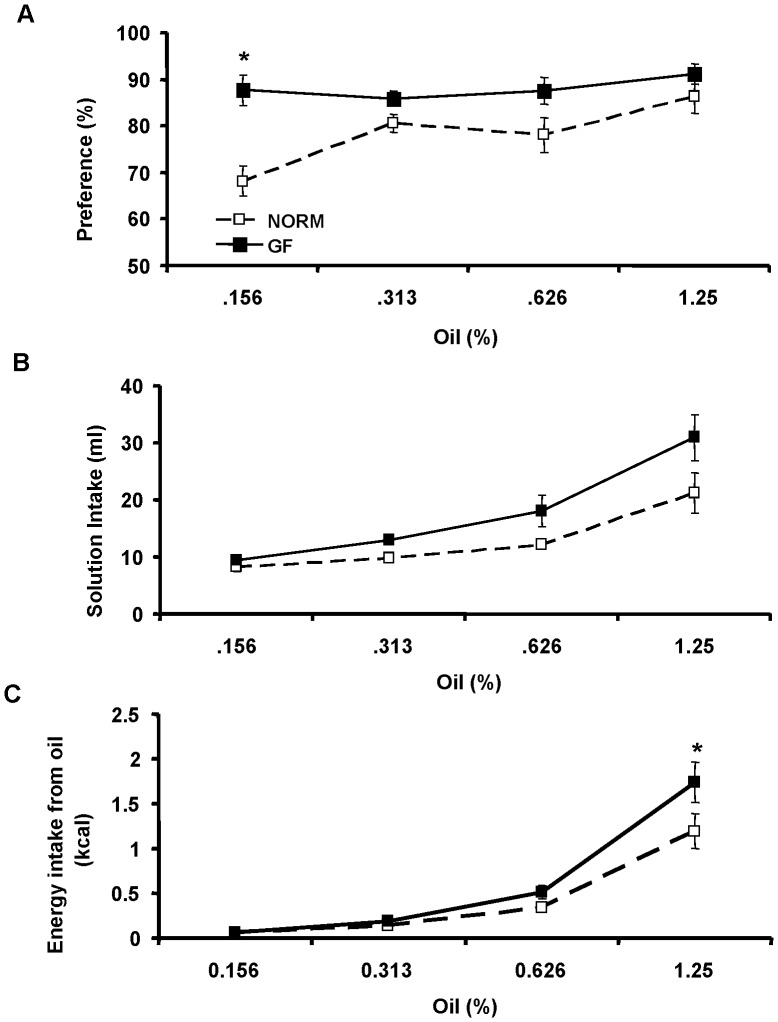
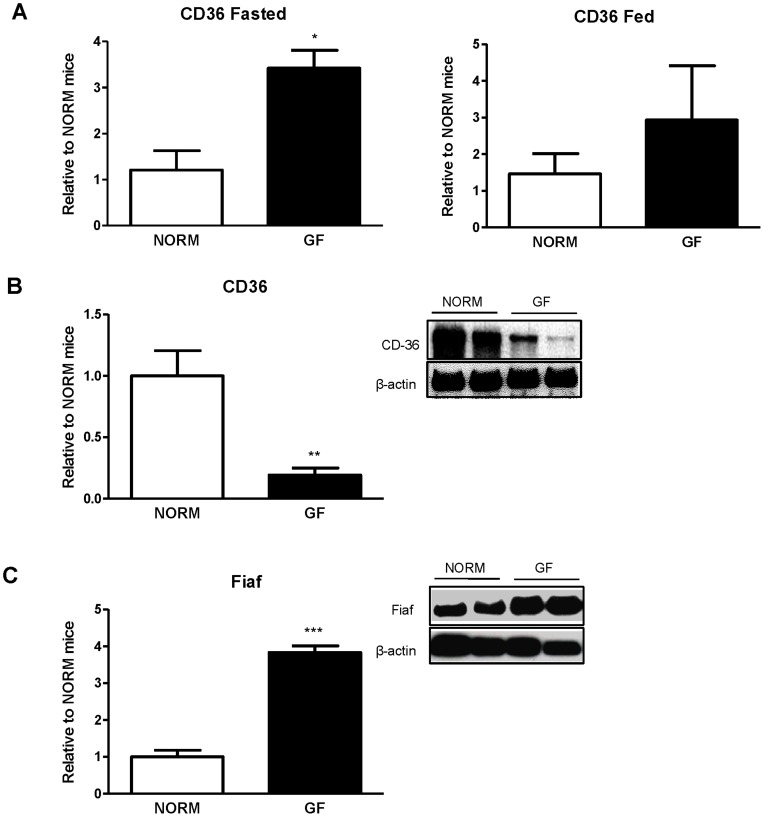
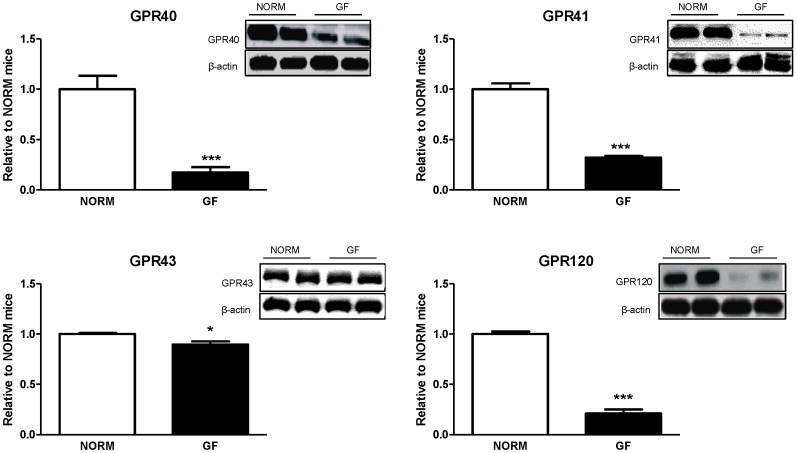
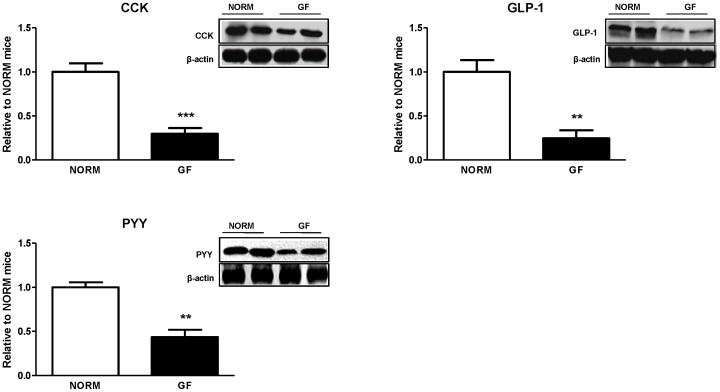
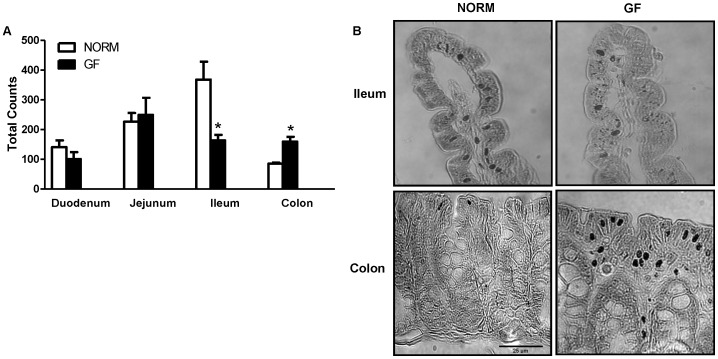
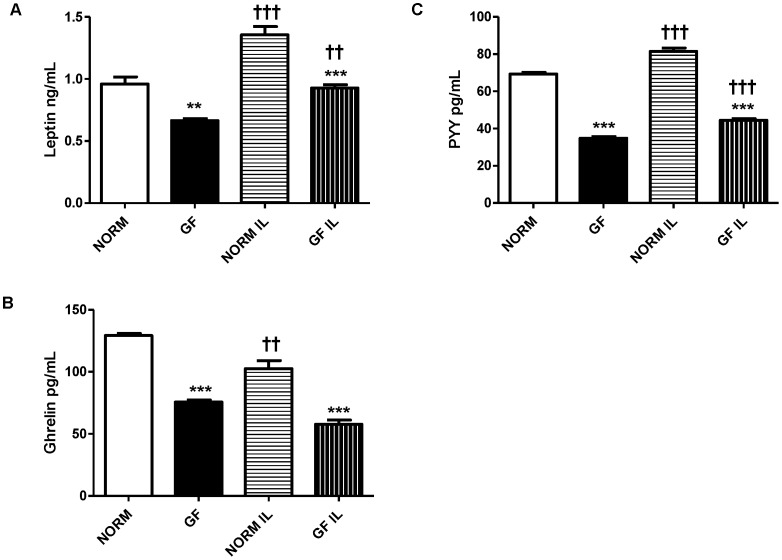
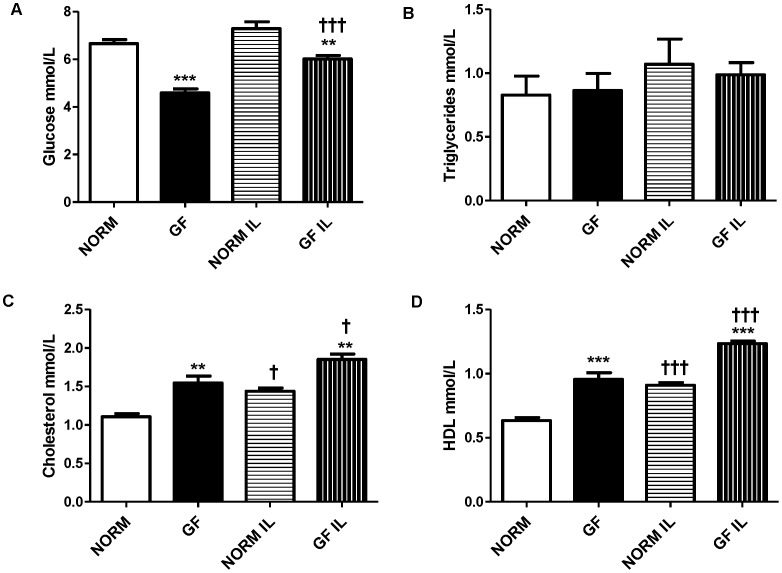
Germ-free (GF) mice lacking intestinal microbiota are significantly leaner than normal (NORM) control mice despite consuming more calories. The contribution of microbiota on the recognition and intake of fats is not known. Thus, we investigated the preference for, and acceptance of, fat emulsions in GF and NORM mice, and associated changes in lingual and intestinal fatty acid receptors, intestinal peptide content, and plasma levels of gut peptides. GF and NORM C57Bl/6J mice were given 48-h two-bottle access to water and increasing concentrations of intralipid emulsions. Gene expression of the lingual fatty acid translocase CD36 and protein expression of intestinal satiety peptides and fatty-acid receptors from isolated intestinal epithelial cells were determined. Differences in intestinal enteroendocrine cells along the length of the GI tract were quantified. Circulating plasma satiety peptides reflecting adiposity and biochemical parameters of fat metabolism were also examined. GF mice had an increased preference and intake of intralipid relative to NORM mice. This was associated with increased lingual CD36 (P<0.05) and decreased intestinal expression of fatty acid receptors GPR40 (P<0.0001), GPR41 (P<0.0001), GPR43 (P<0.05), and GPR120 (P<0.0001) and satiety peptides CCK (P<0.0001), PYY (P<0.001), and GLP-1 (P<0.001). GF mice had fewer enteroendocrine cells in the ileum (P<0.05), and more in the colon (P<0.05), relative to NORM controls. Finally, GF mice had lower levels of circulating leptin and ghrelin (P<0.001), and altered plasma lipid metabolic markers indicative of energy deficits. Increased preference and caloric intake from fats in GF mice are associated with increased oral receptors for fats coupled with broad and marked decreases in expression of intestinal satiety peptides and fatty-acid receptors.
Overview
The claims and statistics of this paper haven’t been checked yet.
Run the check — free, no account needed. It reads the open-access text and checks the sources it cites.
Integrity signals
Registry
Cites
Statistics
Figures
Verification
Claims the paper makes
The claims and statistics of this paper haven’t been checked yet.
Run the check — free, no account needed. It reads the open-access text and checks the sources it cites.
Claims other papers make about this one
Each is checked against this paper’s own text: does it say what the citing paper says it does?
In the citing paper
“Indeed, germ-free mice have lower levels of plasma ghrelin under basal conditions than conventional mice [128,129].”
From Anxiety, depression, and the microbiome: A role for gut peptides (2018) · cites this paper as [128]
Self-check
Percentages, sums and reported differences re-computed from the paper’s own numbers.
The self-check needs the paper’s full text.
Citations
Cites
The gut microbiota as an environmental factor that regulates fat storage
Bäckhed, F., Ding, H., Wang, T., Hooper, L. V., Koh, G. Y., Nagy, A., Semenkovich, C. F., & Gordon, J. I. (2004) · Proceedings of the National Academy of Sciences · doi:10.1073/pnas.0407076101 · Cited by 6,245
Ghrelin induces adiposity in rodents
Tschöp, M., Smiley, D. L., & Heiman, M. L. (2000) · Nature · doi:10.1038/35038090 · Cited by 3,949
Health and economic burden of the projected obesity trends in the USA and the UK
Wang, Y. C., McPherson, K., Marsh, T., Gortmaker, S. L., & Brown, M. (2011) · The Lancet · doi:10.1016/s0140-6736(11)60814-3 · Cited by 2,775
Mechanisms underlying the resistance to diet-induced obesity in germ-free mice
Bäckhed, F., Manchester, J. K., Semenkovich, C. F., & Gordon, J. I. (2007) · Proceedings of the National Academy of Sciences · doi:10.1073/pnas.0605374104 · Cited by 2,615
Free fatty acids regulate gut incretin glucagon-like peptide-1 secretion through GPR120
Hirasawa, A., Tsumaya, K., Awaji, T., Katsuma, S., Adachi, T., Yamada, M., Sugimoto, Y., Miyazaki, S., & Tsujimoto, G. (2004) · Nature Medicine · doi:10.1038/nm1168 · Cited by 1,580
Samuel, B. S., Shaito, A., Motoike, T., Rey, F. E., Backhed, F., Manchester, J. K., Hammer, R. E., Williams, S. C., Crowley, J., Yanagisawa, M., et al. (2008) · Proceedings of the National Academy of Sciences · doi:10.1073/pnas.0808567105 · Cited by 1,564
Developmental regulation of intestinal angiogenesis by indigenous microbes via Paneth cells
Stappenbeck, T. S., Hooper, L. V., & Gordon, J. I. (2002) · Proceedings of the National Academy of Sciences · doi:10.1073/pnas.202604299 · Cited by 1,095
Rabot, S., Membrez, M., Bruneau, A., Gérard, P., Harach, T., Moser, M., Raymond, F., Mansourian, R., & Chou, C. J. (2010) · The FASEB Journal · doi:10.1096/fj.10.164921 · Cited by 610 · cited 4×
“Conversely, HF-feeding and obesity is associated with decreases in lingual CD36 expression [16], although changes in lingual CD36 protein levels in obese mice has not been confirmed [19].”
BackgroundResultInfluentialThe gut microbiota modulates host energy and lipid metabolism in mice
Velagapudi, V. R., Hezaveh, R., Reigstad, C. S., Gopalacharyulu, P., Yetukuri, L., Islam, S., Felin, J., Perkins, R., Borén, J., Orešič, M., et al. (2010) · Journal of Lipid Research · doi:10.1194/jlr.m002774 · Cited by 589
Kersten, S., Mandard, S., Tan, N. S., Escher, P., Metzger, D., Chambon, P., Gonzalez, F. J., Desvergne, B., & Wahli, W. (2000) · Journal of Biological Chemistry · doi:10.1074/jbc.m004029200 · Cited by 489
Research works printed but not linked: 1
- Y Demarne, 1972, Gastrointestinal flora and fat digestion in monogastrics., Ann Biol Anim Biochim Biophys, 12, 509
Cited by
Sorted by citations
Gut/brain axis and the microbiota
Mayer, E. A., Tillisch, K., & Gupta, A. (2015) · Journal of Clinical Investigation · doi:10.1172/jci76304 · Cited by 1,503
Martin, C. R., Osadchiy, V., Kalani, A., & Mayer, E. A. (2018) · Cellular and Molecular Gastroenterology and Hepatology · doi:10.1016/j.jcmgh.2018.04.003 · Cited by 1,284
Tomiyama, A. J. (2019) · Annual Review of Psychology · doi:10.1146/annurev-psych-010418-102936 · Cited by 695
“Germ-free mice, in contrast, have lower levels of satiety hormones like leptin (Duca et al. 2012).”
BackgroundGut Microbiota and Energy Homeostasis in Fish
Butt, R. L., & Volkoff, H. (2019) · Frontiers in Endocrinology · doi:10.3389/fendo.2019.00009 · Cited by 637
The microbiota–gut–brain axis in obesity
Torres‐Fuentes, C., Schellekens, H., Dinan, T. G., & Cryan, J. F. (2017) · The Lancet. Gastroenterology & hepatology · doi:10.1016/s2468-1253(17)30147-4 · Cited by 623
Anxiety, depression, and the microbiome: A role for gut peptides
Lach, G., Schellekens, H., Dinan, T. G., & Cryan, J. F. (2018) · Neurotherapeutics · doi:10.1007/s13311-017-0585-0 · Cited by 573
Microbiota-gut-brain axis: Modulator of host metabolism and appetite
van de Wouw, M., Schellekens, H., Dinan, T. G., & Cryan, J. F. (2017) · The Journal of Nutrition · doi:10.3945/jn.116.240481 · Cited by 461
Gut microbiota and the neuroendocrine system
Farzi, A., Fröhlich, E. E., & Holzer, P. (2018) · Neurotherapeutics · doi:10.1007/s13311-017-0600-5 · Cited by 478
The Enteric Network: Interactions between the Immune and Nervous Systems of the Gut
Yoo, B. B., & Mazmanian, S. K. (2017) · Immunity · doi:10.1016/j.immuni.2017.05.011 · Cited by 485
Regional Diversity of the Gastrointestinal Microbiome
Martinez, K., Leone, V., & Chang, E. B. (2019) · Cell Host & Microbe · doi:10.1016/j.chom.2019.08.011 · Cited by 488
Alcock, J., Maley, C. C., & Aktipis, C. A. (2014) · BioEssays · doi:10.1002/bies.201400071 · Cited by 454
Neuropeptides and the Microbiota-Gut-Brain Axis
Holzer, P., & Farzi, A. (2014) · Advances in Experimental Medicine and Biology · doi:10.1007/978-1-4939-0897-4_9 · Cited by 451
The Influence of the Gut Microbiome on Host Metabolism Through the Regulation of Gut Hormone Release
Martin, A. M., Sun, E. W. L., Rogers, G. B., & Keating, D. J. (2019) · Frontiers in Physiology · doi:10.3389/fphys.2019.00428 · Cited by 402
The gut microbiota modulates host amino acid and glutathione metabolism in mice
Mardinoglu, A., Shoaie, S., Bergentall, M., Ghaffari, P., Zhang, C., Larsson, E., Bäckhed, F., & Nielsen, J. (2015) · Molecular Systems Biology · doi:10.15252/msb.20156487 · Cited by 383
Gut microbiota, enteroendocrine functions and metabolism
Cani, P. D., Everard, A., & Duparc, T. (2013) · Current Opinion in Pharmacology · doi:10.1016/j.coph.2013.09.008 · Cited by 378
The neuroendocrinology of the microbiota-gut-brain axis: a behavioural perspective
Cussotto, S., Sandhu, K. V., Dinan, T. G., & Cryan, J. F. (2018) · Frontiers in Neuroendocrinology · doi:10.1016/j.yfrne.2018.04.002 · Cited by 326
“#3 promoted the release of the hormone GLP-1, resulting in reduced food intake and improved glucose tolerance (Yadav et al., 2013).”
BackgroundInfluentialSherwin, E., Sandhu, K. V., Dinan, T. G., & Cryan, J. F. (2016) · CNS Drugs · doi:10.1007/s40263-016-0370-3 · Cited by 308
Interindividual variability in gut microbiota and host response to dietary interventions
Healey, G. R., Murphy, R., Brough, L., Butts, C. A., & Coad, J. (2017) · Nutrition Reviews · doi:10.1093/nutrit/nux062 · Cited by 306
The Intestinal Microbiota in Metabolic Disease
Woting, A., & Blaut, M. (2016) · Nutrients · doi:10.3390/nu8040202 · Cited by 284
Miyamoto, J., Mizukure, T., Park, S.-B., Kishino, S., Kimura, I., Hirano, K., Bergamo, P., Rossi, M., Suzuki, T., Arita, M., et al. (2015) · Journal of Biological Chemistry · doi:10.1074/jbc.m114.610733 · Cited by 272
Role of the vagus nerve in the development and treatment of diet‐induced obesity
de Lartigue, G. (2016) · The Journal of Physiology · doi:10.1113/jp271538 · Cited by 238
Neuropod Cells: The Emerging Biology of Gut-Brain Sensory Transduction
Kaelberer, M. M., Rupprecht, L. E., Liu, W. W., Weng, P., & Bohórquez, D. V. (2020) · Annual Review of Neuroscience · doi:10.1146/annurev-neuro-091619-022657 · Cited by 236
“Germ-free mice have decreased numbers of chromogranin A– positive enteroendocrine cells in the ileum and increased numbers in the colon (Duca et al. 2012).”
BackgroundRegulation of energy balance by a gut–brain axis and involvement of the gut microbiota
Bauer, P. V., Hamr, S. C., & Duca, F. A. (2015) · Cellular and Molecular Life Sciences · doi:10.1007/s00018-015-2083-z · Cited by 231
GPR43/FFA2: physiopathological relevance and therapeutic prospects
Bindels, L. B., Dewulf, E. M., & Delzenne, N. M. (2013) · Trends in Pharmacological Sciences · doi:10.1016/j.tips.2013.02.002 · Cited by 215
The metabolic impact of small intestinal nutrient sensing
Duca, F. A., Waise, T. M. Z., Peppler, W. T., & Lam, T. K. T. (2021) · Nature Communications · doi:10.1038/s41467-021-21235-y · Cited by 216
The Gut-Brain Axis, the Human Gut Microbiota and Their Integration in the Development of Obesity
Bliss, E., & Whiteside, E. (2018) · Frontiers in Physiology · doi:10.3389/fphys.2018.00900 · Cited by 195
Santos-Marcos, J. A., Mora-Ortiz, M., Tena‐Sempere, M., López‐Miranda, J., & Camargo, A. (2023) · Biology of Sex Differences · doi:10.1186/s13293-023-00490-2 · Cited by 202
Gut Microbiota: From Microorganisms to Metabolic Organ Influencing Obesity
Stephens, R. W., Arhire, L. I., & Covașă, M. (2018) · Obesity · doi:10.1002/oby.22179 · Cited by 170
The Impact of Gut Microbiota Disorders on the Blood–Brain Barrier
Wei, T., Zhu, H., Feng, Y., Guo, R., & Wan, D. (2020) · Infection and Drug Resistance · doi:10.2147/idr.s254403 · Cited by 171
Duca, F. A., Sakar, Y., Lepage, P., Devime, F., Goustard, B., Dore, J. M., & Covașă, M. (2014) · Diabetes · doi:10.2337/db13-1526 · Cited by 169
RetractedShort-chain fatty acids and microbiota metabolites attenuate ghrelin receptor signaling
Torres‐Fuentes, C., Golubeva, A. V., Zhdanov, A. V., Wallace, S., Arboleya, S., Papkovsky, D. B., Aidy, S. E., Ross, P., Roy, B. L., Stanton, C., et al. (2019) · The FASEB Journal · doi:10.1096/fj.201901433r · Cited by 154
Khalili, L., Alipour, B., Jafarabadi, M. A., Faraji, I., Hassanalilou, T., Abbasi, M. M., Vaghef‐Mehrabany, E., & Sani, M. A. (2018) · Iranian Biomedical Journal · doi:10.29252/ibj.23.1.68 · Cited by 158
Microbiota‐gut‐brain axis as a regulator of reward processes
García‐Cabrerizo, R., Carbia, C., O’Riordan, K. J., Schellekens, H., & Cryan, J. F. (2020) · Journal of Neurochemistry · doi:10.1111/jnc.15284 · Cited by 150
Influence of the microbiota-gut-brain axis on behavior and welfare in farm animals: A review
Kraïmi, N., Dawkins, M. S., Gebhardt‐Henrich, S. G., Velge, P., Rychlı́k, I., Volf, J., Créach, P., Smith, A. L., Colles, F. M., & Leterrier, C. (2019) · Physiology & Behavior · doi:10.1016/j.physbeh.2019.112658 · Cited by 161
The endocrinology of taste receptors
Calvo, S. S.-C., & Egan, J. M. (2015) · Nature Reviews Endocrinology · doi:10.1038/nrendo.2015.7 · Cited by 148
The effects of gut microbiota on CNS function in humans
Tillisch, K. (2014) · Gut Microbes · doi:10.4161/gmic.29232 · Cited by 144
Schellekens, H., Torres‐Fuentes, C., van de Wouw, M., Long-Smith, C. M., Mitchell, A., Strain, C., Berding, K., Bastiaanssen, T. F. S., Rea, K., Golubeva, A. V., et al. (2020) · EBioMedicine · doi:10.1016/j.ebiom.2020.103176 · Cited by 130
Alteration in Taste Perception in Cancer: Causes and Strategies of Treatment
Murtaza, B., Hichami, A., Khan, A. S., Ghiringhelli, F., & Khan, N. A. (2017) · Frontiers in Physiology · doi:10.3389/fphys.2017.00134 · Cited by 133
Microbiota in obesity: interactions with enteroendocrine, immune and central nervous systems
Mulders, R. J., de Git, K. C. G., Schéle, E., Dickson, S. L., Sanz, Y., & Adan, R. A. H. (2018) · Obesity Reviews · doi:10.1111/obr.12661 · Cited by 120
Intestinal Sensing by Gut Microbiota: Targeting Gut Peptides
Covașă, M., Stephens, R. W., Toderean, R., & Cobuz, C. (2019) · Frontiers in Endocrinology · doi:10.3389/fendo.2019.00082 · Cited by 117
Mechanisms controlling hormone secretion in human gut and its relevance to metabolism
Martin, A. M., Sun, E. W. L., & Keating, D. J. (2019) · Journal of Endocrinology · doi:10.1530/joe-19-0399 · Cited by 117
The modulatory role of high fat feeding on gastrointestinal signals in obesity
Duca, F. A., Sakar, Y., & Covașă, M. (2013) · The Journal of Nutritional Biochemistry · doi:10.1016/j.jnutbio.2013.05.005 · Cited by 112
Nutritional modulation of gut microbiota — the impact on metabolic disease pathophysiology
Ojeda, P., Bobe, A. M., Dolan, K. T., Leone, V., & Martinez, K. (2015) · The Journal of Nutritional Biochemistry · doi:10.1016/j.jnutbio.2015.08.013 · Cited by 108
Li, J., Fang, B., Pang, G., Zhang, M., & Ren, F. (2019) · Pesticide Biochemistry and Physiology · doi:10.1016/j.pestbp.2019.05.018 · Cited by 107
Gut peptides and the microbiome: focus on ghrelin
Leeuwendaal, N. K., Cryan, J. F., & Schellekens, H. (2021) · Current Opinion in Endocrinology Diabetes and Obesity · doi:10.1097/med.0000000000000616 · Cited by 106
Gut microbiota, nutrient sensing and energy balance
Duca, F. A., & Lam, T. K. T. (2014) · Diabetes Obesity and Metabolism · doi:10.1111/dom.12340 · Cited by 107
The critical role of CCK in the regulation of food intake and diet-induced obesity
Cawthon, C. R., & Serre, C. B. D. L. (2021) · Peptides · doi:10.1016/j.peptides.2020.170492 · Cited by 99
Roles of the gut microbiome in weight management
Carmody, R. N., & Bisanz, J. E. (2023) · Nature Reviews Microbiology · doi:10.1038/s41579-023-00888-0 · Cited by 113
Cattaneo, C., Riso, P., Laureati, M., Gargari, G., & Pagliarini, E. (2019) · Nutrients · doi:10.3390/nu11051167 · Cited by 87
Obesity and Asthma: Microbiome–Metabolome Interactions
Shore, S. A., & Cho, Y. (2016) · American Journal of Respiratory Cell and Molecular Biology · doi:10.1165/rcmb.2016-0052ps · Cited by 86
Martin, C. R., & Mayer, E. A. (2017) · Nestlé Nutrition Institute Workshop series · doi:10.1159/000461732 · Cited by 85
Barathikannan, K., Chelliah, R., Rubab, M., Daliri, E. B., Elahi, F., Kim, D.-H., Agastian, P., Oh, S.-Y., & Oh, D. H. (2019) · Microorganisms · doi:10.3390/microorganisms7100456 · Cited by 85
The Gut Microbiome: Connecting Diet, Glucose Homeostasis, and Disease
Howard, E. J., Lam, T. K. T., & Duca, F. A. (2021) · Annual Review of Medicine · doi:10.1146/annurev-med-042220-012821 · Cited by 90
Visceral Inflammation and Immune Activation Stress the Brain
Holzer, P., Farzi, A., Hassan, A. M., Zenz, G., Jačan, A., & Reichmann, F. (2017) · Frontiers in Immunology · doi:10.3389/fimmu.2017.01613 · Cited by 84
Satiety: a gut–brain–relationship
Barakat, G. M., Ramadan, W., Assi, G., & Khoury, N. B. E. (2024) · The Journal of Physiological Sciences · doi:10.1186/s12576-024-00904-9 · Cited by 82
The heart-gut axis: new target for atherosclerosis and congestive heart failure therapy
Forkosh, E., & Ilan, Y. (2019) · Open Heart · doi:10.1136/openhrt-2018-000993 · Cited by 86
Mikkelsen, S. U., Allin, K. H., & Knop, F. K. (2016) · Diabetes Obesity and Metabolism · doi:10.1111/dom.12637 · Cited by 85
Dissociation of Adaptive Thermogenesis from Glucose Homeostasis in Microbiome-Deficient Mice
Krisko, T. I., Nicholls, H. T., Bare, C. J., Holman, C. D., Putzel, G., Jansen, R. S., Sun, N. Z., Rhee, K. Y., Banks, A. S., & Cohen, D. E. (2020) · Cell Metabolism · doi:10.1016/j.cmet.2020.01.012 · Cited by 78
Steensels, S., & Depoortere, I. (2017) · Annual Review of Physiology · doi:10.1146/annurev-physiol-021317-121332 · Cited by 81
The microbiota, the gut and the brain in eating and alcohol use disorders: A ‘Ménage à Trois’?
Temko, J. E., Bouhlal, S., Farokhnia, M., Lee, M. R., Cryan, J. F., & Leggio, L. (2017) · Alcohol and Alcoholism · doi:10.1093/alcalc/agx024 · Cited by 76
Microbiota Transplant in the Treatment of Obesity and Diabetes: Current and Future Perspectives
Napolitano, M., & Covașă, M. (2020) · Frontiers in Microbiology · doi:10.3389/fmicb.2020.590370 · Cited by 76
Zeb, F., Osaili, T. M. I., Obaid, R. S., Naja, F., Radwan, H. M., Ismail, L. C., Hasan, H. A., Hashim, M. S., Alam, I., Sehar, B., et al. (2023) · Nutrients · doi:10.3390/nu15020259 · Cited by 74
Bjursell, M., Xu, X., Admyre, T., Böttcher, G., Lundin, S., Nilsson, R. G., Stone, V. M., Morgan, N. G., Lam, Y. Y., Storlien, L. H., et al. (2014) · PLoS ONE · doi:10.1371/journal.pone.0114942 · Cited by 72
Wang, G., Yang, S., Sun, S., Si, Q., Wang, L., Zhang, Q., Wu, G., Zhao, J., Zhang, H., & Chen, W. (2020) · Frontiers in Cellular and Infection Microbiology · doi:10.3389/fcimb.2020.00423 · Cited by 75
Microbiota-Gut-Brain Axis Regulation of Adult Hippocampal Neurogenesis
Guzzetta, K. E., Cryan, J. F., & O’Leary, O. F. (2022) · Brain Plasticity · doi:10.3233/bpl-220141 · Cited by 74
Schamarek, I., Anders, L., Chakaroun, R., Kovacs, P. L., & Rohde‐Zimmermann, K. (2023) · Nutrition Journal · doi:10.1186/s12937-023-00856-7 · Cited by 73
Gut microbiota composition modulates inflammation and structure of the vagal afferent pathway
Kim, J. S., Kirkland, R. A., Lee, S., Cawthon, C. R., Rzepka, K., Minaya, D. M., de Lartigue, G., Czaja, K., & Serre, C. B. D. L. (2020) · Physiology & Behavior · doi:10.1016/j.physbeh.2020.113082 · Cited by 67
Lake, J. E., Stanley, T. L., Apovian, C. M., Bhasin, S., Brown, T. T., Capeau, J., Currier, J. S., Dubé, M. P., Falutz, J., Grinspoon, S. K., et al. (2017) · Clinical Infectious Diseases · doi:10.1093/cid/cix178 · Cited by 68
The role of the gut microbiome in opioid use
Ren, M., & Lotfipour, S. (2019) · Behavioural Pharmacology · doi:10.1097/fbp.0000000000000538 · Cited by 69
Niccolai, E., Boem, F., Russo, E., & Amedei, A. (2019) · Nutrients · doi:10.3390/nu11010156 · Cited by 70
Hansen, N. W., & Sams, A. (2018) · Nutrients · doi:10.3390/nu10111590 · Cited by 65
Nutrient-Sensing Mechanisms in the Gut as Therapeutic Targets for Diabetes
Breen, D. M., Rasmussen, B. A., Côté, C. D., Jackson, V. M., & Lam, T. K. T. (2013) · Diabetes · doi:10.2337/db13-0523 · Cited by 69
Gut Microbiome Dysbiosis in Alcoholism: Consequences for Health and Recovery
Day, A. W., & Kumamoto, C. A. (2022) · Frontiers in Cellular and Infection Microbiology · doi:10.3389/fcimb.2022.840164 · Cited by 63
Khalili, L., Alipour, B., Jafarabadi, M. A., Hassanalilou, T., Abbasi, M. M., & Faraji, I. (2019) · Diabetology & Metabolic Syndrome · doi:10.1186/s13098-019-0400-7 · Cited by 59
RetractedRationale of Probiotic Supplementation during Pregnancy and Neonatal Period
Baldassarre, M. E., Palladino, V., Amoruso, A., Pindinelli, S., Mastromarino, P., Fanelli, M., Mauro, A. D., & Laforgia, N. (2018) · Nutrients · doi:10.3390/nu10111693 · Cited by 66
Neuropeptides, Microbiota, and Behavior
Holzer, P. D. (2016) · International review of neurobiology · doi:10.1016/bs.irn.2016.08.005 · Cited by 57
Role of the intestinal microbiota in contributing to weight disorders and associated comorbidities
Hul, M. V., Neyrinck, A. M., Everard, A., Abot, A., Bindels, L. B., Delzenne, N. M., Knauf, C., & Cani, P. D. (2024) · Clinical Microbiology Reviews · doi:10.1128/cmr.00045-23 · Cited by 60
Gut microbiota suppress feeding induced by palatable foods
Ousey, J. A., Boktor, J. C., & Mazmanian, S. K. (2022) · Current Biology · doi:10.1016/j.cub.2022.10.066 · Cited by 60
Gut microbes and food reward: From the gut to the brain
d’Oplinter, A. D. W., Huwart, S. J. P., Cani, P. D., & Everard, A. (2022) · Frontiers in Neuroscience · doi:10.3389/fnins.2022.947240 · Cited by 57
Dietary Fat Modulation of Gut Microbiota and Impact on Regulatory Pathways Controlling Food Intake
Hamamah, S., Amin, A., Al-Kassir, A. L., Chuang, J., & Covașă, M. (2023) · Nutrients · doi:10.3390/nu15153365 · Cited by 56
Fakhri, S., Yarmohammadi, A., Yarmohammadi, M., Farzaei, M. H., & Echeverría, J. (2021) · Marine Drugs · doi:10.3390/md19030165 · Cited by 52
Leung, R., & Covașă, M. (2021) · Nutrients · doi:10.3390/nu13082581 · Cited by 55
The Role of Glucagon-Like Peptide-1 in Energy Homeostasis
Salehi, M., & Purnell, J. Q. (2019) · Metabolic Syndrome and Related Disorders · doi:10.1089/met.2018.0088 · Cited by 51
Martinez, K., Pierre, J. F., & Chang, E. B. (2016) · Gastroenterology Clinics of North America · doi:10.1016/j.gtc.2016.07.001 · Cited by 51
Gut microbiota: An intermediary between metabolic syndrome and cognitive deficits in schizophrenia
Zeng, C., Yang, P., Cao, T., Gu, Y., Li, N., Zhang, B., Xu, P., Liu, Y., Luo, Z., & Cai, H. (2020) · Progress in Neuro-Psychopharmacology and Biological Psychiatry · doi:10.1016/j.pnpbp.2020.110097 · Cited by 54
McDougle, M., Quinn, D., Diepenbroek, C., Singh, A., de la Serre, C., & de Lartigue, G. (2021) · Acta Physiologica · doi:10.1111/apha.13530 · Cited by 42
Blunted Vagal Cocaine- and Amphetamine-Regulated Transcript Promotes Hyperphagia and Weight Gain
Lee, S. J., Krieger, J.-P., Vergara, M., Quinn, D., McDougle, M. J., de Araujo, A., Darling, R. A., Zollinger, B., Anderson, S., Pan, A., et al. (2020) · Cell Reports · doi:10.1016/j.celrep.2020.01.045 · Cited by 42
Effects of microbiome changes on endocrine ghrelin signaling – A systematic review
Schalla, M. A., & Stengel, A. (2020) · Peptides · doi:10.1016/j.peptides.2020.170388 · Cited by 41
Review: Chemosensing of nutrients and non-nutrients in the human and porcine gastrointestinal tract
Roura, E., Depoortere, I., & Navarro, M. (2019) · animal · doi:10.1017/s1751731119001794 · Cited by 39
Impact of Oral Microbiota on Flavor Perception: From Food Processing to In-Mouth Metabolization
Schwartz, M., Canon, F., Féron, G., Neiers, F., & Gamero, A. (2021) · Foods · doi:10.3390/foods10092006 · Cited by 39
Weninger, S. N., Herman, C., Meyer, R. K., Beauchemin, E. T., Kangath, A., Lane, A. I., Martinez, T. M., Hasneen, T., Jaramillo, S. A., Lindsey, J., et al. (2023) · Microbiome · doi:10.1186/s40168-023-01590-2 · Cited by 37
Self-citationMicrobiota’s Role in Diet-Driven Alterations in Food Intake: Satiety, Energy Balance, and Reward
Rautmann, A. W., & Serre, C. B. D. L. (2021) · Nutrients · doi:10.3390/nu13093067 · Cited by 44
Gozal, D., Qiao, Z., Almendros, I., Zheng, J., Khalyfa, A., Shimpukade, B., & Ulven, T. (2016) · International Journal of Obesity · doi:10.1038/ijo.2016.37 · Cited by 36
Lyte, J. M. (2019) · Frontiers in Endocrinology · doi:10.3389/fendo.2018.00796 · Cited by 35
Enteroendocrine Cells: Metabolic Relays between Microbes and Their Host
Plovier, H., & Cani, P. D. (2017) · Endocrine Development · doi:10.1159/000475736 · Cited by 36
The gut-brain axis mediates bacterial driven modulation of reward signaling
Kim, J. S., Williams, K., Kirkland, R. A., Schade, R., Freeman, K. G., Cawthon, C. R., Rautmann, A. W., Smith, J. M., Edwards, G. L., Glenn, T. C., et al. (2023) · Molecular Metabolism · doi:10.1016/j.molmet.2023.101764 · Cited by 32
Hu, T., Yang, Z., & Li, M. D. (2018) · Journal of Neuroimmune Pharmacology · doi:10.1007/s11481-018-9800-y · Cited by 34
Sakar, Y., Duca, F. A., Langelier, B., Devime, F., Blottière, H. M., Delorme, C., Renault, P., & Covașă, M. (2014) · International Journal of Obesity · doi:10.1038/ijo.2014.20 · Cited by 32
RetractedObesity and the gut microbiota: implications of neuroendocrine and immune signaling
Romaní‐Pérez, M., Liébana-García, R., Flor‐Duro, A., Bonillo‐Jiménez, D., Bullich‐Vilarrubias, C., Olivares, M., & Sanz, Y. (2024) · FEBS Journal · doi:10.1111/febs.17249 · Cited by 36
Free Fatty Acid Receptor GPR120 and Pathogenesis of Obesity and Type 2 Diabetes Mellitus
Mo, X., Wei, H., Peng, J., & Tao, Y. (2013) · Progress in molecular biology and translational science · doi:10.1016/b978-0-12-386933-3.00007-8 · Cited by 35
Metadata
- Authors
- Duca, F. A., Swartz, T. D., Sakar, Y., & Covasa, M.
- Affiliations
- Microbiologie de l’alimentation au service de la santé (FR)
- Venue
- PLoS ONE
- Publisher
- Public Library of Science (PLoS)
- Published
- 2012-06-29
- Volume
- 7
- Issue
- 6
- Pages
- e39748
- ISSN
- 1932-6203 (ISSN-L)
- PMC
- PMC3387243
- OpenAlex
- W2061559910
- Cited by
- 181
- References
- 40
- Citations by year
- 2026: 5 · 2025: 9 · 2024: 17 · 2023: 12 · 2022: 15 · 2021: 14 · 2020: 24 · 2019: 21 · 2018: 16 · 2017: 14 · 2016: 9 · 2015: 8 · 2014: 10 · 2013: 7
- FWCI
- 3.22
- Type
- journal article
- Language
- en
- Open access
- gold
- doi.org
- Locations
- PLoS ONE (publishedVersion, cc-by)
- Europe PMC (PubMed Central) (publishedVersion, cc-by)
- PubMed Central (publishedVersion, cc-by)
- PubMed (publishedVersion)
- HAL (submittedVersion, other-oa)
- DOAJ (DOAJ: Directory of Open Access Journals) (submittedVersion, cc-by-sa)
- Funders
- Institut National de la Recherche Agronomique
- Topics
- Life Sciences › Biochemistry, Genetics and Molecular Biology › Molecular Biology › Gut microbiota and health
- Life Sciences › Neuroscience › Endocrine and Autonomic Systems › Regulation of Appetite and Obesity
- Health Sciences › Medicine › Gastroenterology › Gastrointestinal motility and disorders
- Keywords
- gut microbiota, germ-free mice, dietary fat intake, fat preference, fatty acid receptor, CD36, GPR40, GPR41, GPR43, GPR120, satiety peptides, cholecystokinin, peptide YY, glucagon-like peptide-1, enteroendocrine cells, leptin, ghrelin, energy homeostasis, lipid emulsions
- MeSH terms
- Animals, Blood Glucose, Body Weight, Energy Intake, Cell Count, Emulsions, Gastrointestinal Hormones, Gene Expression Regulation, Germ-Free Life, Intestinal Mucosa, Intestines, Lipids, Male, Mice, Inbred C57BL, Mouth, Oils, Peptides, Signal Transduction, CD36 Antigens, Enteroendocrine Cells, Lipid Metabolism, Mice, Metagenome
About these checks
Registry, retraction, Cites and statistics results are computed, not judged, with one exception: a printed reference that no index lists is read once by a model before it counts as a citation error. Claims are extracted by a model and kept only when their quote appears verbatim in the text; each cited source is then checked, with a model’s help, for whether it says what the claim relies on. Those verdicts can be wrong — read the claim’s quote and the cited source before relying on one.
Statistics and arithmetic are recomputed, not judged.
Confidence bands are shown only for fields calibrated on our annotated test set. None is calibrated yet, so no band is shown.
What counts as a claim ›How we measure confidence ›How we check this ›
Are you an author, or do you see a problem with this page? Request a review
