

The DOI matches its Crossref record; 50 of the 52 references it cites were found in a registry or an index.
Evaluating amazon’s mechanical turk as a tool for experimental behavioral research
Open accessAbstract
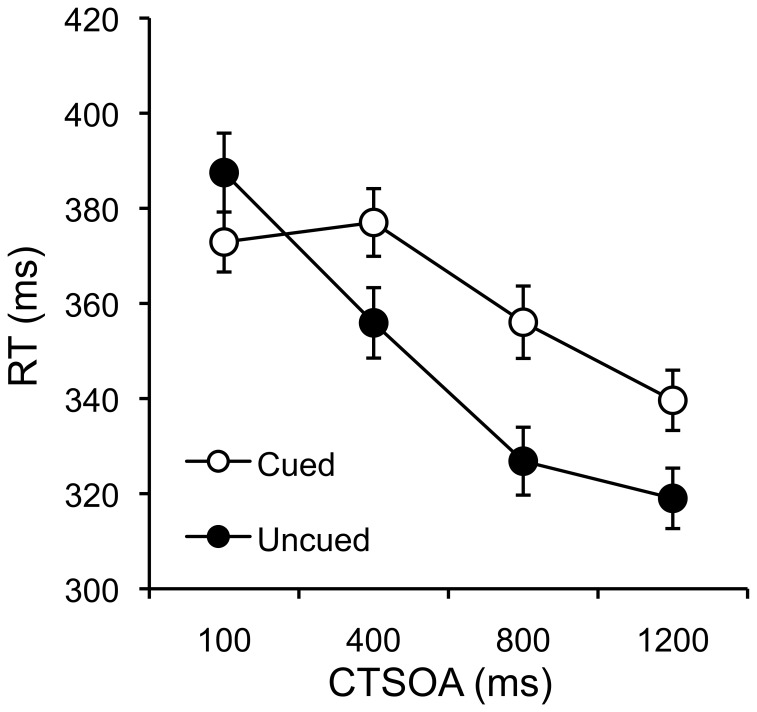
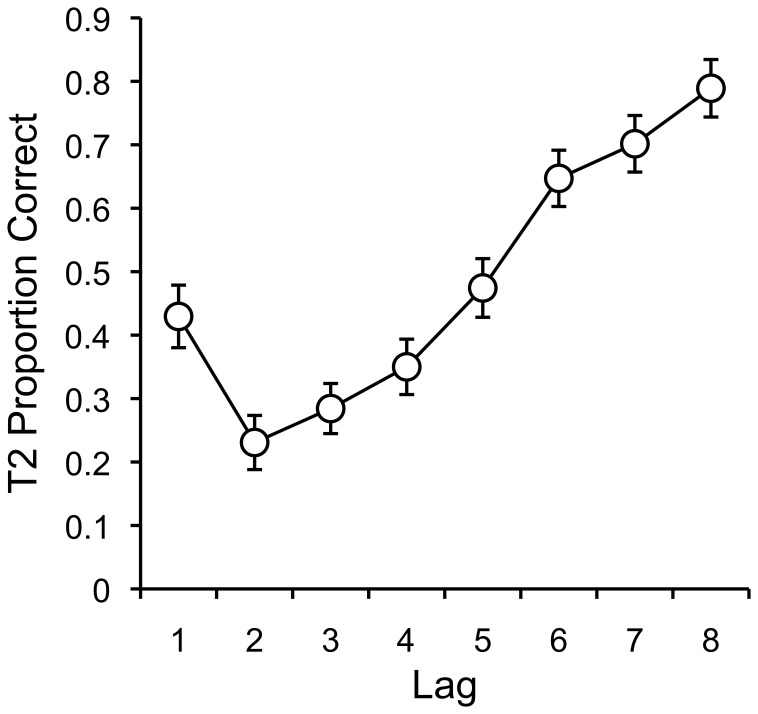
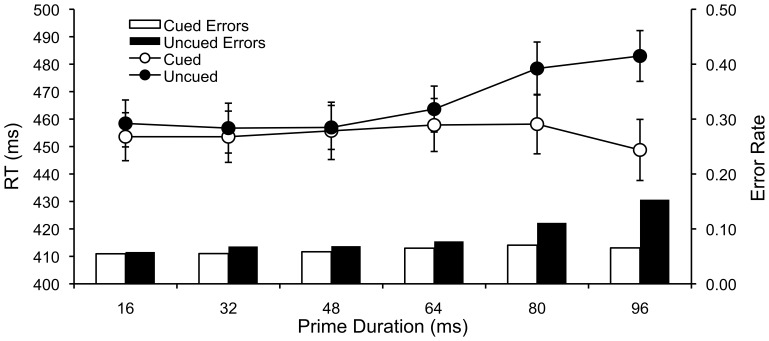
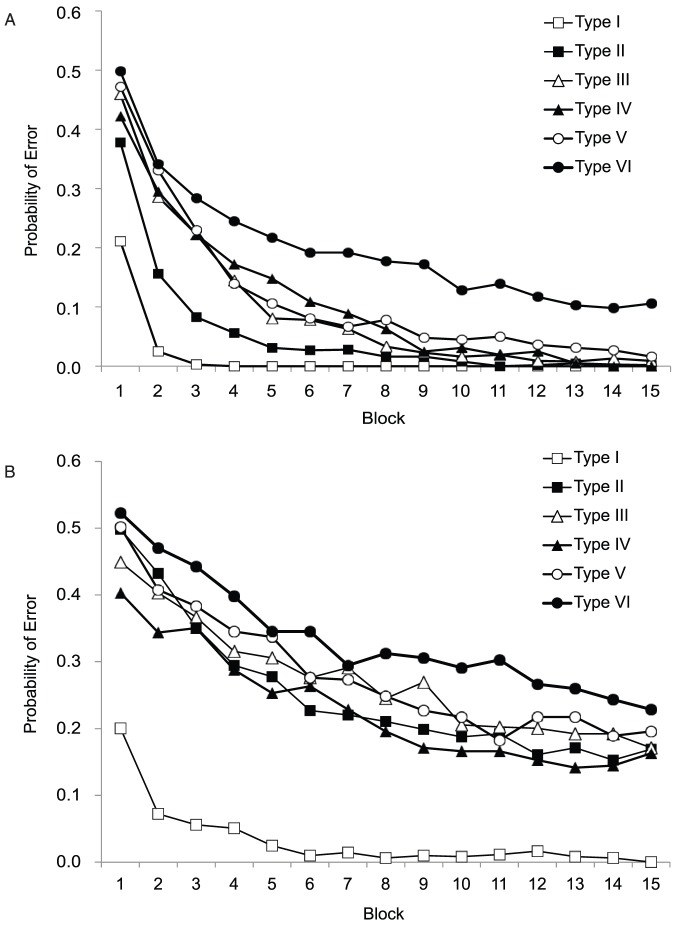
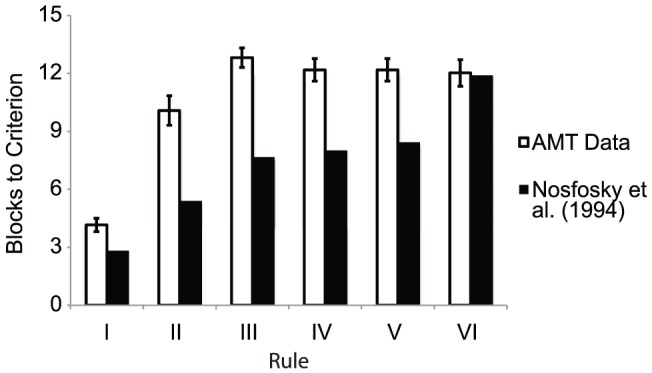
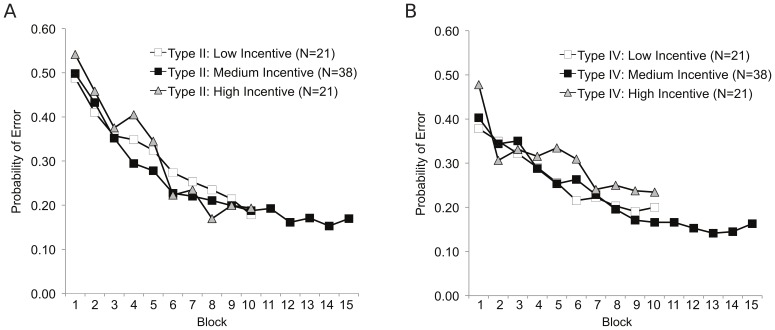
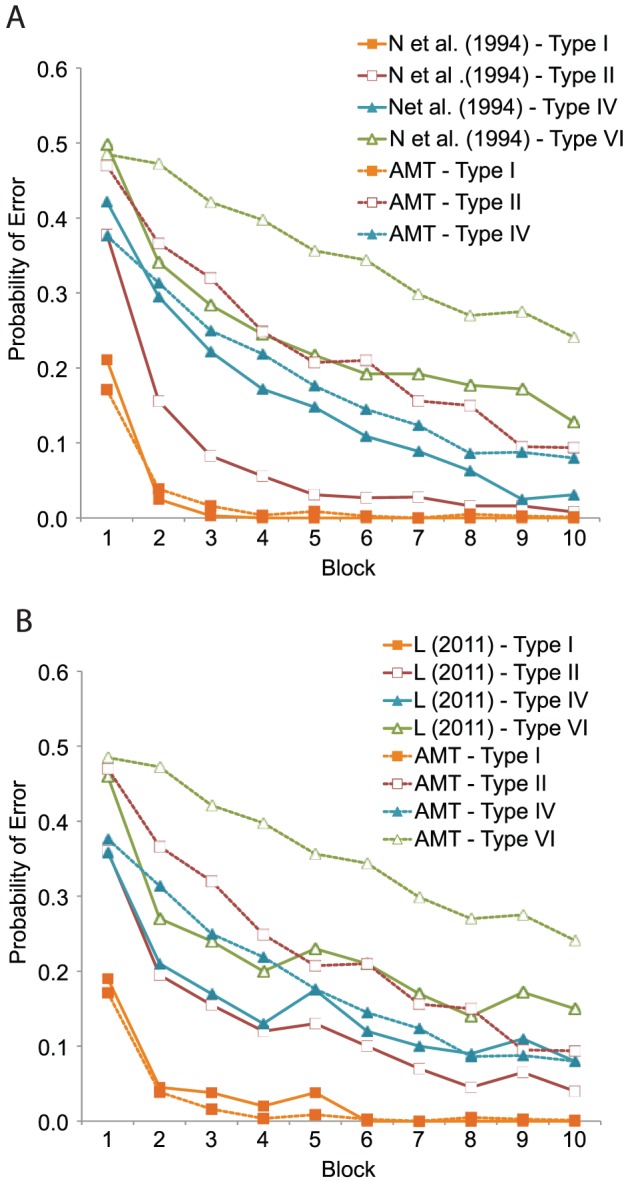
Amazon Mechanical Turk (AMT) is an online crowdsourcing service where anonymous online workers complete web-based tasks for small sums of money. The service has attracted attention from experimental psychologists interested in gathering human subject data more efficiently. However, relative to traditional laboratory studies, many aspects of the testing environment are not under the experimenter's control. In this paper, we attempt to empirically evaluate the fidelity of the AMT system for use in cognitive behavioral experiments. These types of experiment differ from simple surveys in that they require multiple trials, sustained attention from participants, comprehension of complex instructions, and millisecond accuracy for response recording and stimulus presentation. We replicate a diverse body of tasks from experimental psychology including the Stroop, Switching, Flanker, Simon, Posner Cuing, attentional blink, subliminal priming, and category learning tasks using participants recruited using AMT. While most of replications were qualitatively successful and validated the approach of collecting data anonymously online using a web-browser, others revealed disparity between laboratory results and online results. A number of important lessons were encountered in the process of conducting these replications that should be of value to other researchers.
Overview
The claims and statistics of this paper haven’t been checked yet.
Run the check — free, no account needed. It reads the open-access text and checks the sources it cites.
Integrity signals
Registry
Cites
Statistics
Figures
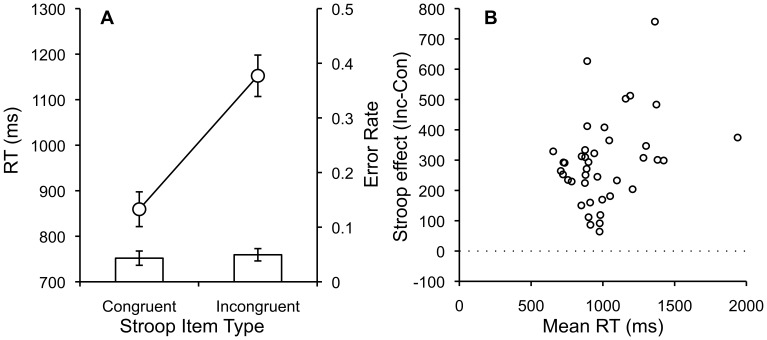
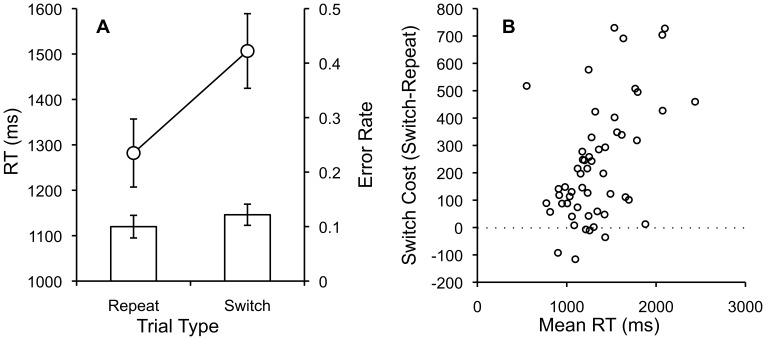
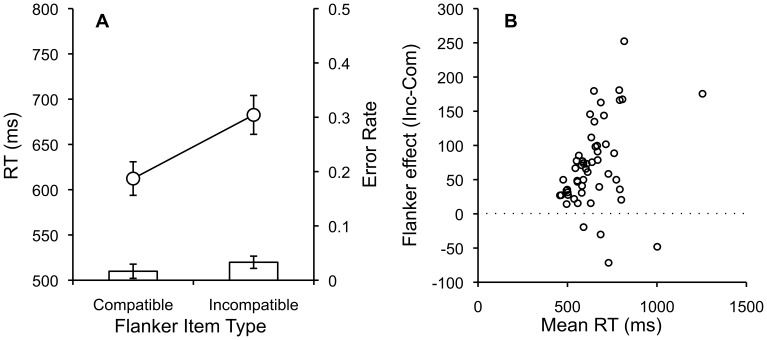
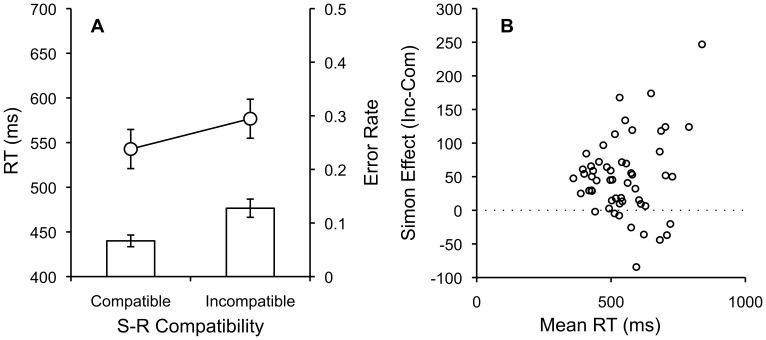
Verification
Claims the paper makes
The claims and statistics of this paper haven’t been checked yet.
Run the check — free, no account needed. It reads the open-access text and checks the sources it cites.
Claims other papers make about this one
Each is checked against this paper’s own text: does it say what the citing paper says it does?
In the citing paper
“Regarding online experiments in general, Crump et al. [32] showed that the data collected online using a web-browser seemed mostly in line with laboratory results, so long as the experiment methods were solid.”
From Adaptive trust calibration for human-AI collaboration (2020) · cites this paper as [32]
Self-check
Percentages, sums and reported differences re-computed from the paper’s own numbers.
The self-check needs the paper’s full text.
Citations
Cites
Studies of interference in serial verbal reactions
Stroop, J. R. (1935) · Journal of Experimental Psychology · doi:10.1037/h0054651 · Cited by 18,622
Amazon's Mechanical Turk: A New Source of Inexpensive, Yet High-Quality, Data?
Buhrmester, M., Kwang, T., & Gosling, S. D. (2011) · Perspectives on Psychological Science · doi:10.1177/1745691610393980 · Cited by 9,996
Effects of noise letters upon the identification of a target letter in a nonsearch task
Eriksen, B. A., & Eriksen, C. W. (1974) · Perception & Psychophysics · doi:10.3758/bf03203267 · Cited by 7,230
Simmons, J. P., Nelson, L. D., & Simonsohn, U. (2011) · Psychological Science · doi:10.1177/0956797611417632 · Cited by 6,567
Half a century of research on the Stroop effect: An integrative review.
MacLeod, C. M. (1991) · Psychological Bulletin · doi:10.1037/0033-2909.109.2.163 · Cited by 5,500
Running experiments on Amazon Mechanical Turk
Paolacci, G., Chandler, J., & Ipeirotis, P. G. (2010) · Judgment and Decision Making · doi:10.1017/s1930297500002205 · Cited by 3,767
Instructional manipulation checks: Detecting satisficing to increase statistical power
Oppenheimer, D. M., Meyvis, T., & Davidenko, N. (2009) · Journal of Experimental Social Psychology · doi:10.1016/j.jesp.2009.03.009 · Cited by 3,493
Conducting behavioral research on Amazon’s Mechanical Turk
Mason, W., & Suri, S. (2012) · Behavior Research Methods · doi:10.3758/s13428-011-0124-6 · Cited by 3,172
Monsell, S. (2003) · Trends in Cognitive Sciences · doi:10.1016/s1364-6613(03)00028-7 · Cited by 2,984
Components of visual orienting
Posner, M. I. (1984) · Attention and performance · Cited by 2,980
Research works printed but not linked: 1
- Ipeirotis PG (2010) Demographics of Mechanical Turk (Tech. Rep. No. CeDER-10-01). New York: New York University. Available: http://hdl.handle.net/2451/29585. Accessed 2012 Jun 1.
Cited by
Sorted by citations
Items 401–500 of 1,000
Identifying the determinants of online retail patronage: A perceived-risk perspective
Davari, A., Iyer, P., & Rokonuzzaman, M. (2016) · Journal of Retailing and Consumer Services · doi:10.1016/j.jretconser.2016.08.009 · Cited by 38
A closer lens: Cancer survivors' supportive intervention preferences and interventions received
Arch, J. J., Vanderkruik, R. C., Kirk, A., & Carr, A. L. (2017) · Psycho-Oncology · doi:10.1002/pon.4526 · Cited by 38
Röseler, L., Schütz, A., Blank, P. A., Dück, M., Fels, S., Kupfer, J., Scheelje, L., & Seida, C. (2020) · Journal of Experimental Social Psychology · doi:10.1016/j.jesp.2020.104066 · Cited by 36
Bisbee, J. H., & Honig, D. (2021) · American Political Science Review · doi:10.1017/s0003055421000691 · Cited by 41
Humor at work: validation of the short work-related Humor Styles Questionnaire (swHSQ)
Scheel, T., Gerdenitsch, C., & Korunka, C. (2016) · Humor - International Journal of Humor Research · doi:10.1515/humor-2015-0118 · Cited by 36
Betting on the House: Subjective Expectations and Market Choices
Bottan, N. L., & Truglia, R. N. P. (2020) · National Bureau of Economic Research · doi:10.3386/w27412 · Cited by 36
Do Employees Work Less for Female Leaders? A Multi-Method Study of Entrepreneurial Firms
Kacperczyk, A. J., Younkin, P., & Rocha, V. C. (2022) · Organization Science · doi:10.1287/orsc.2022.1611 · Cited by 35
A method to evaluate the usability of interactive climate change impact decision aids
Wong‐Parodi, G., Fischhoff, B., & Strauss, B. (2014) · Climatic Change · doi:10.1007/s10584-014-1226-9 · Cited by 35
Crowd control: Effectively utilizing unscreened crowd workers for biomedical data annotation
Cocos, A., Qian, T., Callison-Burch, C., & Masino, A. J. (2017) · Journal of Biomedical Informatics · doi:10.1016/j.jbi.2017.04.003 · Cited by 36
IMPLICIT LEARNING IN THE CROWD
Kerz, E., Wiechmann, D., & Riedel, F. B. (2017) · Studies in Second Language Acquisition · doi:10.1017/s027226311700002x · Cited by 40
Stojanoski, B. B., Lyons, K., Pearce, A., & Owen, A. M. (2018) · Neuropsychologia · doi:10.1016/j.neuropsychologia.2018.07.013 · Cited by 41
Jackson, R. B., Wen, R., & Williams, T. (2019) · Proceedings of the AAAI/ACM Conference on AI Ethics and Society · doi:10.1145/3306618.3314241 · Cited by 35
The impact of pandemic-related worry on cognitive functioning and risk-taking
Castanheira, K. D. S., Sharp, M. E., & Otto, A. R. (2021) · PLoS ONE · doi:10.1371/journal.pone.0260061 · Cited by 34
Tsantani, M., Vestner, T., & Cook, R. (2021) · Royal Society Open Science · doi:10.1098/rsos.202062 · Cited by 35
Wu, C.-C., Wang, H., & Pomplun, M. (2014) · Vision Research · doi:10.1016/j.visres.2014.08.019 · Cited by 35
Influence of agent’s self-disclosure on human empathy
Tsumura, T., & Yamada, S. (2023) · PLoS ONE · doi:10.1371/journal.pone.0283955 · Cited by 38
Towards a reliable repeated-measures beads task for assessing the jumping to conclusions bias
McLean, B. F., Mattiske, J. K., & Balzan, R. P. (2018) · Psychiatry Research · doi:10.1016/j.psychres.2018.04.043 · Cited by 35
Bilingualism and working memory performance: Evidence from a large-scale online study
Lukasik, K. M., Lehtonen, M., Soveri, A., Waris, O., Jylkkä, J., & Laine, M. (2018) · PLoS ONE · doi:10.1371/journal.pone.0205916 · Cited by 46
Perceptual salience influences food choices independently of health and taste preferences
Dai, J., Cone, J., & Moher, J. (2020) · Cognitive Research Principles and Implications · doi:10.1186/s41235-019-0203-2 · Cited by 36
What Does a Job Candidate's Age Signal to Employers?
Borm, H. V., Burn, I., & Baert, S. (2021) · Labour Economics · doi:10.1016/j.labeco.2021.102003 · Cited by 34
The ethics of animal research: a survey of the public and scientists in North America
Joffe, A. R., Bara, M., Anton, N., & Nobis, N. (2016) · BMC Medical Ethics · doi:10.1186/s12910-016-0100-x · Cited by 33
Proceedings of the 2021 CHI Conference on Human Factors in Computing Systems
(2021) · doi:10.1145/3411764 · Cited by 1,240
Strickland, J. C., & Stoops, W. W. (2015) · Drug and Alcohol Dependence · doi:10.1016/j.drugalcdep.2015.09.029 · Cited by 33
The effect of firm scale and CSR geographical scope of impact on consumers' response
Rahman, F., & Norman, R. T. (2015) · Journal of Retailing and Consumer Services · doi:10.1016/j.jretconser.2015.10.006 · Cited by 35
Chiorri, C., & Vannucci, M. (2017) · European Journal of Psychological Assessment · doi:10.1027/1015-5759/a000422 · Cited by 38
Wohl, M. J. A., Kim, H. S. A., Salmon, M. M., Santesso, D. L., Wildschut, T., & Sedikides, C. (2017) · Journal of Experimental Social Psychology · doi:10.1016/j.jesp.2017.11.011 · Cited by 37
The "face race lightness illusion": An effect of the eyes and pupils?
Laeng, B., Kiambarua, K. G., Hagen, T., Bochyńska, A., Lubell, J., Suzuki, H., & Okubo, M. (2018) · PLoS ONE · doi:10.1371/journal.pone.0201603 · Cited by 33
The social dilemma of big data: Donating personal data to promote social welfare
Hillebrand, K., Hornuf, L., Müller, B., & Vrankar, D. (2023) · Information and Organization · doi:10.1016/j.infoandorg.2023.100452 · Cited by 46
“Taste typicality” is a foundational and multi-modal dimension of ordinary aesthetic experience
Chen, Y.-C., Chang, A., Rosenberg, M. D., Feng, D., Scholl, B. J., & Trainor, L. J. (2022) · Current Biology · doi:10.1016/j.cub.2022.02.039 · Cited by 33
Chasing Clarity: Rumination as a Strategy for Making Sense of Emotions
Vine, V., Aldao, A., & Nolen–Hoeksema, S. (2014) · Journal of Experimental Psychopathology · doi:10.5127/jep.038513 · Cited by 36
The Accuracy and Reliability of Crowdsource Annotations of Digital Retinal Images
Mitry, D., Zutis, K., Dhillon, B., Pető, T., Hayat, S. A., Khaw, K., Morgan, J. E., Moncur, W., Trucco, E., & Foster, P. J. (2016) · Translational Vision Science & Technology · doi:10.1167/tvst.5.5.6 · Cited by 32
Model Choice and Diagnostics for Linear Mixed-Effects Models Using Statistics on Street Corners
Loy, A., Hofmann, H., & Cook, D. (2017) · Journal of Computational and Graphical Statistics · doi:10.1080/10618600.2017.1330207 · Cited by 32
Byun, T. M. (2017) · Journal of Speech, Language and Hearing Research · doi:10.1044/2016_jslhr-s-16-0038 · Cited by 9
Perceived control and avoidance in posttraumatic stress
Hancock, L., & Bryant, R. A. (2018) · European Journal of Psychotraumatology · doi:10.1080/20008198.2018.1468708 · Cited by 42
Schluter, M. G., Kim, H. S. A., & Hodgins, D. C. (2018) · Journal of Behavioral Addictions · doi:10.1556/2006.7.2018.117 · Cited by 32
Objects that direct visuospatial attention produce the search advantage for facing dyads.
Vestner, T., Over, H., Gray, K. L. H., & Cook, R. (2021) · Journal of Experimental Psychology General · doi:10.1037/xge0001067 · Cited by 31
Task-specific bilingual effects in Mandarin-English speaking high school students in China
Privitera, A. J., Momenian, M., & Weekes, B. (2022) · Current Research in Behavioral Sciences · doi:10.1016/j.crbeha.2022.100066 · Cited by 32
Streufert, B. D., Reed, S. D., Orlando, L. A., Taylor, D. C., Huber, J. C., & Mather, R. C. “. (2017) · Orthopaedic Journal of Sports Medicine · doi:10.1177/2325967117695788 · Cited by 32
Viral Video Ads: Examining Motivation Triggers to Sharing
Nikolinakou, A., & King, K. W. (2018) · Journal of Current Issues & Research in Advertising · doi:10.1080/10641734.2018.1428247 · Cited by 33
Revisiting the role of computational neuroimaging in the era of integrative neuroscience
Loosen, A. M., Kato, A., & Gu, X. (2024) · Neuropsychopharmacology · doi:10.1038/s41386-024-01946-8 · Cited by 38
Saffer, B. Y., & Klonsky, E. D. (2016) · Archives of Suicide Research · doi:10.1080/13811118.2016.1211042 · Cited by 35
Bardos, J. D., Friedenthal, J., Spiegelman, J., & Williams, Z. (2016) · JMIR Research Protocols · doi:10.2196/resprot.5772 · Cited by 31
Differential Effects of Visual-Acoustic Biofeedback Intervention for Residual Speech Errors
Byun, T. M., & Campbell, H. (2016) · Frontiers in Human Neuroscience · doi:10.3389/fnhum.2016.00567 · Cited by 30
The Feasibility of a Japanese Crowdsourcing Service for Experimental Research in Psychology
Majima, Y. (2017) · SAGE Open · doi:10.1177/2158244017698731 · Cited by 32
Disgust images and nonprofit children’s causes
Allred, A. T., & Amos, C. (2017) · Journal of Social Marketing · doi:10.1108/jsocm-01-2017-0003 · Cited by 34
Castano, E., Martingano, A. J., & Perconti, P. (2020) · PLoS ONE · doi:10.1371/journal.pone.0233378 · Cited by 31
Das, G., Spence, M. T., & Agarwal, J. (2021) · International Journal of Research in Marketing · doi:10.1016/j.ijresmar.2021.01.001 · Cited by 31
Cyr, A.-A., Romero, K., & Galin-Corini, L. (2020) · JMIR Aging · doi:10.2196/23384 · Cited by 34
Duped by Bots: Why Some are Better than Others at Detecting Fake Social Media Personas
Kenny, R., Fischhoff, B., Davis, A. L., Carley, K. M., & Canfield, C. (2022) · Human Factors The Journal of the Human Factors and Ergonomics Society · doi:10.1177/00187208211072642 · Cited by 31
Treder, M. S., Codrai, R., & Tsvetanov, K. A. (2022) · Journal of Neuroscience Methods · doi:10.1016/j.jneumeth.2022.109579 · Cited by 35
Research Methods in Vocabulary Studies
Durrant, P., Siyanova‐Chanturia, A., Kremmel, B., & Sonbul, S. (2022) · Research methods in applied linguistics · doi:10.1075/rmal.2 · Cited by 32
Adaptive Measurement and Assessment
Barney, M., & Fisher, W. P. (2016) · Annual Review of Organizational Psychology and Organizational Behavior · doi:10.1146/annurev-orgpsych-041015-062329 · Cited by 35
How Deep is the Feature Analysis underlying Rapid Visual Categorization?Preprint
Eberhardt, S., Cader, J., & Serre, T. (2016) · arXiv (Cornell University) · doi:10.48550/arxiv.1606.01167 · Cited by 35
Is automatic speech-to-text transcription ready for use in psychological experiments?
Ziman, K., Heusser, A. C., Fitzpatrick, P. C., Field, C. E., & Manning, J. R. (2018) · Behavior Research Methods · doi:10.3758/s13428-018-1037-4 · Cited by 30
Postdecision Evidence Integration and Depressive Symptoms
Moses-Payne, M. E., Rollwage, M., Fleming, S. M., & Roiser, J. P. (2019) · Frontiers in Psychiatry · doi:10.3389/fpsyt.2019.00639 · Cited by 30
Kim, H., Yilmaz, S. S., & Choe, Y. (2019) · Journal of Travel & Tourism Marketing · doi:10.1080/10548408.2019.1683485 · Cited by 30
Sischka, P. E., Schmidt, A. F., & Steffgen, G. (2020) · Personnel Review · doi:10.1108/pr-09-2019-0469 · Cited by 37
Mayfield, M., & Mayfield, J. R. (2021) · Administrative Sciences · doi:10.3390/admsci11020051 · Cited by 42
Transfer of Learned Cognitive Flexibility to Novel Stimuli and Task Sets
Wen, T., Geddert, R., Madlon‐Kay, S., & Egner, T. (2023) · Psychological Science · doi:10.1177/09567976221141854 · Cited by 39
Yeager, D. S., Krosnick, J. A., Visser, P. S., Holbrook, A. L., & Tahk, A. M. (2019) · Journal of Personality and Social Psychology · doi:10.1037/pspa0000171 · Cited by 31
Studying real-world perceptual expertise
Shen, J., Mack, M. L., & Palmeri, T. J. (2014) · Frontiers in Psychology · doi:10.3389/fpsyg.2014.00857 · Cited by 30
Obsessive passion and the venture team: When co-founders join, and when they don't
Fu, Y., Tietz, M. A., & Delmar, F. (2022) · Journal of Business Venturing · doi:10.1016/j.jbusvent.2022.106219 · Cited by 29
Identifying expectations about the strength of causal relationships
Yeung, S., & Griffiths, T. L. (2014) · Cognitive Psychology · doi:10.1016/j.cogpsych.2014.11.001 · Cited by 31
The Impact of Consumer Confusion on Mobile Self-Checkout Adoption
Johnson, V., Woolridge, R. W., & Bell, J. R. (2019) · Journal of Computer Information Systems · doi:10.1080/08874417.2019.1566802 · Cited by 29
A Computational Phenotype of Disrupted Moral Inference in Borderline Personality Disorder
Siegel, J. Z., Curwell-Parry, O., Pearce, S., Saunders, K., & Crockett, M. J. (2020) · Biological Psychiatry Cognitive Neuroscience and Neuroimaging · doi:10.1016/j.bpsc.2020.07.013 · Cited by 30
The Hidden Cost of Using Amazon Mechanical Turk for Research
Saravanos, A., Zervoudakis, S., Zheng, D., Stott, N., Hawryluk, B., & Delfino, D. (2021) · Lecture notes in computer science · doi:10.1007/978-3-030-90238-4_12 · Cited by 29
Pronk, T., Hirst, R. J., Wiers, R. W. H. J., & Murre, J. M. J. (2022) · Behavior Research Methods · doi:10.3758/s13428-022-01885-6 · Cited by 27
Words, objects, and locations: Perceptual matching explains spatial interference and facilitation
Estes, Z., Verges, M., & Adelman, J. S. (2015) · Journal of Memory and Language · doi:10.1016/j.jml.2015.06.002 · Cited by 29
Gesture in Experimental Studies
Congdon, E. L., Novack, M. A., & Susan Goldin-meadow, A. (2016) · Organizational Research Methods · doi:10.1177/1094428116654548 · Cited by 29
Statucka, M., & Walder, D. J. (2017) · Psychiatry Research · doi:10.1016/j.psychres.2017.06.040 · Cited by 29
Experts, Coders, and Crowds::An Analysis of SubstitutabilityPreprint
Marquardt, K. L., Pemstein, D., Petrarca, C. S., Seim, B., Wilson, S. L., Bernhard, M. H., Coppedge, M., & Lindberg, S. I. (2017) · SSRN Electronic Journal · doi:10.2139/ssrn.3046462 · Cited by 29
Headphone screening to facilitate web-based auditory experimentsPreprint
Woods, K. J. P., Siegel, M., Traer, J. A., & McDermott, J. H. (2016) · PsyArXiv (OSF Preprints) · doi:10.31234/osf.io/aez6f · Cited by 42
Jones, A., & Field, M. (2015) · Experimental and Clinical Psychopharmacology · doi:10.1037/pha0000011 · Cited by 30
Mays, D. M., & Tercyak, K. P. (2015) · American Journal of Public Health · doi:10.2105/ajph.2015.302665 · Cited by 28
Affective judgment in spatial context: How places derive affective meaning from the surroundings
Blaison, C., & Heß, U. (2016) · Journal of Environmental Psychology · doi:10.1016/j.jenvp.2016.05.005 · Cited by 30
Wittenberg, E., & Lévy, R. (2017) · Journal of Memory and Language · doi:10.1016/j.jml.2016.12.001 · Cited by 28
Sischka, P. E., Melzer, A., Schmidt, A. F., & Steffgen, G. (2021) · Frontiers in Psychology · doi:10.3389/fpsyg.2021.627968 · Cited by 34
Factors Influencing (Mal)adaptive Responses to Natural Disasters: The Case of Hurricane Matthew
Wong‐Parodi, G., & Feygina, I. (2018) · Weather Climate and Society · doi:10.1175/wcas-d-17-0138.1 · Cited by 28
Explanatory preferences for complexity matching
Lim, J. B., & Oppenheimer, D. M. (2020) · PLoS ONE · doi:10.1371/journal.pone.0230929 · Cited by 28
Automatic and Controlled Processing: Implications for Eating Behavior
Fürtjes, S., King, J. A., Goeke, C., Seidel, M., Goschke, T., Horstmann, A., & Ehrlich, S. (2020) · Nutrients · doi:10.3390/nu12041097 · Cited by 30
Visual search for facing and non-facing people: The effect of actor inversion
Vestner, T., Gray, K. L. H., & Cook, R. (2020) · Cognition · doi:10.1016/j.cognition.2020.104550 · Cited by 28
Why and How Robots Should Say ‘No’
Briggs, G., Williams, T., Jackson, R. B., & Scheutz, M. J. (2021) · International Journal of Social Robotics · doi:10.1007/s12369-021-00780-y · Cited by 31
Reliability of web-based affective auditory stimulus presentation
Seow, T. X. F., & Hauser, T. U. (2021) · Behavior Research Methods · doi:10.3758/s13428-021-01643-0 · Cited by 31
Information about task progress modulates cognitive demand avoidance
Devine, S., & Otto, A. R. (2022) · Cognition · doi:10.1016/j.cognition.2022.105107 · Cited by 27
Voice analytics in the wild: Validity and predictive accuracy of common audio-recording devices
Busquet, F., Efthymiou, F., & Hildebrand, C. (2023) · Behavior Research Methods · doi:10.3758/s13428-023-02139-9 · Cited by 28
Meredith, S. E., Sweeney, M. M., Johnson, P. S., Johnson, M. W., & Griffiths, R. R. (2015) · Journal of Caffeine Research · doi:10.1089/jcr.2015.0024 · Cited by 28
Post-error recklessness and the hot hand
Williams, P., Heathcote, A., Nesbitt, K. V., & Eidels, A. (2016) · Judgment and Decision Making · doi:10.1017/s1930297500007282 · Cited by 28
Deriving gradient measures of child speech from crowdsourced ratings
Byun, T. M., Harel, D., Halpin, P. F., & Szeredi, D. (2016) · Journal of Communication Disorders · doi:10.1016/j.jcomdis.2016.07.001 · Cited by 28
Moral Dynamics: Grounding Moral Judgment in Intuitive Physics and Intuitive PsychologyPreprint
Sosa, F., Ullman, T. D., Tenenbaum, J. B., Gershman, S. J., & Gerstenberg, T. (2021) · PsyArXiv (OSF Preprints) · doi:10.1016/j.cognition.2021.104890 · Cited by 25
Amin, M. A. S., Johnson, V., Prybutok, V. R., & Koh, C. E. (2024) · Industrial Management & Data Systems · doi:10.1108/imds-09-2023-0608 · Cited by 30
Lessons Learned About Public Health from Online Crowd Surveillance
Hill, S., Merchant, R. M., & Ungar, L. (2013) · Big Data · doi:10.1089/big.2013.0020 · Cited by 26
Goff, S., Waring, T. M., & Noblet, C. L. (2017) · Ecological Economics · doi:10.1016/j.ecolecon.2017.05.027 · Cited by 27
A preliminary examination of the multiple dimensions of opioid craving
Bergeria, C. L., Strickland, J. C., Huhn, A. S., Strain, E. C., & Dunn, K. E. (2020) · Drug and Alcohol Dependence · doi:10.1016/j.drugalcdep.2020.108473 · Cited by 27
Ratcliff, R., & Hendrickson, A. T. (2021) · Behavior Research Methods · doi:10.3758/s13428-021-01573-x · Cited by 26
Manago, B. N., Mize, T. D., & Doan, L. (2021) · Sociological Methodology · doi:10.1177/00811750211014242 · Cited by 28
Snijder, J.-P., Tang, R., Bugg, J. M., Conway, A. R. A., & Braver, T. S. (2023) · Behavior Research Methods · doi:10.3758/s13428-023-02111-7 · Cited by 30
The development and validation of the motives for feigning orgasms scale
Séguin, L. J., Milhausen, R. R., & Kukkonen, T. M. (2015) · The Canadian Journal of Human Sexuality · doi:10.3138/cjhs.2613 · Cited by 27
Initial assessment of reliability of a self-administered web-based neuropsychological test battery
Hansen, T. I., Lehn, H., Evensmoen, H. R., & Haberg, A. K. (2016) · Computers in Human Behavior · doi:10.1016/j.chb.2016.05.025 · Cited by 26
Radford, J. P., Pilny, A., Reichelmann, A. V., Keegan, B., Welles, B. F., Hoye, J., Ognyanova, K., Meleis, W. M., & Lazer, D. M. J. (2016) · Social Psychology Quarterly · doi:10.1177/0190272516675866 · Cited by 28
Huber, S., Nuerk, H., Reips, U., & Soltanlou, M. (2017) · Psychological Research · doi:10.1007/s00426-017-0964-5 · Cited by 25
Metadata
- Authors
- Crump, M. J. C., McDonnell, J. V., & Gureckis, T. M.
- Affiliations
- City University of New York (US)
- New York University (US)
- Corresponding author
- Crump, Matthew J. C.
- Venue
- PLoS ONE
- Publisher
- Public Library of Science (PLoS)
- Published
- 2013-03-13
- Volume
- 8
- Issue
- 3
- Pages
- e57410
- ISSN
- 1932-6203 (ISSN-L)
- PMC
- PMC3596391
- OpenAlex
- W2080211902
- Semantic Scholar
- d59101076dd96b6b39f58c3d3e3747e5cf5f98ab
- Cited by
- 1,617
- References
- 52
- Citations by year
- 2026: 25 · 2025: 63 · 2024: 83 · 2023: 108 · 2022: 162 · 2021: 171 · 2020: 164 · 2019: 138 · 2018: 164 · 2017: 155 · 2016: 146 · 2015: 129 · 2014: 86 · 2013: 20
- FWCI
- 192.44
- Type
- journal article
- Language
- en
- Open access
- gold
- doi.org
- Locations
- PLoS ONE (publishedVersion, cc-by)
- Europe PMC (PubMed Central) (publishedVersion, cc-by)
- PubMed Central (publishedVersion, cc-by)
- PubMed (publishedVersion)
- CUNY Academic Works (City University of New York) (submittedVersion)
- RePEc: Research Papers in Economics (submittedVersion)
- DOAJ (DOAJ: Directory of Open Access Journals) (submittedVersion, cc-by-sa)
- Topics
- Physical Sciences › Computer Science › Computer Science Applications › Mobile Crowdsensing and Crowdsourcing
- Life Sciences › Neuroscience › Cognitive Neuroscience › Neural and Behavioral Psychology Studies
- Social Sciences › Economics, Econometrics and Finance › Economics and Econometrics › Experimental Behavioral Economics Studies
- Keywords
- Amazon Mechanical Turk, online crowdsourcing, replication, Stroop task, attentional blink, subliminal priming, category learning, Simon task, flanker task, stimulus presentation
- MeSH terms
- Attention, Cues, Humans, Learning, Reaction Time, Internet, Behavioral Research, Learning Curve
About these checks
Registry, retraction, Cites and statistics results are computed, not judged, with one exception: a printed reference that no index lists is read once by a model before it counts as a citation error. Claims are extracted by a model and kept only when their quote appears verbatim in the text; each cited source is then checked, with a model’s help, for whether it says what the claim relies on. Those verdicts can be wrong — read the claim’s quote and the cited source before relying on one.
Statistics and arithmetic are recomputed, not judged.
Confidence bands are shown only for fields calibrated on our annotated test set. None is calibrated yet, so no band is shown.
What counts as a claim ›How we measure confidence ›How we check this ›
Are you an author, or do you see a problem with this page? Request a review
