

The DOI matches its Crossref record; 50 of the 52 references it cites were found in a registry or an index.
Evaluating amazon’s mechanical turk as a tool for experimental behavioral research
Open accessAbstract
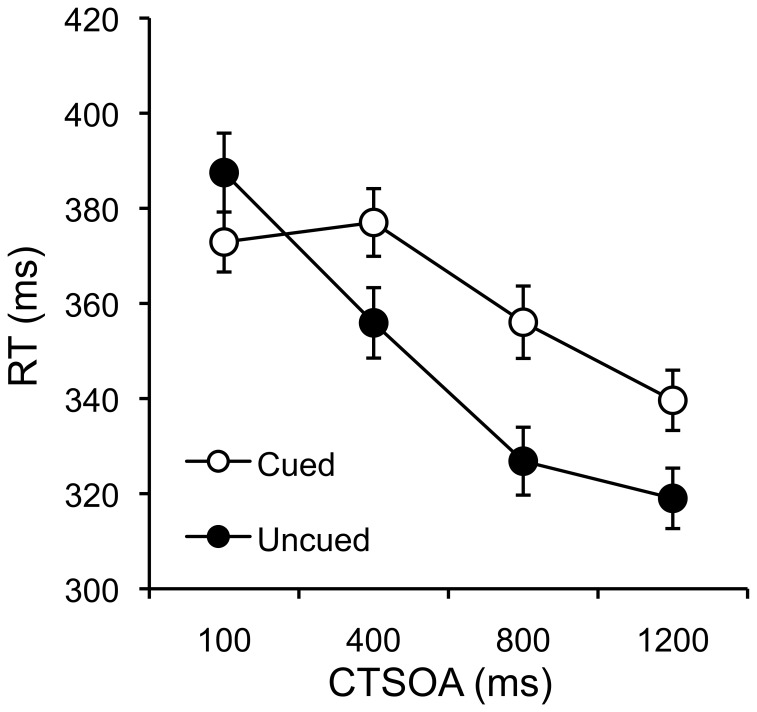
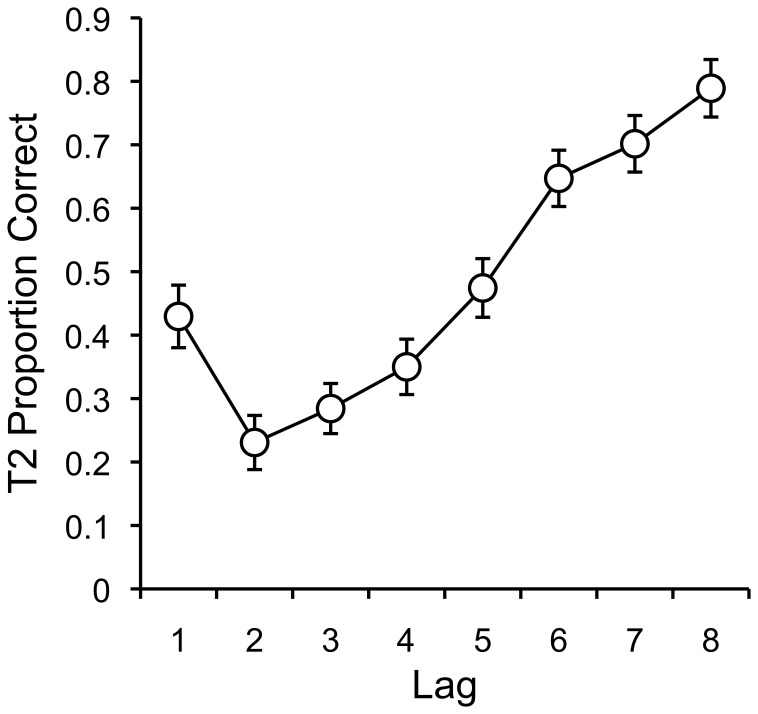
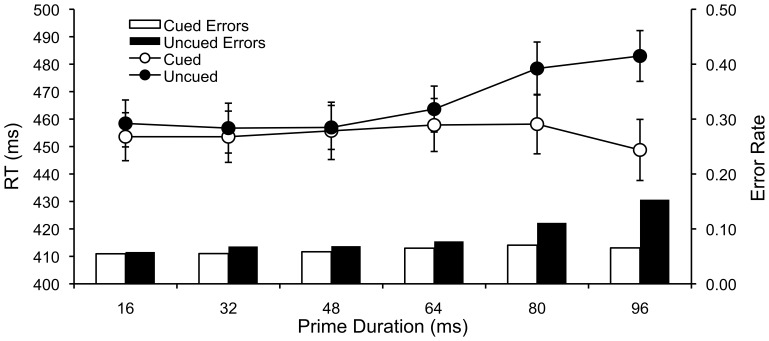
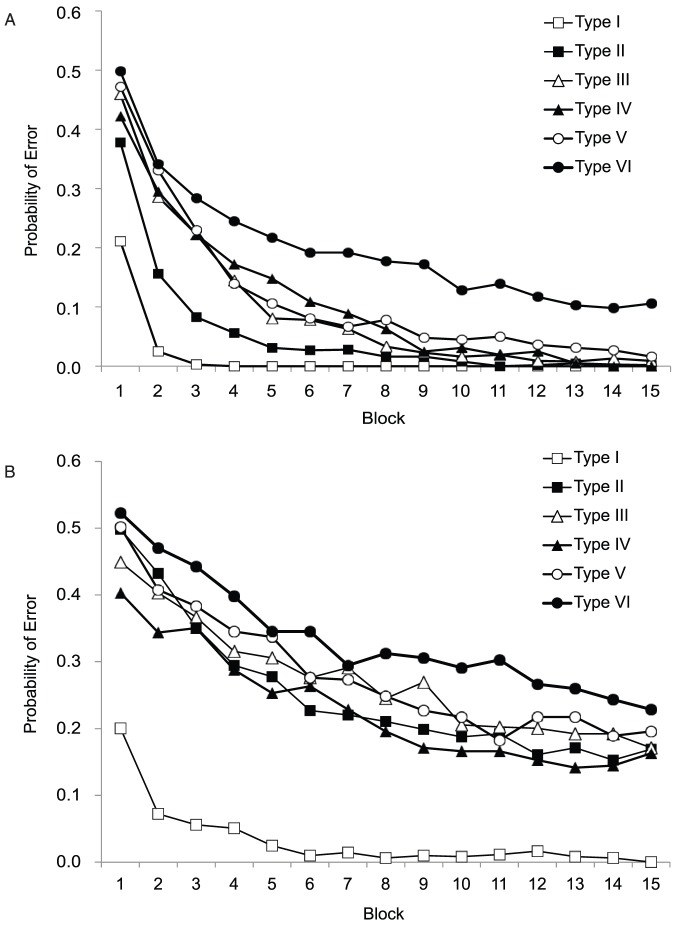
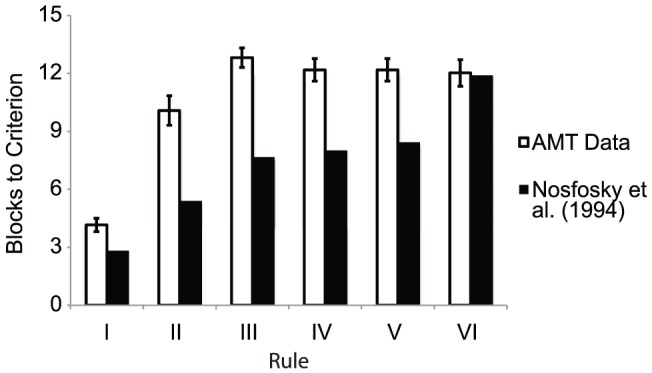
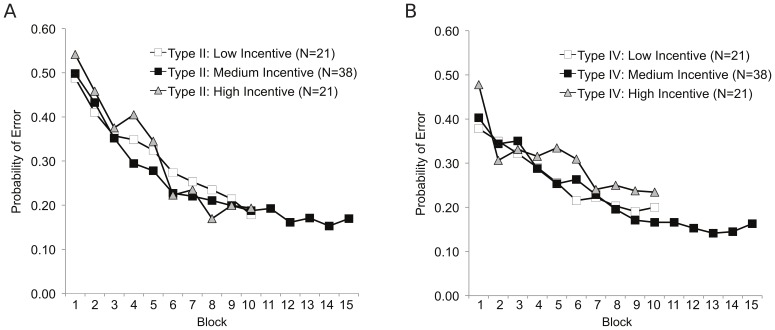
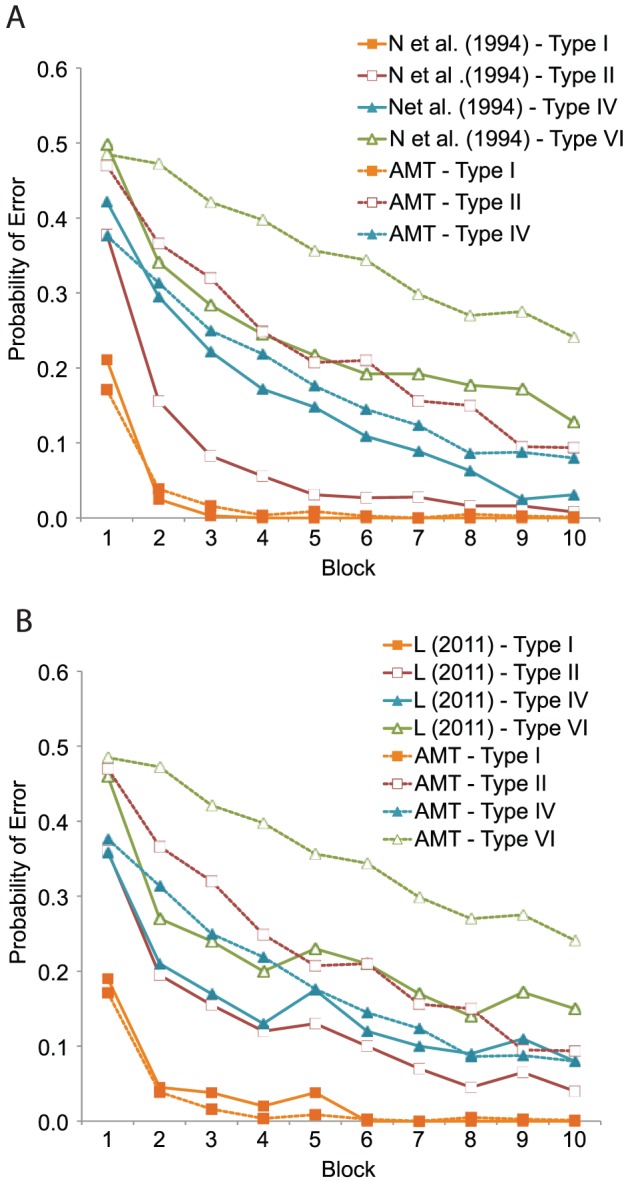
Amazon Mechanical Turk (AMT) is an online crowdsourcing service where anonymous online workers complete web-based tasks for small sums of money. The service has attracted attention from experimental psychologists interested in gathering human subject data more efficiently. However, relative to traditional laboratory studies, many aspects of the testing environment are not under the experimenter's control. In this paper, we attempt to empirically evaluate the fidelity of the AMT system for use in cognitive behavioral experiments. These types of experiment differ from simple surveys in that they require multiple trials, sustained attention from participants, comprehension of complex instructions, and millisecond accuracy for response recording and stimulus presentation. We replicate a diverse body of tasks from experimental psychology including the Stroop, Switching, Flanker, Simon, Posner Cuing, attentional blink, subliminal priming, and category learning tasks using participants recruited using AMT. While most of replications were qualitatively successful and validated the approach of collecting data anonymously online using a web-browser, others revealed disparity between laboratory results and online results. A number of important lessons were encountered in the process of conducting these replications that should be of value to other researchers.
Overview
The claims and statistics of this paper haven’t been checked yet.
Run the check — free, no account needed. It reads the open-access text and checks the sources it cites.
Integrity signals
Registry
Cites
Statistics
Figures
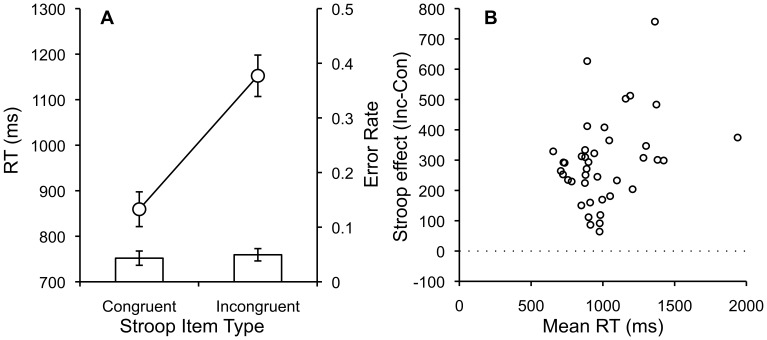
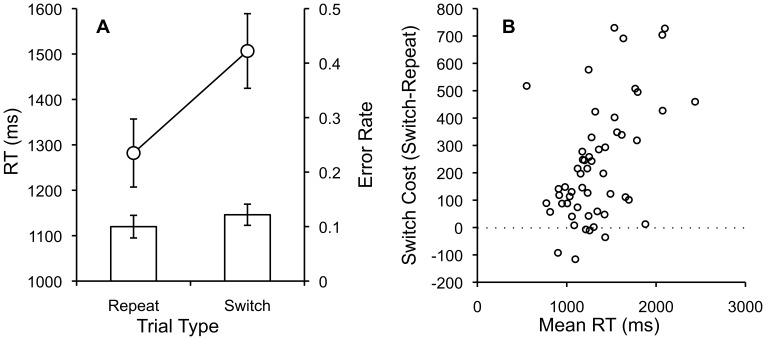
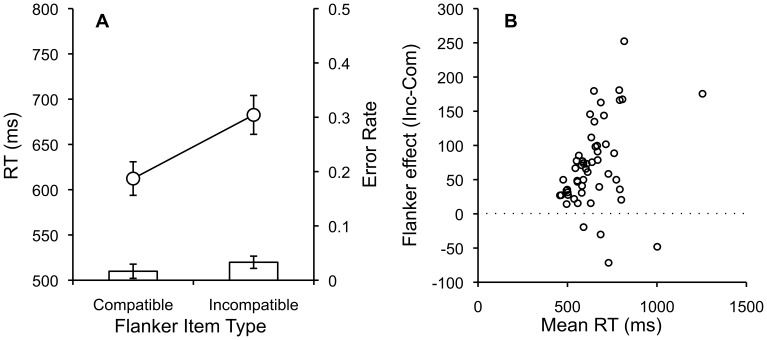
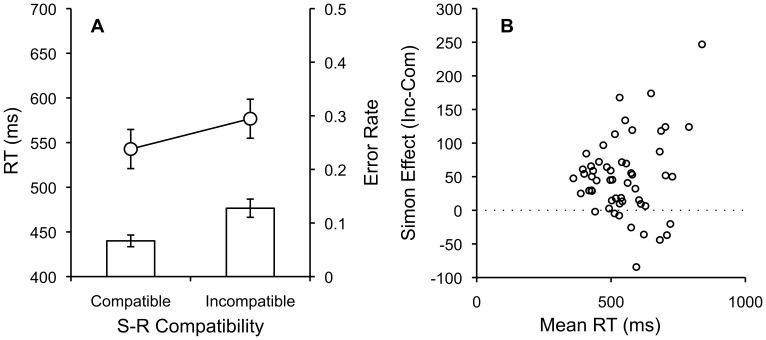
Verification
Claims the paper makes
The claims and statistics of this paper haven’t been checked yet.
Run the check — free, no account needed. It reads the open-access text and checks the sources it cites.
Claims other papers make about this one
Each is checked against this paper’s own text: does it say what the citing paper says it does?
In the citing paper
“Regarding online experiments in general, Crump et al. [32] showed that the data collected online using a web-browser seemed mostly in line with laboratory results, so long as the experiment methods were solid.”
From Adaptive trust calibration for human-AI collaboration (2020) · cites this paper as [32]
Self-check
Percentages, sums and reported differences re-computed from the paper’s own numbers.
The self-check needs the paper’s full text.
Citations
Cites
Studies of interference in serial verbal reactions
Stroop, J. R. (1935) · Journal of Experimental Psychology · doi:10.1037/h0054651 · Cited by 18,622
Amazon's Mechanical Turk: A New Source of Inexpensive, Yet High-Quality, Data?
Buhrmester, M., Kwang, T., & Gosling, S. D. (2011) · Perspectives on Psychological Science · doi:10.1177/1745691610393980 · Cited by 9,996
Effects of noise letters upon the identification of a target letter in a nonsearch task
Eriksen, B. A., & Eriksen, C. W. (1974) · Perception & Psychophysics · doi:10.3758/bf03203267 · Cited by 7,230
Simmons, J. P., Nelson, L. D., & Simonsohn, U. (2011) · Psychological Science · doi:10.1177/0956797611417632 · Cited by 6,567
Half a century of research on the Stroop effect: An integrative review.
MacLeod, C. M. (1991) · Psychological Bulletin · doi:10.1037/0033-2909.109.2.163 · Cited by 5,500
Running experiments on Amazon Mechanical Turk
Paolacci, G., Chandler, J., & Ipeirotis, P. G. (2010) · Judgment and Decision Making · doi:10.1017/s1930297500002205 · Cited by 3,767
Instructional manipulation checks: Detecting satisficing to increase statistical power
Oppenheimer, D. M., Meyvis, T., & Davidenko, N. (2009) · Journal of Experimental Social Psychology · doi:10.1016/j.jesp.2009.03.009 · Cited by 3,493
Conducting behavioral research on Amazon’s Mechanical Turk
Mason, W., & Suri, S. (2012) · Behavior Research Methods · doi:10.3758/s13428-011-0124-6 · Cited by 3,172
Monsell, S. (2003) · Trends in Cognitive Sciences · doi:10.1016/s1364-6613(03)00028-7 · Cited by 2,984
Components of visual orienting
Posner, M. I. (1984) · Attention and performance · Cited by 2,980
Research works printed but not linked: 1
- Ipeirotis PG (2010) Demographics of Mechanical Turk (Tech. Rep. No. CeDER-10-01). New York: New York University. Available: http://hdl.handle.net/2451/29585. Accessed 2012 Jun 1.
Cited by
Sorted by citations
Items 601–700 of 1,000
New Issues for New Methods: Ethical and Editorial Challenges for an Experimental Philosophy
Polonioli, A. (2016) · Science and Engineering Ethics · doi:10.1007/s11948-016-9838-2 · Cited by 21
Daniel‐Watanabe, L., McLaughlin, M., Gormley, S., & Robinson, O. J. (2020) · Biological Psychiatry Cognitive Neuroscience and Neuroimaging · doi:10.1016/j.bpsc.2020.02.010 · Cited by 22
Philip, J. (2021) · Journal of Management & Organization · doi:10.1017/jmo.2021.1 · Cited by 23
Kraft, P., Kraft, B., Hagen, T., & Espeseth, T. (2022) · Frontiers in Psychology · doi:10.3389/fpsyg.2021.784758 · Cited by 24
Can we trust online crowdworkers?
Jonell, P., Kucherenko, T., Torre, I., & Beskow, J. (2020) · ACM International Conference on Intelligent Virtual Agents (IVA) · doi:10.1145/3383652.3423860 · Cited by 25
Systematic Review: Online Crowdsourcing to Assess Perceptual Speech Outcomes
Sescleifer, A. M., Francoisse, C. A., & Lin, A. Y. (2018) · Journal of Surgical Research · doi:10.1016/j.jss.2018.06.032 · Cited by 20
Labelling Imaging Datasets on the Basis of Neuroradiology Reports: A Validation Study
Wood, D. A., Kafiabadi, S., Busaidi, A. A., Guilhem, E., Lynch, J., Townend, M., Montvila, A., Siddiqui, J., Gadapa, N., Benger, M., et al. (2020) · Lecture notes in computer science · doi:10.1007/978-3-030-61166-8_27 · Cited by 20
Designing Environmental Messages to Discourage Red Meat Consumption: An Online Experiment
Wistar, A., Hall, M. G., Bercholz, M., & Taillie, L. S. (2022) · International Journal of Environmental Research and Public Health · doi:10.3390/ijerph19052919 · Cited by 23
Tong, S. T., & Sopory, P. (2019) · Psychology and Health · doi:10.1080/08870446.2019.1579330 · Cited by 19
Begum, F., Mutsatsa, S. H., Gul, N., Thomas, B., & Flood, C. (2020) · Journal of Psychiatric and Mental Health Nursing · doi:10.1111/jpm.12600 · Cited by 21
Hong, S., & Oh, S.-K. (2020) · Frontiers in Psychology · doi:10.3389/fpsyg.2020.01497 · Cited by 19
Little, P., & Firestone, C. (2021) · Psychological Science · doi:10.1177/0956797620939942 · Cited by 20
Framing cognitive offloading in terms of gains or losses: achieving a more optimal use of reminders
Fröscher, L., Friedrich, A.-K., Berentelg, M., Widmer, C. K., Gilbert, S. J., & Papenmeier, F. (2022) · Cognitive Research Principles and Implications · doi:10.1186/s41235-022-00416-3 · Cited by 23
The Role of Crowdsourcing in Assessing Surgical Skills
Katz, A. (2016) · Surgical Laparoscopy Endoscopy & Percutaneous Techniques · doi:10.1097/sle.0000000000000293 · Cited by 19
Evaluating Amazon’s Mechanical Turk for psychological research on the symbolic control of attention
Pauszek, J. R., Sztybel, P., & Gibson, B. S. (2017) · Behavior Research Methods · doi:10.3758/s13428-016-0847-5 · Cited by 19
Cigarette Constituent Health Communications for Smokers: Impact of Chemical, Imagery, and Source
Kowitt, S. D., Sheeran, P., Jarman, K. L., Ranney, L. M., Schmidt, A. M., Noar, S. M., Huang, L., & Goldstein, A. O. (2017) · Nicotine & Tobacco Research · doi:10.1093/ntr/ntx226 · Cited by 19
Stochastic satisficing account of confidence in uncertain value-based decisions
Hertz, U., Bahrami, B., & Keramati, M. (2018) · PLoS ONE · doi:10.1371/journal.pone.0195399 · Cited by 22
Metro Map Colour-Coding: Effect on Usability in Route Tracing
Lloyd, P. B., Rodgers, P. J., & Roberts, M. J. (2018) · Lecture notes in computer science · doi:10.1007/978-3-319-91376-6_38 · Cited by 19
Strelcyk, O., & Singh, G. (2018) · PLoS ONE · doi:10.1371/journal.pone.0200083 · Cited by 19
Solving dissociative group effects using construal level theory
McGowan, M., Hassan, L., & Shiu, E. (2019) · European Journal of Marketing · doi:10.1108/ejm-07-2018-0468 · Cited by 16
Semantic Coherence Facilitates Distributional Learning.
Ouyang, L., Boroditsky, L., & Frank, M. C. (2017) · Cognitive Sciences · doi:10.1111/cogs.12360 · Cited by 13
Harel, D., Hitchcock, E. R., Szeredi, D., Ortiz, J. A., & Byun, T. M. (2016) · Clinical Linguistics & Phonetics · doi:10.3109/02699206.2016.1174306 · Cited by 19
Firestone, C., & Scholl, B. J. (2015) · Visual Cognition · doi:10.1080/13506285.2016.1160171 · Cited by 19
Looking Tasks Online: Utilizing Webcams to Collect Video Data from Home
Semmelmann, K., Hönekopp, A., & Weigelt, S. (2017) · Frontiers in Psychology · doi:10.3389/fpsyg.2017.01582 · Cited by 19
Predicting Question Quality Using Recurrent Neural Networks
Ruşeţi, Ş., Dascălu, M., Johnson, A. M., Balyan, R., Kopp, K. J., McNamara, D. S., Crossley, S. A., & Trăușan-Matu, Ș. (2018) · Lecture notes in computer science · doi:10.1007/978-3-319-93843-1_36 · Cited by 20
Woike, J. K. (2019) · Frontiers in Psychology · doi:10.3389/fpsyg.2019.02646 · Cited by 23
Denning, E. C., Brannan, D., Murphy, L. A., Losco, J. A., & Payne, D. (2018) · Psi Chi Journal of Psychological Research · doi:10.24839/2325-7342.jn23.2.166 · Cited by 22
Bock, J. E., & Burkley, M. (2018) · Sex Roles · doi:10.1007/s11199-018-0929-1 · Cited by 21
Vestner, T., Balsys, E., Over, H., & Cook, R. (2022) · Cognition · doi:10.1016/j.cognition.2022.105056 · Cited by 18
New evidence of impaired expression recognition in developmental prosopagnosia
Tsantani, M., Gray, K. L. H., & Cook, R. (2022) · Cortex · doi:10.1016/j.cortex.2022.05.008 · Cited by 18
Recruiting women into policing: Experimentally testing the effectiveness of recruiting materials
Taniguchi, T. A., Rineer, J. R., Hoogesteyn, K., Wire, S. E., & Mangum, L. (2023) · Policing A Journal of Policy and Practice · doi:10.1093/police/paad049 · Cited by 18
PsyGlass: Capitalizing on Google Glass for naturalistic data collection
Paxton, A., Rodriguez, K., & Dale, R. A. C. (2015) · Behavior Research Methods · doi:10.3758/s13428-015-0586-z · Cited by 18
Cui, L., Carter, R., & Zhang, G. (2014) · Journal of Medical Internet Research · doi:10.2196/jmir.3111 · Cited by 18
Rui, C. H. E. N., & Zheng, Y. (2015) · Acta Psychologica Sinica · doi:10.3724/sp.j.1041.2015.01067 · Cited by 18
Manley, H., Roberts, R., Beattie, S., & Woodman, T. (2017) · Personality and Individual Differences · doi:10.1016/j.paid.2017.08.024 · Cited by 18
Ott, K.-H., & Schweizer, B. (2018) · European Journal of Humour Research · doi:10.7592/ejhr2018.6.1.ott · Cited by 18
A statistical test for the optimality of deliberative time allocation
Bhui, R. (2019) · Psychonomic Bulletin & Review · doi:10.3758/s13423-018-1555-1 · Cited by 20
Seeing what’s possible: Disconnected visual parts are confused for their potential wholes.
Guan, C., & Firestone, C. (2019) · Journal of Experimental Psychology General · doi:10.1037/xge0000658 · Cited by 16
Tsai, J., Huang, M., Rosenheck, R. A., & Wilkinson, S. T. (2020) · Psychiatric Services · doi:10.1176/appi.ps.201900448 · Cited by 18
Distinct affective responses to second- and third-party norm violations
Hartsough, L. E. S., Ginther, M. R., & Marois, R. (2020) · Acta Psychologica · doi:10.1016/j.actpsy.2020.103060 · Cited by 22
Partner Phubbing as a Social Allergen: Support for a Dual Process Model
Roberts, J. A., & David, M. E. (2022) · Human Behavior and Emerging Technologies · doi:10.1155/2022/6432445 · Cited by 18
Age-Related Slowing in Online Samples
Bui, D. C., Myerson, J., & Hale, S. (2015) · The Psychological Record · doi:10.1007/s40732-015-0135-2 · Cited by 18
Improved classification of mammograms following idealized training.
Hornsby, A. N., & Love, B. C. (2014) · Journal of Applied Research in Memory and Cognition · doi:10.1016/j.jarmac.2014.04.009 · Cited by 18
Seeing the tipping point: Balance perception and visual shape.
Firestone, C., & Keil, F. C. (2016) · Journal of Experimental Psychology General · doi:10.1037/xge0000151 · Cited by 18
Rapid generalization in phonotactic learning
Linzen, T., & Gallagher, G. (2017) · Laboratory Phonology Journal of the Association for Laboratory Phonology · doi:10.5334/labphon.44 · Cited by 19
Evaluation of noise annotation lines: using noise to represent thematic uncertainty in maps
Kinkeldey, C., Mason, J. S., Klippel, A., & Schiewe, J. (2014) · Cartography and Geographic Information Science · doi:10.1080/15230406.2014.949868 · Cited by 18
Friedman, D. J. (2006) · PubMed · Cited by 18
Public perception of helical rim deformities and their correction with ear molding.
Patel, V., Mazzaferro, D. M., Swanson, J. W., Taylor, J. A., & Bartlett, S. P. (2020) · Journal of Craniofacial Surgery · doi:10.1097/scs.0000000000006400 · Cited by 17
Nonverbal behaviors perceived as most empathic in a simulated medical context
Marcoux, A., Tessier, M., & Jackson, P. L. (2024) · Computers in Human Behavior · doi:10.1016/j.chb.2024.108268 · Cited by 17
Ethical sensitivity: Conceptualization and new scale development
Toti, J.-F., & Moulins, J. (2017) · Recherche et Applications en Marketing (English Edition) · doi:10.1177/2051570717716562 · Cited by 17
Jun, E., Jo, B. A., Oliveira, N., & Reinecke, K. (2018) · Proceedings of the ACM on Human-Computer Interaction · doi:10.1145/3274353 · Cited by 17
Story, G. W., Kurth-Nelson, Z. L., Crockett, M. J., Vlaev, I., Darzi, A. W., & Dolan, R. J. (2020) · Journal of the Experimental Analysis of Behavior · doi:10.1002/jeab.631 · Cited by 17
Jasim, M., Collins, C. M., Sarvghad, A., & Mahyar, N. (2022) · CHI Conference on Human Factors in Computing Systems · doi:10.1145/3491102.3517649 · Cited by 21
Feasibility and Efficacy of Online Neuropsychological Assessment
Binoy, S., Woody, R., Ivry, R. B., & Saban, W. (2023) · Sensors · doi:10.3390/s23115160 · Cited by 18
Free to help? An experiment on free will belief and altruism
Harms, J., Liket, K. C., Protzko, J., & Schölmerich, V. L. N. (2017) · PLoS ONE · doi:10.1371/journal.pone.0173193 · Cited by 18
Davis, T. H., Goldwater, M. B., Ireland, M. E., Gaylord, N., & Allen, J. V. (2017) · PLoS ONE · doi:10.1371/journal.pone.0186969 · Cited by 17
Bauer, B. W., Capron, D. W., Ward‐Ciesielski, E. F., Gustafsson, H., & Doyle, C. M. (2018) · Archives of Suicide Research · doi:10.1080/13811118.2018.1427162 · Cited by 17
Smith, A. R., Forrest, L. N., Velkoff, E. A., Ribeiro, J. D., & Franklin, J. C. (2018) · International Journal of Eating Disorders · doi:10.1002/eat.22843 · Cited by 17
Wong‐Parodi, G., & Small, M. J. (2019) · Risk Analysis · doi:10.1111/risa.13261 · Cited by 17
Causal Structure Learning in Continuous Systems
Davis, Z. J., Bramley, N. R., & Rehder, B. (2020) · Frontiers in Psychology · doi:10.3389/fpsyg.2020.00244 · Cited by 18
Normal recognition of famous voices in developmental prosopagnosia
Tsantani, M., & Cook, R. (2020) · Scientific Reports · doi:10.1038/s41598-020-76819-3 · Cited by 17
The perception of interpersonal distance is distorted by the Müller-Lyer illusion
Bunce, C., Gray, K. L. H., & Cook, R. (2021) · Scientific Reports · doi:10.1038/s41598-020-80073-y · Cited by 17
Art films foster theory of mind
Castano, E. (2021) · Humanities and Social Sciences Communications · doi:10.1057/s41599-021-00793-y · Cited by 24
Diversity in financial planning: Race, gender, and the likelihood to trust a financial planner
Reiter, M., Seay, M. C., & Loving, A. C. (2021) · Financial Planning Review · doi:10.1002/cfp2.1134 · Cited by 18
To Stem the Tide: Organizational Climate and the Locus of Knowledge Transfer
Stefano, G. D., & Micheli, M. R. (2022) · Organization Science · doi:10.1287/orsc.2021.1551 · Cited by 16
Bay‐Cheng, L. Y. (2016) · The Journal of Sex Research · doi:10.1080/00224499.2016.1139033 · Cited by 17
Emergent Positional Privilege in Novel English Blends
Moreton, E., Smith, J. L., Pertsova, K., Broad, R., & Prickett, B. (2017) · Language · doi:10.1353/lan.2017.0017 · Cited by 17
The price elasticity of charitable giving: New experimental evidence
Gandullia, L., & Lezzi, E. (2018) · Economics Letters · doi:10.1016/j.econlet.2018.09.012 · Cited by 17
The impact of agency on time and risk preferences
Gneezy, A., Imas, A., & Jaroszewicz, A. (2020) · Nature Communications · doi:10.1038/s41467-020-16440-0 · Cited by 20
Is spacing really the “friend of induction�
Verkoeijen, P. P. J. L., & Bouwmeester, S. (2014) · Frontiers in Psychology · doi:10.3389/fpsyg.2014.00259 · Cited by 18
Assessing autobiographical memory: the web-based autobiographical Implicit Association Test
Verschuère, B., & Kleinberg, B. (2016) · Memory · doi:10.1080/09658211.2016.1189941 · Cited by 16
Posttraumatic stress, stressor controllability, and avoidance
Hancock, L., & Bryant, R. A. (2020) · Behaviour Research and Therapy · doi:10.1016/j.brat.2020.103591 · Cited by 17
Sympathy for the diligent and the demand for workfare
Drenik, A., & Truglia, R. N. P. (2018) · Journal of Economic Behavior & Organization · doi:10.1016/j.jebo.2018.06.015 · Cited by 16
Autonomy support and preference-performance dissociation in choice-reaction time tasks
Ziv, G., & Lidor, R. (2021) · Human Movement Science · doi:10.1016/j.humov.2021.102786 · Cited by 16
LaPlume, A. A., Paterson, T. S. E., Gardner, S. L., Stokes, K. A., Freedman, M., Levine, B., Troyer, A. K., & Anderson, N. D. (2021) · Journal of Clinical and Experimental Neuropsychology · doi:10.1080/13803395.2021.1982867 · Cited by 15
How building layout properties influence pedestrian route choice and route recall
Tong, Y., & Bode, N. W. F. (2022) · Transportmetrica A Transport Science · doi:10.1080/23249935.2022.2143249 · Cited by 16
Effects of pay rate and instructions on attrition in crowdsourcing research
Ritchey, C. M., Jimenez‐Gomez, C., & Podlesnik, C. A. (2023) · PLoS ONE · doi:10.1371/journal.pone.0292372 · Cited by 15
Raise Their Voices: The Link Between Motivating Language and Employee Voice
Mayfield, J. R., Mayfield, M. R., & Nguyen, C. N. (2023) · International Journal of Strategic Communication · doi:10.1080/1553118x.2023.2265926 · Cited by 16
A Phone in a Basket Looks Like a Knife in a Cup: Role-Filler Independence in Visual Processing
Hafri, A., Bonner, M., Landau, B., & Firestone, C. (2024) · Open Mind · doi:10.1162/opmi_a_00146 · Cited by 16
Diviani, N., & Meppelink, C. S. (2017) · Computers in Human Behavior · doi:10.1016/j.chb.2017.01.057 · Cited by 16
Gökaydin, D., Brugger, P., & Loetscher, T. (2018) · Scientific Reports · doi:10.1038/s41598-018-29337-2 · Cited by 16
Krzyzaniak, S. L., Colman, D. E., Letzring, T. D., McDonald, J. S., & Biesanz, J. C. (2019) · European Journal of Personality · doi:10.1002/per.2196 · Cited by 15
de-Dios-Flores, I. (2019) · Frontiers in Psychology · doi:10.3389/fpsyg.2019.02346 · Cited by 16
Framing the Opioid Crisis: Do Racial Frames Shape Beliefs of Whites Losing Ground?
Gollust, S. E., & Miller, J. M. (2019) · Journal of Health Politics Policy and Law · doi:10.1215/03616878-8004874 · Cited by 16
Tabri, N., Salmon, M. M., & Wohl, M. J. A. (2020) · Addiction Research & Theory · doi:10.1080/16066359.2020.1714039 · Cited by 17
Exploring Auditory Information to Change Users' Perception of Time Passing as Shorter
Komatsu, T., & Yamada, S. (2020) · CHI Conference on Human Factors in Computing Systems · doi:10.1145/3313831.3376157 · Cited by 16
Beyond Theory and Data in Preference Modeling: Bringing Humans into the Loop
Allen, T. E., Chen, M., Goldsmith, J., Mattei, N., Popova, A., Regenwetter, M., Rossi, F., & Zwilling, C. E. (2015) · Lecture notes in computer science · doi:10.1007/978-3-319-23114-3_1 · Cited by 16
Gender differences in recognition of toy faces suggest a contribution of experience
Ryan, K. F., & Gauthier, L. (2016) · Vision Research · doi:10.1016/j.visres.2016.10.003 · Cited by 16
Modeling memory dynamics in visual expertise.
Annis, J. S., & Palmeri, T. J. (2018) · Journal of Experimental Psychology Learning Memory and Cognition · doi:10.1037/xlm0000664 · Cited by 16
The Meta-Science of Adult Statistical Word Segmentation: Part 1
Hartshorne, J. K., Skorb, L., Dietz, S. L., Garcia, C., Iozzo, G., Lamirato, K., Ledoux, J. R., Mu, J., Murdock, K., Ravid, J., et al. (2019) · Collabra Psychology · doi:10.1525/collabra.181 · Cited by 22
Inflation Expectations, Learning and Supermarket Prices
Cavallo, A. F., Cruces, G., & Truglia, R. N. P. (2014) · National Bureau of Economic Research · doi:10.3386/w20576 · Cited by 16
The buffering effect of attentional control on the relationship between cognitive fusion and anxiety
Thomas, K. N., & Bardeen, J. R. (2020) · Behaviour Research and Therapy · doi:10.1016/j.brat.2020.103653 · Cited by 19
Seeing and speaking: How verbal “description length” encodes visual complexity.
Sun, Z., & Firestone, C. (2021) · Journal of Experimental Psychology General · doi:10.1037/xge0001076 · Cited by 15
Haywood, D., Baughman, F. D., Mullan, B. A., & Heslop, K. (2022) · Brain Sciences · doi:10.3390/brainsci12081060 · Cited by 17
DeliData: A Dataset for Deliberation in Multi-party Problem Solving
Karadzhov, G., Stafford, T., & Vlachos, A. (2023) · Proceedings of the ACM on Human-Computer Interaction · doi:10.1145/3610056 · Cited by 14
Using curiosity to counter health information avoidance
Horn, S., Litovsky, Y., & Loewenstein, G. F. (2023) · Social Science & Medicine · doi:10.1016/j.socscimed.2023.116383 · Cited by 15
Lessons Learned from Crowdsourcing Complex Engineering Tasks
Staffelbach, M., Sempolinski, P., Kijewski-Correa, T. L., Thain, D., Wei, D., Kareem, A., & Madey, G. R. (2015) · PLoS ONE · doi:10.1371/journal.pone.0134978 · Cited by 15
Ricketts, E., Snorrason, I., Rozenman, M., Colwell, C., McCracken, J., & Piacentini, J. (2017) · Journal of Obsessive-Compulsive and Related Disorders · doi:10.1016/j.jocrd.2017.01.006 · Cited by 14
Effect of Cognitive Abilities on Crowdsourcing Task Performance
Hettiachchi, D., van Berkel, N., Hosio, S. J., Kostakos, V., & Gonçalves, J. (2019) · Lecture notes in computer science · doi:10.1007/978-3-030-29381-9_28 · Cited by 15
Platform-Related Factors in Repeatability and Reproducibility of Crowdsourcing Tasks
Qarout, R., Checco, A., Demartini, G., & Bontcheva, K. (2019) · Proceedings of the AAAI Conference on Human Computation and Crowdsourcing · doi:10.1609/hcomp.v7i1.5264 · Cited by 15
Metadata
- Authors
- Crump, M. J. C., McDonnell, J. V., & Gureckis, T. M.
- Affiliations
- City University of New York (US)
- New York University (US)
- Corresponding author
- Crump, Matthew J. C.
- Venue
- PLoS ONE
- Publisher
- Public Library of Science (PLoS)
- Published
- 2013-03-13
- Volume
- 8
- Issue
- 3
- Pages
- e57410
- ISSN
- 1932-6203 (ISSN-L)
- PMC
- PMC3596391
- OpenAlex
- W2080211902
- Semantic Scholar
- d59101076dd96b6b39f58c3d3e3747e5cf5f98ab
- Cited by
- 1,617
- References
- 52
- Citations by year
- 2026: 25 · 2025: 63 · 2024: 83 · 2023: 108 · 2022: 162 · 2021: 171 · 2020: 164 · 2019: 138 · 2018: 164 · 2017: 155 · 2016: 146 · 2015: 129 · 2014: 86 · 2013: 20
- FWCI
- 192.44
- Type
- journal article
- Language
- en
- Open access
- gold
- doi.org
- Locations
- PLoS ONE (publishedVersion, cc-by)
- Europe PMC (PubMed Central) (publishedVersion, cc-by)
- PubMed Central (publishedVersion, cc-by)
- PubMed (publishedVersion)
- CUNY Academic Works (City University of New York) (submittedVersion)
- RePEc: Research Papers in Economics (submittedVersion)
- DOAJ (DOAJ: Directory of Open Access Journals) (submittedVersion, cc-by-sa)
- Topics
- Physical Sciences › Computer Science › Computer Science Applications › Mobile Crowdsensing and Crowdsourcing
- Life Sciences › Neuroscience › Cognitive Neuroscience › Neural and Behavioral Psychology Studies
- Social Sciences › Economics, Econometrics and Finance › Economics and Econometrics › Experimental Behavioral Economics Studies
- Keywords
- Amazon Mechanical Turk, online crowdsourcing, replication, Stroop task, attentional blink, subliminal priming, category learning, Simon task, flanker task, stimulus presentation
- MeSH terms
- Attention, Cues, Humans, Learning, Reaction Time, Internet, Behavioral Research, Learning Curve
About these checks
Registry, retraction, Cites and statistics results are computed, not judged, with one exception: a printed reference that no index lists is read once by a model before it counts as a citation error. Claims are extracted by a model and kept only when their quote appears verbatim in the text; each cited source is then checked, with a model’s help, for whether it says what the claim relies on. Those verdicts can be wrong — read the claim’s quote and the cited source before relying on one.
Statistics and arithmetic are recomputed, not judged.
Confidence bands are shown only for fields calibrated on our annotated test set. None is calibrated yet, so no band is shown.
What counts as a claim ›How we measure confidence ›How we check this ›
Are you an author, or do you see a problem with this page? Request a review
