

The DOI matches its Crossref record; 50 of the 52 references it cites were found in a registry or an index.
Evaluating amazon’s mechanical turk as a tool for experimental behavioral research
Open accessAbstract
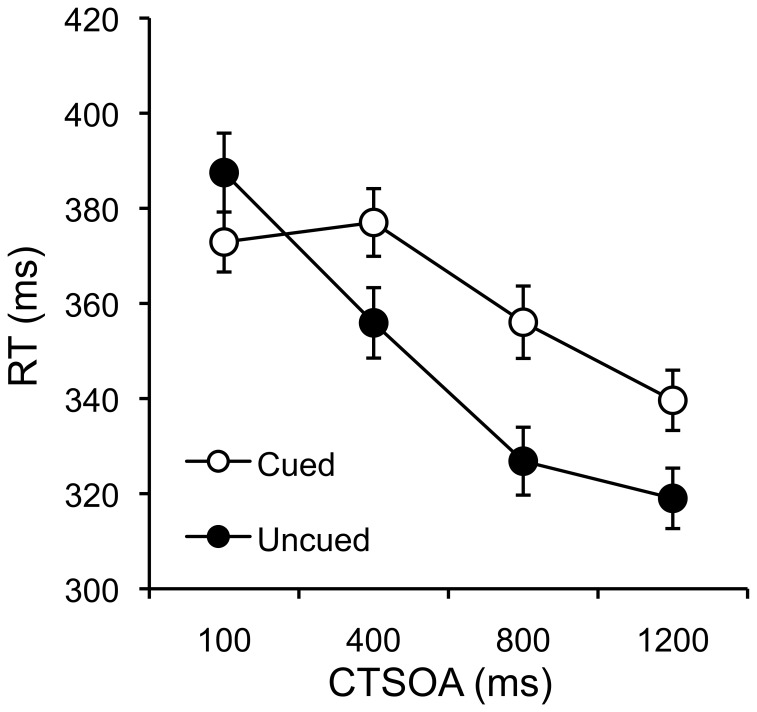
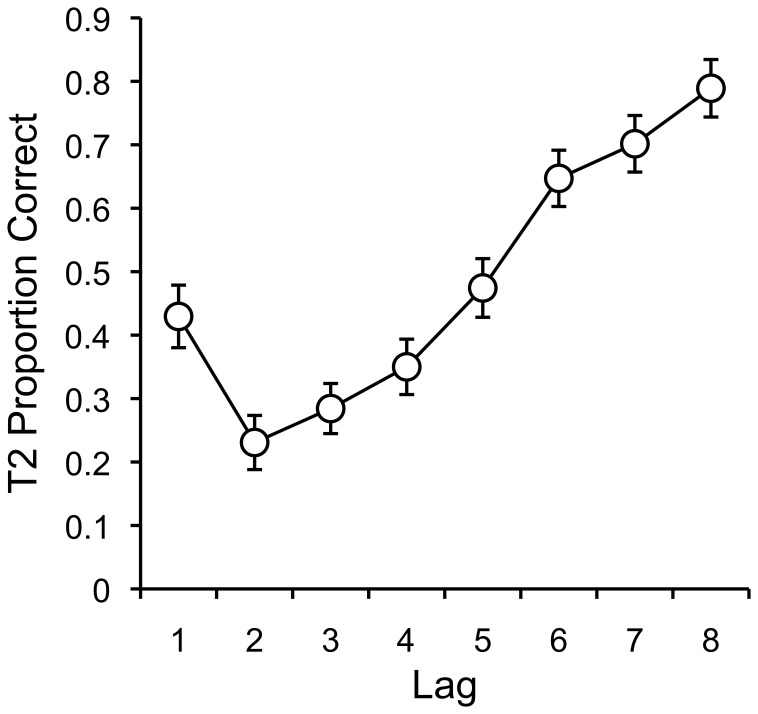
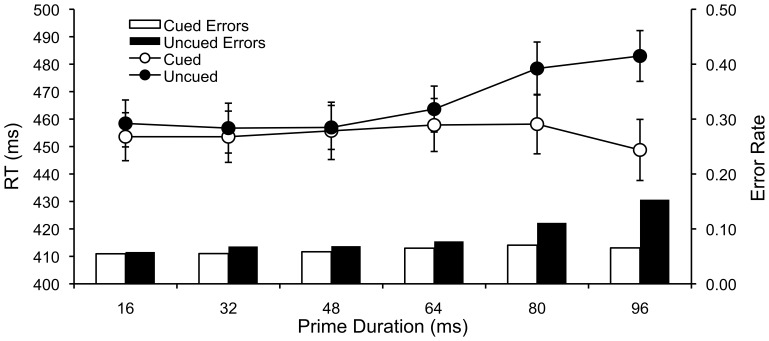
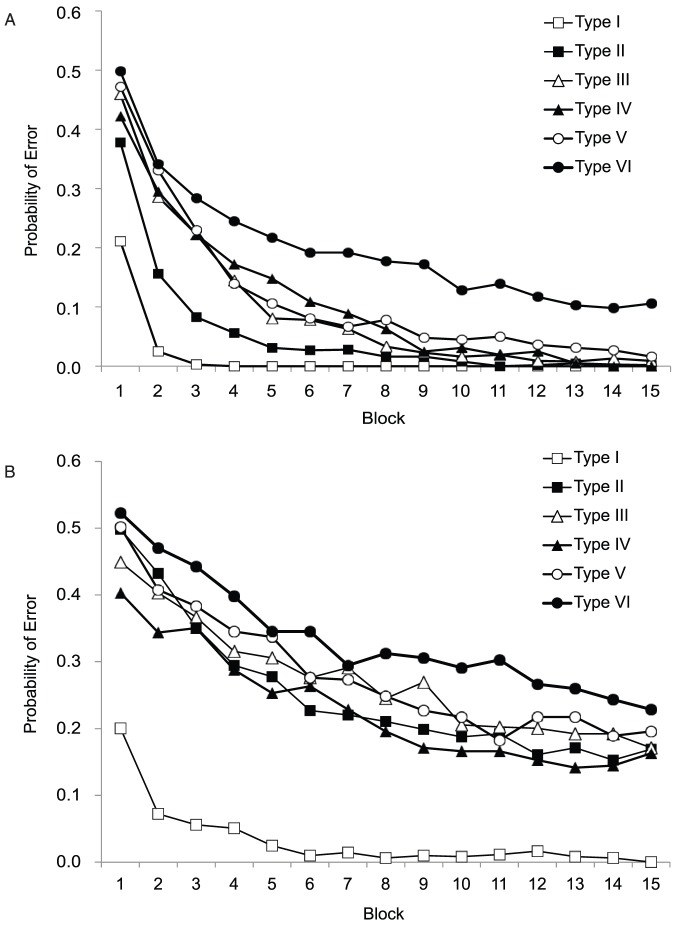
Amazon Mechanical Turk (AMT) is an online crowdsourcing service where anonymous online workers complete web-based tasks for small sums of money. The service has attracted attention from experimental psychologists interested in gathering human subject data more efficiently. However, relative to traditional laboratory studies, many aspects of the testing environment are not under the experimenter's control. In this paper, we attempt to empirically evaluate the fidelity of the AMT system for use in cognitive behavioral experiments. These types of experiment differ from simple surveys in that they require multiple trials, sustained attention from participants, comprehension of complex instructions, and millisecond accuracy for response recording and stimulus presentation. We replicate a diverse body of tasks from experimental psychology including the Stroop, Switching, Flanker, Simon, Posner Cuing, attentional blink, subliminal priming, and category learning tasks using participants recruited using AMT. While most of replications were qualitatively successful and validated the approach of collecting data anonymously online using a web-browser, others revealed disparity between laboratory results and online results. A number of important lessons were encountered in the process of conducting these replications that should be of value to other researchers.
Overview
The claims and statistics of this paper haven’t been checked yet.
Run the check — free, no account needed. It reads the open-access text and checks the sources it cites.
Integrity signals
Registry
Cites
Statistics
Figures
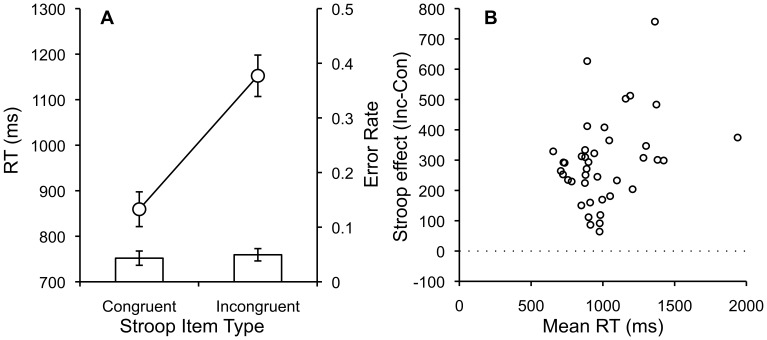
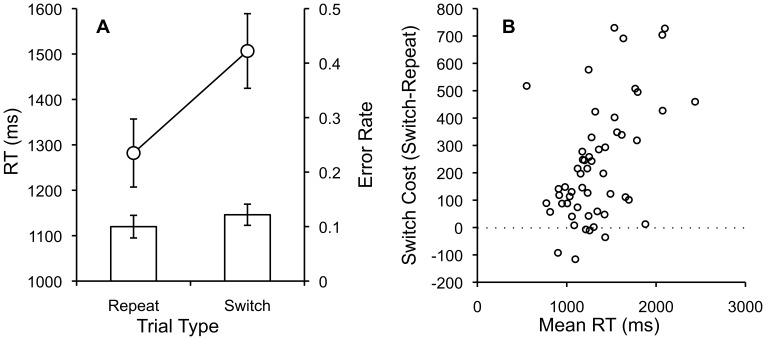
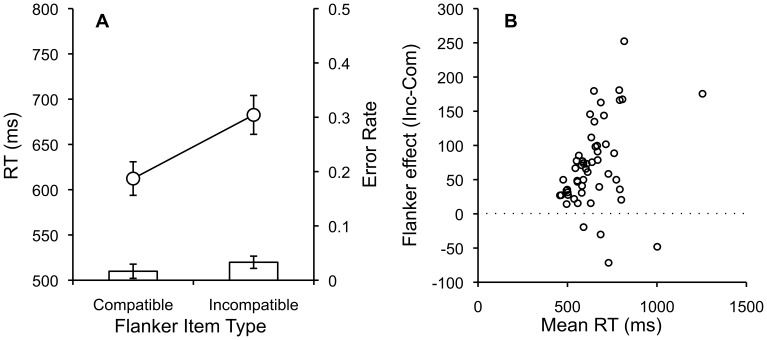
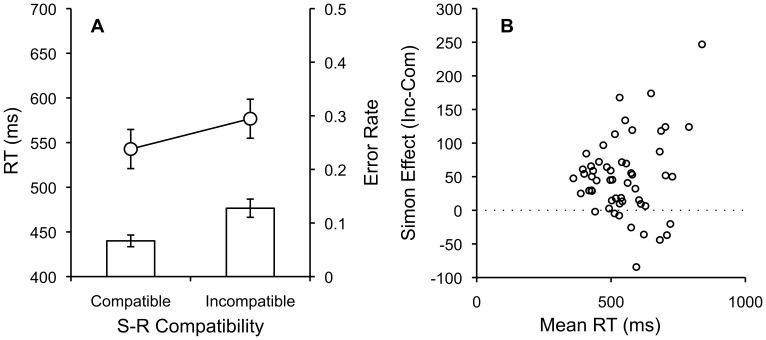
Verification
Claims the paper makes
The claims and statistics of this paper haven’t been checked yet.
Run the check — free, no account needed. It reads the open-access text and checks the sources it cites.
Claims other papers make about this one
Each is checked against this paper’s own text: does it say what the citing paper says it does?
In the citing paper
“Regarding online experiments in general, Crump et al. [32] showed that the data collected online using a web-browser seemed mostly in line with laboratory results, so long as the experiment methods were solid.”
From Adaptive trust calibration for human-AI collaboration (2020) · cites this paper as [32]
Self-check
Percentages, sums and reported differences re-computed from the paper’s own numbers.
The self-check needs the paper’s full text.
Citations
Cites
Studies of interference in serial verbal reactions
Stroop, J. R. (1935) · Journal of Experimental Psychology · doi:10.1037/h0054651 · Cited by 18,622
Amazon's Mechanical Turk: A New Source of Inexpensive, Yet High-Quality, Data?
Buhrmester, M., Kwang, T., & Gosling, S. D. (2011) · Perspectives on Psychological Science · doi:10.1177/1745691610393980 · Cited by 9,996
Effects of noise letters upon the identification of a target letter in a nonsearch task
Eriksen, B. A., & Eriksen, C. W. (1974) · Perception & Psychophysics · doi:10.3758/bf03203267 · Cited by 7,230
Simmons, J. P., Nelson, L. D., & Simonsohn, U. (2011) · Psychological Science · doi:10.1177/0956797611417632 · Cited by 6,567
Half a century of research on the Stroop effect: An integrative review.
MacLeod, C. M. (1991) · Psychological Bulletin · doi:10.1037/0033-2909.109.2.163 · Cited by 5,500
Running experiments on Amazon Mechanical Turk
Paolacci, G., Chandler, J., & Ipeirotis, P. G. (2010) · Judgment and Decision Making · doi:10.1017/s1930297500002205 · Cited by 3,767
Instructional manipulation checks: Detecting satisficing to increase statistical power
Oppenheimer, D. M., Meyvis, T., & Davidenko, N. (2009) · Journal of Experimental Social Psychology · doi:10.1016/j.jesp.2009.03.009 · Cited by 3,493
Conducting behavioral research on Amazon’s Mechanical Turk
Mason, W., & Suri, S. (2012) · Behavior Research Methods · doi:10.3758/s13428-011-0124-6 · Cited by 3,172
Monsell, S. (2003) · Trends in Cognitive Sciences · doi:10.1016/s1364-6613(03)00028-7 · Cited by 2,984
Components of visual orienting
Posner, M. I. (1984) · Attention and performance · Cited by 2,980
Research works printed but not linked: 1
- Ipeirotis PG (2010) Demographics of Mechanical Turk (Tech. Rep. No. CeDER-10-01). New York: New York University. Available: http://hdl.handle.net/2451/29585. Accessed 2012 Jun 1.
Cited by
Sorted by citations
Items 701–800 of 1,000
Attitudes and Beliefs Toward Computerized Cognitive Training in the General Population
Goghari, V. M., Krzyzanowski, D. J., Yoon, S. J., Dai, Y., & Toews, D. M. (2020) · Frontiers in Psychology · doi:10.3389/fpsyg.2020.00503 · Cited by 18
Enabling Morally Sensitive Robotic Clarification Requests
Jackson, R. B., & Williams, T. (2022) · ACM Transactions on Human-Robot Interaction · doi:10.1145/3503795 · Cited by 15
Marks, L. R., Yeoward, J. L., Fickling, M. J., & Tate, K. A. (2020) · Journal of Career Development · doi:10.1177/0894845320949706 · Cited by 15
Subject‐specific segregation of functional territories based on deep phenotyping
Pinho, A. L., Amadon, A., Fabre, M., Dohmatob, E., Denghien, I., Torre, J. J., Ginisty, C., Becuwe-Desmidt, S., Roger, S., Laurier, L., et al. (2020) · Human Brain Mapping · doi:10.1002/hbm.25189 · Cited by 17
Crowdsourcing Design Guidance for Contextual Adaptation of Text Content in Augmented Reality
Dudley, J. J., Jacques, J. T., & Kristensson, P. O. (2021) · CHI Conference on Human Factors in Computing Systems · doi:10.1145/3411764.3445493 · Cited by 15
Reliability of Online Surveys in Investigating Perceptions and Impressions of Faces
Hirao, N., Koizumi, K., Ikeda, H., & Ohira, H. (2021) · Frontiers in Psychology · doi:10.3389/fpsyg.2021.733405 · Cited by 15
Do Americans Have a Preference for Rule‐Based Classification?
Murphy, G. L., Bosch, D. A., & Kim, S. (2016) · Cognitive Science · doi:10.1111/cogs.12463 · Cited by 15
Opposing Affective and Cognitive Effects of Prevention Focus on Counterproductive Work Behavior
Lin, S., & Johnson, R. E. (2017) · Journal of Business and Psychology · doi:10.1007/s10869-017-9493-x · Cited by 15
Cognitive control over prospective task-set interference.
Whitehead, P. S., & Egner, T. (2017) · Journal of Experimental Psychology Human Perception & Performance · doi:10.1037/xhp0000493 · Cited by 15
ORGANISATIONAL JUSTICE AND MANAGING WORKPLACE INNOVATION: HOW IMPORTANT ARE FORMAL PROCEDURES?
Simmers, C. A., & McMurray, A. (2018) · International Journal of Innovation Management · doi:10.1142/s1363919619500269 · Cited by 15
Heinrich, A., & Knight, S. (2020) · Frontiers in Psychology · doi:10.3389/fpsyg.2020.01590 · Cited by 15
Fan, C. L., Romero, K., & Levine, B. (2020) · BMC Geriatrics · doi:10.1186/s12877-020-01720-7 · Cited by 15
Liang, D., Song, W., & Thomaz, E. (2020) · International Conference on Human-Computer Interaction with Mobile Devices and Services (MobileHCI) · doi:10.1145/3379503.3403551 · Cited by 15
Brink, W. D., Kuang, X., & Majerczyk, M. J. (2020) · Accounting Organizations and Society · doi:10.1016/j.aos.2020.101195 · Cited by 15
Proudfoot, D., Kay, A. C., & Mann, H. (2015) · Organizational Behavior and Human Decision Processes · doi:10.1016/j.obhdp.2015.06.008 · Cited by 20
Fatfouta, R., & Schröder–Abé, M. (2016) · Personality and Individual Differences · doi:10.1016/j.paid.2016.10.010 · Cited by 15
Surgery Prescription Opioid Misuse and Diversion in US Adults and Associated Risk Factors
Porter, E. D., Sacks, O. A., Ramkumar, N., & Barth, R. J. (2022) · Journal of Surgical Research · doi:10.1016/j.jss.2022.01.030 · Cited by 14
Spatial household preferences of decentralized solar photovoltaic and thermal systems
Ghasemi, R., Li, Y., Lu, Z., Huang, J., & Mo, W. (2022) · Resources Conservation and Recycling · doi:10.1016/j.resconrec.2022.106487 · Cited by 14
Privitera, A. J., & Weekes, B. (2022) · International Journal of Bilingualism · doi:10.1177/13670069221121498 · Cited by 15
Perceived Distance Alters Memory for Scene Boundaries
Hafri, A., Wadhwa, S., & Bonner, M. (2022) · Psychological Science · doi:10.1177/09567976221093575 · Cited by 14
How consumption ritual affects group versus solo diners
Huang, H., Yu, X., Liu, S. Q., Wu, L. L., & Kandampully, J. A. (2023) · International Journal of Hospitality Management · doi:10.1016/j.ijhm.2023.103583 · Cited by 14
“You Must Try Our Taco!”: Advancing the Power of Language Assertiveness in Food Advertising
Yu, X., & Liu, S. Q. (2023) · Journal of Hospitality & Tourism Research · doi:10.1177/10963480231205757 · Cited by 14
Cotton, K., Sandry, J. D., & Ricker, T. J. (2023) · Experimental Psychology (formerly Zeitschrift für Experimentelle Psychologie) · doi:10.1027/1618-3169/a000599 · Cited by 14
Wang, S., Huang, C., Yao, Y., & Chan, A. (2015) · Institutional Repositories DataBase (IRDB) · Cited by 14
Crowdsourcing Technology to Support Academic Research
Hirth, M., Jacques, J. T., Rodgers, P. J., Šćekić, O., & Wybrow, M. (2017) · Lecture notes in computer science · doi:10.1007/978-3-319-66435-4_4 · Cited by 14
Teleface: Serial reproduction of faces reveals a whiteward bias in race memory.
Uddenberg, S., & Scholl, B. J. (2018) · Journal of Experimental Psychology General · doi:10.1037/xge0000446 · Cited by 16
Kong, D. T., & Jolly, P. M. (2018) · Journal of Business and Psychology · doi:10.1007/s10869-018-9606-1 · Cited by 15
Just a click away: Action–state orientation moderates the impact of task interruptions on initiative
Birk, M. V., Mandryk, R. L., & Baumann, N. (2019) · Journal of Personality · doi:10.1111/jopy.12498 · Cited by 14
Hi-def memories of lo-def scenes
Rivera-Aparicio, J., Yu, Q., & Firestone, C. (2021) · Psychonomic Bulletin & Review · doi:10.3758/s13423-020-01829-1 · Cited by 13
Comparing Attitudes Toward Stigmatized Deaths: Suicide and Opioid Overdose Deaths
Kheibari, A., Cerel, J., & Victor, G. A. (2021) · International Journal of Mental Health and Addiction · doi:10.1007/s11469-021-00514-1 · Cited by 15
Four-Year-Old's Online Versus Face-to-Face Word Learning via eBooks
Escudero, P., Escobar, G. P., Casey, C. G., & Sommer, K. (2021) · Frontiers in Psychology · doi:10.3389/fpsyg.2021.610975 · Cited by 14
Vestner, T., Over, H., Gray, K. L. H., Tipper, S. P., & Cook, R. (2021) · Cognition · doi:10.1016/j.cognition.2021.104737 · Cited by 13
Dudschig, C. (2022) · Royal Society Open Science · doi:10.1098/rsos.210550 · Cited by 14
Jylkkä, J., Ritakallio, L., Merzon, L., Kangas, S., Kliegel, M., Zuber, S., Hering, A., Salmi, J., & Laine, M. (2023) · PLoS ONE · doi:10.1371/journal.pone.0280717 · Cited by 13
Strutting Hero, Sneaking Villain
Kiiski, H. S. M., Hoyet, L., Woods, A. T., O’Sullivan, C., & Newell, F. N. (2015) · ACM Transactions on Applied Perception · doi:10.1145/2791293 · Cited by 15
Using crowdsourced online experiments to study context-dependency of behavior
Keuschnigg, M., Bader, F., & Bracher, J. (2016) · Social Science Research · doi:10.1016/j.ssresearch.2016.04.014 · Cited by 15
Causal knowledge promotes behavioral self-regulation: An example using climate change dynamics
Sewell, D. K., Rayner, P. J., Shank, D. B., Guy, S., Lilburn, S. D., Saber, S., & Kashima, Y. (2017) · PLoS ONE · doi:10.1371/journal.pone.0184480 · Cited by 14
Holier than thou: Investigating the relationship between religiosity and charitable giving
Roberts, J. A., & David, M. E. (2018) · International Journal of Nonprofit and Voluntary Sector Marketing · doi:10.1002/nvsm.1619 · Cited by 18
Comparing paid and volunteer recruitment in human computation games
Sarkar, A., & Cooper, S. (2018) · International Conference on the Foundations of Digital Games (FDG) · doi:10.1145/3235765.3235796 · Cited by 14
Primed for Health: Future Thinking Priming Decreases Delay Discounting
Shevorykin, A., Pittman, J. C., Bickel, W. K., O’Connor, R. J., Malhotra, R., Prashad, N., & Sheffer, C. E. (2019) · Health Behavior and Policy Review · doi:10.14485/hbpr.6.4.5 · Cited by 15
Powering Reproducible Research
Button, K. S., & Munafo, M. R. (2017) · Wiley eBooks · doi:10.1002/9781119095910.ch2 · Cited by 16
The Influence of Collective Opinion on True-False Judgment and Information-Sharing DecisionPreprint
Li, H., & Sakamoto, Y. (2013) · SSRN Electronic Journal · doi:10.2139/ssrn.2210742 · Cited by 14
Recognition times for 62 thousand English words: Data from the English Crowdsourcing ProjectPreprint
Brysbaert, M., Keuleers, E., & Mandera, P. (2019) · doi:10.31234/osf.io/wm5gv · Cited by 14
Online Belief Elicitation Methods
Burdea, V., & Woon, J. (2021) · Journal of Economic Psychology · doi:10.1016/j.joep.2022.102496 · Cited by 13
It’s About Time: A View of Crowdsourced Data Before and During the Pandemic
Christoforou, E., Barlas, P., & Otterbacher, J. (2021) · CHI Conference on Human Factors in Computing Systems · doi:10.1145/3411764.3445317 · Cited by 14
A practical guide for studying human behavior in the lab
Barbosa, J., Stein, H., Zorowitz, S., Niv, Y., Summerfield, C., Soto‐Faraco, S., & Hyafil, A. (2022) · Behavior Research Methods · doi:10.3758/s13428-022-01793-9 · Cited by 14
Jensen, J. K., Rebentisch, K., Tripp, H. L., & Merten, J. W. (2022) · Tobacco Induced Diseases · doi:10.18332/tid/152138 · Cited by 13
Recognition of facial expressions in autism: Effects of face masks and alexithymia
Gehdu, B. K., Tsantani, M., Press, C., Gray, K. L. H., & Cook, R. (2023) · Quarterly Journal of Experimental Psychology · doi:10.1177/17470218231163007 · Cited by 14
Effects of music advertised to support focus on mood and processing speed
Orpella, J., Bowling, D. L., Tomaino, C. M., & Ripollés, P. (2025) · PLoS ONE · doi:10.1371/journal.pone.0316047 · Cited by 16
Nudging investors big and small toward better decisions.
Newall, P. W. S., & Love, B. C. (2015) · Decision · doi:10.1037/dec0000036 · Cited by 13
Consumer Accuracy at Identifying Plant-based and Animal-based Milk Items
Feltz, S., & Feltz, A. (2019) · Food Ethics · doi:10.1007/s41055-019-00051-7 · Cited by 13
Developing Crowdsourced Training Data Sets for Pharmacovigilance Intelligent Automation
Gartland, A., Bate, A., Painter, J. L., Casperson, T. A., & Powell, G. E. (2020) · Drug Safety · doi:10.1007/s40264-020-01028-w · Cited by 13
More frequent, shorter trials enhance acquisition in a training session: There is a free lunch!
Murphy, R. A., Witnauer, J. E., Castiello, S., Tsvetkov, A., Li, A., Alcaide, D. M., & Miller, R. R. (2021) · Journal of Experimental Psychology General · doi:10.1037/xge0000910 · Cited by 13
The role of envy in linking active and passive social media use to memory functioning.
Sharifian, N., Zaheed, A. B., & Zahodne, L. B. (2021) · Psychology of Popular Media · doi:10.1037/ppm0000318 · Cited by 14
Preferences and Perceptions of Workplace Participation: A Cross-Cultural Study
Wu, S. J., Mei, B. Y., & Cervantez, J. (2022) · Frontiers in Psychology · doi:10.3389/fpsyg.2022.806481 · Cited by 17
McAllister, T., Nightingale, C., Moya‐Galé, G., Kawamura, A., & Ramig, L. O. (2023) · Journal of Speech Language and Hearing Research · doi:10.1044/2023_jslhr-22-00694 · Cited by 13
Boyce, V., Mathur, M. B., & Frank, M. C. (2023) · Royal Society Open Science · doi:10.1098/rsos.231240 · Cited by 14
Morningness/eveningness and the synchrony effect for spatial attention
Dorrian, J., McLean, B. F., Banks, S., & Loetscher, T. (2016) · Accident Analysis & Prevention · doi:10.1016/j.aap.2015.11.012 · Cited by 13
Clusters Beat Trend!? Testing Feature Hierarchy in Statistical Graphics
VanderPlas, S., & Hofmann, H. (2016) · Journal of Computational and Graphical Statistics · doi:10.1080/10618600.2016.1209116 · Cited by 13
Behmer, L. P. (2016) · Psychology Press eBooks · doi:10.4324/9781315413570-27 · Cited by 14
The impact of financial strain on medication non-adherence: Influence of psychiatric medication use
Strickland, J. C., Stoops, W. W., Kincer, M. A., & Rush, C. R. (2018) · Psychiatry Research · doi:10.1016/j.psychres.2018.11.055 · Cited by 13
Bott, N. T., Madero, E. N., Glenn, J. M., Lange, A. R., Anderson, J. J., Newton, D., Brennan, A. H., Buffalo, E. A., Rentz, D. M., & Zola, S. M. (2019) · Telemedicine Journal and e-Health · doi:10.1089/tmj.2019.0039 · Cited by 13
The difficulties of executing simple algorithms: Why brains make mistakes computers don’t
Lupyan, G. (2013) · Cognition · doi:10.1016/j.cognition.2013.08.015 · Cited by 21
Excessive deliberation in social anxietyPreprint
Hunter, L. E., Meer, E. A., Gillan, C. M., Hsu, M., & Daw, N. D. (2019) · bioRxiv (Cold Spring Harbor Laboratory) · doi:10.1101/522433 · Cited by 13
Li, H., & Sakamoto, Y. (2015) · 2015 48th Hawaii International Conference on System Sciences · doi:10.1109/hicss.2015.240 · Cited by 22
Tompkins, M. L., Woods, A. T., & Davies, A. M. A. (2016) · Frontiers in Psychology · doi:10.3389/fpsyg.2016.00950 · Cited by 13
Minto, K., Masser, B., & Louis, W. R. (2021) · Journal of Interpersonal Violence · doi:10.1177/0886260520986276 · Cited by 12
Chang, E., Monin, J. K., Isenberg, N., Zelterman, D. A., & Levy, B. R. (2022) · Stigma and Health · doi:10.1037/sah0000370 · Cited by 12
Multitasking among modern digital generations Y and Z
Gawda, B., & Korniluk, A. (2022) · Journal of Modern Science · doi:10.13166/jms/156323 · Cited by 12
Making the call: how does perceived race affect desire to call the police?
Sola, J. L., & Kubrin, C. E. (2023) · Journal of Experimental Criminology · doi:10.1007/s11292-023-09571-z · Cited by 13
Effectively communicating the removal of fossil energy subsidies: Evidence from Latin America
Vieites, Y., Andretti, B., Weiss, M., Jacob, J., & Hallack, M. (2023) · Global Environmental Change · doi:10.1016/j.gloenvcha.2023.102690 · Cited by 12
The effects of sensorimotor and linguistic information on the basic-level advantage
van Hoef, R., Connell, L., & Lynott, D. (2023) · Cognition · doi:10.1016/j.cognition.2023.105606 · Cited by 13
Roy, S. K., Singh, G., Gruner, R. L., Dey, B. L., Shabnam, S., Muhammad, S. S., & Quaddus, M. (2023) · Information Systems Frontiers · doi:10.1007/s10796-023-10445-y · Cited by 15
Online cognitive testing in Parkinson’s disease: advantages and challenges
Binoy, S., Algon, A. L., Adiva, Y. B., Montaser‐Kouhsari, L., & Saban, W. (2024) · Frontiers in Neurology · doi:10.3389/fneur.2024.1363513 · Cited by 12
Quick, R., Toledano, D. S., & Toledano, J. S. (2024) · European Research on Management and Business Economics · doi:10.1016/j.iedeen.2024.100250 · Cited by 12
Smart service value: Conceptualization, scale development, and validation in the retailing context
Roy, S. K., Singh, G., Hollebeek, L. D., Shabnam, S., Japutra, A., Doorn, S. V., Ray, S., & Appio, F. P. (2024) · Technovation · doi:10.1016/j.technovation.2024.103097 · Cited by 12
McKerchar, T. L., & Mazur, J. (2016) · Journal of the Experimental Analysis of Behavior · doi:10.1002/jeab.214 · Cited by 13
Assessing Safety Behaviors in Fear of Storms: Validation of the Storm-Related Safety Behavior Scale
Krause, K. L., MacDonald, E. M., Goodwill, A. M., Vorstenbosch, V., & Antony, M. M. (2017) · Journal of Psychopathology and Behavioral Assessment · doi:10.1007/s10862-017-9622-x · Cited by 12
Who Is Most Likely to Wear Rose-Colored Glasses? How Regulatory Mode Moderates Self-Flattery
Komissarouk, S., Chernikova, M., Kruglanski, A. W., & Higgins, E. T. (2018) · Personality and Social Psychology Bulletin · doi:10.1177/0146167218783194 · Cited by 12
Noreen, S., & MacLeod, M. D. (2020) · Journal of Experimental Psychology Learning Memory and Cognition · doi:10.1037/xlm0000948 · Cited by 13
Transmitting Desire: An Experiment on a Novel Measure of Gun Desirability in a Pandemic
Sola, J. L. (2021) · Sociological Perspectives · doi:10.1177/07311214211007179 · Cited by 12
Semantic Context Search in Creative Idea Generation
Johnson, D. R., & Hass, R. W. (2022) · The Journal of Creative Behavior · doi:10.1002/jocb.534 · Cited by 14
Kanamori, Y., Xu, Y. J., Harrell‐Williams, L. M., & Lightsey, O. R. (2022) · Archives of Sexual Behavior · doi:10.1007/s10508-021-02192-5 · Cited by 12
Sustaining Livelihoods or Saving Lives? Economic System Justification in the Time of COVID-19
Jain, S. S., Jain, S. P., & Li, Y. J. (2022) · Journal of Business Ethics · doi:10.1007/s10551-022-05091-4 · Cited by 12
Strittmatter, Y., Spitzer, M., & Kiesel, A. (2022) · Behavior Research Methods · doi:10.3758/s13428-021-01767-3 · Cited by 11
Littman, R., Hochman, S., & Kalanthroff, E. (2023) · Behavior Research Methods · doi:10.3758/s13428-023-02131-3 · Cited by 8
Presidential Appointments and Public Trust
Hollibaugh, G. E. (2016) · Presidential Studies Quarterly · doi:10.1111/psq.12298 · Cited by 12
Exploring the effects of non-monetary reimbursement for participants in HCI research
Wiseman, S., Cox, A. L., Gould, S. J. J., & Brumby, D. P. (2017) · Human Computation · doi:10.15346/hc.v4i1.1 · Cited by 13
Brand Personality Usage in Crisis Communication in Facebook
Han, J. K., Sung, Y. H., & Kim, D. H. (2017) · Journal of Promotion Management · doi:10.1080/10496491.2017.1408526 · Cited by 12
Salmon, M. M., Kim, H. S. A., & Wohl, M. J. A. (2018) · Journal of Social and Clinical Psychology · doi:10.1521/jscp.2018.37.6.405 · Cited by 15
Frequency of prospective use modulates instructed task-set interference.
Whitehead, P. S., & Egner, T. (2018) · Journal of Experimental Psychology Human Perception & Performance · doi:10.1037/xhp0000586 · Cited by 12
Xu, Y., & Otto, A. R. (2020) · Personality and Individual Differences · doi:10.1016/j.paid.2020.110283 · Cited by 13
Controlling the spatial dimensions of visual stimuli in online experiments
Brascamp, J. W. (2021) · Journal of Vision · doi:10.1167/jov.21.8.19 · Cited by 12
Designing Virtual, Moderated Studies of Early Childhood Development
Gijbels, L., Cai, R., Donnelly, P. M., & Kuhl, P. K. (2021) · Frontiers in Psychology · doi:10.3389/fpsyg.2021.740290 · Cited by 16
Looking into the future: An inward bias in aesthetic experience driven only by gaze cues
Chen, Y.-C., Colombatto, C., & Scholl, B. J. (2018) · Cognition · doi:10.1016/j.cognition.2018.02.010 · Cited by 12
Leighton, D. C., Legate, N., LePine, S., Anderson, S. F., & Grahe, J. E. (2018) · Psi Chi Journal of Psychological Research · doi:10.24839/2325-7342.jn23.2.98 · Cited by 15
Mason, S., & Azzam, T. (2018) · American Journal of Evaluation · doi:10.1177/1098214018778808 · Cited by 12
Staffelbach, M., Sempolinski, P., Hachen, D. S., Kareem, A., Kijewski-Correa, T. L., Thain, D., Wei, D., & Madey, G. R. (2014) · arXiv (Cornell University) · doi:10.48550/arxiv.1406.7588 · Cited by 12
The Psychology Behind People's Decision to Forward Disaster-Related TweetsPreprint
Li, H., Sakamoto, Y., Chen, R., & Tanaka, Y. (2014) · SSRN Electronic Journal · doi:10.2139/ssrn.2473544 · Cited by 12
Psychometric curves reveal changes in bias, lapse rate, and guess rate in an online vigilance task
Gyles, S., McCarley, J. S., & Yamani, Y. (2023) · Attention Perception & Psychophysics · doi:10.3758/s13414-023-02652-1 · Cited by 20
Metadata
- Authors
- Crump, M. J. C., McDonnell, J. V., & Gureckis, T. M.
- Affiliations
- City University of New York (US)
- New York University (US)
- Corresponding author
- Crump, Matthew J. C.
- Venue
- PLoS ONE
- Publisher
- Public Library of Science (PLoS)
- Published
- 2013-03-13
- Volume
- 8
- Issue
- 3
- Pages
- e57410
- ISSN
- 1932-6203 (ISSN-L)
- PMC
- PMC3596391
- OpenAlex
- W2080211902
- Semantic Scholar
- d59101076dd96b6b39f58c3d3e3747e5cf5f98ab
- Cited by
- 1,617
- References
- 52
- Citations by year
- 2026: 25 · 2025: 63 · 2024: 83 · 2023: 108 · 2022: 162 · 2021: 171 · 2020: 164 · 2019: 138 · 2018: 164 · 2017: 155 · 2016: 146 · 2015: 129 · 2014: 86 · 2013: 20
- FWCI
- 192.44
- Type
- journal article
- Language
- en
- Open access
- gold
- doi.org
- Locations
- PLoS ONE (publishedVersion, cc-by)
- Europe PMC (PubMed Central) (publishedVersion, cc-by)
- PubMed Central (publishedVersion, cc-by)
- PubMed (publishedVersion)
- CUNY Academic Works (City University of New York) (submittedVersion)
- RePEc: Research Papers in Economics (submittedVersion)
- DOAJ (DOAJ: Directory of Open Access Journals) (submittedVersion, cc-by-sa)
- Topics
- Physical Sciences › Computer Science › Computer Science Applications › Mobile Crowdsensing and Crowdsourcing
- Life Sciences › Neuroscience › Cognitive Neuroscience › Neural and Behavioral Psychology Studies
- Social Sciences › Economics, Econometrics and Finance › Economics and Econometrics › Experimental Behavioral Economics Studies
- Keywords
- Amazon Mechanical Turk, online crowdsourcing, replication, Stroop task, attentional blink, subliminal priming, category learning, Simon task, flanker task, stimulus presentation
- MeSH terms
- Attention, Cues, Humans, Learning, Reaction Time, Internet, Behavioral Research, Learning Curve
About these checks
Registry, retraction, Cites and statistics results are computed, not judged, with one exception: a printed reference that no index lists is read once by a model before it counts as a citation error. Claims are extracted by a model and kept only when their quote appears verbatim in the text; each cited source is then checked, with a model’s help, for whether it says what the claim relies on. Those verdicts can be wrong — read the claim’s quote and the cited source before relying on one.
Statistics and arithmetic are recomputed, not judged.
Confidence bands are shown only for fields calibrated on our annotated test set. None is calibrated yet, so no band is shown.
What counts as a claim ›How we measure confidence ›How we check this ›
Are you an author, or do you see a problem with this page? Request a review
