

The DOI matches its Crossref record; 50 of the 52 references it cites were found in a registry or an index.
Evaluating amazon’s mechanical turk as a tool for experimental behavioral research
Open accessAbstract
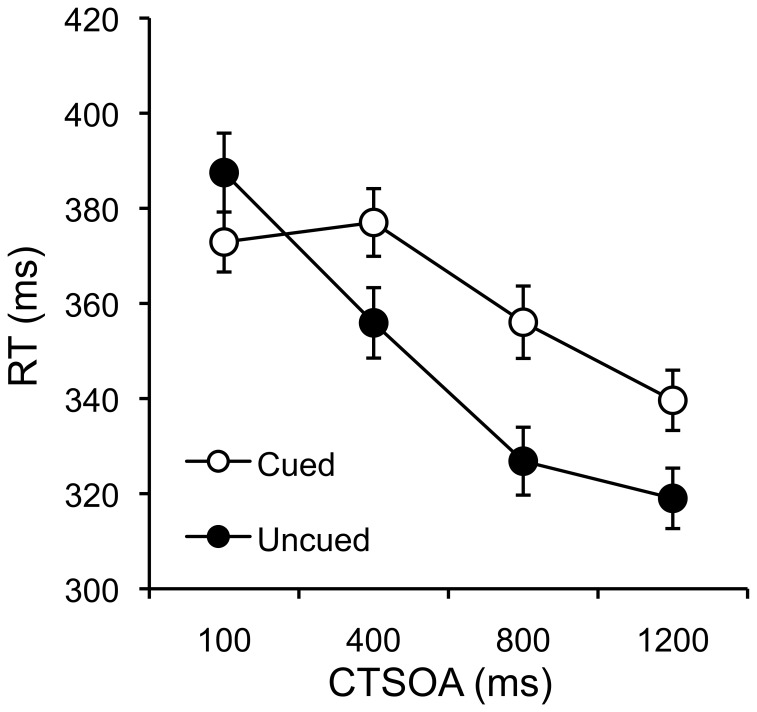
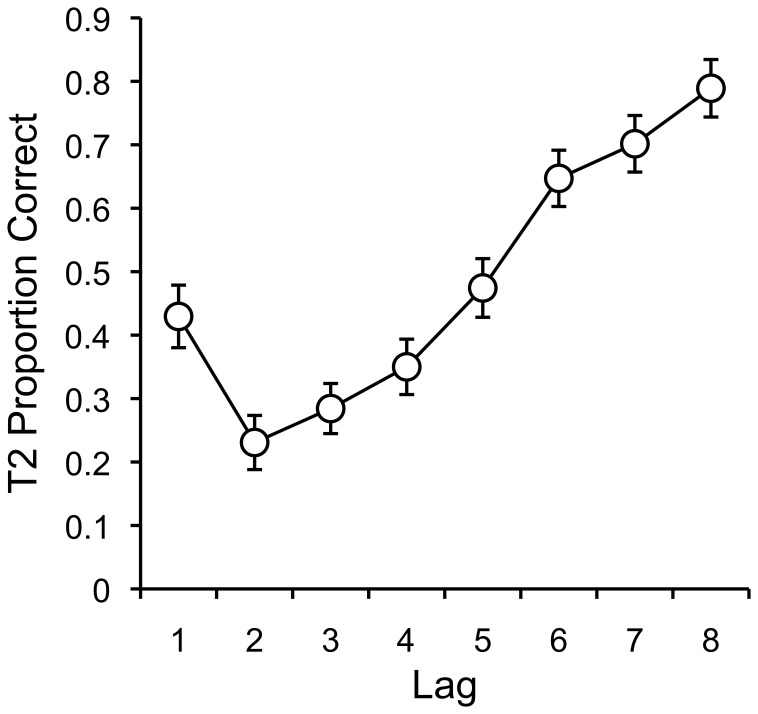
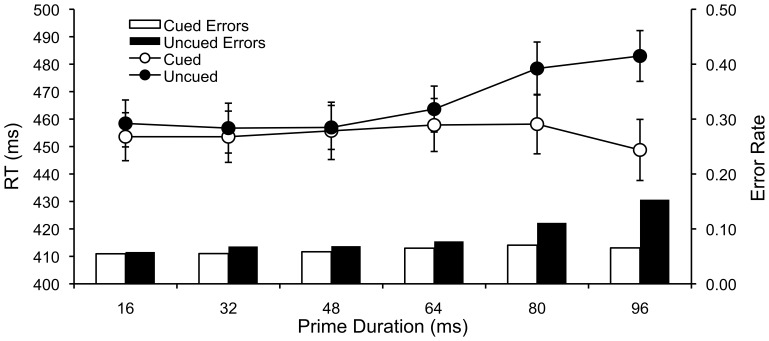
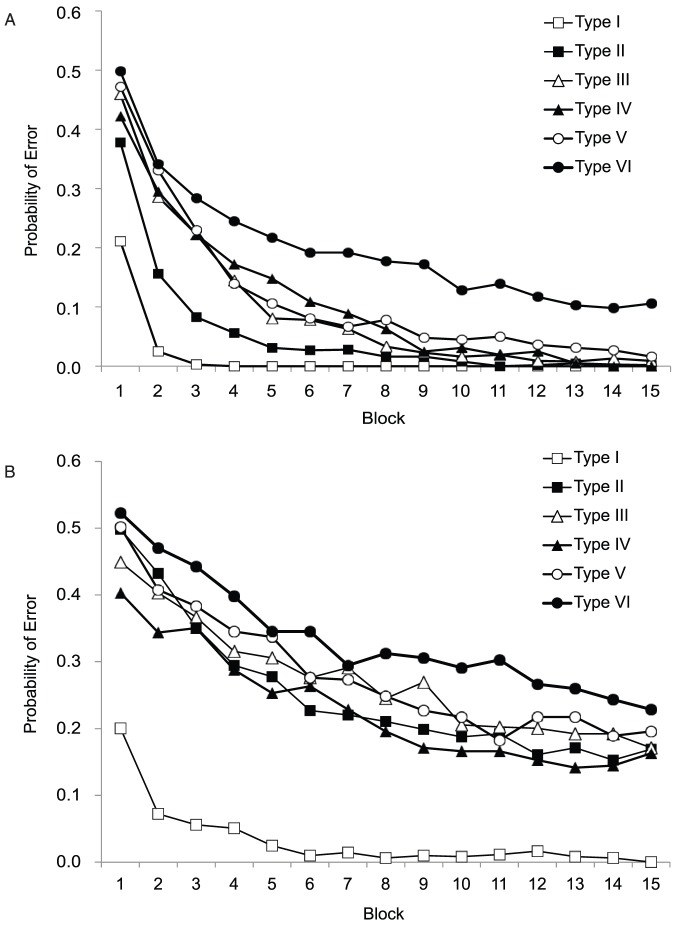
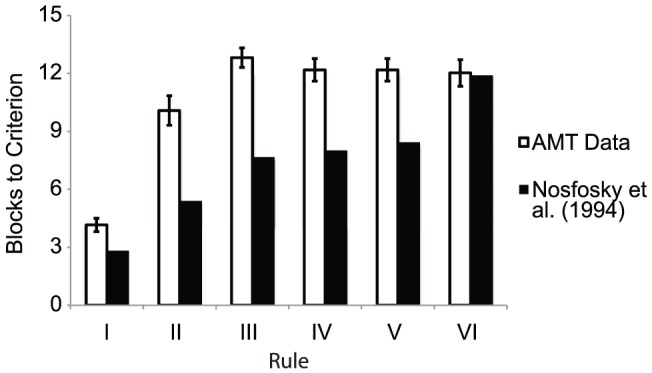
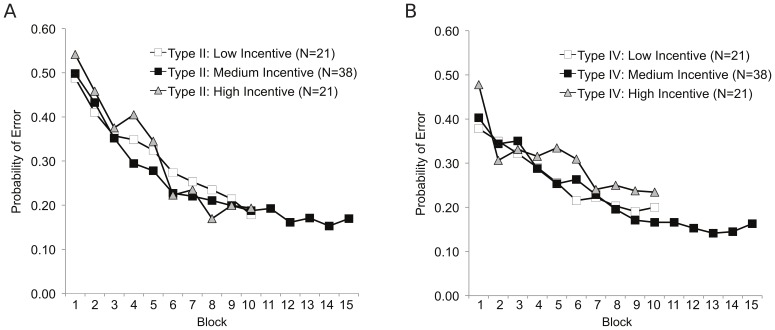
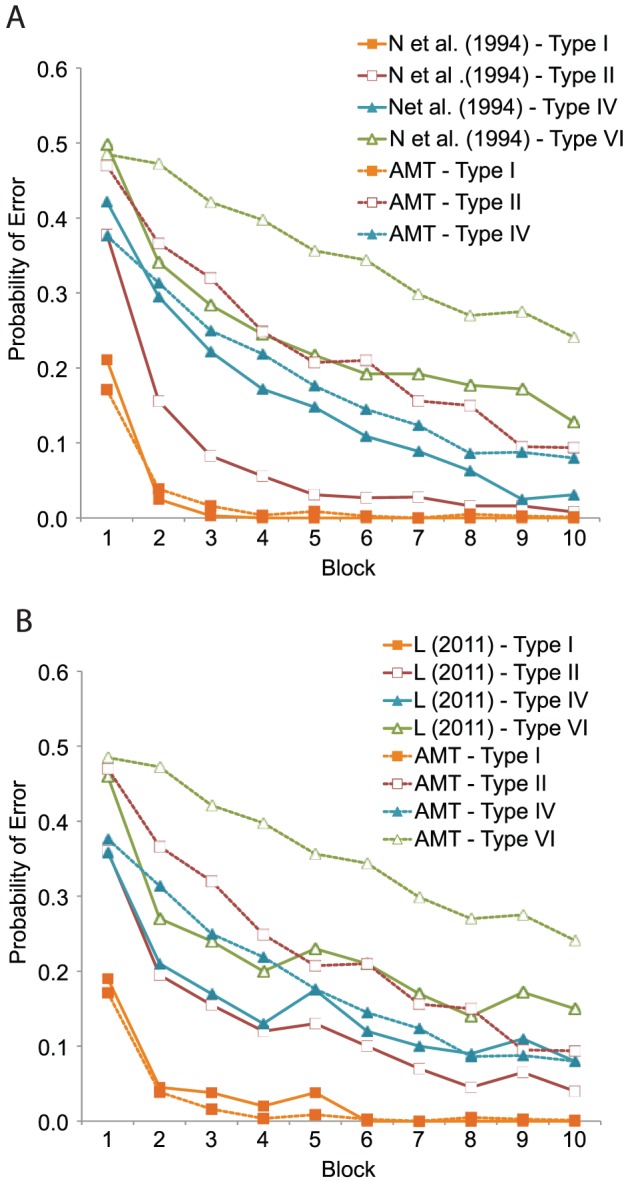
Amazon Mechanical Turk (AMT) is an online crowdsourcing service where anonymous online workers complete web-based tasks for small sums of money. The service has attracted attention from experimental psychologists interested in gathering human subject data more efficiently. However, relative to traditional laboratory studies, many aspects of the testing environment are not under the experimenter's control. In this paper, we attempt to empirically evaluate the fidelity of the AMT system for use in cognitive behavioral experiments. These types of experiment differ from simple surveys in that they require multiple trials, sustained attention from participants, comprehension of complex instructions, and millisecond accuracy for response recording and stimulus presentation. We replicate a diverse body of tasks from experimental psychology including the Stroop, Switching, Flanker, Simon, Posner Cuing, attentional blink, subliminal priming, and category learning tasks using participants recruited using AMT. While most of replications were qualitatively successful and validated the approach of collecting data anonymously online using a web-browser, others revealed disparity between laboratory results and online results. A number of important lessons were encountered in the process of conducting these replications that should be of value to other researchers.
Overview
The claims and statistics of this paper haven’t been checked yet.
Run the check — free, no account needed. It reads the open-access text and checks the sources it cites.
Integrity signals
Registry
Cites
Statistics
Figures
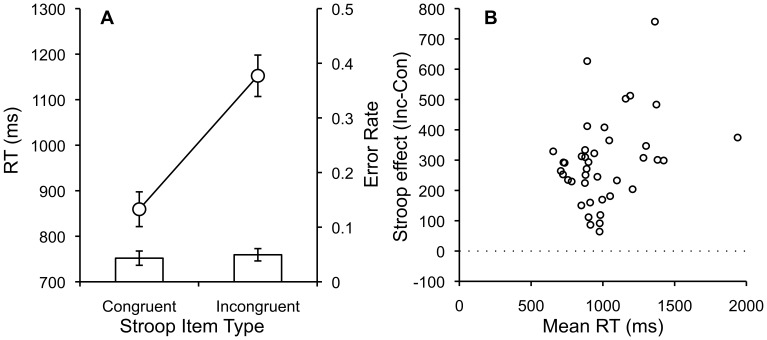
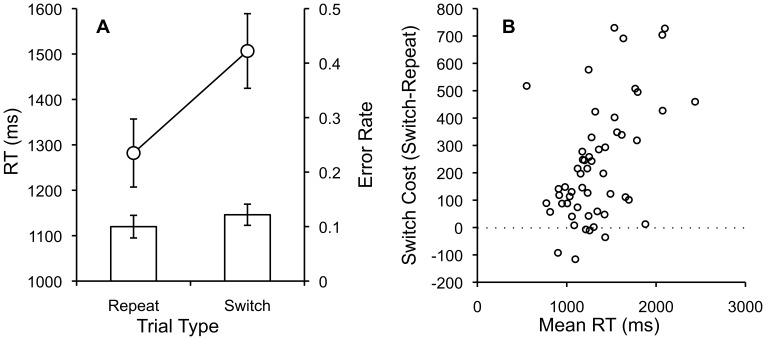
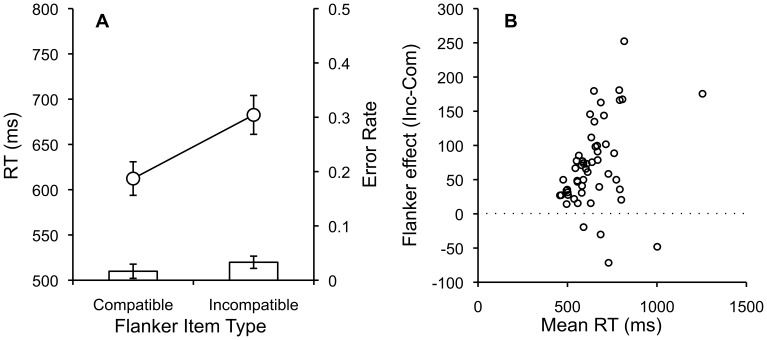
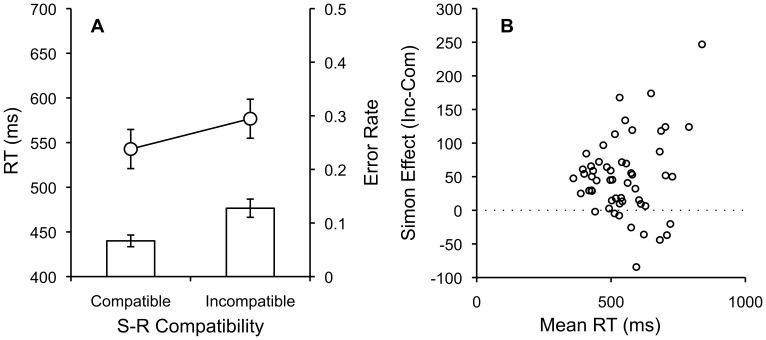
Verification
Claims the paper makes
The claims and statistics of this paper haven’t been checked yet.
Run the check — free, no account needed. It reads the open-access text and checks the sources it cites.
Claims other papers make about this one
Each is checked against this paper’s own text: does it say what the citing paper says it does?
In the citing paper
“Regarding online experiments in general, Crump et al. [32] showed that the data collected online using a web-browser seemed mostly in line with laboratory results, so long as the experiment methods were solid.”
From Adaptive trust calibration for human-AI collaboration (2020) · cites this paper as [32]
Self-check
Percentages, sums and reported differences re-computed from the paper’s own numbers.
The self-check needs the paper’s full text.
Citations
Cites
Studies of interference in serial verbal reactions
Stroop, J. R. (1935) · Journal of Experimental Psychology · doi:10.1037/h0054651 · Cited by 18,622
Amazon's Mechanical Turk: A New Source of Inexpensive, Yet High-Quality, Data?
Buhrmester, M., Kwang, T., & Gosling, S. D. (2011) · Perspectives on Psychological Science · doi:10.1177/1745691610393980 · Cited by 9,996
Effects of noise letters upon the identification of a target letter in a nonsearch task
Eriksen, B. A., & Eriksen, C. W. (1974) · Perception & Psychophysics · doi:10.3758/bf03203267 · Cited by 7,230
Simmons, J. P., Nelson, L. D., & Simonsohn, U. (2011) · Psychological Science · doi:10.1177/0956797611417632 · Cited by 6,567
Half a century of research on the Stroop effect: An integrative review.
MacLeod, C. M. (1991) · Psychological Bulletin · doi:10.1037/0033-2909.109.2.163 · Cited by 5,500
Running experiments on Amazon Mechanical Turk
Paolacci, G., Chandler, J., & Ipeirotis, P. G. (2010) · Judgment and Decision Making · doi:10.1017/s1930297500002205 · Cited by 3,767
Instructional manipulation checks: Detecting satisficing to increase statistical power
Oppenheimer, D. M., Meyvis, T., & Davidenko, N. (2009) · Journal of Experimental Social Psychology · doi:10.1016/j.jesp.2009.03.009 · Cited by 3,493
Conducting behavioral research on Amazon’s Mechanical Turk
Mason, W., & Suri, S. (2012) · Behavior Research Methods · doi:10.3758/s13428-011-0124-6 · Cited by 3,172
Monsell, S. (2003) · Trends in Cognitive Sciences · doi:10.1016/s1364-6613(03)00028-7 · Cited by 2,984
Components of visual orienting
Posner, M. I. (1984) · Attention and performance · Cited by 2,980
Research works printed but not linked: 1
- Ipeirotis PG (2010) Demographics of Mechanical Turk (Tech. Rep. No. CeDER-10-01). New York: New York University. Available: http://hdl.handle.net/2451/29585. Accessed 2012 Jun 1.
Cited by
Sorted by citations
Items 201–300 of 1,000
Uittenhove, K. L., Jeanneret, S., & Vergauwe, E. (2023) · Journal of Cognition · doi:10.5334/joc.259 · Cited by 73
Memory Detection 2.0: The First Web-Based Memory Detection Test
Kleinberg, B., & Verschuère, B. (2015) · PLoS ONE · doi:10.1371/journal.pone.0118715 · Cited by 75
A Potential Bias in Subjective Ratings of Mental Effort
Moore, T. M., & Picou, E. M. (2018) · Journal of Speech Language and Hearing Research · doi:10.1044/2018_jslhr-h-17-0451 · Cited by 73
Rotating plates: Online study demonstrates the importance of orientation in the plating of food
Michel, C., Woods, A. T., Neuhäuser, M., Landgraf, A., & Spence, C. J. (2015) · Food Quality and Preference · doi:10.1016/j.foodqual.2015.04.015 · Cited by 72
ScriptingRT: A Software Library for Collecting Response Latencies in Online Studies of Cognition
Schubert, T. W., Murteira, C., Collins, E. C., & Lopes, D. (2013) · PLoS ONE · doi:10.1371/journal.pone.0067769 · Cited by 75
Use of online crowdsourcing platforms for gambling research
Mishra, S., & Carleton, R. N. (2017) · International Gambling Studies · doi:10.1080/14459795.2017.1284250 · Cited by 71
Recognition times for 62 thousand English words: Data from the English Crowdsourcing Project
Mandera, P., Keuleers, E., & Brysbaert, M. (2019) · Behavior Research Methods · doi:10.3758/s13428-019-01272-8 · Cited by 71
Experiments in Strategy Research: A Critical Review and Future Research Opportunities
Bolinger, M. T., Josefy, M. A., Stevenson, R. M., & Hitt, M. A. (2021) · Journal of Management · doi:10.1177/01492063211044416 · Cited by 71
Ockham’s razor cuts to the root: Simplicity in causal explanation.
Pacer, M., & Lombrozo, T. (2017) · Journal of Experimental Psychology General · doi:10.1037/xge0000318 · Cited by 73
“At My Age … ”: Defining Sexual Wellness in Mid- and Later Life
Syme, M. L., Cohn, T. J., Stoffregen, S., Kaempfe, H., & Schippers, D. (2019) · The Journal of Sex Research · doi:10.1080/00224499.2018.1456510 · Cited by 78
Finnerty, A. N., Kucherbaev, P., Tranquillini, S., & Convertino, G. (2013) · Biannual Conference of the Italian SIGCHI Chapter (CHItaly) · doi:10.1145/2499149.2499168 · Cited by 69
Birk, M. V., & Mandryk, R. L. (2018) · Journal of Medical Internet Research · doi:10.2196/10133 · Cited by 80
How does the presence of a surgical face mask impair the perceived intensity of facial emotions?
Tsantani, M., Podgajecka, V., Gray, K. L. H., & Cook, R. (2022) · PLoS ONE · doi:10.1371/journal.pone.0262344 · Cited by 73
Encoding and Retrieval Interference in Sentence Comprehension: Evidence from Agreement
Villata, S., Tabor, W., & Franck, J. (2018) · Frontiers in Psychology · doi:10.3389/fpsyg.2018.00002 · Cited by 70
Crone, D. L., Bode, S., Murawski, C., & Laham, S. M. (2018) · PLoS ONE · doi:10.1371/journal.pone.0190954 · Cited by 80
Single‐Stage Prediction Models Do Not Explain the Magnitude of Syntactic Disambiguation Difficulty
van Schijndel, M., & Linzen, T. (2021) · Cognitive Science · doi:10.1111/cogs.12988 · Cited by 83
Finding the “odd one out”: Memory color effects and the logic of appearance
Valenti, J. J., & Firestone, C. (2019) · Cognition · doi:10.1016/j.cognition.2019.04.003 · Cited by 68
Gorilla in our Midst: An online behavioral experiment builderPreprint
Anwyl-Irvine, A., Massonnié, J., Flitton, A., Kirkham, N. Z., & Evershed, J. (2018) · bioRxiv (Cold Spring Harbor Laboratory) · doi:10.1101/438242 · Cited by 68
Flowe, H. D., Takarangi, M. K. T., Humphries, J. E., & Wright, D. S. (2015) · Memory · doi:10.1080/09658211.2015.1064536 · Cited by 66
Exploring the Role of Gender in Perceptions of Robotic Noncompliance
Jackson, R. B., Williams, T., & Smith, N. (2020) · ACM/IEEE International Conference on Human-Robot Interaction (HRI) · doi:10.1145/3319502.3374831 · Cited by 69
Wan, X. I., Woods, A. T., Seoul, K.-H., Butcher, N. L., & Spence, C. J. (2014) · Food Quality and Preference · doi:10.1016/j.foodqual.2014.07.004 · Cited by 70
What makes a movement a gesture?
Novack, M. A., Wakefield, E. M., & Susan Goldin-meadow, A. (2015) · Cognition · doi:10.1016/j.cognition.2015.10.014 · Cited by 66
Kraemer, J. D., Strasser, A. A., Lindblom, E. N., NIAURA, R. S., & Mays, D. M. (2017) · Preventive Medicine · doi:10.1016/j.ypmed.2017.07.006 · Cited by 66
A reappraisal of the uncanny valley: categorical perception or frequency-based sensitization?
Burleigh, T. J., & Schoenherr, J. R. (2015) · Frontiers in Psychology · doi:10.3389/fpsyg.2014.01488 · Cited by 74
Personae and phonetic detail in sociolinguistic signs
D’Onofrio, A. (2018) · Language in Society · doi:10.1017/s0047404518000581 · Cited by 65
The current status of students’ note-taking: Why and how do students take notes?
Witherby, A. E., & Tauber, S. K. (2019) · Journal of Applied Research in Memory and Cognition · doi:10.1016/j.jarmac.2019.04.002 · Cited by 65
Chen, X., Affourtit, J., Ryskin, R., Regev, T. I., Norman-Haignere, S., Jouravlev, O., Malik-Moraleda, S., Kean, H., Varley, R., & Fedorenko, E. (2023) · Cerebral Cortex · doi:10.1093/cercor/bhad087 · Cited by 57
Can mind-wandering be timeless? Atemporal focus and aging in mind-wandering paradigms
Jackson, J., Weinstein, Y., & Balota, D. A. (2013) · Frontiers in Psychology · doi:10.3389/fpsyg.2013.00742 · Cited by 64
Perceived crisis and reforms: Issues, explanations, and remedies.
de Boeck, P. A. L., & Jeon, M. (2018) · Psychological Bulletin · doi:10.1037/bul0000154 · Cited by 71
Decent work in South Korea: Context, conceptualization, and assessment
Nam, J.-M., & Kim, S. Y. (2019) · Journal of Vocational Behavior · doi:10.1016/j.jvb.2019.05.006 · Cited by 63
Curious Objects: How Visual Complexity Guides Attention and Engagement
Sun, Z., & Firestone, C. (2021) · Cognitive Science · doi:10.1111/cogs.12933 · Cited by 63
Clark, A. P., Howard, K. L., Woods, A. T., Penton‐Voak, I. S., & Neumann, C. (2018) · PLoS ONE · doi:10.1371/journal.pone.0190393 · Cited by 64
Jang, W., Bucy, E. P., & Cho, J. M. (2018) · Computers in Human Behavior · doi:10.1016/j.chb.2018.03.044 · Cited by 72
Language-Capable Robots may Inadvertently Weaken Human Moral Norms
Jackson, R. B., & Williams, T. (2019) · 2019 14th ACM/IEEE International Conference on Human-Robot Interaction (HRI) · doi:10.1109/hri.2019.8673123 · Cited by 64
Applying novel technologies and methods to inform the ontology of self-regulation
Eisenberg, I. W., Bissett, P. G., Canning, J. R., Dallery, J., Enkavi, A. Z., Whitfield-Gabrieli, S., Gonzalez, O., Green, A. I., Greene, M. A., Kiernan, M., et al. (2018) · Behaviour Research and Therapy · doi:10.1016/j.brat.2017.09.014 · Cited by 61
Conducting Linguistic Experiments Online With OpenSesame and OSWeb
Mathôt, S., & March, J. (2022) · Language Learning · doi:10.1111/lang.12509 · Cited by 61
Gagné, N., & Franzen, L. (2023) · Swiss Psychology Open · doi:10.5334/spo.34 · Cited by 74
Lumsden, J., Skinner, A., Woods, A. T., Lawrence, N., & Munafo, M. R. (2016) · PeerJ · doi:10.7717/peerj.2184 · Cited by 61
Human behavioral complexity peaks at age 25
Gauvrit, N., Zenil, H., Toscano, F. S., Delahaye, J.-P., & Brugger, P. (2017) · PLoS Computational Biology · doi:10.1371/journal.pcbi.1005408 · Cited by 61
On the Use of Nudges to Affect Spillovers in Environmental Behaviors
Fanghella, V., D’Adda, G., & Tavoni, M. (2019) · Frontiers in Psychology · doi:10.3389/fpsyg.2019.00061 · Cited by 68
Bridging the Gap Between Computational Photography and Visual Recognition
VidalMata, R. G., Banerjee, S., RichardWebster, B., Albright, M., Davalos, P., McCloskey, S., Miller, B., Tambo, A. L., Ghosh, S., Nagesh, S., et al. (2020) · IEEE Transactions on Pattern Analysis and Machine Intelligence · doi:10.1109/tpami.2020.2996538 · Cited by 61
The Influence of Firms' Emissions Management Strategy Disclosures on Investors' Valuation Judgments
Johnson, J. A., Theis, J. C., Vitalis, A., & Young, D. (2018) · Contemporary Accounting Research · doi:10.1111/1911-3846.12545 · Cited by 59
Menard, P., & Bott, G. J. (2020) · Computers & Security · doi:10.1016/j.cose.2020.101856 · Cited by 64
Moreton, E., Pater, J., & Pertsova, K. (2015) · Cognitive Science · doi:10.1111/cogs.12319 · Cited by 61
Video games and board games: Effects of playing practice on cognition
Martinez, L., Gimenes, M., & Lambert, E. G. (2023) · PLoS ONE · doi:10.1371/journal.pone.0283654 · Cited by 59
The role of test expectancy in the build-up of proactive interference in long-term memory.
Weinstein, Y., Gilmore, A. W., Szpunar, K. K., & McDermott, K. B. (2014) · Journal of Experimental Psychology Learning Memory and Cognition · doi:10.1037/a0036164 · Cited by 59
Hsieh, G., & Kocielnik, R. (2016) · ACM Conference on Computer Supported Cooperative Work (CSCW) · doi:10.1145/2818048.2819936 · Cited by 71
Wen, T. J., Kim, E., Wu, L., & Dodoo, N. A. (2019) · International Journal of Advertising · doi:10.1080/02650487.2019.1585649 · Cited by 67
Stam, M., Kostense, P. J., Lemke, U., Merkus, P., Smit, J. H., Festen, J. Μ., & Kramer, S. E. (2014) · International Journal of Audiology · doi:10.3109/14992027.2013.879340 · Cited by 58
Phytophilia and Service Atmospherics: The Effect of Indoor Plants on Consumers
Tifferet, S., & Vilnai‐Yavetz, I. (2016) · Environment and Behavior · doi:10.1177/0013916516669390 · Cited by 65
Kan, I. P., & Drummey, A. B. (2018) · Computers in Human Behavior · doi:10.1016/j.chb.2018.02.005 · Cited by 62
Testing Social Science Network Theories with Online Network Data: An Evaluation of External Validity
Bisbee, J., & Larson, J. M. (2017) · American Political Science Review · doi:10.1017/s0003055417000120 · Cited by 32
Contreras-Huerta, L. S., Lockwood, P. L., Bird, G., Apps, M. A. J., & Crockett, M. J. (2020) · Emotion · doi:10.1037/emo0000813 · Cited by 55
Empirical Evaluations of Framework for Adaptive Trust Calibration in Human-AI Cooperation
Okamura, K., & Yamada, S. (2020) · IEEE Access · doi:10.1109/access.2020.3042556 · Cited by 66
Byrne, K. A., Six, S., Anaraky, R. G., Harris, M. W., & Winterlind, E. L. (2021) · PLoS ONE · doi:10.1371/journal.pone.0251073 · Cited by 61
Becoming the expert - interactive multi-class machine teaching
Johns, E., Aodha, O. M., & Brostow, G. (2015) · IEEE Computer Society Conference on Computer Vision and Pattern Recognition/Proceedings - IEEE Computer Society Conference on Computer Vision and Pattern Recognition/Proceedings · doi:10.1109/cvpr.2015.7298877 · Cited by 57
Time-of-day variation in sustained attentional control
Riley, E., Esterman, M. S., Fortenbaugh, F. C., & Degutis, J. M. (2017) · Chronobiology International · doi:10.1080/07420528.2017.1308951 · Cited by 55
Lumsden, J., Skinner, A., Coyle, D., Lawrence, N., & Munafo, M. R. (2017) · Journal of Medical Internet Research · doi:10.2196/jmir.8473 · Cited by 59
Vartanian, E. D., Gould, D. J., Hammoudeh, Z. S., Azadgoli, B., Stevens, W. G., & Macias, L. H. (2018) · Aesthetic Surgery Journal · doi:10.1093/asj/sjx191 · Cited by 57
Schema learning for the cocktail party problem
Woods, K. J. P., & McDermott, J. H. (2018) · Proceedings of the National Academy of Sciences · doi:10.1073/pnas.1801614115 · Cited by 56
Process reveals structure: How a network is traversed mediates expectations about its architecture
Karuza, E. A., Kahn, A. E., Thompson‐Schill, S. L., & Bassett, D. S. (2017) · Scientific Reports · doi:10.1038/s41598-017-12876-5 · Cited by 57
Fear, Uncertainty, and Dread: Cognitive Heuristics and Cyber Threats
Gomez, M. A., & Villar, E. B. (2018) · Politics and Governance · doi:10.17645/pag.v6i2.1279 · Cited by 60
Once upon a game: Exploring video game nostalgia and its impact on well-being.
Wulf, T., Bowman, N. D., Velez, J. A., & Breuer, J. (2018) · Psychology of Popular Media · doi:10.1037/ppm0000208 · Cited by 59
Why are social interactions found quickly in visual search tasks?
Vestner, T., Gray, K. L. H., & Cook, R. (2020) · Cognition · doi:10.1016/j.cognition.2020.104270 · Cited by 56
(Quasi)Periodicity Quantification in Video Data, Using Topology
Tralie, C. J., & Perea, J. A. (2018) · SIAM Journal on Imaging Sciences · doi:10.1137/17m1150736 · Cited by 56
Willingness to pay in negative restaurant service encounters
Sukhu, A., Bilgihan, A., & Seo, S. (2017) · International Journal of Hospitality Management · doi:10.1016/j.ijhm.2017.05.006 · Cited by 56
Biased belief updating and suboptimal choice in foraging decisions
Garrett, N., & Daw, N. (2019) · bioRxiv · doi:10.1038/s41467-020-16964-5 · Cited by 55
Fest, S., Kvaløy, O., Nieken, P., & Schöttner, A. (2021) · The Leadership Quarterly · doi:10.1016/j.leaqua.2021.101514 · Cited by 58
Increased and biased deliberation in social anxiety
Hunter, L. E., Meer, E. A., Gillan, C. M., Hsu, M., & Daw, N. D. (2021) · Nature Human Behaviour · doi:10.1038/s41562-021-01180-y · Cited by 67
Lab-like findings from online experiments
Buso, I. M., Cagno, D. T. D., Ferrari, L., Larocca, V., Lorè, L., Marazzi, F., Panaccione, L., & Spadoni, L. (2021) · Journal of the Economic Science Association · doi:10.1007/s40881-021-00114-8 · Cited by 55
Optimal Teaching for Limited-Capacity Human Learners
Patil, K. R., Zhu, X., Kopeć, Ł., & Love, B. C. (2014) · Cited by 55
Value generalization in human avoidance learning
Norbury, A., Robbins, T. W., & Seymour, B. (2018) · eLife · doi:10.7554/elife.34779 · Cited by 57
Kuroki, D. (2020) · Behavior Research Methods · doi:10.3758/s13428-020-01445-w · Cited by 55
Nicosia, J., Aschenbrenner, A. J., Adams, S., Tahan, M., Stout, S. H., Wilks, H., Balls‐Berry, J. E., Morris, J. C., & Hassenstab, J. J. (2022) · Frontiers in Digital Health · doi:10.3389/fdgth.2022.880055 · Cited by 55
Saunders, D. R., Bex, P. J., & Woods, R. L. (2013) · Journal of Medical Internet Research · doi:10.2196/jmir.2620 · Cited by 54
Hansen, T. I., Haferstrom, E. C. D., Brunner, J. F., Lehn, H., & Haberg, A. K. (2015) · Journal of Clinical and Experimental Neuropsychology · doi:10.1080/13803395.2015.1038220 · Cited by 53
Fox, K. R., Wang, S. B., Boccagno, C. E., Haynos, A. F., Kleiman, E. M., & Hooley, J. M. (2019) · International Journal of Eating Disorders · doi:10.1002/eat.23041 · Cited by 64
Valence framing effects on moral judgments: A meta-analysis
McDonald, K. R., Graves, R., Yin, S., Weese, T., & Sinnott-Armstrong, W. P. (2021) · Cognition · doi:10.1016/j.cognition.2021.104703 · Cited by 56
Pinet, S., Zielinski, C., Mathôt, S., Dufau, S., Alario, F., & Longcamp, M. (2016) · Behavior Research Methods · doi:10.3758/s13428-016-0776-3 · Cited by 34
“Welcome to the U.S.” but “change your name”? Adopting Anglo names and discrimination
Zhao, X., & Biernat, M. (2017) · Journal of Experimental Social Psychology · doi:10.1016/j.jesp.2016.12.008 · Cited by 53
Quaquebeke, N. V., Becker, J. U., Goretzki, N., & Barrot, C. (2017) · Journal of Business Ethics · doi:10.1007/s10551-017-3577-4 · Cited by 54
Conducting spoken word recognition research online: Validation and a new timing method
Slote, J., & Strand, J. F. (2015) · Behavior Research Methods · doi:10.3758/s13428-015-0599-7 · Cited by 53
Crowdsourcing for Online Samples in Counseling Research
Mullen, P. R., Fox, J., Goshorn, J. R., & Warraich, L. K. (2021) · Journal of Counseling & Development · doi:10.1002/jcad.12369 · Cited by 56
Learning moral values: Another’s desire to punish enhances one’s own punitive behavior.
FeldmanHall, O., Otto, A. R., & Phelps, E. A. (2018) · Journal of Experimental Psychology: General · doi:10.1037/xge0000405 · Cited by 51
On the influence of re-reading on mind wandering
Phillips, N. E., Mills, C., D’Mello, S. K., & Risko, E. F. (2016) · Quarterly Journal of Experimental Psychology · doi:10.1080/17470218.2015.1107109 · Cited by 52
One-shot learning of generative speech concepts
Lake, B. M., Lee, C.-Y., Glass, J. R., & Tenenbaum, J. B. (2014) · eScholarship (California Digital Library) · Cited by 50
A Latent Factor Analysis of Working Memory Measures Using Large-Scale Data
Waris, O., Soveri, A., Ahti, M., Hoffing, R. C., Ventus, D., Jaeggi, S. M., Seitz, A. R., & Laine, M. (2017) · Frontiers in Psychology · doi:10.3389/fpsyg.2017.01062 · Cited by 51
It’s new, but is it good? How generalization and uncertainty guide the exploration of novel options.
Stojić, H., Schulz, E., Analytis, P. P., & Speekenbrink, M. (2020) · Journal of Experimental Psychology General · doi:10.1037/xge0000749 · Cited by 57
Nikolinakou, A., & Phua, J. (2019) · Journal of Consumer Behaviour · doi:10.1002/cb.1790 · Cited by 64
UNSW Face Test: A screening tool for super-recognizers
Dunn, J. D., Summersby, S., Towler, A., Davis, J. P., & White, D. (2020) · PLoS ONE · doi:10.1371/journal.pone.0241747 · Cited by 60
Hagen, T., & Laeng, B. (2016) · i-Perception · doi:10.1177/2041669516651366 · Cited by 51
Online recruitment and testing of infants with Mechanical Turk
Tran, M., Cabral, L. M., Patel, R., & Cusack, R. (2017) · Journal of Experimental Child Psychology · doi:10.1016/j.jecp.2016.12.003 · Cited by 53
Bishop, L. S., Ameral, V. E., & Reed, K. M. P. (2018) · Behavior Modification · doi:10.1177/0145445517747287 · Cited by 48
Wong‐Parodi, G., Dias, M. B., & Taylor, M. (2018) · JMIR mhealth and uhealth · doi:10.2196/mhealth.8273 · Cited by 50
Using CrowdFlower to Study the Relationship between Self-reported Violations and Traffic Accidents
de Winter, J., Kyriakidis, M., Dodou, D., & Happee, R. (2015) · Procedia Manufacturing · doi:10.1016/j.promfg.2015.07.514 · Cited by 51
Are any samples representative or unbiased? reply to Pickering and Blaszczynski
Russell, A. M. T., Browne, M., Hing, N., Rockloff, M., & Newall, P. W. S. (2021) · International Gambling Studies · doi:10.1080/14459795.2021.1973535 · Cited by 50
Monopsony in Online Labor Markets
Dubé, A., Jacobs, J., Naidu, S., & Suri, S. (2018) · National Bureau of Economic Research · doi:10.3386/w24416 · Cited by 53
Public attitudes toward allocating scarce resources in the COVID-19 pandemic
Buckwalter, W., & Peterson, A. H. (2020) · PLoS ONE · doi:10.1371/journal.pone.0240651 · Cited by 50
Abroshan, H., Devos, J., Poels, G., & Laermans, E. (2021) · IEEE Access · doi:10.1109/access.2021.3109091 · Cited by 61
Herrero, E. M., Singer, N., Ferreri, L., McPhee, M., Zatorre, R. J., & Ripollés, P. (2022) · Annals of the New York Academy of Sciences · doi:10.1111/nyas.14931 · Cited by 79
Metadata
- Authors
- Crump, M. J. C., McDonnell, J. V., & Gureckis, T. M.
- Affiliations
- City University of New York (US)
- New York University (US)
- Corresponding author
- Crump, Matthew J. C.
- Venue
- PLoS ONE
- Publisher
- Public Library of Science (PLoS)
- Published
- 2013-03-13
- Volume
- 8
- Issue
- 3
- Pages
- e57410
- ISSN
- 1932-6203 (ISSN-L)
- PMC
- PMC3596391
- OpenAlex
- W2080211902
- Semantic Scholar
- d59101076dd96b6b39f58c3d3e3747e5cf5f98ab
- Cited by
- 1,617
- References
- 52
- Citations by year
- 2026: 25 · 2025: 63 · 2024: 83 · 2023: 108 · 2022: 162 · 2021: 171 · 2020: 164 · 2019: 138 · 2018: 164 · 2017: 155 · 2016: 146 · 2015: 129 · 2014: 86 · 2013: 20
- FWCI
- 192.44
- Type
- journal article
- Language
- en
- Open access
- gold
- doi.org
- Locations
- PLoS ONE (publishedVersion, cc-by)
- Europe PMC (PubMed Central) (publishedVersion, cc-by)
- PubMed Central (publishedVersion, cc-by)
- PubMed (publishedVersion)
- CUNY Academic Works (City University of New York) (submittedVersion)
- RePEc: Research Papers in Economics (submittedVersion)
- DOAJ (DOAJ: Directory of Open Access Journals) (submittedVersion, cc-by-sa)
- Topics
- Physical Sciences › Computer Science › Computer Science Applications › Mobile Crowdsensing and Crowdsourcing
- Life Sciences › Neuroscience › Cognitive Neuroscience › Neural and Behavioral Psychology Studies
- Social Sciences › Economics, Econometrics and Finance › Economics and Econometrics › Experimental Behavioral Economics Studies
- Keywords
- Amazon Mechanical Turk, online crowdsourcing, replication, Stroop task, attentional blink, subliminal priming, category learning, Simon task, flanker task, stimulus presentation
- MeSH terms
- Attention, Cues, Humans, Learning, Reaction Time, Internet, Behavioral Research, Learning Curve
About these checks
Registry, retraction, Cites and statistics results are computed, not judged, with one exception: a printed reference that no index lists is read once by a model before it counts as a citation error. Claims are extracted by a model and kept only when their quote appears verbatim in the text; each cited source is then checked, with a model’s help, for whether it says what the claim relies on. Those verdicts can be wrong — read the claim’s quote and the cited source before relying on one.
Statistics and arithmetic are recomputed, not judged.
Confidence bands are shown only for fields calibrated on our annotated test set. None is calibrated yet, so no band is shown.
What counts as a claim ›How we measure confidence ›How we check this ›
Are you an author, or do you see a problem with this page? Request a review
