

Genetically engineered mouse models in oncology research and cancer medicine
Open accessThe DOI matches its Crossref record; 167 of the 168 references it cites were found in a registry or an index.
Abstract
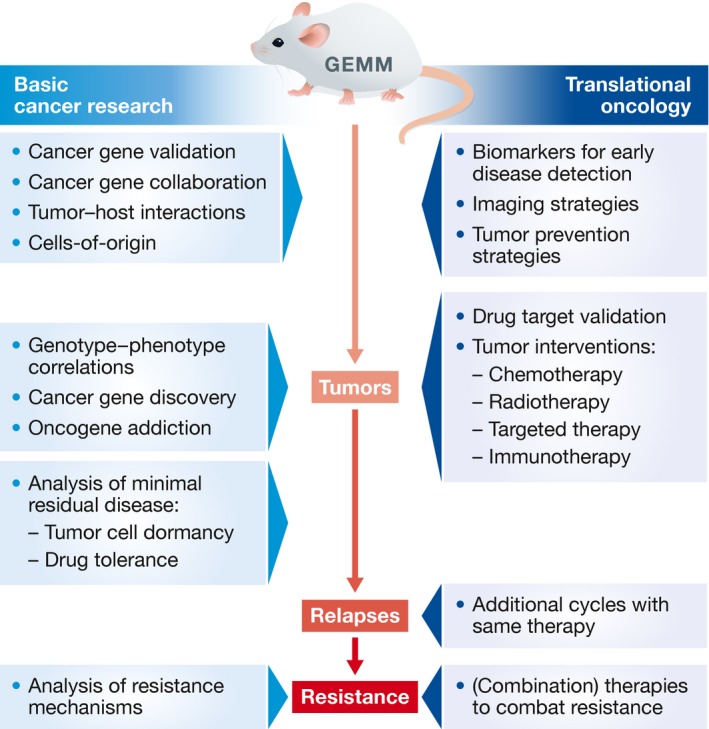
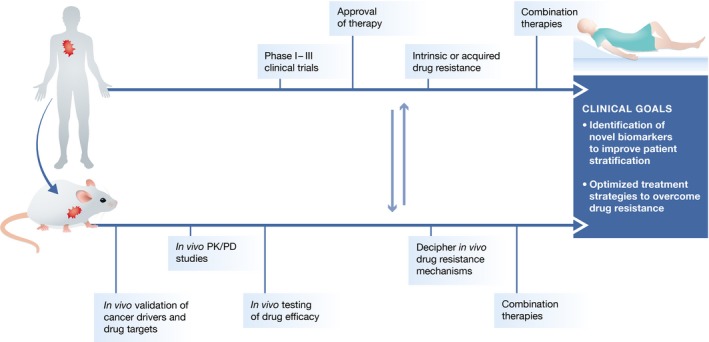
Genetically engineered mouse models (GEMMs) have contributed significantly to the field of cancer research. In contrast to cancer cell inoculation models, GEMMs develop de novo tumors in a natural immune‐proficient microenvironment. Tumors arising in advanced GEMMs closely mimic the histopathological and molecular features of their human counterparts, display genetic heterogeneity, and are able to spontaneously progress toward metastatic disease. As such, GEMMs are generally superior to cancer cell inoculation models, which show no or limited heterogeneity and are often metastatic from the start. Given that GEMMs capture both tumor cell‐intrinsic and cell‐extrinsic factors that drive de novo tumor initiation and progression toward metastatic disease, these models are indispensable for preclinical research. GEMMs have successfully been used to validate candidate cancer genes and drug targets, assess therapy efficacy, dissect the impact of the tumor microenvironment, and evaluate mechanisms of drug resistance. In vivo validation of candidate cancer genes and therapeutic targets is further accelerated by recent advances in genetic engineering that enable fast‐track generation and fine‐tuning of GEMMs to more closely resemble human patients. In addition, aligning preclinical tumor intervention studies in advanced GEMMs with clinical studies in patients is expected to accelerate the development of novel therapeutic strategies and their translation into the clinic.
Overview
The claims and statistics of this paper haven’t been checked yet.
Free: it reads the open-access text and checks the first 5 claims that cite a source we can check. Create a free account to check every claim.
Integrity signals
Registry
Cites
Statistics
Figures
Verification
Claims the paper makes
The claims and statistics of this paper haven’t been checked yet.
Free: it reads the open-access text and checks the first 5 claims that cite a source we can check. Create a free account to check every claim.
Claims other papers make about this one
Each is checked against this paper’s own text: does it say what the citing paper says it does?
The source backs part of the claim, not all of it — or backs it for a different population, condition or comparison.
In the citing paper
“As a tumor will be cultivated in vivo within these animals, it is also able to better mimic the molecular and histopathological features of cancer [40,41].”
From Microfluidic modelling of the tumor microenvironment for anti-cancer drug development (2019) · cites this paper as [40]
Experimental — accuracy not yet measuredIn the citing paper
“GEMMs are powerful tools for studying the pathogenesis of cancer and examining the systemic effects of vitamin C in vivo113.”
From Targeting cancer vulnerabilities with high-dose vitamin C (2019) · cites this paper as [113]
Self-check
Percentages, sums and reported differences re-computed from the paper’s own numbers.
The self-check needs the paper’s full text.
Citations
Cites
PD-1 and PD-L1 Immune Checkpoint Blockade to Treat Breast Cancer
Hartkopf, A. D., Taran, F.-A., Wallwiener, M., Walter, C. B., Krämer, B., Grischke, E.-M., & Brucker, S. Y. (2016) · Breast Care · doi:10.1159/000453569 · Cited by 30,845
Multiplex Genome Engineering Using CRISPR/Cas Systems
Cong, L., Ran, F. A., Cox, D., Lin, S., Barretto, R., Habib, N., Hsu, P. D., Wu, X., Jiang, W., Marraffini, L. A., et al. (2013) · Science · doi:10.1126/science.1231143 · Cited by 15,339 · cited 2×
“These approaches have now been outperformed by the development of CRISPR/Cas9 systems for genome editing (Cong et al , 2013), which have revolutionized biological research over the past 3 years and are considered the biggest game changer since PCR.”
Adverse Renal Effects of Immune Checkpoint Inhibitors: A Narrative Review
Wanchoo, R., Karam, S., Uppal, N. N., Barta, V. S., Deray, G., Devoe, C., Launay-Vacher, V., Jhaveri, K. D., & on behalf of Cancer and Kidney International Network Workgroup on Immune Checkpoint Inhibitors (2017) · American Journal of Nephrology · doi:10.1159/000455014 · Cited by 15,256
Improved Survival with Ipilimumab in Patients with Metastatic Melanoma
Hodi, F. S., O'Day, S. J., McDermott, D. F., Weber, R. W., Sosman, J. A., Haanen, J. B., Gonzalez, R., Robert, C., Schadendorf, D., Hassel, J. C., et al. (2010) · New England Journal of Medicine · doi:10.1056/nejmoa1003466 · Cited by 15,155 · cited 1×
“…in patients with advanced melanoma and lung cancer confirm the remarkable potential of immune checkpoint blockade, including anti-CTLA-4 and anti-PD-1, to enhance effective anti-tumor immunity and to improve survival in a proportion of the patients (Hodi et al , 2010; Topalian et al , 2012, 1).”
Safety, activity, and immune correlates of anti–PD-1 antibody in cancer
Topalian, S. L., Hodi, F. S., Brahmer, J. R., Gettinger, S. N., Smith, D. C., McDermott, D. F., Powderly, J. D., Carvajal, R. D., Sosman, J. A., Atkins, M. B., et al. (2012) · New England Journal of Medicine · doi:10.1056/nejmoa1200690 · Cited by 12,628 · cited 1×
“…in patients with advanced melanoma and lung cancer confirm the remarkable potential of immune checkpoint blockade, including anti-CTLA-4 and anti-PD-1, to enhance effective anti-tumor immunity and to improve survival in a proportion of the patients (Hodi et al , 2010; Topalian et al , 2012, 1).”
Microenvironmental regulation of tumor progression and metastasis
Quail, D. F., & Joyce, J. A. (2013) · Nature Medicine · doi:10.1038/nm.3394 · Cited by 7,994 · cited 1×
“The metastatic cascade is a complex multi-step process managed by a constant crosstalk between cancer cells and their microenvironment (Quail & Joyce, 2013; McAllister & Weinberg, 2014).”
The future of immune checkpoint therapy
Sharma, P., & Allison, J. P. (2015) · Science · doi:10.1126/science.aaa8172 · Cited by 4,878 · cited 1×
“However, even though durable responses are observed in some cases, a large proportion of cancer patients does not show clinical benefit (Sharma & Allison, 2015).”
In Vivo Activation of the p53 Pathway by Small-Molecule Antagonists of MDM2
Vassilev, L. T., Vu, B. T., Graves, B., Carvajal, D., Podlaski, F., Filipovic, Z., Kong, N., Kammlott, U., Lukacs, C., Klein, C., et al. (2004) · Science · doi:10.1126/science.1092472 · Cited by 4,661 · cited 3×
“Genetic studies in GEMMs with reversible inactivation of p53 have shown that restoration of p53 leads to rapid regression of established tumors (Martins et al , 2006; Ventura et al , 2007; Xue et al , 2007), providing strong rationale for designing anti-cancer drugs that restore p53 function by inhibiting MDM2 (Vassil…”
Kalluri, R., & Zeisberg, M. (2006) · Nature Reviews Cancer · doi:10.1038/nrc1877 · Cited by 4,538 · cited 1×
“Moreover, fibroblasts are a source of various soluble mediators including matrix metalloproteinases (MMPs), which enable ECM turnover, reinforcing their crucial role in maintaining ECM homeostasis (Kalluri & Zeisberg, 2006).”
Tumor-Associated Macrophages: From Mechanisms to Therapy
Noy, R., & Pollard, J. W. (2014) · Immunity · doi:10.1016/j.immuni.2014.06.010 · Cited by 4,089 · cited 1×
“Since then the tumor-promoting roles of inflammation-induced tumor-associated macrophages (TAMs) (Lin et al , 2001; Noy & Pollard, 2014) and neutrophils (Jamieson et al , 2012; Bald et al , 2014; Coffelt et al , 2015, 2016; Wculek & Malanchi, 2015) have been described in several studies.”
Cited by
Top 10 Challenges in Cancer Immunotherapy
Hegde, P. S., & Chen, D. S. (2020) · Immunity · doi:10.1016/j.immuni.2019.12.011 · Cited by 2,238
Consensus guidelines for the definition, detection and interpretation of immunogenic cell death
Galluzzi, L., Vitale, I., Warren, S., Adjemian, S., Agostinis, P., Martinez, A. B., Chan, T. A., Coukos, G., Demaria, S., Deutsch, E., et al. (2020) · Journal for ImmunoTherapy of Cancer · doi:10.1136/jitc-2019-000337 · Cited by 1,119
Intratumor Heterogeneity: The Rosetta Stone of Therapy Resistance
Marusyk, A., Janiszewska, M., & Polyak, K. (2020) · Cancer Cell · doi:10.1016/j.ccell.2020.03.007 · Cited by 1,009
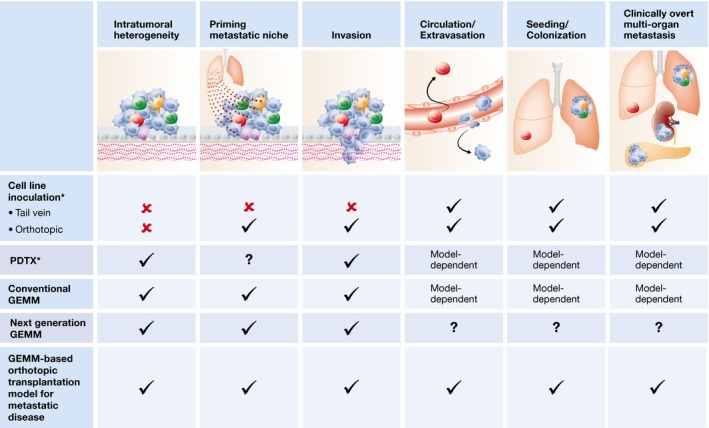
“However, next-generation GEMM are designed to more accurately mimic human cancers, including ITH (Kersten et al., 2017).”
MethodGenetics and biology of prostate cancer
Wang, G., Zhao, D., Spring, D. J., & DePinho, R. A. (2018) · Genes & Development · doi:10.1101/gad.315739.118 · Cited by 750
“Also, in vivo RNAi technology, particularly inducible shRNA expression in transgenic mice, enables time- and tissuespecific control of silencing of gene expression and affords an alternative gene inactivation approach to identify novel genes involved in tumor suppression or therapy resistance (Kersten et al. 2017).”
BackgroundCancer-Cell-Intrinsic Mechanisms Shaping the Tumor Immune Landscape
Wellenstein, M. D., & de Visser, K. E. (2018) · Immunity · doi:10.1016/j.immuni.2018.03.004 · Cited by 589
“For these reasons, mechanistic studies in relevant GEMMs that mimic the development, heterogeneity and progression of human tumors in an immune-proficient setting are key to understand how cancer cell-intrinsic properties can dictate the tumor immune landscape (Kersten et al., 2017).”
BackgroundRational combinations of targeted cancer therapies: background, advances and challenges
Jin, H., Wang, L., & Bernards, R. (2023) · Nature Reviews Drug Discovery · doi:10.1038/s41573-022-00615-z · Cited by 503
Targeting cancer vulnerabilities with high-dose vitamin C
Ngo, B., Van Riper, J. M., Cantley, L. C., & Yun, J. (2019) · Nature Reviews Cancer · doi:10.1038/s41568-019-0135-7 · Cited by 423
Mouse Cre-LoxP system: general principles to determine tissue-specific roles of target genes
Kim, H., Kim, M., Im, S.-K., & Fang, S. (2018) · Laboratory Animal Research · doi:10.5625/lar.2018.34.4.147 · Cited by 341
Preclinical mouse solid tumour models: status quo, challenges and perspectives
Gengenbacher, N., Singhal, M., & Augustin, H. G. (2017) · Nature Reviews Cancer · doi:10.1038/nrc.2017.92 · Cited by 332
Sarcoma treatment in the era of molecular medicine
Grünewald, T. G., Alonso, M., Avnet, S., Banito, A., Burdach, S., Cidre‐Aranaz, F., Di Pompo, G., Distel, M., Dorado‐Garcia, H., Garcia‐Castro, J., et al. (2020) · EMBO Molecular Medicine · doi:10.15252/emmm.201911131 · Cited by 319
Mouse models of metastasis: progress and prospects
Gómez-Cuadrado, L., Tracey, N., Ma, R., Qian, B., & Brunton, V. G. (2017) · Disease Models & Mechanisms · doi:10.1242/dmm.030403 · Cited by 301
“…main mouse models of metastatic cancer that are currently in use, from mice generated using transplantable cancer cells and tumors to genetically engineered mouse models (GEMMS) (see Glossary, Box 1) (Francia et al., 2011; Kabeer et al., 2016; Kersten et al., 2016; Saxena and Christofori, 2013).”
BackgroundMethodInfluentialZi, Y., Yang, K., He, J., Wu, Z., Liu, J., & Zhang, W. (2022) · Advanced Drug Delivery Reviews · doi:10.1016/j.addr.2022.114449 · Cited by 268
Three-dimensional in vitro culture models in oncology research
Jubelin, C., Muñoz-Garcia, J., Griscom, L., Cochonneau, D., Ollivier, E., Heymann, M.-F., Vallette, F. M., Oliver, L., & Heymann, D. (2022) · Cell & Bioscience · doi:10.1186/s13578-022-00887-3 · Cited by 264
Mechanisms of cancer metastasis
Castaneda, M., den Hollander, P., Kuburich, N. A., Rosen, J. M., & Mani, S. A. (2022) · Seminars in Cancer Biology · doi:10.1016/j.semcancer.2022.10.006 · Cited by 249
Tumor-infiltrating dendritic cell states are conserved across solid human cancers
Gerhard, G. M., Bill, R., Messemaker, M., Klein, A. M., & Pittet, M. J. (2021) · Journal of Experimental Medicine · doi:10.1084/jem.20200264 · Cited by 247
Current and future immunotherapeutic approaches in pancreatic cancer treatment
Farhangnia, P., Khorramdelazad, H., Nickho, H., & Delbandi, A.-A. (2024) · Journal of Hematology & Oncology · doi:10.1186/s13045-024-01561-6 · Cited by 229
Microfluidic modelling of the tumor microenvironment for anti-cancer drug development
Shang, M., Soon, R. H., Lim, C. T., Khoo, B. L., & Han, J. (2019) · Lab on a Chip · doi:10.1039/c8lc00970h · Cited by 227
Genomic evolution of cancer models: perils and opportunities
Ben-David, U., Beroukhim, R., & Golub, T. R. (2019) · Nature Reviews Cancer · doi:10.1038/s41568-018-0095-3 · Cited by 222
Transgenic Mouse Models in Cancer Research
Lampreht Tratar, U., Horvat, S., & Cemazar, M. (2018) · Frontiers in Oncology · doi:10.3389/fonc.2018.00268 · Cited by 214
“Mouse Models Non-germline genetically engineered mouse models are characterized as mouse models carrying genetically engineered alleles in somatic cells but not in germline cells (22, 61).”
BackgroundModeling clear cell renal cell carcinoma and therapeutic implications
Wolf, M. M., Kimryn Rathmell, W., & Beckermann, K. E. (2020) · Oncogene · doi:10.1038/s41388-020-1234-3 · Cited by 154
Tumor heterogeneity: preclinical models, emerging technologies, and future applications
Proietto, M., Crippa, M., Damiani, C., Pasquale, V., Sacco, E., Vanoni, M., & Gilardi, M. (2023) · Frontiers in Oncology · doi:10.3389/fonc.2023.1164535 · Cited by 172
“GEMMs are immunocompetent transgenic mice that spontaneously develop malignancies (16).”
BackgroundAaes, T. L., & Vandenabeele, P. (2021) · Cell Death & Differentiation · doi:10.1038/s41418-020-00658-y · Cited by 169
White paper on microbial anti-cancer therapy and prevention
Forbes, N. S., Coffin, R. S., Deng, L., Evgin, L., Fiering, S., Giacalone, M., Gravekamp, C., Gulley, J. L., Gunn, H., Hoffman, R. M., et al. (2018) · Journal for ImmunoTherapy of Cancer · doi:10.1186/s40425-018-0381-3 · Cited by 168
“Genetically engineered mouse models (GEMMs) may more acurately recapitulate essential aspects of human cancer [192].”
BackgroundApplication of Animal Models in Cancer Research: Recent Progress and Future Prospects
Li, Z., Zheng, W., Wang, H., Cheng, Y., Fang, Y., Wu, F., Sun, G., Sun, G., Lv, C., & Hui, B. (2021) · Cancer Management and Research · doi:10.2147/cmar.s302565 · Cited by 166
Preclinical murine tumor models: A structural and functional perspective
Guérin, M. V., Finisguerra, V., den Eynde, B. J. V., Bercovici, N., & Trautmann, A. (2020) · eLife · doi:10.7554/elife.50740 · Cited by 166
(2020) · Journal for ImmunoTherapy of Cancer · doi:10.1136/jitc-2019-000337corr1 · Cited by 139
Meraz, I. M., Majidi, M., Meng, F., Shao, R., Ha, M. J., Neri, S., Fang, B., Lin, S. H., Tinkey, P. T., Shpall, E. J., et al. (2019) · Cancer Immunology Research · doi:10.1158/2326-6066.cir-18-0874 · Cited by 160
“Genetically engineered mouse models (GEMMs) and carcinogen-induced mouse models (CIMMs) also have a murine tumor microenvironment (1,3).”
BackgroundKastenhuber, E. R., Lalazar, G., Houlihan, S. L., Tschaharganeh, D. F., Baslan, T., Chen, C.-C., Requena, D., Tian, S., Bosbach, B., Wilkinson, J. E., et al. (2017) · Proceedings of the National Academy of Sciences · doi:10.1073/pnas.1716483114 · Cited by 160
“Mouse models have been a powerful tool for evaluating the oncogenic potential of candidate drivers and studying the biology of tumorigenesis, and as preclinical systems to test novel therapeutics (14).”
BackgroundMethodThe past, present, and future of breast cancer models for nanomedicine development
Boix-Montesinos, P., Soriano‐Teruel, P. M., Armiñán, A., Orzáez, M., & Vicent, M. J. (2021) · Advanced Drug Delivery Reviews · doi:10.1016/j.addr.2021.03.018 · Cited by 159
Blueprint for cancer research: Critical gaps and opportunities
Elmore, L. W., Greer, S. F., Daniels, E. C., Saxe, C. C., Melner, M. H., Krawiec, G. M., Cance, W. G., & Phelps, W. C. (2020) · CA A Cancer Journal for Clinicians · doi:10.3322/caac.21652 · Cited by 156
Characterizing the ecological and evolutionary dynamics of cancer
Zahir, N., Sun, R., Gallahan, D., Gatenby, R. A., & Curtis, C. N. (2020) · Nature Genetics · doi:10.1038/s41588-020-0668-4 · Cited by 153
Mouse Tumor Models for Advanced Cancer Immunotherapy
Chulpanova, D. S., Kitaeva, K. V., Rutland, C. S., Rizvanov, A. A., & Solovyeva, V. V. (2020) · International Journal of Molecular Sciences · doi:10.3390/ijms21114118 · Cited by 134
“Germline GEMMs have allowed the detailed study of the mechanisms of tumor formation and development, but it is very labor-intensive and does not allow control over the moment and place of tumor onset [47].”
BackgroundSpontaneous and Induced Animal Models for Cancer Research
Onaciu, A., Munteanu, R. A., Munteanu, V. C., Gulei, D., Ráduly, L., Feder, R., Pîrlog, R., Atanasov, A. G., Korban, S. S., Irimie, A., et al. (2020) · Diagnostics · doi:10.3390/diagnostics10090660 · Cited by 150
Immunogenicity of cell death and cancer immunotherapy with immune checkpoint inhibitors
Catanzaro, E., Beltrán‐Visiedo, M., Galluzzi, L., & Krysko, D. V. (2024) · Cellular and Molecular Immunology · doi:10.1038/s41423-024-01245-8 · Cited by 150
Predictive validity in drug discovery: what it is, why it matters and how to improve it
Scannell, J. W., Bosley, J., Hickman, J. A., Dawson, G. R., Truebel, H., Ferreira, G. S., Richards, D. B., & Treherne, J. M. (2022) · Nature Reviews Drug Discovery · doi:10.1038/s41573-022-00552-x · Cited by 142
In silico cancer research towards 3R
Jean-Quartier, C., Jeanquartier, F., Jurisica, I., & Holzinger, A. (2018) · BMC Cancer · doi:10.1186/s12885-018-4302-0 · Cited by 126
“…Combined Immune Deficiency) or nude mice, (II) syngenic models involving the implantation of cells from the same strain into non-immunocompromised mice, and (III) genetically engineered models, which allow for RNA interference, multigenic mutation, inducible or reversible gene expression [35, 36].”
BackgroundMethodMapping the in vivo fitness landscape of lung adenocarcinoma tumor suppression in mice
Rogers, Z. N., McFarland, C. D., Winters, I. P., Seoane, J. A., Brady, J. J., Yoon, S., Curtis, C., Petrov, D. A., & Winslow, M. M. (2018) · Nature Genetics · doi:10.1038/s41588-018-0083-2 · Cited by 132
Harnessing the predictive power of preclinical models for oncology drug development
Honkala, A., Malhotra, S. V., Kummar, S., & Junttila, M. R. (2022) · Nature Reviews Drug Discovery · doi:10.1038/s41573-021-00301-6 · Cited by 121
Current methods for studying metastatic potential of tumor cells
Bouchalová, P., & Bouchal, P. (2022) · Cancer Cell International · doi:10.1186/s12935-022-02801-w · Cited by 120
“GEMMs for breast, prostate, lung, pancreatic, colorectal, bladder and ovarian carcinomas have been prepared (reviewed in [142, 143]) to display de novo spontaneous tumor progression and metastasis formation from the initial steps based on genetic changes in the interaction with the immune system and microenvironment i…”
BackgroundInfluentialDirecting the use of DDR kinase inhibitors in cancer treatment
Brandsma, I., Fleuren, E. D. G., Williamson, C. T., & Lord, C. J. (2017) · Expert Opinion on Investigational Drugs · doi:10.1080/13543784.2017.1389895 · Cited by 119
“and (iii) functional studies, where experimental induction of specific DNA repair defects causes cancer in animal models [8].”
BackgroundGenetic Determinants of EGFR-Driven Lung Cancer Growth and Therapeutic Response In Vivo
Foggetti, G., Li, C., Cai, H., Hellyer, J. A., Lin, W.-Y., Ayeni, D. O., Hastings, K., Choi, J., Wurtz, A., Andrejka, L., et al. (2021) · Cancer Discovery · doi:10.1158/2159-8290.cd-20-1385 · Cited by 119
Uveal melanoma pathobiology: Metastasis to the liver
Bustamante, P., Piquet, L., Landreville, S., & Burnier, J. V. (2020) · Seminars in Cancer Biology · doi:10.1016/j.semcancer.2020.05.003 · Cited by 117
Future Perspective of Diabetic Animal Models
Pandey, S., & Dvorakova, M. C. (2020) · Endocrine, Metabolic & Immune Disorders - Drug Targets · doi:10.2174/1871530319666190626143832 · Cited by 89
Yu, J., Mu, Q., Fung, M., Xu, X., Zhu, L., & Ho, R. J. Y. (2022) · Pharmacology & Therapeutics · doi:10.1016/j.pharmthera.2022.108108 · Cited by 114
Novel therapeutic targets for cancer metastasis
Stoletov, K. V., Beatty, P. H., & Lewis, J. D. (2020) · Expert Review of Anticancer Therapy · doi:10.1080/14737140.2020.1718496 · Cited by 109
3D cancer models: One step closer to in vitro human studies
Manduca, N., Maccafeo, E., Maria, R. D., Sistigu, A., & Musella, M. (2023) · Frontiers in Immunology · doi:10.3389/fimmu.2023.1175503 · Cited by 109
“Otherwise, preclinical in vivo animal models, such as patientderived xenografts (PDXs) and genetically engineered mouse models (GEMMs), enable unique studies that intrinsically contemplate 3D tumor tissue organization and therefore offer system-level analysis of tumor onset, progression and treatment response (24, 25).”
BackgroundA survey of open questions in adaptive therapy: Bridging mathematics and clinical translation
West, J., Adler, F., Gallaher, J. A., Strobl, M. A. R., Brady‐Nicholls, R., Brown, J. S., Robertson‐Tessi, M., Kim, E., Noble, R., Viossat, Y., et al. (2023) · eLife · doi:10.7554/elife.84263 · Cited by 107
“A solution to this problem will be the use of more advanced technology, such as organ-on-chip models [82, 83] or spontaneous mouse models, where mouse tumors develop “naturally” in their tissues of origin [84, 85].”
BackgroundCell Type–Specific Adaptive Signaling Responses to KRASG12C Inhibition
Solanki, H. S., Welsh, E. A., Fang, B., Izumi, V., Darville, L., Stone, B., Franzese, R., Chavan, S., Kinose, F., Imbody, D., et al. (2021) · Clinical Cancer Research · doi:10.1158/1078-0432.ccr-20-3872 · Cited by 106
Hallmarks of cancer: The CRISPR generation
Moses, C., García‐Bloj, B., Harvey, A. R., & Blancafort, P. (2018) · European Journal of Cancer · doi:10.1016/j.ejca.2018.01.002 · Cited by 106
Development of an ObLiGaRe Doxycycline Inducible Cas9 system for pre-clinical cancer drug discovery
Lundin, A., Porritt, M. J., Jaiswal, H., Seeliger, F., Johansson, C., Bidar, A. W., Badertscher, L., Wimberger, S., Davies, E. J., Hardaker, E. L., et al. (2020) · Nature Communications · doi:10.1038/s41467-020-18548-9 · Cited by 104
Winters, I. P., Chiou, S.-H., Paulk, N. K., McFarland, C. D., Lalgudi, P. V., Ma, R. K., Lisowski, L., Connolly, A. J., Petrov, D. A., Kay, M. A., et al. (2017) · Nature Communications · doi:10.1038/s41467-017-01519-y · Cited by 94
Zhang, S., Iyer, S., Ran, H., Dolgalev, I., Gu, S. S., Wei, W., Foster, C., Loomis, C. A., Olvera, N., Dao, F., et al. (2020) · Cancer Discovery · doi:10.1158/2159-8290.cd-20-0455 · Cited by 102
Gaglia, G., Burger, M. L., Ritch, C. C., Rammos, D., Dai, Y., Crossland, G. E., Tavana, S. Z., Warchol, S., Jaeger, A. M., Naranjo, S., et al. (2023) · Cancer Cell · doi:10.1016/j.ccell.2023.03.015 · Cited by 99
Bridging live-cell imaging and next-generation cancer treatment
Alieva, M., Wezenaar, A. K. L., Wehrens, E. J., & Rios, A. C. (2023) · Nature reviews. Cancer · doi:10.1038/s41568-023-00610-5 · Cited by 98
Urinary detection of lung cancer in mice via noninvasive pulmonary protease profiling
Kirkpatrick, J. D., Warren, A., Soleimany, A. P., Westcott, P. M. K., Voog, J. C., Martin-Alonso, C., Fleming, H. E., Tammela, T., Jacks, T., & Bhatia, S. N. (2020) · Science Translational Medicine · doi:10.1126/scitranslmed.aaw0262 · Cited by 96
Synthetic Lethality and Cancer – Penetrance as the Major Barrier
Ryan, C. J., Bajrami, I., & Lord, C. J. (2018) · Trends in cancer · doi:10.1016/j.trecan.2018.08.003 · Cited by 94
Executable cancer models: successes and challenges
Clarke, M. A., & Fisher, J. (2020) · Nature reviews. Cancer · doi:10.1038/s41568-020-0258-x · Cited by 88
“For example, genetically engineered mouse models and patient-derived xenografts, although more physiologically relevant than in vitro models, also experience genomic evolution at both the tumour level and the host level 20 .”
BackgroundAutophagy in the cancer-immunity dialogue
Yamazaki, T., Pedro, J. M. B., Galluzzi, L., Kroemer, G., & Pietrocola, F. (2020) · Advanced Drug Delivery Reviews · doi:10.1016/j.addr.2020.12.003 · Cited by 86
Dissecting metastasis using preclinical models and methods
Hebert, J. D., Neal, J. W., & Winslow, M. M. (2023) · Nature reviews. Cancer · doi:10.1038/s41568-023-00568-4 · Cited by 86
Experimental Models of Hepatocellular Carcinoma—A Preclinical Perspective
Blidișel, A., Marcovici, I., Coricovac, D. E., Huţ, E. F., Dehelean, C. A., & Cretu, O. M. (2021) · Cancers · doi:10.3390/cancers13153651 · Cited by 83
“Genetically engineered mouse models have made a substantial contribution to the field of oncology [129], playing a pivotal part in elucidating the mechanisms of tumor genesis, progression, therapeutic response, and innate drug resistance [135,136].”
BackgroundMethodThe duality of human oncoproteins: drivers of cancer and congenital disorders
Castel, P., Rauen, K. A., & McCormick, F. P. (2020) · Nature reviews. Cancer · doi:10.1038/s41568-020-0256-z · Cited by 83
Nam, G.-H., Kwon, M., Jung, H., Ko, E., Kim, S. A., Choi, Y., Song, S. J., Kim, S., Lee, Y., Kim, G. B., et al. (2021) · Journal for ImmunoTherapy of Cancer · doi:10.1136/jitc-2021-002474 · Cited by 82
Estrogen receptor-α signaling in post-natal mammary development and breast cancers
Rusidzé, M., Adlanmérini, M., Chantalat, É., Raymond‐Letron, I., Cayre, S., Arnal, J., Deugnier, M., & Lenfant, F. (2021) · Cellular and Molecular Life Sciences · doi:10.1007/s00018-021-03860-4 · Cited by 82
Advanced Strategies for Therapeutic Targeting of Wild-Type and Mutant p53 in Cancer
Zhang, S., Carlsen, L., Hernandez Borrero, L., Seyhan, A. A., Tian, X., & El-Deiry, W. S. (2022) · Biomolecules · doi:10.3390/biom12040548 · Cited by 70
Cancer vaccines: Target antigens, vaccine platforms and preclinical models
Ruzzi, F., Riccardo, F., Conti, L., Tarone, L., Semprini, M. S., Bolli, E., Barutello, G., Quaglino, E., Lollini, P., & Cavallo, F. (2024) · Molecular Aspects of Medicine · doi:10.1016/j.mam.2024.101324 · Cited by 81
“A wide variety of genetically engineered mouse models (GEMMs) that reflect the development of common human cancers have been established (Hill et al., 2021; Kersten et al., 2017).”
A systems approach to clinical oncology uses deep phenotyping to deliver personalized care
Yurkovich, J. T., Tian, Q., Price, N. D., & Hood, L. (2019) · Nature Reviews Clinical Oncology · doi:10.1038/s41571-019-0273-6 · Cited by 79
Advances in colon cancer research: in vitro and animal models
Lannagan, T. R. M., Jackstadt, R., Leedham, S. J., & Sansom, O. J. (2021) · Current Opinion in Genetics & Development · doi:10.1016/j.gde.2020.12.003 · Cited by 79
“It is beyond doubt that GEMMs are the most appropriate tools to recapitulate the complexity of the tumour ecosystem [38].”
BackgroundRole of Nanotechnology in Overcoming the Multidrug Resistance in Cancer Therapy: A Review
Mir, S. A., Hamid, L., Bader, G. N., Shoaib, A., Rahamathulla, M., Alshahrani, M. Y., Alam, P., & Shakeel, F. (2022) · Molecules · doi:10.3390/molecules27196608 · Cited by 78
“This is evidenced by a study conducted on a genetically engineered mouse model (GEMM), where the tumor recurred due to upregulation of ABCB1a and b and was found to be cross‐resistant to docetaxel also [39,45].”
BackgroundEmerging strategies to investigate the biology of early cancer
Zhou, R., Tang, X., & Wang, Y. (2024) · Nature reviews. Cancer · doi:10.1038/s41568-024-00754-y · Cited by 80
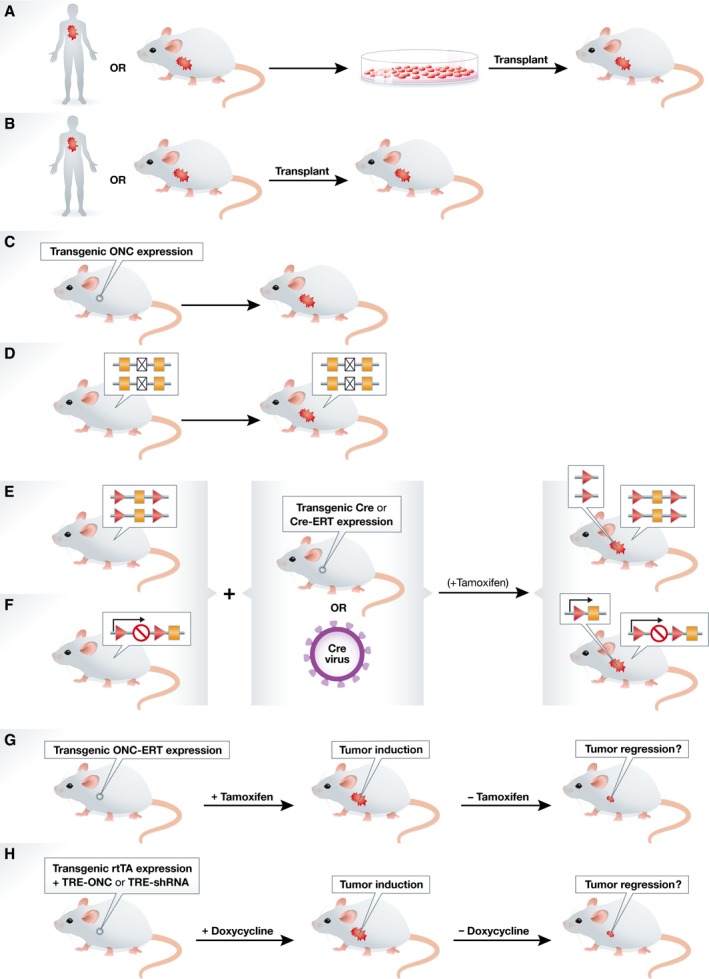
“GEMMs are established by introducing genetic alterations of onco-genes and/or tumour suppressor genes (drivers) into the somatic cells to initiate cancer 88,89 .”
Immuno-oncology trends: preclinical models, biomarkers, and clinical development
Franklin, M. R., Platero, S. J., Saini, K. S., Curigliano, G., & Anderson, S. (2022) · Journal for ImmunoTherapy of Cancer · doi:10.1136/jitc-2021-003231 · Cited by 74
CD248 Regulates Wnt Signaling in Pericytes to Promote Angiogenesis and Tumor Growth in Lung Cancer
Hong, C., Yu, I., Pai, C., Chen, J., Hsieh, M., Wu, H., Lin, S., & Huang, H. (2022) · Cancer Research · doi:10.1158/0008-5472.can-22-1695 · Cited by 74
Heilmann, K., Tóth, R., Bossmann, C., Klimo, K., Plass, C., & Gerhäuser, C. (2017) · Oncogene · doi:10.1038/onc.2017.246 · Cited by 72
Patient-derived pancreatic tumour organoids identify therapeutic responses to oncolytic adenoviruses
Raimondi, G., Mato-Berciano, A., Pascual-Sabater, S., Rovira-Rigau, M., Cuatrecasas, M., Fondevila, C., Sánchez-Cabús, S., Begthel, H., Boj, S. F., Clevers, H., et al. (2020) · EBioMedicine · doi:10.1016/j.ebiom.2020.102786 · Cited by 68
“Model systems based on traditional cell lines, xenograft models, or genetically engineered mouse models (GEMM) have substantially contributed to improving our current knowledge of PDAC [3].”
BackgroundDeng, H., Gao, Y., Trappetti, V., Hertig, D., Karatkevich, D., Losmanová, T., Urzì, C., Ge, H., Geest, G. A., Bruggmann, R., et al. (2022) · Cellular and Molecular Life Sciences · doi:10.1007/s00018-022-04453-5 · Cited by 69
“In contrast to a conventional mouse xenograft tumor model, GEMMs enable the initiation of orthotopic tumors that best mimic the pathological conditions of human tumors in terms of immune compatibility and tumor microenvironment [52].”
BackgroundCAR T Cell Locomotion in Solid Tumor Microenvironment
Nguyen, D., Ogando‐Rivas, E., Liu, R., Wang, T., Rubin, J. A., Jin, L., Tao, H., Sawyer, W. W., Méndez‐Gómez, H. R., Cascio, M., et al. (2022) · Cells · doi:10.3390/cells11121974 · Cited by 68
“However, these immunesuppressed models lack autologous immune cells, thus providing unreliable representation of a TME [202].”
BackgroundA prime editor mouse to model a broad spectrum of somatic mutations in vivo
Ely, Z. A., Mathey‐Andrews, N., Naranjo, S., Gould, S. I., Mercer, K. L., Newby, G. A., Cabana, C. M., Rideout, W. M., Jaramillo, G. C., Khirallah, J., et al. (2023) · Nature Biotechnology · doi:10.1038/s41587-023-01783-y · Cited by 67
“Using an NGG PAM and RTT length of 30 base pairs (bp), excluding the additional Genetically engineered mouse models (GEMMs) have proven invaluable for elucidating the mechanisms by which cancer drivers promote tumor development and progression in vivo 7,8 .”
Dobrovolskaia, M. A. (2022) · Frontiers in Immunology · doi:10.3389/fimmu.2022.984252 · Cited by 66
Animal Models to Study MicroRNA Function
(2017) · Advances in Cancer Research · doi:10.1016/bs.acr.2017.06.006 · Cited by 62
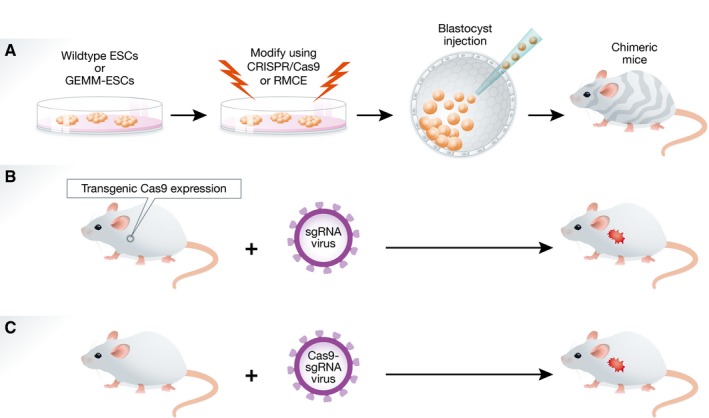
“The CRISPR– Cas9 system is superior in many ways to the now more traditional methods of generating GEMMs (reviews: Guernet & Grumolato, 2017; Humphrey & Kasinski, 2015; Kersten et al., 2017; Shalem, Sanjana, & Zhang, 2015; Wen, Yuan, Ma, Xu, & Yuan, 2016; Yang et al., 2014).”
InfluentialZamboni, W. C., Szebeni, J., Kozlov, S., Lucas, A. T., Piscitelli, J. A., & Dobrovolskaia, M. A. (2018) · Advanced Drug Delivery Reviews · doi:10.1016/j.addr.2018.09.012 · Cited by 66
Tumor-microenvironment-on-a-chip: the construction and application
Xu, H., Wen, J., Yang, J., Zhou, S., Li, Y., Xu, K., Li, W., & Li, S. (2024) · Cell Communication and Signaling · doi:10.1186/s12964-024-01884-4 · Cited by 65
“In contrast to cancer cell inoculation models, GEMMs develop de novo tumors in a natural immune-proficient microenvironment [36].”
Labat‐de‐Hoz, L., & Alonso, M. A. (2021) · Cells · doi:10.3390/cells10102554 · Cited by 63
Granat, L. M., Kambhampati, O., Klosek, S., Niedzwecki, B., Parsa, K., & Zhang, D. (2019) · Animal Models and Experimental Medicine · doi:10.1002/ame2.12077 · Cited by 62
Patient-derived xenograft models: Current status, challenges, and innovations in cancer research
Liu, M., & Yang, X. (2025) · Genes & Diseases · doi:10.1016/j.gendis.2025.101520 · Cited by 61
“117 Consequently, Scho¨nhuber et al have developed an inducible dual recombinase system that combines Flippase-FRT and Cre-loxP recombination techniques.”
Investigations into the cancer stem cell niche using in-vitro 3-D tumor models and microfluidics
Sreepadmanabh, M., & Toley, B. J. (2018) · Biotechnology Advances · doi:10.1016/j.biotechadv.2018.03.009 · Cited by 60
The Multifaceted Role of Regulatory T Cells in Breast Cancer
Kos, K., & de Visser, K. E. (2021) · Annual Review of Cancer Biology · doi:10.1146/annurev-cancerbio-042920-104912 · Cited by 58
“Cancer cell line–based mouse models fail to fully recapitulate the chronic and systemic inflammation that underlies de novo tumor development, progression, and metastasis (Kersten et al. 2017).”
BackgroundMesenchymal tumor organoid models recapitulate rhabdomyosarcoma subtypes
Meister, M. T., Koerkamp, M. J. A. G., de Souza, T. M., Breunis, W. B., Frazer‐Mendelewska, E., Brok, M. O., DeMartino, J., Manders, F., Calandrini, C., Kerstens, H. H. D., et al. (2022) · EMBO Molecular Medicine · doi:10.15252/emmm.202216001 · Cited by 59
“GEMs are usually not suitable for high-throughput screening, mostly due to the low tumor penetrance or the intricacies of animal studies (Kersten et al., 2017).”
BackgroundDelivery systems of CRISPR/Cas9-based cancer gene therapy
Biagioni, A., Laurenzana, A., Margheri, F., Chillà, A., Fibbi, G., & Rosso, M. D. (2018) · Journal of Biological Engineering · doi:10.1186/s13036-018-0127-2 · Cited by 58
Slika, H., Karimov, Z., Alimonti, P., Abou‐Mrad, T., Fazio, E. D., Alomari, S., & Tyler, B. (2023) · International Journal of Molecular Sciences · doi:10.3390/ijms242216316 · Cited by 57
“Third, the thorough characterization of the mouse genome has made genetic modifications both simple and precise, leveraging contemporary technology to generate murine tumors that closely resemble their human counterparts [301].”
BackgroundTowards quantitative and multiplexed in vivo functional cancer genomics
Winters, I. P., Murray, C. W., & Winslow, M. M. (2018) · Nature Reviews Genetics · doi:10.1038/s41576-018-0053-7 · Cited by 56
Faithful preclinical mouse models for better translation to bedside in the field of immuno-oncology
Saito, R., Kobayashi, T., Kashima, S., Matsumoto, K., & Ogawa, O. (2019) · International Journal of Clinical Oncology · doi:10.1007/s10147-019-01520-z · Cited by 56
“Over the last 3 decades, advances in understanding the molecular genetics of human cancer have motivated researchers to generate mouse models recapitulating the specific genetic abnormalities of their cancer of interest [34].”
BackgroundAdvances in Surface Enhanced Raman Spectroscopy for in Vivo Imaging in Oncology
Kenry, K., Nicolson, F., Clark, L. M., Panikkanvalappil, S. R., Andreiuk, B., & Andreou, C. (2021) · Nanotheranostics · doi:10.7150/ntno.62970 · Cited by 56
A Functional Taxonomy of Tumor Suppression in Oncogenic KRAS–Driven Lung Cancer
Cai, H., Chew, S. K., Li, C., Tsai, M. K., Andrejka, L., Murray, C. W., Hughes, N. W., Shuldiner, E. G., Ashkin, E. L., Tang, R., et al. (2021) · Cancer Discovery · doi:10.1158/2159-8290.cd-20-1325 · Cited by 54
“Thus, although experiments using model organisms could be affected by species-specific effects, in vivo functional studies that include autochthonous tumor initiation, growth, and progression are an important complement to the computational investigation of tumor suppressor inactivation in human tumors (13, 20, 21).”
BackgroundAtlas of Lobular Breast Cancer Models: Challenges and Strategic Directions
Sflomos, G., Schipper, K., Koorman, T., Fitzpatrick, A., Oesterreich, S., Lee, A. V., Jonkers, J., Brunton, V. G., Christgen, M., Isacke, C. M., et al. (2021) · Cancers · doi:10.3390/cancers13215396 · Cited by 54
“A significant advance in the field has been the development of orthotopic transplantation of GEMM-derived tumor fragments into syngeneic mice [201], which, when coupled with resection of the primary tumor, provides a much more tractable model for studying dormancy and metastasis and their response to therapy [136,137].”
BackgroundSelf-citationSamykutty, A. K., Grizzle, W. E., Fouts, B. L., McNally, M. W., Chuong, P., Thomas, A., Chiba, A., Otali, D., Woloszynska‐Read, A., Said, N. A., et al. (2018) · Biomaterials · doi:10.1016/j.biomaterials.2018.08.001 · Cited by 54
“orthotopic implantation, genetically modified mouse models, or patient derived tumors, further increases the potential for translation of the findings into the clinic in comparison to the more commonly utilized subcutaneously implanted tumors [29, 30].”
Embryonic zebrafish xenograft assay of human cancer metastasis
Hill, D. S., Chen, L., Snaar-Jagalska, E. B., & Chaudhry, B. (2018) · F1000Research · doi:10.12688/f1000research.16659.2 · Cited by 53
“Furthermore, mouse models have also had limited success when predicting anti-cancer drug efficacy in human trials (Day et al., 2015; Kersten et al., 2017).”
Experimental Murine Models for Colorectal Cancer Research
Neto, Í., Rocha, J. P., Gaspar, M. M., & Reis, C. P. (2023) · Cancers · doi:10.3390/cancers15092570 · Cited by 54
Mimicking and analyzing the tumor microenvironment
Crouigneau, R., Li, Y., Auxillos, J., Gonçalves‐Alves, E., Marie, R., Sandelin, A., & Pedersen, S. F. (2024) · Cell Reports Methods · doi:10.1016/j.crmeth.2024.100866 · Cited by 53
“34,55 GEMM-allograft models can be generated from spontaneous GEMM tumors by re-transplantation into animals of the same genetic background, allowing for larger cohorts while maintaining stromal-cancer cell interactions.”
Soultanidis, G. M., Subiel, A., Renard, I., Reinhart, A. M., Green, V. L., Oelfke, U., Archibald, S. J., Greenman, J., Tulk, A., Walker, A., et al. (2019) · Physics in Medicine and Biology · doi:10.1088/1361-6560/ab215b · Cited by 51
Evaluating the transcriptional fidelity of cancer models
Peng, D., Gleyzer, R., Tai, W.-H., Kumar, P., Bian, Q., Isaacs, B., da Rocha, E. L., Cai, S., DiNapoli, K. T., Huang, F. W., et al. (2021) · Genome Medicine · doi:10.1186/s13073-021-00888-w · Cited by 51
“Popular modeling modalities are cancer cell lines (CCLs) [1], genetically engineered mouse models (GEMMs) [2], patient-derived xenografts (PDXs) [3], and tumoroids [4].”
BackgroundHenderson, C. J., Kapelyukh, Y., Scheer, N., Rode, A., McLaren, A. W., MacLeod, A. K., Lin, D., Wright, J., Stanley, L. A., & Wolf, C. R. (2019) · Drug Metabolism and Disposition · doi:10.1124/dmd.119.086397 · Cited by 44
“Therefore, an urgent need exists to develop better in vivo models more predictive of human drug response (Kersten et al., 2017).”
Background
Metadata
- Authors
- Kersten, K., de Visser, K. E., van Miltenburg, M. H., & Jonkers, J.
- Affiliations
- The Netherlands Cancer Institute (NL)
- Corresponding author
- Jonkers, Jos
- Venue
- EMBO Molecular Medicine
- Published
- 2016-12-27
- Volume
- 9
- Issue
- 2
- Pages
- 137-153
- ISSN
- 1757-4676 (ISSN-L)
- 1757-4684
- PMC
- PMC5286388
- OpenAlex
- W2563661701
- Semantic Scholar
- 157896602a8b1e213e59d905c681094819be5e34
- Cited by
- 502
- References
- 168
- Citations by year
- 2026: 53 · 2025: 47 · 2024: 52 · 2023: 69 · 2022: 75 · 2021: 61 · 2020: 59 · 2019: 39 · 2018: 32 · 2017: 13 · 2016: 2
- FWCI
- 2.88
- Type
- journal article
- Language
- en
- Open access
- gold
- doi.org
- Licence
- other-oa
- creativecommons.org/licenses/by/4.0/ (tdm)
- creativecommons.org/licenses/by/4.0/ (vor)
- Locations
- EMBO Molecular Medicine (publishedVersion, other-oa)
- PubMed Central (publishedVersion, cc-by)
- PubMed (publishedVersion)
- DOAJ (DOAJ: Directory of Open Access Journals) (submittedVersion)
- Funders
- Dutch Cancer Society (5220, 6532, 7048, 7589, 7835, 7877)
- Nederlandse Organisatie voor Wetenschappelijk Onderzoek (93512009, 91814643, National Roadmap grant for Large‐scale Research Facilities)
- Worldwide Cancer Research (14‐0288)
- European Union Seventh Framework Program (260791, 312325, MCA‐ITN 317445)
- European Research Council (319661, 615300)
- Beug Foundation for Metastasis Research
- EMBO Young Investigator
- Topics
- Health Sciences › Medicine › Oncology › Cancer Cells and Metastasis
- Life Sciences › Biochemistry, Genetics and Molecular Biology › Cancer Research › Cancer Genomics and Diagnostics
- Health Sciences › Medicine › Oncology › Cancer-related Molecular Pathways
- Keywords
- genetically engineered mouse models, cancer research, tumor microenvironment, metastasis, preclinical cancer models, drug target validation, drug resistance, tumor heterogeneity, translational oncology
- MeSH terms
- Animals, Disease Models, Animal, Humans, Medical Oncology, Neoplasms, Animals, Genetically Modified, Mice
About these checks
Registry, retraction, Cites and statistics results are computed, not judged, with one exception: a printed reference that no index lists is read once by a model before it counts as a citation error. Claims are extracted by a model and kept only when their quote appears verbatim in the text; each cited source is then checked, with a model’s help, for whether it says what the claim relies on. Those verdicts can be wrong — read the claim’s quote and the cited source before relying on one.
Statistics and arithmetic are recomputed, not judged.
Confidence bands are shown only for fields calibrated on our annotated test set. None is calibrated yet, so no band is shown.
What counts as a claim ›How we measure confidence ›How we check this ›
Are you an author, or do you see a problem with this page? Request a review
Data sources
Bibliographic data: Semantic Scholar, OpenAlex, Crossref.
Contains information from the Semantic Scholar Academic Graph Datasets, made available under the ODC Attribution License (ODC-BY 1.0).
Semantic Scholar’s data is described in: Kinney, R., et al. (2023). The Semantic Scholar Open Data Platform. arXiv:2301.10140.
