

Prevalence and Characteristics of Autism Spectrum Disorder Among Children Aged 8 Years — Autism and Developmental Disabilities Monitoring Network, 11 Sites, United States, 2020
Open accessThe DOI matches its Crossref record; 30 of the 30 references it cites were found in a registry or an index.
Abstract
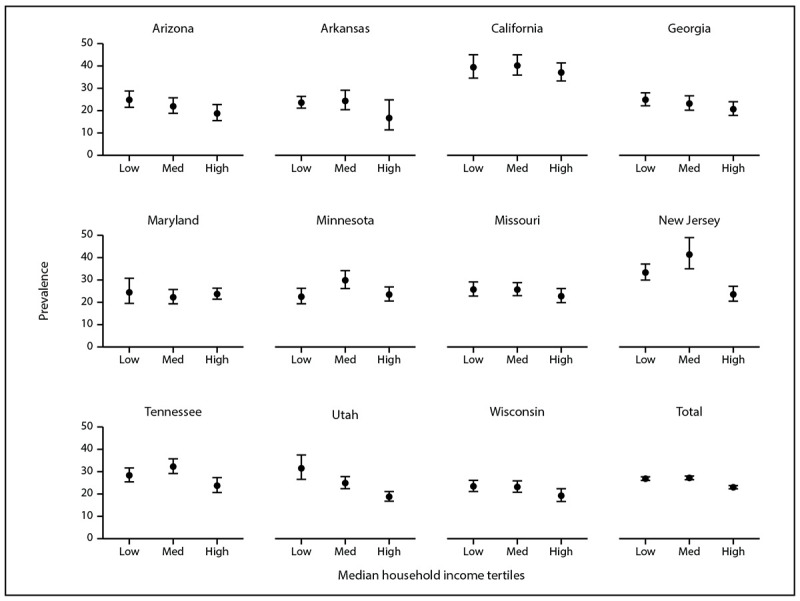
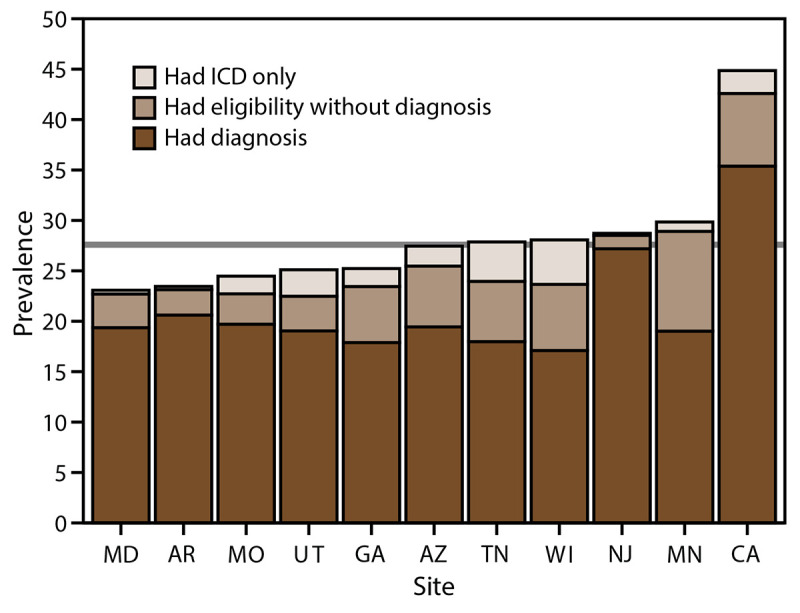
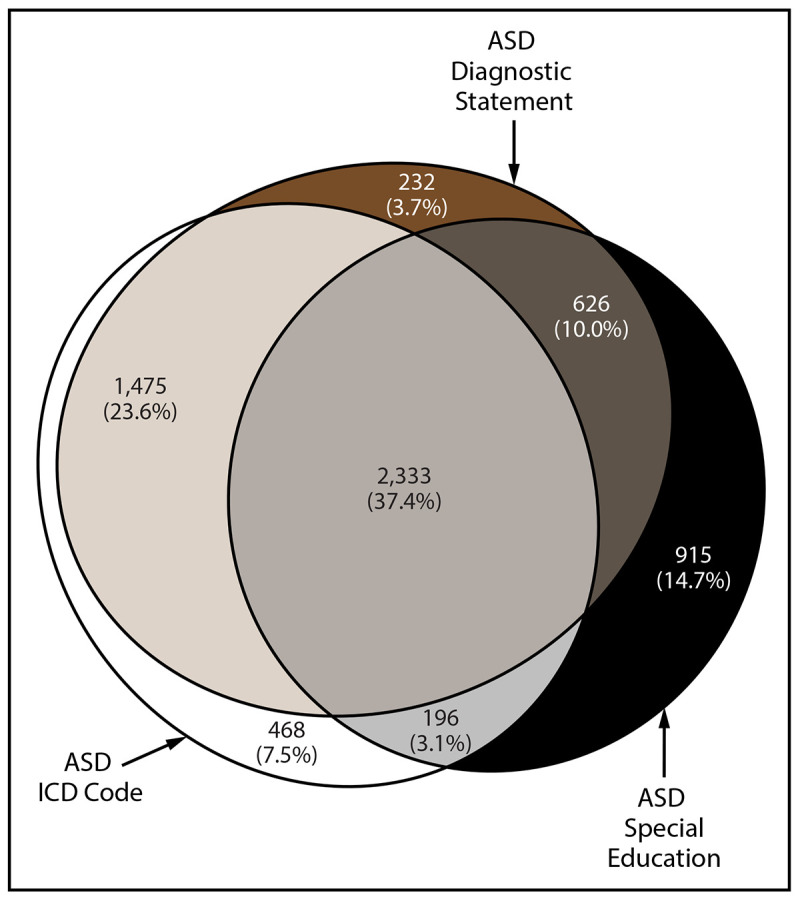
Problem/Condition: Autism spectrum disorder (ASD). Period Covered: 2020. Description of System: The Autism and Developmental Disabilities Monitoring (ADDM) Network is an active surveillance program that provides estimates of the prevalence of ASD among children aged 8 years. In 2020, there were 11 ADDM Network sites across the United States (Arizona, Arkansas, California, Georgia, Maryland, Minnesota, Missouri, New Jersey, Tennessee, Utah, and Wisconsin). To ascertain ASD among children aged 8 years, ADDM Network staff review and abstract developmental evaluations and records from community medical and educational service providers. A child met the case definition if their record documented 1) an ASD diagnostic statement in an evaluation, 2) a classification of ASD in special education, or 3) an ASD International Classification of Diseases (ICD) code. Results: For 2020, across all 11 ADDM sites, ASD prevalence per 1,000 children aged 8 years ranged from 23.1 in Maryland to 44.9 in California. The overall ASD prevalence was 27.6 per 1,000 (one in 36) children aged 8 years and was 3.8 times as prevalent among boys as among girls (43.0 versus 11.4). Overall, ASD prevalence was lower among non-Hispanic White children (24.3) and children of two or more races (22.9) than among non-Hispanic Black or African American (Black), Hispanic, and non-Hispanic Asian or Pacific Islander (A/PI) children (29.3, 31.6, and 33.4 respectively). ASD prevalence among non-Hispanic American Indian or Alaska Native (AI/AN) children (26.5) was similar to that of other racial and ethnic groups. ASD prevalence was associated with lower household income at three sites, with no association at the other sites.Across sites, the ASD prevalence per 1,000 children aged 8 years based exclusively on documented ASD diagnostic statements was 20.6 (range = 17.1 in Wisconsin to 35.4 in California). Of the 6,245 children who met the ASD case definition, 74.7% had a documented diagnostic statement of ASD, 65.2% had a documented ASD special education classification, 71.6% had a documented ASD ICD code, and 37.4% had all three types of ASD indicators. The median age of earliest known ASD diagnosis was 49 months and ranged from 36 months in California to 59 months in Minnesota.Among the 4,165 (66.7%) children with ASD with information on cognitive ability, 37.9% were classified as having an intellectual disability. Intellectual disability was present among 50.8% of Black, 41.5% of A/PI, 37.8% of two or more races, 34.9% of Hispanic, 34.8% of AI/AN, and 31.8% of White children with ASD. Overall, children with intellectual disability had earlier median ages of ASD diagnosis (43 months) than those without intellectual disability (53 months). Interpretation: For 2020, one in 36 children aged 8 years (approximately 4% of boys and 1% of girls) was estimated to have ASD. These estimates are higher than previous ADDM Network estimates during 2000-2018. For the first time among children aged 8 years, the prevalence of ASD was lower among White children than among other racial and ethnic groups, reversing the direction of racial and ethnic differences in ASD prevalence observed in the past. Black children with ASD were still more likely than White children with ASD to have a co-occurring intellectual disability. Public Health Action: The continued increase among children identified with ASD, particularly among non-White children and girls, highlights the need for enhanced infrastructure to provide equitable diagnostic, treatment, and support services for all children with ASD. Similar to previous reporting periods, findings varied considerably across network sites, indicating the need for additional research to understand the nature of such differences and potentially apply successful identification strategies across states.
Overview
The claims and statistics of this paper haven’t been checked yet.
Free: it reads the open-access text and checks the first 5 claims that cite a source we can check. Create a free account to check every claim.
Integrity signals
Registry
Cites
Statistics
Figures
Verification
Claims the paper makes
The claims and statistics of this paper haven’t been checked yet.
Free: it reads the open-access text and checks the first 5 claims that cite a source we can check. Create a free account to check every claim.
Claims other papers make about this one
Each is checked against this paper’s own text: does it say what the citing paper says it does?
The source backs part of the claim, not all of it — or backs it for a different population, condition or comparison.
In the citing paper
“Previous research reported that autism diagnosis occurs at a boy-to-girl ratio of 3.8:1, with the mother typically serving as the primary caregiver (Herrero et al., 2024;Maenner et al., 2023).”
From Mindfulness and parenting stress among parents of autistic children: The mediation of resilience and psychological flexibility (2025) · cites this paper as Maenner et al., 2023
Experimental — accuracy not yet measuredThe source backs part of the claim, not all of it — or backs it for a different population, condition or comparison.
In the citing paper
“Understanding differential outcomes based on race, ethnicity, gender, sex, age, and socioeconomic factors173,174 is highly limited.”
From Executive function deficits in attention-deficit/hyperactivity disorder and autism spectrum disorder (2024) · cites this paper as [174]
Experimental — accuracy not yet measuredThe source backs part of the claim, not all of it — or backs it for a different population, condition or comparison.
In the citing paper
“California has had the highest prevalence among children aged 4 years and 8 years since joining the ADDM Network in 2018 (6,10,11,13)”
From Prevalence and Early Identification of Autism Spectrum Disorder Among Children Aged 4 and 8 Years — Autism and Developmental Disabilities Monitoring Network, 16 Sites, United States, 2022 (2025) · cites this paper as [6]
Experimental — accuracy not yet measuredThe source backs part of the claim, not all of it — or backs it for a different population, condition or comparison.
In the citing paper
“The male-to-female ratio among children aged 4 years was similar across sites, but the ratio was lower than among children aged 8 years (11).”
From Early Identification of Autism Spectrum Disorder Among Children Aged 4 Years — Autism and Developmental Disabilities Monitoring Network, 11 Sites, United States, 2020 (2023) · cites this paper as [11]
Experimental — accuracy not yet measuredThe source backs part of the claim, not all of it — or backs it for a different population, condition or comparison.
In the citing paper
“All sites had access to health and education records in 2020 (11).”
From Early Identification of Autism Spectrum Disorder Among Children Aged 4 Years — Autism and Developmental Disabilities Monitoring Network, 11 Sites, United States, 2020 (2023) · cites this paper as [11]
Experimental — accuracy not yet measured
15 more claims about this paper
Create a free account to see every claim other papers make about this one.
Self-check
Percentages, sums and reported differences re-computed from the paper’s own numbers.
The self-check needs the paper’s full text.
Citations
Cites
1 retracted
Christensen, D. L., Baio, J., Braun, K. V. N., Bilder, D., Charles, J., Constantino, J. N., Daniels, J., Durkin, M. S., Fitzgerald, R. T., Kurzius-Spencer, M., et al. (2016) · MMWR. Surveillance Summaries · doi:10.15585/mmwr.ss6503a1 · Cited by 1,964
Self-citationRetractedDiagnostic and Statistical Manual of Mental Disorders
American Psychiatric Association (2013) · doi:10.1176/appi.books.9780890425596 · Cited by 116,369
Baio, J., Wiggins, L., Christensen, D. L., Maenner, M. J., Daniels, J., Warren, Z., Kurzius-Spencer, M., Zahorodny, W., Robinson, C., Rosenberg, et al. (2018) · MMWR. Surveillance Summaries · doi:10.15585/mmwr.ss6706a1 · Cited by 6,078
Self-citationMaenner, M. J., Shaw, K. A., Baio, J., EdS1, Washington, A., Patrick, M., DiRienzo, M., Christensen, D. L., Wiggins, L. D., Pettygrove, S., et al. (2020) · MMWR. Surveillance Summaries · doi:10.15585/mmwr.ss6904a1 · Cited by 3,780 · cited 2×
“2 3 US Department of Health and Human Services/Centers for Disease Control and Prevention necessitate record review if those codes closely aligned with program-recommended ICD codes (11).”
BackgroundSelf-citationMaenner, M. J., Shaw, K. A., Bakian, A. V., Bilder, D. A., Durkin, M. S., Esler, A., Furnier, S. M., Hallas, L., Hall-Lande, J., Hudson, A., et al. (2021) · MMWR. Surveillance Summaries · doi:10.15585/mmwr.ss7011a1 · Cited by 1,818 · cited 5×
“These gaps narrowed over time until ASD prevalence among Black and Hispanic matched prevalence among White children for the first time in 2016 and 2018, respectively (11,12).”
BackgroundMethodInfluentialSelf-citationPrevalence of Autism in a US Metropolitan Area
Yeargin-Allsopp, M., Rice, C., Karapurkar, T., Doernberg, N., Boyle, C., & Murphy, C. (2003) · JAMA · doi:10.1001/jama.289.1.49 · Cited by 1,248 · cited 2×
“CDC began monitoring the prevalence of ASD in metropolitan Atlanta, Georgia, in 1996 as part of its Metropolitan Atlanta Developmental Disabilities Surveillance Program (2).”
Background(2009) · PubMed · Cited by 804
Research works printed but not linked: 2
- Autism and Developmental Disabilities Monitoring Network Surveillance Year 2006 Principal Investigators. Prevalence of autism spectrum disorders—Autism and Developmental Disabilities Monitoring Network, United States, 2006. MMWR Surveill Summ 2009; 58(No. SS–10). 20023608
- Shaw KA, Maenner MJ, Bakian AV, Early identification of autism spectrum disorder among children aged 4 years—Autism and Developmental Disabilities Monitoring Network, 11 sites, United States, 2018. MMWR Surveill Summ 2021; 70(No. SS–10): 1– 14. 10.15585/mmwr.ss7010a1 34855727 PMC8639027 · DOI · Paper page
Cited by
Items 401–500 of 1,000
Fowler, L. F., Burry, T. N., Maekawa, A. S., & Cahill, L. S. (2025) · Hormones and Behavior · doi:10.1016/j.yhbeh.2025.105818 · Cited by 14
The Development of Intuitive and Analytic Thinking in Autism: The Case of Cognitive Reflection
Morsanyi, K., & Hamilton, J. S. (2023) · Journal of Intelligence · doi:10.3390/jintelligence11060124 · Cited by 11
Bhandari, R., Varma, M., Rana, P., Dhingra, N., & Kuhad, A. (2023) · IBRO Neuroscience Reports · doi:10.1016/j.ibneur.2023.08.2191 · Cited by 10
Beasant, L., Realpe, A. X., Douglas, S., Kenny, L., Rai, D., & Mills, N. (2023) · Autism · doi:10.1177/13623613231202432 · Cited by 13
From Data to Insights: Machine Learning Empowers Prognostic Biomarker Prediction in Autism
Mehmetbeyoğlu, E., Duman, A., Taheri, S., Özkul, Y., & Rassoulzadegan, M. (2023) · Journal of Personalized Medicine · doi:10.3390/jpm13121713 · Cited by 11
Two-Year Autism Risk Screening and 3-Year Developmental Outcomes in Very Preterm Infants
Shuster, C. L., Sheinkopf, S. J., McGowan, E. C., Hofheimer, J. A., O’Shea, T. M., Carter, B. S., Helderman, J., Check, J. F., Neal, C. R., Pastyrnak, S. L., et al. (2023) · Archives of Pediatrics and Adolescent Medicine · doi:10.1001/jamapediatrics.2023.5727 · Cited by 10
Mendez, A. I., McQueen, E., Gillespie, S. E., Klin, A., Klaiman, C., & Pickard, K. E. (2024) · Autism · doi:10.1177/13623613241229150 · Cited by 11
Food, nutrition, and autism: from soil to fork
Maitin‐Shepard, M., O’Tierney-Ginn, P., Kraneveld, A. D., Lyall, K., Fallin, M. D., Arora, M., Fasano, A., Mueller, N. T., Wang, X., Caulfield, L. E., et al. (2024) · American Journal of Clinical Nutrition · doi:10.1016/j.ajcnut.2024.04.020 · Cited by 20
IRCCS Istituto delle Scienze Neurologiche di Bologna, U. D. D. S. A., Posar, A., & Visconti, P. (2023) · Turkish Archives of Pediatrics · doi:10.5152/turkarchpediatr.2023.23149 · Cited by 10
Rasga, C., Santos, J. X., Café, C., Oliveira, A., Duque, F., de la Paz, M. P., Nunes, A., Oliveira, G., & Vicente, A. M. (2023) · Frontiers in Psychiatry · doi:10.3389/fpsyt.2023.1148184 · Cited by 19
Drahota, A., Sridhar, A., Moskowitz, L. J., Kerns, C. M., Soorya, L. V., Wainer, A., Cohn, E. G., & Lerner, M. D. (2023) · Frontiers in Psychiatry · doi:10.3389/fpsyt.2023.1212084 · Cited by 10
Girolamo, T. M., Butler, L. K., Canale, R. R., Aslin, R. Ν., & Eigsti, I. (2023) · Neuropsychology Review · doi:10.1007/s11065-023-09618-y · Cited by 12
AST-001 Improves Social Deficits and Restores Dopamine Neuron Activity in a Mouse Model of Autism
Um, K. B., Kwak, S., Cheon, S.-H., Kim, J., & Hwang, S. (2023) · Biomedicines · doi:10.3390/biomedicines11123283 · Cited by 10
Sun, K., Li, Y., Zhai, Z., Yin, H., Liang, S., Zhai, F., Cui, Y., & Zhang, G. (2024) · Frontiers in Psychiatry · doi:10.3389/fpsyt.2024.1337101 · Cited by 10
Excess Mortality in Individuals with Autism Spectrum Disorder: A Population-Based Cohort Study
Huang, Y., Wu, S., Lee, M., Chen, Y., Yang, Y., Kuo, T., Hung, T., Dewey, M. E., Stewart, R. J., & Chen, V. C. (2024) · Neuropsychiatric Disease and Treatment · doi:10.2147/ndt.s437766 · Cited by 13
Johnston, L., Maciver, D., Rutherford, M., Gray, A. H., Curnow, E., & Utley, I. (2024) · Frontiers in Education · doi:10.3389/feduc.2024.1358354 · Cited by 11
Marcilla-Jordá, M., Grande, C., Coelho, V., Rubio‐Belmonte, C., & Ipola, M. M. (2024) · Journal of Autism and Developmental Disorders · doi:10.1007/s10803-024-06337-y · Cited by 13
“The Autism and Developmental Disabilities Monitoring Network estimates one in 36 the prevalence of ASD among children aged 8 in the United States (Maenner et al., 2023 ).”
Attitudes of autistic adults toward genetic testing for autism
Gallion, T., Williams, Z. J., Niarchou, M., Duncan, L., Hooker, G. W., & Taylor, K. A. (2024) · Journal of Genetic Counseling · doi:10.1002/jgc4.1918 · Cited by 11
“Based on 2020 data, the CDC reports that 1 out of every 36 children aged 8 years is diagnosed with autism, an increase over the 2018 data (1 in 44; Maenner et al., 2023).”
Kilili-Lesta, M., Giannakou, K., & Voniati, L. (2024) · Advances in Neurodevelopmental Disorders · doi:10.1007/s41252-024-00412-2 · Cited by 11
“…population study (Roman-Urrestarazu et al., 2021), greater than the 0.4–1.6% prevalence range reported by a study in Europe (Bougeard et al., 2021), but significantly lower than the average 2.8% (2.7–2.8) latest ASD prevalence for 2020 in the US (Maenner, 2023), based on school/medical records.”
InfluentialMulti-site EEG studies in early infancy: Methods to enhance data quality
Dickinson, A. H., Booth, M., Daniel, M., Campbell, A., Miller, N. C., Lau, B. K., Zempel, J. M., Webb, S. J., Elison, J. T., Lee, A. K. C., et al. (2024) · Developmental Cognitive Neuroscience · doi:10.1016/j.dcn.2024.101425 · Cited by 9
Assessment of Expression of lncRNAs in Autistic Patients
Sane, S., Ebrahimi, V., Shirvani-Farsani, Z., & Ghafouri‐Fard, S. (2024) · Journal of Molecular Neuroscience · doi:10.1007/s12031-024-02258-8 · Cited by 10
“By 2020, the estimated prevalence of autism have risen to 1 in 36 children, with boys being 3.8 times more likely to be affected (Maenner et al. 2023).”
InfluentialZou, M., Zhang, Y., Li, D., Li, S., Hu, J., Gao, Y., Cheng, Z., Liu, S., Wu, L., & Sun, C. (2024) · Nutrients · doi:10.3390/nu16172960 · Cited by 12
Ham, A., Chang, A. Y., Li, H., Bain, J., Goldman, J. E., Sulzer, D., Veenstra-VanderWeele, J. M., & Tang, G. (2024) · Molecular Psychiatry · doi:10.1038/s41380-024-02741-z · Cited by 17
“Approximately 1 in 36 children in the U.S. is diagnosed with ASD [4], but currently there is no effective treatment [5, 6].”
Longitudinal Analyses of Mental Health in Autistic Individuals: A Systematic Review
Tafolla, M., & Lord, C. (2024) · Brain Sciences · doi:10.3390/brainsci14101033 · Cited by 23
“For instance, an estimated 26–37.9% of autistic individuals have a co-occurring intellectual disability [2,3].”
BackgroundInfluentialChen, J., Chen, C., Xu, R., & Liu, L. (2024) · Children · doi:10.3390/children11111306 · Cited by 13
“…for Disease Control and Prevention (CDC) in the United States, the prevalence rate of autism spectrum disorder (ASD) in the United States in 2020 was approximately 2.7%, which is higher than the global average prevalence rate of 62 per 10,000 reported by the World Health Organization (WHO) [2].”
InfluentialSu, W. C., Srinivasan, S. M., & Bhat, A. N. (2024) · Research in Autism · doi:10.1016/j.rasd.2024.102501 · Cited by 19
Vecchione, R., Westlake, M., Bragg, M. G., Rando, J. M., Bennett, D. H., Croen, L., Dunlop, A. L., Ferrara, A. M., Hedderson, M. M., Kerver, J. M., et al. (2024) · Nutrients · doi:10.3390/nu16223802 · Cited by 10
“…bachelor’s degree, graduate degree); maternal smoking (yes, no) [52] (given evidence for links with both ASD and diet); as well as child sex (male, female) and child year of birth (1998–2004, 2005–2009, 2010–2014, 2015+) given the strong sex ratio in ASD and time trends in ASD prevalence [53].”
Su, W.-C., Mutersbaugh, J., Huang, W.-L., Bhat, A. N., & Gandjbakhche, A. (2024) · Scientific Reports · doi:10.1038/s41598-024-81652-z · Cited by 14
Bazrafshan, Z., Mohammadi, P., Hasanzadeh, A., Moghaddam, M. S., Kabiri, M., Moghaddam, H. S., Abdolghaffari, A. H., Mohammadi, M.-R., & Akhondzadeh, S. (2024) · Journal of Psychopharmacology · doi:10.1177/02698811241303593 · Cited by 12
“Autism Spectrum Disorder (ASD) is known as a prevalent (about 2.5% prevalence in children) complex childhood neurological disorder that affects brain development (Maenner, 2023, Xu et al., 2018).”
InfluentialEzerins, M. E., Simon, L., & Rosen, C. C. (2025) · Journal of Management · doi:10.1177/01492063241308214 · Cited by 12
“…technology Current estimates suggest that 1 in 36 people in the United States are diagnosed with autism spectrum disorder—a condition characterized by difficulty in social interaction and communication, as well as restricted or repetitive patterns of thought and behavior (Maenner et al., 2023).”
Thalamic Volume Reduction in Cerebral Visual Impairment: Relationship to Visual Dysfunction
Drottar, M., Kim, C. M., Nadvar, N., Cabral, H., & Bauer, C. M. (2025) · Journal of Child Neurology · doi:10.1177/08830738251316406 · Cited by 10
“Although cerebral visual impairment is a leading cause of childhood visual impairment, 1 – 5 it remains a relatively uncommon diagnosis in comparison to other neurodevelopmental conditions such as autism spectrum disorder (1 in 36) 77 or attention-de fi cit hyperactivity disorder (1 in 9).”
Pan, W., Ling, G., & Liu, F. (2025) · IEEE Transactions on Neural Systems and Rehabilitation Engineering · doi:10.1109/tnsre.2025.3543177 · Cited by 14
Salehi, M., Jaka, S., Lotfi, A., Ahmad, A., Saeidi, M., & Gunturu, S. (2025) · Children · doi:10.3390/children12030297 · Cited by 21
“The ADDM Network Reported that the prevalence of ASD in 2020 exhibited a correlation with lower socioeconomic status [44].”
The State of Natural Language Sampling in Autism Research: A Scoping Review
Plate, S. N. (2025) · Autism & Developmental Language Impairments · doi:10.1177/23969415251341247 · Cited by 13
Nazari, S., Ramos‐Cabo, S., Nalabolu, S. R., Barnes, C. C., Andreason, C., Zahiri, J., Esquivel, A., Arias, S. J., Grzybowski, A., Lombardo, M. V., et al. (2025) · Nature Human Behaviour · doi:10.1038/s41562-025-02132-6 · Cited by 12
Self-citationWu, K., Tang, A., Zhang, X., Zhou, S., Wu, N., Tao, J., Chen, Y., Yang, G., Zhou, H., & You, M. (2025) · Ecotoxicology and Environmental Safety · doi:10.1016/j.ecoenv.2025.118519 · Cited by 11
Comparative Analysis of Autistic Women Across the Lifespan: Childhood vs. Adulthood Diagnosis
Diemer, M. C., Ros‐Demarize, R., Bradley, C. C., Kanne, S. M., Kim, S. H., Parish‐Morris, J., Snyder, L. G., Wodka, E. L., & Carpenter, L. A. (2025) · Autism Research · doi:10.1002/aur.70073 · Cited by 14
“While the rates of autism diagnosis in BIPOC are rising (Maenner et al. 2023), these changing dynamics appear to be primarily in children, who may not have aged into an adult sample.”
InfluentialNikanfar, M., Avci, Ç. B., Khalilnezhad, A., Shahriyari, E., & Nourazarian, A. (2025) · Molecular Neurobiology · doi:10.1007/s12035-025-05247-z · Cited by 13
Burrows, C. A., Sung, S., Zheng, S., Young, G. S., Charman, T., Klaiman, C., Klin, A. J., Marrus, N. M., Ozonoff, S. J., Piven, J., et al. (2025) · JAMA Network Open · doi:10.1001/jamanetworkopen.2025.25887 · Cited by 12
Self-citationKumazaki, H., Ohnishi, Y., Sumioka, H., & Shiomi, M. (2025) · Asian Journal of Psychiatry · doi:10.1016/j.ajp.2025.104704 · Cited by 10
Gut microbiota mediates the beneficial effects of exercise on autism-like behaviors
Zhong, J., Zhu, B., Zou, Z., Li, Y., Feng, Y., Ke, W., & Hou, X. (2026) · BMC Microbiology · doi:10.1186/s12866-025-04632-x · Cited by 13
“According to data from the Centers for Disease Control and Prevention Morbidity and Mortality Weekly Report, the overall ASD incidence is one in thirty-six children aged 8 years in the USA [2].”
Lima-Castañeda, L. Á., Bringas, M. E., Aguilar‐Hernández, L., Garcés‐Ramírez, L., Morales‐Medina, J. C., & Flores, G. (2023) · Journal of Chemical Neuroanatomy · doi:10.1016/j.jchemneu.2023.102317 · Cited by 10
Qualitative Analysis of the Experiences and Perspectives of Autistic Speech-Language Pathologists
Oates, M., & Bean, A. (2023) · American Journal of Speech-Language Pathology · doi:10.1044/2023_ajslp-22-00399 · Cited by 12
Chan, J. K.-Y., Cheung, T. C. K., Chan, C.-W., Fang, F., Lai, K. Y. C., Sun, X., O’Reilly, H., Golan, O., Allison, C. L., Baron‐Cohen, S., et al. (2023) · Autism · doi:10.1177/13623613231187176 · Cited by 25
Ferina, J., Kruger, M., Krüger, U., Ryan, D., Anderson, C., Foster, J., Hamlin, T., & Hahn, J. (2023) · Journal of Personalized Medicine · doi:10.3390/jpm13101513 · Cited by 11
AsdKB: A Chinese Knowledge Base for the Early Screening and Diagnosis of Autism Spectrum Disorder
Wu, T., Cao, X., Zhu, Y., Wu, F., Gong, T., Wang, Y., & Jing, S. (2023) · Lecture notes in computer science · doi:10.1007/978-3-031-47243-5_4 · Cited by 17
Hua, Z., Hu, J., Zeng, H., Li, J., Cao, Y., & Gan, Y. (2023) · Autism Research · doi:10.1002/aur.3055 · Cited by 13
David, L. W., Stenberg, N., Diseth, T. H., Helverschou, S. B., Nyquist, C. B., Øien, R. A., & Wæhre, A. (2023) · Journal of Autism and Developmental Disorders · doi:10.1007/s10803-023-06181-6 · Cited by 11
Liu, Y., Wang, H., & Ding, Y. (2023) · Interdisciplinary Sciences Computational Life Sciences · doi:10.1007/s12539-023-00592-w · Cited by 9
Lan, K., Wang, X., Lu, Y., Zhang, A., Jia, M., Lu, L., Wei, Y. B., & Liu, J. (2023) · Journal of Autism and Developmental Disorders · doi:10.1007/s10803-023-06180-7 · Cited by 15
The Dangers of Acetaminophen for Neurodevelopment Outweigh Scant Evidence for Long-Term Benefits
Parker, W., Anderson, L. G., Jones, J. P., Anderson, R., Williamson, L. L., Bono‐Lunn, D., & Konsoula, Z. (2023) · Children · doi:10.3390/children11010044 · Cited by 18
Cui, T., Liu, Z., Li, Z., Han, Y., Xiong, W., Qu, Z., & Zhang, X. (2024) · Journal of Psychiatric Research · doi:10.1016/j.jpsychires.2024.01.001 · Cited by 10
Fisher, A. P., & Lynch, J. D. (2024) · Journal of Autism and Developmental Disorders · doi:10.1007/s10803-023-06233-x · Cited by 10
Bar, O., Vahey, E., Mintz, M., Frye, R. E., & Boles, R. G. (2024) · International Journal of Molecular Sciences · doi:10.3390/ijms25021192 · Cited by 10
Wallis, K. E., & Guthrie, W. (2024) · Pediatric Clinics of North America · doi:10.1016/j.pcl.2023.12.003 · Cited by 11
Family-Centric Applied Behavior Analysis Facilitates Improved Treatment Utilization and Outcomes
Adelson, R. P., Ciobanu, M., Garikipati, A., Castell, N. J., Singh, N. P., Barnes, G., Rumph, J. K., Mao, Q., Roane, H. S., Vaish, A., et al. (2024) · Journal of Clinical Medicine · doi:10.3390/jcm13082409 · Cited by 13
Adams, B., & Kaur, M. (2024) · Research in Autism · doi:10.1016/j.rasd.2024.102398 · Cited by 11
Speech-in-Noise and Dichotic Auditory Training Students With Autism Spectrum Disorder
Mathews, L., Schafer, E. C., Gopal, K. V., Lam, B. P. W., & Miller, S. E. (2024) · Language Speech and Hearing Services in Schools · doi:10.1044/2024_lshss-23-00168 · Cited by 10
Research progress on hippocampal neurogenesis in autism spectrum disorder
Chen, M.-X., Guo, L., Li, Q., Yang, S., Li, W., Lai, Y., & Lv, Z. (2024) · Pediatric Investigation · doi:10.1002/ped4.12440 · Cited by 9
Gulati, S., Narayan, C. L., Mahesan, A., Kamila, G., Kapoor, S., Chaturvedi, P. K., Scaria, V., Velpandian, T., Jauhari, P., Chakrabarty, B., et al. (2024) · Journal of Autism and Developmental Disorders · doi:10.1007/s10803-024-06542-9 · Cited by 9
“As per Centre for Disease Control and Prevention (CDC) estimates 1 in 36 children in USA have ASD and is 3.8 times more prevalent in boys (Maenner et al., 2023 ).”
InfluentialCognitive behavioral phenotyping of DSCAM heterozygosity as a model for autism spectrum disorder
Neff, R. C., Stangis, K. A., Beniwal, U., Hergenreder, T., Ye, B., & Murphy, G. G. (2024) · Genes Brain & Behavior · doi:10.1111/gbb.70002 · Cited by 10
Agarwal, N., Frigerio, G., Rizzato, G., Ciceri, T., Mani, E., Lanteri, F., Molteni, M., Carare, R. O., Losa, L., & Peruzzo, D. (2024) · Communications Medicine · doi:10.1038/s43856-024-00622-8 · Cited by 11
Buspirone in Autism Spectrum Disorder: A Systematic Review
Gupta, N., Gupta, M., & Gandhi, R. (2023) · Cureus · doi:10.7759/cureus.39304 · Cited by 12
Feng, Y., Lu, D., Ng, T. Y. C., Chau, P. H., Chan, L. M. L., & Kwok, J. Y. Y. (2025) · Autism · doi:10.1177/13623613251328465 · Cited by 8
“Previous research reported that autism diagnosis occurs at a boy-to-girl ratio of 3.8:1, with the mother typically serving as the primary caregiver (Herrero et al., 2024; Maenner et al., 2023).”
InfluentialYang, L., Pang, F., & Sin, K. F. (2023) · Sustainability · doi:10.3390/su151914576 · Cited by 11
Yang, T., Zhang, Q., Chen, L., Dai, Y., Jia, F., Hao, Y., Li, L., Zhang, J., Wu, L., Ke, X., et al. (2023) · Journal of Autism and Developmental Disorders · doi:10.1007/s10803-023-06122-3 · Cited by 12
The Developmental Autism Early Screening (DAES): A Novel Test for Screening Autism Spectrum Disorder
Cirnigliaro, L., Valle, M. S., Casabona, A., Randazzo, M., Bruna, F. L., Pettinato, F., Narzisi, A., Rizzo, R., & Barone, R. M. E. (2023) · Journal of Autism and Developmental Disorders · doi:10.1007/s10803-023-06184-3 · Cited by 9
Liu, Q., Mi, J., Du, Y., Rong, Z., Qin, Y., Jiang, W., Li, X., Yu, J., Yang, L., Du, X., et al. (2024) · Phytotherapy Research · doi:10.1002/ptr.8098 · Cited by 9
Zhou, K., Liu, X., Li, S., Zhang, Y., An, R., & Ma, S. (2024) · Child Care Health and Development · doi:10.1111/cch.13234 · Cited by 22
Feng, X.-W., Hadizadeh, M., & Cheong, J. P. G. (2024) · Journal of Autism and Developmental Disorders · doi:10.1007/s10803-024-06342-1 · Cited by 13
Gardner, L. M., & Campbell, J. M. (2024) · Journal of Autism and Developmental Disorders · doi:10.1007/s10803-024-06383-6 · Cited by 10
Wikarska, A., Roszak, K., & Roszek, K. (2024) · Biomedicines · doi:10.3390/biomedicines12061310 · Cited by 10
“According to the Centers for Disease Control and Prevention (CDC) report, in the United States, ASD was diagnosed in 1 in 59 eight-year-olds in 2014, 1 in 54 in 2016, 1 in 44 in 2018, and 1 in 36 in 2020 [1,2].”
MethodAnitha, A., Banerjee, M., Thanseem, I., Prakash, A., Melempatt, N., Sumitha, P. S., Iype, M., & Thomas, S. V. (2024) · Pediatric Neurology · doi:10.1016/j.pediatrneurol.2024.06.003 · Cited by 9
Análise da prevalência do Transtorno do Espectro Autista em crianças nos últimos 10 anos
Oliveira, G. T. Q., Schmidt, L. M., & Coelho, E. D. S. (2024) · Revista Eletrônica Acervo Saúde · doi:10.25248/reas.e15551.2024 · Cited by 8
Redmond, S. M., Ash, A. C., Li, H., & Zhang, Y. (2024) · American Journal of Speech-Language Pathology · doi:10.1044/2024_ajslp-23-00388 · Cited by 13
Roles of AMPA receptors in social behaviors
Xu, Q. W., Larosa, A., & Wong, T. P. (2024) · Frontiers in Synaptic Neuroscience · doi:10.3389/fnsyn.2024.1405510 · Cited by 7
Neonatal risk factors associated with autism spectrum disorders: an umbrella review
Salehi, A. M., Ayubi, E., Khazaei, S., Jenabi, E., Bashirian, S., & Salimi, Z. (2024) · Korean Journal of Pediatrics · doi:10.3345/cep.2024.00136 · Cited by 8
Sensorimotor variability distinguishes early features of cognition in toddlers with autism
Denisova, K., & Wolpert, D. M. (2024) · iScience · doi:10.1016/j.isci.2024.110685 · Cited by 10
Lob, K., Sawka, D. M., Gaitanis, J. N., Liu, J. S.-H., & Nie, D. A. (2024) · Journal of Autism and Developmental Disorders · doi:10.1007/s10803-024-06512-1 · Cited by 13
Genomic insights from a deeply phenotyped highly consanguineous neurodevelopmental disorders cohort
Akter, H., Rahaman, A., Eshaque, T. B., Mohamed, N., Islam, A., Morshed, M. A., Shahin, Z., Muhaimin, A., Foyzullah, A. M., Mim, R. A., et al. (2024) · Genetics in Medicine · doi:10.1016/j.gim.2024.101282 · Cited by 9
Community Perspectives on Psychological Assessment Reports for Autistic Young Adults
Garagozzo, A., Aziz, A., Kaplan‐Kahn, E. A., & Yerys, B. E. (2024) · Journal of Autism and Developmental Disorders · doi:10.1007/s10803-024-06591-0 · Cited by 9
Gentles, S. J., McLaughlin, J., & Schneider, M. A. (2024) · PLoS ONE · doi:10.1371/journal.pone.0312391 · Cited by 19
Pangrazzi, L., Cerilli, E., Balasco, L., Dall‘O’, G. M., Chelini, G., Pastore, A., Weinberger, B., & Bozzi, Y. (2024) · Antioxidants · doi:10.3390/antiox13111390 · Cited by 13
Neurodiversity, Gender, and Work
Hennekam, S., Hayward, S. M., & Bastian, B. L. (2024) · Gender Work and Organization · doi:10.1111/gwao.13218 · Cited by 15
Endo, N., Hiraishi, A., Goto, S., Nozu, H., Mannari‐Sasagawa, T., Horii‐Hayashi, N., Kitsuki, M., Okuda, M., Makinodan, M., & Nishi, M. (2024) · Neuropsychopharmacology Reports · doi:10.1002/npr2.12508 · Cited by 8
Is it still autism? The increasing broadening of the autism spectrum
Bertelli, M. O., Boniotti, V., & Scior, K. (2024) · Autism Research · doi:10.1002/aur.3282 · Cited by 10
“Additionally, people with intellectual disabilities or borderline intellectual functioning who respectively make up 38% and 23.5% of autistic people (Maenner et al., 2023) are further marginalized in health-care as interest, resources, and research relating to AT and sASD are focused primarily on…”
InfluentialMental Health Care Needs and Access to Care for Adults With Intellectual Disabilities
Frazier, J. A., Hanratty, L. A., & Weinstock, A. K. (2024) · Medical Care · doi:10.1097/mlr.0000000000002089 · Cited by 9
Global prevalence of autism in changing times
Charman, T. (2024) · The Lancet Psychiatry · doi:10.1016/s2215-0366(24)00412-7 · Cited by 13
Thermal comfort of autistic people with and without a view out
Zaniboni, L., Hansen, N. G., Israelsen, F., & Toftum, J. (2024) · Building and Environment · doi:10.1016/j.buildenv.2024.112483 · Cited by 11
Bo, M., Carta, A., Cipriani, C., Cavassa, V., Simula, E. R., Huyền, N. T. T., Phan, G. T. H., Noli, M., Matteucci, C., Sotgiu, S., et al. (2024) · Microorganisms · doi:10.3390/microorganisms13010009 · Cited by 11
Roles of Prostaglandins and Cyclooxygenases in Autism Spectrum Disorder: A Comprehensive Review
Kamal, D. A. M., Abidin, S. Z., Saudi, W. S. W., Kumar, J., & Bellato, A. (2025) · Current Behavioral Neuroscience Reports · doi:10.1007/s40473-024-00294-7 · Cited by 10
Wang, T., Yang, X., Mohamed, Z. A., & Jia, F. (2025) · European Journal of Pediatrics · doi:10.1007/s00431-025-05989-x · Cited by 8
Zhao, Z., Chung, E., Chung, K., & Park, C. H. (2025) · IEEE Journal of Biomedical and Health Informatics · doi:10.1109/jbhi.2025.3542066 · Cited by 13
“Over the past decades, the rate has been steadily rising, with 1 in 36 children now diagnosed with autism [2], [3], [4], [5].”
Culturally Adapting an Occupational Therapy Intervention for Black American Autistic Communities
Dumont, R. L., Rios-Vega, L., Barrett, A., Sivori, T. T., Knell, E., Njoroge, J., Cannady, L., & Schaaf, R. C. (2025) · American Journal of Occupational Therapy · doi:10.5014/ajot.2025.050910 · Cited by 8
“A utism spectrum disorder is the most prevalent neurodevelopmental disorder, affecting 1 in 36 children (Maenner et al., 2023), inclusive of minority groups, but despite this fact, research for standardizing assessments and interventions has used a majority White sample (DuBay et al., 2018; Maenner…”
Gunderson, J. A., Howie, F. R., Mehta, S., Redlin, A., & Huebner, A. R. (2025) · Journal of Autism and Developmental Disorders · doi:10.1007/s10803-025-06778-z · Cited by 10
“Autism spectrum disorder (ASD) affects 1 in 36 children (Maenner, 2023).”
Whiteley, P., Carr, K., Shattock, P., Hooper, M., Stott, C., Hardy, K., & Marlow, B. P. (2025) · The British Journal of Psychiatry · doi:10.1192/bjp.2024.281 · Cited by 9
Representations of adult attachment and shame in parents of children on the autism spectrum
Conrad, C. E., Lauritsen, M. B., Færk, E., Jakobsen, H. N., Thomsen, P. H., & George, C. C. (2025) · Frontiers in Psychology · doi:10.3389/fpsyg.2025.1519090 · Cited by 11
“The prevalence of ASD is estimated to be 1–3% (Fombonne et al., 2021; Maenner, 2023).”
Li, C. E., Wang, K. L., Treves, I. N., Bungert, L., Gabrieli, J. D. E., & Rozenkrantz, L. (2025) · Mindfulness · doi:10.1007/s12671-025-02558-z · Cited by 9
“Approximately 1% of individuals worldwide (Baxter et al., 2015; Zeidan et al., 2022) and 1 in 36 children in the USA (Maenner et al., 2023) are diagnosed with autism.”
Choi, J. W., Jang, H., Kuiper, J. R., Bennett, D. H., Schmidt, R. J., & Shin, H. (2025) · Environmental Research · doi:10.1016/j.envres.2025.121646 · Cited by 10
Martino, D. C., Brantley, A., & Scarpa, A. (2025) · Frontiers in Child and Adolescent Psychiatry · doi:10.3389/frcha.2025.1542543 · Cited by 11
Metadata
- Authors
- Maenner, M. J., Warren, Z., Williams, A. R., Amoakohene, E., Bakian, A. V., Bilder, D. A., Durkin, M. S., Fitzgerald, R. T., Furnier, S. M., Hughes, M. M., Ladd-Acosta, C. M., McArthur, D., Pas, E. T., Salinas, A., Vehorn, A., Williams, S., Esler, A., Grzybowski, A., Hall-Lande, J., Nguyen, R. H. N., Pierce, K., Zahorodny, W., Hudson, A., Hallas, L., Mancilla, K. C., Patrick, M., Shenouda, J., Sidwell, K., DiRienzo, M., Gutierrez, J., Spivey, M. H., Lopez, M., Pettygrove, S., Schwenk, Y. D., Washington, A., & Shaw, K. A.
- Affiliations
- Centers for Disease Control and Prevention (US)
- Vanderbilt University Medical Center (US)
- University of Minnesota (US)
- University of Utah (US)
- University of Wisconsin–Madison (US)
- Washington University in St. Louis (US)
- Johns Hopkins University (US)
- University of California San Diego (US)
- Rutgers New Jersey Medical School (US)
- University of Arkansas for Medical Sciences (US)
- National Center on Birth Defects and Developmental Disabilities (US)
- University of Arizona (US)
- Corresponding author
- Maenner, Matthew J.
- ORCID
- Maenner, Matthew J.
- Warren, Zachary
- Williams, Ashley Robinson
- Bakian, Amanda V.
- Bilder, Deborah A.
- Durkin, Maureen S.
- Fitzgerald, Robert T.
- Furnier, Sarah M.
- Hughes, Michelle M.
- Ladd-Acosta, Christine M.
- McArthur, Dedria
- Pas, Elise T.
- Esler, Amy
- Nguyen, Ruby H.N.
- Pierce, Karen
- Zahorodny, Walter
- Patrick, Mary
- Shenouda, Josephine
- DiRienzo, Monica
- Lopez, Maya
- Pettygrove, Sydney
- Washington, Anita
- Venue
- MMWR. Surveillance Summaries
- Published
- 2023-03-24
- Volume
- 72
- Issue
- 2
- Pages
- 1-14
- ISSN
- 1545-8636 (ISSN-L)
- 1546-0738
- PMC
- PMC10042614
- OpenAlex
- W4360600181
- Cited by
- 2,706
- References
- 30
- Citations by year
- 2026: 568 · 2025: 900 · 2024: 896 · 2023: 306
- FWCI
- 400.11
- Type
- journal article
- Language
- en
- Open access
- diamond
- doi.org
- Licence
- public-domain
- Locations
- MMWR Surveillance Summaries (publishedVersion, public-domain)
- PubMed Central (publishedVersion, public-domain)
- PubMed (publishedVersion)
- UA Campus Repository (The University of Arizona) (submittedVersion, public-domain)
- Funders
- Eunice Kennedy Shriver National Institute of Child Health and Human Development (P50HD103537)
- Topics
- Life Sciences › Neuroscience › Cognitive Neuroscience › Autism Spectrum Disorder Research
- Health Sciences › Medicine › Psychiatry and Mental health › Child Nutrition and Feeding Issues
- Social Sciences › Psychology › Clinical Psychology › Family and Disability Support Research
- Keywords
- autism spectrum disorder, autism prevalence, sex differences, racial and ethnic disparities, household income, special education classification, developmental disabilities, ICD-10-CM codes
- MeSH terms
- Autism Spectrum Disorder, Autistic Disorder, Child, Developmental Disabilities, Child, Preschool, Female, Humans, Male, Maryland, Intellectual Disability, Population Surveillance, United States, Prevalence
About these checks
Registry, retraction, Cites and statistics results are computed, not judged, with one exception: a printed reference that no index lists is read once by a model before it counts as a citation error. Claims are extracted by a model and kept only when their quote appears verbatim in the text; each cited source is then checked, with a model’s help, for whether it says what the claim relies on. Those verdicts can be wrong — read the claim’s quote and the cited source before relying on one.
Statistics and arithmetic are recomputed, not judged.
Confidence bands are shown only for fields calibrated on our annotated test set. None is calibrated yet, so no band is shown.
What counts as a claim ›How we measure confidence ›How we check this ›
Are you an author, or do you see a problem with this page? Request a review
Data sources
Bibliographic data: Semantic Scholar, OpenAlex, Crossref.
Contains information from the Semantic Scholar Academic Graph Datasets, made available under the ODC Attribution License (ODC-BY 1.0).
Semantic Scholar’s data is described in: Kinney, R., et al. (2023). The Semantic Scholar Open Data Platform. arXiv:2301.10140.
