

Targeting the Autophagy/Lysosomal Degradation Pathway in Parkinsons Disease
Open accessThe DOI matches its Crossref record; 108 of the 108 references it cites were found in a registry or an index.
Abstract
Autophagy is a cellular quality control mechanism crucial for neuronal homeostasis. Defects in autophagy are critically associated with mechanisms underlying Parkinson's disease (PD), a common and debilitating neurodegenerative disorder. Autophagic dysfunction in PD can occur at several stages of the autophagy/lysosomal degradative machinery, contributing to the formation of intracellular protein aggregates and eventual neuronal cell death. Therefore, autophagy inducers may comprise a promising new therapeutic approach to combat neurodegeneration in PD. Several currently available FDA-approved drugs have been shown to enhance autophagy, which may allow for their repurposing for use in novel clinical conditions including PD. This review summarizes our current knowledge of deficits in the autophagy/lysosomal degradation pathways associated with PD, and highlight current approaches which target this pathway as possible means towards novel therapeutic strategies.
Overview
The claims and statistics of this paper haven’t been checked yet.
Free: it reads the open-access text and checks the first 5 claims that cite a source we can check. Create a free account to check every claim.
Integrity signals
Registry
Cites
Statistics
Figures
Verification
Claims the paper makes
The claims and statistics of this paper haven’t been checked yet.
Free: it reads the open-access text and checks the first 5 claims that cite a source we can check. Create a free account to check every claim.
Claims other papers make about this one
Each is checked against this paper’s own text: does it say what the citing paper says it does?
In the citing paper
“Autophagic/lysosomal dysfunction are also thought to have a key role in the pathogenesis of the disease, with many PD mutations being associated with defects in these pathways [262,263].”
From Ageing, Cellular Senescence and Neurodegenerative Disease (2018) · cites this paper as [263]
Self-check
Percentages, sums and reported differences re-computed from the paper’s own numbers.
The self-check needs the paper’s full text.
Citations
Cites
1 retracted
Crews, L., Spencer, B., Desplats, P., Patrick, C., Paulino, A., Rockenstein, E., Hansen, L., Adame, A., Galasko, D., & Masliah, E. (2010) · PLoS ONE · doi:10.1371/journal.pone.0009313 · Cited by 367 · cited 2×
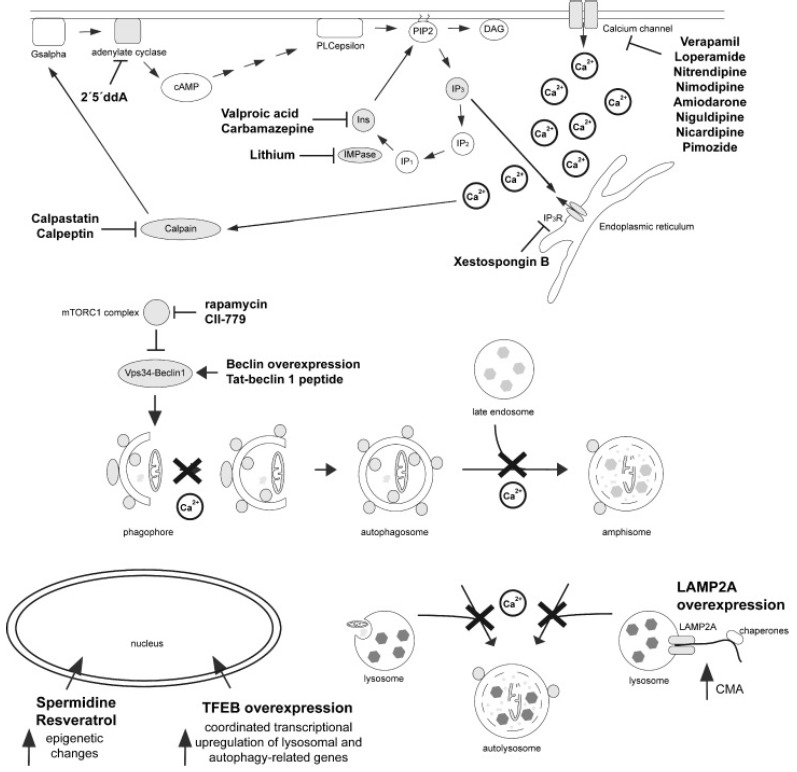
“rapamycin, CCI-779 mTORC1 inhibitor yes yes [10, 85-87]”
RetractedRepertoires of Autophagy in the Pathogenesis of Ocular Diseases
Li, Y.-J., Jiang, Q., Cao, G.-F., Yao, J., & Yan, B. (2015) · Cellular Physiology and Biochemistry · doi:10.1159/000373980 · Cited by 16,304
mTOR Signaling in Growth Control and Disease
Laplante, M., & Sabatini, D. M. (2012) · Cell · doi:10.1016/j.cell.2012.03.017 · Cited by 8,509 · cited 1×
“mTOR can form two distinct complexes (mTORC1 and mTORC2) involved in distinct signalling cascades [79].”
Autophagy fights disease through cellular self-digestion
Mizushima, N., Levine, B., Cuervo, A. M., & Klionsky, D. J. (2008) · Nature · doi:10.1038/nature06639 · Cited by 6,452 · cited 1×
“Finally, since autophagy plays important roles for various cellular processes in non-neuronal tissues [106], secondary effects may be hard to control, and it may be necessary to”
α-Synuclein Locus Triplication Causes Parkinson's Disease
Singleton, A. B., Farrer, M., Johnson, J., Singleton, A., Hague, S., Kachergus, J., Hulihan, M., Peuralinna, T., Dutra, A., Nussbaum, R., et al. (2003) · Science · doi:10.1126/science.1090278 · Cited by 4,383
Parkin is recruited selectively to impaired mitochondria and promotes their autophagy
Narendra, D., Tanaka, A., Suen, D.-F., & Youle, R. J. (2008) · The Journal of Cell Biology · doi:10.1083/jcb.200809125 · Cited by 4,026 · cited 1×
“PINK1 seems to accumulate on the outer membrane of damaged mitochondria and recruit parkin to those dysfunctional organelles in a manner requiring phosphorylation and ubiquitylation [50-56].”
Suppression of basal autophagy in neural cells causes neurodegenerative disease in mice
Hara, T., Nakamura, K., Matsui, M., Yamamoto, A., Nakahara, Y., Suzuki-Migishima, R., Yokoyama, M., Mishima, K., Saito, I., Okano, H., et al. (2006) · Nature · doi:10.1038/nature04724 · Cited by 3,882 · cited 1×
“Indeed, neurons display high constitutive autophagic activity to maintain homeostasis, and genetic suppression of basal neuronal autophagy causes neurodegeneration in rodents [75, 76].”
Loss of autophagy in the central nervous system causes neurodegeneration in mice
Komatsu, M., Waguri, S., Chiba, T., Murata, S., Iwata, J.-I., Tanida, I., Ueno, T., Koike, M., Uchiyama, Y., Kominami, E., et al. (2006) · Nature · doi:10.1038/nature04723 · Cited by 3,500 · cited 1×
“Indeed, neurons display high constitutive autophagic activity to maintain homeostasis, and genetic suppression of basal neuronal autophagy causes neurodegeneration in rodents [75, 76].”
TFEB Links Autophagy to Lysosomal Biogenesis
Settembre, C., Di Malta, C., Polito, V. A., Arencibia, M. G., Vetrini, F., Erdin, S., Erdin, S. U., Huynh, T., Medina, D., Colella, P., et al. (2011) · Science · doi:10.1126/science.1204592 · Cited by 3,365
PINK1 Is Selectively Stabilized on Impaired Mitochondria to Activate Parkin
Narendra, D. P., Jin, S. M., Tanaka, A., Suen, D.-F., Gautier, C. A., Shen, J., Cookson, M. R., & Youle, R. J. (2010) · PLoS Biology · doi:10.1371/journal.pbio.1000298 · Cited by 2,944 · cited 1×
“PINK1 seems to accumulate on the outer membrane of damaged mitochondria and recruit parkin to those dysfunctional organelles in a manner requiring phosphorylation and ubiquitylation [50-56].”
Adapting Proteostasis for Disease Intervention
Balch, W. E., Morimoto, R. I., Dillin, A., & Kelly, J. W. (2008) · Science · doi:10.1126/science.1141448 · Cited by 2,495
The Roles of PINK1, Parkin, and Mitochondrial Fidelity in Parkinson’s Disease
Pickrell, A. M., & Youle, R. J. (2015) · Neuron · doi:10.1016/j.neuron.2014.12.007 · Cited by 2,310 · cited 1×
“PINK1 seems to accumulate on the outer membrane of damaged mitochondria and recruit parkin to those dysfunctional organelles in a manner requiring phosphorylation and ubiquitylation [50-56].”
Eaten alive: a history of macroautophagy
Yang, Z., & Klionsky, D. J. (2010) · Nature Cell Biology · doi:10.1038/ncb0910-814 · Cited by 2,095 · cited 3×
“Those receptors include p62, as well as a set of other proteins implicated in different types of selective substrate degradation [4].”
InfluentialImpaired Degradation of Mutant α-Synuclein by Chaperone-Mediated Autophagy
Cuervo, A. M., Stefanis, L., Fredenburg, R., Lansbury, P. T., & Sulzer, D. (2004) · Science · doi:10.1126/science.1101738 · Cited by 2,024
α-Synuclein Promotes SNARE-Complex Assembly in Vivo and in Vitro
Burré, J., Sharma, M., Tsetsenis, T., Buchman, V., Etherton, M. R., & Südhof, T. C. (2010) · Science · doi:10.1126/science.1195227 · Cited by 1,812
The many faces of α-synuclein: from structure and toxicity to therapeutic target
Lashuel, H. A., Overk, C. R., Oueslati, A., & Masliah, E. (2013) · Nature Reviews Neuroscience · doi:10.1038/nrn3406 · Cited by 1,622 · cited 2×
“The relative efficacy by which it is degraded by one versus the other pathway seems to be dependent on its precise oligomeric state, and may be further modulated by various posttranslational modifications [19, 20].”
Bender, A., Krishnan, K. J., Morris, C. M., Taylor, G. A., Reeve, A. K., Perry, R. H., Jaros, E., Hersheson, J. S., Betts, J., Klopstock, T., et al. (2006) · Nature Genetics · doi:10.1038/ng1769 · Cited by 1,570 · cited 1×
“In addition, mitochondrial DNA deletions accumulate in substantia nigra neurons with age, and are more prominent in PD patients as compared to age-matched controls [60, 61].”
Ubiquitin is phosphorylated by PINK1 to activate parkin
Koyano, F., Okatsu, K., Kosako, H., Tamura, Y., Go, E., Kimura, M., Kimura, Y., Tsuchiya, H., Yoshihara, H., Hirokawa, T., et al. (2014) · Nature · doi:10.1038/nature13392 · Cited by 1,477 · cited 1×
“PINK1 seems to accumulate on the outer membrane of damaged mitochondria and recruit parkin to those dysfunctional organelles in a manner requiring phosphorylation and ubiquitylation [50-56].”
α-Synuclein Is Degraded by Both Autophagy and the Proteasome
Webb, J. L., Ravikumar, B., Atkins, J., Skepper, J. N., & Rubinsztein, D. C. (2003) · Journal of Biological Chemistry · doi:10.1074/jbc.m300227200 · Cited by 1,429 · cited 1×
“αsynuclein can be degraded by both the UPS as well as by autophagic-lysosomal pathways [16-18].”
Mazzulli, J. R., Xu, Y.-H., Sun, Y., Knight, A. L., McLean, P. J., Caldwell, G. A., Sidransky, E., Grabowski, G. A., & Krainc, D. (2011) · Cell · doi:10.1016/j.cell.2011.06.001 · Cited by 1,341 · cited 1×
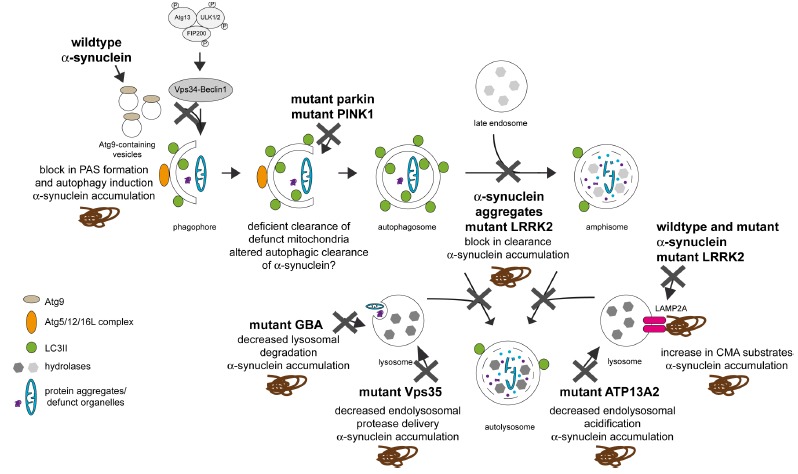
“2), further impairing trafficking of GBA from the ER and Golgi to lysosomes, thus comprising a positive feedback loop leading to neuronal cell death [66].”
PINK1 phosphorylates ubiquitin to activate Parkin E3 ubiquitin ligase activity
Kane, L. A., Lazarou, M., Fogel, A. I., Li, Y., Yamano, K., Sarraf, S. A., Banerjee, S., & Youle, R. J. (2014) · Journal of Cell Biology · doi:10.1083/jcb.201402104 · Cited by 1,298
Ramirez, A., Heimbach, A., Gründemann, J., Stiller, B., Hampshire, D., Cid, L. P., Goebel, I., Mubaidin, A. F., Wriekat, A.-L., Roeper, J., et al. (2006) · Nature Genetics · doi:10.1038/ng1884 · Cited by 1,208 · cited 1×
“Mutations in ATP13A2 are responsible for a type of autosomal-recessive parkinsonism called Kufor-Rakeb syndrome [67].”
Apoptosis and autophagy in nigral neurons of patients with Parkinson's disease.
Anglade, P., Vyas, S., Javoy-Agid, F., Herrero, M. T., Michel, P. P., Marquez, J., Prigent, A., Ruberg, M., Hirsch, É. C., & Agid, Y. (1997) · PubMed · Cited by 1,188
Sarkar, S., Davies, J. E., Huang, Z., Tunnacliffe, A., & Rubinsztein, D. C. (2007) · Journal of Biological Chemistry · doi:10.1074/jbc.m609532200 · Cited by 1,142 · cited 2×
“Interestingly, trehalose seems to induce autophagic degradation of aggregate-prone proteins in cultured cells [88] and displays neuroprotective effects in various PD animal models (Fig.”
Role for Rab7 in maturation of late autophagic vacuoles
Jäger, S., Bucci, C., Tanida, I., Ueno, T., Kominami, E., Saftig, P., & Eskelinen, E.-L. (2004) · Journal of Cell Science · doi:10.1242/jcs.01370 · Cited by 905 · cited 1×
“For example, fusion of autophagosomes with endolysosomes requires a number of proteins including Rab7 and SNARE proteins [13, 62, 63].”
Degradation of misfolded proteins in neurodegenerative diseases: Therapeutic targets and strategies
Ciechanover, A., & Kwon, Y. T. (2015) · Experimental & Molecular Medicine · doi:10.1038/emm.2014.117 · Cited by 898 · cited 1×
“Proteins are ubiquitinated, which allows for their subsequent recognition, unfolding, deubiquitination and translocation into the core of the proteasome, where they are degraded [2].”
Kraytsberg, Y., Kudryavtseva, E., McKee, A. C., Geula, C., Kowall, N. W., & Khrapko, K. (2006) · Nature Genetics · doi:10.1038/ng1778 · Cited by 887 · cited 1×
“In addition, mitochondrial DNA deletions accumulate in substantia nigra neurons with age, and are more prominent in PD patients as compared to age-matched controls [60, 61].”
Mitochondria in the aetiology and pathogenesis of Parkinson's disease
Schapira, A. H. (2008) · The Lancet Neurology · doi:10.1016/s1474-4422(07)70327-7 · Cited by 883 · cited 1×
“Apart from the genetic links between mitochondrial clearance deficits and PD, studies of environmental toxins are consistent with the idea that mitochondrial stress is a central component of PD pathogenesis [59].”
Chaperone-mediated autophagy: a unique way to enter the lysosome world
Kaushik, S., & Cuervo, A. M. (2012) · Trends in Cell Biology · doi:10.1016/j.tcb.2012.05.006 · Cited by 850 · cited 1×
“This causes unfolding and translocation of the protein into the lysosomal lumen, followed by degradation [5].”
α-Synuclein impairs macroautophagy: implications for Parkinson’s disease
Winslow, A. R., Chen, C.-W., Corrochano, S., Acevedo-Arozena, A., Gordon, D. E., Peden, A. A., Lichtenberg, M., Menzies, F. M., Ravikumar, B., Imarisio, S., et al. (2010) · Journal of Cell Biology · doi:10.1083/jcb.201003122 · Cited by 825
Pathogenic Lysosomal Depletion in Parkinson's Disease
Dehay, B., Bové, J., Rodríguez-Muela, N., Perier, C., Recasens, A., Boya, P., & Vila, M. (2010) · The Journal of Neuroscience · doi:10.1523/jneurosci.1920-10.2010 · Cited by 825 · cited 3×
“rapamycin, CCI-779 mTORC1 inhibitor yes yes [10, 85-87]”
A Mutation in VPS35, Encoding a Subunit of the Retromer Complex, Causes Late-Onset Parkinson Disease
Zimprich, A., Benet-Pagès, A., Struhal, W., Graf, E., Eck, S. H., Offman, M. N., Haubenberger, D., Spielberger, S., Schulte, E. C., Lichtner, P., et al. (2011) · The American Journal of Human Genetics · doi:10.1016/j.ajhg.2011.06.008 · Cited by 816 · cited 1×
“Mutations in vacuolar protein sorting 35 (Vps35) cause a late-onset dominantly-inherited parkinsonian syndrome [43, 44].”
Novel targets for Huntington's disease in an mTOR-independent autophagy pathway
Williams, A., Sarkar, S., Cuddon, P., Ttofi, E. K., Saiki, S., Siddiqi, F. H., Jahreiss, L., Fleming, A., Pask, D., Goldsmith, P., et al. (2008) · Nature Chemical Biology · doi:10.1038/nchembio.79 · Cited by 800 · cited 1×
“Finally, some autophagy inducing molecules work through largely unknown mechanisms.”
VPS35 mutations in Parkinson disease
Vilariño-Güell, C., Wider, C., Ross, O. A., Dachsel, J. C., Kachergus, J. M., Lincoln, S. J., Soto-Ortolaza, A. I., Cobb, S. A., Wilhoite, G. J., Bacon, J. A., et al. (2011) · The American Journal of Human Genetics · doi:10.1016/j.ajhg.2011.06.001 · Cited by 800 · cited 1×
“Mutations in vacuolar protein sorting 35 (Vps35) cause a late-onset dominantly-inherited parkinsonian syndrome [43, 44].”
Identification of a candidate therapeutic autophagy-inducing peptide
Shoji-Kawata, S., Sumpter, R., Leveno, M., Campbell, G. R., Zou, Z., Kinch, L., Wilkins, A. D., Sun, Q., Pallauf, K., MacDuff, D., et al. (2013) · Nature · doi:10.1038/nature11866 · Cited by 760
TFEB-mediated autophagy rescues midbrain dopamine neurons from α-synuclein toxicity
Decressac, M., Mattsson, B., Weikop, P., Lundblad, M., Jakobsson, J., & Björklund, A. (2013) · Proceedings of the National Academy of Sciences · doi:10.1073/pnas.1305623110 · Cited by 753
Vogiatzi, T., Xilouri, M., Vekrellis, K., & Stefanis, L. (2008) · Journal of Biological Chemistry · doi:10.1074/jbc.m801992200 · Cited by 683 · cited 1×
“αsynuclein can be degraded by both the UPS as well as by autophagic-lysosomal pathways [16-18].”
Rab7 is required for the normal progression of the autophagic pathway in mammalian cells
Gutierrez, M. G., Munafó, D. B., Berón, W., & Colombo, M. I. (2004) · Journal of Cell Science · doi:10.1242/jcs.01114 · Cited by 679 · cited 1×
“For example, fusion of autophagosomes with endolysosomes requires a number of proteins including Rab7 and SNARE proteins [13, 62, 63].”
Kahle, P. J., Neumann, M., Ozmen, L., Müller, V., Jacobsen, H., Schindzielorz, A., Okochi, M., Leimer, U., van der Putten, H., Probst, A., et al. (2000) · The Journal of Neuroscience · doi:10.1523/jneurosci.20-17-06365.2000 · Cited by 641 · cited 1×
“This is because α-synuclein displays a largely presynaptic localization [77], and autophagosomes generated in response to abnormal α-synuclein burden or mutations in α-synuclein will require retrograde transport from the synapse back to the soma where they can fuse with the perinuclearly localized endolysosomes [78].”
Spencer, B., Potkar, R., Trejo, M., Rockenstein, E., Patrick, C., Gindi, R., Adame, A., Wyss-Coray, T., & Masliah, E. (2009) · The Journal of Neuroscience · doi:10.1523/jneurosci.4390-09.2009 · Cited by 595
Interplay of LRRK2 with chaperone-mediated autophagy
Orenstein, S. J., Kuo, S.-H., Tasset, I., Arias, E., Koga, H., Fernandez-Carasa, I., Cortes, E., Honig, L. S., Dauer, W., Consiglio, A., et al. (2013) · Nature Neuroscience · doi:10.1038/nn.3350 · Cited by 588 · cited 1×
“In addition, LRRK2 can be degraded by CMA, and pathogenic mutants interfere with the CMA pathway, causing a buildup of α-synuclein [39], consistent with the observation that LRRK2-dependent neurodegeneration is α-synuclein-dependent (Fig.”
The link between the GBA gene and parkinsonism
Sidransky, E., & Lopez, G. (2012) · The Lancet Neurology · doi:10.1016/s1474-4422(12)70190-4 · Cited by 583 · cited 1×
“A subset of those patients have been shown to display parkinsonism, and heterozygous mutation carriers display an increased risk of developing PD [65].”
The Familial Parkinsonism Gene LRRK2 Regulates Neurite Process Morphology
MacLeod, D., Dowman, J., Hammond, R., Leete, T., Inoue, K., & Abeliovich, A. (2006) · Neuron · doi:10.1016/j.neuron.2006.10.008 · Cited by 564
Sánchez‐Danés, A., Richaud‐Patin, Y., Carballo‐Carbajal, I., Jiménez‐Delgado, S., Caig, C., Mora, S., Di Guglielmo, C., Ezquerra, M., Patel, B., Giralt, A., et al. (2012) · EMBO Molecular Medicine · doi:10.1002/emmm.201200215 · Cited by 560 · cited 1×
“Whilst knockdown or kinase inhibition seem to cause increased autophagic flux [27, 28], pathogenic mutant LRRK2 elicits phenotypes consistent with a block in autophagy, leading to accumulation of undegraded material, lysosome-like structures and lipid droplets in cell as well as animal model systems [29-38].”
RAB7L1 Interacts with LRRK2 to Modify Intraneuronal Protein Sorting and Parkinson’s Disease Risk
MacLeod, D. A., Rhinn, H., Kuwahara, T., Zolin, A., Di Paolo, G., McCabe, B. D., Marder, K. S., Honig, L. S., Clark, L. N., Small, S. A., et al. (2013) · Neuron · doi:10.1016/j.neuron.2012.11.033 · Cited by 516 · cited 1×
“The failure to clear damaged mitochondria by mitophagy may then lead to a buildup of those organelles, interefere with mitochondrial fission and/or biogenesis, associated with a failure to regulate changes in steady-state mitochondrial number to meet metabolic demands and causing cellular demise.”
Tong, Y., Yamaguchi, H., Giaime, E., Boyle, S., Kopan, R., Kelleher, R. J., & Shen, J. (2010) · Proceedings of the National Academy of Sciences · doi:10.1073/pnas.1004676107 · Cited by 501 · cited 1×
“Whilst knockdown or kinase inhibition seem to cause increased autophagic flux [27, 28], pathogenic mutant LRRK2 elicits phenotypes consistent with a block in autophagy, leading to accumulation of undegraded material, lysosome-like structures and lipid droplets in cell as well as animal model systems [29-38].”
Spermidine and resveratrol induce autophagy by distinct pathways converging on the acetylproteome
Morselli, E., Mariño, G., Bennetzen, M. V., Eisenberg, T., Megalou, E., Schroeder, S., Cabrera, S., Bénit, P., Rustin, P., Criollo, A., et al. (2011) · Journal of Cell Biology · doi:10.1083/jcb.201008167 · Cited by 499
Role of autophagy in G2019S‐LRRK2‐associated neurite shortening in differentiated SH‐SY5Y cells
Plowey, E. D., Cherra, S. J., Liu, Y., & Chu, C. T. (2008) · Journal of Neurochemistry · doi:10.1111/j.1471-4159.2008.05217.x · Cited by 493 · cited 1×
“Whilst knockdown or kinase inhibition seem to cause increased autophagic flux [27, 28], pathogenic mutant LRRK2 elicits phenotypes consistent with a block in autophagy, leading to accumulation of undegraded material, lysosome-like structures and lipid droplets in cell as well as animal model systems [29-38].”
The Lewy Body in Parkinson’s Disease and Related Neurodegenerative Disorders
Wakabayashi, K., Tanji, K., Odagiri, S., Miki, Y., Mori, F., & Takahashi, H. (2013) · Molecular Neurobiology · doi:10.1007/s12035-012-8280-y · Cited by 479 · cited 1×
“Whilst LBs consist of a heterogeneous mixture of proteins, they are particularly rich in fibrillar forms of α-synuclein [1].”
Advances in the genetics of Parkinson disease
Trinh, J., & Farrer, M. (2013) · Nature Reviews Neurology · doi:10.1038/nrneurol.2013.132 · Cited by 466 · cited 2×
“Consistent with a link between lysosomal deficits and PD, at least two genes which encode for lysosomal proteins have been linked to parkinsonism [49].”
Rapamycin Protects against Neuron Death in In Vitro and In Vivo Models of Parkinson's Disease
Malagelada, C., Jin, Z. H., Jackson-Lewis, V., Przedborski, S., & Greene, L. A. (2010) · The Journal of Neuroscience · doi:10.1523/jneurosci.3944-09.2010 · Cited by 462 · cited 3×
“Indeed, torin1, a full catalytic mTOR inhibitor, seems not to be protective, but rather induces neuron death [85].”
SNARE Proteins Are Required for Macroautophagy
Nair, U., Jotwani, A., Geng, J., Gammoh, N., Richerson, D., Yen, W.-L., Griffith, J., Nag, S., Wang, K., Moss, T., et al. (2011) · Cell · doi:10.1016/j.cell.2011.06.022 · Cited by 434 · cited 2×
“For example, fusion of autophagosomes with endolysosomes requires a number of proteins including Rab7 and SNARE proteins [13, 62, 63].”
Alegre-Abarrategui, J., Christian, H., Lufino, M. M. P., Mutihac, R., Venda, L. L., Ansorge, O., & Wade-Martins, R. (2009) · Human Molecular Genetics · doi:10.1093/hmg/ddp346 · Cited by 432 · cited 1×
“In addition, mitochondrial DNA deletions accumulate in substantia nigra neurons with age, and are more prominent in PD patients as compared to age-matched controls [60, 61].”
Receptor-mediated mitophagy in yeast and mammalian systems
Liu, L., Sakakibara, K., Chen, Q., & Okamoto, K. (2014) · Cell Research · doi:10.1038/cr.2014.75 · Cited by 421 · cited 1×
“Once recruited to mitochondria, parkin then seems to ubiquitinate various outer mitochondrial membrane proteins to trigger selective mitophagy, even though additional receptor-mediated mitophagy mechanisms exist which are able to recruit LC3, promoting the sequestration of mitochondria into the autophagosomal isolatio…”
Ramonet, D., Daher, J. P. L., Lin, B. M., Stafa, K., Kim, J., Banerjee, R., Westerlund, M., Pletnikova, O., Glauser, L., Yang, L., et al. (2011) · PLoS ONE · doi:10.1371/journal.pone.0018568 · Cited by 405 · cited 1×
“Whilst knockdown or kinase inhibition seem to cause increased autophagic flux [27, 28], pathogenic mutant LRRK2 elicits phenotypes consistent with a block in autophagy, leading to accumulation of undegraded material, lysosome-like structures and lipid droplets in cell as well as animal model systems [29-38].”
Dehay, B., Ramirez, A., Martinez-Vicente, M., Perier, C., Canron, M.-H., Doudnikoff, E., Vital, A., Vila, M., Klein, C., & Bezard, E. (2012) · Proceedings of the National Academy of Sciences · doi:10.1073/pnas.1112368109 · Cited by 379 · cited 1×
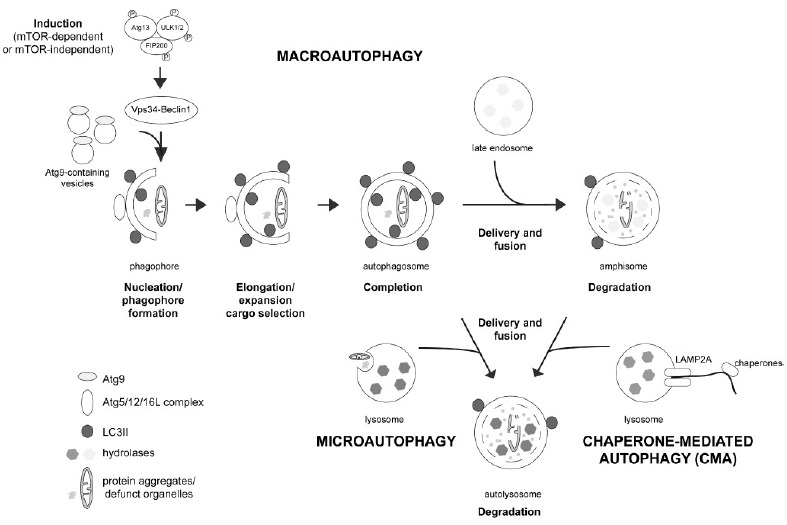
“…and the unique morphology of neurons needs to be taken into account when attempting to design strategies to modulate autophagic deficits associated with PD. Autophagy can be subdivided into distinct steps including induction, vesicle nucleation, expansion/elongation, cargo recognition, and…”
Ebrahimi-Fakhari, D., Cantuti-Castelvetri, I., Fan, Z., Rockenstein, E., Masliah, E., Hyman, B. T., McLean, P. J., & Unni, V. K. (2011) · The Journal of Neuroscience · doi:10.1523/jneurosci.1560-11.2011 · Cited by 377 · cited 1×
“In vivo studies using α-synuclein transgenic mice indicate that under normal conditions, degradation seems mainly mediated by the UPS, whilst under conditions of increased α-synuclein burden, autophagiclysosomal degradation events may become more prominent [21].”
Autophagosome Biogenesis in Primary Neurons Follows an Ordered and Spatially Regulated Pathway
Maday, S., & Holzbaur, E. L. F. (2014) · Developmental Cell · doi:10.1016/j.devcel.2014.06.001 · Cited by 372 · cited 1×
“This is because α-synuclein displays a largely presynaptic localization [77], and autophagosomes generated in response to abnormal α-synuclein burden or mutations in α-synuclein will require retrograde transport from the synapse back to the soma where they can fuse with the perinuclearly localized endolysosomes [78].”
Sarkar, S. (2013) · Biochemical Society Transactions · doi:10.1042/bst20130134 · Cited by 370 · cited 1×
“Finally, some autophagy inducing molecules work through largely unknown mechanisms.”
Autophagy and the ubiquitin-proteasome system: Collaborators in neuroprotection
Nedelsky, N. B., Todd, P. K., & Taylor, J. P. (2008) · Biochimica et Biophysica Acta (BBA) - Molecular Basis of Disease · doi:10.1016/j.bbadis.2008.10.002 · Cited by 351 · cited 1×
“systems display significant crosstalk, where deficiency in one can be compensated by upregulation of the other one, thus further complicating the interpretations of causal relationships between deficits in specific proteostasis pathways and neurodegeneration in PD [7, 8].”
Chemical modulators of autophagy as biological probes and potential therapeutics
Fleming, A., Noda, T., Yoshimori, T., & Rubinsztein, D. C. (2011) · Nature Chemical Biology · doi:10.1038/nchembio.500 · Cited by 349 · cited 1×
“Thus, targeting autophagy by chemical or genetic means may prove beneficial to neuronal survival [82-84].”
Castillo, K., Nassif, M., Valenzuela, V., Rojas, F., Matus, S., Mercado, G., Court, F. A., van Zundert, B., & Hetz, C. (2013) · Autophagy · doi:10.4161/auto.25188 · Cited by 340 · cited 1×
“This may occur because of a trehalose-mediated transcriptional upregulation of a series of autophagy-related genes [91].”
Constitutive Activation of Chaperone-mediated Autophagy in Cells with Impaired Macroautophagy
Kaushik, S., Massey, A. C., Mizushima, N., & Cuervo, A. M. (2008) · Molecular Biology of the Cell · doi:10.1091/mbc.e07-11-1155 · Cited by 335 · cited 1×
“systems display significant crosstalk, where deficiency in one can be compensated by upregulation of the other one, thus further complicating the interpretations of causal relationships between deficits in specific proteostasis pathways and neurodegeneration in PD [7, 8].”
Lewy Body-like α-Synuclein Aggregates Resist Degradation and Impair Macroautophagy
Tanik, S. A., Schultheiss, C. E., Volpicelli-Daley, L. A., Brunden, K. R., & Lee, V. M. Y. (2013) · Journal of Biological Chemistry · doi:10.1074/jbc.m113.457408 · Cited by 326
DNAJC13 mutations in Parkinson disease
Vilariño-Güell, C., Rajput, A., Milnerwood, A. J., Shah, B., Szu-Tu, C., Trinh, J., Yu, I., Encarnacion, M., Munsie, L. N., Tapia, L., et al. (2014) · Human Molecular Genetics · doi:10.1093/hmg/ddt570 · Cited by 313 · cited 1×
“Finally, a recent report indicates that mutations in DNAJC13 may cause PD [71].”
Facilitation of AMPA Receptor Synaptic Delivery as a Molecular Mechanism for Cognitive Enhancement
Knafo, S., Venero, C., Sánchez-Puelles, C., Pereda-Peréz, I., Franco, A., Sandi, C., Suárez, L. M., Solís, J. M., Alonso-Nanclares, L., Martín, E. D., et al. (2012) · PLoS Biology · doi:10.1371/journal.pbio.1001262 · Cited by 313
Leucine-rich repeat kinase 2 regulates autophagy through a calcium-dependent pathway involving NAADP
Gómez-Suaga, P., Luzón-Toro, B., Churamani, D., Zhang, L., Bloor-Young, D., Patel, S., Woodman, P. G., Churchill, G. C., & Hilfiker, S. (2012) · Human Molecular Genetics · doi:10.1093/hmg/ddr481 · Cited by 312 · cited 1×
“Whilst knockdown or kinase inhibition seem to cause increased autophagic flux [27, 28], pathogenic mutant LRRK2 elicits phenotypes consistent with a block in autophagy, leading to accumulation of undegraded material, lysosome-like structures and lipid droplets in cell as well as animal model systems [29-38].”
Self-citationFriedman, L. G., Lachenmayer, M. L., Wang, J., He, L., Poulose, S. M., Komatsu, M., Holstein, G. R., & Yue, Z. (2012) · The Journal of Neuroscience · doi:10.1523/jneurosci.5809-11.2012 · Cited by 303 · cited 2×
“Interestingly, brain-specific deletion of an essential autophagy gene causes accumulation of both endogenous αsynuclein and LRRK2 and delayed neurodegeneration, suggesting that the turnover of both proteins depends on proper autophagic clearance mechanisms [41].”
Rodríguez-Navarro, J. A., Rodríguez, L., Casarejos, M. J., Solano, R. M., Gómez, A., Perucho, J., Cuervo, A. M., García de Yébenes, J., & Mena, M. A. (2010) · Neurobiology of Disease · doi:10.1016/j.nbd.2010.05.014 · Cited by 298 · cited 1×
“trehalose unknown yes yes [88-90]”
Deficiency of ATP13A2 Leads to Lysosomal Dysfunction, α-Synuclein Accumulation, and Neurotoxicity
Usenovic, M., Tresse, E., Mazzulli, J. R., Taylor, J. P., & Krainc, D. (2012) · The Journal of Neuroscience · doi:10.1523/jneurosci.5575-11.2012 · Cited by 291 · cited 1×
“…the unique morphology of neurons needs to be taken into account when attempting to design strategies to modulate autophagic deficits associated with PD. Autophagy can be subdivided into distinct steps including induction, vesicle nucleation, expansion/elongation, cargo recognition, and vesicle…”
Kikawada, T., Saito, A., Kanamori, Y., Nakahara, Y., Iwata, K.-I., Tanaka, D., Watanabe, M., & Okuda, T. (2007) · Proceedings of the National Academy of Sciences · doi:10.1073/pnas.0702538104 · Cited by 268 · cited 1×
“There is currently no convincing evidence that trehalose can cross the blood brain barrier, and cells are essentially impermeant to trehalose in the absence of its specific transporter [92], which has not been described in neurons, even though trehalose derivatives may comprise more suitable alternative compounds for…”
Ribosomal Protein s15 Phosphorylation Mediates LRRK2 Neurodegeneration in Parkinson’s Disease
Martin, I., Kim, J. W., Lee, B. D., Kang, H. C., Xu, J.-C., Jia, H., Stankowski, J., Kim, M.-S., Zhong, J., Kumar, M., et al. (2014) · Cell · doi:10.1016/j.cell.2014.01.064 · Cited by 265 · cited 1×
“This is reminiscent of findings that pathogenic LRRK2 may cause an overall increase in protein synthesis, which may lead to proteotoxic stress [47].”
Phosphorylated ubiquitin chain is the genuine Parkin receptor
Okatsu, K., Koyano, F., Kimura, M., Kosako, H., Saeki, Y., Tanaka, K., & Matsuda, N. (2015) · Journal of Cell Biology · doi:10.1083/jcb.201410050 · Cited by 263 · cited 1×
“PINK1 seems to accumulate on the outer membrane of damaged mitochondria and recruit parkin to those dysfunctional organelles in a manner requiring phosphorylation and ubiquitylation [50-56].”
Inhibition of mTOR Signaling in Parkinson’s Disease Prevents l -DOPA–Induced Dyskinesia
Santini, E., Heiman, M., Greengard, P., Valjent, E., & Fisone, G. (2009) · Science Signaling · doi:10.1126/scisignal.2000308 · Cited by 259 · cited 2×
“rapamycin, CCI-779 mTORC1 inhibitor yes yes [10, 85-87]”
Wei, H., Liu, L., & Chen, Q. (2015) · Biochimica et Biophysica Acta (BBA) - Molecular Cell Research · doi:10.1016/j.bbamcr.2015.03.013 · Cited by 257 · cited 1×
“Once recruited to mitochondria, parkin then seems to ubiquitinate various outer mitochondrial membrane proteins to trigger selective mitophagy, even though additional receptor-mediated mitophagy mechanisms exist which are able to recruit LC3, promoting the sequestration of mitochondria into the autophagosomal isolatio…”
Temporal analysis of recruitment of mammalian ATG proteins to the autophagosome formation site
Koyama-Honda, I., Itakura, E., Fujiwara, T. K., & Mizushima, N. (2013) · Autophagy · doi:10.4161/auto.25529 · Cited by 235 · cited 1×
“A major issue which will need to be addressed is the relative ability of these compounds to cross the blood-brain barrier.”
Membrane recruitment of endogenous LRRK2 precedes its potent regulation of autophagy
Schapansky, J., Nardozzi, J. D., Felizia, F., & LaVoie, M. J. (2014) · Human Molecular Genetics · doi:10.1093/hmg/ddu138 · Cited by 226 · cited 1×
“Whilst knockdown or kinase inhibition seem to cause increased autophagic flux [27, 28], pathogenic mutant LRRK2 elicits phenotypes consistent with a block in autophagy, leading to accumulation of undegraded material, lysosome-like structures and lipid droplets in cell as well as animal model systems [29-38].”
Follett, J., Norwood, S. J., Hamilton, N. A., Mohan, M., Kovtun, O., Tay, S., Zhe, Y., Wood, S. A., Mellick, G. D., Silburn, P. A., et al. (2014) · Traffic · doi:10.1111/tra.12136 · Cited by 220 · cited 1×
“The failure to clear damaged mitochondria by mitophagy may then lead to a buildup of those organelles, interefere with mitochondrial fission and/or biogenesis, associated with a failure to regulate changes in steady-state mitochondrial number to meet metabolic demands and causing cellular demise.”
Glucocerebrosidase and Parkinson disease: Recent advances
Schapira, A. H. V. (2015) · Molecular and Cellular Neuroscience · doi:10.1016/j.mcn.2015.03.013 · Cited by 219 · cited 1×
“Finally, if molecular pathways underlying neurodegeneration are shared between sporadic and familial PD, targetting GBA either by pharmacological chaperones or enzyme replacement therapies [102-104], or modulating the enzymatic activities of LRRK2 [105] may revert autophagic deficits common to the entire disease spect…”
Tong, Y., Giaime, E., Yamaguchi, H., Ichimura, T., Liu, Y., Si, H., Cai, H., Bonventre, J. V., & Shen, J. (2012) · Molecular Neurodegeneration · doi:10.1186/1750-1326-7-2 · Cited by 214 · cited 1×
“The failure to clear damaged mitochondria by mitophagy may then lead to a buildup of those organelles, interefere with mitochondrial fission and/or biogenesis, associated with a failure to regulate changes in steady-state mitochondrial number to meet metabolic demands and causing cellular demise.”
ER stress inhibits neuronal death by promoting autophagy
Fouillet, A., Levet, C., Virgone, A., Robin, M., Dourlen, P., Rieusset, J., Belaidi, E., Ovize, M., Touret, M., Nataf, S., et al. (2012) · Autophagy · doi:10.4161/auto.19716 · Cited by 206
Boosting chaperone-mediated autophagy in vivo mitigates α-synuclein-induced neurodegeneration
Xilouri, M., Brekk, O. R., Landeck, N., Pitychoutis, P. M., Papasilekas, T., Papadopoulou-Daifoti, Z., Kirik, D., & Stefanis, L. (2013) · Brain · doi:10.1093/brain/awt131 · Cited by 205 · cited 1×
“Indeed, overexpression of LAMP2A, the CMA receptor on the lysosomal membrane, has been found to promote the clearance of α-synuclein in dopaminergic neurons and to reduce cell loss [101].”
Definition of a Molecular Pathway Mediating α-Synuclein Neurotoxicity
Burré, J., Sharma, M., & Südhof, T. C. (2015) · The Journal of Neuroscience · doi:10.1523/jneurosci.4650-14.2015 · Cited by 202 · cited 1×
“synuclein seems related to the regulation of vesicle fusion through modulation of SNARE proteins [11,12].”
GTPase Activity Plays a Key Role in the Pathobiology of LRRK2
Xiong, Y., Coombes, C. E., Kilaru, A., Li, X., Gitler, A. D., Bowers, W. J., Dawson, V. L., Dawson, T. M., & Moore, D. J. (2010) · PLoS Genetics · doi:10.1371/journal.pgen.1000902 · Cited by 196 · cited 1×
“Whilst knockdown or kinase inhibition seem to cause increased autophagic flux [27, 28], pathogenic mutant LRRK2 elicits phenotypes consistent with a block in autophagy, leading to accumulation of undegraded material, lysosome-like structures and lipid droplets in cell as well as animal model systems [29-38].”
Burré, J., Sharma, M., & Südhof, T. C. (2012) · The Journal of Neuroscience · doi:10.1523/jneurosci.3545-12.2012 · Cited by 178 · cited 1×
“Some studies indicate though that its normal physiological role may be divergent from its pathogenic role in disease [14].”
Parkinson’s Disease Genes VPS35 and EIF4G1 Interact Genetically and Converge on α-Synuclein
Dhungel, N., Eleuteri, S., Li, L.-B., Kramer, N. J., Chartron, J. W., Spencer, B., Kosberg, K., Fields, J. A., Stafa, K., Adame, A., et al. (2015) · Neuron · doi:10.1016/j.neuron.2014.11.027 · Cited by 176 · cited 1×
“Recent studies indicate a link between Vps35, eukaryotic translation initiation factor 4G (EIF4G1) and α-synuclein [46].”
α-Synuclein fate is determined by USP9X-regulated monoubiquitination
Rott, R., Szargel, R., Haskin, J., Bandopadhyay, R., Lees, A. J., Shani, V., & Engelender, S. (2011) · Proceedings of the National Academy of Sciences · doi:10.1073/pnas.1105725108 · Cited by 174 · cited 1×
“The relative efficacy by which it is degraded by one versus the other pathway seems to be dependent on its precise oligomeric state, and may be further modulated by various posttranslational modifications [19, 20].”
The LRRK2 G2019S mutant exacerbates basal autophagy through activation of the MEK/ERK pathway
Bravo-San Pedro, J. M., Niso-Santano, M., Gómez-Sánchez, R., Pizarro-Estrella, E., Aiastui-Pujana, A., Gorostidi, A., Climent, V., López de Maturana, R., Sanchez-Pernaute, R., López de Munain, A., et al. (2013) · Cellular and Molecular Life Sciences · doi:10.1007/s00018-012-1061-y · Cited by 174 · cited 1×
“The failure to clear damaged mitochondria by mitophagy may then lead to a buildup of those organelles, interefere with mitochondrial fission and/or biogenesis, associated with a failure to regulate changes in steady-state mitochondrial number to meet metabolic demands and causing cellular demise.”
Targeting autophagy in neurodegenerative diseases
Vidal, R. L., Matus, S., Bargsted, L., & Hetz, C. A. (2014) · Trends in Pharmacological Sciences · doi:10.1016/j.tips.2014.09.002 · Cited by 156 · cited 1×
“Thus, targeting autophagy by chemical or genetic means may prove beneficial to neuronal survival [82-84].”
Yu, W. H., Dorado, B., Figueroa, H. Y., Wang, L., Planel, E., Cookson, M. R., Clark, L. N., & Duff, K. E. (2009) · The American Journal of Pathology · doi:10.2353/ajpath.2009.080928 · Cited by 155 · cited 1×
“Together, these data indicate that excess protein levels and/or distinct α-synuclein aggregates may interfere with autophagy at both early (induction) and late (clearance) steps, and this may further depend on additional factors such as metabolic activity [24].”
Dopamine-modified α-synuclein blocks chaperone-mediated autophagy
Martinez-Vicente, M., Talloczy, Z., Kaushik, S., Massey, A. C., Mazzulli, J., Mosharov, E. V., Hodara, R., Fredenburg, R., Wu, D.-C., Follenzi, A., et al. (2008) · Journal of Clinical Investigation · doi:10.1172/jci32806 · Cited by 144 · cited 16×
“α-synuclein has also been reported to interfere with CMA [17,25].”
InfluentialThe ubiquitin proteasome system in neurodegenerative diseases: Culprit, accomplice or victim?
Dennissen, F. J. A., Kholod, N., & van Leeuwen, F. W. (2012) · Progress in Neurobiology · doi:10.1016/j.pneurobio.2012.01.003 · Cited by 144 · cited 1×
“Some data indicate that downregulation of the UPS may contribute to the pathogenesis of PD [3].”
Schultheis, P. J., Fleming, S. M., Clippinger, A. K., Lewis, J., Tsunemi, T., Giasson, B., Dickson, D. W., Mazzulli, J. R., Bardgett, M. E., Haik, K. L., et al. (2013) · Human Molecular Genetics · doi:10.1093/hmg/ddt057 · Cited by 143 · cited 5×
“The high basal autophagic activity and the unique morphology of neurons needs to be taken into account when attempting to design strategies to modulate autophagic deficits associated with PD. Autophagy can be subdivided into distinct steps including induction, vesicle nucleation, expansion/elongation, cargo recognitio…”
InfluentialSkibinski, G., Nakamura, K., Cookson, M. R., & Finkbeiner, S. (2014) · The Journal of Neuroscience · doi:10.1523/jneurosci.2712-13.2014 · Cited by 140 · cited 1×
“The failure to clear damaged mitochondria by mitophagy may then lead to a buildup of those organelles, interefere with mitochondrial fission and/or biogenesis, associated with a failure to regulate changes in steady-state mitochondrial number to meet metabolic demands and causing cellular demise.”
Gómez-Suaga, P., Rivero-Ríos, P., Fdez, E., Blanca Ramírez, M., Ferrer, I., Aiastui, A., López De Munain, A., & Hilfiker, S. (2014) · Human Molecular Genetics · doi:10.1093/hmg/ddu395 · Cited by 140 · cited 1×
“2), pathogenic mutant LRRK2 has recently been shown to decrease Rab7 activity [64].”
Self-citationLRRK2 Pathways Leading to Neurodegeneration
Cookson, M. R. (2015) · Current Neurology and Neuroscience Reports · doi:10.1007/s11910-015-0564-y · Cited by 139 · cited 13×
“In addition, even though the precise mechanism(s) remain to be determined, recent studies suggest a link between pathogenic LRRK2, Vps35 and Rab7L1, a candidate gene for the PARK16 locus [48].”
InfluentialSarkar, S., Chigurupati, S., Raymick, J. B., Mann, D., Bowyer, J. F., Schmitt, T., Beger, R. D., Hanig, J. P., Schmued, L. C., & Paule, M. G. (2014) · NeuroToxicology · doi:10.1016/j.neuro.2014.07.006 · Cited by 133 · cited 1×
“trehalose unknown yes yes [88-90]”
de la Mata, M., Cotán, D., Oropesa-Ávila, M., Garrido-Maraver, J., Cordero, M. D., Villanueva Paz, M., Delgado Pavón, A., Alcocer-Gómez, E., de Lavera, I., Ybot-González, P., et al. (2015) · Scientific Reports · doi:10.1038/srep10903 · Cited by 126
Lysosome‐dependent pathways as a unifying theme in Parkinson's disease
Tofaris, G. K. (2012) · Movement Disorders · doi:10.1002/mds.25136 · Cited by 118 · cited 1×
“As DNAJC13 is known to regulate the dynamics of endosomal clathrin coats, these findings again indicate that deficits in endo-lysosomal trafficking, recycling and degradation may underlie pathomechanisms in PD [72-74].”
Uptake—Microautophagy—and degradation of exogenous proteins by isolated rat liver lysosomes
Ahlberg, J., & Glaumann, H. (1985) · Experimental and Molecular Pathology · doi:10.1016/0014-4800(85)90020-6 · Cited by 115
Pharmacological chaperone therapy for Gaucher disease: a patent review
Benito, J. M., García Fernández, J. M., & Mellet, C. O. (2011) · Expert Opinion on Therapeutic Patents · doi:10.1517/13543776.2011.569162 · Cited by 114 · cited 1×
“Finally, if molecular pathways underlying neurodegeneration are shared between sporadic and familial PD, targetting GBA either by pharmacological chaperones or enzyme replacement therapies [102-104], or modulating the enzymatic activities of LRRK2 [105] may revert autophagic deficits common to the entire disease spect…”
Kazlauskaite, A., & Muqit, M. M. K. (2015) · The FEBS Journal · doi:10.1111/febs.13127 · Cited by 106 · cited 1×
“PINK1 seems to accumulate on the outer membrane of damaged mitochondria and recruit parkin to those dysfunctional organelles in a manner requiring phosphorylation and ubiquitylation [50-56].”
The endosomal pathway in Parkinson's disease
Perrett, R. M., Alexopoulou, Z., & Tofaris, G. K. (2015) · Molecular and Cellular Neuroscience · doi:10.1016/j.mcn.2015.02.009 · Cited by 104 · cited 1×
“As DNAJC13 is known to regulate the dynamics of endosomal clathrin coats, these findings again indicate that deficits in endo-lysosomal trafficking, recycling and degradation may underlie pathomechanisms in PD [72-74].”
Steele, J. W., Ju, S., Lachenmayer, M. L., Liken, J., Stock, A., Kim, S. H., Delgado, L. M., Alfaro, I. E., Bernales, S., Verdile, G., et al. (2013) · Molecular Psychiatry · doi:10.1038/mp.2012.115 · Cited by 77
Manzoni, C., & Lewis, P. A. (2013) · The FASEB Journal · doi:10.1096/fj.12-223842 · Cited by 63 · cited 1×
“As DNAJC13 is known to regulate the dynamics of endosomal clathrin coats, these findings again indicate that deficits in endo-lysosomal trafficking, recycling and degradation may underlie pathomechanisms in PD [72-74].”
Novel insights into the neurobiology underlying LRRK2-linked Parkinson's disease
Gómez‐Suaga, P., Fdez, E., Fernández, B., Martínez-Salvador, M., Ramírez, M. B., Madero‐Pérez, J., Rivero-Ríos, P., Fuentes, J. M., & Hilfiker, S. (2014) · Neuropharmacology · doi:10.1016/j.neuropharm.2014.05.020 · Cited by 32 · cited 1×
“A large variety of reports support the notion that LRRK2 plays a role in autophagy [26].”
Self-citationPlotegher, N., & Civiero, L. (2012) · Journal of Neuroscience · doi:10.1523/jneurosci.3588-12.2012 · Cited by 12 · cited 1×
“Whilst the increased α-synuclein levels may in part be responsible for the heightened cellular toxicity, an increase in LRRK2 levels, possibly accompanied by an increase in overall cellular LRRK2 kinase activity interfering with proper autophagic flux, may contribute as well [41, 42].”
(2014) · Institutional Repository University of Antioquia (University of Antioquia) · doi:10.1371/journal.pone
Research works printed but not linked: 1
- [74]Manzoni C. Lewis P.A. Dysfunction of the autophagy/lysosomal degradation pathway is a shared feature of the genetic synucleinopathies. FASEB J. 2013 27 9 3424 3429 10.1096/fj.12-223842 23682122 PMC4194632 · DOI · Paper page
Cited by
Ageing, Cellular Senescence and Neurodegenerative Disease
Kritsilis, M., V. Rizou, S., Koutsoudaki, P. N., Evangelou, K., Gorgoulis, V. G., & Papadopoulos, D. (2018) · International Journal of Molecular Sciences · doi:10.3390/ijms19102937 · Cited by 448
“Autophagic/lysosomal dysfunction are also thought to have a key role in the pathogenesis of the disease, with many PD mutations being associated with defects in these pathways [262,263].”
BackgroundCellular Senescence in Neurodegenerative Diseases
Martínez-Cué, C., & Rueda, N. (2020) · Frontiers in Cellular Neuroscience · doi:10.3389/fncel.2020.00016 · Cited by 281
“pathways are found in PD patients (Rivero-Ríos et al., 2016; Pitcairn et al., 2018).”
BackgroundXu, L., & Pu, J. (2016) · Parkinson's Disease · doi:10.1155/2016/1720621 · Cited by 230
“A correct protein balance has a central role in cellular homeostasis of the nervous system [92].”
BackgroundNovel Approaches for the Treatment of Alzheimer’s and Parkinson’s Disease
Van Bulck, M., Sierra-Magro, A., Alarcon-Gil, J., Perez-Castillo, A., & Morales-Garcia, J. A. (2019) · International Journal of Molecular Sciences · doi:10.3390/ijms20030719 · Cited by 178
Caffeine and Parkinson’s Disease: Multiple Benefits and Emerging Mechanisms
Ren, X., & Chen, J. (2020) · Frontiers in Neuroscience · doi:10.3389/fnins.2020.602697 · Cited by 180
Metadata
- Authors
- Rivero-Ríos, P., Madero-Pérez, Fernández, B., & Hilfiker, S.
- Affiliations
- Consejo Superior de Investigaciones Científicas (ES)
- Corresponding author
- Hilfiker, Sabine
- Venue
- Current Neuropharmacology
- Publisher
- Bentham Science Publishers Ltd.
- Published
- 2016-03-03
- Volume
- 14
- Issue
- 3
- Pages
- 238-249
- ISSN
- 1570-159X (ISSN-L)
- PMC
- PMC4857622
- OpenAlex
- W2303253494
- Cited by
- 69
- References
- 108
- Citations by year
- 2026: 1 · 2025: 5 · 2024: 5 · 2023: 9 · 2022: 3 · 2021: 10 · 2020: 10 · 2019: 9 · 2018: 5 · 2017: 7 · 2016: 5
- FWCI
- 1.17
- Type
- journal article
- Language
- en
- Open access
- bronze
- doi.org
- Locations
- Current Neuropharmacology (publishedVersion)
- PubMed Central (publishedVersion, cc-by-nc)
- PubMed (publishedVersion)
- Funders
- Michael J. Fox Foundation for Parkinson's Research
- Fundación BBVA
- Ministerio de Economía y Competitividad (SAF2014-58653-R)
- Banco Bilbao Vizcaya Argentaria
- Topics
- Life Sciences › Biochemistry, Genetics and Molecular Biology › Cell Biology › Autophagy in Disease and Therapy
- Health Sciences › Medicine › Clinical Neurology › Parkinson's Disease Mechanisms and Treatments
- Life Sciences › Neuroscience › Cellular and Molecular Neuroscience › Alzheimer's disease research and treatments
- Keywords
- Parkinson's disease, autophagy, lysosomal degradation, autophagy inducers, neurodegeneration, protein aggregation, neuronal cell death, drug repurposing, FDA-approved drugs, therapeutic target
- MeSH terms
- Animals, Antiparkinson Agents, Autophagy, Humans, Lysosomes, Parkinson Disease, Metabolic Networks and Pathways
About these checks
Registry, retraction, Cites and statistics results are computed, not judged, with one exception: a printed reference that no index lists is read once by a model before it counts as a citation error. Claims are extracted by a model and kept only when their quote appears verbatim in the text; each cited source is then checked, with a model’s help, for whether it says what the claim relies on. Those verdicts can be wrong — read the claim’s quote and the cited source before relying on one.
Statistics and arithmetic are recomputed, not judged.
Confidence bands are shown only for fields calibrated on our annotated test set. None is calibrated yet, so no band is shown.
What counts as a claim ›How we measure confidence ›How we check this ›
Are you an author, or do you see a problem with this page? Request a review
Data sources
Bibliographic data: Semantic Scholar, OpenAlex, Crossref.
Contains information from the Semantic Scholar Academic Graph Datasets, made available under the ODC Attribution License (ODC-BY 1.0).
Semantic Scholar’s data is described in: Kinney, R., et al. (2023). The Semantic Scholar Open Data Platform. arXiv:2301.10140.
