

The DOI matches its Crossref record; 99 of the 99 references it cites were found in a registry or an index.
Using Copper to Improve the Well-Being of the Skin
Open accessAbstract
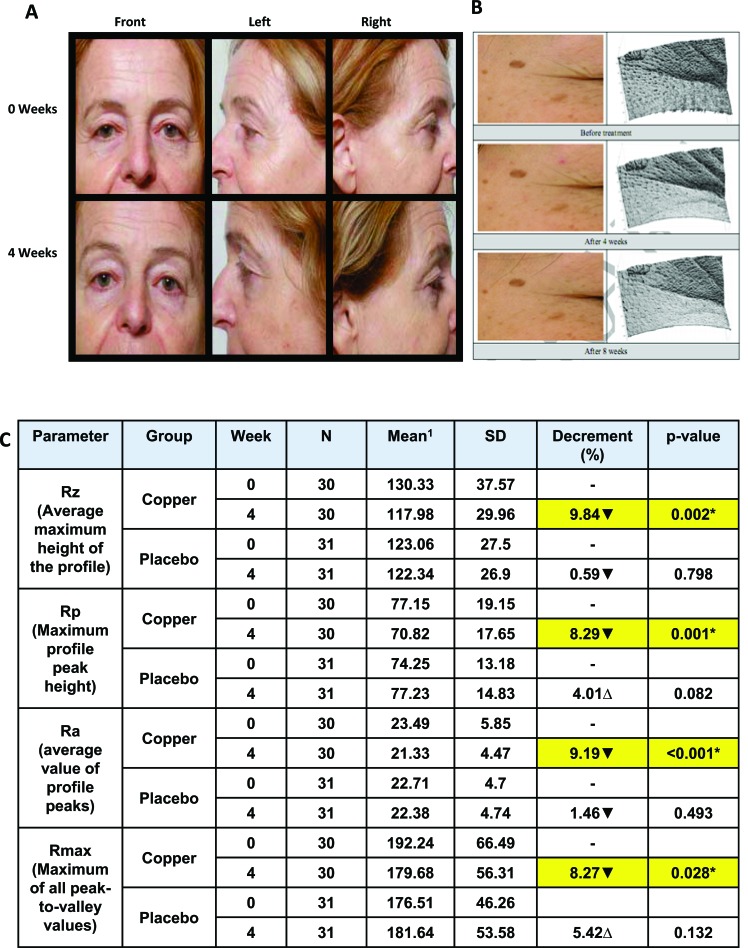
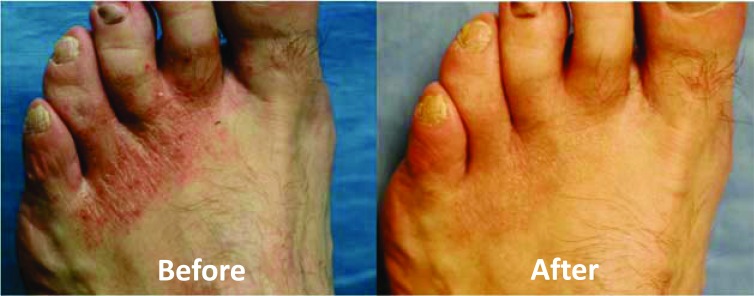
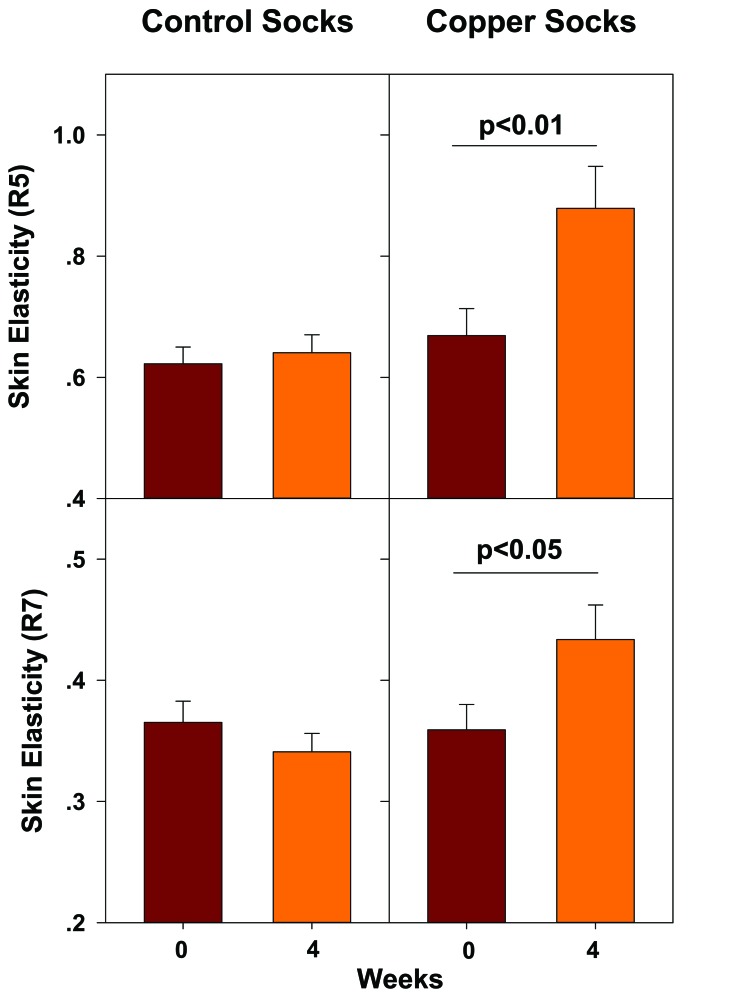
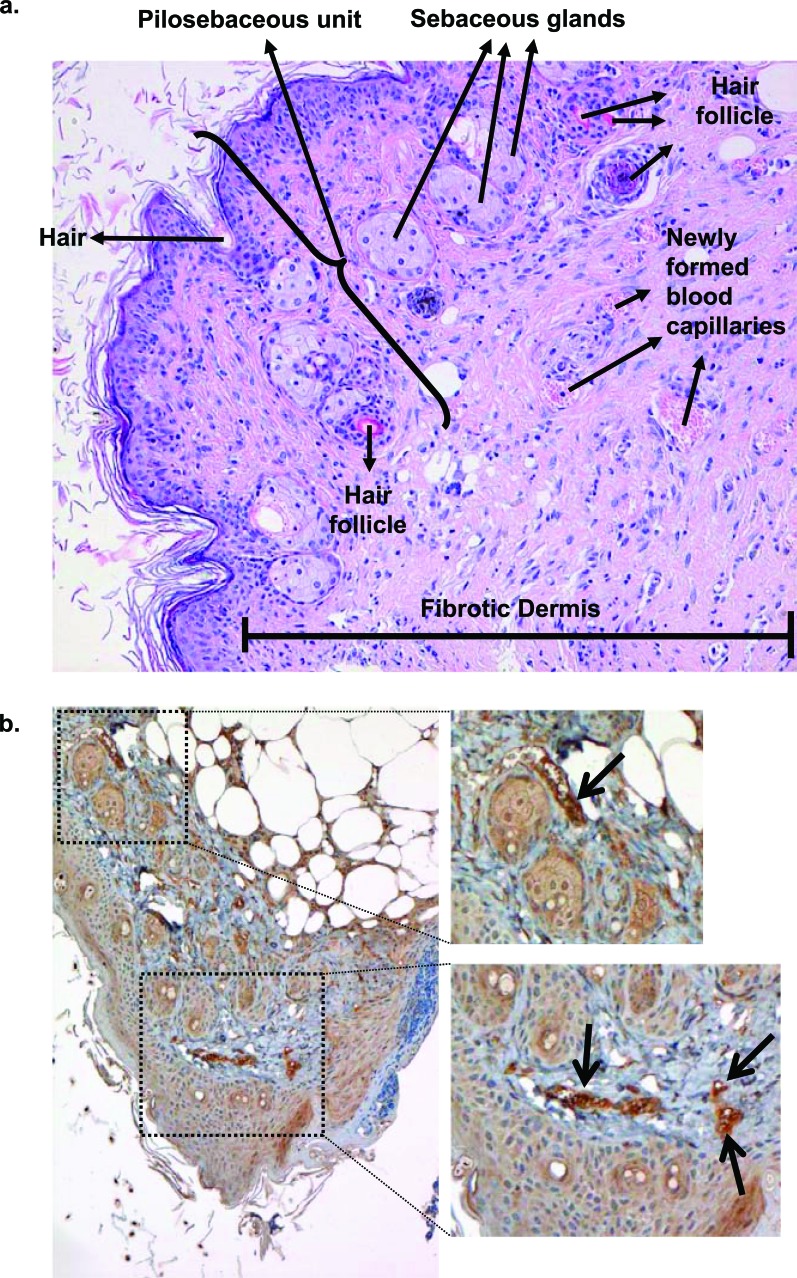
Copper has two key properties that are being exploited in consumer and medical device products in the last decade. On the one hand, copper has potent biocidal properties. On the other hand, copper is involved in numerous physiological and metabolic processes critical for the appropriate functioning of almost all tissues in the human body. In the skin, copper is involved in the synthesis and stabilization of extracellular matrix skin proteins and angiogenesis. This manuscript reviews clinical studies that show that the use of textile consumer and medical device products, embedded with microscopic copper oxide particles, improve the well-being of the skin. These include studies showing a) cure of athlete's foot infections and improvement in skin elasticity, especially important for individuals suffering from diabetes; b) reduction of facial fine line and wrinkles; and c) enhancement of wound healing; by copper oxide embedded socks, pillowcases and wound dressings, respectively. The manuscript also reviews and discusses the mechanisms by which the presence of copper in these products improves skin well-being.
Overview
The claims and statistics of this paper haven’t been checked yet.
Run the check — free, no account needed. It reads the open-access text and checks the sources it cites.
Integrity signals
Registry
Cites
Statistics
Figures
Verification
Claims the paper makes
The claims and statistics of this paper haven’t been checked yet.
Run the check — free, no account needed. It reads the open-access text and checks the sources it cites.
Claims other papers make about this one
Each is checked against this paper’s own text: does it say what the citing paper says it does?
In the citing paper
“It is a cofactor of superoxide dismutase (SOD), an enzyme involved in protecting the skin against the harmful effects of free radicals, and also prevents oxidative damage to cell membranes and lipid peroxidation [118,126].”
From Bioactive Compounds for Skin Health: A Review (2021) · cites this paper as [118]
In the citing paper
“Copper ions are commonly included in cosmetics. Cu is used as an active component of face creams, including those for the care of mature, tired, dull or oily skin [118,130].”
From Bioactive Compounds for Skin Health: A Review (2021) · cites this paper as [118]
In the citing paper
“Cu stimulates the proliferation of dermal fibroblasts and is involved in the synthesis and stabilization of extracellular matrix skin proteins and angiogenesis.”
From Bioactive Compounds for Skin Health: A Review (2021) · cites this paper as [118]
In the citing paper
“Copper ions reduce the risk of the fungal and bacterial infection of minor wounds and cuts, as well as enhancing wound healing [118].”
From Bioactive Compounds for Skin Health: A Review (2021) · cites this paper as [118]
In the citing paper
“Clinical studies have shown that copper aids in improving skin elasticity, reducing facial fine lines and wrinkles, and promoting wound healing [63].”
From Diet and Skin Aging—From the Perspective of Food Nutrition (2020) · cites this paper as [63]
Self-check
Percentages, sums and reported differences re-computed from the paper’s own numbers.
The self-check needs the paper’s full text.
Citations
Cites
Trumbo (2001) · doi:10.1016/s0002-8223(01)00078-5 · Cited by 4,852
Institute of Medicine (2001) · National Academies Press eBooks · doi:10.17226/10026 · Cited by 4,239
Metallic copper as an antimicrobial surface
Grass, G., Rensing, C., & Solioz, M. (2011) · Applied and Environmental Microbiology · doi:10.1128/aem.02766-10 · Cited by 1,640
Nichols, J. A., & Katiyar, S. K. (2010) · Archives of Dermatological Research · doi:10.1007/s00403-009-1001-3 · Cited by 1,103
Superoxide dismutases and superoxide reductases
Sheng, Y., Abreu, I. A., Cabelli, D. E., Maroney, M. J., Miller, A.-F., Teixeira, M., & Valentine, J. S. (2014) · Chemical Reviews · doi:10.1021/cr4005296 · Cited by 1,081
Essentiality of copper in humans
Uauy, R., Olivares, M., & Gonzalez, M. (1998) · The American Journal of Clinical Nutrition · doi:10.1093/ajcn/67.5.952s · Cited by 1,052
Oxidation events and skin aging
Kammeyer, A., & Luiten, R. M. (2015) · Ageing Research Reviews · doi:10.1016/j.arr.2015.01.001 · Cited by 980
A Delicate Balance: Homeostatic Control of Copper Uptake and Distribution
Peña, M. M. O., Lee, J., & Thiele, D. J. (1999) · Journal of Nutrition · doi:10.1093/jn/129.7.1251 · Cited by 733
Borkow, G., & Gabbay, J. (2005) · Current Medicinal Chemistry · doi:10.2174/0929867054637617 · Cited by 727
Self-citationNatural and Sun-Induced Aging of Human Skin
Rittie, L., & Fisher, G. J. (2015) · Cold Spring Harbor Perspectives in Medicine · doi:10.1101/cshperspect.a015370 · Cited by 600
Cited by
Sorted by citations
Bioactive Compounds for Skin Health: A Review
Michalak, M., Pierzak, M., Kręcisz, B., & Suliga, E. (2021) · Nutrients · doi:10.3390/nu13010203 · Cited by 345
The emerging role of nanotechnology in skincare
Salvioni, L., Morelli, L., Ochoa, E., Labra, M., Fiandra, L., Palugan, L., Prosperi, D., & Colombo, M. (2021) · Advances in Colloid and Interface Science · doi:10.1016/j.cis.2021.102437 · Cited by 344
Diet and Skin Aging—From the Perspective of Food Nutrition
Cao, C., Xiao, Z., Wu, Y., & Ge, C. (2020) · Nutrients · doi:10.3390/nu12030870 · Cited by 231
Natural Compounds and Products from an Anti-Aging Perspective
Bjørklund, G., Shanaida, M., Lysiuk, R., Butnariu, M., Peana, M., Sărac, I., Strus, O., Smetanina, K., & Chirumbolo, S. (2022) · Molecules · doi:10.3390/molecules27207084 · Cited by 234
Copper transporters and copper chaperones: roles in cardiovascular physiology and disease
Fukai, T., Ushio‐Fukai, M., & Kaplan, J. H. (2018) · American Journal of Physiology-Cell Physiology · doi:10.1152/ajpcell.00132.2018 · Cited by 192
Biomaterials-Based Regenerative Strategies for Skin Tissue Wound Healing
Kaur, G., Narayanan, G., Garg, D., Sachdev, A., & Matai, I. (2022) · ACS Applied Bio Materials · doi:10.1021/acsabm.2c00035 · Cited by 187
Nanoparticle-mediated bioremediation as a powerful weapon in the removal of environmental pollutants
Chaudhary, P., Ahamad, L., Chaudhary, A., Kumar, G., Chen, W., & Chen, S. (2023) · Journal of environmental chemical engineering · doi:10.1016/j.jece.2023.109591 · Cited by 184
Kargozar, S., Mozafari, M., Ghodrat, S., Fiume, E., & Baino, F. (2020) · Materials Science and Engineering C · doi:10.1016/j.msec.2020.111741 · Cited by 156
A comprehensive review on recent advances in copper sensors
Chopra, T., Sasan, S., Devi, L., Parkesh, R., & Kapoor, K. K. (2022) · Coordination Chemistry Reviews · doi:10.1016/j.ccr.2022.214704 · Cited by 136
A facile method for synthesis of nanostructured copper (II) oxide by coprecipitation
Rangel, W. M., Santa, R. A. A. B., & Riella, H. G. (2019) · Journal of Materials Research and Technology · doi:10.1016/j.jmrt.2019.11.039 · Cited by 133
Mascarenhas‐Melo, F., Mathur, A., Murugappan, S., Sharma, A., Tanwar, K., Dua, K., Singh, S. K., Mazzola, P. G., Yadav, D. N., Rengan, A. K., et al. (2023) · European Journal of Pharmaceutics and Biopharmaceutics · doi:10.1016/j.ejpb.2023.09.011 · Cited by 128
Ashfaq, M., Verma, N., & Khan, S. (2017) · Materials Science and Engineering C · doi:10.1016/j.msec.2017.03.187 · Cited by 100
Tran, C. D., Makuvaza, J. T., Munson, E. L., & Bennett, B. (2017) · ACS Applied Materials & Interfaces · doi:10.1021/acsami.7b11969 · Cited by 98
Endothelial Antioxidant-1: a Key Mediator of Copper-dependent Wound Healing in vivo
Das, A., Sudhahar, V., Chen, G.-F., Kim, H. W., Youn, S.-W., Finney, L., Vogt, S., Yang, J., Kweon, J., Surenkhuu, B., et al. (2016) · Scientific Reports · doi:10.1038/srep33783 · Cited by 89
More, S. J., Bampidis, V., Benford, D., Bragard, C., Halldorsson, T. I., Hernández, A. F., Bennekou, S. H., Koutsoumanis, K., Lambré, C., Machera, K. A., et al. (2023) · EFSA Journal · doi:10.2903/j.efsa.2023.7728 · Cited by 99
Bhadauriya, P., Mamtani, H., Ashfaq, M., Raghav, A., Teotia, A. K., Kumar, A., & Verma, N. (2018) · ACS Applied Bio Materials · doi:10.1021/acsabm.8b00018 · Cited by 70
Novel Antibacterials: Alternatives to Traditional Antibiotics
Betts, J. W., Hornsey, M., & Ragione, R. M. L. (2018) · Advances in microbial physiology/Advances in Microbial Physiology · doi:10.1016/bs.ampbs.2018.06.001 · Cited by 69
Low-Cost Diaper Wetness Detection Using Hydrogel-Based RFID Tags
Sen, P., Kantareddy, S. N. R., Bhattacharyya, R., Sarma, S. E., & Siegel, J. E. (2019) · IEEE Sensors Journal · doi:10.1109/jsen.2019.2954746 · Cited by 68
Onychomycosis in Older Adults: Prevalence, Diagnosis, and Management
Gupta, A. K., Venkataraman, M., & Talukder, M. (2022) · Drugs & Aging · doi:10.1007/s40266-021-00917-8 · Cited by 64
Karuppannan, S. K., Ramalingam, R., Khalith, S. B. M., Musthafa, S. A., Dowlath, M. J. H., Munuswamy‐Ramanujam, G., & Arunachalam, K. D. (2021) · Materials Letters · doi:10.1016/j.matlet.2021.129787 · Cited by 58
Yang, Y., Wang, C., Wang, N., Li, J., Zhu, Y., Zai, J., Fu, J., & Hao, Y. (2022) · Journal of Nanobiotechnology · doi:10.1186/s12951-022-01403-y · Cited by 56
Advances of nanoparticles employment in dental implant applications
Hossain, N., Islam, M. A., Chowdhury, M. A., & Alam, A. (2022) · Applied Surface Science Advances · doi:10.1016/j.apsadv.2022.100341 · Cited by 56
A Paradigm Shift in the Treatment and Management of Onychomycosis
Gupta, A. K., Venkataraman, M., Renaud, H. J., Summerbell, R. C., Shear, N. H., & Piguet, V. (2021) · Skin Appendage Disorders · doi:10.1159/000516112 · Cited by 53
Cu-MXene: A potential biocide for the next-generation biomedical application
Talreja, N., Ashfaq, M., Chauhan, D., & Mangalaraja, R. V. (2022) · Materials Chemistry and Physics · doi:10.1016/j.matchemphys.2022.127029 · Cited by 52
Is Copper Still Safe for Us? What Do We Know and What Are the Latest Literature Statements?
Charkiewicz, A. E. (2024) · Current Issues in Molecular Biology · doi:10.3390/cimb46080498 · Cited by 49
Microbially synthesized nanoparticles as next generation antimicrobials: scope and applications
Busi, S., & Rajkumari, J. (2019) · Elsevier eBooks · doi:10.1016/b978-0-12-816504-1.00008-9 · Cited by 46
How to Promote Skin Repair? In-Depth Look at Pharmaceutical and Cosmetic Strategies
Torres, A., Rego, L., Martins, M., Ferreira, M. S., Cruz, M. T., Sousa, E., & Almeida, I. F. (2023) · Pharmaceuticals · doi:10.3390/ph16040573 · Cited by 45
MXene-NH2/chitosan hemostatic sponges for rapid wound healing
Huang, Y., Wang, X., Luo, B., Jin, P., Zheng, Y., Xu, C., & Wu, Z. (2024) · International Journal of Biological Macromolecules · doi:10.1016/j.ijbiomac.2024.129489 · Cited by 42
Ogen‐Shtern, N., Chumin, K., Cohen, G., & Borkow, G. (2019) · Journal of Cosmetic Dermatology · doi:10.1111/jocd.13186 · Cited by 42
Self-citationSharma, S., Chayawan, C., Debnath, J., & Ghosh, K. S. (2023) · Methods · doi:10.1016/j.ymeth.2023.06.013 · Cited by 40
Peptide hydrogel with self-healing and redox-responsive properties
D’Souza, A., Marshall, L. R., Yoon, J. H., Kulesha, A., Edirisinghe, D. I. U., Chandrasekaran, S., Rathee, P., Prabhakar, R. S., & Makhlynets, O. V. (2022) · Nano Convergence · doi:10.1186/s40580-022-00309-7 · Cited by 38
Shinde, D. B., Pawar, R., Vitore, J. G., Kulkarni, D. A., Musale, S., & Giram, P. S. (2021) · Polymers for Advanced Technologies · doi:10.1002/pat.5457 · Cited by 36
Gill, A. A. S., Singh, S., Nate, Z., Chauhan, R., Thapliyal, N. B., Karpoormath, R. V., Maru, S. M., & Reddy, T. M. (2020) · Sensors and Actuators B Chemical · doi:10.1016/j.snb.2020.128449 · Cited by 33
Ognik, K., Cholewińska, E., Juśkiewicz, J., Zduńczyk, Z., Tutaj, K., & Szlązak, R. (2019) · Journal of Animal Physiology and Animal Nutrition · doi:10.1111/jpn.13025 · Cited by 33
Zinc, Copper, and Iron in Selected Skin Diseases
Podgórska, A., Kicman, A., Naliwajko, S. K., Wacewicz-Muczyńska, M., & Niczyporuk, M. (2024) · International Journal of Molecular Sciences · doi:10.3390/ijms25073823 · Cited by 33
Rtimi, S., & Kiwi, J. T. (2018) · Catalysis Today · doi:10.1016/j.cattod.2018.06.016 · Cited by 27
Soorani, M., Mele, E., & Christie, J. K. (2023) · Materials Advances · doi:10.1039/d2ma00872f · Cited by 28
Krymchenko, R., Kutluoğlu, G. C., van Hout, N. E., Manikowski, D., Doberenz, C., Kuppevelt, T. H. V., & Daamen, W. F. (2024) · Advanced Healthcare Materials · doi:10.1002/adhm.202400484 · Cited by 26
The role of macronutrients and micronutrients in wound healing: a narrative review
Penny, H. L., Flores, R., Pennington, E., Pedersen, A., & Tran, S. (2022) · Journal of Wound Care · doi:10.12968/jowc.2022.31.sup5.s14 · Cited by 25
Vats, M., Bhardwaj, S., & Chhabra, A. (2020) · Endocrine Metabolic & Immune Disorders - Drug Targets · doi:10.2174/1871530320666200705212107 · Cited by 24
Characteristics of the copper‐induced viable‐but‐non‐culturable state in bacteria
Maertens, L., Matroule, J., & Houdt, R. V. (2021) · World Journal of Microbiology and Biotechnology · doi:10.1007/s11274-021-03006-5 · Cited by 24
Copper Ions Ameliorated Thermal Burn-Induced Damage in ex vivo Human Skin Organ Culture
Ogen‐Shtern, N., Chumin, K., Silberstein, E., & Borkow, G. (2021) · Skin Pharmacology and Physiology · doi:10.1159/000517194 · Cited by 23
Self-citationAngelé-Martínez, C., Ameer, F. S., Raval, Y. S., Huang, G., Tzeng, T.-R. J., Anker, J. N., & Brumaghim, J. L. (2021) · Toxicology in Vitro · doi:10.1016/j.tiv.2021.105252 · Cited by 23
Chen, H., Chai, M., Cheng, J., Wang, Y., & Tang, Z. (2022) · Ecotoxicology and Environmental Safety · doi:10.1016/j.ecoenv.2022.114121 · Cited by 21
Bacterial Disinfection by CuFe2O4 Nanoparticles Enhanced by NH2OH: A Mechanistic Study
Gu, Y., Xiao, F., Luo, L., Zhou, X., Zhou, X., Jin, L., & Li, Z. (2019) · Nanomaterials · doi:10.3390/nano10010018 · Cited by 19
Molecular description of copper(II) oxide
Farahani, M. R., Gao, W., Baig, A. Q., & Khalid, W. (2017) · Macedonian Journal of Chemistry and Chemical Engineering · doi:10.20450/mjcce.2017.1138 · Cited by 17
The Effects on Angiogenesis of Relevant Inorganic Chemotherapeutics
Marzo, T., & Mendola, D. L. (2020) · Current Topics in Medicinal Chemistry · doi:10.2174/1568026620666201126163436 · Cited by 17
An Overview of Heavy Metals in Cosmetic Products and Their Toxicological Impact
Jităreanu, A., Trifan, A., Caba, I.-C., Mârţu, I., & Agoroaei, L. (2025) · Applied Sciences · doi:10.3390/app152412883 · Cited by 17
Gromkowska-Kępka, K. J., Markiewicz‐Żukowska, R., Nowakowski, P., Naliwajko, S. K., Moskwa, J., Puścion‐Jakubik, A., Bielecka, J., Grabia, M., Mielcarek, K., Soroczyńska, J., et al. (2021) · Antioxidants · doi:10.3390/antiox10091402 · Cited by 15
Effective antibacterial agents in modern wound dressings: a review
Torabi, S., & Hassanzadeh-Tabrizi, S. A. (2024) · Biofouling · doi:10.1080/08927014.2024.2358913 · Cited by 14
The role of trace elements for the function and health of the skin
Bjørklund, G., Shanaida, M., Hangan, T., Talgatkyzy, K. L., Kussainova, A. A., Semenova, Y. M., Gheorghe, E., Гонтова, Т. М., Voloshyn, V., Lysiuk, R., et al. (2025) · Journal of Trace Elements in Medicine and Biology · doi:10.1016/j.jtemb.2025.127674 · Cited by 14
Sharma, A., Yadav, H. O. S., & Bandyopadhyay, P. (2024) · Biophysical Chemistry · doi:10.1016/j.bpc.2024.107347 · Cited by 13
Ahmad, Z., Baig, A. Q., Azhar, M. R., & Imran, M. (2020) · Journal of Information and Optimization Sciences · doi:10.1080/02522667.2020.1745379 · Cited by 13
A hydrogel sheet mask with tea tree essential oil entrapment and targeted dose delivery capability
Ghosh, B., Bhattacharya, D., & Mukhopadhyay, M. (2022) · Materials Today Proceedings · doi:10.1016/j.matpr.2022.01.349 · Cited by 13
Bor, E., Çalışkan, U. K., Anlaş, C., Durbilmez, G. D., Bakırel, T., & Özdemir, N. (2022) · Inorganic and Nano-Metal Chemistry · doi:10.1080/24701556.2022.2072342 · Cited by 13
Ghaemi, A., Darabi, H. R., Aghapoor, K., Mohsenzadeh, F., Sayahi, H., & Ghassemzadeh, M. (2024) · Inorganic Chemistry Communications · doi:10.1016/j.inoche.2024.112330 · Cited by 12
Spectral analysis of Cupric oxide (CuO) and Graphene Oxide (GO) via machine learning techniques
Mufti, Z. S., Mahboob, K., Aslam, M. N., Hussain, S., Omer, A. S. A., Sohail, T., Abbas, S., Khan, I., & Khan, M. A. (2025) · Egyptian Informatics Journal · doi:10.1016/j.eij.2025.100632 · Cited by 12
Continuum of care in hard-to-heal wounds by copper dressings: A case series
Melamed, E., & Borkow, G. (2023) · Journal of Wound Care · doi:10.12968/jowc.2023.32.12.788 · Cited by 11
Self-citationTang, Q., Tan, Y., Leng, S., Liu, Q., Zhu, L., & Wang, C. (2024) · Materials Today Bio · doi:10.1016/j.mtbio.2024.101087 · Cited by 11
The effect of the source and dosage of dietary Cu on redox status in rat tissues
Ognik, K., Cholewińska, E., Tutaj, K., Cendrowska‐Pinkosz, M., Dworzański, W., Dworzańska, A., & Juśkiewicz, J. (2019) · Journal of Animal Physiology and Animal Nutrition · doi:10.1111/jpn.13207 · Cited by 11
Singh, M. K., Singh, A., & Morris, H. (2023) · Textile Progress · doi:10.1080/00405167.2023.2258675 · Cited by 10
Minerals and Trace Elements: Key Protectors of Skin Health and Defenders against Skin Disorders
Bjørklund, G., Shanaida, M., Гонтова, Т. М., Gheorghe, E., Kassym, L., Kussainova, A., Voloshyn, V., Semenova, Y. M., Lysiuk, R., Voloshyn, O., et al. (2025) · Current Medicinal Chemistry · doi:10.2174/0109298673348175250214054101 · Cited by 10
Sachan, G., Schürch, P., Koelmans, W. W., Hepp, E., VanderWal, L. J., Stafslien, S. J., & Narayan, R. J. (2023) · JOM · doi:10.1007/s11837-023-06149-y · Cited by 9
Prema, D., Balashanmugam, P., & Venkatasubbu, G. D. (2024) · Colloids and Surfaces A Physicochemical and Engineering Aspects · doi:10.1016/j.colsurfa.2024.133191 · Cited by 9
Ma, J., Chai, M., Li, J., Wang, S., & Tang, Z. (2024) · Environmental Technology & Innovation · doi:10.1016/j.eti.2024.103606 · Cited by 9
Pharmacognostic evaluation of Terminalia chebula standard extracts and finished products
Gunasekar, C. J., Abu‐Yousef, I. A., Majdalawieh, A. F., & Narasimhan, S. (2019) · Mediterranean Journal of Chemistry · doi:10.13171/mjc861907177afm · Cited by 9
Song, M., Lee, J., Kim, Y.-J., Hoang, D. H., Choe, W., Kang, I., Kim, S. S., & Ha, J. (2020) · Marine Drugs · doi:10.3390/md18090473 · Cited by 9
Role of Nigella sativa L. seed (black cumin) in preventing photoaging (Review)
Evanti, A. M., Wargasetia, T. L., & Gunadi, J. W. (2025) · Biomedical Reports · doi:10.3892/br.2025.2009 · Cited by 8
Gupta, A., Simkovich, A. J., & Hall, D. C. (2022) · Journal of the American Podiatric Medical Association · doi:10.7547/21-223 · Cited by 8
Green and Cost-Effective Nanomaterials Synthesis from Desert Plants and Their Applications
Aseel, D. G., Behiry, S. I., & Abdelkhalek, A. A. (2023) · Springer eBooks · doi:10.1007/978-981-99-0927-8_16 · Cited by 8
Advantages of Functional Foods in Supporting and Maintaining Hair and Skin Health
Muraleedharan, V., Kamath, G. S., Sasikumar, G., & Panicker, S. P. (2023) · Springer eBooks · doi:10.1007/978-981-99-0534-8_12 · Cited by 9
Healing Effect of a Nano-Functionalized Medical-Grade Honey for the Treatment of Infected Wounds
Salvo, J., Sandoval, C., Schencke, C., Acevedo, F., & del Sol, M. (2023) · Pharmaceutics · doi:10.3390/pharmaceutics15092187 · Cited by 8
Effect of copper and zinc oxide doping in 13–93B3 borate glass for enhanced wound healing
Elmowafy, B. M., Ramadan, R., Ghazy, A. R., Fahim, I. S., Meaz, T. M., Ghazy, R. A. M., & Abdelghany, A. M. (2025) · Ceramics International · doi:10.1016/j.ceramint.2025.05.188 · Cited by 7
Facial pore refining by targeting dermal and epidermal functions: Assessment across age and gender
Tollenaere, M. D., Meunier, M., Durduret, A., Chapuis, E., Auriol, P., Auriol, D., Scandolera, A., & Reynaud, R. (2024) · Journal of Cosmetic Dermatology · doi:10.1111/jocd.16424 · Cited by 7
‘Fish’, fossil and fake: medicinal unicorn horn
Duffin, C. J. (2017) · Geological Society London Special Publications · doi:10.1144/sp452.16 · Cited by 7
Cytocompatible, thermostable hydrogel with utility to release drug over skin
Ghosh, B., Bhattacharya, D., Kotal, A., Kuila, A., & Mukhopadhyay, M. (2019) · Journal of Sol-Gel Science and Technology · doi:10.1007/s10971-019-05187-w · Cited by 7
Nanomaterials in cosmetics: Transforming beauty through innovation and science
Singh, N. B., Abdala, A. A., Jahan, M. I., & Susan, M. A. B. H. (2025) · Nano-Structures & Nano-Objects · doi:10.1016/j.nanoso.2025.101551 · Cited by 6
Herbal Nanoparticles: A Commitment towards Contemporary Approach
Mansingh, P. P., Adhikari, L., & Dhara, M. (2023) · Indian Journal of Pharmaceutical Education and Research · doi:10.5530/ijper.57.3s.55 · Cited by 6
Kapoor, R., Shome, D., Doshi, K., Patel, G., Tandel, H., & Kumar, V. (2023) · Journal of Cosmetic Dermatology · doi:10.1111/jocd.15957 · Cited by 7
Tummino, M. L., Maya, I. C., Varesano, A., Vineis, C., & Guarino, V. (2024) · Materials · doi:10.3390/ma17102435 · Cited by 8
Cosmetotextiles - Sometimes the Simple Things Work
Borkow, G. (2016) · Journal of Cosmetology & Trichology · doi:10.4172/2471-9323.1000e103 · Cited by 6
Self-citationZheng, C., Zhang, J., Zeng, L., Liu, Z., Hu, X., Zhou, X. M., & Huang, A. (2026) · ACS Biomaterials Science & Engineering · doi:10.1021/acsbiomaterials.5c01424 · Cited by 5
Textiles in cosmetics and personal care
Islam, J. M. M., Akter, T., Mokbul, M., Afroz, S., & Mondal, M. I. H. (2022) · Elsevier eBooks · doi:10.1016/b978-0-323-90479-7.00022-1 · Cited by 5
Safety and Toxicity Counts of Nanocosmetics
Jeswani, G., Paul, S. D., Chablani, L., & Ajazuddin, M. (2019) · Springer eBooks · doi:10.1007/978-3-030-16573-4_14 · Cited by 5
Fabrication of natural polysaccharide based hydrogel with utility to entrap pollutants
Ghosh, B., Bhattacharya, D., & Mukhopadhyay, M. (2021) · Journal of Physics Conference Series · doi:10.1088/1742-6596/1797/1/012060 · Cited by 5
Ghosh, T., Deveswaran, R., & Srinivasan, B. (2021) · Materials Today Proceedings · doi:10.1016/j.matpr.2021.10.140 · Cited by 5
Trace Elements and Risk of Immune-Mediated Skin Disease: A Systematic Review and Meta-analysis
Shao, X., Ou, Y., Chen, T., Deng, B., Zhang, J., & Chen, J. (2025) · Nutrition Reviews · doi:10.1093/nutrit/nuaf015 · Cited by 4
Nanotechnology-Based Face Masks: Transforming the Cosmetics Landscape
Chavda, V. P., Solanki, H. K., Vaghela, D. A., Prajapati, K., & Vora, L. K. (2025) · Micro · doi:10.3390/micro5010011 · Cited by 4
Alvarez-Gonzales, R., Yufra-Illanes, E. E., Villanueva-Salas, J. A., Choquenaira-Quispe, C., Corzo-Salas-De-Valdivia, A., Quispe, F. M. M., & Gonzales-Condori, E. G. (2025) · Cosmetics · doi:10.3390/cosmetics12050185 · Cited by 4
Kamińska, J., Hecel, A., Słowik, J., Rombel‐Bryzek, A., Rowińska‐Żyrek, M., & Witkowska, D. (2024) · Frontiers in Molecular Biosciences · doi:10.3389/fmolb.2024.1366588 · Cited by 4
Wyrzykowski, D., Kłoska, A., Zdrowowicz, M., Wieczorek, R., & Makowska, J. (2022) · Polyhedron · doi:10.1016/j.poly.2022.115948 · Cited by 4
Balakrishnan, P., Ajayan, S., Mukkudakkattu, S., Nechiyil, K., & Nambi, N. (2022) · Journal of Ayurveda and Integrative Medicine · doi:10.1016/j.jaim.2022.100576 · Cited by 4
Integration of cosmetics with textiles: an emerging area of functional textiles – a review
Govindan, N., & Kanjana, S. (2018) · Journal of Textile Engineering & Fashion Technology · doi:10.15406/jteft.2018.04.00158 · Cited by 4
Anastasiou, E. A., Ayfantopoulou, E., Lykartsi, E. E., Papadopoulou, S. N. A., Toganidou, I. T., Tsiapali, O. I., Tzourouni, A., Venetikidou, M., Τσούπρας, Α., Koumentakou, I., et al. (2024) · Elsevier eBooks · doi:10.1016/b978-0-323-95486-0.00087-9 · Cited by 4
Gospodinova, D. N., & Neznakomova, M. P. (2022) · Electrical Engineering Faculty Conference (BulEF) · doi:10.1109/bulef56479.2022.10021188 · Cited by 3
Binczarski, M. J., Zuberek, J. Z., Samadi, P., Cieślak, M., Kamińska, I., Berłowska, J., Pawlaczyk, A., Szynkowska, M. I., & Witońska, I. (2023) · RSC Advances · doi:10.1039/d3ra06071c · Cited by 4
Rapidly self-sterilizing PPE capable of 99.9% SARS-CoV-2 deactivation in 30 secondsPreprint
Zinn, A. A., Izadjoo, M., Kim, H., Kehn‐Hall, K., Lehman, C. W., Brody, R. L., Roth, R. R., Vega, A., Nguyen, K. K., Ngo, N. T., et al. (2020) · bioRxiv (Cold Spring Harbor Laboratory) · doi:10.1101/2020.11.16.384040 · Cited by 3
Soorani, M., Mele, E., & Christie, J. K. (2024) · Journal of Non-Crystalline Solids · doi:10.1016/j.jnoncrysol.2024.123122 · Cited by 2
Ghosh, B., Bhattacharya, D., & Mukhopadhyay, M. (2025) · Next Materials · doi:10.1016/j.nxmate.2024.100467 · Cited by 2
Tsiourvas, D., Sideratou, Z., Mavrogonatou, E., Kletsas, D., Sophianopoulou, V., & Gerostathis, S. (2025) · Scientific Reports · doi:10.1038/s41598-025-11018-6 · Cited by 3
Metadata
- Authors
- Borkow, G.
- Affiliations
- Cupron (Israel) (IL)
- Corresponding author
- Borkow, Gadi
- ORCID
- Borkow, Gadi
- Venue
- Current Chemical Biology
- Publisher
- Bentham Science Publishers Ltd.
- Published
- 2015-04-06
- Volume
- 8
- Issue
- 2
- Pages
- 89-102
- ISSN
- 1872-3136 (ISSN-L)
- 2212-7968
- PMC
- PMC4556990
- OpenAlex
- W2320500762
- Cited by
- 149
- References
- 97
- Citations by year
- 2026: 10 · 2025: 28 · 2024: 21 · 2023: 19 · 2022: 24 · 2021: 12 · 2020: 12 · 2019: 10 · 2018: 6 · 2017: 5 · 2016: 2
- FWCI
- 4.17
- Type
- journal article
- Language
- en
- Open access
- bronze
- doi.org
- Locations
- Current Chemical Biology (publishedVersion)
- Europe PMC (PubMed Central) (publishedVersion, cc-by-nc)
- PubMed Central (publishedVersion, cc-by-nc)
- PubMed (publishedVersion)
- Topics
- Health Sciences › Nursing › Nutrition and Dietetics › Trace Elements in Health
- Health Sciences › Medicine › Surgery › Wound Healing and Treatments
- Physical Sciences › Materials Science › Materials Chemistry › Nanoparticles: synthesis and applications
- Keywords
- copper, copper oxide, biocidal properties, extracellular matrix proteins, angiogenesis, tinea pedis, skin elasticity, diabetes mellitus, wrinkles, wound healing, wound dressings, medical devices
About these checks
Registry, retraction, Cites and statistics results are computed, not judged, with one exception: a printed reference that no index lists is read once by a model before it counts as a citation error. Claims are extracted by a model and kept only when their quote appears verbatim in the text; each cited source is then checked, with a model’s help, for whether it says what the claim relies on. Those verdicts can be wrong — read the claim’s quote and the cited source before relying on one.
Statistics and arithmetic are recomputed, not judged.
Confidence bands are shown only for fields calibrated on our annotated test set. None is calibrated yet, so no band is shown.
What counts as a claim ›How we measure confidence ›How we check this ›
Are you an author, or do you see a problem with this page? Request a review
