

The DOI matches its Crossref record; 99 of the 99 references it cites were found in a registry or an index.
Using Copper to Improve the Well-Being of the Skin
Open accessAbstract
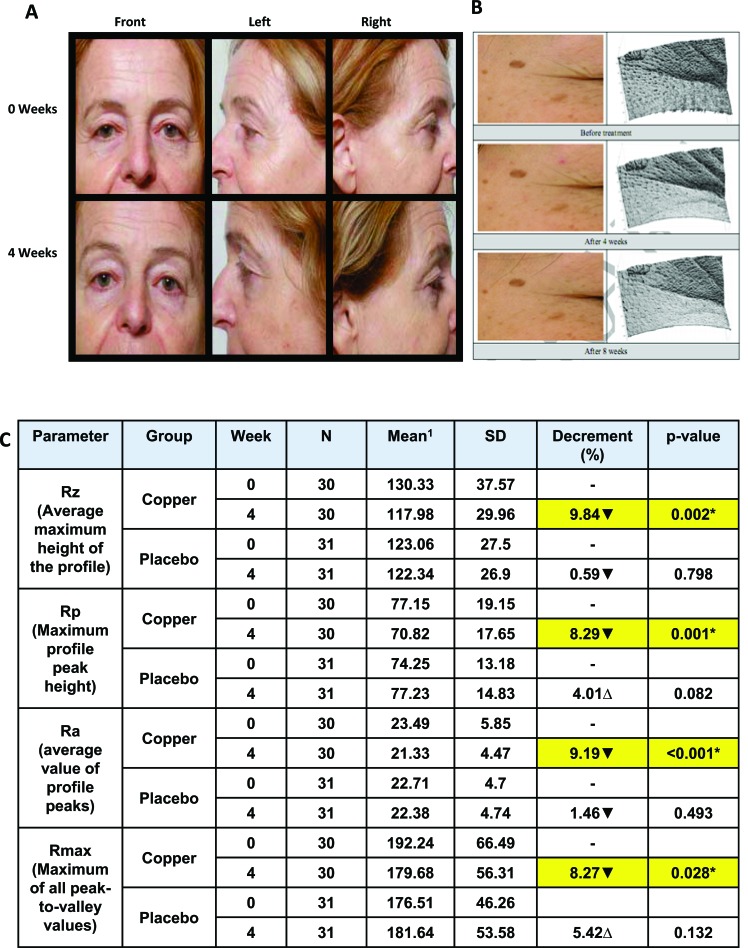
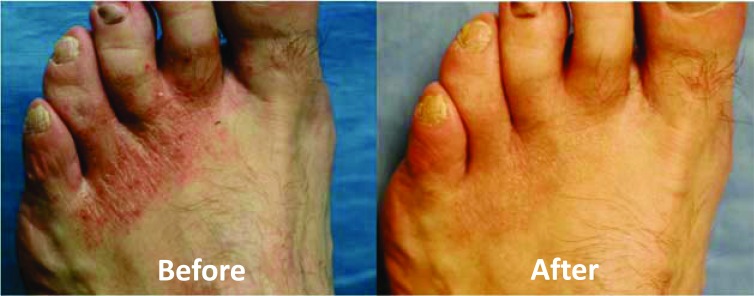
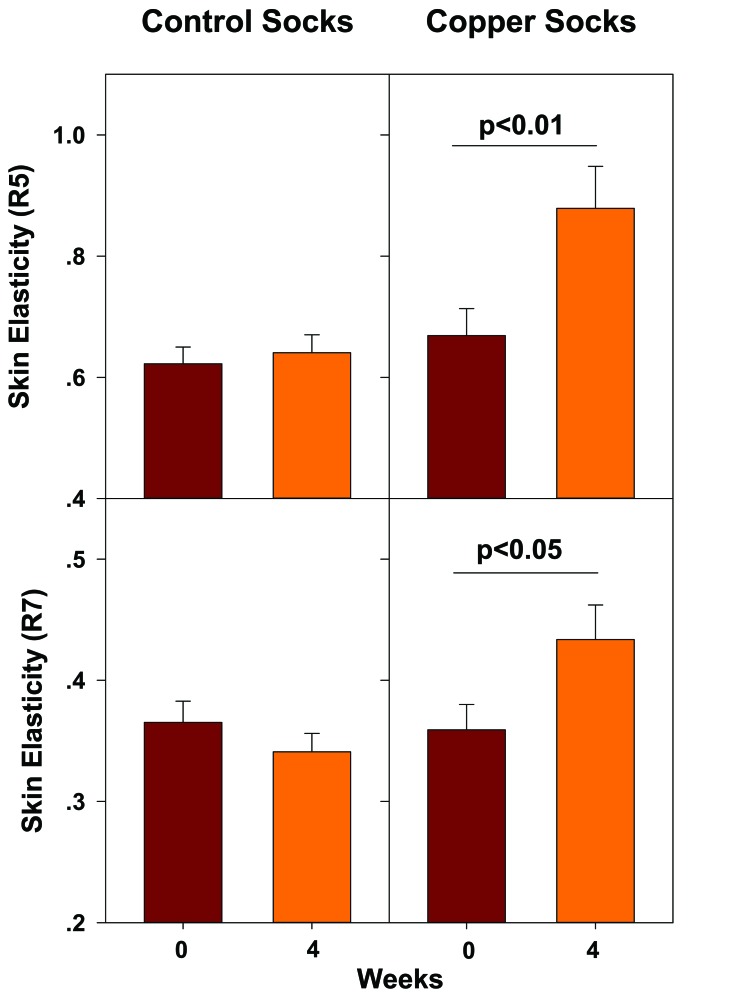
Copper has two key properties that are being exploited in consumer and medical device products in the last decade. On the one hand, copper has potent biocidal properties. On the other hand, copper is involved in numerous physiological and metabolic processes critical for the appropriate functioning of almost all tissues in the human body. In the skin, copper is involved in the synthesis and stabilization of extracellular matrix skin proteins and angiogenesis. This manuscript reviews clinical studies that show that the use of textile consumer and medical device products, embedded with microscopic copper oxide particles, improve the well-being of the skin. These include studies showing a) cure of athlete's foot infections and improvement in skin elasticity, especially important for individuals suffering from diabetes; b) reduction of facial fine line and wrinkles; and c) enhancement of wound healing; by copper oxide embedded socks, pillowcases and wound dressings, respectively. The manuscript also reviews and discusses the mechanisms by which the presence of copper in these products improves skin well-being.
Overview
The claims and statistics of this paper haven’t been checked yet.
Run the check — free, no account needed. It reads the open-access text and checks the sources it cites.
Integrity signals
Registry
Cites
Statistics
Figures
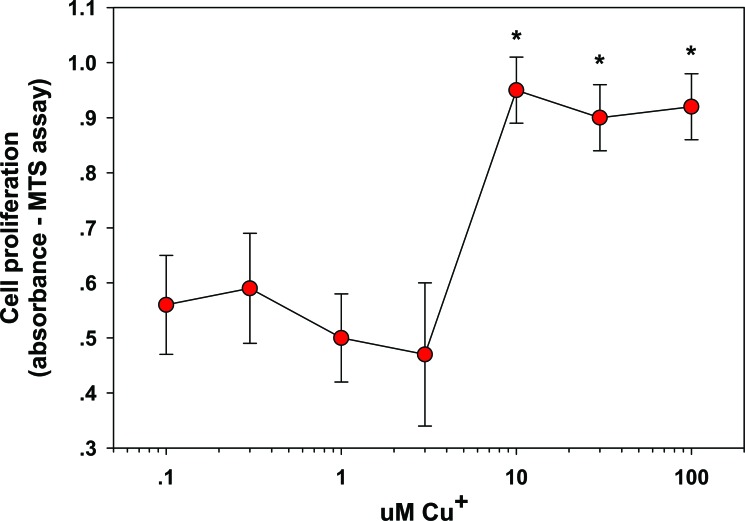
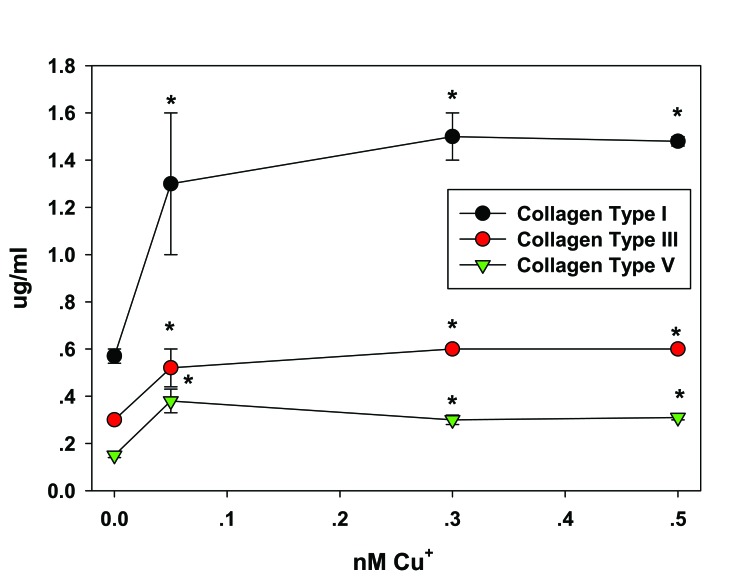
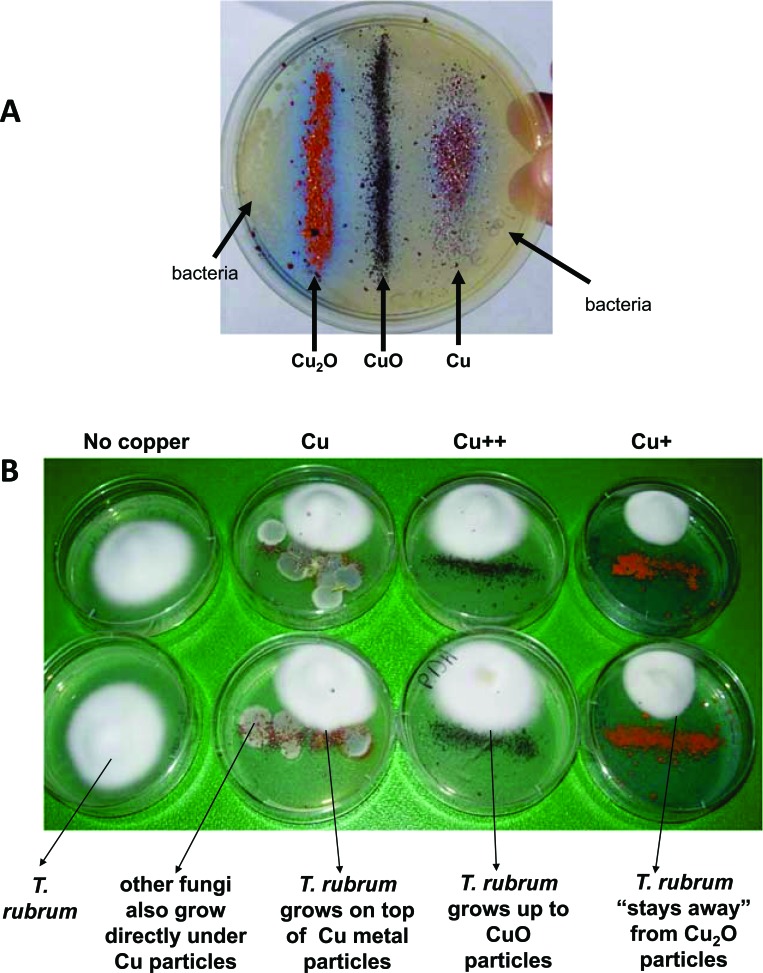
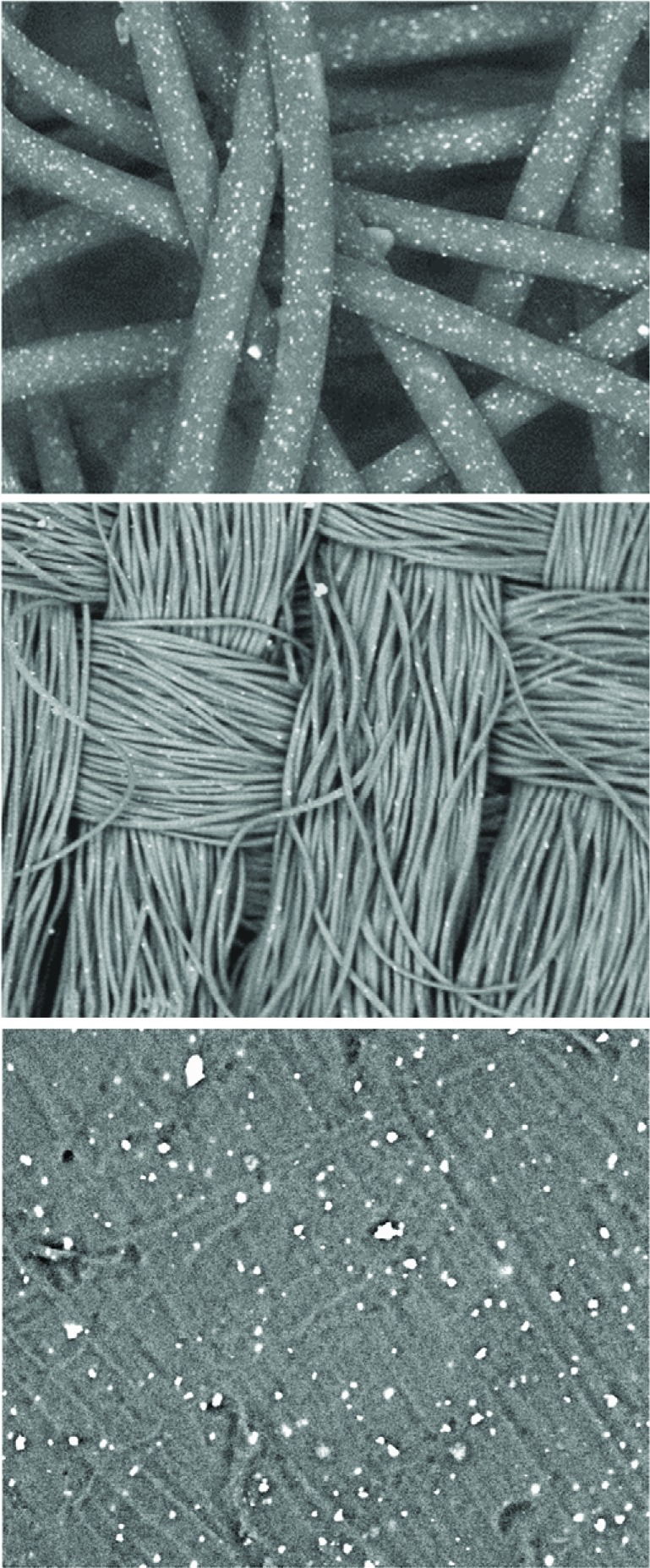
Verification
Claims the paper makes
The claims and statistics of this paper haven’t been checked yet.
Run the check — free, no account needed. It reads the open-access text and checks the sources it cites.
Claims other papers make about this one
Each is checked against this paper’s own text: does it say what the citing paper says it does?
In the citing paper
“It is a cofactor of superoxide dismutase (SOD), an enzyme involved in protecting the skin against the harmful effects of free radicals, and also prevents oxidative damage to cell membranes and lipid peroxidation [118,126].”
From Bioactive Compounds for Skin Health: A Review (2021) · cites this paper as [118]
In the citing paper
“Copper ions are commonly included in cosmetics. Cu is used as an active component of face creams, including those for the care of mature, tired, dull or oily skin [118,130].”
From Bioactive Compounds for Skin Health: A Review (2021) · cites this paper as [118]
In the citing paper
“Cu stimulates the proliferation of dermal fibroblasts and is involved in the synthesis and stabilization of extracellular matrix skin proteins and angiogenesis.”
From Bioactive Compounds for Skin Health: A Review (2021) · cites this paper as [118]
In the citing paper
“Copper ions reduce the risk of the fungal and bacterial infection of minor wounds and cuts, as well as enhancing wound healing [118].”
From Bioactive Compounds for Skin Health: A Review (2021) · cites this paper as [118]
In the citing paper
“Clinical studies have shown that copper aids in improving skin elasticity, reducing facial fine lines and wrinkles, and promoting wound healing [63].”
From Diet and Skin Aging—From the Perspective of Food Nutrition (2020) · cites this paper as [63]
Self-check
Percentages, sums and reported differences re-computed from the paper’s own numbers.
The self-check needs the paper’s full text.
Citations
Cites
Trumbo (2001) · doi:10.1016/s0002-8223(01)00078-5 · Cited by 4,852
Institute of Medicine (2001) · National Academies Press eBooks · doi:10.17226/10026 · Cited by 4,239
Metallic copper as an antimicrobial surface
Grass, G., Rensing, C., & Solioz, M. (2011) · Applied and Environmental Microbiology · doi:10.1128/aem.02766-10 · Cited by 1,640
Nichols, J. A., & Katiyar, S. K. (2010) · Archives of Dermatological Research · doi:10.1007/s00403-009-1001-3 · Cited by 1,103
Superoxide dismutases and superoxide reductases
Sheng, Y., Abreu, I. A., Cabelli, D. E., Maroney, M. J., Miller, A.-F., Teixeira, M., & Valentine, J. S. (2014) · Chemical Reviews · doi:10.1021/cr4005296 · Cited by 1,081
Essentiality of copper in humans
Uauy, R., Olivares, M., & Gonzalez, M. (1998) · The American Journal of Clinical Nutrition · doi:10.1093/ajcn/67.5.952s · Cited by 1,052
Oxidation events and skin aging
Kammeyer, A., & Luiten, R. M. (2015) · Ageing Research Reviews · doi:10.1016/j.arr.2015.01.001 · Cited by 980
A Delicate Balance: Homeostatic Control of Copper Uptake and Distribution
Peña, M. M. O., Lee, J., & Thiele, D. J. (1999) · Journal of Nutrition · doi:10.1093/jn/129.7.1251 · Cited by 733
Borkow, G., & Gabbay, J. (2005) · Current Medicinal Chemistry · doi:10.2174/0929867054637617 · Cited by 727
Self-citationNatural and Sun-Induced Aging of Human Skin
Rittie, L., & Fisher, G. J. (2015) · Cold Spring Harbor Perspectives in Medicine · doi:10.1101/cshperspect.a015370 · Cited by 600
Anatomy, histology and immunohistochemistry of normal human skin.
Kanitakis, J. (2003) · PubMed · Cited by 585
Looking Older: Fibroblast Collapse and Therapeutic Implications
Fisher, G. J., Varani, J., & Voorhees, J. J. (2008) · Archives of Dermatology · doi:10.1001/archderm.144.5.666 · Cited by 540
Copper-induced vascular endothelial growth factor expression and wound healing
Sen, C. K., Khanna, S., Venojarvi, M., Trikha, P., Ellison, E. C., Hunt, T. K., & Roy, S. (2002) · American Journal of Physiology-Heart and Circulatory Physiology · doi:10.1152/ajpheart.01015.2001 · Cited by 522
Fisher, G. J., Quan, T., Purohit, T., Shao, Y., Cho, M. K., He, T., Varani, J., Kang, S., & Voorhees, J. J. (2009) · The American Journal of Pathology · doi:10.2353/ajpath.2009.080599 · Cited by 487
Mammalian tyrosinase—The critical regulatory control point in melanocyte pigmentation
Hearing, V. J., & Jiménez, M. (1987) · International Journal of Biochemistry · doi:10.1016/0020-711x(87)90095-4 · Cited by 479
The role of the TGF-β family in wound healing, burns and scarring: a review.
Penn, J. W., Grobbelaar, A. O., & Rolfe, K. J. (2012) · PubMed Central · Cited by 478
Copper stimulates proliferation of human endothelial cells under culture
Hu, G. (1998) · Journal of Cellular Biochemistry · doi:10.1002/(sici)1097-4644(19980601)69:3 · Cited by 425
Copper, An Ancient Remedy Returning to Fight Microbial, Fungal and Viral Infections
Borkow, G., & Gabbay, J. (2009) · Current Chemical Biology · doi:10.2174/2212796810903030272 · Cited by 405
Self-citationA Novel Anti-Influenza Copper Oxide Containing Respiratory Face Mask
Borkow, G., Zhou, S. S., Page, T., & Gabbay, J. (2010) · PLoS ONE · doi:10.1371/journal.pone.0011295 · Cited by 374
Self-citationCopper, lysyl oxidase, and extracellular matrix protein cross-linking
Rucker, R., Kosonen, T., Clegg, M., Mitchell, A., Rucker, B., Uriu-Hare, J., & Keen, C. (1998) · The American Journal of Clinical Nutrition · doi:10.1093/ajcn/67.5.996s · Cited by 371
Putting copper into action: copper‐impregnated products with potent biocidal activities
Borkow, G., & Gabbay, J. (2004) · The FASEB Journal · doi:10.1096/fj.04-2029fje · Cited by 366
Self-citationRole of Copper Oxides in Contact Killing of Bacteria
Hans, M., Erbe, A., Mathews, S., Chen, Y., Solioz, M., & Mücklich, F. (2013) · Langmuir · doi:10.1021/la404091z · Cited by 361
Olivares, C., & Solano, F. (2009) · Pigment Cell & Melanoma Research · doi:10.1111/j.1755-148x.2009.00636.x · Cited by 312
Contribution of Copper Ion Resistance to Survival of Escherichia coli on Metallic Copper Surfaces
Santo, C. E., Taudte, N., Nies, D. H., & Grass, G. (2007) · Applied and Environmental Microbiology · doi:10.1128/aem.01938-07 · Cited by 297
Changes induced in the permeability barrier of the yeast plasma membrane by cupric ion
Ohsumi, Y., Kitamoto, K., & Anraku, Y. (1988) · Journal of Bacteriology · doi:10.1128/jb.170.6.2676-2682.1988 · Cited by 291
Linder, M. C., Wooten, L., Cerveza, P., Cotton, S., Shulze, R., & Lomeli, N. A. (1998) · American Journal of Clinical Nutrition · doi:10.1093/ajcn/67.5.965s · Cited by 273
Copper Oxide Impregnated Textiles with Potent Biocidal Activities
Gabbay, J., Borkow, G., Mishal, J., Magen, E., Zatcoff, R. C., & Shemer‐Avni, Y. (2006) · Journal of Industrial Textiles · doi:10.1177/1528083706060785 · Cited by 255
Self-citationMolecular mechanisms of enhanced wound healing by copper oxide-impregnated dressings
Borkow, G., Gabbay, J., Dardik, R., Eidelman, A. I., Lavie, Y., Grunfeld, Y., Ikher, S., Huszar, M., Zatcoff, R. C., & Marikovsky, M. (2010) · Wound Repair and Regeneration · doi:10.1111/j.1524-475x.2010.00573.x · Cited by 253
Self-citationCeruloplasmin, Copper Ions, and Angiogenesis 2
Raju, K. S., Alessandri, G., Ziche, M., & Gullino, P. M. (1982) · JNCI Journal of the National Cancer Institute · doi:10.1093/jnci/69.5.1183 · Cited by 241
Historic uses of copper compounds in medicine
Dollwet, H. H. A., & Sorenson, J. R. J. (1985) · Trace elements in medicine · Cited by 222
The human tri-peptide GHK and tissue remodeling
Pickart, L. (2008) · Journal of Biomaterials Science, Polymer Edition · doi:10.1163/156856208784909435 · Cited by 218
Kim, J.-H., Cho, H., Ryu, S.-E., & Choi, M.-U. (2000) · Archives of Biochemistry and Biophysics · doi:10.1006/abbi.2000.1996 · Cited by 196
Antimicrobial metallic copper surfaces kill Staphylococcus haemolyticus via membrane damage
Santo, C. E., Quaranta, D., & Grass, G. (2012) · MicrobiologyOpen · doi:10.1002/mbo3.2 · Cited by 195
Watson, R. E. B., Griffiths, C. E. M., Craven, N. M., Shuttleworth, C. A., & Kielty, C. M. (1999) · Journal of Investigative Dermatology · doi:10.1046/j.1523-1747.1999.00562.x · Cited by 185
Mace, K. A., Yu, D. H., Paydar, K. Z., Boudreau, N. J., & Young, D. M. (2007) · Wound Repair and Regeneration · doi:10.1111/j.1524-475x.2007.00278.x · Cited by 182
Widmer, C., Gebauer, J. M., Brunstein, E., Rosenbaum, S., Zaucke, F., Drögemüller, C., Leeb, T., & Baumann, U. (2012) · Proceedings of the National Academy of Sciences · doi:10.1073/pnas.1208072109 · Cited by 181
A brief review of the past, present and future of wood preservation
Schultz, T. P., Nicholas, D. D., & Preston, A. F. (2007) · Pest Management Science · doi:10.1002/ps.1386 · Cited by 173
Materials in Dentistry: Principles and Applications
Ferracane, J. L. (1995) · Medical Entomology and Zoology · Cited by 170
Biocidal textiles can help fight nosocomial infections
Borkow, G., & Gabbay, J. (2007) · Medical Hypotheses · doi:10.1016/j.mehy.2007.08.025 · Cited by 167
Self-citationThe integumentary system: anatomy, physiology and function of skin
McLafferty, E., Hendry, C., & Farley, A. (2012) · Nursing Standard · doi:10.7748/ns2012.09.27.3.35.c9299 · Cited by 164
Li, N., Liu, Y., Man-qi, L., & Yang, K. (2008) · Journal of Materials Science Materials in Medicine · doi:10.1007/s10856-008-3444-z · Cited by 158
Callaghan, T. M., & Wilhelm, K. ‐. (2008) · International Journal of Cosmetic Science · doi:10.1111/j.1468-2494.2008.00454.x · Cited by 149
Interaction of copper with DNA and antagonism by other metals
Sagripanti, J., Goering, P. L., & Lamanna, A. (1991) · Toxicology and Applied Pharmacology · doi:10.1016/0041-008x(91)90048-j · Cited by 144
The Extracellular Matrix in Wound Healing: A Closer Look at Therapeutics for Chronic Wounds
Agren, M. S., & Werthen, M. (2007) · The International Journal of Lower Extremity Wounds · doi:10.1177/1534734607301394 · Cited by 136
Atsawasuwan, P., Mochida, Y., Katafuchi, M., Kaku, M., Fong, K. S. K., Csiszár, K., & Yamauchi, M. (2008) · Journal of Biological Chemistry · doi:10.1074/jbc.m803142200 · Cited by 128
The anatomy and physiology of the locomotor system
Farley, A., McLafferty, E., & Hendry, C. (2012) · Nursing Standard · doi:10.7748/ns2012.10.27.7.35.c9358 · Cited by 119
Reducing the risk of skin pathologies in diabetics by using copper impregnated socks
Borkow, G., Zatcoff, R. C., & Gabbay, J. (2009) · Medical Hypotheses · doi:10.1016/j.mehy.2009.02.050 · Cited by 119
Self-citationLysyl oxidase in development, aging and pathologies of the skin
Szauter, K. M., Cao, T., Boyd, C. D., & Csiszár, K. (2005) · Pathologie Biologie · doi:10.1016/j.patbio.2004.12.033 · Cited by 115
Lazary, A., Weinberg, I., Vatine, J., Jefidoff, A., Bardenstein, R., Borkow, G., & Ohana, N. (2014) · International Journal of Infectious Diseases · doi:10.1016/j.ijid.2014.01.022 · Cited by 107
Self-citationKarlström, A. R., & Levine, R. L. (1991) · Proceedings of the National Academy of Sciences · doi:10.1073/pnas.88.13.5552 · Cited by 104
Peltonen, L., Kuivaniemi, H., Palotie, A. V., Horn, N., Kaitila, I., & Kivirikko, K. I. (1983) · Biochemistry · doi:10.1021/bi00295a018 · Cited by 104
Copper Hypersensitivity: Dermatologie Aspects
Hostynek, J. J., & Maibach, H. I. (2003) · Reviews on Environmental Health · doi:10.1515/reveh.2003.18.3.153 · Cited by 95
Philips, N. E., Conte, J., Chen, Y., Natrajan, P., Taw, M. N., Keller, T., Givant, J., Tuason, M., Dulaj, L., Leonardi, D., et al. (2009) · Archives of Dermatological Research · doi:10.1007/s00403-009-0950-x · Cited by 95
Philips, N., Hwang, H., Chauhan, S., Leonardi, D., & Gonzalez, S. (2010) · Connective Tissue Research · doi:10.3109/03008200903288431 · Cited by 95
Beswick, P. H., Hall, G. H., Hook, A. J., Little, K., McBrien, D. C. H., & Lott, K. A. K. (1976) · Chemico-Biological Interactions · doi:10.1016/0009-2797(76)90113-7 · Cited by 91
O'Brien, P., Kulier, R., Helmerhorst, F. M., Usher-Patel, M., & d’Arcangues, C. (2008) · Contraception · doi:10.1016/j.contraception.2007.12.011 · Cited by 91
Using Copper to Fight Microorganisms
Borkow, G. (2012) · Current Chemical Biology · doi:10.2174/187231312801254723 · Cited by 88
Self-citationDeactivation of Human Immunodeficiency Virus Type 1 in Medium by Copper Oxide-Containing Filters
Borkow, G., Lara, H. H., Covington, C. Y., Nyamathi, A., & Gabbay, J. (2007) · Antimicrobial Agents and Chemotherapy · doi:10.1128/aac.00899-07 · Cited by 85
Self-citationCould chronic wounds not heal due to too low local copper levels?
Borkow, G., Gabbay, J., & Zatcoff, R. C. (2008) · Medical Hypotheses · doi:10.1016/j.mehy.2007.06.006 · Cited by 81
Self-citationCooperative disordering of single‐stranded polynucleotides through copper crosslinking
Rifkind, J. M., Shin, Y. A., Heim, J. M., & Eichhorn, G. L. (1976) · Biopolymers · doi:10.1002/bip.1976.360151002 · Cited by 80
Neutralizing Viruses in Suspensions by Copper Oxide-Based Filters
Borkow, G., Sidwell, R. W., Smee, D. F., Barnard, D. L., Morrey, J. D., Lara, H. H., Shemer‐Avni, Y., & Gabbay, J. (2007) · Antimicrobial Agents and Chemotherapy · doi:10.1128/aac.00125-07 · Cited by 80
Self-citationPhilips, N., Keller, T., Hendrix, C., Hamilton, S., Arena, R., Tuason, M., & Gonzalez, S. (2007) · Archives of Dermatological Research · doi:10.1007/s00403-007-0779-0 · Cited by 75
Cocke, D. L., Chuah, G., Kruse, N., & Block, J. H. (1995) · Applied Surface Science · doi:10.1016/0169-4332(94)00467-6 · Cited by 64
Treatment of tinea pedis with socks containing copper-oxide impregnated fibers
Zatcoff, R. C., Smith, M. S., & Borkow, G. (2008) · The Foot · doi:10.1016/j.foot.2008.03.005 · Cited by 63
Self-citationFage, S. W., Faurschou, A., & Thyssen, J. P. (2014) · Contact Dermatitis · doi:10.1111/cod.12273 · Cited by 63
Inactivation of bacterial and viral biothreat agents on metallic copper surfaces
Bleichert, P., Santo, C. E., Hanczaruk, M. A., Meyer, H. E., & Grass, G. (2014) · BioMetals · doi:10.1007/s10534-014-9781-0 · Cited by 61
Copper oxide impregnated wound dressing: biocidal and safety studies.
Borkow, G., Okon-Levy, N., & Gabbay, J. (2010) · PubMed · Cited by 58
Self-citationCopper nanoparticle cues for biomimetic cellular assembly of crosslinked elastin fibers
Kothapalli, C. R., & Ramamurthi, A. (2009) · Acta Biomaterialia · doi:10.1016/j.actbio.2008.09.004 · Cited by 57
Interaction of mineral salts with the skin: A literature survey
Polefka, T. G., Bianchini, R. J., & Shapiro, S. (2012) · International Journal of Cosmetic Science · doi:10.1111/j.1468-2494.2012.00731.x · Cited by 56 · cited 2×
“Copper is naturally found in many food sources such as meats, vegetables and grains, and the recommended daily intake of copper for adults is ~1 mg [22, 25].”
BackgroundExamination of the Cutaneous Absorption of Copper After the Use of Copper-Containing Ointments
Gorter, R. W., Butorac, M., & Cobian, E. P. (2004) · American Journal of Therapeutics · doi:10.1097/01.mjt.0000127148.83065.e5 · Cited by 55
Copper–GHK increases integrin expression and p63 positivity by keratinocytes
Kang, Y.-A., Choi, H.-R., Na, J.-I., Huh, C.-H., Kim, M.-J., Youn, S.-W., Kim, K.-H., & Park, K.-C. (2009) · Archives of Dermatological Research · doi:10.1007/s00403-009-0942-x · Cited by 51
Emergency contraception: A review
Haspels, A. A. (1994) · Contraception · doi:10.1016/0010-7824(94)90046-9 · Cited by 51
An in vitro study on the role of metal catalyzed oxidation in glyeation and crosslinking of collagen
Sajithlal, G. B., Chithra, P., & Chandrakasan, G. (1999) · Molecular and Cellular Biochemistry · doi:10.1023/a:1006988719374 · Cited by 50
Non-enzymic copper reduction by menaquinone enhances copper toxicity in Lactococcus lactis IL1403
Abicht, H. K., Gonskikh, Y., Gerber, S. D., & Solioz, M. (2013) · Microbiology · doi:10.1099/mic.0.066928-0 · Cited by 48
Bilian, X. (2002) · Best Practice & Research Clinical Obstetrics & Gynaecology · doi:10.1053/beog.2002.0267 · Cited by 47
Philips, N., Samuel, P., Parakandi, H., Gopal, S., Siomyk, H., Ministro, A., Thompson, T., & Borkow, G. (2012) · Connective Tissue Research · doi:10.3109/03008207.2012.665970 · Cited by 44
Self-citationPotent bactericidal efficacy of copper oxide impregnated non-porous solid surfaces
Monk, A. B., Kanmukhla, V., Trinder, K., & Borkow, G. (2014) · BMC Microbiology · doi:10.1186/1471-2180-14-57 · Cited by 43
Self-citationPhilips, N. E., Samuel, M., Arena, R., Chen, Y., Conte, J., Natrajan, P., Haas, G., & González, S. (2010) · International Journal of Cosmetic Science · doi:10.1111/j.1468-2494.2010.00609_4.x · Cited by 41
Borkow, G., Gabbay, J., Lyakhovitsky, A., & Huszar, M. (2009) · International Journal of Cosmetic Science · doi:10.1111/j.1468-2494.2009.00515.x · Cited by 39
Self-citationBactericidal Activity of Copper and Non-Copper Paints
Cooney, T. E. (1995) · Infection Control and Hospital Epidemiology · doi:10.1086/648361 · Cited by 38
Matrix metalloproteinases in skin pathology (Review).
Herouy, Y. (2001) · International Journal of Molecular Medicine · doi:10.3892/ijmm.7.1.3 · Cited by 38
Emergency contraception: A review
Bastianelli, C., Farris, M., & Benagiano, G. (2008) · The European Journal of Contraception & Reproductive Health Care · doi:10.1080/13625180701781096 · Cited by 37
Hostýnek, J. J., Dreher, F., & Maïbach, H. I. (2006) · Food and Chemical Toxicology · doi:10.1016/j.fct.2006.04.003 · Cited by 35
Ultrastructural localization of superoxide dismutase in human skin.
Kobayashi, T., Saito, N., Takemori, N., Iizuka, S., Suzuki, K., Taniguchi, N., & Iizuka, H. (1993) · Acta Dermato Venereologica · doi:10.2340/00015555734145 · Cited by 33
Baek, J. H., Yoo, M. A., Koh, J. S., & Borkow, G. (2012) · Journal of Cosmetic Dermatology · doi:10.1111/j.1473-2165.2012.00624.x · Cited by 32
Self-citationSafety of Using Copper Oxide in Medical Devices and Consumer Products
Borkow, G. (2012) · Current Chemical Biology · doi:10.2174/2212796811206010086 · Cited by 28
Self-citationPhilips, N. E., Tuason, M., Chang, T. C., Lin, Y., Tahir, M., & Rodríguez, S. G. (2009) · Skin Pharmacology and Physiology · doi:10.1159/000208168 · Cited by 27
Bactericidal Activity of Copper and Noncopper Paints
Cooney, T. E. (1995) · Infection Control and Hospital Epidemiology · doi:10.2307/30141081 · Cited by 25
Control of downy mildew on grapes in organic viticulture.
Torre, A. L., Talocci, S., Spera, G., & Valori, R. (2008) · PubMed · Cited by 21
Dykes, P. J. (2014) · Skin Research and Technology · doi:10.1111/srt.12187 · Cited by 21
Fighting nosocomial infections with biocidal non-intrusive hard and soft surfaces
Borkow, G. (2012) · World Journal of Clinical Infectious Diseases · doi:10.5495/wjcid.v2.i4.77 · Cited by 21
Self-citationSafety of Using Diapers Containing Copper Oxide in Chronic Care Elderly Patients
Weinberg, I., Lazary, A., Jefidoff, A., Vatine, J., Borkow, G., & Ohana, N. (2013) · The Open Biology Journal · doi:10.2174/1874196701306010001 · Cited by 17
Self-citationProtection of Soldiers’ Feet by Copper Oxide Impregnated Socks
Borkov, G. (2013) · Advances in Military Technology · doi:10.3849/aimt.01009 · Cited by 16
Gargiulo, M. E., Elías, A. D. C., & Borkow, G. (2012) · The Open Biology Journal · doi:10.2174/1874196701205010017 · Cited by 10
Self-citationSafety of Using Copper Oxide in Medical Devices and Consumer Products
Borkow, G. (2012) · Current Chemical Biology · doi:10.2174/187231312799984349 · Cited by 10
Self-citationCopper Hypersensitivity: Dermatologic Aspects—Overview
Maibach, J. J. H. ́. A. H. I. (2006) · CRC Press eBooks · doi:10.3109/9781420009439-11 · Cited by 6
Emergency contraception – a review
Steyn, P. S., & Mason, D. (2009) · Obstetrics and Gynaecology Forum · doi:10.4314/ogf.v19i4.48509 · Cited by 5
Schmidt, M. G., Banks, A. L., & Salgado, C. D. (2014) · Springer eBooks · doi:10.1007/978-3-319-08057-4_4 · Cited by 3
Borkow, G. (2014) · Springer eBooks · doi:10.1007/978-3-319-08057-4_5 · Cited by 2
Self-citation
Cited by
Sorted by citations
Bioactive Compounds for Skin Health: A Review
Michalak, M., Pierzak, M., Kręcisz, B., & Suliga, E. (2021) · Nutrients · doi:10.3390/nu13010203 · Cited by 345
The emerging role of nanotechnology in skincare
Salvioni, L., Morelli, L., Ochoa, E., Labra, M., Fiandra, L., Palugan, L., Prosperi, D., & Colombo, M. (2021) · Advances in Colloid and Interface Science · doi:10.1016/j.cis.2021.102437 · Cited by 344
Diet and Skin Aging—From the Perspective of Food Nutrition
Cao, C., Xiao, Z., Wu, Y., & Ge, C. (2020) · Nutrients · doi:10.3390/nu12030870 · Cited by 231
Natural Compounds and Products from an Anti-Aging Perspective
Bjørklund, G., Shanaida, M., Lysiuk, R., Butnariu, M., Peana, M., Sărac, I., Strus, O., Smetanina, K., & Chirumbolo, S. (2022) · Molecules · doi:10.3390/molecules27207084 · Cited by 234
Copper transporters and copper chaperones: roles in cardiovascular physiology and disease
Fukai, T., Ushio‐Fukai, M., & Kaplan, J. H. (2018) · American Journal of Physiology-Cell Physiology · doi:10.1152/ajpcell.00132.2018 · Cited by 192
Metadata
- Authors
- Borkow, G.
- Affiliations
- Cupron (Israel) (IL)
- Corresponding author
- Borkow, Gadi
- ORCID
- Borkow, Gadi
- Venue
- Current Chemical Biology
- Publisher
- Bentham Science Publishers Ltd.
- Published
- 2015-04-06
- Volume
- 8
- Issue
- 2
- Pages
- 89-102
- ISSN
- 1872-3136 (ISSN-L)
- 2212-7968
- PMC
- PMC4556990
- OpenAlex
- W2320500762
- Cited by
- 149
- References
- 97
- Citations by year
- 2026: 10 · 2025: 28 · 2024: 21 · 2023: 19 · 2022: 24 · 2021: 12 · 2020: 12 · 2019: 10 · 2018: 6 · 2017: 5 · 2016: 2
- FWCI
- 4.17
- Type
- journal article
- Language
- en
- Open access
- bronze
- doi.org
- Locations
- Current Chemical Biology (publishedVersion)
- Europe PMC (PubMed Central) (publishedVersion, cc-by-nc)
- PubMed Central (publishedVersion, cc-by-nc)
- PubMed (publishedVersion)
- Topics
- Health Sciences › Nursing › Nutrition and Dietetics › Trace Elements in Health
- Health Sciences › Medicine › Surgery › Wound Healing and Treatments
- Physical Sciences › Materials Science › Materials Chemistry › Nanoparticles: synthesis and applications
- Keywords
- copper, copper oxide, biocidal properties, extracellular matrix proteins, angiogenesis, tinea pedis, skin elasticity, diabetes mellitus, wrinkles, wound healing, wound dressings, medical devices
About these checks
Registry, retraction, Cites and statistics results are computed, not judged, with one exception: a printed reference that no index lists is read once by a model before it counts as a citation error. Claims are extracted by a model and kept only when their quote appears verbatim in the text; each cited source is then checked, with a model’s help, for whether it says what the claim relies on. Those verdicts can be wrong — read the claim’s quote and the cited source before relying on one.
Statistics and arithmetic are recomputed, not judged.
Confidence bands are shown only for fields calibrated on our annotated test set. None is calibrated yet, so no band is shown.
What counts as a claim ›How we measure confidence ›How we check this ›
Are you an author, or do you see a problem with this page? Request a review
