

Effectiveness of a Web-Based Self-Guided Intervention (MINDxYOU) for Reducing Stress and Promoting Mental Health Among Health Professionals: Results From a Stepped-Wedge Cluster Randomized Trial
Open accessPublished version of a preprint
The DOI matches its Crossref record; 93 of the 93 references it cites were found in a registry or an index; 34 of the 45 sources its claims cite were checked for support.
Abstract
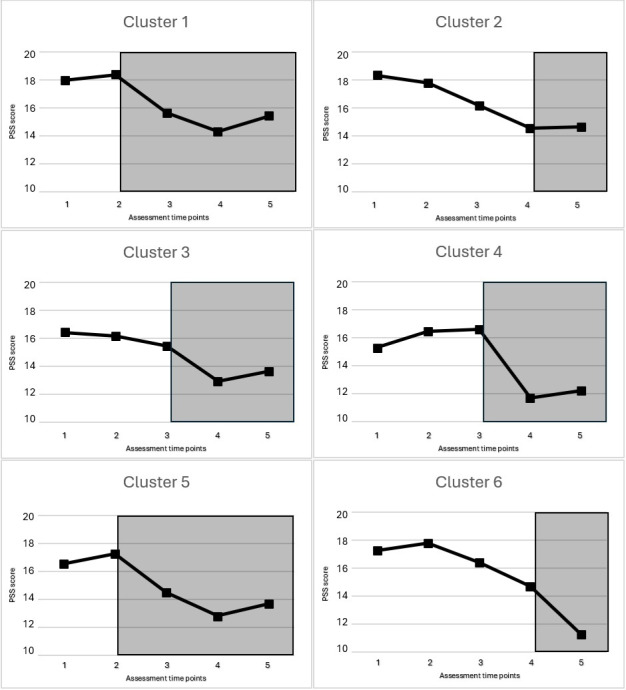
Background: The high levels of sustained stress that health professionals often experience are a significant risk factor for developing mental health problems, such as anxiety, depression, and somatic symptoms, that not only affect their well-being but also have major social and organizational consequences. Different interventions, including those based on third-wave psychotherapy principles (ie, mindfulness, compassion, and acceptance), have proven to be effective in reducing stress in this population. Among them, those delivered on the web constitute a promising alternative with notable advantages in accessibility and flexibility, but some adherence inconveniences may limit their efficacy. Objective: This study aimed to evaluate the effectiveness of the MINDxYOU program, a web-based self-guided intervention based on third-wave psychotherapy principles, to reduce perceived stress and promote mental health in a sample of health professionals. Methods: In a stepped-wedge cluster randomized design, 357 health professionals from health centers in Aragon and Málaga, Spain, were recruited. They were divided into 6 clusters—3 per region—and randomly assigned to 1 of the 3 sequences, each starting with a control phase and then transitioning to the intervention phase (the MINDxYOU program) after 8, 16, or 24 weeks. This self-guided, web-based program, designed to be completed over 8 weeks, included weekly contact (via WhatsApp, call, or email) from the research team to promote adherence. Participants were assessed on the web every 8 weeks for 5 assessments. Perceived stress was the study’s primary outcome, with additional measures of clinical factors (anxiety, depression, and somatization) and process variables (resilience, mindfulness, compassion, and acceptance). Results: The program was initiated by 229 participants, 112 (48.9%) of whom were completers (ie, completed at least 3 of the 4 modules). Perceived stress demonstrated a significant reduction both when considering the entire sample (β=–1.08, SE 0.51; P=.03) and the sample of completers (β=–1.84, SE 0.62; P=.003). The proportion of participants reflecting “low stress” increased after the treatment (n=90, 46.6% vs n=100, 28.8% at baseline). Intracluster analysis revealed that pre- versus postintervention moderate effects were present in 2 clusters (Cohen d=0.46 and 0.62), and these were maintained in subsequent assessments. The linear mixed-effects models also showed that depression, anxiety, and somatization, as well as resilience, self-compassion, and some mindfulness facets, experienced significant improvements (P<.05) when comparing the intervention and control phases. Conclusions: The MINDxYOU program was effective in reducing perceived stress and promoting mental health, as well as increasing resilience, mindfulness facets, and self-compassion. These effects suggest that participants experienced a tangible improvement that could potentially enhance their well-being. Adherence to the intervention was moderate, while program use was notable compared to similar interventions. Finding ways to promote adherence to the intervention would contribute to increasing the effectiveness of this program. ©Yolanda López-del-Hoyo, Selene Fernández-Martínez, Adrian Perez-Aranda, Alicia Monreal-Bartolomé, Alberto Barceló-Soler, Loreto Camarero-Grados, Carilene Armas-Landaeta, José Guzmán-Parra, Vera Carbonell, Daniel Campos, Xinyuan Chen, Javier García-Campayo.
Overview
CoChat Summary
TL;DR
MINDxYOU, a self-guided web-based third-wave psychotherapy program for health professionals, reduced perceived stress and improved several mental health outcomes in a stepped-wedge cluster randomized trial. Effects were generally stronger among participants who completed the program, but adherence was only moderate.
Key findings
- The study included 357 health professionals; 229 (64.1%) initiated MINDxYOU, 112/229 (48.9%) completed at least 3 modules, and 100/229 (43.7%) completed all 4 modules.
- Perceived stress fell from 16.63 (SD 6.89) preintervention to 14.02 (SD 6.69) postintervention; the reduction was significant in the full sample (β=–1.08, SE 0.51; P=.03) and among completers (β=–1.84, SE 0.62; P=.003).
- The share of participants with “low stress” increased from 28.8% at baseline (100/347) to 46.6% after treatment (90/193).
- Linear mixed-effects models showed significant improvements in depression, anxiety, and somatization, plus resilience, self-compassion, and some mindfulness facets; under intention-to-treat, BSI-anxiety was the exception, while under per-protocol all secondary outcomes were significant.
Methods
- Stepped-wedge cluster randomized trial in 6 clusters across health centers in Aragon and Málaga, Spain; 357 health professionals were analyzed from an initial 393 enrolled.
- The intervention was an 8-week self-guided web program with 4 modules (8 sessions total) based on mindfulness, compassion, and acceptance, with weekly contact via email, WhatsApp, or phone to support adherence.
- Primary outcome was perceived stress (PSS); secondary outcomes included PHQ-9, GAD-7, and BSI-18, plus process variables (resilience, mindfulness, self-compassion, compassion for others, acceptance). Analyses used linear mixed-effects models under intention-to-treat and per-protocol approaches.
Limitations
- The paper states that self-selection bias may have occurred, and that excluding people with severe mental illness and those without prospects of staying 6 months may have reduced representativeness; the authors suggest the sample may overrepresent healthier, stably employed participants.
- Because of the stepped-wedge design, clusters were unbalanced in size and not all clusters had later follow-up assessments; the authors say this limits conclusions about medium- and long-term effects.
- The paper also notes that 128/357 (35.9%) did not initiate the program, waiting time may have hindered adherence, and outcomes were self-reported, which the text says may introduce bias.
Model-written summary. Check it against the paper before relying on it.
Integrity signals
Registry
Cites
Statistics
Figures

Verification
Claims the paper makes
21 Valid · 0 Not valid · 2 Not checked · 42 Own results and interpretations
The cited sources support only part of this claim — read each source’s verdict below.
In the paper
“which has been linked to the extra efforts exerted by health workers and the extremely difficult situations to which they were exposed during the COVID-19 pandemic [3-6].”
§ Effectiveness of a Web-Based Self-Guided Intervention (MINDxYOU) for Reducing Stress and Promoting Mental Health Among Health Professionals: Results From a Stepped-Wedge Cluster Randomized Trial > Introduction > Background
What the sources say
- Partly supportedcites [3] sourceExperimental — accuracy not yet measured
The Abstract links extreme pressures and difficult decisions during COVID-19 to possible mental health problems, and the Key messages say healthcare staff are at increased risk. Neither section establishes that psychological disorders had already increased; the paper describes a prospective risk rather than an observed rise. Page numbers are unavailable in our copy. (LLM, conf=0.85)
- Supportedcites [4] source
The Introduction links excessive workload and other pandemic pressures to psychological stress, anxiety and depression in healthcare workers, and says the difficulties they experienced may trigger mental disorders. The Discussion likewise describes increased workload and other adverse conditions and states that they increase anxiety. (LLM, conf=0.90)
- Not checked — no full text of the sourcecites [5] source
- Partly supportedcites [6] sourceExperimental — accuracy not yet measured
The Discussion (page unavailable) says healthcare workers were particularly at risk and that greater pandemic exposure was associated with greater vulnerability. Table 1, displayed under Conclusion (page unavailable), reports higher depression and anxiety symptoms among hospital employees with high job stress. These passages support a link between work-related stress or exposure and mental distress, but do not establish an increase in psychological disorders caused by workers’ extra efforts or difficult situations. (LLM, conf=0.84)
plainstates an association- Asserted: passes — The authors put it forward as true.
- Checkable: passes — It can be checked against evidence.
- Load-bearing: unclear — It is unclear whether the paper’s conclusions depend on it.
- Based: passes — The paper gives a reason why it holds.
- Partly supported
The cited sources support only part of this claim — read each source’s verdict below.
In the paper
“The effectiveness of interventions based on cognitive behavioral therapy (CBT) on stress reduction and mental health promotion has been widely proven for different types of health professionals [14-16].”
§ Effectiveness of a Web-Based Self-Guided Intervention (MINDxYOU) for Reducing Stress and Promoting Mental Health Among Health Professionals: Results From a Stepped-Wedge Cluster Randomized Trial > Introduction > Background
What the sources say
- Not checked — no full text of the sourcecites [14] source
- Not checked — no full text of the sourcecites [15] source
- Partly supportedcites [16] sourceExperimental — accuracy not yet measured
The Abstract Results and Conclusion report that cognitive and behavioural interventions show the strongest evidence for reducing stress among medical doctors, with some support for reducing burnout. The paper describes the evidence as low-quality and the interventions as promising, not “widely proven”; it does not establish effectiveness across other types of health professionals or mental-health outcomes beyond stress and burnout. (LLM, conf=0.89)
boostedstates a cause- Asserted: passes — The authors put it forward as true.
- Checkable: passes — It can be checked against evidence.
- Load-bearing: passes — The paper’s conclusions depend on it.
- Based: passes — The paper gives a reason why it holds.
The cited sources support only part of this claim — read each source’s verdict below.
In the paper
“Although the pandemic was declared officially over in May 2023, its effects on the well-being of health professionals have been observed to be profound and lasting in many cases [7,8].”
§ Effectiveness of a Web-Based Self-Guided Intervention (MINDxYOU) for Reducing Stress and Promoting Mental Health Among Health Professionals: Results From a Stepped-Wedge Cluster Randomized Trial > Introduction > Background
What the sources say
- Supportedcites [7] source
The article’s discussion reports high levels of stress, anxiety, depression and burnout among healthcare workers. It also says that job dissatisfaction and impaired training will affect medical professionals’ mental health even after the pandemic is over, supporting the claim that effects can be profound and lasting. (LLM, conf=0.91)
- Partly supportedcites [8] sourceExperimental — accuracy not yet measured
The Discussion reports harsh working conditions during the pandemic, and the Abstract reports that 39% of the 264 healthcare professionals had partial anxiety and 36.7% had constant anxiety in the post-COVID-19 period. These findings support substantial effects that persisted beyond the acute pandemic period, but this cross-sectional study does not establish how long those effects lasted or that they were lasting in many cases. (LLM, conf=0.82)
plainstates a cause- Asserted: passes — The authors put it forward as true.
- Checkable: passes — It can be checked against evidence.
- Load-bearing: unclear — It is unclear whether the paper’s conclusions depend on it.
- Based: passes — The paper gives a reason why it holds.
- Supported
Every source the paper cites for this claim was checked and supports it.
In the paper
“The self-guided format, which implies the lack of an external figure who delivers the contents of the intervention, offers a high degree of availability, flexibility, and convenience [24].”
§ Effectiveness of a Web-Based Self-Guided Intervention (MINDxYOU) for Reducing Stress and Promoting Mental Health Among Health Professionals: Results From a Stepped-Wedge Cluster Randomized Trial > Introduction > Background
What the sources say
- Supportedcites [24] source
The Discussion says internet-delivered training can provide easy access, home availability, and the ability to work at one’s own pace without requiring a mindfulness-trained therapist. The Methods describe instructions delivered through video and audio files, consistent with a self-guided format. No page numbers are supplied in our copy. (LLM, conf=0.91)
plainstates a cause- Asserted: passes — The authors put it forward as true.
- Checkable: passes — It can be checked against evidence.
- Load-bearing: passes — The paper’s conclusions depend on it.
- Based: passes — The paper gives a reason why it holds.
- Supported
Every source the paper cites for this claim was checked and supports it.
In the paper
“The Spanish version of the GAD-7 [45] was used for this study, and excellent psychometric properties were observed in our sample (αT1=0.89, αT2=0.92, αT3=0.90, αT4=0.92, and αT5=0.91).”
§ Effectiveness of a Web-Based Self-Guided Intervention (MINDxYOU) for Reducing Stress and Promoting Mental Health Among Health Professionals: Results From a Stepped-Wedge Cluster Randomized Trial > Methods > Measurements
What the sources say
- Supportedcites [45] source
The citation identifies the Spanish version of the GAD-7, which this paper culturally adapted and evaluated (Materials and methods, Statistical analysis and psychometric studies). The five alpha values are explicitly reported for the citing authors’ own sample, not attributed to this source; this paper reports an alpha of 0.936 in its Results (Reliability). (LLM, conf=0.93)
plain- Asserted: passes — The authors put it forward as true.
- Checkable: passes — It can be checked against evidence.
- Load-bearing: unclear — It is unclear whether the paper’s conclusions depend on it.
- Based: passes — The paper gives a reason why it holds.
- Supported
18 more claims · 2 with their cited sources checked
Create a free account to see all 65 claims and every source verdict.
- Probably not a substantial claim. 22
- It may state two separate claims as one. 29
Citations
Cites
Controlling the False Discovery Rate: A Practical and Powerful Approach to Multiple Testing
Benjamini, Y., & Hochberg, Y. (1995) · Journal of the Royal Statistical Society Series B: Statistical Methodology · doi:10.1111/j.2517-6161.1995.tb02031.x · Cited by 109,482 · cited 1×
“This is a procedure to detect XSL • FO RenderX false discovery designed to overcome the limitations that the other tests typically used have shown [59,60].”
The PHQ-9: Validity of a brief depression severity measure
Kroenke, K., Spitzer, R. L., & Williams, J. B. W. (2001) · Journal of General Internal Medicine · doi:10.1046/j.1525-1497.2001.016009606.x · Cited by 44,910
A Global Measure of Perceived Stress
Cohen, S., Kamarck, T., & Mermelstein, R. (1983) · Journal of Health and Social Behavior · doi:10.2307/2136404 · Cited by 32,807 · cited 1×
“The Perceived Stress Scale (PSS) [40] was the primary outcome of this study.”
A Brief Measure for Assessing Generalized Anxiety Disorder: The GAD-7
Spitzer, R. L., Kroenke, K., Williams, J. B. W., & Löwe, B. (2006) · Archives of Internal Medicine · doi:10.1001/archinte.166.10.1092 · Cited by 31,765
(1998) · PubMed · Cited by 10,216
Wang, C., Pan, R., Wan, X., Tan, Y., Xu, L., Ho, C. S., & Ho, R. C. (2020) · International Journal of Environmental Research and Public Health · doi:10.3390/ijerph17051729 · Cited by 9,923
The brief symptom inventory: an introductory report.
Derogatis, L. R., & Melisaratos, N. (1983) · Psychological Medicine · doi:10.1017/s0033291700048017 · Cited by 6,650 · cited 1×
“The Brief Symptoms Inventory-18 (BSI-18) [46,47] is a 5-point Likert-type scale designed to offer rapid screening for the symptoms of psychological disorders (somatization, depression, and anxiety).”
Mental health and the COVID-19 pandemic
Pfefferbaum, B., & North, C. S. (2020) · New England Journal of Medicine · doi:10.1056/nejmp2008017 · Cited by 4,378
Curran, G. M., Bauer, M., Mittman, B., Pyne, J. M., & Stetler, C. (2012) · Medical Care · doi:10.1097/mlr.0b013e3182408812 · Cited by 4,058
Bond, F. W., Hayes, S. C., Baer, R. A., Carpenter, K. M., Guenole, N., Orcutt, H. K., Waltz, T., & Zettle, R. D. (2011) · Behavior Therapy · doi:10.1016/j.beth.2011.03.007 · Cited by 3,950 · cited 1×
“Finally, the Acceptance and Action Questionnaire-II (AAQ-II) [52] was used to evaluate acceptance as opposed to experiential avoidance.”
Lecrubier, Y., Sheehan, D., Weiller, E., Amorim, P., Bonora, I., Sheehan, K. H., Janavs, J., & Dunbar, G. (1997) · European Psychiatry · doi:10.1016/s0924-9338(97)83296-8 · Cited by 3,513
Managing mental health challenges faced by healthcare workers during covid-19 pandemic
Greenberg, N., Docherty, M., Gnanapragasam, S., & Wessely, S. (2020) · BMJ · doi:10.1136/bmj.m1211 · Cited by 2,135 · cited 2×
“…the high frequency with which health professionals experience anxiety, depressive, and somatic symptoms, especially following the COVID-19 pandemic [3-6], the effectiveness of this intervention in reducing these symptoms represents a significant contribution to mental health promotion and supports…”
Eysenbach, G., & CONSORT-EHEALTH Group (2011) · Journal of Medical Internet Research · doi:10.2196/jmir.1923 · Cited by 1,863 · cited 1×
“This study was registered in ClinicalTrials.gov on June 29, 2022 (NCT05436717), and this work follows the CONSORT (Consolidated Standards of Reporting Trials) extension for the stepped-wedge cluster randomized trial [61] and the CONSORT-eHEALTH checklist [62].”
Glickman, M. E., Rao, S. R., & Schultz, M. R. (2014) · Journal of Clinical Epidemiology · doi:10.1016/j.jclinepi.2014.03.012 · Cited by 1,542
The stepped wedge cluster randomised trial: rationale, design, analysis, and reporting
Hemming, K., Haines, T. P., Chilton, P. J., Girling, A. J., & Lilford, R. J. (2015) · BMJ · doi:10.1136/bmj.h391 · Cited by 1,410 · cited 2×
“A stepped-wedge cluster randomized trial design [30] was used for this hybrid type 2, effectiveness and implementation study, which was conducted in 2 Spanish regions (the autonomous region of Aragon and the province of Malaga, in Andalusia).”
Mental health in the COVID-19 pandemic
Cullen, W., Gulati, G., & Kelly, B. D. (2020) · QJM: An International Journal of Medicine · doi:10.1093/qjmed/hcaa110 · Cited by 1,275 · cited 1×
“Health professionals often experience high levels of sustained stress that constitute a risk for developing mental health problems, as recognized by the World Health Organization [1,2].”
The impact of guidance on Internet-based mental health interventions — A systematic review
Baumeister, H., Reichler, L., Munzinger, M., & Lin, J. (2014) · Internet Interventions · doi:10.1016/j.invent.2014.08.003 · Cited by 1,037 · cited 1×
“This contact was included as part of the intervention based on the recommendations of previous studies [23,89] to prevent low adherence rates.”
Psychometric Properties of a European Spanish Version of the Perceived Stress Scale (PSS)
Remor, E. (2006) · The Spanish Journal of Psychology · doi:10.1017/s1138741600006004 · Cited by 1,003 · cited 1×
“Our study made use of the Spanish adaptation [41], and the PSS for our sample showed very high internal consistency ( α T1 =0.89 and α T2-T5 =0.91).”
InfluentialJoyce, S., Shand, F., Tighe, J., Laurent, S. J., Bryant, R. A., & Harvey, S. B. (2018) · BMJ Open · doi:10.1136/bmjopen-2017-017858 · Cited by 864 · cited 2×
“Third-wave psychotherapies have also been found to produce a significant increase in resilience [21], although not as clearly in the case of health professionals [75].”
Gruber, J., Prinstein, M. J., Clark, L. A., Rottenberg, J., Abramowitz, J. S., Albano, A. M., Aldao, A., Borelli, J. L., Chung, T., Davila, J., et al. (2021) · American Psychologist · doi:10.1037/amp0000707 · Cited by 697 · cited 1×
“This could be particularly useful in the case of health professionals who often have to cope with the difficulty of reconciling work schedules with attending therapy sessions [25].”
Garcia-Campayo, J., Zamorano, E., Ruiz, M. A., Pardo, A., Perez-Paramo, M., Lopez-Gomez, V., Freire, O., & Rejas, J. (2010) · Health and Quality of Life Outcomes · doi:10.1186/1477-7525-8-8 · Cited by 673 · cited 1×
“The Spanish version of the GAD-7 [45] was used for this study, and excellent psychometric properties were observed in our sample ( α T1 =0.89, α T2 =0.92, α T3 =0.90, α T4 =0.92, and α T5 =0.91).”
InfluentialDerogatis, L. R. (2011) · PsycTESTS Dataset · doi:10.1037/t07502-000 · Cited by 656
Diez-Quevedo, C., Rangil, T., Sanchez-Planell, L., Kroenke, K., & Spitzer, R. L. (2001) · Psychosomatic Medicine · doi:10.1097/00006842-200107000-00021 · Cited by 649 · cited 1×
“The Spanish adaptation of the PHQ-9 was used for this study [43], and we observed good internal consistency in our sample ( α T1 =0.83, α T2 =0.88, α T3 =0.86, α T4 =0.89, and α T5 =0.87).”
InfluentialPustejovsky, J. E., & Tipton, E. (2018) · Journal of Business & Economic Statistics · doi:10.1080/07350015.2016.1247004 · Cited by 492 · cited 1×
“A cluster-robust sandwich variance estimator with small-sample corrections was implemented to obtain bias-corrected SEs [57].”
Hemming, K., Taljaard, M., McKenzie, J. E., Hooper, R., Copas, A., Thompson, J. A., Dixon-Woods, M., Aldcroft, A., Doussau, A., Grayling, M., et al. (2018) · BMJ · doi:10.1136/bmj.k1614 · Cited by 475 · cited 1×
“This study was registered in ClinicalTrials.gov on June 29, 2022 (NCT05436717), and this work follows the CONSORT (Consolidated Standards of Reporting Trials) extension for the stepped-wedge cluster randomized trial [61] and the CONSORT-eHEALTH checklist [62].”
Gu, J., Strauss, C., Crane, C., Barnhofer, T., Karl, A., Cavanagh, K., & Kuyken, W. (2016) · Psychological Assessment · doi:10.1037/pas0000263 · Cited by 431 · cited 1×
“Mindfulness was assessed using the Five Facet Mindfulness Questionnaire-15 (FFMQ-15) [50], which includes 5 subscales: observing, describing, acting with awareness, nonjudging of inner experience, and not reacting to inner experience.”
Poon, Y.-S. R., Lin, Y. P., Griffiths, P., Yong, K. K., Seah, B., & Liaw, S. Y. (2022) · Human Resources for Health · doi:10.1186/s12960-022-00764-7 · Cited by 394 · cited 1×
“The implications of mental health problems in these professionals not only refer to their well-being but also include social and organizational consequences, such as increasing rates of absenteeism and turnover intention [9-11], as well as so-called quiet quitting [12].”
Psychological interventions to foster resilience in healthcare professionals
Kunzler, A. M., Helmreich, I., Chmitorz, A., König, J., Binder, H., Wessa, M., & Lieb, K. (2020) · Cochrane Database of Systematic Reviews · doi:10.1002/14651858.cd012527.pub2 · Cited by 390 · cited 1×
“Third-wave psychotherapies have also been found to produce a significant increase in resilience [21], although not as clearly in the case of health professionals [75].”
Spirituality, resilience, and anger in survivors of violent trauma: A community survey
Connor, K. M., Davidson, J. R. T., & Lee, L. (2003) · Journal of Traumatic Stress · doi:10.1023/a:1025762512279 · Cited by 388 · cited 1×
“Resilience was measured using the Connor-Davidson Resilience Scale (CD-RISC) [49], a 10-item scale whose total score ranges between 0 and 40, with higher scores indicating higher levels of resilience.”
An introduction to multiplicity issues in clinical trials: the what, why, when and how
Li, G., Taljaard, M., Van den Heuvel, E. R., Levine, M. A., Cook, D. J., Wells, G. A., Devereaux, P. J., & Thabane, L. (2016) · International Journal of Epidemiology · doi:10.1093/ije/dyw320 · Cited by 381 · cited 1×
“We applied the Benjamini-Hochberg correction for multiple comparisons in every case other than the primary analysis, following the recommendations by Li et al [58].”
Kriakous, S. A., Elliott, K. A., Lamers, C., & Owen, R. (2021) · Mindfulness · doi:10.1007/s12671-020-01500-9 · Cited by 342 · cited 3×
“The contents of the intervention are related to third-wave psychotherapies (mindfulness, compassion, and acceptance), which have presented strong evidence of efficacy for reducing stress and promoting mental health [18].”
Ethical Issues in Online Psychotherapy: A Narrative Review
Stoll, J., Müller, J. A., & Trachsel, M. (2020) · Frontiers in Psychiatry · doi:10.3389/fpsyt.2019.00993 · Cited by 340 · cited 3×
“Indeed, this type of eHealth program has been associated with high user satisfaction and acceptance [26,27].”
Status and trends of mobile-health applications for iOS devices: A developer's perspective
Liu, C., Zhu, Q., Holroyd, K. A., & Seng, E. K. (2011) · Journal of Systems and Software · doi:10.1016/j.jss.2011.06.049 · Cited by 313 · cited 1×
“While psychological interventions are typically delivered in an in-person format, eHealth interventions—examples of which are telehealth, mobile apps, and serious games—have proliferated over the last few years, partly due to the COVID-19 pandemic [22].”
Effectiveness of Self-Compassion Related Therapies: a Systematic Review and Meta-analysis
Wilson, A. C., Mackintosh, K., Power, K., & Chan, S. W. Y. (2019) · Mindfulness · doi:10.1007/s12671-018-1037-6 · Cited by 301
The third wave of cognitive behavioural therapies
Kahl, K. G., Winter, L., & Schweiger, U. (2012) · Current Opinion in Psychiatry · doi:10.1097/yco.0b013e328358e531 · Cited by 265
Cebolla, A., García-Palacios, A., Soler, J., Guillen, V., Baños, R., & Botella, C. (2012) · The European Journal of Psychiatry · doi:10.4321/s0213-61632012000200005 · Cited by 263 · cited 1×
“For this study, the Spanish version of the CD-RISC [53], FFMQ-15 [54], SOCS [55], and AAQ-II [56] were used.”
Ruiz, F., Langer Herrera, Á., Luciano, C., Cangas, A., & Beltrán, I. (2013) · Psicothema · doi:10.7334/psicothema2011.239 · Cited by 255 · cited 1×
“For this study, the Spanish version of the CD-RISC [53], FFMQ-15 [54], SOCS [55], and AAQ-II [56] were used.”
Development and Psychometric Properties of the Sussex-Oxford Compassion Scales (SOCS)
Gu, J., Baer, R., Cavanagh, K., Kuyken, W., & Strauss, C. (2020) · Assessment · doi:10.1177/1073191119860911 · Cited by 238 · cited 1×
“Both self-compassion and compassion for others were assessed using the Sussex-Oxford Compassion Scales (SOCS) [51]; each scale consists of 20 items, and its score is calculated by adding the scores of its items (ranging between 20 and 100, with higher scores indicating higher levels of compassion).”
Sample size calculations for stepped wedge and cluster randomised trials: a unified approach
Hemming, K., & Taljaard, M. (2016) · Journal of Clinical Epidemiology · doi:10.1016/j.jclinepi.2015.08.015 · Cited by 230 · cited 1×
“%) per cluster, for an expected moderate effect size of the intervention on the primary outcome, that is, perceived stress [34].”
Eriksson, T., Germundsjö, L., Åström, E., & Rönnlund, M. (2018) · Frontiers in Psychology · doi:10.3389/fpsyg.2018.02340 · Cited by 225 · cited 4×
“The self-guided format, which implies the lack of an external figure who delivers the contents of the intervention, offers a high degree of availability, flexibility, and convenience [24].”
InfluentialInfluence of caring for COVID‐19 patients on nurse's turnover, work satisfaction and quality of care
Lavoie‐Tremblay, M., Gélinas, C., Aubé, T., Tchouaket, E., Tremblay, D., Gagnon, M., & Côté, J. (2022) · Journal of Nursing Management · doi:10.1111/jonm.13462 · Cited by 224 · cited 2×
“Given the implications of sustained stress on these professionals’ well-being, this reduction can have a notable impact on preventing mental health issues, such as burnout syndrome and its associated health and societal consequences [9-13].”
Fiol-DeRoque, M. A., Serrano-Ripoll, M. J., Jiménez, R., Zamanillo-Campos, R., Yáñez-Juan, A. M., Bennasar-Veny, M., Leiva, A., Gervilla, E., García-Buades, M. E., García-Toro, M., et al. (2021) · JMIR mHealth and uHealth · doi:10.2196/27039 · Cited by 190
Self-citationClough, B. A., March, S., Chan, R. J., Casey, L. M., Phillips, R., & Ireland, M. J. (2017) · Systematic Reviews · doi:10.1186/s13643-017-0526-3 · Cited by 186 · cited 1×
“The effectiveness of interventions based on cognitive behavioral therapy (CBT) on stress reduction and mental health promotion has been widely proven for different types of health professionals [14-16].”
Pospos, S., Young, I. T., Downs, N., Iglewicz, A., Depp, C., Chen, J. Y., Newton, I., Lee, K., Light, G. A., & Zisook, S. (2018) · Academic Psychiatry · doi:10.1007/s40596-017-0868-0 · Cited by 180 · cited 3×
“Following the suggestions of previous studies [23,29], the MINDxYOU program includes a series of adaptations to make it more specific to health professionals (eg, examples of typical stressors that occur in health care settings).”
Hersch, R. K., Cook, R. F., Deitz, D. K., Kaplan, S., Hughes, D., Friesen, M. A., & Vezina, M. (2016) · Applied Nursing Research · doi:10.1016/j.apnr.2016.04.003 · Cited by 159 · cited 2×
“To our knowledge, only 5 interventions with specific contents for health professionals have been tested [85,86,90-93], with heterogeneous effects, and only the BREATHE program reported its use, which was relatively low, as previously explained.”
InfluentialWaiting Time as a Barrier to Treatment Entry: Perceptions of Substance Users
Redko, C., Rapp, R. C., & Carlson, R. G. (2006) · Journal of Drug Issues · doi:10.1177/002204260603600404 · Cited by 159 · cited 1×
“…the baseline evaluation and accessing the program) may have been a barrier for some participants in our study, as also identified by previous works [81]; the stepped-wedge design meant that while some participants (clusters 1 and 5) accessed the intervention after a relatively short time (8…”
Finlay‐Jones, A., Kane, R., & Rees, C. (2017) · Journal of Clinical Psychology · doi:10.1002/jclp.22375 · Cited by 139 · cited 2×
“Previous studies reported similar findings [64,66], but methodologically sound studies are required to ensure the long-term benefits of self-guided web-based programs in this population.”
Acute Effects of Online Mind–Body Skills Training on Resilience, Mindfulness, and Empathy
Kemper, K. J., & Khirallah, M. (2015) · Journal of Evidence-Based Complementary & Alternative Medicine · doi:10.1177/2156587215575816 · Cited by 122 · cited 1×
“Kemper et al [87] and Kemper and Khirallah [88] found that participants engaged with a median of 3 modules out of 12 (mind-body skills training).”
Mistretta, E. G., Davis, M. C., Temkit, M., Lorenz, C., Darby, B., & Stonnington, C. M. (2018) · Journal of Occupational & Environmental Medicine · doi:10.1097/jom.0000000000001285 · Cited by 114 · cited 1×
“Different studies have observed a significant association between an eHealth program’s dose and its effects on stress, among other outcomes [24,66,79,80], which highlights the importance of fostering treatment adherence.”
Rudaz, M., Twohig, M. P., Ong, C. W., & Levin, M. E. (2017) · Journal of Contextual Behavioral Science · doi:10.1016/j.jcbs.2017.10.001 · Cited by 107 · cited 1×
“The self-guided format offers high levels of availability, flexibility, and convenience [26,27], and third-wave psychotherapies have widely proved their effectiveness on numerous health outcomes and in different populations, including health professionals [18,19,23].”
Taylor, H., Cavanagh, K., Field, A. P., & Strauss, C. (2022) · JMIR mHealth and uHealth · doi:10.2196/31744 · Cited by 94
Pérez-Aranda, A., García-Campayo, J., Gude, F., Luciano, J. V., Feliu-Soler, A., González-Quintela, A., López-del-Hoyo, Y., & Montero-Marin, J. (2021) · International Journal of Clinical and Health Psychology · doi:10.1016/j.ijchp.2021.100229 · Cited by 92 · cited 1×
“Interestingly, resilience mediates the association between mindfulness and self-compassion with depressive symptomatology [76], which highlights the inseparable nature of our study outcomes.”
Self-citationNursing home nurses' turnover intention: A systematic review
Lee, J. (2022) · Nursing Open · doi:10.1002/nop2.1051 · Cited by 89
Montero-Marín, J., Araya, R., Pérez-Yus, M. C., Mayoral, F., Gili, M., Botella, C., Baños, R., Castro, A., Romero-Sanchiz, P., López-Del-Hoyo, Y., et al. (2016) · Journal of Medical Internet Research · doi:10.2196/jmir.5695 · Cited by 75 · cited 1×
“All the contents of the MINDxYOU program are based on previously developed and validated programs, such as mindfulness-based stress reduction [37], Smiling is Fun [38], and attachment-based compassion therapy [39].”
Self-citationBarrett, K., & Stewart, I. (2021) · Health & Social Care in the Community · doi:10.1111/hsc.13074 · Cited by 73 · cited 2×
“Barrett and Stewart [63] reported that a web-based acceptance and commitment therapy program was as effective as a web-based CBT program, and the mindful and self-compassion program was superior when compared to a waitlist control group [24].”
Soler Sánchez, M. I., Meseguer de Pedro, M., & García Izquierdo, M. (2016) · Revista Latinoamericana de Psicología · doi:10.1016/j.rlp.2015.09.002 · Cited by 70
Stress management interventions for intensive and critical care nurses: A systematic review
Alkhawaldeh, J. M. A., Soh, K. L., Mukhtar, F. B. M., Peng, O. C., & Anshasi, H. A. (2020) · Nursing in Critical Care · doi:10.1111/nicc.12489 · Cited by 63
Attachment-based compassion therapy
García-Campayo, J., Navarro-Gil, M., & Demarzo, M. (2016) · Mindfulness & Compassion · doi:10.1016/j.mincom.2016.10.004 · Cited by 63 · cited 1×
“All the contents of the MINDxYOU program are based on previously developed and validated programs, such as mindfulness-based stress reduction [37], Smiling is Fun [38], and attachment-based compassion therapy [39].”
Self-citationO’Connor, M., Munnelly, A., Whelan, R., & McHugh, L. (2018) · Behavior Therapy · doi:10.1016/j.beth.2017.07.007 · Cited by 62 · cited 1×
“The MINDxYOU program aimed to promote mindfulness, that is, present-focused nonjudging attention, and self-compassion, that is, a kind attitude toward the self, both associated with reductions in anxiety and depression [73,74].”
What Is the Impact of Online Training in Mind–Body Skills?
Kemper, K. J., Lynn, J., & Mahan, J. D. (2015) · Journal of Evidence-Based Complementary & Alternative Medicine · doi:10.1177/2156587215580882 · Cited by 50 · cited 1×
“Kemper et al [87] and Kemper and Khirallah [88] found that participants engaged with a median of 3 modules out of 12 (mind-body skills training).”
Kang, J., Kim, H., & Cho, O.-H. (2023) · BMJ Open · doi:10.1136/bmjopen-2023-077811 · Cited by 50 · cited 1×
“The implications of mental health problems in these professionals not only refer to their well-being but also include social and organizational consequences, such as increasing rates of absenteeism and turnover intention [9-11], as well as so-called quiet quitting [12].”
Smoktunowicz, E., Lesnierowska, M., Carlbring, P., Andersson, G., & Cieslak, R. (2021) · Journal of Medical Internet Research · doi:10.2196/21445 · Cited by 49 · cited 1×
“To our knowledge, only 5 interventions with specific contents for health professionals have been tested [85,86,90-93], with heterogeneous effects, and only the BREATHE program reported its use, which was relatively low, as previously explained.”
Jakel, P., Kenney, J., Ludan, N., Miller, P., McNair, N., & Matesic, E. (2016) · Clinical Journal of Oncology Nursing · doi:10.1188/16.cjon.611-616 · Cited by 45
Maroti, D., Lumley, M. A., Schubiner, H., Lilliengren, P., Bileviciute-Ljungar, I., Ljótsson, B., & Johansson, R. (2022) · Journal of Psychosomatic Research · doi:10.1016/j.jpsychores.2022.111068 · Cited by 40 · cited 1×
“The MINDxYOU program produced a significant reduction in somatic symptoms, which is in line with studies testing eHealth interventions on patients with somatic symptom disorder [71,72], but these findings should be extended in further studies conducted on health professionals.”
Henshall, C., Davey, Z., Srikesavan, C., Hart, L., Butcher, D., & Cipriani, A. (2023) · Journal of Medical Internet Research · doi:10.2196/43771 · Cited by 38 · cited 2×
“Indeed, this type of eHealth program has been associated with high user satisfaction and acceptance [26,27].”
Evaluation of a Web-Based Holistic Stress Reduction Pilot Program Among Nurse-Midwives
Wright, E. M. (2018) · Journal of Holistic Nursing · doi:10.1177/0898010117704325 · Cited by 38 · cited 2×
“Similarly, 2 uncontrolled studies observed intragroup effects of similar interventions [64,65].”
Lippke, S., Gao, L., Keller, F. M., Becker, P., & Dahmen, A. (2021) · Journal of Medical Internet Research · doi:10.2196/31274 · Cited by 36 · cited 1×
“This may be due to generic and unappealing programs not addressing the particular needs of these individuals, although it has also been suggested that their lack of external guidance could contribute to higher attrition rates [26,28].”
Yamagishi, M., Kobayashi, T., & Nakamura, Y. (2008) · Journal of Occupational Health · doi:10.1539/joh.l7086 · Cited by 36
Lippke, S., Gao, L., Keller, F. M., Becker, P., & Dahmen, A. (2021) · doi:10.2196/preprints.31274 · Cited by 36
García-Campayo, J., Barceló-Soler, A., Martínez-Rubio, D., Navarrete, J., Pérez-Aranda, A., Feliu-Soler, A., Luciano, J. V., Baer, R., Kuyken, W., & Montero-Marin, J. (2024) · Assessment · doi:10.1177/10731911231203966 · Cited by 35 · cited 1×
“For this study, the Spanish version of the CD-RISC [53], FFMQ-15 [54], SOCS [55], and AAQ-II [56] were used.”
Self-citationInterventions to promote physical and mental health of nurses in elderly care: A systematic review
Otto, A.-K., Gutsch, C., Bischoff, L. L., & Wollesen, B. (2021) · Preventive Medicine · doi:10.1016/j.ypmed.2021.106591 · Cited by 34 · cited 1×
“The effectiveness of interventions based on cognitive behavioral therapy (CBT) on stress reduction and mental health promotion has been widely proven for different types of health professionals [14-16].”
The impact of COVID-19 on healthcare workers’ anxiety levels
Karasu, F., Öztürk Çopur, E., & Ayar, D. (2022) · Journal of Public Health · doi:10.1007/s10389-020-01466-x · Cited by 29
López‐Del‐Hoyo, Y., Fernández‐Martínez, S., Pérez‐Aranda, A., Barceló‐Soler, A., Bani, M., Russo, S., Urcola‐Pardo, F., Strepparava, M. G., & García‐Campayo, J. (2023) · Journal of Clinical Nursing · doi:10.1111/jocn.16634 · Cited by 27 · cited 8×
“This contact was included as part of the intervention based on the recommendations of previous studies [23,89] to prevent low adherence rates.”
InfluentialSelf-citationKetelaar, S. M., Nieuwenhuijsen, K., Bolier, L., Smeets, O., & Sluiter, J. K. (2014) · Safety and Health at Work · doi:10.1016/j.shaw.2014.08.002 · Cited by 27 · cited 1×
“Ketelaar et al [84] found that only 20% of their participants logged into their eHealth programs at least once, and none completed the intervention.”
Barceló-Soler, A., Morillo-Sarto, H., Fernández-Martínez, S., Monreal-Bartolomé, A., Chambel, M. J., Gardiner, P., López-del-Hoyo, Y., García-Campayo, J., & Pérez-Aranda, A. (2023) · International Journal of Environmental Research and Public Health · doi:10.3390/ijerph20054438 · Cited by 26
Self-citationLu, Y., Li, Y., Huang, Y., Zhang, X., Wang, J., Wu, L., & Cao, F. (2023) · Journal of Medical Internet Research · doi:10.2196/51549 · Cited by 24 · cited 1×
“Anxiety and depressive symptomatology were reduced after the intervention, which is in line with previous eHealth CBT-based interventions [67,68] and third-wave psychotherapies [69,70].”
Yang, J.-M., Ye, H., Long, Y., Zhu, Q., Huang, H., Zhong, Y.-B., Luo, Y., Yang, L., & Wang, M.-Y. (2023) · Journal of Medical Internet Research · doi:10.2196/44000 · Cited by 22 · cited 1×
“Anxiety and depressive symptomatology were reduced after the intervention, which is in line with previous eHealth CBT-based interventions [67,68] and third-wave psychotherapies [69,70].”
Chan, M., Jiang, Y., Lee, C. Y. C., Ramachandran, H. J., Teo, J. Y. C., Seah, C. W. A., Lin, Y., & Wang, W. (2022) · Journal of Clinical Nursing · doi:10.1111/jocn.16212 · Cited by 20 · cited 1×
“Anxiety and depressive symptomatology were reduced after the intervention, which is in line with previous eHealth CBT-based interventions [67,68] and third-wave psychotherapies [69,70].”
Green, B. B., Coronado, G. D., Schwartz, M., Coury, J., & Baldwin, L. (2019) · Implementation Science · doi:10.1186/s13012-019-0903-5 · Cited by 20 · cited 1×
“This design was chosen considering its suitability for studying both the effectiveness of the MINDxYOU program (reported in this work) and its implementation in health centers (to be reported in a different work) [31,32].”
Karo, M., Simorangkir, L., Daryanti Saragih, I., Suarilah, I., & Tzeng, H. (2024) · Journal of Nursing Scholarship · doi:10.1111/jnu.12941 · Cited by 20
Demirel, S., Roke, Y., Hoogendoorn, A. W., Hoefakker, J., Hoeberichts, K., & van Harten, P. N. (2024) · Journal of Medical Internet Research · doi:10.2196/48883 · Cited by 20 · cited 1×
“Different studies have observed a significant association between an eHealth program’s dose and its effects on stress, among other outcomes [24,66,79,80], which highlights the importance of fostering treatment adherence.”
Knudsen, R. K., Gregersen, T. A., Ammentorp, J., Tousig, C. G., & Timmermann, C. (2020) · Scandinavian Journal of Caring Sciences · doi:10.1111/scs.12906 · Cited by 18 · cited 1×
“It is worth noting that other process variables, such as compassion for others and acceptance, did not experience significant improvements, despite the observation in previous studies that mindfulness-based interventions and eHealth programs might foster these outcomes [77,78].”
Lee, D., Lee, W. J., Choi, S.-H., Jang, J.-H., & Kang, D.-H. (2020) · Medicine · doi:10.1097/md.0000000000021027 · Cited by 16
Evaluating the Outcomes of a Web‐Based Stress Management Program for Nurses and Nursing Assistants
Dutton, S., & Kozachik, S. L. (2020) · Worldviews on Evidence-Based Nursing · doi:10.1111/wvn.12417 · Cited by 16 · cited 2×
“To our knowledge, only 5 interventions with specific contents for health professionals have been tested [85,86,90-93], with heterogeneous effects, and only the BREATHE program reported its use, which was relatively low, as previously explained.”
InfluentialSomatic symptoms associated with mental distress during the COVID-19 pandemic: a systematic review
Theocharis, A., Antonopoulos, V., & Christodoulou, N. G. (2023) · Australasian Psychiatry · doi:10.1177/10398562231156380 · Cited by 13 · cited 3×
“…the high frequency with which health professionals experience anxiety, depressive, and somatic symptoms, especially following the COVID-19 pandemic [3-6], the effectiveness of this intervention in reducing these symptoms represents a significant contribution to mental health promotion and supports…”
Topuz, F., Bülbüloğlu, S., Filizli, Z., & Zayin, D. (2023) · Journal of Radiology Nursing · doi:10.1016/j.jradnu.2023.02.012 · Cited by 13 · cited 1×
“Although the pandemic was declared officially over in May 2023, its effects on the well-being of health professionals have been observed to be profound and lasting in many cases [7,8].”
Hennemann, S., Böhme, K., Kleinstäuber, M., Ruckes, C., Baumeister, H., Daniel Ebert, D., Küchler, A.-M., & Witthöft, M. (2022) · Behavior Therapy · doi:10.1016/j.beth.2022.06.006 · Cited by 11 · cited 1×
“The MINDxYOU program produced a significant reduction in somatic symptoms, which is in line with studies testing eHealth interventions on patients with somatic symptom disorder [71,72], but these findings should be extended in further studies conducted on health professionals.”
Miaja Ávila, M., & De la Rubia, J. M. (1970) · Psicooncología · doi:10.5209/psic.57088 · Cited by 10
Fernández‐Martínez, S., Armas-Landaeta, C., Pérez‐Aranda, A., Parra, J. G., Monreal‐Bartolomé, A., Carbonell-Aranda, V., García‐Campayo, J., & del Hoyo, Y. L. (2024) · SAGE Open Nursing · doi:10.1177/23779608241278861 · Cited by 10 · cited 1×
“In a future study, we will explore how these and other factors, such as common job stressors (eg, workload and work-family balance) [82] .”
Self-citationLópez-del-Hoyo, Y., Fernández-Martínez, S., Pérez-Aranda, A., Barceló-Soler, A., Guzman-Parra, J., Varela-Moreno, E., Campos, D., Monreal-Bartolomé, A., Beltrán-Ruiz, M., Moreno-Küstner, B., et al. (2022) · BMC Nursing · doi:10.1186/s12912-022-01089-5 · Cited by 9 · cited 3×
“An effort was made to recruit almost twice the sample that was required according to the sample size calculation [33], which turned out to be very valuable considering the high rate of attrition during the study.”
InfluentialSelf-citationWatanabe, K., Tran, T. T. T., Sripo, N., Sakuraya, A., Imamura, K., Boonyamalik, P., Sasaki, N., Tienthong, T., Asaoka, H., Iida, M., et al. (2024) · Journal of Medical Internet Research · doi:10.2196/50071 · Cited by 8 · cited 1×
“Anxiety and depressive symptomatology were reduced after the intervention, which is in line with previous eHealth CBT-based interventions [67,68] and third-wave psychotherapies [69,70].”
Gardiner, P. M., Pérez‐Aranda, A., Bell, N., Clark, D. R., Schuman‐Olivier, Z., & Lin, E. H. B. (2024) · Journal of Continuing Education in the Health Professions · doi:10.1097/ceh.0000000000000574 · Cited by 5 · cited 2×
“Given the implications of sustained stress on these professionals’ well-being, this reduction can have a notable impact on preventing mental health issues, such as burnout syndrome and its associated health and societal consequences [9-13].”
Self-citationMental health of healthcare providers needs support: preparing for the post-COVID-19 era
Kian, N., Samieefar, N., & Akhlaghdoust, M. (2023) · Eastern Mediterranean Health Journal · doi:10.26719/emhj.23.028 · Cited by 4 · cited 1×
“Although the pandemic was declared officially over in May 2023, its effects on the well-being of health professionals have been observed to be profound and lasting in many cases [7,8].”
Research works printed but not linked: 2
- Sheehan, DV, 1998, J Clin Psychiatry, 59 Suppl 20, 22
- Kabat-Zinn, J, 1991, Full Catastrophe Living
Cited by
Cuijpers, P. J., Harrer, M., & Furukawa, T. A. (2026) · World Psychiatry · doi:10.1002/wps.70002 · Cited by 36
Chen, J., Jiang, S., Pang, M., Zhou, H., & Zhang, W. (2025) · JMIR Public Health and Surveillance · doi:10.2196/72094 · Cited by 3
“Although some public health professionals and members of the public recognize that perceived stress is associated with adverse health outcomes [54,55], few studies have specifically examined the impact of different stressors on various types of illness.”
Guerrero-Pertiñez, G., Carbonell-Aranda, V., Pérez-Guerrero, G., Dawood-Hristova, J. J., Pérez‐Aranda, A., Fernández‐Martínez, S., Monreal‐Bartolomé, A., Barceló‐Soler, A., García‐Campayo, J., del Hoyo, Y. L., et al. (2026) · JMIR Mental Health · doi:10.2196/82905 · Cited by 6
“…the mediating role of psychological variables in the effect of an online intervention based on third wave psychotherapy principles (MINDxYOU) [23,24] on HCPs. Specifically, it examines whether resilience, mindfulness, compassion, and acceptance mediate the effect of the intervention on the…”
Self-citationWorkplace Mental Health Programs for Healthcare Workers: A Systematic Review
Jacob, J., Malaiyappan, P., Arul, V., Kaur, T., Vijayaraman, S., Antony, G., Ramesh, K., Dasari, M. R., & Ganesan, B. (2026) · International Journal of Environmental Research and Public Health · doi:10.3390/ijerph23081002 · Cited by 1
“…et al. (2025; Spain) found that a third-wave psychotherapy intervention significantly reduced perceived stress ( β = − 1.08; 95% CI − 2.08 to − 0.07; p < 0.05), supporting the effectiveness of structured psychological therapies in reducing distress among healthcare workers [30] (Table 1).”
InfluentialGuerrero-Pertiñez, G., Carbonell-Aranda, V., Dawood-Hristova, J. J., Pérez-Guerrero, G., Pérez‐Aranda, A., Fernández‐Martínez, S., Monreal‐Bartolomé, A., Barceló‐Soler, A., García‐Campayo, J., del Hoyo, Y. L., et al. (2026) · JMIR Nursing · doi:10.2196/98624 · Cited by 2
“Results from a stepped-wedge cluster randomized trial demonstrated that MINDxYOU significantly reduced levels of stress, anxiety, and depression in this population [12].”
Self-citation
Metadata
- Authors
- López-del-Hoyo, Y., Fernández-Martínez, S., Perez-Aranda, A., Monreal-Bartolomé, A., Barceló-Soler, A., Camarero-Grados, L., Armas-Landaeta, C., Guzmán-Parra, J., Carbonell, V., Campos, D., Chen, X., & García-Campayo, J.
- Affiliations
- Universidad de Zaragoza (ES)
- Mississippi State University (US)
- ORCID
- Venue
- Journal of Medical Internet Research
- Publisher
- JMIR Publications Inc.
- Published
- 2025-02-03
- Volume
- 27
- Pages
- e59653
- ISSN
- 1438-8871 (ISSN-L)
- PMC
- PMC11833273
- OpenAlex
- W4404581513
- Semantic Scholar
- 117d1262a5ce2dd9f6f5ef1892171794b56f4fbb
- Cited by
- 9
- References
- 92
- Citations by year
- 2026: 8 · 2025: 1
- FWCI
- 3.56
- Type
- journal article
- Language
- en
- Open access
- gold
- doi.org
- Licence
- cc-by
- Locations
- Journal of Medical Internet Research (publishedVersion, cc-by)
- PubMed Central (publishedVersion, cc-by)
- PubMed (publishedVersion)
- Dipòsit Digital de Documents de la UAB (Universitat Autònoma de Barcelona) (submittedVersion, cc-by)
- Zaguan (University of Zaragoza Repository) (submittedVersion, cc-by)
- DOAJ (DOAJ: Directory of Open Access Journals) (submittedVersion)
- Funders
- Ministerio de Ciencia e Innovación
- Universidad de Zaragoza
- Instituto de Salud Carlos III (PI21/01328, PI21/01338, CD20/00181)
- European Regional Development Fund
- Topics
- Social Sciences › Psychology › Applied Psychology › Digital Mental Health Interventions
- Social Sciences › Psychology › Clinical Psychology › Mindfulness and Compassion Interventions
- Health Sciences › Health Professions › General Health Professions › Healthcare professionals’ stress and burnout
- Keywords
- online intervention, self-guided intervention, perceived stress, mental health, healthcare workers, third-wave psychotherapy, mindfulness, compassion-focused therapy, acceptance and commitment therapy, resilience, anxiety, depression, somatization, intervention adherence, primary health centers, occupational stress
- MeSH terms
- Internet-Based Intervention, Adult, Female, Health Personnel, Humans, Male, Mental Health, Middle Aged, Spain, Stress, Psychological, Internet, Mindfulness
About these checks
Registry, retraction, Cites and statistics results are computed, not judged, with one exception: a printed reference that no index lists is read once by a model before it counts as a citation error. Claims are extracted by a model and kept only when their quote appears verbatim in the text; each cited source is then checked, with a model’s help, for whether it says what the claim relies on. Those verdicts can be wrong — read the claim’s quote and the cited source before relying on one.
The claim verdicts this report counts are experimental: their accuracy is not yet measured.
A language model drew the claims from the paper on 2026-10-11, under version 3 of the claim definition (model deepseek-v4.1-flash, prompt extract-v3).
A second model labelled each claim on 2026-10-11 (model jev-1.13-20260917, definition revision gold-guideline-v0.2).
Cited sources are checked with a language model’s help (gpt-6-sol).
Statistics and arithmetic are recomputed, not judged.
Confidence bands are shown only for fields calibrated on our annotated test set. None is calibrated yet, so no band is shown.
What counts as a claim ›How we measure confidence ›How we check this ›
Are you an author, or do you see a problem with this page? Request a review
Data sources
Bibliographic data: Semantic Scholar, OpenAlex, Crossref.
Contains information from the Semantic Scholar Academic Graph Datasets, made available under the ODC Attribution License (ODC-BY 1.0).
Semantic Scholar’s data is described in: Kinney, R., et al. (2023). The Semantic Scholar Open Data Platform. arXiv:2301.10140.
