

Aluminium toxicosis: a review of toxic actions and effects
Open accessThe DOI matches its Crossref record; 432 of the 436 references it cites were found in a registry or an index; 37 of the 297 sources its claims cite were checked for support.
Abstract
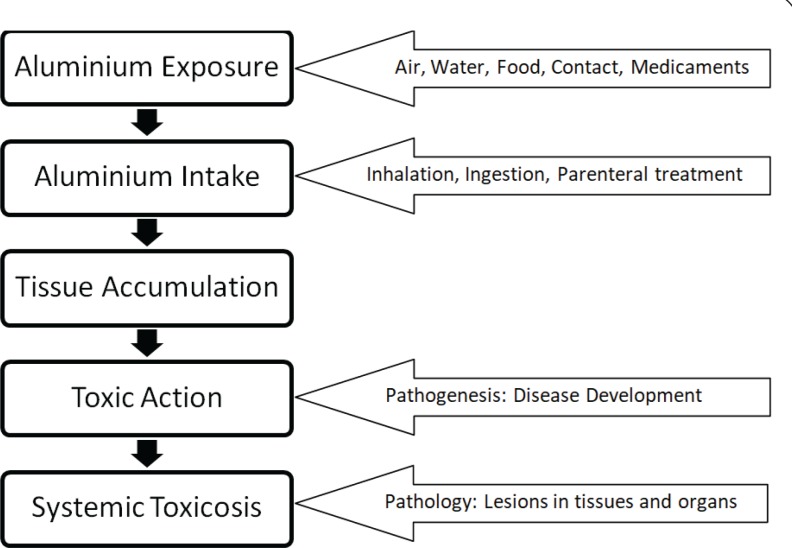
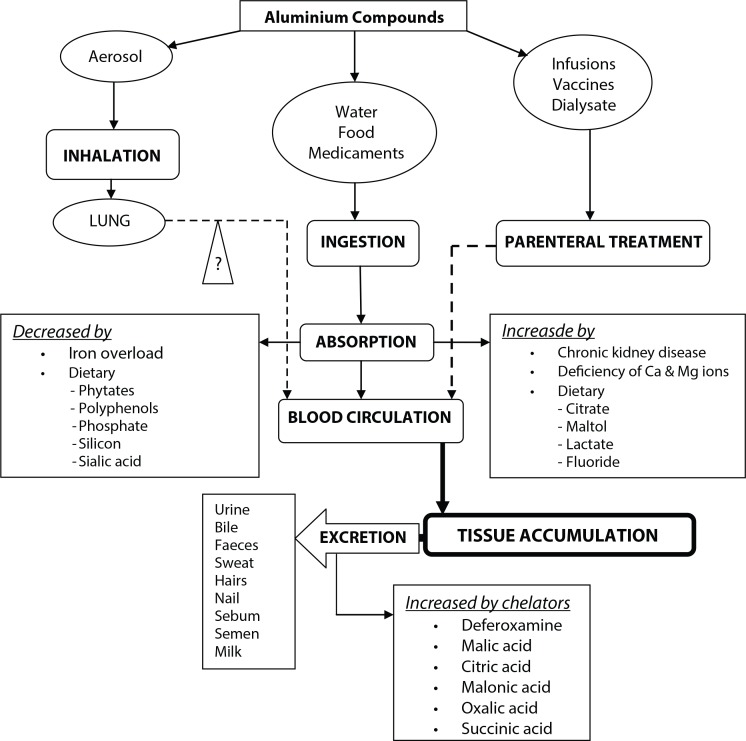
Aluminium (Al) is frequently accessible to animal and human populations to the extent that intoxications may occur. Intake of Al is by inhalation of aerosols or particles, ingestion of food, water and medicaments, skin contact, vaccination, dialysis and infusions. Toxic actions of Al induce oxidative stress, immunologic alterations, genotoxicity, pro-inflammatory effect, peptide denaturation or transformation, enzymatic dysfunction, metabolic derangement, amyloidogenesis, membrane perturbation, iron dyshomeostasis, apoptosis, necrosis and dysplasia. The pathological conditions associated with Al toxicosis are desquamative interstitial pneumonia, pulmonary alveolar proteinosis, granulomas, granulomatosis and fibrosis, toxic myocarditis, thrombosis and ischemic stroke, granulomatous enteritis, Crohn’s disease, inflammatory bowel diseases, anemia, Alzheimer’s disease, dementia, sclerosis, autism, macrophagic myofasciitis, osteomalacia, oligospermia and infertility, hepatorenal disease, breast cancer and cyst, pancreatitis, pancreatic necrosis and diabetes mellitus. The review provides a broad overview of Al toxicosis as a background for sustained investigations of the toxicology of Al compounds of public health importance.
Overview
CoChat Summary
TL;DR
This narrative review synthesizes exposure routes, toxic actions, and systemic effects of aluminium (Al), arguing that Al toxicosis is a multifaceted disease driven mainly by oxidative stress. It links Al exposure to pulmonary, cardiovascular, gastrointestinal, hematologic, neurologic, musculoskeletal, reproductive, hepato-renal/pancreatic, and mammary pathology.
Key findings
- Al enters via inhalation, ingestion, skin contact, vaccination, dialysis, and infusions; gastrointestinal absorption is the main systemic route, with absorption from water (about 0.3%) greater than from food (about 0.1%). About 90% of circulating Al is bound to transferrin, normal serum Al is about 1–3 μg/L, total body burden is about 30–50 mg/kg, and the kidneys eliminate about 95% in urine.
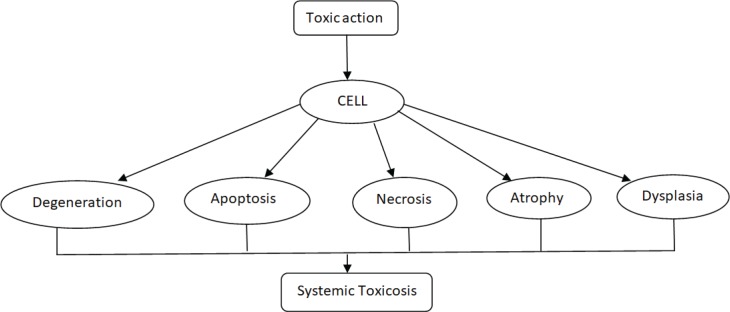
- Reported toxic actions include oxidative stress, lipid peroxidation, pro-inflammatory effects, immunosuppression, genotoxicity, protein denaturation/transformation, enzymatic dysfunction, metabolic impairment, amyloidogenesis, membrane perturbation, iron dyshomeostasis, apoptosis, necrosis, and dysplasia.
- Associated pathological conditions include desquamative interstitial pneumonia, pulmonary alveolar proteinosis, granulomas/fibrosis, toxic myocarditis, thrombosis and ischemic stroke, granulomatous enteritis, Crohn’s disease, inflammatory bowel diseases, anemia, Alzheimer’s disease, dementia, sclerosis, autism, macrophagic myofasciitis, osteomalacia, oligospermia and infertility, hepatorenal disease, breast cancer and cyst, pancreatitis, pancreatic necrosis, and diabetes mellitus.
- Selected quantitative findings: daily human Al intake from food is 3.4–9 mg/day; antacids contain 104–208 mg Al per tablet/capsule/5 ml; intravenous pharmaceutical products contained 684–5977 μg/g Al; breast cancer cases had higher breast-tissue Al than controls (5.8 versus 3.8 nmol/g); brain Al was >10 μg/g dry weight in 5 of 12 familial Alzheimer’s disease donors and up to 19 μg/g dry weight in autism; rat testes accumulated 3.35 μg/g Al after 60 days at human dietary levels.
Methods
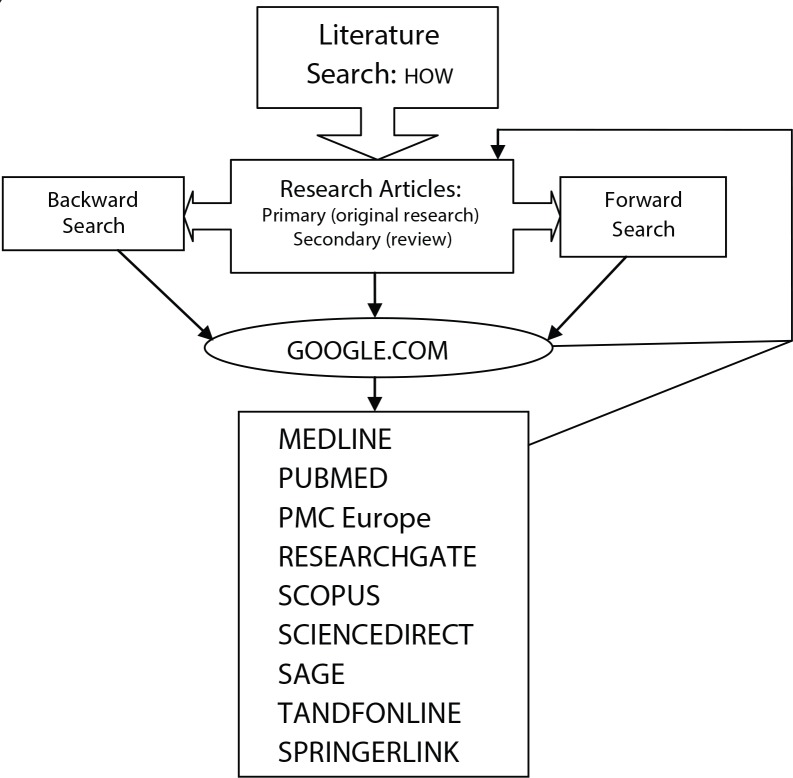
- Narrative literature review, not a meta-analysis or critical evaluation of published data; the search began in 2013 and looked backward, using Google/Google Scholar, MEDLINE, PubMed, PMC Europe, ResearchGate, Scopus, ScienceDirect, Sage, Taylor & Francis Online, and SpringerLink, with backward and forward citation searching.
- Major themes were exposure modalities, toxic actions, and effects in cells, tissues, and body systems; articles from reputable journals with thematic content were included, while peripheral articles were excluded, and the literature was summarized and narrated after cognitive reflection and integration.
Limitations
- Paper-stated: the review was intended to collate, synthesize, and integrate published reports “without meta-analysis and critical evaluation of published data,” and it is explicitly a narrative review with a broad thematic approach.
- Paper-stated: multisystemic co-morbidities from Al toxicosis are rarely reported in epidemiological cohorts; convergence of toxic actions across multiple organ systems is often observed in experimental animal models and “lacks validity in observational studies in human or animal populations,” so longitudinal studies are needed.
- Evident from the text: the search strategy is broad and narrative rather than systematic, with no formal quality assessment or risk-of-bias appraisal; the evidence base is heterogeneous across human, animal, in vitro, and case-report studies, and the review itself notes unresolved contradictions, such as “mutagenesis, cell proliferation and impaired mitosis” being “gray areas requiring clarification.”
Model-written summary. Check it against the paper before relying on it.
Integrity signals
Registry
Cites
Statistics
Figures
Verification
Claims the paper makes
33 Valid · 6 Not valid · 152 Not checked · 31 Own results and interpretations
At least one cited source doesn’t support this claim or points to a different paper, and none confirmed it — see the verdicts below.
In the paper
“Reactive airways dysfunction syndrome was rarely reported among Al smelter workers (Wesdock and Arnold, 2014).”
§ Aluminium toxicosis: a review of toxic actions and effects > Systemic toxicosis > Pulmonary effect
What the sources say
- Disputedcites Wesdock and Arnold, 2014 matched to “Occupational and Environmental Health in the Aluminum Industry: Key Points for Health Practitioners” (2014) sourceExperimental — accuracy not yet measured
The Respiratory Disorders section says that, to date, reactive airways dysfunction syndrome had not been reported among aluminum smelter workers. That contradicts the claim that it was reported, albeit rarely. (LLM, conf=0.84)
Checked by a reasoning model — may be wrong.
plain- Asserted: passes — The authors put it forward as true.
- Checkable: passes — It can be checked against evidence.
- Load-bearing: unclear — It is unclear whether the paper’s conclusions depend on it.
- Based: passes — The paper gives a reason why it holds.
- Disputed
The cited sources support only part of this claim — read each source’s verdict below.
In the paper
“The Al ion has no physiological role in metabolic processes (Exley and House, 2011) but it can be a metallic toxicant to humans and animals (Becaria et al., 2002) when there is high body burden of the metal after natural or unnatural exposure (Exley, 2013).”
§ Aluminium toxicosis: a review of toxic actions and effects > Introduction
What the sources say
- Partly supportedcites Exley, 2013 matched to “Human exposure to aluminium” (2013) sourceExperimental — accuracy not yet measured
In “The body burden of aluminium,” the paper describes body burden as the outcome of exposure and excretion and says a higher-than-normal burden is assumed to increase susceptibility to aluminium. But it cautions that body burden may not accurately predict toxicity; the Conclusions instead emphasize biologically available aluminium. The claim’s high-burden condition is therefore stronger than the source supports. (LLM, conf=0.85)
- Supportedcites Becaria et al., 2002 matched to “Aluminum as a toxicant” (2002) source
The citation to Becaria et al. supports the statement that aluminum can be toxic to humans and animals. The Introduction describes causal effects in humans, while the Inflammatory response section reports effects in experimental animals. The separate claim about high body burden and exposure is cited to Exley (2013), not Becaria et al. (LLM, conf=0.93)
plainstates a possible cause- Asserted: passes — The authors put it forward as true.
- Checkable: passes — It can be checked against evidence.
- Load-bearing: passes — The paper’s conclusions depend on it.
- Based: passes — The paper gives a reason why it holds.
- Partly supported
Every source the paper cites for this claim was checked and supports it.
In the paper
“Many antacids contain 104–208 mg of Al per tablet, capsule or 5 ml of suspension (Zhou and Yokel, 2005).”
§ Aluminium toxicosis: a review of toxic actions and effects > Exposure to aluminium > Aluminium intake
What the sources say
- Supportedcites Zhou and Yokel, 2005 matched to “The Chemical Species of Aluminum Influences Its Paracellular Flux across and Uptake into Caco-2 Cells, a Model of Gastrointestinal Absorption” (2005) source
The Introduction states that many antacids contain 300–600 mg of aluminium hydroxide, equivalent to approximately 104–208 mg of aluminium, per tablet, capsule or 5 ml. This directly supports the cited sentence. (LLM, conf=0.94)
plain- Asserted: passes — The authors put it forward as true.
- Checkable: passes — It can be checked against evidence.
- Load-bearing: unclear — It is unclear whether the paper’s conclusions depend on it.
- Based: passes — The paper gives a reason why it holds.
- Supported
The cited sources support only part of this claim — read each source’s verdict below.
In the paper
“Daily intakes of Al in humans from food range from 3.4 to 9 mg/day (Pennington and Schoen, 1995; Biego et al., 1998; Yang et al., 2014).”
§ Aluminium toxicosis: a review of toxic actions and effects > Exposure to aluminium > Aluminium intake
What the sources say
- Not checked — no full text of the sourcecites Pennington and Schoen, 1995 matched to “Estimates of dietary exposure to aluminium” (1995) source
- Not checked — no full text of the sourcecites Biego et al., 1998 matched to “Daily intake of essential minerals and metallic micropollutants from foods in France” (1998) source
- Partly supportedcites Yang et al., 2014 matched to “Dietary Exposure to Aluminium and Health Risk Assessment in the Residents of Shenzhen, China” (2014) sourceExperimental — accuracy not yet measured
The Introduction identifies food as the largest contributor to aluminium intake, and Results > Dietary Aluminium exposure reports dietary intake for Shenzhen residents as 1.263 mg/kg body weight per week on average. Our copy does not give the claimed range of 3.4–9 mg/day; searches for that range and for daily intake figures did not find it. (LLM, conf=0.78)
plain- Asserted: passes — The authors put it forward as true.
- Checkable: passes — It can be checked against evidence.
- Load-bearing: unclear — It is unclear whether the paper’s conclusions depend on it.
- Based: passes — The paper gives a reason why it holds.
The cited sources support only part of this claim — read each source’s verdict below.
In the paper
“The largest source of airborne Al-containing particles is the dust from soil and rocks (Lee and Von Lehmden, 1973; Sorenson et al., 1974).”
§ Aluminium toxicosis: a review of toxic actions and effects > Exposure to aluminium > Aluminium intake
What the sources say
- Could not verifycites Lee and Von Lehmden, 1973 matched to “Trace Metal Pollution in the Environment” (1973) sourceExperimental — accuracy not yet measured
The Industrial Materials section (page unavailable) identifies aluminum in coal fly ash, but does not discuss soil or rock dust as a source of airborne aluminum. A search for soil and rock dust found no passage comparing aluminum sources or identifying the largest one. (LLM, conf=0.72)
- Partly supportedcites Sorenson et al., 1974 matched to “Aluminum in the Environment and Human Health” (1974) sourceExperimental — accuracy not yet measured
In “Aluminum in the Atmosphere and Atmospheric Precipitations” (page not supplied), the paper says soil and soil dust appeared to be the main source of larger aluminium-associated aerosol particles, particularly at remote sites. It also points to a terrestrial origin for atmospheric aluminium generally, but does not establish that soil and rock dust is the largest source of all airborne aluminium-containing particles. (LLM, conf=0.82)
plainstates a cause- Asserted: passes — The authors put it forward as true.
- Checkable: passes — It can be checked against evidence.
- Load-bearing: unclear — It is unclear whether the paper’s conclusions depend on it.
- Based: passes — The paper gives a reason why it holds.
- Could not verify
125 more claims · 17 with their cited sources checked
Create a free account to see all 222 claims and to verify the 30 references still open.
- It may state two separate claims as one. 86
- Probably not a substantial claim. 11
Self-check
Percentages, sums and reported differences re-computed from the paper’s own numbers.
Each contradiction between two passages listed here was confirmed by an independent check.
Rated major: it would touch a result — a value a result rests on, reported and recomputed p-values on opposite sides of the significance level, two passages that conflict with no sign which is right, or a cited work retracted before this paper was published.
In the paper
§ Aluminium toxicosis: a review of toxic actions and effects > Systemic toxicosis > Reproductive and developmental effects
“Testicular and epididymal weights and serum testosterone and luteinizing hormone levels were reduced by Al exposure (Reza and Palan, 2006; Mouro et al., 2017).”
§ Aluminium toxicosis: a review of toxic actions and effects > Systemic toxicosis > Reproductive and developmental effects
“After intraperitoneal treatment at 50 mg/kg for 20 days, blood testosterone and LH levels were increased in male rats, but FSH level was not affected (Resa and Palan, 2006).”
Rated minor: it would not touch a result — a value no result rests on, a p-value that stays on the same side of the significance level, or a conflict that is clerical, resolved elsewhere in the paper, or outside its own findings.
In the paper
§ Aluminium toxicosis: a review of toxic actions and effects > Literature search justification and methods
“another summarized the physiological alterations in the musculoskeletal, respiratory, cardiovascular, hepatobiliary, endocrine, urinary and reproductive systems(Nayak, 2000).”
§ Aluminium toxicosis: a review of toxic actions and effects > References
“Nayak P Aluminum: impacts and disease Environ Res 2002 89 101 115 12123643”
Rated minor: it would not touch a result — a value no result rests on, a p-value that stays on the same side of the significance level, or a conflict that is clerical, resolved elsewhere in the paper, or outside its own findings.
In the paper
§ Aluminium toxicosis: a review of toxic actions and effects > Exposure to aluminium > Absorption, distribution and elimination of aluminium
“The total body burden of Al in healthy humans has been reported to be approximately 30–50 mg/kg body weight”
§ Aluminium toxicosis: a review of toxic actions and effects > Exposure to aluminium > Absorption, distribution and elimination of aluminium
“About one-half of the total body Al is in the skeleton, and the levels in human bone tissue range from 5 to 10 mg/kg”
Citations
Cites
Hazards of heavy metal contamination
Järup, L. (2003) · British Medical Bulletin · doi:10.1093/bmb/ldg032 · Cited by 6,508
Prevalence of and Trends in Diabetes Among Adults in the United States, 1988-2012
Menke, A., Casagrande, S., Geiss, L., & Cowie, C. C. (2015) · JAMA · doi:10.1001/jama.2015.10029 · Cited by 2,362
Writing narrative literature reviews for peer-reviewed journals: secrets of the trade
Green, B. N., Johnson, C. D., & Adams, A. (2006) · Journal of Chiropractic Medicine · doi:10.1016/s0899-3467(07)60142-6 · Cited by 2,224 · cited 1×
“The literature search for Al toxicosis as a narrative review (Green et al., 2006) with a broad thematic approach was unproductive and this observation justified the need for the current review.”
BackgroundBrain insulin resistance in type 2 diabetes and Alzheimer disease: concepts and conundrums
Arnold, S. E., Arvanitakis, Z., Macauley-Rambach, S. L., Koenig, A. M., Wang, H.-Y., Ahima, R. S., Craft, S., Gandy, S., Buettner, C., Stoeckel, L. E., et al. (2018) · Nature Reviews Neurology · doi:10.1038/nrneurol.2017.185 · Cited by 1,597 · cited 1×
“…of Al in the pathogenesis of diabetes mellitus and the concurrence of neurological disorders associated with Alzheimer’s disease and other dementias (Arnold et al., 2018) point to the common cellular basis of the pathogenesis of both metabolic and cognitive disorders, which can arise from toxic…”
BackgroundAluminum Toxicity and Tolerance in Plants
Delhaize, E., & Ryan, P. R. (1995) · Plant Physiology · doi:10.1104/pp.107.2.315 · Cited by 1,346 · cited 1×
“Aluminium (Al) is the most widely distributed metal in the environment (Delhaize and Ryan, 1995; Ranjbar et al., 2008; Exley and House, 2011) occurring naturally in the trivalent state (Al+3) as silicates, oxides and hydroxides, but may combine with other elements such as chlorine, sulphur,…”
BackgroundAlzheimer’s disease is type 3 diabetes—Evidence reviewed
de la Monte, S. M., & Wands, J. R. (2008) · Journal of Diabetes Science and Technology · doi:10.1177/193229680800200619 · Cited by 1,158
Islet Amyloid Polypeptide, Islet Amyloid, and Diabetes Mellitus
Westermark, P., Andersson, A., & Westermark, G. T. (2011) · Physiological Reviews · doi:10.1152/physrev.00042.2009 · Cited by 1,044
Human Health Risk Assessment for Aluminium, Aluminium Oxide, and Aluminium Hydroxide
Krewski, D., Yokel, R. A., Nieboer, E., Borchelt, D., Cohen, J., Harry, J., Kacew, S., Lindsay, J., Mahfouz, A. M., & Rondeau, V. (2007) · Journal of Toxicology and Environmental Health, Part B · doi:10.1080/10937400701597766 · Cited by 998 · cited 6×
“Al levels increase with age in tissues and organs (bone, muscle, lung, liver, and kidney) of experimental animals (Krewski et al., 2007).”
BackgroundInfluentialAluminium as a risk factor in Alzheimer’s disease, with emphasis on drinking water
Flaten, T. P. (2001) · Brain Research Bulletin · doi:10.1016/s0361-9230(01)00459-2 · Cited by 939
Oxidative stress in Alzheimer’s disease
Chen, Z., & Zhong, C. (2014) · Neuroscience Bulletin · doi:10.1007/s12264-013-1423-y · Cited by 797 · cited 2×
“…of Al were reversed by additional dietary vitamin E (Pratico et al., 2002), suggesting that Al could contribute to neurodegeneration by enhancing amyloid deposition and aggravating lesions by oxidative events (Campbell and Bondy, 2000; Yuan et al., 2012; Chen and Zhong, 2014; Liaquat et al., 2019).”
Background
Research works printed but not linked: 8
- Anon Drinking Water and Health 1982 4 Washington, DC National Research Council, National Academy Press 155 201
- Anon Toxicological profile for aluminum 2008c Atlanta, GA United States Department of Health and Human Services, Public Health Service, Agency for Toxic Substances and Disease Registry http://www.atsdr.cdc.gov/tox-profiles/tp22.pdf Accessed 27 January 2016. 37983316
- Igbokwe NA Characterization of the osmotic stability of Sahel goat erythrocytes in ionic and non-ionic hypotonic media 2016 Maiduguri, Nigeria Department of Physiology, Pharmacology and Biochemistry, Faculty of Veterinary Medicine, University of Maiduguri PhD thesis
- Igwenagu E Pathologic effects of oral aluminium administration in non-diabetic and diabetic rats 2017 Maiduguri, Nigeria MVSc dissertation, Department of Veterinary Pathology, University of Maiduguri
- Klaassen CD Gilma AG Rall TW Nies AS Taylor P Heavy metals and heavy-metal antagonists Goodman and Gilman’s: The Pharmacological Basis of Therapeutics 1990 New York Pergamon Press 1592 1614,
- Lewis RJ Hawley’s Condensed Chemical Dictionary 2001 14th edn New Jersey, USA Wiley-Interscience 39 46
- Martin RB Aluminum speciation in biology Ciba Found Symp 1992 16 95 125 1490427
- Pandey G Jain GC A review on toxic effects of aluminium exposure on male reproductive system and probable mechanisms of toxicity Intl J Toxicol Appl Pharmacol 2013 3 3 48 57
Cited by
Heavy metals: toxicity and human health effects
Jomova, K., Alomar, S. Y., Nepovimova, E., Kuca, K., & Valko, M. (2025) · Archives of Toxicology · doi:10.1007/s00204-024-03903-2 · Cited by 983
Krämer, J., Kang, R., Grimm, L. M., De Cola, L., Picchetti, P., & Biedermann, F. (2022) · Chemical Reviews · doi:10.1021/acs.chemrev.1c00746 · Cited by 449
Khan, S., Chen, X., Almahri, A., Allehyani, E. S., Alhumaydhi, F. A., Ibrahim, M. M., & Ali, S. (2021) · Journal of Environmental Chemical Engineering · doi:10.1016/j.jece.2021.106381 · Cited by 234
Teschke, R. (2022) · International Journal of Molecular Sciences · doi:10.3390/ijms232012213 · Cited by 177
“Exposure to Al may also result in disruption of the iron homeostasis, with iron overload in the liver [14].”
BackgroundInfluentialHeavy metals contamination in water, sediments and fish of freshwater ecosystems in Pakistan
Afzaal, M., Hameed, S., Liaqat, I., Khan, A. A. A., Mannan, H. A., Ashraf, R. S., & Altaf, M. (2022) · Water Practice & Technology · doi:10.2166/wpt.2022.039 · Cited by 203
Aluminium in the Human Brain: Routes of Penetration, Toxicity, and Resulting Complications
Bryliński, Ł., Kostelecka, K., Woliński, F., Duda, P., Góra, J., Granat, M., Flieger, J., Teresiński, G., Buszewicz, G., Sitarz, R., et al. (2023) · International Journal of Molecular Sciences · doi:10.3390/ijms24087228 · Cited by 163
“Osteoporosis, rickets, exostosis, osteodystrophy, and osteitis fibrosa are also triggered by this metal; • Neurological effects—higher Al hair concentrations were connected with dialysis encephalopathy (DE), Parkinson’s disease (PD), amyotrophic lateral sclerosis (ALS), multiple sclerosis (MS), and autism spectrum dis…”
BackgroundInfluentialRole of metals in Alzheimer’s disease
Das, N., Raymick, J. B., & Sarkar, S. (2021) · Metabolic Brain Disease · doi:10.1007/s11011-021-00765-w · Cited by 141
Neurotoxic effects of aluminium exposure as a potential risk factor for Alzheimer’s disease
Dey, M., & Singh, R. K. (2022) · Pharmacological Reports · doi:10.1007/s43440-022-00353-4 · Cited by 135
“These include the petroleum industry, glassware and ceramics, fireworks and explosives, the cosmetics industry, the pharmaceutical industries, vaccines, and water purification [3].”
BackgroundAbo-Zaid, O. A., Sallam, M. W., El-Sonbaty, S. M., Aziza, S., Emad, B., & Ahmed, E. S. A. (2022) · Biological Trace Element Research · doi:10.1007/s12011-021-03073-7 · Cited by 131
“Aluminum (Al) is a prevalent environmental and industrial toxin [1].”
BackgroundRodrigues, P. D. A., Ferrari, R. G., Kato, L. S., Hauser‐Davis, R. A., & Conte‐Júnior, C. A. (2021) · Biological Trace Element Research · doi:10.1007/s12011-021-02685-3 · Cited by 143
Aluminium adjuvants in vaccines – A way to modulate the immune response
Danielsson, R., & Eriksson, H. (2021) · Seminars in Cell and Developmental Biology · doi:10.1016/j.semcdb.2020.12.008 · Cited by 124
Bazzari, F. H., Abdallah, D. M., & El-Abhar, H. S. (2019) · Molecules · doi:10.3390/molecules24101992 · Cited by 98
Nutritional Management of Thyroiditis of Hashimoto
Danailova, Y., Velikova, T. V., Nikolaev, G., Mitova, Z., Shinkov, A. D., Gagov, H., & Konakchieva, R. (2022) · International Journal of Molecular Sciences · doi:10.3390/ijms23095144 · Cited by 87
“Long-lasting uptakes of significant aluminum concentrations can damage the central nervous system, leading to dementia, loss of memory, listlessness, severe trembling AlF4 is a non-specific G-protein activator In high doses, neurotoxin [30]”
BackgroundAufa, A. N., Hassan, M. Z., Ismail, Z., Ramlie, F., Jamaludin, K. R., Daud, M. Y. M., & Ren, J. (2024) · Journal of Materials Research and Technology · doi:10.1016/j.jmrt.2024.06.041 · Cited by 83
Althobaiti, N. A. (2025) · Behavioural Brain Research · doi:10.1016/j.bbr.2024.115212 · Cited by 64
Exposing the role of metals in neurological disorders: a focus on manganese
Kim, H., Harrison, F. E., Aschner, M., & Bowman, A. B. (2022) · Trends in Molecular Medicine · doi:10.1016/j.molmed.2022.04.011 · Cited by 63
Aluminium in cosmetics and personal care products
Sanajou, S., Şahin, G., & Baydar, T. (2021) · Journal of Applied Toxicology · doi:10.1002/jat.4228 · Cited by 72
“These compounds are aluminium chloride, aluminium hydroxide (alumina trihydrate), aluminium nitrate, aluminium phosphate, aluminium sulfate (alum), aluminium potassium (potash alum), aluminium ammonium sulfate (ammonium alum) and aluminium silicate (Igbokwe et al., 2019).”
BackgroundBiomaterials for bone tissue engineering: achievements to date and future directions
Garimella, A., Ghosh, S. B., & Ghosh, S. N. (2024) · Biomedical Materials · doi:10.1088/1748-605x/ad967c · Cited by 79
“Additionally, Al has serious influence on health and several researchers claim that the medicines contaminated with aluminum would result in damage to lymphocytes and muscles [271, 272].”
Water-soluble optical sensors: keys to detect aluminium in biological environment
Parambil, A. R. U., Kavyashree, P., Silswal, A., & Koner, A. L. (2022) · RSC Advances · doi:10.1039/d2ra01222g · Cited by 54
Renke, G., Almeida, V. B. P., Souza, E. A., Lessa, S., Teixeira, R. L., Rocha, L., Sousa, P. L., & Starling-Soares, B. (2023) · Nutrients · doi:10.3390/nu15092221 · Cited by 64
“The probable cause of these effects is Al’s slow removal and washout from brain tissue; for this reason, Al directly affects brain functioning (Table 1) [10,11].”
BackgroundSoliman, T. N., Mohammed, D. M., El-Messery, T. M., Elaaser, M. M., Zaky, A. A., Eun, J., Shim, J., & El‐Said, M. M. (2022) · Frontiers in Nutrition · doi:10.3389/fnut.2022.929977 · Cited by 58
Capriello, T., Meglio, G. D., Maio, A. D., Scudiero, R., Bianchi, A. R., Trifuoggi, M., Toscanesi, M., Giarra, A., & Ferrandino, I. (2022) · Chemosphere · doi:10.1016/j.chemosphere.2022.135752 · Cited by 65
George, F., Mahieux, S., Daniel, C., Titécat, M., Beauval, N., Houcke, I., Neut, C., Allorge, D., Borges, F., Jan, G., et al. (2021) · Microorganisms · doi:10.3390/microorganisms9020456 · Cited by 52
“effects on reproduction [26], and in utero exposure has negative impacts even at low concentrations [27].”
BackgroundCollado-López, S., Betanzos‐Robledo, L., Téllez‐Rojo, M. M., Lamadrid‐Figueroa, H., Reyes, M., Ríos, C., & Cantoral, A. (2022) · International Journal of Environmental Research and Public Health · doi:10.3390/ijerph19148651 · Cited by 57
Osteomalacia Is Not a Single Disease
Cianferotti, L. (2022) · International Journal of Molecular Sciences · doi:10.3390/ijms232314896 · Cited by 47
“aluminum overuse/abuse have been linked to alteration in bone cells and in mineralization [48,49].”
BackgroundRoe, K. (2021) · Neurochemical Research · doi:10.1007/s11064-021-03467-y · Cited by 53
“), pesticides, various types of foods, including food prepared in aluminum pans, aluminum foil, parchment paper, baked goods made with baking powder containing aluminum and food additives including aluminum-based food colorings, and pottery [2, 23].”
BackgroundInfluentialDring, J. C., Forma, A., Chilimoniuk, Z., Dobosz, M., Teresiński, G., Buszewicz, G., Flieger, J., Cywka, T., Januszewski, J., & Baj, J. (2021) · Nutrients · doi:10.3390/nu14010185 · Cited by 52
“Just like other trace metals, there are toxic and nontoxic components to aluminum; for instance, blood serum screening for aluminum ranges from 1–3 μg/L and >50 μg/L may indicate toxicity [234].”
BackgroundAnchidin-Norocel, L., Gutt, G., Tătăranu, E., & Amariei, S. (2024) · International Journal of Electrochemical Science · doi:10.1016/j.ijoes.2024.100643 · Cited by 52
D’Ambra, I., & Merquiol, L. (2022) · Marine Drugs · doi:10.3390/md20040266 · Cited by 51
Guan, Z., Linsley, C. S., Pan, S., Yao, G., Wu, B. M., Levi, D. S., & Li, X. (2021) · ACS Biomaterials Science & Engineering · doi:10.1021/acsbiomaterials.1c01358 · Cited by 41
Irshad, M., Ahmed, M., Ramzan, M., Fatima, M., Aftab, F., Sanaullah, M., Qamar, S., Iftikhar, Z., Wani, T. A., & Zargar, S. (2024) · Journal of Trace Elements in Medicine and Biology · doi:10.1016/j.jtemb.2024.127481 · Cited by 37
Machate, D. J. (2023) · Journal of Trace Elements and Minerals · doi:10.1016/j.jtemin.2023.100057 · Cited by 51
Effects of Aluminium Contamination on the Nervous System of Freshwater Aquatic Vertebrates: A Review
Closset, M., Cailliau, K., Slaby, S., & Marin, M. (2021) · International Journal of Molecular Sciences · doi:10.3390/ijms23010031 · Cited by 48
“In fact, Al is responsible for oxidative stress, cytotoxicity, genotoxicity, pro-inflammatory effects, immunological alterations, peptide denaturation or transformation, enzymatic dysfunctions, metabolic derangements, membrane disruption, microtubule perturbation, iron dyshomeostasis, amyloidogenesis, apoptosis, necro…”
BackgroundAhmed, M., Sanaullah, M., Sarfraz, S., Zahra, M., Tanveer, M., Sohail, A., Qamar, S., Ahmad, W., Kundi, I. A., & Feroz, M. (2023) · Journal of Food Composition and Analysis · doi:10.1016/j.jfca.2023.105943 · Cited by 37
Oyetayo, B. O., Abolaji, A. O., Fasae, K. D., & Aderibigbe, A. O. (2020) · Journal of Functional Foods · doi:10.1016/j.jff.2020.104035 · Cited by 41
Cory‐Slechta, D. A., Sobolewski, M., & Oberdörster, G. (2020) · Atmosphere · doi:10.3390/atmos11101098 · Cited by 41
“Al has repeatedly been implicated in AD [133,476,477] and reported in high concentrations in brain in ASD [109]; it is considered to be a consistent component of ambient particulate matter.”
BackgroundA Study of Catechin Photostability Using Photolytic Processing
Yuann, J. P., Lee, S.-Y., Yang, M., Huang, S.-T., Cheng, C.-W., & Liang, J.-Y. (2021) · Processes · doi:10.3390/pr9020293 · Cited by 40
“The immunosuppression arising from oxidative stress is associated with the apoptosis of lymphocytes [47], and causes damage to thymocytes and lymphocytes [43,48].”
BackgroundArafat, E. A., El‐Sayed, D. S., Hussein, H. K., Flaven‐Pouchon, J., Moussian, B., El‐Samad, L. M., Wakil, A. E., & Hassan, M. A. (2023) · Antioxidants · doi:10.3390/antiox12030653 · Cited by 43
“Previous studies have demonstrated that the accumulation of Al2O3 NPs inside biological tissues could disturb biological pathways, inducing critical toxicological episodes [10,11].”
BackgroundBiomineralogical signatures of breast microcalcifications
Kunitake, J. A. M. R., Sudilovsky, D., Johnson, L. M., Loh, H.-C., Choi, S., Morris, P. G., Jochelson, M. S., Iyengar, N. M., Morrow, M., Mašić, A., et al. (2023) · Science Advances · doi:10.1126/sciadv.ade3152 · Cited by 38
Friedel–Crafts reactions for biomolecular chemistry
Ohata, J. (2024) · Organic & Biomolecular Chemistry · doi:10.1039/d4ob00406j · Cited by 36
Ahmed, S. A., & Mohammed, W. (2021) · Biomedicine & Pharmacotherapy · doi:10.1016/j.biopha.2021.111594 · Cited by 36
Teschke, R., & Xuan, T. D. (2022) · Frontiers in Bioscience-Landmark · doi:10.31083/j.fbl2711314 · Cited by 39
“Their overproduction reduces hepatic glutathione content as well as the activities of glutathione S-transferase, and catalase, with the consequence that the liver is not any more sufficiently protected against toxic ROS produced via microsomal and mitochondrial oxidative stress [37,38].”
BackgroundInfluentialAhmed, M., Shafqat, S. S., Javed, A., Sanaullah, M., Shakoor, A., Shafiq, M. I., Shahzadi, S. K., Wani, T. A., & Zargar, S. (2023) · Molecules · doi:10.3390/molecules28217365 · Cited by 33
“Exposure to Al has been associated with the development of Alzheimer’s disease [27–29].”
BackgroundMehrbeheshti, N., Esmaili, Z., Ahmadi, M., & Moosavi, M. (2021) · Behavioural Brain Research · doi:10.1016/j.bbr.2021.113615 · Cited by 35
Eddie-Amadi, B. F., Ezejiofor, A. N., Orish, C. N., & Orisakwe, O. E. (2022) · Toxicology · doi:10.1016/j.tox.2022.153350 · Cited by 31
Obafemi, T. O., Owolabi, O. V., Omiyale, B. O., Afolabi, B. A., Ojo, O. A., Onasanya, A., Adu, I. A., & Rotimi, D. E. (2021) · Metabolic Brain Disease · doi:10.1007/s11011-021-00749-w · Cited by 34
Cui, Y., Song, M., Xiao, B., Huang, W., Zhang, J., Zhang, X., Shao, B., Han, Y., & Li, Y. (2021) · Journal of Agricultural and Food Chemistry · doi:10.1021/acs.jafc.1c01921 · Cited by 26
Aluminum neurotoxicity and autophagy: a mechanistic view
Makhdoomi, S., Ariafar, S., Mirzaei, F., & Mohammadi, M. (2022) · Neurological Research · doi:10.1080/01616412.2022.2132727 · Cited by 30
“Numerous studies have been reported that aluminum exposure eventually led to memory impairment and cognitive deficits, over expression of APP and Aβ accumulation which are the main clinical manifestations of AD [49,82,83].”
BackgroundOccurrence, Behaviour and Transport of Heavy Metals from Industries in River Catchments
Mansor, M., Fatehah, M. O., Aziz, H. B. A., & Wang, L. K. (2023) · Handbook of environmental engineering · doi:10.1007/978-3-031-46747-9_6 · Cited by 42
Senze, M., Kowalska‐Góralska, M., & Czyż, K. (2021) · Environmental Nanotechnology Monitoring & Management · doi:10.1016/j.enmm.2021.100535 · Cited by 26
Meetiyagoda, T. A. O. K., & Fujino, T. (2022) · Journal of Water Process Engineering · doi:10.1016/j.jwpe.2022.102871 · Cited by 32
Eddie-Amadi, B. F., Ezejiofor, A. N., Orish, C. N., Rovira, J., Athanasius, A. T., & Orisakwe, O. E. (2022) · Food and Chemical Toxicology · doi:10.1016/j.fct.2022.113471 · Cited by 29
Bioactive Compounds in Different Coffee Beverages for Quality and Sustainability Assessment
Gobbi, L., Maddaloni, L., Prencipe, S. A., & Vinci, G. (2023) · Beverages · doi:10.3390/beverages9010003 · Cited by 32
Bonfiglio, R., Sisto, R., Casciardi, S., Palumbo, V., Scioli, M. P., Giacobbi, E., Servadei, F., Melino, G., Mauriello, A., & Scimeca, M. (2023) · The Science of The Total Environment · doi:10.1016/j.scitotenv.2023.168335 · Cited by 26
An Alum-Free Jellyfish Treatment for Food Applications
Bleve, G., Ramires, F. A., Domenico, S. D., & Leone, A. (2021) · Frontiers in Nutrition · doi:10.3389/fnut.2021.718798 · Cited by 27
Makhdoomi, S., Mahboobian, M. M., Haddadi, R., Komaki, A., & Mohammadi, M. (2022) · Toxicology · doi:10.1016/j.tox.2022.153260 · Cited by 25
Metal Coordination Effects on the Photophysics of Dipyrrinato Photosensitizers
Teeuwen, P. C. P., Melissari, Z., Senge, M. O., & Williams, R. M. (2022) · Molecules · doi:10.3390/molecules27206967 · Cited by 35
“tical sciences, and food industry [222,223].”
BackgroundJigyasu, D. K., Singh, M., Singh, S., Singh, S., & Singh, I. B. (2020) · SN Applied Sciences · doi:10.1007/s42452-020-03204-0 · Cited by 23
Impact of environmental pollution on the obesogenic environment
Martínez-Esquivel, A., Trujillo, J., & Cilia-López, V. G. (2022) · Nutrition Reviews · doi:10.1093/nutrit/nuac003 · Cited by 26
Popovici, V., Bucur, L. A., Gîrd, C. E., Râmbu, D. T., Calcan, S. I., Cucolea, E. I., Costache, T., Ungureanu‐Iuga, M., Oroian, M. A., Mironeasa, S., et al. (2022) · Plants · doi:10.3390/plants11070854 · Cited by 24
A comprehensive summary of disease variants implicated in metal allergy
Roach, K. A., & Roberts, J. (2022) · Journal of Toxicology and Environmental Health Part B · doi:10.1080/10937404.2022.2104981 · Cited by 30
“…Al have all been shown to produce disruptions in normal alveolar macrophage clearance mechanisms leading to development of secondary PAP (Bomhard 2017; Huaux et al. 2018a, 2018b; Igbokwe, Igwenagu, and Igbokwe 2019; Keller et al. 1995; Miller et al. 1984; Sauni et al. 2007; Yorozuya et al. 2019).”
BackgroundRecent insights into autophagy and metals/nanoparticles exposure
Li, Q., Feng, Y., Wang, R., Liu, R., Ba, Y., & Huang, H. (2023) · Toxicological Research · doi:10.1007/s43188-023-00184-2 · Cited by 26
“In addition, oxidative stress induced by Al exposure can damage bones [137], inhibit renal function [138], induce immunotoxicity [139], and injure glands [4].”
BackgroundDu, J., Zhang, X., Zhang, J., Huo, S., Li, B., Wang, Q., Song, M., Shao, B., & Li, Y. (2023) · Food and Chemical Toxicology · doi:10.1016/j.fct.2023.113915 · Cited by 26
Aluminum Enters Mammalian Cells and Destabilizes Chromosome Structure and Number
Tenan, M., Nicolle, A., Moralli, D., Verbouwe, E., Jankowska, J. D., Durin, M.-A., Green, C., Mandriota, S. J., & Sappino, A. (2021) · International Journal of Molecular Sciences · doi:10.3390/ijms22179515 · Cited by 29
“nose, the lungs and the gastrointestinal system [7,8].”
BackgroundAnadozie, S. O., Effiom, D. O., Adewale, O. B., Jude, J., Zosela, I., Akawa, O. B., Olayinka, J. N., & Roux, S. (2023) · Arabian Journal of Chemistry · doi:10.1016/j.arabjc.2023.104604 · Cited by 27
Coronado-Apodaca, K. G., González-Meza, G. M., Aguayo-Acosta, A., Araújo, R. G., González-González, R. B., Oyervides-Muñoz, M. A., Martínez-Ruiz, M., Melchor-Martínez, E. M., Barceló, ., Parra‐Saldívar, R., et al. (2023) · Topics in Catalysis · doi:10.1007/s11244-023-01786-8 · Cited by 25
Deiab, N. S., Kodous, A. S., Mahfouz, M. K., Said, A. M., Ghobashy, M. M., & Abo-Zaid, O. A. (2023) · Biological Trace Element Research · doi:10.1007/s12011-023-03991-8 · Cited by 26
Abo-Zaid, O. A., Sallam, M. W., & Ahmed, E. S. A. (2022) · The Journal of Prevention of Alzheimer s Disease · doi:10.14283/jpad.2022.26 · Cited by 28
“Aluminium (Al) is a highly widespread environmental and industrial toxicant (1).”
BackgroundRushton, P. R. P., Smith, S., Fender, D., et al. (2021) · European Spine Journal · doi:10.1007/s00586-021-06750-2 · Cited by 21
Herd Health Troubles Potentially Related to Aluminium Grass Silage Content in Dairy Cows
Eppe, J., Djebala, S., Rollin, F. A., & Guyot, H. (2023) · Veterinary Sciences · doi:10.3390/vetsci10020149 · Cited by 21
“It can lead to a very wide range of symptoms [5,8,25].”
BackgroundNew pyrazoline based fluorescent probes for selective detection of Al3+ ion in aqueous solution
Shang, Y., Li, J., Li, Y., & Xie, K. (2021) · Inorganica Chimica Acta · doi:10.1016/j.ica.2021.120767 · Cited by 19
Moriwaki, H., Komori, N., & Akiyama, Y. (2022) · Journal of environmental chemical engineering · doi:10.1016/j.jece.2022.108054 · Cited by 22
Acioly, T. M. D. S., da Silva, M. F., Barbosa, L. A., Iannacone, J., & Viana, D. C. (2024) · Toxics · doi:10.3390/toxics12070444 · Cited by 28
Neurotoxic effects of aluminum and manganese: From molecular to clinical effects
Зайцева, Н. В., Zemlyanova, М. А., Gekht, A. B., Дедаев, С. И., Koldibekova, J. V., Пескова, Е. В., Stepankov, M. S., Tinkov, A. A., Martins, A. C., Skalny, A. V., et al. (2025) · Journal of the Neurological Sciences · doi:10.1016/j.jns.2025.123480 · Cited by 25
Liu, S., Zhuang, X., & Wang, C.-D. (2021) · Water · doi:10.3390/w13131791 · Cited by 15
“Although Al is the most widely distributed metal in the environment and the third most abundant element on the Earth, toxicosis occurs when exposed to high levels of Al frequently [36].”
BackgroundA cell-compatible phenolphthalein-aminophenol scaffold for Al3+sensing assisted by CHEF phenomenon
Das, B., Ghosh, A., Yesmin, S., Abbas, S. J., Dolai, M., Mabhai, S., Jana, A., Dey, S., & Misra, A. (2021) · Journal of Molecular Structure · doi:10.1016/j.molstruc.2021.132295 · Cited by 17
Song, J., Hao, J., Lü, Y., Ding, X., Li, M., & Xin, Y. (2024) · Environmental Pollution · doi:10.1016/j.envpol.2024.123848 · Cited by 24
Yokel, R. A. (2025) · Comprehensive Reviews in Food Science and Food Safety · doi:10.1111/1541-4337.70175 · Cited by 23
ramadan, M. M., El‐Said, M. M., El-Messery, T. M., & Mohamed, R. S. (2021) · Journal of Food Processing and Preservation · doi:10.1111/jfpp.15759 · Cited by 17
Dietary aluminium intake disrupts the overall structure of gut microbiota in Wistar rats
Wang, B., Wu, C., Cui, L., Wang, H., Liu, Y., & Cui, W. (2022) · Food Science & Nutrition · doi:10.1002/fsn3.2955 · Cited by 20
Hachhach, M., Akram, H., Kasmi, A. E., Hanafi, M., Achak, O., & Chafik, T. (2022) · Journal of Nanoparticle Research · doi:10.1007/s11051-022-05563-8 · Cited by 18
“Aluminum is known to be a toxic agent on human and surrounding environment [81, 82].”
BackgroundDolanc, I., Hamzić, L. F., Orct, T., Micek, V., Šunić, I., Jonjić, A., Jurasović, J., Missoni, S., Čoklo, M., & Pavelić, S. K. (2023) · Biology · doi:10.3390/biology12020193 · Cited by 18
“Chronic excessive exposure to Al may provoke oxidative stress, tissue inflammation, genotoxicity, carcinogenesis, teratogenesis, tissue necrosis, endocrine disruption, diabetes onset, obesity, inhibition of cartilage and bone formation, hypertension, ischemic stroke and thrombosis [18].”
BackgroundMukherjee, S., Betal, S., & Chattopadhyay, A. P. (2020) · New Journal of Chemistry · doi:10.1039/d0nj01029d · Cited by 17
Reviewing the association between aluminum adjuvants in the vaccines and autism spectrum disorder
Boretti, A. A. (2021) · Journal of Trace Elements in Medicine and Biology · doi:10.1016/j.jtemb.2021.126764 · Cited by 23
Ghfar, S. S. A., Ali, M. E., Momenah, M. A., Al‐Saeed, F. A., Al-Doaiss, A. A., Mostafa, Y. S., Ahmed, A. E., & Abdelrahman, M. (2022) · Frontiers in Veterinary Science · doi:10.3389/fvets.2022.1042640 · Cited by 17
Metal profiles and health risk assessment of the most consumed rice varieties in Spain
Aguilera-Velázquez, J. R., Calleja, A., Moreno, I., et al. (2022) · Journal of Food Composition and Analysis · doi:10.1016/j.jfca.2022.105101 · Cited by 16
Yusuf, H. R., Musa, S. A., Agbon, A. N., Eze, E. D., Okesina, A. A., Onanuga, I., Pius, T., Archibong, V. B., Diaz, M. E. F., Ochieng, J. J., et al. (2023) · Toxicology Reports · doi:10.1016/j.toxrep.2023.03.002 · Cited by 16
“Humans are particularly exposed to aluminum in occupations related to mining, recycling of metals, and welding [3].”
BackgroundTinkov, A. A., Skalny, A. V., Domingo, J. L., Samarghandian, S., Kirichuk, A. A., & Aschner, M. (2023) · Environmental Research · doi:10.1016/j.envres.2023.117740 · Cited by 20
Jain, A., Prabhu, Y., Гундеров, Д. В., et al. (2022) · Journal of Non-Crystalline Solids · doi:10.1016/j.jnoncrysol.2022.121928 · Cited by 15
Samanta, S. S., Giri, P. K., Giri, S., Ghosh, A., & Misra, A. (2023) · Journal of Molecular Structure · doi:10.1016/j.molstruc.2023.134927 · Cited by 16
Correlation between daily life aluminium exposure and breast cancer risk: A systematic review
Moussaron, A., Alexandre, J., Chenard, M., Mathelin, C., & Reix, N. (2023) · Journal of Trace Elements in Medicine and Biology · doi:10.1016/j.jtemb.2023.127247 · Cited by 20
Effect of TiC Nanoparticles on a Zn-Al-Cu System for Biodegradable Cardiovascular Stent Applications
Zeng, Y., Murali, N., See, C. W., Liu, J., Chi, Y., Zhu, D., Linsley, C. S., Wu, B. M., & Li, X. (2024) · ACS Biomaterials Science & Engineering · doi:10.1021/acsbiomaterials.3c01714 · Cited by 14
Emurotu, J. E., Olawale, O., Musa, D. E., Abubakar, T. A., Umudi, E. Q., Eneogwe, G. O., & Ugbedeojo, A. A. (2024) · Toxicology Reports · doi:10.1016/j.toxrep.2024.101701 · Cited by 20
“It has no physiological role in metabolic processes and poses many threats that can cause adverse health effects in human beings [26].”
BackgroundAlqarni, S. S., Afzal, M., Alharbi, K. S., Alenezi, S. K., Alsahli, T. G., Zaidi, S., Altyar, A. E., Ghaboura, N., Kazmi, I. A., Mantargi, M. J. S., et al. (2024) · Medicina · doi:10.3390/medicina60111812 · Cited by 20
“Its gradual accumulation in the human body due to occupational or environmental factors can cause organ toxicity [11].”
Global Scientific Research Landscape on Aluminum Toxicology
de Lima, W. F., Né, Y. G. D. S., Aragão, W. A. B., Eiró‐Quirino, L., Baia-da-Silva, D. C., Ćirović, A., Ćirović, A., & Lima, R. R. (2022) · Biological Trace Element Research · doi:10.1007/s12011-022-03427-9 · Cited by 16
“In addition to significant amounts in soil and water, Al is often associated with oxygen molecules (Al oxides) or silicon [1].”
BackgroundChandra, A., Halder, S., Bhunia, S., et al. (2022) · Journal of Molecular Structure · doi:10.1016/j.molstruc.2022.134559 · Cited by 14
Jabeen, K., Rehman, K., Akash, M. S. H., Nadeem, A., & Mir, T. M. (2023) · Biomedicines · doi:10.3390/biomedicines11092453 · Cited by 18
“Furthermore, long-term exposure to AlCl3 has been associated with cardiac rhythm disturbances, including hypotension, chest discomfort, CNS depression, tachycardia/bradycardia, ventricular and atrial dysrhythmias, shortness of breath, coma, and even death [51,52].”
BackgroundShabbir, A., Shahzad, S. A., Assiri, M. A., Muqadas, Mustafa, I., & Rauf, W. (2025) · Journal of Molecular Liquids · doi:10.1016/j.molliq.2025.127706 · Cited by 14
Campra, N. A., Montironi, I. D., Reinoso, E., Raviolo, J. M., Moreno, F. R., Maletto, B. A., & Cariddi, L. N. (2020) · Journal of Leukocyte Biology · doi:10.1002/jlb.3ab0720-093rr · Cited by 14
Evaluation of 28-day repeated oral dose toxicity of aluminum chloride in rats
Lim, J., Jung, T.-Y., Lee, S.-J., Park, S., Kim, W., Park, S.-H., Kim, J.-H., Heo, J., Kim, Y., Shin, I., et al. (2020) · Drug and Chemical Toxicology · doi:10.1080/01480545.2020.1808670 · Cited by 16
“…stress, immunologic alterations, genotoxicity, proinflammatory effect, peptide denaturation or transformation, enzymatic dysfunction, metabolic derangement, amyloidogenesis, membrane perturbation, iron dyshomeostasis, apoptosis, necrosis, and dysplasia (Wei et al. 2018, Igbokwe et al. 2019).”
Background
Metadata
- Authors
- Igbokwe, I. O., Igwenagu, E., & Igbokwe, N. A.
- Affiliations
- University of Maiduguri (NG)
- Corresponding author
- Igbokwe, Ikechukwu Onyebuchi
- Venue
- Interdisciplinary Toxicology
- Publisher
- Walter de Gruyter GmbH
- Published
- 2019-10-01
- Volume
- 12
- Issue
- 2
- Pages
- 45-70
- ISSN
- 1337-6853 (ISSN-L)
- 1337-9569
- PMC
- PMC7071840
- OpenAlex
- W3007206954
- Cited by
- 395
- References
- 436
- Citations by year
- 2026: 47 · 2025: 58 · 2024: 81 · 2023: 67 · 2022: 82 · 2021: 48 · 2020: 11 · 2019: 1
- FWCI
- 3.17
- Type
- journal article
- Language
- en
- Open access
- diamond
- doi.org
- Licence
- Locations
- Interdisciplinary Toxicology (publishedVersion, cc-by-nc-nd)
- PubMed Central (publishedVersion, cc-by-nc-nd)
- PubMed (publishedVersion)
- DOAJ (DOAJ: Directory of Open Access Journals) (submittedVersion)
- Topics
- Life Sciences › Agricultural and Biological Sciences › Plant Science › Aluminum toxicity and tolerance in plants and animals
- Physical Sciences › Environmental Science › Health, Toxicology and Mutagenesis › Heavy Metal Exposure and Toxicity
- Health Sciences › Nursing › Nutrition and Dietetics › Trace Elements in Health
- Keywords
- aluminum toxicity, oxidative stress, genotoxicity, immunotoxicity, amyloidogenesis, iron dysregulation, apoptosis, Alzheimer's disease, macrophagic myofasciitis, osteomalacia, pancreatic necrosis, diabetes mellitus, granulomatous enteritis, Crohn's disease, toxic myocarditis, inhalation exposure, dietary aluminium intake
About these checks
Registry, retraction, Cites and statistics results are computed, not judged, with one exception: a printed reference that no index lists is read once by a model before it counts as a citation error. Claims are extracted by a model and kept only when their quote appears verbatim in the text; each cited source is then checked, with a model’s help, for whether it says what the claim relies on. Those verdicts can be wrong — read the claim’s quote and the cited source before relying on one.
The claim verdicts this report counts are experimental: their accuracy is not yet measured.
A language model drew the claims from the paper on 2026-10-10, under version 3 of the claim definition (model deepseek-v4.1-flash, prompt extract-v3).
A second model labelled each claim on 2026-10-10 (model jev-1.13-20260917, definition revision gold-guideline-v0.2).
Cited sources are checked with a language model’s help (gpt-6-sol).
Statistics and arithmetic are recomputed, not judged.
Confidence bands are shown only for fields calibrated on our annotated test set. None is calibrated yet, so no band is shown.
What counts as a claim ›How we measure confidence ›How we check this ›
Are you an author, or do you see a problem with this page? Request a review
Data sources
Bibliographic data: Semantic Scholar, OpenAlex, Crossref.
Contains information from the Semantic Scholar Academic Graph Datasets, made available under the ODC Attribution License (ODC-BY 1.0).
Semantic Scholar’s data is described in: Kinney, R., et al. (2023). The Semantic Scholar Open Data Platform. arXiv:2301.10140.
