

Aluminium toxicosis: a review of toxic actions and effects
Open accessThe DOI matches its Crossref record; 432 of the 436 references it cites were found in a registry or an index; 37 of the 297 sources its claims cite were checked for support.
Abstract
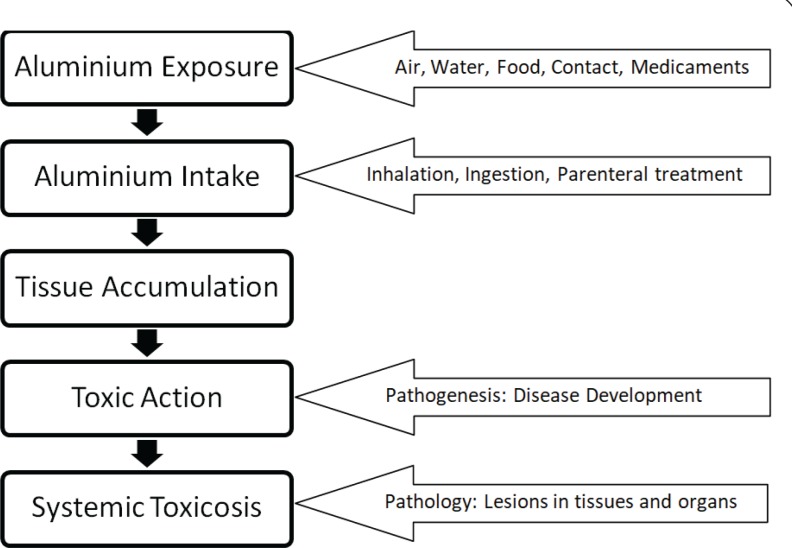
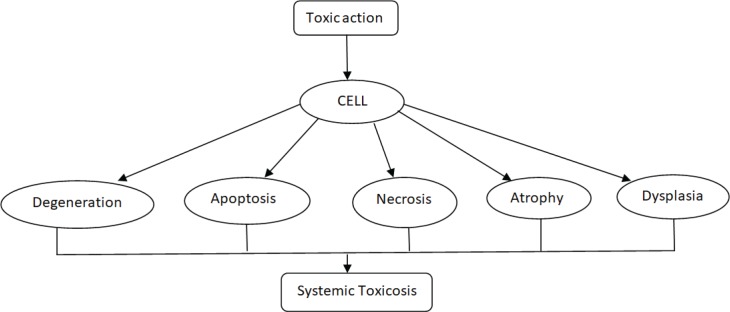
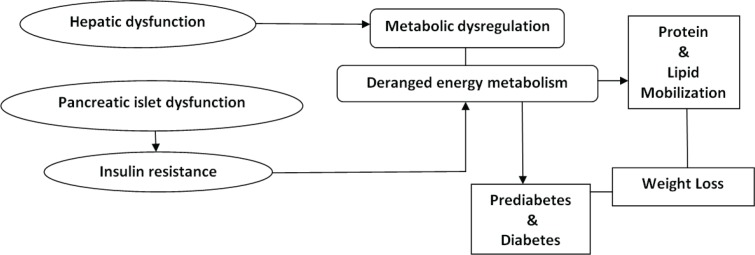
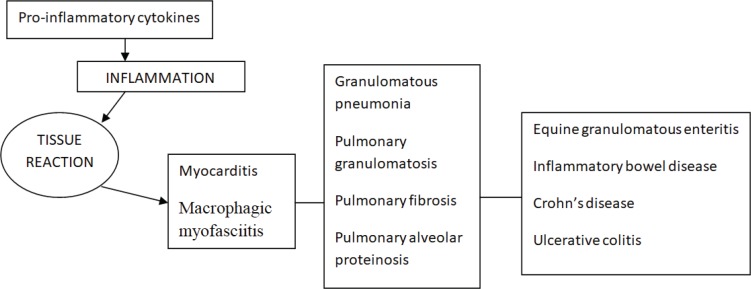
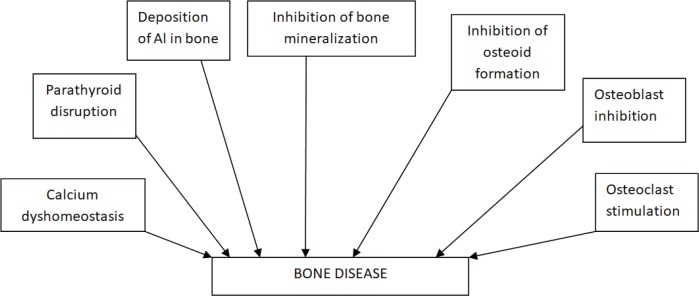
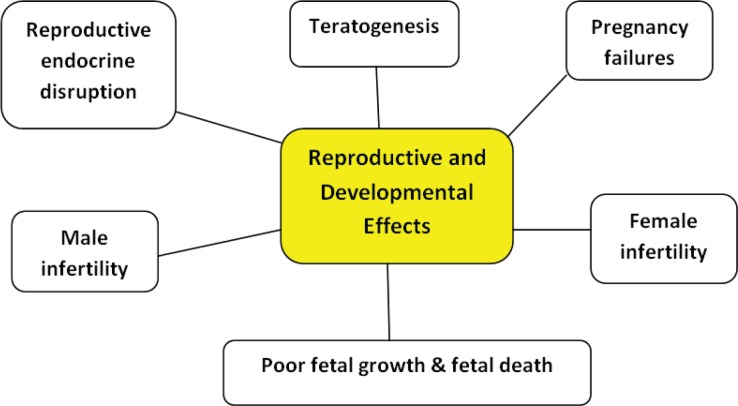
Aluminium (Al) is frequently accessible to animal and human populations to the extent that intoxications may occur. Intake of Al is by inhalation of aerosols or particles, ingestion of food, water and medicaments, skin contact, vaccination, dialysis and infusions. Toxic actions of Al induce oxidative stress, immunologic alterations, genotoxicity, pro-inflammatory effect, peptide denaturation or transformation, enzymatic dysfunction, metabolic derangement, amyloidogenesis, membrane perturbation, iron dyshomeostasis, apoptosis, necrosis and dysplasia. The pathological conditions associated with Al toxicosis are desquamative interstitial pneumonia, pulmonary alveolar proteinosis, granulomas, granulomatosis and fibrosis, toxic myocarditis, thrombosis and ischemic stroke, granulomatous enteritis, Crohn’s disease, inflammatory bowel diseases, anemia, Alzheimer’s disease, dementia, sclerosis, autism, macrophagic myofasciitis, osteomalacia, oligospermia and infertility, hepatorenal disease, breast cancer and cyst, pancreatitis, pancreatic necrosis and diabetes mellitus. The review provides a broad overview of Al toxicosis as a background for sustained investigations of the toxicology of Al compounds of public health importance.
Overview
CoChat Summary
TL;DR
This narrative review synthesizes exposure routes, toxic actions, and systemic effects of aluminium (Al), arguing that Al toxicosis is a multifaceted disease driven mainly by oxidative stress. It links Al exposure to pulmonary, cardiovascular, gastrointestinal, hematologic, neurologic, musculoskeletal, reproductive, hepato-renal/pancreatic, and mammary pathology.
Key findings
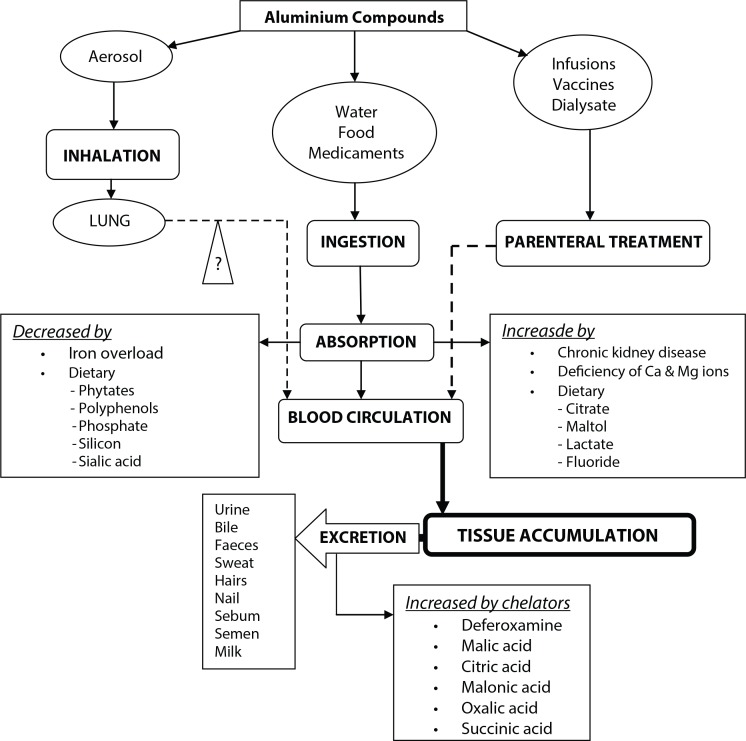
- Al enters via inhalation, ingestion, skin contact, vaccination, dialysis, and infusions; gastrointestinal absorption is the main systemic route, with absorption from water (about 0.3%) greater than from food (about 0.1%). About 90% of circulating Al is bound to transferrin, normal serum Al is about 1–3 μg/L, total body burden is about 30–50 mg/kg, and the kidneys eliminate about 95% in urine.
- Reported toxic actions include oxidative stress, lipid peroxidation, pro-inflammatory effects, immunosuppression, genotoxicity, protein denaturation/transformation, enzymatic dysfunction, metabolic impairment, amyloidogenesis, membrane perturbation, iron dyshomeostasis, apoptosis, necrosis, and dysplasia.
- Associated pathological conditions include desquamative interstitial pneumonia, pulmonary alveolar proteinosis, granulomas/fibrosis, toxic myocarditis, thrombosis and ischemic stroke, granulomatous enteritis, Crohn’s disease, inflammatory bowel diseases, anemia, Alzheimer’s disease, dementia, sclerosis, autism, macrophagic myofasciitis, osteomalacia, oligospermia and infertility, hepatorenal disease, breast cancer and cyst, pancreatitis, pancreatic necrosis, and diabetes mellitus.
- Selected quantitative findings: daily human Al intake from food is 3.4–9 mg/day; antacids contain 104–208 mg Al per tablet/capsule/5 ml; intravenous pharmaceutical products contained 684–5977 μg/g Al; breast cancer cases had higher breast-tissue Al than controls (5.8 versus 3.8 nmol/g); brain Al was >10 μg/g dry weight in 5 of 12 familial Alzheimer’s disease donors and up to 19 μg/g dry weight in autism; rat testes accumulated 3.35 μg/g Al after 60 days at human dietary levels.
Methods
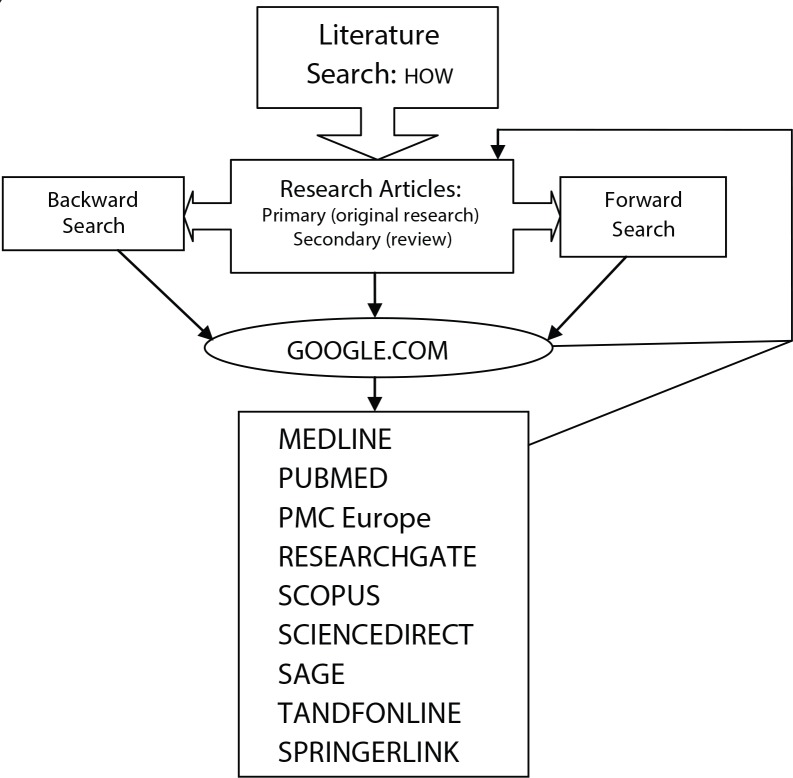
- Narrative literature review, not a meta-analysis or critical evaluation of published data; the search began in 2013 and looked backward, using Google/Google Scholar, MEDLINE, PubMed, PMC Europe, ResearchGate, Scopus, ScienceDirect, Sage, Taylor & Francis Online, and SpringerLink, with backward and forward citation searching.
- Major themes were exposure modalities, toxic actions, and effects in cells, tissues, and body systems; articles from reputable journals with thematic content were included, while peripheral articles were excluded, and the literature was summarized and narrated after cognitive reflection and integration.
Limitations
- Paper-stated: the review was intended to collate, synthesize, and integrate published reports “without meta-analysis and critical evaluation of published data,” and it is explicitly a narrative review with a broad thematic approach.
- Paper-stated: multisystemic co-morbidities from Al toxicosis are rarely reported in epidemiological cohorts; convergence of toxic actions across multiple organ systems is often observed in experimental animal models and “lacks validity in observational studies in human or animal populations,” so longitudinal studies are needed.
- Evident from the text: the search strategy is broad and narrative rather than systematic, with no formal quality assessment or risk-of-bias appraisal; the evidence base is heterogeneous across human, animal, in vitro, and case-report studies, and the review itself notes unresolved contradictions, such as “mutagenesis, cell proliferation and impaired mitosis” being “gray areas requiring clarification.”
Model-written summary. Check it against the paper before relying on it.
Integrity signals
Registry
Cites
Statistics
Figures
Verification
Claims the paper makes
33 Valid · 6 Not valid · 152 Not checked · 31 Own results and interpretations
At least one cited source doesn’t support this claim or points to a different paper, and none confirmed it — see the verdicts below.
In the paper
“Reactive airways dysfunction syndrome was rarely reported among Al smelter workers (Wesdock and Arnold, 2014).”
§ Aluminium toxicosis: a review of toxic actions and effects > Systemic toxicosis > Pulmonary effect
What the sources say
- Disputedcites Wesdock and Arnold, 2014 matched to “Occupational and Environmental Health in the Aluminum Industry: Key Points for Health Practitioners” (2014) sourceExperimental — accuracy not yet measured
The Respiratory Disorders section says that, to date, reactive airways dysfunction syndrome had not been reported among aluminum smelter workers. That contradicts the claim that it was reported, albeit rarely. (LLM, conf=0.84)
Checked by a reasoning model — may be wrong.
plain- Asserted: passes — The authors put it forward as true.
- Checkable: passes — It can be checked against evidence.
- Load-bearing: unclear — It is unclear whether the paper’s conclusions depend on it.
- Based: passes — The paper gives a reason why it holds.
- Disputed
The cited sources support only part of this claim — read each source’s verdict below.
In the paper
“The Al ion has no physiological role in metabolic processes (Exley and House, 2011) but it can be a metallic toxicant to humans and animals (Becaria et al., 2002) when there is high body burden of the metal after natural or unnatural exposure (Exley, 2013).”
§ Aluminium toxicosis: a review of toxic actions and effects > Introduction
What the sources say
- Partly supportedcites Exley, 2013 matched to “Human exposure to aluminium” (2013) sourceExperimental — accuracy not yet measured
In “The body burden of aluminium,” the paper describes body burden as the outcome of exposure and excretion and says a higher-than-normal burden is assumed to increase susceptibility to aluminium. But it cautions that body burden may not accurately predict toxicity; the Conclusions instead emphasize biologically available aluminium. The claim’s high-burden condition is therefore stronger than the source supports. (LLM, conf=0.85)
- Supportedcites Becaria et al., 2002 matched to “Aluminum as a toxicant” (2002) source
The citation to Becaria et al. supports the statement that aluminum can be toxic to humans and animals. The Introduction describes causal effects in humans, while the Inflammatory response section reports effects in experimental animals. The separate claim about high body burden and exposure is cited to Exley (2013), not Becaria et al. (LLM, conf=0.93)
plainstates a possible cause- Asserted: passes — The authors put it forward as true.
- Checkable: passes — It can be checked against evidence.
- Load-bearing: passes — The paper’s conclusions depend on it.
- Based: passes — The paper gives a reason why it holds.
- Partly supported
Every source the paper cites for this claim was checked and supports it.
In the paper
“Many antacids contain 104–208 mg of Al per tablet, capsule or 5 ml of suspension (Zhou and Yokel, 2005).”
§ Aluminium toxicosis: a review of toxic actions and effects > Exposure to aluminium > Aluminium intake
What the sources say
- Supportedcites Zhou and Yokel, 2005 matched to “The Chemical Species of Aluminum Influences Its Paracellular Flux across and Uptake into Caco-2 Cells, a Model of Gastrointestinal Absorption” (2005) source
The Introduction states that many antacids contain 300–600 mg of aluminium hydroxide, equivalent to approximately 104–208 mg of aluminium, per tablet, capsule or 5 ml. This directly supports the cited sentence. (LLM, conf=0.94)
plain- Asserted: passes — The authors put it forward as true.
- Checkable: passes — It can be checked against evidence.
- Load-bearing: unclear — It is unclear whether the paper’s conclusions depend on it.
- Based: passes — The paper gives a reason why it holds.
- Supported
The cited sources support only part of this claim — read each source’s verdict below.
In the paper
“Daily intakes of Al in humans from food range from 3.4 to 9 mg/day (Pennington and Schoen, 1995; Biego et al., 1998; Yang et al., 2014).”
§ Aluminium toxicosis: a review of toxic actions and effects > Exposure to aluminium > Aluminium intake
What the sources say
- Not checked — no full text of the sourcecites Pennington and Schoen, 1995 matched to “Estimates of dietary exposure to aluminium” (1995) source
- Not checked — no full text of the sourcecites Biego et al., 1998 matched to “Daily intake of essential minerals and metallic micropollutants from foods in France” (1998) source
- Partly supportedcites Yang et al., 2014 matched to “Dietary Exposure to Aluminium and Health Risk Assessment in the Residents of Shenzhen, China” (2014) sourceExperimental — accuracy not yet measured
The Introduction identifies food as the largest contributor to aluminium intake, and Results > Dietary Aluminium exposure reports dietary intake for Shenzhen residents as 1.263 mg/kg body weight per week on average. Our copy does not give the claimed range of 3.4–9 mg/day; searches for that range and for daily intake figures did not find it. (LLM, conf=0.78)
plain- Asserted: passes — The authors put it forward as true.
- Checkable: passes — It can be checked against evidence.
- Load-bearing: unclear — It is unclear whether the paper’s conclusions depend on it.
- Based: passes — The paper gives a reason why it holds.
The cited sources support only part of this claim — read each source’s verdict below.
In the paper
“The largest source of airborne Al-containing particles is the dust from soil and rocks (Lee and Von Lehmden, 1973; Sorenson et al., 1974).”
§ Aluminium toxicosis: a review of toxic actions and effects > Exposure to aluminium > Aluminium intake
What the sources say
- Could not verifycites Lee and Von Lehmden, 1973 matched to “Trace Metal Pollution in the Environment” (1973) sourceExperimental — accuracy not yet measured
The Industrial Materials section (page unavailable) identifies aluminum in coal fly ash, but does not discuss soil or rock dust as a source of airborne aluminum. A search for soil and rock dust found no passage comparing aluminum sources or identifying the largest one. (LLM, conf=0.72)
- Partly supportedcites Sorenson et al., 1974 matched to “Aluminum in the Environment and Human Health” (1974) sourceExperimental — accuracy not yet measured
In “Aluminum in the Atmosphere and Atmospheric Precipitations” (page not supplied), the paper says soil and soil dust appeared to be the main source of larger aluminium-associated aerosol particles, particularly at remote sites. It also points to a terrestrial origin for atmospheric aluminium generally, but does not establish that soil and rock dust is the largest source of all airborne aluminium-containing particles. (LLM, conf=0.82)
plainstates a cause- Asserted: passes — The authors put it forward as true.
- Checkable: passes — It can be checked against evidence.
- Load-bearing: unclear — It is unclear whether the paper’s conclusions depend on it.
- Based: passes — The paper gives a reason why it holds.
- Could not verify
125 more claims · 17 with their cited sources checked
Create a free account to see all 222 claims and to verify the 29 references still open.
- It may state two separate claims as one. 86
- Probably not a substantial claim. 11
Self-check
Percentages, sums and reported differences re-computed from the paper’s own numbers.
Each contradiction between two passages listed here was confirmed by an independent check.
Rated major: it would touch a result — a value a result rests on, reported and recomputed p-values on opposite sides of the significance level, two passages that conflict with no sign which is right, or a cited work retracted before this paper was published.
In the paper
§ Aluminium toxicosis: a review of toxic actions and effects > Systemic toxicosis > Reproductive and developmental effects
“Testicular and epididymal weights and serum testosterone and luteinizing hormone levels were reduced by Al exposure (Reza and Palan, 2006; Mouro et al., 2017).”
§ Aluminium toxicosis: a review of toxic actions and effects > Systemic toxicosis > Reproductive and developmental effects
“After intraperitoneal treatment at 50 mg/kg for 20 days, blood testosterone and LH levels were increased in male rats, but FSH level was not affected (Resa and Palan, 2006).”
Rated minor: it would not touch a result — a value no result rests on, a p-value that stays on the same side of the significance level, or a conflict that is clerical, resolved elsewhere in the paper, or outside its own findings.
In the paper
§ Aluminium toxicosis: a review of toxic actions and effects > Literature search justification and methods
“another summarized the physiological alterations in the musculoskeletal, respiratory, cardiovascular, hepatobiliary, endocrine, urinary and reproductive systems(Nayak, 2000).”
§ Aluminium toxicosis: a review of toxic actions and effects > References
“Nayak P Aluminum: impacts and disease Environ Res 2002 89 101 115 12123643”
Rated minor: it would not touch a result — a value no result rests on, a p-value that stays on the same side of the significance level, or a conflict that is clerical, resolved elsewhere in the paper, or outside its own findings.
In the paper
§ Aluminium toxicosis: a review of toxic actions and effects > Exposure to aluminium > Absorption, distribution and elimination of aluminium
“The total body burden of Al in healthy humans has been reported to be approximately 30–50 mg/kg body weight”
§ Aluminium toxicosis: a review of toxic actions and effects > Exposure to aluminium > Absorption, distribution and elimination of aluminium
“About one-half of the total body Al is in the skeleton, and the levels in human bone tissue range from 5 to 10 mg/kg”
Citations
Cites
Hazards of heavy metal contamination
Järup, L. (2003) · British Medical Bulletin · doi:10.1093/bmb/ldg032 · Cited by 6,508
Prevalence of and Trends in Diabetes Among Adults in the United States, 1988-2012
Menke, A., Casagrande, S., Geiss, L., & Cowie, C. C. (2015) · JAMA · doi:10.1001/jama.2015.10029 · Cited by 2,362
Writing narrative literature reviews for peer-reviewed journals: secrets of the trade
Green, B. N., Johnson, C. D., & Adams, A. (2006) · Journal of Chiropractic Medicine · doi:10.1016/s0899-3467(07)60142-6 · Cited by 2,224 · cited 1×
“The literature search for Al toxicosis as a narrative review (Green et al., 2006) with a broad thematic approach was unproductive and this observation justified the need for the current review.”
BackgroundBrain insulin resistance in type 2 diabetes and Alzheimer disease: concepts and conundrums
Arnold, S. E., Arvanitakis, Z., Macauley-Rambach, S. L., Koenig, A. M., Wang, H.-Y., Ahima, R. S., Craft, S., Gandy, S., Buettner, C., Stoeckel, L. E., et al. (2018) · Nature Reviews Neurology · doi:10.1038/nrneurol.2017.185 · Cited by 1,597 · cited 1×
“…of Al in the pathogenesis of diabetes mellitus and the concurrence of neurological disorders associated with Alzheimer’s disease and other dementias (Arnold et al., 2018) point to the common cellular basis of the pathogenesis of both metabolic and cognitive disorders, which can arise from toxic…”
BackgroundAluminum Toxicity and Tolerance in Plants
Delhaize, E., & Ryan, P. R. (1995) · Plant Physiology · doi:10.1104/pp.107.2.315 · Cited by 1,346 · cited 1×
“Aluminium (Al) is the most widely distributed metal in the environment (Delhaize and Ryan, 1995; Ranjbar et al., 2008; Exley and House, 2011) occurring naturally in the trivalent state (Al+3) as silicates, oxides and hydroxides, but may combine with other elements such as chlorine, sulphur,…”
BackgroundAlzheimer’s disease is type 3 diabetes—Evidence reviewed
de la Monte, S. M., & Wands, J. R. (2008) · Journal of Diabetes Science and Technology · doi:10.1177/193229680800200619 · Cited by 1,158
Islet Amyloid Polypeptide, Islet Amyloid, and Diabetes Mellitus
Westermark, P., Andersson, A., & Westermark, G. T. (2011) · Physiological Reviews · doi:10.1152/physrev.00042.2009 · Cited by 1,044
Human Health Risk Assessment for Aluminium, Aluminium Oxide, and Aluminium Hydroxide
Krewski, D., Yokel, R. A., Nieboer, E., Borchelt, D., Cohen, J., Harry, J., Kacew, S., Lindsay, J., Mahfouz, A. M., & Rondeau, V. (2007) · Journal of Toxicology and Environmental Health, Part B · doi:10.1080/10937400701597766 · Cited by 998 · cited 6×
“Al levels increase with age in tissues and organs (bone, muscle, lung, liver, and kidney) of experimental animals (Krewski et al., 2007).”
BackgroundInfluentialAluminium as a risk factor in Alzheimer’s disease, with emphasis on drinking water
Flaten, T. P. (2001) · Brain Research Bulletin · doi:10.1016/s0361-9230(01)00459-2 · Cited by 939
Oxidative stress in Alzheimer’s disease
Chen, Z., & Zhong, C. (2014) · Neuroscience Bulletin · doi:10.1007/s12264-013-1423-y · Cited by 797 · cited 2×
“…of Al were reversed by additional dietary vitamin E (Pratico et al., 2002), suggesting that Al could contribute to neurodegeneration by enhancing amyloid deposition and aggravating lesions by oxidative events (Campbell and Bondy, 2000; Yuan et al., 2012; Chen and Zhong, 2014; Liaquat et al., 2019).”
BackgroundThe Bioavailability and Toxicity of Aluminum in Aquatic Environments
Gensemer, R. W., & Playle, R. C. (1999) · Critical Reviews in Environmental Science and Technology · doi:10.1080/10643389991259245 · Cited by 776 · cited 1×
“Industrial release of Al in waste materials into surface waters from processing and manufacturing facilities could be toxic to aquatic life (Filipek et al., 1987; Trieff et al., 1995; His et al., 1996; Gensemer and Playle, 1999).”
BackgroundIs Alzheimer’s disease a type 3 diabetes? A critical appraisal
Kandimalla, R., Thirumala, V., & Reddy, P. H. (2017) · Biochimica et Biophysica Acta (BBA) - Molecular Basis of Disease · doi:10.1016/j.bbadis.2016.08.018 · Cited by 621
The Biochemistry of Desferrioxamine and its Relation to Iron Metabolism
Keberle, H. (1964) · Annals of the New York Academy of Sciences · doi:10.1111/j.1749-6632.1965.tb54077.x · Cited by 612
Geographical relation between Alzheimer's disease and aluminum in drinking water.
Martyn, C. N., Barker, D. J. P., Osmond, C., Harris, E. C., Edwardson, J. A., & Lacey, R. F. (1989) · PubMed · Cited by 587
Nayak, P. (2002) · Environmental Research · doi:10.1006/enrs.2002.4352 · Cited by 582
Kell, D. B. (2009) · BMC Medical Genomics · doi:10.1186/1755-8794-2-2 · Cited by 554
Drinking Water and Health: Volume 6
(1986) · National Academies Press eBooks · doi:10.17226/921 · Cited by 540
GEOGRAPHICAL RELATION BETWEEN ALZHEIMER'S DISEASE AND ALUMINIUM IN DRINKING WATER
Martyn, C. N., Osmond, C., Edwardson, J. A., Barker, D. J. P., Harris, E. C., & Lacey, R. F. (1989) · The Lancet · doi:10.1016/s0140-6736(89)91425-6 · Cited by 519 · cited 1×
“(Martyn et al., 1989; Steinhausen et al., 2004; Anon, 2008b; Zhou et al., 2008).”
Kawahara, M., & Kato-Negishi, M. (2011) · International Journal of Alzheimer’s Disease · doi:10.4061/2011/276393 · Cited by 509 · cited 2×
“…encephalopathy, Alzheimer’s disease, Parkinson’s disease (dementia), amyotropic lateral sclerosis, multiple sclerosis and autism (King et al., 1981; Savory et al., 1996; Kawahara and Kato-Negishi, 2011; Arain et al., 2015; Jones et al., 2017; Mirza et al., 2017; Mold et al., 2018).”
BackgroundVanadium in diabetes: 100 years from Phase 0 to Phase I
Thompson, K. H., & Orvig, C. (2006) · Journal of Inorganic Biochemistry · doi:10.1016/j.jinorgbio.2006.08.016 · Cited by 508
Atmospheric trace metals: global cycles and assessment of man's impact
Lantzy, R. J., & Mackenzie, F. T. (1979) · Geochimica et Cosmochimica Acta · doi:10.1016/0016-7037(79)90162-5 · Cited by 498 · cited 2×
“About 13% of atmospheric Al is attributed to anthropogenic emissions (Lantzy and MacKenzie, 1979).”
BackgroundCronan, C. S., & Schofield, C. L. (1979) · Science · doi:10.1126/science.204.4390.304 · Cited by 484
Metabolism and possible health effects of aluminum.
Ganrot, P. O. (1986) · Environmental Health Perspectives · doi:10.1289/ehp.8665363 · Cited by 483 · cited 1×
“…et al., 2008; Exley and House, 2011) occurring naturally in the trivalent state (Al+3) as silicates, oxides and hydroxides, but may combine with other elements such as chlorine, sulphur, fluorine, as well as form complexes with organic matter (Jones and Bennet, 1986; Ganrot, 1986; Martin, 1992).”
BackgroundKazi, T. G., Afridi, H. I., Kazi, N., Jamali, M. K., Arain, M. B., Jalbani, N., & Kandhro, G. A. (2008) · Biological Trace Element Research · doi:10.1007/s12011-007-8062-y · Cited by 480
The toxicology of aluminum in the brain: a review.
Yokel, R. A. (2000) · PubMed · Cited by 457
GSK-3β, a pivotal kinase in Alzheimer disease
Llorens-MarÃtin, M., Jurado, J., Hernández, F., & Ãvila, J. (2014) · Frontiers in Molecular Neuroscience · doi:10.3389/fnmol.2014.00046 · Cited by 451
Mechanism of Immunopotentiation and Safety of Aluminum Adjuvants
HogenEsch, H. (2013) · Frontiers in Immunology · doi:10.3389/fimmu.2012.00406 · Cited by 430 · cited 2×
“…involves the NLRP3 inflammasome and NLRP3independent pathways where macrophages, B- and T-lymphocytes play important roles in enhancing antigenspecific immune responses and increasing inflammatory cytokine production (Exley et al., 2010; Hogenesch, 2013; Zlatkovic et al., 2013; He et al., 2015).”
BackgroundWillhite, C. C., Karyakina, N. A., Yokel, R. A., Yenugadhati, N., Wisniewski, T. M., Arnold, I. M. F., Momoli, F., & Krewski, D. (2014) · Critical Reviews in Toxicology · doi:10.3109/10408444.2014.934439 · Cited by 412
Advances in aluminum hydroxide-based adjuvant research and its mechanism
He, P., Zou, Y., & Hu, Z. (2015) · Human Vaccines & Immunotherapeutics · doi:10.1080/21645515.2014.1004026 · Cited by 409 · cited 2×
“…involves the NLRP3 inflammasome and NLRP3independent pathways where macrophages, B- and T-lymphocytes play important roles in enhancing antigenspecific immune responses and increasing inflammatory cytokine production (Exley et al., 2010; Hogenesch, 2013; Zlatkovic et al., 2013; He et al., 2015).”
BackgroundThe pro-oxidant activity of aluminum
Exley, C. (2004) · Free Radical Biology and Medicine · doi:10.1016/j.freeradbiomed.2003.11.017 · Cited by 408
Hepatic lipid peroxidation in vivo in rats with chronic iron overload.
Bacon, B. R., Tavill, A. S., Brittenham, G. M., Park, C. H., & Recknagel, R. O. (1983) · Journal of Clinical Investigation · doi:10.1172/jci110787 · Cited by 391 · cited 1×
“Iron overload due to Al exposure has been shown to result in increased lipid peroxidation, DNA lesions, and apoptosis induced by reactive oxygen species (Bacon et al., 1983; Oteiza, 1994; Kell, 2009).”
BackgroundExley, C. (2013) · Environ. Sci.: Processes Impacts · doi:10.1039/c3em00374d · Cited by 382 · cited 8×
“, 2002) when there is high body burden of the metal after natural or unnatural exposure (Exley, 2013).”
InfluentialAluminium Toxicokinetics: An Updated MiniReview
Yokel, R. A., & McNamara, P. J. (2001) · Pharmacology and Toxicology · doi:10.1034/j.1600-0773.2001.d01-98.x · Cited by 373
ALUMINIUM POISONING: DIALYSIS ENCEPHALOPATHY, OSTEOMALACIA, AND ANAEMIA
WILLS, M. (1983) · The Lancet · doi:10.1016/s0140-6736(83)90014-4 · Cited by 369 · cited 2×
“Toxicosis due to Al accumulation in mammalian tissues was associated with various pathologic effects (Wills and Savory, 1983; Kaiser et al., 1984; Boyce et al., 1986; Drüeke et al., 1986; Hewitt et al., 1990; Bushinsky et al., 1995; Reinke et al., 2003; Abubakar et al., 2004; Bogdanović et al., 2008; Yousef and Salama…”
BackgroundThe Health Effects of Aluminum Exposure
Klotz, K., Weistenhöfer, W., Neff, F., Hartwig, A., van Thriel, C., & Drexler, H. (2017) · Deutsches Ärzteblatt international · doi:10.3238/arztebl.2017.0653 · Cited by 350
(EFSA), E. F. S. A. (2008) · EFSA Journal · doi:10.2903/j.efsa.2008.754 · Cited by 303 · cited 10×
“In rats, accumulation of Al after oral exposure was higher in the spleen, liver, bone, and kidneys than in the brain, muscle, heart, or lungs (Anon, 2008b).”
BackgroundInfluentialMeliker, J. R., Wahl, R. L., Cameron, L. L., & Nriagu, J. O. (2007) · Environmental Health · doi:10.1186/1476-069x-6-4 · Cited by 294
Becaria, A., Campbell, A., & Bondy, S. (2002) · Toxicology and Industrial Health · doi:10.1191/0748233702th157oa · Cited by 283 · cited 2×
“ISSN: 1337-6853 (print version) | 1337-9569 (electronic version) toxicant to humans and animals (Becaria et al., 2002) when there is high body burden of the metal after natural or unnatural exposure (Exley, 2013).”
BackgroundInfluentialReducing Phosphorus Runoff and Inhibiting Ammonia Loss from Poultry Manure with Aluminum Sulfate
Moore, P. A., Daniel, T. C., & Edwards, D. R. (2000) · Journal of Environmental Quality · doi:10.2134/jeq2000.00472425002900010006x · Cited by 282 · cited 1×
“Food or water for livestock could be contaminated with Al when Al sulfate and zeolite are applied to litter and waste lagoons to reduce phosphorus loss from lands fertilized with the wastes and to reduce ammonia fumes in facilities (Moore et al., 1999; Moore et al., 2000; Codling et al., 2002).”
BackgroundAluminum in the Environment and Human Health
Sorenson, J. R. J., Campbell, I. R., Tepper, L. B., & Lingg, R. D. (1974) · Environmental Health Perspectives · doi:10.1289/ehp.7483 · Cited by 280 · cited 3×
“The largest source of airborne Al-containing particles is the dust from soil and rocks (Lee and Von Lehmden, 1973; Sorenson et al., 1974).”
BackgroundInfluentialAluminum modulates brain amyloidosis through oxidative stress in APP transgenic mice
Praticò, D., Uryu, K., Sung, S., Tang, S., Trojanowski, J. Q., & Lee, V. M. ‐. (2002) · The FASEB Journal · doi:10.1096/fj.02-0012fje · Cited by 278 · cited 2×
“…amyloid-β peptide formation and deposition when Al was added to their diets, but the effects of Al were reversed by additional dietary vitamin E (Pratico et al., 2002), suggesting that Al could contribute to neurodegeneration by enhancing amyloid deposition and aggravating lesions by oxidative…”
BackgroundEvidence of Aluminum Loading in Infants Receiving Intravenous Therapy
Sedman, A. B., Klein, G. L., Merritt, R. J., Miller, N. L., Weber, K. O., Gill, W. L., Anand, H., & Alfrey, A. C. (1985) · New England Journal of Medicine · doi:10.1056/nejm198505233122101 · Cited by 271 · cited 2×
“Various intravenously administered pharmaceutical products were reported to contain 684–5977 μg/g of Al (Sedman et al., 1985).”
BackgroundBondy, S. C. (2016) · NeuroToxicology · doi:10.1016/j.neuro.2015.12.002 · Cited by 263
Aluminium in brain tissue in familial Alzheimer’s disease
Mirza, A., King, A., Troakes, C., & Exley, C. (2017) · Journal of Trace Elements in Medicine and Biology · doi:10.1016/j.jtemb.2016.12.001 · Cited by 261 · cited 4×
“The Al in brains of 5 out of 12 donors with familial Alzheimer’s disease was > 10 μg/g dry weight (Mirza et al., 2017).”
BackgroundInfluentialHeavy metals, islet function and diabetes development
Chen, Y. W., Yang, C. Y., Huang, C. F., Hung, D. Z., Leung, Y. M., & Liu, S. H. (2009) · Islets · doi:10.4161/isl.1.3.9262 · Cited by 249
A Review of Metal Exposure and Its Effects on Bone Health
Rodríguez, J., & Mandalunis, P. M. (2018) · Journal of Toxicology · doi:10.1155/2018/4854152 · Cited by 248 · cited 1×
“…Al toxicosis may cause muscle damage, inflammation and dysfunction The bone diseases associated with Al exposure are osteoporosis, osteomalcia, rickets, exostosis, osteodystrophy and osteitis fibrosa (Sherrard et al., 1985; Chappard et al., 2016; Rodríguez and Mandalunis, 2018; Klein, 2019).”
BackgroundSafety Evaluation of Dietary Aluminum
Soni, M. G., White, S. M., Flamm, W. G., & Burdock, G. A. (2001) · Regulatory Toxicology and Pharmacology · doi:10.1006/rtph.2000.1441 · Cited by 244 · cited 2×
“The compounds are used in crude oil refining and cracking of petroleum; manufacturing of cooking utensils and foils, parchment paper, printing ink, glass, ceramics, pottery, incandescent filaments, fireworks, explosives, photographic flashlight, electric insulators, cement, paints and varnishes, fumigants and pesticid…”
BackgroundKumar, V., & Gill, K. D. (2014) · NeuroToxicology · doi:10.1016/j.neuro.2014.02.004 · Cited by 234
Toxic elements in tobacco and in cigarette smoke: inflammation and sensitization
Pappas, R. S. (2011) · Metallomics · doi:10.1039/c1mt00066g · Cited by 221
The toxicity of aluminium in humans
Exley, C. (2016) · Morphologie · doi:10.1016/j.morpho.2015.12.003 · Cited by 219
Multifaceted effects of aluminium in neurodegenerative diseases: A review
Maya, S., Prakash, T., Madhu, K. D., & Goli, D. (2016) · Biomedicine & Pharmacotherapy · doi:10.1016/j.biopha.2016.07.035 · Cited by 218
Transferrin binding of Al3+ and Fe3+.
Martin, R. B., Savory, J., Brown, S., Bertholf, R. L., & Wills, M. R. (1987) · Clinical Chemistry · doi:10.1093/clinchem/33.3.405 · Cited by 217 · cited 1×
“But due to the chemical similarity between Al and iron, it can also successfully mop-up excess Al from the body (Day, 1986; Martin et al., 1987).”
BackgroundChronic exposure to aluminum and risk of Alzheimer’s disease: A meta-analysis
Wang, Z., Wei, X., Yang, J., Suo, J., Chen, J., Liu, X., & Zhao, X. (2016) · Neuroscience Letters · doi:10.1016/j.neulet.2015.11.014 · Cited by 217
Aluminum Vaccine Adjuvants: Are they Safe?
Tomljenovic, L., & A. Shaw, C. (2011) · Current Medicinal Chemistry · doi:10.2174/092986711795933740 · Cited by 211
Environmental effects of aluminium
Rosseland, B. O., Eldhuset, T. D., & Staurnes, M. (1990) · Environmental Geochemistry and Health · doi:10.1007/bf01734045 · Cited by 209 · cited 1×
“This mobilization of Al is often seasonal in nature and is associated with pH depressions (acidification) occurring during the spring snow melt or associated with erosion from specific storm events (Rosseland et al., 1990; Nelson and Campbell, 1991; Campbell et al., 1992).”
BackgroundMalluche, H. H., Smith, A. J., Abreo, K., & Faugere, M.-C. (1984) · New England Journal of Medicine · doi:10.1056/nejm198407193110302 · Cited by 199 · cited 1×
“Deferoxamine administered intravenously has been shown to reduce the body Al load and to ameliorate injury to the bone and brain in patients receiving hemodialysis and peritoneal dialysis (Malluche et al., 1984).”
BackgroundPropolis protection from reproductive toxicity caused by aluminium chloride in male rats
Yousef, M. I., & Salama, A. F. (2009) · Food and Chemical Toxicology · doi:10.1016/j.fct.2009.02.006 · Cited by 195 · cited 2×
“Other reports showed that Al induced decrease in sperm counts, motility and viability, with increase in dead and abnormal sperm counts (Bataineh et al., 1998; Guo et al., 2005; Yousef et al., 2007; Yousef and Salama, 2009; D’Souza et al., 2014).”
BackgroundSuppression of parathyroid hormone secretion by aluminum
Morrissey, J., Rothstein, M., Mayor, G., & Slatopolsky, E. (1983) · Kidney International · doi:10.1038/ki.1983.81 · Cited by 193 · cited 2×
“Al accumulates in endocrine glands and causes damage to the glands through oxidative stress, thereby decreasing the level of the hormones secreted (Morrissey et al., 1983) into the bloodstream for action at the target organs, causing organ hypofunction.”
BackgroundThe cellular toxicity of aluminium
Exley, C., & Derek Birchall, J. (1992) · Journal of Theoretical Biology · doi:10.1016/s0022-5193(05)80769-6 · Cited by 184 · cited 1×
“Extracellular surfaces and intracellular ligands may likely associate with Al to induce inhibitory or stimulatory effects (Exley and Birchall, 1992).”
BackgroundThe immunobiology of aluminium adjuvants: how do they really work?
Exley, C., Siesjö, P., & Eriksson, H. (2010) · Trends in Immunology · doi:10.1016/j.it.2009.12.009 · Cited by 184 · cited 2×
“…involves the NLRP3 inflammasome and NLRP3independent pathways where macrophages, B- and T-lymphocytes play important roles in enhancing antigenspecific immune responses and increasing inflammatory cytokine production (Exley et al., 2010; Hogenesch, 2013; Zlatkovic et al., 2013; He et al., 2015).”
BackgroundFeng, W., Cui, X., Liu, B., Liu, C., Xiao, Y., Lu, W., Guo, H., He, M., Zhang, X., Yuan, J., et al. (2015) · PLOS ONE · doi:10.1371/journal.pone.0123742 · Cited by 184
Understanding Aspects of Aluminum Exposure in Alzheimer's Disease Development
Kandimalla, R., Vallamkondu, J., Corgiat, E. B., & Gill, K. D. (2016) · Brain Pathology · doi:10.1111/bpa.12333 · Cited by 183
Shared links between type 2 diabetes mellitus and Alzheimer's disease: A review
Mittal, K., & Katare, D. P. (2016) · Diabetes & Metabolic Syndrome Clinical Research & Reviews · doi:10.1016/j.dsx.2016.01.021 · Cited by 181
Chemical Composition of Green Tea (Camellia sinensis) Infusions Commercialized in Portugal
Reto, M., Figueira, M. E., Filipe, H. M., & Almeida, C. M. M. (2007) · Plant Foods for Human Nutrition · doi:10.1007/s11130-007-0054-8 · Cited by 180 · cited 1×
“This was attributed to organic ligands in foods such as phytates and polyphenols that were suggested to form complexes with Al ion and inhibit its absorption (Reto et al., 2007).”
BackgroundA Mechanism for the Stimulatory Effect of Aluminum on Iron-Induced Lipid Peroxidation
Oteiza, P. I. (1994) · Archives of Biochemistry and Biophysics · doi:10.1006/abbi.1994.1053 · Cited by 178
Permeability of the blood-brain barrier to amylin
Banks, W. A., Kastin, A. J., Maness, L. M., Huang, W., & Jaspan, J. B. (1995) · Life Sciences · doi:10.1016/0024-3205(95)02197-q · Cited by 177
Propolis alleviates aluminium-induced lipid peroxidation and biochemical parameters in male rats
Newairy, A. A., Salama, A. F., Hussien, H. M., & Yousef, M. I. (2009) · Food and Chemical Toxicology · doi:10.1016/j.fct.2009.01.032 · Cited by 177 · cited 2×
“Abnormal increases in levels of malondealdehyde (MDA) and thiobarbituric acid reactive substances (TBARS) were reported along with decreased levels of antioxidants such as GSH, GPx, SOD, and CAT in tissue homogenates of rats exposed to Al (Anane and Creppy, 2001; Gonzalez et al., 2007; Newairy et al., 2009; Khattab et…”
BackgroundReducing phosphorus runoff and improving poultry production with alum
Moore, P., Daniel, T., & Edwards, D. (1999) · Poultry Science · doi:10.1093/ps/78.5.692 · Cited by 176 · cited 1×
“Food or water for livestock could be contaminated with Al when Al sulfate and zeolite are applied to litter and waste lagoons to reduce phosphorus loss from lands fertilized with the wastes and to reduce ammonia fumes in facilities (Moore et al., 1999; Moore et al., 2000; Codling et al., 2002).”
BackgroundSYSTEMIC ALUMINUM TOXICITY: EFFECTS ON BONE, HEMATOPOIETIC TISSUE, AND KIDNEY
E. H. Jeffery, K. A. (1996) · Journal of Toxicology and Environmental Health · doi:10.1080/009841096161122 · Cited by 174 · cited 2×
“The mineralization of bone is impaired by decreased calcium absorption (Orihuela, 2007), because Al inhibits the synthesis of calbindin, a calcium-binding protein involved in transcellular transport of calcium in enterocytes and inhibits the stimulation of synthesis of osteocalcin (the bone matrix protein) in osteobla…”
BackgroundNelson, W. O., & Campbell, P. G. C. (1991) · Environmental Pollution · doi:10.1016/0269-7491(91)90030-z · Cited by 173
Yokel, R. A., Hicks, C. L., & Florence, R. L. (2008) · Food and Chemical Toxicology · doi:10.1016/j.fct.2008.03.004 · Cited by 172 · cited 1×
“Al is present in foods naturally or from the use of Al-containing food additives (Sepe et al., 2001; Flaten, 2002; Hayacibara et al., 2004; Yokel et al., 2008).”
BackgroundIron and carcinogenesis: from Fenton reaction to target genes
Toyokuni, S. (2002) · Redox Report · doi:10.1179/135100002125000596 · Cited by 166 · cited 1×
“Elevated concentrations of cellular iron can enhance oxidative damage to the cell and are linked to the pathogenesis of neurodegenerative disorders (Jang and Surh, 2002; Toyokuni, 2002; Adzersen et al., 2003; Deugnier, 2003; Ng, 2004).”
BackgroundDaily intake of essential minerals and metallic micropollutants from foods in France
BIEGO, G., JOYEUX, M., HARTEMANN, P., & DEBRY, G. (1998) · The Science of The Total Environment · doi:10.1016/s0048-9697(98)00160-0 · Cited by 166 · cited 1×
“Unauthentifiziert | Heruntergeladen 24.02.20 14:34 UTC ISSN: 1337-6853 (print version) | 1337-9569 (electronic version) Daily intakes of Al in humans from food range from 3.4 to 9 mg/day (Pennington and Schoen, 1995; Biego et al., 1998; Yang et al., 2014).”
BackgroundInfluentialAluminum and Alzheimer’s Disease
Colomina, M. T., & Peris‐Sampedro, F. (2017) · Advances in neurobiology · doi:10.1007/978-3-319-60189-2_9 · Cited by 163 · cited 2×
“…(Mouro et al., 2017), pulmonary lesions (Kongerud and Søyseth, 2014; Taiwo, 2014), impact on the breast (Darbre, 2016), bone abnormalities (Chappard et al., 2016; Klein, 2019), immunotoxity (Zhu et al., 2014a) and neurologic disorders (Colomina and Peris-Sampedro, 2017; Morris et al., 2017).”
BackgroundRole of Hydrogen Peroxide in the Aetiology of Alzheimer??s Disease: Implications for Treatment
Milton, N. G. N. (2004) · Drugs & Aging · doi:10.2165/00002512-200421020-00002 · Cited by 160
Filipek, L. H., Nordstrom, D. K., & Ficklin, W. H. (1987) · Environmental Science & Technology · doi:10.1021/es00158a009 · Cited by 159 · cited 3×
“Industrial release of Al in waste materials into surface waters from processing and manufacturing facilities could be toxic to aquatic life (Filipek et al., 1987; Trieff et al., 1995; His et al., 1996; Gensemer and Playle, 1999).”
BackgroundJohn Savory, C. E. (1996) · Journal of Toxicology and Environmental Health · doi:10.1080/009841096161104 · Cited by 158 · cited 2×
“…encephalopathy, Alzheimer’s disease, Parkinson’s disease (dementia), amyotropic lateral sclerosis, multiple sclerosis and autism (King et al., 1981; Savory et al., 1996; Kawahara and Kato-Negishi, 2011; Arain et al., 2015; Jones et al., 2017; Mirza et al., 2017; Mold et al., 2018).”
BackgroundAn update on toxicology of aluminum phosphide
Moghadamnia, A. A. (2012) · DARU Journal of Pharmaceutical Sciences · doi:10.1186/2008-2231-20-25 · Cited by 158
Trace Metal Pollution in the Environment
Lee, R. E., & von Lehmden, D. J. (1973) · Journal of the Air Pollution Control Association · doi:10.1080/00022470.1973.10469854 · Cited by 157
Anane, R., & Creppy, E. E. (2001) · Human & Experimental Toxicology · doi:10.1191/096032701682693053 · Cited by 150 · cited 1×
“…(TBARS) were reported along with decreased levels of antioxidants such as GSH, GPx, SOD, and CAT in tissue homogenates of rats exposed to Al (Anane and Creppy, 2001; Gonzalez et al., 2007; Newairy et al., 2009; Khattab et al., 2010; Bai et al., 2012; Exley, 2013; Abd-Elhady et al., 2013;…”
BackgroundAluminium content of foods and diets
Pennington, J. A. T. (1988) · Food Additives and Contaminants · doi:10.1080/02652038809373696 · Cited by 148
Long-term exposure to fine particulate matter and incidence of diabetes in the Danish Nurse Cohort
Hansen, A. B., Ravnskjær, L., Loft, S. H., Andersen, K. K., Bräuner, E. V., Baastrup, R., Yao, C., Ketzel, M., Becker, T., Brandt, J. G., et al. (2016) · Environment International · doi:10.1016/j.envint.2016.02.036 · Cited by 147
Aluminium in brain tissue in autism
Mold, M., Umar, D., King, A., & Exley, C. (2018) · Journal of Trace Elements in Medicine and Biology · doi:10.1016/j.jtemb.2017.11.012 · Cited by 147 · cited 4×
“…encephalopathy, Alzheimer’s disease, Parkinson’s disease (dementia), amyotropic lateral sclerosis, multiple sclerosis and autism (King et al., 1981; Savory et al., 1996; Kawahara and Kato-Negishi, 2011; Arain et al., 2015; Jones et al., 2017; Mirza et al., 2017; Mold et al., 2018).”
BackgroundInfluentialFlores, C. R., Preciado‐Puga, M. D. C., Wróbel, K., Garay‐Sevilla, M. E., & Wróbel, K. (2011) · Diabetes Research and Clinical Practice · doi:10.1016/j.diabres.2010.12.014 · Cited by 146
Aluminium toxicity and iron homeostasis
Ward, R. J., Zhang, Y., & Crichton, R. R. (2001) · Journal of Inorganic Biochemistry · doi:10.1016/s0162-0134(01)00308-7 · Cited by 146 · cited 1×
“Al exposure can cause the disruption of iron homeostasis leading to iron overload (Ward et al., 2001; Contini et al., 2007).”
BackgroundAluminium content of selected foods and food products
Stahl, T., Taschan, H., & Brunn, H. E. (2011) · Environmental Sciences Europe · doi:10.1186/2190-4715-23-37 · Cited by 145 · cited 1×
“Foods found to be naturally high in Al include potatoes, spinach and tea (Pennington and Schoen, 1995; Stahl et al., 2011).”
BackgroundHarris, W. R., & Messori, L. (2002) · Coordination Chemistry Reviews · doi:10.1016/s0010-8545(02)00037-1 · Cited by 145 · cited 1×
“About 90% of the Al circulating in the blood is transported bound to transferrin (iron-transporter protein), while the rest of Al binds to albumin and citrate in the blood (Day et al., 1991; Harris and Messori, 2002; Hemadi et al., 2003; Chen et al., 2010).”
BackgroundSharma, D. R., Wani, W. Y., Sunkaria, A., Kandimalla, R. J., Sharma, R. K., Verma, D., Bal, A., & Gill, K. D. (2016) · Neuroscience · doi:10.1016/j.neuroscience.2016.02.055 · Cited by 144 · cited 1×
“The neuronal death in the hippocampus of the brain associated with neurodegeneration in rats caused by Al exposure was attenuated by quercetin (Sharma et al., 2016).”
BackgroundEffect of silicon on gastrointestinal absorption of aluminium
Edwardson, J. A., Moore, P. B., Ferrier, I. N., Lilley, J. S., Barker, J., Templar, J., & Day, J. P. (1993) · The Lancet · doi:10.1016/0140-6736(93)92301-9 · Cited by 143 · cited 2×
“Absorption of Al via the gastrointestinal tract can be enhanced in the presence of citrate, maltol, lactate and fluoride in water or food, and during chronic renal diseases, while the absorption is reduced in individuals with iron overload, or when ingested with phosphate, silicon, polyphenols and sialic acid (Brown e…”
BackgroundAluminum-triggered structural modifications and aggregation of β-amyloids
Ricchelli, F., Drago, D., Filippi, B., Tognon, G., & Zatta, P. F. (2005) · Cellular and Molecular Life Sciences · doi:10.1007/s00018-005-5141-0 · Cited by 140
Lukiw, W. J., Percy, M. E., & Kruck, T. P. (2005) · Journal of Inorganic Biochemistry · doi:10.1016/j.jinorgbio.2005.04.021 · Cited by 140 · cited 1×
“Genes that encode pro-inflammatory signaling elements were significantly up-regulated by Al (Lukiw et al., 2005).”
BackgroundAluminum toxicity to bone: A multisystem effect?
Klein, G. L. (2019) · Osteoporosis and Sarcopenia · doi:10.1016/j.afos.2019.01.001 · Cited by 140
Metabolic balance of aluminum studied in six men.
Gorsky, J. E., Dietz, A. A., Spencer, H., & Osis, D. (1979) · Clinical Chemistry · doi:10.1093/clinchem/25.10.1739 · Cited by 139 · cited 1×
“Al is also excreted in the milk, bile, feces, sweat, hairs, nails, sebum and semen (Gorsky et al., 1979; Greger and Sutherland, 1997; Exley, 2013).”
BackgroundAluminum Exposure and Metabolism
Greger, J. L., Sutherland, J. E., & Yokel, R. (1997) · Critical Reviews in Clinical Laboratory Sciences · doi:10.3109/10408369709006422 · Cited by 137 · cited 1×
“Al is also excreted in the milk, bile, feces, sweat, hairs, nails, sebum and semen (Gorsky et al., 1979; Greger and Sutherland, 1997; Exley, 2013).”
BackgroundAluminium content of some foods and food products in the USA, with aluminium food additives
Saiyed, S. M., & Yokel, R. A. (2005) · Food Additives and Contaminants · doi:10.1080/02652030500073584 · Cited by 136 · cited 2×
“…hemodialysis, measuring radiation exposure, in products as flame retardant and fireproofing, anticorrosion agent, food additives to prevent caking as well as components of baking powders and colorants (Anon, 1982, 2008a; Malakoff, 2000; Lewis, 2001; Soni et al., 2001; Saiyed and Yokel, 2005).”
BackgroundExley, C., & House, E. R. (2011) · Monatshefte für Chemie - Chemical Monthly · doi:10.1007/s00706-010-0417-y · Cited by 131 · cited 2×
“Aluminium (Al) is the most widely distributed metal in the environment (Delhaize and Ryan, 1995; Ranjbar et al., 2008; Exley and House, 2011) occurring naturally in the trivalent state (Al+3) as silicates, oxides and hydroxides, but may combine with other elements such as chlorine, sulphur, fluorine, as well as form c…”
BackgroundHepatic response to aluminum toxicity: Dyslipidemia and liver diseases
Mailloux, R. J., Lemire, J., & Appanna, V. D. (2011) · Experimental Cell Research · doi:10.1016/j.yexcr.2011.07.009 · Cited by 131 · cited 2×
“Al causes oxidative injuries to the kidney and liver leading to tissue degeneration and necrosis, and associated serum biochemical derangements (Nikolov et al., 2010; Mailloux et al., 2011; Bai et al., 2012; Li et al., 2015; Xu et al., 2017).”
BackgroundUpdated aluminum pharmacokinetics following infant exposures through diet and vaccination.
Mitkus, R. J., King, D. B., Hess, M. A., Forshee, R. A., & Walderhaug, M. O. (2011) · Vaccine · doi:10.1016/j.vaccine.2011.09.124 · Cited by 131 · cited 2×
“Adjuvant as a source of Al during vaccinations has been receiving attention in research (Malakoff, 2000; Keith et al., 2002; Mitkus et al., 2011; Glanz et al., 2015) and it is presumed that there could be mistakes in adjusting Al content of vaccines to body weights of neonates who stand the risk of…”
BackgroundExley, C., Swarbrick, L., Gherardi, R., & Authier, F. (2008) · Medical Hypotheses · doi:10.1016/j.mehy.2008.09.040 · Cited by 130 · cited 2×
“Musculoskeletal effects The major myopathy induced by Al exposure is macrophagic myofasciitis (aluminic granuloma) associated with chronic arthromyalgia or myalgia and chronic fatigue syndrome (Exley et al., 2009; Gherardi and Authier, 2012; Rigolet et al., 2014; Gherardi et al., 2016; Miller, 2016).”
BackgroundAn interaction of β‐amyloid with aluminium in vitro
Exley, C., Price, N. C., Kelly, S. M., & Birchall, J. D. (1993) · FEBS Letters · doi:10.1016/0014-5793(93)80137-j · Cited by 128 · cited 2×
“, 2018) or conformational or structural alteration (Exley et al., 1993; Zatta et al., 2005; Exley, 2006) as in β-amyloid.”
BackgroundReproductive and developmental toxicity of aluminum: A review
Domingo, J. L. (1995) · Neurotoxicology and Teratology · doi:10.1016/0892-0362(95)00002-9 · Cited by 128
Liaquat, L., Sadir, S., Batool, Z., Tabassum, S., Shahzad, S., Afzal, A., & Haider, S. (2019) · Life Sciences · doi:10.1016/j.lfs.2018.12.009 · Cited by 128 · cited 2×
“…of Al were reversed by additional dietary vitamin E (Pratico et al., 2002), suggesting that Al could contribute to neurodegeneration by enhancing amyloid deposition and aggravating lesions by oxidative events (Campbell and Bondy, 2000; Yuan et al., 2012; Chen and Zhong, 2014; Liaquat et al., 2019).”
BackgroundAluminum and Alzheimer's disease: A new look
Miu, A. C., & Bengà, O. (2006) · Journal of Alzheimer s Disease · doi:10.3233/jad-2006-102-306 · Cited by 127
Pulmonary Alveolar Proteinosis and Aluminum Dust Exposure
Miller, R. R., Churg, A. M., Hutcheon, M., & Lam, S. (1984) · American Review of Respiratory Disease · doi:10.1164/arrd.1984.130.2.312 · Cited by 126 · cited 2×
“Pulmonary effect Pulmonary lesions in humans linked to Al exposure during production of Al products include granulomatous pneumonia, pulmonary granulomatosis, pulmonary fibrosis, pulmonary alveolar proteinosis and desquamative interstitial pneumonia (Chen et al., 1978; Herbert et al., 1982; Miller et al., 1984; De Vuy…”
BackgroundAluminium in tea—concentrations, speciation and bioavailability
Flaten, T. P. (2002) · Coordination Chemistry Reviews · doi:10.1016/s0010-8545(02)00036-x · Cited by 125
Propolis prevents aluminium-induced genetic and hepatic damages in rat liver
Türkez, H., Yousef, M. I., & Geyikoglu, F. (2010) · Food and Chemical Toxicology · doi:10.1016/j.fct.2010.06.049 · Cited by 124 · cited 1×
“Türkez et al. (2010) reported that propolis prevented the genetic and hepatic damages induced by Al intoxication.”
BackgroundDokken, B. B., Saengsirisuwan, V., Kim, J. S., Teachey, M. K., & Henriksen, E. J. (2008) · American Journal of Physiology-Endocrinology and Metabolism · doi:10.1152/ajpendo.00578.2007 · Cited by 123
Aluminum toxicology and the aluminum-containing medications
Lione, A. (1985) · Pharmacology & Therapeutics · doi:10.1016/0163-7258(85)90032-4 · Cited by 120 · cited 2×
“Humans and animals are exposed to Al-containing medications such as phosphate binders, antacids, buffered analgesics, antidiarrheal and antiulcer drugs (Lione, 1983, 1985; Yokel and McNamara, 2001; Krewski et al., 2007).”
BackgroundAluminum chloride induced neurofibrillary changes in the developing rabbit: A chronic animal model
Wisniewski, H. M., Sturman, J. A., & Shek, J. W. (1980) · Annals of Neurology · doi:10.1002/ana.410080505 · Cited by 119 · cited 1×
“Injection of Al, especially intra-cisternally, induced neurological changes in animal models (Wisniewski et al., 1980; Anon, 2008c).”
BackgroundHyperglycemia in acute aluminum phosphide poisoning as a potential prognostic factor
Mehrpour, O., Alfred, S., Shadnia, S., Keyler, D., Soltaninejad, K., Chalaki, N., & Sedaghat, M. (2008) · Human & Experimental Toxicology · doi:10.1177/0960327108096382 · Cited by 118
Touam, M., Martinez, F., Lacour, B., Bourdon, R., Zingraff, J., Giulio, S. D., & Drüeke, T. B. (1983) · PubMed · Cited by 118
Taïr, K., Kharoubı, O., Taïr, O. A., Hellal, N., Benyettou, I., & Aoues, A. (2016) · Journal of Acute Disease · doi:10.1016/j.joad.2016.08.028 · Cited by 118 · cited 2×
“…to ameliorate the toxicosis caused by Al exposure (Khattab et al., 2010; Hasseeb et al., 2011; Osman et al., 2012; Belaïd-Nouira et al., 2013; Sumathi et al., 2013; Bitra et al., 2014; Osama et al., 2014; Mathiyazahan et al., 2015; Singh and Goel, 2015; Taїr et al., 2016; Ravi et al., 2018).”
BackgroundEffect of Adding Alum or Zeolite to Dairy Slurry on Ammonia Volatilization and Chemical Composition
Lefcourt, A. M., & Meisinger, J. J. (2001) · Journal of Dairy Science · doi:10.3168/jds.s0022-0302(01)74620-6 · Cited by 117
Aluminum in Tobacco and Cannabis and Smoking-Related Disease
Exley, C., Begum, A., Woolley, M. P., & Bloor, R. N. (2006) · The American Journal of Medicine · doi:10.1016/j.amjmed.2005.08.004 · Cited by 116 · cited 1×
“Cigarette smoke may contribute to the concentration of Al in the air (Exley et al., 2006; Kazi et al., 2009; Pappas, 2011; Afridi et al., 2015).”
BackgroundTanabe, K., Liu, Z., Patel, S., Doble, B. W., Li, L., Cras-Méneur, C., Martinez, S. C., Welling, C. M., White, M. F., Bernal-Mizrachi, E., et al. (2008) · PLoS Biology · doi:10.1371/journal.pbio.0060037 · Cited by 115
Jangra, A., Kasbe, P., Pandey, S. N., Dwivedi, S., Gurjar, S. S., Kwatra, M., Mishra, M., Venu, A. K., Sulakhiya, K., Gogoi, R., et al. (2015) · Biological Trace Element Research · doi:10.1007/s12011-015-0375-7 · Cited by 113 · cited 2×
“Exposure to Al increased pro-inflammatory cytokine (interleukin-1β and tumor necrosis factor alpha) levels (Jangra et al., 2015) and elevated gene expression of tumor necrosis factor alpha (TNFalpha) and macrophage inflammatory protein-1alpha (MIP-1alpha) in concentration-dependent manner (Johnson…”
BackgroundLow-calcium, high-aluminum diet-induced motor neuron pathology in cynomolgus monkeys
Garruto, R. M., Shankar, S. K., Yanagihara, R., Salazar, A. M., Amyx, H. L., & Gajdusek, D. C. (1989) · Acta Neuropathologica · doi:10.1007/bf00688211 · Cited by 111 · cited 1×
“Garruto et al. (1989) reported that cynomolgus monkeys fed a low calcium diet (3,200 mg/ kg diet) with Al (125 mg/day) for 41 to 46 months had more degenerative changes that were consistent with early Alzheimer’s disease or Parkinson’s dementia in the central nervous system than control monkeys.”
MethodGherardi, R. K., Aouizerate, J., Cadusseau, J., Yara, S., & Authier, F. (2016) · Morphologie · doi:10.1016/j.morpho.2016.01.002 · Cited by 111 · cited 3×
“Pro-inflammatory actions of Al have been reported in various tissues (Fogarty et al., 1998; Verma et al., 2007; Lerner, 2007; Exley, 2013; Taiwo, 2014; de Chambrun et al., 2014; Gherardi et al., 2016; Martinez et al., 2017; Hangouche et al., 2017).”
BackgroundPro-inflammatory effects of metals in persons and animals exposed to tobacco smoke
Milnerowicz, H., Ściskalska, M., & Dul, M. (2015) · Journal of Trace Elements in Medicine and Biology · doi:10.1016/j.jtemb.2014.04.008 · Cited by 110 · cited 2×
“It is triggered by Al-induced oxidative stress and free radical production (Milnerowicz et al., 2015).”
BackgroundExposure of man to environmental nickel — An exposure commitment assessment
Bennett, B. G. (1982) · The Science of The Total Environment · doi:10.1016/0048-9697(82)90065-1 · Cited by 110
Aluminum enhances inflammation and decreases mucosal healing in experimental colitis in mice
Pineton de Chambrun, G., Body-Malapel, M., Frey-Wagner, I., Djouina, M., Deknuydt, F., Atrott, K., Esquerre, N., Altare, F., Neut, C., Arrieta, M. C., et al. (2014) · Mucosal Immunology · doi:10.1038/mi.2013.78 · Cited by 108 · cited 6×
“The inflammation can be a chronic granulomatous type (Chen et al., 1978; de Vuyst et al., 1987; Forgarty et al., 1998; Gherardi and Authier, 2012) and Al has been reported to cause granuloma formation in vitro (de Chambrun et al., 2014).”
BackgroundInfluentialExley, C. (2006) · Journal of Alzheimer's Disease · doi:10.3233/jad-2006-102-305 · Cited by 107 · cited 2×
“, 2018) or conformational or structural alteration (Exley et al., 1993; Zatta et al., 2005; Exley, 2006) as in β-amyloid.”
BackgroundThe Clinical Biochemistry of Aluminum
King, S. W., Savory, J., Wills, M. R., & Gitelman, H. J. (1981) · CRC Critical Reviews in Clinical Laboratory Sciences · doi:10.3109/10408368109105861 · Cited by 105 · cited 2×
“…dialysis-associated encephalopathy, Alzheimer’s disease, Parkinson’s disease (dementia), amyotropic lateral sclerosis, multiple sclerosis and autism (King et al., 1981; Savory et al., 1996; Kawahara and Kato-Negishi, 2011; Arain et al., 2015; Jones et al., 2017; Mirza et al., 2017; Mold et al.,…”
BackgroundAltered calcium homeostasis: a possible mechanism of aluminium-induced neurotoxicity
Julka, D., & Gill, K. D. (1996) · Biochimica et Biophysica Acta (BBA) - Molecular Basis of Disease · doi:10.1016/0925-4439(95)00100-x · Cited by 104 · cited 1×
“The activities of superoxide dismutase (SOD), catalase (CAT), glutathione peroxidase (GPx) and glutathione (GSH) are affected by Al exposure because of oxidative stress (Oteiza et al., 1993a; Julka and Gill, 1996; Campbell et al., 1999).”
BackgroundEstimates of dietary exposure to aluminium
Pennington, J. A. T., & Schoen, S. A. (1995) · Food Additives and Contaminants · doi:10.1080/02652039509374286 · Cited by 104 · cited 1×
“…and fragility, shortening of red blood cell life span due to eryptotic and oncotic injuries, and inadequate iron utilization (Zatta et al., 1989; Perez et al., 2001; Bazzoni et al., 2005; Vittori et al., 2002; Niemoeller et al., 2006; Hernández et al., 2008; Sadhana, 2011; Vota et al., 2012;…”
BackgroundWoodson, G. C. (1998) · Bone · doi:10.1016/s8756-3282(98)00060-x · Cited by 104
Chelating agents for human diseases related to aluminium overload
Crisponi, G., Nurchi, V. M., Bertolasi, V., Remelli, M., & Faa, G. (2012) · Coordination Chemistry Reviews · doi:10.1016/j.ccr.2011.06.013 · Cited by 103 · cited 1×
“Treatment with malic acid has been reported to greatly increase the fecal and urinary excretion of Al and reduce the concentration of Al present in various organs and tissues (Rim, 2007; Crisponi et al., 2012; Al-Qayim et al., 2014).”
BackgroundAluminium in Over-the-Counter Drugs: Risks Outweigh Benefits?
Reinke, C. M., Breitkreutz, J., & Leuenberger, H. (2003) · Drug Safety · doi:10.2165/00002018-200326140-00003 · Cited by 102 · cited 1×
“…effects (Wills and Savory, 1983; Kaiser et al., 1984; Boyce et al., 1986; Drüeke et al., 1986; Hewitt et al., 1990; Bushinsky et al., 1995; Reinke et al., 2003; Abubakar et al., 2004; Bogdanović et al., 2008; Yousef and Salama, 2009; Khattab et al., 2010; Blaylock, 2012; Buraimoh and Ojo,…”
BackgroundAluminum chloride caused liver dysfunction and mitochondrial energy metabolism disorder in rat
Xu, F., Liu, Y., Zhao, H., Yu, K., Song, M., Zhu, Y., & Li, Y. (2017) · Journal of Inorganic Biochemistry · doi:10.1016/j.jinorgbio.2017.04.016 · Cited by 102 · cited 2×
“Al causes oxidative injuries to the kidney and liver leading to tissue degeneration and necrosis, and associated serum biochemical derangements (Nikolov et al., 2010; Mailloux et al., 2011; Bai et al., 2012; Li et al., 2015; Xu et al., 2017).”
BackgroundAluminum and Chronic Renal Failure: Sources, Absorption, Transport, and Toxicity
Wills, M. R., & Savory, J. (1989) · Critical Reviews in Clinical Laboratory Sciences · doi:10.3109/10408368909106590 · Cited by 100 · cited 2×
“Osteomalacia, characterized by bone softening, increased spontaneous fractures and pain, has been reported in dialyzed uremic adults and children exposed to Al-contaminated dialysate or orally administered Al-containing phosphate-binding agents (Mayor et al., 1985; Wills and Savory, 1989; Andreoli, 1990).”
BackgroundDarbre, P. D., Mannello, F., & Exley, C. (2013) · Journal of Inorganic Biochemistry · doi:10.1016/j.jinorgbio.2013.07.005 · Cited by 99 · cited 4×
“Breast cancer patients had higher levels of Al in breast tissues than in blood serum (Darbre et al., 2013b).”
BackgroundInfluentialHan, S., Lemire, J. A., Appanna, V. P., Auger, C., Castonguay, Z., & Appanna, V. D. (2013) · Cell Biology and Toxicology · doi:10.1007/s10565-013-9239-0 · Cited by 99 · cited 2×
“Exposure of hepatocytes to Al impedes ATP production, inhibits glycolysis, impairs the function of tricarboxylic acid (Kreb’s) cycle and promotes lipid and protein oxidation (Xu et al., 1990; Mailloux et al., 2006) with a metabolic shift to lipogenesis in tissues (Han et al., 2013).”
BackgroundZatta, P., Lain, E., & Cagnolini, C. (2000) · European Journal of Biochemistry · doi:10.1046/j.1432-1033.2000.01328.x · Cited by 99 · cited 1×
“…of Al with metabolic and other enzymes causes inhibition or activation of the enzymes (Hofstetter et al., 1987; Xu et al., 1990; Exley et al., 1994; Zatta et al., 1999, 2000; Yang et al., 2003; Mailloux et al., Unauthentifiziert | Heruntergeladen 24.02.20 14:34 UTC Interdisciplinary Toxicology.”
BackgroundInfluentialLife-term Studies in Rats: Effects of Aluminum, Barium, Beryllium, and Tungsten
Schroeder, H. A., & Mitchener, M. (1975) · Journal of Nutrition · doi:10.1093/jn/105.4.421 · Cited by 98 · cited 1×
“…in drinking water for 30 days (Gomez et al., 1986), rats and mice exposed to 0.6 or 1.2 mg Al/kg/day as Al potassium sulfate in drinking water for 24 months (Schroeder and Mitchener, 1975a, b), or mice exposed to 979 mg Al/kg/ day as Al potassium sulfate in food for 20 months (Oneda et al., 1994).”
MethodInfluentialBazzari, F. H., Abdallah, D. M., & El-Abhar, H. S. (2019) · Molecules · doi:10.3390/molecules24101992 · Cited by 98 · cited 2×
“Chenodeoxycholic acid improved insulin sensitivity to ameliorate the neurotoxic effect of Al (Bazzari et al., 2019).”
BackgroundAluminium levels of fish fillets baked and grilled in aluminium foil
Ranau, R., Oehlenschläger, J., & Steinhart, H. (2001) · Food Chemistry · doi:10.1016/s0308-8146(00)00318-6 · Cited by 97 · cited 1×
“Al was also reported to migrate into fish grilled on Al foil and the migration of Al into foods appeared to be dependent on factors such as temperature, duration of cooking, the composition and pH of the food, and the presence of other substances like organic acids and salts (Ranau et al., 2001).”
BackgroundYousef, M. I., Kamel, K. I., El-Guendi, M. I., & El-Demerdash, F. M. (2007) · Toxicology · doi:10.1016/j.tox.2007.07.011 · Cited by 96 · cited 2×
“Other reports showed that Al induced decrease in sperm counts, motility and viability, with increase in dead and abnormal sperm counts (Bataineh et al., 1998; Guo et al., 2005; Yousef et al., 2007; Yousef and Salama, 2009; D’Souza et al., 2014).”
BackgroundThe prophylactic reduction of aluminium intake
Lione, A. (1983) · Food and Chemical Toxicology · doi:10.1016/0278-6915(83)90277-6 · Cited by 96 · cited 1×
“Humans and animals are exposed to Al-containing medications such as phosphate binders, antacids, buffered analgesics, antidiarrheal and antiulcer drugs (Lione, 1983, 1985; Yokel and McNamara, 2001; Krewski et al., 2007).”
BackgroundDesquamative interstitial pneumonia in an aluminum welder
Herbert, A., Sterling, G., Abraham, J., & Corrin, B. (1982) · Human Pathology · doi:10.1016/s0046-8177(82)80291-8 · Cited by 94 · cited 2×
“Pulmonary effect Pulmonary lesions in humans linked to Al exposure during production of Al products include granulomatous pneumonia, pulmonary granulomatosis, pulmonary fibrosis, pulmonary alveolar proteinosis and desquamative interstitial pneumonia (Chen et al., 1978; Herbert et al., 1982; Miller et al., 1984; De Vuy…”
BackgroundAluminium absorption studied by 26Al tracer
Day, J. P., Barker, J., Evans, L. J. A., Perks, J., Seabright, P. J., Ackrill, P., Lilley, J. S., Drumm, P. V., & Newton, G. W. A. (1991) · The Lancet · doi:10.1016/0140-6736(91)93016-3 · Cited by 94
Macrophagic myofasciitis: characterization and pathophysiology
Gherardi, R., & Authier, F. (2012) · Lupus · doi:10.1177/0961203311429557 · Cited by 91
Mathiyazahan, D. B., Justin Thenmozhi, A., & Manivasagam, T. (2015) · Journal of Functional Foods · doi:10.1016/j.jff.2015.05.001 · Cited by 89
Aluminum toxicity elicits a dysfunctional TCA cycle and succinate accumulation in hepatocytes
Mailloux, R. J., Hamel, R., & Appanna, V. D. (2006) · Journal of Biochemical and Molecular Toxicology · doi:10.1002/jbt.20137 · Cited by 88 · cited 2×
“Exposure of hepatocytes to Al impedes ATP production, inhibits glycolysis, impairs the function of tricarboxylic acid (Kreb’s) cycle and promotes lipid and protein oxidation (Xu et al., 1990; Mailloux et al., 2006) with a metabolic shift to lipogenesis in tissues (Han et al., 2013).”
BackgroundNeuroprotective effect of Allium cepa L. in aluminium chloride induced neurotoxicity
Singh, T., & Goel, R. K. (2015) · NeuroToxicology · doi:10.1016/j.neuro.2015.04.007 · Cited by 88
Jederlinic, P. J., Abraham, J. L., Churg, A., Himmelstein, J. S., Epler, G. R., & Gaensler, E. A. (1990) · American Review of Respiratory Disease · doi:10.1164/ajrccm/142.5.1179 · Cited by 88 · cited 2×
“Pulmonary effect Pulmonary lesions in humans linked to Al exposure during production of Al products include granulomatous pneumonia, pulmonary granulomatosis, pulmonary fibrosis, pulmonary alveolar proteinosis and desquamative interstitial pneumonia (Chen et al., 1978; Herbert et al., 1982; Miller et al., 1984; De Vuy…”
BackgroundAluminum induced pulmonary granulomatosis
Chen, W.-J., Monnat, R. J., Chen, M., & Mottet, N. K. (1978) · Human Pathology · doi:10.1016/s0046-8177(78)80053-7 · Cited by 88 · cited 2×
“The inflammation can be a chronic granulomatous type (Chen et al., 1978; de Vuyst et al., 1987; Forgarty et al., 1998; Gherardi and Authier, 2012) and Al has been reported to cause granuloma formation in vitro (de Chambrun et al., 2014).”
BackgroundHewitt, C. D., Savory, J., & WILLS, M. R. (1990) · Clinics in Laboratory Medicine · doi:10.1016/s0272-2712(18)30576-6 · Cited by 87 · cited 1×
“…tissues was associated with various pathologic effects (Wills and Savory, 1983; Kaiser et al., 1984; Boyce et al., 1986; Drüeke et al., 1986; Hewitt et al., 1990; Bushinsky et al., 1995; Reinke et al., 2003; Abubakar et al., 2004; Bogdanović et al., 2008; Yousef and Salama, 2009; Khattab et…”
BackgroundLife-term Effects of Mercury, Methyl Mercury, and Nine Other Trace Metals on Mice
Schroeder, H. A., & Mitchener, M. (1975) · Journal of Nutrition · doi:10.1093/jn/105.4.452 · Cited by 87 · cited 1×
“…in drinking water for 30 days (Gomez et al., 1986), rats and mice exposed to 0.6 or 1.2 mg Al/kg/day as Al potassium sulfate in drinking water for 24 months (Schroeder and Mitchener, 1975a, b), or mice exposed to 979 mg Al/kg/ day as Al potassium sulfate in food for 20 months (Oneda et al., 1994).”
MethodInfluentialOverlapped Metabolic and Therapeutic Links between Alzheimer and Diabetes
Ahmad, W. (2012) · Molecular Neurobiology · doi:10.1007/s12035-012-8352-z · Cited by 87
Aluminum-induced oxidative events in cell lines: glioma are more responsive than neuroblastoma
Campbell, A., Prasad, K. N., & Bondy, S. C. (1999) · Free Radical Biology and Medicine · doi:10.1016/s0891-5849(98)00308-6 · Cited by 87 · cited 1×
“The activities of superoxide dismutase (SOD), catalase (CAT), glutathione peroxidase (GPx) and glutathione (GSH) are affected by Al exposure because of oxidative stress (Oteiza et al., 1993a; Julka and Gill, 1996; Campbell et al., 1999).”
BackgroundDistribution of 24 Elements in the Internal Organs of Normal Males and the Metallic Workers in Japan
Teraoka, H. (1981) · Archives of Environmental Health: An International Journal · doi:10.1080/00039896.1981.10667620 · Cited by 86 · cited 2×
“Inhalation and ingestion (via food and water) are the two main routes through which Al gets into the body (Alfrey, 1980; Teraoka, 1981; Jouhanneau et al., 1997).”
BackgroundThe biological speciation and toxicokinetics of aluminum.
DeVoto, E., & Yokel, R. A. (1994) · Environmental Health Perspectives · doi:10.1289/ehp.94102940 · Cited by 85 · cited 1×
“However, Al-transferrin complex may not bind to the transferrin-receptor (Hemadi et al., 2003; Sakajiri et al., 2010), indicating the existence of an alternative mechanism of cellular uptake of Al (DeVoto and Yokel, 1994; Anon, 2011).”
BackgroundGonzález, M. A., Alvarez, M. D. L., Pisani, G. B., Bernal, C., Roma, M. G., & Carrillo, M. C. (2007) · Biological Trace Element Research · doi:10.1007/bf02698017 · Cited by 85 · cited 2×
“Abnormal increases in levels of malondealdehyde (MDA) and thiobarbituric acid reactive substances (TBARS) were reported along with decreased levels of antioxidants such as GSH, GPx, SOD, and CAT in tissue homogenates of rats exposed to Al (Anane and Creppy, 2001; Gonzalez et al., 2007; Newairy et al., 2009; Khattab et…”
BackgroundSerdar, M., Bakir, F., Hasimi, A., Celik, T., Akin, O., Kenar, L., Aykut, O., & Yildirimkaya, M. (2009) · International Journal of Diabetes in Developing Countries · doi:10.4103/0973-3930.50713 · Cited by 84
Neurotoxic effect of enteral aluminium
Bilkei-Gorzó, A. (1993) · Food and Chemical Toxicology · doi:10.1016/0278-6915(93)90191-z · Cited by 84
Plasma Mineral Content in Type-2 Diabetic Patients and Their Association with the Metabolic Syndrome
Aguilar, M. V., Saavedra, P., Arrieta, F., Mateos-Vega, C. J., González‐Muñoz, M. J., Meseguer, I., & Martínez‐Para, M. C. (2007) · Annals of Nutrition and Metabolism · doi:10.1159/000108108 · Cited by 83
Atmospheric input of trace metals to Lake Michigan
Eisenreich, S. J. (1980) · Water Air & Soil Pollution · doi:10.1007/bf02145474 · Cited by 83
Aluminum toxicokinetics regarding infant diet and vaccinations.
Keith, L. S., Jones, D. E., & Chou, C.-H. S. J. (2002) · Vaccine · doi:10.1016/s0264-410x(02)00165-2 · Cited by 83 · cited 2×
“Adjuvant as a source of Al during vaccinations has been receiving attention in research (Malakoff, 2000; Keith et al., 2002; Mitkus et al., 2011; Glanz et al., 2015) and it is presumed that there could be mistakes in adjusting Al content of vaccines to body weights of neonates who stand the risk of…”
BackgroundIslet amyloid polypeptide: Another key molecule in Alzheimer’s pathogenesis?
Zhang, Y., & Song, W. (2017) · Progress in Neurobiology · doi:10.1016/j.pneurobio.2017.03.001 · Cited by 83
Sarcoidlike lung granulomatosis induced by aluminum dusts.
(1987) · PubMed · doi:10.1164/arrd.1987.135.2.493 · Cited by 81 · cited 2×
“The inflammation can be a chronic granulomatous type (Chen et al., 1978; de Vuyst et al., 1987; Forgarty et al., 1998; Gherardi and Authier, 2012) and Al has been reported to cause granuloma formation in vitro (de Chambrun et al., 2014).”
BackgroundJohnson, V. J., & Sharma, R. P. (2003) · NeuroToxicology · doi:10.1016/s0161-813x(02)00194-8 · Cited by 81 · cited 1×
“…pro-inflammatory cytokine (interleukin-1β and tumor necrosis factor alpha) levels (Jangra et al., 2015) and elevated gene expression of tumor necrosis factor alpha (TNFalpha) and macrophage inflammatory protein-1alpha (MIP-1alpha) in concentration-dependent manner (Johnson and Sharma, 2003).”
BackgroundThe bioavailability of26Al-labelled aluminium citrate and aluminium hydroxide in volunteers
Priest, N. D., Talbot, R. J. E., Austin, J. G., Day, J., King, S. J., Fifield, L. K., & Cresswell, R. G. (1996) · BioMetals · doi:10.1007/bf00817919 · Cited by 80 · cited 1×
“The uptake of Al through gastrointestinal pathway is complex and is influenced by various factors including individual differences, age, pH, stomach contents and type of Al compound (Priest et al., 1996).”
BackgroundAluminum Toxicity in Patients with Chronic Renal Failure
Alfrey, A. C. (1993) · Therapeutic Drug Monitoring · doi:10.1097/00007691-199312000-00025 · Cited by 79
Intraneuronal aluminum potentiates iron-induced oxidative stress in cultured rat hippocampal neurons
Xie, C. X., Mattson, M. P., Lovell, M. A., & Yokel, R. A. (1996) · Brain Research · doi:10.1016/s0006-8993(96)01055-4 · Cited by 78 · cited 1×
“Oxidative stress and injury, mediated by iron, seems to be facilitated by Al (Xiea et al., 1996).”
BackgroundAluminum toxicity. Hematological effects
Mahieu, S., del Carmen Contini, M., Gonzalez, M., Millen, N., & Elias, M. M. (2000) · Toxicology Letters · doi:10.1016/s0378-4274(99)00184-8 · Cited by 78 · cited 1×
“Exposure of hepatocytes to Al impedes ATP production, inhibits glycolysis, impairs the function of tricarboxylic acid (Kreb’s) cycle and promotes lipid and protein oxidation (Xu et al., 1990; Mailloux et al., 2006) with a metabolic shift to lipogenesis in tissues (Han et al., 2013).”
BackgroundChappard, D., Bizot, P., Mabilleau, G., & Hubert, L. (2016) · Morphologie · doi:10.1016/j.morpho.2015.12.001 · Cited by 78 · cited 5×
“…toxicity (Mouro et al., 2017), pulmonary lesions (Kongerud and Søyseth, 2014; Taiwo, 2014), impact on the breast (Darbre, 2016), bone abnormalities (Chappard et al., 2016; Klein, 2019), immunotoxity (Zhu et al., 2014a) and neurologic disorders (Colomina and Peris-Sampedro, 2017; Morris et al.,…”
BackgroundInfluentialAluminium and the human breast
Darbre, P. D. (2016) · Morphologie · doi:10.1016/j.morpho.2016.02.001 · Cited by 78
Yokel, R. A., & Florence, R. L. (2006) · Toxicology · doi:10.1016/j.tox.2006.07.014 · Cited by 77 · cited 1×
“The foods highest in Al are those that contain Al additives (Pennington, 1988; Greger, 1992; Saiyed and Yokel, 2005; Yokel and Florence, 2006; Yokel, 2012).”
BackgroundMorris, G., Puri, B. K., & Frye, R. E. (2017) · Metabolic Brain Disease · doi:10.1007/s11011-017-0077-2 · Cited by 77 · cited 1×
“…(Mouro et al., 2017), pulmonary lesions (Kongerud and Søyseth, 2014; Taiwo, 2014), impact on the breast (Darbre, 2016), bone abnormalities (Chappard et al., 2016; Klein, 2019), immunotoxity (Zhu et al., 2014a) and neurologic disorders (Colomina and Peris-Sampedro, 2017; Morris et al., 2017).”
BackgroundAluminum Has Both Oxidant and Antioxidant Effects in Mouse Brain Membranes
Oteiza, P. I., Fraga, C. G., & Keen, C. L. (1993) · Archives of Biochemistry and Biophysics · doi:10.1006/abbi.1993.1070 · Cited by 76 · cited 3×
“Oteiza et al. (1993b) reported that mice fed diets containing 1,000 mg/kg diet of Al (as Al chloride) with sodium citrate accumulated more Al in the brain nuclear fraction and spinal cord, had lower grip strength, and greater startle responsiveness after 5 and 7 weeks.”
BackgroundInfluential(2000) · PubMed · Cited by 75
J. Henriksen, E. (2010) · Current Diabetes Reviews · doi:10.2174/157339910793360888 · Cited by 75
Bataineh, H., Al-Hamood, M. H., & Elbetieha, A. M. (1998) · Human & Experimental Toxicology · doi:10.1177/096032719801701008 · Cited by 74 · cited 2×
“Other reports showed that Al induced decrease in sperm counts, motility and viability, with increase in dead and abnormal sperm counts (Bataineh et al., 1998; Guo et al., 2005; Yousef et al., 2007; Yousef and Salama, 2009; D’Souza et al., 2014).”
BackgroundLukiw, W. J., LeBlanc, H. J., Carver, L. A., McLachlan, D. R. C., & Bazan, N. G. (1998) · Journal of Molecular Neuroscience · doi:10.1385/jmn:11:1:67 · Cited by 74 · cited 5×
“Iron overload due to Al exposure has been shown to result in increased lipid peroxidation, DNA lesions, and apoptosis induced by reactive oxygen species (Bacon et al., 1983; Oteiza, 1994; Kell, 2009).”
BackgroundInfluentialYu, H., Zhang, J., Ji, Q., Yu, K., Wang, P., Song, M., Cao, Z., Zhang, X., & Li, Y. (2019) · Ecotoxicology and Environmental Safety · doi:10.1016/j.ecoenv.2019.01.095 · Cited by 74 · cited 6×
“…with decreased levels of antioxidants such as GSH, GPx, SOD, and CAT in tissue homogenates of rats exposed to Al (Anane and Creppy, 2001; Gonzalez et al., 2007; Newairy et al., 2009; Khattab et al., 2010; Bai et al., 2012; Exley, 2013; Abd-Elhady et al., 2013; Zhang et al., 2016; Yu et al., 2019).”
BackgroundInfluentialTrace element emissions in aerosols from motor vehicles
Ondov, J. M., Zoller, W. H., & Gordon, G. E. (1982) · Environmental Science & Technology · doi:10.1021/es00100a004 · Cited by 73 · cited 2×
“…particulate matter include coal combustion, Al production, iron and steel foundries, brass and bronze refineries, motor vehicle emissions and other industrial activities such as smelting, filing, sawing, welding of Al metals (Lee and Von Lehmden, 1973; Ondov et al., 1982; Que Hee et al., 1982).”
BackgroundEFFECT OF ACUTE ALUMINIUM OVERLOAD ON CALCIUM AND PARATHYROID-HORMONE METABOLISM
Cannata, J., Junor, B. R., Briggs, J. D., Fell, G., & Beastall, G. (1983) · The Lancet · doi:10.1016/s0140-6736(83)92192-x · Cited by 72 · cited 2×
“, 2019), bone pathology due to dysfunction of parathyroid gland (Cannata et al., 1983; Sherrard et al., 1985; Cournot-Witmer and Plachott, 1990; Díaz-Corte et al., 2001; Gonzelez-Suerez et al., 2005), prediabetes and diabetes due to pancreatic islet damage (Wei et al.”
BackgroundThe influence of aluminum exposure on male reproduction and offspring in mice
Guo, C.-H., Lu, Y.-F., & Hsu, G.-S. W. (2005) · Environmental Toxicology and Pharmacology · doi:10.1016/j.etap.2004.11.007 · Cited by 71 · cited 2×
“Other reports showed that Al induced decrease in sperm counts, motility and viability, with increase in dead and abnormal sperm counts (Bataineh et al., 1998; Guo et al., 2005; Yousef et al., 2007; Yousef and Salama, 2009; D’Souza et al., 2014).”
BackgroundUnintentional poisoning by phosphine released from aluminum phosphide
Shadnia, S., Mehrpour, O., & Abdollahi, M. R. (2008) · Human & Experimental Toxicology · doi:10.1177/0960327107086241 · Cited by 70
Is the Aluminum Hypothesis Dead?
Lidsky, T. I. (2014) · Journal of Occupational & Environmental Medicine · doi:10.1097/jom.0000000000000063 · Cited by 70
Authority, E. F. S. (2011) · EFSA Journal · doi:10.2903/j.efsa.2011.2157 · Cited by 70
Rejoinder: Arsenic Exposure and Prevalence of Type 2 Diabetes
Navas‐Acién, A., Silbergeld, E. K., Pastor‐Barriuso, R., & Güallar, E. (2009) · Epidemiology · doi:10.1097/ede.0b013e3181afef88 · Cited by 69
Fluoride and aluminum in teas and tea-based beverages
Fujimaki, M., Queiroz, C. S., Tabchoury, C. P. M., & Cury, J. A. (2004) · Revista de Saúde Pública · doi:10.1590/s0034-89102004000100014 · Cited by 69 · cited 2×
“Aluminium in food Al is present in foods naturally or from the use of Al-containing food additives (Sepe et al., 2001; Flaten, 2002; Hayacibara et al., 2004; Yokel et al., 2008).”
BackgroundAluminum inhibition of hexokinase activity in vitro: A study in biological availability
Exley, C., Birchall, J. D., & Price, N. C. (1994) · Journal of Inorganic Biochemistry · doi:10.1016/0162-0134(94)80035-9 · Cited by 68 · cited 1×
“Interaction of Al with metabolic and other enzymes causes inhibition or activation of the enzymes (Hofstetter et al., 1987; Xu et al., 1990; Exley et al., 1994; Zatta et al., 1999, 2000; Yang et al., 2003; Mailloux et al., Unauthentifiziert | Heruntergeladen 24.02.20 14:34 UTC Interdisciplinary…”
BackgroundInfluentialElimination of aluminum adjuvants
Hem, S. L. (2002) · Vaccine · doi:10.1016/s0264-410x(02)00170-6 · Cited by 67
Vittori, D., Nesse, A., Pérez, G., & Garbossa, G. (1999) · Journal of Inorganic Biochemistry · doi:10.1016/s0162-0134(99)00122-1 · Cited by 66 · cited 4×
“…administered via gavage for 5 days/week for 22 weeks (Garbossa et al., 1996), rats exposed to 27 mg Al/kg as Al citrate administered via gavage 5 days/week for 15 weeks (Garbossa et al., 1998), and rats exposed to 230 mg Al/kg/day as Al citrate in drinking water for 8 months (Vittori et al., 1999).”
BackgroundMethodInfluentialDeugnier, Y. (2003) · Alcohol · doi:10.1016/s0741-8329(03)00129-0 · Cited by 66
Use of Underarm Cosmetic Products in Relation to Risk of Breast Cancer: A Case-Control Study
Linhart, C., Talasz, H., Morandi, E. M., Exley, C., Lindner, H. H., Taucher, S., Egle, D., Hubalek, M., Concin, N., & Ulmer, H. (2017) · EBioMedicine · doi:10.1016/j.ebiom.2017.06.005 · Cited by 66 · cited 3×
“In a case control study (Linhart et al., 2017), the use of underarm cosmetic products containing Al was significantly associated with breast cancer incidence and the Al levels in breast tissues were significantly higher in breast cancer cases than controls (5.8 versus 3.8 nmol/g).”
BackgroundInfluentialGolub, M. S., & Germann, S. L. (2001) · Neurotoxicology and Teratology · doi:10.1016/s0892-0362(01)00144-1 · Cited by 65 · cited 1×
“Golub and Germann (2001) observed growth depression and poorer performance on standardized motor tests in mice offspring when dams were exposed to Al (1,000 mg/kg diet as Al lactate) with marginal levels of calcium and magnesium during pregnancy and lactation.”
BackgroundJouhanneau, P., Raisbeck, G. M., Yiou, F., Lacour, B., Banide, H., & Drüeke, T. B. (1997) · Clinical Chemistry · doi:10.1093/clinchem/43.6.1023 · Cited by 65 · cited 1×
“Inhalation and ingestion (via food and water) are the two main routes through which Al gets into the body (Alfrey, 1980; Teraoka, 1981; Jouhanneau et al., 1997).”
BackgroundRickets Secondary to Phosphate Depletion: A Sequela of Antacid Use in Infancy
Pivnick, E. K., Kerr, N. C., Kaufman, R. A., Jones, D. P., & Chesney, R. W. (1995) · Clinical Pediatrics · doi:10.1177/000992289503400202 · Cited by 65 · cited 1×
“There are case reports of osteomalacia and rickets in infants and adults using Al-containing antacids for the treatment of gastrointestinal illnesses (Chines and Pacifici, 1990; Pivnick et al., 1995; Woodson, 1998).”
BackgroundAluminum Induces Osteoblast Apoptosis Through the Oxidative Stress-Mediated JNK Signaling Pathway
Li, X., Han, Y., Guan, Y., Zhang, L. N., Bai, C., & Li, Y. (2012) · Biological Trace Element Research · doi:10.1007/s12011-012-9523-5 · Cited by 64 · cited 3×
“Apoptosis of erythrocytes (eryptosis), lymphocytes and osteoblasts is also stimulated by Al ions (Niemoeller et al., 2006; Li et al., 2012; Xu et al., 2018; Yang et al., 2018; Yu et al., 2019).”
BackgroundInfluence of Age on Aluminum-Induced Neurobehavioral Effects and Morphological Changes in Rat Brain
Colomina, M. T., Roig, J. L., Sánchez, D. J., & Domingo, J. L. (2002) · NeuroToxicology · doi:10.1016/s0161-813x(02)00008-6 · Cited by 63 · cited 1×
“Old (18 months of age) rats exposed to Al (100 mg/kg/day) in drinking water with citrate (356 mg/kg/day of citrate) had decreased numbers of synapses and a greater percentage of perforated synapses than controls, but no changes in behavior (Colomina et al., 2002).”
BackgroundZhu, Y., Li, Y., Miao, L., Wang, Y., Liu, Y., Yan, X., Cui, X., & Li, H. (2013) · Chemosphere · doi:10.1016/j.chemosphere.2013.10.052 · Cited by 61 · cited 6×
“Toxic exposure to Al causes immunotoxicity leading to inhibition of lymphocyte and macrophage functions (Nordal et al., 1988; Zhu et al., 2014a).”
BackgroundInfluentialRole of saffron (Crocus sativus L.) and honey syrup on aluminum-induced hepatotoxicity
Shati, A. A., & Alamri, S. (2010) · Saudi Medical Journal · doi:10.15537/1658-3175.5142 · Cited by 61
Dietary and Other Sources of Aluminium Intake
Greger, J. L. (2007) · Novartis Foundation Symposia · doi:10.1002/9780470514306.ch3 · Cited by 60
van Landeghem, G. F., D'Haese, P. C., Lamberts, L. V., et al. (1994) · Analytical Chemistry · doi:10.1021/ac00074a007 · Cited by 60 · cited 3×
“A variety of analytical methods have been used to measure Al levels in biological materials and they include accelerator mass spectroscopy, graphite furnace atomic absorption spectrometry, flame atomic absorption spectrometry, electro-thermal atomic absorption spectrometry, neutron activation analysis, inductively cou…”
MethodHémadi, M., Miquel, G., Kahn, P. H., & El Hage Chahine, J.-M. (2003) · Biochemistry · doi:10.1021/bi020627p · Cited by 60 · cited 3×
“Cellular uptake of Al in tissues is relatively slow and is presumed to be mediated by endocytosis and intracellular transfer of the Al bound to transferrin (Hemadi et al., 2003).”
BackgroundEffects of sub-chronic aluminum chloride exposure on rat ovaries
Fu, Y., Jia, F., Wang, J., Song, M., Liu, S. M., Li, Y. F., Liu, S. Z., & Bu, Q. W. (2014) · Life Sciences · doi:10.1016/j.lfs.2014.01.081 · Cited by 59 · cited 8×
“…through externalization of phosphatidylserine after apoptosis (Vota et al., 2012), inhibition of membrane receptor protein expression in gonads (Fu et al., 2014; Sun et al., 2018; Gomes et al., 2019), dysregulation of erythropoietin receptor functions on erythroid progenitors (Vittori et al.,…”
BackgroundInfluentialAluminum Speciation Using Morin: I. Morin and Its Complexes with Aluminum
Browne, B. A., McColl, J. G., & Driscoll, C. T. (1990) · Journal of Environmental Quality · doi:10.2134/jeq1990.00472425001900010008x · Cited by 59 · cited 1×
“In pure water, Al has a minimum solubility in the pH range of 5.5–6.0 and concentrations of dissolved Al increase at higher or lower pH values (Browne et al., 1990).”
BackgroundInfluential
Research works printed but not linked: 8
- Anon Drinking Water and Health 1982 4 Washington, DC National Research Council, National Academy Press 155 201
- Anon Toxicological profile for aluminum 2008c Atlanta, GA United States Department of Health and Human Services, Public Health Service, Agency for Toxic Substances and Disease Registry http://www.atsdr.cdc.gov/tox-profiles/tp22.pdf Accessed 27 January 2016. 37983316
- Igbokwe NA Characterization of the osmotic stability of Sahel goat erythrocytes in ionic and non-ionic hypotonic media 2016 Maiduguri, Nigeria Department of Physiology, Pharmacology and Biochemistry, Faculty of Veterinary Medicine, University of Maiduguri PhD thesis
- Igwenagu E Pathologic effects of oral aluminium administration in non-diabetic and diabetic rats 2017 Maiduguri, Nigeria MVSc dissertation, Department of Veterinary Pathology, University of Maiduguri
- Klaassen CD Gilma AG Rall TW Nies AS Taylor P Heavy metals and heavy-metal antagonists Goodman and Gilman’s: The Pharmacological Basis of Therapeutics 1990 New York Pergamon Press 1592 1614,
- Lewis RJ Hawley’s Condensed Chemical Dictionary 2001 14th edn New Jersey, USA Wiley-Interscience 39 46
- Martin RB Aluminum speciation in biology Ciba Found Symp 1992 16 95 125 1490427
- Pandey G Jain GC A review on toxic effects of aluminium exposure on male reproductive system and probable mechanisms of toxicity Intl J Toxicol Appl Pharmacol 2013 3 3 48 57
Cited by
Heavy metals: toxicity and human health effects
Jomova, K., Alomar, S. Y., Nepovimova, E., Kuca, K., & Valko, M. (2025) · Archives of Toxicology · doi:10.1007/s00204-024-03903-2 · Cited by 983
Krämer, J., Kang, R., Grimm, L. M., De Cola, L., Picchetti, P., & Biedermann, F. (2022) · Chemical Reviews · doi:10.1021/acs.chemrev.1c00746 · Cited by 449
Khan, S., Chen, X., Almahri, A., Allehyani, E. S., Alhumaydhi, F. A., Ibrahim, M. M., & Ali, S. (2021) · Journal of Environmental Chemical Engineering · doi:10.1016/j.jece.2021.106381 · Cited by 234
Teschke, R. (2022) · International Journal of Molecular Sciences · doi:10.3390/ijms232012213 · Cited by 177
“Exposure to Al may also result in disruption of the iron homeostasis, with iron overload in the liver [14].”
BackgroundInfluentialHeavy metals contamination in water, sediments and fish of freshwater ecosystems in Pakistan
Afzaal, M., Hameed, S., Liaqat, I., Khan, A. A. A., Mannan, H. A., Ashraf, R. S., & Altaf, M. (2022) · Water Practice & Technology · doi:10.2166/wpt.2022.039 · Cited by 203
Metadata
- Authors
- Igbokwe, I. O., Igwenagu, E., & Igbokwe, N. A.
- Affiliations
- University of Maiduguri (NG)
- Corresponding author
- Igbokwe, Ikechukwu Onyebuchi
- Venue
- Interdisciplinary Toxicology
- Publisher
- Walter de Gruyter GmbH
- Published
- 2019-10-01
- Volume
- 12
- Issue
- 2
- Pages
- 45-70
- ISSN
- 1337-6853 (ISSN-L)
- 1337-9569
- PMC
- PMC7071840
- OpenAlex
- W3007206954
- Cited by
- 395
- References
- 436
- Citations by year
- 2026: 47 · 2025: 58 · 2024: 81 · 2023: 67 · 2022: 82 · 2021: 48 · 2020: 11 · 2019: 1
- FWCI
- 3.17
- Type
- journal article
- Language
- en
- Open access
- diamond
- doi.org
- Licence
- Locations
- Interdisciplinary Toxicology (publishedVersion, cc-by-nc-nd)
- PubMed Central (publishedVersion, cc-by-nc-nd)
- PubMed (publishedVersion)
- DOAJ (DOAJ: Directory of Open Access Journals) (submittedVersion)
- Topics
- Life Sciences › Agricultural and Biological Sciences › Plant Science › Aluminum toxicity and tolerance in plants and animals
- Physical Sciences › Environmental Science › Health, Toxicology and Mutagenesis › Heavy Metal Exposure and Toxicity
- Health Sciences › Nursing › Nutrition and Dietetics › Trace Elements in Health
- Keywords
- aluminum toxicity, oxidative stress, genotoxicity, immunotoxicity, amyloidogenesis, iron dysregulation, apoptosis, Alzheimer's disease, macrophagic myofasciitis, osteomalacia, pancreatic necrosis, diabetes mellitus, granulomatous enteritis, Crohn's disease, toxic myocarditis, inhalation exposure, dietary aluminium intake
About these checks
Registry, retraction, Cites and statistics results are computed, not judged, with one exception: a printed reference that no index lists is read once by a model before it counts as a citation error. Claims are extracted by a model and kept only when their quote appears verbatim in the text; each cited source is then checked, with a model’s help, for whether it says what the claim relies on. Those verdicts can be wrong — read the claim’s quote and the cited source before relying on one.
The claim verdicts this report counts are experimental: their accuracy is not yet measured.
A language model drew the claims from the paper on 2026-10-10, under version 3 of the claim definition (model deepseek-v4.1-flash, prompt extract-v3).
A second model labelled each claim on 2026-10-10 (model jev-1.13-20260917, definition revision gold-guideline-v0.2).
Cited sources are checked with a language model’s help (gpt-6-sol).
Statistics and arithmetic are recomputed, not judged.
Confidence bands are shown only for fields calibrated on our annotated test set. None is calibrated yet, so no band is shown.
What counts as a claim ›How we measure confidence ›How we check this ›
Are you an author, or do you see a problem with this page? Request a review
Data sources
Bibliographic data: Semantic Scholar, OpenAlex, Crossref.
Contains information from the Semantic Scholar Academic Graph Datasets, made available under the ODC Attribution License (ODC-BY 1.0).
Semantic Scholar’s data is described in: Kinney, R., et al. (2023). The Semantic Scholar Open Data Platform. arXiv:2301.10140.
