

Aluminium toxicosis: a review of toxic actions and effects
Open accessThe DOI matches its Crossref record; 432 of the 436 references it cites were found in a registry or an index; 37 of the 297 sources its claims cite were checked for support.
Abstract
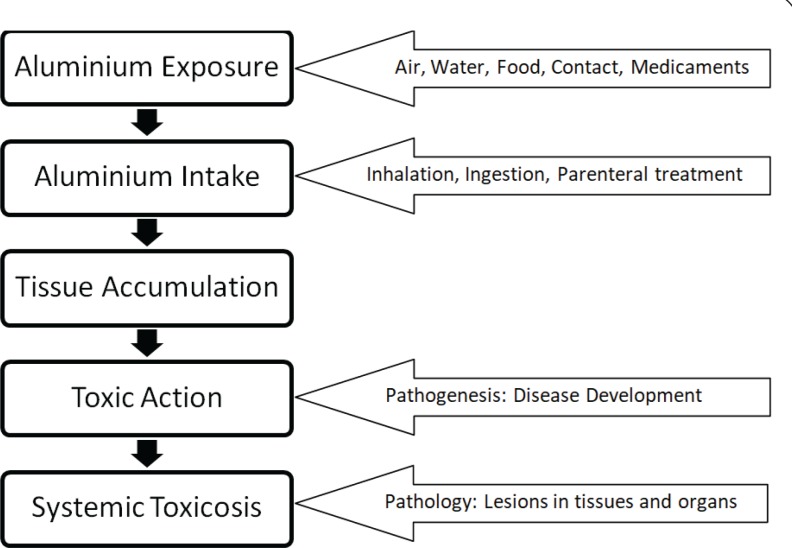
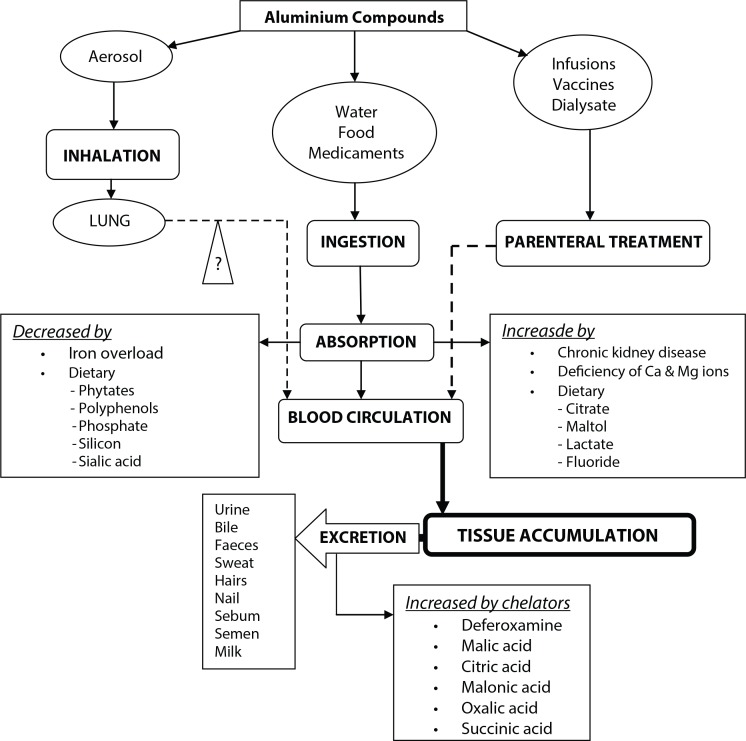
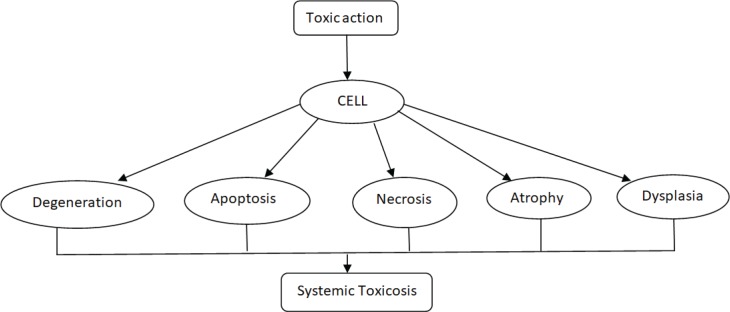
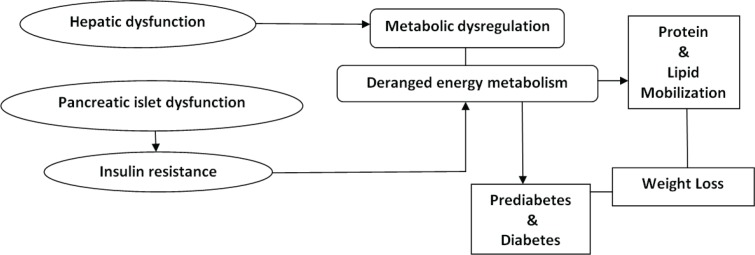
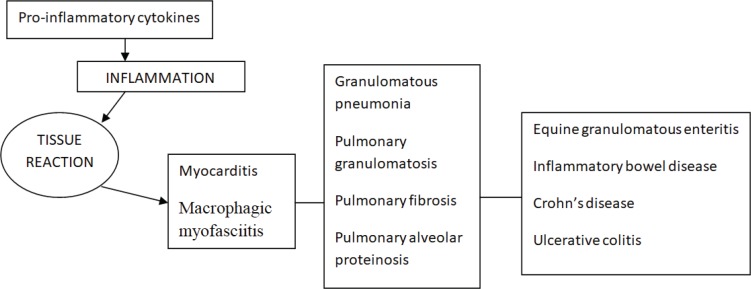
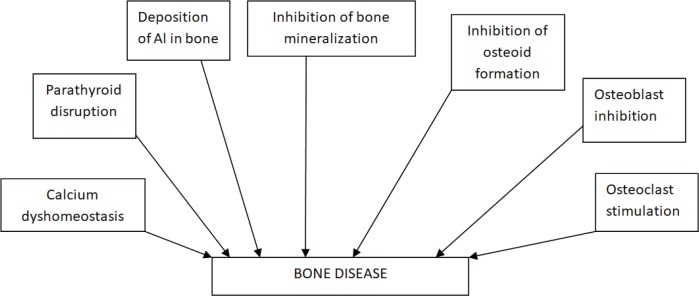
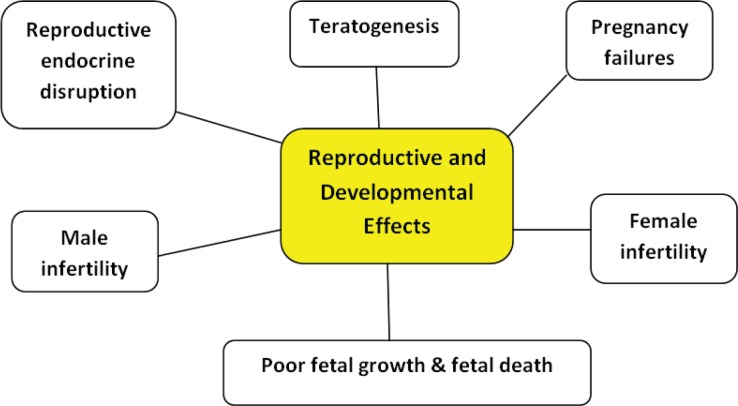
Aluminium (Al) is frequently accessible to animal and human populations to the extent that intoxications may occur. Intake of Al is by inhalation of aerosols or particles, ingestion of food, water and medicaments, skin contact, vaccination, dialysis and infusions. Toxic actions of Al induce oxidative stress, immunologic alterations, genotoxicity, pro-inflammatory effect, peptide denaturation or transformation, enzymatic dysfunction, metabolic derangement, amyloidogenesis, membrane perturbation, iron dyshomeostasis, apoptosis, necrosis and dysplasia. The pathological conditions associated with Al toxicosis are desquamative interstitial pneumonia, pulmonary alveolar proteinosis, granulomas, granulomatosis and fibrosis, toxic myocarditis, thrombosis and ischemic stroke, granulomatous enteritis, Crohn’s disease, inflammatory bowel diseases, anemia, Alzheimer’s disease, dementia, sclerosis, autism, macrophagic myofasciitis, osteomalacia, oligospermia and infertility, hepatorenal disease, breast cancer and cyst, pancreatitis, pancreatic necrosis and diabetes mellitus. The review provides a broad overview of Al toxicosis as a background for sustained investigations of the toxicology of Al compounds of public health importance.
Overview
CoChat Summary
TL;DR
This narrative review synthesizes exposure routes, toxic actions, and systemic effects of aluminium (Al), arguing that Al toxicosis is a multifaceted disease driven mainly by oxidative stress. It links Al exposure to pulmonary, cardiovascular, gastrointestinal, hematologic, neurologic, musculoskeletal, reproductive, hepato-renal/pancreatic, and mammary pathology.
Key findings
- Al enters via inhalation, ingestion, skin contact, vaccination, dialysis, and infusions; gastrointestinal absorption is the main systemic route, with absorption from water (about 0.3%) greater than from food (about 0.1%). About 90% of circulating Al is bound to transferrin, normal serum Al is about 1–3 μg/L, total body burden is about 30–50 mg/kg, and the kidneys eliminate about 95% in urine.
- Reported toxic actions include oxidative stress, lipid peroxidation, pro-inflammatory effects, immunosuppression, genotoxicity, protein denaturation/transformation, enzymatic dysfunction, metabolic impairment, amyloidogenesis, membrane perturbation, iron dyshomeostasis, apoptosis, necrosis, and dysplasia.
- Associated pathological conditions include desquamative interstitial pneumonia, pulmonary alveolar proteinosis, granulomas/fibrosis, toxic myocarditis, thrombosis and ischemic stroke, granulomatous enteritis, Crohn’s disease, inflammatory bowel diseases, anemia, Alzheimer’s disease, dementia, sclerosis, autism, macrophagic myofasciitis, osteomalacia, oligospermia and infertility, hepatorenal disease, breast cancer and cyst, pancreatitis, pancreatic necrosis, and diabetes mellitus.
- Selected quantitative findings: daily human Al intake from food is 3.4–9 mg/day; antacids contain 104–208 mg Al per tablet/capsule/5 ml; intravenous pharmaceutical products contained 684–5977 μg/g Al; breast cancer cases had higher breast-tissue Al than controls (5.8 versus 3.8 nmol/g); brain Al was >10 μg/g dry weight in 5 of 12 familial Alzheimer’s disease donors and up to 19 μg/g dry weight in autism; rat testes accumulated 3.35 μg/g Al after 60 days at human dietary levels.
Methods
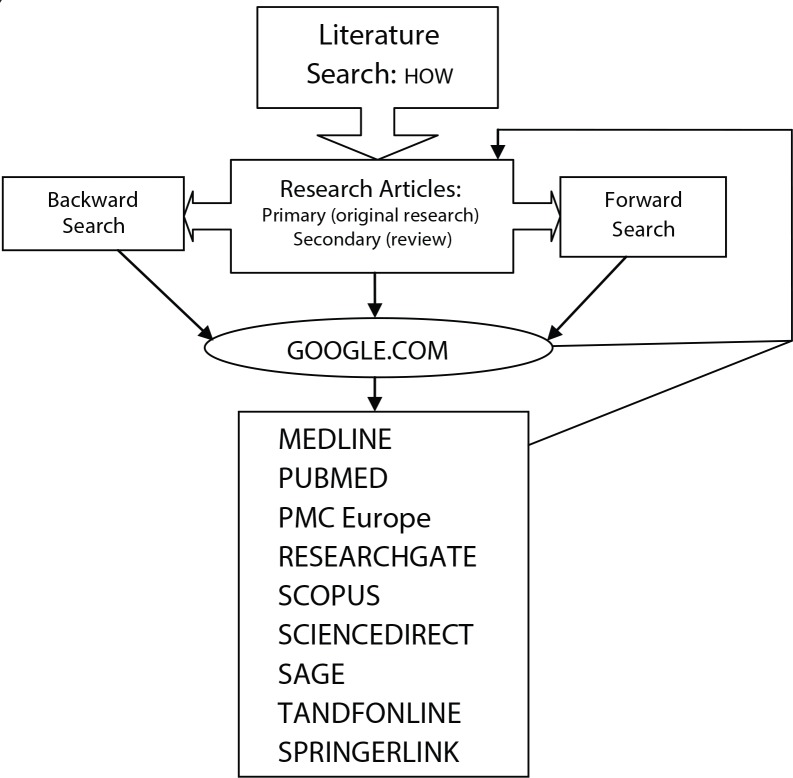
- Narrative literature review, not a meta-analysis or critical evaluation of published data; the search began in 2013 and looked backward, using Google/Google Scholar, MEDLINE, PubMed, PMC Europe, ResearchGate, Scopus, ScienceDirect, Sage, Taylor & Francis Online, and SpringerLink, with backward and forward citation searching.
- Major themes were exposure modalities, toxic actions, and effects in cells, tissues, and body systems; articles from reputable journals with thematic content were included, while peripheral articles were excluded, and the literature was summarized and narrated after cognitive reflection and integration.
Limitations
- Paper-stated: the review was intended to collate, synthesize, and integrate published reports “without meta-analysis and critical evaluation of published data,” and it is explicitly a narrative review with a broad thematic approach.
- Paper-stated: multisystemic co-morbidities from Al toxicosis are rarely reported in epidemiological cohorts; convergence of toxic actions across multiple organ systems is often observed in experimental animal models and “lacks validity in observational studies in human or animal populations,” so longitudinal studies are needed.
- Evident from the text: the search strategy is broad and narrative rather than systematic, with no formal quality assessment or risk-of-bias appraisal; the evidence base is heterogeneous across human, animal, in vitro, and case-report studies, and the review itself notes unresolved contradictions, such as “mutagenesis, cell proliferation and impaired mitosis” being “gray areas requiring clarification.”
Model-written summary. Check it against the paper before relying on it.
Integrity signals
Registry
Cites
Statistics
Figures
Verification
Claims the paper makes
33 Valid · 6 Not valid · 152 Not checked · 31 Own results and interpretations
At least one cited source doesn’t support this claim or points to a different paper, and none confirmed it — see the verdicts below.
In the paper
“Reactive airways dysfunction syndrome was rarely reported among Al smelter workers (Wesdock and Arnold, 2014).”
§ Aluminium toxicosis: a review of toxic actions and effects > Systemic toxicosis > Pulmonary effect
What the sources say
- Disputedcites Wesdock and Arnold, 2014 matched to “Occupational and Environmental Health in the Aluminum Industry: Key Points for Health Practitioners” (2014) sourceExperimental — accuracy not yet measured
The Respiratory Disorders section says that, to date, reactive airways dysfunction syndrome had not been reported among aluminum smelter workers. That contradicts the claim that it was reported, albeit rarely. (LLM, conf=0.84)
Checked by a reasoning model — may be wrong.
plain- Asserted: passes — The authors put it forward as true.
- Checkable: passes — It can be checked against evidence.
- Load-bearing: unclear — It is unclear whether the paper’s conclusions depend on it.
- Based: passes — The paper gives a reason why it holds.
- Disputed
The cited sources support only part of this claim — read each source’s verdict below.
In the paper
“The Al ion has no physiological role in metabolic processes (Exley and House, 2011) but it can be a metallic toxicant to humans and animals (Becaria et al., 2002) when there is high body burden of the metal after natural or unnatural exposure (Exley, 2013).”
§ Aluminium toxicosis: a review of toxic actions and effects > Introduction
What the sources say
- Partly supportedcites Exley, 2013 matched to “Human exposure to aluminium” (2013) sourceExperimental — accuracy not yet measured
In “The body burden of aluminium,” the paper describes body burden as the outcome of exposure and excretion and says a higher-than-normal burden is assumed to increase susceptibility to aluminium. But it cautions that body burden may not accurately predict toxicity; the Conclusions instead emphasize biologically available aluminium. The claim’s high-burden condition is therefore stronger than the source supports. (LLM, conf=0.85)
- Supportedcites Becaria et al., 2002 matched to “Aluminum as a toxicant” (2002) source
The citation to Becaria et al. supports the statement that aluminum can be toxic to humans and animals. The Introduction describes causal effects in humans, while the Inflammatory response section reports effects in experimental animals. The separate claim about high body burden and exposure is cited to Exley (2013), not Becaria et al. (LLM, conf=0.93)
plainstates a possible cause- Asserted: passes — The authors put it forward as true.
- Checkable: passes — It can be checked against evidence.
- Load-bearing: passes — The paper’s conclusions depend on it.
- Based: passes — The paper gives a reason why it holds.
- Partly supported
Every source the paper cites for this claim was checked and supports it.
In the paper
“Many antacids contain 104–208 mg of Al per tablet, capsule or 5 ml of suspension (Zhou and Yokel, 2005).”
§ Aluminium toxicosis: a review of toxic actions and effects > Exposure to aluminium > Aluminium intake
What the sources say
- Supportedcites Zhou and Yokel, 2005 matched to “The Chemical Species of Aluminum Influences Its Paracellular Flux across and Uptake into Caco-2 Cells, a Model of Gastrointestinal Absorption” (2005) source
The Introduction states that many antacids contain 300–600 mg of aluminium hydroxide, equivalent to approximately 104–208 mg of aluminium, per tablet, capsule or 5 ml. This directly supports the cited sentence. (LLM, conf=0.94)
plain- Asserted: passes — The authors put it forward as true.
- Checkable: passes — It can be checked against evidence.
- Load-bearing: unclear — It is unclear whether the paper’s conclusions depend on it.
- Based: passes — The paper gives a reason why it holds.
- Supported
The cited sources support only part of this claim — read each source’s verdict below.
In the paper
“Daily intakes of Al in humans from food range from 3.4 to 9 mg/day (Pennington and Schoen, 1995; Biego et al., 1998; Yang et al., 2014).”
§ Aluminium toxicosis: a review of toxic actions and effects > Exposure to aluminium > Aluminium intake
What the sources say
- Not checked — no full text of the sourcecites Pennington and Schoen, 1995 matched to “Estimates of dietary exposure to aluminium” (1995) source
- Not checked — no full text of the sourcecites Biego et al., 1998 matched to “Daily intake of essential minerals and metallic micropollutants from foods in France” (1998) source
- Partly supportedcites Yang et al., 2014 matched to “Dietary Exposure to Aluminium and Health Risk Assessment in the Residents of Shenzhen, China” (2014) sourceExperimental — accuracy not yet measured
The Introduction identifies food as the largest contributor to aluminium intake, and Results > Dietary Aluminium exposure reports dietary intake for Shenzhen residents as 1.263 mg/kg body weight per week on average. Our copy does not give the claimed range of 3.4–9 mg/day; searches for that range and for daily intake figures did not find it. (LLM, conf=0.78)
plain- Asserted: passes — The authors put it forward as true.
- Checkable: passes — It can be checked against evidence.
- Load-bearing: unclear — It is unclear whether the paper’s conclusions depend on it.
- Based: passes — The paper gives a reason why it holds.
The cited sources support only part of this claim — read each source’s verdict below.
In the paper
“The largest source of airborne Al-containing particles is the dust from soil and rocks (Lee and Von Lehmden, 1973; Sorenson et al., 1974).”
§ Aluminium toxicosis: a review of toxic actions and effects > Exposure to aluminium > Aluminium intake
What the sources say
- Could not verifycites Lee and Von Lehmden, 1973 matched to “Trace Metal Pollution in the Environment” (1973) sourceExperimental — accuracy not yet measured
The Industrial Materials section (page unavailable) identifies aluminum in coal fly ash, but does not discuss soil or rock dust as a source of airborne aluminum. A search for soil and rock dust found no passage comparing aluminum sources or identifying the largest one. (LLM, conf=0.72)
- Partly supportedcites Sorenson et al., 1974 matched to “Aluminum in the Environment and Human Health” (1974) sourceExperimental — accuracy not yet measured
In “Aluminum in the Atmosphere and Atmospheric Precipitations” (page not supplied), the paper says soil and soil dust appeared to be the main source of larger aluminium-associated aerosol particles, particularly at remote sites. It also points to a terrestrial origin for atmospheric aluminium generally, but does not establish that soil and rock dust is the largest source of all airborne aluminium-containing particles. (LLM, conf=0.82)
plainstates a cause- Asserted: passes — The authors put it forward as true.
- Checkable: passes — It can be checked against evidence.
- Load-bearing: unclear — It is unclear whether the paper’s conclusions depend on it.
- Based: passes — The paper gives a reason why it holds.
- Could not verify
125 more claims · 17 with their cited sources checked
Create a free account to see all 222 claims and to verify the 30 references still open.
- It may state two separate claims as one. 86
- Probably not a substantial claim. 11
Self-check
Percentages, sums and reported differences re-computed from the paper’s own numbers.
Each contradiction between two passages listed here was confirmed by an independent check.
Rated major: it would touch a result — a value a result rests on, reported and recomputed p-values on opposite sides of the significance level, two passages that conflict with no sign which is right, or a cited work retracted before this paper was published.
In the paper
§ Aluminium toxicosis: a review of toxic actions and effects > Systemic toxicosis > Reproductive and developmental effects
“Testicular and epididymal weights and serum testosterone and luteinizing hormone levels were reduced by Al exposure (Reza and Palan, 2006; Mouro et al., 2017).”
§ Aluminium toxicosis: a review of toxic actions and effects > Systemic toxicosis > Reproductive and developmental effects
“After intraperitoneal treatment at 50 mg/kg for 20 days, blood testosterone and LH levels were increased in male rats, but FSH level was not affected (Resa and Palan, 2006).”
Rated minor: it would not touch a result — a value no result rests on, a p-value that stays on the same side of the significance level, or a conflict that is clerical, resolved elsewhere in the paper, or outside its own findings.
In the paper
§ Aluminium toxicosis: a review of toxic actions and effects > Literature search justification and methods
“another summarized the physiological alterations in the musculoskeletal, respiratory, cardiovascular, hepatobiliary, endocrine, urinary and reproductive systems(Nayak, 2000).”
§ Aluminium toxicosis: a review of toxic actions and effects > References
“Nayak P Aluminum: impacts and disease Environ Res 2002 89 101 115 12123643”
Rated minor: it would not touch a result — a value no result rests on, a p-value that stays on the same side of the significance level, or a conflict that is clerical, resolved elsewhere in the paper, or outside its own findings.
In the paper
§ Aluminium toxicosis: a review of toxic actions and effects > Exposure to aluminium > Absorption, distribution and elimination of aluminium
“The total body burden of Al in healthy humans has been reported to be approximately 30–50 mg/kg body weight”
§ Aluminium toxicosis: a review of toxic actions and effects > Exposure to aluminium > Absorption, distribution and elimination of aluminium
“About one-half of the total body Al is in the skeleton, and the levels in human bone tissue range from 5 to 10 mg/kg”
Citations
Cites
Hazards of heavy metal contamination
Järup, L. (2003) · British Medical Bulletin · doi:10.1093/bmb/ldg032 · Cited by 6,508
Prevalence of and Trends in Diabetes Among Adults in the United States, 1988-2012
Menke, A., Casagrande, S., Geiss, L., & Cowie, C. C. (2015) · JAMA · doi:10.1001/jama.2015.10029 · Cited by 2,362
Writing narrative literature reviews for peer-reviewed journals: secrets of the trade
Green, B. N., Johnson, C. D., & Adams, A. (2006) · Journal of Chiropractic Medicine · doi:10.1016/s0899-3467(07)60142-6 · Cited by 2,224 · cited 1×
“The literature search for Al toxicosis as a narrative review (Green et al., 2006) with a broad thematic approach was unproductive and this observation justified the need for the current review.”
BackgroundBrain insulin resistance in type 2 diabetes and Alzheimer disease: concepts and conundrums
Arnold, S. E., Arvanitakis, Z., Macauley-Rambach, S. L., Koenig, A. M., Wang, H.-Y., Ahima, R. S., Craft, S., Gandy, S., Buettner, C., Stoeckel, L. E., et al. (2018) · Nature Reviews Neurology · doi:10.1038/nrneurol.2017.185 · Cited by 1,597 · cited 1×
“…of Al in the pathogenesis of diabetes mellitus and the concurrence of neurological disorders associated with Alzheimer’s disease and other dementias (Arnold et al., 2018) point to the common cellular basis of the pathogenesis of both metabolic and cognitive disorders, which can arise from toxic…”
BackgroundAluminum Toxicity and Tolerance in Plants
Delhaize, E., & Ryan, P. R. (1995) · Plant Physiology · doi:10.1104/pp.107.2.315 · Cited by 1,346 · cited 1×
“Aluminium (Al) is the most widely distributed metal in the environment (Delhaize and Ryan, 1995; Ranjbar et al., 2008; Exley and House, 2011) occurring naturally in the trivalent state (Al+3) as silicates, oxides and hydroxides, but may combine with other elements such as chlorine, sulphur,…”
BackgroundAlzheimer’s disease is type 3 diabetes—Evidence reviewed
de la Monte, S. M., & Wands, J. R. (2008) · Journal of Diabetes Science and Technology · doi:10.1177/193229680800200619 · Cited by 1,158
Islet Amyloid Polypeptide, Islet Amyloid, and Diabetes Mellitus
Westermark, P., Andersson, A., & Westermark, G. T. (2011) · Physiological Reviews · doi:10.1152/physrev.00042.2009 · Cited by 1,044
Human Health Risk Assessment for Aluminium, Aluminium Oxide, and Aluminium Hydroxide
Krewski, D., Yokel, R. A., Nieboer, E., Borchelt, D., Cohen, J., Harry, J., Kacew, S., Lindsay, J., Mahfouz, A. M., & Rondeau, V. (2007) · Journal of Toxicology and Environmental Health, Part B · doi:10.1080/10937400701597766 · Cited by 998 · cited 6×
“Al levels increase with age in tissues and organs (bone, muscle, lung, liver, and kidney) of experimental animals (Krewski et al., 2007).”
BackgroundInfluentialAluminium as a risk factor in Alzheimer’s disease, with emphasis on drinking water
Flaten, T. P. (2001) · Brain Research Bulletin · doi:10.1016/s0361-9230(01)00459-2 · Cited by 939
Oxidative stress in Alzheimer’s disease
Chen, Z., & Zhong, C. (2014) · Neuroscience Bulletin · doi:10.1007/s12264-013-1423-y · Cited by 797 · cited 2×
“…of Al were reversed by additional dietary vitamin E (Pratico et al., 2002), suggesting that Al could contribute to neurodegeneration by enhancing amyloid deposition and aggravating lesions by oxidative events (Campbell and Bondy, 2000; Yuan et al., 2012; Chen and Zhong, 2014; Liaquat et al., 2019).”
Background
Research works printed but not linked: 8
- Anon Drinking Water and Health 1982 4 Washington, DC National Research Council, National Academy Press 155 201
- Anon Toxicological profile for aluminum 2008c Atlanta, GA United States Department of Health and Human Services, Public Health Service, Agency for Toxic Substances and Disease Registry http://www.atsdr.cdc.gov/tox-profiles/tp22.pdf Accessed 27 January 2016. 37983316
- Igbokwe NA Characterization of the osmotic stability of Sahel goat erythrocytes in ionic and non-ionic hypotonic media 2016 Maiduguri, Nigeria Department of Physiology, Pharmacology and Biochemistry, Faculty of Veterinary Medicine, University of Maiduguri PhD thesis
- Igwenagu E Pathologic effects of oral aluminium administration in non-diabetic and diabetic rats 2017 Maiduguri, Nigeria MVSc dissertation, Department of Veterinary Pathology, University of Maiduguri
- Klaassen CD Gilma AG Rall TW Nies AS Taylor P Heavy metals and heavy-metal antagonists Goodman and Gilman’s: The Pharmacological Basis of Therapeutics 1990 New York Pergamon Press 1592 1614,
- Lewis RJ Hawley’s Condensed Chemical Dictionary 2001 14th edn New Jersey, USA Wiley-Interscience 39 46
- Martin RB Aluminum speciation in biology Ciba Found Symp 1992 16 95 125 1490427
- Pandey G Jain GC A review on toxic effects of aluminium exposure on male reproductive system and probable mechanisms of toxicity Intl J Toxicol Appl Pharmacol 2013 3 3 48 57
Cited by
Items 201–300 of 392
Massand, A., Basera, M., Grace, S., Kumarachandra, R., Sudha, K., Rai, R., Murlimanju, B. V., & Kollampare, S. (2022) · Journal of Anatomical Society of India · doi:10.4103/jasi.jasi_39_22 · Cited by 4
LNC000152 Mediates Aluminum-Induced Proliferation of Reactive Astrocytes
Zhang, Z., Li, X., Ma, L., Wang, S., Zhang, J., Zhou, Y., Guo, X., & Niu, Q. L. (2024) · ACS Omega · doi:10.1021/acsomega.3c09702 · Cited by 5
Anadozie, S. O., Aduma, A. U., & Adewale, O. B. (2024) · Cell Biochemistry and Biophysics · doi:10.1007/s12013-024-01360-3 · Cited by 4
“Aluminum chloride induces nephrotoxicity via the generation of reactive oxygen species (ROS) [4].”
Tayo, A. B., Abubakar, J., Gulumbe, B. H., Auwal, A. R., Shitu, A., & Danjuma, A. M. (2024) · Avicenna Journal of Medical Biochemistry · doi:10.34172/ajmb.2484 · Cited by 5
Rameshrad, M., Memariani, Z., Naraki, K., & Hosseinzadeh, H. (2024) · Naunyn-Schmiedeberg s Archives of Pharmacology · doi:10.1007/s00210-024-03410-2 · Cited by 4
“Antioxidants such as selenium, melatonin, boric acid, vitamin C, and certain biologically active compounds are suggested to cope with the free radicals and related deleterious effects induced by aluminum toxicity (Igbokwe et al. 2019).”
Park, H. (2025) · Molecular & Cellular Toxicology · doi:10.1007/s13273-025-00520-7 · Cited by 5
Alvarez-Gonzales, R., Yufra-Illanes, E. E., Villanueva-Salas, J. A., Choquenaira-Quispe, C., Corzo-Salas-De-Valdivia, A., Quispe, F. M. M., & Gonzales-Condori, E. G. (2025) · Cosmetics · doi:10.3390/cosmetics12050185 · Cited by 5
Innovative In Vitro Strategy for Assessing Aluminum Bioavailability in Oral Care Cosmetics
Allaria, G., Atanasio, G. D. N., Filippini, T., Robino, F., Dondero, L., Soggia, F., Rispo, F., Tardanico, F., Ferrando, S., Aicardi, S., et al. (2022) · International Journal of Environmental Research and Public Health · doi:10.3390/ijerph19159362 · Cited by 4
“, phytates, citrate), thus enhancing or inhibiting its absorption [2].”
BackgroundThe Effect of Aluminum Exposure on Maternal Health and Fetal Growth in Rats
Badawoud, M. H., Abdel-Aziz, G., El‐Fark, M. M. O., & Badawoud, H. M. (2022) · Cureus · doi:10.7759/cureus.31775 · Cited by 10
“Alu is known to have many hazardous organ effects such as renal failure, dementia, parkinsonism, Alzheimer’s disease, and amyotrophic lateral sclerosis [2-4].”
BackgroundResultInfluentialViana, L. M. D. S., Constantino, W. D., Tostes, E. C. L., Luze, F. H. R., Salomão, M. S. M. D. B., de Jesus, T. B., & de Carvalho, C. E. V. (2023) · Marine Pollution Bulletin · doi:10.1016/j.marpolbul.2023.114653 · Cited by 5
Baraibar, A. M., de Pascual, R., Jiménez, V., Juárez, N. H., Alonso, I. E. A., & Hernández-Guijo, J. M. (2023) · Journal of Neurochemistry · doi:10.1111/jnc.15784 · Cited by 8
Environmental impact of propulsion systems and green alternatives
Maggi, F., Carlotti, S., & Kappenstein, C. J. (2023) · Elsevier eBooks · doi:10.1016/b978-0-323-95654-3.00006-7 · Cited by 4
Iyiegbu, M. E., & Enogieru, A. B. (2024) · Comparative Clinical Pathology · doi:10.1007/s00580-024-03564-8 · Cited by 5
“…system, genetic damage, inflammation, modification of peptides, enzyme dysfunction, disruptions in metabolic processes and iron homeostasis, amyloid formation, and disturbance of cell membranes, as well as cellular responses like apoptosis, necrosis, and abnormal cell growth (Igbokwe et al. 2019).”
Leiva-Tafur, D., Rascón, J., de la Fuente, F. C., et al. (2024) · Heliyon · doi:10.1016/j.heliyon.2024.e33013 · Cited by 4
“Aluminum constitutes 7.91 % of the mass of the lithosphere and is present in all rocks [86].”
BackgroundInfluentialZhang, F., Li, Y., Chen, R., Shen, P., Wang, X., Meng, H., Du, J., Yang, G., Liu, B., Niu, Q., et al. (2024) · eNeuro · doi:10.1523/eneuro.0128-24.2024 · Cited by 6
“Humans are exposed to these metals through ingestion, inhalation, and skin contact (Igbokwe et al., 2019).”
Endale, Y., Samuel, Z. A., Kebede, S., et al. (2024) · Heliyon · doi:10.1016/j.heliyon.2024.e37961 · Cited by 4
Vasegh, S., Saadati, H., Abedi, A., & Mostafalou, S. (2024) · Acta Neuropsychiatrica · doi:10.1017/neu.2024.55 · Cited by 8
“Although it has no physiological role in the body, the human body is widely exposed to Al compounds due to its extensive use in industry, medical and pharmaceutical products, antiperspirants, food additives, agriculture, and water treatment (Igbokwe et al ., 2019).”
Романов, Д. А., Sosnin, K. V., Filyakov, A. D., et al. (2020) · Materials Research Express · doi:10.1088/2053-1591/abd664 · Cited by 4
Zaichick, V. (2022) · World Journal of Advanced Research and Reviews · doi:10.30574/wjarr.2022.13.1.0094 · Cited by 7
Zhao, G., Yang, F., Yang, Q., et al. (2022) · Translational Andrology and Urology · doi:10.21037/tau-22-483 · Cited by 4
“Aluminum toxicosis can be associated with encephalopathy, bone abnormalities, and neurological disorders (27).”
BackgroundOsobamiro, T. M., Kukoyi, O. S., & Awolesi, O. (2023) · Electronic Journal of University of Aden for Basic and Applied Sciences · doi:10.47372/ejua-ba.2023.1.228 · Cited by 5
Yang, L., Jin, C., Yao, Z., Cai, J., Zhang, H., Wang, Z., Guo, H., & Zha, Y. (2025) · Ecotoxicology and Environmental Safety · doi:10.1016/j.ecoenv.2025.117941 · Cited by 6
Recent Advances in Medicinal Plant Research for Mitigating Aluminium Toxicity
Bhattacharya, S. (2025) · Journal of Environmental Pathology Toxicology and Oncology · doi:10.1615/jenvironpatholtoxicoloncol.2025055710 · Cited by 5
Liu, Y.-Q., An, B.-W., Tao-Zhu, Jiang, R.-Y., Ye-Wang, Huang, C., Cai, S.-Q., Zhang, B., Leng, Y., Pan, J.-Z., et al. (2026) · Journal of Colloid and Interface Science · doi:10.1016/j.jcis.2026.140064 · Cited by 3
Gorbachev, D. O. (2024) · Health Risk Analysis · doi:10.21668/health.risk/2024.1.05 · Cited by 3
Panda, S., Tumedei, M., Panda, S., Göker, F., Depalma, C. M., Pande, T., & FABBRO, M. D. (2024) · Applied Sciences · doi:10.3390/app14177745 · Cited by 3
Aluminum promotes B1 cells to produce IL-10 and impairs adaptive immune system
Liu, T., Wang, W., Du, J., Liu, H., Wu, J., Wang, C., Tang, M., Liu, Y., Ju, Y., Qu, W., et al. (2025) · Environmental Pollution · doi:10.1016/j.envpol.2025.125791 · Cited by 3
Issayeva, A. U., Spychalski, W., Wilk‐Woźniak, E., Kayzer, D., Pankiewicz, R., Antkowiak, W., Łęska, B., Alikhan, A., Tleukeyeva, A. Y., & Rozwadowski, Z. (2025) · Sustainability · doi:10.3390/su17041642 · Cited by 4
Influence of aluminum salts on COVID-19 infected patients
Demir, A., Erayman, İ., DOĞAN, O., et al. (2020) · TURKISH JOURNAL OF MEDICAL SCIENCES · doi:10.3906/sag-2009-140 · Cited by 3
“In case of toxicity, the response to chelation therapies, especially desferoxamine, is quite good and results in recovery without sequelae [9,10].”
Minerals, trace elements, and rare earth elements
Davies, M. (2021) · Elsevier eBooks · doi:10.1016/b978-0-323-89976-5.00006-2 · Cited by 4
Loughran, D., Calello, D. P., & Nelson, L. S. (2022) · Toxicology Communications · doi:10.1080/24734306.2022.2040148 · Cited by 3
“Patients with kidney failure are at particular risk for toxicity because the aluminum ion is approximately 95% renally cleared [2].”
BackgroundAluminum intake in the neonatal phase disrupts endochondral ossification in rodents
Marques, M. R., de Assis, P. H. G., Azeredo, P. D. S., Fleury, J. A., Costa, J. R., Gomes, L. S., Lima, D. D. S., Ribeiro, N. C. D. S., Biancardi, M. F., & dos Santos, F. C. A. (2022) · Journal of Trace Elements in Medicine and Biology · doi:10.1016/j.jtemb.2022.126962 · Cited by 3
Sartori, D. R., Miñán, A., Gonzalez, M. C., & de Mele, M. F. L. (2022) · Microbial Ecology · doi:10.1007/s00248-022-01961-6 · Cited by 3
Phytochemical, Antioxidant and pharmacological study of (SM.) JACQ.- FEL. (Melastomataceae)
Etekpo, S. D., N'Gaman-Kouassi, K. C. C., Yao, T. R., et al. (2022) · Journal of Pharmaceutical and Biological Sciences · doi:10.18231/j.jpbs.2022.007 · Cited by 3
The mechanisms of aluminum-induced immunotoxicity in chicks
Cao, C., Liu, Y., Yang, Z., Ouyang, H., Fu, Q., & Li, X. (2022) · Poultry Science · doi:10.1016/j.psj.2022.102251 · Cited by 3
Arnold, A. M., Kennedy, Z. C., & Hutchison, J. R. (2022) · PeerJ Analytical Chemistry · doi:10.7717/peerj-achem.19 · Cited by 4
“Aluminum is a ubiquitousmaterial in the Earth’s crust (Inan-Eroglu & Ayaz, 2018; Igbokwe, Igwenagu & Igbokwe, 2019) and readily enters the environment through weathering processes, and to a lesser extent, by anthropomorphic activity (Igbokwe, Igwenagu & Igbokwe, 2019).”
BackgroundIrerhievwie, O., Ichipi-Ifukor, P. C., & Asagba, S. O. (2024) · Environmental Toxicology and Pharmacology · doi:10.1016/j.etap.2024.104375 · Cited by 4
Saliu, J. A., Olajuyin, A. M., & Olowolayemo, S. F. (2024) · Clinical Phytoscience · doi:10.1186/s40816-023-00363-6 · Cited by 4
“Previous investigations discovered that the consumption of aluminium from different parts of the world ranges between 3 and 12 mg/ day [13, 14].”
BackgroundGyawali, B., Sariyildiz, O., Antonious, G. F., Semmens, K. J., Zourarakis, D. P., & Bhatt, M. P. (2024) · Environments · doi:10.3390/environments11030040 · Cited by 3
“…concentration of aluminum toxicity severely impacts the nervous system, with possible causes of severe diseases such as Alzheimer’s disease, Crohn’s disease, dementia, inflammatory bowel disease, anemia, sclerosis, autism, breast cancer and cyst, pancreatic necrosis and diabetes mellitus [86,87].”
BackgroundHara, F., Mizuyama, N., Fujino, T., et al. (2024) · Journal of Fluorescence · doi:10.1007/s10895-024-03864-w · Cited by 3
de Faria, N. P. V. M., Araújo, B. C., Kida, B. M. S., Abdalla, R. P., Brito, D. D. S., Moreira, R. G., & Honji, R. M. (2024) · Life · doi:10.3390/life14121697 · Cited by 3
Mosa, K. A., Ramamoorthy, K., Elnaggar, A., Kumar, K., Sultan, R. A., Sabbagh, S. M., Alnaqbi, S. M., & Kamal, S. Y. (2025) · Horticulture Environment and Biotechnology · doi:10.1007/s13580-025-00695-x · Cited by 3
“Al accumulation has diverse effects on living organisms which include oxidative stress in plants and neurotoxicity in humans (Panda et al. 2009; Igbokwe et al. 2019).”
Possible Causes of and Measures to Minimise Risks of Abscesses Following DTP Vaccination
Tereshkina, N. V., Снегирева, И. И., & Дармостукова, М. А. (2021) · Safety and Risk of Pharmacotherapy · doi:10.30895/2312-7821-2021-9-1-3-14 · Cited by 4
Are persistent aircraft trails a threat to the environment and health?
Deruelle, F. (2021) · Reviews on Environmental Health · doi:10.1515/reveh-2021-0060 · Cited by 4
Rahbar, M. H., Samms‐Vaughan, M. E., Zhao, Y., Saroukhani, S., Bressler, J., Hessabi, M., Grove, M. L., Shakespeare‐Pellington, S., & Loveland, K. A. (2022) · Genes · doi:10.3390/genes13101907 · Cited by 4
Schulze, Y., Ghiaci, P., Zhao, L., Biver, M., Warringer, J., Filella, M., & Tamás, M. J. (2023) · Metallomics · doi:10.1093/mtomcs/mfad032 · Cited by 5
Metal Coordination Effects on the Photophysics of Dipyrrinato PhotosensitizersPreprint
Teeuwen, P. C. P., Melissari, Z., Senge, M. O., et al. (2022) · Preprints.org · doi:10.20944/preprints202209.0363.v1 · Cited by 3
Onifade, O. F., Abodunrin, O. P., Oyeneye, E. O., Chigozie, E. G., Arafa, A. G., & Okunlola, B. O. (2025) · Medicine in Omics · doi:10.1016/j.meomic.2025.100044 · Cited by 2
Janet Olufunmilayo, O. K. E., Ayodeji, A. O., & Agboola, J. B. (2025) · Brain Science Advances · doi:10.26599/bsa.2024.9050012 · Cited by 2
Zhang, L., Bai, Y., Cheng, Y., et al. (2025) · Environmental Science & Technology · doi:10.1021/acs.est.5c00554 · Cited by 2
Yu, X., Fu, Z.-H., Pan, W., Song, Y.-L., Ma, R.-J., Zhang, H., Ke, X.-H., Sun, S., Wang, J., & Hu, L. (2025) · Chemico-Biological Interactions · doi:10.1016/j.cbi.2025.111736 · Cited by 3
Oteri, M., Rosa, A. R. D., Presti, V. L., Toscano, G., Giarratana, F., & Chiofalo, B. (2026) · Fishes · doi:10.3390/fishes11040211 · Cited by 2
Implication of aluminum in exerting some health disorders among exposed workers
Beshir, S., Shaheen, W., & Eltahlawy, E. M. (2021) · Egyptian Journal of Chemistry · doi:10.21608/ejchem.2021.69699.3531 · Cited by 3
Cerbo, A. D., Mescola, A., Rosace, G., Trovato, V., Canton, R., Iseppi, R., Stocchi, R., Ghazanfar, S., Rea, S., Loschi, A. R., et al. (2022) · Biology · doi:10.3390/biology11010097 · Cited by 2
“4 to 9 mg/day, thus continuing to pose a serious concern to public health due to an overdosage [1,12].”
BackgroundAdeoye, A. O., Falode, J. A., Oladipupo, O. C., Obafemi, T. O., Oso, B. J., & Olaoye, I. F. (2022) · Drug and Chemical Toxicology · doi:10.1080/01480545.2022.2117372 · Cited by 5
“The toxicity of aluminum chloride in mammalian tissues has been linked with various pathologic effects (Igbokwe et al. 2019).”
BackgroundExposure to Aluminum and the Prevalence of Anemia in Communities in Barcarena Pará, Brazil
Costalat, H. C. M., Rodrigues, N. P., Ribeiro, A. F., Rocha, R. M., Rosane, L., & Corvelo, T. C. D. O. (2022) · International Journal of Advanced Engineering Research and Science · doi:10.22161/ijaers.912.54 · Cited by 2
Sharma, S., Chayawan, C., Jayaraman, A., Debnath, J., & Ghosh, K. S. (2023) · ChemistrySelect · doi:10.1002/slct.202203695 · Cited by 3
de México, U. N. A., Lanuza, A. L., Nava, R. A. M., de México, U. N. A., Álvarez‐Barrera, L., de México, U. N. A., Rodríguez-Mercado, J. J., & de México, U. N. A. (2023) · Revista Internacional de Contaminación Ambiental · doi:10.20937/rica.54784 · Cited by 2
Meliana, A., Ratnani, A. H. P., Hasanatuludhhiyah, N., et al. (2024) · Journal of Herbmed Pharmacology · doi:10.34172/jhp.2024.49313 · Cited by 2
“Al induces high levels of free radicals and causes oxidative stress leading to increased inflammatory cell infiltration (41).”
BackgroundMethodМуселин, Ф., Dumitrescu, E., Doma, A. O., Dégi, D. M., Dégi, J., Savici, J., Grigorescu, C. C., Brezovan, D., Gencia, I., & Cristina, R. T. (2024) · Animals · doi:10.3390/ani14081196 · Cited by 2
“Its toxic actions target various molecular pathways within cells, disrupting cellular balance and resulting in damage that contributes to systemic toxicity, manifesting as structural and functional abnormalities in organs [15].”
BackgroundAluminum and ABC transporter activity
Oezen, G., Kraus, L., Schentarra, E.-M., Bolten, J. S., Huwyler, J., & Fricker, G. (2024) · Environmental Toxicology and Pharmacology · doi:10.1016/j.etap.2024.104451 · Cited by 3
Winarno, T., Ali, R. K., Simangunsong, H., et al. (2023) · Indonesian Journal on Geoscience · doi:10.17014/ijog.10.1.37-49 · Cited by 2
Ichipi-Ifukor, P. C., Asagba, S. O., & Achuba, F. I. (2024) · Biological Trace Element Research · doi:10.1007/s12011-024-04218-0 · Cited by 2
Kumar, A., Agrawal, M., Murti, Y., Behl, S., Kumar, S., Chaudhary, H., Singh, K., Saha, S., & Rastogi, S. (2024) · Central Nervous System Agents in Medicinal Chemistry · doi:10.2174/0118715249284798240509052913 · Cited by 2
Association between mixed metal exposure and stroke risk in Shanxi Province: a case-control study
Gao, Y., Wang, Y., Lan, X., Guo, J., Ma, N., Yuan, Y., Zhang, L., Peng, X., Zheng, B., Xie, Y., et al. (2024) · Ecotoxicology and Environmental Safety · doi:10.1016/j.ecoenv.2024.116765 · Cited by 2
Aluminium Toxicity Affects Different Organisms: A Mini Review
Govindu, K., Srineetha, U., Kumar, D. V. N., & Rao, C. N. (2024) · UTTAR PRADESH JOURNAL OF ZOOLOGY · doi:10.56557/upjoz/2024/v45i164288 · Cited by 3
El-Demerdash, F. M., Ahmed, M. M., Kang, W., Mohamed, T. M., & Radwan, A. M. (2024) · Tissue and Cell · doi:10.1016/j.tice.2024.102591 · Cited by 3
Nanoalumina Synthesized from Solanum torvum Leaves: A Green Approach
Pandian, P. K., Kasthuri, A., Sameerabanu, P., et al. (2024) · Oriental Journal Of Chemistry · doi:10.13005/ojc/400510 · Cited by 2
Mo and Sn exposure associated with the increased of bone mineral density
Wang, J., Zhang, X., Zeng, Y., Xu, J., Zhang, Y., Lu, X., & Wang, F. (2025) · BioMetals · doi:10.1007/s10534-024-00662-6 · Cited by 3
“Ca intake is a key factor influencing changes in BMD (Igbokwe et al. 2019; Meleleo and Picciar-elli 2016).”
Ruíz-Lara, K., Galar‐Martínez, M., García-Medina, S., Hernández-Díaz, M., Cano-Viveros, S., García-Medina, A. L., Gómez‐Oliván, L. M., Parra‐Ortega, I., Morales-Balcázar, I., Hernández-Rosas, N. A., et al. (2025) · Environmental Monitoring and Assessment · doi:10.1007/s10661-025-13640-3 · Cited by 4
“Metals including cadmium, copper, mercury, nickel, arsenic, lead, chromium, aluminum, and iron are known to produce reactive oxygen species (ROS) in different organisms, leading to the formation of malondialdehyde (MDA) and AOPPs (Balali-Mood et al., 2021; Igbokwe et al., 2019).”
Khan, M. N. N., Zainol, M. R. R. M. A., Latiff, M. F. P. M., Yusop, M. F. M., & Ahmad, M. A. (2025) · Arabian Journal for Science and Engineering · doi:10.1007/s13369-025-10139-4 · Cited by 3
Zaichick, V. (2022) · Saudi Journal of Biomedical Research · doi:10.36348/sjbr.2022.v07i01.007 · Cited by 11
Recent Advancements in Schiff Base Fluorescence Chemosensors for the Detection of Heavy Metal Ions
Basheer, S. M., Rasin, P., Manakkadan, V., Palakkeezhillam, V. N. V., & Sreekanth, A. (2023) · IntechOpen eBooks · doi:10.5772/intechopen.109022 · Cited by 5
Usen, D., & Enogieru, A. B. (2023) · Dutse Journal of Pure and Applied Sciences · doi:10.4314/dujopas.v9i3b.1 · Cited by 10
“Intake of Aluminium is by inhalation of aerosols or particles, ingestion of food, water and medicaments, skin contact, vaccination, dialysis and infusions (Igbokwe et al., 2019).”
BackgroundQayyum, M. A., Mahmood, M. H. R., Farooq, T., Irfan, A., Iqbal, S., & Hussain, N. (2024) · Indian Journal of Clinical Biochemistry · doi:10.1007/s12291-024-01209-9 · Cited by 5
Ali, A. A., Wahid, A. M., Khalil, M. G., Mohamed, A. A., Kamal, M. M., & Abu‐Elfotuh, K. (2021) · International Journal of Pharma Medicine and Biological Sciences · doi:10.18178/ijpmbs.10.3.94-102 · Cited by 1
“At physiological concentrations, aluminium is capable of contributing to an aluminium-driven neuropathology that is relevant to AD [40].”
BackgroundArhoghro, E. M., & Kpomah, E. D. (2022) · Journal of applied science and environmental management · doi:10.4314/jasem.v26i6.9 · Cited by 3
Implant metals and their potential toxicity
Swiatkowska, I. (2023) · Elsevier eBooks · doi:10.1016/b978-0-12-821596-8.00001-x · Cited by 1
Lake UniSZA Water Quality Monitoring: Pollution Effects to The Aquatic Environment
Hanapi, N. H. M., Umar, R., Ismail, A., et al. (2023) · E3S Web of Conferences · doi:10.1051/e3sconf/202343702002 · Cited by 1
Efectos tóxicos del aluminio: una intoxicación silenciosa
Yucra, S., Fuenzalida-Valdivia, J., Delgado, M. F. F., & Terreros-Abril, K. (2024) · Revista de Neuro-Psiquiatría · doi:10.20453/rnp.v87i2.5224 · Cited by 1
“Por otro lado, los desórdenes más graves y letales del aluminio se deben a su acumulación en el cerebro, donde provoca encefalopatías de desenlaces fatales si no son tratadas a tiempo (31, 32).”
BackgroundSutar, P., McGrath, T. P., Lulla, K. J., Somerton, C., Ashton, M., Harper, G. R., Halcovitch, N. R., Mort, R. L., Wright, K. L., Stowell, A. F., et al. (2024) · ChemistrySelect · doi:10.1002/slct.202301868 · Cited by 1
Lotfizadeh, R., Karami, M., & Nadoushan, M. J. (2024) · Molecular Biology Reports · doi:10.1007/s11033-024-09987-4 · Cited by 1
“According to our serological findings, LH and testoster - one concentrations in the Al-treatment groups decreased and FSH concentrations increased under Al treatment at a dose of 50 mg/kg, which is consistent with another study [ 40].”
Sensing Activity of Green Synthesized Carbon Quantum Dots for Detecting Heavy Metal Ions
Dubey, P. (2024) · Engineering materials · doi:10.1007/978-981-97-6203-3_12 · Cited by 1
Peng, B., Zhao, H., Yang, F., Pan, J., Bai, L., Han, Z., Guan, W., Liu, J., Tao, Y., & Wang, Z. (2024) · Food Science and Human Wellness · doi:10.26599/fshw.2024.9250423 · Cited by 1
Bhagat, N. R., Namrata, Ghai, A., Sarraf, N. R., & Giri, A. (2024) · Springer eBooks · doi:10.1007/978-981-97-5177-8_15 · Cited by 3
Pavlovič, A., Janžič, L., Sršen, L., Kopitar, A. N., Edwards, K. F., Liebman, J. F., & Ponikvar‐Svet, M. (2025) · Molecules · doi:10.3390/molecules30020389 · Cited by 2
“%) via the kidneys, presumably as Al citrate [62].”
Igbokwe, N. A., & Igbokwe, I. O. (2021) · Interdisciplinary Toxicology · doi:10.2478/intox-2021-0008 · Cited by 1
Self-citationIntroduction to Graphene and Heavy Metal Contamination
Mahajan, P., & Khanna, V. (2025) · Environmental science and engineering · doi:10.1007/978-3-031-96708-5_1 · Cited by 1
Якупова, Т. Г., Smolyankin, D. A., Valova, Y. V., Karimov, D. D., Kulagin, E. A., Mukhammadiyeva, G. F., & Karimov, D. O. (2025) · International Journal of Veterinary Medicine · doi:10.52419/issn2072-2419.2025.2.265 · Cited by 1
Naseem, S., Shahabuddin, F., Alam, T., Khan, A. A., & Khan, F. (2025) · Journal of Applied Toxicology · doi:10.1002/jat.4910 · Cited by 1
Printarakul, N., & Meeinkuirt, W. (2025) · Environmental Chemistry and Ecotoxicology · doi:10.1016/j.enceco.2025.10.006 · Cited by 1
Baker, D. H. A., Elsayed, A. A. A., El-Gohary, A. E., El-Garf, I. A., & Ibrahim, B. M. M. (2025) · Scientific Reports · doi:10.1038/s41598-025-26267-8 · Cited by 2
“The previous neurologic changes lead to Alzheimer’s incidence due to neurodegeneration 3 , and amyloid deposition which causes neuronal death 27 .”
Paul, S. N., Ghanti, R., Chakrabarty, A., Das, C., Sarkar, S., & Goswami, S. (2026) · Journal of Luminescence · doi:10.1016/j.jlumin.2026.121749 · Cited by 2
Chiang, K. C., Yokel, R. A., Unrine, J. M., Kalantar‐Zadeh, K., & Gupta, A. (2026) · Food and Humanity · doi:10.1016/j.foohum.2026.101060 · Cited by 1
“Potential consequences of aluminum toxicity include neurological and neurodegenerative diseases such as dialysis dementia (Bondy, 2016; Igbokwe et al., 2019).”
Rezaei, M., Lakouraj, M. M., & Hasantabar, V. (2026) · Sensors and Actuators A Physical · doi:10.1016/j.sna.2026.117732 · Cited by 1
Chauhan, P., Wadhwa, K., Sachdeva, H., & Singh, G. (2026) · Journal of Herbmed Pharmacology · doi:10.34172/jhp.2026.53202 · Cited by 1
“Aluminium, after systemic absorption, specifically binds with the iron transporting protein, i.e. serum transferrin, due to similarity in ionic radii, which subsequently intercedes the aluminium transportation across the blood-brain barrier (BBB) (5,39).”
Zhong, X., Pu, T., Cheng, Y., Li, Y. Y., Wang, Q., & Wang, B. (2026) · Journal of Nanobiotechnology · doi:10.1186/s12951-026-04537-5 · Cited by 2
“APCs process longer epitopes to generate both MHC class I and II antigens [37, 38].”
Huang, A., Jiang, Z., Liang, Z., 汤纳平, Liu, J., Yu, X., Wang, B., & Wang, X. (2026) · International Journal of Nanomedicine · doi:10.2147/ijn.s602693 · Cited by 1
Structural and functional changes of the left ventricle in the aluminum industry workers
Кorotenko, O. Y., Филимонов, Е. С., & Panev, N. I. (2022) · Russian Journal of Occupational Health and Industrial Ecology · doi:10.31089/1026-9428-2022-62-9-588-593 · Cited by 1
MINEROL IN THE PROBABLE PREVENTION OF TOXIC IMPACT OF ION ALUMINIUM ON BONES IN RATS
Ходаков, И. В., Макаренко, О. А., Коломійчук, Т. В., Соколов, Д. В., & Baturin, D. S. (2022) · Odesa National University Herald Biology · doi:10.18524/2077-1746.2022.2(51).268541 · Cited by 1
Metadata
- Authors
- Igbokwe, I. O., Igwenagu, E., & Igbokwe, N. A.
- Affiliations
- University of Maiduguri (NG)
- Corresponding author
- Igbokwe, Ikechukwu Onyebuchi
- Venue
- Interdisciplinary Toxicology
- Publisher
- Walter de Gruyter GmbH
- Published
- 2019-10-01
- Volume
- 12
- Issue
- 2
- Pages
- 45-70
- ISSN
- 1337-6853 (ISSN-L)
- 1337-9569
- PMC
- PMC7071840
- OpenAlex
- W3007206954
- Cited by
- 395
- References
- 436
- Citations by year
- 2026: 47 · 2025: 58 · 2024: 81 · 2023: 67 · 2022: 82 · 2021: 48 · 2020: 11 · 2019: 1
- FWCI
- 3.17
- Type
- journal article
- Language
- en
- Open access
- diamond
- doi.org
- Licence
- Locations
- Interdisciplinary Toxicology (publishedVersion, cc-by-nc-nd)
- PubMed Central (publishedVersion, cc-by-nc-nd)
- PubMed (publishedVersion)
- DOAJ (DOAJ: Directory of Open Access Journals) (submittedVersion)
- Topics
- Life Sciences › Agricultural and Biological Sciences › Plant Science › Aluminum toxicity and tolerance in plants and animals
- Physical Sciences › Environmental Science › Health, Toxicology and Mutagenesis › Heavy Metal Exposure and Toxicity
- Health Sciences › Nursing › Nutrition and Dietetics › Trace Elements in Health
- Keywords
- aluminum toxicity, oxidative stress, genotoxicity, immunotoxicity, amyloidogenesis, iron dysregulation, apoptosis, Alzheimer's disease, macrophagic myofasciitis, osteomalacia, pancreatic necrosis, diabetes mellitus, granulomatous enteritis, Crohn's disease, toxic myocarditis, inhalation exposure, dietary aluminium intake
About these checks
Registry, retraction, Cites and statistics results are computed, not judged, with one exception: a printed reference that no index lists is read once by a model before it counts as a citation error. Claims are extracted by a model and kept only when their quote appears verbatim in the text; each cited source is then checked, with a model’s help, for whether it says what the claim relies on. Those verdicts can be wrong — read the claim’s quote and the cited source before relying on one.
The claim verdicts this report counts are experimental: their accuracy is not yet measured.
A language model drew the claims from the paper on 2026-10-10, under version 3 of the claim definition (model deepseek-v4.1-flash, prompt extract-v3).
A second model labelled each claim on 2026-10-10 (model jev-1.13-20260917, definition revision gold-guideline-v0.2).
Cited sources are checked with a language model’s help (gpt-6-sol).
Statistics and arithmetic are recomputed, not judged.
Confidence bands are shown only for fields calibrated on our annotated test set. None is calibrated yet, so no band is shown.
What counts as a claim ›How we measure confidence ›How we check this ›
Are you an author, or do you see a problem with this page? Request a review
Data sources
Bibliographic data: Semantic Scholar, OpenAlex, Crossref.
Contains information from the Semantic Scholar Academic Graph Datasets, made available under the ODC Attribution License (ODC-BY 1.0).
Semantic Scholar’s data is described in: Kinney, R., et al. (2023). The Semantic Scholar Open Data Platform. arXiv:2301.10140.
