

The mechanism and efficacy of GLP-1 receptor agonists in the treatment of Alzheimer’s disease
Open accessThe DOI matches its Crossref record; 245 of the 245 references it cites were found in a registry or an index.
Abstract
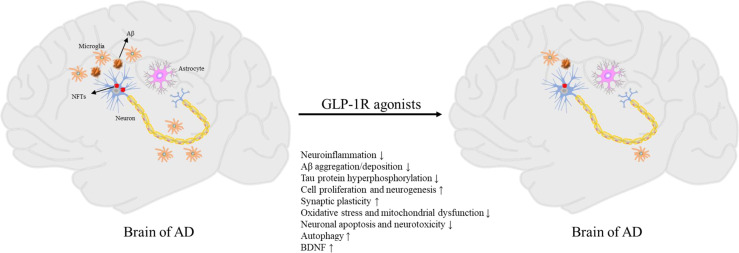
Since type 2 diabetes mellitus (T2DM) is a risk factor for Alzheimer’s disease (AD) and both have the same pathogenesis (e.g., insulin resistance), drugs used to treat T2DM have been gradually found to reduce the progression of AD in AD models. Of these drugs, glucagon-like peptide 1 receptor (GLP-1R) agonists are more effective and have fewer side effects. GLP-1R agonists have reducing neuroinflammation and oxidative stress, neurotrophic effects, decreasing Aβ deposition and tau hyperphosphorylation in AD models, which may be a potential drug for the treatment of AD. However, this needs to be verified by further clinical trials. This study aims to summarize the current information on the mechanisms and effects of GLP-1R agonists in AD.
Overview
The claims and statistics of this paper haven’t been checked yet.
Free: it reads the open-access text and checks the first 5 claims that cite a source we can check. Create a free account to check every claim.
Integrity signals
Registry
Cites
Statistics
Figures
Verification
Claims the paper makes
The claims and statistics of this paper haven’t been checked yet.
Free: it reads the open-access text and checks the first 5 claims that cite a source we can check. Create a free account to check every claim.
Claims other papers make about this one
Each is checked against this paper’s own text: does it say what the citing paper says it does?
The source backs part of the claim, not all of it — or backs it for a different population, condition or comparison.
In the citing paper
“in the treatment of Alzheimer’s diseases (AD) and Parkinson’s diseases (PD), GLP-1RAs have shown potential in slowing disease progression”
From Glucagon-like peptide-1 receptor: mechanisms and advances in therapy (2024) · cites this paper as [13]
Experimental — accuracy not yet measuredThe source backs part of the claim, not all of it — or backs it for a different population, condition or comparison.
In the citing paper
“while their anti-inflammatory properties offer new hope for conditions such as osteoarthritis (OA), rheumatoid arthritis (RA) and cardiovascular diseases.13–15”
From Glucagon-like peptide-1 receptor: mechanisms and advances in therapy (2024) · cites this paper as [13]
Experimental — accuracy not yet measuredThe cited source says what the claim attributes to it.
In the citing paper
“GLP-1RAs also enhance autophagy, a process of cellular clearance of damaged and outdated components.13,312”
From Glucagon-like peptide-1 receptor: mechanisms and advances in therapy (2024) · cites this paper as [13]
Self-check
Percentages, sums and reported differences re-computed from the paper’s own numbers.
The self-check needs the paper’s full text.
Citations
Cites
1 retracted
Paladugu, L., Gharaibeh, A., Kolli, N., Learman, C., Hall, T. C., Li, L., Rossignol, J., Maiti, P., & Dunbar, G. L. (2021) · International Journal of Molecular Sciences · doi:10.3390/ijms22020860 · Cited by 80
RetractedScheltens, P., De Strooper, B., Kivipelto, M., Holstege, H., Chételat, G., Teunissen, C. E., Cummings, J., & van der Flier, W. M. (2021) · The Lancet · doi:10.1016/s0140-6736(20)32205-4 · Cited by 5,465
Comprehensive Review on Alzheimer’s Disease: Causes and Treatment
Breijyeh, Z., & Karaman, R. (2020) · Molecules · doi:10.3390/molecules25245789 · Cited by 2,789 · cited 1×
“However, all these treatments are symptomatic and cannot prevent or reverse AD pathology (81).”
BackgroundLane, C. A., Hardy, J., & Schott, J. M. (2018) · European Journal of Neurology · doi:10.1111/ene.13439 · Cited by 2,616
Mechanisms of Action and Therapeutic Application of Glucagon-like Peptide-1
Drucker, D. J. (2018) · Cell Metabolism · doi:10.1016/j.cmet.2018.03.001 · Cited by 2,170
Oxidative stress, dysfunctional glucose metabolism and Alzheimer disease
Butterfield, D. A., & Halliwell, B. (2019) · Nature Reviews Neuroscience · doi:10.1038/s41583-019-0132-6 · Cited by 1,954 · cited 2×
“Oxidative stress is a serious imbalance between the production of reactive oxygen species (ROS) and reactive nitrogen species (RNS) and antioxidant defenses (65).”
BackgroundMicroglia in Alzheimer’s disease
Hansen, D. V., Hanson, J. E., & Sheng, M. (2018) · Journal of Cell Biology · doi:10.1083/jcb.201709069 · Cited by 1,935 · cited 1×
“During acute inflammation caused by Ab build-up, microglia phagocytose Ab and protect neurons from Ab toxicity (47).”
BackgroundGlucagon-like peptide-1 7–36: a physiological incretin in man
Kreymann, B., Ghatei, M. A., Williams, G., & Bloom, S. R. (1987) · The Lancet · doi:10.1016/s0140-6736(87)91194-9 · Cited by 1,928
The cholinergic system in the pathophysiology and treatment of Alzheimer’s disease
Hampel, H., Mesulam, M.-M., Cuello, A. C., Farlow, M. R., Giacobini, E., Grossberg, G. T., Khachaturian, A. S., Vergallo, A., Cavedo, E., Snyder, P. J., et al. (2018) · Brain · doi:10.1093/brain/awy132 · Cited by 1,918
Glucagon-like peptide 1 (GLP-1)
Müller, T. D., Finan, B., Bloom, S. R., D'Alessio, D., Drucker, D. J., Flatt, P. R., Fritsche, A., Gribble, F., Grill, H. J., Habener, J. F., et al. (2019) · Molecular Metabolism · doi:10.1016/j.molmet.2019.09.010 · Cited by 1,868 · cited 6×
“In humans, nearly all circulating GLP-1 is one of the latter two forms (89).”
BackgroundInfluentialSteen, E., Terry, B. M., J. Rivera, E., Cannon, J. L., Neely, T. R., Tavares, R., Xu, X. J., Wands, J. R., & de la Monte, S. M. (2005) · Journal of Alzheimer's Disease · doi:10.3233/jad-2005-7107 · Cited by 1,703 · cited 1×
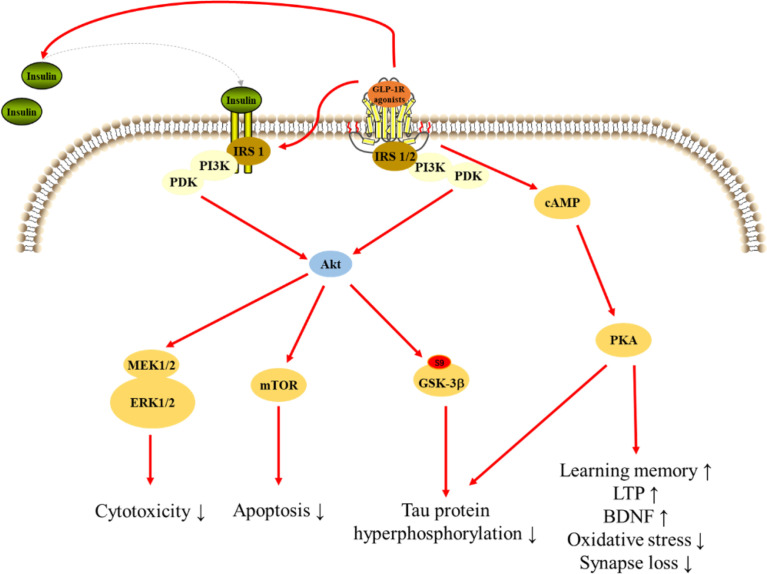
“Significantly decreased insulin and insulin receptor expression was observed in postmortem AD brain tissue, and changes in downstream insulin signaling molecules, including decreased levels of IRS-1/2, PI3K, p-Akt (51, 54).”
BackgroundCognitive decline and dementia in diabetes mellitus: mechanisms and clinical implications
Biessels, G. J., & Despa, F. (2018) · Nature Reviews Endocrinology · doi:10.1038/s41574-018-0048-7 · Cited by 1,454 · cited 1×
“In patients with T2DM, cognitive deficits are classified into three broad stages according to severity: diabetes-related cognitive decline, mild cognitive impairment (MCI) and dementia (57).”
BackgroundKieffer, T. J., McIntosh, C. H., & Pederson, R. A. (1995) · Endocrinology · doi:10.1210/endo.136.8.7628397 · Cited by 1,124
The Discovery and Development of Liraglutide and Semaglutide
Knudsen, L. B., & Lau, J. (2019) · Frontiers in Endocrinology · doi:10.3389/fendo.2019.00155 · Cited by 970 · cited 1×
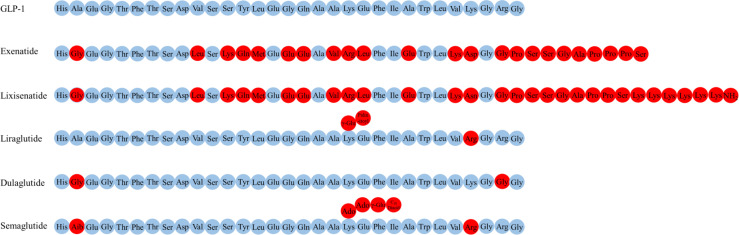
“Liraglutide, 97% sequence identity to native GLP-1, is obtained by derivatizing GLP-1 with a fatty acid (128).”
BackgroundMojsov, S., Weir, G. C., & Habener, J. F. (1987) · Journal of Clinical Investigation · doi:10.1172/jci112855 · Cited by 882
Compromised autophagy and neurodegenerative diseases
Menzies, F. M., Fleming, A., & Rubinsztein, D. C. (2015) · Nature Reviews Neuroscience · doi:10.1038/nrn3961 · Cited by 851
Glucagon-like peptide-1 receptor is involved in learning and neuroprotection
During, M. J., Cao, L., Zuzga, D. S., Francis, J. S., Fitzsimons, H. L., Jiao, X., Bland, R. J., Klugmann, M., Banks, W. A., Drucker, D. J., et al. (2003) · Nature Medicine · doi:10.1038/nm919 · Cited by 851
Swanson, C. J., Zhang, Y., Dhadda, S., Wang, J., Kaplow, J., Lai, R. Y. K., Lannfelt, L., Bradley, H., Rabe, M., Koyama, A., et al. (2021) · Alzheimer's Research & Therapy · doi:10.1186/s13195-021-00813-8 · Cited by 847 · cited 4×
“GLP-1 has different forms include GLP-1(1-37), GLP-1(7-36)amide and GLP-1(7-37) (22, 89).”
BackgroundInfluentialBomfim, T. R., Forny-Germano, L., Sathler, L. B., Brito-Moreira, J., Houzel, J.-C., Decker, H., Silverman, M. A., Kazi, H., Melo, H. M., McClean, P. L., et al. (2012) · Journal of Clinical Investigation · doi:10.1172/jci57256 · Cited by 832
Kellar, D., & Craft, S. (2020) · The Lancet Neurology · doi:10.1016/s1474-4422(20)30231-3 · Cited by 832 · cited 4×
“Interestingly, previous studies have shown brain insulin resistance in AD patients (10, 11).”
BackgroundInfluentialRecent Advancements in Pathogenesis, Diagnostics and Treatment of Alzheimer’s Disease
Khan, S., Barve, K. H., & Kumar, M. S. (2020) · Current Neuropharmacology · doi:10.2174/1570159x18666200528142429 · Cited by 820 · cited 6×
“While GLP-1(7-36)amide and GLP-1(7-37) are equally effective in stimulating insulin and Cpeptide secretion, GLP-1(1-37) is much lower insulinotropic efficacy (88, 90, 94).”
BackgroundInfluentialDeacon, C. F., Johnsen, A. H., & Holst, J. J. (1995) · The Journal of Clinical Endocrinology & Metabolism · doi:10.1210/jcem.80.3.7883856 · Cited by 792
Šimić, G., Babić Leko, M., Wray, S., Harrington, C., Delalle, I., Jovanov-Milošević, N., Bažadona, D., Buée, L., De Silva, R., Di Giovanni, G., et al. (2016) · Biomolecules · doi:10.3390/biom6010006 · Cited by 703
Knudsen, L. B., Nielsen, P. F., Huusfeldt, P. O., Johansen, N. L., Madsen, K., Pedersen, F. Z., Thøgersen, H., Wilken, M., & Agersø, H. (2000) · Journal of Medicinal Chemistry · doi:10.1021/jm9909645 · Cited by 700
Intranasal insulin improves memory in humans
Benedict, C., Hallschmid, M., Hatke, A., Schultes, B., Fehm, H. L., Born, J., & Kern, W. (2004) · Psychoneuroendocrinology · doi:10.1016/j.psyneuen.2004.04.003 · Cited by 699 · cited 1×
“It has been reported that spatial memory improves after insulin injection in the hippocampus or intranasal administration of insulin (55, 56).”
BackgroundMcClean, P. L., Parthsarathy, V., Faivre, E., & Hölscher, C. (2011) · The Journal of Neuroscience · doi:10.1523/jneurosci.0529-11.2011 · Cited by 698
Chen, Z., & Zhong, C. (2013) · Progress in Neurobiology · doi:10.1016/j.pneurobio.2013.06.004 · Cited by 673
Hamster preproglucagon contains the sequence of glucagon and two related peptides
Bell, G. I., Santerre, R. F., & Mullenbach, G. T. (1983) · Nature · doi:10.1038/302716a0 · Cited by 649 · cited 2×
“However, neither GLP-1 nor GLP-2 were active on insulin secretion, but a truncated version of GLP-1 was subsequently found to enhance insulin secretion in various experimental models and human studies (88–90).”
BackgroundGerstein, H. C., Colhoun, H. M., Dagenais, G. R., Diaz, R., Lakshmanan, M., Pais, P., Probstfield, J., Botros, F. T., Riddle, M. C., Rydén, L., et al. (2019) · The Lancet · doi:10.1016/s0140-6736(19)31150-x · Cited by 638 · cited 1×
“Moreover, use of dulaglutide in people with T2DM is likely to confer additional renal benefits, and dulaglutide may be used in advanced chronic kidney disease at any eGFR level and without dose adjustment in contrast with most other noninsulin diabetes therapies (134, 135).”
ResultThe Alzheimer’s Disease Clinical Spectrum
Atri, A. (2019) · Medical Clinics of North America · doi:10.1016/j.mcna.2018.10.009 · Cited by 623
Tissue distribution of messenger ribonucleic acid encoding the rat glucagon-like peptide-1 receptor
Bullock, B. P., Heller, R. S., & Habener, J. F. (1996) · Endocrinology · doi:10.1210/en.137.7.2968 · Cited by 618
Role of Tau as a Microtubule-Associated Protein: Structural and Functional Aspects
Barbier, P., Zejneli, O., Martinho, M., Lasorsa, A., Belle, V., Smet-Nocca, C., Tsvetkov, P. O., Devred, F., & Landrieu, I. (2019) · Frontiers in Aging Neuroscience · doi:10.3389/fnagi.2019.00204 · Cited by 617
Truncated glucagon‐like peptide I, an insulin‐releasing hormone from the distal gut
Holst, J. J., Ørskov, C., Vagn Nielsen, O., & Schwartz, T. W. (1987) · FEBS Letters · doi:10.1016/0014-5793(87)81430-8 · Cited by 615
Inflammatory Response in the CNS: Friend or Foe?
Sochocka, M., Diniz, B. S., & Leszek, J. (2017) · Molecular Neurobiology · doi:10.1007/s12035-016-0297-1 · Cited by 573 · cited 2×
“In addition, neuroinflammation causes immune cells (monocytes and lymphocytes in the blood, such as T cells and B cells) to infiltrate the central nervous system from the periphery across the BBB, accelerating neuroinflammation and neurodegeneration (49, 50).”
BackgroundHunter, K., & Hölscher, C. (2012) · BMC Neuroscience · doi:10.1186/1471-2202-13-33 · Cited by 504 · cited 2×
“Studies have shown that significant concentrations of lixisenatide were found in the brain of mice 30 minutes and 3 hours after intraperitoneal injection, suggesting that lixisenatide could cross the BBB (125).”
BackgroundGejl, M., Gjedde, A., Egefjord, L., Møller, A., Hansen, S. B., Vang, K., Rodell, A., Brændgaard, H., Gottrup, H., Schacht, A., et al. (2016) · Frontiers in Aging Neuroscience · doi:10.3389/fnagi.2016.00108 · Cited by 480
Wei, Y., & Mojsov, S. (1995) · FEBS Letters · doi:10.1016/0014-5793(94)01430-9 · Cited by 450
Perez Ortiz, J. M., & Swerdlow, R. H. (2019) · British Journal of Pharmacology · doi:10.1111/bph.14585 · Cited by 426
Graaf, C. D., Donnelly, D., Wootten, D., Lau, J., Sexton, P. M., Miller, L. J., Ahn, J.-M., Liao, J., Fletcher, M. M., Yang, D., et al. (2016) · Pharmacological Reviews · doi:10.1124/pr.115.011395 · Cited by 403
Hippocampal memory processes are modulated by insulin and high-fat-induced insulin resistance
McNay, E. C., Ong, C. T., McCrimmon, R. J., Cresswell, J., Bogan, J. S., & Sherwin, R. S. (2010) · Neurobiology of Learning and Memory · doi:10.1016/j.nlm.2010.02.002 · Cited by 397
Type 3 Diabetes and Its Role Implications in Alzheimer’s Disease
Nguyen, T. T., Ta, Q. T. H., Nguyen, T. K. O., Nguyen, T. T. D., & Van Giau, V. (2020) · International Journal of Molecular Sciences · doi:10.3390/ijms21093165 · Cited by 393
Protection and Reversal of Excitotoxic Neuronal Damage by Glucagon-Like Peptide-1 and Exendin-4
Perry, T., Haughey, N. J., Mattson, M. P., Egan, J. M., & Greig, N. H. (2002) · The Journal of Pharmacology and Experimental Therapeutics · doi:10.1124/jpet.102.037481 · Cited by 380
Autophagy in Alzheimer’s disease pathogenesis: Therapeutic potential and future perspectives
Zhang, Z., Yang, X., Song, Y.-Q., & Tu, J. (2021) · Ageing Research Reviews · doi:10.1016/j.arr.2021.101464 · Cited by 369
McClean, P. L., & Hölscher, C. (2014) · Neuropharmacology · doi:10.1016/j.neuropharm.2013.08.005 · Cited by 361
Perry, T., Lahiri, D. K., Sambamurti, K., Chen, D., Mattson, M. P., Egan, J. M., & Greig, N. H. (2003) · Journal of Neuroscience Research · doi:10.1002/jnr.10611 · Cited by 347
Autophagy and Alzheimer’s Disease
Li, Q., Liu, Y., & Sun, M. (2017) · Cellular and Molecular Neurobiology · doi:10.1007/s10571-016-0386-8 · Cited by 330
Oxidative toxicity in diabetes and Alzheimer’s disease: mechanisms behind ROS/ RNS generation
Ahmad, W., Ijaz, B., Shabbiri, K., Ahmed, F., & Rehman, S. (2017) · Journal of Biomedical Science · doi:10.1186/s12929-017-0379-z · Cited by 330
Ørskov, C., Wettergren, A., & Holst, J. J. (1993) · Diabetes · doi:10.2337/diab.42.5.658 · Cited by 325
Li, Y., Duffy, K. B., Ottinger, M. A., Ray, B., Bailey, J. A., Holloway, H. W., Tweedie, D., Perry, T., Mattson, M. P., Kapogiannis, D., et al. (2010) · Journal of Alzheimer's Disease · doi:10.3233/jad-2010-1314 · Cited by 321
Insulin, IGF-1 and GLP-1 signaling in neurodegenerative disorders: Targets for disease modification?
Bassil, F., Fernagut, P.-O., Bezard, E., & Meissner, W. G. (2014) · Progress in Neurobiology · doi:10.1016/j.pneurobio.2014.02.005 · Cited by 309
Glaesner, W., Mark Vick, A., Millican, R., Ellis, B., Tschang, S., Tian, Y., Bokvist, K., Brenner, M., Koester, A., Porksen, N., et al. (2010) · Diabetes/Metabolism Research and Reviews · doi:10.1002/dmrr.1080 · Cited by 305
Alvarez, E., Martínez, M. D., Roncero, I., Chowen, J. A., García‐Cuartero, B., Gispert, J. D., Sanz, C., Vázquez, P., Maldonado, A., De Cáceres, J., et al. (2005) · Journal of Neurochemistry · doi:10.1111/j.1471-4159.2004.02914.x · Cited by 305
Pleiotropic Effects of GLP-1 and Analogs on Cell Signaling, Metabolism, and Function
Rowlands, J., Heng, J., Newsholme, P., & Carlessi, R. (2018) · Frontiers in Endocrinology · doi:10.3389/fendo.2018.00672 · Cited by 302 · cited 2×
“Recent studies identified the expression of GLP-1R in adipocytes (22, 113).”
BackgroundAlzheimer’s Disease Pharmacotherapy in Relation to Cholinergic System Involvement
Stanciu, G. D., Luca, A., Rusu, R. N., Bild, V., Beschea Chiriac, S. I., Solcan, C., Bild, W., & Ababei, D. C. (2019) · Biomolecules · doi:10.3390/biom10010040 · Cited by 297
van Oostveen, W. M., & de Lange, E. C. M. (2021) · International Journal of Molecular Sciences · doi:10.3390/ijms22042110 · Cited by 297
Zheng, M., & Wang, P. (2021) · 3 Biotech · doi:10.1007/s13205-021-02738-3 · Cited by 293
Link between type 2 diabetes and Alzheimer’s disease: from epidemiology to mechanism and treatment
Li, X., Leng, S., & Song, D. (2015) · Clinical Interventions in Aging · doi:10.2147/cia.s74042 · Cited by 292
Central effects of GLP-1: new opportunities for treatments of neurodegenerative diseases
Hölscher, C. (2014) · Journal of Endocrinology · doi:10.1530/joe-13-0221 · Cited by 288
Abbas, T., Faivre, E., & Hölscher, C. (2009) · Behavioural Brain Research · doi:10.1016/j.bbr.2009.06.035 · Cited by 282
Insulin signaling pathway and related molecules: Role in neurodegeneration and Alzheimer's disease
Akhtar, A., & Sah, S. P. (2020) · Neurochemistry International · doi:10.1016/j.neuint.2020.104707 · Cited by 279
Recent updates on GLP-1 agonists: Current advancements & challenges
Sharma, D., Verma, S., Vaidya, S., Kalia, K., & Tiwari, V. (2018) · Biomedicine & Pharmacotherapy · doi:10.1016/j.biopha.2018.08.088 · Cited by 265
Cerebrospinal Fluid Insulin Levels Increase During Intravenous Insulin Infusions in Man*
WALLUM, B. J., TABORSKY, G. J., PORTE, D., FIGLEWICZ, D. P., JACOBSON, L., BEARD, J. C., WARD, W. K., & DORSA, D. (1987) · The Journal of Clinical Endocrinology & Metabolism · doi:10.1210/jcem-64-1-190 · Cited by 253
The incretin system in healthy humans: The role of GIP and GLP-1
Holst, J. J. (2019) · Metabolism · doi:10.1016/j.metabol.2019.04.014 · Cited by 248
Batista, A. F., Forny‐Germano, L., Clarke, J. R., Lyra e Silva, N. M., Brito‐Moreira, J., Boehnke, S. E., Winterborn, A., Coe, B. C., Lablans, A., Vital, J. F., et al. (2018) · The Journal of Pathology · doi:10.1002/path.5056 · Cited by 246
Alzheimer's disease; a review of the pathophysiological basis and therapeutic interventions
Abeysinghe, A. A. D. T., Deshapriya, R. D. U. S., & Udawatte, C. (2020) · Life Sciences · doi:10.1016/j.lfs.2020.117996 · Cited by 237
Bi, D., Wen, L., Wu, Z., & Shen, Y. (2020) · Alzheimer's & Dementia · doi:10.1002/alz.12088 · Cited by 232
Tau clearance mechanisms and their possible role in the pathogenesis of Alzheimer disease.
Chesser, A. S., Pritchard, S. M., & Johnson, G. V. W. (2013) · Frontiers in Neurology · doi:10.3389/fneur.2013.00122 · Cited by 219
Liraglutide in Type 2 Diabetes Mellitus: Clinical Pharmacokinetics and Pharmacodynamics
Jacobsen, L. V., Flint, A., Olsen, A. K., & Ingwersen, S. H. (2016) · Clinical Pharmacokinetics · doi:10.1007/s40262-015-0343-6 · Cited by 217 · cited 2×
“The main mechanisms of liraglutide protraction are as follows: (1) slow absorption after subcutaneous injection (130); (2) reduce clearance rate due to slowed metabolism and renal filtration (131).”
BackgroundHamilton, A., Patterson, S., Porter, D., Gault, V. A., & Holscher, C. (2011) · Journal of Neuroscience Research · doi:10.1002/jnr.22565 · Cited by 210
Huynh, T.-P. V., Davis, A. A., Ulrich, J. D., & Holtzman, D. M. (2017) · Journal of Lipid Research · doi:10.1194/jlr.r075481 · Cited by 210 · cited 1×
“Evidence shows that the strongest genetic risk factor for late-onset AD is the E4 allele of the cholesterol transporter APOE (APOE4), besides, APOE4 could promote amyloid aggregation and impair clearance from the brain directly binding to Ab (63).”
BackgroundThe Cholinergic System, the Adrenergic System and the Neuropathology of Alzheimer’s Disease
Bekdash, R. A. (2021) · International Journal of Molecular Sciences · doi:10.3390/ijms22031273 · Cited by 197
McClean, P. L., Gault, V. A., Harriott, P., & Hölscher, C. (2010) · European Journal of Pharmacology · doi:10.1016/j.ejphar.2009.12.023 · Cited by 193
Park, J.-S., Kam, T.-I., Lee, S., Park, H., Oh, Y., Kwon, S.-H., Song, J.-J., Kim, D., Kim, H., Jhaldiyal, A., et al. (2021) · Acta Neuropathologica Communications · doi:10.1186/s40478-021-01180-z · Cited by 192
Alberdi, E., Wyssenbach, A., Alberdi, M., Sánchez‐Gómez, M. V., Cavaliere, F., Rodríguez, J. J., Verkhratsky, A., & Matute, C. (2013) · Aging Cell · doi:10.1111/acel.12054 · Cited by 190
Hansen, H. H., Fabricius, K., Barkholt, P., Niehoff, M. L., Morley, J. E., Jelsing, J., Pyke, C., Knudsen, L. B., Farr, S. A., & Vrang, N. (2015) · Journal of Alzheimer’s Disease · doi:10.3233/jad-143090 · Cited by 188
Zheng, J., Xie, Y., Ren, L., Qi, L., Wu, L., Pan, X., Zhou, J., Chen, Z., & Liu, L. (2021) · Molecular Metabolism · doi:10.1016/j.molmet.2021.101180 · Cited by 183
Innate and adaptive immune responses in the CNS
Waisman, A., Liblau, R., & Becher, B. (2015) · The Lancet Neurology · doi:10.1016/s1474-4422(15)00141-6 · Cited by 174
Vahl, T. P., Paty, B. W., Fuller, B. D., Prigeon, R. L., & D’Alessio, D. A. (2003) · The Journal of Clinical Endocrinology & Metabolism · doi:10.1210/jc.2002-021479 · Cited by 173
Perez-Cruz, C., Nolte, M. W., van Gaalen, M. M., Rustay, N. R., Termont, A., Tanghe, A., Kirchhoff, F., & Ebert, U. (2011) · The Journal of Neuroscience · doi:10.1523/jneurosci.6142-10.2011 · Cited by 172
Glucagon-like Peptide-1 and the Central/Peripheral Nervous System: Crosstalk in Diabetes
Muscogiuri, G., DeFronzo, R. A., Gastaldelli, A., & Holst, J. J. (2017) · Trends in Endocrinology & Metabolism · doi:10.1016/j.tem.2016.10.001 · Cited by 171
Long-Smith, C. M., Manning, S., McClean, P. L., Coakley, M. F., O’Halloran, D., Hölscher, C., & O’Neill, C. (2012) · NeuroMolecular Medicine · doi:10.1007/s12017-012-8199-5 · Cited by 170
GLP-1 agonists facilitate hippocampal LTP and reverse the impairment of LTP induced by beta-amyloid
Gault, V. A., & Hölscher, C. (2008) · European Journal of Pharmacology · doi:10.1016/j.ejphar.2008.03.025 · Cited by 170
McClean, P. L., & Hölscher, C. (2014) · Neuropharmacology · doi:10.1016/j.neuropharm.2014.07.015 · Cited by 170 · cited 2×
“Lixisenatide, a GLP-1R agonist, reduces neurofibrillary tangles and amyloid plaque load, and thereby ameliorates learning memory deficits in APP/PS1 mice (144, 157).”
BackgroundBlood-Brain Glucose Transfer in Alzheimer’s disease: Effect of GLP-1 Analog Treatment
Gejl, M., Brock, B., Egefjord, L., Vang, K., Rungby, J., & Gjedde, A. (2017) · Scientific Reports · doi:10.1038/s41598-017-17718-y · Cited by 163
NMDA and AMPA receptors dysregulation in Alzheimer's disease
Babaei, P. (2021) · European Journal of Pharmacology · doi:10.1016/j.ejphar.2021.174310 · Cited by 163
Duarte, A. I., Candeias, E., Correia, S. C., Santos, R. X., Carvalho, C., Cardoso, S., Plácido, A. I., Santos, M. S., Oliveira, C. R., & Moreira, P. I. (2013) · Biochimica et Biophysica Acta (BBA) - Molecular Basis of Disease · doi:10.1016/j.bbadis.2013.01.008 · Cited by 162
Val(8)GLP-1 rescues synaptic plasticity and reduces dense core plaques in APP/PS1 mice
Gengler, S., McClean, P. L., McCurtin, R., Gault, V. A., & Hölscher, C. (2012) · Neurobiology of Aging · doi:10.1016/j.neurobiolaging.2010.02.014 · Cited by 160
Jendle, J., Grunberger, G., Blevins, T., Giorgino, F., Hietpas, R. T., & Botros, F. T. (2016) · Diabetes/Metabolism Research and Reviews · doi:10.1002/dmrr.2810 · Cited by 158
Alzheimer’s Disease Pathogenesis: Role of Autophagy and Mitophagy Focusing in Microglia
Eshraghi, M., Adlimoghaddam, A., Mahmoodzadeh, A., Sharifzad, F., Yasavoli-Sharahi, H., Lorzadeh, S., Albensi, B. C., & Ghavami, S. (2021) · International Journal of Molecular Sciences · doi:10.3390/ijms22073330 · Cited by 158
Sharma, M. K., Jalewa, J., & Hölscher, C. (2014) · Journal of Neurochemistry · doi:10.1111/jnc.12469 · Cited by 151
Neuroprotective properties of GLP-1: theoretical and practical applications
Holst, J. J., Burcelin, R., & Nathanson, E. (2011) · Current Medical Research and Opinion · doi:10.1185/03007995.2010.549466 · Cited by 150
Han, W.-N., Hölscher, C., Yuan, L., Yang, W., Wang, X.-H., Wu, M.-N., & Qi, J.-S. (2013) · Neurobiology of Aging · doi:10.1016/j.neurobiolaging.2012.04.009 · Cited by 147
Tai, J., Liu, W., Li, Y., Li, L., & Hölscher, C. (2017) · Brain Research · doi:10.1016/j.brainres.2017.10.012 · Cited by 147
Chen, S., Liu, A., An, F.-M., Yao, W., & Gao, X. (2011) · AGE · doi:10.1007/s11357-011-9303-8 · Cited by 144
Gao, C., Liu, Y., Jiang, Y., Ding, J., & Li, L. (2014) · Brain Pathology · doi:10.1111/bpa.12116 · Cited by 140
Talbot, K., & Wang, H.-Y. (2014) · Alzheimer's & Dementia · doi:10.1016/j.jalz.2013.12.007 · Cited by 140
Nyakas, C. J., Granic, I., Halmy, L. G., Banerjee, P., & Luiten, P. G. M. (2010) · Behavioural Brain Research · doi:10.1016/j.bbr.2010.05.033 · Cited by 139
Blood–Brain Barrier Breakdown in Relationship to Alzheimer and Vascular Disease
Lin, Z., Sur, S., Liu, P., Li, Y., Jiang, D., Hou, X., Darrow, J., Pillai, J. J., Yasar, S., Rosenberg, P., et al. (2021) · Annals of Neurology · doi:10.1002/ana.26134 · Cited by 138
Qi, L., Ke, L., Liu, X., Liao, L., Ke, S., Liu, X., Wang, Y., Lin, X., Zhou, Y., Wu, L., et al. (2016) · European Journal of Pharmacology · doi:10.1016/j.ejphar.2016.04.052 · Cited by 137
Lee, C., Jeon, S. J., Cho, K. S., Moon, E., Sapkota, A., Jun, H., Ryu, J. H., & Choi, J. W. (2017) · Molecular Neurobiology · doi:10.1007/s12035-017-0550-2 · Cited by 136
McClean, P. L., Jalewa, J., & Hölscher, C. (2015) · Behavioural Brain Research · doi:10.1016/j.bbr.2015.07.024 · Cited by 135
Neural correlates of liraglutide effects in persons at risk for Alzheimer’s disease
Watson, K. T., Wroolie, T. E., Tong, G., Foland-Ross, L. C., Frangou, S., Singh, M., McIntyre, R. S., Roat-Shumway, S., Myoraku, A., Reiss, A. L., et al. (2019) · Behavioural Brain Research · doi:10.1016/j.bbr.2018.08.006 · Cited by 134
Kimura, R., Okouchi, M., Fujioka, H., Ichiyanagi, A., Ryuge, F., Mizuno, T., Imaeda, K., Okayama, N., Kamiya, Y., Asai, K., et al. (2009) · Neuroscience · doi:10.1016/j.neuroscience.2009.05.025 · Cited by 133
Autophagy Dysfunction in Alzheimer’s Disease: Mechanistic Insights and New Therapeutic Opportunities
Di Meco, A., Curtis, M. E., Lauretti, E., & Praticò, D. (2020) · Biological Psychiatry · doi:10.1016/j.biopsych.2019.05.008 · Cited by 133 · cited 1×
“Data shown that dysfunction of autophagy lysosome system can affect the clearance of Ab peptides and tau proteins, two major features of AD (74).”
BackgroundParthsarathy, V., & Hölscher, C. (2013) · PLoS ONE · doi:10.1371/journal.pone.0058784 · Cited by 130
Honigberg, M. C., Chang, L.-S., McGuire, D. K., Plutzky, J., Aroda, V. R., & Vaduganathan, M. (2020) · JAMA Cardiology · doi:10.1001/jamacardio.2020.1966 · Cited by 127
GLP-1’s role in neuroprotection: a systematic review
Erbil, D., Eren, C. Y., Demirel, C., Küçüker, M. U., Solaroğlu, I., & Eser, H. Y. (2019) · Brain Injury · doi:10.1080/02699052.2019.1587000 · Cited by 126
Shi, L., Zhang, Z., Li, L., & Hölscher, C. (2017) · Behavioural Brain Research · doi:10.1016/j.bbr.2017.03.032 · Cited by 125
On the central role of mitochondria dysfunction and oxidative stress in Alzheimer’s disease
Tobore, T. O. (2019) · Neurological Sciences · doi:10.1007/s10072-019-03863-x · Cited by 122
Insulin binding to brain capillaries is reduced in genetically obese, hyperinsulinemic Zucker rats
Schwartz, M. W., Lattemann, D. F., Kahn, S. E., Baskin, D. G., Greenwood, M. R. C., & Porte, D. (1990) · Peptides · doi:10.1016/0196-9781(90)90044-6 · Cited by 121
Parthsarathy, V., & Hölscher, C. (2013) · European Journal of Pharmacology · doi:10.1016/j.ejphar.2012.12.012 · Cited by 119
MacDonald, P. E., Wang, X., Xia, F., El-kholy, W., Targonsky, E. D., Tsushima, R. G., & Wheeler, M. B. (2003) · Journal of Biological Chemistry · doi:10.1074/jbc.m307612200 · Cited by 117
Insulin Signaling Impairment in the Brain as a Risk Factor in Alzheimer’s Disease
Hölscher, C. (2019) · Frontiers in Aging Neuroscience · doi:10.3389/fnagi.2019.00088 · Cited by 117
Hamano, T., Enomoto, S., Shirafuji, N., Ikawa, M., Yamamura, O., Yen, S.-H., & Nakamoto, Y. (2021) · International Journal of Molecular Sciences · doi:10.3390/ijms22147475 · Cited by 114
Mahapatra, M. K., Karuppasamy, M., & Sahoo, B. M. (2022) · Pharmaceutical Research · doi:10.1007/s11095-022-03302-1 · Cited by 110 · cited 1×
“Semaglutide, a type of GLP-1R agonists with 94% sequence homology to GLP-1 and with an extended half-life of approximately 1 week, has been clinically approved to treat T2DM and is available in subcutaneous and oral dosage form (136, 137).”
BackgroundCai, H.-Y., Yang, J.-T., Wang, Z.-J., Zhang, J., Yang, W., Wu, M.-N., & Qi, J.-S. (2018) · Biochemical and Biophysical Research Communications · doi:10.1016/j.bbrc.2017.11.114 · Cited by 108 · cited 3×
“Currently, GLP-1R agonists used in the treatment of AD models include (Val8) GLP-1, GLP-1(9-36)amide, GLP-1(7-36)amide, CJC-1131, Geniposide, Exendin(5-39), Exendin-4, NLY01 (engineered exendin-4), liraglutide, Lixisenatide, Dulaglutide, Exenatide, GLP-1, dual GLP-1/GIP receptor agonist (DA-JC4, DA-JC1, DA5-CH, DA-CH3…”
BackgroundGlucagon-like peptide-1 suppresses neuroinflammation and improves neural structure
Yoon, G., Kim, Y.-K., & Song, J. (2020) · Pharmacological Research · doi:10.1016/j.phrs.2019.104615 · Cited by 107
Incretin hormones regulate microglia oxidative stress, survival and expression of trophic factors
Spielman, L. J., Gibson, D. L., & Klegeris, A. (2017) · European Journal of Cell Biology · doi:10.1016/j.ejcb.2017.03.004 · Cited by 106
Ma, T., Du, X., Pick, J. E., Sui, G., Brownlee, M., & Klann, E. (2012) · The Journal of Neuroscience · doi:10.1523/jneurosci.2107-12.2012 · Cited by 104
Hansen, H. H., Barkholt, P., Fabricius, K., Jelsing, J., Terwel, D., Pyke, C., Knudsen, L. B., & Vrang, N. (2015) · Brain Research · doi:10.1016/j.brainres.2015.12.052 · Cited by 104
Cai, H., Hölscher, C., Yue, X.-H., Zhang, S.-X., Wang, X.-H., Qiao, F., Yang, W., & Qi, J.-S. (2014) · Neuroscience · doi:10.1016/j.neuroscience.2014.02.022 · Cited by 102
GLP-1a: Going beyond Traditional Use
Laurindo, L. F., Barbalho, S. M., Guiguer, E. L., da Silva Soares de Souza, M., de Souza, G. A., Fidalgo, T. M., Araújo, A. C., de Souza Gonzaga, H. F., de Bortoli Teixeira, D., de Oliveira Silva Ullmann, T., et al. (2022) · International Journal of Molecular Sciences · doi:10.3390/ijms23020739 · Cited by 102 · cited 5×
“While GLP-1(7-36)amide and GLP-1(7-37) are equally effective in stimulating insulin and Cpeptide secretion, GLP-1(1-37) is much lower insulinotropic efficacy (88, 90, 94).”
BackgroundInfluentialChen, S., Sun, J., Zhao, G., Guo, A. W., Chen, Y., Fu, R., & Deng, Y. (2017) · Neurochemical Research · doi:10.1007/s11064-017-2250-8 · Cited by 100
Wang, X. H., Li, L., Hölscher, C., Pan, Y. F., Chen, X. R., & Qi, J. S. (2010) · Neuroscience · doi:10.1016/j.neuroscience.2010.08.028 · Cited by 99
Li, L., Zhang, Z., Hölscher, C., Gao, C., Jiang, Y., & Liu, Y. (2011) · European Journal of Pharmacology · doi:10.1016/j.ejphar.2011.11.005 · Cited by 98
Solmaz, V., Çınar, B. P., Yiğittürk, G., Çavuşoğlu, T., Taşkıran, D., & Erbaş, O. (2015) · European Journal of Pharmacology · doi:10.1016/j.ejphar.2015.09.024 · Cited by 96
Glucagon like peptide-1 (GLP-1) likes Alzheimer’s disease
Simsir, I. Y., Soyaltın, U. E., & Çetinkalp, Ş. (2018) · Diabetes & Metabolic Syndrome Clinical Research & Reviews · doi:10.1016/j.dsx.2018.03.002 · Cited by 96
Yaribeygi, H., Rashidy-Pour, A., Atkin, S. L., Jamialahmadi, T., & Sahebkar, A. (2021) · Life Sciences · doi:10.1016/j.lfs.2020.118645 · Cited by 96
Lv, C., Wang, L., Liu, X., Yan, S., Yan, S. S., Wang, Y., & Zhang, W. (2014) · Neuropharmacology · doi:10.1016/j.neuropharm.2014.09.019 · Cited by 95
Candeias, E., Sebastião, I., Cardoso, S., Carvalho, C., Santos, M. S., Oliveira, C. R., Moreira, P. I., & Duarte, A. I. (2017) · Molecular Neurobiology · doi:10.1007/s12035-017-0622-3 · Cited by 94
Dietary Modulation of Oxidative Stress in Alzheimer’s Disease
Thapa, A., & Carroll, N. (2017) · International Journal of Molecular Sciences · doi:10.3390/ijms18071583 · Cited by 94
Alzheimer’s disease and type 2 diabetes mellitus: Pathophysiologic and pharmacotherapeutics links
Rojas, M., Chávez-Castillo, M., Bautista, J., Ortega, Á., Nava, M., Salazar, J., Díaz-Camargo, E., Medina, O., Rojas-Quintero, J., & Bermúdez, V. (2021) · World Journal of Diabetes · doi:10.4239/wjd.v12.i6.745 · Cited by 94
Calsolaro, V., & Edison, P. (2015) · CNS Drugs · doi:10.1007/s40263-015-0301-8 · Cited by 93 · cited 16×
“While GLP-1(7-36)amide and GLP-1(7-37) are equally effective in stimulating insulin and Cpeptide secretion, GLP-1(1-37) is much lower insulinotropic efficacy (88, 90, 94).”
BackgroundInfluentialSebastião, I., Candeias, E., Santos, M. S., de Oliveira, C. R., Moreira, P. I., & Duarte, A. I. (2014) · Frontiers in Endocrinology · doi:10.3389/fendo.2014.00110 · Cited by 92
Yang, Y., Zhang, J., Ma, D., Zhang, M., Hu, S., Shao, S., & Gong, C.-X. (2013) · Journal of Alzheimer's Disease · doi:10.3233/jad-130491 · Cited by 91
Expression of apoptosis related proteins in brains of patients with Alzheimer's disease
Engidawork, E., Gulesserian, T., Seidl, R., Cairns, N., & Lubec, G. (2001) · Neuroscience Letters · doi:10.1016/s0304-3940(01)01618-4 · Cited by 91
Kellar, D., Lockhart, S. N., Aisen, P., Raman, R., Rissman, R. A., Brewer, J., & Craft, S. (2021) · The Journal of Prevention of Alzheimer's Disease · doi:10.14283/jpad.2021.14 · Cited by 91
Xiong, H., Zheng, C., Wang, J., Song, J., Zhao, G., Shen, H., & Deng, Y. (2013) · Journal of Alzheimer's Disease · doi:10.3233/jad-130584 · Cited by 90
Duarte, A. I., Candeias, E., Alves, I. N., Mena, D., Silva, D. F., Machado, N. J., Campos, E. J., Santos, M. S., Oliveira, C. R., & Moreira, P. I. (2020) · International Journal of Molecular Sciences · doi:10.3390/ijms21051746 · Cited by 90
Xu, W., Yang, Y., Yuan, G., Zhu, W., Ma, D., & Hu, S. (2015) · Journal of Investigative Medicine · doi:10.1097/jim.0000000000000129 · Cited by 89
Antidiabetic Drugs for the Risk of Alzheimer Disease in Patients With Type 2 DM Using FAERS
Akimoto, H., Negishi, A., Oshima, S., Wakiyama, H., Okita, M., Horii, N., Inoue, N., Ohshima, S., & Kobayashi, D. (2020) · American Journal of Alzheimer's Disease & Other Dementias® · doi:10.1177/1533317519899546 · Cited by 89
Xie, Y., Zheng, J., Li, S., Li, H., Zhou, Y., Zheng, W., Zhang, M., Liu, L., & Chen, Z. (2021) · Biochemical Pharmacology · doi:10.1016/j.bcp.2021.114578 · Cited by 86
Zhou, M., Chen, S., Peng, P., Gu, Z., Yu, J., Zhao, G., & Deng, Y. (2019) · Biochemical and Biophysical Research Communications · doi:10.1016/j.bbrc.2019.01.103 · Cited by 85
Impaired Expression of GABA Signaling Components in the Alzheimer’s Disease Middle Temporal Gyrus
Govindpani, K., Turner, C., Waldvogel, H. J., Faull, R. L. M., & Kwakowsky, A. (2020) · International Journal of Molecular Sciences · doi:10.3390/ijms21228704 · Cited by 85
Bomba, M., Ciavardelli, D., Silvestri, E., Canzoniero, L. M., Lattanzio, R., Chiappini, P., Piantelli, M., Di Ilio, C., Consoli, A., & Sensi, S. L. (2013) · Cell Death & Disease · doi:10.1038/cddis.2013.139 · Cited by 84
Holubová, M., Hrubá, L., Popelová, A., Bencze, M., Pražienková, V., Gengler, S., Kratochvílová, H., Haluzík, M., Železná, B., Kuneš, J., et al. (2019) · Neuropharmacology · doi:10.1016/j.neuropharm.2018.11.002 · Cited by 82
Zhang, Z., Wang, X., Zhang, D., Liu, Y., & Lin, L. (2019) · Aging · doi:10.18632/aging.101759 · Cited by 80
Chang, Y.-F., Zhang, D., Hu, W.-M., Liu, D.-X., & Li, L. (2020) · Journal of Clinical Neuroscience · doi:10.1016/j.jocn.2020.09.054 · Cited by 80
An, J., Zhou, Y., Zhang, M., Xie, Y., Ke, S., Liu, L., Pan, X., & Chen, Z. (2019) · Behavioural Brain Research · doi:10.1016/j.bbr.2019.111932 · Cited by 78
Bae, C., & Song, J. (2017) · International Journal of Molecular Sciences · doi:10.3390/ijms18112493 · Cited by 77
Batista, A. F., Bodart‐Santos, V., Felice, F. G. D., & Ferreira, S. T. (2018) · CNS Drugs · doi:10.1007/s40263-018-0593-6 · Cited by 77
Recent advances in understanding GLP-1R (glucagon-like peptide-1 receptor) function
Koole, C., Pabreja, K., Savage, E. E., Wootten, D., Furness, S. G. B., Miller, L. J., Christopoulos, A., & Sexton, P. M. (2013) · Biochemical Society Transactions · doi:10.1042/bst20120236 · Cited by 75
Garabadu, D., & Verma, J. (2019) · Neurochemistry International · doi:10.1016/j.neuint.2019.04.006 · Cited by 75
Mitochondrial dysfunction, mitophagy, and role of dynamin‐related protein 1 in Alzheimer's disease
Medala, V. K., Gollapelli, B., Dewanjee, S., Ogunmokun, G., Kandimalla, R., & Vallamkondu, J. (2021) · Journal of Neuroscience Research · doi:10.1002/jnr.24781 · Cited by 75
Clinical pharmacology of glucagon-like peptide-1 receptor agonists
Sfairopoulos, D. G., Liatis, S., Tigas, S. K., & Liberopoulos, E. N. (2018) · HORMONES · doi:10.1007/s42000-018-0038-0 · Cited by 74
Chen, S., Zhou, M., Sun, J., Guo, A., Fernando, R. L., Chen, Y., Peng, P., Zhao, G., & Deng, Y. (2019) · Neuropharmacology · doi:10.1016/j.neuropharm.2019.107668 · Cited by 73
Cao, Y., Hölscher, C., Hu, M.-M., Wang, T., Zhao, F., Bai, Y., Zhang, J., Wu, M.-N., & Qi, J.-S. (2018) · European Journal of Pharmacology · doi:10.1016/j.ejphar.2018.03.024 · Cited by 72
Siddiqui, N., Ali, J., Parvez, S., Zameer, S., Najmi, A. K., & Akhtar, M. (2021) · Neuropharmacology · doi:10.1016/j.neuropharm.2021.108662 · Cited by 72
Salles, G. N., Calió, M. L., Hölscher, C., Pacheco-Soares, C., Porcionatto, M., & Lobo, A. O. (2020) · Neuropharmacology · doi:10.1016/j.neuropharm.2019.107813 · Cited by 71
Chen, S., An, F.-M., Yin, L., Liu, A.-R., Yin, D.-K., Yao, W.-B., & Gao, X.-D. (2013) · Neuroscience · doi:10.1016/j.neuroscience.2013.10.038 · Cited by 70
Ma, D., Chen, F., Xu, W., Yue, W., Yuan, G., & Yang, Y. (2015) · Journal of Neurochemistry · doi:10.1111/jnc.13248 · Cited by 69
Exenatide exerts cognitive effects by modulating the BDNF-TrkB neurotrophic axis in adult mice
Bomba, M., Granzotto, A., Castelli, V., Massetti, N., Silvestri, E., Canzoniero, L. M. T., Cimini, A., & Sensi, S. L. (2018) · Neurobiology of Aging · doi:10.1016/j.neurobiolaging.2017.12.009 · Cited by 69
Li, T., Jiao, J., Hölscher, C., Wu, M., Zhang, J., Tong, J., Dong, X., Qu, X., Cao, Y., Cai, H., et al. (2018) · Hippocampus · doi:10.1002/hipo.22837 · Cited by 69
Bomba, M., Granzotto, A., Castelli, V., ONOFRJ, M. C., Lattanzio, R., Cimini, A., & Sensi, S. L. (2018) · Journal of Alzheimer s Disease · doi:10.3233/jad-190237 · Cited by 69
Wang, Y., Chen, S., Zheng, X., Chen, S., Yao, W., & Gao, X. (2017) · Neuropharmacology · doi:10.1016/j.neuropharm.2017.11.048 · Cited by 68
Alzheimer's Disease: From Mitochondrial Perturbations to Mitochondrial Medicine
Cardoso, S., Carvalho, C., Correia, S. C., Seiça, R. M., & Moreira, P. I. (2016) · Brain Pathology · doi:10.1111/bpa.12402 · Cited by 67
Potential effects of current drug therapies on cognitive impairment in patients with type 2 diabetes
Palleria, C., Leporini, C., Maida, F., Succurro, E., Sarro, G. D., Arturi, F., & Russo, E. (2016) · Frontiers in Neuroendocrinology · doi:10.1016/j.yfrne.2016.07.002 · Cited by 66
Lieberman, O. J., & Sulzer, D. (2020) · Journal of Molecular Biology · doi:10.1016/j.jmb.2019.12.028 · Cited by 66
Recent advances in understanding the role of glucagon-like peptide 1
Reed, J., Bain, S., & Kanamarlapudi, V. (2020) · F1000Research · doi:10.12688/f1000research.20602.1 · Cited by 66
Maskery, M., Goulding, E. M., Gengler, S., Melchiorsen, J. U., Rosenkilde, M. M., & Hölscher, C. (2020) · American Journal of Alzheimer's Disease & Other Dementias® · doi:10.1177/1533317520953041 · Cited by 66
Hansen, H. H., Fabricius, K., Barkholt, P., Kongsbak-Wismann, P., Schlumberger, C., Jelsing, J., Terwel, D., Termont, A., Pyke, C., Knudsen, L. B., et al. (2016) · PLOS ONE · doi:10.1371/journal.pone.0158205 · Cited by 62
Metabolic disorder in Alzheimer’s disease
Poddar, M. K., Banerjee, S., Chakraborty, A., & Dutta, D. (2021) · Metabolic Brain Disease · doi:10.1007/s11011-021-00673-z · Cited by 62
Panagaki, T., Michael, M., & Hölscher, C. (2017) · Scientific Reports · doi:10.1038/s41598-017-16488-x · Cited by 61
An, F.-M., Chen, S., Xu, Z., Yin, L., Wang, Y., Liu, A.-R., Yao, W.-B., & Gao, X.-D. (2015) · Neuroscience · doi:10.1016/j.neuroscience.2015.05.023 · Cited by 60
Jantrapirom, S., Nimlamool, W., Chattipakorn, N., Chattipakorn, S., Temviriyanukul, P., Inthachat, W., Govitrapong, P., & Potikanond, S. (2020) · International Journal of Molecular Sciences · doi:10.3390/ijms21051725 · Cited by 60
Insulin mediated novel therapies for the treatment of Alzheimer's disease
Dubey, S. K., Lakshmi, K. K., Krishna, K. V., Agrawal, M., Singhvi, G., Saha, R. N., Saraf, S., Saraf, S., Shukla, R., & Alexander, A. (2020) · Life Sciences · doi:10.1016/j.lfs.2020.117540 · Cited by 60
Tahami Monfared, A. A., Tafazzoli, A., Ye, W., Chavan, A., & Zhang, Q. (2022) · Neurology and Therapy · doi:10.1007/s40120-022-00350-y · Cited by 60
Wang, X.-F., Lin, X., Li, D.-Y., Zhou, R., Greenbaum, J., Chen, Y.-C., Zeng, C.-P., Peng, L.-P., Wu, K.-H., Ao, Z.-X., et al. (2017) · Journal of the Neurological Sciences · doi:10.1016/j.jns.2017.07.044 · Cited by 59
Zhang, M., Wu, Y., Gao, R., Chen, X., Chen, R., & Chen, Z. (2022) · Molecular and Cellular Endocrinology · doi:10.1016/j.mce.2021.111529 · Cited by 59
Ferrari, F., Moretti, A., & Villa, R. F. (2022) · Pharmacology & Therapeutics · doi:10.1016/j.pharmthera.2022.108277 · Cited by 59
Biswas, S. C., Buteau, J., & Greene, L. A. (2008) · Neurochemical Research · doi:10.1007/s11064-008-9646-4 · Cited by 57
Li, C., Liu, W., Li, X., Zhang, Z., Qi, H., Liu, S., Yan, N., Xing, Y., Hölscher, C., & Wang, Z. (2020) · Brain and Behavior · doi:10.1002/brb3.1505 · Cited by 56
Antidiabetic Drugs in Alzheimer’s Disease and Mild Cognitive Impairment: A Systematic Review
Muñoz-Jiménez, M., Zaarkti, A., García-Arnés, J. A., & García-Casares, N. (2020) · Dementia and Geriatric Cognitive Disorders · doi:10.1159/000510677 · Cited by 56
GLP-1 and Underlying Beneficial Actions in Alzheimer’s Disease, Hypertension, and NASH
Li, Q.-X., Gao, H., Guo, Y.-X., Wang, B.-Y., Hua, R.-X., Gao, L., Shang, H.-W., Lu, X., & Xu, J.-D. (2021) · Frontiers in Endocrinology · doi:10.3389/fendo.2021.721198 · Cited by 56 · cited 4×
“Due to DPP-4 and renal clearance, native GLP-1 in humans has a half-life of about 1-2 minutes (21, 22, 89).”
BackgroundInfluentialSelf-citationGLP-1-based therapy of type 2 diabetes: GLP-1 mimetics and DPP-IV inhibitors
Åhrén, B. (2007) · Current Diabetes Reports · doi:10.1007/s11892-007-0056-9 · Cited by 54
Kulas, J. A., Weigel, T. K., & Ferris, H. A. (2020) · Drug Development Research · doi:10.1002/ddr.21643 · Cited by 54
The pleiotropic of GLP-1/GLP-1R axis in central nervous system diseases
Zhang, L., Zhang, W., & Tian, X. (2023) · International Journal of Neuroscience · doi:10.1080/00207454.2021.1924707 · Cited by 54
Carranza-Naval, M. J., del Marco, A., Hierro-Bujalance, C., Alves-Martinez, P., Infante-Garcia, C., Vargas-Soria, M., Herrera, M., Barba-Cordoba, B., Atienza-Navarro, I., Lubian-Lopez, S., et al. (2021) · Frontiers in Aging Neuroscience · doi:10.3389/fnagi.2021.741923 · Cited by 54
Alorfi, N. M., & Algarni, A. S. (2022) · Clinical Pharmacology Advances and Applications · doi:10.2147/cpaa.s374741 · Cited by 53
Ohtake, N., Saito, M., Eto, M., & Seki, K. (2014) · Regulatory Peptides · doi:10.1016/j.regpep.2014.04.003 · Cited by 52
Brain glucose metabolism: Role of Wnt signaling in the metabolic impairment in Alzheimer’s disease
Cisternas, P., & Inestrosa, N. C. (2017) · Neuroscience & Biobehavioral Reviews · doi:10.1016/j.neubiorev.2017.06.004 · Cited by 52
Transcriptional Networks of Microglia in Alzheimer’s Disease and Insights into Pathogenesis
Chew, G., & Petretto, E. G. (2019) · Genes · doi:10.3390/genes10100798 · Cited by 51
Zander, M., Madsbad, S., Deacon, C. F., & Holst, J. J. (2005) · Diabetologia · doi:10.1007/s00125-005-0098-y · Cited by 50
Glucagon‐like peptide‐1 protects synaptic and learning functions from neuroinflammation in rodents
Iwai, T., Sawabe, T., Tanimitsu, K., Suzuki, M., Sasaki‐Hamada, S., & Oka, J. (2014) · Journal of Neuroscience Research · doi:10.1002/jnr.23335 · Cited by 49
Zhang, Y., Xie, J., Xu, X., Hu, J., Xu, T., Jin, S., Yang, S., & Wang, J. (2019) · Neuroscience Bulletin · doi:10.1007/s12264-018-00336-7 · Cited by 48
McGovern, S. F. J., Hunter, K., & Hölscher, C. (2012) · Brain Research · doi:10.1016/j.brainres.2012.07.029 · Cited by 47
Cai, H.-Y., Wang, Z., Hölscher, C., Li, Y., Zhang, J., Sun, P., Li, J., Yang, W., Wu, M., & Qi, J. (2016) · Behavioural Brain Research · doi:10.1016/j.bbr.2016.10.033 · Cited by 47
Špolcová, A., Mikulášková, B., Holubová, M., Nagelová, V., Pirnik, Z., Zemenová, J., Haluzík, M., Železná, B., Galas, M.-C., & Maletínská, L. (2015) · Journal of Alzheimer's Disease · doi:10.3233/jad-143150 · Cited by 46
Oka, J., Suzuki, E., & Kondo, Y. (2000) · Brain Research · doi:10.1016/s0006-8993(00)02741-4 · Cited by 46
Kelly, P., McClean, P. L., Ackermann, M., Konerding, M. A., Hölscher, C., & Mitchell, C. A. (2015) · Microcirculation · doi:10.1111/micc.12186 · Cited by 46
Cited by
Glucagon-like peptide-1 receptor: mechanisms and advances in therapy
Zheng, Z., Zong, Y., Ma, Y., Tian, Y., Pang, Y., Zhang, C., & Gao, J. (2024) · Signal Transduction and Targeted Therapy · doi:10.1038/s41392-024-01931-z · Cited by 1,036
Mapping the effectiveness and risks of GLP-1 receptor agonists
Xie, Y., Choi, T., & Al-Aly, Z. (2025) · Nature Medicine · doi:10.1038/s41591-024-03412-w · Cited by 300
McIntyre, R. S., Mansur, R. B., Rosenblat, J. D., & Kwan, A. T. H. (2024) · Expert Opinion on Drug Safety · doi:10.1080/14740338.2023.2295397 · Cited by 126
GLP-1RA and SGLT2i Medications for Type 2 Diabetes and Alzheimer Disease and Related Dementias
Tang, H., Donahoo, W. T., DeKosky, S. T., Lee, Y. A., Kotecha, P., Svensson, M., Bian, J., & Guo, J. S. (2025) · JAMA Neurology · doi:10.1001/jamaneurol.2025.0353 · Cited by 118
Clinical Evidence for GLP-1 Receptor Agonists in Alzheimer’s Disease: A Systematic Review
Liang, Y., Doré, V., Rowe, C. C., & Krishnadas, N. (2024) · Journal of Alzheimer s Disease Reports · doi:10.3233/adr-230181 · Cited by 80
Metadata
- Authors
- Du, H., Meng, X., Yao, Y., & Xu, J.
- Affiliations
- Harbin Medical University (CN)
- Tongji Hospital (CN)
- Corresponding author
- Xu, Jun
- Venue
- Frontiers in Endocrinology
- Publisher
- Frontiers Media SA
- Published
- 2022-11-17
- Volume
- 13
- Pages
- 1033479-1033479
- ISSN
- 1664-2392 (ISSN-L)
- PMC
- PMC9714676
- OpenAlex
- W4309614066
- Cited by
- 125
- References
- 245
- Citations by year
- 2026: 28 · 2025: 54 · 2024: 33 · 2023: 10
- FWCI
- 3.34
- Type
- journal article
- Language
- en
- Open access
- gold
- doi.org
- Licence
- Locations
- Frontiers in Endocrinology (publishedVersion, cc-by)
- PubMed Central (publishedVersion, cc-by)
- PubMed (publishedVersion)
- DOAJ (DOAJ: Directory of Open Access Journals) (submittedVersion, cc-by-sa)
- Funders
- Ministry of Education of the People's Republic of China
- Topics
- Life Sciences › Neuroscience › Cellular and Molecular Neuroscience › Alzheimer's disease research and treatments
- Health Sciences › Medicine › Psychiatry and Mental health › Dementia and Cognitive Impairment Research
- Health Sciences › Medicine › Endocrinology, Diabetes and Metabolism › Diabetes Treatment and Management
- Keywords
- Alzheimer's disease, GLP-1 receptor agonists, glucagon-like peptide-1, type 2 diabetes, insulin resistance, neuroinflammation, oxidative stress, neurotrophic effects, amyloid-beta deposition, tau hyperphosphorylation, drug repurposing
- MeSH terms
- Glucagon-Like Peptide-1 Receptor, Alzheimer Disease, Diabetes Mellitus, Type 2, Humans, Insulin Resistance, Drug-Related Side Effects and Adverse Reactions
About these checks
Registry, retraction, Cites and statistics results are computed, not judged, with one exception: a printed reference that no index lists is read once by a model before it counts as a citation error. Claims are extracted by a model and kept only when their quote appears verbatim in the text; each cited source is then checked, with a model’s help, for whether it says what the claim relies on. Those verdicts can be wrong — read the claim’s quote and the cited source before relying on one.
Statistics and arithmetic are recomputed, not judged.
Confidence bands are shown only for fields calibrated on our annotated test set. None is calibrated yet, so no band is shown.
What counts as a claim ›How we measure confidence ›How we check this ›
Are you an author, or do you see a problem with this page? Request a review
Data sources
Bibliographic data: Semantic Scholar, OpenAlex, Crossref.
Contains information from the Semantic Scholar Academic Graph Datasets, made available under the ODC Attribution License (ODC-BY 1.0).
Semantic Scholar’s data is described in: Kinney, R., et al. (2023). The Semantic Scholar Open Data Platform. arXiv:2301.10140.
