

The DOI matches its Crossref record; 240 of the 243 references it cites were found in a registry or an index.
Resveratrol Brain Delivery for Neurological Disorders Prevention and Treatment
Open accessAbstract
Resveratrol (RES) is a natural polyphenolic non-flavonoid compound present in grapes, mulberries, peanuts, rhubarb and in several other plants. Numerous health effects have been related with its intake, such as anti-carcinogenic, anti-inflammatory and brain protective effects. The neuroprotective effects of RES in neurological diseases, such as Alzheimer's (AD) and Parkinson's (PD) diseases, are related to the protection of neurons against oxidative damage and toxicity, and to the prevention of apoptotic neuronal death. In brain cancer, RES induces cell apoptotic death and inhibits angiogenesis and tumor invasion. Despite its great potential as therapeutic agent for the treatment of several diseases, RES exhibits some limitations. It has poor water solubility and it is chemically instable, being degraded by isomerization once exposed to high temperatures, pH changes, UV light, or certain types of enzymes. Thus, RES has low bioavailability, limiting its biological and pharmacological benefits. To overcome these limitations, RES can be delivered by nanocarriers. This field of nanomedicine studies how the drug administration, pharmacokinetics, and pharmacodynamics are affected by the use of nanosized materials. The role of nanotechnology, in the prevention and treatment of neurological diseases, arises from the necessity to mask the physicochemical properties of therapeutic drugs to prolong the half-life and to be able to cross the blood-brain barrier (BBB). This can be achieved by encapsulating the drug in a nanoparticle (NP), which can be made of different kinds of materials. An increasing trend to encapsulate and direct RES to the brain has been observed. RES has been encapsulated in many different types of nanosystems, as liposomes, lipid and polymeric NPs. Furthermore, some of these nanocarriers have been modified with targeting molecules able to recognize the brain areas. Then, this article aims to overview the RES benefits and limitations in the treatment of neurological diseases, as the different nanotechnology strategies to overcome these limitations.
Overview
The claims and statistics of this paper haven’t been checked yet.
Run the check — free, no account needed. It reads the open-access text and checks the sources it cites.
Integrity signals
Registry
Cites
Statistics
Figures
Verification
Claims the paper makes
The claims and statistics of this paper haven’t been checked yet.
Run the check — free, no account needed. It reads the open-access text and checks the sources it cites.
Claims other papers make about this one
Each is checked against this paper’s own text: does it say what the citing paper says it does?
In the citing paper
“the nano-incapsulation in lipid carriers or liposomes as well as the insertion into polymeric particles could ameliorate both pharmacodynamics and pharmacokinetics of resveratrol (Andrade et al., 2018)”
From Exploring the Therapeutic Potential of Phytochemicals in Alzheimer’s Disease: Focus on Polyphenols and Monoterpenes (2022) · cites this paper as Andrade et al., 2018
Self-check
Percentages, sums and reported differences re-computed from the paper’s own numbers.
The self-check needs the paper’s full text.
Citations
Cites
1 retracted
RETRACTED: SIRT1 Suppresses β-Amyloid Production by Activating the α-Secretase Gene ADAM10
Dönmez, G., Wang, D., Cohen, D. E., & Guarente, L. (2010) · Cell · doi:10.1016/j.cell.2010.06.020 · Cited by 443
RetractedThe Amyloid Hypothesis of Alzheimer’s Disease: Progress and Problems on the Road to Therapeutics
Hardy, J., & Selkoe, D. J. (2002) · Science · doi:10.1126/science.1072994 · Cited by 13,864
Amyloid oligomers exacerbate tau pathology in a mouse model of tauopathy
Selenica, M.-L. B., Brownlow, M., Jimenez, J. P., Lee, D. C., Pena, G., Dickey, C. A., Gordon, M. N., & Morgan, D. (2013) · Neurodegenerative Diseases · doi:10.1159/000337230 · Cited by 10,359
Principles of nanoparticle design for overcoming biological barriers to drug delivery
Blanco, E., Shen, H., & Ferrari, M. (2015) · Nature Biotechnology · doi:10.1038/nbt.3330 · Cited by 7,002 · cited 1×
“In addition, biological barriers must be considered during the design and development of the chosen nanocarrier (Blanco et al., 2015).”
BackgroundAlzheimer's Disease: Genes, Proteins, and Therapy
Selkoe, D. J. (2001) · Physiological Reviews · doi:10.1152/physrev.2001.81.2.741 · Cited by 6,063 · cited 2×
“The Aβ aggregation induces the formation of insoluble fibrils, which accumulate in senile plaques (Clippingdale et al., 2001; Selkoe, 2001; Klafki et al., 2006; Rocha et al., 2012; Loureiro et al., 2013b).”
BackgroundCancer chemopreventive activity of resveratrol, a natural product derived from grapes
Jang, M., Cai, L., Udeani, G. O., Slowing, K. V., Thomas, C. F., Beecher, C. W. W., Fong, H. H. S., Farnsworth, N. R., Kinghorn, A. D., Mehta, R. G., et al. (1997) · Science · doi:10.1126/science.275.5297.218 · Cited by 4,935
Chronic systemic pesticide exposure reproduces features of Parkinson's disease
Betarbet, R. S., Sherer, T., MacKenzie, G. M., Garcia‐Osuna, M., Panov, A. V., & Greenamyre, J. T. (2000) · Nature Neuroscience · doi:10.1038/81834 · Cited by 3,770
Forecasting the global burden of Alzheimer's disease
Brookmeyer, R., Johnson, E., Ziegler‐Graham, K., & Arrighi, H. M. (2007) · Alzheimer's & Dementia · doi:10.1016/j.jalz.2007.04.381 · Cited by 3,370
Yang, Y., Li, S., Yang, Q., Shi, Y., Zheng, M., Liu, Y., Chen, F., Song, G., Xu, H., Wan, T., et al. (2014) · Cellular Physiology and Biochemistry · doi:10.1159/000358696 · Cited by 3,263
Neurofibrillary tangles but not senile plaques parallel duration and severity of Alzheimer's disease
Arriagada, P. V., Growdon, J. H., Hedley-Whyte, E. T., & Hyman, B. T. (1992) · Neurology · doi:10.1212/wnl.42.3.631 · Cited by 2,668
Lee, V. M.-Y., Goedert, M., & Trojanowski, J. Q. (2001) · Annual Review of Neuroscience · doi:10.1146/annurev.neuro.24.1.1121 · Cited by 2,480
Ballard, C., Gauthier, S., Corbett, A., Brayne, C., Aarsland, D., & Jones, E. (2011) · The Lancet · doi:10.1016/s0140-6736(10)61349-9 · Cited by 2,336
Decreased Clearance of CNS β-Amyloid in Alzheimer’s Disease
Mawuenyega, K. G., Sigurdson, W., Ovod, V., Munsell, L., Kasten, T., Morris, J. C., Yarasheski, K. E., & Bateman, R. J. (2010) · Science · doi:10.1126/science.1197623 · Cited by 2,078
Oxidative stress in Parkinson's disease
Jenner, P. (2003) · Annals of Neurology · doi:10.1002/ana.10483 · Cited by 2,053 · cited 2×
“Mitochondrial complex I is appointed as one of the main causes of ROS production (Jenner, 2003; Henchcliffe and Beal, 2008).”
BackgroundAβ Oligomers – a decade of discovery
Walsh, D. M., & Selkoe, D. J. (2007) · Journal of Neurochemistry · doi:10.1111/j.1471-4159.2006.04426.x · Cited by 1,938 · cited 2×
“Posteriorly, the aggregation of oligomers forms protofibrils, which in turn form fibrils and then Aβ plaques (Walsh and Selkoe, 2007; Ahmed et al., 2010).”
BackgroundETIOLOGY AND PATHOGENESIS OF PARKINSON'S DISEASE
Olanow, C. W., & Tatton, W. G. (1999) · Annual Review of Neuroscience · doi:10.1146/annurev.neuro.22.1.123 · Cited by 1,409
Role of resveratrol in prevention and therapy of cancer: preclinical and clinical studies.
Aggarwal, B. B., Bhardwaj, A., Aggarwal, R. S., Seeram, N. P., Shishodia, S., & Takada, Y. (2004) · PubMed · Cited by 1,386
Structural conversion of neurotoxic amyloid-β1–42 oligomers to fibrils
Ahmed, M., Davis, J., Aucoin, D., Sato, T., Ahuja, S., Aimoto, S., Elliott, J. I., Van Nostrand, W. E., & Smith, S. O. (2010) · Nature Structural & Molecular Biology · doi:10.1038/nsmb.1799 · Cited by 1,111 · cited 1×
“Posteriorly, the aggregation of oligomers forms protofibrils, which in turn form fibrils and then Aβ plaques (Walsh and Selkoe, 2007; Ahmed et al., 2010).”
BackgroundLiu, B., & Hong, J.-S. (2003) · The Journal of Pharmacology and Experimental Therapeutics · doi:10.1124/jpet.102.035048 · Cited by 1,095 · cited 1×
“, 2014), leading to neuroinflammation and even cell death (Liu and Hong, 2003).”
BackgroundKim, D., Nguyen, M. D., Dobbin, M. M., Fischer, A., Sananbenesi, F., Rodgers, J. T., Delalle, I., Baur, J. A., Sui, G., Armour, S. M., et al. (2007) · The EMBO Journal · doi:10.1038/sj.emboj.7601758 · Cited by 1,074
Modern methods for delivery of drugs across the blood–brain barrier
Chen, Y., & Liu, L. (2011) · Advanced Drug Delivery Reviews · doi:10.1016/j.addr.2011.11.010 · Cited by 1,038 · cited 3×
“The capability of nanosystems to cross the BBB depends on their physicochemical properties, and therefore nanocarriers must meet several requirements as being non-toxic, able to carry the desired drug and able to interact with receptors present at the BBB (Chen and Liu, 2012; Masserini, 2013).”
BackgroundInfluentialRivlin, N., Brosh, R., Oren, M., & Rotter, V. (2011) · Genes & Cancer · doi:10.1177/1947601911408889 · Cited by 1,033 · cited 1×
“Tumor suppressor cytoplasmic protein p53 could be one of the crucial targets of RES antiproliferative activity, since most of the glioma tumors have either mutation in p53 or defects in its pathway (Rivlin et al., 2011).”
BackgroundThe role of apoptosis in cancer development and treatment response
Brown, J. M., & Attardi, L. D. (2005) · Nature reviews. Cancer · doi:10.1038/nrc1560 · Cited by 956
Acetylation of Tau Inhibits Its Degradation and Contributes to Tauopathy
Min, S.-W., Cho, S.-H., Zhou, Y., Schroeder, S., Haroutunian, V., Seeley, W. W., Huang, E. J., Shen, Y., Masliah, E., Mukherjee, C., et al. (2010) · Neuron · doi:10.1016/j.neuron.2010.08.044 · Cited by 949 · cited 1×
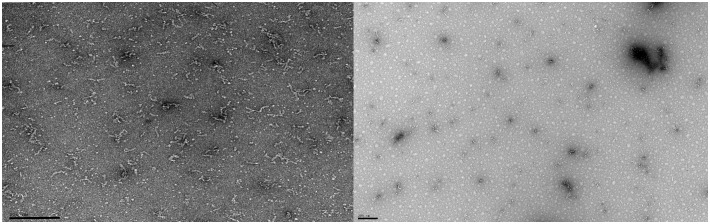
“The scale bar corresponds to 200 nm. aggregates (Feng et al., 2009; Mishra et al., 2009; Pasinetti et al., 2015).”
BackgroundThe therapeutic potential of resveratrol: a review of clinical trials
Berman, A. Y., Motechin, R. A., Wiesenfeld, M. Y., & Holz, M. K. (2017) · npj Precision Oncology · doi:10.1038/s41698-017-0038-6 · Cited by 931
Expanding insights of mitochondrial dysfunction in Parkinson's disease
Abou-Sleiman, P. M., Muqit, M. M. K., & Wood, N. W. (2006) · Nature Reviews Neuroscience · doi:10.1038/nrn1868 · Cited by 869 · cited 1×
“Also heredity and environmental factors, calcium overload, immune abnormalities and various neurotoxins could be responsible for the loss of neurons (Abou-Sleiman et al., 2006).”
BackgroundAlam, Z. I., Jenner, A., Daniel, S. E., Lees, A. J., Cairns, N., Marsden, C. D., Jenner, P., & Halliwell, B. (1997) · Journal of Neurochemistry · doi:10.1046/j.1471-4159.1997.69031196.x · Cited by 845 · cited 1×
“Post-mortem brain studies genetic analysis in humans showed similar results (Alam et al., 1997; Floor and Wetzel, 1998).”
ResultLRP/Amyloid β-Peptide Interaction Mediates Differential Brain Efflux of Aβ Isoforms
Deane, R., Wu, Z., Sagare, A., Davis, J., Du Yan, S., Hamm, K., Xu, F., Parisi, M., LaRue, B., Hu, H. W., et al. (2004) · Neuron · doi:10.1016/j.neuron.2004.07.017 · Cited by 828
Mitochondrial biology and oxidative stress in Parkinson disease pathogenesis
Henchcliffe, C., & Beal, M. F. (2008) · Nature Clinical Practice Neurology · doi:10.1038/ncpneuro0924 · Cited by 798
Inflammatory processes in Alzheimer's disease
Heneka, M. T., & O'Banion, M. K. (2007) · Journal of Neuroimmunology · doi:10.1016/j.jneuroim.2006.11.017 · Cited by 782
Resveratrol Promotes Clearance of Alzheimer's Disease Amyloid-β Peptides
Marambaud, P., Zhao, H., & Davies, P. J. (2005) · Journal of Biological Chemistry · doi:10.1074/jbc.m508246200 · Cited by 766 · cited 3×
“Also, an in vitro experiment showed that RES reduced the Aβ secretion and Aβ fibrils accumulation (Marambaud et al., 2005).”
BackgroundTransport of drugs across the blood–brain barrier by nanoparticles.
Wohlfart, S., Gelperina, S., & Kreuter, J. (2012) · Journal of Controlled Release · doi:10.1016/j.jconrel.2011.08.017 · Cited by 715
Resveratrol regulates neuro-inflammation and induces adaptive immunity in Alzheimer’s disease
Moussa, C., Hebron, M. L., Huang, X., Ahn, J., Rissman, R. A., Aisen, P. S. S., & Turner, R. S. (2017) · Journal of Neuroinflammation · doi:10.1186/s12974-016-0779-0 · Cited by 712 · cited 1×
“Tamagno et al. (2002) concluded that ROS production promotes the activation of β-secretase, stimulating the Aβ production (Murakami et al., 2005).”
BackgroundResveratrol as an anti-cancer agent: A review
Rauf, A., Imran, M., Butt, M. S., Nadeem, M., Peters, D. G., & Mubarak, M. S. (2016) · Critical Reviews in Food Science and Nutrition · doi:10.1080/10408398.2016.1263597 · Cited by 684
Vingtdeux, V., Giliberto, L., Zhao, H., Chandakkar, P., Wu, Q., Simon, J. E., Janle, E. M., Lobo, J., Ferruzzi, M. G., Davies, P. J., et al. (2010) · Journal of Biological Chemistry · doi:10.1074/jbc.m109.060061 · Cited by 654 · cited 2×
“RES stimulated the AMPK activation (Vingtdeux et al., 2010; Porquet et al., 2013), which leads to the decrease of Aβ levels and extracellular Aβ accumulation (Vingtdeux et al., 2010).”
BackgroundAdministration of resveratrol: What formulation solutions to bioavailability limitations?
Amri, A., Chaumeil, J. C., Sfar, S., & Charrueau, C. (2011) · Journal of Controlled Release · doi:10.1016/j.jconrel.2011.09.083 · Cited by 647 · cited 1×
“Nanoencapsulation will also allow decreasing RES toxicity in healthy tissues (Amri et al., 2012; Arora and Jaglan, 2017).”
BackgroundWilcock, G. K., & Esiri, M. M. (1982) · Journal of the Neurological Sciences · doi:10.1016/0022-510x(82)90155-1 · Cited by 608
Looking at the blood–brain barrier: Molecular anatomy and possible investigation approaches
Cardoso, F. L., Brites, D. M. T. O., & Brito, M. A. (2010) · Brain Research Reviews · doi:10.1016/j.brainresrev.2010.05.003 · Cited by 604
Current and future strategies for treatment of glioma
Bush, N. A. O., Chang, S. M., & Berger, M. S. (2016) · Neurosurgical Review · doi:10.1007/s10143-016-0709-8 · Cited by 594
Tansey, M. G., McCoy, M. K., & Frank-Cannon, T. C. (2007) · Experimental Neurology · doi:10.1016/j.expneurol.2007.07.004 · Cited by 587
Anandatheerthavarada, H. K., Biswas, G., Robin, M.-A., & Avadhani, N. G. (2003) · The Journal of Cell Biology · doi:10.1083/jcb.200207030 · Cited by 571 · cited 1×
“In addition, Aβ-mitochondrial interactions induce oxidative stress and mitochondrial damages (Anandatheerthavarada et al., 2003).”
BackgroundNeuropathologic changes in Alzheimer's disease.
Wenk, G. L. (2003) · PubMed · Cited by 554
Linking Aβ and Tau in Late-Onset Alzheimer's Disease: A Dual Pathway Hypothesis
Small, S. A., & Duff, K. (2008) · Neuron · doi:10.1016/j.neuron.2008.11.007 · Cited by 546 · cited 1×
“The amyloid cascade hypothesis proposes that high levels of Aβ induces modifications in tau protein with consequent formation of NFTs, which causes the loss of synapses and neurons in areas related with cognitive functions such as memory (Gotz et al., 2004; Small and Duff, 2008).”
BackgroundSynaptic degeneration in Alzheimer's disease
Arendt, T. (2009) · Acta Neuropathologica · doi:10.1007/s00401-009-0536-x · Cited by 517 · cited 1×
“However, in recent years studies have revealed that Aβ oligomers can be more toxic than mature fibrils by inducing synaptic dysfunction, playing a key role in the development of the disease (Walsh and Selkoe, 2007; Arendt, 2009; Ballard et al., 2011).”
BackgroundOxidative stress and inflammation in Parkinson's disease: is there a causal link?
Hald, A., & Lotharius, J. (2005) · Experimental Neurology · doi:10.1016/j.expneurol.2005.01.013 · Cited by 510
Nanoparticles for Brain Drug Delivery
Masserini, M. (2013) · ISRN Biochemistry · doi:10.1155/2013/238428 · Cited by 507
Karuppagounder, S. S., Pinto, J. T., Xu, H., Chen, H., Beal, M. F., & Gibson, G. E. (2008) · Neurochemistry International · doi:10.1016/j.neuint.2008.10.008 · Cited by 495
Mitochondrial dysfunction and oxidative stress in Parkinson's disease and monogenic parkinsonism
Hauser, D. N., & Hastings, T. G. (2012) · Neurobiology of Disease · doi:10.1016/j.nbd.2012.10.011 · Cited by 487
Rotenone destroys dopaminergic neurons and induces parkinsonian symptoms in rats
Alam, M., & Schmidt, W. (2002) · Behavioural Brain Research · doi:10.1016/s0166-4328(02)00180-8 · Cited by 475 · cited 1×
“This molecule is able to cross the BBB and causes neurotoxicity by mitochondrial complex-I inhibition (Alam and Schmidt, 2002; Bueler, 2009).”
BackgroundThe blood-brain and blood-tumor barriers: A review of strategies for increasing drug delivery
Groothuis, D. R. (2000) · Neuro-Oncology · doi:10.1093/neuonc/2.1.45 · Cited by 463 · cited 2×
“…cells that block the path of over 98% of small-molecule drugs and 100% of large-molecule (>500 Da) (Cardoso et al., 2010), protecting the brain microenvironment from toxic substances present in the bloodstream, but allowing the transport of nutrients (Groothuis, 2000; Liebner et al., 2011).”
BackgroundOvercoming acquired resistance to anticancer therapy: focus on the PI3K/AKT/mTOR pathway
Burris, H. A. (2013) · Cancer Chemotherapy and Pharmacology · doi:10.1007/s00280-012-2043-3 · Cited by 454 · cited 1×
“The PI3K/Akt/mTOR pathway is overactive in glioma tumors, resulting in reduced apoptosis and increased tumor proliferation, being frequently implicated in resistance to anticancer therapy (Burris, 2013).”
BackgroundFloor, E., & Wetzel, M. G. (1998) · Journal of Neurochemistry · doi:10.1046/j.1471-4159.1998.70010268.x · Cited by 452
Clearance of Alzheimer's Aβ Peptide
Tanzi, R. E., Moir, R. D., & Wagner, S. L. (2004) · Neuron · doi:10.1016/j.neuron.2004.08.024 · Cited by 446 · cited 1×
“It is caused by the augmented mitochondrial dysfunction and oxidative stress that might occur due to the selective inhibition of complex I action (Hu et al., 2010; Tapias et al., 2014).”
BackgroundCapiralla, H., Vingtdeux, V., Zhao, H., Sankowski, R., Al‐Abed, Y., Davies, P., & Marambaud, P. (2012) · Journal of Neurochemistry · doi:10.1111/j.1471-4159.2011.07594.x · Cited by 426 · cited 3×
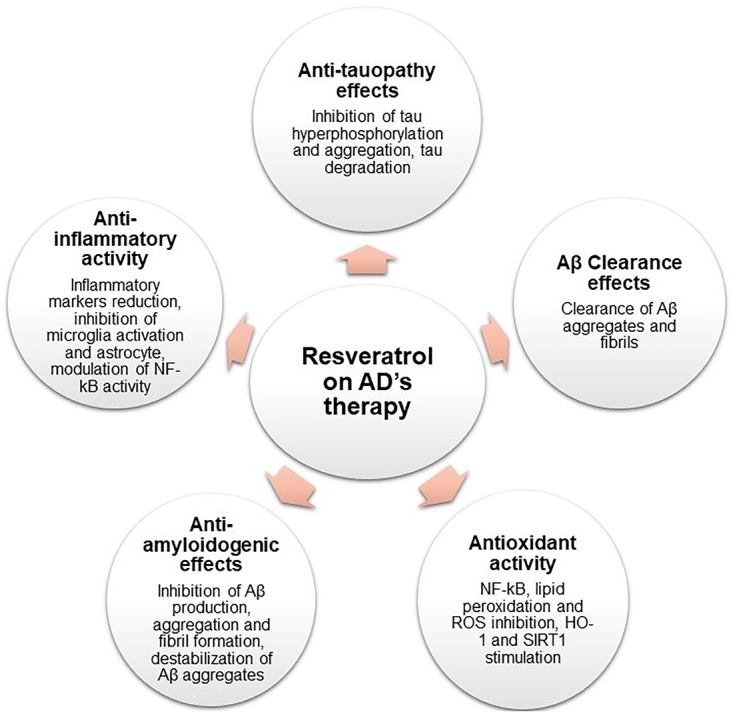
“…works demonstrated that RES inhibited the activation of microglia (Zhang et al., 2010; Capiralla et al., 2012) and astrocyte (Scuderi et al., 2014), modulating the NF-κB activity (Zhao et al., 2015; Sathya et al., 2017) and inhibiting the TLR4/NF-κB/STAT signaling cascade (Capiralla et al., 2012).”
BackgroundNeuroprotective action of resveratrol
Bastianetto, S., Ménard, C., & Quirion, R. (2014) · Biochimica et Biophysica Acta (BBA) - Molecular Basis of Disease · doi:10.1016/j.bbadis.2014.09.011 · Cited by 423
Anticancer Molecular Mechanisms of Resveratrol
Varoni, E. M., Faro, A. F. L., Sharifi‐Rad, J., & Iriti, M. (2016) · Frontiers in Nutrition · doi:10.3389/fnut.2016.00008 · Cited by 402
MMP ‐9 in translation: from molecule to brain physiology, pathology, and therapy
Vafadari, B., Salamian, A., & Kaczmarek, L. (2015) · Journal of Neurochemistry · doi:10.1111/jnc.13415 · Cited by 393
Protective effect of resveratrol on β-amyloid-induced oxidative PC12 cell death
Jang, J.-H. (2003) · Free Radical Biology and Medicine · doi:10.1016/s0891-5849(03)00062-5 · Cited by 391 · cited 2×
“Some authors observed that RES has protective activity in PC12 cells through the prevention of NF-κB activation, inhibiting the apoptosis (Jang and Surh, 2003; Seo et al., 2018).”
BackgroundOxidative stress increases expression and activity of BACE in NT2 neurons
Tamagno, E., Bardini, P., Obbili, A., Vitali, A., Borghi, R., Zaccheo, D., Pronzato, M. A., Danni, O., Smith, M. A., Perry, G., et al. (2002) · Neurobiology of Disease · doi:10.1006/nbdi.2002.0515 · Cited by 385 · cited 1×
“Tamagno et al. (2002) concluded that ROS production promotes the activation of β-secretase, stimulating the Aβ production (Murakami et al., 2005).”
BackgroundNeuroprotective effect of resveratrol on 6-OHDA-induced Parkinson's disease in rats
Jin, F. J., Wu, Q., Lu, Y., Gong, Q., & Shi, J. (2008) · European Journal of Pharmacology · doi:10.1016/j.ejphar.2008.10.005 · Cited by 384
Levodopa in the treatment of Parkinson's disease: Current controversies
Olanow, C. W., Agid, Y., Mizuno, Y., Albanese, A., Bonucelli, U., Damier, P., De Yebenes, J., Gershanik, O., Guttman, M., Grandas, F., et al. (2004) · Movement Disorders · doi:10.1002/mds.20243 · Cited by 370
Neuroprotective effects of hydrogen sulfide on Parkinson’s disease rat models
Hu, L., Lu, M., Tiong, C. X., Dawe, G. S., Hu, G., & Bian, J. (2010) · Aging Cell · doi:10.1111/j.1474-9726.2009.00543.x · Cited by 365
Therapeutic approaches to Alzheimer's disease
Klafki, H., Staufenbiel, M., Kornhuber, J., & Wiltfang, J. (2006) · Brain · doi:10.1093/brain/awl280 · Cited by 362
Insights into Direct Nose to Brain Delivery: Current Status and Future Perspective
Mittal, D., Ali, A., Md, S., Baboota, S., Sahni, J. K., & Ali, J. (2014) · Drug Delivery · doi:10.3109/10717544.2013.838713 · Cited by 359 · cited 1×
“This molecule increases the expression of some antioxidant enzymes in the brain of healthful animals and presents an excellent antioxidant effect (Mokni et al., 2007).”
BackgroundResveratrol—A boon for treating Alzheimer's disease?
Anekonda, T. S. (2006) · Brain Research Reviews · doi:10.1016/j.brainresrev.2006.04.004 · Cited by 343 · cited 1×
“Thus, creating a vicious cycle, where ROS promote Aβ production, which in turn, promotes ROS production (Anekonda, 2006; Li et al., 2012).”
BackgroundLoureiro, J. A., Andrade, S., Duarte, A., Neves, A. R., Queiroz, J. F., Nunes, C., Sevin, E., Fénart, L., Gosselet, F., Coelho, M. A. N., et al. (2017) · Molecules · doi:10.3390/molecules22020277 · Cited by 342 · cited 2×
“Evidences showed that RES delays or even inhibits the Aβ aggregation (Feng et al., 2009; Andrade et al., 2015; Loureiro et al., 2017).”
BackgroundPathogenesis of Parkinson's disease
Hirsch, E. C., Jenner, P., & Przedborski, S. (2013) · Movement Disorders · doi:10.1002/mds.25032 · Cited by 336
Impaired mitochondrial dynamics and function in the pathogenesis of Parkinson's disease
Büeler, H. (2009) · Experimental Neurology · doi:10.1016/j.expneurol.2009.03.006 · Cited by 332 · cited 1×
“This molecule is able to cross the BBB and causes neurotoxicity by mitochondrial complex-I inhibition (Alam and Schmidt, 2002; Bueler, 2009).”
BackgroundResveratrol nanoformulations: Challenges and opportunities
Summerlin, N., Soo, E., Thakur, S. S., Qu, Z., Jambhrunkar, S., & Popat, A. (2015) · International Journal of Pharmaceutics · doi:10.1016/j.ijpharm.2015.01.003 · Cited by 319
Neves, A. R., Lúcio, M., Lima, J. L. F. C., & Reis, S. (2012) · Current Medicinal Chemistry · doi:10.2174/092986712799945085 · Cited by 315
Ladiwala, A. R. A., Lin, J. C., Bale, S. S., Marcelino, A. M. C., Bhattacharya, M., Dordick, J. S., & Tessier, P. M. (2010) · Journal of Biological Chemistry · doi:10.1074/jbc.m110.133108 · Cited by 306 · cited 2×
“Also, RES converted toxic species such as oligomers, protofibrils, and fibrils into non-toxic aggregated (Ladiwala et al., 2010; Rushworth et al., 2013).”
BackgroundResveratrol inhibits beta-amyloid oligomeric cytotoxicity but does not prevent oligomer formation
Feng, Y. N., Wang, X., Yang, S., Wang, Y., Zhang, X., Du, X., Sun, X., Zhao, M., Huang, L., & Liu, R. (2009) · NeuroToxicology · doi:10.1016/j.neuro.2009.08.013 · Cited by 306
Novel pharmacological targets for the treatment of Parkinson's disease
Schapira, A. H. V., Bézard, E., Brotchie, J. M., Calon, F., Collingridge, G. L., Ferger, B., Hengerer, B., Hirsch, É. C., Jenner, P. G., Novère, N. G. L., et al. (2006) · Nature Reviews Drug Discovery · doi:10.1038/nrd2087 · Cited by 303
Blood Brain Barrier: A Challenge for Effectual Therapy of Brain Tumors
Bhowmik, A., Khan, R., & Ghosh, M. K. (2015) · BioMed Research International · doi:10.1155/2015/320941 · Cited by 303
Bastianetto, S., Zheng, W., & Quirion, R. (2000) · British Journal of Pharmacology · doi:10.1038/sj.bjp.0703626 · Cited by 302
Transferrin-targeted, resveratrol-loaded liposomes for the treatment of glioblastoma
Jhaveri, A. M., Deshpande, P. P., Pattni, B. S., & Torchilin, V. P. (2018) · Journal of Controlled Release · doi:10.1016/j.jconrel.2018.03.006 · Cited by 298
Vingtdeux, V., Davies, P., Dickson, D. W., & Marambaud, P. (2010) · Acta Neuropathologica · doi:10.1007/s00401-010-0759-x · Cited by 297
Are mitochondria critical in the pathogenesis of Alzheimer's disease?
Reddy, P. H., & Beal, M. F. (2005) · Brain Research Reviews · doi:10.1016/j.brainresrev.2005.03.004 · Cited by 294
RAGE-mediated signaling contributes to intraneuronal transport of amyloid-β and neuronal dysfunction
Takuma, K., Fang, F., Zhang, W., Yan, S., Fukuzaki, E., Du, H., Sosunov, A., McKhann, G., Funatsu, Y., Nakamichi, N., et al. (2009) · Proceedings of the National Academy of Sciences · doi:10.1073/pnas.0905686106 · Cited by 290 · cited 1×
“RAGE is a receptor of the immunoglobulin super family that is found in BBB and that is responsible for the Aβ transport, from the blood to the brain, leading to mitochondrial dysfunction (Takuma et al., 2009).”
BackgroundNano carriers for drug transport across the blood–brain barrier
Li, X., Tsibouklis, J., Weng, T., Zhang, B., Yin, G., Feng, G., Cui, Y., Savina, I. N., Mikhalovska, L. I., Sandeman, S. R., et al. (2016) · Journal of drug targeting · doi:10.1080/1061186x.2016.1184272 · Cited by 289 · cited 1×
“The modifications strategies can be based on attaching to the nanomaterial surface different moieties that improve the recognition of the nanoparticle (NP) by the BBB receptors (Loureiro et al., 2015b, 2016; Li et al., 2017).”
BackgroundA comprehensive review of the health perspectives of resveratrol
Rauf, A., Imran, M., Suleria, H. A. R., Ahmad, B., Peters, D. G., & Mubarak, M. S. (2017) · Food & Function · doi:10.1039/c7fo01300k · Cited by 286
Nanoparticle Technology for Delivery of Drugs Across the Blood–Brain Barrier
Schröeder, U., Sommerfeld, P., Ulrich, S., & Sabel, B. A. (1998) · Journal of Pharmaceutical Sciences · doi:10.1021/js980084y · Cited by 275
The Sirtuin family: therapeutic targets to treat diseases of aging
Milne, J. C., & Denu, J. M. (2008) · Current Opinion in Chemical Biology · doi:10.1016/j.cbpa.2008.01.019 · Cited by 274
Dietary resveratrol prevents Alzheimer’s markers and increases life span in SAMP8
Porquet, D., Casadesús, G., Bayod, S., Vicente, A., Canudas, A. M., Vilaplana, J., Pelegrı́, C., Sanfeliu, C., Camins, A., Pallàs, M., et al. (2012) · AGE · doi:10.1007/s11357-012-9489-4 · Cited by 272 · cited 2×
“RES stimulated the AMPK activation (Vingtdeux et al., 2010; Porquet et al., 2013), which leads to the decrease of Aβ levels and extracellular Aβ accumulation (Vingtdeux et al., 2010).”
BackgroundChen, M., Yi, L., Jin, X., Liang, X., Zhou, Y. G., Zhang, T., Xie, Q., Zhou, X., Chang, H., Fu, Y., et al. (2013) · Autophagy · doi:10.4161/auto.26336 · Cited by 269
Phytochemicals as inhibitors of NF-κB for treatment of Alzheimer’s disease
Seo, E.-J., Fischer, N., & Efferth, T. (2018) · Pharmacological Research · doi:10.1016/j.phrs.2017.11.030 · Cited by 265 · cited 1×
“Some authors observed that RES has protective activity in PC12 cells through the prevention of NF-κB activation, inhibiting the apoptosis (Jang and Surh, 2003; Seo et al., 2018).”
BackgroundNeurobiology and treatment of Parkinson's disease
Schapira, A. H. V. (2008) · Trends in Pharmacological Sciences · doi:10.1016/j.tips.2008.10.005 · Cited by 263 · cited 1×
“After AD, PD is the most common neurodegenerative disorder that causes motor impairment on the middle-aged or elderly population (Schapira, 2009).”
BackgroundAlbani, D., Polito, L., Batelli, S., Mauro, S. D., Fracasso, C., Martelli, G., Colombo, L., Manzoni, C., Salmona, M., Caccia, S., et al. (2009) · Journal of Neurochemistry · doi:10.1111/j.1471-4159.2009.06228.x · Cited by 263 · cited 1×
“An in vitro study suggested that RES protected SK-N-BE cells against the oxidative stress and toxicity produced by Aβ, through the SIRT1 activation that inhibited the hydrogen peroxide production (Albani et al., 2009).”
BackgroundNeurovascular Dysfunction and Faulty Amyloid -Peptide Clearance in Alzheimer Disease
Sagare, A. P., Bell, R. D., & Zlokovic, B. V. (2012) · Cold Spring Harbor Perspectives in Medicine · doi:10.1101/cshperspect.a011452 · Cited by 251 · cited 1×
“Some causes are pointed for the deficient Aβ elimination including the increase of aggregation and difficulty to remove Aβ through the BBB (Mawuenyega et al., 2010; Sagare et al., 2012).”
BackgroundNeuroprotective effects of resveratrol in Alzheimer disease pathology
Rege, S. D., Geetha, T., Griffin, G. D., Broderick, T. L., & Babu, J. R. (2014) · Frontiers in Aging Neuroscience · doi:10.3389/fnagi.2014.00218 · Cited by 250
Bates, K. A., Verdile, G., Li, Q.-X., Ames, D., Hudson, P., Masters, C. L., & Martins, R. N. (2009) · Molecular Psychiatry · doi:10.1038/mp.2008.96 · Cited by 247 · cited 1×
“The augmented levels of Aβ peptide found in the brain are a consequence of the overproduction and/or the reduced clearance of Aβ (Bates et al., 2009).”
BackgroundPasinetti, G. M., Wang, J., Ho, L., Zhao, W., & Dubner, L. (2014) · Biochimica et Biophysica Acta (BBA) - Molecular Basis of Disease · doi:10.1016/j.bbadis.2014.10.006 · Cited by 244
Current concepts of blood-brain barrier development
Liebner, S., Czupalla, C. J., & Wolburg, H. (2011) · The International Journal of Developmental Biology · doi:10.1387/ijdb.103224sl · Cited by 244
Neves, A. R., Queiroz, J. F., & Reis, S. (2016) · Journal of Nanobiotechnology · doi:10.1186/s12951-016-0177-x · Cited by 244 · cited 1×
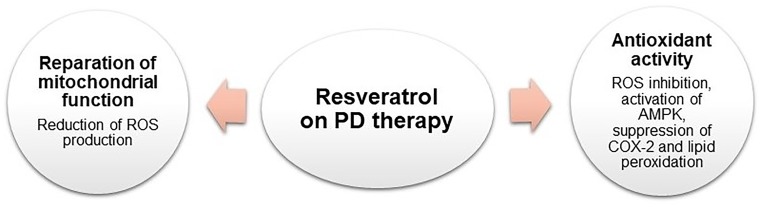
“Similar to the case of AD, RES acts mainly by inhibiting ROS produced by hippocampal cells to reduce cell death, by activating AMPK (Bastianetto et al., 2000; Virgili and Contestabile, 2000; Nicolini et al., 2001; Lee et al., 2007).”
BackgroundJose, S., Anju, S. S., Cinu, T. A., Aleykutty, N., Thomas, S., & Souto, E. B. (2014) · International Journal of Pharmaceutics · doi:10.1016/j.ijpharm.2014.08.003 · Cited by 241
Virgili, M., & Contestabile, A. (2000) · Neuroscience Letters · doi:10.1016/s0304-3940(00)00820-x · Cited by 234
Resveratrol, A Neuroprotective Supplement for Alzheimer's Disease
Li, F., Gong, Q., Dong, H., & Shi, J. (2012) · Current Pharmaceutical Design · doi:10.2174/138161212798919075 · Cited by 231
Therapeutic potential of resveratrol in Alzheimer's disease
Vingtdeux, V., Dreses‐Werringloer, U., Zhao, H., Davies, P. J., & Marambaud, P. (2008) · BMC Neuroscience · doi:10.1186/1471-2202-9-s2-s6 · Cited by 230
Small-Molecule Allosteric Activators of Sirtuins
Sinclair, D. A., & Guarente, L. (2011) · The Annual Review of Pharmacology and Toxicology · doi:10.1146/annurev-pharmtox-010611-134657 · Cited by 226
Lin, C., Lee, C.-C., Shih, Y., Lin, T.-Y., Wang, S.-H., Lin, Y., & Shih, C.-M. (2011) · Free Radical Biology and Medicine · doi:10.1016/j.freeradbiomed.2011.10.487 · Cited by 225 · cited 1×
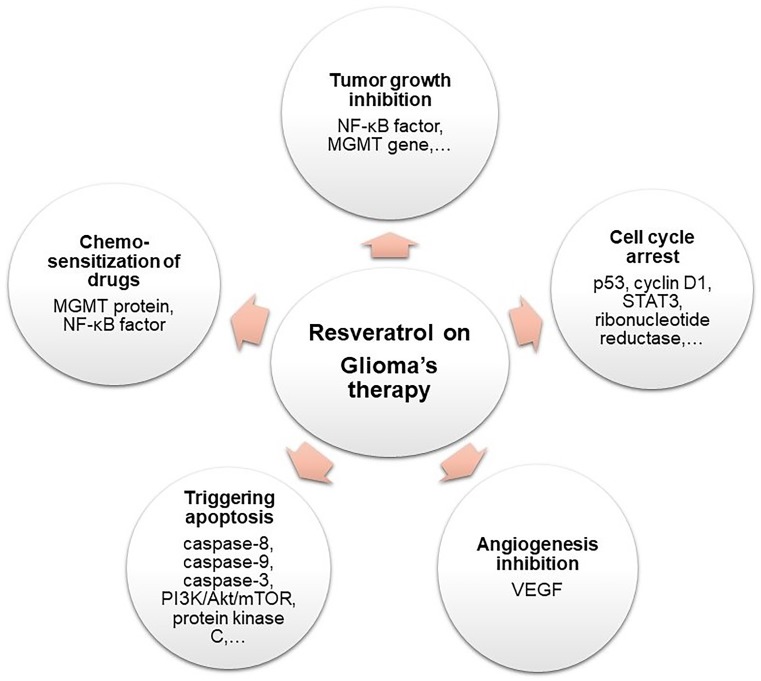
“Several other authors showed that RES enhanced chemosensitization of glioma cells to temozolomide activity, by altering multiple signaling pathways and promoting apoptosis (Lin et al., 2012; Yuan et al., 2012; Li et al., 2016) and cell cycle arrest (Filippi-Chiela et al.”
BackgroundHuang, T.-C., Lu, K., Wo, Y.-Y. P., Wu, Y.-J., & Yang, Y.-L. (2011) · PLoS ONE · doi:10.1371/journal.pone.0029102 · Cited by 223 · cited 1×
“Among these molecules are ROS, interleukins, nitric oxide (Kim et al., 2006; Huang et al., 2011), monocyte chemoattractant protein-1 and prostaglandin E2 (Kim et al., 2006).”
BackgroundResveratrol Suppresses the Angiogenesis and Tumor Growth of Gliomas in Rats
Tseng, S.-H., Lin, S.-M., Chen, J.-C., Su, Y., Huang, H., Chen, C.-K., Lin, P.-Y., & Chen, Y. (2004) · Clinical Cancer Research · doi:10.1158/1078-0432.ccr-03-0105 · Cited by 217
Tau oligomers and aggregation in Alzheimer’s disease
Meraz‐Ríos, M. A., León, K. I. L.-D., Campos‐Peña, V., Anda-Hernández, M. A. D., & Mena‐López, R. (2009) · Journal of Neurochemistry · doi:10.1111/j.1471-4159.2009.06511.x · Cited by 216
Effect of Resveratrol on Antioxidant Enzyme Activities in the Brain of Healthy Rat
Mokni, M., Elkahoui, S., Limam, F., Amri, M., & Aouani, E. (2007) · Neurochemical Research · doi:10.1007/s11064-006-9255-z · Cited by 215 · cited 3×
“Several studies described RES as a strong anti-inflammatory molecule (Chen et al., 2013; Moussa et al., 2017).”
BackgroundWang, H., Jiang, T., Li, W., Gao, N., & Zhang, T. (2017) · Toxicology Letters · doi:10.1016/j.toxlet.2017.10.021 · Cited by 214
Chemistry, Stability and Bioavailability of Resveratrol
Francioso, A., Mastromarino, P., Masci, A., D’Erme, M., & Mosca, L. (2014) · Medicinal Chemistry · doi:10.2174/15734064113096660053 · Cited by 208
Tau protein, the paired helical filament and Alzheimer's disease
Goedert, M., Klug, A., & Crowther, R. A. (2006) · Journal of Alzheimer s Disease · doi:10.3233/jad-2006-9s323 · Cited by 205
Alzheimer's disease drug development and the problem of the blood‐brain barrier
Pardridge, W. M. (2009) · Alzheimer s & Dementia · doi:10.1016/j.jalz.2009.06.003 · Cited by 203 · cited 1×
“Thus, BBB hinders the development of novel therapies for brain disorders (Pardridge, 2009; Loureiro et al., 2014b; Bhowmik et al., 2015).”
BackgroundResveratrol-loaded polymeric micelles protect cells from Aβ-induced oxidative stress
Lu, X., Ji, C., Xu, H., Li, X., Ding, H., Ye, M., Zhu, Z., Ding, D., Jiang, X., Ding, X., et al. (2009) · International Journal of Pharmaceutics · doi:10.1016/j.ijpharm.2009.03.021 · Cited by 193 · cited 2×
“Therefore, this nanosystem seems to have a great potential as therapeutic method to treat AD (Lu et al., 2009).”
BackgroundPangeni, R., Sharma, S., Mustafa, G., Ali, J., & Baboota, S. (2014) · Nanotechnology · doi:10.1088/0957-4484/25/48/485102 · Cited by 192
Zhang, F., Shi, J., Zhou, H., Wilson, B. C., Hong, J., & Gao, H. (2010) · Molecular Pharmacology · doi:10.1124/mol.110.064535 · Cited by 190 · cited 3×
“Numerous in vitro and in vivo works demonstrated that RES inhibited the activation of microglia (Zhang et al., 2010; Capiralla et al., 2012) and astrocyte (Scuderi et al., 2014), modulating the NF-κB activity (Zhao et al., 2015; Sathya et al., 2017) and inhibiting the TLR4/NF-κB/STAT signaling…”
BackgroundResveratrol differentially modulates inflammatory responses of microglia and astrocytes
Lu, X., Ma, L., Ruan, L., Kong, Y., Mou, H., Zhang, Z., Wang, Z., Wang, J., & Le, Y. (2010) · Journal of Neuroinflammation · doi:10.1186/1742-2094-7-46 · Cited by 189 · cited 2×
“Numerous studies showed that RES inhibited the secretion and activity of several cytokines and molecules with inflammatory activity (Lu et al., 2010; Zhang et al., 2010).”
BackgroundRed Wine Ingredient Resveratrol Protects from β-Amyloid Neurotoxicity
Savaskan, E., Olivieri, G., Meier, F., Seifritz, E., Wirz‐Justice, A., & Müller-Spahn, F. (2003) · Gerontology · doi:10.1159/000073766 · Cited by 188
Loureiro, J. A., Gomes, B., Fricker, G., Coelho, M. A. N., Rocha, S., & Pereira, M. D. C. (2016) · Colloids and Surfaces B Biointerfaces · doi:10.1016/j.colsurfb.2016.04.041 · Cited by 185
Resveratrol and Alzheimer’s Disease: Mechanistic Insights
Ahmed, T., Javed, S., Javed, S., Tariq, A., Šamec, D., Tejada, S., Nabavi, S. F., Braidy, N., & Nabavi, S. M. (2016) · Molecular Neurobiology · doi:10.1007/s12035-016-9839-9 · Cited by 183 · cited 3×
“, 2012), which in turn favors the connection between nuclear factor kappa B (NFκB) and specific regions of DNA, that promotes cell and tissue injuries leading to cell death (Draczynska-Lusiak et al., 1998; Ahmed et al., 2017).”
BackgroundFilippi‐Chiela, E. C., Villodre, E. S., Zamin, L. L., & Lenz, G. (2011) · PLoS ONE · doi:10.1371/journal.pone.0020849 · Cited by 181
Neuroprotective Role of Trans-Resveratrol in a Murine Model of Familial Alzheimer's Disease
Porquet, D., Griñán‐Ferré, C., Ferrer, I., Camins, A., Sanfeliu, C., del Valle, J., & Pallàs, M. (2014) · Journal of Alzheimer s Disease · doi:10.3233/jad-140444 · Cited by 180
Resveratrol: A Focus on Several Neurodegenerative Diseases
Tellone, E., Galtieri, A., Russo, A., Giardina, B., & Ficarra, S. (2015) · Oxidative Medicine and Cellular Longevity · doi:10.1155/2015/392169 · Cited by 177
Shao, J., Li, X., Lu, X., Chen, J., Hu, Y., Li, Q., You, Y., & Fu, Z. (2009) · Colloids and Surfaces B Biointerfaces · doi:10.1016/j.colsurfb.2009.03.010 · Cited by 173 · cited 1×
“Recent studies show that RES can promote caspase3 activation by inhibiting the PI3K/Akt/mTOR intracellular signaling pathway in glioma cells (Jiang et al., 2009a,b).”
BackgroundFrozza, R. L., Bernardi, A., Paese, K., Hoppe, J. B., da Silva, T., Battastini, A. M. O., Pohlmann, A. R., Guterres, S. S., & Salbego, C. G. (2010) · Journal of Biomedical Nanotechnology · doi:10.1166/jbn.2010.1161 · Cited by 172
The blood-brain and blood-tumor barriers: A review of strategies for increasing drug delivery
Groothuis, D. R. (2000) · Neuro-Oncology · doi:10.1215/s1522851799000307 · Cited by 168
Oxidative Stress and Microglial Cells in Parkinson's Disease
Peterson, L. J., & Flood, P. M. (2012) · Mediators of Inflammation · doi:10.1155/2012/401264 · Cited by 167
Frozza, R. L., Bernardi, A., Hoppe, J. B., Meneghetti, A. B., Matté, A., Battastini, A. M. O., Pohlmann, A. R., Guterres, S. S., & Salbego, C. (2013) · Molecular Neurobiology · doi:10.1007/s12035-013-8401-2 · Cited by 165
Li, X., Zhao, Y. L., Sun, M., Shi, J., Ju, R.-J., Zhang, C.-X., Li, X., Zhao, W., Mu, L.-M., Zeng, F., et al. (2014) · Biomaterials · doi:10.1016/j.biomaterials.2014.03.049 · Cited by 163 · cited 1×
“in the last decade for glioma tumors’ therapy with several different drugs and nanomaterials (Li et al., 2014; Householder et al., 2015; Yao et al., 2015; Ramalho et al., 2018b).”
BackgroundVenlafaxine loaded chitosan NPs for brain targeting: Pharmacokinetic and pharmacodynamic evaluation
Haque, S., Md, S., Fazil, M., Kumar, M., Sahni, J. K., Ali, J., & Baboota, S. (2012) · Carbohydrate Polymers · doi:10.1016/j.carbpol.2012.02.051 · Cited by 161
Murakami, K., Irie, K., Ohigashi, H., Hara, H., Nagao, M., Shimizu, T., & Shirasawa, T. (2005) · Journal of the American Chemical Society · doi:10.1021/ja054041c · Cited by 161 · cited 1×
“RES also inhibits the ribonucleotide reductase required for the DNA synthesis at the S-phase of the cell cycle, resulting in the cell cycle arrest (Neves et al., 2012).”
BackgroundFeng, X., Liang, N., Zhu, D., Gao, Q., Peng, L., Dong, H., Yue, Q., Liu, H., Bao, L., Zhang, J., et al. (2013) · PLoS ONE · doi:10.1371/journal.pone.0059888 · Cited by 160 · cited 2×
“…of binding to the N-terminal of SIRT1 increasing their activity (Milne and Denu, 2008; Feng et al., 2013), decreasing Aβ accumulation (Kim et al., 2007; Feng et al., 2013), protecting against neurotoxicity (Porquet et al., 2013) and cell death (Sinclair and Guarente, 2014; Sathya et al., 2017).”
BackgroundHao, J., Zhao, J., Zhang, S., Tong, T., Zhuang, Q., Jin, K., Chen, W., & Tang, H. (2016) · Colloids and Surfaces B Biointerfaces · doi:10.1016/j.colsurfb.2016.08.011 · Cited by 160
Rushworth, J. V., Jarosz-Griffiths, H., Watt, N. T., & Hooper, N. M. (2013) · Journal of Biological Chemistry · doi:10.1074/jbc.m112.400358 · Cited by 157 · cited 1×
“Also, RES converted toxic species such as oligomers, protofibrils, and fibrils into non-toxic aggregated (Ladiwala et al., 2010; Rushworth et al., 2013).”
BackgroundResveratrol downregulates PI3K/Akt/mTOR signaling pathways in human U251 glioma cells.
Jiang, H., Shang, X., Wu, H., Gautam, S. C., Al‐Holou, S. N., Li, C., Kuo, J., Zhang, L., & Chopp, M. (2009) · PubMed · Cited by 154
Shen, Y., Cao, B., Snyder, N. R., Woeppel, K. M., Eles, J. R., & Cui, X. T. (2018) · Journal of Nanobiotechnology · doi:10.1186/s12951-018-0340-7 · Cited by 152
Kumar, A., Naidu, P. S., Seghal, N., & Padi, S. S. V. (2006) · Pharmacology · doi:10.1159/000097511 · Cited by 147
Yang, Y., Chang, Y., Huang, P., Chiou, G., Tseng, L., Chiou, S., Chen, M., Chen, M., Shih, Y., Chang, C., et al. (2011) · Journal of Cellular Physiology · doi:10.1002/jcp.22806 · Cited by 147
Resveratrol as a Therapeutic Agent for Alzheimer’s Disease
Ma, T., Tan, M., Yu, J., & Tan, L. (2014) · BioMed Research International · doi:10.1155/2014/350516 · Cited by 147 · cited 1×
“, 2007), which promote the Aβ production (Ma et al., 2014), leading to neuroinflammation and even cell death (Liu and Hong, 2003).”
BackgroundGötz, J., Schild, A., Hoerndli, F. J., & Pennanen, L. (2004) · International Journal of Developmental Neuroscience · doi:10.1016/j.ijdevneu.2004.07.013 · Cited by 146
Tau-Based Treatment Strategies in Neurodegenerative Diseases
Schneider, A., & Mandelkow�, E. (2008) · Neurotherapeutics · doi:10.1016/j.nurt.2008.05.006 · Cited by 145
Receptor-mediated PLGA nanoparticles for glioblastoma multiforme treatment
Ramalho, M. J., Sevin, E., Gosselet, F., Lima, J. P., Coelho, M. A. N., Loureiro, J. A., & Pereira, M. D. C. (2018) · International Journal of Pharmaceutics · doi:10.1016/j.ijpharm.2018.04.062 · Cited by 143
Pardeshi, C. V., Rajput, P. V., Belgamwar, V. S., Tekade, A. R., & Surana, S. J. (2013) · Drug Delivery · doi:10.3109/10717544.2012.752421 · Cited by 141
Enhanced Protein Kinase C Activity Correlates with the Growth Rate of Malignant Gliomas in Vitro
Couldwell, W. T., Uhm, J. H., Antel, J. P., & Yong, V. W. (1991) · Neurosurgery · doi:10.1097/00006123-199112000-00013 · Cited by 137
Neuroprotective effects of resveratrol against traumatic brain injury in immature rats
Sönmez, Ü., Sönmez, A., Erbil, G., Tekmen, I., & Baykara, B. (2007) · Neuroscience Letters · doi:10.1016/j.neulet.2007.04.070 · Cited by 136
Inhibiting Islet Amyloid Polypeptide Fibril Formation by the Red Wine Compound Resveratrol
Mishra, R., Sellin, D., Radovan, D., Gohlke, A., & Winter, R. (2009) · ChemBioChem · doi:10.1002/cbic.200800762 · Cited by 134 · cited 1×
“Furthermore, this route is noninvasive and it is an alternative route that effectively bypasses the BBB, circumventing significant intestinal and hepatic metabolism (Haque et al., 2012; Mittal et al., 2014).”
BackgroundSaravanan, K. S., Madathil, S. K., & Mohanakumar, K. P. (2005) · Brain Research · doi:10.1016/j.brainres.2005.04.051 · Cited by 134
Resveratrol-induced apoptotic death in human U251 glioma cells
Jiang, H., Zhang, L., Kuo, J., Kuo, K., Gautam, S. C., Groc, L., Rodríguez, A. I., Koubi, D., Hunter, T. J., Corcoran, G. B., et al. (2005) · Molecular Cancer Therapeutics · doi:10.1158/1535-7163.mct-04-0056 · Cited by 134
Wang, Y., Xu, H., Fu, Q., Ma, R., & Xiang, J. (2011) · Journal of the Neurological Sciences · doi:10.1016/j.jns.2011.02.025 · Cited by 133
Yuan, Y., Xue, X., Guo, R., Sun, X., & Hu, G. (2012) · CNS Neuroscience & Therapeutics · doi:10.1111/j.1755-5949.2012.00319.x · Cited by 130 · cited 2×
“Several other authors showed that RES enhanced chemosensitization of glioma cells to temozolomide activity, by altering multiple signaling pathways and promoting apoptosis (Lin et al., 2012; Yuan et al., 2012; Li et al., 2016) and cell cycle arrest (Filippi-Chiela et al., 2013).”
BackgroundZhao, H., Li, N., Wang, Q.-N., Cheng, X., Li, X. M., & Liu, T. T. (2015) · Neuroscience · doi:10.1016/j.neuroscience.2015.10.006 · Cited by 130 · cited 6×
“…works demonstrated that RES inhibited the activation of microglia (Zhang et al., 2010; Capiralla et al., 2012) and astrocyte (Scuderi et al., 2014), modulating the NF-κB activity (Zhao et al., 2015; Sathya et al., 2017) and inhibiting the TLR4/NF-κB/STAT signaling cascade (Capiralla et al., 2012).”
BackgroundInfluentialHouseholder, K. T., DiPerna, D. M., Chung, E. P., Wohlleb, G. M., Dhruv, H., Berens, M. E., & Sirianni, R. W. (2015) · International Journal of Pharmaceutics · doi:10.1016/j.ijpharm.2015.01.002 · Cited by 129
Carneiro, P., Loureiro, J. A., Delerue-Matos, C. M., Morais, S., & Pereira, M. D. C. (2016) · Sensors and Actuators B Chemical · doi:10.1016/j.snb.2016.07.181 · Cited by 128
Lindner, G. D. R., Santos, D. B., Colle, D., Moreira, E. L. G., Prediger, R. D., Farina, M., Khalil, N. M., & Mainardes, R. M. (2015) · Nanomedicine · doi:10.2217/nnm.14.165 · Cited by 126
Transferrin modified PEG-PLA-resveratrol conjugates: In vitro and in vivo studies for glioma
Guo, W., Li, A., Jia, Z., Yuan, Y., Dai, H., & Hong-xiu, L. (2013) · European Journal of Pharmacology · doi:10.1016/j.ejphar.2013.09.034 · Cited by 122
Vijayakumar, M. R., Vajanthri, K. Y., Balavigneswaran, C. K., Mahto, S. K., Mishra, N., Muthu, M. S., & Singh, S. K. (2016) · Colloids and Surfaces B Biointerfaces · doi:10.1016/j.colsurfb.2016.05.037 · Cited by 122
Abolfathi, A. A., Mohajeri, D., Rezaie, A. R., & Nazeri, M. (2012) · Evidence-based Complementary and Alternative Medicine · doi:10.1155/2012/740671 · Cited by 120 · cited 1×
“This causes lipid oxidation, decrease of membrane integrity and augmented permeability to Ca2+ in plasma membrane (Abolfathi et al., 2012; Li et al., 2012), which in turn favors the connection between nuclear factor kappa B (NFκB) and specific regions of DNA, that promotes cell and tissue injuries leading to cell deat…”
BackgroundFilippi‐Chiela, E. C., Thomé, M. P. M., Silva, M. M. B. E., Pelegrini, A. L., Ledur, P. F., Garicochea, B., Zamin, L. L., & Lenz, G. (2013) · BMC Cancer · doi:10.1186/1471-2407-13-147 · Cited by 120
Enhanced Protein Kinase C Activity Correlates with the Growth Rate of Malignant Gliomas in Vitro
Couldwell, W. T., Uhm, J. H., Antel, J. P., et al. (1991) · Neurosurgery · doi:10.1227/00006123-199112000-00013 · Cited by 114
Pehlivan, S. B. (2013) · Pharmaceutical Research · doi:10.1007/s11095-013-1156-7 · Cited by 113
The binding of resveratrol to monomer and fibril amyloid beta
Ge, J., Qiao, J., Qi, C., Wang, C.-W., & Zhou, J. (2012) · Neurochemistry International · doi:10.1016/j.neuint.2012.08.012 · Cited by 109
Yao, H., Wang, K., Wang, Y., Wang, S., Li, J., Lou, J., Ye, L., Yan, X., Lu, W., & Huang, R. (2014) · Biomaterials · doi:10.1016/j.biomaterials.2014.10.034 · Cited by 109
Resveratrol-Loaded Lipid-Core Nanocapsules Treatment Reduces In Vitro and In Vivo Glioma Growth
Figueiró, F., Bernardi, A., Frozza, R. L., Terroso, T. F., Zanotto‐Filho, A., Jandrey, E. H. F., Moreira, J. C. F., Salbego, C. G., Edelweiss, M. I. A., Pohlmann, A. R., et al. (2013) · Journal of Biomedical Nanotechnology · doi:10.1166/jbn.2013.1547 · Cited by 109
Clark, P. A., Bhattacharya, S., Elmayan, A., Darjatmoko, S. R., Thuro, B. A., Yan, M. B., van Ginkel, P. R., Polans, A. S., & Kuo, J. S. (2016) · Journal of neurosurgery · doi:10.3171/2016.1.jns152077 · Cited by 106
The amyloid‐β peptide and its role in Alzheimer's disease
Clippingdale, A. B., Wade, J. D., & Barrow, C. J. (2001) · Journal of Peptide Science · doi:10.1002/psc.324 · Cited by 103 · cited 1×
“The Aβ aggregation induces the formation of insoluble fibrils, which accumulate in senile plaques (Clippingdale et al., 2001; Selkoe, 2001; Klafki et al., 2006; Rocha et al., 2012; Loureiro et al., 2013b).”
BackgroundKwon, K. J., Kim, J. N., Kim, M. K., Lee, J., Ignarro, L. J., Kim, H., Shin, C. Y., & Han, S. (2010) · Journal of Pineal Research · doi:10.1111/j.1600-079x.2010.00820.x · Cited by 99
Resveratrol and Alzheimer’s disease: message in a bottle on red wine and cognition
Granzotto, A., & Zatta, P. F. (2014) · Frontiers in Aging Neuroscience · doi:10.3389/fnagi.2014.00095 · Cited by 99 · cited 4×
“Also, RES reduced the Aβ production (Pasinetti et al., 2015) through the activation of SIRT1 that activate the α-secretase (Donmez et al., 2010; Granzotto and Zatta, 2014) and the reduction of the activity of β-secretase (Jeon et al., 2007; Porquet et al., 2014).”
BackgroundInfluentialResveratrol protects SH-SY5Y neuroblastoma cells from apoptosis induced by dopamine
Lee, M. K., Kang, S. J., Poncz, M., Song, K., & Park, K. S. (2007) · Experimental & Molecular Medicine · doi:10.1038/emm.2007.42 · Cited by 99 · cited 1×
“Similar to the case of AD, RES acts mainly by inhibiting ROS produced by hippocampal cells to reduce cell death, by activating AMPK (Bastianetto et al., 2000; Virgili and Contestabile, 2000; Nicolini et al., 2001; Lee et al., 2007).”
BackgroundTargeting Nanoparticles Across The Blood–Brain Barrier with Monoclonal Antibodies
Loureiro, J. A., Gomes, B., Coelho, M. A. N., Pereira, M. D. C., & Rocha, S. (2014) · Nanomedicine · doi:10.2217/nnm.14.27 · Cited by 98
Pomegranate juice exacerbates oxidative stress and nigrostriatal degeneration in Parkinson's disease
Tapias, V., Cannon, J. R., & Greenamyre, J. T. (2013) · Neurobiology of Aging · doi:10.1016/j.neurobiolaging.2013.10.077 · Cited by 97
Pardeshi, C. V., Belgamwar, V. S., Tekade, A. R., & Surana, S. J. (2013) · Journal of Materials Science Materials in Medicine · doi:10.1007/s10856-013-4965-7 · Cited by 95
Wang, G., Dai, F., Yu, K., Jia, Z., Zhang, A., Huang, Q., Kang, C., Jiang, H., & Pu, P. (2015) · International Journal of Oncology · doi:10.3892/ijo.2015.2863 · Cited by 95
Zhang, X. (2012) · Oncology Reports · doi:10.3892/or.2012.1715 · Cited by 95 · cited 1×
“Several other authors showed that RES enhanced chemosensitization of glioma cells to temozolomide activity, by altering multiple signaling pathways and promoting apoptosis (Lin et al., 2012; Yuan et al., 2012; Li et al., 2016) and cell cycle arrest (Filippi-Chiela et al., 2013).”
Backgroundde Almeida, L. M. V., Piñeiro, C. C., Leite, M. C., Brolese, G., Tramontina, F. F., Feóli, A. M. P., Gottfried, C., & Gonçalves, C. (2007) · Cellular and Molecular Neurobiology · doi:10.1007/s10571-007-9152-2 · Cited by 95
He, X., Li, Z., Rizak, J. D., Wu, S., Wang, Z., He, R., Su, M., Qin, D., Wang, J., & Hu, X. (2017) · Frontiers in Neuroscience · doi:10.3389/fnins.2016.00598 · Cited by 93 · cited 4×
“RES is a stimulator of PP2A activity reducing tau phosphorylation (Schweiger et al., 2017).”
BackgroundInfluentialResveratrol induces dephosphorylation of Tau by interfering with the MID1-PP2A complex
Schweiger, S., Matthes, F., Posey, K. L., Kickstein, E., Weber, S. S., Hettich, M. M., Pfurtscheller, S., Ehninger, D., Schneider, R., & Krauß, S. (2017) · Scientific Reports · doi:10.1038/s41598-017-12974-4 · Cited by 92 · cited 1×
“RES is a stimulator of PP2A activity reducing tau phosphorylation (Schweiger et al., 2017).”
BackgroundNicolini, G., Rigolio, R., Miloso, M., Bertelli, A. A. E., & Tredici, G. (2001) · Neuroscience Letters · doi:10.1016/s0304-3940(01)01654-8 · Cited by 90
Kim, Y., Lim, S., Rhee, S., Park, K., Kim, C., Choi, B., Lee, S. J., Park, Y., & Choi, Y. H. (2006) · International Journal of Molecular Medicine · doi:10.3892/ijmm.17.6.1069 · Cited by 90 · cited 1×
“Among these molecules are ROS, interleukins, nitric oxide (Kim et al., 2006; Huang et al., 2011), monocyte chemoattractant protein-1 and prostaglandin E2 (Kim et al., 2006).”
BackgroundNanobiotechnology and its applications in drug delivery system: a review
Khan, I., Khan, M., Umar, M. N., & Oh, D. (2015) · IET Nanobiotechnology · doi:10.1049/iet-nbt.2014.0062 · Cited by 90
Capping of Aβ42 Oligomers by Small Molecule Inhibitors
Fu, Z., Aucoin, D., Ahmed, M., Ziliox, M., Nostrand, W. E. V., & Smith, S. O. (2014) · Biochemistry · doi:10.1021/bi500910b · Cited by 87 · cited 1×
“As observed in Figure 3 the formation of amyloid fibrils was prevented with RES treatment, through the binding of RES to the N-terminus of Aβ monomers (Fu et al., 2014).”
BackgroundPalle, S., & Neerati, P. (2018) · Naunyn-Schmiedeberg s Archives of Pharmacology · doi:10.1007/s00210-018-1474-8 · Cited by 87 · cited 4×
“Pangeni et al., 2014 Increase of the glutathione and superoxide dismutase levels and decrease of the malondialdehyde level.”
BackgroundMethodInfluentialBrain targeting of resveratrol by nasal administration of chitosan-coated lipid microparticles
Trotta, V., Pavan, B., Ferraro, L., Beggiato, S., Traini, D., dos Reis, L. G., Scalia, S., & Dalpiaz, A. (2018) · European Journal of Pharmaceutics and Biopharmaceutics · doi:10.1016/j.ejpb.2018.02.010 · Cited by 86
Amyloid Clearance as a Treatment Target Against Alzheimer's Disease
Kurz, A., & Perneczky, R. (2011) · Journal of Alzheimer s Disease · doi:10.3233/jad-2011-102139 · Cited by 84 · cited 3×
“The imbalance between Aβ production and the elimination of the peptide leads to the progress of AD (Kurz and Perneczky, 2011).”
BackgroundDrug development in Parkinson's disease: From emerging molecules to innovative drug delivery systems
Garbayo, E., Ansorena, E., & Blanco‐Prieto, M. J. (2013) · Maturitas · doi:10.1016/j.maturitas.2013.05.019 · Cited by 83
Properties and molecular mechanisms of resveratrol: a review
Yang, T., Wang, L., Zhu, M., Zhang, L., & Yan, L. (2015) · Die Pharmazie · doi:10.31083/ph.2015.5571 · Cited by 83 · cited 1×
“Recent studies showed that RES inhibits VEGF expression and activity in glioma cells, suppressing angiogenesis (Tseng et al., 2004; Wang et al., 2015).”
Backgroundβ-secretase (BACE1)-inhibiting stilbenoids from Smilax Rhizoma
Jeon, S. Y., Kwon, S.-H., Seong, Y. H., Bae, K., Hur, J.-M., Lee, Y.-Y., Suh, D., & Song, K. S. (2006) · Phytomedicine · doi:10.1016/j.phymed.2006.09.003 · Cited by 81 · cited 1×
“Also, RES reduced the Aβ production (Pasinetti et al., 2015) through the activation of SIRT1 that activate the α-secretase (Donmez et al., 2010; Granzotto and Zatta, 2014) and the reduction of the activity of β-secretase (Jeon et al., 2007; Porquet et al., 2014).”
BackgroundVijayakumar, M. R., Kumari, L., Patel, K. K., Vuddanda, P. R., Vajanthri, K. Y., Mahto, S. K., & Singh, S. K. (2016) · RSC Advances · doi:10.1039/c6ra10777j · Cited by 80
Zeng, W., Zhang, W., Lu, F., Gao, L., & Gao, G. (2016) · Neuroscience Letters · doi:10.1016/j.neulet.2016.11.054 · Cited by 80
Anticonvulsant activity of resveratrol-loaded liposomes in vivo
Ethemoglu, M. S., Şeker, F. B., Akkaya, H., Kılıç, E., Aslan, İ., Erdogan, C. S., & Yılmaz, B. (2017) · Neuroscience · doi:10.1016/j.neuroscience.2017.05.026 · Cited by 76
Oxidized lipoproteins activate NF-κB binding activity and apoptosis in PC12 cells
Draczynska‐Lusiak, B., Chen, Y. M., & Sun, A. Y. (1998) · Neuroreport · doi:10.1097/00001756-199802160-00028 · Cited by 72 · cited 1×
“…to Ca2+ in plasma membrane (Abolfathi et al., 2012; Li et al., 2012), which in turn favors the connection between nuclear factor kappa B (NFκB) and specific regions of DNA, that promotes cell and tissue injuries leading to cell death (Draczynska-Lusiak et al., 1998; Ahmed et al., 2017).”
BackgroundLipid-Core Nanocapsules Improve the Effects of Resveratrol Against Aβ-Induced Neuroinflammation
Frozza, R. L., Bernardi, A., Hoppe, J. B., Meneghetti, A., Battastini, A. M. O., Pohlmann, A. R., Guterres, S. S., & Salbego, C. G. (2013) · Journal of Biomedical Nanotechnology · doi:10.1166/jbn.2013.1709 · Cited by 70
Curcumin-induced upregulation of the anti-tau cochaperone BAG2 in primary rat cortical neurons
Patil, S. P., Tran, N. T., Geekiyanage, H., Liu, L., & Chan, C. (2013) · Neuroscience Letters · doi:10.1016/j.neulet.2013.09.008 · Cited by 70 · cited 1×
“This reduction can be associated with the ability of RES to upregulate BAG2 levels, an endogenous protein responsible for removing the accumulated tau (Patil et al., 2013).”
BackgroundSirtuin modulators control reactive gliosis in an in vitro model of Alzheimer’s disease
Scuderi, C., Stecca, C., Bronzuoli, M. R., Rotili, D., Valente, S., Mai, A., & Steardo, L. (2014) · Frontiers in Pharmacology · doi:10.3389/fphar.2014.00089 · Cited by 69
Rege, S. D., Geetha, T., Broderick, T. L., & Babu, J. R. (2015) · Current Alzheimer Research · doi:10.2174/1567205012666150204130009 · Cited by 69 · cited 1×
“Additionally, RES decreased the lipid peroxide levels in H19-7 cells exposed to Aβ (Rege et al., 2015), inhibited membrane lipid peroxidation and decreased the toxic effects produced by ROS (Vingtdeux et al., 2008; Rege et al., 2015).”
BackgroundDual ligand immunoliposomes for drug delivery to the brain
Loureiro, J. A., Gomes, B., Fricker, G., Cardoso, I., Ribeiro, C. A., Gaiteiro, C., Coelho, M. A. N., Pereira, M. D. C., & Rocha, S. (2015) · Colloids and Surfaces B Biointerfaces · doi:10.1016/j.colsurfb.2015.06.067 · Cited by 67
Combination Treatment with Resveratrol and Sulforaphane Induces Apoptosis in Human U251 Glioma Cells
Jiang, H., Shang, X., Wu, H., Huang, G., Wang, Y., Al‐Holou, S. N., Gautam, S. C., & Chopp, M. (2009) · Neurochemical Research · doi:10.1007/s11064-009-0040-7 · Cited by 67
Jhang, K. A., Park, J., Kim, H.-S., & Chong, Y. H. (2017) · Journal of Agricultural and Food Chemistry · doi:10.1021/acs.jafc.7b03252 · Cited by 67 · cited 1×
“Another study concluded that the ability of RES to protect against tau hyperphosphorylation and to stimulate the dephosphorylation of tau protein, is related with the inhibition of GSK-3β and CaMKII and the activation of protein phosphatase 2 (PP2A) (He et al., 2017; Jhang et al., 2017).”
BackgroundNutraceuticals: An emerging therapeutic approach against the pathogenesis of Alzheimer’s disease
Sadhukhan, P., Saha, S., Dutta, S., Mahalanobish, S., & Sil, P. C. (2017) · Pharmacological Research · doi:10.1016/j.phrs.2017.11.028 · Cited by 67
Saha, A., Sarkar, C., SINGH, S. P., Zhang, Z., Munasinghe, J., Peng, S., Chandra, G., Kong, E., & Mukherjee, A. B. (2012) · Human Molecular Genetics · doi:10.1093/hmg/dds038 · Cited by 65
PLGA nanoparticles as a platform for vitamin D-based cancer therapy
Ramalho, M. J., Loureiro, J. A., Gomes, B., Frasco, M. F., Coelho, M. A. N., & Pereira, M. D. C. (2015) · Beilstein Journal of Nanotechnology · doi:10.3762/bjnano.6.135 · Cited by 62
Hayashibara, T., Yamada, Y., Nakayama, S., Harasawa, H., Tsuruda, K., Sugahara, K., Miyanishi, T., Kamihira, S., Tomonaga, M., & Maita, T. (2002) · Nutrition and Cancer · doi:10.1207/s15327914nc4402_12 · Cited by 61
Lu, X., Xu, H., Sun, B., Zhu, Z., Zheng, D., & Li, X. (2013) · Molecular Pharmaceutics · doi:10.1021/mp400056c · Cited by 60 · cited 1×
“Reduction of the oxidative stress with specific antioxidants has been proved to be effective (Olanow et al., 2004; Lu et al., 2013).”
BackgroundFluorinated beta-sheet breaker peptides
Loureiro, J. A., Crespo, R., Börner, H. G., Martins, P. M., Rocha, F. A., Coelho, M. A. N., Pereira, M. D. C., & Rocha, S. (2014) · Journal of Materials Chemistry B · doi:10.1039/c3tb21483d · Cited by 57
Ahn, J. S., Lee, J., Kim, J.-H., & Paik, S. R. (2007) · Analytical Biochemistry · doi:10.1016/j.ab.2007.05.023 · Cited by 57 · cited 2×
“Therefore, it is indispensable to find drugs that prevent or inhibit the Aβ aggregation (Ahn et al., 2007; Ramalho et al., 2015b).”
BackgroundProgress from Alzheimer's tangles to pathological tau points towards more effective therapies now
Lee, V. M. ‐., & Trojanowski, J. Q. (2006) · Journal of Alzheimer s Disease · doi:10.3233/jad-2006-9s328 · Cited by 55 · cited 1×
“Therefore, drugs with the ability to Frontiers in Pharmacology | www.frontiersin.org 4 November 2018 | Volume 9 | Article 1261 prevent the tau aggregation or block its hyperphosphorylation can be a potential treatment approach (Lee and Trojanowski, 2006; Schneider and Mandelkow, 2008).”
Background
Research works printed but not linked: 1
- Al-Bishri, 2017, Resveratrol treatment attenuates amyloid beta, Tau protein and markers of oxidative stress, and inflammation in Alzheimer’s disease rat model., Int. J. Pharm. Res. Allied Sci., 6, 71
Cited by
Sorted by citations
Potential Adverse Effects of Resveratrol: A Literature Review
Shaito, A., Posadino, A. M., Younes, N., Hasan, H., Halabi, S., Alhababi, D., Al-Mohannadi, A., Abdel-Rahman, W. M., Eid, A. H., Nasrallah, G. K., et al. (2020) · International Journal of Molecular Sciences · doi:10.3390/ijms21062084 · Cited by 716
Impact of Natural Compounds on Neurodegenerative Disorders: From Preclinical to Pharmacotherapeutics
Sharifi‐Rad, M., Lankatillake, C., Dias, D. A., Docea, A. O., Mahomoodally, M. F., Lobine, D., Chazot, P. L., Kurt, B., Tumer, T. B., Moreira, A. C., et al. (2020) · Journal of Clinical Medicine · doi:10.3390/jcm9041061 · Cited by 261
“Therefore, it has the potential also of reducing the pathology of PD or HD, through similar mechanisms [90,91].”
BackgroundAndrade, S., Ramalho, M. J., Loureiro, J. A., & Pereira, M. D. C. (2019) · International Journal of Molecular Sciences · doi:10.3390/ijms20092313 · Cited by 240
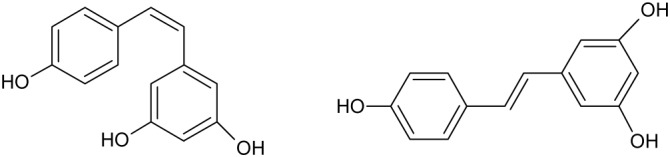
“(Vitaceae)) and red wine and its structural formula is presented in Figure 8 [120].”
BackgroundSelf-citationLi, Q., Li, Q.-Q., Jia, J.-N., Sun, Q., Zhou, H., Jin, W., & Mao, X. (2019) · Frontiers in Pharmacology · doi:10.3389/fphar.2019.00638 · Cited by 154
Kung, H., Lin, K.-J., Kung, C., & Lin, T. (2021) · Biomedicines · doi:10.3390/biomedicines9080918 · Cited by 165
“The chemical has a short biological half-life and is quickly metabolized upon entering the body, which may limit the resveratrol’s scavenging of ROS [209].”
Background
Metadata
- Authors
- Andrade, S., Ramalho, M. J., Pereira, M. D. C., & Loureiro, J. A.
- Affiliations
- Universidade do Porto (PT)
- Corresponding author
- Loureiro, Joana A.
- Venue
- Frontiers in Pharmacology
- Publisher
- Frontiers Media SA
- Published
- 2018-11-20
- Volume
- 9
- Pages
- 1261-1261
- ISSN
- 1663-9812 (ISSN-L)
- PMC
- PMC6262174
- OpenAlex
- W2901539124
- Cited by
- 173
- References
- 243
- Citations by year
- 2026: 19 · 2025: 23 · 2024: 28 · 2023: 16 · 2022: 24 · 2021: 21 · 2020: 26 · 2019: 16
- FWCI
- 1.04
- Type
- journal article
- Language
- en
- Open access
- gold
- doi.org
- Locations
- Frontiers in Pharmacology (publishedVersion, cc-by)
- Europe PMC (PubMed Central) (publishedVersion, cc-by)
- PubMed Central (publishedVersion, cc-by)
- PubMed (publishedVersion)
- DOAJ (DOAJ: Directory of Open Access Journals) (submittedVersion, cc-by-sa)
- Portuguese National Funding Agency for Science, Research and Technology (RCAAP Project by FCT) (submittedVersion, other-oa)
- Funders
- Fundação para a Ciência e a Tecnologia (PD/BD/105984/2014, SFRH/BD/129312/2017, NORTE-01-0145-FEDER-000005 – LEPABE-2 ECO-INNOVATION)
- European Regional Development Fund (POCI-01-0145-FEDER-006939, UID/EQU/00511/2013, NORTE-01-0145-FEDER-000005 – LEPABE-2 ECO-INNOVATION)
- Topics
- Physical Sciences › Materials Science › Biomaterials › Nanoparticle-Based Drug Delivery
- Life Sciences › Pharmacology, Toxicology and Pharmaceutics › Pharmaceutical Science › Advanced Drug Delivery Systems
- Life Sciences › Neuroscience › Neurology › Barrier Structure and Function Studies
- Keywords
- resveratrol, brain drug delivery, nanocarriers, blood-brain barrier, neuroprotection, Alzheimer's disease, Parkinson's disease, neurodegenerative diseases, brain cancer, liposomes, polymeric nanoparticles, lipid nanoparticles, drug bioavailability, oxidative stress, apoptosis, angiogenesis inhibition, nanomedicine
About these checks
Registry, retraction, Cites and statistics results are computed, not judged, with one exception: a printed reference that no index lists is read once by a model before it counts as a citation error. Claims are extracted by a model and kept only when their quote appears verbatim in the text; each cited source is then checked, with a model’s help, for whether it says what the claim relies on. Those verdicts can be wrong — read the claim’s quote and the cited source before relying on one.
Statistics and arithmetic are recomputed, not judged.
Confidence bands are shown only for fields calibrated on our annotated test set. None is calibrated yet, so no band is shown.
What counts as a claim ›How we measure confidence ›How we check this ›
Are you an author, or do you see a problem with this page? Request a review
