

MDM2 Inhibition in the Treatment of Glioblastoma: From Concept to Clinical Investigation
Open accessThe DOI matches its Crossref record; 156 of the 157 references it cites were found in a registry or an index.
Abstract
Inhibition of the interaction between MDM2 and p53 has emerged as a promising strategy for combating cancer, including the treatment of glioblastoma (GBM). Numerous MDM2 inhibitors have been developed and are currently undergoing rigorous testing for their potential in GBM therapy. Encouraging results from studies conducted in cell culture and animal models suggest that MDM2 inhibitors could effectively treat a specific subset of GBM patients with wild-type TP53 or functional p53. Combination therapy with clinically established treatment modalities such as radiation and chemotherapy offers the potential to achieve a more profound therapeutic response. Furthermore, an increasing array of other molecularly targeted therapies are being explored in combination with MDM2 inhibitors to increase the effects of individual treatments. While some MDM2 inhibitors have progressed to early phase clinical trials in GBM, their efficacy, alone and in combination, is yet to be confirmed. In this article, we present an overview of MDM2 inhibitors currently under preclinical and clinical investigation, with a specific focus on the drugs being assessed in ongoing clinical trials for GBM patients.
Overview
The claims and statistics of this paper haven’t been checked yet.
Free: it reads the open-access text and checks the first 5 claims that cite a source we can check. Create a free account to check every claim.
Integrity signals
Registry
Cites
Statistics
Figures
Verification
Claims the paper makes
The claims and statistics of this paper haven’t been checked yet.
Free: it reads the open-access text and checks the first 5 claims that cite a source we can check. Create a free account to check every claim.
Claims other papers make about this one
Each is checked against this paper’s own text: does it say what the citing paper says it does?
The cited source says what the claim attributes to it.
In the citing paper
“and the latter three drugs have reached early-phase clinical trials in GBM (reviewed in ref. 2).”
From Preclinical Modeling of Navtemadlin Pharmacokinetics, Pharmacodynamics, and Efficacy in IDH–Wild-type Glioblastoma (2025) · cites this paper as [2]
The cited source says what the claim attributes to it.
In the citing paper
“Small-molecule MDM2 inhibitors are the most clinically advanced therapeutics targeting this pathway, and there are numerous clinical trials evaluating this class of drugs across various malignancies.2,3”
From Pharmacokinetic-pharmacodynamic-efficacy modeling of the MDM2 inhibitor brigimadlin in glioblastoma patient-derived xenografts (2026) · cites this paper as [3]
Self-check
Percentages, sums and reported differences re-computed from the paper’s own numbers.
The self-check needs the paper’s full text.
Citations
Cites
1 retracted
Daniele, S., Costa, B., Zappelli, E., Pozzo, E. D., Sestito, S., Nesi, G., Campiglia, P., Marinelli, L., Novellino, E., Rapposelli, S., et al. (2015) · Scientific Reports · doi:10.1038/srep09956 · Cited by 102
RetractedRadiotherapy Plus Concomitant and Adjuvant Temozolomide for Glioblastoma
Stupp, R., Mason, W. P., van den Bent, M. J., Weller, M., Fisher, B., Taphoorn, M. J. B., Belanger, K., Brandes, A. A., Marosi, C., Bogdahn, U., et al. (2005) · New England Journal of Medicine · doi:10.1056/nejmoa043330 · Cited by 21,807
Cerami, E., Gao, J., Dogrusoz, U., Gross, B. E., Sumer, S. O., Aksoy, B. A., Jacobsen, A., Byrne, C. J., Heuer, M. L., Larsson, E., et al. (2012) · Cancer Discovery · doi:10.1158/2159-8290.cd-12-0095 · Cited by 17,455
Integrative Analysis of Complex Cancer Genomics and Clinical Profiles Using the cBioPortal
Gao, J., Aksoy, B. A., Dogrusoz, U., Dresdner, G., Gross, B., Sumer, S. O., Sun, Y., Jacobsen, A., Sinha, R., Larsson, E., et al. (2013) · Science Signaling · doi:10.1126/scisignal.2004088 · Cited by 15,160
Ostrom, Q. T., Gittleman, H., Farah, P., Ondracek, A., Chen, Y., Wolinsky, Y., Stroup, N. E., Kruchko, C., & Barnholtz-Sloan, J. S. (2013) · Neuro-Oncology · doi:10.1093/neuonc/not151 · Cited by 11,994
Comprehensive genomic characterization defines human glioblastoma genes and core pathways
The Cancer Genome Atlas Research Network (2008) · Nature · doi:10.1038/nature07385 · Cited by 7,735 · cited 4×
“According to The Cancer Genome Atlas Program (TCGA), TP53 is mutated in up to 30% of GBMs [28,35].”
BackgroundMethodInfluentialStupp, R., Hegi, M. E., Mason, W. P., van den Bent, M. J., Taphoorn, M. J., Janzer, R. C., Ludwin, S. K., Allgeier, A., Fisher, B., Belanger, K., et al. (2009) · The Lancet Oncology · doi:10.1016/s1470-2045(09)70025-7 · Cited by 7,668 · cited 1×
“The last FDA-approved drug for newly diagnosed GBM was temozolomide (TMZ), which extended the median survival by only 2 months [6,7].”
BackgroundVogelstein, B., Lane, D., & Levine, A. J. (2000) · Nature · doi:10.1038/35042675 · Cited by 6,607
The Somatic Genomic Landscape of Glioblastoma
Brennan, C. W., Verhaak, R. G. W., McKenna, A., Campos, B., Noushmehr, H., Salama, S. R., Zheng, S., Chakravarty, D., Sanborn, J. Z., Berman, S. H., et al. (2013) · Cell · doi:10.1016/j.cell.2013.09.034 · Cited by 5,016 · cited 1×
“According to The Cancer Genome Atlas Program (TCGA), TP53 is mutated in up to 30% of GBMs [28,35].”
MethodIn Vivo Activation of the p53 Pathway by Small-Molecule Antagonists of MDM2
Vassilev, L. T., Vu, B. T., Graves, B., Carvajal, D., Podlaski, F., Filipovic, Z., Kong, N., Kammlott, U., Lukacs, C., Klein, C., et al. (2004) · Science · doi:10.1126/science.1092472 · Cited by 4,661 · cited 3×
“This can lead to enhanced activation of the p53 pathway in response to sustained damage without repair, leading to apoptosis [56].”
BackgroundImmunotherapy of Diffuse Gliomas: Biological Background, Current Status and Future Developments
Grauer, O. M., Wesseling, P., & Adema, G. J. (2009) · Brain Pathology · doi:10.1111/j.1750-3639.2009.00315.x · Cited by 4,007
Liu, J., Lichtenberg, T., Hoadley, K. A., Poisson, L. M., Lazar, A. J., Cherniack, A. D., Kovatich, A. J., Benz, C. C., Levine, D. A., Lee, A. V., et al. (2018) · Cell · doi:10.1016/j.cell.2018.02.052 · Cited by 3,725
Momand, J., Zambetti, G. P., Olson, D. C., George, D., & Levine, A. J. (1992) · Cell · doi:10.1016/0092-8674(92)90644-r · Cited by 3,113
A Randomized Trial of Bevacizumab for Newly Diagnosed Glioblastoma
Gilbert, M. R., Dignam, J. J., Armstrong, T. S., Wefel, J. S., Blumenthal, D. T., Vogelbaum, M. A., Colman, H., Chakravarti, A., Pugh, S., Won, M., et al. (2014) · New England Journal of Medicine · doi:10.1056/nejmoa1308573 · Cited by 2,834 · cited 1×
“Expression of MGMT is regulated by promoter methylation, and the ~40% of patients with GBM promoter hypermethylation have a much longer survival (median 23 months) as compared to unmethylated GBM patients (14 months) [9].”
BackgroundOstrom, Q. T., Cioffi, G., Waite, K., Kruchko, C., & Barnholtz-Sloan, J. S. (2021) · Neuro-Oncology · doi:10.1093/neuonc/noab200 · Cited by 2,529
The first 30 years of p53: growing ever more complex.
Levine, A. J., & Oren, M. (2009) · Nature Reviews Cancer · doi:10.1038/nrc2723 · Cited by 1,967
Kastenhuber, E. R., & Lowe, S. W. (2017) · Cell · doi:10.1016/j.cell.2017.08.028 · Cited by 1,906 · cited 1×
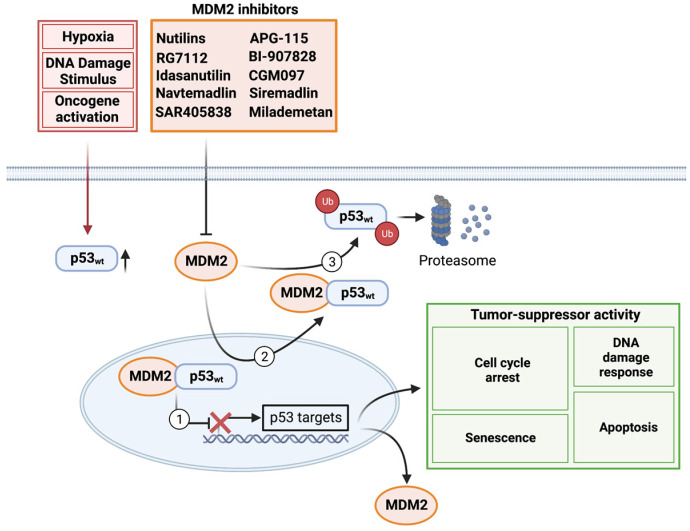
“The central player in this signaling network, p53, is encoded by TP53, and upon cellular stress and DNA damage, it is simultaneously activated and stabilized inside the cell [12,13].”
BackgroundRestoration of p53 function leads to tumour regression in vivo
Ventura, A., Kirsch, D. G., McLaughlin, M. E., Tuveson, D. A., Grimm, J., Lintault, L., Newman, J., Reczek, E. E., Weissleder, R., & Jacks, T. (2007) · Nature · doi:10.1038/nature05541 · Cited by 1,820
DNA repair pathways as targets for cancer therapy
Helleday, T., Petermann, E., Lundin, C., Hodgson, B., & Sharma, R. A. (2008) · Nature Reviews Cancer · doi:10.1038/nrc2342 · Cited by 1,666
How does p53 induce apoptosis and how does this relate to p53-mediated tumour suppression
Aubrey, B. J., Kelly, G. L., Janic, A., Herold, M. J., & Strasser, A. (2018) · Cell Death & Differentiation · doi:10.1038/cdd.2017.169 · Cited by 1,395
Unravelling mechanisms of p53-mediated tumour suppression
Bieging, K. T., Mello, S. S., & Attardi, L. D. (2014) · Nature Reviews Cancer · doi:10.1038/nrc3711 · Cited by 1,387
The Cell–Cycle Arrest and Apoptotic Functions of p53 in Tumor Initiation and Progression
Chen, J. (2016) · Cold Spring Harbor Perspectives in Medicine · doi:10.1101/cshperspect.a026104 · Cited by 1,222
The MDM2 gene amplification database
Momand, J. (1998) · Nucleic Acids Research · doi:10.1093/nar/26.15.3453 · Cited by 982 · cited 2×
“Gene amplification, single-nucleotide polymorphisms in the promoter region, increased transcription, and enhanced translation of MDM2 may cause an enhanced degradation and decreased activity of p53 [43,44].”
BackgroundKato, S., Han, S.-Y., Liu, W., Otsuka, K., Shibata, H., Kanamaru, R., & Ishioka, C. (2003) · Proceedings of the National Academy of Sciences · doi:10.1073/pnas.1431692100 · Cited by 874 · cited 2×
“, they cause a loss of function), some mutations in TP53 are innocuous, allowing p53 to continue acting as a transcription factor [37].”
BackgroundSmall-molecule MDM2 antagonists reveal aberrant p53 signaling in cancer: implications for therapy
Tovar, C., Rosinski, J., Filipovic, Z., Higgins, B., Kolinsky, K., Hilton, H., Zhao, X., Vu, B. T., Qing, W., Packman, K., et al. (2006) · Proceedings of the National Academy of Sciences · doi:10.1073/pnas.0507493103 · Cited by 708 · cited 1×
“In additional preclinical investigations, nutlin-3a was active in leukemia and other cancer types with intact p53 function [57,59].”
BackgroundMolecular targeted therapy of glioblastoma
Le Rhun, E., Preusser, M., Roth, P., Reardon, D. A., van den Bent, M., Wen, P., Reifenberger, G., & Weller, M. (2019) · Cancer Treatment Reviews · doi:10.1016/j.ctrv.2019.101896 · Cited by 688
The p53 Pathway: Origins, Inactivation in Cancer, and Emerging Therapeutic Approaches
Joerger, A. C., & Fersht, A. R. (2016) · Annual Review of Biochemistry · doi:10.1146/annurev-biochem-060815-014710 · Cited by 661 · cited 4×
“While missense substitutions account for the most common TP53 mutations (~70%), other alterations, such as frameshift insertions/deletions, nonsense mutations, and silent mutations, are less common [24].”
BackgroundInfluentialRole of p53 in Cell Death and Human Cancers
Ozaki, T., & Nakagawara, A. (2011) · Cancers · doi:10.3390/cancers3010994 · Cited by 650
Shangary, S., & Wang, S. (2009) · Annual Review of Pharmacology and Toxicology · doi:10.1146/annurev.pharmtox.48.113006.094723 · Cited by 623 · cited 2×
“Gene amplification, single-nucleotide polymorphisms in the promoter region, increased transcription, and enhanced translation of MDM2 may cause an enhanced degradation and decreased activity of p53 [43,44].”
BackgroundAdult Glioma Incidence and Survival by Race or Ethnicity in the United States From 2000 to 2014
Ostrom, Q. T., Cote, D. J., Ascha, M., Kruchko, C., & Barnholtz-Sloan, J. S. (2018) · JAMA Oncology · doi:10.1001/jamaoncol.2018.1789 · Cited by 614
Discovery of RG7388, a Potent and Selective p53–MDM2 Inhibitor in Clinical Development
Ding, Q., Zhang, Z., Liu, J.-J., Jiang, N., Zhang, J., Ross, T. M., Chu, X.-J., Bartkovitz, D., Podlaski, F., Janson, C., et al. (2013) · Journal of Medicinal Chemistry · doi:10.1021/jm400487c · Cited by 595 · cited 7×
“Idasanutlin (RG7388) shares the same cellular mechanism as RG7112, but it affords improved selectivity, potency, and bioavailability over the predecessor RG7112 [58,66].”
BackgroundInfluentialThe role of p53 in cancer drug resistance and targeted chemotherapy
Hientz, K., Mohr, A., Bhakta-Guha, D., & Efferth, T. (2017) · Oncotarget · doi:10.18632/oncotarget.13475 · Cited by 587
Ray-Coquard, I., Blay, J.-Y., Italiano, A., Le Cesne, A., Penel, N., Zhi, J., Heil, F., Rueger, R., Graves, B., Ding, M., et al. (2012) · The Lancet Oncology · doi:10.1016/s1470-2045(12)70474-6 · Cited by 571
DNA‐damage repair; the good, the bad, and the ugly
Hakem, R. (2008) · The EMBO Journal · doi:10.1038/emboj.2008.15 · Cited by 549
Characterizing genetic intra-tumor heterogeneity across 2,658 human cancer genomes
Dentro, S. C., Leshchiner, I., Haase, K., Tarabichi, M., Wintersinger, J., Deshwar, A. G., Yu, K., Rubanova, Y., Macintyre, G., Demeulemeester, J., et al. (2021) · Cell · doi:10.1016/j.cell.2021.03.009 · Cited by 533
MDM2 inhibitors for cancer therapy
Vassilev, L. T. (2007) · Trends in Molecular Medicine · doi:10.1016/j.molmed.2006.11.002 · Cited by 532 · cited 1×
“Since high p53 levels can be detrimental to the growth and development of normal cells, intracellular p53 levels are tightly regulated by ubiquitination and rapid proteasomal degradation as well as other mechanisms under non-stressed conditions [25,26].”
BackgroundProbing tumor phenotypes using stable and regulated synthetic microRNA precursors
Dickins, R. A., Hemann, M. T., Zilfou, J. T., Simpson, D. R., Ibarra, I., Hannon, G. J., & Lowe, S. W. (2005) · Nature Genetics · doi:10.1038/ng1651 · Cited by 524
Therapeutic targeting of p53: all mutants are equal, but some mutants are more equal than others
Sabapathy, K., & Lane, D. P. (2018) · Nature Reviews Clinical Oncology · doi:10.1038/nrclinonc.2017.151 · Cited by 517 · cited 2×
“There have also been reports of tumorigenic gain-of-function mutations in TP53 [27].”
BackgroundZhao, Y., Aguilar, A., Bernard, D., & Wang, S. (2015) · Journal of Medicinal Chemistry · doi:10.1021/jm501092z · Cited by 462
Chemotherapy Side-Effects: Not All DNA Damage Is Equal
van den Boogaard, W. M. C., Komninos, D. S. J., & Vermeij, W. P. (2022) · Cancers · doi:10.3390/cancers14030627 · Cited by 458
MDM2 antagonists induce p53-dependent apoptosis in AML: implications for leukemia therapy
Kojima, K., Konopleva, M., Samudio, I. J., Shikami, M., Cabreira-Hansen, M., McQueen, T., Ruvolo, V., Tsao, T., Zeng, Z., Vassilev, L. T., et al. (2005) · Blood · doi:10.1182/blood-2005-02-0553 · Cited by 407 · cited 2×
“In additional preclinical investigations, nutlin-3a was active in leukemia and other cancer types with intact p53 function [57,59].”
BackgroundDiscovery of RG7112: a small-molecule MDM2 inhibitor in clinical development
Vu, B., Wovkulich, P., Pizzolato, G., Lovey, A., Ding, Q., Jiang, N., Liu, J.-J., Zhao, C., Glenn, K., Wen, Y., et al. (2013) · ACS Medicinal Chemistry Letters · doi:10.1021/ml4000657 · Cited by 395 · cited 1×
“Similar to nutlin-3a, the nutilin derivative RG7112 (RO5045337) is a nongenotoxic inhibitor that blocks the p53–MDM2 interaction by binding to the p53 pocket on MDM2 [56,61].”
BackgroundInduction of MGMT expression is associated with temozolomide resistance in glioblastoma xenografts
Kitange, G. J., Carlson, B. L., Schroeder, M. A., Grogan, P. T., Lamont, J. D., Decker, P. A., Wu, W., James, C. D., & Sarkaria, J. N. (2009) · Neuro-Oncology · doi:10.1215/15228517-2008-090 · Cited by 390 · cited 1×
“Although a number of variables have been linked to TMZ resistance, expression of O6-methylguanine-DNA-methytransferase (MGMT), which removes TMZ-induced cytotoxic O6-methylguanine lesions, remains an important contributor [8].”
BackgroundSelf-citationLiu, Y., Zheng, C., Huang, Y., He, M., Xu, W. W., & Li, B. (2021) · MedComm · doi:10.1002/mco2.55 · Cited by 387
MDM2 inhibition: an important step forward in cancer therapy
Konopleva, M., Martinelli, G., Daver, N., Papayannidis, C., Wei, A., Higgins, B., Ott, M., Mascarenhas, J., & Andreeff, M. (2020) · Leukemia · doi:10.1038/s41375-020-0949-z · Cited by 376 · cited 8×
“The fact that GBM cells with targeted siRNA suppression of TP53 or cells with mutant or functionally impaired p53 were fully unresponsive to nutlin-3a suggested that nutlin-3a-induced apoptosis and senescence are reliant on an intact p53 function [47,60].”
BackgroundResultInfluentialTargeting the MDM2-p53 Interaction for Cancer Therapy
Shangary, S., & Wang, S. (2008) · Clinical Cancer Research · doi:10.1158/1078-0432.ccr-07-5136 · Cited by 366
Results of the Phase I trial of RG7112, a small-molecule MDM2 antagonist in leukemia
Andreeff, M., Kelly, K. R., Yee, K., Assouline, S., Strair, R., Popplewell, L., Bowen, D., Martinelli, G., Drummond, M. W., Vyas, P., et al. (2016) · Clinical Cancer Research · doi:10.1158/1078-0432.ccr-15-0481 · Cited by 352 · cited 1×
“Preliminary clinical data suggest efficacy in solid tumors [64] and hematologic malignancies [63,65]; however, this compound is not currently being pursued in clinical trials.”
BackgroundTargeting p53 for the treatment of cancer
Duffy, M. J., Synnott, N. C., O’Grady, S., & Crown, J. (2022) · Seminars in Cancer Biology · doi:10.1016/j.semcancer.2020.07.005 · Cited by 349 · cited 1×
“Published results from Phase 1 studies with these agents demonstrate promising activity in acute myeloid leukemia (AML), polycythemia vera, and sarcoma with presumed on-target, dose-limiting gastrointestinal and hematologic toxicities [47,55].”
ResultFischer, M., Grossmann, P., Padi, M., & DeCaprio, J. A. (2016) · Nucleic Acids Research · doi:10.1093/nar/gkw523 · Cited by 330
Wang, S., Sun, W., Zhao, Y., McEachern, D., Meaux, I., Barrière, C., Stuckey, J. A., Meagher, J. L., Bai, L., Liu, L., et al. (2014) · Cancer Research · doi:10.1158/0008-5472.can-14-0799 · Cited by 328 · cited 1×
“The former was demonstrated to trigger wild-type p53, resulting in p53-dependent cell cycle arrest and cell death in preclinical models of leukemia and solid tumors, such as osteosarcoma, prostate cancer, and colon cancer [73].”
BackgroundOstrom, Q. T., Price, M., Ryan, K., Edelson, J., Neff, C., Cioffi, G., Waite, K. A., Kruchko, C., & Barnholtz-Sloan, J. S. (2022) · Neuro-Oncology · doi:10.1093/neuonc/noac161 · Cited by 321 · cited 1×
“Conversely, GBM is less common in children, comprising less than 3% of all CNS tumors reported among the ages of 0–19 years [5].”
BackgroundCurrent FDA-Approved Therapies for High-Grade Malignant Gliomas
Fisher, J. P., & Adamson, D. C. (2021) · Biomedicines · doi:10.3390/biomedicines9030324 · Cited by 316
Clinical Overview of MDM2/X-Targeted Therapies
Burgess, A., Chia, K. M., Haupt, S., Thomas, D., Haupt, Y., & Lim, E. (2016) · Frontiers in Oncology · doi:10.3389/fonc.2016.00007 · Cited by 315 · cited 1×
“, idasanutlin, navtemadlin, APG-115, BI-907828, CGM097, siremadlin, and milademetan), and current clinical experience suggests these drugs can effectively modulate p53 accumulation and transcriptional activity in human tumors with tolerable normal tissue toxicities [47,53,54].”
BackgroundTargeting the MDM2–p53 Protein–Protein Interaction for New Cancer Therapy: Progress and Challenges
Wang, S., Zhao, Y., Aguilar, A., Bernard, D., & Yang, C.-Y. (2017) · Cold Spring Harbor Perspectives in Medicine · doi:10.1101/cshperspect.a026245 · Cited by 300
Chemotherapy induced DNA damage response: Convergence of drugs and pathways
Woods, D., & Turchi, J. J. (2013) · Cancer Biology & Therapy · doi:10.4161/cbt.23761 · Cited by 296
The Roles of MDM2 and MDMX in Cancer
Karni-Schmidt, O., Lokshin, M., & Prives, C. (2016) · Annual Review of Pathology: Mechanisms of Disease · doi:10.1146/annurev-pathol-012414-040349 · Cited by 296
Sun, D., Li, Z., Rew, Y., Gribble, M., Bartberger, M. D., Beck, H. P., Canon, J., Chen, A., Chen, X., Chow, D., et al. (2014) · Journal of Medicinal Chemistry · doi:10.1021/jm401753e · Cited by 290 · cited 1×
“Navtemadlin (KRT-232/AMG-232) provides further improvements in both biochemical and cellular efficacy in comparison to earlier nutlin MDM2 inhibitors [70].”
BackgroundThe Influence of Cell Cycle Regulation on Chemotherapy
Sun, Y., Liu, Y., Ma, X., & Hu, H. (2021) · International Journal of Molecular Sciences · doi:10.3390/ijms22136923 · Cited by 290
Deletions linked to TP53 loss drive cancer through p53-independent mechanisms
Liu, Y., Chen, C., Xu, Z., Scuoppo, C., Rillahan, C. D., Gao, J., Spitzer, B., Bosbach, B., Kastenhuber, E. R., Baslan, T., et al. (2016) · Nature · doi:10.1038/nature17157 · Cited by 279 · cited 1×
“Human cancers frequently have segmental deletions on chromosome 17p, which involves the TP53 locus [36].”
BackgroundStage-specific sensitivity to p53 restoration during lung cancer progression
Feldser, D. M., Kostova, K. K., Winslow, M. M., Taylor, S. E., Cashman, C., Whittaker, C. A., Sanchez-Rivera, F. J., Resnick, R., Bronson, R., Hemann, M. T., et al. (2010) · Nature · doi:10.1038/nature09535 · Cited by 273
Tisato, V., Voltan, R., Gonelli, A., Secchiero, P., & Zauli, G. (2017) · Journal of Hematology & Oncology · doi:10.1186/s13045-017-0500-5 · Cited by 256 · cited 1×
“, idasanutlin, navtemadlin, APG-115, BI-907828, CGM097, siremadlin, and milademetan), and current clinical experience suggests these drugs can effectively modulate p53 accumulation and transcriptional activity in human tumors with tolerable normal tissue toxicities [47,53,54].”
BackgroundDual inhibition of MDMX and MDM2 as a therapeutic strategy in leukemia
Carvajal, L. A., Neriah, D. B., Senecal, A., Benard, L., Thiruthuvanathan, V., Yatsenko, T., Narayanagari, S.-R., Wheat, J. C., Todorova, T. I., Mitchell, K., et al. (2018) · Science Translational Medicine · doi:10.1126/scitranslmed.aao3003 · Cited by 249
Apoptosis: A review of pro‐apoptotic and anti‐apoptotic pathways and dysregulation in disease
O'Brien, M. A., & Kirby, R. (2008) · Journal of Veterinary Emergency and Critical Care · doi:10.1111/j.1476-4431.2008.00363.x · Cited by 239
C-terminal modifications regulate MDM2 dissociation and nuclear export of p53
Carter, S., Bischof, O., Dejean, A., & Vousden, K. H. (2007) · Nature Cell Biology · doi:10.1038/ncb1562 · Cited by 225 · cited 2×
“Through its interaction with PIASy, a SUMO E3 ligase, MDM2 also promotes SUMOylation and nuclear export of p53 [39].”
BackgroundZhu, H., Gao, H., Ji, Y., Zhou, Q., Du, Z., Tian, L., Jiang, Y., Yao, K., & Zhou, Z. (2022) · Journal of Hematology & Oncology · doi:10.1186/s13045-022-01314-3 · Cited by 223
Swift, L., & Golsteyn, R. (2014) · International Journal of Molecular Sciences · doi:10.3390/ijms15033403 · Cited by 213
Aguilar, A., Lu, J., Liu, L., Du, D., Bernard, D., McEachern, D., Przybranowski, S., Li, X., Luo, R., Wen, B., et al. (2017) · Journal of Medicinal Chemistry · doi:10.1021/acs.jmedchem.6b01665 · Cited by 211
Holzer, P., Masuya, K., Furet, P., Kallen, J., Valat-Stachyra, T., Ferretti, S., Berghausen, J., Bouisset-Leonard, M., Buschmann, N., Pissot-Soldermann, C., et al. (2015) · Journal of Medicinal Chemistry · doi:10.1021/acs.jmedchem.5b00810 · Cited by 203 · cited 4×
“The lymphoid organs, bone marrow, GI tract, and testes were identified as the target organs in toxicology experiments on monkeys [84].”
BackgroundInfluentialFelsberg, J., Hentschel, B., Kaulich, K., Gramatzki, D., Zacher, A., Malzkorn, B., Kamp, M., Sabel, M., Simon, M., Westphal, M., et al. (2017) · Clinical Cancer Research · doi:10.1158/1078-0432.ccr-17-0890 · Cited by 189
Exploring the multiple roles of guardian of the genome: P53
Feroz, W., & Sheikh, A. M. A. (2020) · Egyptian Journal of Medical Human Genetics · doi:10.1186/s43042-020-00089-x · Cited by 186
Sex-Specific Differences in Glioblastoma
Carrano, A., Juarez, J. J., Incontri, D., Ibarra, A., & Guerrero Cazares, H. (2021) · Cells · doi:10.3390/cells10071783 · Cited by 185 · cited 1×
“6 and is most often diagnosed in non-Hispanic whites [2,3].”
BackgroundTargeting DNA Double-Strand Break Repair Pathways to Improve Radiotherapy Response
Toulany, M. (2019) · Genes · doi:10.3390/genes10010025 · Cited by 173
Synergistic activation of p53 by inhibition of MDM2 expression and DNA damage
Chen, L., Agrawal, S., Zhou, W., Zhang, R., & Chen, J. (1998) · Proceedings of the National Academy of Sciences · doi:10.1073/pnas.95.1.195 · Cited by 159
Saleh, M. N., Patel, M. R., Bauer, T. M., Goel, S., Falchook, G. S., Shapiro, G. I., Chung, K. Y., Infante, J. R., Conry, R. M., Rabinowits, G., et al. (2021) · Clinical Cancer Research · doi:10.1158/1078-0432.ccr-21-0715 · Cited by 159
Therapeutics targeting p53-MDM2 interaction to induce cancer cell death
Koo, N., Sharma, A. K., & Narayan, S. (2022) · International Journal of Molecular Sciences · doi:10.3390/ijms23095005 · Cited by 153
Canon, J., Osgood, T., Olson, S. H., Saiki, A. Y., Robertson, R., Yu, D., Eksterowicz, J., Ye, Q., Jin, L., Chen, A., et al. (2015) · Molecular Cancer Therapeutics · doi:10.1158/1535-7163.mct-14-0710 · Cited by 152
Targeting MDM2-p53 Interaction for Cancer Therapy: Are We There Yet?
Nag, S., Zhang, X., Srivenugopal, K. S., Wang, M.-H., Wang, W., & Zhang, R. (2014) · Current Medicinal Chemistry · doi:10.2174/09298673113206660325 · Cited by 149
Pharmacologic Activation of p53 by Small-Molecule MDM2 Antagonists
Shen, H., & G. Maki, C. (2011) · Current Pharmaceutical Design · doi:10.2174/138161211795222603 · Cited by 147
Satō, A., Sunayama, J., Matsuda, K., Seino, S., Suzuki, K., Watanabe, E., Tachibana, K., Tomiyama, A., Kayama, T., & Kitanaka, C. (2011) · Stem Cells · doi:10.1002/stem.753 · Cited by 133
Villalonga-Planells, R., Coll-Mulet, L., Martínez-Soler, F., Castaño, E., Acebes, J.-J., Giménez-Bonafé, P., Gil, J., & Tortosa, A. (2011) · PLoS ONE · doi:10.1371/journal.pone.0018588 · Cited by 129 · cited 3×
“Nutlin-3a treatment of glioma cell lines and primary grown GBM cells demonstrated p53-dependent G1- and G2-M cell cycle arrest and apoptosis specifically in p53 wild-type cells [47,60].”
BackgroundThe roles and regulation of MDM2 and MDMX: it is not just about p53
Klein, A. M., de Queiroz, R. M., Venkatesh, D., & Prives, C. (2021) · Genes & Development · doi:10.1101/gad.347872.120 · Cited by 129
de Jonge, M., de Weger, V. A., Dickson, M. A., Langenberg, M., Le Cesne, A., Wagner, A. J., Hsu, K., Zheng, W., Macé, S., Tuffal, G., et al. (2017) · European Journal of Cancer · doi:10.1016/j.ejca.2017.02.005 · Cited by 124
Quintás‐Cardama, A., Hu, C., Qutub, A. A., Qiu, Y. H., Zhang, X., Post, S. M., Zhang, N., Coombes, K. R., & Kornblau, S. M. (2016) · Leukemia · doi:10.1038/leu.2016.350 · Cited by 122
Chemotherapy and signaling: How can targeted therapies supercharge cytotoxic agents?
Bagnyukova, T. V., Serebriiskii, I. G., Zhou, Y., Hopper-Borge, E. A., Golemis, E. A., & Astsaturov, I. (2010) · Cancer Biology & Therapy · doi:10.4161/cbt.10.9.13738 · Cited by 118
Verreault, M., Schmitt, C., Goldwirt, L., Pelton, K., Haidar, S., Levasseur, C., Guehennec, J., Knoff, D., Labussière, M., Marie, Y., et al. (2016) · Clinical Cancer Research · doi:10.1158/1078-0432.ccr-15-1015 · Cited by 114 · cited 1×
“Conversely, TP53-mutant or TP53-null cells are resistant to MDM2 inhibitors as the accumulation of functional p53 is mechanistically linked to the anti-tumor effects [51,52].”
BackgroundStewart-Ornstein, J., & Lahav, G. (2017) · Science Signaling · doi:10.1126/scisignal.aah6671 · Cited by 111
Gounder, M. M., Bauer, T. M., Schwartz, G. K., Weise, A. M., LoRusso, P., Kumar, P., Tao, B., Hong, Y., Patel, P., Lu, Y., et al. (2023) · Journal of Clinical Oncology · doi:10.1200/jco.22.01285 · Cited by 99
Mdm2 in the Response to Radiation
Perry, M. E. (2004) · Molecular Cancer Research · doi:10.1158/1541-7786.9.2.1 · Cited by 94
Jeay, S., Ferretti, S., Holzer, P., Fuchs, J., Chapeau, E. A., Wartmann, M., Sterker, D., Romanet, V., Murakami, M., Kerr, G., et al. (2018) · Cancer Research · doi:10.1158/0008-5472.can-18-0338 · Cited by 87 · cited 1×
“In tumor-bearing rodents, siremadlin displayed excellent activity with oral dosing [91,92].”
BackgroundFyllingen, E. H., Bø, L. E., Reinertsen, I., Jakola, A. S., Sagberg, L. M., Berntsen, E. M., Salvesen, Ø. O., & Solheim, O. S. (2021) · Acta Neurochirurgica · doi:10.1007/s00701-021-04802-6 · Cited by 87 · cited 2×
“Regardless of MGMT status, the 5 year survival for GBM patients is less than 5% [1,4].”
BackgroundArnhold, V., Schmelz, K., Proba, J., Winkler, A., Wünschel, J., Toedling, J., Deubzer, H. E., Künkele, A., Eggert, A., Schulte, J. H., et al. (2018) · Oncotarget · doi:10.18632/oncotarget.23409 · Cited by 85 · cited 1×
“Milademetan (DS-3032b) is a potent, selective, and orally available inhibitor of the p53–MDM2 interaction that drives p53 signaling in multiple preclinical models and has advanced to clinical testing [96,97].”
BackgroundRegulation of the Mdm2-p53 signaling axis in the DNA damage response and tumorigenesis
Carr, M. I., & Jones, S. N. (2016) · Translational Cancer Research · doi:10.21037/tcr.2016.11.75 · Cited by 82
DNA repair is activated in early stages of p53-induced apoptosis
Geske, F. J., Nelson, A. C., Lieberman, R., Strange, R., Sun, T., & Gerschenson, L. E. (2000) · Cell Death and Differentiation · doi:10.1038/sj.cdd.4400663 · Cited by 81
Medicinal Chemistry Strategies to Disrupt the p53–MDM2/MDMX Interaction
Lemos, A., Leão, M., Soares, J., Palmeira, A., Pinto, M., Saraiva, L., & Sousa, M. E. (2016) · Medicinal Research Reviews · doi:10.1002/med.21393 · Cited by 81
Human glioblastoma multiforme: p53 reactivation by a novel MDM2 inhibitor
Costa, B., Bendinelli, S., Gabelloni, P., Da Pozzo, E., Daniele, S., Scatena, F., Vanacore, R., Campiglia, P., Bertamino, A., Gomez-Monterrey, I., et al. (2013) · PLoS ONE · doi:10.1371/journal.pone.0072281 · Cited by 79
Analysis of MDM2 Amplification: Next-Generation Sequencing of Patients With Diverse Malignancies
Kato, S., Ross, J. S., Gay, L., Dayyani, F., Roszik, J., Subbiah, V., & Kurzrock, R. (2018) · JCO Precision Oncology · doi:10.1200/po.17.00235 · Cited by 78 · cited 2×
“Up to 65% of well-differentiated and de-differentiated liposarcomas have a high rate of MDM2 am ification, while sev ral oth r solid malignancies, including GBM, soft-tissu and bone sarcomas, gallbladder and duodenal adenocarcinoma, lung adenosquamous carcinoma, and ovarian carcinosarcoma, have a frequency of approxim…”
BackgroundLakoma, A., Barbieri, E., Agarwal, S., Jackson, J., Chen, Z., Kim, Y., McVay, M., Shohet, J. M., & Kim, E. S. (2015) · Cell Death Discovery · doi:10.1038/cddiscovery.2015.26 · Cited by 77 · cited 1×
“Conversely, TP53-mutant or TP53-null cells are resistant to MDM2 inhibitors as the accumulation of functional p53 is mechanistically linked to the anti-tumor effects [51,52].”
BackgroundMontesinos, P., Beckermann, B. M., Catalani, O., Esteve, J., Gamel, K., Konopleva, M. Y., Martinelli, G., Monnet, A., Papayannidis, C., Park, A., et al. (2020) · Future Oncology · doi:10.2217/fon-2020-0044 · Cited by 77
Berberich, A., Kessler, T., Thomé, C. M., Pusch, S., Hielscher, T., Sahm, F., Oezen, I., Schmitt, L.-M., Ciprut, S., Hucke, N., et al. (2019) · Clinical Cancer Research · doi:10.1158/1078-0432.ccr-18-1580 · Cited by 75 · cited 5×
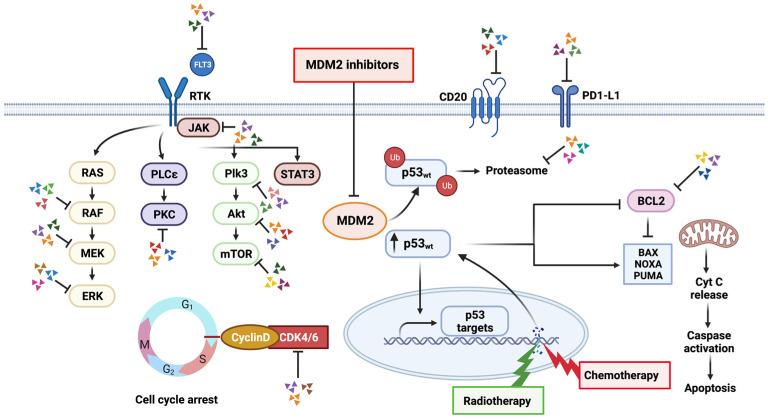
“Furthermore, combining trametinib with MDM2 inhibitors increased the effects of both treatments by attacking multiple pathways, making it a promising dualtarget approach while minimizing potential side effects [67].”
BackgroundInfluentialPairawan, S., Zhao, M., Yuca, E., Annis, A., Evans, K., Sutton, D., Carvajal, L., Ren, J.-G., Santiago, S., Guerlavais, V., et al. (2021) · Breast Cancer Research · doi:10.1186/s13058-021-01406-x · Cited by 73
Lu, M., Wang, X., Li, Y., Tripodi, J., Mosoyan, G., Mascarenhas, J., Kremyanskaya, M., Najfeld, V., & Hoffman, R. (2012) · Blood · doi:10.1182/blood-2012-02-410712 · Cited by 69 · cited 1×
“RG7112 results in p53 accumulation and activation of p53 signaling in cancer cells that express wild-type p53, which has been shown to deplete MDM2-upregulated progenitor/stem cells and inhibit the growth of human tumor xenografts by causing cell cycle arrest and apoptosis [62,63].”
BackgroundPotent effect of the MDM2 inhibitor AMG232 on suppression of glioblastoma stem cells
Her, N.-G., Oh, J.-W., Oh, Y. J., Han, S., Cho, H. J., Lee, Y., Ryu, G. H., & Nam, D.-H. (2018) · Cell Death & Disease · doi:10.1038/s41419-018-0825-1 · Cited by 68 · cited 2×
“The same study also demonstrated that navtemadlin sensitivity was 35-fold higher in MDM2-amplified stem cells, indicating that the cellular context may influence navtemadlin effectiveness [72].”
BackgroundLu, M., Xia, L., Li, Y., Wang, X., & Hoffman, R. (2014) · Blood · doi:10.1182/blood-2013-11-536854 · Cited by 68 · cited 2×
“RG7112 results in p53 accumulation and activation of p53 signaling in cancer cells that express wild-type p53, which has been shown to deplete MDM2-upregulated progenitor/stem cells and inhibit the growth of human tumor xenografts by causing cell cycle arrest and apoptosis [62,63].”
BackgroundKonopleva, M. Y., Röllig, C., Cavenagh, J., Deeren, D., Girshova, L., Krauter, J., Martinelli, G., Montesinos, P., Schäfer, J. A., Ottmann, O. G., et al. (2022) · Blood Advances · doi:10.1182/bloodadvances.2021006303 · Cited by 67
Luo, H., Yount, C., Lang, H., Yang, A., Riemer, E. C., Lyons, K., Vanek, K. N., Silvestri, G. A., Schulte, B. A., & Wang, G. Y. (2013) · Lung Cancer · doi:10.1016/j.lungcan.2013.04.017 · Cited by 66
Decision Making by p53: Life versus Death.
Jiang, L., Sheikh, M. S., & Huang, Y. K. (2010) · PubMed · Cited by 65
Modeling the regulation of p53 activation by HIF‐1 upon hypoxia
Wang, P., Guan, D., Zhang, X., Liu, F., & Wang, W. (2019) · FEBS Letters · doi:10.1002/1873-3468.13525 · Cited by 65
Higgins, B., Glenn, K., Walz, A., Tovar, C., Filipovic, Z., Hussain, S., Lee, E., Kolinsky, K., Tannu, S., Adames, V., et al. (2014) · Clinical Cancer Research · doi:10.1158/1078-0432.ccr-14-0460 · Cited by 63 · cited 1×
“Results from preclinical studies demonstrate the potential for idasanutlin as a potential therapy for solid and hematologic malignancies, and the drug is now undergoing clinical testing [68,69].”
Backgroundde Weger, V. A., de Jonge, M., Langenberg, M. H. G., Schellens, J. H. M., Lolkema, M., Varga, A., Demers, B., Thomas, K., Hsu, K., Tuffal, G., et al. (2019) · British Journal of Cancer · doi:10.1038/s41416-018-0355-8 · Cited by 62
Targeting the Ubiquitin-Mediated Proteasome Degradation of p53 for Cancer Therapy
DeVine, T., & Dai, M. (2013) · Current Pharmaceutical Design · doi:10.2174/1381612811319180009 · Cited by 62 · cited 1×
“MDM2 is an E3 ubiquitin ligase that targets p53 via ubiquitination for degradation by the proteasome [38].”
BackgroundGessier, F., Kallen, J. A., Jacoby, E., Chêne, P., Stachyra, T., Ruetz, S., Jeay, S., Holzer, P., Masuya, K., & Furet, P. (2015) · Bioorganic & Medicinal Chemistry Letters · doi:10.1016/j.bmcl.2015.06.058 · Cited by 61
Siu, L. L., Italiano, A., Miller, W. H., Blay, J.-Y., Gietema, J. A., Bang, Y.-J., Mileshkin, L. R., Hirte, H. W., Reckner, M., Higgins, B., et al. (2014) · Journal of Clinical Oncology · doi:10.1200/jco.2014.32.15_suppl.2535 · Cited by 60 · cited 1×
“Results from preclinical studies demonstrate the potential for idasanutlin as a potential therapy for solid and hematologic malignancies, and the drug is now undergoing clinical testing [68,69].”
BackgroundChen, X., Tai, L., Gao, J., Qian, J., Zhang, M., Li, B., Xie, C., Lu, L., Lu, W., & Lu, W. (2015) · Journal of Controlled Release · doi:10.1016/j.jconrel.2015.09.061 · Cited by 59
Small-Molecule MDM2-p53 Inhibitors: Recent Advances
Zhang, B., Golding, B. T., & Hardcastle, I. R. (2015) · Future Medicinal Chemistry · doi:10.4155/fmc.15.13 · Cited by 58
Predictive Gene Signatures Determine Tumor Sensitivity to MDM2 Inhibition
Ishizawa, J., Nakamaru, K., Seki, T., Tazaki, K., Kojima, K., Chachad, D., Zhao, R., Heese, L., Ma, W., Ma, M. C. J., et al. (2018) · Cancer Research · doi:10.1158/0008-5472.can-17-0949 · Cited by 58
Cornillie, J., Wozniak, A., Li, H., Gebreyohannes, Y. K., Wellens, J., Hompes, D., Debiec-Rychter, M., Sciot, R., & Schöffski, P. (2020) · Clinical and Translational Oncology · doi:10.1007/s12094-019-02158-z · Cited by 56 · cited 1×
“It has a picomolar binding affinity for the p53–MDM2 interface and is highly potent in cell culture and xenografts for GBM and sarcoma [80,81].”
BackgroundSaiki, A. Y., Caenepeel, S., Yu, D., Lofgren, J. A., Osgood, T., Robertson, R., Canon, J., Su, C., Jones, A., Zhao, X., et al. (2014) · Oncotarget · doi:10.18632/oncotarget.1918 · Cited by 55
Nickoloff, J. A., Taylor, L., Sharma, N., & Kato, T. A. (2021) · Cancer Drug Resistance · doi:10.20517/cdr.2020.89 · Cited by 54
Takahashi, S., Fujiwara, Y., Nakano, K., Shimizu, T., Tomomatsu, J., Koyama, T., Ogura, M., Tachibana, M., Kakurai, Y., Yamashita, T., et al. (2021) · Cancer Science · doi:10.1111/cas.14875 · Cited by 50
Wang, H., Cai, S., Bailey, B. J., Reza Saadatzadeh, M., Ding, J., Tonsing-Carter, E., Georgiadis, T. M., Zachary Gunter, T., Long, E. C., Minto, R. E., et al. (2017) · Journal of Neurosurgery · doi:10.3171/2016.1.jns152513 · Cited by 49
Self-citationp53 dynamics orchestrates with binding affinity to target genes for cell fate decision
Wu, M., Ye, H., Tang, Z., Shao, C., Lu, G., Chen, B., Yang, Y., Wang, G., & Hao, H. (2017) · Cell Death & Disease · doi:10.1038/cddis.2017.492 · Cited by 49
TP53 Mutation Is a Prognostic Factor in Lower Grade Glioma and May Influence Chemotherapy Efficacy
Noor, H., Briggs, N., McDonald, K. L., Holst, J., & Vittorio, O. (2021) · Cancers · doi:10.3390/cancers13215362 · Cited by 49
Role of Mdm2 and Mdmx in DNA repair
Eischen, C. M. (2017) · Journal of Molecular Cell Biology · doi:10.1093/jmcb/mjw052 · Cited by 45
Schöffski, P., Lahmar, M., Lucarelli, A., & Maki, R. G. (2023) · Future Oncology · doi:10.2217/fon-2022-1291 · Cited by 44
A therapeutic patent overview of MDM2/X-targeted therapies (2014–2018)
Skalniak, L., Surmiak, E., & Holak, T. A. (2019) · Expert Opinion on Therapeutic Patents · doi:10.1080/13543776.2019.1582645 · Cited by 43
Mechanisms of Disease: genetic predictors of response to treatment in brain tumors
Collins, V. P. (2007) · Nature Clinical Practice Oncology · doi:10.1038/ncponc0820 · Cited by 43 · cited 1×
“Molecularly targeted agents that target signaling pathways critical for tumor cell growth, invasion, proliferation, apoptosis, and DNA repair have been extensively evaluated for therapy in GBM [11].”
BackgroundYB-1 modulates the drug resistance of glioma cells by activation of MDM2/p53 pathway
Tong, H., Zhao, K., Zhang, J., Zhu, J., & Xiao, J. (2019) · Drug Design Development and Therapy · doi:10.2147/dddt.s185514 · Cited by 42
MDM2/X inhibitors as radiosensitizers for glioblastoma targeted therapy
Miles, X., Vandevoorde, C., Hunter, A., & Bolcaen, J. (2021) · Frontiers in Oncology · doi:10.3389/fonc.2021.703442 · Cited by 40
Kim, M., Ma, D. J., Calligaris, D., Zhang, S., Feathers, R. W., Vaubel, R. A., Meaux, I., Mladek, A. C., Parrish, K. E., Jin, F., et al. (2018) · Molecular Cancer Therapeutics · doi:10.1158/1535-7163.mct-17-0600 · Cited by 39 · cited 2×
“One study sought to circumvent limitations imposed by the BBB by developing a polymeric micelle that carries a MDM2/MDMX antagonist [145].”
BackgroundSelf-citationHao, X., Bahia, R. K., Cseh, O., Bozek, D. A., Blake, S., Rinnenthal, J., Weyer-Czernilofsky, U., Rudolph, D., & Artee Luchman, H. (2023) · Neuro-Oncology · doi:10.1093/neuonc/noac271 · Cited by 34
Radiosensitization of Adenoid Cystic Carcinoma with MDM2 Inhibition
Prabakaran, P. J., Javaid, A. M., Swick, A. D., Werner, L. R., Nickel, K. P., Sampene, E., Hu, R., Ong, I. M., Bruce, J. Y., Hartig, G. K., et al. (2017) · Clinical Cancer Research · doi:10.1158/1078-0432.ccr-17-0969 · Cited by 33
Holzer, P. (2017) · CHIMIA International Journal for Chemistry · doi:10.2533/chimia.2017.716 · Cited by 28 · cited 1×
“Preclinical studies demonstrated siremadlin upregulates p53 activity both in vitro and in vivo [89,90].”
BackgroundReuther, C., Heinzle, V., Nölting, S., Herterich, S., Hahner, S., Halilovic, E., Jeay, S., Wuerthner, J. U., Aristizabal Prada, E. T., Spöttl, G., et al. (2018) · Neuroendocrinology · doi:10.1159/000453369 · Cited by 25 · cited 1×
“The synergistic and additive effects of CGM097 have been reported in combination with the BET inhibitor OTX015 and the antimetabolite 5-fluorouracil in neuroblastoma and neuroendocrine tumor cell lines, respectively [86,87].”
BackgroundPi, L., Rooprai, J., Allan, D., Atkins, H., Bredeson, C., Fulcher, A., Ito, C., Ramsay, T., Shorr, Stanford, W., et al. (2019) · Leukemia Research · doi:10.1016/j.leukres.2019.106222 · Cited by 25
Zhang, M., Chen, X.-Y., Dong, X.-D., Wang, J., Feng, W., Teng, Q., Cui, Q., Li, J., Li, X., & Chen, Z. (2020) · Frontiers in Oncology · doi:10.3389/fonc.2020.01219 · Cited by 25 · cited 1×
“Interestingly, CGM097 was found to inhibit ABCB1-associated ATPase in an in vitro study [85], which suggests the potential of this drug to counteract multi-drug resistance in conjunction with chemotherapeutic drugs to improve anti-tumor responses.”
BackgroundIn vitro and in vivo characterization of a novel, highly potent p53-MDM2 inhibitor
Vaupel, A., Holzer, P., Ferretti, S., Guagnano, V., Kallen, J. A., Mah, R., Masuya, K., Ruetz, S., Rynn, C., Schlapbach, A., et al. (2018) · Bioorganic & Medicinal Chemistry Letters · doi:10.1016/j.bmcl.2018.08.027 · Cited by 24 · cited 1×
“Clinical development of siremadlin was recently initiated based on a promising preclinical efficacy and a favorable biochemical/biophysical profile [93].”
BackgroundGolestanian, S., Sharifi, A., Popowicz, G. M., Azizian, H., Foroumadi, A., Szwagierczak, A., Holak, T. A., & Amanlou, M. (2015) · Life Sciences · doi:10.1016/j.lfs.2015.12.047 · Cited by 22
Sarısözen, C., Tan, Y., Liu, J. Y., Bilir, C., Shen, L., Filipczak, N., Porter, T. M., & Torchilin, V. P. (2019) · Journal of drug targeting · doi:10.1080/1061186x.2019.1570518 · Cited by 20
Guo, C., Zhuang, Y., Chen, Y., Chen, S., Hu, P., & Zhou, S. (2020) · Biomarkers in Medicine · doi:10.2217/bmm-2020-0331 · Cited by 20
Marker, D. F., Agnihotri, S., Amankulor, N., MURDOCH, G. H., & Pearce, T. M. (2021) · Neuro-Oncology Advances · doi:10.1093/noajnl/vdab182 · Cited by 19
Milademetan is a highly potent MDM2 inhibitor in Merkel cell carcinoma
Ananthapadmanabhan, V., Frost, T. C., Soroko, K. M., Knott, A., Magliozzi, B., Gokhale, P. C., Tirunagaru, V. G., Doebele, R. C., & DeCaprio, J. A. (2022) · JCI Insight · doi:10.1172/jci.insight.160513 · Cited by 18
Maser, T., Zagorski, J., Kelly, S., Ostrander, A., Goodyke, A., Nagulapally, A., Bond, J., Park, Y., & Saulnier Sholler, G. (2020) · Cancer Medicine · doi:10.1002/cam4.3407 · Cited by 14 · cited 1×
“The synergistic and additive effects of CGM097 have been reported in combination with the BET inhibitor OTX015 and the antimetabolite 5-fluorouracil in neuroblastoma and neuroendocrine tumor cell lines, respectively [86,87].”
BackgroundRinnenthal, J., Rudolph, D., Blake, S., Gollner, A., Wernitznig, A., Weyer-Czernilofsky, U., Haslinger, C., Garin-Chesa, P., Moll, J., Kraut, N., et al. (2018) · Cancer Research · doi:10.1158/1538-7445.am2018-4865 · Cited by 12
Sekiguchi, N., Kasahara, S., Miyamoto, T., Kiguchi, T., Ohno, H., Takagi, T., Tachibana, M., Sumi, H., Kakurai, Y., Yamashita, T., et al. (2022) · International Journal of Hematology · doi:10.1007/s12185-022-03464-z · Cited by 12
Stein, E., Chromik, J., DeAngelo, D. J., Chatterjee, M., Noppeney, R., Vos, F. D., Minami, H., Jeay, S., Meille, C., Halilovic, E., et al. (2017) · Cancer Research · doi:10.1158/1538-7445.am2017-ct152 · Cited by 11 · cited 1×
“A Phase 1 study in patients with advanced hematological and solid tumors characterized by wild-type p53 reported manageable safety and preliminary activity with siremadlin administered either in a high dose intermittent or a low dose extended regimen [94,95].”
BackgroundFerretti, S., Rebmann, R., Berger, M., Santacroce, F., Albrecht, G., Pollehn, K., Sterker, D., Wartmann, M., Hueber, A., Wiesmann, M., et al. (2016) · Cancer Research · doi:10.1158/1538-7445.am2016-1224 · Cited by 10 · cited 1×
“Preclinical studies demonstrated siremadlin upregulates p53 activity both in vitro and in vivo [89,90].”
BackgroundTownsend, E. C., DeSouza, T., Murakami, M. A., Montero, J., Stevenson, K., Christie, A. L., Christodolou, A. N., Vojinovic, U., Kopp, N., Barzaghi-Rinaudo, P., et al. (2015) · Blood · doi:10.1182/blood.v126.23.797.797 · Cited by 10 · cited 1×
“CGM097 significantly prolonged survival in patient-derived xenograft rodent models of B-cell acute lymphoblastic leukemia and solid tumors with functional p53 [84,88].”
Backgroundda Mota, V. H. S., de Melo, F. F., de Brito, B. B., da Silva, F. A. F., & Teixeira, K. N. (2022) · World Journal of Clinical Oncology · doi:10.5306/wjco.v13.i6.496 · Cited by 10
Welliver, M. X., Tine, B. A. V., Houghton, P. J., Rudek, M. A., Pollock, R. E., Kane, J. M., Schwartz, G. K., Zhang, P., Kirsch, D. G., Wakely, P. E., et al. (2019) · Journal of Clinical Oncology · doi:10.1200/jco.2019.37.15_suppl.tps11076 · Cited by 9
Jeay, S., Chêne, P., Ferretti, S., Furet, P., Gruenenfelder, B., Guagnano, V., Guerreiro, N., Halilovic, E., Hofmann, F., Kallen, J. A., et al. (2016) · Cancer Research · doi:10.1158/1538-7445.am2016-1225 · Cited by 5 · cited 2×
“Siremadlin was highly potent and selective for p53 wild-type cells when tested in a large panel of cancer cell lines [91].”
BackgroundAbstract B55: Antitumor activity of the MDM2 antagonist RG7388.
Higgins, B., Tovar, C., Glenn, K., Walz, A., Filipovic, Z., Zhang, Y.-E., Dangl, M., Graves, B. J., Vassilev, L. T., & Packman, K. E. (2013) · Molecular Cancer Therapeutics · doi:10.1158/1535-7163.targ-13-b55 · Cited by 5 · cited 7×
“Idasanutlin (RG7388) shares the same cellular mechanism as RG7112, but it affords improved selectivity, potency, and bioavailability over the predecessor RG7112 [58,66].”
BackgroundInfluentialNetwork‐based identification of key proteins involved in apoptosis and cell cycle regulation
Wu, L., Zhou, N., Sun, R., Chen, X. D., Feng, S., Zhang, B., & Bao, J. (2014) · Cell Proliferation · doi:10.1111/cpr.12113 · Cited by 5
Hyman, D. M., Chatterjee, M., Vos, F. D., Lin, C., Suárez, C., Tai, D. W.-M., Cassier, P. A., Yamamoto, N., de Weger, V. A., Jeay, S., et al. (2017) · Cancer Research · doi:10.1158/1538-7445.am2017-ct150 · Cited by 5
Dickins, R. A., Hemann, M. T., Zilfou, J. T., Simpson, D. R., Ibarra, I., Hannon, G. J., & Lowe, S. W. (2006) · Nature Genetics · doi:10.1038/ng0306-389b · Cited by 4
Chong, C. R., Bauer, T. M., Laurie, S. A., Patel, M. R., Yamamoto, N., Davenport, T., Geng, J., Gibson, N. J., Vallaster, M., & LoRusso, P. M. (2019) · Journal of Clinical Oncology · doi:10.1200/jco.2019.37.15_suppl.tps3166 · Cited by 3 · cited 1×
“BI-907828 is a potent MDM2 inhibitor with a favorable solubility, bioavailability, and systemic clearance profile in a variety of animal models that has completed first-in-human Phase 1 testing [78,79].”
BackgroundMladek, A. C., Gupta, S. K., Kim, M., Mohammad, A. S., Bakken, K. K., He, H., Hu, Z., Burgenske, D. M., Carlson, B. L., Elmquist, W. F., et al. (2019) · Molecular Cancer Therapeutics · doi:10.1158/1535-7163.targ-19-c051 · Cited by 3
Self-citation
Research works printed but not linked: 1
- Fernandes C. Costa A. Osório L. Lago R.C. Linhares P. Carvalho B. Caeiro C. Current Standards of Care in Glioblastoma Therapy Glioblastoma Codon Publications Brisbane, Australia 2017 197 241 29251860
Cited by
Glioblastoma Therapy: Past, Present and Future
Obrador, E., Moreno-Murciano, P., Oriol-Caballo, M., López-Blanch, R., Pineda, B., Gutiérrez-Arroyo, J., Loras, A., Gonzalez-Bonet, L., Martinez-Cadenas, C., Estrela, J., et al. (2024) · International Journal of Molecular Sciences · doi:10.3390/ijms25052529 · Cited by 271
Wu, B., Xiao, Q., Zhu, L., Tang, H., & Peng, W. (2024) · Free Radical Biology and Medicine · doi:10.1016/j.freeradbiomed.2024.08.031 · Cited by 83
Ellagic Acid and Cancer Hallmarks: Insights from Experimental Evidence
Čižmáriková, M., Michalková, R., Mirossay, L., Mojžišová, G., Zigová, M., Bardelčíková, A., & Mojžíš, J. (2023) · Biomolecules · doi:10.3390/biom13111653 · Cited by 85
Unraveling the impact of miR-21 on apoptosis regulation in glioblastoma
Shaikh, M. A. J., Altamimi, A. S. A., Afzal, M., Gupta, G., Singla, N., Gilhotra, R., almalki, W. H., Kazmi, I., Alzarea, S. I., Prasher, P., et al. (2024) · Pathology - Research and Practice · doi:10.1016/j.prp.2024.155121 · Cited by 37
It’s all downstream from here: RTK/Raf/MEK/ERK pathway resistance mechanisms in glioblastoma
Yakubov, R., Kaloti, R., Persaud, P., McCracken, A., Zadeh, G. M., & Bunda, S. (2025) · Journal of Neuro-Oncology · doi:10.1007/s11060-024-04930-w · Cited by 36
Metadata
- Authors
- Pellot Ortiz, K. I., Rechberger, J. S., Nonnenbroich, L. F., Daniels, D. J., & Sarkaria, J. N.
- Affiliations
- Department of Radiation Oncology, Mayo Clinic, Rochester, MN 55905, USA
- Mayo Clinic (US)
- Corresponding author
- Sarkaria, Jann N.
- Venue
- Biomedicines
- Publisher
- MDPI AG
- Published
- 2023-07-02
- Volume
- 11
- Issue
- 7
- Pages
- 1879
- ISSN
- 2227-9059 (ISSN-L)
- PMC
- PMC10377337
- OpenAlex
- W4382940837
- Semantic Scholar
- 36c0d3818845b5ac16e4a33247e5b745541e0fcc
- Cited by
- 30
- References
- 157
- Citations by year
- 2026: 4 · 2025: 13 · 2024: 12 · 2023: 1
- FWCI
- 0.97
- Type
- journal article
- Language
- en
- Open access
- gold
- doi.org
- Licence
- Locations
- Biomedicines (publishedVersion, cc-by)
- PubMed Central (publishedVersion, cc-by)
- PubMed (publishedVersion)
- DOAJ (DOAJ: Directory of Open Access Journals) (submittedVersion, cc-by-sa)
- Funders
- National Cancer Institute (U19CA264362)
- Topics
- Health Sciences › Medicine › Oncology › Cancer-related Molecular Pathways
- Health Sciences › Medicine › Oncology › Glioma Diagnosis and Treatment
- Life Sciences › Biochemistry, Genetics and Molecular Biology › Cancer Research › Cancer Mechanisms and Therapy
- Keywords
- MDM2 inhibitors, glioblastoma, p53, p53-MDM2 interaction, wild-type p53, combination therapy, radiotherapy, chemotherapy, targeted therapy, clinical trials, preclinical drug development
About these checks
Registry, retraction, Cites and statistics results are computed, not judged, with one exception: a printed reference that no index lists is read once by a model before it counts as a citation error. Claims are extracted by a model and kept only when their quote appears verbatim in the text; each cited source is then checked, with a model’s help, for whether it says what the claim relies on. Those verdicts can be wrong — read the claim’s quote and the cited source before relying on one.
Statistics and arithmetic are recomputed, not judged.
Confidence bands are shown only for fields calibrated on our annotated test set. None is calibrated yet, so no band is shown.
What counts as a claim ›How we measure confidence ›How we check this ›
Are you an author, or do you see a problem with this page? Request a review
Data sources
Bibliographic data: Semantic Scholar, OpenAlex, Crossref.
Contains information from the Semantic Scholar Academic Graph Datasets, made available under the ODC Attribution License (ODC-BY 1.0).
Semantic Scholar’s data is described in: Kinney, R., et al. (2023). The Semantic Scholar Open Data Platform. arXiv:2301.10140.
