

Electroacupuncture Alleviates Depressive-like Behavior by Modulating the Expression of P2X7/NLRP3/IL-1β of Prefrontal Cortex and Liver in Rats Exposed to Chronic Unpredictable Mild Stress
Open accessThe DOI matches its Crossref record; 78 of the 79 references it cites were found in a registry or an index.
Abstract
Depression is a complex clinical disorder associated with poor outcomes. Electroacupuncture (EA) has been demonstrated to have an important role in both clinical and pre-clinical depression investigations. Evidence has suggested that the P2X7 receptor (P2X7R), NLRP3, and IL-1β play an important role in depressive disorder. Our study is aimed at exploring the role of EA in alleviating depression-like behaviors in rats. We therefore investigated the effects of EA on the prefrontal cortex and liver of rats subjected to chronic unpredictable mild stress (CUMS) through behavior tests, transmission electron microscopy, Nissl staining, HE staining, immunohistochemistry and Western blotting. Five weeks after exposure to CUMS, Sprague-Dawley (SD) rats showed depression-like behavior. Three weeks after treatment with brilliant blue G (BBG) or EA, depressive symptoms were significantly improved. Liver cells and microglia showed regular morphology and orderly arrangement in the BBG and EA groups compared with the CUMS group. Here we show that EA downregulated P2X7R/NLRP3/IL-1β expression and relieved depression-like behavior. In summary, our findings demonstrated the efficacy of EA in alleviating depression-like behaviors induced by CUMS in rats. This suggests that EA may serve as an adjunctive therapy in clinical practice, and that P2X7R may be a promising target for EA intervention on the liver–brain axis in treatment of depression.
Overview
The claims and statistics of this paper haven’t been checked yet.
Free: it reads the open-access text and checks the first 5 claims that cite a source we can check. Create a free account to check every claim.
Integrity signals
Registry
Cites
Statistics
Figures
Verification
Claims the paper makes
The claims and statistics of this paper haven’t been checked yet.
Free: it reads the open-access text and checks the first 5 claims that cite a source we can check. Create a free account to check every claim.
Claims other papers make about this one
Each is checked against this paper’s own text: does it say what the citing paper says it does?
The cited source says what the claim attributes to it.
In the citing paper
“In a rat model of CUMS, electroacupuncture (EA) was found to downregulate P2X 7 R, NLRP3, and IL-1β expression in the prefrontal cortex and liver and relieved depression-like behavior. 252”
From Major depressive disorder: hypothesis, mechanism, prevention and treatment (2024) · cites this paper as [252]
Self-check
Percentages, sums and reported differences re-computed from the paper’s own numbers.
The self-check needs the paper’s full text.
Citations
Cites
Malhi, G. S., & Mann, J. J. (2018) · The Lancet · doi:10.1016/s0140-6736(18)31948-2 · Cited by 4,099
Howard, D. M., Adams, M. J., Clarke, T.-K., Hafferty, J. D., Gibson, J., Shirali, M., Coleman, J. R. I., Hagenaars, S. P., Ward, J., Wigmore, E. M., et al. (2019) · Nature Neuroscience · doi:10.1038/s41593-018-0326-7 · Cited by 2,565
Willner, P., Towell, A., Sampson, D., Sophokleous, S., & Muscat, R. (1987) · Psychopharmacology · doi:10.1007/bf00187257 · Cited by 1,993
Inflammation as a link between obesity, metabolic syndrome and type 2 diabetes
Esser, N., Legrand-Poels, S., Piette, J., Scheen, A. J., & Paquot, N. (2014) · Diabetes Research and Clinical Practice · doi:10.1016/j.diabres.2014.04.006 · Cited by 1,981 · cited 1×
“Depression is considered a metabolic disease related to liver function, and it has been shown that apolipoprotein B, very-low-density lipoprotein cholesterol, triglycerides, unsaturated fatty acids, tyrosine and abnormal metabolism are related to depression [64,65].”
BackgroundNeuronal signalling of fear memory
Maren, S., & Quirk, G. J. (2004) · Nature Reviews Neuroscience · doi:10.1038/nrn1535 · Cited by 1,428
Neuroinflammation and depression: A review
Troubat, R., Barone, P., Leman, S., Desmidt, T., Cressant, A., Atanasova, B., Brizard, B., El Hage, W., Surget, A., Belzung, C., et al. (2021) · European Journal of Neuroscience · doi:10.1111/ejn.14720 · Cited by 1,107 · cited 1×
“Additionally, the relationship between depression and neuroinflammation has been widely recognized [18], as increased microglia activation has been observed in depression-related brain regions, including the PFC [19].”
BackgroundThe P2X7 Receptor: A Key Player in IL-1 Processing and Release
Ferrari, D., Pizzirani, C., Adinolfi, E., Lemoli, R. M., Curti, A., Idzko, M., Panther, E., & Di Virgilio, F. (2006) · The Journal of Immunology · doi:10.4049/jimmunol.176.7.3877 · Cited by 1,025 · cited 1×
“Furthermore, P2X7R is a critical player in activating the NLRP3 inflammasome, which in turn acts as a signal for the release of IL-1β [30,31].”
BackgroundWree, A., Eguchi, A., McGeough, M. D., Pena, C. A., Johnson, C. D., Canbay, A., Hoffman, H. M., & Feldstein, A. E. (2014) · Hepatology · doi:10.1002/hep.26592 · Cited by 945 · cited 1×
“Interestingly, NLRP3 inflammasome is the pathogenesis of both chronic liver disease and depression [22,32,33].”
BackgroundSetiawan, E., Wilson, A. A., Mizrahi, R., Rusjan, P. M., Miler, L., Rajkowska, G., Suridjan, I., Kennedy, J. L., Rekkas, P. V., Houle, S., et al. (2015) · JAMA Psychiatry · doi:10.1001/jamapsychiatry.2014.2427 · Cited by 939 · cited 1×
“Additionally, the relationship between depression and neuroinflammation has been widely recognized [18], as increased microglia activation has been observed in depression-related brain regions, including the PFC [19].”
BackgroundKoolschijn, P. C. M. P., van Haren, N. E. M., Lensvelt‐Mulders, G. J. L. M., Hulshoff Pol, H. E., & Kahn, R. S. (2009) · Human Brain Mapping · doi:10.1002/hbm.20801 · Cited by 902 · cited 1×
“Common themes have emerged, including alterations in volume [12], gray matter density [13] and activity levels across a network of regions including PFC, hippocampus, and amygdala.”
BackgroundThe Forced Swim Test as a Model of Depressive-like Behavior
Yankelevitch-Yahav, R., Franko, M., Huly, A., & Doron, R. (2015) · Journal of Visualized Experiments · doi:10.3791/52587 · Cited by 754
Antoniuk, S., Bijata, M., Ponimaskin, E., & Wlodarczyk, J. (2019) · Neuroscience & Biobehavioral Reviews · doi:10.1016/j.neubiorev.2018.12.002 · Cited by 750
Emotion and the prefrontal cortex: an integrative review
Dixon, M. L., Thiruchselvam, R., Todd, R., & Christoff, K. (2017) · Psychological Bulletin · doi:10.1037/bul0000096 · Cited by 745 · cited 1×
“The PFC, as a significant nerve center of thinking and behavior regulation in the brain, involves the regulation of emotions, and mediation of cognitive processes, such as the formation of intentions, goal-directed behavior, and attentional control [6], and has emerged as one”
BackgroundNeural signatures of human fear conditioning: an updated and extended meta-analysis of fMRI studies
Fullana, M. A., Harrison, B. J., Soriano-Mas, C., Vervliet, B., Cardoner, N., Àvila-Parcet, A., & Radua, J. (2016) · Molecular Psychiatry · doi:10.1038/mp.2015.88 · Cited by 702
Stress, serotonin, and hippocampal neurogenesis in relation to depression and antidepressant effects
Mahar, I., Bambico, F. R., Mechawar, N., & Nobrega, J. N. (2014) · Neuroscience & Biobehavioral Reviews · doi:10.1016/j.neubiorev.2013.11.009 · Cited by 694 · cited 1×
“Previous studies have primarily centered on the role of hippocampal neurons in the development of depression-like behavior in rats and patients with depression [55,56].”
BackgroundCuijpers, P., Vogelzangs, N., Twisk, J., Kleiboer, A., Li, J., & Penninx, B. W. (2014) · American Journal of Psychiatry · doi:10.1176/appi.ajp.2013.13030325 · Cited by 677 · cited 1×
“Chronic liver disease and depression appear to share common risk factors and signaling pathways [63].”
BackgroundPrefrontal cortex and depression
Pizzagalli, D. A., & Roberts, A. C. (2022) · Neuropsychopharmacology · doi:10.1038/s41386-021-01101-7 · Cited by 667 · cited 2×
“As previously noted, our study and other previous studies have shown that CUMS exposure induces inflammatory injury in both prefrontal cortices [8,50].”
BackgroundResultEnache, D., Pariante, C. M., & Mondelli, V. (2019) · Brain, Behavior, and Immunity · doi:10.1016/j.bbi.2019.06.015 · Cited by 615 · cited 1×
“It is well-established that stress activates microglia, which is a hallmark of neuroinflammation in the central nervous system [27,69].”
BackgroundWise, T., Radua, J., Via, E., Cardoner, N., Abe, O., Adams, T. M., Amico, F., Cheng, Y., Cole, J. H., de Azevedo Marques Périco, C., et al. (2017) · Molecular Psychiatry · doi:10.1038/mp.2016.72 · Cited by 606 · cited 1×
“Common themes have emerged, including alterations in volume [12], gray matter density [13] and activity levels across a network of regions including PFC, hippocampus, and amygdala.”
BackgroundBelleau, E. L., Treadway, M. T., & Pizzagalli, D. A. (2019) · Biological Psychiatry · doi:10.1016/j.biopsych.2018.09.031 · Cited by 550 · cited 1×
“of regions most consistently impaired in major depressive disorder [7].”
BackgroundFactors influencing behavior in the forced swim test
Bogdanova, O. V., Kanekar, S., D'Anci, K. E., & Renshaw, P. F. (2013) · Physiology & Behavior · doi:10.1016/j.physbeh.2013.05.012 · Cited by 464 · cited 8×
“In the forced swimming test (FST) [48,49], the rats were gently placed individually in a 20 cm diameter glass cylinder filled with 23 ± 1 ◦C water to a depth of 40 cm for 6 min.”
MethodInfluentialPeng, W., Cotrina, M. L., Han, X., Yu, H., Bekar, L., Blum, L., Takano, T., Tian, G.-F., Goldman, S. A., & Nedergaard, M. (2009) · Proceedings of the National Academy of Sciences · doi:10.1073/pnas.0902531106 · Cited by 424 · cited 1×
“BBG, meanwhile, is a derivative of a widely used food additive, more than 1 million pounds of which are consumed yearly in the United States [36].”
BackgroundInterpersonal emotion regulation as a mechanism of social support in depression
Marroquín, B. (2011) · Clinical Psychology Review · doi:10.1016/j.cpr.2011.09.005 · Cited by 414
Tartt, A. N., Mariani, M. B., Hen, R., Mann, J. J., & Boldrini, M. (2022) · Molecular Psychiatry · doi:10.1038/s41380-022-01520-y · Cited by 408 · cited 1×
“Previous studies have primarily centered on the role of hippocampal neurons in the development of depression-like behavior in rats and patients with depression [55,56].”
BackgroundPan, Y., Chen, X.-Y., Zhang, Q.-Y., & Kong, L.-D. (2014) · Brain, Behavior, and Immunity · doi:10.1016/j.bbi.2014.04.007 · Cited by 405 · cited 1×
“Our study and other previous studies have demonstrated that CUMS exposure induces inflammatory injury in the prefrontal cortex [50,58].”
ResultBrilliant Blue G Selectively Blocks ATP-Gated Rat P2X7Receptors
Jiang, L.-H., Mackenzie, A. B., North, R. A., & Surprenant, A. (2000) · Molecular Pharmacology · doi:10.1124/mol.58.1.82 · Cited by 401 · cited 1×
“Based on previous observations [34,35], BBG is a selective and non-competitive P2X7R antagonist with high blood–brain barrier permeability.”
BackgroundMedial prefrontal cortex and the self in major depression
Lemogne, C., Delaveau, P., Freton, M., Guionnet, S., & Fossati, P. (2012) · Journal of Affective Disorders · doi:10.1016/j.jad.2010.11.034 · Cited by 345 · cited 1×
“The PFC is known to play a critical role in regulating and modifying emotion [57].”
BackgroundNLRP3 Inflammasome Mediates Chronic Mild Stress-Induced Depression in Mice via Neuroinflammation
Zhang, Y., Liu, L., Liu, Y.-Z., Shen, X.-L., Wu, T.-Y., Zhang, T., Wang, W., Wang, Y.-X., & Jiang, C.-L. (2015) · International Journal of Neuropsychopharmacology · doi:10.1093/ijnp/pyv006 · Cited by 325 · cited 1×
“Interestingly, NLRP3 inflammasome is the pathogenesis of both chronic liver disease and depression [22,32,33].”
BackgroundPatten, S. B., Williams, J. V. A., Lavorato, D. H., Modgill, G., Jetté, N., & Eliasziw, M. (2008) · General Hospital Psychiatry · doi:10.1016/j.genhosppsych.2008.05.001 · Cited by 257 · cited 1×
“The connection between chronic liver disease and depression has been well established for a long time [20].”
BackgroundMicroglia: An Interface between the Loss of Neuroplasticity and Depression
Singhal, G., & Baune, B. T. (2017) · Frontiers in Cellular Neuroscience · doi:10.3389/fncel.2017.00270 · Cited by 250
Bot, M., Milaneschi, Y., Al-Shehri, T., Amin, N., Garmaeva, S., Onderwater, G. L. J., Pool, R., Thesing, C. S., Vijfhuizen, L. S., Vogelzangs, N., et al. (2020) · Biological Psychiatry · doi:10.1016/j.biopsych.2019.08.016 · Cited by 239 · cited 1×
“Depression is considered a metabolic disease related to liver function, and it has been shown that apolipoprotein B, very-low-density lipoprotein cholesterol, triglycerides, unsaturated fatty acids, tyrosine and abnormal metabolism are related to depression [64,65].”
BackgroundP2X7 receptor and the NLRP3 inflammasome: Partners in crime
Pelegrin, P. (2021) · Biochemical Pharmacology · doi:10.1016/j.bcp.2020.114385 · Cited by 239 · cited 1×
“Several signaling pathways downstream of P2X7 receptor activation are associated with the induction of NLRP3 inflammasomes [72].”
BackgroundDíaz-Hernández, M., Díez-Zaera, M., Sánchez-Nogueiro, J., Gómez-Villafuertes, R., Canals, J. M., Alberch, J., Miras-Portugal, M. T., & Lucas, J. J. (2009) · The FASEB Journal · doi:10.1096/fj.08-122275 · Cited by 224
CD39 limits P2X7 receptor inflammatory signaling and attenuates sepsis-induced liver injury
Savio, L. E. B., de Andrade Mello, P., Figliuolo, V. R., de Avelar Almeida, T. F., Santana, P. T., Oliveira, S. D. S., Silva, C. L. M., Feldbrügge, L., Csizmadia, E., Minshall, R. D., et al. (2017) · Journal of Hepatology · doi:10.1016/j.jhep.2017.05.021 · Cited by 195 · cited 1×
“P2X7R [29] is most commonly associated with activating inflammatory mechanisms in several inflammatory diseases such as liver injury and depression.”
BackgroundKlawonn, A. M., Fritz, M., Castany, S., Pignatelli, M., Canal, C., Similä, F., Tejeda, H. A., Levinsson, J., Jaarola, M., Jakobsson, J., et al. (2021) · Immunity · doi:10.1016/j.immuni.2020.12.016 · Cited by 167
Li, H., Wang, P., Huang, L., Li, P., & Zhang, D. (2019) · Neurogastroenterology & Motility · doi:10.1111/nmo.13677 · Cited by 160
P2X7 receptor mediates NLRP3 inflammasome activation in depression and diabetes
Wang, D., Wang, H., Gao, H., Zhang, H., Zhang, H., Wang, Q., & Sun, Z. (2020) · Cell & Bioscience · doi:10.1186/s13578-020-00388-1 · Cited by 159 · cited 1×
“NLRP3 inflammasomes are considered important mediators of depression [73].”
BackgroundTanaka, M., Szabó, Á., Spekker, E., Polyák, H., Tóth, F., & Vécsei, L. (2022) · Cells · doi:10.3390/cells11162607 · Cited by 153
Tiller, J. W. G. (2012) · The Medical Journal of Australia · doi:10.5694/mjao12.10628 · Cited by 143
Chronic mild stress paradigm as a rat model of depression: facts, artifacts, and future perspectives
Strekalova, T., Liu, Y., Kiselev, D., Khairuddin, S., Chiu, J. L. Y., Lam, J., Chan, Y.-S., Pavlov, D., Proshin, A., Lesch, K.-P., et al. (2022) · Psychopharmacology · doi:10.1007/s00213-021-05982-w · Cited by 141
Gut-derived systemic inflammation as a driver of depression in chronic liver disease
Kronsten, V. T., Tranah, T. H., Pariante, C., & Shawcross, D. L. (2022) · Journal of Hepatology · doi:10.1016/j.jhep.2021.11.008 · Cited by 137 · cited 1×
“Depressive symptoms, behavior, and inflammation are changed by peripheral cytokine signals such as IL-1β via peripheral immune cell-to-brain signaling, notably the activation of macrophages and microglia [25].”
BackgroundThe Flavonoid Quercetin Induces AP-1 Activation in FRTL-5 Thyroid Cells
Giuliani, C. (2019) · Antioxidants · doi:10.3390/antiox8050112 · Cited by 126
Depression and chronic liver diseases: are there shared underlying mechanisms?
Huang, X., Liu, X., & Yu, Y. (2017) · Frontiers in Molecular Neuroscience · doi:10.3389/fnmol.2017.00134 · Cited by 121 · cited 2×
“As a metabolic disorder, nonalcoholic fatty liver disease and depression share several risk factors, especially chronic systemic inflammation [21,22].”
BackgroundMicroglia: A Central Player in Depression
Deng, S.-L., Chen, J.-G., & Wang, F. (2020) · Current Medical Science · doi:10.1007/s11596-020-2193-1 · Cited by 119 · cited 1×
“It is well-established that stress activates microglia, which is a hallmark of neuroinflammation in the central nervous system [27,69].”
BackgroundRuss, T. C., Kivimäki, M., Morling, J. R., Starr, J. M., Stamatakis, E., & Batty, G. D. (2015) · Gastroenterology · doi:10.1053/j.gastro.2015.02.004 · Cited by 110 · cited 1×
“Extrahepatic clinical manifestations of chronic hepatitis are commonly associated with the onset of depression—for example, amplified somatic symptoms, exacerbation of functional impairment, and even reductions in treatment adherence and health-related quality of life [24].”
BackgroundMoreira-Souza, A. C. A., Almeida-da-Silva, C. L. C., Rangel, T. P., Rocha, G. D. C., Bellio, M., Zamboni, D. S., Vommaro, R. C., & Coutinho-Silva, R. (2017) · Frontiers in Immunology · doi:10.3389/fimmu.2017.01257 · Cited by 105
Emerging role of the P2X7-NLRP3-IL1β pathway in mood disorders
Bhattacharya, A., & Jones, D. N. C. (2018) · Psychoneuroendocrinology · doi:10.1016/j.psyneuen.2018.08.015 · Cited by 105 · cited 1×
“P2X7R is mainly expressed in microglia [62,70].”
Yue, N., Li, B., Yang, L., Han, Q.-Q., Huang, H.-J., Wang, Y.-L., Wang, J., Yu, R., Wu, G.-C., Liu, Q., et al. (2018) · Frontiers in Molecular Neuroscience · doi:10.3389/fnmol.2018.00149 · Cited by 100 · cited 1×
“In various CUMS-induced models, electroacupuncture has shown a good anti-inflammatory effect [74,75].”
BackgroundRedmond, A., Kelly, J. P., & Leonard, B. E. (1997) · Pharmacology Biochemistry and Behavior · doi:10.1016/s0091-3057(97)00259-1 · Cited by 99 · cited 1×
“The open field test (OFT) was performed in a 100 cm × 100 cm × 40 cm black plexiglass box with a black floor as previously described [47].”
MethodDepression and Cognitive Impairment—Extrahepatic Manifestations of NAFLD and NASH
Colognesi, M., Gabbia, D., & De Martin, S. (2020) · Biomedicines · doi:10.3390/biomedicines8070229 · Cited by 98 · cited 1×
“It is widely acknowledged that liver steatosis, characterized by the accumulation of fat in liver cells, often leads to a proinflammatory environment and activates microglial cells [67].”
BackgroundJang, J., Song, E.-M., Do, Y.-H., Ahn, S., Oh, J., Hwang, T.-Y., Ryu, Y., Jeon, S., Song, M., & Park, H. (2020) · Pain · doi:10.1097/j.pain.0000000000002031 · Cited by 96 · cited 1×
“The effect of acupuncture to improve PFC function in conditions such as Parkinson’s disease, pain and depression has been well documented [59,60].”
BackgroundDepression as a Risk Factor of Organic Diseases: An International Integrative Review
Bica, T., Castelló, R., Toussaint, L. L., & Montesó‐Curto, P. (2017) · Journal of Nursing Scholarship · doi:10.1111/jnu.12303 · Cited by 78 · cited 1×
“As a metabolic disorder, nonalcoholic fatty liver disease and depression share several risk factors, especially chronic systemic inflammation [21,22].”
BackgroundPathological ATPergic Signaling in Major Depression and Bipolar Disorder
Illes, P., Verkhratsky, A., & Tang, Y. (2020) · Frontiers in Molecular Neuroscience · doi:10.3389/fnmol.2019.00331 · Cited by 76 · cited 2×
“Our results are consistent with previous findings [61,62] that indicate EA can effectively inhibit the overactivation of microglia, downregulate P2X7R/NLRP3/IL-1β expression, and reduce IL-1β release in the PFC.”
ResultStopping in (e)motion: Reactive action inhibition when facing valence-independent emotional stimuli
Battaglia, S., Cardellicchio, P., Fazio, C. D., Nazzi, C., Fracasso, A., & Borgomaneri, S. (2022) · Frontiers in Behavioral Neuroscience · doi:10.3389/fnbeh.2022.998714 · Cited by 70 · cited 1×
“Thus, it is essential to comprehend the neural mechanisms behind the impaired inhibitory control, which is prevalent in several psychopathologies and mood disorders, including depression, anxiety, and fear conditioning [3,4].”
BackgroundNeurobiological advances of learned fear in humans
Battaglia, S. (2022) · Advances in Clinical and Experimental Medicine · doi:10.17219/acem/146756 · Cited by 67
Battaglia, S., Serio, G., Scarpazza, C., D’Ausilio, A., & Borgomaneri, S. (2021) · Behaviour Research and Therapy · doi:10.1016/j.brat.2021.103963 · Cited by 64 · cited 1×
“Thus, it is essential to comprehend the neural mechanisms behind the impaired inhibitory control, which is prevalent in several psychopathologies and mood disorders, including depression, anxiety, and fear conditioning [3,4].”
BackgroundAcupuncture on GB34 activates the precentral gyrus and prefrontal cortex in Parkinson’s disease
Yeo, S., Choe, I.-H., van den Noort, M., Bosch, P., Jahng, G.-H., Rosen, B., Kim, S.-H., & Lim, S. (2014) · BMC Complementary and Alternative Medicine · doi:10.1186/1472-6882-14-336 · Cited by 64 · cited 1×
“The effect of acupuncture to improve PFC function in conditions such as Parkinson’s disease, pain and depression has been well documented [59,60].”
BackgroundJia, K.-K., Pan, S.-M., Ding, H., Liu, J.-H., Zheng, Y.-J., Wang, S.-J., Pan, Y., & Kong, L.-D. (2018) · Biomedicine & Pharmacotherapy · doi:10.1016/j.biopha.2018.04.171 · Cited by 52 · cited 3×
“Our study and other previous studies have demonstrated that CUMS exposure induces inflammatory injury in the prefrontal cortex [50,58].”
ResultTanaka, M., Szabó, Á., Spekker, E., et al. (2022) · Preprints.org · doi:10.20944/preprints202207.0130.v1 · Cited by 52
Prefrontal Regulation of Threat-Elicited Behaviors: A Pathway to Translation
Roberts, A. C. (2020) · Annual Review of Psychology · doi:10.1146/annurev-psych-010419-050905 · Cited by 50 · cited 1×
“Advances in neuroimaging technology have nonetheless provided valuable insights into the neuroanatomical brain circuits associated with mood disorders [11].”
BackgroundP2X7R antagonists in chronic stress-based depression models: a review
von Mücke-Heim, I.-A., Ries, C., Urbina-Treviño, L., & Deussing, J. M. (2021) · European Archives of Psychiatry and Clinical Neuroscience · doi:10.1007/s00406-021-01306-3 · Cited by 49
Ferrazoli, E. G., De Souza, H. D. N., Nascimento, I. C., Oliveira-Giacomelli, Á., Schwindt, T. T., Britto, L. R., & Ulrich, H. (2017) · Cell Transplantation · doi:10.3727/096368917x695227 · Cited by 49 · cited 1×
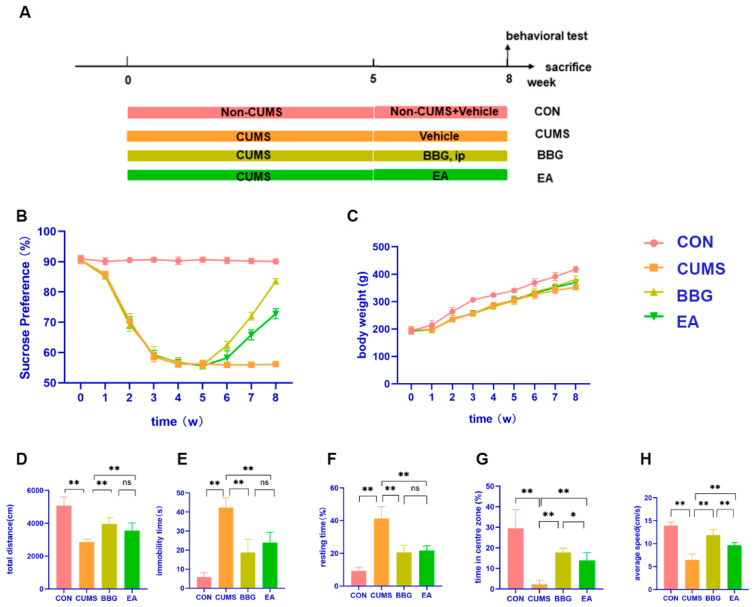
“on 6 consecutive days per week for 3 weeks [40,41] (Figure 1A).”
BackgroundArıcıoğlu, F., Özkartal, C. Ş., Bastaskin, T., Tüzün, E., Kandemir, C., Şirvancı, S., Küçükali, C. İ., & Utkan, T. (2019) · Clinical Psychopharmacology and Neuroscience · doi:10.9758/cpn.2019.17.2.261 · Cited by 48 · cited 1×
“on 6 consecutive days per week for 3 weeks [40,41] (Figure 1A).”
BackgroundKahl, K. G., Stapel, B., & Frieling, H. (2019) · Progress in Neuro-Psychopharmacology and Biological Psychiatry · doi:10.1016/j.pnpbp.2018.09.004 · Cited by 47 · cited 1×
“It is often accompanied by liver disease, and can further affect liver function, and even aggravate liver disease [66].”
BackgroundEfficacy and safety of electroacupuncture for post-stroke depression: a randomized controlled trial
Cai, W., Ma, W., Li, Y., Wang, G., Yang, H., & Shen, W.-D. (2022) · Acupuncture in Medicine · doi:10.1177/09645284221077104 · Cited by 41 · cited 1×
“According to clinical evidence [79], we selected the Ganshu (BL18) acupoint.”
MethodSelf-citationChronic unpredictable stress shifts rat behavior from exploration to exploitation
Matisz, C. E., Badenhorst, C. A., & Gruber, A. J. (2021) · Stress · doi:10.1080/10253890.2021.1947235 · Cited by 40 · cited 2×
“They were exposed to one of 7 mild stressors daily in a random sequence for 5 weeks [42].”
MethodObesogenic diets induce anxiety in rodents: A systematic review and meta‐analysis
Clark, T. D., Crean, A. J., & Senior, A. M. (2021) · Obesity Reviews · doi:10.1111/obr.13399 · Cited by 36 · cited 1×
“Although a previous study [53] has shown that obesogenic diets can cause depression- and anxiety-like behaviors in rodents, little research has explored the relationship between depression, anxiety and weight loss.”
BackgroundLi, X., Wang, H., Li, C., Wu, J., Lü, J., Guo, J., & Tu, Y. (2021) · The Anatomical Record · doi:10.1002/ar.24778 · Cited by 35 · cited 1×
“Acupuncture needles were inserted bilaterally at the Baihui (GV20), Yintang (GV29), and Ganshu (BL18) acupoints [43,44] to a depth of 5 mm.”
MethodImpact of nonalcoholic fatty liver disease-related metabolic state on depression
Ntona, S., Papaefthymiou, A., Kountouras, J., Gialamprinou, D., Kotronis, G., Boziki, M. K., Pοlyzos, S. A., Tzitiridou‐Chatzopoulou, M., Chatzopoulos, D., Thavayogarajah, T., et al. (2023) · Neurochemistry International · doi:10.1016/j.neuint.2023.105484 · Cited by 32 · cited 1×
“Moreover, it has been suggested that liver steatosis can also trigger a systemic hyperinflammatory state, which can result in damage to the PFC—a phenomenon frequently observed in depression [68].”
BackgroundZhang, J. (2021) · International Journal of Environmental Research and Public Health · doi:10.3390/ijerph18147673 · Cited by 31 · cited 1×
“The body weight [45] and sucrose preference were tested 9 times from 0th to 8th week; open field test and forced swimming test were carried out only once at the end of the 8th week.”
MethodLiu, B., Zhao, L. R., Chen, Y., Meng, Q., & Xie, M. (2019) · Physiology & Behavior · doi:10.1016/j.physbeh.2019.112656 · Cited by 28 · cited 1×
“In this study, changes in behavioral assessment at different time points were observed to evaluate the states of nutrition and anhedonia [51,52].”
MethodWang, Q., Bi, H., Huang, H., Wang, Y., Gong, L., Qi, N., Li, D., Jin, X., Xu, T., & Shi, B. (2022) · Neuropsychobiology · doi:10.1159/000521185 · Cited by 27
Yang, F., Zhu, X.-X., Kong, M.-W., Zou, X., Ma, Q., Li, X., & Chen, J. (2022) · Frontiers in Pharmacology · doi:10.3389/fphar.2022.873646 · Cited by 27 · cited 13×
“Sucrose Preference and Body Weight As shown in Figure 1B and Table 2, SPT was not different at baseline.”
MethodInfluentialGao, J., Lai, M., Fu, W., Wang, M., Thi, T. T. M., Ning, B., & Fu, W. (2021) · Medical Science Monitor · doi:10.12659/msm.933833 · Cited by 25 · cited 1×
“Acupuncture needles were inserted bilaterally at the Baihui (GV20), Yintang (GV29), and Ganshu (BL18) acupoints [43,44] to a depth of 5 mm.”
MethodChen, L., Jiang, H., Bao, T., Wang, Y., Meng, H., Sun, Y., Liu, P., Quan, S., Li, W., Qi, S., et al. (2022) · Frontiers in Psychiatry · doi:10.3389/fpsyt.2022.903004 · Cited by 24 · cited 1×
“Baihui (GV20) and Yintang (GV29) are the core acupoints according to the latest research, which is based on data mining technology, on the acupoint characteristics in the treatment of depression by modern acupuncture [76,77].”
BackgroundCalovi, S., Mut-Arbona, P., Tod, P., Iring, A., Nicke, A., Mato, S., Vizi, E. S., Tønnesen, J., & Sperlágh, B. (2020) · Frontiers in Molecular Neuroscience · doi:10.3389/fnmol.2020.566251 · Cited by 22 · cited 1×
“Our results are consistent with previous findings [61,62] that indicate EA can effectively inhibit the overactivation of microglia, downregulate P2X7R/NLRP3/IL-1β expression, and reduce IL-1β release in the PFC.”
ResultDepression: An Overlooked Villain in Autoimmune Hepatitis?
Janik, M. K., Wunsch, E., Raszeja‐Wyszomirska, J., Krawczyk, M. J., & Milkiewicz, P. (2019) · Hepatology · doi:10.1002/hep.30568 · Cited by 14
Takagi, K., Tanahashi, N., Amagasu, N., Mizuno, K., Kawanokuchi, J., Guo, Y., & Ishida, T. (2016) · Journal of Acupuncture and Meridian Studies · doi:10.1016/j.jams.2016.11.006 · Cited by 13
Research works printed but not linked: 2
- Mennin D.S. Fresco D.M. Emotion regulation as an integrative framework for understanding and treating psychopathology Emotion Regulation and Psychopathology: A Transdiagnostic Approach to Etiology and Treatment The Guilford Press New York, NY, USA 2010
- Yang X.Y.H. Zhao T.Y. Sun S.Y. Pan X.F. Guo Y. Study on Compatibility Law of Acupoints in Patients with Depression Treated by Acupuncture Based on Data Mining Zhongguo Zhongyiyao Xinxi Zazhi 2021 28 21 25 10.19879/j.cnki.1005-5304.202001234 · doi:10.19879/j.cnki.1005-5304.202001234
Cited by
Major depressive disorder: hypothesis, mechanism, prevention and treatment
Cui, L., Li, S., Wang, S., Wu, X., Liu, Y., Yu, W., Wang, Y., Tang, Y., Xia, M., & Li, B. (2024) · Signal Transduction and Targeted Therapy · doi:10.1038/s41392-024-01738-y · Cited by 1,244
“252 In summary, as shown in Fig.”
Mechanisms of acupuncture in treating depression: a review
Ma, J., Yin, X., Cui, K., Wang, J., Li, W., & Xu, S. (2025) · Chinese Medicine · doi:10.1186/s13020-025-01080-7 · Cited by 43
Acupuncture may play a key role in anti-depression through various mechanisms in depression
Li, P., Zhao, J., Wei, X., Luo, L., Chu, Y., Zhang, T., Zhu, A., & Yan, J. (2024) · Chinese Medicine · doi:10.1186/s13020-024-00990-2 · Cited by 39
Purinergic P2X7 receptor as a potential therapeutic target in depression
Wang, Q., Jin, X., & Guan, W. (2023) · Biochemical Pharmacology · doi:10.1016/j.bcp.2023.115959 · Cited by 25
Possible antidepressant mechanism of acupuncture: targeting neuroplasticity
Xu, N., He, Y., Wei, Y.-N., Bai, L., & Wang, L. (2025) · Frontiers in Neuroscience · doi:10.3389/fnins.2025.1512073 · Cited by 20
Metadata
- Authors
- Pang, F., Yang, Y., Huang, S., Yang, Z., Zhu, Z., Liao, D., Guo, X., Zhou, M., Li, Y., & Tang, C.
- Affiliations
- Chongqing Medical University (CN)
- Chongqing Key Laboratory of Traditional Chinese Medicine for Prevention and Cure of Metabolic Diseases, College of Traditional Chinese Medicine, Chongqing Medical University, Chongqing 400016, China
- Corresponding author
- Tang, Chenglin
- Venue
- Brain Sciences
- Publisher
- MDPI AG
- Published
- 2023-03-03
- Volume
- 13
- Issue
- 3
- Pages
- 436
- ISSN
- 2076-3425 (ISSN-L)
- PMC
- PMC10046261
- OpenAlex
- W4323318291
- Cited by
- 25
- References
- 79
- Citations by year
- 2026: 9 · 2025: 11 · 2024: 4 · 2023: 1
- FWCI
- 7.64
- Type
- journal article
- Language
- en
- Open access
- gold
- doi.org
- Licence
- Locations
- Brain Sciences (publishedVersion, cc-by)
- PubMed Central (publishedVersion, cc-by)
- PubMed (publishedVersion)
- DOAJ (DOAJ: Directory of Open Access Journals) (submittedVersion, cc-by-sa)
- Funders
- Chongqing Municipal Education Commission (CYB20166)
- Topics
- Health Sciences › Medicine › Complementary and alternative medicine › Acupuncture Treatment Research Studies
- Health Sciences › Medicine › Pharmacology (medical) › Treatment of Major Depression
- Life Sciences › Neuroscience › Neurology › Vagus Nerve Stimulation Research
- Keywords
- electroacupuncture, depression, chronic unpredictable mild stress, P2X7 receptor, NLRP3 inflammasome, IL-1β, prefrontal cortex, liver, liver-brain axis, microglia, neuroinflammation, antidepressant effects
About these checks
Registry, retraction, Cites and statistics results are computed, not judged, with one exception: a printed reference that no index lists is read once by a model before it counts as a citation error. Claims are extracted by a model and kept only when their quote appears verbatim in the text; each cited source is then checked, with a model’s help, for whether it says what the claim relies on. Those verdicts can be wrong — read the claim’s quote and the cited source before relying on one.
Statistics and arithmetic are recomputed, not judged.
Confidence bands are shown only for fields calibrated on our annotated test set. None is calibrated yet, so no band is shown.
What counts as a claim ›How we measure confidence ›How we check this ›
Are you an author, or do you see a problem with this page? Request a review
Data sources
Bibliographic data: Semantic Scholar, OpenAlex, Crossref.
Contains information from the Semantic Scholar Academic Graph Datasets, made available under the ODC Attribution License (ODC-BY 1.0).
Semantic Scholar’s data is described in: Kinney, R., et al. (2023). The Semantic Scholar Open Data Platform. arXiv:2301.10140.
