

The DOI matches its Crossref record; 20 of the 20 references it cites were found in a registry or an index.
Toward a mechanistic understanding of poly-and perfluoroalkylated substances and cancer
Abstract
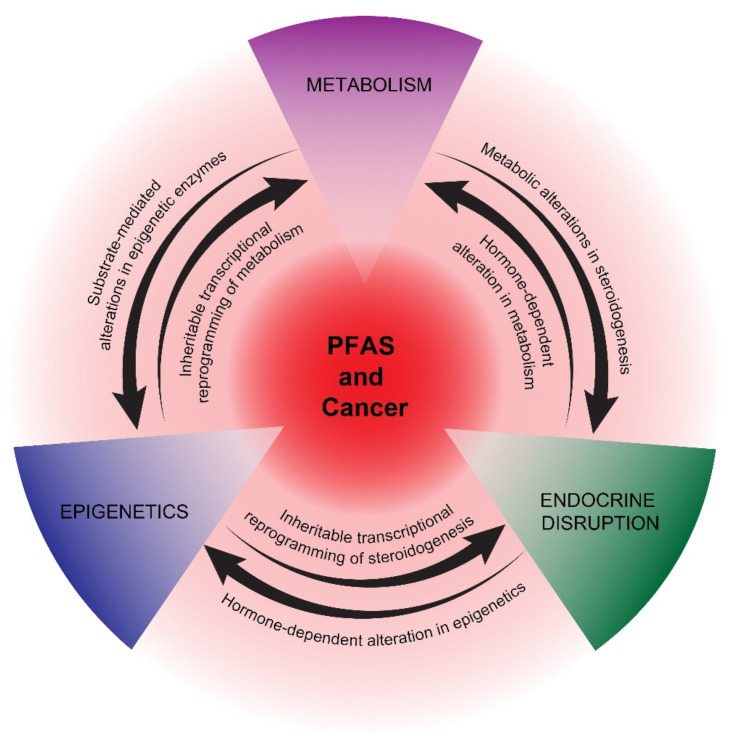
Poly- and perfluoroalkylated substances (PFAS) are chemicals that persist and bioaccumulate in the environment and are found in nearly all human populations through several routes of exposure. Human occupational and community exposure to PFAS has been associated with several cancers, including cancers of the kidney, testis, prostate, and liver. While evidence suggests that PFAS are not directly mutagenic, many diverse mechanisms of carcinogenicity have been proposed. In this mini-review, we organize these mechanisms into three major proposed pathways of PFAS action—metabolism, endocrine disruption, and epigenetic perturbation—and discuss how these distinct but interdependent pathways may explain many of the proposed pro-carcinogenic effects of the PFAS class of environmental contaminants. Notably, each of the pathways is predicted to be highly sensitive to the dose and window of exposure which may, in part, explain the variable epidemiologic and experimental evidence linking PFAS and cancer. We highlight testicular and prostate cancer as models to validate this concept.
Overview
The claims and statistics of this paper haven’t been checked yet.
Run the check — free, no account needed. It reads the open-access text and checks the sources it cites.
Integrity signals
Registry
Cites
Statistics
Figures
Verification
Claims the paper makes
The claims and statistics of this paper haven’t been checked yet.
Run the check — free, no account needed. It reads the open-access text and checks the sources it cites.
Claims other papers make about this one
Each is checked against this paper’s own text: does it say what the citing paper says it does?
The source backs part of the claim, not all of it — or backs it for a different population, condition or comparison.
In the citing paper
“Numerous epidemiological and mechanistic investigations have implied a connection between exposure to PFAS and a wide range of diseases, such as altered immune function, adverse reproductive effects, liver and kidney damage, obesity, and cancers (25–31).”
From Toward the development of a molecular toolkit for the microbial remediation of per-and polyfluoroalkyl substances (2024) · cites this paper as [31]
Experimental — accuracy not yet measured
Self-check
Percentages, sums and reported differences re-computed from the paper’s own numbers.
The self-check needs the paper’s full text.
Citations
Cites
Metabolic reprogramming and cancer progression
Faubert, B., Solmonson, A., & DeBerardinis, R. J. (2020) · Science · doi:10.1126/science.aaw5473 · Cited by 2,740
ATP-citrate lyase links cellular metabolism to histone acetylation
Wellen, K. E., Hatzivassiliou, G., Sachdeva, U. M., Bui, T. V., Cross, J. R., & Thompson, C. B. (2009) · Science · doi:10.1126/science.1164097 · Cited by 2,298
Hu, X. C., Andrews, D. Q., Lindstrom, A. B., Bruton, T. A., Schaider, L. A., Grandjean, P., Lohmann, R., Carignan, C. C., Blum, A., Balan, S. A., et al. (2016) · Environmental Science & Technology Letters · doi:10.1021/acs.estlett.6b00260 · Cited by 1,333
Do Perfluoroalkyl Compounds Impair Human Semen Quality?
Joensen, U. N., Bossi, R., Leffers, H., Jensen, A. A., Skakkebæk, N. E., & Jørgensen, N. (2009) · Environmental Health Perspectives · doi:10.1289/ehp.0800517 · Cited by 413
Makohon-Moore, A. P., Zhang, M., Reiter, J. G., Bozic, I., Allen, B., Kundu, D., Chatterjee, K., Wong, F., Jiao, Y., Kohutek, Z. A., et al. (2017) · Nature Genetics · doi:10.1038/ng.3764 · Cited by 403
Brase, R. A., Mullin, E. J., & Spink, D. C. (2021) · International Journal of Molecular Sciences · doi:10.3390/ijms22030995 · Cited by 374
Cui, L., Zhou, Q.-F., Liao, C.-Y., Fu, J.-J., & Jiang, G.-B. (2009) · Archives of Environmental Contamination and Toxicology · doi:10.1007/s00244-008-9194-6 · Cited by 368
Rickard, B. P., Rizvi, I., & Fenton, S. E. (2022) · Toxicology · doi:10.1016/j.tox.2021.153031 · Cited by 334
Meegoda, J. N., Kewalramani, J. A., Li, B., & Marsh, R. W. (2020) · International Journal of Environmental Research and Public Health · doi:10.3390/ijerph17218117 · Cited by 256
DeWitt, J. C., Blossom, S. J., & Schaider, L. A. (2019) · Journal of Exposure Science & Environmental Epidemiology · doi:10.1038/s41370-018-0097-y · Cited by 241
Perfluorinated Chemicals as Emerging Environmental Threats to Kidney Health: A Scoping Review
Stanifer, J. W., Stapleton, H. M., Souma, T., Wittmer, A., Zhao, X., & Boulware, L. E. (2018) · Clinical Journal of the American Society of Nephrology · doi:10.2215/cjn.04670418 · Cited by 233
Bolan, N., Sarkar, B., Vithanage, M., Singh, G., Tsang, D. C. W., Mukhopadhyay, R., Ramadass, K., Vinu, A., Sun, Y., Ramanayaka, S., et al. (2021) · Environment International · doi:10.1016/j.envint.2021.106600 · Cited by 185
Chang, E. T., Adami, H.-O., Boffetta, P., Cole, P., Starr, T. B., & Mandel, J. S. (2014) · Critical Reviews in Toxicology · doi:10.3109/10408444.2014.905767 · Cited by 180
Sheng, N., Pan, Y., Guo, Y., Sun, Y., & Dai, J. (2018) · Environmental Science & Technology · doi:10.1021/acs.est.8b01714 · Cited by 176
Labbé, D. P., Zadra, G., Yang, M., Reyes, J. M., Lin, C. Y., Cacciatore, S., Ebot, E. M., Creech, A. L., Giunchi, F., Fiorentino, M., et al. (2019) · Nature Communications · doi:10.1038/s41467-019-12298-z · Cited by 174
Ammonium Perfluorooctanoate Production and Occupational Mortality
Lundin, J. I., Alexander, B. H., Olsen, G. W., & Church, T. R. (2009) · Epidemiology · doi:10.1097/ede.0b013e3181b5f395 · Cited by 156
Eriksen, K. T., Sorensen, M., McLaughlin, J. K., Lipworth, L., Tjonneland, A., Overvad, K., & Raaschou-Nielsen, O. (2009) · JNCI Journal of the National Cancer Institute · doi:10.1093/jnci/djp041 · Cited by 150
Appel, M., Forsthuber, M., Ramos, R., Widhalm, R., Granitzer, S., Uhl, M., Hengstschläger, M., Stamm, T., & Gundacker, C. (2022) · Journal of Toxicology and Environmental Health, Part B · doi:10.1080/10937404.2021.2009946 · Cited by 104 · cited 2×
“PFAS cross t concentrate in breast milk; thus, exposure to the d veloping fetus and i fant occurs [73,74].”
BackgroundMetabolomics of Childhood Exposure to Perfluoroalkyl Substances: A Cross-Sectional Study
Kingsley, S. L., Walker, D. I., Calafat, A. M., Chen, A., Papandonatos, G. D., Xu, Y., Jones, D. P., Lanphear, B. P., Pennell, K. D., & Braun, J. M. (2019) · Metabolomics · doi:10.1007/s11306-019-1560-z · Cited by 90
Case–control study on perfluorinated alkyl acids (PFAAs) and the risk of prostate cancer
Hardell, E., Kärrman, A., van Bavel, B., Bao, J., Carlberg, M., & Hardell, L. (2014) · Environment International · doi:10.1016/j.envint.2013.10.005 · Cited by 80
Research works printed but not linked: 145
- Chohan, 2021, Per and polyfluoroalkyl substances scientific literature review: Water exposure, impact on human health, and implications for regulatory reform, Rev. Environ. Health, 36, 235, 10.1515/reveh-2020-0049 · DOI
- Xu, 2021, PFAS and their substitutes in groundwater: Occurrence, transformation and remediation, J. Hazard. Mater., 412, 125159, 10.1016/j.jhazmat.2021.125159 · DOI
- Laitinen, 2014, Firefighters’ exposure to perfluoroalkyl acids and 2-butoxyethanol present in firefighting foams, Toxicol. Lett., 231, 227, 10.1016/j.toxlet.2014.09.007 · DOI
- Calafat, 2007, Polyfluoroalkyl chemicals in the U.S. population: Data from the National Health and Nutrition Examination Survey (NHANES) 2003–2004 and comparisons with NHANES 1999–2000, Environ. Health Perspect., 115, 1596, 10.1289/ehp.10598 · DOI · Paper page
- Fu, 2016, Occurrence, temporal trends, and half-lives of perfluoroalkyl acids (PFAAs) in occupational workers in China, Sci. Rep., 6, 38039, 10.1038/srep38039 · DOI
- Emmett, 2006, Community exposure to perfluorooctanoate: Relationships between serum concentrations and exposure sources, J. Occup. Environ. Med., 48, 759, 10.1097/01.jom.0000232486.07658.74 · DOI
- Ingelido, 2018, Biomonitoring of perfluorinated compounds in adults exposed to contaminated drinking water in the Veneto Region, Italy, Environ. Int., 110, 149, 10.1016/j.envint.2017.10.026 · DOI
- Fenton, 2021, Per- and polyfluoroalkyl substance toxicity and human health review: Current state of knowledge and strategies for informing future research, Environ. Toxicol. Chem., 40, 606, 10.1002/etc.4890 · DOI · Paper page
- Sunderland, 2019, A review of the pathways of human exposure to poly- and perfluoroalkyl substances (PFASs) and present understanding of health effects, J. Expo. Sci. Environ. Epidemiol., 29, 131, 10.1038/s41370-018-0094-1 · DOI · Paper page
- Steenland, 2020, Review: Evolution of evidence on PFOA and health following the assessments of the C8 Science Panel, Environ. Int., 145, 106125, 10.1016/j.envint.2020.106125 · DOI
- Steenland, 2021, PFAS and cancer, a scoping review of the epidemiologic evidence, Environ. Res., 194, 110690, 10.1016/j.envres.2020.110690 · DOI
- Kim, M.J., Moon, S., Oh, B.C., Jung, D., Ji, K., Choi, K., and Park, Y.J. (2018). Association between perfluoroalkyl substances exposure and thyroid function in adults: A meta-analysis. PLoS ONE, 13. · DOI
- Rodgers, 2018, Environmental chemicals and breast cancer: An updated review of epidemiological literature informed by biological mechanisms, Environ. Res., 160, 152, 10.1016/j.envres.2017.08.045 · DOI
- Gilliland, 1993, Mortality among employees of a perfluorooctanoic acid production plant, J. Occup. Med., 35, 950, 10.1097/00043764-199309000-00020 · DOI
- Barry, 2013, Perfluorooctanoic acid (PFOA) exposures and incident cancers among adults living near a chemical plant, Environ. Health Perspect., 121, 1313, 10.1289/ehp.1306615 · DOI
- Vieira, 2013, Perfluorooctanoic acid exposure and cancer outcomes in a contaminated community: A geographic analysis, Environ. Health Perspect., 121, 318, 10.1289/ehp.1205829 · DOI
- Long, 2011, Perfluorinated compounds are related to breast cancer risk in Greenlandic Inuit: A case control study, Environ. Health, 10, 88, 10.1186/1476-069X-10-88 · DOI
- Long, 2014, Breast cancer risk after exposure to perfluorinated compounds in Danish women: A case-control study nested in the Danish National Birth Cohort, Cancer Causes Control., 25, 1439, 10.1007/s10552-014-0446-7 · DOI
- Raleigh, 2014, Mortality and cancer incidence in ammonium perfluorooctanoate production workers, Occup. Environ. Med., 71, 500, 10.1136/oemed-2014-102109 · DOI
- Farias, 2017, Carcinogenic risk of emerging persistent organic pollutant perfluorooctane sulfonate (PFOS): A proposal of classification, Regul. Toxicol. Pharmacol., 83, 66, 10.1016/j.yrtph.2016.11.021 · DOI
- Bartell, 2021, Critical review on PFOA, kidney cancer, and testicular cancer, J. Air Waste Manag. Assoc., 71, 663, 10.1080/10962247.2021.1909668 · DOI · Paper page
- Lau, 2007, Perfluoroalkyl acids: A review of monitoring and toxicological findings, Toxicol. Sci., 99, 366, 10.1093/toxsci/kfm128 · DOI · Paper page
- Butenhoff, 2012, Chronic dietary toxicity and carcinogenicity study with ammonium perfluorooctanoate in Sprague-Dawley rats, Toxicology, 298, 1, 10.1016/j.tox.2012.04.001 · DOI
- Biegel, 2001, Mechanisms of extrahepatic tumor induction by peroxisome proliferators in male CD rats, Toxicol. Sci., 60, 44, 10.1093/toxsci/60.1.44 · DOI
- Temkin, A.M., Hocevar, B.A., Andrews, D.Q., Naidenko, O.V., and Kamendulis, L.M. (2020). Application of the key characteristics of carcinogens to per and polyfluoroalkyl substances. Int. J. Environ. Res. Public Health, 17. · DOI
- Crebelli, 2019, Can sustained exposure to PFAS trigger a genotoxic response? A comprehensive genotoxicity assessment in mice after subacute oral administration of PFOA and PFBA, Regul. Toxicol. Pharmacol., 106, 169, 10.1016/j.yrtph.2019.05.005 · DOI
- Emerce, 2018, Genotoxicity assessment of perfluoroalkyl substances on human sperm, Toxicol. Ind. Health, 34, 884, 10.1177/0748233718799191 · DOI
- Long, 2015, Perfluoroalkylated substances (PFAS) affect oxidative stress biomarkers in vitro, Chemosphere, 129, 239, 10.1016/j.chemosphere.2014.10.014 · DOI
- Panaretakis, 2001, Reactive oxygen species and mitochondria mediate the induction of apoptosis in human hepatoma HepG2 cells by the rodent peroxisome proliferator and hepatocarcinogen, perfluorooctanoic acid, Toxicol. Appl. Pharmacol., 173, 56, 10.1006/taap.2001.9159 · DOI
- Klaunig, 2012, Mode of action analysis of perfluorooctanoic acid (PFOA) tumorigenicity and human relevance, Reprod. Toxicol., 33, 410, 10.1016/j.reprotox.2011.10.014 · DOI
- Kim, 2021, Epigenetic changes by per- and polyfluoroalkyl substances (PFAS), Environ. Pollut., 279, 116929, 10.1016/j.envpol.2021.116929 · DOI
- Hanahan, 2011, Hallmarks of cancer: The next generation, Cell, 144, 646, 10.1016/j.cell.2011.02.013 · DOI · Paper page
- Thompson, 2006, Differential activation of nuclear receptors by perfluorinated fatty acid analogs and natural fatty acids: A comparison of human, mouse, and rat peroxisome proliferator-activated receptor-alpha, -beta, and -gamma, liver X receptor-beta, and retinoid X receptor-alpha, Toxicol. Sci., 92, 476, 10.1093/toxsci/kfl014 · DOI
- Wolf, 2008, Activation of mouse and human peroxisome proliferator-activated receptor alpha by perfluoroalkyl acids of different functional groups and chain lengths, Toxicol. Sci., 106, 162, 10.1093/toxsci/kfn166 · DOI
- Dixit, 2022, The pleiotropic peroxisome proliferator activated receptors: Regulation and therapeutics, Exp. Mol. Pathol., 124, 104723, 10.1016/j.yexmp.2021.104723 · DOI
- Li, 2019, Maternal exposure to perfluorooctanoic acid (PFOA) causes liver toxicity through PPAR-α pathway and lowered histone acetylation in female offspring mice, Environ. Sci. Pollut. Res. Int., 26, 18866, 10.1007/s11356-019-05258-z · DOI
- Das, 2017, Perfluoroalkyl acids-induced liver steatosis: Effects on genes controlling lipid homeostasis, Toxicology, 378, 37, 10.1016/j.tox.2016.12.007 · DOI
- Chappell, 2020, Assessment of the mode of action underlying the effects of GenX in mouse liver and implications for assessing human health risks, Toxicol. Pathol., 48, 494, 10.1177/0192623320905803 · DOI
- Schlezinger, 2021, Perfluorooctanoic acid induces liver and serum dyslipidemia in humanized PPARα mice fed an American diet, Toxicol. Appl. Pharmacol., 426, 115644, 10.1016/j.taap.2021.115644 · DOI
- Fragki, 2021, Systemic PFOS and PFOA exposure and disturbed lipid homeostasis in humans: What do we know and what not?, Crit. Rev. Toxicol., 51, 141, 10.1080/10408444.2021.1888073 · DOI
- Frisbee, 2009, The C8 health project: Design, methods, and participants, Environ. Health Perspect., 117, 1873, 10.1289/ehp.0800379 · DOI
- Eriksen, K.T., Raaschou-Nielsen, O., McLaughlin, J.K., Lipworth, L., Tjønneland, A., Overvad, K., and Sørensen, M. (2013). Association between plasma PFOA and PFOS levels and total cholesterol in a middle-aged Danish population. PLoS ONE, 8. · DOI
- Liu, 2018, Association among total serum isomers of perfluorinated chemicals, glucose homeostasis, lipid profiles, serum protein and metabolic syndrome in adults: NHANES, 2013-2014, Environ. Pollut., 232, 73, 10.1016/j.envpol.2017.09.019 · DOI
- Hu, 2003, Alterations in cell membrane properties caused by perfluorinated compounds, Comp. Biochem. Physiol. C Toxicol. Pharmacol., 135, 77, 10.1016/S1532-0456(03)00043-7 · DOI
- Fitzgerald, 2018, Partitioning and accumulation of perfluoroalkyl substances in model lipid bilayers and bacteria, Environ. Sci. Technol., 52, 10433, 10.1021/acs.est.8b02912 · DOI
- Wolf, 2008, Comparative hepatic effects of perfluorooctanoic acid and WY 14,643 in PPAR-alpha knockout and wild-type mice, Toxicol. Pathol., 36, 632, 10.1177/0192623308318216 · DOI
- Milhas, 2020, Metabolic remodeling induced by adipocytes: A new achilles’ heel in invasive breast cancer?, Curr. Med. Chem., 27, 3984, 10.2174/0929867325666180426165001 · DOI
- Xu, H., Chen, Y., Gu, M., Liu, C., Chen, Q., Zhan, M., and Wang, Z. (2021). Fatty acid metabolism reprogramming in advanced prostate cancer. Metabolites, 11. · DOI
- Liu, 2021, The role of short-chain fatty acids in intestinal barrier function, inflammation, oxidative stress, and colonic carcinogenesis, Pharmacol. Res., 165, 105420, 10.1016/j.phrs.2021.105420 · DOI
- Yu, 2016, Effects of perfluorooctanoic acid on metabolic profiles in brain and liver of mouse revealed by a high-throughput targeted metabolomics approach, Sci. Rep., 6, 23963, 10.1038/srep23963 · DOI
- Tan, 2012, Global liver proteome analysis using iTRAQ labeling quantitative proteomic technology to reveal biomarkers in mice exposed to perfluorooctane sulfonate (PFOS), Environ. Sci. Technol., 46, 12170, 10.1021/es3027715 · DOI
- Domazet, 2016, Longitudinal associations of exposure to perfluoroalkylated substances in childhood and adolescence and indicators of adiposity and glucose metabolism 6 and 12 years later: The European Youth Heart Study, Diabetes Care, 39, 1745, 10.2337/dc16-0269 · DOI
- Alderete, 2019, Perfluoroalkyl substances, metabolomic profiling, and alterations in glucose homeostasis among overweight and obese Hispanic children: A proof-of-concept analysis, Environ. Int., 126, 445, 10.1016/j.envint.2019.02.047 · DOI
- Stratakis, 2020, Prenatal exposure to perfluoroalkyl substances associated with increased susceptibility to liver injury in children, Hepatology, 72, 1758, 10.1002/hep.31483 · DOI
- Wang, 2017, Serum metabolome biomarkers associate low-level environmental perfluorinated compound exposure with oxidative /nitrosative stress in humans, Environ. Pollut., 229, 168, 10.1016/j.envpol.2017.04.086 · DOI
- Lv, 2013, Glucose and lipid homeostasis in adult rat is impaired by early-life exposure to perfluorooctane sulfonate, Environ. Toxicol., 28, 532, 10.1002/tox.20747 · DOI
- Quist, 2015, Hepatic mitochondrial alteration in CD-1 mice associated with prenatal exposures to low doses of perfluorooctanoic acid (PFOA), Toxicol. Pathol., 43, 546, 10.1177/0192623314551841 · DOI
- Varsi, 2021, Quantitation of linear and branched perfluoroalkane sulfonic acids (PFSAs) in women and infants during pregnancy and lactation, Environ. Int., 160, 107065, 10.1016/j.envint.2021.107065 · DOI
- Kempisty, 2021, Overview of the mechanisms of action of selected bisphenols and perfluoroalkyl chemicals on the male reproductive axes, Front. Genet., 12, 692897, 10.3389/fgene.2021.692897 · DOI
- Green, 2021, Endocrine disrupting chemicals: Impacts on human fertility and fecundity during the peri-conception period, Environ. Res., 194, 110694, 10.1016/j.envres.2020.110694 · DOI
- Tarapore, P., and Ouyang, B. (2021). Perfluoroalkyl Chemicals and Male Reproductive Health: Do PFOA and PFOS Increase Risk for Male Infertility?. Int. J. Environ. Res. Public Health, 18. · DOI
- Wan, 2011, Testicular signaling is the potential target of perfluorooctanesulfonate-mediated subfertility in male mice, Biol. Reprod., 84, 1016, 10.1095/biolreprod.110.089219 · DOI
- Feng, 2015, Chronic exposure of female mice to an environmental level of perfluorooctane sulfonate suppresses estrogen synthesis through reduced histone H3K14 acetylation of the star promoter leading to deficits in follicular development and ovulation, Toxicol. Sci., 148, 368, 10.1093/toxsci/kfv197 · DOI
- Zhao, B., Li, L., Liu, J., Li, H., Zhang, C., Han, P., Zhang, Y., Yuan, X., Ge, R.S., and Chu, Y. (2014). Exposure to perfluorooctane sulfonate in utero reduces testosterone production in rat fetal Leydig cells. PLoS ONE, 9. · DOI
- Jensen, 2008, Emerging endocrine disrupters: Perfluoroalkylated substances, Int. J. Androl., 31, 161, 10.1111/j.1365-2605.2008.00870.x · DOI
- Zhang, 2014, Proteomic analysis of mouse testis reveals perfluorooctanoic acid-induced reproductive dysfunction via direct disturbance of testicular steroidogenic machinery, J. Proteome Res., 13, 3370, 10.1021/pr500228d · DOI
- Salgado, 2014, Perfluorooctane sulfonate effects on the reproductive axis in adult male rats, Environ. Res., 134, 158, 10.1016/j.envres.2014.07.006 · DOI
- Sabovic, 2019, Endocrine disruption of androgenic activity by perfluoroalkyl substances: Clinical and experimental evidence, J. Clin. Endocrinol. Metab, 104, 1259, 10.1210/jc.2018-01855 · DOI
- Itoh, 2016, Association of perfluoroalkyl substances exposure in utero with reproductive hormone levels in cord blood in the Hokkaido Study on Environment and Children’s Health, Environ. Int., 94, 51, 10.1016/j.envint.2016.05.011 · DOI
- Song, 2018, Effects of perfluorooctanoic acid exposure during pregnancy on the reproduction and development of male offspring mice, Andrologia, 50, e13059, 10.1111/and.13059 · DOI
- White, 2011, Gestational and chronic low-dose PFOA exposures and mammary gland growth and differentiation in three generations of CD-1 mice, Environ. Health Perspect., 119, 1070, 10.1289/ehp.1002741 · DOI
- White, 2007, Gestational PFOA exposure of mice is associated with altered mammary gland development in dams and female offspring, Toxicol. Sci., 96, 133, 10.1093/toxsci/kfl177 · DOI
- Zhang, 2021, Perfluorooctanoic acid exposure in early pregnancy induces oxidative stress in mice uterus and liver, Environ. Sci. Pollut. Res. Int., 28, 66355, 10.1007/s11356-021-15453-6 · DOI
- Mallozzi, M., Leone, C., Manurita, F., Bellati, F., and Caserta, D. (2017). Endocrine disrupting chemicals and endometrial cancer: An overview of recent laboratory evidence and epidemiological studies. Int. J. Environ. Res. Public Health, 14. · DOI
- Vested, 2013, Associations of in utero exposure to perfluorinated alkyl acids with human semen quality and reproductive hormones in adult men, Environ. Health Perspect., 121, 453, 10.1289/ehp.1205118 · DOI
- Mondal, 2016, perfluoroalkyl substances, sex hormones, and insulin-like growth factor-1 at 6-9 years of age: A cross-sectional analysis within the C8 Health Project, Environ. Health Perspect., 124, 1269, 10.1289/ehp.1509869 · DOI
- Tsai, 2015, Association between perfluoroalkyl substances and reproductive hormones in adolescents and young adults, Int. J. Hyg. Environ. Health, 218, 437, 10.1016/j.ijheh.2015.03.008 · DOI
- Toporova, 2020, Nuclear receptors are the major targets of endocrine disrupting chemicals, Mol. Cell Endocrinol., 502, 110665, 10.1016/j.mce.2019.110665 · DOI
- Margolis, 2021, Associations between Exposures to Perfluoroalkyl Substances and Diabetes, Hyperglycemia, or Insulin Resistance: A Scoping Review, J. Xenobiot., 11, 115, 10.3390/jox11030008 · DOI · Paper page
- Walker, 2016, Minireview: Epigenomic plasticity and vulnerability to EDC exposures, Mol. Endocrinol., 30, 848, 10.1210/me.2016-1086 · DOI
- Murk, 2017, Association between DNA methylation profiles in leukocytes and serum levels of persistent organic pollutants in Dutch men, Environ. Epigenet., 3, dvx001
- Watkins, 2014, Associations between serum perfluoroalkyl acids and LINE-1 DNA methylation, Environ. Int., 63, 71, 10.1016/j.envint.2013.10.018 · DOI
- Goldman, 2010, Global DNA hypomethylation is associated with in utero exposure to cotinine and perfluorinated alkyl compounds, Epigenetics, 5, 539, 10.4161/epi.5.6.12378 · DOI
- Kingsley, 2017, Maternal serum PFOA concentration and DNA methylation in cord blood: A pilot study, Environ. Res., 158, 174, 10.1016/j.envres.2017.06.013 · DOI
- Leung, 2018, Identification of sex-specific DNA methylation changes driven by specific chemicals in cord blood in a Faroese birth cohort, Epigenetics, 13, 290, 10.1080/15592294.2018.1445901 · DOI
- Miura, 2018, An epigenome-wide study of cord blood DNA methylations in relation to prenatal perfluoroalkyl substance exposure: The Hokkaido study, Environ. Int., 115, 21, 10.1016/j.envint.2018.03.004 · DOI
- Kobayashi, 2017, Effects of prenatal perfluoroalkyl acid exposure on cord blood IGF2/H19 methylation and ponderal index: The Hokkaido Study, J. Expo. Sci. Environ. Epidemiol., 27, 251, 10.1038/jes.2016.50 · DOI
- Liu, C.Y., Chen, P.C., Lien, P.C., and Liao, Y.P. (2018). Prenatal perfluorooctyl sulfonate exposure and Alu DNA hypomethylation in cord blood. Int. J. Environ. Res Public Health, 15. · DOI
- Guo, X.X., He, Q.Z., Li, W., Long, D.X., Pan, X.Y., Chen, C., and Zeng, H.C. (2017). Brain-derived neurotrophic factor mediated perfluorooctane sulfonate induced-neurotoxicity via epigenetics regulation in SK-N-SH cells. Int. J. Mol. Sci., 18. · DOI
- Sonkar, 2019, PFOS modulates interactive epigenetic regulation in first-trimester human trophoblast cell line HTR-8/SV(neo), Chem. Res. Toxicol., 32, 2016, 10.1021/acs.chemrestox.9b00198 · DOI
- Tian, 2012, Perfluorooctanoic acid induces gene promoter hypermethylation of glutathione-S-transferase Pi in human liver L02 cells, Toxicology, 296, 48, 10.1016/j.tox.2012.03.003 · DOI
- Murk, 2017, Persistent organic pollutants alter DNA methylation during human adipocyte differentiation, Toxicol. Vitr., 40, 79, 10.1016/j.tiv.2016.12.011 · DOI
- Ma, 2018, Low-level perfluorooctanoic acid enhances 3 T3-L1 preadipocyte differentiation via altering peroxisome proliferator activated receptor gamma expression and its promoter DNA methylation, J. Appl. Toxicol., 38, 398, 10.1002/jat.3549 · DOI
- Rashid, 2020, Acute PFOA exposure promotes epigenomic alterations in mouse kidney tissues, Toxicol. Rep., 7, 125, 10.1016/j.toxrep.2019.12.010 · DOI
- Wen, 2020, Effect of PFOA on DNA methylation and alternative splicing in mouse liver, Toxicol. Lett., 329, 38, 10.1016/j.toxlet.2020.04.012 · DOI
- Wen, 2020, Epigenetic toxicity of PFOA and GenX in HepG2 cells and their role in lipid metabolism, Toxicol. Vitr., 65, 104797, 10.1016/j.tiv.2020.104797 · DOI
- Liu, 2020, Perfluorooctanoic acid (PFOA) exposure inhibits DNA methyltransferase activities and alters constitutive heterochromatin organization, Food Chem. Toxicol., 141, 111358, 10.1016/j.fct.2020.111358 · DOI
- Ahmad, 2021, PFOA induces alteration in DNA methylation regulators and SARS-CoV-2 targets Ace2 and Tmprss2 in mouse lung tissues, Toxicol. Rep., 8, 1892, 10.1016/j.toxrep.2021.11.014 · DOI
- Wan, 2010, Alterations in tumor biomarker GSTP gene methylation patterns induced by prenatal exposure to PFOS, Toxicology, 274, 57, 10.1016/j.tox.2010.05.006 · DOI
- Tian, 2019, SAM targeting methylation by the methyl donor, a novel therapeutic strategy for antagonize PFOS transgenerational fertility toxicity, Ecotoxicol. Environ. Saf, 184, 109579, 10.1016/j.ecoenv.2019.109579 · DOI
- Rashid, F., Ahmad, S., and Irudayaraj, J.M.K. (2020). Effect of Perfluorooctanoic acid on the epigenetic and tight junction genes of the mouse intestine. Toxics, 8. · DOI
- Jabeen, M., Fayyaz, M., and Irudayaraj, J. (2020). Epigenetic modifications, and alterations in cell cycle and apoptosis pathway in A549 lung carcinoma cell line upon exposure to perfluoroalkyl substances. Toxics, 8. · DOI
- Dong, 2016, Hepatic miRNA profiles and thyroid hormone homeostasis in rats exposed to dietary potassium perfluorooctanesulfonate (PFOS), Environ. Toxicol. Pharmacol., 41, 201, 10.1016/j.etap.2015.12.009 · DOI
- Wang, 2012, Association of perfluorooctanoic acid with HDL cholesterol and circulating miR-26b and miR-199-3p in workers of a fluorochemical plant and nearby residents, Environ. Sci. Technol., 46, 9274, 10.1021/es300906q · DOI
- Imir, O.B., Kaminsky, A.Z., Zuo, Q.Y., Liu, Y.J., Singh, R., Spinella, M.J., Irudayaraj, J., Hu, W.Y., Prins, G.S., and Madak Erdogan, Z. (2021). Per- and polyfluoroalkyl substance exposure combined with high-fat diet supports prostate cancer progression. Nutrients, 13. · DOI
- Chandra, 2015, Effects of deranged metabolism on epigenetic changes in cancer, Arch. Pharm. Res., 38, 321, 10.1007/s12272-015-0561-3 · DOI
- Boukouris, 2016, metabolic enzymes moonlighting in the nucleus: Metabolic regulation of gene transcription, Trends Biochem. Sci., 41, 712, 10.1016/j.tibs.2016.05.013 · DOI
- Fleisch, 2012, Environmental epigenetics: A role in endocrine disease?, J. Mol. Endocrinol., 49, R61, 10.1530/JME-12-0066 · DOI
- Feroe, 2017, Endocrine disrupting chemicals, transgenerational epigenetics and metabolic diseases, EC Endocrinol. Metab. Res., 21, 31
- Bray, 2018, Global cancer statistics 2018: GLOBOCAN estimates of incidence and mortality worldwide for 36 cancers in 185 countries, CA Cancer J. Clin., 68, 394, 10.3322/caac.21492 · DOI · Paper page
- Lobo, J., Gillis, A.J.M., Jerónimo, C., Henrique, R., and Looijenga, L.H.J. (2019). Human germ cell tumors are developmental cancers: Impact of epigenetics on pathobiology and clinic. Int. J. Mol. Sci. · DOI
- Shen, 2018, Integrated molecular characterization of testicular germ cell tumors, Cell Rep., 23, 3392, 10.1016/j.celrep.2018.05.039 · DOI
- Litchfield, 2015, Whole-exome sequencing reveals the mutational spectrum of testicular germ cell tumours, Nat. Commun., 6, 5973, 10.1038/ncomms6973 · DOI
- Lim, 2021, Endocrine disrupting chemicals and risk of testicular cancer: A systematic review and meta-analysis, J. Clin. Endocrinol. Metab., 106, e4834
- Sharma, 2020, Endocrine-disrupting chemicals and male reproductive health, Reprod. Med. Biol., 19, 243, 10.1002/rmb2.12326 · DOI
- Singh, R., Fazal, Z., Freemantle, S.J., and Spinella, M.J. (2021). Between a rock and a hard place: An epigenetic-centric view of testicular germ cell tumors. Cancers, 13. · DOI
- Skakkebaek, 2016, Male reproductive disorders and fertility trends: Influences of environment and genetic susceptibility, Physiol. Rev., 96, 55, 10.1152/physrev.00017.2015 · DOI
- Selvi, 2020, Effects of testicular dysgenesis syndrome components on testicular germ cell tumor prognosis and oncological outcomes, Int. Braz. J. Urol., 46, 725, 10.1590/s1677-5538.ibju.2019.0387 · DOI
- Trabert, 2013, Congenital malformations and testicular germ cell tumors, Int. J. Cancer, 133, 1900, 10.1002/ijc.28207 · DOI
- Hanson, 2016, Subfertility increases risk of testicular cancer: Evidence from population-based semen samples, Fertil. Steril., 105, 322, 10.1016/j.fertnstert.2015.10.027 · DOI
- Singh, R., Fazal, Z., Corbet, A.K., Bikorimana, E., Rodriguez, J.C., Khan, E.M., Shahid, K., Freemantle, S.J., and Spinella, M.J. (2019). Epigenetic Remodeling through Downregulation of Polycomb Repressive Complex 2 Mediates Chemotherapy Resistance in Testicular Germ Cell Tumors. Cancers, 11. · DOI
- Fazal, 2021, Hypermethylation and global remodelling of DNA methylation is associated with acquired cisplatin resistance in testicular germ cell tumours, Epigenetics, 16, 1071, 10.1080/15592294.2020.1834926 · DOI
- Soteriades, 2019, Cancer Incidence and Mortality in Firefighters: A State-of-the-Art Review and Meta-َAnalysis, Asian Pac. J. Cancer Prev., 20, 3221, 10.31557/APJCP.2019.20.11.3221 · DOI
- Petersen, 2020, Per- and polyfluoroalkyl substances and male reproductive health: A systematic review of the epidemiological evidence, J. Toxicol. Environ. Health B Crit. Rev., 23, 276, 10.1080/10937404.2020.1798315 · DOI
- Steves, 2018, Per- and polyfluoroalkyl substances impact human spermatogenesis in a stem-cell-derived model, Syst. Biol. Reprod. Med., 64, 225, 10.1080/19396368.2018.1481465 · DOI
- Iwabuchi, 2017, Tissue toxicokinetics of perfluoro compounds with single and chronic low doses in male rats, J. Toxicol. Sci., 42, 301, 10.2131/jts.42.301 · DOI
- Biegel, 1995, Effects of ammonium perfluorooctanoate on Leydig cell function: In vitro, in vivo, and ex vivo studies, Toxicol. Appl. Pharmacol., 134, 18, 10.1006/taap.1995.1164 · DOI
- Zhang, 2020, Effects of gestational perfluorooctane sulfonate exposure on the developments of fetal and adult Leydig cells in F1 males, Environ. Pollut., 262, 114241, 10.1016/j.envpol.2020.114241 · DOI
- Lai, 2017, Effects of in utero PFOS exposure on transcriptome, lipidome, and function of mouse testis, Environ. Sci. Technol., 51, 8782, 10.1021/acs.est.7b02102 · DOI
- Li, 2018, Perfluorooctane sulfonate impairs rat Leydig cell development during puberty, Chemosphere, 190, 43, 10.1016/j.chemosphere.2017.09.116 · DOI
- Tian, 2019, Biphasic effects of perfluorooctanoic acid on steroidogenesis in mouse Leydig tumour cells, Reprod. Toxicol., 83, 54, 10.1016/j.reprotox.2018.11.006 · DOI
- York, 2010, Male reproductive system parameters in a two-generation reproduction study of ammonium perfluorooctanoate in rats and human relevance, Toxicology, 271, 64, 10.1016/j.tox.2010.03.005 · DOI
- Butenhoff, 2004, The reproductive toxicology of ammonium perfluorooctanoate (APFO) in the rat, Toxicology, 196, 95, 10.1016/j.tox.2003.11.005 · DOI · Paper page
- Liu, 1996, Effect of the peroxisome proliferator, ammonium perfluorooctanoate (C8), on hepatic aromatase activity in adult male Crl:CD BR (CD) rats, Fundam Appl. Toxicol., 30, 220, 10.1006/faat.1996.0059 · DOI
- Gore, 2015, EDC-2: The Endocrine Society’s second scientific statement on endocrine-disrupting chemicals, Endocr. Rev., 36, E1, 10.1210/er.2015-1010 · DOI · Paper page
- Narita, S., Nara, T., Sato, H., Koizumi, A., Huang, M., Inoue, T., and Habuchi, T. (2019). Research evidence on high-fat diet-induced prostate cancer development and progression. J. Clin. Med., 8. · DOI
- Freedland, 2004, Examining the relationship between obesity and prostate cancer, Rev. Urol., 6, 73
- Vidal, 2020, Obesity, race, and long-term prostate cancer outcomes, Cancer, 126, 3733, 10.1002/cncr.32906 · DOI
- Priolo, 2014, AKT1 and MYC induce distinctive metabolic fingerprints in human prostate cancer, Cancer Res., 74, 7198, 10.1158/0008-5472.CAN-14-1490 · DOI
- Hu, 2021, Per- and polyfluoroalkyl substances target and alter human prostate stem-progenitor cells, Biochem. Pharmacol., 197, 114902, 10.1016/j.bcp.2021.114902 · DOI
- Band, 2019, Free fatty acids rewire cancer metabolism in obesity-associated breast cancer via estrogen receptor and mTOR signaling, Cancer Res., 79, 2494, 10.1158/0008-5472.CAN-18-2849 · DOI
- Singh, 2021, The interplay between prostate cancer genomics, metabolism, and the epigenome: Perspectives and future prospects, Front. Oncol., 11, 704353, 10.3389/fonc.2021.704353 · DOI
- Deblois, 2020, Epigenetic switch–induced viral mimicry evasion in chemotherapy-resistant breast cancer, Cancer Discov., 10, 1312, 10.1158/2159-8290.CD-19-1493 · DOI
- McDonald, 2017, Epigenomic reprogramming during pancreatic cancer progression links anabolic glucose metabolism to distant metastasis, Nat. Genet., 49, 367, 10.1038/ng.3753 · DOI · Paper page
- Sutendra, 2014, A nuclear pyruvate dehydrogenase complex is important for the generation of acetyl-CoA and histone acetylation, Cell, 158, 84, 10.1016/j.cell.2014.04.046 · DOI
Cited by
Sorted by citations
Li, S., Oliva, P., Zhang, L., Goodrich, J. A., McConnell, R., Conti, D. V., Chatzi, L., & Aung, M. (2025) · Journal of Exposure Science & Environmental Epidemiology · doi:10.1038/s41370-024-00742-2 · Cited by 101
Winquist, A., Hodge, J. M., Diver, W. R., Rodriguez, J. L., Troeschel, A. N., Daniel, J., & Teras, L. R. (2023) · Environmental Health Perspectives · doi:10.1289/ehp13174 · Cited by 75
The Relationship between Typical Environmental Endocrine Disruptors and Kidney Disease
Zhang, X., Flaws, J. A., Spinella, M. J., & Irudayaraj, J. (2022) · Toxics · doi:10.3390/toxics11010032 · Cited by 63
Self-citationHu, M., & Scott, C. (2024) · Applied and Environmental Microbiology · doi:10.1128/aem.00157-24 · Cited by 63
Understanding PFAS Adsorption: How Molecular Structure Affects Sustainable Water Treatment
Hamza, M., Ayinla, R. T., Elsayed, I., & Hassan, E. B. (2025) · Environments · doi:10.3390/environments12090330 · Cited by 43
Metadata
- Authors
- Boyd, R. I., Ahmad, S., Singh, R., Fazal, Z., Prins, G. S., Madak Erdogan, Z., Irudayaraj, J., & Spinella, M. J.
- Affiliations
- Department of Comparative Biosciences, University of Illinois, Urbana-Champaign, Urbana, IL 61802, USA
- Department of Bioengineering, University of Illinois, Urbana-Champaign, Urbana, IL 61801, USA
- Departments of Urology, Pathology and Physiology, College of Medicine, Chicago Center for Health and Environment, University of Illinois Chicago, Chicago, IL 60612, USA
- Department of Food Science and Human Nutrition, Division of Nutritional Sciences, University of Illinois Urbana-Champaign, Urbana, IL 61801, USA
- Venue
- Cancers
- Publisher
- MDPI AG
- Published
- 2022-06-14
- Volume
- 14
- Issue
- 12
- Pages
- 2919
- ISSN
- 2072-6694
- PMC
- PMC9220899
- Cited by
- 110
- References
- 20
- Language
- en
- Funders
- NCI (R01CA211875, W81XWH2110903)
- a DOD PRCRP Impact Award (R01CA211875, W81XWH2110903)
About these checks
Registry, retraction, Cites and statistics results are computed, not judged, with one exception: a printed reference that no index lists is read once by a model before it counts as a citation error. Claims are extracted by a model and kept only when their quote appears verbatim in the text; each cited source is then checked, with a model’s help, for whether it says what the claim relies on. Those verdicts can be wrong — read the claim’s quote and the cited source before relying on one.
Statistics and arithmetic are recomputed, not judged.
Confidence bands are shown only for fields calibrated on our annotated test set. None is calibrated yet, so no band is shown.
What counts as a claim ›How we measure confidence ›How we check this ›
Are you an author, or do you see a problem with this page? Request a review
