

A Clinical Outcome of the Anti-PD-1 Therapy of Melanoma in Polish Patients Is Mediated by Population-Specific Gut Microbiome Composition
Open accessPublished version of a preprint
The DOI matches its Crossref record; 122 of the 122 references it cites were found in a registry or an index; 18 of the 36 sources its claims cite were checked for support.
Abstract
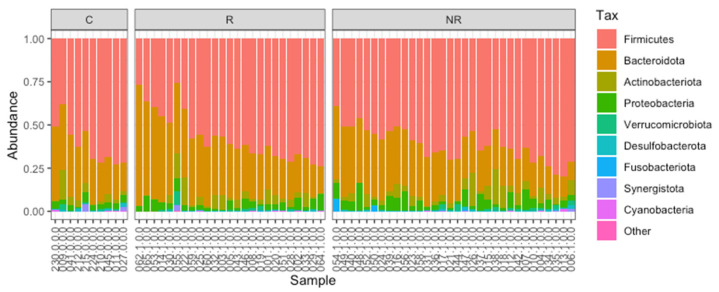
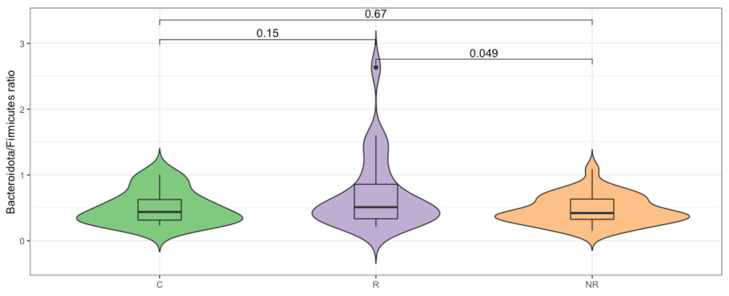
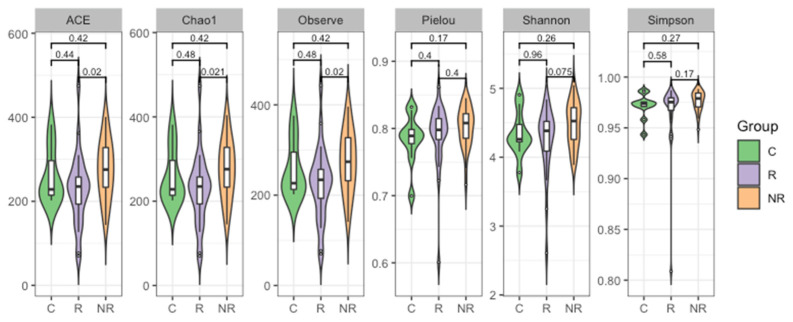
The gut microbiota is considered a key player modulating the efficacy of immune checkpoint inhibitor therapy. The study investigated the association between the response to anti-PD-1 therapy and the baseline gut microbiome in a Polish cohort of melanoma patients, alongside selected agents modifying the microbiome. Sixty-four melanoma patients enrolled for the anti-PD-1 therapy, and ten healthy subjects were recruited. The response to the treatment was assessed according to the response evaluation criteria in solid tumors, and patients were classified as responders or non-responders. The association between selected extrinsic factors and response was investigated using questionnaire-based analysis and the metataxonomics of the microbiota. In the responders, the Bacteroidota to Firmicutes ratio was higher, and the richness was decreased. The abundance of Prevotella copri and Bacteroides uniformis was related to the response, whereas the non-responders’ gut microbiota was enriched with Faecalibacterium prausnitzii and Desulfovibrio intestinalis and some unclassified Firmicutes. Dietary patterns, including plant, dairy, and fat consumption as well as gastrointestinal tract functioning were significantly associated with the therapeutic effects of the therapy. The specific gut microbiota along with diet were found to be associated with the response to the therapy in the population of melanoma patients.
Overview
CoChat Summary
TL;DR
In a Polish cohort of 64 melanoma patients and 10 healthy controls, baseline gut microbiome composition was associated with anti-PD-1 response: responders had a higher Bacteroidota/Firmicutes ratio, lower richness, and enrichment of *Prevotella copri* and *Bacteroides uniformis*, while non-responders were enriched with *Faecalibacterium prausnitzii* and *Desulfovibrio intestinalis*. Diet and gastrointestinal factors, including high plant consumption, low dairy consumption, and daily defecation, were also associated with therapeutic response.
Key findings
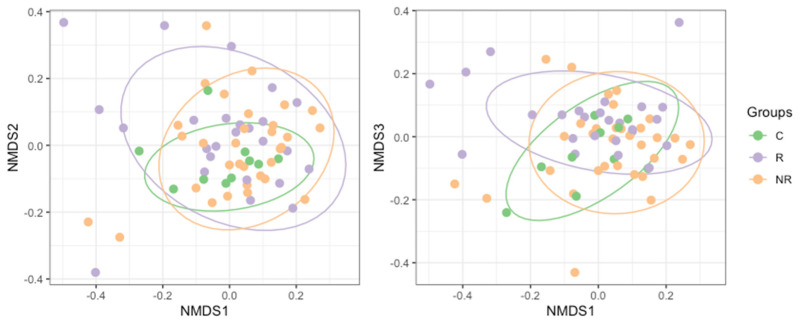
- Among 25 responders, 32 non-responders, and 10 controls, the median Bacteroidota to Firmicutes ratio was higher in responders (0.51) than controls (0.44) and non-responders (0.42), with a significant R–NR difference (p < 0.05). Responders also had significantly lower microbial richness than non-responders (p < 0.05), and baseline beta diversity differed between R and NR (R² = 0.0357, p = 0.0033).
- Response was associated with enrichment of ASVs belonging to *Prevotella copri* and *Bacteroides uniformis*; non-responders were enriched with *Faecalibacterium prausnitzii*, *Desulfovibrio intestinalis*, and unclassified Firmicutes (orders Izemoplasmatales and Clostridia UCG-014, family Oscillospiraceae).
- Questionnaire analysis found high plant consumption associated with a 2.9-fold increase in probability of response, and low dairy consumption (≤1 portion/day) with a 2.0-fold increase. Mixed dietary fat consumption was declared by 36.0% of responders vs 6.9% of non-responders; daily defecation by 62.5% of responders vs 43.3% of non-responders, while defecating every second day was reported by 4.2% of responders vs 40.0% of non-responders.
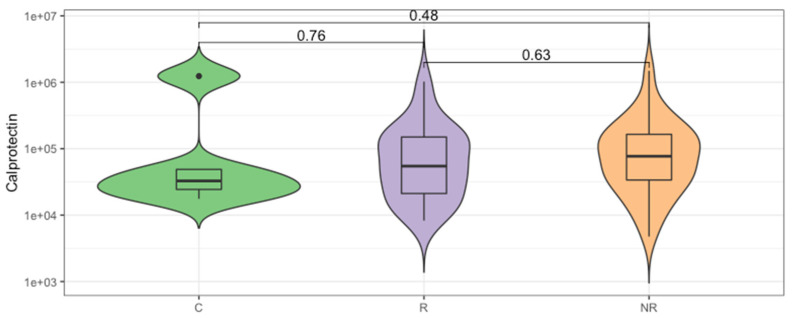
- Median stool calprotectin was 32.75, 54.69, and 76.99 µg/mL for controls, responders, and non-responders, respectively, but differences were not statistically significant (p > 0.05). Elevated serum LDH (>250 U/L) occurred in 21% of responders and 42% of non-responders, and median LDH was significantly higher in non-responders (p < 0.05).
Methods
- Prospective cohort recruited at Poznan University of Medical Sciences from June 2018 to December 2021: 64 patients with unresectable stage III or IV cutaneous melanoma starting anti-PD-1 therapy (nivolumab or pembrolizumab), plus 10 healthy relatives as controls. Response was assessed by RECIST v1.1: responders = CR/PR, non-responders = SD/PD; clinical benefit = CR/PR/SD, no benefit = PD.
- Baseline questionnaires (39 closed questions) covered socio-demographic, anthropometric, clinical, lifestyle, and dietary variables; stool samples were collected before treatment. Fecal calprotectin was measured by ELISA; microbiota was analyzed by 16S rRNA V3–V4 sequencing on Illumina MiSeq PE300, with selected samples also subjected to shotgun metagenomics on Illumina NovaSeq 6000 PE150 (n = 16).
- Analyses included Kruskal–Wallis and Fisher’s exact tests, relative risk for questionnaire variables, DADA2/SILVA taxonomy, alpha/beta diversity in R, PERMANOVA, and limma for differential taxa; metagenomic assembly and binning reconstructed metagenome-assembled genomes.
Limitations
- The paper states that the control group was small and significantly younger than patients, and that patients and controls differed significantly in birthplace, plant portion consumption, and defecation frequency; these factors were considered in microbiota analysis.
- The paper states that dietary fat findings could not identify which specific fat type or products were associated with improved outcomes, and that further studies with larger sample sizes and more specified extrinsic factors are needed.
- Evident from the text: this is a single-country cohort with a modest sample size, shotgun metagenomics was performed on only 16 selected samples, and the reported associations are baseline/cross-sectional and do not establish causality.
Model-written summary. Check it against the paper before relying on it.
Integrity signals
Registry
Cites
Statistics
Figures
Verification
Claims the paper makes
13 Valid · 0 Not valid · 13 Not checked · 48 Own results and interpretations
Every source the paper cites for this claim was checked and supports it.
In the paper
“The gut microbiota is considered a key player modulating the efficacy of immune checkpoint inhibitor therapy.”
- Also stated in: § 1. Introduction · boosted
“Numerous studies have consistently demonstrated the association of the gut microbiota composition with the response and survival benefits from ICI therapy, mostly manifested as progression-free survival (PFS) or overall survival (OS); however, there were contradictions in the specific taxa identified as positively or negatively associated with the clinical outcomes between various cohorts [6].”
§ A Clinical Outcome of the Anti-PD-1 Therapy of Melanoma in Polish Patients Is Mediated by Population-Specific Gut Microbiome Composition > Abstract
What the sources say
- Supportedcites [6] Liu X. Chen Y. Zhang S. Dong L. Gut microbiota-mediated immunomodulation in tumor J. Exp. Clin. Cancer Res. 2021 40 221 10.1186/s13046-021-01983-x 34217349 PMC8254267 source
The ‘Targeting microbiome in ICIs’ section says preclinical models suggested that gut microbiota was required for ICI efficacy. It also reports differences in gut microbiomes between patients who responded to anti-PD-1 treatment and those who did not, supporting the claim that microbiota modulates treatment efficacy. (LLM, conf=0.94)
boostedstates an association- Asserted: passes — The authors put it forward as true.
- Checkable: passes — It can be checked against evidence.
- Load-bearing: passes — The paper’s conclusions depend on it.
- Based: passes — The paper gives a reason why it holds.
- Also stated in: § 1. Introduction · boosted
The cited sources support only part of this claim — read each source’s verdict below.
In the paper
“The enrichment in Bacteroidota can lead to a reduction in intestinal inflammation [18,19,20].”
§ A Clinical Outcome of the Anti-PD-1 Therapy of Melanoma in Polish Patients Is Mediated by Population-Specific Gut Microbiome Composition > 3. Results > 3.3. Baseline Gut Microbiota of Responders Was Enriched with Prevotella copri and Bacteroides Uniformis
What the sources say
- Not checked yetcites [18] Mazmanian S.K. Round J.L. Kasper D.L. A Microbial Symbiosis Factor Prevents Intestinal Inflammatory Disease Nature 2008 453 620 625 10.1038/nature07008 18509436 source
- Partly supportedcites [19] Delday M. Mulder I. Logan E.T. Grant G. Bacteroides Thetaiotaomicron Ameliorates Colon Inflammation in Preclinical Models of Crohn’s Disease Inflamm. Bowel Dis. 2019 25 85 96 10.1093/ibd/izy281 30215718 PMC6290787 sourceExperimental — accuracy not yet measured
The Discussion (page not available in our copy) reports that treatment with B. thetaiotaomicron reduced colitis pathology and inflammatory mediators in preclinical models. That supports the possibility that a member of Bacteroidota can reduce intestinal inflammation, but the paper does not show that enrichment of the phylum as a whole has this effect. (LLM, conf=0.88)
- Partly supportedcites [20] Nomura K. Ishikawa D. Okahara K. Ito S. Haga K. Takahashi M. Arakawa A. Shibuya T. Osada T. Kuwahara-Arai K. Clinical Medicine Bacteroidetes Species Are Correlated with Disease Activity in Ulcerative Colitis J. Clin. Med. 2021 10 1749 10.3390/jcm10081749 33920646 PMC8073534 sourceExperimental — accuracy not yet measured
The Discussion says that abundant key Bacteroidetes species may have therapeutic potential and reports that Bacteroides thetaiotaomicron suppresses inflammation in preclinical IBD models. But this study found correlations with ulcerative-colitis activity; it did not show that enrichment of Bacteroidota broadly causes a reduction in intestinal inflammation. (LLM, conf=0.85)
plainstates a cause- Asserted: passes — The authors put it forward as true.
- Checkable: passes — It can be checked against evidence.
- Load-bearing: passes — The paper’s conclusions depend on it.
- Based: passes — The paper gives a reason why it holds.
A result the paper reports from its own data — it cites no other source for it, so there is none to check. The quote shows it is in the paper.
In the paper
“The abundance of Prevotella copri and Bacteroides uniformis was related to the response”
- Also stated in: § 3.3. Baseline Gut Microbiota of Responders Was Enriched with Prevotella copri and Bacteroides Uniformis · boosted
“The analysis revealed a strong association between the response and enrichment in the ASVs belonging to Prevotella copri and Bacteroides uniformis.”
- Also stated in: § 4. Discussion · plain
“Furthermore, the abundance of Prevotella copri and Bacteroides uniformis was related to the response to anti-PD-1 therapy in our cohort of melanoma patients (Table 3).”
§ A Clinical Outcome of the Anti-PD-1 Therapy of Melanoma in Polish Patients Is Mediated by Population-Specific Gut Microbiome Composition > Abstract
boostedstates an association- Asserted: passes — The authors put it forward as true.
- Checkable: passes — It can be checked against evidence.
- Load-bearing: passes — The paper’s conclusions depend on it.
- Based: passes — The paper gives a reason why it holds.
- Rests on an assumption not shown here.
- Also stated in: § 3.3. Baseline Gut Microbiota of Responders Was Enriched with Prevotella copri and Bacteroides Uniformis · boosted
A result the paper reports from its own data — it cites no other source for it, so there is none to check. The quote shows it is in the paper.
In the paper
“Although no statistically significant differences (p > 0.05) in the normal and elevated serum LDH level distribution between the responders and non-responders were found to be qualified according to Deckers et al. [16], the median value of the marker was significantly higher (p < 0.05) in the non-responders compared to the responders.”
§ A Clinical Outcome of the Anti-PD-1 Therapy of Melanoma in Polish Patients Is Mediated by Population-Specific Gut Microbiome Composition > 3. Results > 3.1. Characteristics of the Study Cohort
plainstates an associationn = 64 ·- Asserted: passes — The authors put it forward as true.
- Checkable: passes — It can be checked against evidence.
- Load-bearing: unclear — It is unclear whether the paper’s conclusions depend on it.
- Based: passes — The paper gives a reason why it holds.
A result the paper reports from its own data — it cites no other source for it, so there is none to check. The quote shows it is in the paper.
In the paper
“whereas the non-responders’ gut microbiota was enriched with Faecalibacterium prausnitzii and Desulfovibrio intestinalis and some unclassified Firmicutes.”
- Also stated in: § 3.3. Baseline Gut Microbiota of Responders Was Enriched with Prevotella copri and Bacteroides Uniformis · plain
“However, ASVs that were unidentified to species level, belonging to orders Izemoplasmatales and Clostridia UCG-014, to family Oscillospiraceae, and to species Faecalibacterium prausnitzii and Desulfovibrio intestinalis, were significantly enriched in the non-responders (Table 3).”
- Also stated in: § 4. Discussion · plain
“Furthermore, the abundance of F. prausnitzii, D. intestinalis and some unclassified Firmicutes were associated with disease stabilization or progression in our study (Table 3).”
§ A Clinical Outcome of the Anti-PD-1 Therapy of Melanoma in Polish Patients Is Mediated by Population-Specific Gut Microbiome Composition > Abstract
plainstates an association- Asserted: passes — The authors put it forward as true.
- Checkable: passes — It can be checked against evidence.
- Load-bearing: passes — The paper’s conclusions depend on it.
- Based: passes — The paper gives a reason why it holds.
- Rests on an assumption not shown here.
- Also stated in: § 3.3. Baseline Gut Microbiota of Responders Was Enriched with Prevotella copri and Bacteroides Uniformis · plain
26 more claims
Create a free account to see all 74 claims and to verify the 18 references still open.
- Probably not a substantial claim. 34
- It may state two separate claims as one. 16
Claims other papers make about this one
Each is checked against this paper’s own text: does it say what the citing paper says it does?
The cited source says what the claim attributes to it.
In the citing paper
“In previous baseline studies, P. copri has been associated with ICB response26,27.”
From Longitudinal gut microbiome changes in immune checkpoint blockade-treated advanced melanoma (2024) · cites this paper as [26]
In the citing paper
“Indeed, diet has been shown to have a profound impact on immunotherapy responses; consumption of plant-based foods has been positively correlated with better response to anti-PD-1 therapy in a cohort of Polish melanoma patients, while consumption of dairy products had the opposite effect (Pietrzak et al., 2022).”
From Microbiota-centered interventions to boost immune checkpoint blockade therapies (2025) · cites this paper as Pietrzak et al., 2022
Self-check
Percentages, sums and reported differences re-computed from the paper’s own numbers.
Each contradiction between two passages listed here was confirmed by an independent check.
Rated minor: it would not touch a result — a value no result rests on, a p-value that stays on the same side of the significance level, or a conflict that is clerical, resolved elsewhere in the paper, or outside its own findings.
In the paper
§ A Clinical Outcome of the Anti-PD-1 Therapy of Melanoma in Polish Patients Is Mediated by Population-Specific Gut Microbiome Composition > 4. Discussion
“Moreover, several significant differences in terms of birthplace, plant portion consumption, and defecation frequency were found between the patients and controls (Table 2).”
§ A Clinical Outcome of the Anti-PD-1 Therapy of Melanoma in Polish Patients Is Mediated by Population-Specific Gut Microbiome Composition > 3. Results > 3.2. Baseline Gut Microbiota- and Immune Response-Modifying Agents Significance in the Response to Anti-PD-1 Therapy in the Cohort of Melanoma Patients
“Moreover, a borderline significance was found, in terms of the birthplace, between the controls and patients (p = 0.058).”
Citations
Cites
limma powers differential expression analyses for RNA-sequencing and microarray studies
Ritchie, M. E., Phipson, B., Wu, D., Hu, Y., Law, C. W., Shi, W., & Smyth, G. K. (2015) · Nucleic Acids Research · doi:10.1093/nar/gkv007 · Cited by 40,458 · cited 2×
“By applying a two-group comparison at the community level with a linear model [22] (limma package [23]), we were able to identify the most ignificantly different taxa between the .”
MethodParks, D. H., Imelfort, M., Skennerton, C. T., Hugenholtz, P., & Tyson, G. W. (2015) · Genome Research · doi:10.1101/gr.186072.114 · Cited by 12,496 · cited 1×
“18 [31] and were filtered for >90% completeness and <5% contamination.”
BackgroundThe RAST Server: Rapid Annotations using Subsystems Technology
Aziz, R. K., Bartels, D., Best, A. A., DeJongh, M., Disz, T., Edwards, R. A., Formsma, K., Gerdes, S., Glass, E. M., Kubal, M., et al. (2008) · BMC Genomics · doi:10.1186/1471-2164-9-75 · Cited by 11,729 · cited 1×
“073 [32] and classified with GTDB-Tk v1.”
Diet rapidly and reproducibly alters the human gut microbiome
David, L. A., Maurice, C. F., Carmody, R. N., Gootenberg, D. B., Button, J. E., Wolfe, B. E., Ling, A. V., Devlin, A. S., Varma, Y., Fischbach, M. A., et al. (2014) · Nature · doi:10.1038/nature12820 · Cited by 10,100
Li, D., Liu, C.-M., Luo, R., Sadakane, K., & Lam, T.-W. (2015) · Bioinformatics · doi:10.1093/bioinformatics/btv033 · Cited by 9,893 · cited 2×
“9 [26], which resulted in an average of 29.”
BackgroundKlindworth, A., Pruesse, E., Schweer, T., Peplies, J., Quast, C., Horn, M., & Glöckner, F. O. (2013) · Nucleic Acids Research · doi:10.1093/nar/gks808 · Cited by 8,850 · cited 1×
“For 16S-targeted metagenome sequencing, the V3-V4 hypervariable regions of the 16S rRNA gene were amplified using 341F (5′-TCG TCG GCA GCG TCA GAT GTG TAT AAG AGA CAG CCT ACG GGN GGC WGC AG-3′) and 785R (5′-GTC TCG TGG GCT CGG AGA TGT GTA TAA GAG ACA GGA CTA CHV GGG TAT CTA ATC C-3′) primers [12] and KAPA HiFi HotStar…”
MethodGTDB-Tk: a toolkit to classify genomes with the Genome Taxonomy Database
Chaumeil, P.-A., Mussig, A. J., Hugenholtz, P., & Parks, D. H. (2020) · Bioinformatics · doi:10.1093/bioinformatics/btz848 · Cited by 5,259 · cited 1×
“0 [33] to obtain reconstructed metagenomeassembled genomes (MAGs).”
BackgroundLongstreth, G. F., Thompson, W. G., Chey, W. D., Houghton, L. A., Mearin, F., & Spiller, R. C. (2006) · Gastroenterology · doi:10.1053/j.gastro.2005.11.061 · Cited by 4,856
Gut microbiome modulates response to anti-PD-1 immunotherapy in melanoma patients
Gopalakrishnan, V., Spencer, C. N., Nezi, L., Reuben, A., Andrews, M. C., Karpinets, T. V., Prieto, P. A., Vicente, D., Hoffman, K., Wei, S. C., et al. (2018) · Science · doi:10.1126/science.aan4236 · Cited by 4,812 · cited 2×
“ICI therapy in various cohorts of melanoma patients [37,42,44,55,60].”
BackgroundmetaSPAdes: a new versatile metagenomic assembler
Nurk, S., Meleshko, D., Korobeynikov, A., & Pevzner, P. A. (2017) · Genome Research · doi:10.1101/gr.213959.116 · Cited by 4,496
Immune Checkpoint Blockade: A Common Denominator Approach to Cancer Therapy
Topalian, S. L., Drake, C. G., & Pardoll, D. M. (2015) · Cancer Cell · doi:10.1016/j.ccell.2015.03.001 · Cited by 4,229 · cited 1×
“Cytotoxic T lymphocyteassociated molecule-4 (CTLA-4) or programmed cell death receptor-1 (PD-1) and its major ligand—programmed cell death receptor-1 ligand (PD-L1) are the best-described targets for ICI therapy [2,3].”
BackgroundAnticancer immunotherapy by CTLA-4 blockade relies on the gut microbiota
Vétizou, M., Pitt, J. M., Daillère, R., Lepage, P., Waldschmitt, N., Flament, C., Rusakiewicz, S., Routy, B., Roberti, M. P., Duong, C. P. M., et al. (2015) · Science · doi:10.1126/science.aad1329 · Cited by 3,488
Mash: fast genome and metagenome distance estimation using MinHash
Ondov, B. D., Treangen, T. J., Melsted, P., Mallonee, A. B., Bergman, N. H., Koren, S., & Phillippy, A. M. (2016) · Genome biology · doi:10.1186/s13059-016-0997-x · Cited by 3,373 · cited 2×
“copri, previously classified as Prevotella sp900313215 by GTDB-Tk, as determined by MASH Average Nucleotide Identity [36].”
MethodInfluentialOlm, M. R., Brown, C. T., Brooks, B., & Banfield, J. F. (2017) · The ISME Journal · doi:10.1038/ismej.2017.126 · Cited by 3,031 · cited 1×
“0 [35] and revealed another member of P.”
BackgroundBinning metagenomic contigs by coverage and composition
Alneberg, J., Bjarnason, B. S., de Bruijn, I., Schirmer, M., Quick, J., Ijaz, U. Z., Lahti, L., Loman, N. J., Andersson, A. F., & Quince, C. (2014) · Nature Methods · doi:10.1038/nmeth.3103 · Cited by 2,800
MaxBin 2.0: an automated binning algorithm to recover genomes from multiple metagenomic datasets
Wu, Y.-W., Simmons, B. A., & Singer, S. W. (2016) · Bioinformatics · doi:10.1093/bioinformatics/btv638 · Cited by 2,793
A microbial symbiosis factor prevents intestinal inflammatory disease
Mazmanian, S. K., Round, J. L., & Kasper, D. L. (2008) · Nature · doi:10.1038/nature07008 · Cited by 2,340 · cited 1×
“fragilis induces regulatory T cells to produce anti-inflammatory interleukin (IL)-10 inside the gut [18].”
BackgroundHuman gut microbes impact host serum metabolome and insulin sensitivity
Pedersen, H. K., Gudmundsdottir, V., Nielsen, H. B., Hyotylainen, T., Nielsen, T., Jensen, B. A. H., Forslund, K., Hildebrand, F., Prifti, E., Falony, G., et al. (2016) · Nature · doi:10.1038/nature18646 · Cited by 2,116 · cited 1×
“copri in the intestinal microbiota correlated with rheumatoid arthritis [48–50], colon dysbiosis in HIV-infected subjects [51], and insulin resistance [52].”
BackgroundExpansion of intestinal Prevotella copri correlates with enhanced susceptibility to arthritis
Scher, J. U., Sczesnak, A., Longman, R. S., Segata, N., Ubeda, C., Bielski, C., Rostron, T., Cerundolo, V., Pamer, E. G., Abramson, S. B., et al. (2013) · eLife · doi:10.7554/elife.01202 · Cited by 2,047
(2015) · doi:10.7717/peerj.1165 · Cited by 1,960
Stojanov, S., Berlec, A., & Štrukelj, B. (2020) · Microorganisms · doi:10.3390/microorganisms8111715 · Cited by 1,885
Recovery of genomes from metagenomes via a dereplication, aggregation and scoring strategy
(2017) · doi:10.1038/s41564-018-0171-1 · Cited by 1,742
Kovatcheva-Datchary, P., Nilsson, A., Akrami, R., Lee, Y. S., De Vadder, F., Arora, T., Hallen, A., Martens, E., Björck, I., & Bäckhed, F. (2015) · Cell Metabolism · doi:10.1016/j.cmet.2015.10.001 · Cited by 1,731 · cited 2×
“copri complex clades show distinct carbohydrate metabolism repertoires [34] that may provide an advantage only in the case of a plant-rich diet [53].”
BackgroundKBase: The United States Department of Energy Systems Biology Knowledgebase
(2018) · doi:10.1038/nbt.4163 · Cited by 1,624
Dietary fibre in foods: A review
Dhingra, D., Michael, M., Rajput, H., & Patil, R. T. (2012) · Journal of Food Science and Technology · doi:10.1007/s13197-011-0365-5 · Cited by 1,456 · cited 1×
“High plant consumption may correlate with increased dietary fiber intake not only because of fruits and vegetables but also because cereals and nuts are known as the main sources of dietary fiber [76].”
BackgroundThe immune response to Prevotella bacteria in chronic inflammatory disease
Larsen, J. M. (2017) · Immunology · doi:10.1111/imm.12760 · Cited by 1,343
Chaput, N., Lepage, P., Coutzac, C., Soularue, E., Le Roux, K., Monot, C., Boselli, L., Routier, E., Cassard, L., Collins, M., et al. (2017) · Annals of Oncology · doi:10.1093/annonc/mdx108 · Cited by 1,310 · cited 6×
“ICI therapy in various cohorts of melanoma patients [37,42,44,55,60].”
BackgroundResultInfluentialVandeputte, D., Falony, G., Vieira-Silva, S., Tito, R. Y., Joossens, M., & Raes, J. (2016) · Gut · doi:10.1136/gutjnl-2015-309618 · Cited by 1,028 · cited 2×
“Moreover, it was also indicated that stool consistency and frequency were associated with gut microbiota richness and composition [86,87].”
BackgroundDietary fiber and probiotics influence the gut microbiome and melanoma immunotherapy response
Spencer, C. N., McQuade, J. L., Gopalakrishnan, V., McCulloch, J. A., Vetizou, M., Cogdill, A. P., Khan, M. A. W., Zhang, X., White, M. G., Peterson, C. B., et al. (2021) · Science · doi:10.1126/science.aaz7015 · Cited by 966 · cited 1×
“A recent study demonstrated that sufficient dietary fiber intake (≥20 g/day) improved ICI therapy efficacy in melanoma patients [72].”
BackgroundInteraction between drugs and the gut microbiome
Weersma, R. K., Zhernakova, A., & Fu, J. (2020) · Gut · doi:10.1136/gutjnl-2019-320204 · Cited by 961
Antibiotics and the Human Gut Microbiome: Dysbioses and Accumulation of Resistances
Francino, M. P. (2016) · Frontiers in Microbiology · doi:10.3389/fmicb.2015.01543 · Cited by 945
Frankel, A. E., Coughlin, L. A., Kim, J., Froehlich, T. W., Xie, Y., Frenkel, E. P., & Koh, A. Y. (2017) · Neoplasia · doi:10.1016/j.neo.2017.08.004 · Cited by 709 · cited 4×
“A recent study conducted on several cohorts of melanoma patients treated with ICI therapies demonstrated that the association between the gut microbiome and the response to ICIs is cohort-dependent, and the microbiome-based signatures are not consistent across cohorts [7]; therefore, our data provide an important supp…”
BackgroundInfluentialMaeda, Y., Kurakawa, T., Umemoto, E., Motooka, D., Ito, Y., Gotoh, K., Hirota, K., Matsushita, M., Furuta, Y., Narazaki, M., et al. (2016) · Arthritis & Rheumatology · doi:10.1002/art.39783 · Cited by 686
Pinato, D. J., Howlett, S., Ottaviani, D., Urus, H., Patel, A., Mineo, T., Brock, C., Power, D., Hatcher, O., Falconer, A., et al. (2019) · JAMA Oncology · doi:10.1001/jamaoncol.2019.2785 · Cited by 626
Jin, Y., Dong, H., Xia, L., Yang, Y., Zhu, Y., Shen, Y., Zheng, H., Yao, C., Wang, Y., & Lu, S. (2019) · Journal of Thoracic Oncology · doi:10.1016/j.jtho.2019.04.007 · Cited by 573 · cited 1×
“Jin et al. (2019) also demonstrated that the gut microbiota of Chinese patients with advanced non-small cell lung cancer (NSCLC) responding to anti-PD-1 therapy was enriched with P. copri [45].”
BackgroundZheng, Y., Wang, T., Tu, X., Huang, Y., Zhang, H., Tan, D., Jiang, W., Cai, S., Zhao, P., Song, R., et al. (2019) · Journal for ImmunoTherapy of Cancer · doi:10.1186/s40425-019-0650-9 · Cited by 550
Next generation of immune checkpoint inhibitors and beyond
Marin-Acevedo, J. A., Kimbrough, E. O., & Lou, Y. (2021) · Journal of Hematology & Oncology · doi:10.1186/s13045-021-01056-8 · Cited by 548 · cited 1×
“Cytotoxic T lymphocyteassociated molecule-4 (CTLA-4) or programmed cell death receptor-1 (PD-1) and its major ligand—programmed cell death receptor-1 ligand (PD-L1) are the best-described targets for ICI therapy [2,3].”
BackgroundDizman, N., Meza, L., Bergerot, P., Alcantara, M., Dorff, T., Lyou, Y., Frankel, P., Cui, Y., Mira, V., Llamas, M., et al. (2022) · Nature Medicine · doi:10.1038/s41591-022-01694-6 · Cited by 515
Systemic short chain fatty acids limit antitumor effect of CTLA-4 blockade in hosts with cancer
Coutzac, C., Jouniaux, J.-M., Paci, A., Schmidt, J., Mallardo, D., Seck, A., Asvatourian, V., Cassard, L., Saulnier, P., Lacroix, L., et al. (2020) · Nature Communications · doi:10.1038/s41467-020-16079-x · Cited by 513 · cited 3×
“prausnitzii abundance was negatively associated with the serum butyrate concentration that was found to reduce anti-CTLA-4 therapy efficacy [60].”
BackgroundResultTett, A., Huang, K. D., Asnicar, F., Fehlner-Peach, H., Pasolli, E., Karcher, N., Armanini, F., Manghi, P., Bonham, K., Zolfo, M., et al. (2019) · Cell Host & Microbe · doi:10.1016/j.chom.2019.08.018 · Cited by 476
Lee, K. A., Thomas, A. M., Bolte, L. A., Björk, J. R., de Ruijter, L. K., Armanini, F., Asnicar, F., Blanco-Miguez, A., Board, R., Calbet-Llopart, N., et al. (2022) · Nature Medicine · doi:10.1038/s41591-022-01695-5 · Cited by 464 · cited 2×
“A recent study conducted on several cohorts of melanoma patients treated with ICI therapies demonstrated that the association between the gut microbiome and the response to ICIs is cohort-dependent, and the microbiome-based signatures are not consistent across cohorts [7]; therefore, our data provide an important supp…”
BackgroundGauffin Cano, P., Santacruz, A., Moya, Á., & Sanz, Y. (2012) · PLoS ONE · doi:10.1371/journal.pone.0041079 · Cited by 427
Metabolic niche of a prominent sulfate-reducing human gut bacterium
Rey, F. E., Gonzalez, M. D., Cheng, J., Wu, M., Ahern, P. P., & Gordon, J. I. (2013) · Proceedings of the National Academy of Sciences · doi:10.1073/pnas.1312524110 · Cited by 422 · cited 1×
“intestinalis, which was identified in humans [61] and animals [62,63]; however, little is known about the function of D.”
BackgroundCortellini, A., Bersanelli, M., Buti, S., Cannita, K., Santini, D., Perrone, F., Giusti, R., Tiseo, M., Michiara, M., Di Marino, P., et al. (2019) · Journal for ImmunoTherapy of Cancer · doi:10.1186/s40425-019-0527-y · Cited by 413
Pianta, A., Arvikar, S., Strle, K., Drouin, E. E., Wang, Q., Costello, C. E., & Steere, A. C. (2017) · Arthritis & Rheumatology · doi:10.1002/art.40003 · Cited by 402
Nomura, M., Nagatomo, R., Doi, K., Shimizu, J., Baba, K., Saito, T., Matsumoto, S., Inoue, K., & Muto, M. (2020) · JAMA Network Open · doi:10.1001/jamanetworkopen.2020.2895 · Cited by 396 · cited 1×
“Several studies reported that high fecal and plasma SCFA levels correlated with the improved clinical outcomes to anti-PD-1 therapy [74,75].”
BackgroundSulfate-reducing bacteria in human feces and their association with inflammatory bowel diseases
Loubinoux, J., Bronowicki, J., Pereira, I. A. C., Mougenel, J.-L., & Faou, A. L. (2002) · FEMS Microbiology Ecology · doi:10.1016/s0168-6496(02)00201-5 · Cited by 388 · cited 1×
“intestinalis belongs to the sulfate-reducing bacteria, and their increased abundance was found to be associated with IBD development [65,66].”
BackgroundPrecup, G., & Vodnar, D.-C. (2019) · British Journal of Nutrition · doi:10.1017/s0007114519000680 · Cited by 378 · cited 1×
“copri is more abundant in rural and isolated (nonWesternized) populations that follow traditional lifestyles and plant-based diets compared to industrialized (Westernized) populations [46].”
BackgroundKugel, C. H., Douglass, S. M., Webster, M. R., Kaur, A., Liu, Q., Yin, X., Weiss, S. A., Darvishian, F., Al-Rohil, R. N., Ndoye, A., et al. (2018) · Clinical Cancer Research · doi:10.1158/1078-0432.ccr-18-1116 · Cited by 367
The Influence of Dietary Fatty Acids on Immune Responses
Radzikowska, U., Rinaldi, A. O., Çelebi Sözener, Z., Karaguzel, D., Wojcik, M., Cypryk, K., Akdis, M., Akdis, C. A., & Sokolowska, M. (2019) · Nutrients · doi:10.3390/nu11122990 · Cited by 306 · cited 1×
“Their influence may depend on the balance between the n-6 and n-3 polyunsaturated fatty acids, diet diversity, or microbiome [69].”
BackgroundThe Role of the Microbiota in Inflammation, Carcinogenesis, and Cancer Therapy
Dzutsev, A., Goldszmid, R. S., Viaud, S., Zitvogel, L., & Trinchieri, G. (2015) · European Journal of Immunology · doi:10.1002/eji.201444972 · Cited by 300 · cited 2×
“The commensal microbiota modulates inflammatory/immune responses i the organism and is, therefore, likely to play a major role in regulating inflammation and immunity to cancer at different levels [17].”
BackgroundSemlitsch, T., Stigler, F. L., Jeitler, K., Horvath, K., & Siebenhofer, A. (2019) · Obesity Reviews · doi:10.1111/obr.12889 · Cited by 298
Hydrogen sulfide: An endogenous regulator of the immune system
Dilek, N., Papapetropoulos, A., Toliver-Kinsky, T., & Szabo, C. (2020) · Pharmacological Research · doi:10.1016/j.phrs.2020.105119 · Cited by 292 · cited 1×
“The bacterium produces hydrogen sulfide (H2S), an endogenous signaling gasotransmitter with both pro- and anti-inflammatory properties [64].”
BackgroundCortellini, A., Tucci, M., Adamo, V., Stucci, L. S., Russo, A., Tanda, E. T., Spagnolo, F., Rastelli, F., Bisonni, R., Santini, D., et al. (2020) · Journal for ImmunoTherapy of Cancer · doi:10.1136/jitc-2020-001361 · Cited by 275
Microbiota succession throughout life from the cradle to the grave
Martino, C., Dilmore, A. H., Burcham, Z. M., Metcalf, J. L., Jeste, D., & Knight, R. (2022) · Nature Reviews Microbiology · doi:10.1038/s41579-022-00768-z · Cited by 275
Relating the gut metagenome and metatranscriptome to immunotherapy responses in melanoma patients
Peters, B. A., Wilson, M., Moran, U., Pavlick, A., Izsak, A., Wechter, T., Weber, J. S., Osman, I., & Ahn, J. (2019) · Genome Medicine · doi:10.1186/s13073-019-0672-4 · Cited by 263 · cited 2×
“massiliensis was found to be related to poor clinical outcomes in another cohort of melanoma patients undergoing ICI therapy [44].”
BackgroundTomita, Y., Ikeda, T., Sakata, S., Saruwatari, K., Sato, R., Iyama, S., Jodai, T., Akaike, K., Ishizuka, S., Saeki, S., et al. (2020) · Cancer Immunology Research · doi:10.1158/2326-6066.cir-20-0051 · Cited by 256
Hosseini, B., Berthon, B. S., Saedisomeolia, A., Starkey, M. R., Collison, A., Wark, P. A. B., & Wood, L. G. (2018) · The American Journal of Clinical Nutrition · doi:10.1093/ajcn/nqy082 · Cited by 252 · cited 1×
“, fiber, folate, vitamins, and non-nutrient phytochemicals, such as carotenoids and flavonoids, which have a profound impact on the immune system, may potentially also affect the clinical outcomes of ICI therapy [71].”
BackgroundEfficacy of PD-1 & PD-L1 inhibitors in older adults: a meta-analysis
Elias, R., Giobbie-Hurder, A., McCleary, N. J., Ott, P., Hodi, F. S., & Rahma, O. (2018) · Journal for ImmunoTherapy of Cancer · doi:10.1186/s40425-018-0336-8 · Cited by 218
Dillon, S. M., Lee, E. J., Kotter, C. V., Austin, G. L., Gianella, S., Siewe, B., Smith, D. M., Landay, A. L., McManus, M. C., Robertson, C. E., et al. (2016) · Mucosal Immunology · doi:10.1038/mi.2015.33 · Cited by 216 · cited 1×
“copri in the intestinal microbiota correlated with rheumatoid arthritis [48–50], colon dysbiosis in HIV-infected subjects [51], and insulin resistance [52].”
BackgroundBotticelli, A., Vernocchi, P., Marini, F., Quagliariello, A., Cerbelli, B., Reddel, S., Del Chierico, F., Di Pietro, F., Giusti, R., Tomassini, A., et al. (2020) · Journal of Translational Medicine · doi:10.1186/s12967-020-02231-0 · Cited by 209 · cited 1×
“Several studies reported that high fecal and plasma SCFA levels correlated with the improved clinical outcomes to anti-PD-1 therapy [74,75].”
BackgroundElkrief, A., El Raichani, L., Richard, C., Messaoudene, M., Belkaid, W., Malo, J., Belanger, K., Miller, W., Jamal, R., Letarte, N., et al. (2019) · OncoImmunology · doi:10.1080/2162402x.2019.1568812 · Cited by 208
Rashid, M.-U., Zaura, E., Buijs, M. J., Keijser, B. J. F., Crielaard, W., Nord, C. E., & Weintraub, A. (2015) · Clinical Infectious Diseases · doi:10.1093/cid/civ137 · Cited by 206
Breastfeeding Contributes to Physiological Immune Programming in the Newborn
Camacho‐Morales, A., Caba, M., García‐Juárez, M., Caba‐Flores, M. D., Viveros-Contreras, R., & Valenzuela, C. (2021) · Frontiers in Pediatrics · doi:10.3389/fped.2021.744104 · Cited by 206
Tinsley, N., Zhou, C., Tan, G., Rack, S., Lorigan, P., Blackhall, F., Krebs, M., Carter, L., Thistlethwaite, F., Graham, D., et al. (2020) · The Oncologist · doi:10.1634/theoncologist.2019-0160 · Cited by 201
Bacteroides thetaiotaomicron Ameliorates Colon Inflammation in Preclinical Models of Crohn’s Disease
Delday, M., Mulder, I., Logan, E. T., & Grant, G. (2019) · Inflammatory Bowel Diseases · doi:10.1093/ibd/izy281 · Cited by 193
Ahmed, J., Kumar, A., Parikh, K., Anwar, A., Knoll, B. M., Puccio, C., Chun, H., Fanucchi, M., & Lim, S. H. (2018) · OncoImmunology · doi:10.1080/2162402x.2018.1507670 · Cited by 171
The effects of dairy and dairy derivatives on the gut microbiota: a systematic literature review
Aslam, H., Marx, W., Rocks, T., Loughman, A., Chandrasekaran, V., Ruusunen, A., Dawson, S. L., West, M., Mullarkey, E., Pasco, J. A., et al. (2020) · Gut Microbes · doi:10.1080/19490976.2020.1799533 · Cited by 170
Soedamah-Muthu, S. S., & de Goede, J. (2018) · Current Nutrition Reports · doi:10.1007/s13668-018-0253-y · Cited by 162 · cited 1×
“Previous studies demonstrated contradictory findings in terms of the correlation between dairy products’ consumption and obesity [77], type 2 diabetes [78], or cardiovascular disease development [79].”
ResultThe timing of natural menopause in Poland and associated factors
Kaczmarek, M. (2007) · Maturitas · doi:10.1016/j.maturitas.2006.12.001 · Cited by 157
Self-citationJeanmougin, M., de Reynies, A., Marisa, L., Paccard, C., Nuel, G., & Guedj, M. (2010) · PLoS ONE · doi:10.1371/journal.pone.0012336 · Cited by 154 · cited 2×
“By applying a two-group comparison at the community level with a linear model [22] (limma package [23]), we were able to identify the most ignificantly different taxa between the .”
MethodBacteroides uniformis combined with fiber amplifies metabolic and immune benefits in obese mice
López-Almela, I., Romaní-Pérez, M., Bullich-Vilarrubias, C., Benítez-Páez, A., Gómez Del Pulgar, E. M., Francés, R., Liebisch, G., & Sanz, Y. (2021) · Gut Microbes · doi:10.1080/19490976.2020.1865706 · Cited by 153
Bacteroidetes Species Are Correlated with Disease Activity in Ulcerative Colitis
Nomura, K., Ishikawa, D., Okahara, K., Ito, S., Haga, K., Takahashi, M., Arakawa, A., Shibuya, T., Osada, T., Kuwahara-Arai, K., et al. (2021) · Journal of Clinical Medicine · doi:10.3390/jcm10081749 · Cited by 150
Hayase, E., & Jenq, R. R. (2021) · Genome Medicine · doi:10.1186/s13073-021-00923-w · Cited by 145 · cited 1×
“SCFAs, such as acetate, propionate, and butyrate, are products of microbial conversion of ingested dietary fiber and mucosal glycans and exert an impact on immune responses [73].”
BackgroundHiippala, K., Kainulainen, V., Suutarinen, M., Heini, T., Bowers, J. R., Jasso-Selles, D., Lemmer, D., Valentine, M., Barnes, R., Engelthaler, D. M., et al. (2020) · Nutrients · doi:10.3390/nu12040935 · Cited by 141 · cited 1×
“uniformis reduced the lipopolysaccharide-induced release of interleukin 8 (IL-8) and enhanced the integrity of enterocytes [39].”
BackgroundKushkevych, I. V., Đorđević, Đ., & Vítězová, M. (2020) · Journal of Advanced Research · doi:10.1016/j.jare.2020.03.007 · Cited by 138
Measuring the diversity of the human microbiota with targeted next-generation sequencing
Finotello, F., Mastrorilli, E., & Di Camillo, B. (2016) · Briefings in Bioinformatics · doi:10.1093/bib/bbw119 · Cited by 123 · cited 2×
“Richness indices evaluate the umber of different species in a sample; evenness indices weigh up the species’ relative abundances, without focusing on their total number; and diversity indices consider both the species’ relative abundances and the total number of different species [21].”
BackgroundSelma-Royo, M., Calatayud Arroyo, M., García-Mantrana, I., Parra-Llorca, A., Escuriet, R., Martínez-Costa, C., & Collado, M. C. (2020) · Microbiome · doi:10.1186/s40168-020-00940-8 · Cited by 118
Correlation between sex and efficacy of immune checkpoint inhibitors (PD‐1 and CTLA‐4 inhibitors)
Wu, Y., Ju, Q., Jia, K., Yu, J., Shi, H., Wu, H., & Jiang, M. (2018) · International Journal of Cancer · doi:10.1002/ijc.31301 · Cited by 115
Gut microbiota-mediated immunomodulation in tumor
Liu, X., Chen, Y., Zhang, S., & Dong, L. (2021) · Journal of Experimental & Clinical Cancer Research · doi:10.1186/s13046-021-01983-x · Cited by 112 · cited 2×
“Numerous studies have consistently demonstrated the association of the gut microbiota composition with the response and survival benefits from ICI therapy, mostly manifested as progression-free survival (PFS) or overall survival (OS); however, there were contradictions in the specific taxa identified as positively or…”
BackgroundRichtig, G., Hoeller, C., Wolf, M., Wolf, I., Rainer, B. M., Schulter, G., Richtig, M., Grübler, M. R., Gappmayer, A., Haidn, T., et al. (2018) · PLOS ONE · doi:10.1371/journal.pone.0204729 · Cited by 112
Donnelly, D. M., Bajaj, S., Yu, J.-H., Hsu, M. M., Balar, A. V., Pavlick, A. C., Weber, J. S., Osman, I., & Zhong, J. (2019) · Journal for ImmunoTherapy of Cancer · doi:10.1186/s40425-019-0699-5 · Cited by 112
Deshpande, R. P., Sharma, S., & Watabe, K. (2020) · Cancers · doi:10.3390/cancers12102983 · Cited by 108
Age-related faecal calprotectin, lactoferrin and tumour M2-PK concentrations in healthy volunteers
Joshi, S., Lewis, S. J., Creanor, S., & Ayling, R. M. (2010) · Annals of Clinical Biochemistry: International Journal of Laboratory Medicine · doi:10.1258/acb.2009.009061 · Cited by 106 · cited 1×
“(Figure 3) that were significantly younger than the patients (Table 1); this result is in a line with previous studies [41].”
ResultCorrelation between patients' age and cancer immunotherapy efficacy.
Wu, Q., Wang, Q., Tang, X., Xu, R., Zhang, L., Chen, X., Xue, Q., Wang, Z., Shi, R., Wang, F., et al. (2019) · Europe PMC (PubMed Central) · doi:10.1080/2162402x.2019.1568810 · Cited by 106
He, W., Xu, J., Mu, R., Li, Q., Lv, D.-L., Huang, Z., Zhang, J., Wang, C., & Dong, L. (2020) · Nature Communications · doi:10.1038/s41467-020-15524-1 · Cited by 98
Stage-specific roles of microbial dysbiosis and metabolic disorders in rheumatoid arthritis
Cheng, M., Zhao, Y., Cui, Y., Zhong, C., Zha, Y., Li, S., Cao, G., Li, M., Zhang, L., Ning, K., et al. (2022) · Annals of the Rheumatic Diseases · doi:10.1136/ard-2022-222871 · Cited by 93 · cited 1×
“uniformis, promoted rheumatoid arthritis and osteoarthritis [59].”
Dougkas, A., Barr, S., Reddy, S., & Summerbell, C. D. (2019) · Nutrition Research Reviews · doi:10.1017/s0954422418000227 · Cited by 92 · cited 1×
“Previous studies demonstrated contradictory findings in terms of the correlation between dairy products’ consumption and obesity [77], type 2 diabetes [78], or cardiovascular disease development [79].”
ResultChen, Y.-R., Jing, Q., Chen, F.-L., Zheng, H., Chen, L., & Yang, Z. (2021) · PeerJ · doi:10.7717/peerj.12033 · Cited by 88 · cited 1×
“Nevertheless, Desulfovibrio is associated with healthy hosts in some human populations [67].”
BackgroundZhao, W., Jiang, W., Wang, H., He, J., Su, C., & Yu, Q. (2021) · Frontiers in Oncology · doi:10.3389/fonc.2021.703143 · Cited by 87
Fabersani, E., Portune, K. J., Campillo, I., López‐Almela, I., la Paz, S. M., Romaní‐Pérez, M., Benítez‐Páez, A., & Sanz, Y. (2021) · Scientific Reports · doi:10.1038/s41598-021-90888-y · Cited by 77
Ponziani, F. R., De Luca, A., Picca, A., Marzetti, E., Petito, V., Del Chierico, F., Reddel, S., Paroni Sterbini, F., Sanguinetti, M., Putignani, L., et al. (2022) · Hepatology Communications · doi:10.1002/hep4.1905 · Cited by 77 · cited 1×
“A comparable correlation between low baseline intestinal inflammation and disease control was demonstrated in patients with hepatocellular carcinoma (HCC) treated with the CTLA-4 and/or PD-L1 inhibitors, suggesting that durable inflammation in the gut may lead to the exhaustion of the immune system and, in consequence…”
BackgroundSilva SSU taxonomic training data formatted for DADA2 (Silva version 138)
McLaren, M. R. (2020) · Figshare · doi:10.5281/zenodo.3731174 · Cited by 77
Hussain, N., Naeem, M., & Pinato, D. J. (2021) · Human Vaccines & Immunotherapeutics · doi:10.1080/21645515.2020.1769398 · Cited by 69 · cited 1×
“Moreover, several factors, such as diet or concomitant drugs [8,9], were associated with changes in the gut microbiota composition and immune system functions, and their role in ICI efficacy modulation has yet to be fully elucidated.”
BackgroundGuo, J., Givens, D. I., Astrup, A., Bakker, S. J. L., Goossens, G. H., Kratz, M., Marette, A., Pijl, H., & Soedamah‐Muthu, S. S. (2019) · Advances in Nutrition · doi:10.1093/advances/nmz050 · Cited by 69
Association Between Sex and Immune Checkpoint Inhibitor Outcomes for Patients With Melanoma
Jang, S. R., Nikita, N., Banks, J., Keith, S. W., Johnson, J. M., Wilson, M. A., & Lu-Yao, G. L. (2021) · JAMA Network Open · doi:10.1001/jamanetworkopen.2021.36823 · Cited by 69
Differences in the fecal microbiota of neonates born at home or in the hospital
Combellick, J. L., Shin, H., Shin, D., Cai, Y., Hagan, H., Lacher, C., Lin, D. L., McCauley, K., Lynch, S. V., & Dominguez-Bello, M. G. (2018) · Scientific Reports · doi:10.1038/s41598-018-33995-7 · Cited by 67
Ma, X., Zhang, Y., Wang, S., Wei, H., & Yu, J. (2021) · Journal of Cancer · doi:10.7150/jca.49174 · Cited by 63 · cited 1×
“Immune checkpoint inhibitor (ICI) therapy has revolutionized oncology and become the major approach to fight various cancers, including melanoma [1].”
BackgroundHigh Salt Inhibits Tumor Growth by Enhancing Anti-tumor Immunity
Willebrand, R., Hamad, I., Zeebroeck, L. V., Kiss, M., Bruderek, K., Geuzens, A., Swinnen, D., Côrte‐Real, B. F., Markó, L., Lebegge, E., et al. (2019) · Frontiers in Immunology · doi:10.3389/fimmu.2019.01141 · Cited by 62
Shuai, M., Zuo, L.-S.-Y., Miao, Z., Gou, W., Xu, F., Jiang, Z., Ling, C.-W., Fu, Y., Xiong, F., Chen, Y.-M., et al. (2021) · eBioMedicine · doi:10.1016/j.ebiom.2021.103284 · Cited by 61
Sun, Y., Yang, Q., Shen, J., Wei, T., Shen, W., Zhang, N., Luo, P., & Zhang, J. (2021) · Frontiers in Cell and Developmental Biology · doi:10.3389/fcell.2021.745859 · Cited by 56
Ninomiya, K., Oze, I., Kato, Y., Kubo, T., Ichihara, E., Rai, K., Ohashi, K., Kozuki, T., Tabata, M., Maeda, Y., et al. (2019) · Acta Oncologica · doi:10.1080/0284186x.2019.1695062 · Cited by 54
Wang, D. Y., McQuade, J. L., Rai, R. R., Park, J. J., Zhao, S., Ye, F., Beckermann, K. E., Rubinstein, S. M., Johnpulle, R., Long, G. V., et al. (2020) · The Oncologist · doi:10.1634/theoncologist.2019-0518 · Cited by 54
Fröhlich, J., Sass, H., Babenzien, H., et al. (1999) · Canadian Journal of Microbiology · doi:10.1139/w98-222 · Cited by 53
Molecular Mechanisms of Resistance to Immune Checkpoint Inhibitors in Melanoma Treatment: An Update
Vukadin, S., Khaznadar, F., Kizivat, T., Včev, A., & Smolić, M. (2021) · Biomedicines · doi:10.3390/biomedicines9070835 · Cited by 49 · cited 1×
“Despite the notable and long-lasting benefits from ICI therapy observed in melanoma patients, up to 65% and more than 70% of patients receiving PD-1 and CTLA-4 inhibitors, respectively, did not respond to therapy due to primary resistance, and one-third of initially responding patients developed drug resistance and me…”
BackgroundXu, J., Zhao, J., Wang, J., Sun, C., & Zhu, X. (2021) · Medicine · doi:10.1097/md.0000000000025318 · Cited by 49
Diversity and community pattern of sulfate-reducing bacteria in piglet gut
Ran, S., Mu, C., & Zhu, W. (2019) · Journal of Animal Science and Biotechnology/Journal of animal science and biotechnology · doi:10.1186/s40104-019-0346-5 · Cited by 46 · cited 1×
“intestinalis, which was identified in humans [61] and animals [62,63]; however, little is known about the function of D.”
BackgroundFatty Acids as a Tool to Boost Cancer Immunotherapy Efficacy
Westheim, A. J. F., Stoffels, L. M., Dubois, L. J., van Bergenhenegouwen, J., van Helvoort, A., LANGEN, R. C. J., Shiri‐Sverdlov, R., & Theys, J. (2022) · Frontiers in Nutrition · doi:10.3389/fnut.2022.868436 · Cited by 43
Mao, H., 童建东, Yan, X., Liu, C., Yang, M., & Guo, H. (2022) · Frontiers in Oncology · doi:10.3389/fonc.2022.753234 · Cited by 40
Is Stool Frequency Associated with the Richness and Community Composition of Gut Microbiota?
Kwon, H. J., Lim, J. H., Kang, D., Lim, S., Park, S. J., & Kim, J. H. (2019) · Intestinal Research · doi:10.5217/ir.2018.00149 · Cited by 33 · cited 2×
“Moreover, it was also indicated that stool consistency and frequency were associated with gut microbiota richness and composition [86,87].”
BackgroundCulpepper, T. (2022) · Cureus · doi:10.7759/cureus.27768 · Cited by 28 · cited 1×
“In addition, dairy products were found to affect immune and metabolic pathways [83].”
BackgroundTomela, K., Pietrzak, B., SCHMIDT, M. T., & Mackiewicz, A. A. (2020) · Life · doi:10.3390/life10100219 · Cited by 26 · cited 1×
“Several tumor- and host-associated agents are considered predictive biomarkers for response to the treatment, and their correlation with ICI therapy’s efficacy was broadly described in our previous paper [5].”
BackgroundSelf-citationDaniel (2020) · doi:10.1093/jn/nxaa217 · Cited by 23
Fröhlich, J., Sass, H., Babenzien, H., Kuhnigk, T., Varma, A. K., Saxena, S. K., Nalepa, C. A., Pfeiffer, P., & König, H. (1999) · Canadian Journal of Microbiology · doi:10.1139/cjm-45-2-145 · Cited by 23
Katayama, Y., Yamada, T., Tanimura, K., Yoshimura, A., Takeda, T., Chihara, Y., Tamiya, N., Kaneko, Y., Uchino, J., & Takayama, K. (2019) · Thoracic Cancer · doi:10.1111/1759-7714.12969 · Cited by 20 · cited 1×
“This is in agreement with previous studies that demonstrated a negative correlation between bowel dysfunction (defined as constipation or laxative use) and clinical outcomes of ICI therapy in NSCLC and urothelial cancer patients [84,85].”
ResultDeckers, E. A., Kruijff, S., Brouwers, A. H., van der Steen, K., Hoekstra, H. J., Thompson, J. F., García, D. V., & Wevers, K. P. (2020) · European Journal of Surgical Oncology · doi:10.1016/j.ejso.2020.07.011 · Cited by 19 · cited 1×
“[16], the median value of the marker was significantly higher (p < 0.”
BackgroundImpact of Diets on Response to Immune Checkpoint Inhibitors (ICIs) Therapy against Tumors
Zhang, X., Li, H., Lv, X., Hu, L., Li, W., Zi, M., & He, Y. (2022) · Life · doi:10.3390/life12030409 · Cited by 18 · cited 1×
“Moreover, several factors, such as diet or concomitant drugs [8,9], were associated with changes in the gut microbiota composition and immune system functions, and their role in ICI efficacy modulation has yet to be fully elucidated.”
BackgroundWu, Y., Higgins, B. T., Yu, C., Reddy, A. P., Ceballos, S. J., Joh, L. D., Simmons, B. A., Singer, S. W., & VanderGheynst, J. S. (2016) · mSystems · doi:10.1128/msystems.00120-16 · Cited by 13 · cited 1×
“The sequences were further analyzed with Genome Extraction from Shotgun Metagenome Sequence Data workflow [14] on the KBase.”
MethodKhandekar, D., Dahunsi, D. O., Esteve, I. V. M., Reid, S., Rathmell, J. C., Titze, J. M., & Tiriveedhi, V. (2022) · Biology · doi:10.3390/biology11060810 · Cited by 12
Inoue, S., Sassa, N., Kato, T., Yamauchi, Y., Hirabayashi, T., Yuguchi, Y., Maeda, M., Soeda, Y., Hattori, R., & Gotoh, M. (2020) · International Journal of Urology · doi:10.1111/iju.14367 · Cited by 11 · cited 1×
“This is in agreement with previous studies that demonstrated a negative correlation between bowel dysfunction (defined as constipation or laxative use) and clinical outcomes of ICI therapy in NSCLC and urothelial cancer patients [84,85].”
ResultPatient Blood Type Is Associated With Response to Immune Checkpoint Blockade in Metastatic Cancer
Chen, R., Hakimi, K., Zhang, X., Messer, K. S., & Patel, S. P. (2022) · The Oncologist · doi:10.1093/oncolo/oyac128 · Cited by 10
Research works printed but not linked: 2
- Szmulski Ł. Obwieszczenie Nr 65 Ministra Zdrowia z Dnia 30 Sierpnia 2019 r. w Sprawie Wykazu Refundowanych Leków, Środków Spożywczych Specjalnego Przeznaczenia Żywieniowego Oraz Wyrobów Medycznych Off. J. Minist. Health-Pol. 2019 65 906 913
- Dziedzic M. Matuszyk D. Prażmowska B. Poród domowy w opinii położnych Probl. Pielęgniarstwa 2011 19 153 161
Cited by
Longitudinal gut microbiome changes in immune checkpoint blockade-treated advanced melanoma
Björk, J. R., Bolte, L. A., Maltez Thomas, A., Lee, K. A., Rossi, N., Wind, T. T., Smit, L. M., Armanini, F., Asnicar, F., Blanco-Miguez, A., et al. (2024) · Nature Medicine · doi:10.1038/s41591-024-02803-3 · Cited by 156
Microbiome bacterial influencers of host immunity and response to immunotherapy
Yousefi, Y., Baines, K. J., & Vareki, S. M. (2024) · Cell Reports Medicine · doi:10.1016/j.xcrm.2024.101487 · Cited by 71
“98 The variation in findings among studies about key species implicated in immunotherapy response may be attributed to limited sample size, methods used for microbiota analysis, and variances in the populations studied.”
BackgroundLiu, X., Lu, B., Tang, H. T., Jia, X., Zhou, Q., Zeng, Y., Gao, X., Chen, M., Xu, Y., Wang, M., et al. (2024) · EBioMedicine · doi:10.1016/j.ebiom.2024.105427 · Cited by 58
Zhu, C., Wang, Y., Zhu, R., Wang, S., Xue, J., Zhang, D., Lan, Z., Zhang, C., Liang, Y., Zhang, N., et al. (2024) · Biomarker Research · doi:10.1186/s40364-024-00607-8 · Cited by 49
Gamrath, L., Pedersen, T. B., Møller, M. V., Volmer, L. M., Holst-Christensen, L., Vestermark, L. W., & Donskov, F. (2025) · Current Oncology Reports · doi:10.1007/s11912-024-01622-6 · Cited by 30
Metadata
- Authors
- Pietrzak, B., Tomela, K., Olejnik-Schmidt, A., Galus, Ł., Mackiewicz, J., Kaczmarek, M., Mackiewicz, A., & Schmidt, M.
- Affiliations
- Poznań University of Life Sciences (PL)
- Poznan University of Medical Sciences (PL)
- Department of Biotechnology and Food Microbiology, Poznan University of Life Sciences, 60-627 Poznan, Poland
- Corresponding author
- Pietrzak, Bernadeta
- Schmidt, Marcin
- ORCID
- Venue
- Cancers
- Publisher
- MDPI AG
- Published
- 2022-10-31
- Volume
- 14
- Issue
- 21
- Pages
- 5369
- ISSN
- 2072-6694 (ISSN-L)
- PMC
- PMC9653730
- OpenAlex
- W4308126031
- Cited by
- 36
- References
- 83
- Citations by year
- 2026: 12 · 2025: 10 · 2024: 11 · 2023: 2 · 2022: 1
- FWCI
- 1.96
- Type
- journal article
- Language
- en
- Open access
- gold
- doi.org
- Licence
- Locations
- Cancers (publishedVersion, cc-by)
- Preprints.org (acceptedVersion, cc-by)
- PubMed Central (publishedVersion, cc-by)
- PubMed (publishedVersion)
- DOAJ (DOAJ: Directory of Open Access Journals) (submittedVersion)
- Funders
- National Science Centre, Poland (2017/25/B/NZ5/01949)
- Topics
- Life Sciences › Biochemistry, Genetics and Molecular Biology › Molecular Biology › Gut microbiota and health
- Health Sciences › Medicine › Oncology › Cancer Immunotherapy and Biomarkers
- Health Sciences › Medicine › Oncology › Cutaneous Melanoma Detection and Management
- Keywords
- melanoma, anti-PD-1 therapy, immune checkpoint inhibitors, gut microbiota, treatment response, Prevotella copri, Bacteroides uniformis, Faecalibacterium prausnitzii, dietary habits, gastrointestinal function, Polish patients
About these checks
Registry, retraction, Cites and statistics results are computed, not judged, with one exception: a printed reference that no index lists is read once by a model before it counts as a citation error. Claims are extracted by a model and kept only when their quote appears verbatim in the text; each cited source is then checked, with a model’s help, for whether it says what the claim relies on. Those verdicts can be wrong — read the claim’s quote and the cited source before relying on one.
The claim verdicts this report counts are experimental: their accuracy is not yet measured.
A language model drew the claims from the paper on 2026-10-06, under version 3 of the claim definition (model deepseek-v4.1-flash, prompt extract-v3).
A second model labelled each claim on 2026-10-06 (model jev-1.13-20260917, definition revision gold-guideline-v0.2).
Cited sources are checked with a language model’s help (gpt-6-sol).
Statistics and arithmetic are recomputed, not judged.
Confidence bands are shown only for fields calibrated on our annotated test set. None is calibrated yet, so no band is shown.
What counts as a claim ›How we measure confidence ›How we check this ›
Are you an author, or do you see a problem with this page? Request a review
Data sources
Bibliographic data: Semantic Scholar, OpenAlex, Crossref.
Contains information from the Semantic Scholar Academic Graph Datasets, made available under the ODC Attribution License (ODC-BY 1.0).
Semantic Scholar’s data is described in: Kinney, R., et al. (2023). The Semantic Scholar Open Data Platform. arXiv:2301.10140.
