

The DOI matches its Crossref record; 13 of the 13 references it cites were found in a registry or an index.
Advances in 3D Culture Models to Study Exosomes in Triple-Negative Breast Cancer
Abstract
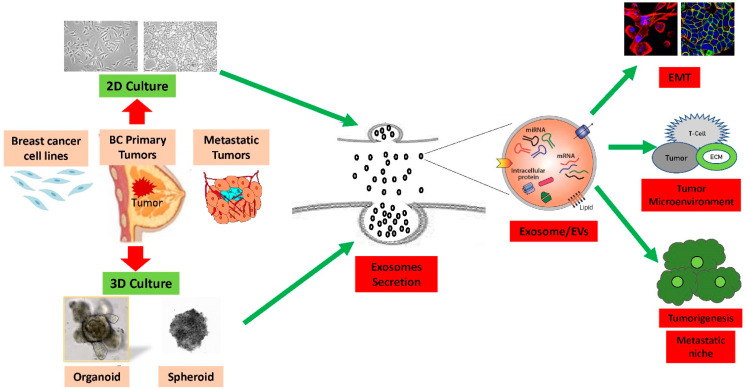
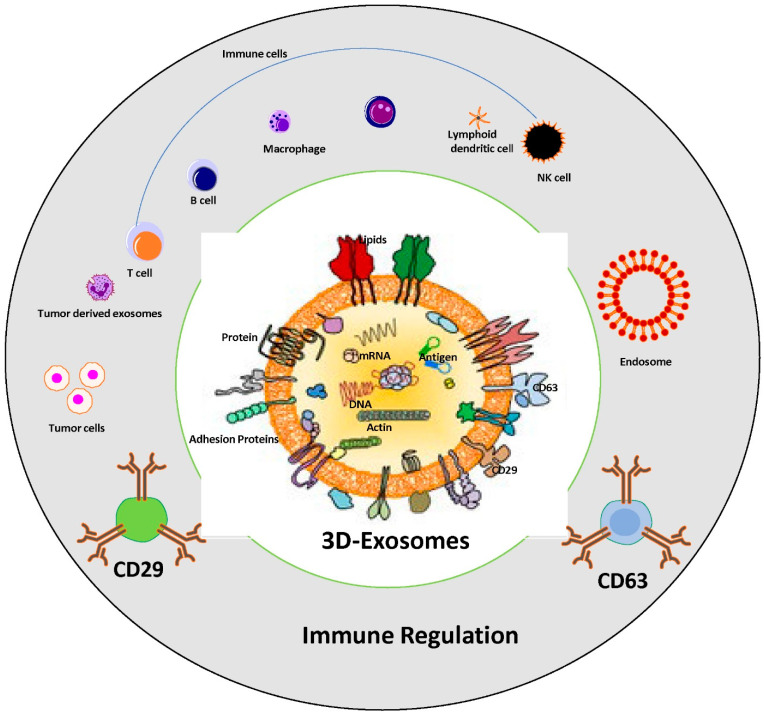
Breast cancer, a leading cause of cancer-related deaths globally, exhibits distinct subtypes with varying pathological, genetic, and clinical characteristics. Despite advancements in breast cancer treatments, its histological and molecular heterogeneity pose a significant clinical challenge. Triple-negative breast cancer (TNBC), a highly aggressive subtype lacking targeted therapeutics, adds to the complexity of breast cancer treatment. Recent years have witnessed the development of advanced 3D culture technologies, such as organoids and spheroids, providing more representative models of healthy human tissue and various malignancies. These structures, resembling organs in structure and function, are generated from stem cells or organ-specific progenitor cells via self-organizing processes. Notably, 3D culture systems bridge the gap between 2D cultures and in vivo studies, offering a more accurate representation of in vivo tumors’ characteristics. Exosomes, small nano-sized molecules secreted by breast cancer and stromal/cancer-associated fibroblast cells, have garnered significant attention. They play a crucial role in cell-to-cell communication, influencing tumor progression, invasion, and metastasis. The 3D culture environment enhances exosome efficiency compared to traditional 2D cultures, impacting the transfer of specific cargoes and therapeutic effects. Furthermore, 3D exosomes have shown promise in improving therapeutic outcomes, acting as potential vehicles for cancer treatment administration. Studies have demonstrated their role in pro-angiogenesis and their innate therapeutic potential in mimicking cellular therapies without side effects. The 3D exosome model holds potential for addressing challenges associated with drug resistance, offering insights into the mechanisms underlying multidrug resistance and serving as a platform for drug screening. This review seeks to emphasize the crucial role of 3D culture systems in studying breast cancer, especially in understanding the involvement of exosomes in cancer pathology.
Overview
The claims and statistics of this paper haven’t been checked yet.
Run the check — free, no account needed. It reads the open-access text and checks the sources it cites.
Integrity signals
Registry
Cites
Statistics
Figures
Verification
Claims the paper makes
The claims and statistics of this paper haven’t been checked yet.
Run the check — free, no account needed. It reads the open-access text and checks the sources it cites.
Claims other papers make about this one
Each is checked against this paper’s own text: does it say what the citing paper says it does?
In the citing paper
“Recent advances in 3D cell culture and microfluidic devices are promising as they allow for more controlled and efficient exosome secretion. These systems can potentially improve the consistency of exosome production and make the process more scalable [65, 66].”
From Emerging role of exosomes in cancer therapy: progress and challenges (2025) · cites this paper as [66]
Self-check
Percentages, sums and reported differences re-computed from the paper’s own numbers.
The self-check needs the paper’s full text.
Citations
Cites
Gaggioli, C., Hooper, S., Hidalgo-Carcedo, C., Grosse, R., Marshall, J. F., Harrington, K., & Sahai, E. (2007) · Nature Cell Biology · doi:10.1038/ncb1658 · Cited by 1,589 · cited 1×
“CSC-derived exosomes facilitate bidirectional crosstalk between CSCs and their metastatic niche, promoting microenvironment remodeling, resulting in tumor aggressiveness and distant metastasis [122].”
BackgroundThree-dimensional culture models of normal and malignant breast epithelial cells
Lee, G. Y., Kenny, P. A., Lee, E. H., & Bissell, M. J. (2007) · Nature Methods · doi:10.1038/nmeth1015 · Cited by 1,336
Zhang, Y., Bi, J., Huang, J., Tang, Y., Du, S., & Li, P. (2020) · International Journal of Nanomedicine · doi:10.2147/ijn.s264498 · Cited by 1,323
Exosomes Mediate Stromal Mobilization of Autocrine Wnt-PCP Signaling in Breast Cancer Cell Migration
Luga, V., Zhang, L., Viloria-Petit, A. M., Ogunjimi, A. A., Inanlou, M. R., Chiu, E., Buchanan, M., Hosein, A. N., Basik, M., & Wrana, J. L. (2012) · Cell · doi:10.1016/j.cell.2012.11.024 · Cited by 1,311 · cited 3×
“…and tube formation [42], while fibroblast-derived exosomes were found to contribute to the progression of breast cancer metastasis and motility through the Wnt pathway [30], a pathway that is established to play a significant role in stem cell maintenance, tissue patterning, and tumorigenesis [25].”
BackgroundThree-Dimensional Cell Culture Matrices: State of the Art
Lee, J., Cuddihy, M. J., & Kotov, N. A. (2008) · Tissue Engineering Part B: Reviews · doi:10.1089/teb.2007.0150 · Cited by 1,047
Tian, T., Zhu, Y.-L., Zhou, Y.-Y., Liang, G.-F., Wang, Y.-Y., Hu, F.-H., & Xiao, Z.-D. (2014) · Journal of Biological Chemistry · doi:10.1074/jbc.m114.588046 · Cited by 726
Nunes, A. S., Barros, A. S., Costa, E. C., Moreira, A. F., & Correia, I. J. (2019) · Biotechnology and Bioengineering · doi:10.1002/bit.26845 · Cited by 721 · cited 1×
“This includes aspects such as cell-to-cell and cell-to-extracellular matrix contacts, cellular layering, hypoxia, and gradients of nutrients and pH [10,11].”
BackgroundGhosh, S., Spagnoli, G. C., Martin, I., Ploegert, S., Demougin, P., Heberer, M., & Reschner, A. (2005) · Journal of Cellular Physiology · doi:10.1002/jcp.20320 · Cited by 326
Wartenberg, M., Ling, F. C., Müschen, M., Klein, F., Acker, H., Gassmann, M., Petrat, K., Pütz, V., Hescheler, J., & Sauer, H. (2003) · The FASEB Journal · doi:10.1096/fj.02-0358fje · Cited by 287
Barbosa, M. A. G., Xavier, C. P. R., Pereira, R. F., Petrikaitė, V., & Vasconcelos, M. H. (2021) · Cancers · doi:10.3390/cancers14010190 · Cited by 285
Research works printed but not linked: 156
- Elenbaas, 2001, Human breast cancer cells generated by oncogenic transformation of primary mammary epithelial cells, Genes Dev., 15, 50, 10.1101/gad.828901 · DOI · Paper page
- Wang, 2015, Involvement of Wnt/β-catenin signaling in the mesenchymal stem cells promote metastatic growth and chemoresistance of cholangiocarcinoma, Oncotarget, 6, 42276, 10.18632/oncotarget.5514 · DOI
- Dai, 2019, The prognostic impact of age in different molecular subtypes of breast cancer: A population-based study, PeerJ, 7, e7252, 10.7717/peerj.7252 · DOI
- Zardavas, 2013, Emerging targeted agents in metastatic breast cancer, Nat. Rev. Clin. Oncol., 10, 191, 10.1038/nrclinonc.2013.29 · DOI
- Medina, M.A., Oza, G., Sharma, A., Arriaga, L.G., Hernández Hernández, J.M., Rotello, V.M., and Ramirez, J.T. (2020). Triple-Negative Breast Cancer: A Review of Conventional and Advanced Therapeutic Strategies. Int. J. Environ. Res. Public Health, 17. · DOI
- Russo, 2016, Tumor Heterogeneity and Lesion-Specific Response to Targeted Therapy in Colorectal Cancer, Cancer Discov., 6, 147, 10.1158/2159-8290.CD-15-1283 · DOI
- Eglen, 2015, Drug Discovery Goes Three-Dimensional: Goodbye to Flat High-Throughput Screening?, Assay Drug Dev. Technol., 13, 262, 10.1089/adt.2015.647 · DOI
- Lancaster, 2014, Organogenesis in a dish: Modeling development and disease using organoid technologies, Science, 345, 1247125, 10.1126/science.1247125 · DOI · Paper page
- Sato, 2011, Long-term expansion of epithelial organoids from human colon, adenoma, adenocarcinoma, and Barrett’s epithelium, Gastroenterology, 141, 1762, 10.1053/j.gastro.2011.07.050 · DOI · Paper page
- Haraszti, 2018, Exosomes Produced from 3D Cultures of MSCs by Tangential Flow Filtration Show Higher Yield and Improved Activity, Mol. Ther., 26, 2838, 10.1016/j.ymthe.2018.09.015 · DOI · Paper page
- Yang, 2020, Three-dimensional culture of oral progenitor cells: Effects on small extracellular vesicles production and proliferative function, J. Oral Pathol. Med., 49, 342, 10.1111/jop.12981 · DOI
- Thippabhotla, 2019, 3D cell culture stimulates the secretion of in vivo like extracellular vesicles, Sci. Rep., 9, 13012, 10.1038/s41598-019-49671-3 · DOI
- Mueller, 2004, Friends or foes—Bipolar effects of the tumour stroma in cancer, Nat. Rev. Cancer, 4, 839, 10.1038/nrc1477 · DOI
- Crawford, 2010, Effect of increased extracellular ca on microvesicle production and tumor spheroid formation, Cancer Microenviron., 4, 93, 10.1007/s12307-010-0049-0 · DOI
- Kamerkar, 2017, Exosomes facilitate therapeutic targeting of oncogenic KRAS in pancreatic cancer, Nature, 546, 498, 10.1038/nature22341 · DOI · Paper page
- Saha, 2016, MicroRNA Cargo of Extracellular Vesicles from Alcohol-exposed Monocytes Signals Naive Monocytes to Differentiate into M2 Macrophages, J. Biol. Chem., 291, 149, 10.1074/jbc.M115.694133 · DOI · Paper page
- Didiot, 2016, Exosome-mediated Delivery of Hydrophobically Modified siRNA for Huntingtin mRNA Silencing, Mol. Ther., 24, 1836, 10.1038/mt.2016.126 · DOI · Paper page
- Phan, 2018, Engineering mesenchymal stem cells to improve their exosome efficacy and yield for cell-free therapy, J. Extracell. Vesicles, 7, 1522236, 10.1080/20013078.2018.1522236 · DOI
- Yan, 2020, Exosomes produced from 3D cultures of umbilical cord mesenchymal stem cells in a hollow-fiber bioreactor show improved osteochondral regeneration activity, Cell Biol. Toxicol., 36, 165, 10.1007/s10565-019-09504-5 · DOI
- Mao, 2019, The Exosome And Breast Cancer Cell Plasticity, Onco Targets Ther., 12, 9817, 10.2147/OTT.S214133 · DOI
- Berman, 2013, Incidence and patterns of distant metastases for patients with early-stage breast cancer after breast conservation treatment, Clin. Breast Cancer, 13, 88, 10.1016/j.clbc.2012.11.001 · DOI
- Zardawi, 2009, Dysregulation of Hedgehog, Wnt and Notch signalling pathways in breast cancer, Histol. Histopathol., 24, 385
- Sun, 2019, Application potential of stem/progenitor cell-derived extracellular vesicles in renal diseases, Stem Cell Res. Ther., 10, 8, 10.1186/s13287-018-1097-5 · DOI
- Lu, 2019, Bone Mesenchymal Stem Cell-Derived Extracellular Vesicles Promote Recovery Following Spinal Cord Injury via Improvement of the Integrity of the Blood-Spinal Cord Barrier, Front. Neurosci., 13, 209, 10.3389/fnins.2019.00209 · DOI
- Wu, 2019, miR-100-5p-abundant exosomes derived from infrapatellar fat pad MSCs protect articular cartilage and ameliorate gait abnormalities via inhibition of mTOR in osteoarthritis, Biomaterials, 206, 87, 10.1016/j.biomaterials.2019.03.022 · DOI
- Lou, 2017, Mesenchymal stem cell-derived exosomes as a new therapeutic strategy for liver diseases, Exp. Mol. Med., 49, e346, 10.1038/emm.2017.63 · DOI
- Li, 2015, Bridging the Gap: From 2D Cell Culture to 3D Microengineered Extracellular Matrices, Adv. Healthc. Mater., 4, 2780, 10.1002/adhm.201500427 · DOI
- Marino, 2019, 2D and 3D In Vitro Co-Culture for Cancer and Bone Cell Interaction Studies, Methods Mol. Biol., 1914, 71, 10.1007/978-1-4939-8997-3_5 · DOI
- Lou, 2017, Lost in translation: Applying 2D intercellular communication via tunneling nanotubes in cell culture to physiologically relevant 3D microenvironments, FEBS J., 284, 699, 10.1111/febs.13946 · DOI
- Li, 2006, Cell type and culture condition-dependent alternative splicing in human breast cancer cells revealed by splicing-sensitive microarrays, Cancer Res., 66, 1990, 10.1158/0008-5472.CAN-05-2593 · DOI
- Shao, 2018, New Technologies for Analysis of Extracellular Vesicles, Chem. Rev., 118, 1917, 10.1021/acs.chemrev.7b00534 · DOI
- Hsieh, C.H., Chen, Y.D., Huang, S.F., Wang, H.M., and Wu, M.H. (2015). The effect of primary cancer cell culture models on the results of drug chemosensitivity assays: The application of perfusion microbioreactor system as cell culture vessel. Biomed. Res. Int., 2015. · DOI
- Kim, 2018, Three-Dimensional Spheroid Culture Increases Exosome Secretion from Mesenchymal Stem Cells, Tissue Eng. Regen. Med., 15, 427, 10.1007/s13770-018-0139-5 · DOI
- Jia, 2017, Exosome: Emerging biomarker in breast cancer, Oncotarget, 8, 41717, 10.18632/oncotarget.16684 · DOI
- Minciacchi, 2015, Extracellular vesicles in cancer: Exosomes, microvesicles and the emerging role of large oncosomes, Semin. Cell Dev. Biol., 40, 41, 10.1016/j.semcdb.2015.02.010 · DOI
- Umezu, 2013, Leukemia cell to endothelial cell communication via exosomal miRNAs, Oncogene, 32, 2747, 10.1038/onc.2012.295 · DOI
- Savina, 2003, Exosome release is regulated by a calcium-dependent mechanism in K562 cells, J. Biol. Chem., 278, 20083, 10.1074/jbc.M301642200 · DOI
- Fader, 2008, Induction of autophagy promotes fusion of multivesicular bodies with autophagic vacuoles in k562 cells, Traffic, 9, 230, 10.1111/j.1600-0854.2007.00677.x · DOI
- Savina, 2005, Rab11 promotes docking and fusion of multivesicular bodies in a calcium-dependent manner, Traffic, 6, 131, 10.1111/j.1600-0854.2004.00257.x · DOI
- Salomon, C., Ryan, J., Sobrevia, L., Kobayashi, M., Ashman, K., Mitchell, M., and Rice, G.E. (2013). Exosomal signaling during hypoxia mediates microvascular endothelial cell migration and vasculogenesis. PLoS ONE, 8. · DOI
- Smith, 1946, Cystic Organoid Teratoma: (Report of a Case), Can. Med. Assoc. J., 55, 151
- Dutta, 2017, Disease Modeling in Stem Cell-Derived 3D Organoid Systems, Trends Mol. Med., 23, 393, 10.1016/j.molmed.2017.02.007 · DOI · Paper page
- Krishnamurthy, 2013, Orosphere assay: A method for propagation of head and neck cancer stem cells, Head Neck, 35, 1015, 10.1002/hed.23076 · DOI
- Eguchi, T., Sogawa, C., Okusha, Y., Uchibe, K., Iinuma, R., Ono, K., Nakano, K., Murakami, J., Itoh, M., and Arai, K. (2018). Organoids with cancer stem cell-like properties secrete exosomes and HSP90 in a 3D nanoenvironment. PLoS ONE, 13. · DOI
- Bijonowski, 2019, Size-Dependent Cortical Compaction Induces Metabolic Adaptation in Mesenchymal Stem Cell Aggregates, Tissue Eng. Part A, 25, 575, 10.1089/ten.tea.2018.0155 · DOI
- Yuan, 2022, Engineering extracellular vesicles by three-dimensional dynamic culture of human mesenchymal stem cells, J. Extracell. Vesicles, 11, e12235, 10.1002/jev2.12235 · DOI
- Park, 2019, Up-regulated fibronectin in 3D culture facilitates spreading of triple negative breast cancer cells on 2D through integrin β-5 and Src, Sci. Rep., 9, 19950, 10.1038/s41598-019-56276-3 · DOI
- Rocha, 2019, 3D Cellular Architecture Affects MicroRNA and Protein Cargo of Extracellular Vesicles, Adv. Sci., 6, 1800948, 10.1002/advs.201800948 · DOI
- Brown, 2011, CD44 splice isoform switching in human and mouse epithelium is essential for epithelial-mesenchymal transition and breast cancer progression, J. Clin. Investig., 121, 1064, 10.1172/JCI44540 · DOI
- Horiguchi, 2012, TGF-β drives epithelial-mesenchymal transition through δEF1-mediated downregulation of ESRP, Oncogene, 31, 3190, 10.1038/onc.2011.493 · DOI
- Abdollahi, 2021, Extracellular vesicles from organoids and 3D culture systems, Biotechnol. Bioeng., 118, 1029, 10.1002/bit.27606 · DOI
- Xu, 2020, Exosome-based immunotherapy: A promising approach for cancer treatment, Mol. Cancer, 19, 160, 10.1186/s12943-020-01278-3 · DOI · Paper page
- Thompson, R.E., Bouma, G.J., and Hollinshead, F.K. (2022). The Roles of Extracellular Vesicles and Organoid Models in Female Reproductive Physiology. Int. J. Mol. Sci., 23. · DOI
- Bhattacharya, S., Calar, K., Evans, C., Petrasko, M., and de la Puente, P. (2020). Bioengineering the Oxygen-Deprived Tumor Microenvironment Within a Three-Dimensional Platform for Studying Tumor-Immune Interactions. Front. Bioeng. Biotechnol., 8. · DOI
- Gernapudi, 2015, Targeting exosomes from preadipocytes inhibits preadipocyte to cancer stem cell signaling in early-stage breast cancer, Breast Cancer Res. Treat., 150, 685, 10.1007/s10549-015-3326-2 · DOI
- Yang, 2018, Exosomal PD-L1 harbors active defense function to suppress T cell killing of breast cancer cells and promote tumor growth, Cell Res., 28, 862, 10.1038/s41422-018-0060-4 · DOI
- Ohno, 2013, Systemically Injected Exosomes Targeted to EGFR Deliver Antitumor MicroRNA to Breast Cancer Cells, Mol. Ther., 21, 185, 10.1038/mt.2012.180 · DOI · Paper page
- Dutta, S., Warshall, C., Bandyopadhyay, C., Dutta, D., and Chandran, B. (2014). Interactions between exosomes from breast cancer cells and primary mammary epithelial cells leads to generation of reactive oxygen species which induce DNA damage response, stabilization of p53 and autophagy in epithelial cells. PLoS ONE, 9. · DOI
- Tu, J., Luo, X., Liu, H., Zhang, J., and He, M. (2021). Cancer spheroids derived exosomes reveal more molecular features relevant to progressed cancer. Biochem. Biophys. Rep., 26. · DOI
- Chen, 2021, Exosomal miR-500a-5p derived from cancer-associated fibroblasts promotes breast cancer cell proliferation and metastasis through targeting USP28, Theranostics, 11, 3932, 10.7150/thno.53412 · DOI
- Liu, 2022, Exosomal circCARM1 from spheroids reprograms cell metabolism by regulating PFKFB2 in breast cancer, Oncogene, 41, 2012, 10.1038/s41388-021-02061-4 · DOI
- Pullan, 2022, Modified Bovine Milk Exosomes for Doxorubicin Delivery to Triple-Negative Breast Cancer Cells, ACS Appl. Bio Mater., 5, 2163, 10.1021/acsabm.2c00015 · DOI
- Cui, 2022, Brain organoid-on-chip system to study the effects of breast cancer derived exosomes on the neurodevelopment of brain, Cell Regen., 11, 7, 10.1186/s13619-021-00102-7 · DOI
- Lucotti, 2020, Recent Advances in Experimental Models of Breast Cancer Exosome Secretion, Characterization and Function, J. Mammary Gland. Biol. Neoplasia, 25, 305, 10.1007/s10911-020-09473-0 · DOI
- Shibuya, 2020, MicroRNA-93 targets WASF3 and functions as a metastasis suppressor in breast cancer, Cancer Sci., 111, 2093, 10.1111/cas.14423 · DOI
- Casson, 2018, Mesenchymal stem cell-derived extracellular vesicles may promote breast cancer cell dormancy, J. Tissue Eng., 9, 2041731418810093, 10.1177/2041731418810093 · DOI
- Gebeyehu, 2021, Role of Exosomes for Delivery of Chemotherapeutic Drugs, Crit. Rev. Ther. Drug Carr. Syst., 38, 53, 10.1615/CritRevTherDrugCarrierSyst.2021036301 · DOI
- Kalluri, 2020, The biology, function, and biomedical applications of exosomes, Science, 367, eaau6977, 10.1126/science.aau6977 · DOI · Paper page
- Zhao, 2015, The role of exosomes and “exosomal shuttle microRNA” in tumorigenesis and drug resistance, Cancer Lett., 356, 339, 10.1016/j.canlet.2014.10.027 · DOI
- Casajuana Ester, M., and Day, R.M. (2023). Production and Utility of Extracellular Vesicles with 3D Culture Methods. Pharmaceutics, 15. · DOI
- Yousafzai, 2018, Exosome mediated multidrug resistance in cancer, Am. J. Cancer Res., 8, 2210
- Zhang, 2020, In vitro and in vivo biocompatibility and inflammation response of methacrylated and maleated hyaluronic acid for wound healing, RSC Adv., 10, 32183, 10.1039/D0RA06025A · DOI
- Gurung, 2021, The exosome journey: From biogenesis to uptake and intracellular signalling, Cell Commun. Signal, 19, 47, 10.1186/s12964-021-00730-1 · DOI
- Peng, 2016, Regulation of epithelial-mesenchymal transition through microRNAs: Clinical and biological significance of microRNAs in breast cancer, Tumour Biol., 37, 14463, 10.1007/s13277-016-5334-1 · DOI
- Feng, 2019, Exosomes promote pre-metastatic niche formation in ovarian cancer, Mol. Cancer, 18, 124, 10.1186/s12943-019-1049-4 · DOI
- Xu, 2016, Enforced expression of hsa-miR-125a-3p in breast cancer cells potentiates docetaxel sensitivity via modulation of BRCA1 signaling, Biochem. Biophys. Res. Commun., 479, 893, 10.1016/j.bbrc.2016.09.087 · DOI
- Chen, W.X., Liu, X.M., Lv, M.M., Chen, L., Zhao, J.H., Zhong, S.L., Ji, M.H., Hu, Q., Luo, Z., and Wu, J.Z. (2014). Exosomes from drug-resistant breast cancer cells transmit chemoresistance by a horizontal transfer of microRNAs. PLoS ONE, 9. · DOI
- Enriquez, V.A., Cleys, E.R., Da Silveira, J.C., Spillman, M.A., Winger, Q.A., and Bouma, G.J. (2015). High LIN28A Expressing Ovarian Cancer Cells Secrete Exosomes That Induce Invasion and Migration in HEK293 Cells. Biomed. Res. Int., 2015. · DOI
- Zhao, 2021, Exosomal miRNA-205 promotes breast cancer chemoresistance and tumorigenesis through E2F1, Aging, 13, 18498, 10.18632/aging.203298 · DOI
- Liu, 2021, Carcinoma associated fibroblasts small extracellular vesicles with low miR-7641 promotes breast cancer stemness and glycolysis by HIF-1α, Cell Death Discov., 7, 176, 10.1038/s41420-021-00524-x · DOI
- Hegmans, 2004, Proteomic analysis of exosomes secreted by human mesothelioma cells, Am. J. Pathol., 164, 1807, 10.1016/S0002-9440(10)63739-X · DOI
- Futter, 2007, Annexins and endocytosis, Traffic, 8, 951, 10.1111/j.1600-0854.2007.00590.x · DOI
- Westergard, 2016, Cell-to-Cell Transmission of Dipeptide Repeat Proteins Linked to C9orf72-ALS/FTD, Cell Rep., 17, 645, 10.1016/j.celrep.2016.09.032 · DOI
- Yamada, 2007, Modeling tissue morphogenesis and cancer in 3D, Cell, 130, 601, 10.1016/j.cell.2007.08.006 · DOI · Paper page
- Hirschhaeuser, 2010, Multicellular tumor spheroids: An underestimated tool is catching up again, J. Biotechnol., 148, 3, 10.1016/j.jbiotec.2010.01.012 · DOI · Paper page
- Gao, 2020, Exosomes from 3D culture of marrow stem cells enhances endothelial cell proliferation, migration, and angiogenesis via activation of the HMGB1/AKT pathway, Stem Cell Res., 50, 102122, 10.1016/j.scr.2020.102122 · DOI
- Wahlgren, 2012, Plasma exosomes can deliver exogenous short interfering RNA to monocytes and lymphocytes, Nucleic Acids Res., 40, e130, 10.1093/nar/gks463 · DOI
- Seow, 2011, Delivery of siRNA to the mouse brain by systemic injection of targeted exosomes, Nat. Biotechnol., 29, 341, 10.1038/nbt.1807 · DOI · Paper page
- Zhu, 2012, Exosomes derived from human bone marrow mesenchymal stem cells promote tumor growth in vivo, Cancer Lett., 315, 28, 10.1016/j.canlet.2011.10.002 · DOI · Paper page
- Bruno, 2013, Microvesicles derived from human bone marrow mesenchymal stem cells inhibit tumor growth, Stem Cells Dev., 22, 758, 10.1089/scd.2012.0304 · DOI
- Breakefield, 2013, Extracellular vesicles: Biology and emerging therapeutic opportunities, Nat. Rev. Drug Discov., 12, 347, 10.1038/nrd3978 · DOI · Paper page
- Boya, 2020, Circulating Tumor Cell Enrichment Technologies, Recent. Results Cancer Res., 215, 25, 10.1007/978-3-030-26439-0_2 · DOI
- Korde, 2021, Neoadjuvant Chemotherapy, Endocrine Therapy, and Targeted Therapy for Breast Cancer: ASCO Guideline, J. Clin. Oncol., 39, 1485, 10.1200/JCO.20.03399 · DOI
- Yang, 2015, Exosome delivered anticancer drugs across the blood-brain barrier for brain cancer therapy in Danio rerio, Pharm. Res., 32, 2003, 10.1007/s11095-014-1593-y · DOI
- Yu, 2017, Role of tumor microenvironment in triple-negative breast cancer and its prognostic significance, Chin. J. Cancer Res., 29, 237, 10.21147/j.issn.1000-9604.2017.03.10 · DOI
- Deepak, 2020, Tumor microenvironment: Challenges and opportunities in targeting metastasis of triple negative breast cancer, Pharmacol. Res., 153, 104683, 10.1016/j.phrs.2020.104683 · DOI
- Tsai, 2013, Epithelial-mesenchymal plasticity in carcinoma metastasis, Genes. Dev., 27, 2192, 10.1101/gad.225334.113 · DOI
- da Costa, V.R., Araldi, R.P., Vigerelli, H., D’Ámelio, F., Mendes, T.B., Gonzaga, V., Policíquio, B., Colozza-Gama, G.A., Valverde, C.W., and Kerkis, I. (2021). Exosomes in the Tumor Microenvironment: From Biology to Clinical Applications. Cells, 10. · DOI
- Porcacchia, 2017, The Roles of ROS in Cancer Heterogeneity and Therapy, Oxid. Med. Cell Longev., 2017, 2467940, 10.1155/2017/2467940 · DOI
- Araldi, R.P., de Melo, T.C., Levy, D., de Souza, D.M., Maurício, B., Colozza-Gama, G.A., Bydlowski, S.P., Peng, H., Rauscher, F.J., and Cerutti, J.M. (2020). LIMD2 Regulates Key Steps of Metastasis Cascade in Papillary Thyroid Cancer Cells via MAPK Crosstalk. Cells, 9. · DOI
- Araldi, 2016, Genetics and metabolic deregulation following cancer initiation: A world to explore, Biomed. Pharmacother., 82, 449, 10.1016/j.biopha.2016.05.031 · DOI
- Mittal, 2018, Epithelial Mesenchymal Transition in Tumor Metastasis, Annu. Rev. Pathol., 13, 395, 10.1146/annurev-pathol-020117-043854 · DOI · Paper page
- Roy, 2014, Candidate prognostic markers in breast cancer: Focus on extracellular proteases and their inhibitors, Breast Cancer Targets Ther., 6, 81
- Chong, 2012, Matricellular proteins: A sticky affair with cancers, J. Oncol., 2012, 351089, 10.1155/2012/351089 · DOI
- Lu, 2012, The extracellular matrix: A dynamic niche in cancer progression, J. Cell Biol., 196, 395, 10.1083/jcb.201102147 · DOI · Paper page
- Filipazzi, 2012, Recent advances on the role of tumor exosomes in immunosuppression and disease progression, Semin. Cancer Biol., 22, 342, 10.1016/j.semcancer.2012.02.005 · DOI
- Galassi, C., Musella, M., Manduca, N., Maccafeo, E., and Sistigu, A. (2021). The Immune Privilege of Cancer Stem Cells: A Key to Understanding Tumor Immune Escape and Therapy Failure. Cells, 10. · DOI
- Domenis, R., Cesselli, D., Toffoletto, B., Bourkoula, E., Caponnetto, F., Manini, I., Beltrami, A.P., Ius, T., Skrap, M., and Di Loreto, C. (2017). Systemic T Cells Immunosuppression of Glioma Stem Cell-Derived Exosomes Is Mediated by Monocytic Myeloid-Derived Suppressor Cells. PLoS ONE, 12. · DOI
- Whiteside, 2013, Immune modulation of T-cell and NK (natural killer) cell activities by TEXs (tumour-derived exosomes), Biochem. Soc. Trans., 41, 245, 10.1042/BST20120265 · DOI
- Skardal, 2016, Organoid-on-a-chip and body-on-a-chip systems for drug screening and disease modeling, Drug Discov. Today, 21, 1399, 10.1016/j.drudis.2016.07.003 · DOI · Paper page
- Hardin, 2018, Thyroid cancer stem-like cell exosomes: Regulation of EMT via transfer of lncRNAs, Lab. Investig., 98, 1133, 10.1038/s41374-018-0065-0 · DOI
- Yan, 2014, Characterization of cancer stem-like cells derived from mouse induced pluripotent stem cells transformed by tumor-derived extracellular vesicles, J. Cancer, 5, 572, 10.7150/jca.8865 · DOI
- Goetz, 2011, Biomechanical remodeling of the microenvironment by stromal caveolin-1 favors tumor invasion and metastasis, Cell, 146, 148, 10.1016/j.cell.2011.05.040 · DOI · Paper page
- Sung, 2021, Global Cancer Statistics 2020, GLOBOCAN Estimates of Incidence and Mortality Worldwide for 36 Cancers in 185 Countries, CA Cancer J. Clin., 71, 209, 10.3322/caac.21660 · DOI · Paper page
- Dou, 2020, Cancer-Associated Fibroblasts-Derived Exosomes Suppress Immune Cell Function in Breast Cancer via the miR-92/PD-L1 Pathway, Front. Immunol., 11, 2026, 10.3389/fimmu.2020.02026 · DOI
- Sopik, 2021, International variation in breast cancer incidence and mortality in young women, Breast Cancer Res. Treat., 186, 497, 10.1007/s10549-020-06003-8 · DOI
- Gajewski, 2006, Immune resistance orchestrated by the tumor microenvironment, Immunol. Rev., 213, 131, 10.1111/j.1600-065X.2006.00442.x · DOI · Paper page
- Yousafzai, 2021, Recent advances of SIRT1 and implications in chemotherapeutics resistance in cancer, Am. J. Cancer Res., 11, 5233
- Ullah, 2019, Klotho Deficiency Accelerates Stem Cells Aging by Impairing Telomerase Activity, J. Gerontol. A Biol. Sci. Med. Sci., 74, 1396, 10.1093/gerona/gly261 · DOI · Paper page
- Denzer, 2000, Follicular dendritic cells carry MHC class II-expressing microvesicles at their surface, J. Immunol., 165, 1259, 10.4049/jimmunol.165.3.1259 · DOI
- Morelli, 2004, Endocytosis, intracellular sorting, and processing of exosomes by dendritic cells, Blood, 104, 3257, 10.1182/blood-2004-03-0824 · DOI
- Czernek, 2017, Functions of Cancer-Derived Extracellular Vesicles in Immunosuppression, Arch. Immunol. Ther. Exp., 65, 311, 10.1007/s00005-016-0453-3 · DOI
- Ullah, 2018, Stem cells and anti-aging genes: Double-edged sword-do the same job of life extension, Stem Cell Res. Ther., 9, 3, 10.1186/s13287-017-0746-4 · DOI
- Ullah, M., Stich, S., Häupl, T., Eucker, J., Sittinger, M., and Ringe, J. (2013). Reverse differentiation as a gene filtering tool in genome expression profiling of adipogenesis for fat marker gene selection and their analysis. PLoS ONE, 8. · DOI
- Harper, 2014, Regulation of the anti-tumour immune response by cancer-associated fibroblasts, Semin. Cancer Biol., 25, 69, 10.1016/j.semcancer.2013.12.005 · DOI
- Bartosh, 2016, Cancer cells enter dormancy after cannibalizing mesenchymal stem/stromal cells (MSCs), Proc. Natl. Acad. Sci. USA, 113, E6447, 10.1073/pnas.1612290113 · DOI
- Baghban, 2023, The current trend of exosome in epithelial ovarian cancer studies: A bibliometric review, Front. Pharmacol., 14, 1082066, 10.3389/fphar.2023.1082066 · DOI
- Yang, 2012, Plasma-derived MHC class II+ exosomes from tumor-bearing mice suppress tumor antigen-specific immune responses, Eur. J. Immunol., 42, 1778, 10.1002/eji.201141978 · DOI
- Wieckowski, 2009, Tumor-derived microvesicles promote regulatory T cell expansion and induce apoptosis in tumor-reactive activated CD8+ T lymphocytes, J. Immunol., 183, 3720, 10.4049/jimmunol.0900970 · DOI
- Hong, C.S., Muller, L., Boyiadzis, M., and Whiteside, T.L. (2014). Isolation and characterization of CD34+ blast-derived exosomes in acute myeloid leukemia. PLoS ONE, 9. · DOI
- Hart, 2015, Challenges in the management of advanced, ER-positive, HER2-negative breast cancer, Nat. Rev. Clin. Oncol., 12, 541, 10.1038/nrclinonc.2015.99 · DOI
- Kumar, 2021, FOXA1 is a determinant of drug resistance in breast cancer cells, Breast Cancer Res. Treat., 186, 317, 10.1007/s10549-020-06068-5 · DOI
- Ebrahimi, 2022, The potential application of organoids in breast cancer research and treatment, Hum. Genet., 141, 193, 10.1007/s00439-021-02390-0 · DOI
- Gao, 2021, Drug-resistant cancer cell-derived exosomal EphA2 promotes breast cancer metastasis via the EphA2-Ephrin A1 reverse signaling, Cell Death Dis., 12, 414, 10.1038/s41419-021-03692-x · DOI
- Qin, 2017, Cisplatin-resistant lung cancer cell-derived exosomes increase cisplatin resistance of recipient cells in exosomal miR-100-5p-dependent manner, Int. J. Nanomed., 12, 3721, 10.2147/IJN.S131516 · DOI
- Fu, 2023, Retraction Note: Exosomal microRNA-32-5p induces multidrug resistance in hepatocellular carcinoma via the PI3K/Akt pathway, J. Exp. Clin. Cancer Res., 42, 174, 10.1186/s13046-023-02761-7 · DOI
- Yu, 2016, Exosomes from adriamycin-resistant breast cancer cells transmit drug resistance partly by delivering miR-222, Tumour Biol., 37, 3227, 10.1007/s13277-015-4161-0 · DOI
- Zhang, S., Zhang, Y., Qu, J., Che, X., Fan, Y., Hou, K., Guo, T., Deng, G., Song, N., and Li, C. (2017). Exosomes promote cetuximab resistance via the PTEN/Akt pathway in colon cancer cells. Braz. J. Med. Biol. Res., 51. · DOI
- Yousafzai, 2019, SIRT1 deacetylated and stabilized XRCC1 to promote chemoresistance in lung cancer, Cell Death Dis., 10, 363, 10.1038/s41419-019-1592-3 · DOI
- Kharaziha, 2015, Molecular profiling of prostate cancer derived exosomes may reveal a predictive signature for response to docetaxel, Oncotarget, 6, 21740, 10.18632/oncotarget.3226 · DOI
- Schinkel, 2006, The function of breast cancer resistance protein in epithelial barriers, stem cells and milk secretion of drugs and xenotoxins, Trends Pharmacol. Sci., 27, 10, 10.1016/j.tips.2005.11.007 · DOI
- Melo, 2015, Glypican-1 identifies cancer exosomes and detects early pancreatic cancer, Nature, 523, 177, 10.1038/nature14581 · DOI · Paper page
- Han, 2017, CXXC4 activates apoptosis through up-regulating GDF15 in gastric cancer, Oncotarget, 8, 103557, 10.18632/oncotarget.21581 · DOI
- Yuwen, 2017, MiR-146a-5p level in serum exosomes predicts therapeutic effect of cisplatin in non-small cell lung cancer, Eur. Rev. Med. Pharmacol. Sci., 21, 2650
- Yang, 2017, Predictive role of GSTP1-containing exosomes in chemotherapy-resistant breast cancer, Gene, 623, 5, 10.1016/j.gene.2017.04.031 · DOI
- Sogawa, C., Eguchi, T., Tran, M.T., Ishige, M., Trin, K., Okusha, Y., Taha, E.A., Lu, Y., Kawai, H., and Sogawa, N. (2020). Antiparkinson Drug Benztropine Suppresses Tumor Growth, Circulating Tumor Cells, and Metastasis by Acting on SLC6A3/DAT and Reducing STAT3. Cancers, 12. · DOI
- Sogawa, 2019, A Reporter System Evaluates Tumorigenesis, Metastasis, β-catenin/MMP Regulation, and Druggability, Tissue Eng. Part A, 25, 1413, 10.1089/ten.tea.2018.0348 · DOI
- Walsh, 2014, Quantitative optical imaging of primary tumor organoid metabolism predicts drug response in breast cancer, Cancer Res., 74, 5184, 10.1158/0008-5472.CAN-14-0663 · DOI
- Liu, 2017, Exosomes Secreted from Human-Induced Pluripotent Stem Cell-Derived Mesenchymal Stem Cells Prevent Osteonecrosis of the Femoral Head by Promoting Angiogenesis, Int. J. Biol. Sci., 13, 232, 10.7150/ijbs.16951 · DOI
- Kinnaird, 2004, Marrow-derived stromal cells express genes encoding a broad spectrum of arteriogenic cytokines and promote in vitro and in vivo arteriogenesis through paracrine mechanisms, Circ. Res., 94, 678, 10.1161/01.RES.0000118601.37875.AC · DOI · Paper page
- Haraszti, 2018, Optimized Cholesterol-siRNA Chemistry Improves Productive Loading onto Extracellular Vesicles, Mol. Ther., 26, 1973, 10.1016/j.ymthe.2018.05.024 · DOI · Paper page
- Dong, 2020, Exosomes and breast cancer drug resistance, Cell Death Dis., 11, 987, 10.1038/s41419-020-03189-z · DOI
- Michel, 2020, Immune Checkpoint Blockade in Patients with Triple-Negative Breast Cancer, Target. Oncol., 15, 415, 10.1007/s11523-020-00730-0 · DOI
- Bliss, 2016, Mesenchymal Stem Cell-Derived Exosomes Stimulate Cycling Quiescence and Early Breast Cancer Dormancy in Bone Marrow, Cancer Res., 76, 5832, 10.1158/0008-5472.CAN-16-1092 · DOI
- Bovy, 2015, Endothelial exosomes contribute to the antitumor response during breast cancer neoadjuvant chemotherapy via microRNA transfer, Oncotarget, 6, 10253, 10.18632/oncotarget.3520 · DOI · Paper page
- O’Neill, C.P., Gilligan, K.E., and Dwyer, R.M. (2019). Role of Extracellular Vesicles (EVs) in Cell Stress Response and Resistance to Cancer Therapy. Cancers, 11. · DOI
Cited by
Sorted by citations
Emerging role of exosomes in cancer therapy: progress and challenges
Li, J., Wang, J., & Chen, Z. (2025) · Molecular Cancer · doi:10.1186/s12943-024-02215-4 · Cited by 297
Metadata
- Authors
- Yousafzai, N. A., El Khalki, L., Wang, W., Szpendyk, J., & Sossey-Alaoui, K.
- Venue
- Cancers
- Publisher
- MDPI AG
- Published
- 2024-02-22
- Volume
- 16
- Issue
- 5
- Pages
- 883
- ISSN
- 2072-6694
- PMC
- PMC10931050
- Cited by
- 20
- References
- 13
- Language
- en
- Funders
- National Institutes of Health of the United States of America (R01CA226921, R01CA272621)
- METAvivor Translational Research Award (R01CA226921, R01CA272621)
About these checks
Registry, retraction, Cites and statistics results are computed, not judged, with one exception: a printed reference that no index lists is read once by a model before it counts as a citation error. Claims are extracted by a model and kept only when their quote appears verbatim in the text; each cited source is then checked, with a model’s help, for whether it says what the claim relies on. Those verdicts can be wrong — read the claim’s quote and the cited source before relying on one.
Statistics and arithmetic are recomputed, not judged.
Confidence bands are shown only for fields calibrated on our annotated test set. None is calibrated yet, so no band is shown.
What counts as a claim ›How we measure confidence ›How we check this ›
Are you an author, or do you see a problem with this page? Request a review
How to cite
Cite CoChat for the checks on this page, and the paper for its own findings.
- This page
- CoChat. (2026). Citation check: Advances in 3D Culture Models to Study Exosomes in Triple-Negative Breast Cancer. https://app.cochat.ai/papers/10.3390/cancers16050883
- The paper
- Yousafzai, N. A., El Khalki, L., Wang, W., Szpendyk, J., & Sossey-Alaoui, K. (2024). Advances in 3D Culture Models to Study Exosomes in Triple-Negative Breast Cancer. Cancers. https://doi.org/10.3390/cancers16050883
