

Plant Proteins for Future Foods: A Roadmap
Open accessThe DOI matches its Crossref record; 267 of the 269 references it cites were found in a registry or an index.
Abstract
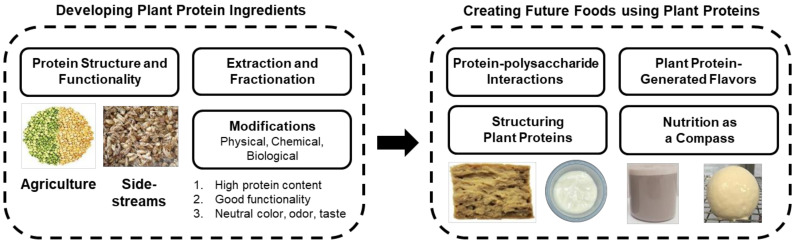
Protein calories consumed by people all over the world approximate 15–20% of their energy intake. This makes protein a major nutritional imperative. Today, we are facing an unprecedented challenge to produce and distribute adequate protein to feed over nine billion people by 2050, in an environmentally sustainable and affordable way. Plant-based proteins present a promising solution to our nutritional needs due to their long history of crop use and cultivation, lower cost of production, and easy access in many parts of the world. However, plant proteins have comparatively poor functionality, defined as poor solubility, foaming, emulsifying, and gelling properties, limiting their use in food products. Relative to animal proteins, including dairy products, plant protein technology is still in its infancy. To bridge this gap, advances in plant protein ingredient development and the knowledge to construct plant-based foods are sorely needed. This review focuses on some salient features in the science and technology of plant proteins, providing the current state of the art and highlighting new research directions. It focuses on how manipulating plant protein structures during protein extraction, fractionation, and modification can considerably enhance protein functionality. To create novel plant-based foods, important considerations such as protein–polysaccharide interactions, the inclusion of plant protein-generated flavors, and some novel techniques to structure plant proteins are discussed. Finally, the attention to nutrition as a compass to navigate the plant protein roadmap is also considered.
Overview
The claims and statistics of this paper haven’t been checked yet.
Free: it reads the open-access text and checks the first 5 claims that cite a source we can check. Create a free account to check every claim.
Integrity signals
Registry
Cites
Statistics
Figures
Verification
Claims the paper makes
The claims and statistics of this paper haven’t been checked yet.
Free: it reads the open-access text and checks the first 5 claims that cite a source we can check. Create a free account to check every claim.
Claims other papers make about this one
Each is checked against this paper’s own text: does it say what the citing paper says it does?
The source backs part of the claim, not all of it — or backs it for a different population, condition or comparison.
In the citing paper
“The review highlights that native pea protein structure dictates both its limitations and the engineering strategies needed to overcome them, progressing from isolation technologies through modification approaches to advanced food applications, with emphasis on structure-guided engineering approaches and biorefinery perspectives [2,6,8].”
From Pea Protein Isolates: From Extraction to Functionality. (2025) · cites this paper as [8]
Experimental — accuracy not yet measuredThe source backs part of the claim, not all of it — or backs it for a different population, condition or comparison.
In the citing paper
“Off-flavor attributes, notably characteristic pea-like bitterness, can detract from consumer acceptance and limit broader utilization in sensory-sensitive food products [2,8].”
From Pea Protein Isolates: From Extraction to Functionality. (2025) · cites this paper as [8]
Experimental — accuracy not yet measured
Self-check
Percentages, sums and reported differences re-computed from the paper’s own numbers.
The self-check needs the paper’s full text.
Citations
Cites
Food in the Anthropocene: the EAT–Lancet Commission on healthy diets from sustainable food systems
Willett, W., Rockström, J., Loken, B., Springmann, M., Lang, T., Vermeulen, S., Garnett, T., Tilman, D., DeClerck, F., Wood, A., et al. (2019) · The Lancet · doi:10.1016/s0140-6736(18)31788-4 · Cited by 10,880 · cited 1×
“Plant proteins are also more environmentally sustainable [3].”
BackgroundPhillips, G. O., & Williams, P. A. (2009) · Woodhead Publishing Limited eBooks · doi:10.1533/9781845695873 · Cited by 2,105
Food Polysaccharides and Their Applications
(2016) · CRC Press eBooks · doi:10.1201/9781420015164 · Cited by 1,650 · cited 1×
“Polysaccharides are sugar polymers linked by glycosidic bonds and include a vast family such as starch, cellulose, pectins, agars, carrageenans, alginates and gums [168].”
BackgroundBoye, J., Zare, F., & Pletch, A. (2010) · Food Research International · doi:10.1016/j.foodres.2009.09.003 · Cited by 1,579 · cited 2×
“Albumin and globulins are predominately present in all pulses (>50%) [17] and some pseudocereals (quinoa, and amaranth), whereas prolamins (wheat, maize, barley and rye) and glutelins (wheat) make up 85% of total protein in the cereal [18] and pseudocereal family [16,19].”
BackgroundSlow and fast dietary proteins differently modulate postprandial protein accretion
Boirie, Y., Dangin, M., Gachon, P., Vasson, M.-P., Maubois, J.-L., & Beaufrère, B. (1997) · Proceedings of the National Academy of Sciences · doi:10.1073/pnas.94.26.14930 · Cited by 1,453 · cited 2×
“Whey proteins are digested more quickly and absorbed in the body than native micellar casein because caseins coagulate with digestives enzymes resulting in slower digestion and subsequent absorption [260].”
BackgroundA review on protein–phenolic interactions and associated changes
Ozdal, T., Capanoglu, E., & Altay, F. (2013) · Food Research International · doi:10.1016/j.foodres.2013.02.009 · Cited by 1,355 · cited 1×
“form complexes with plant proteins, affecting the functional and nutritional properties of the proteins [52].”
BackgroundTang, J. E., Moore, D. R., Kujbida, G. W., Tarnopolsky, M. A., & Phillips, S. M. (2009) · Journal of Applied Physiology · doi:10.1152/japplphysiol.00076.2009 · Cited by 998
Pea protein isolates: Structure, extraction, and functionality
Lam, A. C. Y., Can Karaca, A., Tyler, R. T., & Nickerson, M. T. (2018) · Food Reviews International · doi:10.1080/87559129.2016.1242135 · Cited by 902 · cited 2×
“Even most legume protein isolates rich in globulin contain various globulin subfractions, such as legumin, vicilin and convicilin in pea [65].”
BackgroundMethodFood proteins: A review on their emulsifying properties using a structure–function approach
Lam, R. S. H., & Nickerson, M. T. (2013) · Food Chemistry · doi:10.1016/j.foodchem.2013.04.038 · Cited by 895 · cited 1×
“The need for a more sustainable food production system comprising the inclusion of more highly functional plant-based components has increased the requirement for an economically effective manufacturing technique [129].”
BackgroundPlant protein-based alternatives of reconstructed meat: Science, technology, and challenges
Sha, L., & Xiong, Y. L. (2020) · Trends in Food Science & Technology · doi:10.1016/j.tifs.2020.05.022 · Cited by 856 · cited 2×
“Although most plant proteins (soy, pea, potato, mung bean, and rice proteins) are globular [40], they differ from animal globular proteins in terms of molecular characteristics and functional properties.”
Background
Research works printed but not linked: 3
- Tornberg E. Andersson K. Andersson A. Josell A. The texture of comminuted meat products Food Aust. 2000 52 519 524
- Flory P.J. Principles of Polymer Chemistry Cornell University Press Ithaca, NY, USA 1953
- Rossen J.L. Miller R.C. Food extrusion Food Technol. 1973 27 46 53
Cited by
The Current Situation of Pea Protein and Its Application in the Food Industry
Shanthakumar, P., Klepacka, J., Bains, A., Chawla, P., Dhull, S. B., & Najda, A. (2022) · Molecules · doi:10.3390/molecules27165354 · Cited by 381
“This process is also used as a pre-treatment for other protein modification methods such as hydrolysis and glycation by making the amino acids folded in the inner layer of the proteins [94].”
MethodDeep Eutectic Solvent as Green Solvent in Extraction of Biological Macromolecules: A Review
Ling, J. K. U., & Hadinoto, K. (2022) · International Journal of Molecular Sciences · doi:10.3390/ijms23063381 · Cited by 337
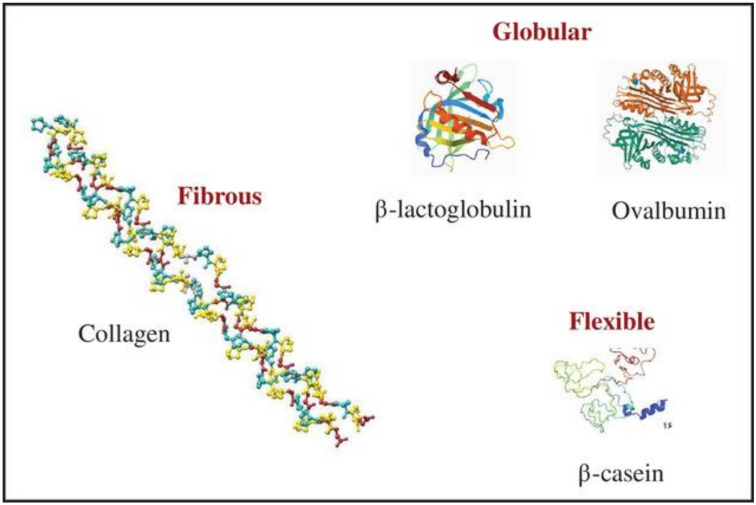
“Proteins can be classified as globular (albumin), fibrous (collagen and keratin), or flexible (casein), depending on their structure and sequence on the polymer chain [86].”
BackgroundFermentation of plant‐based dairy alternatives by lactic acid bacteria
Harper, A. R., Dobson, R. C. J., Morris, V. K., & Moggré, G. (2022) · Microbial Biotechnology · doi:10.1111/1751-7915.14008 · Cited by 240
“This is due to the disulphide bonds, hydrophobic effects, electrostatic forces, hydrogen bonding and van der Waals forces present (Sim et al., 2021).”
BackgroundInfluentialCurrent challenges of alternative proteins as future foods
Malila, Y., Owolabi, I. O., Chotanaphuti, T., Sakdibhornssup, N., Elliott, C. T., Visessanguan, W., Karoonuthaisiri, N., & Petchkongkaew, A. (2024) · npj Science of Food · doi:10.1038/s41538-024-00291-w · Cited by 210
“Most plant proteins are globular and stored as preserved nutrients in storage organs (e.g., seeds and tubes) 35 , hence why protein extraction is required (Fig.”
BackgroundHassoun, A., Cropotova, J., Trif, M., Alexandru Vasile, R. U. S. U., Bobiş, O., Nayik, G. A., Jagdale, Y. D., Saeed, F., Afzaal, M., Mostashari, P., et al. (2022) · Frontiers in Nutrition · doi:10.3389/fnut.2022.972154 · Cited by 175
Pua, A., Tang, V. C. Y., Goh, R. M. V., Sun, J., Lassabliere, B., & Liu, S. (2022) · Foods · doi:10.3390/foods11060875 · Cited by 176
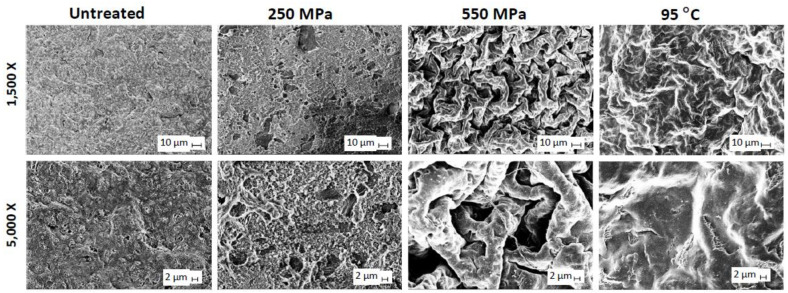
“HHP was found to induce gelation with plant protein materials, which may be applicable for certain products such as yoghurts [96] and was successfully applied to increase water ‐ holding capacity and reduce syneresis in soy yoghurts [95].”
BackgroundRethinking plant protein extraction: Albumin—From side stream to an excellent foaming ingredient
Yang, J., Kornet, R., Diedericks, C. F., Yang, Q., Berton‐Carabin, C., Nikiforidis, C. V., Venema, P., van der Linden, E., & Sagis, L. M. C. (2022) · Food Structure · doi:10.1016/j.foostr.2022.100254 · Cited by 148
Tang, J., Yao, D., Xia, S., Cheong, L., & Tu, M. (2024) · Food Chemistry X · doi:10.1016/j.fochx.2024.101540 · Cited by 209
“…utilization of plant proteins in the food industry remains a challenge due to their poor techno-functional properties, such as water retention, solubility, and emulsifying as well as gelling properties, which are significantly lower than those of animal proteins (Sim, Akila, Chiang, & Henry, 2021).”
BackgroundStrategies for oral delivery of bioactive peptides with focus on debittering and masking
Mirzapour‐Kouhdasht, A., McClements, D. J., Taghizadeh, M. S., Niazi, A., & García‐Vaquero, M. (2023) · npj Science of Food · doi:10.1038/s41538-023-00198-y · Cited by 134
Application of deep eutectic solvents in protein extraction and purification
Bowen, H., Durrani, R., Delavault, A., Durand, E., Jiang, C., Yiyang, L., Lili, S., Song, J., Weiwei, H., & Gao, F. (2022) · Frontiers in Chemistry · doi:10.3389/fchem.2022.912411 · Cited by 136
Survey on Methods for Investigating Protein Functionality and Related Molecular Characteristics
Zhang, Y., Sharan, S., Rinnan, Å., & Orlien, V. (2021) · Foods · doi:10.3390/foods10112848 · Cited by 119
“Thus, protein’s central functional role underlines the need for a thorough understanding of how functionality is influenced and how it can be modulated and fine-tuned [4].”
BackgroundApetroaei, V. T., Pricop, E. M., Istrati, D. I., & Vizireanu, C. (2024) · Molecules · doi:10.3390/molecules29092097 · Cited by 125
“Recent research [1,22] has emphasized that the protein fraction of hemp seeds represents an easily digestible nutritional source, exhibiting a rich profile of essential amino acids necessary for infants [36].”
BackgroundInfluentialOverview on pulse proteins for future foods: ingredient development and novel applications
Rajpurohit, B., & Li, Y. (2023) · Journal of Future Foods · doi:10.1016/j.jfutfo.2023.03.005 · Cited by 96
Kontogiorgos, V., & Prakash, S. (2023) · Food Hydrocolloids · doi:10.1016/j.foodhyd.2023.108486 · Cited by 95
Saffarionpour, S. (2023) · Food and Bioprocess Technology · doi:10.1007/s11947-023-03148-4 · Cited by 104
“3c (Kutzli et al., 2021; Sim et al., 2021; Zha et al., 2021a).”
Transforming sustainable plant proteins into high performance lubricating microgels
Kew, B., Holmes, M. J., Liamas, E., Ettelaie, R., Connell, S. D., Dini, D., & Sarkar, A. (2023) · Nature Communications · doi:10.1038/s41467-023-40414-7 · Cited by 96
“Therefore, lubrication evidence on microgelation of plant proteins are imperative before such microgels can be applied as a highly functional, pleasurable ingredient for designing next generation plant protein-reformulated foods 22 .”
An insight on sources and biodegradation of bioplastics: a review
Pooja, N., Chakraborty, I., Rahman, M. H., & Mazumder, N. (2023) · 3 Biotech · doi:10.1007/s13205-023-03638-4 · Cited by 111
Ravindran, N., Singh, S. K., & Singha, P. (2024) · Food Research International · doi:10.1016/j.foodres.2024.114575 · Cited by 91
Kumar, P., Sharma, N., Ahmed, M. A., Verma, A. K., Umaraw, P., Mehta, N. R., Abubakar, A. A., Hayat, M. N., Kaka, U., Lee, S., et al. (2022) · Frontiers in Nutrition · doi:10.3389/fnut.2022.1044024 · Cited by 84
Yang, J., Meng, D., Wu, Z., Chen, J., & Xue, L. (2023) · Molecules · doi:10.3390/molecules28104078 · Cited by 76
“Aqsa et al. [86] mixed chicken chunks with modified rice protein isolate by kneading.”
Towards more sustainable surimi gels: Deciphering the hybrid gelation of myofibrillar/plant proteins
Ye, T., Chen, X., Li, Q., Chen, Z., Lin, L., Zheng, Z. X., & Lu, J. (2023) · Food Hydrocolloids · doi:10.1016/j.foodhyd.2023.109189 · Cited by 75
Pulse Globulins 11S and 7S: Origins, Purification Methods, and Techno-functional Properties
Gravel, A., & Doyen, A. (2023) · Journal of Agricultural and Food Chemistry · doi:10.1021/acs.jafc.2c07507 · Cited by 83
Elhalis, H., See, X. Y., Osen, R., Chin, X. H., & Chow, Y. Y. S. (2023) · Foods · doi:10.3390/foods12173222 · Cited by 84
Mehany, T., Siddiqui, S. A., Olawoye, B. T., Popoola-Akinola, O. O., Hassoun, A., Manzoor, M. F., & Bangar, S. P. (2023) · Critical Reviews in Food Science and Nutrition · doi:10.1080/10408398.2023.2183381 · Cited by 81
“With proteinous plant materials, HHP was found by Sim et al. (2021) to cause gelation with plant materials.”
Kim, Y. J., Yong, H. I., Chun, Y. G., Kim, B., & Lee, M. H. (2023) · Food Chemistry · doi:10.1016/j.foodchem.2023.137639 · Cited by 77
Safety and Nutritional Risks Associated with Plant-Based Meat Alternatives
Bogueva, D., & McClements, D. J. (2023) · Sustainability · doi:10.3390/su151914336 · Cited by 83
Melchior, S., Moretton, M., Alongi, M., Calligaris, S., Nicoli, M. C., & Anese, M. (2022) · Food Research International · doi:10.1016/j.foodres.2022.112147 · Cited by 75
Towards halal pharmaceutical: Exploring alternatives to animal-based ingredients
Herdiana, Y., Sofian, F. F., Shamsuddin, S., & Rusdiana, T. (2023) · Heliyon · doi:10.1016/j.heliyon.2023.e23624 · Cited by 99
Yan, X., Zhao, J., Zeng, Z., Ma, M., Xia, J., Tian, W., Zhang, G., Gong, X., Gong, D., & Yu, P. (2022) · Food Chemistry · doi:10.1016/j.foodchem.2022.132044 · Cited by 63
Neji, C., Semwal, J., Kamani, M. H., Máthé, E., & Sípos, P. (2022) · Processes · doi:10.3390/pr10122586 · Cited by 75
Current and Future Market Opportunities for Alternative Proteins in Low- and Middle-Income Countries
Talwar, R., Freymond, M., Beesabathuni, K., & Lingala, S. (2024) · Current Developments in Nutrition · doi:10.1016/j.cdnut.2023.102035 · Cited by 62
“The broad AP category of plant-based proteins, such as le-gumes and pulses, as well as insects and algae, present sensible solutionsbecausetheyaretraditionalandlocalproteinsourcesfor many LMICs [4].”
BackgroundHülsebusch, L., Heyn, T. R., Amft, J., & Schwarz, K. (2024) · Food Chemistry · doi:10.1016/j.foodchem.2024.142607 · Cited by 74
Arcot, Y., Huang, R., Iepure, M., Mu, M., Zhou, W., Kunadu, A. P., Carignan, C. C., Yegin, Y., Cho, D., Oh, J. K., et al. (2024) · Comprehensive Reviews in Food Science and Food Safety · doi:10.1111/1541-4337.70079 · Cited by 62
Anyiam, P. N., Phongthai, S., Großmann, L., Jung, Y. H., Sai‐Ut, S., Onsaard, E., & Rawdkuen, S. (2025) · NFS Journal · doi:10.1016/j.nfs.2025.100216 · Cited by 61
Foods of the Future: Challenges, Opportunities, Trends, and Expectations
Çakmakçı, S., Polatoğlu, B., & Çakmakçı, R. (2024) · Foods · doi:10.3390/foods13172663 · Cited by 68
“While artificial meat, milk, and eggs are developing as foods of the future [54], production technologies such as protein, fermentation, enzyme, cell and genetic engineering, and molecular food are the driving forces [118].”
Backgrounddel Rio, A. R., Boom, R. M., & Janssen, A. E. M. (2022) · Foods · doi:10.3390/foods11060870 · Cited by 57
“Generally, plant proteins present less favourable techno-functional properties compared to milk proteins, particularly those depending on solubility such as gelling, emulsifying and foaming properties [7].”
BackgroundBadjona, A., Cherono, B., Bradshaw, R., & Dubey, B. N. (2024) · Food Hydrocolloids · doi:10.1016/j.foodhyd.2024.110997 · Cited by 56
Mycoprotein: A Healthy and Sustainable Source of Alternative Protein-Based Foods
Finnigan, T. J. A., Theobald, H. E., & Bajka, B. H. (2024) · Annual Review of Food Science and Technology · doi:10.1146/annurev-food-111523-121802 · Cited by 60
Asen, N. D., & Aluko, R. E. (2022) · Frontiers in Nutrition · doi:10.3389/fnut.2022.852225 · Cited by 57
Homogenization improves foaming properties of insoluble pea proteins
Moll, P., Salminen, H., Griesshaber, E., Schmitt, C., & Weiß, J. (2022) · Journal of Food Science · doi:10.1111/1750-3841.16320 · Cited by 52
Li, B., Xie, Y., & Guo, Q. Q. (2024) · Food Hydrocolloids · doi:10.1016/j.foodhyd.2024.109825 · Cited by 49
Patil, N. D., Bains, A., Sridhar, K., Bhaswant, M., Kaur, S., Tripathi, M., Lanterbecq, D., Chawla, P., & Sharma, M. (2024) · Foods · doi:10.3390/foods13091398 · Cited by 59
“To mitigate these limitations, various modification methods, including physical modification, biological modification, and chemical modification, have been employed to enhance the functional properties and biological activities of chickpea proteins [7].”
MethodPulse Proteins: Processing, Nutrition, and Functionality in Foods
Messina, V., Skylas, D. J., Roberts, T. H., Valtchev, P., Whiteway, C., Li, Z., Hopf, A., Dehghani, F., Quail, K. J., & Kaiser, B. N. (2025) · Foods · doi:10.3390/foods14071151 · Cited by 53
“When other plant-based milk alternatives, such as those made from cereals and nuts (almonds), are compared to cow’s milk, lower values of protein content are found (0.1–1.5”
InfluentialJiang, H., Zhang, N., Xie, L., Li, G., Chen, L., & Liao, Z. (2025) · Foods · doi:10.3390/foods14162883 · Cited by 65
“Due to their inherent good solubility, legume proteins exhibit excellent dispersibility and rapid rehydration properties in instant products [25].”
Albe-Slabi, S., Mesieres, O., Mathé, C., Ndiaye, M., Galet, O., & Kapel, R. (2022) · Foods · doi:10.3390/foods11111646 · Cited by 45
Bagarinao, N. C., King, J., Leong, S. Y., Agyei, D., Sutton, K. H., & Oey, I. (2024) · Foods · doi:10.3390/foods13111598 · Cited by 52
“The prevailing opinion posits that the production of crops for food is more environmentally sustainable than that of animals [2].”
BackgroundEnzymatic hydrolysis of legume proteins: lessons on surface property outcomes
Wang, M., Ettelaie, R., & Sarkar, A. (2024) · Current Opinion in Food Science · doi:10.1016/j.cofs.2024.101259 · Cited by 44
Mookerjee, A., & Tanaka, T. (2022) · Current Opinion in Food Science · doi:10.1016/j.cofs.2022.100974 · Cited by 49
A global perspective on a new paradigm shift in bio-based meat alternatives for healthy diet
Rai, A., Sharma, V. K., Sharma, M., Singh, S. M., Singh, B. N., Pandey, A., Nguyen, Q. D., & Gupta, V. K. (2023) · Food Research International · doi:10.1016/j.foodres.2023.112935 · Cited by 44
Insights and Perspectives on Plant-Based Beverages
Popova, A. T., Mihaylova, D. S., & Lante, A. (2023) · Plants · doi:10.3390/plants12193345 · Cited by 52
“Plant proteins usually comprise globular proteins that are reported to act as good emulsifying and foaming agents [26].”
BackgroundChen, S., & Luo, X. (2024) · Applied Food Research · doi:10.1016/j.afres.2024.100459 · Cited by 47
Legume Protein Gelation: The Mechanism Behind the Formation of Homogeneous and Fractal Gels
Tiong, A. Y. J., Crawford, S., de Campo, L., Ryukhtin, V., Garvey, C. J., Batchelor, W., & van ’t Hag, L. (2025) · Food Hydrocolloids · doi:10.1016/j.foodhyd.2024.110639 · Cited by 42
Exploiting the interactions between plant proteins and gut microbiota to promote intestinal health
Jia, J., Dell’Olio, A., Izquierdo-Sandoval, D., Capuano, E., Liu, X., Duan, X., & Rubert, J. (2024) · Trends in Food Science & Technology · doi:10.1016/j.tifs.2024.104749 · Cited by 43
Jiménez‐Munoz, L., Nielsen, M. T., Román, L., & Corredig, M. (2022) · Food Chemistry · doi:10.1016/j.foodchem.2022.134178 · Cited by 47
Zhang, H., Yin, F., Shang, S., Li, Y., Qiu, Z., Lin, Q., Wei, X., Li, S., Kim, N., & Shen, G. (2022) · Nano Energy · doi:10.1016/j.nanoen.2022.107687 · Cited by 39
Yadav, S., Padhy, P. K., Singh, A. K., Sharma, S., Tanu, T., Fatima, S., Sinha, A., Tariq, R., Varsha, V., Sharma, S., et al. (2024) · Materials Advances · doi:10.1039/d3ma00969f · Cited by 42
Plant-Based Proteins and Their Modification and Processing for Vegan Cheese Production
Kovačević, J., Bechtold, T., & Pham, T. (2024) · Macromol—A Journal of Macromolecular Research · doi:10.3390/macromol4010002 · Cited by 42
“Fermentation is a conversion of organic matter by enzymes or microorganisms that enhances the nutritive properties of plant-based cheese and reduces its bitter flavours.”
InfluentialTarahi, M., Singh, M., Farahnaky, A., Ghasemlou, M., & Dokouhaki, M. (2026) · Advances in Colloid and Interface Science · doi:10.1016/j.cis.2026.103787 · Cited by 46
Ong, K. S., Chiang, J. H., Sim, S. Y. J., Liebl, D., Madathummal, M. C., & Henry, C. J. (2022) · Food Structure · doi:10.1016/j.foostr.2022.100298 · Cited by 38
Self-citationPérez-Vila, S., Fenelon, M. A., Hennessy, D., O’Mahony, J. A., & Gómez‐Mascaraque, L. G. (2023) · Food Hydrocolloids · doi:10.1016/j.foodhyd.2023.109372 · Cited by 35
Huang, J., Zhang, M., MUJUMDAR, A. S., Semenov, G., & Luo, Z. (2023) · Critical Reviews in Food Science and Nutrition · doi:10.1080/10408398.2023.2240892 · Cited by 34
“…casein with a disordered secondary structure that is highly hydrolyzed by proteases, but plant proteins are difficult to be hydrolyzed by proteases due to their multimeric and symmetrical structure (Sim et al. 2021), requiring higher denaturation temperatures to stretch the protein structure.”
Axentii, M., & Codină, G. G. (2024) · Plants · doi:10.3390/plants13091195 · Cited by 38
Zipori, D., Hollmann, J., Rigling, M., Zhang, Y., Weiß, A., & Schmidt, H. (2024) · Foods · doi:10.3390/foods13040588 · Cited by 40
“Pea protein contains the essential amino acids lysine, histidine, and threonine in higher amounts than in other plant proteins, but is poor in methionine and tryptophan as well as cysteine [13–15].”
BackgroundHu, X., Zhang, Q., Zhang, Q., Ding, J., Liu, Y., & Qin, W. (2022) · Critical Reviews in Food Science and Nutrition · doi:10.1080/10408398.2022.2062587 · Cited by 34
“Flavor protease enzy-molysis and maltodextrin/β-cyclodextrin emulsification have been shown to have synergistic effects on soybean peptide debittering (Sim et al. 2021).”
BackgroundPhysical Approaches for Modification of Vegan Protein Sources: A Review
Goyal, N., Thakur, R., & Yadav, B. K. (2024) · Food and Bioprocess Technology · doi:10.1007/s11947-024-03368-2 · Cited by 35
“These properties ultimately influence the processing, isolation, storage characteristics, and utilization of proteins (Sim et al., 2021; Thakur et al., 2023; Wang et al., 2022a).”
Stone, A. K., Shi, D., Liu, E., Jafarian, Z., Xu, C., Bhagwat, A., Lu, Y., Akhov, L., Gerein, J., Han, X., et al. (2024) · Food Bioscience · doi:10.1016/j.fbio.2024.104580 · Cited by 32
Soy protein-based protein composite system: gelation, application, and challenges—a review
Wang, Y., Zhang, S., & Li, Z. (2025) · European Food Research and Technology · doi:10.1007/s00217-024-04623-8 · Cited by 33
Microencapsulation: An Innovative Technology in Modern Science
Lalarukh, Hussain, S. M., Ali, S., Yılmaz, E., Zahoor, A. F., Javid, A., Alshehri, M. A., Shahzad, M. M., Naeem, A., & Mahrukh, M. (2025) · Polymers for Advanced Technologies · doi:10.1002/pat.70066 · Cited by 35
Sarathy, S. P., Ravikumar, H., Nanjan, P., Alagesan, N., & Chua, B. L. (2025) · International Journal of Biological Macromolecules · doi:10.1016/j.ijbiomac.2025.146465 · Cited by 39
Yang, J., Peng, D., Jin, W., Geng, F., Cheng, C., Wang, L., Zhang, H., Duan, Y., & Deng, Q. (2023) · Critical Reviews in Food Science and Nutrition · doi:10.1080/10408398.2023.2289072 · Cited by 31
“…thioesters) to regulate the physicochemical properties and functional properties of protein (Nikbakht Nasrabadi, Sedaghat Doost, and Mezzenga 2021; Sim et al. 2021), mainly including chemical glycosylation, acylation, deamida-tion, phosphorylation, pH shifting, etc (Sim et al. 2021). pH shifting…”
Knorr, D., & Augustin, M. A. (2024) · Sustainable Food Technology · doi:10.1039/d3fb00199g · Cited by 34
Design and sustainability of polypeptide material systems
Yorke, S. K., Yang, Z., Wiita, E. G., Kamada, A., Knowles, T. P. J., & Buehler, M. J. (2025) · Nature Reviews Materials · doi:10.1038/s41578-025-00793-3 · Cited by 44
“However, several plant proteins are insoluble in water 232,233 .”
A review on biopolymer-based oil and water-resistant functional paper coating for food packaging
Perumal, T., de Souza, C. K., Nihues, T. C., Jain, P., Gaikwad, K. K., & Roy, S. (2024) · Food Bioscience · doi:10.1016/j.fbio.2024.105656 · Cited by 36
Advances in 3D food printing technology: innovation and applications in the food industry
Rinshana, P. F., Murugesan, B., Kim, Y. H., Alaguthevar, R., & Rhim, J. (2025) · Food Science and Biotechnology · doi:10.1007/s10068-024-01779-7 · Cited by 36
Hanley, L., Dobson, S., Stobbs, J. A., & Marangoni, A. G. (2025) · Food Hydrocolloids · doi:10.1016/j.foodhyd.2025.111222 · Cited by 38
Surface tension of native and modified plant seed proteins
Wojciechowski, K. (2022) · Advances in Colloid and Interface Science · doi:10.1016/j.cis.2022.102641 · Cited by 30
Stoodley, I. L., Williams, L. M., & Wood, L. G. (2023) · Nutrients · doi:10.3390/nu15184060 · Cited by 32
Ihsan, A., Ahmad, Z., Zheng, J., Bilal, M., Abid, H. M. R., & Hu, A. (2023) · Food Bioscience · doi:10.1016/j.fbio.2023.103476 · Cited by 34
Abotsi, E. E., Panagodage, Y., & English, M. M. (2024) · Current Research in Food Science · doi:10.1016/j.crfs.2024.100860 · Cited by 30
“Unfortunately, complementation strategies do not address the inherent structure of plant proteins, which compared to animal proteins, have a greater abundance of β -sheet structures that can promote protein aggregation and reduce digestibility (Sim et al., 2021; Carbonaro et al., 2012).”
BackgroundVenkidasamy, B., Shelar, A. V., Dhanapal, A. R., Nile, A. S., Patil, R., Zhang, Y., Kuksal, K., & Nile, S. H. (2024) · Food Hydrocolloids · doi:10.1016/j.foodhyd.2024.110769 · Cited by 38
Effect of Homogenization Modified Rice Protein on the Pasting Properties of Rice Starch
Wu, J., Xu, S., Yan, X., Zhang, X., Xu, X., Li, Q., Ye, J., & Liu, C. (2022) · Foods · doi:10.3390/foods11111601 · Cited by 29
“effectively affect solubility, molecular weight, water-holding capacity and surface hydrophobicity properties of proteins, resulting in a profound impact on the properties of starch-based food products [15].”
BackgroundDimopoulou, M., Vareltzis, P. K., Floros, S., Androutsos, O., Bargiota, Α., & Gortzi, O. (2023) · Foods · doi:10.3390/foods12142702 · Cited by 40
“According to the International Diabetes Federation [75] 5–20% of total health costs are spent on diabetic health complications.”
BackgroundDuckweed protein: Extraction, modification, and potential application
Sulaiman, N. S., Zaini, H. M., Ishak, W. R. W., Matanjun, P., George, R., Mantihal, S., Ching, F. F., & Pindi, W. (2024) · Food Chemistry · doi:10.1016/j.foodchem.2024.141544 · Cited by 32
Joshi, K., Shabani, E., Kabir, S. M. F., Zhou, H., McClements, D. J., & Park, J. H. (2023) · Foods · doi:10.3390/foods12173161 · Cited by 31
RETRACTED: The current advances, challenges, and future trends of plant-based yogurt
Zang, J., Yan, B., Hu, H., Liu, Z., Tang, D., Liu, Y., Chen, J., Tu, Y., & Yin, Z. (2024) · Trends in Food Science & Technology · doi:10.1016/j.tifs.2024.104531 · Cited by 32
RetractedThe effect of transglutaminase on the structure and texture of plant-protein based bigel
Moguiliansky, S., Friedman, N., & Davidovich‐Pinhas, M. (2024) · Food Hydrocolloids · doi:10.1016/j.foodhyd.2024.110981 · Cited by 26
Enzymatic cross-linking of pea and whey proteins to enhance emulsifying and encapsulation properties
Kim, W., Wang, Y., Ye, Q., Yao, Y., & Selomulya, C. (2023) · Food and Bioproducts Processing · doi:10.1016/j.fbp.2023.03.011 · Cited by 27
Zhang, S., Liu, Y., & Wu, W. (2025) · Foods · doi:10.3390/foods14010117 · Cited by 25
Rathnakumar, K., Balakrishnan, G., Ramesh, B., Sujayasree, O. J., Pasupuleti, S. K., & Pandiselvam, R. (2023) · Journal of Texture Studies · doi:10.1111/jtxs.12747 · Cited by 31
Hussain, M., Gantumur, M., Manzoor, M. F., Hussain, K., Xu, J., Aadil, R. M., Qayum, A., Ahmad, I., Zhong, H., & Guan, R. (2023) · Ultrasonics Sonochemistry · doi:10.1016/j.ultsonch.2023.106464 · Cited by 29
Sowdhanya, D., Singh, J., Rasane, P., Kaur, S., Kaur, J., Erċışlı, S., & Verma, H. (2023) · Journal of Agriculture and Food Research · doi:10.1016/j.jafr.2023.100921 · Cited by 26
Šola, I., Poljuha, D., Pavičić, I., Tušek, A. J., & Šamec, D. (2025) · Foods · doi:10.3390/foods14030416 · Cited by 34
“This topic has been extensively researched and reviewed in recent years [99–102].”
Jiang, Y., Zang, K., Yan, R., Sun, J., Zeng, X., Li, H., Brennan, C. S., Huang, M., & Xu, L. (2022) · Food Research International · doi:10.1016/j.foodres.2022.111785 · Cited by 24
Agarwal, D., Kim, E. H. ‐., Feng, L., Wade, C., Moggré, G., Morgenstern, M. P., & HEDDERLEY, D. I. (2022) · Food Research International · doi:10.1016/j.foodres.2022.112311 · Cited by 28
Dry Fractionation of Plant-Based Proteins for Better Meat Analogue Applications
Hopf, A., Dehghani, F., & Buckow, R. (2023) · Current Food Science and Technology Reports · doi:10.1007/s43555-023-00009-1 · Cited by 27
Soy protein modification strategies, functional interplay and industrial relevance: a review
Pandey, N., Kumar, N., & Upadhyay, A. (2024) · Journal of Food Measurement & Characterization · doi:10.1007/s11694-024-02989-7 · Cited by 24
Fermentation Technologies to Produce and Improve Alternative Protein Sources
Coronel-León, J., Maza, D., de Toledo, I. G.-Á., Jofré, A., Martín, B., Serra, X., & Bover‐Cid, S. (2025) · Foods · doi:10.3390/foods15010117 · Cited by 25
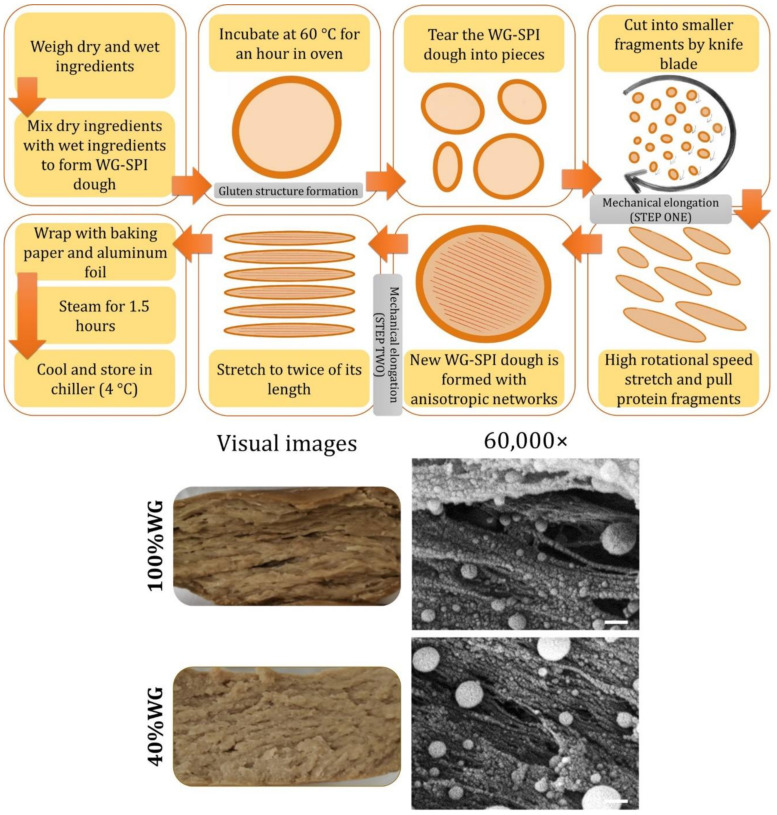
“Although some fibrous structures can be mimicked using gluten or specific mycoproteins, options remain limited [22,54].”
Are plant-based meat analogues fulfilling their potentials? An Australian perspective
Miller, O., Scarlett, C. J., Adhikari, B., & Akanbi, T. O. (2024) · Future Foods · doi:10.1016/j.fufo.2024.100305 · Cited by 27
Wang, Z., Wang, X., Zhao, C., Tang, H., Ma, J., Qin, Q., Zhao, K., Yu, W., & Li, B. (2024) · Food and Bioproducts Processing · doi:10.1016/j.fbp.2024.07.002 · Cited by 23
Khan, H., Mudgil, P., Alkaabi, S., AlRashdi, Y. H. S., & Maqsood, S. (2024) · Frontiers in Sustainable Food Systems · doi:10.3389/fsufs.2024.1463058 · Cited by 22
Metadata
- Authors
- Sim, S. Y. J., SRV, A., Chiang, J. H., & Henry, C. J.
- Affiliations
- Agency for Science, Technology and Research (SG)
- Clinical Nutrition Research Centre (CNRC), Singapore Institute of Food and Biotechnology Innovation (SIFBI), Agency for Science, Technology and Research (A*STAR), Singapore 117599, Singapore
- Corresponding author
- Sim, Shaun Yong Jie
- Venue
- Foods
- Publisher
- MDPI AG
- Published
- 2021-08-23
- Volume
- 10
- Issue
- 8
- Pages
- 1967
- ISSN
- 2304-8158 (ISSN-L)
- PMC
- PMC8391319
- OpenAlex
- W3193926126
- Semantic Scholar
- 0bc64bbf0df91f9d920b8b8074c1734bc7bbbe63
- Cited by
- 352
- References
- 269
- Citations by year
- 2026: 57 · 2025: 100 · 2024: 92 · 2023: 60 · 2022: 40 · 2021: 3
- FWCI
- 4.43
- Type
- journal article
- Language
- en
- Open access
- gold
- doi.org
- Licence
- Locations
- Foods (publishedVersion, cc-by)
- PubMed Central (publishedVersion, cc-by)
- PubMed (publishedVersion)
- National University of Singapore (submittedVersion, cc-by)
- DOAJ (DOAJ: Directory of Open Access Journals) (submittedVersion, cc-by-sa)
- Funders
- Agency for Science, Technology and Research (W20W2D0006, H17/01/a0/A11)
- Topics
- Life Sciences › Agricultural and Biological Sciences › Food Science › Proteins in Food Systems
- Life Sciences › Agricultural and Biological Sciences › Food Science › Food Nutrient Composition and Product Development
- Life Sciences › Agricultural and Biological Sciences › Food Science › Protein Hydrolysis and Bioactive Peptides
- Keywords
- plant proteins, plant-based foods, protein functional properties, protein solubility, foaming and emulsifying properties, gelling properties, protein extraction, protein fractionation, protein modification, protein-polysaccharide interactions, global food security, sustainable food production
About these checks
Registry, retraction, Cites and statistics results are computed, not judged, with one exception: a printed reference that no index lists is read once by a model before it counts as a citation error. Claims are extracted by a model and kept only when their quote appears verbatim in the text; each cited source is then checked, with a model’s help, for whether it says what the claim relies on. Those verdicts can be wrong — read the claim’s quote and the cited source before relying on one.
Statistics and arithmetic are recomputed, not judged.
Confidence bands are shown only for fields calibrated on our annotated test set. None is calibrated yet, so no band is shown.
What counts as a claim ›How we measure confidence ›How we check this ›
Are you an author, or do you see a problem with this page? Request a review
Data sources
Bibliographic data: Semantic Scholar, OpenAlex, Crossref.
Contains information from the Semantic Scholar Academic Graph Datasets, made available under the ODC Attribution License (ODC-BY 1.0).
Semantic Scholar’s data is described in: Kinney, R., et al. (2023). The Semantic Scholar Open Data Platform. arXiv:2301.10140.
