

Plant Proteins for Future Foods: A Roadmap
Open accessThe DOI matches its Crossref record; 267 of the 269 references it cites were found in a registry or an index.
Abstract
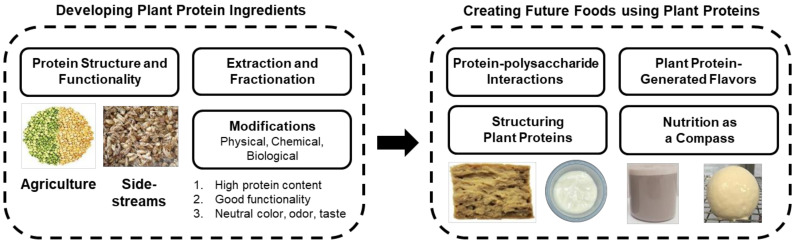
Protein calories consumed by people all over the world approximate 15–20% of their energy intake. This makes protein a major nutritional imperative. Today, we are facing an unprecedented challenge to produce and distribute adequate protein to feed over nine billion people by 2050, in an environmentally sustainable and affordable way. Plant-based proteins present a promising solution to our nutritional needs due to their long history of crop use and cultivation, lower cost of production, and easy access in many parts of the world. However, plant proteins have comparatively poor functionality, defined as poor solubility, foaming, emulsifying, and gelling properties, limiting their use in food products. Relative to animal proteins, including dairy products, plant protein technology is still in its infancy. To bridge this gap, advances in plant protein ingredient development and the knowledge to construct plant-based foods are sorely needed. This review focuses on some salient features in the science and technology of plant proteins, providing the current state of the art and highlighting new research directions. It focuses on how manipulating plant protein structures during protein extraction, fractionation, and modification can considerably enhance protein functionality. To create novel plant-based foods, important considerations such as protein–polysaccharide interactions, the inclusion of plant protein-generated flavors, and some novel techniques to structure plant proteins are discussed. Finally, the attention to nutrition as a compass to navigate the plant protein roadmap is also considered.
Overview
The claims and statistics of this paper haven’t been checked yet.
Free: it reads the open-access text and checks the first 5 claims that cite a source we can check. Create a free account to check every claim.
Integrity signals
Registry
Cites
Statistics
Figures
Verification
Claims the paper makes
The claims and statistics of this paper haven’t been checked yet.
Free: it reads the open-access text and checks the first 5 claims that cite a source we can check. Create a free account to check every claim.
Claims other papers make about this one
Each is checked against this paper’s own text: does it say what the citing paper says it does?
The source backs part of the claim, not all of it — or backs it for a different population, condition or comparison.
In the citing paper
“The review highlights that native pea protein structure dictates both its limitations and the engineering strategies needed to overcome them, progressing from isolation technologies through modification approaches to advanced food applications, with emphasis on structure-guided engineering approaches and biorefinery perspectives [2,6,8].”
From Pea Protein Isolates: From Extraction to Functionality. (2025) · cites this paper as [8]
Experimental — accuracy not yet measuredThe source backs part of the claim, not all of it — or backs it for a different population, condition or comparison.
In the citing paper
“Off-flavor attributes, notably characteristic pea-like bitterness, can detract from consumer acceptance and limit broader utilization in sensory-sensitive food products [2,8].”
From Pea Protein Isolates: From Extraction to Functionality. (2025) · cites this paper as [8]
Experimental — accuracy not yet measured
Self-check
Percentages, sums and reported differences re-computed from the paper’s own numbers.
The self-check needs the paper’s full text.
Citations
Cites
Food in the Anthropocene: the EAT–Lancet Commission on healthy diets from sustainable food systems
Willett, W., Rockström, J., Loken, B., Springmann, M., Lang, T., Vermeulen, S., Garnett, T., Tilman, D., DeClerck, F., Wood, A., et al. (2019) · The Lancet · doi:10.1016/s0140-6736(18)31788-4 · Cited by 10,880 · cited 1×
“Plant proteins are also more environmentally sustainable [3].”
BackgroundPhillips, G. O., & Williams, P. A. (2009) · Woodhead Publishing Limited eBooks · doi:10.1533/9781845695873 · Cited by 2,105
Food Polysaccharides and Their Applications
(2016) · CRC Press eBooks · doi:10.1201/9781420015164 · Cited by 1,650 · cited 1×
“Polysaccharides are sugar polymers linked by glycosidic bonds and include a vast family such as starch, cellulose, pectins, agars, carrageenans, alginates and gums [168].”
BackgroundBoye, J., Zare, F., & Pletch, A. (2010) · Food Research International · doi:10.1016/j.foodres.2009.09.003 · Cited by 1,579 · cited 2×
“Albumin and globulins are predominately present in all pulses (>50%) [17] and some pseudocereals (quinoa, and amaranth), whereas prolamins (wheat, maize, barley and rye) and glutelins (wheat) make up 85% of total protein in the cereal [18] and pseudocereal family [16,19].”
BackgroundSlow and fast dietary proteins differently modulate postprandial protein accretion
Boirie, Y., Dangin, M., Gachon, P., Vasson, M.-P., Maubois, J.-L., & Beaufrère, B. (1997) · Proceedings of the National Academy of Sciences · doi:10.1073/pnas.94.26.14930 · Cited by 1,453 · cited 2×
“Whey proteins are digested more quickly and absorbed in the body than native micellar casein because caseins coagulate with digestives enzymes resulting in slower digestion and subsequent absorption [260].”
BackgroundA review on protein–phenolic interactions and associated changes
Ozdal, T., Capanoglu, E., & Altay, F. (2013) · Food Research International · doi:10.1016/j.foodres.2013.02.009 · Cited by 1,355 · cited 1×
“form complexes with plant proteins, affecting the functional and nutritional properties of the proteins [52].”
BackgroundTang, J. E., Moore, D. R., Kujbida, G. W., Tarnopolsky, M. A., & Phillips, S. M. (2009) · Journal of Applied Physiology · doi:10.1152/japplphysiol.00076.2009 · Cited by 998
Pea protein isolates: Structure, extraction, and functionality
Lam, A. C. Y., Can Karaca, A., Tyler, R. T., & Nickerson, M. T. (2018) · Food Reviews International · doi:10.1080/87559129.2016.1242135 · Cited by 902 · cited 2×
“Even most legume protein isolates rich in globulin contain various globulin subfractions, such as legumin, vicilin and convicilin in pea [65].”
BackgroundMethodFood proteins: A review on their emulsifying properties using a structure–function approach
Lam, R. S. H., & Nickerson, M. T. (2013) · Food Chemistry · doi:10.1016/j.foodchem.2013.04.038 · Cited by 895 · cited 1×
“The need for a more sustainable food production system comprising the inclusion of more highly functional plant-based components has increased the requirement for an economically effective manufacturing technique [129].”
BackgroundPlant protein-based alternatives of reconstructed meat: Science, technology, and challenges
Sha, L., & Xiong, Y. L. (2020) · Trends in Food Science & Technology · doi:10.1016/j.tifs.2020.05.022 · Cited by 856 · cited 2×
“Although most plant proteins (soy, pea, potato, mung bean, and rice proteins) are globular [40], they differ from animal globular proteins in terms of molecular characteristics and functional properties.”
BackgroundProteins from land plants – Potential resources for human nutrition and food security
Day, L. (2013) · Trends in Food Science & Technology · doi:10.1016/j.tifs.2013.05.005 · Cited by 854 · cited 1×
“According to Day (2013), the individual PDCASS value of peas and rice are low; however, the combination of peas and rice together can increase the PDCASS value to 1.00 [269].”
BackgroundInfluentialStructure and Technofunctional Properties of Protein-Polysaccharide Complexes: A Review
Schmitt, C., Sanchez, C., Desobry-Banon, S., & Hardy, J. (1998) · Critical Reviews in Food Science and Nutrition · doi:10.1080/10408699891274354 · Cited by 838 · cited 1×
“When used in combination with proteins, their functionality can be further expanded through mutual biopolymer interactions [170].”
BackgroundBoye, J. I., Aksay, S., Roufik, S., Ribéreau, S., Mondor, M., Farnworth, E., & Rajamohamed, S. H. (2010) · Food Research International · doi:10.1016/j.foodres.2009.07.021 · Cited by 825 · cited 1×
“A gentler alternative to isoelectric precipitation is ultrafiltration and/or diafiltration, whereby specific protein fractions, including albumins, can be isolated by molecular weight without sacrificing protein concentration and functionality [61].”
BackgroundFactors affecting sorghum protein digestibility
Duodu, K. G., Taylor, J. R. N., Belton, P. S., & Hamaker, B. R. (2003) · Journal of Cereal Science · doi:10.1016/s0733-5210(03)00016-x · Cited by 782 · cited 1×
“, plant proteins contain fewer α-helixes than animal proteins and more β-sheet structures, which facilitates protein aggregates [258]; and (3) the presence of dietary fibers that lower proteolytic digestibility in plants [259].”
BackgroundStructuring processes for meat analogues
Dekkers, B. L., Boom, R. M., & van der Goot, A. J. (2018) · Trends in Food Science & Technology · doi:10.1016/j.tifs.2018.08.011 · Cited by 751 · cited 1×
“The first principle is based on phase separation within a multi-phase protein mixture [218,219].”
BackgroundNikbakht Nasrabadi, M., Sedaghat Doost, A., & Mezzenga, R. (2021) · Food Hydrocolloids · doi:10.1016/j.foodhyd.2021.106789 · Cited by 740 · cited 6×
“Two recent reviews comprehensively cover this area [8,9].”
BackgroundInfluentialComparative study of high intensity ultrasound effects on food proteins functionality
Arzeni, C., Martínez, K., Zema, P., Arias, A., Pérez, O. E., & Pilosof, A. M. R. (2012) · Journal of Food Engineering · doi:10.1016/j.jfoodeng.2011.08.018 · Cited by 739
High pressure effects on protein structure and function
Mozhaev, V. V., Heremans, K., Frank, J., Masson, P., & Balny, C. (1996) · Proteins: Structure, Function, and Genetics · doi:10.1002/(sici)1097-0134(199601)24:1<81::aid-prot6>3.0.co;2-r · Cited by 720 · cited 1×
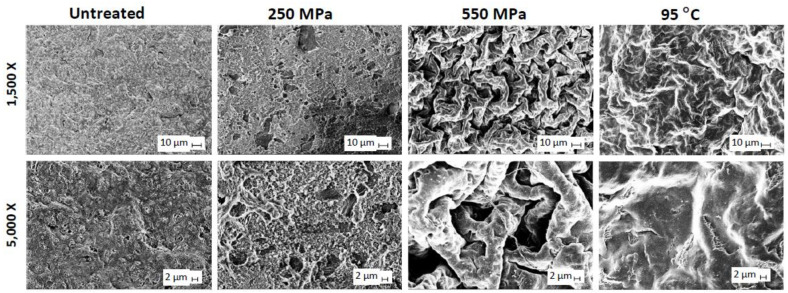
“be dissociated under moderate pressure (50–200 MPa) and are reversible [89].”
BackgroundModification of plant proteins for improved functionality: A review
Akharume, F. U., Aluko, R. E., & Adedeji, A. A. (2021) · Comprehensive Reviews in Food Science and Food Safety · doi:10.1111/1541-4337.12688 · Cited by 652 · cited 4×
“The high-temperature short-time (HTST) process conditions of extrusion has an impact on protein functionalities such as solubility, texture, emulsifying and gelation properties [8].”
BackgroundInfluentialFunctionality of Ingredients and Additives in Plant-Based Meat Analogues
Kyriakopoulou, K., Keppler, J. K., & van der Goot, A. J. (2021) · Foods · doi:10.3390/foods10030600 · Cited by 630
Food Protein-polysaccharide Conjugates Obtained via the Maillard Reaction: A Review
de Oliveira, F. C., Coimbra, J. S. D. R., de Oliveira, E. B., Zuñiga, A. D. G., & Rojas, E. E. G. (2016) · Critical Reviews in Food Science and Nutrition · doi:10.1080/10408398.2012.755669 · Cited by 615 · cited 2×
“Traditionally, glycated plant proteins are produced by two common methods: dry-state or wet-state heating methods [124].”
BackgroundThe science of plant‐based foods: Constructing next‐generation meat, fish, milk, and egg analogs
McClements, D. J., & Grossmann, L. (2021) · Comprehensive Reviews in Food Science and Food Safety · doi:10.1111/1541-4337.12771 · Cited by 600
Plant Proteins: Assessing Their Nutritional Quality and Effects on Health and Physical Function
Hertzler, S. R., Lieblein-Boff, J. C., Weiler, M., & Allgeier, C. (2020) · Nutrients · doi:10.3390/nu12123704 · Cited by 594 · cited 1×
“Additionally, blending the right combination of plant-based proteins will provide a complex source of amino acids [268] which can increase the nutritional quality of plant proteins.”
BackgroundWheat Protein Composition and Properties of Wheat Glutenin in Relation to Breadmaking Functionality
Veraverbeke, W. S., & Delcour, J. A. (2002) · Critical Reviews in Food Science and Nutrition · doi:10.1080/10408690290825510 · Cited by 563 · cited 1×
“Albumin and globulins are predominately present in all pulses (>50%) [17] and some pseudocereals (quinoa, and amaranth), whereas prolamins (wheat, maize, barley and rye) and glutelins (wheat) make up 85% of total protein in the cereal [18] and pseudocereal family [16,19].”
BackgroundThe Future Challenges of Food and Agriculture: An Integrated Analysis of Trends and Solutions
Calicioglu, O., Flammini, A., Bracco, S., Bellù, L., & Sims, R. (2019) · Sustainability · doi:10.3390/su11010222 · Cited by 563 · cited 1×
“Protein production is a major concern because traditional animal protein sources require an intensive amount of land and resources [2].”
BackgroundO'Sullivan, J., Murray, B., Flynn, C., & Norton, I. (2016) · Food Hydrocolloids · doi:10.1016/j.foodhyd.2015.02.009 · Cited by 558
Jiang, S., Ding, J., Andrade, J., Rababah, T. M., Almajwal, A., Abulmeaty, M. M., & Feng, H. (2017) · Ultrasonics Sonochemistry · doi:10.1016/j.ultsonch.2017.03.046 · Cited by 553 · cited 1×
“Additionally, surface hydrophobicity and emulsifying characteristics of pea protein increased following pH shifting and ultrasonic combination treatment [148].”
BackgroundWheat Gluten Functionality as a Quality Determinant in Cereal-Based Food Products
Delcour, J. A., Joye, I. J., Pareyt, B., Wilderjans, E., Brijs, K., & Lagrain, B. (2012) · Annual Review of Food Science and Technology · doi:10.1146/annurev-food-022811-101303 · Cited by 552 · cited 1×
“Albumin and globulins are predominately present in all pulses (>50%) [17] and some pseudocereals (quinoa, and amaranth), whereas prolamins (wheat, maize, barley and rye) and glutelins (wheat) make up 85% of total protein in the cereal [18] and pseudocereal family [16,19].”
BackgroundAdvances in the plant protein extraction: Mechanism and recommendations
Kumar, M., Tomar, M., Potkule, J., Verma, R., Punia, S., Mahapatra, A., Belwal, T., Dahuja, A., Joshi, S., Berwal, M. K., et al. (2021) · Food Hydrocolloids · doi:10.1016/j.foodhyd.2021.106595 · Cited by 533 · cited 2×
“The overview of plant protein extraction was well covered in a recent review [54].”
BackgroundDesign principles of food gels
Cao, Y., & Mezzenga, R. (2020) · Nature Food · doi:10.1038/s43016-019-0009-x · Cited by 506
Creating Proteins with Novel Functionality via the Maillard Reaction: A Review
Oliver, C. M., Melton, L. D., & Stanley, R. A. (2006) · Critical Reviews in Food Science and Nutrition · doi:10.1080/10408690590957250 · Cited by 494 · cited 1×
“During the glycation of proteins, temperature, time, concentration of the reactants, pH, and water activity should be controlled to influence the yield, quality, and techno-functionality of glycated proteins, and to limit color and off-flavor formation to a minimum [126].”
BackgroundOsen, R., Toelstede, S., Wild, F., Eisner, P., & Schweiggert-Weisz, U. (2014) · Journal of Food Engineering · doi:10.1016/j.jfoodeng.2013.11.023 · Cited by 489 · cited 1×
“, soy protein, pea protein and wheat gluten) to generate high-moisture meat analogues [102,103].”
BackgroundEffects of antinutritional factors on protein digestibility and amino acid availability in foods
Gilani, G. S., Cockell, K. A., & Sepehr, E. (2005) · Journal of AOAC INTERNATIONAL · doi:10.1093/jaoac/88.3.967 · Cited by 483 · cited 2×
“There are three main factors responsible for the reduced digestibility of plant proteins: (1) the presence of anti-nutrients such as phytates and trypsin inhibitors that interfere with digestion and absorption of proteins [257]; (2) the structural differences between animal and plant proteins, i.”
BackgroundBerrazaga, I., Micard, V., Gueugneau, M., & Walrand, S. (2019) · Nutrients · doi:10.3390/nu11081825 · Cited by 477 · cited 1×
“Animal proteins tend to contain a good balance of all the essential and non-essential amino acids, whereas plant proteins are deficient or limited in one or more essential nutrients [255].”
BackgroundCarbonaro, M., Maselli, P., & Nucara, A. (2012) · Amino Acids · doi:10.1007/s00726-011-1151-4 · Cited by 463 · cited 1×
“, plant proteins contain fewer α-helixes than animal proteins and more β-sheet structures, which facilitates protein aggregates [258]; and (3) the presence of dietary fibers that lower proteolytic digestibility in plants [259].”
BackgroundFlavor Chemistry and Technology
Reineccius, G. (2005) · CRC Press eBooks · doi:10.1201/9780203485347 · Cited by 457
Effect of high intensity ultrasound on structure and foaming properties of pea protein isolate
Xiong, T., Xiong, W., Ge, M., Xia, J., Li, B., & Chen, Y. (2018) · Food Research International · doi:10.1016/j.foodres.2018.04.044 · Cited by 426 · cited 2×
“on sonicating 5% w/v pea protein isolate solutions at different amplitude levels of 30, 60 and 90% for 30 min at 20 kHz [118].”
BackgroundMethodChiang, J. H., Loveday, S. M., Hardacre, A. K., & Parker, M. E. (2019) · Food Structure · doi:10.1016/j.foostr.2018.11.002 · Cited by 424 · cited 2×
“Wheat gluten is also used in combination with legume proteins, which contributes to meat-like chewiness [102].”
BackgroundSelf-citationIsmail, B. P., Senaratne-Lenagala, L., Stube, A., & Brackenridge, A. (2020) · Animal Frontiers · doi:10.1093/af/vfaa040 · Cited by 409 · cited 1×
“The physicochemical properties of proteins such as surface hydrophobicity, net charge, and the presence of reactive groups of a protein depend on the factors such as the type, number, order, orientation of its amino acids and interactions among them [12].”
BackgroundThe Rate of Protein Digestion affects Protein Gain Differently during Aging in Humans
Dangin, M., Guillet, C., Garcia‐Rodenas, C., Gachon, P., Bouteloup‐Demange, C., Reiffers‐Magnani, K., Fauquant, J., Ballèvre, O., & Beaufrère, B. (2003) · The Journal of Physiology · doi:10.1113/jphysiol.2002.036897 · Cited by 395 · cited 1×
“Proteins are classified as slow proteins and fast proteins based on the kinetics of protein digestion [260,261].”
BackgroundEffects of sonication on the physicochemical and functional properties of walnut protein isolate
Zhu, Z., Zhu, W., Yi, J., Liu, N., Cao, Y., Lu, J., Decker, E. A., & McClements, D. J. (2018) · Food Research International · doi:10.1016/j.foodres.2018.01.060 · Cited by 382 · cited 2×
“reported that increasing the intensity and duration of sonication might have disrupted certain types of hydrogen bonds [119].”
BackgroundMethodYang, J., Liu, G., Zeng, H., & Chen, L. (2018) · Food Hydrocolloids · doi:10.1016/j.foodhyd.2018.05.020 · Cited by 380
pH-dependent emulsifying properties of pea [Pisum sativum (L.)] proteins
Liang, H.-N., & Tang, C.-H. (2013) · Food Hydrocolloids · doi:10.1016/j.foodhyd.2013.04.005 · Cited by 374
Effects of high pressure on proteins
Balny, C., & Masson, P. (1993) · Food Reviews International · doi:10.1080/87559129309540980 · Cited by 371 · cited 1×
“Pressures above 300 MPa, however, cause irreversible denaturation and aggregation and may lead to the conversion of one secondary structure to another [90].”
BackgroundModifications of structures and functions of caseins: a scientific and technological challenge.
Broyard, C., & Gaucheron, F. (2015) · Dairy Science & Technology · doi:10.1007/s13594-015-0220-y · Cited by 347 · cited 2×
“Casein has excellent surface-active and stabilizing properties due to the following factors: (a) high proportions of prolyl residues conferring open and flexible conformations; and (b) random coil shapes that include hydrophobic, hydrophilic regions and phosphate groups [46].”
BackgroundJeske, S., Zannini, E., & Arendt, E. K. (2018) · Food Research International · doi:10.1016/j.foodres.2017.03.045 · Cited by 340 · cited 1×
“Another active frontier is the development of plant-based yogurt and cheese analogues [231].”
BackgroundA brief review of the science behind the design of healthy and sustainable plant-based foods
McClements, D. J., & Grossmann, L. (2021) · npj Science of Food · doi:10.1038/s41538-021-00099-y · Cited by 338
Le, X. T., Rioux, L.-E., & Turgeon, S. L. (2017) · Advances in Colloid and Interface Science · doi:10.1016/j.cis.2016.04.006 · Cited by 332 · cited 1×
“By capitalizing on the natural polysaccharides found in many plant protein sources, less-refined plant ingredients could be utilized, because polysaccharides also form the major building blocks in food products as structuring and stabilizing agents through their thickening, emulsifying, and gelling properties [169].”
BackgroundJiang, J., Xiong, Y. L., & Chen, J. (2010) · Journal of Agricultural and Food Chemistry · doi:10.1021/jf101045b · Cited by 327 · cited 1×
“In another study, pH shifting seemed to enhance the protein solubility in soy; however, the effect of pH shifting was low when the ionic strength was high and the pH was between 4 and 7 [145].”
BackgroundChanges in conformation and quality of vegetable protein during texturization process by extrusion
Zhang, J., Liu, L., Liu, H., Yoon, A., Rizvi, S. S. H., & Wang, Q. (2019) · Critical Reviews in Food Science and Nutrition · doi:10.1080/10408398.2018.1487383 · Cited by 325 · cited 1×
“The second principle is based on the complex conformational changes and molecular interactions of the protein upon thermomechanical processing under high-moisture (40–80%) conditions such as extrusion [224].”
BackgroundThe functional modification of legume proteins by ultrasonication: A review
Gharibzahedi, S. M. T., & Smith, B. (2020) · Trends in Food Science & Technology · doi:10.1016/j.tifs.2020.02.002 · Cited by 320 · cited 1×
“The process can destroy the secondary structure and partially denature the tertiary and quaternary structure of proteins without any significant changes in their primary structure [121].”
BackgroundVillamil, O., Váquiro, H., & Solanilla, J. F. (2017) · Food Chemistry · doi:10.1016/j.foodchem.2016.12.057 · Cited by 310 · cited 1×
“Enzymatic hydrolysis is carried out by breaking protein peptide bonds to improve its biological and nutritional value, creating hydrolysates of high-added value [150].”
BackgroundLoveday, S. M. (2019) · Annual Review of Food Science and Technology · doi:10.1146/annurev-food-032818-121128 · Cited by 296 · cited 1×
“The academic community, working together with industry, has acknowledged this challenge, and has started to seek out different strategies based on the wide variety of plant protein sources [6,53].”
BackgroundLi, J., Wu, M., Wang, Y., Li, K., Du, J., & Bai, Y. (2020) · Food Chemistry · doi:10.1016/j.foodchem.2020.126921 · Cited by 293 · cited 1×
“It was found that the breaking force and water-holding capacity of the pea protein gel improved significantly due to the reduced particle size, enhanced solubility, free sulfhydryl group concentration, and surface hydrophobicity when the peanut protein isolate was subjected to pH shifting [144].”
BackgroundDissanayake, M., & Vasiljevic, T. (2009) · Journal of Dairy Science · doi:10.3168/jds.2008-1791 · Cited by 289 · cited 1×
“Some examples of animal-based globular proteins used in the food industry are whey (α-lactalbumins, β-lactoglobulins) and albumins (egg white), which are water-soluble and have excellent foaming, emulsifying, and gelling properties [38,39].”
BackgroundYang, Y., Churchward-Venne, T. A., Burd, N. A., Breen, L., Tarnopolsky, M. A., & Phillips, S. M. (2012) · Nutrition & Metabolism · doi:10.1186/1743-7075-9-57 · Cited by 286 · cited 1×
“However, in another study, the rate of postprandial muscle protein synthesis of soy proteins did not rise as much as it did after consuming whey proteins [263] which could be related to amino acid composition, i.”
BackgroundComposition, Physicochemical and Sensorial Properties of Commercial Plant-Based Yogurts
Grasso, N., Alonso-Miravalles, L., & O’Mahony, J. A. (2020) · Foods · doi:10.3390/foods9030252 · Cited by 284
Molten globule intermediates and protein folding
Christensen, H., & Pain, R. H. (1991) · European Biophysics Journal · doi:10.1007/bf00183530 · Cited by 281
Dry fractionation for production of functional pea protein concentrates
Pelgrom, P. J. M., Vissers, A. M., Boom, R. M., & Schutyser, M. A. I. (2013) · Food Research International · doi:10.1016/j.foodres.2013.05.004 · Cited by 277 · cited 2×
“Wet extraction and fractionation are typically energy- and water-intensive processes and also generate proteinaceous effluents [50].”
BackgroundLee, H., Yildiz, G., dos Santos, L. C., Jiang, S., Andrade, J. E., Engeseth, N. J., & Feng, H. (2016) · Food Hydrocolloids · doi:10.1016/j.foodhyd.2015.11.022 · Cited by 277
Yang, H., Su, Z., Meng, X., Zhang, X., Kennedy, J. F., & Liu, B. (2020) · Carbohydrate Polymers · doi:10.1016/j.carbpol.2020.116712 · Cited by 271 · cited 1×
“Although the alteration of biopolymer interfacial properties would have obvious effects on foaming and emulsifying properties, an interesting approach is to leverage on the poor solubility of plant proteins, to create insoluble plant protein–polysaccharide particles as Pickering emulsion stabilizers [187,188].”
BackgroundZink, J., Wyrobnik, T., Prinz, T., & Schmid, M. (2016) · International Journal of Molecular Sciences · doi:10.3390/ijms17091376 · Cited by 269 · cited 1×
“Chemical modifications include reactions with chemical agents and modification by pH alteration [122].”
BackgroundOilseeds beyond oil: Press cakes and meals supplying global protein requirements
Arrutia, F., Binner, E., Williams, P., & Waldron, K. W. (2020) · Trends in Food Science & Technology · doi:10.1016/j.tifs.2020.03.044 · Cited by 266 · cited 1×
“Some potential equivalent feed materials include spent grains, coffee grounds and oilseed press cakes [74].”
BackgroundHou, F., Ding, W., Qu, W., Oladejo, A. O., Xiong, F., Zhang, W., He, R., & Ma, H. (2017) · Food Chemistry · doi:10.1016/j.foodchem.2016.09.064 · Cited by 265 · cited 1×
“However, early observations show that the alkaline treatment of protein leads to the production of lysinoalanine, a toxic amino acid [49].”
BackgroundKimura, A., Fukuda, T., Zhang, M., Motoyama, S., Maruyama, N., & Utsumi, S. (2008) · Journal of Agricultural and Food Chemistry · doi:10.1021/jf801721b · Cited by 262 · cited 2×
“In contrast, in fava beans, 7S globulins have lower emulsification than 11S globulins [27].”
BackgroundProtein Separations Using Membrane Filtration: New Opportunities for Whey Fractionation
Zydney, A. L. (1998) · International Dairy Journal · doi:10.1016/s0958-6946(98)00045-4 · Cited by 253 · cited 1×
“To improve cost efficiency, one could take a leaf from the dairy industry whereby whey protein isolate is produced in bulk using ultrafiltration [73].”
BackgroundLi, R., Cui, Q., Wang, G., Liu, J., Chen, S., Wang, X., Wang, X., & Jiang, L. (2019) · Food Hydrocolloids · doi:10.1016/j.foodhyd.2019.04.030 · Cited by 252 · cited 1×
“The foaming and emulsifying properties of soy protein isolate improved after wet-heating glycation with glucose [131].”
BackgroundSamard, S., Gu, B., & Ryu, G. (2019) · Journal of the Science of Food and Agriculture · doi:10.1002/jsfa.9722 · Cited by 250 · cited 1×
“, hydrogen, hydrophobic or disulfide), resulting in protein aggregates [106].”
BackgroundWen, C., Zhang, J., Qin, W., Gu, J., Zhang, H., Duan, Y., & Ma, H. (2020) · Food Chemistry · doi:10.1016/j.foodchem.2020.127374 · Cited by 250
Lan, Y., Chen, B., & Rao, J. (2018) · Food Hydrocolloids · doi:10.1016/j.foodhyd.2018.02.021 · Cited by 246 · cited 2×
“Some examples include simple complexation [173,174], sonication [141,175] and conjugation [130,176,177].”
BackgroundZha, F., Dong, S., Rao, J., & Chen, B. (2019) · Food Chemistry · doi:10.1016/j.foodchem.2019.01.151 · Cited by 245
Yu, M., He, S., Tang, M., Zhang, Z., Zhu, Y., & Sun, H. (2018) · Food Chemistry · doi:10.1016/j.foodchem.2017.09.139 · Cited by 241 · cited 1×
“There have been published reports using several plant proteins to generate meaty flavors such as pea protein [248], quinoa protein [249], flaxseed protein [250], soybean protein [251,252], etc.”
BackgroundAlternative Protein Sources as Technofunctional Food Ingredients
Grossmann, L., & Weiss, J. (2021) · Annual Review of Food Science and Technology · doi:10.1146/annurev-food-062520-093642 · Cited by 241 · cited 5×
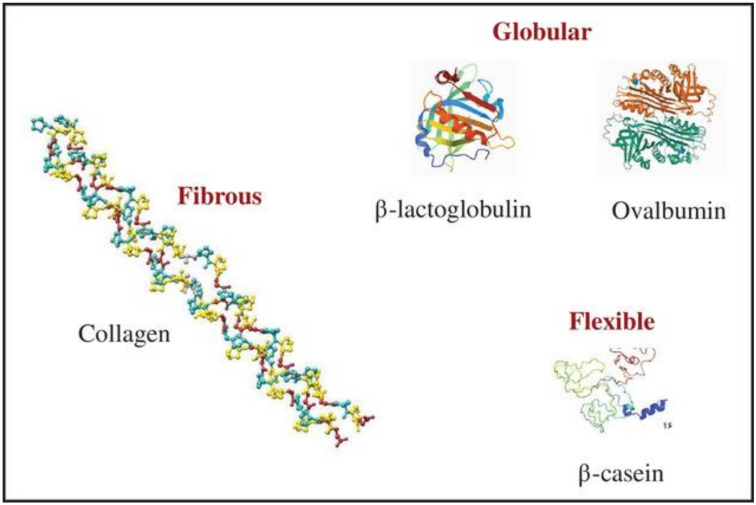
“The fibrous structures are generally water-insoluble, whereas various globular structures are soluble in water, acids, and bases [4,16].”
BackgroundMethodInfluentialMession, J.-L., Chihi, M. L., Sok, N., & Saurel, R. (2015) · Food Hydrocolloids · doi:10.1016/j.foodhyd.2014.11.025 · Cited by 240
Preparation and characterization of chia seed protein isolate–chia seed gum complex coacervates
Timilsena, Y. P., Wang, B., Adhikari, R., & Adhikari, B. (2016) · Food Hydrocolloids · doi:10.1016/j.foodhyd.2015.07.033 · Cited by 239
Han, Z., Cai, M.-J., Cheng, J.-H., & Sun, D.-W. (2018) · Trends in Food Science & Technology · doi:10.1016/j.tifs.2018.02.017 · Cited by 237 · cited 1×
“We note the active research in emerging technologies to modify proteins such as cold plasma [84] and various forms of electromagnetic waves/fields [85]; this section covers a few innovative physical, chemical, and biological modifications that could easily be adopted by the food industry.”
BackgroundLakemond, C. M. M., de Jongh, H. H. J., Hessing, M., Gruppen, H., & Voragen, A. G. J. (2000) · Journal of Agricultural and Food Chemistry · doi:10.1021/jf9908695 · Cited by 235 · cited 2×
“5 M), but most 11S globulins have a low solubility (80%) at pH 5–6, except for soy 11S, which has a high solubility (>80%) at pH 3–4 [22,27].”
BackgroundExtraction methods significantly impact pea protein composition, structure and gelling properties
Yang, J., Zamani, S., Liang, L., & Chen, L. (2021) · Food Hydrocolloids · doi:10.1016/j.foodhyd.2021.106678 · Cited by 235 · cited 1×
“It was found that different methods can modulate the protein composition, structure, and functionality [66,67].”
MethodHuang, X., Huang, X., Gong, Y., Xiao, H., McClements, D. J., & Hu, K. (2016) · Food Research International · doi:10.1016/j.foodres.2016.06.009 · Cited by 228
Effect of pH on the functional behaviour of pea protein isolate–gum Arabic complexes
Liu, S., Elmer, C., Low, N. H., & Nickerson, M. T. (2010) · Food Research International · doi:10.1016/j.foodres.2009.07.022 · Cited by 222 · cited 1×
“Some examples include simple complexation [173,174], sonication [141,175] and conjugation [130,176,177].”
BackgroundGorissen, S. H., Horstman, A. M., Franssen, R., Crombag, J. J., Langer, H., Bierau, J., Respondek, F., & van Loon, L. J. (2016) · The Journal of Nutrition · doi:10.3945/jn.116.231340 · Cited by 221 · cited 1×
“Therefore, the consumption of wheat protein with the equivalent proportion of leucine content to that of whey protein has been shown to increase rates of postprandial muscle protein synthesis [266].”
BackgroundEmulsion stabilization by ionic and covalent complexes of β-lactoglobulin with polysaccharides
Dickinson, E., & Galazka, V. B. (1991) · Food Hydrocolloids · doi:10.1016/s0268-005x(09)80114-8 · Cited by 220
High Pressure Processing of Food: Principles, Technology and Applications
(2016) · Food Engineering Series · doi:10.1007/978-1-4939-3234-4 · Cited by 209
Value-added subcritical water hydrolysate from rice bran and soybean meal
WATCHARARUJI, K., GOTO, M., SASAKI, M., & SHOTIPRUK, A. (2008) · Bioresource Technology · doi:10.1016/j.biortech.2007.12.021 · Cited by 208 · cited 1×
“Depending on the plant matrix, various solvents such as acids, bases, salts, organic solvents, and more recently, subcritical water [55], are used to defat and/or solubilize the proteins.”
BackgroundBeck, S. M., Knoerzer, K., & Arcot, J. (2017) · Journal of Food Engineering · doi:10.1016/j.jfoodeng.2017.06.037 · Cited by 208 · cited 1×
“The high temperature during extrusion can cause protein unfolding due to the breakage of hydrogen bonds [105].”
BackgroundMarinangeli, C. P. F., & House, J. D. (2017) · Nutrition Reviews · doi:10.1093/nutrit/nux025 · Cited by 208 · cited 1×
“In contrast to the PDCAAS, DIAAS utilizes the ileal digestibility coefficients of each amino acid instead of the actual fecal nitrogen digestibility of the protein, to estimate the true ileal digestibility of the essential amino acids [253].”
MethodPhysicochemical and functional properties of kidney bean albumin and globulin protein fractions
Mundi, S., & Aluko, R. E. (2012) · Food Research International · doi:10.1016/j.foodres.2012.04.006 · Cited by 206 · cited 1×
“On the other hand, albumins from kidney beans have good foamability and emulsification properties due to good solubility, smaller molecular weight, and better molecular flexibility, but they cannot stabilize foams at neutral pH in comparison to globulins [23].”
BackgroundCold plasma: A new technology to modify wheat flour functionality
Bahrami, N., Bayliss, D., Chope, G., Penson, S., Perehinec, T., & Fisk, I. D. (2016) · Food Chemistry · doi:10.1016/j.foodchem.2016.01.113 · Cited by 203 · cited 1×
“We note the active research in emerging technologies to modify proteins such as cold plasma [84] and various forms of electromagnetic waves/fields [85]; this section covers a few innovative physical, chemical, and biological modifications that could easily be adopted by the food industry.”
BackgroundAn overview of gelatin derived from aquatic animals: Properties and modification
Lin, L., Regenstein, J. M., Lv, S., Lu, J., & Jiang, S. (2017) · Trends in Food Science & Technology · doi:10.1016/j.tifs.2017.08.012 · Cited by 202 · cited 1×
“When exposed to heat, it melts, but when chilled, it forms helical sections that may crosslink with one another via hydrogen bonding; thus, it has good cold-set gelation characteristics [48].”
BackgroundLi, R., Wang, X., Liu, J., Cui, Q., Wang, X., Chen, S., & Jiang, L. (2019) · Journal of Agricultural and Food Chemistry · doi:10.1021/acs.jafc.8b06713 · Cited by 202
Outlook for graphene-based desalination membranes
Boretti, A., Al-Zubaidy, S., Vaclavikova, M., Al-Abri, M., Castelletto, S., & Mikhalovsky, S. (2018) · npj Clean Water · doi:10.1038/s41545-018-0004-z · Cited by 200 · cited 1×
“To reduce fouling, membrane scientists have been actively researching novel membrane materials and strategies [63,64].”
BackgroundStructure and functional characteristics of rapeseed protein isolate-dextran conjugates
Qu, W., Zhang, X., Han, X., Wang, Z., He, R., & Ma, H. (2018) · Food Hydrocolloids · doi:10.1016/j.foodhyd.2018.03.039 · Cited by 197 · cited 1×
“Some examples include simple complexation [173,174], sonication [141,175] and conjugation [130,176,177].”
BackgroundLi, C., Xue, H., Chen, Z., Ding, Q., & Wang, X. (2014) · Food Research International · doi:10.1016/j.foodres.2013.12.038 · Cited by 197 · cited 1×
“Some examples include simple complexation [173,174], sonication [141,175] and conjugation [130,176,177].”
BackgroundFormation of Whey Protein Isolate (WPI)−Dextran Conjugates in Aqueous Solutions
Zhu, D., Damodaran, S., & Lucey, J. A. (2008) · Journal of Agricultural and Food Chemistry · doi:10.1021/jf800909w · Cited by 196 · cited 1×
“Traditional dry- and wet-state heating methods are either excessively expensive or inefficient for commercial use; therefore, innovative ways to form protein– carbohydrate conjugates have recently been devised [127,128].”
BackgroundBrishti, F. H., Zarei, M., Muhammad, K., Ismail‐Fitry, M. R., Shukri, R., & Saari, N. (2017) · Universiti Putra Malaysia Institutional Repository (Universiti Putra Malaysia) · Cited by 195
Wang, Q., Jin, Y., & Xiong, Y. L. (2018) · Journal of Agricultural and Food Chemistry · doi:10.1021/acs.jafc.8b03901 · Cited by 193
Joshi, M., Aldred, P., Panozzo, J. F., Kasapis, S., & Adhikari, B. (2014) · Food Hydrocolloids · doi:10.1016/j.foodhyd.2013.05.016 · Cited by 192
O’Sullivan, J. J., Park, M., Beevers, J., Greenwood, R. W., & Norton, I. T. (2017) · Food Hydrocolloids · doi:10.1016/j.foodhyd.2016.12.037 · Cited by 191 · cited 4×
“In addition, shearing from sonication alters the size of protein particles and their distribution [116].”
BackgroundInfluentialKutzli, I., Weiss, J., & Gibis, M. (2021) · Foods · doi:10.3390/foods10020376 · Cited by 191
Functionalizing soy protein nano-aggregates with pH-shifting and mano-thermo-sonication
Yildiz, G., Andrade, J., Engeseth, N. E., & Feng, H. (2017) · Journal of Colloid and Interface Science · doi:10.1016/j.jcis.2017.06.088 · Cited by 190 · cited 2×
“In another study, soy protein had improved solubility, surface hydrophobicity, antioxidant activity, rheological and emulsifying properties through the combination of pH shifting and mano-thermo-sonication [142].”
BackgroundDry fractionation methods for plant protein, starch and fiber enrichment: A review
Assatory, A., Vitelli, M., Rajabzadeh, A. R., & Legge, R. L. (2019) · Trends in Food Science & Technology · doi:10.1016/j.tifs.2019.02.006 · Cited by 186
Supercritical Fluids and the Food Industry
Rozzi, N. L., & Singh, R. K. (2002) · Comprehensive Reviews in Food Science and Food Safety · doi:10.1111/j.1541-4337.2002.tb00005.x · Cited by 185 · cited 1×
“Additionally, some techniques such as supercritical fluid extraction can further remove lipids and polyphenols bound to proteins [59].”
BackgroundFeng, T., Wang, X., Wang, X., Zhang, X., Gu, Y., Xia, S., & Huang, Q. (2021) · Food Chemistry · doi:10.1016/j.foodchem.2021.129251 · Cited by 184 · cited 1×
“Although the alteration of biopolymer interfacial properties would have obvious effects on foaming and emulsifying properties, an interesting approach is to leverage on the poor solubility of plant proteins, to create insoluble plant protein–polysaccharide particles as Pickering emulsion stabilizers [187,188].”
BackgroundGuo, Z., Huang, Z., Guo, Y., Li, B., Yu, W., Zhou, L., Jiang, L., Teng, F., & Wang, Z. (2021) · Food Hydrocolloids · doi:10.1016/j.foodhyd.2021.106835 · Cited by 183 · cited 2×
“also reported the same trend on kidney bean protein [100].”
BackgroundMeat analogs: Protein restructuring during thermomechanical processing
Beniwal, A. S., Singh, J., Kaur, L., Hardacre, A., & Singh, H. (2021) · Comprehensive Reviews in Food Science and Food Safety · doi:10.1111/1541-4337.12721 · Cited by 182 · cited 2×
“The first principle is based on phase separation within a multi-phase protein mixture [218,219].”
BackgroundStudy on the emulsifying stability and interfacial adsorption of pea proteins
Chen, M., Lu, J., Liu, F., Nsor-Atindana, J., Xu, F., Goff, H. D., Ma, J., & Zhong, F. (2019) · Food Hydrocolloids · doi:10.1016/j.foodhyd.2018.09.003 · Cited by 181
Jin, J., Okagu, O. D., Yagoub, A. E. A., & Udenigwe, C. C. (2021) · Ultrasonics Sonochemistry · doi:10.1016/j.ultsonch.2020.105348 · Cited by 181 · cited 3×
“reported that the particle size of buckwheat protein isolate increased significantly (fivefold) when sonicated at 100% amplitude for 10 min [120].”
BackgroundInfluentialTimilsena, Y. P., Adhikari, R., Barrow, C. J., & Adhikari, B. (2016) · International Journal of Biological Macromolecules · doi:10.1016/j.ijbiomac.2016.05.058 · Cited by 180
Norton, L. E., Layman, D. K., Bunpo, P., Anthony, T. G., Brana, D. V., & Garlick, P. J. (2009) · The Journal of Nutrition · doi:10.3945/jn.108.103853 · Cited by 178 · cited 1×
“Secondly, increasing the amount of plant-based protein consumed per meal is predicted to effectively compensate for their reduced anabolic response in comparison to animal protein [265].”
BackgroundExtraction of protein from food waste: An overview of current status and opportunities
Kamal, H., Le, C. F., Salter, A. M., & Ali, A. (2021) · Comprehensive Reviews in Food Science and Food Safety · doi:10.1111/1541-4337.12739 · Cited by 170 · cited 1×
“Readers are referred to this recent review for more in-depth discussion [76].”
BackgroundZang, X., Yue, C., Wang, Y., Shao, M., & Yu, G. (2019) · Journal of Cereal Science · doi:10.1016/j.jcs.2018.09.001 · Cited by 169 · cited 2×
“explained that the release of soluble peptides from insoluble aggregates or precipitates, and an increased number of exposed ionizable amino and carboxyl groups, were the reasons behind the increased protein solubility and DH [153].”
BackgroundDesign future foods using plant protein blends for best nutritional and technological functionality
Jiménez‐Munoz, L., Tavares, G. M., & Corredig, M. (2021) · Trends in Food Science & Technology · doi:10.1016/j.tifs.2021.04.049 · Cited by 168
Shen, Y., & Li, Y. (2021) · Food Hydrocolloids · doi:10.1016/j.foodhyd.2021.106686 · Cited by 164
Interfacial and foaming characteristics of soy globulins as a function of pH and ionic strength
Ruiz‐Henestrosa, V. M. P., Sánchez, C. C., Yust, M. D. M., Pedroche, J., Rodríguez, F. M., & Patino, J. M. R. (2007) · Colloids and Surfaces A Physicochemical and Engineering Aspects · doi:10.1016/j.colsurfa.2007.01.030 · Cited by 157 · cited 1×
“For instance, the differences in the functionality of 7S and 11S globulins are stated as follows: 11S globulins from soybeans and peas are efficient in foam stabilization [32], whereas 7S globulins from soybeans and peas are efficient emulsifiers [33–35].”
BackgroundThe phase properties of soy protein and wheat gluten in a blend for fibrous structure formation
Dekkers, B. L., Emin, M. A., Boom, R. M., & van der Goot, A. J. (2018) · Food Hydrocolloids · doi:10.1016/j.foodhyd.2017.12.033 · Cited by 157 · cited 1×
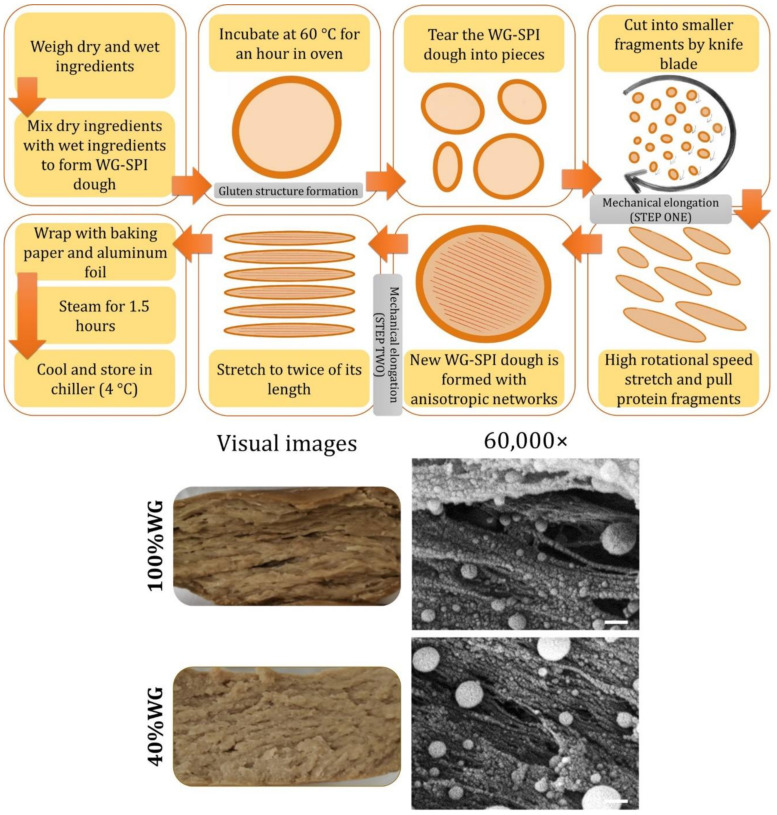
“The dispersed phase acquires a spherical droplet morphology under interfacial tension and undergoes deformation–elongation– solidification to form anisotropic structures in the direction of the applied shear [220,221].”
BackgroundO'Sullivan, J., Park, M., & Beevers, J. (2016) · Journal of Cereal Science · doi:10.1016/j.jcs.2016.02.013 · Cited by 152 · cited 1×
“5% w/v walnut protein isolate solutions at sonication powers of 200, 400 or 600 W for either 15 or 30 min [115,119].”
MethodPlant protein ingredients with food functionality potential
Loveday, S. M. (2020) · Nutrition Bulletin · doi:10.1111/nbu.12450 · Cited by 151
Saricaoglu, F. T. (2020) · International Journal of Biological Macromolecules · doi:10.1016/j.ijbiomac.2019.11.034 · Cited by 148 · cited 12×
“reported an increase in hazelnut protein and lentil protein solubility when the pressure reached 100 MPa [96,97].”
BackgroundMethodInfluentialComparing methods to produce fibrous material from zein
Mattice, K. D., & Marangoni, A. G. (2019) · Food Research International · doi:10.1016/j.foodres.2019.108804 · Cited by 146 · cited 1×
“developed a more affordable technique using less sophisticated equipment, known as protein mechanical elongation methods [220,223].”
MethodPhysical properties of plant-based cheese products produced with zein
Mattice, K. D., & Marangoni, A. G. (2020) · Food Hydrocolloids · doi:10.1016/j.foodhyd.2020.105746 · Cited by 146
Current Concepts and Unresolved Questions in Dietary Protein Requirements and Supplements in Adults
Phillips, S. M. (2017) · Frontiers in Nutrition · doi:10.3389/fnut.2017.00013 · Cited by 145
Grudniewska, A., de Melo, E. M., Chan, A., Gniłka, R., Boratyński, F., & Matharu, A. S. (2018) · ACS Sustainable Chemistry & Engineering · doi:10.1021/acssuschemeng.8b04359 · Cited by 145 · cited 1×
“There are also recent proof-of-concept studies using DES to extract oilseed cake protein [57] and oat protein [58].”
ResultZhang, L., Pan, Z., Shen, K., Cai, X., Zheng, B., & Miao, S. (2018) · Journal of Cereal Science · doi:10.1016/j.jcs.2017.10.013 · Cited by 144 · cited 1×
“Rice protein had improved solubility, emulsifying, and foaming characteristics with pH shifting and ultrasonic treatment [147].”
BackgroundTailoring structure and technological properties of plant proteins using high hydrostatic pressure
Queirós, R. P., Saraiva, J. A., & da Silva, J. A. L. (2018) · Critical Reviews in Food Science and Nutrition · doi:10.1080/10408398.2016.1271770 · Cited by 142 · cited 1×
“Readers are referred to recent reviews on plant proteins [92,93] for more details.”
BackgroundOmosebi, M. O., Osundahunsi, O. F., & Fagbemi, T. N. (2018) · Journal of Food Biochemistry · doi:10.1111/jfbc.12508 · Cited by 138 · cited 1×
“reported higher in vitro protein digestibility on extruded soybean protein concentrates than uncooked samples [108].”
BackgroundSaricaoglu, F. T., Gul, O., Besir, A., & Atalar, I. (2018) · Journal of Food Engineering · doi:10.1016/j.jfoodeng.2018.04.003 · Cited by 138
Chiang, J. H., Tay, W. L. W., Ong, D. S. M., Liebl, D., Ng, C. P., & Henry, C. J. (2021) · Food Structure · doi:10.1016/j.foostr.2021.100183 · Cited by 137
Self-citationStable nano-sized emulsions produced from soy protein and soy polysaccharide complexes
Yin, B., Deng, W., Xu, K., Huang, L., & Yao, P. (2012) · Journal of Colloid and Interface Science · doi:10.1016/j.jcis.2012.04.075 · Cited by 133
Phase behavior and complex coacervation of concentrated pea protein isolate-beet pectin solution
Lan, Y., Ohm, J., Chen, B., & Rao, J. (2019) · Food Chemistry · doi:10.1016/j.foodchem.2019.125536 · Cited by 133
Alavi, F., Chen, L., Wang, Z., & Emam-Djomeh, Z. (2021) · Food Hydrocolloids · doi:10.1016/j.foodhyd.2020.106335 · Cited by 133
Li, J., Yeh, A., & Fan, K.-L. (2006) · Journal of Food Engineering · doi:10.1016/j.jfoodeng.2005.12.043 · Cited by 130 · cited 1×
“protein–starch mixtures led to a mixed protein–starch gel network [198,199], whereas highpressure processing resulted in starch granules remaining intact and ungelatinized, acting as a filler in the pressure-induced protein gel matrix [196].”
BackgroundLatest Research into Quality Control
Akyar, I. (2012) · InTech eBooks · doi:10.5772/45955 · Cited by 130
Casein Proteins: Structural and Functional Aspects
Bhat, M. Y., Dar, T. A., & Singh, L. R. (2016) · InTech eBooks · doi:10.5772/64187 · Cited by 127 · cited 1×
“Casein forms large colloidal particles with calcium phosphate to form casein micelles [46,47].”
BackgroundApplication of Deep Eutectic Solvents in Food Analysis: A Review
Chen, J., Li, Y., Wang, X., & Liu, W. (2019) · Molecules · doi:10.3390/molecules24244594 · Cited by 127 · cited 1×
“As a green and mild solvent, DES has shown promise in extracting various food components such as phenolic compounds and sugars [56].”
BackgroundModification of structure and functionalities of ginkgo seed proteins by pH-shifting treatment
Zhang, W., Liu, C., Zhao, J., Ma, T., He, Z., Huang, M., & Wang, Y. (2021) · Food Chemistry · doi:10.1016/j.foodchem.2021.129862 · Cited by 127
Qi, P. X., & Onwulata, C. I. (2011) · Journal of Dairy Science · doi:10.3168/jds.2010-3942 · Cited by 126 · cited 1×
“As mentioned in the previous section, extrusion causes protein unfolding, with partial uncoiling of the secondary structure and a complete loss of tertiary structure [225].”
BackgroundNwachukwu, I. D., & Aluko, R. E. (2018) · Food Chemistry · doi:10.1016/j.foodchem.2018.02.068 · Cited by 126
The role of hydrodynamic conditions and solution chemistry on protein fouling during ultrafiltration
She, Q., Tang, C. Y., Wang, Y., & Zhang, Z. (2009) · Desalination · doi:10.1016/j.desal.2009.05.015 · Cited by 124 · cited 1×
“fouling, which reduces the isolation efficiency [62].”
Guan, H., Diao, X., Jiang, F., Han, J., & Kong, B. (2017) · Food Chemistry · doi:10.1016/j.foodchem.2017.08.081 · Cited by 123 · cited 11×
“However, an “over-processing” effect was observed at 150 MPa homogenization pressure, where the protein solubility decreased.”
BackgroundInfluentialFactors Affecting the Functional Properties of Whey Protein Products: A Review
EL‐SALAM, M. H. A., El‐Shibiny, S., & Salem, A. S. (2009) · Food Reviews International · doi:10.1080/87559120902956224 · Cited by 122 · cited 1×
“Additionally, the molecular size, shape of proteins, physicochemical properties and processing conditions determine its functional properties (gelation, solubility, thermal stability, emulsification, foamability) and affects the protein’s interaction with other macro and micro molecules, processing, storage, isolation…”
BackgroundOptimisation of the complex coacervation between canola protein isolate and chitosan
Chang, P. G., Gupta, R. K., Timilsena, Y. P., & Adhikari, B. (2016) · Journal of Food Engineering · doi:10.1016/j.jfoodeng.2016.07.008 · Cited by 119
Kutzli, I., Gibis, M., Baier, S. K., & Weiß, J. (2019) · Food Hydrocolloids · doi:10.1016/j.foodhyd.2019.02.028 · Cited by 118
Kasran, M., Cui, S. W., & Goff, H. D. (2012) · Food Hydrocolloids · doi:10.1016/j.foodhyd.2012.08.004 · Cited by 117
Klost, M., & Drusch, S. (2019) · Food Hydrocolloids · doi:10.1016/j.foodhyd.2018.03.013 · Cited by 117
Structuring colloidal oat and faba bean protein particles via enzymatic modification
Nivala, O., Mäkinen, O. E., Kruus, K., Nordlund, E., & Ercili-Cura, D. (2017) · Food Chemistry · doi:10.1016/j.foodchem.2017.03.114 · Cited by 116 · cited 1×
“reported the decreased soluble protein of faba bean isolate from 77% to 60% when increasing transglutaminase dosage from 10 to 1000 nkat/g [152].”
BackgroundSun, X. D., & Arntfield, S. D. (2010) · Food Hydrocolloids · doi:10.1016/j.foodhyd.2010.05.002 · Cited by 115
Yue, J., Zhu, Z., Yi, J., Lan, Y., Chen, B., & Rao, J. (2021) · Food Hydrocolloids · doi:10.1016/j.foodhyd.2020.106330 · Cited by 112 · cited 1×
“There are also recent proof-of-concept studies using DES to extract oilseed cake protein [57] and oat protein [58].”
ResultGharibzahedi, S. M. T., & Smith, B. (2021) · Trends in Food Science & Technology · doi:10.1016/j.tifs.2020.11.016 · Cited by 112 · cited 1×
“Readers are referred to recent reviews on plant proteins [92,93] for more details.”
BackgroundENGELEN, M. P. K. J., Rutten, E. P. A., de Castro, C. L. N., Wouters, E. F. �., Schols, A. M. W. J., & Deutz, N. E. P. (2007) · American Journal of Clinical Nutrition · doi:10.1093/ajcn/85.2.431 · Cited by 111 · cited 1×
“A study has shown that fortifying soy proteins with leucine, isoleucine, and valine increased whole-body protein synthesis [267].”
BackgroundBaeza, R. I., Carp, D. J., Pérez, O. E., & Pilosof, A. M. R. (2002) · LWT · doi:10.1006/fstl.2002.0938 · Cited by 111 · cited 1×
“As discussed previously, most commercially available plant protein isolates tend to be largely denatured, and it has been shown to affect the interactions and resultant properties with polysaccharides [203].”
BackgroundPhysicochemical properties of a ginkgo seed protein-pectin composite gel
He, Z., Liu, C., Zhao, J., Li, W., & Wang, Y. (2021) · Food Hydrocolloids · doi:10.1016/j.foodhyd.2021.106781 · Cited by 111
Production of protein-rich pulse ingredients through dry fractionation: A review
Fernando, S. (2021) · LWT · doi:10.1016/j.lwt.2021.110961 · Cited by 109
Wang, Y.-R., Yang, Q., Li-Sha, Y.-J., & Chen, H.-Q. (2021) · Food Chemistry · doi:10.1016/j.foodchem.2020.128956 · Cited by 109
Preparation of Protein Oleogels: Effect on Structure and Functionality
Feichtinger, A., & Scholten, E. (2020) · Foods · doi:10.3390/foods9121745 · Cited by 107
Yildiz, G., Ding, J., Andrade, J., Engeseth, N. J., & Feng, H. (2018) · Innovative Food Science & Emerging Technologies · doi:10.1016/j.ifset.2018.03.005 · Cited by 106 · cited 3×
“Some examples include simple complexation [173,174], sonication [141,175] and conjugation [130,176,177].”
BackgroundFood proteins from plants and fungi
Schweiggert-Weisz, U., Eisner, P., Bader-Mittermaier, S., & Osen, R. (2020) · Current Opinion in Food Science · doi:10.1016/j.cofs.2020.08.003 · Cited by 105 · cited 1×
“The academic community, working together with industry, has acknowledged this challenge, and has started to seek out different strategies based on the wide variety of plant protein sources [6,53].”
BackgroundChickpea protein isolates obtained by wet extraction as emulsifying agents
Papalamprou, E. M., Doxastakis, G. I., & Kiosseoglou, V. (2010) · Journal of the Science of Food and Agriculture · doi:10.1002/jsfa.3816 · Cited by 104 · cited 1×
“Albumins from pea and chickpea have lower overall emulsifying properties than globulins, due to low molecular flexibility and hydrophobicity [29,30].”
BackgroundGonzález‐Pérez, S., & Arellano, J. B. (2009) · Elsevier eBooks · doi:10.1533/9781845695873.383 · Cited by 104
Zhang, X., Qi, J., Li, K., Yin, S., Wang, J., Jian-hua, Z., & Yang, X. (2012) · Food Research International · doi:10.1016/j.foodres.2012.09.001 · Cited by 103 · cited 1×
“Some examples include simple complexation [173,174], sonication [141,175] and conjugation [130,176,177].”
BackgroundZhou, X., Cui, H., Zhang, Q., Hayat, K., Yu, J., Hussain, S., Tahir, M. U., Zhang, X., & Ho, C. (2020) · Food Research International · doi:10.1016/j.foodres.2020.109985 · Cited by 103 · cited 2×
“There have been published reports using several plant proteins to generate meaty flavors such as pea protein [248], quinoa protein [249], flaxseed protein [250], soybean protein [251,252], etc.”
BackgroundMohanan, A., Nickerson, M. T., & Ghosh, S. (2020) · Food Chemistry · doi:10.1016/j.foodchem.2020.126282 · Cited by 103
Nieto-Nieto, T. V., Wang, Y., Ozimek, L., & Chen, L. (2016) · Food Research International · doi:10.1016/j.foodres.2016.01.027 · Cited by 99
Riaz, M. N. (2005) · CRC Press eBooks · doi:10.1201/9781420037951 · Cited by 98
Naibaho, J., & Korzeniowska, M. (2021) · Journal of Food Science · doi:10.1111/1750-3841.15714 · Cited by 97 · cited 1×
“, starch in brewer’s spent grain) and are usually discarded [75], making them promising feed materials for protein isolation.”
BackgroundWei, C.-K., Ni, Z., Thakur, K., Liao, A., Huang, J., & Wei, Z. (2019) · International Journal of Food Properties · doi:10.1080/10942912.2019.1573830 · Cited by 94 · cited 1×
“There have been published reports using several plant proteins to generate meaty flavors such as pea protein [248], quinoa protein [249], flaxseed protein [250], soybean protein [251,252], etc.”
BackgroundEmkani, M., Oliete, B., & Saurel, R. (2021) · Foods · doi:10.3390/foods10030549 · Cited by 94 · cited 1×
“Some other new ideas involve using fermentation to assist protein extraction [68] or redesigning the wet fractionation process to be milder [69].”
BackgroundFoaming Properties of Wheat Gliadin
Thewissen, B. G., Celus, I., Brijs, K., & Delcour, J. A. (2011) · Journal of Agricultural and Food Chemistry · doi:10.1021/jf103473d · Cited by 93 · cited 1×
“However, native prolamin from wheat is an effective foaming agent, particularly in the alkaline pH range [36].”
BackgroundSaatchi, A., Kiani, H., & Labbafi, M. (2018) · International Journal of Biological Macromolecules · doi:10.1016/j.ijbiomac.2018.10.122 · Cited by 93 · cited 2×
“Some examples include simple complexation [173,174], sonication [141,175] and conjugation [130,176,177].”
BackgroundLi, G., Chen, Q., Su, C.-R., Wang, H., He, S., Liu, J., Nag, A., & Yuan, Y. (2021) · Innovative Food Science & Emerging Technologies · doi:10.1016/j.ifset.2021.102612 · Cited by 92 · cited 1×
“Polysaccharides do not always improve plant protein performance [200].”
BackgroundFarrell, H. M., Qi, P. X., Brown, E. M., Cooke, P. H., Tunick, M. H., Wickham, E. D., & Unruh, J. J. (2002) · Journal of Dairy Science · doi:10.3168/jds.s0022-0302(02)74096-4 · Cited by 92 · cited 1×
“Filamentous proteins have flexible and disorderly structures; for instance, casein has a random coil structure, with hydrophobic and hydrophilic patches [45].”
BackgroundMolten globule state of food proteins
Hirose, M. (1993) · Trends in Food Science & Technology · doi:10.1016/0924-2244(93)90059-j · Cited by 88
Santos, J., Alcaide-González, M. A., Trujillo-Cayado, L. A., Carrillo, F., & Alfaro, M. C. (2020) · International Journal of Biological Macromolecules · doi:10.1016/j.ijbiomac.2020.03.078 · Cited by 84
Functional properties of proteins in foods
Wilding, P., Lillford, P. J., & Regenstein, J. M. (1984) · Journal of Chemical Technology and Biotechnology Biotechnology · doi:10.1002/jctb.280340307 · Cited by 83 · cited 1×
“In a food system, proteins are the most significant functional component because of their structuring, texturizing, emulsifying, foaming, hydration, and nutritive properties [15].”
BackgroundHeat-Induced Changes Occurring in Oil/Water Emulsions Stabilized by Soy Glycinin and β-Conglycinin
Keerati‐u‐rai, M., & Corredig, M. (2010) · Journal of Agricultural and Food Chemistry · doi:10.1021/jf101425j · Cited by 83
Field pea protein isolate/chitosan complex coacervates: Formation and characterization
Zhang, Q., Dong, H., Gao, J., Chen, L., & Vasanthan, T. (2020) · Carbohydrate Polymers · doi:10.1016/j.carbpol.2020.116925 · Cited by 82
On characterization of anisotropic plant protein structures
Krintiras, G. A., Göbel, J., Bouwman, W. G., van der Goot, A. J., & Stefanidis, G. D. (2014) · Food & Function · doi:10.1039/c4fo00537f · Cited by 81 · cited 1×
“reported that soy protein isolate could be dispersed in a continuous wheat gluten matrix to form anisotropic structures, after shearing in a Couette cell [222].”
BackgroundSu, Y. P., Sim, L. N., Li, X., COSTER, H. G. L., & Chong, T. H. (2020) · Journal of Membrane Science · doi:10.1016/j.memsci.2020.118818 · Cited by 81 · cited 1×
“To reduce fouling, membrane scientists have been actively researching novel membrane materials and strategies [63,64].”
BackgroundPhysical and oxidative stability of food emulsions prepared with pea protein fractions
Hinderink, E. B. A., Schröder, A., Sagis, L., Schroën, K., & Berton-Carabin, C. C. (2021) · LWT · doi:10.1016/j.lwt.2021.111424 · Cited by 80
High pressure structuring of pea protein concentrates
Sim, S. Y. J., Karwe, M. V., & Moraru, C. I. (2019) · Journal of Food Process Engineering · doi:10.1111/jfpe.13261 · Cited by 78
Self-citationA Novel Approach to Structure Plant-Based Yogurts Using High Pressure Processing
Sim, S. Y. J., Hua, X. Y., & Henry, C. J. (2020) · Foods · doi:10.3390/foods9081126 · Cited by 78 · cited 1×
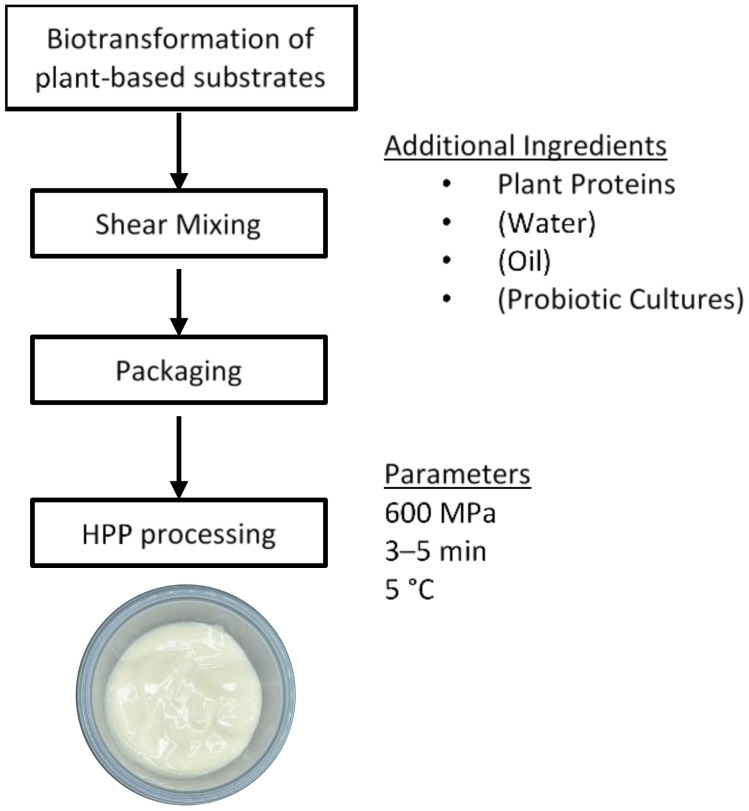
“demonstrated a novel approach to structure plant-based yogurts using highpressure processing [236], enabling separate operations to generate flavor and texture (Figure 5).”
BackgroundSelf-citationHasanvand, E., & Rafe, A. (2018) · Food Hydrocolloids · doi:10.1016/j.foodhyd.2018.05.019 · Cited by 77
Impact of microfluidization on colloidal properties of insoluble pea protein fractions
Moll, P., Salminen, H., Schmitt, C., & Weiss, J. (2021) · European Food Research and Technology · doi:10.1007/s00217-020-03629-2 · Cited by 76 · cited 2×
“Some methods to transform non-functional proteins include thermal treatment [86] and micro-fluidization [83,87].”
BackgroundMethodTan, S., Peh, E. W. Y., Marangoni, A. G., & Henry, C. J. (2017) · Food & Function · doi:10.1039/c6fo01274d · Cited by 75
Self-citationDjemaoune, Y., Cases, E., & Saurel, R. (2019) · Journal of Food Science · doi:10.1111/1750-3841.14734 · Cited by 75 · cited 1×
“Some methods to transform non-functional proteins include thermal treatment [86] and micro-fluidization [83,87].”
MethodPatel, M. T., & Kilara, A. (1990) · Journal of Dairy Science · doi:10.3168/jds.s0022-0302(90)78958-8 · Cited by 74
Zha, F., Yang, Z., Rao, J., & Chen, B. (2019) · Journal of Agricultural and Food Chemistry · doi:10.1021/acs.jafc.9b04099 · Cited by 74 · cited 1×
“Glycation was used as an approach for a reduction in the beany flavor and improve flavor profiles in pea protein conjugated by Arabic gum [133].”
MethodLu, B.-Y., Quillien, L., & Popineau, Y. (2000) · Journal of the Science of Food and Agriculture · doi:10.1002/1097-0010(200010)80:13<1964::aid-jsfa737>3.0.co;2-j · Cited by 74 · cited 1×
“Albumins from pea and chickpea have lower overall emulsifying properties than globulins, due to low molecular flexibility and hydrophobicity [29,30].”
BackgroundEngineering processes in meat products and how they influence their biophysical properties
Tornberg, E. (2013) · Meat Science · doi:10.1016/j.meatsci.2013.04.053 · Cited by 73 · cited 1×
“Fibrous or meat proteins have a complex hierarchical construction of fibrous protein bundles embedded inside connective tissue formed of triple helices of collagen, and can be classified as sarcoplasmic, stromal (collagen, elastin), and myofibrillar (myosin, actin, tropomyosin, troponins) [42,43].”
BackgroundSubstitution of whey protein by pea protein is facilitated by specific fractionation routes
Kornet, R., Shek, C., Venema, P., Jan van der Goot, A., Meinders, M., & van der Linden, E. (2021) · Food Hydrocolloids · doi:10.1016/j.foodhyd.2021.106691 · Cited by 73 · cited 1×
“It was found that different methods can modulate the protein composition, structure, and functionality [66,67].”
MethodModification of enzymes by use of high-pressure homogenization
Aguilar, J. G. D. S., Cristianini, N., & Sato, H. H. (2018) · Food Research International · doi:10.1016/j.foodres.2018.04.011 · Cited by 73 · cited 1×
“High-pressure homogenization (HPH) is a technology that produces a homogenous size distribution of particles suspended in a liquid by forcing through a narrow orifice or valve [95].”
BackgroundSilventoinen, P., & Sözer, N. (2020) · Foods · doi:10.3390/foods9081055 · Cited by 73 · cited 1×
“Proteins are denatured and unfolded at basic pH levels, revealing sulfhydryl and hydrophobic regions in their structure and allowing novel protein interactions to emerge [140].”
BackgroundThermo-mechanical and hydrophilic properties of polysaccharide/gluten-based bioplastics
Zárate-Ramírez, L. S., Romero, A., Bengoechea, C., Partal, P., & Guerrero, A. F. (2014) · Carbohydrate Polymers · doi:10.1016/j.carbpol.2014.05.055 · Cited by 72
Molina, M. I., Petruccelli, S., & Añón, M. C. (2004) · Journal of Agricultural and Food Chemistry · doi:10.1021/jf0494175 · Cited by 71 · cited 1×
“Factors that affect the solubility of globular proteins include (a) differences in molecular weight, (b) molecular flexibility, (c) the presence of hydrophobic, basic and acidic subunits on the protein surface and (d) association and dissociation of subunits [21,22].”
BackgroundVenuste, M., Zhang, X., Shoemaker, C. F., Karangwa, E., Abbas, S., & Eugene, K. (2013) · Food & Function · doi:10.1039/c3fo30347k · Cited by 70 · cited 5×
“Beaubier et al. reported a higher emulsifying capacity of sunflower protein hydrolysates at 8% DH than 6% DH using Alcalase®; however, no significant difference was observed for the emulsifying stability, foaming capacity and stability [154].”
InfluentialNishinari, K., Fang, Y., Nagano, T., Guo, S., & Wang, R. (2017) · Elsevier eBooks · doi:10.1016/b978-0-08-100722-8.00007-3 · Cited by 70 · cited 1×
“Individual subunits within both 7S and 11S globulins undergo dissociation, unfolding, and reaggregation in food processing at the right ionic strength and heating conditions, making them more functional in terms of solubility, gelation, emulsification, and foaming [31].”
BackgroundStructuring dairy systems through high pressure processing
Devi, A. F., Buckow, R., Hémar, Y., & Kasapis, S. (2012) · Journal of Food Engineering · doi:10.1016/j.jfoodeng.2012.07.032 · Cited by 69 · cited 1×
“Currently, the primary use of HPP is cold pasteurization and shelf-life extension, but HPP has recently been explored for food structure engineering [88].”
BackgroundElectrostatic separation technology for obtaining plant protein concentrates: A review
Zhu, H., Tang, H.-Q., Cheng, Y., Li, Z., & Tong, L. (2021) · Trends in Food Science & Technology · doi:10.1016/j.tifs.2021.04.044 · Cited by 69
Improving antioxidant activity of black bean protein by hydrolysis with protease combinations
Aguilar, J. G. D. S., Cason, V. G., & de Castro, R. J. S. (2018) · International Journal of Food Science & Technology · doi:10.1111/ijfs.13898 · Cited by 68 · cited 1×
“The hydrolysates were fractionated using ultrafiltration with molecular weight cut-off membranes of 30, 10 and 3 kDa [157].”
MethodPérez, S. G., Vereijken, J. M., van Koningsveld, G. A., Gruppen, H., & Voragen, A. G. J. (2005) · Journal of Food Science · doi:10.1111/j.1365-2621.2005.tb09029.x · Cited by 68
Structure-Function Relationships of Muscle Proteins
Xiong, Y. L. (2017) · CRC Press eBooks · doi:10.1201/9780203755617-12 · Cited by 67 · cited 1×
“These structural components are responsible for adhesiveness, viscoelasticity and juiciness [215].”
Background
Research works printed but not linked: 3
- Tornberg E. Andersson K. Andersson A. Josell A. The texture of comminuted meat products Food Aust. 2000 52 519 524
- Flory P.J. Principles of Polymer Chemistry Cornell University Press Ithaca, NY, USA 1953
- Rossen J.L. Miller R.C. Food extrusion Food Technol. 1973 27 46 53
Cited by
The Current Situation of Pea Protein and Its Application in the Food Industry
Shanthakumar, P., Klepacka, J., Bains, A., Chawla, P., Dhull, S. B., & Najda, A. (2022) · Molecules · doi:10.3390/molecules27165354 · Cited by 381
“This process is also used as a pre-treatment for other protein modification methods such as hydrolysis and glycation by making the amino acids folded in the inner layer of the proteins [94].”
MethodDeep Eutectic Solvent as Green Solvent in Extraction of Biological Macromolecules: A Review
Ling, J. K. U., & Hadinoto, K. (2022) · International Journal of Molecular Sciences · doi:10.3390/ijms23063381 · Cited by 337
“Proteins can be classified as globular (albumin), fibrous (collagen and keratin), or flexible (casein), depending on their structure and sequence on the polymer chain [86].”
BackgroundFermentation of plant‐based dairy alternatives by lactic acid bacteria
Harper, A. R., Dobson, R. C. J., Morris, V. K., & Moggré, G. (2022) · Microbial Biotechnology · doi:10.1111/1751-7915.14008 · Cited by 240
“This is due to the disulphide bonds, hydrophobic effects, electrostatic forces, hydrogen bonding and van der Waals forces present (Sim et al., 2021).”
BackgroundInfluentialCurrent challenges of alternative proteins as future foods
Malila, Y., Owolabi, I. O., Chotanaphuti, T., Sakdibhornssup, N., Elliott, C. T., Visessanguan, W., Karoonuthaisiri, N., & Petchkongkaew, A. (2024) · npj Science of Food · doi:10.1038/s41538-024-00291-w · Cited by 210
“Most plant proteins are globular and stored as preserved nutrients in storage organs (e.g., seeds and tubes) 35 , hence why protein extraction is required (Fig.”
BackgroundHassoun, A., Cropotova, J., Trif, M., Alexandru Vasile, R. U. S. U., Bobiş, O., Nayik, G. A., Jagdale, Y. D., Saeed, F., Afzaal, M., Mostashari, P., et al. (2022) · Frontiers in Nutrition · doi:10.3389/fnut.2022.972154 · Cited by 175
Metadata
- Authors
- Sim, S. Y. J., SRV, A., Chiang, J. H., & Henry, C. J.
- Affiliations
- Agency for Science, Technology and Research (SG)
- Clinical Nutrition Research Centre (CNRC), Singapore Institute of Food and Biotechnology Innovation (SIFBI), Agency for Science, Technology and Research (A*STAR), Singapore 117599, Singapore
- Corresponding author
- Sim, Shaun Yong Jie
- Venue
- Foods
- Publisher
- MDPI AG
- Published
- 2021-08-23
- Volume
- 10
- Issue
- 8
- Pages
- 1967
- ISSN
- 2304-8158 (ISSN-L)
- PMC
- PMC8391319
- OpenAlex
- W3193926126
- Semantic Scholar
- 0bc64bbf0df91f9d920b8b8074c1734bc7bbbe63
- Cited by
- 352
- References
- 269
- Citations by year
- 2026: 57 · 2025: 100 · 2024: 92 · 2023: 60 · 2022: 40 · 2021: 3
- FWCI
- 4.43
- Type
- journal article
- Language
- en
- Open access
- gold
- doi.org
- Licence
- Locations
- Foods (publishedVersion, cc-by)
- PubMed Central (publishedVersion, cc-by)
- PubMed (publishedVersion)
- National University of Singapore (submittedVersion, cc-by)
- DOAJ (DOAJ: Directory of Open Access Journals) (submittedVersion, cc-by-sa)
- Funders
- Agency for Science, Technology and Research (W20W2D0006, H17/01/a0/A11)
- Topics
- Life Sciences › Agricultural and Biological Sciences › Food Science › Proteins in Food Systems
- Life Sciences › Agricultural and Biological Sciences › Food Science › Food Nutrient Composition and Product Development
- Life Sciences › Agricultural and Biological Sciences › Food Science › Protein Hydrolysis and Bioactive Peptides
- Keywords
- plant proteins, plant-based foods, protein functional properties, protein solubility, foaming and emulsifying properties, gelling properties, protein extraction, protein fractionation, protein modification, protein-polysaccharide interactions, global food security, sustainable food production
About these checks
Registry, retraction, Cites and statistics results are computed, not judged, with one exception: a printed reference that no index lists is read once by a model before it counts as a citation error. Claims are extracted by a model and kept only when their quote appears verbatim in the text; each cited source is then checked, with a model’s help, for whether it says what the claim relies on. Those verdicts can be wrong — read the claim’s quote and the cited source before relying on one.
Statistics and arithmetic are recomputed, not judged.
Confidence bands are shown only for fields calibrated on our annotated test set. None is calibrated yet, so no band is shown.
What counts as a claim ›How we measure confidence ›How we check this ›
Are you an author, or do you see a problem with this page? Request a review
Data sources
Bibliographic data: Semantic Scholar, OpenAlex, Crossref.
Contains information from the Semantic Scholar Academic Graph Datasets, made available under the ODC Attribution License (ODC-BY 1.0).
Semantic Scholar’s data is described in: Kinney, R., et al. (2023). The Semantic Scholar Open Data Platform. arXiv:2301.10140.
