

Plant Proteins for Future Foods: A Roadmap
Open accessThe DOI matches its Crossref record; 267 of the 269 references it cites were found in a registry or an index.
Abstract
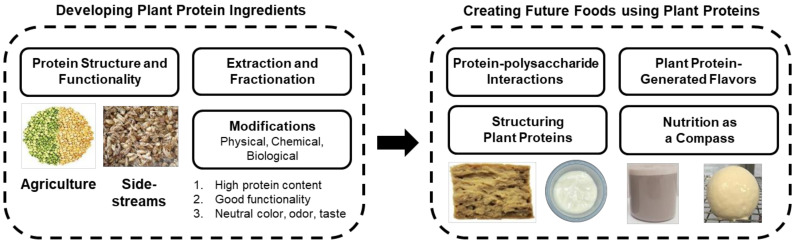
Protein calories consumed by people all over the world approximate 15–20% of their energy intake. This makes protein a major nutritional imperative. Today, we are facing an unprecedented challenge to produce and distribute adequate protein to feed over nine billion people by 2050, in an environmentally sustainable and affordable way. Plant-based proteins present a promising solution to our nutritional needs due to their long history of crop use and cultivation, lower cost of production, and easy access in many parts of the world. However, plant proteins have comparatively poor functionality, defined as poor solubility, foaming, emulsifying, and gelling properties, limiting their use in food products. Relative to animal proteins, including dairy products, plant protein technology is still in its infancy. To bridge this gap, advances in plant protein ingredient development and the knowledge to construct plant-based foods are sorely needed. This review focuses on some salient features in the science and technology of plant proteins, providing the current state of the art and highlighting new research directions. It focuses on how manipulating plant protein structures during protein extraction, fractionation, and modification can considerably enhance protein functionality. To create novel plant-based foods, important considerations such as protein–polysaccharide interactions, the inclusion of plant protein-generated flavors, and some novel techniques to structure plant proteins are discussed. Finally, the attention to nutrition as a compass to navigate the plant protein roadmap is also considered.
Overview
The claims and statistics of this paper haven’t been checked yet.
Free: it reads the open-access text and checks the first 5 claims that cite a source we can check. Create a free account to check every claim.
Integrity signals
Registry
Cites
Statistics
Figures
Verification
Claims the paper makes
The claims and statistics of this paper haven’t been checked yet.
Free: it reads the open-access text and checks the first 5 claims that cite a source we can check. Create a free account to check every claim.
Claims other papers make about this one
Each is checked against this paper’s own text: does it say what the citing paper says it does?
The source backs part of the claim, not all of it — or backs it for a different population, condition or comparison.
In the citing paper
“The review highlights that native pea protein structure dictates both its limitations and the engineering strategies needed to overcome them, progressing from isolation technologies through modification approaches to advanced food applications, with emphasis on structure-guided engineering approaches and biorefinery perspectives [2,6,8].”
From Pea Protein Isolates: From Extraction to Functionality. (2025) · cites this paper as [8]
Experimental — accuracy not yet measuredThe source backs part of the claim, not all of it — or backs it for a different population, condition or comparison.
In the citing paper
“Off-flavor attributes, notably characteristic pea-like bitterness, can detract from consumer acceptance and limit broader utilization in sensory-sensitive food products [2,8].”
From Pea Protein Isolates: From Extraction to Functionality. (2025) · cites this paper as [8]
Experimental — accuracy not yet measured
Self-check
Percentages, sums and reported differences re-computed from the paper’s own numbers.
The self-check needs the paper’s full text.
Citations
Cites
Food in the Anthropocene: the EAT–Lancet Commission on healthy diets from sustainable food systems
Willett, W., Rockström, J., Loken, B., Springmann, M., Lang, T., Vermeulen, S., Garnett, T., Tilman, D., DeClerck, F., Wood, A., et al. (2019) · The Lancet · doi:10.1016/s0140-6736(18)31788-4 · Cited by 10,880 · cited 1×
“Plant proteins are also more environmentally sustainable [3].”
BackgroundPhillips, G. O., & Williams, P. A. (2009) · Woodhead Publishing Limited eBooks · doi:10.1533/9781845695873 · Cited by 2,105
Food Polysaccharides and Their Applications
(2016) · CRC Press eBooks · doi:10.1201/9781420015164 · Cited by 1,650 · cited 1×
“Polysaccharides are sugar polymers linked by glycosidic bonds and include a vast family such as starch, cellulose, pectins, agars, carrageenans, alginates and gums [168].”
BackgroundBoye, J., Zare, F., & Pletch, A. (2010) · Food Research International · doi:10.1016/j.foodres.2009.09.003 · Cited by 1,579 · cited 2×
“Albumin and globulins are predominately present in all pulses (>50%) [17] and some pseudocereals (quinoa, and amaranth), whereas prolamins (wheat, maize, barley and rye) and glutelins (wheat) make up 85% of total protein in the cereal [18] and pseudocereal family [16,19].”
BackgroundSlow and fast dietary proteins differently modulate postprandial protein accretion
Boirie, Y., Dangin, M., Gachon, P., Vasson, M.-P., Maubois, J.-L., & Beaufrère, B. (1997) · Proceedings of the National Academy of Sciences · doi:10.1073/pnas.94.26.14930 · Cited by 1,453 · cited 2×
“Whey proteins are digested more quickly and absorbed in the body than native micellar casein because caseins coagulate with digestives enzymes resulting in slower digestion and subsequent absorption [260].”
BackgroundA review on protein–phenolic interactions and associated changes
Ozdal, T., Capanoglu, E., & Altay, F. (2013) · Food Research International · doi:10.1016/j.foodres.2013.02.009 · Cited by 1,355 · cited 1×
“form complexes with plant proteins, affecting the functional and nutritional properties of the proteins [52].”
BackgroundTang, J. E., Moore, D. R., Kujbida, G. W., Tarnopolsky, M. A., & Phillips, S. M. (2009) · Journal of Applied Physiology · doi:10.1152/japplphysiol.00076.2009 · Cited by 998
Pea protein isolates: Structure, extraction, and functionality
Lam, A. C. Y., Can Karaca, A., Tyler, R. T., & Nickerson, M. T. (2018) · Food Reviews International · doi:10.1080/87559129.2016.1242135 · Cited by 902 · cited 2×
“Even most legume protein isolates rich in globulin contain various globulin subfractions, such as legumin, vicilin and convicilin in pea [65].”
BackgroundMethodFood proteins: A review on their emulsifying properties using a structure–function approach
Lam, R. S. H., & Nickerson, M. T. (2013) · Food Chemistry · doi:10.1016/j.foodchem.2013.04.038 · Cited by 895 · cited 1×
“The need for a more sustainable food production system comprising the inclusion of more highly functional plant-based components has increased the requirement for an economically effective manufacturing technique [129].”
BackgroundPlant protein-based alternatives of reconstructed meat: Science, technology, and challenges
Sha, L., & Xiong, Y. L. (2020) · Trends in Food Science & Technology · doi:10.1016/j.tifs.2020.05.022 · Cited by 856 · cited 2×
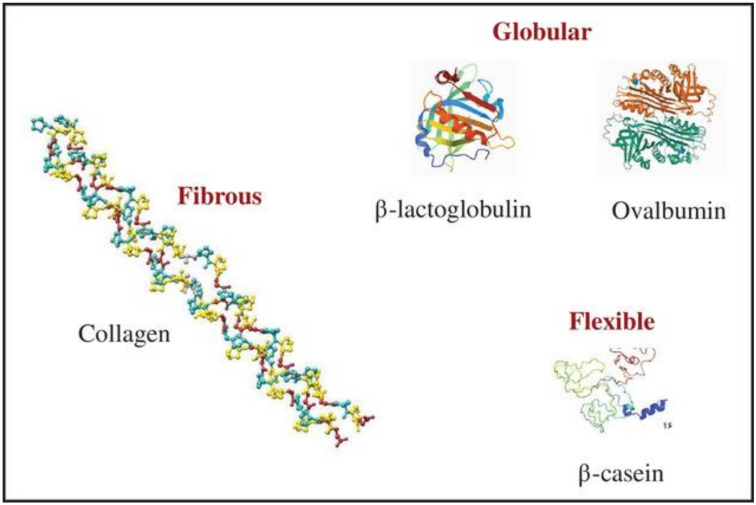
“Although most plant proteins (soy, pea, potato, mung bean, and rice proteins) are globular [40], they differ from animal globular proteins in terms of molecular characteristics and functional properties.”
Background
Research works printed but not linked: 3
- Tornberg E. Andersson K. Andersson A. Josell A. The texture of comminuted meat products Food Aust. 2000 52 519 524
- Flory P.J. Principles of Polymer Chemistry Cornell University Press Ithaca, NY, USA 1953
- Rossen J.L. Miller R.C. Food extrusion Food Technol. 1973 27 46 53
Cited by
Items 201–300 of 359
Functional Cereals: Functional Components and Benefits
Bangar, S. P., & Kaushik, N. (2022) · Springer eBooks · doi:10.1007/978-3-031-05611-6_1 · Cited by 10
Longshaw, M., Quest, B. W., Miller, W., Oba, P. M., Swanson, O. R., Swanson, K. S., & Miller, K. (2025) · Animals · doi:10.3390/ani15131975 · Cited by 10
“Plant proteins may be more environmentally sustainable than traditional animal proteins [11].”
Pawlos, M., Szajnar, K., & Znamirowska, A. (2025) · Nutrients · doi:10.3390/nu17213340 · Cited by 6
“Flavor differences may also reflect matrix effects: plant-protein systems often carry characteristic legume volatiles (e.g., aldehydes), possibly modulating creamy/sour notes and contributing to off-notes at higher SPI/PPI [62].”
Not just a protein source: Chickpea protein-based scaffolds for cultured meat
Levi, S., Zernov, A., Martin, P., Baruch, L., Zussman, E., & Machluf, M. (2025) · Food Hydrocolloids · doi:10.1016/j.foodhyd.2025.111847 · Cited by 6
Chaiwong, N., Chailangka, A., Zubairu, I. K., Wirjantoro, T. I., Tridtitanakiat, P. C., Castagnini, J. M., Gavahian, M., Majzoobi, M., & Phimolsiripol, Y. (2026) · Quality Assurance and Safety of Crops & Foods · doi:10.15586/qas.v18i1.1608 · Cited by 14
Moisture Sorption Behavior of Deproteinized Sunflower Meal and Patterned Food Extrudate
Dushkova, M. A., Simitchiev, A. T., Kalaydzhiev, H. R., Ivanova, P., Menkov, N., & Chalova, V. I. (2023) · Applied Sciences · doi:10.3390/app14010065 · Cited by 6
“Numerous studies exist for the production of protein isolates from meals [9].”
In-vitro and in-silico analyses of the thrombolytic potential of green kiwifruit
Pinontoan, R., Purnomo, J. S., Avissa, E. B., Tanojo, J. P., Djuan, M., Vidian, V., Samantha, A., Jo, J., & Steven, E. (2024) · Scientific Reports · doi:10.1038/s41598-024-64160-y · Cited by 9
“This may be attributed to the globular structure of the γ-fibrin chain, which inhibits the exposure of cleavage sites to proteases, thereby limiting the rate of proteolysis on the chain 30 .”
BackgroundMethodBrito‐Oliveira, T. C., Cavini, A. C. M., Ferreira, L. S., Moraes, I. C. F., & Pinho, S. C. (2024) · Gels · doi:10.3390/gels10070467 · Cited by 6
Pre-clinical evidence for plant and insect proteins in supporting growth and bone development
Becker, G., Janssen, J. N., Kalev‐Altman, R., Meilich, D., Shitrit-Tovli, A., Penn, S., Reifen, R. M., & Ornan, E. M. (2024) · Future Foods · doi:10.1016/j.fufo.2024.100504 · Cited by 7
Recuperating agricultural wastes into feed additives
Dey, S., Santra, M., Ghosh, A. R., & Samanta, P. (2025) · Biocatalysis and Agricultural Biotechnology · doi:10.1016/j.bcab.2025.103508 · Cited by 9
Juhász, R., Hajas, L., Csobod, É. C., Pálinkás, Z., Utczás, M., & Benedek, C. (2025) · Foods · doi:10.3390/foods14091518 · Cited by 9
“Research over the last thirty years has demonstrated that many of the techno-functional qualities of dietary proteins are dramatically changed by glycation with sugars through the Maillard reaction when heated [43,59,60].”
Future foods: Global trends, opportunities, and sustainability challenges
Pradhan, A., Saha, D., Sarkar, A., & Rout, R. K. (2025) · Elsevier eBooks · doi:10.1016/b978-0-443-31652-4.00004-0 · Cited by 8
Quality Evaluation in the Utilization of Watermelon Seed Protein for Chocolate Manufacturing
Chullikkal, J., Mishra, S., & Chakkaravarthi, S. (2023) · ACS Food Science & Technology · doi:10.1021/acsfoodscitech.3c00481 · Cited by 6
Christensen, L. F., Laforce, I. N., Wolkers-Rooijackers, J. C. M., Mortensen, M. S., Smid, E. J., & Hansen, E. B. (2024) · FEMS Microbiology Letters · doi:10.1093/femsle/fnae019 · Cited by 5
Machado, A. L. B., Martins, M. J. N., Sanches, M. A. R., Pereira, L. S., dos Santos, P. A., & Telis‐Romero, J. (2024) · Food Bioscience · doi:10.1016/j.fbio.2024.104093 · Cited by 5
Jakobson, K., Kaleda, A., Vaikma, H., Sats, A., Rosenvald, S., & Kriščiunaite, T. (2026) · Applied Food Research · doi:10.1016/j.afres.2026.101699 · Cited by 5
Golshany, H., Bakry, I. A., Seddiek, A. S., Elbarbary, A., Kamal, A. H., Yu, Q., & Fan, L. (2026) · Journal of Carbohydrate Chemistry · doi:10.1080/07328303.2026.2631809 · Cited by 8
Valorisation of asparagus pruning waste as a new ingredient to improve pasta quality properties
da Silva, D. S., Saraiva, B. R., Lazzari, A., Cestário, A. C. D. O., de Oliveira, M. C., Bruschi, M. L., Rosa, C. I. L. F., & Matumoto‐Pintro, P. T. (2023) · International Journal of Food Science & Technology · doi:10.1111/ijfs.16738 · Cited by 5
Kim, E., Han, J.-H., Olejar, K. J., & Park, S. (2023) · AoB Plants · doi:10.1093/aobpla/plad082 · Cited by 6
“Some membrane proteins function as effective emulsifying agents due to the presence of non-polar regions on their surfaces, which facilitate adsorption to oil–water or air–water interfaces (Sim et al. 2021).”
BackgroundGrowth and metabolism regulation of cinnamic acid and its derivatives to Auxenochlorella pyrenoidosa
Li, M., Shang, Z., Ni, Z., Zhao, H., Lei, Q., & Wei, Z. (2024) · Algal Research · doi:10.1016/j.algal.2024.103742 · Cited by 5
Progress of smart biofilms in intelligent and sustainable meat preservation
Zhang, L., Xia, X., Cen, X., Zhou, J., Tan, Z., Mao, Y., Li, W., & Shi, H. (2025) · Meat Science · doi:10.1016/j.meatsci.2025.109912 · Cited by 5
Ren, J., Liu, M., Guo, Y., Zhu, X., Zhang, Y., & An, H. (2025) · LWT · doi:10.1016/j.lwt.2025.118037 · Cited by 6
Ivanova, P., Kalaydzhiev, H. R., Slavov, A. M., & Chalova, V. I. (2022) · International Journal of Food Science · doi:10.1155/2022/4289059 · Cited by 6
“Numerous approaches exist for the preparation of protein isolates from meals [12].”
BackgroundPlant-Based Protein Processing and Texture Properties
Zhao, D. (2024) · Springer eBooks · doi:10.1007/978-3-031-51808-9_12 · Cited by 4
Lignicka, I., & Galoburda, R. (2022) · Rural Sustainability Research · doi:10.2478/plua-2022-0014 · Cited by 4
Mookerjee, A., Nickerson, M. T., & Tanaka, T. (2023) · Cereal Chemistry · doi:10.1002/cche.10727 · Cited by 4
Effects of amaranth gel on model system meat emulsion properties and quality parameters
Yüncü‐Boyacı, Ö., Serdaroğlu, M., & İçıer, F. (2024) · Food and Life · doi:10.5851/fl.2024.e11 · Cited by 6
“In addition, incorporating plant-based proteins into the diet has been associated with reduced cholesterol levels and a lower risk of cardiovascular diseases, type 2 diabetes, as well as aiding in the management of menopausal symptoms (Sim et al., 2021; Xiao et al., 2023).”
Development and Characteristics of Plant-Based Product Prototypes for Oro-Pharyngeal Dysphagia Diet
Ozola, L., Shengjuler, D., Galoburda, R., Krūma, Z., Straumīte, E., & Kampuse, S. (2023) · Foods · doi:10.3390/foods12030474 · Cited by 4
Maistry, L., Gerrano, A. S., & Mellem, J. J. (2025) · AIMS Agriculture and Food · doi:10.3934/agrfood.2025018 · Cited by 3
Jiang, Y., Yang, C., Chen, Y., Yao, Q., Zeng, X., Wang, X., Lv, B., Zhang, M., Sheng, B., Zhao, D., et al. (2025) · Food Research International · doi:10.1016/j.foodres.2025.117397 · Cited by 3
Giang, N. T. N., Tan, N. D., Ha, H. T. N., Thanh, D. V., Diem, L. T. T., Khai, T. V., & Diệp, K. Q. (2025) · Journal of Agriculture and Food Research · doi:10.1016/j.jafr.2025.102351 · Cited by 3
Sahin, S. S., Hernández‐Álvarez, A. J., Ke, L., Ho, P., & Goycoolea, F. M. (2026) · Food Hydrocolloids · doi:10.1016/j.foodhyd.2026.112583 · Cited by 3
Precision Fermentation of Recombinant Myofibrillar Proteins for Future Foods
Dolgin, J., Barrett, C. H., Nakatsuji, M. J., Aguilera-Moreno, J., & Kaplan, D. L. (2026) · ACS Biomaterials Science & Engineering · doi:10.1021/acsbiomaterials.6c00392 · Cited by 2
Ding, S., Wang, Z., Zhou, Y., Wang, Y., Du, Y., Hu, J., & Wu, D. (2026) · Food Research International · doi:10.1016/j.foodres.2026.119888 · Cited by 3
de Amarante, M. C. A., Ong, L., Spyropoulos, F., Gras, S. L., & Wolf, B. (2025) · Food Hydrocolloids · doi:10.1016/j.foodhyd.2025.111043 · Cited by 4
Modification of Faba Bean Protein Gels Using Thermal Treatment and Calcium Sulphate
Hopf, A., Agarwal, D., Skylas, D. J., Valtchev, P., Whiteway, C., Buckow, R., & Dehghani, F. (2025) · Legume Science · doi:10.1002/leg3.70032 · Cited by 3
Khamassi, K., Koubaier, H. B. H., Primi, R., Danieli, P. P., Spina, R., Rouissi, M., Ayed, R. B., Gueddiche, F., Hanana, M., Messaoud, C., et al. (2025) · Future Foods · doi:10.1016/j.fufo.2025.100760 · Cited by 6
Korićanac, M., Jovanović, J. R., Petrović, P. M., Pavlović, N., & Knežević‐Jugović, Z. D. (2025) · Bioresources and Bioprocessing · doi:10.1186/s40643-025-00945-x · Cited by 4
“Additionally, the poor functional properties of these proteins can be addressed through well-established protein extraction methods, fractionation techniques, and modifications (Sim et al. 2021).”
Anchía, I. A., Giura, L., & Ansorena, D. (2022) · Anales de la Real Academia Nacional de Farmacia · doi:10.53519/analesranf.2022.88.05.20 · Cited by 6
Phogat, R., Bains, A., Gökşen, G., Dhull, S. B., Ali, N., Nagraik, R., Fareed, M., & Chawla, P. (2025) · Food Chemistry · doi:10.1016/j.foodchem.2025.145251 · Cited by 3
Pasichnyi, V., Shubina, Y., Svyatnenko, R., & Moroz, O. (2021) · Animal Science and Food Technology · doi:10.31548/animal.13(1).2022.47-56 · Cited by 8
Qudratullah, S., Fatima, M., Shah, S. Z. H., Khan, N., Aftab, B., Khizar, A., Ali, W., & Tanveer, A. (2025) · Aquaculture International · doi:10.1007/s10499-025-01946-5 · Cited by 2
“Compared with animal proteins, plant proteins have a greater proportion of β-sheet conformations and a lower proportion of α-helix conformations (Sim et al. 2021).”
Oil Delivery to Bovine Satellite Cells in Cultivated Meat by Soy Protein Colloidosomes
Pirmatova, M., Shalev, N., Feldbaum, R. A., Belausov, E., Roth, E. N., Koltai, H., & Mechrez, G. (2025) · ACS Applied Materials & Interfaces · doi:10.1021/acsami.5c09486 · Cited by 2
Exploring leaf proteins from agricultural waste for sustainable nutrition
Kaur, C., Kaur, G., & Bhatia, S. (2025) · Journal of the Science of Food and Agriculture · doi:10.1002/jsfa.70221 · Cited by 3
“89 Common strategies involving biological, physical and chemical perturbations to the structure and conformation of proteins have been carried out to enhance and present additional functionalities.”
Qin, Y., Pillidge, C. J., Harrison, B., Chen, X., & Adhikari, B. (2025) · Annual Review of Food Science and Technology · doi:10.1146/annurev-food-052924-050010 · Cited by 4
Plant-based protein for food enrichment and fortification
Bharathvaj, V. R., Feleciya, P. J., Abhirami, P., Rawat, S., Sunil, C. K., & Palanimuthu, V. (2025) · Elsevier eBooks · doi:10.1016/b978-0-443-33955-4.00011-5 · Cited by 4
Is Plant Protein-Based Meat the Future? Exploring Recent Advances, Opportunities, and Challenges
Rana, Z. H., Mahmud, M. S., & Alam, M. K. (2025) · Food and Bioprocess Technology · doi:10.1007/s11947-025-04143-7 · Cited by 2
Fractionation of plant proteins using deep eutectic solvents and high-pressure processing
Lee, R., Ong, C., & Sim, S. Y. J. (2025) · Food Chemistry · doi:10.1016/j.foodchem.2025.147701 · Cited by 2
Self-citationXiao, H., Wätjen, A. P., Molina, G. E. S., Hansen, E. B., Tovar, M., & Bang‐Berthelsen, C. H. (2026) · LWT · doi:10.1016/j.lwt.2026.119036 · Cited by 2
Unravelling the impact of high-intensity ultrasound on the water mobility of meat products by LF-NMR
Santos, D., Bernardo, Y. A. D. A., & Conte-Junior, C. A. (2026) · Sustainable Food Technology · doi:10.1039/d5fb00477b · Cited by 2
Dubois-Laurin, F., Berthelot, U., Gravel, A., Perreault, V., Aboubacar, H., Deracinois, B., Flahaut, C., Ravallec, R., Cudennec, B., Brisson, G., et al. (2026) · Food Chemistry · doi:10.1016/j.foodchem.2026.149560 · Cited by 2
Volk, V., Wötzel, L., Reinmuth, E., Ewert, J., Jekle, M., & Dombrowski, J. (2026) · Food Research International · doi:10.1016/j.foodres.2026.119763 · Cited by 5
Amiri, A., Masztalerz, K., Maggo, S., Singh, A., Korolev, V., & Singh, A. P. (2026) · Comprehensive Reviews in Food Science and Food Safety · doi:10.1111/1541-4337.70548 · Cited by 3
“Thus, improving the functionality of plant proteins, through controlled rearrangement of protein chains, is a crucial step in the development of viable plant-based food products (Sim et al. 2021 ).”
Tutu, C. O., Asiedu, B. K., Akonor, P. T., Acheampong, R., Obeng, R., Kortei, N. K., Wiafe‐Kwagyan, M., Ulzen, J., Owusu-Bempah, J., & Mahama, S. (2026) · Applied Food Research · doi:10.1016/j.afres.2026.102623 · Cited by 3
Fundamentals of proteins from plant sources for sustainable and nutritious foods
Wanasundara, J. P. D., Lamsal, B. P., & Schmitt, C. (2024) · Elsevier eBooks · doi:10.1016/b978-0-323-91721-6.00016-5 · Cited by 3
Chim-Chi, Y., Canto-Pinto, J. C., Estrada‐León, R. J., Ortiz-Cel, O. G., Ortíz-Fernández, A., Dzul-Cervantes, M. A. A., Ríos‐Soberanis, C. R., & Pérez‐Pacheco, E. (2025) · Journal of Food Measurement & Characterization · doi:10.1007/s11694-025-03303-9 · Cited by 2
“This observation aligns with existing literature, which reports that glutelins possess significant emulsifying capacity due to their structural flexibility, enabling the formation of a dense protein layer at the interface [ 42]).”
Mustard Meal: Marching Towards Producing a Food-Grade Protein
Yılmaz, B., Koçak, T., Yeşilyurt, N., Ningrum, A., & Aksu, E. N. (2024) · Springer eBooks · doi:10.1007/978-3-031-47880-2_4 · Cited by 4
USE OF VEGETABLE-DERIVED PROTEINS FOR NEW FOOD PRODUCTS
Mazur, M., Bulgaru, V., CELAC, V. R., Şensoy, İ., & Ghendov‐Moșanu, A. (2024) · Journal of Engineering Science · doi:10.52326/jes.utm.2023.30(4).09 · Cited by 4
Technological-functional features of chia, almond, pumpkin seed, soybean and pea proteins
Poloto, G., Merheb‐Dini, C., Baptista, D. P., Gigante, M. L., & Marfil, P. H. M. (2025) · Semina Ciências Agrárias · doi:10.5433/1679-0359.2025v46n3p675 · Cited by 1
“%) was lower than that of the other studies. et al. (1967), these proteins work as good emulsifying and foaming agents due to the apolar regions on their surfaces, which allow their absorption at the oil-water or air-water interfaces.”
Wang, Z., Cai, J., Li, B., & Tan, H. (2025) · International Journal of Food Microbiology · doi:10.1016/j.ijfoodmicro.2025.111214 · Cited by 1
Plant-based beverages: An overview of raw materials and production technologies
Degtyarev, I. A., Karachun, A. I., & Фоменко, И. А. (2025) · Vestnik MGTU · doi:10.21443/1560-9278-2025-28-3-385-392 · Cited by 1
Malterre, N., Bot, F., Arendt, E. K., Zannini, E., & O’Mahony, J. A. (2025) · Food Structure · doi:10.1016/j.foostr.2025.100479 · Cited by 3
Korkmaz, F., Güngör, S. N., Güleç, Ş., Sakarya, F. B., Andaç, A. E., Tuncel, N. Y., Özkan, G., Çapanoğlu, E., Tulbek, M. C., & Tuncel, N. B. (2025) · European Food Research and Technology · doi:10.1007/s00217-025-04910-y · Cited by 1
“With a history of extensive cultivation, economic production, and global availability, plant-based proteins stand out as an environ - mentally sustainable choice [1].”
Vegan egg analogues: Nutritional composition, processing strategies, and sustainability perspectives
Chabbra, N., Arora, M., Kaur, S., Kaur, A., Parmar, M., Samota, M. K., Selvan, S. S., & Varinda, V. (2025) · Food and Humanity · doi:10.1016/j.foohum.2025.100949 · Cited by 3
Kalla-Bertholdt, A.-M., Weckowska, D. M., Laux, A. B., Voss, S., Dreher, C., & Rauh, C. (2025) · Innovative Food Science & Emerging Technologies · doi:10.1016/j.ifset.2025.104384 · Cited by 1
Bridging agriculture, health and industry through plant molecular farming in the bioeconomic era
Hefferon, K. L., Gannon, A., & Shohael, A. M. (2025) · npj Science of Plants · doi:10.1038/s44383-025-00011-7 · Cited by 1
“Alternative protein technologies for food are often placed into three main categories: cultivated meat, plant-based protein, and precision fermentation 9 .”
Senanayake, D., Torley, P. J., Chandrapala, J., & Terefe, N. S. (2026) · Fermentation · doi:10.3390/fermentation12010034 · Cited by 1
Mozafarpour, R., & Khorasani, S. (2026) · Food science and nutrition · doi:10.5772/intechopen.1013029 · Cited by 1
Lupin as an Alternative Source of Protein for Plant‐Based Foods—A Review
Baeghbali, V., Munialo, C. D., Anyasi, T. A., & Acharya, P. (2026) · Sustainable Food Proteins · doi:10.1002/sfp2.70055 · Cited by 2
Characterisation of protein isolates and oleosomes extracted from cryo-milled quinoa seeds
de Amarante, M. C. A., Holt, T., Ong, L., Spyropoulos, F., Gray, D. A., Wolf, B., & Gras, S. L. (2026) · Food Hydrocolloids · doi:10.1016/j.foodhyd.2026.112687 · Cited by 1
Plant proteins and their role in enhancing nutritional quality and human health
Munam, H. A., Athar, T., Kishore, J., Kirpal, G. M., & Singh, G. (2026) · Elsevier eBooks · doi:10.1016/b978-0-443-32976-0.00006-0 · Cited by 1
Miranda, C. G., Cardenas, J., & Nickerson, M. T. (2026) · European Food Research and Technology · doi:10.1007/s00217-026-05108-6 · Cited by 1
Aguiar, L. L., Cabral, R. S., Coelho, V. S., Nunes, B. V., Silva, V. D. M., de Oliveira, G. B., Labanca, R. A., Melo, J. O.-F., & de Araújo, R. L. B. (2026) · Journal of Food Process Engineering · doi:10.1111/jfpe.70512 · Cited by 2
Naibaho, J. (2026) · Food Hydrocolloids · doi:10.1016/j.foodhyd.2026.113092 · Cited by 3
Design of protein-rich structured liquids for management of dysphagia
Akanno, A., Girard, A. L., & Härtel, R. (2026) · Current Opinion in Food Science · doi:10.1016/j.cofs.2026.101458 · Cited by 1
Health implications of plant-based meat analogs
Kumar, P., Verma, A. K., Umaraw, P., Mehta, N. R., Ismail‐Fitry, M. R., Narnoliya, L. K., Sharma, N., & Sazili, A. Q. (2024) · Elsevier eBooks · doi:10.1016/b978-0-443-21846-0.00013-7 · Cited by 1
Effects of nori powder on physicochemical and structural properties of high-moisture meat analogue
Ren, J., Guo, Y., Zhu, X., Huang, Z., Luo, Q., & An, H. (2025) · Grain & Oil Science and Technology · doi:10.1016/j.gaost.2025.09.002 · Cited by 1
Application of carbon dots in 3D food printing
Riahi, Z., Kim, Y. H., Khan, A., Kaviani, A., Ebrahimi, M., Kim, J. T., & Rhim, J. (2025) · Elsevier eBooks · doi:10.1016/b978-0-443-43940-7.00014-3 · Cited by 1
Singh, S., & Krishania, M. (2025) · Trends in Food Science & Technology · doi:10.1016/j.tifs.2025.105497 · Cited by 2
Wang, J., Wang, Z., Li, Y. S., Liu, M., Huang, L., Ni, P., & Cai, Y. (2026) · Food Chemistry · doi:10.1016/j.foodchem.2026.149958 · Cited by 1
ANÁLISIS FUNCIONAL DE OLIGÓMEROS DE ALFA-SINUCLEÍNA EN LA PERMEABILIDAD DE MEMBRANAS
González-Horta, A. (2024) · doi:10.22533/at.ed.7172417051 · Cited by 1
Minevich, I. E., Гончарова, А. А., & Ущаповский, В. И. (2023) · Научный журнал НИУ ИТМО. Серия «Процессы и аппараты пищевых производств» · doi:10.17586/2310-1164-2023-16-1-3-9 · Cited by 1
Plant-Based Total Protein Determination of Soybeans Using Fluorescent Technique
Suwannasopon, P., Changrue, V., & Katsri, K. (2023) · Universal Journal of Agricultural Research · doi:10.13189/ujar.2023.110219 · Cited by 1
de León, G. P., Gravel, A., Perreault, V., Pouliot, Y., & Doyen, A. (2024) · Sustainable Food Proteins · doi:10.1002/sfp2.1041 · Cited by 1
Overview of Plant-Based Proteins
Du, Z., Rajpurohit, B., Kumar, N., & Li, Y. (2024) · Methods and protocols in food science · doi:10.1007/978-1-0716-4272-6_1 · Cited by 1
Insights into Nutritional Properties of Plant Proteins for Health Benefits
Prasad, S., Singh, R., Singh, A., Pandey, A., & Misra, S. (2025) · Springer eBooks · doi:10.1007/978-981-96-4190-1_2 · Cited by 1
Editorial: Rheological properties of functional and future foods
Yazar, G., Demirkesen, İ., Duvarcı, Ö. Ç., & Rosell, C. M. (2026) · Frontiers in Nutrition · doi:10.3389/fnut.2026.1825401 · Cited by 1
Importance and nutritive value of plant proteins in human diet
Tu, J., Cheng, P., Brennan, M. A., & Brennan, C. S. (2023) · Elsevier eBooks · doi:10.1016/b978-0-323-95052-7.00004-2
Johannes, E., Laga, A., Litaay, M., Manguntungi, B., Tuwo, M., Gani, F., Mustopa, A. Z., & Vanggy, L. R. (2023) · The Philippine journal of science · doi:10.56899/152.03.15
Proteínas do sorgo: extração e potencial aplicação como agente emulsificante
de Carvalho, M. D. (2022) · doi:10.47749/t/unicamp.2022.1245162 · Cited by 1
Advances in the development and application of deep eutectic solvents
Gioia, M. L. D., Gawande, M. B., & Duarte, A. R. (2024) · Frontiers research topics · doi:10.3389/978-2-8325-4455-6
Are Oat and Barley Protein Concentrates Always More Surface Active than Raw Extracts?
Wojciechowski, K., & Gregorczyk, M. (2024) · ACS Food Science & Technology · doi:10.1021/acsfoodscitech.3c00537
Cabrera, R. A., Díaz‐Larrea, J., Aviña, R. C., García, L. G. N., & Silva, G. V. (2024) · doi:10.22533/at.ed.7172417055
PLANTAS MEDICINAIS: CONHECIMENTO ETNOBOTÂNICO DA COMUNIDADE BARREIROS, SALITRE-CE
Batista, S. M., Bezerra, J. D. S., Cavalcante, F. N. L., Gonçalo, M. A. B. F., dos Santos, J. J. B., Filho, A. M., Figueroa, M. E. V., Silva, J. R. D. L., Moreira, A. M. T., Freitas, D. G. D. S., et al. (2024) · doi:10.22533/at.ed.7172417056
DEEP EUTECTIC SOLVENTS FOR EXTRACTION AND PURIFICATION OF PLANT PROTEINS
Hernández-Jiménez, M. O., Guatemala-Cisneros, M. E., Loa, J. D. A., & Rojas‐Avelizapa, N. G. (2024) · doi:10.22533/at.ed.7172417057 · Cited by 1
ATLAS DE HEMATOLOGIA VIRTUAL: UM GUIA PRÁTICO
Silva, G. J. C., Neufeld, P. M., Fleury, M. K., & Neto, J. F. N. (2024) · doi:10.22533/at.ed.7172417053
Explorando a vida: uma jornada pelas ciências biológicas
Almeida‐Bezerra, J. W., & Martins, K. P. (2024) · doi:10.22533/at.ed.717241705
AVALIAÇÃO DE MODELO DIDÁTICO SOBRE A HERANÇA DA ANEMIA FALCIFORME NO ENSINO DE GENÉTICA
Nunes, F. D. M., & Matos, L. A. (2024) · doi:10.22533/at.ed.7172417054
APICULTURA NA AMAZÔNIA LEGAL: PRODUÇÃO DE GELEIA REAL EM ARAGUAÍNA-TO
Gloria, K. A., Rizzardo, R. A. G., Filho, J. H. D. O., Rosário, R. B., & Barbosa, L. L. D. S. (2024) · doi:10.22533/at.ed.7172417052
Metadata
- Authors
- Sim, S. Y. J., SRV, A., Chiang, J. H., & Henry, C. J.
- Affiliations
- Agency for Science, Technology and Research (SG)
- Clinical Nutrition Research Centre (CNRC), Singapore Institute of Food and Biotechnology Innovation (SIFBI), Agency for Science, Technology and Research (A*STAR), Singapore 117599, Singapore
- Corresponding author
- Sim, Shaun Yong Jie
- Venue
- Foods
- Publisher
- MDPI AG
- Published
- 2021-08-23
- Volume
- 10
- Issue
- 8
- Pages
- 1967
- ISSN
- 2304-8158 (ISSN-L)
- PMC
- PMC8391319
- OpenAlex
- W3193926126
- Semantic Scholar
- 0bc64bbf0df91f9d920b8b8074c1734bc7bbbe63
- Cited by
- 352
- References
- 269
- Citations by year
- 2026: 57 · 2025: 100 · 2024: 92 · 2023: 60 · 2022: 40 · 2021: 3
- FWCI
- 4.43
- Type
- journal article
- Language
- en
- Open access
- gold
- doi.org
- Licence
- Locations
- Foods (publishedVersion, cc-by)
- PubMed Central (publishedVersion, cc-by)
- PubMed (publishedVersion)
- National University of Singapore (submittedVersion, cc-by)
- DOAJ (DOAJ: Directory of Open Access Journals) (submittedVersion, cc-by-sa)
- Funders
- Agency for Science, Technology and Research (W20W2D0006, H17/01/a0/A11)
- Topics
- Life Sciences › Agricultural and Biological Sciences › Food Science › Proteins in Food Systems
- Life Sciences › Agricultural and Biological Sciences › Food Science › Food Nutrient Composition and Product Development
- Life Sciences › Agricultural and Biological Sciences › Food Science › Protein Hydrolysis and Bioactive Peptides
- Keywords
- plant proteins, plant-based foods, protein functional properties, protein solubility, foaming and emulsifying properties, gelling properties, protein extraction, protein fractionation, protein modification, protein-polysaccharide interactions, global food security, sustainable food production
About these checks
Registry, retraction, Cites and statistics results are computed, not judged, with one exception: a printed reference that no index lists is read once by a model before it counts as a citation error. Claims are extracted by a model and kept only when their quote appears verbatim in the text; each cited source is then checked, with a model’s help, for whether it says what the claim relies on. Those verdicts can be wrong — read the claim’s quote and the cited source before relying on one.
Statistics and arithmetic are recomputed, not judged.
Confidence bands are shown only for fields calibrated on our annotated test set. None is calibrated yet, so no band is shown.
What counts as a claim ›How we measure confidence ›How we check this ›
Are you an author, or do you see a problem with this page? Request a review
Data sources
Bibliographic data: Semantic Scholar, OpenAlex, Crossref.
Contains information from the Semantic Scholar Academic Graph Datasets, made available under the ODC Attribution License (ODC-BY 1.0).
Semantic Scholar’s data is described in: Kinney, R., et al. (2023). The Semantic Scholar Open Data Platform. arXiv:2301.10140.
