

Plant Proteins for Future Foods: A Roadmap
Open accessThe DOI matches its Crossref record; 267 of the 269 references it cites were found in a registry or an index.
Abstract
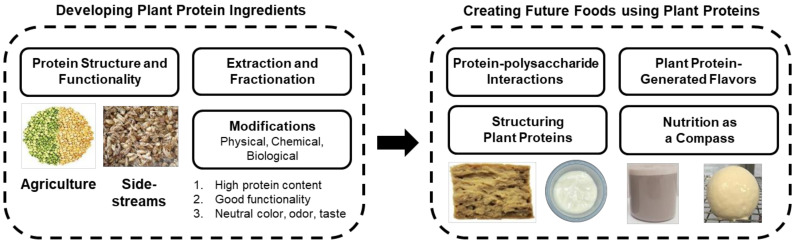
Protein calories consumed by people all over the world approximate 15–20% of their energy intake. This makes protein a major nutritional imperative. Today, we are facing an unprecedented challenge to produce and distribute adequate protein to feed over nine billion people by 2050, in an environmentally sustainable and affordable way. Plant-based proteins present a promising solution to our nutritional needs due to their long history of crop use and cultivation, lower cost of production, and easy access in many parts of the world. However, plant proteins have comparatively poor functionality, defined as poor solubility, foaming, emulsifying, and gelling properties, limiting their use in food products. Relative to animal proteins, including dairy products, plant protein technology is still in its infancy. To bridge this gap, advances in plant protein ingredient development and the knowledge to construct plant-based foods are sorely needed. This review focuses on some salient features in the science and technology of plant proteins, providing the current state of the art and highlighting new research directions. It focuses on how manipulating plant protein structures during protein extraction, fractionation, and modification can considerably enhance protein functionality. To create novel plant-based foods, important considerations such as protein–polysaccharide interactions, the inclusion of plant protein-generated flavors, and some novel techniques to structure plant proteins are discussed. Finally, the attention to nutrition as a compass to navigate the plant protein roadmap is also considered.
Overview
The claims and statistics of this paper haven’t been checked yet.
Free: it reads the open-access text and checks the first 5 claims that cite a source we can check. Create a free account to check every claim.
Integrity signals
Registry
Cites
Statistics
Figures
Verification
Claims the paper makes
The claims and statistics of this paper haven’t been checked yet.
Free: it reads the open-access text and checks the first 5 claims that cite a source we can check. Create a free account to check every claim.
Claims other papers make about this one
Each is checked against this paper’s own text: does it say what the citing paper says it does?
The source backs part of the claim, not all of it — or backs it for a different population, condition or comparison.
In the citing paper
“The review highlights that native pea protein structure dictates both its limitations and the engineering strategies needed to overcome them, progressing from isolation technologies through modification approaches to advanced food applications, with emphasis on structure-guided engineering approaches and biorefinery perspectives [2,6,8].”
From Pea Protein Isolates: From Extraction to Functionality. (2025) · cites this paper as [8]
Experimental — accuracy not yet measuredThe source backs part of the claim, not all of it — or backs it for a different population, condition or comparison.
In the citing paper
“Off-flavor attributes, notably characteristic pea-like bitterness, can detract from consumer acceptance and limit broader utilization in sensory-sensitive food products [2,8].”
From Pea Protein Isolates: From Extraction to Functionality. (2025) · cites this paper as [8]
Experimental — accuracy not yet measured
Self-check
Percentages, sums and reported differences re-computed from the paper’s own numbers.
The self-check needs the paper’s full text.
Citations
Cites
Food in the Anthropocene: the EAT–Lancet Commission on healthy diets from sustainable food systems
Willett, W., Rockström, J., Loken, B., Springmann, M., Lang, T., Vermeulen, S., Garnett, T., Tilman, D., DeClerck, F., Wood, A., et al. (2019) · The Lancet · doi:10.1016/s0140-6736(18)31788-4 · Cited by 10,880 · cited 1×
“Plant proteins are also more environmentally sustainable [3].”
BackgroundPhillips, G. O., & Williams, P. A. (2009) · Woodhead Publishing Limited eBooks · doi:10.1533/9781845695873 · Cited by 2,105
Food Polysaccharides and Their Applications
(2016) · CRC Press eBooks · doi:10.1201/9781420015164 · Cited by 1,650 · cited 1×
“Polysaccharides are sugar polymers linked by glycosidic bonds and include a vast family such as starch, cellulose, pectins, agars, carrageenans, alginates and gums [168].”
BackgroundBoye, J., Zare, F., & Pletch, A. (2010) · Food Research International · doi:10.1016/j.foodres.2009.09.003 · Cited by 1,579 · cited 2×
“Albumin and globulins are predominately present in all pulses (>50%) [17] and some pseudocereals (quinoa, and amaranth), whereas prolamins (wheat, maize, barley and rye) and glutelins (wheat) make up 85% of total protein in the cereal [18] and pseudocereal family [16,19].”
BackgroundSlow and fast dietary proteins differently modulate postprandial protein accretion
Boirie, Y., Dangin, M., Gachon, P., Vasson, M.-P., Maubois, J.-L., & Beaufrère, B. (1997) · Proceedings of the National Academy of Sciences · doi:10.1073/pnas.94.26.14930 · Cited by 1,453 · cited 2×
“Whey proteins are digested more quickly and absorbed in the body than native micellar casein because caseins coagulate with digestives enzymes resulting in slower digestion and subsequent absorption [260].”
BackgroundA review on protein–phenolic interactions and associated changes
Ozdal, T., Capanoglu, E., & Altay, F. (2013) · Food Research International · doi:10.1016/j.foodres.2013.02.009 · Cited by 1,355 · cited 1×
“form complexes with plant proteins, affecting the functional and nutritional properties of the proteins [52].”
BackgroundTang, J. E., Moore, D. R., Kujbida, G. W., Tarnopolsky, M. A., & Phillips, S. M. (2009) · Journal of Applied Physiology · doi:10.1152/japplphysiol.00076.2009 · Cited by 998
Pea protein isolates: Structure, extraction, and functionality
Lam, A. C. Y., Can Karaca, A., Tyler, R. T., & Nickerson, M. T. (2018) · Food Reviews International · doi:10.1080/87559129.2016.1242135 · Cited by 902 · cited 2×
“Even most legume protein isolates rich in globulin contain various globulin subfractions, such as legumin, vicilin and convicilin in pea [65].”
BackgroundMethodFood proteins: A review on their emulsifying properties using a structure–function approach
Lam, R. S. H., & Nickerson, M. T. (2013) · Food Chemistry · doi:10.1016/j.foodchem.2013.04.038 · Cited by 895 · cited 1×
“The need for a more sustainable food production system comprising the inclusion of more highly functional plant-based components has increased the requirement for an economically effective manufacturing technique [129].”
BackgroundPlant protein-based alternatives of reconstructed meat: Science, technology, and challenges
Sha, L., & Xiong, Y. L. (2020) · Trends in Food Science & Technology · doi:10.1016/j.tifs.2020.05.022 · Cited by 856 · cited 2×
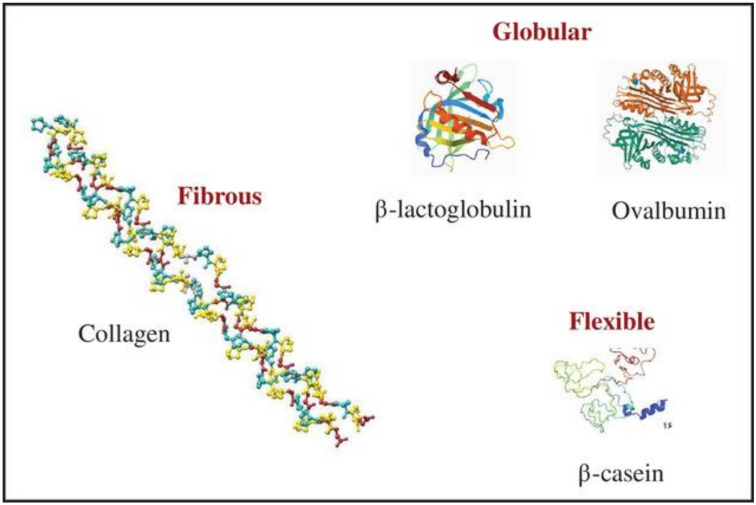
“Although most plant proteins (soy, pea, potato, mung bean, and rice proteins) are globular [40], they differ from animal globular proteins in terms of molecular characteristics and functional properties.”
Background
Research works printed but not linked: 3
- Tornberg E. Andersson K. Andersson A. Josell A. The texture of comminuted meat products Food Aust. 2000 52 519 524
- Flory P.J. Principles of Polymer Chemistry Cornell University Press Ithaca, NY, USA 1953
- Rossen J.L. Miller R.C. Food extrusion Food Technol. 1973 27 46 53
Cited by
Items 101–200 of 359
Georgiev, R., Kalaydzhiev, H. R., Ivanova, P., Silva, C. L. M., & Chalova, V. I. (2022) · Foods · doi:10.3390/foods11040541 · Cited by 24
Kelany, M. A., & Yemiş, O. (2022) · Molecules · doi:10.3390/molecules28010209 · Cited by 24
“The physical processes (extrusion, high-pressure, and ultrasound homogenization) are safe and can be used to obtain attractive, functional properties of proteins and tailor them for different food applications [14].”
Dong, G., Hu, Z., Tang, J., Das, R. S., Sun, D., & Tiwari, B. K. (2025) · Food Chemistry · doi:10.1016/j.foodchem.2025.144834 · Cited by 23
Cirunay, A. R. T., Barry‐Ryan, C., & McAuliffe, O. E. (2025) · Critical Reviews in Food Science and Nutrition · doi:10.1080/10408398.2025.2560680 · Cited by 32
“…and modify plant proteins, and their impact on plant protein properties has been thoroughly reviewed in recent literature (Akharume, Aluko, and Adedeji 2021; Karabulut, Goksen, and Mousavi Khaneghah 2024; Nikbakht Nasrabadi, Doost, and Mezzenga 2021; Sim et al. 2021; Tang, Yao, et al. 2024).”
Peñaranda, I., & Garrido, M. D. (2024) · Food Hydrocolloids · doi:10.1016/j.foodhyd.2024.110104 · Cited by 22
Kumar, R., Guleria, A., Padwad, Y. S., Srivatsan, V., & Yadav, S. K. (2024) · Critical Reviews in Food Science and Nutrition · doi:10.1080/10408398.2024.2367564 · Cited by 22
“However, most of the commercial scale extractions exploit mechanical and alkali-based strategies for production of protein concentrates which are used for smart protein production (Sim et al. 2021).”
Lactic Acid Bacteria and Yeast Fermentation to Improve the Nutritional Value of Ulva rigida
Brandão, M. I. T., Marques, D. J., Sousa, S., Mateus, M., Pinheiro, H. M., da Fonseca, M. M. R., Pires, C., Nunes, M. L., Marques, A., & Cesário, M. T. (2025) · Marine Drugs · doi:10.3390/md23030106 · Cited by 22
“These results should, however, be confirmed in in vivo studies, due to differences in gastrointestinal conditions in different target species.”
Study on plant-based proteins and their complexes in improving food foam system: A review
Jin, C., Zhu, L., & Zhang, H. (2025) · Food Research International · doi:10.1016/j.foodres.2025.116514 · Cited by 23
Optimized methods for random and targeted mutagenesis in field pea (Pisum sativum L.)
Pandey, P. K., Bhowmik, P., & Kagale, S. (2022) · Frontiers in Plant Science · doi:10.3389/fpls.2022.995542 · Cited by 21
“The protein-rich seed profile also makes pea an important crop for the exponentially growing plant-based protein and animal-feed industry (Sim et al., 2021).”
BackgroundSareen, J., Shi, D., Stone, A. K., Xu, C., Polley, B., House, J. D., Bhowmik, P., Rajagopalan, N., Tanaka, T., & Nickerson, M. T. (2023) · European Food Research and Technology · doi:10.1007/s00217-023-04358-y · Cited by 25
“Plant proteins in general also show lower functionality as compared to those from animal sources due to their inherent structural constraints [8].”
BackgroundHua, X. Y., Sim, S. Y. J., Henry, C. J., & Chiang, J. H. (2024) · International Journal of Biological Macromolecules · doi:10.1016/j.ijbiomac.2024.129427 · Cited by 20
Self-citationAre oilseeds a new alternative protein source for human nutrition?
Toutirais, L., Walrand, S., & Vaysse, C. (2024) · Food & Function · doi:10.1039/d3fo05370a · Cited by 22
Lü, D., Roy, D., Acevedo-Fani, A., Singh, H., Waterland, M. R., & Ye, A. (2025) · Food Hydrocolloids · doi:10.1016/j.foodhyd.2025.111688 · Cited by 23
Li, X., Yang, J., Feng, L., Guo, H., Liu, X., Zhang, X., & Zhang, W. (2025) · Food Hydrocolloids · doi:10.1016/j.foodhyd.2025.111709 · Cited by 21
Hemp globulin forms colloidal nanocomplexes with sodium caseinate during pH-cycling
Chuang, C.-C., Ye, A., Anema, S. G., & Loveday, S. M. (2021) · Food Research International · doi:10.1016/j.foodres.2021.110810 · Cited by 21
Giura, L., Urtasun, L., Ansorena, D., & Astiasarán, I. (2022) · LWT · doi:10.1016/j.lwt.2022.114029 · Cited by 20
Effects of high‐pressure homogenization on the rheological properties of spray‐dried aquafaba powder
Begliyev, H., Yavuz, N., & Ok, S. (2023) · Journal of Food Process Engineering · doi:10.1111/jfpe.14389 · Cited by 21
United Nations Environment Programme (2023) · United Nations Environment Programme eBooks · doi:10.59117/20.500.11822/44236 · Cited by 66
Pea Protein Isolates: From Extraction to Functionality.
Harasym, J., Paroń, O., & Pejcz, E. (2025) · Molecules · doi:10.3390/molecules30234650 · Cited by 18
Directing oat groat heat treatment conditions towards increased protein extractability
Pynket, I., Janssen, F. W., Gils, J. V., Courtin, C. M., & Wouters, A. G. B. (2024) · Current Research in Food Science · doi:10.1016/j.crfs.2024.100932 · Cited by 18
Flores‐Jiménez, N. T., Ulloa, J. A., Urías‐Silvas, J. E., & Millán, A. H. (2023) · Food Frontiers · doi:10.1002/fft2.220 · Cited by 19
Hadidi, M., Aghababaei, F., Mahfouzi, M., Zhang, W., & McClements, D. J. (2023) · Food Chemistry · doi:10.1016/j.foodchem.2023.138164 · Cited by 23
Menon, S. C., Dhaliwal, H. K., Du, L., Zhang, S., Wolodko, J., Chen, L., & Roopesh, M. S. (2024) · Food Bioscience · doi:10.1016/j.fbio.2024.104050 · Cited by 24
Shi, D., Stone, A. K., Jafarian, Z., Liu, E., Xu, C., Bhagwat, A., Lu, Y., Gao, P., Polley, B., Bhowmik, P., et al. (2024) · Journal of Food Science · doi:10.1111/1750-3841.17111 · Cited by 19
Koczoń, P., Josefsson, H., Michorowska, S., Tarnowska, K., Kowalska, D., Bartyzel, B. J., Niemiec, T., Lipińska, E., & Gruczyńska–Sękowska, E. (2022) · Polymers · doi:10.3390/polym14101962 · Cited by 21
“The functional properties of proteins (gelation, solubility, thermal stability, emulsification, and foamability) depend on the molecular size, shape of proteins, physicochemical properties, as well as processing conditions [52].”
BackgroundCanola/rapeseed as a potential source of alternative protein
Sharma, S., Lindquist, J. C., & Hwang, D. (2023) · Food Reviews International · doi:10.1080/87559129.2023.2272950 · Cited by 23
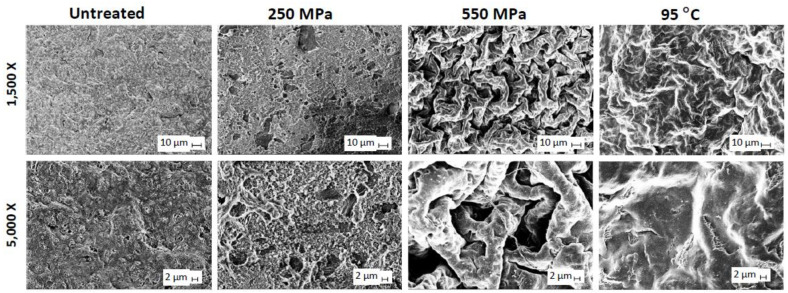
“[59,67] Among physical methods, high-pressure processing (400 MPa), a less common technique, has been reported to form canola protein gels at low concentration with an improvement in the textural properties of the pressure treated gels.”
Demarinis, C., Verni, M., Koirala, P., Cera, S., Rizzello, C. G., & Coda, R. (2023) · Future Foods · doi:10.1016/j.fufo.2023.100289 · Cited by 18
Tang, J., Wichers, H. J., & Hettinga, K. A. (2024) · Trends in Food Science & Technology · doi:10.1016/j.tifs.2024.104528 · Cited by 19
“Each of these fractions possesses unique techno-functional properties and differently contributed to the overall techno-functionality of the protein source (Sim, SRV, Chiang, & Henry, 2021).”
BackgroundMulberry Leaf Protein: Extraction Technologies, Functional Attributes and Food Applications
Xue, R., Chen, L., Sun, C., Muhammad, A., & Shao, Y. (2025) · Foods · doi:10.3390/foods14152602 · Cited by 19
“Fortunately, plant-based proteins present a practical solution to this nutritional challenge due to their cost-effectiveness and widespread availability in many regions worldwide [12,13].”
Inguanez, L., Zhu, X., Mallia, J. D. O., Tiwari, B. K., & Valdramidis, V. (2023) · Sustainability · doi:10.3390/su15108024 · Cited by 18
The potential of future foods for a sustainable future
Wang, J., & Zhang, X. (2024) · eFood · doi:10.1002/efd2.133 · Cited by 15
Keuleyan, E., Kergomard, J., Boire, A., David-Briand, E., Vié, V., Meynier, A., Riaublanc, A., & Berton‐Carabin, C. (2025) · Food Hydrocolloids · doi:10.1016/j.foodhyd.2025.111475 · Cited by 16
Effect of Ultrasound Time on Structural and Gelling Properties of Pea, Lupin, and Rice Proteins
Riquelme, N., Díaz‐Calderón, P., Luarte, A., & Arancibia, C. (2025) · Gels · doi:10.3390/gels11040270 · Cited by 15
“This compactness can negatively impact the overall techno-functional properties of plant proteins [13].”
Tiruneh, A. T., Ptaszek, P., Żmudziński, D., & Tarko, T. (2025) · Molecules · doi:10.3390/molecules30092009 · Cited by 19
Role of chemically-modified proteins for the formulation of plant-based animal-product alternatives
Keerthi, R., Praveena, U., Pillai, P. K. S., Ragavan, K. V., & Anandharamakrishnan, C. (2025) · Food Hydrocolloids · doi:10.1016/j.foodhyd.2025.111545 · Cited by 17
Vegetative and microbial proteins for bioplastics applications – a review in the indian context
Patel, A., Murali, R., Choudhary, H., Purnima, D., & Pal, R. K. (2025) · RSC Advances · doi:10.1039/d4ra08544b · Cited by 17
Ye, T., Chen, X., Lu, Y., Zhao, H., Chen, Z., Lin, L., Zheng, Z. X., & Lu, J. (2024) · LWT · doi:10.1016/j.lwt.2024.116668 · Cited by 15
Sani, M. A., Mozafarpour, R., kia, A. G., Khorasani, S., Dara, A., & McClements, D. J. (2024) · Food Bioscience · doi:10.1016/j.fbio.2024.105092 · Cited by 20
Lima, J. R., & Mellinger, C. G. (2022) · Current Opinion in Biotechnology · doi:10.1016/j.copbio.2022.102820 · Cited by 17
Neji, C., Semwal, J., Máthé, E., & Sípos, P. (2023) · Processes · doi:10.3390/pr11020417 · Cited by 16
Luo, B., Chen, L., Peng, J., & Sun, J. (2024) · Journal of Texture Studies · doi:10.1111/jtxs.12855 · Cited by 14
Unconventional sourced proteins in 3D and 4D food printing: Is it the future of food processing?
Pereira, N. I. A., Oliveira, M. D. S., Reis, B. C. C., Nascimento, B. L., Carneiro, C. R., Arruda, T. R., Vieira, É. N. R., & Júnior, B. R. D. C. L. (2024) · Food Research International · doi:10.1016/j.foodres.2024.114849 · Cited by 16
Tjahyo, A. S., Wu, J. Y., Smith, G., Acuin, C. S., Maier, A. B., Sim, S. Y. J., Taneja, R., Haldar, S., & Henry, C. J. (2024) · Current Developments in Nutrition · doi:10.1016/j.cdnut.2024.104443 · Cited by 16
Self-citationChai, Y., Zi, C., Wei, G., He, J., Ma, Q., & Huang, A. (2024) · LWT · doi:10.1016/j.lwt.2024.116674 · Cited by 15
Qin, Y., Pillidge, C. J., Harrison, B., & Adhikari, B. (2025) · Food Research International · doi:10.1016/j.foodres.2024.115608 · Cited by 16
Zhu, W., Sun, L., Gu, Y., Zhuang, Y., Fan, X., & Ding, Y. (2025) · Food Research International · doi:10.1016/j.foodres.2025.116571 · Cited by 18
Wu, J., Huang, P., Feng, Y., Cui, C., Xu, J., & Li, L. (2023) · Journal of Agricultural and Food Chemistry · doi:10.1021/acs.jafc.3c04282 · Cited by 14
Extraction and Industrial Applications of Macro Molecules: A Review
Famakinwa, A. O., Ilo, J., Olubi, O., Oguntibeju, O. O., Wyk, J. V., & Obilana, A. O. (2023) · Current Research in Nutrition and Food Science Journal · doi:10.12944/crnfsj.11.3.02 · Cited by 13
Menta, R., Rosso, G., & Canzoneri, F. (2022) · Frontiers in Nutrition · doi:10.3389/fnut.2022.878926 · Cited by 17
Novel Proteins for Future Foods: Current Status, Challenges, and Perspectives
Hussain, M. A., & Li, L. (2025) · Foods · doi:10.3390/foods14050862 · Cited by 16
“Plant-based proteins, such as legumes and pulses, offer great versatility and wider acceptability for future food products because they are traditional and local protein sources for many nations worldwide [5].”
Recent advances in modification of plant-based proteins for improved encapsulation performance
Ceyhan, T., Tomar, G. S., & Karaça, A. C. (2025) · Colloids and Surfaces B Biointerfaces · doi:10.1016/j.colsurfb.2025.114691 · Cited by 14
de Amarante, M. C. A., Ong, L., Spyropoulos, F., Gras, S. L., & Wolf, B. (2024) · Food Chemistry · doi:10.1016/j.foodchem.2024.140399 · Cited by 16
Betancourt, M. M., García, J. G., Luna, L., Maldonado, L., Cardona, J., & Torrico, D. D. (2025) · LWT · doi:10.1016/j.lwt.2025.118242 · Cited by 13
Misiou, O., Ellouze, M., & Koutsoumanis, K. P. (2023) · Food Microbiology · doi:10.1016/j.fm.2023.104230 · Cited by 12
Ding, X. Q., Mukherjee, S., Amagliani, L., Schmitt, C., & Poh, C. L. (2025) · Colloids and Surfaces B Biointerfaces · doi:10.1016/j.colsurfb.2025.115330 · Cited by 12
Unveiling plant protein astringency perception through neural and cellular responses
Kew, B., Burke, M., Stieger, M., Wang, Y.-Q., Boesch, C., Holmes, M., & Sarkar, A. (2025) · Scientific Reports · doi:10.1038/s41598-025-23836-9 · Cited by 12
Li, X., Cheng, H., & Liang, L. (2023) · Journal of the American Oil Chemists Society · doi:10.1002/aocs.12729 · Cited by 11
Perović, M. N., Tomičić, Z. M., Milošević, M. M., & Antov, M. G. (2024) · Food and Bioprocess Technology · doi:10.1007/s11947-024-03482-1 · Cited by 15
“Furthermore, plant-based proteins present a promising solution due to their long history of crop use and cultivation, lower cost of production, and easy access in many parts of the world (Sim et al., 2021).”
Esposito, M., Battacchi, D., Castigliego, T., Lovatti, E., Re, M., Nava, C., Rizzo, M., Rondena, M., Papini, A., Pettinaroli, C., et al. (2024) · Trends in Food Science & Technology · doi:10.1016/j.tifs.2024.104669 · Cited by 14
Spaccasassi, A., Walser, C., Nisov, A., Sözer, N., Frank, O., Dawid, C., & Hofmann, T. F. (2025) · Journal of Agricultural and Food Chemistry · doi:10.1021/acs.jafc.4c10442 · Cited by 11
“Future research directions may include the search for a more specific BG that can selectively cleave the glucose at position C(3) and the development of a deeper understanding of the degradation processes occurring during incubation of RPC in water at RT.”
High‐intensity ultrasound‐assisted extraction for functionalized pistachio meal protein concentrate
Yıldız, S., Karabulut, G., & Sıçramaz, H. (2025) · Journal of Food Science · doi:10.1111/1750-3841.70031 · Cited by 14
Unlocking the secrets: Structure-function dynamics of plant proteins
Haider, T., Akram, W., Joshi, R., Vishwakarma, M., Saraf, S., Soni, V., & Garud, N. (2025) · Colloids and Surfaces B Biointerfaces · doi:10.1016/j.colsurfb.2025.114791 · Cited by 11
Food Structure and Nutrition Interface: New Perspectives in Designing Healthy and Sustainable Foods
Acevedo-Fani, A., & Singh, H. (2022) · Journal of Agricultural and Food Chemistry · doi:10.1021/acs.jafc.2c01026 · Cited by 13
Wei, W.-L., Wang, W., Chen, H., Lin, S.-Y., Luo, Q., Li, J., Yan, J., & Chen, L. (2024) · Food Chemistry X · doi:10.1016/j.fochx.2024.101153 · Cited by 14
“Plant proteins are usually considered inferior to animal proteins not only for their lack of certain EAAs but also for their gastro-intestinally less bioavailable or less digestible (Sim et al., 2021).”
BackgroundFilm-Based Packaging for Food Safety and Preservation: Issues and Perspectives
Junaid, P. M., Saikumar, A., Nazim, M. S., Zaidi, S., Badwaik, L. S., & Ahmad, F. (2024) · Springer eBooks · doi:10.1007/978-3-031-51417-3_17 · Cited by 12
Nutraceutical properties, biological activities, and industrial applications of chickpea protein
Akram, S., Afzal, M. F., Anwer, K., Farman, L., Zubaır, M., Kousar, S., Iqbal, T., Khalid, W., Elawad, M. A., Ahmed, A., et al. (2024) · Cogent Food & Agriculture · doi:10.1080/23311932.2024.2338653 · Cited by 12
“…are positioned on the molecule’s surface and the basic hydrophobic units are located internally, thereby restricting their interaction with water (Sim et al., 2021). legumins are known to possess elevated levels of Sulfur-containing amino acids such as methionine and cysteine in comparison to…”
Song, Z., Hamill, R. M., & Kerry, J. P. (2026) · Sustainable Food Technology · doi:10.1039/d5fb00723b · Cited by 12
Valorization of plant-based protein-rich byproducts through physical processing techniques: A review
Chen, J., & Ozturk, O. K. (2026) · International Journal of Biological Macromolecules · doi:10.1016/j.ijbiomac.2026.150308 · Cited by 11
Interdisciplinary methods for analysing food matrix structures of hybrid cell-based meats: A review
Ogilvie, O. J., Bennie, R. Z., Trlin, H. J. F., Loo, L. S. W., Zhou, H., Jin, A., Oh, J. K., Dobson, R. C. J., Yu, H., & Domigan, L. J. (2023) · Food Structure · doi:10.1016/j.foostr.2023.100361 · Cited by 10
Terenzi, C., Bermudez, G., Medri, F., Davani, L., Tumiatti, V., Andrisano, V., Montanari, S., & Simone, A. D. (2024) · Antioxidants · doi:10.3390/antiox13050604 · Cited by 36
Aryanti, N., Adina, A. R., Nafiunisa, A., & Wardhani, D. H. (2025) · Journal of Agriculture and Food Research · doi:10.1016/j.jafr.2025.101712 · Cited by 13
Johansson, E., Carlsson, G., Grimberg, Å., Newson, W. R., Prade, T., Spendrup, S., & Svensson, S.-E. (2025) · Cleaner and Responsible Consumption · doi:10.1016/j.clrc.2025.100319 · Cited by 11
Mecha, E., Alves, M. L., Bento‐Silva, A., Pereira, A. B., Rubiales, D., Patto, M. C. V., & Bronze, M. R. (2023) · Foods · doi:10.3390/foods12071383 · Cited by 13
“The presence of secondary metabolites, such as phenolic compounds, phytic acid, and enzymatic inhibitors, the accumulation of β-sheet and α-helix protein secondary structure [54], and the predominance of globular proteins that fold into densely packed structures are responsible for proteins less prone to digestibility…”
BackgroundCharacterization of Plant-Based Meat Treated with Hot Air and Microwave Heating
Srikanlaya, C., & Therdthai, N. (2024) · Foods · doi:10.3390/foods13172697 · Cited by 10
“The addition of SPI significantly enhanced OHC because the SPI’s hydrophobic groups interacted with oil droplets [14,17,34].”
BackgroundInfluentialXu, W., Wu, X., Chen, X., Guo, Z., Zhai, Z., Cheng, Y., & Qiu, J. (2024) · Foods · doi:10.3390/foods13244180 · Cited by 11
“Thirdly, oat protein mainly consists of gluten, making it difficult to form a stable gel-like casein, which cannot rely on protein coagulation to obtain a texture similar to animal milk yogurt [6].”
Chen, S., Tao, C., Huang, Y., Zhao, Z., Song, M., Peng, D., Chen, Y., Zhou, B., Deng, Z., & Deng, Q. (2025) · Food Chemistry · doi:10.1016/j.foodchem.2025.143561 · Cited by 10
Dadi, F., Taha, A., Queiroz, L. S., Silva, N. F. N., Altay, İ., Kominami, Y., Marie, R., Feyissa, A. H., Sloth, J. J., Petersen, H. O., et al. (2025) · Foods · doi:10.3390/foods14091634 · Cited by 9
“Thus, pea protein solubility is highly affected by the extraction and processing conditions, and consequently, PPI-stabilized emulsions will be sensitive to changes in the medium’s pH [6].”
Zenasni, W., Yenipazar, H., Ennahli, S., Bajoub, A., Kırkın, C., Nejjari, R., Abdelmoumen, H., Şahin‐Yeşilçubuk, N., & Ajal, E. A. (2025) · ACS Omega · doi:10.1021/acsomega.5c02566 · Cited by 10
Safwa, S. M., Modupalli, N., & Rahman, M. M. (2025) · Ultrasonics Sonochemistry · doi:10.1016/j.ultsonch.2025.107681 · Cited by 13
“Ultra-sound extraction can be gentler than other conventional methods, potentially preserving more essential amino acids that contribute to a higher PDCAAS score [55].”
Development of non-animal chicken fat using faba bean protein-based emulsion gels
Kang, Y. Q., Ng, S. M., Aruchunan, U., Ma, X., & Sim, S. Y. J. (2024) · LWT · doi:10.1016/j.lwt.2024.117124 · Cited by 8
Self-citationComposition, structure, and interfacial rheological properties of walnut glutelin
Zhou, J., Yang, J., Shao, J., Wu, P., Yang, X., Deng, Q., Jin, W., & Peng, D. (2025) · Applied Rheology · doi:10.1515/arh-2025-0047 · Cited by 10
Plant-based hydrogels for microcarrier and scaffold applications in cultivated meat production
Jeong, D., Jang, G., Lee, J. E., Ha, C. W., & Bae, H. (2025) · Food Hydrocolloids · doi:10.1016/j.foodhyd.2025.111907 · Cited by 8
Magdum, A. B., Shinde, K. V., Jadhav, N. K., Jagtap, M., Patil, S. A., & Nimbalkar, M. S. (2026) · European Food Research and Technology · doi:10.1007/s00217-025-04933-5 · Cited by 12
“Key priorities include enhancing functional properties such as solubility, emulsification, foaming, and gelling [120–122], as well as improving sensory quality and nutritional profiles by reducing off-flavors, balancing amino acid composition, and fortifying micronutrients [116, 123].”
Vilotte, A., Bodiguel, H., Gunes, D. Z., Schmitt, C., Roux, D. C. D., Guilbert, E., Chèvremont, W., & de Loubens, C. (2023) · Food Hydrocolloids · doi:10.1016/j.foodhyd.2023.108999 · Cited by 7
Zahidah, I., & Bölek, S. (2023) · Current Nutrition & Food Science · doi:10.2174/1573401319666230809141544 · Cited by 8
Andaç, A. E., Tuncel, N. Y., Tulbek, M. C., & Tuncel, N. B. (2024) · Food Research International · doi:10.1016/j.foodres.2024.115372 · Cited by 8
Doshi, N., Venema, P., van der Linden, E., & de Vries, R. J. (2024) · Food Hydrocolloids · doi:10.1016/j.foodhyd.2024.110927 · Cited by 8
Cruz-Morán, Y., Morales-Camacho, J. I., Delgado-Macuil, R. J., Rosas‐Cárdenas, F. D. F., & Luna‐Suárez, S. (2022) · Electronic Journal of Biotechnology · doi:10.1016/j.ejbt.2022.11.003 · Cited by 8
Teleszko, M., Haraf, G., Zając, A., & Krzos, G. (2023) · Sustainability · doi:10.3390/su151914411 · Cited by 9
Effects of ionizing radiation on organic volatile compounds from PEA protein isolate
Fischer, E., Cayot, P., Cachon, R., & Cayot, N. (2023) · Heliyon · doi:10.1016/j.heliyon.2023.e22658 · Cited by 8
“The manufacturing of protein powders begins by the obtention of protein suspensions, like protein isolates or concentrates [5 – 7].”
Ashtary‐Larky, D. (2025) · Nutrition · doi:10.1016/j.nut.2025.112742 · Cited by 7
Rodriguez, A., Chen, B., Pangloli, P., D'Souza, D. H., Krishnan, H. B., & Día, V. P. (2025) · Food Bioscience · doi:10.1016/j.fbio.2025.106965 · Cited by 9
Recent advances in plant protein microgels encapsulated with bioactive compounds
Rout, S., Bakır, S., Khanal, S., Kaur, G., Khan, Z. S., Aijaz, T., Sharma, J., Bhat, M. S., Mehraj, F., Vahid, G. S., et al. (2025) · Food Hydrocolloids for Health · doi:10.1016/j.fhfh.2025.100238 · Cited by 7
Lü, D., McGoverin, C., Roy, D., Acevedo-Fani, A., Singh, H., Waterland, M. R., Zheng, Y., & Ye, A. (2025) · Food Chemistry · doi:10.1016/j.foodchem.2025.147102 · Cited by 7
Sharma, K., Phongthai, S., Zhang, W., Wu, S., Jung, Y. H., & Rawdkuen, S. (2025) · Foods · doi:10.3390/foods14234134 · Cited by 7
“Foaming or gelling capacities are comparatively limited, likely due to lower concentrations of albumin and globulin fractions, restricting its use in applications requiring aeration or strong gel structures [9,35,39].”
Gicana, R. G., Huang, M.-H., Jia, T. Z., Chiang, Y., & Wang, P. (2023) · Chemical Engineering Journal · doi:10.1016/j.cej.2023.145925 · Cited by 7
Geleceğin Alternatif Protein Kaynakları: Bitkiler
SEYHAN, S., Nakilcioğlu, E., & Ötleş, S. (2024) · Düzce Üniversitesi Bilim ve Teknoloji Dergisi · doi:10.29130/dubited.1215815 · Cited by 8
L-Theanine Improves the Gelation of Ginkgo Seed Proteins at Different pH Levels
Zhang, L., Ge, H., Zhao, J., Liu, C., & Wang, Y. (2024) · Gels · doi:10.3390/gels10020131 · Cited by 7
Finite element analysis as a promising approach for texture development of plant-based meat analogs
Zhang, J., & Zhu, H. (2025) · Physics of Fluids · doi:10.1063/5.0250659 · Cited by 14
Villarino, C. B., Alikpala, H. M. A., Begonia, A. F., Cruz, J. D., Dolot, L. A. D., Mayo, D. R., Rigor, T. M. T., & Tan, E. S. (2022) · Critical Reviews in Food Science and Nutrition · doi:10.1080/10408398.2022.2123777 · Cited by 8
“Technological innovations such as pulse electric field or PEF (Munekata et al. 2020), protein-polysaccharide complexation (Sim et al. 2021), UHPH and ultrasonic treatments (Paul et al. 2020) were cited to improve viscosity of PBMA.”
BackgroundMethod
Metadata
- Authors
- Sim, S. Y. J., SRV, A., Chiang, J. H., & Henry, C. J.
- Affiliations
- Agency for Science, Technology and Research (SG)
- Clinical Nutrition Research Centre (CNRC), Singapore Institute of Food and Biotechnology Innovation (SIFBI), Agency for Science, Technology and Research (A*STAR), Singapore 117599, Singapore
- Corresponding author
- Sim, Shaun Yong Jie
- Venue
- Foods
- Publisher
- MDPI AG
- Published
- 2021-08-23
- Volume
- 10
- Issue
- 8
- Pages
- 1967
- ISSN
- 2304-8158 (ISSN-L)
- PMC
- PMC8391319
- OpenAlex
- W3193926126
- Semantic Scholar
- 0bc64bbf0df91f9d920b8b8074c1734bc7bbbe63
- Cited by
- 352
- References
- 269
- Citations by year
- 2026: 57 · 2025: 100 · 2024: 92 · 2023: 60 · 2022: 40 · 2021: 3
- FWCI
- 4.43
- Type
- journal article
- Language
- en
- Open access
- gold
- doi.org
- Licence
- Locations
- Foods (publishedVersion, cc-by)
- PubMed Central (publishedVersion, cc-by)
- PubMed (publishedVersion)
- National University of Singapore (submittedVersion, cc-by)
- DOAJ (DOAJ: Directory of Open Access Journals) (submittedVersion, cc-by-sa)
- Funders
- Agency for Science, Technology and Research (W20W2D0006, H17/01/a0/A11)
- Topics
- Life Sciences › Agricultural and Biological Sciences › Food Science › Proteins in Food Systems
- Life Sciences › Agricultural and Biological Sciences › Food Science › Food Nutrient Composition and Product Development
- Life Sciences › Agricultural and Biological Sciences › Food Science › Protein Hydrolysis and Bioactive Peptides
- Keywords
- plant proteins, plant-based foods, protein functional properties, protein solubility, foaming and emulsifying properties, gelling properties, protein extraction, protein fractionation, protein modification, protein-polysaccharide interactions, global food security, sustainable food production
About these checks
Registry, retraction, Cites and statistics results are computed, not judged, with one exception: a printed reference that no index lists is read once by a model before it counts as a citation error. Claims are extracted by a model and kept only when their quote appears verbatim in the text; each cited source is then checked, with a model’s help, for whether it says what the claim relies on. Those verdicts can be wrong — read the claim’s quote and the cited source before relying on one.
Statistics and arithmetic are recomputed, not judged.
Confidence bands are shown only for fields calibrated on our annotated test set. None is calibrated yet, so no band is shown.
What counts as a claim ›How we measure confidence ›How we check this ›
Are you an author, or do you see a problem with this page? Request a review
Data sources
Bibliographic data: Semantic Scholar, OpenAlex, Crossref.
Contains information from the Semantic Scholar Academic Graph Datasets, made available under the ODC Attribution License (ODC-BY 1.0).
Semantic Scholar’s data is described in: Kinney, R., et al. (2023). The Semantic Scholar Open Data Platform. arXiv:2301.10140.
