

Consumers in a Sustainable Food Supply Chain (COSUS): Understanding Consumer Behavior to Encourage Food Waste Reduction
Open accessThe DOI matches its Crossref record; 50 of the 50 references it cites were found in a registry or an index.
Abstract
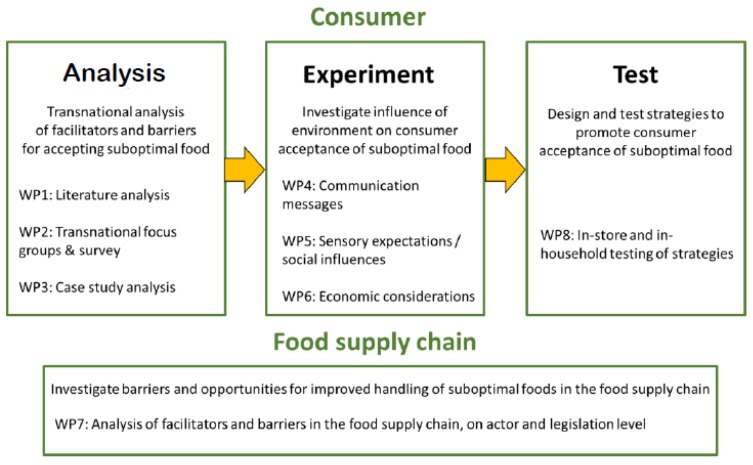
Consumers are directly and indirectly responsible for a significant fraction of food waste which, for a large part, could be avoided if they were willing to accept food that is suboptimal, i.e., food that deviates in sensory characteristics (odd shape, discoloration), or that has a best-before date which is approaching or has passed, but that is still perfectly fine to eat. The choice to accept or discard suboptimal food is taken either before or after purchase (hence, in the retail store or in the household). The aim of the European research project COSUS (Consumers in a sustainable food supply chain) was to increase consumer acceptance of suboptimal food, before and after purchase, by implementing targeted strategies that are based on consumer insights, and that are feasible for and acceptable by the food sector. To reach this aim, different methodological approaches were applied to analyze this issue, to experiment with different aspects, and to test the resulting interventions. Each of these approaches was undertaken by competent consortium partners from Denmark, Germany, Norway, Sweden and The Netherlands. The project finally provides validated strategies to promote the distribution and consumption of suboptimal foods, thereby improving resource efficiency in the food chain and contributing to a more sustainable food supply.
Overview
The claims and statistics of this paper haven’t been checked yet.
Free: it reads the open-access text and checks the first 5 claims that cite a source we can check. Create a free account to check every claim.
Integrity signals
Registry
Cites
Statistics
Figures
Verification
Claims the paper makes
The claims and statistics of this paper haven’t been checked yet.
Free: it reads the open-access text and checks the first 5 claims that cite a source we can check. Create a free account to check every claim.
Claims other papers make about this one
Each is checked against this paper’s own text: does it say what the citing paper says it does?
In the citing paper
“Examples include non-adequate packaging (too large packaging sizes, inappropriate material, contaminated packaging, technical failures in the packaging process) [43][44][45]48,50,51,[55][56][57][58][59][60] or packaging that is too difficult to open [52,53] or to empty [39,54] so that its contents spill or are left in the package.”
From Packaging-Related Food Losses and Waste: An Overview of Drivers and Issues (2019) · cites this paper as [43]
Self-check
Percentages, sums and reported differences re-computed from the paper’s own numbers.
The self-check needs the paper’s full text.
Citations
Cites
Food Security: The Challenge of Feeding 9 Billion People
Godfray, H. C. J., Beddington, J. R., Crute, I. R., Haddad, L., Lawrence, D., Muir, J. F., Pretty, J., Robinson, S., Thomas, S. M., & Toulmin, C. (2010) · Science · doi:10.1126/science.1185383 · Cited by 11,943
(2007) · Cited by 10,092
Food waste within food supply chains: quantification and potential for change to 2050
Parfitt, J., Barthel, M., & Macnaughton, S. (2010) · Philosophical Transactions of the Royal Society B: Biological Sciences · doi:10.1098/rstb.2010.0126 · Cited by 3,197 · cited 3×
“A large share of food wasted by the consumer is avoidable: Consumers throw away food that is in fact fine to eat, but that does not meet expectations in terms of how the food looks or because the best-before date is approaching or has passed [3].”
BackgroundCluster Analysis in Marketing Research: Review and Suggestions for Application
Punj, G., & Stewart, D. W. (1983) · Journal of Marketing Research · doi:10.1177/002224378302000204 · Cited by 2,417 · cited 1×
“Through exploratory factor analysis, the cross-country factorial structure of the data gathered from the online survey was determined [18], and a two-step cluster analysis process [19] was applied to identify the consumer segments.”
MethodTatler, B. W. (2007) · Journal of Vision · doi:10.1167/7.14.4 · Cited by 1,028 · cited 2×
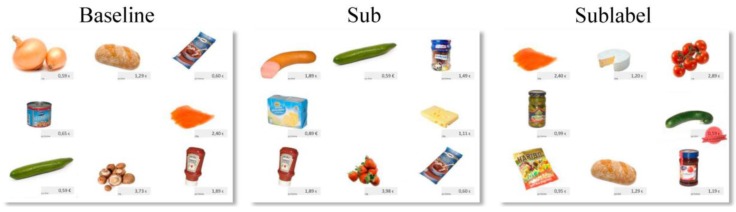
“3 × 3 grid, with the central position left empty to avoid a central gazing bias [30,31].”
BackgroundAN EXAMINATION OF REVERSE LOGISTICS PRACTICES
Rogers, D. S., & Tibben‐Lembke, R. (2001) · Journal of Business Logistics · doi:10.1002/j.2158-1592.2001.tb00007.x · Cited by 953 · cited 1×
“Hence, the supplier operates a “circular supply chain” which is simultaneously forward (for the fresh) and reverse (for the old bread) [55,56].”
BackgroundConsumer-related food waste: causes and potential for action
Aschemann-Witzel, J., De Hooge, I., Amani, P., Bech-Larsen, T., & Oostindjer, M. (2015) · Sustainability · doi:10.3390/su7066457 · Cited by 910 · cited 5×
“odd shape or color, because of other imperfections, or because of being close to the best-before date, without a deteriorating impact on eating quality [3,5].”
BackgroundMethodInfluentialSelf-citationSpaghetti soup: The complex world of food waste behaviours
Quested, T. E., Marsh, E., Stunell, D., & Parry, A. D. (2013) · Resources, Conservation and Recycling · doi:10.1016/j.resconrec.2013.04.011 · Cited by 886 · cited 3×
“However, in the complex issue of consumer-related food waste [5,6], the psychographic characteristics play an important role, as well as does the interplay between sociodemographic and the psychographic, attitudinal consumer characteristics.”
BackgroundAvoiding food waste by Romanian consumers: The importance of planning and shopping routines
Stefan, V., van Herpen, E., Tudoran, A. A., & Lähteenmäki, L. (2013) · Food Quality and Preference · doi:10.1016/j.foodqual.2012.11.001 · Cited by 750 · cited 1×
“Consumers such as those from segment #4 might waste relatively less and have the needed food planning handling capabilities [25], thus, involving these consumers to share their experiences and competences would support the proliferation of strategies to reduce food waste in consumer households.”
BackgroundQuantifying food losses and the potential for reduction in Switzerland
Beretta, C., Stoessel, F., Baier, U., & Hellweg, S. (2013) · Waste Management · doi:10.1016/j.wasman.2012.11.007 · Cited by 584
Research works printed but not linked: 2
- Stuart T. Waste: Uncovering the Global Waste Scandal Penguin London, UK 2009
- Grunert K.G. Ellegaard C. The concept of key success factors: Theory and method Perspectives on Marketing Management Baker M.J. Wiley Chichester, UK 1993 245 274
Cited by
Kamble, S. S., Gunasekaran, A., & Gawankar, S. A. (2020) · International Journal of Production Economics · doi:10.1016/j.ijpe.2019.05.022 · Cited by 1,015
Wang, Y., Yuan, Z., & Tang, Y. (2021) · Resources, Environment and Sustainability · doi:10.1016/j.resenv.2021.100023 · Cited by 230
Cooney, R., de Sousa, D. B., Fernández-Ríos, A., Mellett, S., Rowan, N., Morse, A. P., Hayes, M., Laso, J., Regueiro, L., Wan, A. H., et al. (2023) · Journal of Cleaner Production · doi:10.1016/j.jclepro.2023.136283 · Cited by 210
Packaging-Related Food Losses and Waste: An Overview of Drivers and Issues
Wohner, B., Pauer, E., Heinrich, V., & Tacker, M. (2019) · Sustainability · doi:10.3390/su11010264 · Cited by 185
“While consumers often confuse best before and use by dates, they state that they need more information about the shelf life of food once a package has been opened [42].”
BackgroundCollier, E. S., Oberrauter, L.-M., Normann, A., Norman, C., Svensson, M., Niimi, J., & Bergman, P. (2021) · Appetite · doi:10.1016/j.appet.2021.105643 · Cited by 162
“A similar approach was used previously in a project regarding food waste (Rohm et al., 2017).”
Self-citationHartmann, T., Jahnke, B., & Hamm, U. (2021) · Food Quality and Preference · doi:10.1016/j.foodqual.2021.104179 · Cited by 155
Factors affecting food waste at the downstream entities of the supply chain: A critical review
Özbük, R. M. Y., & Çoşkun, A. (2019) · Journal of Cleaner Production · doi:10.1016/j.jclepro.2019.118628 · Cited by 137
My style, my food, my waste! Consumer food waste-related lifestyle segments
Aschemann‐Witzel, J., de Hooge, I. E., & Almli, V. L. (2020) · Journal of Retailing and Consumer Services · doi:10.1016/j.jretconser.2020.102353 · Cited by 149
Self-citationBrancoli, P., Lundin, M., Bolton, K., & Eriksson, M. (2019) · Resources Conservation and Recycling · doi:10.1016/j.resconrec.2019.04.027 · Cited by 121
Kayıkçı, Y., Uşar, D. D., & Aylak, B. L. (2021) · The International Journal of Logistics Management · doi:10.1108/ijlm-01-2021-0027 · Cited by 127
The role of digital platforms in e-commerce food supply chain resilience under exogenous disruptions
Suali, A. S., Srai, J. S., & Tsolakis, N. (2024) · Supply Chain Management An International Journal · doi:10.1108/scm-02-2023-0064 · Cited by 128
Shukla, K. A., Sofian, A. D. A. B. A., Singh, A. K., Chen, W., Show, P. L., & Chan, Y. J. (2024) · Journal of Cleaner Production · doi:10.1016/j.jclepro.2024.141457 · Cited by 116
McCarthy, B., Kapetanaki, A. B., & Wang, P. (2020) · Journal of Cleaner Production · doi:10.1016/j.jclepro.2020.120435 · Cited by 91
Kainat, S., Arshad, M. S., Khalid, W., Khalid, M. Z., Koraqi, H., Afzal, M. F., Noreen, S., Aziz, Z., & AL-Farga, A. M. (2022) · International Journal of Food Properties · doi:10.1080/10942912.2022.2144884 · Cited by 101
“According to Rohm et al.([11]) the general value of vegetables and fruit sold at the wholesale and retail levels in the US in 2008 was $42.”
BackgroundInfluentialMakhal, A., Robertson, K., Thyne, M. A., & Mirosa, M. (2020) · Journal of Consumer Behaviour · doi:10.1002/cb.1908 · Cited by 89
Typology of university students regarding attitudes towards food waste
Knežević, B., Živadinović, N. K., & Anić, I. (2019) · British Food Journal · doi:10.1108/bfj-05-2018-0316 · Cited by 84
How to influence consumer food waste behavior with interventions? A systematic literature review
Simões, J., Carvalho, A. I. C. D. S. G., & de Matos, M. G. (2022) · Journal of Cleaner Production · doi:10.1016/j.jclepro.2022.133866 · Cited by 96
Németh, N., Rudnák, I., Ymeri, P., & Fogarassy, C. (2019) · Sustainability · doi:10.3390/su11113052 · Cited by 103
Household food waste reduction: Italian consumers’ analysis for improving food management
Pellegrini, G., Sillani, S., Gregori, M., & Spada, A. (2019) · British Food Journal · doi:10.1108/bfj-07-2018-0425 · Cited by 81
Consumer behaviour towards suboptimal food products: a strategy for food waste reduction
Stangherlin, I. D. C., Ribeiro, J. L. D., & de Barcellos, M. D. (2019) · British Food Journal · doi:10.1108/bfj-12-2018-0817 · Cited by 82
From the Shopping Basket to the Landfill: Drivers of Consumer Food Waste Behaviour
Veselá, L., Králíková, A., & Kubíčková, L. (2022) · Waste Management · doi:10.1016/j.wasman.2023.07.002 · Cited by 60
To waste or not to waste? Empirical study of waste minimization behavior
Ertz, M., Favier, R., Robinot, É., & Sun, S. (2021) · Waste Management · doi:10.1016/j.wasman.2021.06.032 · Cited by 66
Normann, A., Röding, M., & Wendin, K. (2019) · Sustainability · doi:10.3390/su11174626 · Cited by 49
Self-citationJungowska, J., Kulczyński, B., Sidor, A., & Gramza‐Michałowska, A. (2021) · Sustainability · doi:10.3390/su13020976 · Cited by 61
“reported that consumers are responsible for a significant amount of the food wasted, which could be avoided if they were willing to accept the so-called suboptimal sensory characteristics of food that is still edible, but for which the “best before” date is approaching or has passed [41].”
BackgroundMureșan, I. C., Harun, R., Andreica, I., Chiciudean, G. O., Kovács, E., Oroian, C. F., Brata, A. M., & Dumitraş, D. E. (2022) · Agronomy · doi:10.3390/agronomy12030746 · Cited by 48
Sullivan, V. S., Smeltzer, M. E., Cox, G. R., & MacKenzie‐Shalders, K. L. (2021) · Journal of Human Nutrition and Dietetics · doi:10.1111/jhn.12897 · Cited by 46
Laso, J., Ruiz‐Salmón, I., Margallo, M., Villanueva-Rey, P., Poceiro, L., Quinteiro, P. S. G. N., Dias, A. C., Almeida, C., Marques, A., Entrena-Barbero, E., et al. (2022) · Sustainability · doi:10.3390/su14053054 · Cited by 40
Principato, L., Marchetti, S., Barbanera, M., Ruini, L. F., Capoccia, L., Comis, C., & Secondi, L. (2023) · Journal of Industrial Ecology · doi:10.1111/jiec.13391 · Cited by 46
“In this regard, according to the literature, the reasons why consumers waste food differ depending on their relationship with it, their culinary preferences, their emotional state, and their hunger duringmeals (Liz et al., 2021b; Lorenz et al., 2017; Principato et al., 2021b; Rohm et al., 2017).”
BackgroundA review of factors reducing waste in the food supply chain: The retailer perspective
Pimentel, B. F., Misopoulos, F., & Davies, J. (2022) · Cleaner Waste Systems · doi:10.1016/j.clwas.2022.100028 · Cited by 33
Makhal, A., Thyne, M. A., Robertson, K., & Mirosa, M. (2019) · Journal of Retailing and Consumer Services · doi:10.1016/j.jretconser.2019.101945 · Cited by 40
Critical Factors and Emerging Opportunities in Food Waste Utilization and Treatment Technologies
Jones, S. L., Gibson, K. E., & Ricke, S. C. (2021) · Frontiers in Sustainable Food Systems · doi:10.3389/fsufs.2021.781537 · Cited by 37
“Household Household, or “consumer” food waste, is one of the largest categories of waste that occurs in the food chain (Rohm et al., 2017; Welch et al., 2018; Aschemann-Witzel et al., 2019; Yu and Jaenicke, 2020).”
Backgroundvan der Haar, S., & Zeinstra, G. G. (2019) · doi:10.18174/501904 · Cited by 30
Making Food Rescue Your Business: Case Studies in Germany
Sedlmeier, R., Rombach, M., & Bitsch, V. (2019) · Sustainability · doi:10.3390/su11185101 · Cited by 32
Food Waste of Italian Families: Proportion in Quantity and Monetary Value of Food Purchases
Aureli, V., Scalvedi, M. L., & Rossi, L. (2021) · Foods · doi:10.3390/foods10081920 · Cited by 31
Berman, H., Shwom, R., & Cuite, C. L. (2019) · Sustainability · doi:10.3390/su11185034 · Cited by 32
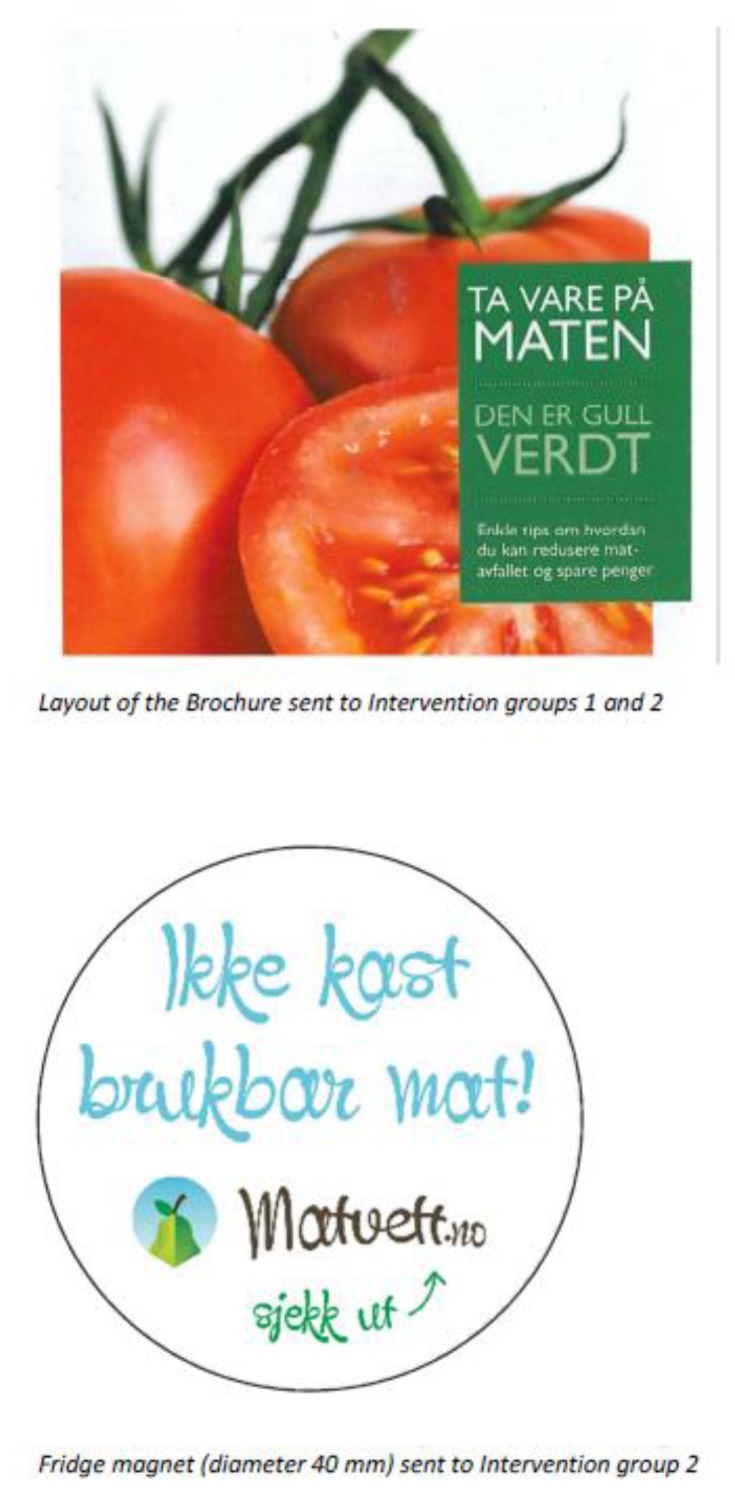
“…incentives to normative messages not only did not strengthen the effect of the latter but may reduce it Ro et al. 2017 [44] E Game, Price yes Rohm et al. 2017 [55] F Info no Brochures and magnets did not affect consumer attitudes; Respondents who had rec’d the magnet and brochure said the…”
BackgroundLlagas, B. R., Jenkins, E. L., Brennan, L. L., Parker, L., Schivinski, B., & Lockrey, S. (2025) · Future Foods · doi:10.1016/j.fufo.2025.100577 · Cited by 33
Hael, M., Hazaea, S. A., Zhang, H., & Mareeh, H. Y. S. (2024) · Environment Development and Sustainability · doi:10.1007/s10668-023-04382-8 · Cited by 41
“According to Rohm et al. (2017), consumers are directly and indirectly responsible for much food waste.”
Who Buys Surplus Meals? An Exploratory Survey in Danish Canteens
Pandey, S., Budhathoki, M., Feng, K., Thomsen, M., & Reinbach, H. C. (2023) · Foods · doi:10.3390/foods12051035 · Cited by 27
“…on FRL dimensions ranging from 1 as “strongly disagree” to 7 MFRL dimensions and their items was inspired waste reduction behaviour [62,77,85] with study. their degree of agreement with the items TRA-extended model (attitudes, subjective norms, concern, intention, and behaviour). the…”
BackgroundWhy do we waste so much food? Understanding household food waste through a theoretical framework
Deliberador, L. R., Batalha, M. O., César, A. D. S., Azeem, M. M., Lane, J. L., & Carrijo, P. R. S. (2023) · Journal of Cleaner Production · doi:10.1016/j.jclepro.2023.137974 · Cited by 31
Food Waste Perception of Workplace Canteen Users—A Case Study
Pires, I. M. M., Machado, J., da Rocha, A. M. C. N., & Martins, M. L. (2022) · Sustainability · doi:10.3390/su14031324 · Cited by 30
Csordás, A., Lengyel, P., & Füzesi, I. (2022) · Sustainability · doi:10.3390/su14158990 · Cited by 32
Christensen, J. F., Farahi, F., Vartanian, M., & Yazdi, S. H. N. (2022) · Frontiers in Neuroscience · doi:10.3389/fnins.2021.612639 · Cited by 25
“Societies are increasingly consumerist, and this has a negative impact on individuals, societies, and the environment (Seiffert and Loch, 2005; Ghosh et al., 2016; Aschemann-Witzel et al., 2017; Rohm et al., 2017; Janssens et al., 2019).”
BackgroundStructuring an influential model for Indonesian pulp and paper circular supply chain practices
Wu, K., Theja, H., Vincent, I., Poerwanto, C., Rosario, E., Ferreira, R. D., & Tatiyathavornkul, S. (2021) · International Journal of Logistics Research and Applications · doi:10.1080/13675567.2021.1959903 · Cited by 20
“…collaborate in these e ff orts, fi rms can utilise social media to share information on the CSCP with the public to enhance their reputation (C7) and hold social events to share information with the local community (C12) (Rohm et al. 2017; Vafadarnikjoo et al. 2018; Frei, Jack, and Krzyzaniak 2020).”
BackgroundLim, S. M., Law, H., & Lee, S. S. (2023) · Foods · doi:10.3390/foods12152824 · Cited by 18
From Origins to Trends: A Bibliometric Examination of Ethical Food Consumption
Beciu, S., Arghiroiu, G. A., & Bobeıcă, M. (2024) · Foods · doi:10.3390/foods13132048 · Cited by 22
“…related to empathy were identified. exploring other aspects of ethical food consumption in If we map elements of the ethical Global Food Chain [97–100], we identify additional areas that warrant This trend is consistent across the entire list of 122 papers, indicating a notable gap in research…”
BackgroundDrivers, barriers and interventions for food waste behaviour change: a food system approach
Zeinstra, G. G., van der Haar, S., & van Bergen, G. (2020) · doi:10.18174/511479 · Cited by 28
“Arousing negative emotions may do more harm than good (increase food waste) (Young, Russell et al. 2017) & negative emotions underpin consumer motivation as well as barriers (Graham-Rowe, Jessop et al. 2014).”
BackgroundWeinreis, Y., Baum, C. M., & Smetana, S. M. (2022) · Sustainable Production and Consumption · doi:10.1016/j.spc.2022.10.004 · Cited by 18
Amahnui, G. A., Vanegas, M., Verchot, L. V., & Castro-Nunez, A. C. (2024) · Environmental Science & Policy · doi:10.1016/j.envsci.2024.103968 · Cited by 20
Environmental impacts of wheat-based vodka production using life cycle assessment
Bhattacharyya, N., Goodell, A., Rogers, S., & Demond, A. H. (2019) · Journal of Cleaner Production · doi:10.1016/j.jclepro.2019.05.226 · Cited by 15
Food Loss and Waste: A Sustainable Supply Chain Perspective
Baysal, S. S., & Ülkü, M. A. (2021) · Advances in environmental engineering and green technologies book series · doi:10.4018/978-1-7998-8900-7.ch006 · Cited by 23
Behavioral and Demographic Antecedents to Household Food Waste
Apolonio, R. (2020) · International Journal of Humanities Arts and Social Sciences · doi:10.20469/ijhss.6.20004-1 · Cited by 14
“Issue on food waste can be redressed if consumers are willing to accept or purchase food that is said to be suboptimal (Rohm et al., 2017).”
BackgroundChen, M. (2024) · British Food Journal · doi:10.1108/bfj-05-2024-0426 · Cited by 16
Chataika, B. Y., Levi, A., Achigan-Dako, E. G., Sibiya, J., & Kwapata, K. (2020) · Sustainability · doi:10.3390/su12166604 · Cited by 14
Increasing the purchase intentions for suboptimal products: Comparing potential marketing strategies
de Hooge, I. E. (2024) · Food Quality and Preference · doi:10.1016/j.foodqual.2024.105314 · Cited by 17
“Although these differences add to the generalizability of our findings, any of these differences can explain differences in findings between Study 1 and 2, and may explain divergences from previous studies on the comparison of strategies (Rohm et al., 2017).”
Dieli, C., Priyadarshini, A., Ludgate, R., & Foley, L. (2024) · Sustainability · doi:10.3390/su16083128 · Cited by 11
Ardra, S., & Barua, M. K. (2024) · Environment Development and Sustainability · doi:10.1007/s10668-024-05347-1 · Cited by 11
“While discussing with the manager of the food retail company, they agreed that the supplier refused to take the items back which are damaged or expired which is also supported by the past study (Esenduran et al., 2016; Kusumowardani et al., 2022; Mena et al., 2011; Rohm et al., 2017).”
Pro-Environmental Behaviour to Minimize Food Waste in Agricultural Supply Chain
Roy, M., & Akbar, D. (2024) · Advances in human resources management and organizational development book series · doi:10.4018/979-8-3693-6289-1.ch003 · Cited by 7
Overcoming the barriers to food recovery
Atkins, R., Deranek, K., & Sroufe, R. P. (2024) · Supply Chain Management An International Journal · doi:10.1108/scm-03-2023-0132 · Cited by 12
Hua, L., Ma, R., He, G., & Fu, S. (2022) · Foods · doi:10.3390/foods12193624 · Cited by 12
Gan, M. Q., Poh, J. M., Lim, S. J., & Chang, L. S. (2024) · Process Biochemistry · doi:10.1016/j.procbio.2024.10.008 · Cited by 10
Vennen, R. V., & Parizeau, K. (2023) · Journal of Social Entrepreneurship · doi:10.1080/19420676.2023.2205420 · Cited by 8
“…emphasis on environmental sustainability may be a potential motivator for the target audience (Rohm 2017; Sedlmeier, Rombach, and Bitsch 2019), particularly because the parent organisation’s existing customer base had previously expressed interest in supporting an initiative that fights food waste.”
Petrescu‐Mag, R. M., Erős, N., & Petrescu, D. C. (2024) · Sustainable Environment · doi:10.1080/27658511.2024.2427511 · Cited by 12
“…al., 2023; Loebnitz & Grunert, 2015, 2018; Naruetharadhol et al., 2023; Petrescu-Mag et al., 2024; Pietrangeli et al., 2023; Ribeiro et al., 2018; Rohm et al., 2017; Soma et al., 2021, p. 2; Y.-L. Su et al., 2023; Verhulst et al., 2017; Wong et al., 2018; Xiao et al., 2023) Nonmarketable FV…”
InfluentialLiu, C., Chen, L., & Arshad, M. H. (2024) · Sustainability · doi:10.3390/su16229712 · Cited by 9
Liao, C., Luo, J., Wang, S., Shen, Y., & Lin, S. (2025) · Frontiers in Sustainable Food Systems · doi:10.3389/fsufs.2025.1570483 · Cited by 12
Nieto-Villegas, R., Bernabéu, R., & Rabadán, A. (2025) · Future Foods · doi:10.1016/j.fufo.2025.100756 · Cited by 9
Trends & Challenges in the Food Supply Chain
Haessner, P., Haessner, J., & McMurtrey, M. E. (2024) · Journal of Strategic Innovation and Sustainability · doi:10.33423/jsis.v19i1.6868 · Cited by 6
Frozen food purchasing and home freezing of fresh foods: associations with household food waste
Xu, L., Li, R., & Roe, B. E. (2024) · British Food Journal · doi:10.1108/bfj-02-2024-0147 · Cited by 8
An Extensive Analysis of Understanding Consumer Intention towards Reduction of Food Waste
Salins, M., & Aithal, P. S. (2022) · International Journal of Management Technology and Social Sciences · doi:10.47992/ijmts.2581.6012.0198 · Cited by 8
Chen, M. (2024) · British Food Journal · doi:10.1108/bfj-09-2024-0907 · Cited by 6
Roy, M., Rajapaksa, D., Akbar, D., & Rahman, A. (2026) · Discover Food · doi:10.1007/s44187-026-01015-7 · Cited by 5
“Reducing such waste presents an opportunity to enhance sustainability within the agri-food supply chain while addressing consumer perceptions of quality [57].”
Ruetgers, L., Lazell, J., Meadows, M., & Bos, E. (2025) · Business Strategy and the Environment · doi:10.1002/bse.4147 · Cited by 7
How to Conduct a Multi‐Domain Systematic (Literature) Review? Guidelines Using The Lotus Protocol
van Bueren, B. J. A., Lim, W. M., Donthu, N., Argus, K., Waters-Lynch, J., Sabani, A., & Leenders, M. A. A. M. (2026) · Psychology and Marketing · doi:10.1002/mar.70112 · Cited by 5
Principato, L., Comis, C., Yu, M., & Secondi, L. (2025) · Business Ethics the Environment & Responsibility · doi:10.1111/beer.12823 · Cited by 7
Consumers' stance on food waste in the Czech Republic, Poland, and Slovakia
Hazuchová, N., Stávková, J., Siedlecka, A., & Nagyová, Ľ. (2022) · AIMS Agriculture and Food · doi:10.3934/agrfood.2022040 · Cited by 7
Effects of Marketing Techniques on the Acceptance of Imperfect Apples
Holtz, J. (2020) · The Atrium (University of Guelph) · Cited by 5
Sensory Properties of Fermented Blends of Sunflower Press Cake and Whey
Rohm, H., Caraballo, S. M., Salvador, A., Mendo, S., Llorca, E., Cattaneo, S., Noni, I. D., Struck, S., Foschino, R., & Hernando, I. (2025) · Foods · doi:10.3390/foods14091489 · Cited by 3
Self-citationYu, M., Cicatiello, C., Comis, C., Principato, L., & Secondi, L. (2025) · Quality & Quantity · doi:10.1007/s11135-025-02196-6 · Cited by 3
Digital transformation in agriculture: reducing food production waste
Wu, Y., & Wen, R. (2023) · IOP Conference Series Earth and Environmental Science · doi:10.1088/1755-1315/1231/1/012062 · Cited by 4
Enhancing personal sustainability by redefining preferences regarding the appearance of fresh foods
Bandi, P. R. (2023) · Frontiers in Sustainability · doi:10.3389/frsus.2023.1284110 · Cited by 3
Dress Rehearsal: Ephemeral Urbanism, Participation, the City and Food Sustainability
Cid, D. (2019) · The Design Journal · doi:10.1080/14606925.2018.1561172 · Cited by 4
Environmental assessment of Irish seafood: a case study of pelagic fishing
Cooney, R., Kennedy, A., Gallagher, M., Wan, A. H. L., & Clifford, E. (2025) · The Science of The Total Environment · doi:10.1016/j.scitotenv.2025.180161 · Cited by 2
Managing consumer food waste in the out-of-home context: From awareness to action
Comis, C., Principato, L., Zunica, S., Secondi, L., & Yu, M. (2025) · Elsevier eBooks · doi:10.1016/b978-0-443-15976-3.00062-3 · Cited by 2
Danh, L. N., Duy, D. T., Tuan, N. A., & Đa, C. T. (2025) · Foods · doi:10.3390/foods14132198 · Cited by 2
Perspectives of Young Adults in The United Kingdom on Fast Food
Çon, M. E., & Bennett, R. M. (2024) · Ziraat Mühendisliği · doi:10.33724/zm.1496351 · Cited by 3
Optimizing food management: Effective strategies for minimizing food loss and waste
Jaswal, A., Mehta, C. M., Kaur, S., Kadili, S. E., Assouguem, A., & Lahlali, R. (2025) · CABI Reviews · doi:10.1079/cabireviews.2025.0007 · Cited by 1
Zango, S., Marcel, N. R., Deli, M., Baudelaire, N. E., & Ndjouenkeu, R. (2025) · Journal of Agricultural Food Science and Biotechnology · doi:10.58985/jafsb.2025.v03i01.70 · Cited by 1
Intergenerational food waste behavior: how gen X and millennials differ in Indonesia
Octavia, J. R., Sitompul, C., Purwanto, E., & Biasini, N. (2025) · International Review on Public and Nonprofit Marketing · doi:10.1007/s12208-025-00462-9 · Cited by 1
Maria, M. D., Planeta, D., Venturini, F., Torregrossa, F., & Crupi, P. (2026) · Frontiers in Nutrition · doi:10.3389/fnut.2025.1722145 · Cited by 1
The Role Of Word Of Mouth’s Value Co-Creation On The Achievement Of Sustainability
Buana, Y. (2021) · Ganaya Jurnal Ilmu Sosial dan Humaniora · doi:10.37329/ganaya.v4i2.1428 · Cited by 1
“The retail industry plays an important role in providing products and services to consumers as well as promoting sustainable distribution and consumption (Rohm et al., 2017).”
BackgroundMeeting the Challenges of Food Sector using Supplier Relationship Management
Raźniewska, M. (2018) · International Conference on Management, Economics and Humanities · doi:10.33422/8icmeh.2018.12.47 · Cited by 2
Zeinstra, G. G., & van der Haar, S. (2020) · doi:10.18174/535846
Sustainable product service system design
Zhao, X., Liao, W., Ruiz, M., & Ragno, P. (2020) · International Conference on Universal Village (UV) · doi:10.1109/uv50937.2020.9426206
“innovative solutions are used to overcome contradictory concepts, thereby helping stakeholders to reposition in the entire system, and sustainable design interventions can change the behavior and awareness of stakeholders and further build resonance [5].”
BackgroundSharing as an Antidote to Food Waste: Understanding Food Rescuing Apps and Their Users
Rau, J. M. H., & Högberg, J. (2021) · Gothenburg University Publications Electronic Archive (Gothenburg University) · Cited by 3
Combining methods for designing a regional program of the bakery sector development
Koshelev, V. M., Vorozhtsova, L., Aleksanov, D., Romanyuk, M., Sukharnikova, M. A., & Chekmareva, N. V. (2023) · E3S Web of Conferences · doi:10.1051/e3sconf/202337605050
DESPERDÍCIOS DE ALIMENTOS EM DOMICÍLIOS: COMO A LITERATURA TEM ABORDADO ESSE DESAFIO?
Deliberador, L. R., Santos, M. C. B., BATALHA, M. O., & César, A. D. S. (2023) · Anais do 60º Congresso da Sociedade Brasileira de Economia, Administração e Sociologia Rural (SOBER) · doi:10.29327/sober2023.626643
ÇETİN, B., & ARPACI, S. (2025) · Kayseri Üniversitesi Sosyal Bilimler Dergisi · doi:10.51177/kayusosder.1689500
Maria, M. D., Planeta, D., Venturini, F., Torregrossa, F., & Crupi, P. (2026) · Zürcher Hochschule für Angewandte Wissenschaften digital collection (Zurich University of Applied Sciences) · doi:10.21256/zhaw-35009
Segmenting generation Z’s attitudes towards food rescue in Budapest, Hungary: a Q-methodology study
Csapody, B., & Fata, F. (2026) · Agricultural and Food Economics · doi:10.1186/s40100-026-00456-z
“Previous studies demonstrate that providing information about the environmental and social benefits of rescued food can increase consumer acceptance and purchase intentions (Chiaraluce et al. 2024; Rohm et al. 2017).”
Avikal, S., Saxena, D., Pant, D., Bhandari, H. S., Bohra, N. S., Saini, S., & Chhabra, O. (2026) · AIP conference proceedings · doi:10.1063/5.0318889
What really drives food waste? Advancing food waste prevention through behavioral evidence
Deliberador, L. R., Batalha, M. O., & César, A. D. S. (2026) · Socio-Economic Planning Sciences · doi:10.1016/j.seps.2026.102530
Metadata
- Authors
- Rohm, H., Oostindjer, M., Aschemann-Witzel, J., Symmank, C., L. Almli, V., De Hooge, I., Normann, A., & Karantininis, K.
- Affiliations
- Technische Universität Dresden (DE)
- Norwegian University of Life Sciences (NO)
- MAPP—Research Centre on Value Creation in the Food Sector, Aarhus University, 8210 Aarhus, Denmark
- Nofima AS, Postboks 210, NO-1431 Ås, Norway
- Department of Marketing and Consumer Behaviour, Wageningen University and Research, 6700 EW Wageningen, The Netherlands
- RISE Research Institutes of Sweden (SE)
- Swedish University of Agricultural Sciences (SE)
- Corresponding author
- Rohm, Harald
- Venue
- Foods
- Publisher
- MDPI AG
- Published
- 2017-11-27
- Volume
- 6
- Issue
- 12
- Pages
- 104
- ISSN
- 2304-8158 (ISSN-L)
- PMC
- PMC5742772
- OpenAlex
- W2770970977
- Cited by
- 104
- References
- 50
- Citations by year
- 2026: 10 · 2025: 14 · 2024: 18 · 2023: 11 · 2022: 12 · 2021: 13 · 2020: 9 · 2019: 15 · 2018: 2
- FWCI
- 8.00
- Type
- journal article
- Language
- en
- Open access
- gold
- doi.org
- Licence
- Locations
- Foods (publishedVersion, cc-by)
- Europe PMC (PubMed Central) (publishedVersion, cc-by)
- PubMed Central (publishedVersion, cc-by)
- PubMed (publishedVersion)
- Socio-Environmental Systems Modeling (acceptedVersion, cc-by)
- DOAJ (DOAJ: Directory of Open Access Journals) (submittedVersion, cc-by-sa)
- NORA - Norwegian Open Research Archives (submittedVersion, cc-by-nc-nd)
- NORA - Norwegian Open Research Archives (submittedVersion, other-oa)
- Data Archiving and Networked Services (DANS) (submittedVersion, cc-by)
- Funders
- Strategiske Forskningsråd
- Svenska Forskningsrådet Formas
- Vetenskapsrådet
- Norges Forskningsråd
- Bundesministerium für Ernährung und Landwirtschaft (2814ERA02B)
- Topics
- Life Sciences › Agricultural and Biological Sciences › Food Science › Food Waste Reduction and Sustainability
- Physical Sciences › Environmental Science › Ecology › Agriculture Sustainability and Environmental Impact
- Social Sciences › Sociology and Political Science › Consumer behavior in food and health
- Keywords
- food waste reduction, consumer behavior, consumer acceptance, sensory properties, best before date, food retail, household food waste, food supply chain sustainability, resource efficiency
About these checks
Registry, retraction, Cites and statistics results are computed, not judged, with one exception: a printed reference that no index lists is read once by a model before it counts as a citation error. Claims are extracted by a model and kept only when their quote appears verbatim in the text; each cited source is then checked, with a model’s help, for whether it says what the claim relies on. Those verdicts can be wrong — read the claim’s quote and the cited source before relying on one.
Statistics and arithmetic are recomputed, not judged.
Confidence bands are shown only for fields calibrated on our annotated test set. None is calibrated yet, so no band is shown.
What counts as a claim ›How we measure confidence ›How we check this ›
Are you an author, or do you see a problem with this page? Request a review
Data sources
Bibliographic data: Semantic Scholar, OpenAlex, Crossref.
Contains information from the Semantic Scholar Academic Graph Datasets, made available under the ODC Attribution License (ODC-BY 1.0).
Semantic Scholar’s data is described in: Kinney, R., et al. (2023). The Semantic Scholar Open Data Platform. arXiv:2301.10140.
