

Mitotic Recombination and Adaptive Genomic Changes in Human Pathogenic Fungi
Open accessThe DOI matches its Crossref record; 142 of the 143 references it cites were found in a registry or an index.
Abstract
Genome rearrangements and ploidy alterations are important for adaptive change in the pathogenic fungal species Candida and Cryptococcus, which propagate primarily through clonal, asexual reproduction. These changes can occur during mitotic growth and lead to enhanced virulence, drug resistance, and persistence in chronic infections. Examples of microevolution during the course of infection were described in both human infections and mouse models. Recent discoveries defining the role of sexual, parasexual, and unisexual cycles in the evolution of these pathogenic fungi further expanded our understanding of the diversity found in and between species. During mitotic growth, damage to DNA in the form of double-strand breaks (DSBs) is repaired, and genome integrity is restored by the homologous recombination and non-homologous end-joining pathways. In addition to faithful repair, these pathways can introduce minor sequence alterations at the break site or lead to more extensive genetic alterations that include loss of heterozygosity, inversions, duplications, deletions, and translocations. In particular, the prevalence of repetitive sequences in fungal genomes provides opportunities for structural rearrangements to be generated by non-allelic (ectopic) recombination. In this review, we describe DSB repair mechanisms and the types of resulting genome alterations that were documented in the model yeast Saccharomyces cerevisiae. The relevance of similar recombination events to stress- and drug-related adaptations and in generating species diversity are discussed for the human fungal pathogens Candida albicans and Cryptococcus neoformans.
Overview
The claims and statistics of this paper haven’t been checked yet.
Free: it reads the open-access text and checks the first 5 claims that cite a source we can check. Create a free account to check every claim.
Integrity signals
Registry
Cites
Statistics
Figures
Verification
Claims the paper makes
The claims and statistics of this paper haven’t been checked yet.
Free: it reads the open-access text and checks the first 5 claims that cite a source we can check. Create a free account to check every claim.
Claims other papers make about this one
Each is checked against this paper’s own text: does it say what the citing paper says it does?
The cited source says what the claim attributes to it.
In the citing paper
“Aneuploidy, characterized by the loss or gain of chromosomes, can enhance survival under stress conditions and is considered one of the mechanisms of resistance to FLC (51).”
From Potential role of lysine acetylation in the stepwise adaptation of Candida albicans to fluconazole (2025) · cites this paper as [51]
Self-check
Percentages, sums and reported differences re-computed from the paper’s own numbers.
The self-check needs the paper’s full text.
Citations
Cites
The double-strand-break repair model for recombination
Szostak, J. W., Orr-Weaver, T. L., Rothstein, R. J., & Stahl, F. W. (1983) · Cell · doi:10.1016/0092-8674(83)90331-8 · Cited by 2,437 · cited 1×
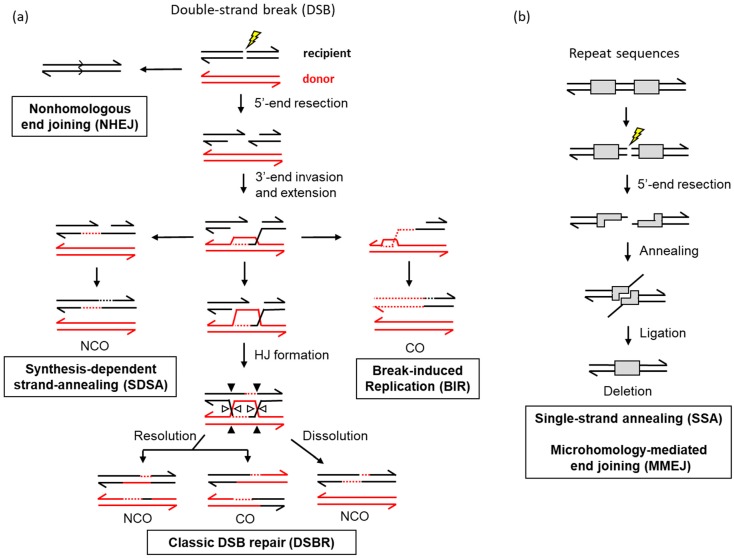
“In the currently accepted version of the classic DSB repair (DSBR) model [42], the 3′ tail on the other side of the initiating break anneals to or “captures” the complementary, displaced strand of the D-loop [43].”
BackgroundTransposable elements and the epigenetic regulation of the genome
Slotkin, R. K., & Martienssen, R. (2007) · Nature Reviews Genetics · doi:10.1038/nrg2072 · Cited by 2,044 · cited 1×
“Although transposon movement is typically suppressed to prevent genome instability [139], we recently demonstrated the mobilization of transposons in C.”
BackgroundGlobal burden of disease of HIV-associated cryptococcal meningitis: an updated analysis
Rajasingham, R., Smith, R. M., Park, B. J., Jarvis, J. N., Govender, N. P., Chiller, T. M., Denning, D. W., Loyse, A., & Boulware, D. R. (2017) · The Lancet Infectious Diseases · doi:10.1016/s1473-3099(17)30243-8 · Cited by 1,861 · cited 2×
“Cryptococcal infections are the most lethal among those caused by fungal pathogens, accounting for 15% of all AIDS-related deaths, estimated at 180,000 deaths worldwide annually [12].”
BackgroundRepair Pathway Choices and Consequences at the Double-Strand Break
Ceccaldi, R., Rondinelli, B., & D’Andrea, A. D. (2016) · Trends in Cell Biology · doi:10.1016/j.tcb.2015.07.009 · Cited by 1,499 · cited 2×
“cerevisiae are highly conserved among fungi and all eukaryotes [26,27,30].”
BackgroundDouble-Strand Break End Resection and Repair Pathway Choice
Symington, L. S., & Gautier, J. (2011) · Annual Review of Genetics · doi:10.1146/annurev-genet-110410-132435 · Cited by 1,493
Yeast transformation: a model system for the study of recombination.
Orr-Weaver, T. L., Szostak, J. W., & Rothstein, R. J. (1981) · Proceedings of the National Academy of Sciences · doi:10.1073/pnas.78.10.6354 · Cited by 1,455
Kullberg, B. J., & Arendrup, M. C. (2015) · New England Journal of Medicine · doi:10.1056/nejmra1315399 · Cited by 1,315 · cited 2×
“The resulting blood and deep tissue infections affect a quarter of a million people annually with about 50,000 deaths worldwide [7].”
BackgroundA simple and efficient method for direct gene deletion in Saccharomyces cerevisiae
Baudin, A., Ozier-Kalogeropoulos, O., Denouel, A., Lacroute, F., & Cullin, C. (1993) · Nucleic Acids Research · doi:10.1093/nar/21.14.3329 · Cited by 1,269 · cited 1×
“cerevisiae, which has an extremely high efficiency of DNA integration by HR, requiring only small regions of homology (<100 bp) [135].”
BackgroundEvolution of pathogenicity and sexual reproduction in eight Candida genomes
Butler, G., Rasmussen, M. D., Lin, M. F., Santos, M. A. S., Sakthikumar, S., Munro, C. A., Rheinbay, E., Grabherr, M., Forche, A., Reedy, J. L., et al. (2009) · Nature · doi:10.1038/nature08064 · Cited by 1,065
Horn, D. L., Neofytos, D., Anaissie, E. J., Fishman, J. A., Steinbach, W. J., Olyaei, A. J., Marr, K. A., Pfaller, M. A., Chang, C., & Webster, K. M. (2009) · Clinical Infectious Diseases · doi:10.1086/599039 · Cited by 956
Hastings, P. J., Ira, G., & Lupski, J. R. (2009) · PLoS Genetics · doi:10.1371/journal.pgen.1000327 · Cited by 818 · cited 3×
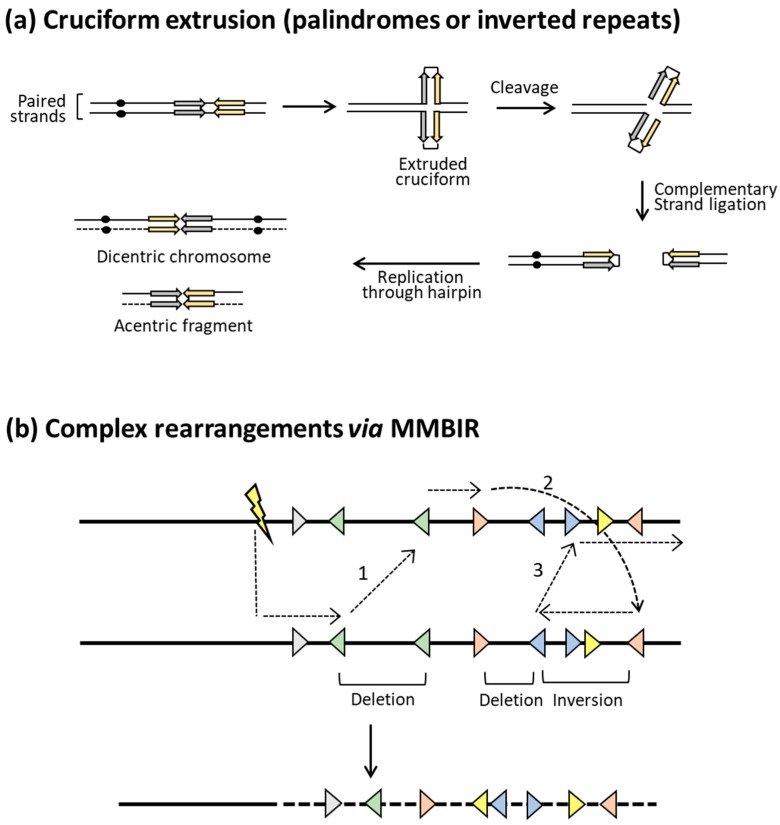
“This particular mechanism is termed microhomology-mediated break induced replication (MMBIR) [64,65] and is illustrated in Figure 5b. 5.”
BackgroundThe diploid genome sequence of Candida albicans
Jones, T., Federspiel, N. A., Chibana, H., Dungan, J., Kalman, S., Magee, B. B., Newport, G., Thorstenson, Y. R., Agabian, N., Magee, P. T., et al. (2004) · Proceedings of the National Academy of Sciences · doi:10.1073/pnas.0401648101 · Cited by 768
Aneuploidy and Isochromosome Formation in Drug-Resistant Candida albicans
Selmecki, A., Forche, A., & Berman, J. (2006) · Science · doi:10.1126/science.1128242 · Cited by 733 · cited 2×
“These recombination events can rapidly change the copy number and size of genes, and can result in chromosomal fusions, inversions, chimeric chromosomes, and loss of heterozygosity (LOH) [25,28,85,86].”
BackgroundThe Genome of the Basidiomycetous Yeast and Human Pathogen Cryptococcus neoformans
Loftus, B. J., Fung, E., Roncaglia, P., Rowley, D., Amedeo, P., Bruno, D., Vamathevan, J., Miranda, M., Anderson, I. J., Fraser, J. A., et al. (2005) · Science · doi:10.1126/science.1103773 · Cited by 694 · cited 2×
“Repeat sequences are also found in transposons, which comprise 5% of the cryptococcal genome [15].”
BackgroundRecognition of seven species in the Cryptococcus gattii/Cryptococcus neoformans species complex
Hagen, F., Khayhan, K., Theelen, B., Kolecka, A., Polacheck, I., Sionov, E., Falk, R., Parnmen, S., Lumbsch, H. T., & Boekhout, T. (2015) · Fungal Genetics and Biology · doi:10.1016/j.fgb.2015.02.009 · Cited by 687 · cited 1×
“were originally differentiated by antigenic variations in their polysaccharide capsules [97,98] and are now classified phylogenetically [99].”
BackgroundDifferential Timing and Control of Noncrossover and Crossover Recombination during Meiosis
Allers, T., & Lichten, M. (2001) · Cell · doi:10.1016/s0092-8674(01)00416-0 · Cited by 683 · cited 4×
“In the currently accepted version of the classic DSB repair (DSBR) model [42], the 3′ tail on the other side of the initiating break anneals to or “captures” the complementary, displaced strand of the D-loop [43].”
BackgroundInfluentialCasadevall, A., & Perfect, J. R. (1998) · ASM Press eBooks · doi:10.1128/9781555818241 · Cited by 661
Microhomology-Mediated End Joining: A Back-up Survival Mechanism or Dedicated Pathway?
Sfeir, A., & Symington, L. S. (2015) · Trends in Biochemical Sciences · doi:10.1016/j.tibs.2015.08.006 · Cited by 636 · cited 10×
“The focus here is on what happens to DNA during repair rather than on the roles of specific genes/proteins during recombination (reviewed in Reference [36]).”
BackgroundInfluentialCharacteristic genome rearrangements in experimental evolution of Saccharomyces cerevisiae
Dunham, M. J., Badrane, H., Ferea, T., Adams, J., Brown, P. O., Rosenzweig, F., & Botstein, D. (2002) · Proceedings of the National Academy of Sciences · doi:10.1073/pnas.242624799 · Cited by 564
SOMATIC CROSSING OVER AND SEGREGATION IN DROSOPHILA MELANOGASTER
Stern, C. (1936) · Genetics · doi:10.1093/genetics/21.6.625 · Cited by 538
The Human LINE-1 Retrotransposon Creates DNA Double-strand Breaks
Gasior, S. L., Wakeman, T. P., Xu, B., & Deininger, P. L. (2006) · Journal of Molecular Biology · doi:10.1016/j.jmb.2006.01.089 · Cited by 519 · cited 1×
“In addition, the excision of transposons from sites in the genome can cause DSBs and initiate genome instability, increasing the likelihood of mutation and gene rearrangements through DNA repair [138].”
BackgroundSionov, E., Lee, H., Chang, Y. C., & Kwon-Chung, K. J. (2010) · PLoS Pathogens · doi:10.1371/journal.ppat.1000848 · Cited by 479 · cited 2×
“Significantly, as concentrations of FLC were lowered and the selective pressure removed, Cryptococcus lost the extra chromosomes and returned to its original levels of susceptibility [122].”
BackgroundA genetic study of X-ray sensitive mutants in yeast
Game, J. C., & Mortimer, R. K. (1974) · Mutation Research · doi:10.1016/0027-5107(74)90176-6 · Cited by 477
Nonhomologous End Joining in Yeast
Daley, J. M., Palmbos, P. L., Wu, D., & Wilson, T. E. (2005) · Annual Review of Genetics · doi:10.1146/annurev.genet.39.073003.113340 · Cited by 415 · cited 10×
“The focus here is on what happens to DNA during repair rather than on the roles of specific genes/proteins during recombination (reviewed in Reference [36]).”
BackgroundInfluentialThe Biology of the Cryptococcus neoformans Species Complex
Lin, X., & Heitman, J. (2006) · Annual Review of Microbiology · doi:10.1146/annurev.micro.60.080805.142102 · Cited by 397 · cited 1×
“Infection by Cryptococcus neoformans, acquired from environmental exposures to spores and yeast, can cause cryptococcal meningitis, which occurs primarily in acquired immune deficiency syndrome (AIDS) patients and other individuals whose immune system is compromised, such as transplant recipients receiving immunosuppr…”
BackgroundKobayashi, T., Heck, D. J., Nomura, M., & Horiuchi, T. (1998) · Genes & Development · doi:10.1101/gad.12.24.3821 · Cited by 388 · cited 1×
“Direct repeats can also be tandem, with the CUP1 [57,58] and ribosomal DNA (rDNA) loci [59] providing examples in S.”
BackgroundHybrid genotypes in the pathogenic yeast Cryptococcus neoformans
Boekhout, T., Theelen, B., Diaz, M., Fell, J. W., Hop, W. C. J., Abeln, E. C. A., Dromer, F., & Meyer, W. (2001) · Microbiology · doi:10.1099/00221287-147-4-891 · Cited by 382 · cited 1×
“Although these species diverged more than 18 million years ago [97], they are closely related, capable of mating and forming AD hybrids in the environment [101].”
BackgroundError‐Prone Repair of DNA Double‐Strand Breaks
Rodgers, K., & McVey, M. (2016) · Journal of Cellular Physiology · doi:10.1002/jcp.25053 · Cited by 373 · cited 2×
“cerevisiae are highly conserved among fungi and all eukaryotes [26,27,30].”
BackgroundJanbon, G., Ormerod, K. L., Paulet, D., Byrnes, E. J., Yadav, V., Chatterjee, G., Mullapudi, N., Hon, C.-C., Billmyre, R. B., Brunel, F., et al. (2014) · PLoS Genetics · doi:10.1371/journal.pgen.1004261 · Cited by 371 · cited 1×
“neoformans [15,16] and genome-wide analysis of the diversity that can arise, particularly during infection, greatly contributed to our understanding of the adaptive mechanisms of these organisms [3,5,16–18].”
BackgroundMechanisms and Regulation of Mitotic Recombination in Saccharomyces cerevisiae
Symington, L. S., Rothstein, R., & Lisby, M. (2014) · Genetics · doi:10.1534/genetics.114.166140 · Cited by 363 · cited 2×
“The focus here is on what happens to DNA during repair rather than on the roles of specific genes/proteins during recombination (reviewed in Reference [36]).”
BackgroundFishman-Lobell, J., Rudin, N., & Haber, J. E. (1992) · Molecular and Cellular Biology · doi:10.1128/mcb.12.3.1292 · Cited by 358 · cited 7×
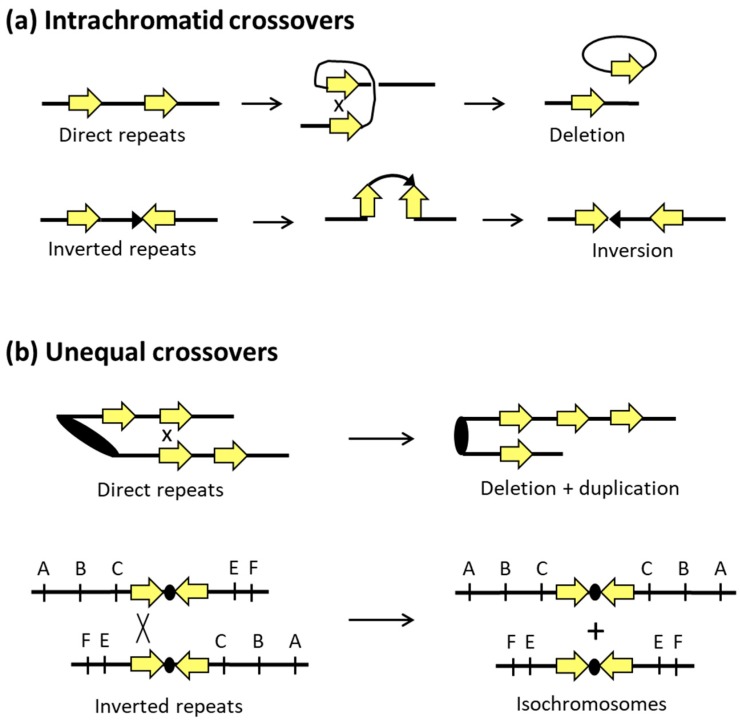
“A CO between direct repeats on the Genes 2019, 10, 901 7 of 20 same chromosome/chromatid deletes one copy of the repeat and can reflect either SSA or excision of one repeat and the intervening region as a circular piece of DNA (Figure 4a).”
BackgroundInfluentialCryptococcal cell morphology affects host cell interactions and pathogenicity
Okagaki, L. H., Strain, A. K., Nielsen, J. N., Charlier, C., Baltes, N. J., Chrétien, F., Heitman, J., Dromer, F., & Nielsen, K. (2010) · PLoS Pathogens · doi:10.1371/journal.ppat.1000953 · Cited by 345
Bennett, R. J. (2003) · The EMBO Journal · doi:10.1093/emboj/cdg235 · Cited by 341 · cited 1×
“albicans acquired during infection involves a recombination event in which the left arm of chromosome 5 is duplicated, forming a novel isochromosomal structure [72].”
BackgroundForche, A., Alby, K., Schaefer, D., Johnson, A. D., Berman, J., & Bennett, R. J. (2008) · PLoS Biology · doi:10.1371/journal.pbio.0060110 · Cited by 338
Spo11 and the Formation of DNA Double-Strand Breaks in Meiosis
Keeney, S. (2007) · Genome Dynamics and Stability · doi:10.1007/7050_2007_026 · Cited by 330 · cited 1×
“During meiosis in diploid organisms, double-strand breaks (DSBs) are produced by the topoisomerase-related Spo11 protein [31].”
BackgroundAn isochromosome confers drug resistance in vivo by amplification of two genes, ERG11 and TAC1
Selmecki, A., Gerami‐Nejad, M., Paulson, C., Forche, A., & Berman, J. (2008) · Molecular Microbiology · doi:10.1111/j.1365-2958.2008.06176.x · Cited by 325
Genetic and phenotypic intra-species variation in Candida albicans
Hirakawa, M. P., Martinez, D. A., Sakthikumar, S., Anderson, M. Z., Berlin, A., Gujja, S., Zeng, Q., Zisson, E., Wang, J. M., Greenberg, J. M., et al. (2015) · Genome Research · doi:10.1101/gr.174623.114 · Cited by 320 · cited 1×
“Whole-chromosome or segmental aneuploidies were rarer, and it was suggested that the selective pressure of antifungal treatment contributes to the higher incidences of aneuploidy documented previously in clinical isolates [17].”
BackgroundSelmecki, A. M., Dulmage, K., Cowen, L. E., Anderson, J. B., & Berman, J. (2009) · PLoS Genetics · doi:10.1371/journal.pgen.1000705 · Cited by 319
Fungal cell gigantism during mammalian infection
Zaragoza, O., García-Rodas, R., Nosanchuk, J. D., Cuenca-Estrella, M., Rodríguez-Tudela, J. L., & Casadevall, A. (2010) · PLoS Pathogens · doi:10.1371/journal.ppat.1000945 · Cited by 311
Break-Induced Replication Is Highly Inaccurate
Deem, A., Keszthelyi, A., Blackgrove, T., Vayl, A., Coffey, B., Mathur, R., Chabes, A., & Malkova, A. (2011) · PLoS Biology · doi:10.1371/journal.pbio.1000594 · Cited by 296 · cited 1×
“However, it was demonstrated that DNA synthesis associated with HR is more error-prone than DNA synthesis that occurs in the context of a replication fork [34,35].”
BackgroundThe ‘obligate diploid’ Candida albicans forms mating-competent haploids
Hickman, M. A., Zeng, G., Forche, A., Hirakawa, M. P., Abbey, D., Harrison, B. D., Wang, Y.-M., Su, C.-H., Bennett, R. J., Wang, Y., et al. (2013) · Nature · doi:10.1038/nature11865 · Cited by 284 · cited 2×
“albicans is largely generated during mitotic growth [28,75,76], but an additional influence of parasexual recombination on genetic diversity in this species was proposed [20,21,69,77].”
BackgroundDNA synthesis errors associated with double-strand-break repair.
Strathern, J. N., Shafer, B. K., & McGill, C. B. (1995) · Genetics · doi:10.1093/genetics/140.3.965 · Cited by 282
Experimental evolution of a fungal pathogen into a gut symbiont
Tso, G. H. W., Reales-Calderon, J. A., Tan, A. S. M., Sem, X., Le, G. T. T., Tan, T. G., Lai, G. C., Srinivasan, K. G., Yurieva, M., Liao, W., et al. (2018) · Science · doi:10.1126/science.aat0537 · Cited by 248 · cited 2×
“albicans from a pathogen to a gut symbiont through the loss of Flo8 activity [91].”
BackgroundGenomic Plasticity of the Human Fungal Pathogen Candida albicans
Selmecki, A., Forche, A., & Berman, J. (2010) · Eukaryotic Cell · doi:10.1128/ec.00060-10 · Cited by 247 · cited 2×
“These recombination events can rapidly change the copy number and size of genes, and can result in chromosomal fusions, inversions, chimeric chromosomes, and loss of heterozygosity (LOH) [25,28,85,86].”
BackgroundXu, J., Vilgalys, R., & Mitchell, T. G. (2000) · Molecular Ecology · doi:10.1046/j.1365-294x.2000.01021.x · Cited by 245 · cited 3×
“Although these species diverged more than 18 million years ago [97], they are closely related, capable of mating and forming AD hybrids in the environment [101].”
BackgroundGenetics of Cryptococcus neoformans
Hull, C. M., & Heitman, J. (2002) · Annual Review of Genetics · doi:10.1146/annurev.genet.36.052402.152652 · Cited by 244 · cited 1×
“During its sexual cycle, Cryptococcus adopts a diploid, filamentous form [96].”
BackgroundStress Alters Rates and Types of Loss of Heterozygosity in Candida albicans
Forche, A., Abbey, D., Pisithkul, T., Weinzierl, M. A., Ringstrom, T., Bruck, D., Petersen, K., & Berman, J. (2011) · mBio · doi:10.1128/mbio.00129-11 · Cited by 234 · cited 12×
“One mechanism of FLC resistance in C. albicans acquired during infection involves a recombination event in which the left arm of chromosome 5 is duplicated, forming a novel isochromosomal structure [72].”
BackgroundInfluentialExpansions and Contractions in a Tandem Repeat Induced by Double-Strand Break Repair
Pâques, F., Leung, W.-Y., & Haber, J. E. (1998) · Molecular and Cellular Biology · doi:10.1128/mcb.18.4.2045 · Cited by 225 · cited 2×
“As in the dissolution of HJs, SDSA generates only NCO products.”
BackgroundGräser, Y., Volovsek, M., Arrington, J., Schönian, G., Presber, W., Mitchell, T. G., & Vilgalys, R. (1996) · Proceedings of the National Academy of Sciences · doi:10.1073/pnas.93.22.12473 · Cited by 221 · cited 1×
“albicans, whose mode of reproduction is primarily clonal [70,71], is capable of mating, but does not undergo conventional meiosis.”
BackgroundHomothallic and heterothallic mating in the opportunistic pathogen Candida albicans
Alby, K., Schaefer, D., & Bennett, R. J. (2009) · Nature · doi:10.1038/nature08252 · Cited by 217
The Dissolution of Double Holliday Junctions
Bizard, A. H., & Hickson, I. D. (2014) · Cold Spring Harbor Perspectives in Biology · doi:10.1101/cshperspect.a016477 · Cited by 216 · cited 1×
“The HJs can be “dissolved” by migration toward each other [44] or enzymatically “resolved” by strand cleavage and ligation reactions [45].”
BackgroundGenome variation in Cryptococcus gattii, an emerging pathogen of immunocompetent hosts
D’Souza, C. A., Kronstad, J. W., Taylor, G., Warren, R., Yuen, M., Hu, G., Jung, W. H., Sham, A., Kidd, S. E., Tangen, K., et al. (2011) · mBio · doi:10.1128/mbio.00342-10 · Cited by 202
Schwartz, E. K., & Heyer, W.-D. (2011) · Chromosoma · doi:10.1007/s00412-010-0304-7 · Cited by 198
Gene flow contributes to diversification of the major fungal pathogen Candida albicans
Ropars, J., Maufrais, C., Diogo, D., Marcet-Houben, M., Perin, A., Sertour, N., Mosca, K., Permal, E., Laval, G., Bouchier, C., et al. (2018) · Nature Communications · doi:10.1038/s41467-018-04787-4 · Cited by 197 · cited 11×
“A final mechanism that can generate highly complex rearrangements involves BIR, which is inherently a non-processive process in terms of DNA synthesis.”
BackgroundInfluentialIn vivo biochemistry: Physical monitoring of recombination induced by site‐specific endonucleases
Haber, J. E. (1995) · BioEssays · doi:10.1002/bies.950170707 · Cited by 188 · cited 1×
“Studies were further accelerated by the harnessing of meganucleases such as HO and I-SceI to induce a single, targeted DSB in the yeast genome [40].”
MethodDambuza, I. M., Drake, T., Chapuis, A., Zhou, X., Correia, J., Taylor-Smith, L., LeGrave, N., Rasmussen, T., Fisher, M. C., Bicanic, T., et al. (2018) · PLoS Pathogens · doi:10.1371/journal.ppat.1006978 · Cited by 182
Pujol, C., Reynes, J., Renaud, F., Raymond, M., Tibayrenc, M., Ayala, F. J., Janbon, F., Mallié, M., & Bastide, J. M. (1993) · Proceedings of the National Academy of Sciences · doi:10.1073/pnas.90.20.9456 · Cited by 174 · cited 1×
“albicans, whose mode of reproduction is primarily clonal [70,71], is capable of mating, but does not undergo conventional meiosis.”
BackgroundFranzot, S. P., Mukherjee, J., Cherniak, R., Chen, L.-C., Hamdan, J. S., & Casadevall, A. (1998) · Infection and Immunity · doi:10.1128/iai.66.1.89-97.1998 · Cited by 167
Polyploid titan cells produce haploid and aneuploid progeny to promote stress adaptation
Gerstein, A. C., Fu, M. S., Mukaremera, L., Li, Z., Ormerod, K. L., Fraser, J. A., Berman, J., & Nielsen, K. (2015) · mBio · doi:10.1128/mbio.01340-15 · Cited by 167 · cited 1×
“Titan cells generally produce haploid or aneuploid budding progeny but do not themselves replicate as giant polyploid cells, revealing a temporary strategy to overcome environmental stress [120].”
BackgroundDynamic ploidy changes drive fluconazole resistance in human cryptococcal meningitis
Stone, N. R. H., Rhodes, J., Fisher, M. C., Mfinanga, S., Kivuyo, S., Rugemalila, J., Segal, E. S., Needleman, L., Molloy, S. F., Kwon-Chung, J., et al. (2019) · Journal of Clinical Investigation · doi:10.1172/jci124516 · Cited by 167 · cited 2×
“A recent study confirmed FLC resistance in Cryptococcus resulting from Chr1 disomy in human infections by genomic analysis of isolates from the cerebrospinal fluid of patients receiving FLC therapy for cryptococcal meningitis [13].”
BackgroundSubstrate length requirements for efficient mitotic recombination in Saccharomyces cerevisiae.
Jinks-Robertson, S., Michelitch, M., & Ramcharan, S. (1993) · Molecular and Cellular Biology · doi:10.1128/mcb.13.7.3937 · Cited by 166 · cited 1×
“cerevisiae, and as little as 100 bp is sufficient to support non-allelic or “ectopic” recombination [55].”
BackgroundSelf-citationPopulation genomics and the evolution of virulence in the fungal pathogen Cryptococcus neoformans
Desjardins, C. A., Giamberardino, C., Sykes, S. M., Yu, C.-H., Tenor, J. L., Chen, Y., Yang, T., Jones, A. M., Sun, S., Haverkamp, M. R., et al. (2017) · Genome Research · doi:10.1101/gr.218727.116 · Cited by 157 · cited 4×
“Increased melanization and resistance to oxidative stress were found in both clinical and environmental isolates of the VNBI lineage compared to VNBII, although VNBII isolates were more prevalent among clinical isolates.”
BackgroundInfluentialGlobal analysis of mutations driving microevolution of a heterozygous diploid fungal pathogen
Ene, I. V., Farrer, R. A., Hirakawa, M. P., Agwamba, K., Cuomo, C. A., & Bennett, R. J. (2018) · Proceedings of the National Academy of Sciences · doi:10.1073/pnas.1806002115 · Cited by 155
Sex or no sex: Evolutionary adaptation occurs regardless
Seidl, M. F., & Thomma, B. P. H. J. (2014) · BioEssays · doi:10.1002/bies.201300155 · Cited by 153 · cited 1×
“cerevisiae are highly conserved among fungi and all eukaryotes [26,27,30].”
BackgroundDNA content, kinetic complexity, and the ploidy question in Candida albicans.
Riggsby, W. S., Torres-Bauza, L. J., Wills, J. W., & Townes, T. M. (1982) · Molecular and Cellular Biology · doi:10.1128/mcb.2.7.853 · Cited by 152
Evolution in Candida albicans Populations During a Single Passage Through a Mouse Host
Forche, A., Magee, P. T., Selmecki, A., Berman, J., & May, G. (2009) · Genetics · doi:10.1534/genetics.109.103325 · Cited by 147 · cited 1×
“LOH events, for example, are a frequent and common outcome of stress exposure in this organism, and these events increase during in vivo models of infection [3,87].”
BackgroundSakofsky, C. J., Ayyar, S., Deem, A. K., Chung, W.-H., Ira, G., & Malkova, A. (2015) · Molecular Cell · doi:10.1016/j.molcel.2015.10.041 · Cited by 145 · cited 3×
“This particular mechanism is termed microhomology-mediated break induced replication (MMBIR) [64,65] and is illustrated in Figure 5b. 5.”
BackgroundNatural heterozygosity in Candida albicans
Whelan, W. L., & Magee, P. T. (1981) · Journal of Bacteriology · doi:10.1128/jb.145.2.896-903.1981 · Cited by 141
Specific Chromosome Alterations in Fluconazole-Resistant Mutants of Candida albicans
Perepnikhatka, V., Fischer, F. J., Niimi, M., Baker, R. A., Cannon, R. D., Wang, Y.-K., Sherman, F., & Rustchenko, E. (1999) · Journal of Bacteriology · doi:10.1128/jb.181.13.4041-4049.1999 · Cited by 141
Rustchenko, E. P., Curran, T. M., & Sherman, F. (1993) · Journal of Bacteriology · doi:10.1128/jb.175.22.7189-7199.1993 · Cited by 136
Jinks-Robertson, S., & Petes, T. D. (1986) · Genetics · doi:10.1093/genetics/114.3.731 · Cited by 135
Self-citationGoins, C. L., Gerik, K. J., & Lodge, J. K. (2006) · Fungal Genetics and Biology · doi:10.1016/j.fgb.2006.02.007 · Cited by 131 · cited 1×
“To increase the frequency of homologous recombination for targeted gene integration, strategies to inhibit or disable NHEJ components were successfully employed [136,137].”
BackgroundEmergence of Candida auris: An International Call to Arms
Clancy, C. J., & Nguyen, M. H. (2017) · Clinical Infectious Diseases · doi:10.1093/cid/ciw696 · Cited by 129 · cited 1×
“For these opportunistic fungal pathogens, drug resistance or the lack of access to effective anti-fungal drugs contribute to the persistence in mortality and morbidity in human populations [5,7,9,12,13].”
BackgroundRNAi is a critical determinant of centromere evolution in closely related fungi
Yadav, V., Sun, S., Billmyre, R. B., Thimmappa, B. C., Shea, T., Lintner, R. E., Bakkeren, G., Cuomo, C. A., Heitman, J., & Sanyal, K. (2018) · Proceedings of the National Academy of Sciences · doi:10.1073/pnas.1713725115 · Cited by 129 · cited 1×
“centromeres of the 14 cryptococcal chromosomes contain numerous transposon sequences [128,129] that were implicated in a number of genomic rearrangement events.”
BackgroundLoss of DNA Replication Control Is a Potent Inducer of Gene Amplification
Green, B. M., Finn, K. J., & Li, J. J. (2010) · Science · doi:10.1126/science.1190966 · Cited by 128 · cited 15×
“Repair of these programmed DSBs via recombination between homologous chromosomes generates genetic diversity and is essential for the proper segregation of homologs at the first meiotic division.”
BackgroundInfluentialBreak induced replication in eukaryotes: mechanisms, functions, and consequences
Sakofsky, C. J., & Malkova, A. (2017) · Critical Reviews in Biochemistry and Molecular Biology · doi:10.1080/10409238.2017.1314444 · Cited by 128 · cited 10×
“The focus here is on what happens to DNA during repair rather than on the roles of specific genes/proteins during recombination (reviewed in Reference [36]).”
BackgroundInfluentialCryptococcus neoformans can form titan-like cells in vitro in response to multiple signals
Trevijano-Contador, N., de Oliveira, H. C., García-Rodas, R., Rossi, S. A., Llorente, I., Zaballos, Á., Janbon, G., Ariño, J., & Zaragoza, Ó. (2018) · PLoS Pathogens · doi:10.1371/journal.ppat.1007007 · Cited by 124
Environmental change drives accelerated adaptation through stimulated copy number variation
Hull, R. M., Cruz, C., Jack, C. V., & Houseley, J. (2017) · PLOS Biology · doi:10.1371/journal.pbio.2001333 · Cited by 122 · cited 3×
“Direct repeats can also be tandem, with the CUP1 [57,58] and ribosomal DNA (rDNA) loci [59] providing examples in S.”
BackgroundMulti-invasions Are Recombination Byproducts that Induce Chromosomal Rearrangements
Piazza, A., Wright, W. D., & Heyer, W.-D. (2017) · Cell · doi:10.1016/j.cell.2017.06.052 · Cited by 119 · cited 1×
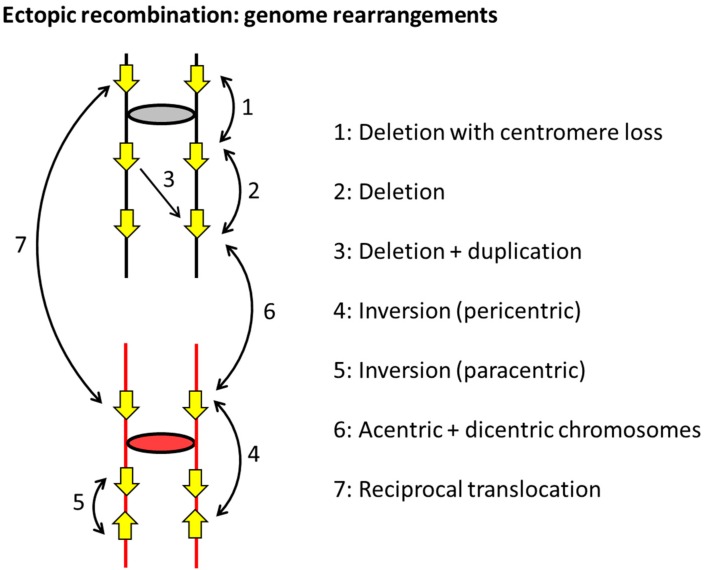
“This can lead to the joining of several nonallelic segments and chromosomal translocations [62].”
BackgroundPosition effects in ectopic and allelic mitotic recombination in Saccharomyces cerevisiae.
Lichten, M., & Haber, J. E. (1989) · Genetics · doi:10.1093/genetics/123.2.261 · Cited by 118
Ribosomal DNA and cellular senescence: new evidence supporting the connection between rDNA and aging
Ganley, A. R. D., & Kobayashi, T. (2014) · FEMS Yeast Research · doi:10.1111/1567-1364.12133 · Cited by 118 · cited 3×
“Acentric chromosome fragments are generally lost, while dicentric chromosomes formed in this manner initiate ongoing instability through repeated cycles of breakage–fusion–bridge [60].”
BackgroundInfluentialGenome plasticity in Candida albicans is driven by long repeat sequences
Todd, R. T., Wikoff, T. D., Forche, A., & Selmecki, A. (2019) · eLife · doi:10.7554/elife.45954 · Cited by 118 · cited 16×
“Repair of these programmed DSBs via recombination between homologous chromosomes generates genetic diversity and is essential for the proper segregation of homologs at the first meiotic division.”
BackgroundInfluentialHickman, M. A., Paulson, C., Dudley, A., & Berman, J. (2015) · Genetics · doi:10.1534/genetics.115.178020 · Cited by 113 · cited 1×
“albicans is largely generated during mitotic growth [28,75,76], but an additional influence of parasexual recombination on genetic diversity in this species was proposed [20,21,69,77].”
BackgroundCharles, J. S., & Petes, T. D. (2013) · PLoS Genetics · doi:10.1371/journal.pgen.1003434 · Cited by 108 · cited 2×
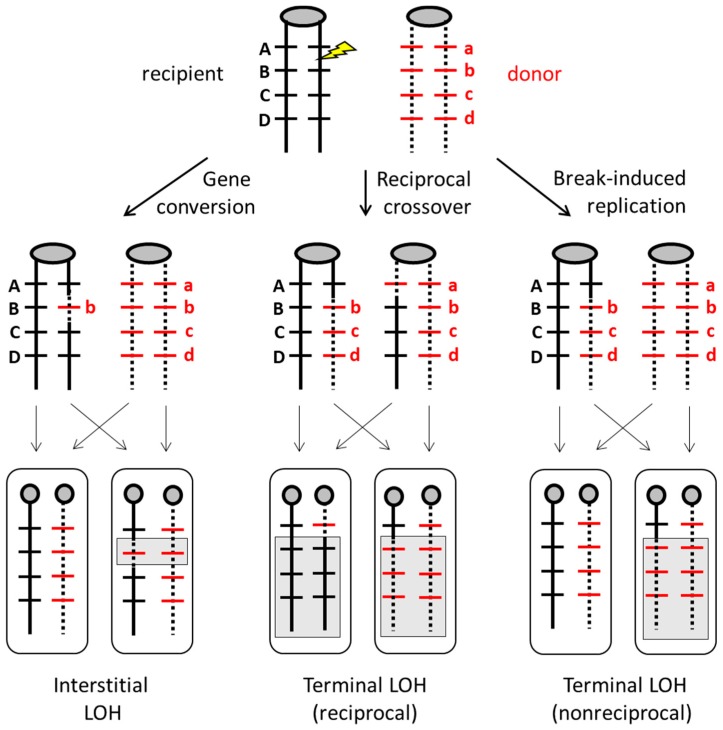
“Reciprocal LOH was first proposed as an explan tio fo so-called “twin spots” of adj cent, recessive tissue in Drosophila [51] and was well studied in yeast on a single chromosome arm [52,53] or genomewide [54].”
BackgroundMechanisms of loss of heterozygosity in retinoblastoma
Zhu, X., Dunn, J. M., Goddard, A. D., Squire, J. A., Becker, A., Phillips, R. A., & Gallie, B. L. (1992) · Cytogenetic and Genome Research · doi:10.1159/000133261 · Cited by 106 · cited 1×
“Partial or whole-chromosome LOH in diploid organisms can result in the expression of recessive alleles (Figure 2) that have detrimental outcomes, with a classic example being loss of a tumor suppressor in the development of cancer [89].”
BackgroundA Genomic Safe Haven for Mutant Complementation in Cryptococcus neoformans
Arras, S. D. M., Chitty, J. L., Blake, K. L., Schulz, B. L., & Fraser, J. A. (2015) · PLOS ONE · doi:10.1371/journal.pone.0122916 · Cited by 105 · cited 1×
“Strategies to introduce exogenous DNA for gene deletions or complementation at targeted locations showed that rates of recombination by HR in Cryptococcus are low and require long stretches of homologous regions (750 to 1000 bp) to maximize targeted integration [133,134].”
BackgroundKavanaugh, L. A., Fraser, J. A., & Dietrich, F. S. (2006) · Molecular Biology and Evolution · doi:10.1093/molbev/msl070 · Cited by 103 · cited 1×
“Comparison of the two genomes revealed the presence of an “identity island,” a 40-kb region in the subtelomeric region of chromosome 5 of JEC21, that is nearly identical to a region in H99 on a non-homologous chromosome [130].”
BackgroundA tale of tails: insights into the coordination of 3′ end processing during homologous recombination
Lyndaker, A. M., & Alani, E. (2009) · BioEssays · doi:10.1002/bies.200800195 · Cited by 102 · cited 10×
“The focus here is on what happens to DNA during repair rather than on the roles of specific genes/proteins during recombination (reviewed in Reference [36]).”
BackgroundInfluentialThe cryptic sexual strategies of human fungal pathogens
Ene, I. V., & Bennett, R. J. (2014) · Nature Reviews Microbiology · doi:10.1038/nrmicro3236 · Cited by 101 · cited 1×
“Although reproduction of pathogenic fungi is largely clonal, sexual, parasexual, and unisexual cycles of reproduction in these fungi were described [11,19].”
BackgroundKaryotype instability in Cryptococcus neoformans infection
Fries, B. C., Chen, F., Currie, B. P., & Casadevall, A. (1996) · Journal of Clinical Microbiology · doi:10.1128/jcm.34.6.1531-1534.1996 · Cited by 100
Life Cycle of Cryptococcus neoformans
Zhao, Y., Lin, J., Fan, Y., & Lin, X. (2019) · Annual Review of Microbiology · doi:10.1146/annurev-micro-020518-120210 · Cited by 100 · cited 2×
“Although reproduction of pathogenic fungi is largely clonal, sexual, parasexual, and unisexual cycles of reproduction in these fungi were described [11,19].”
BackgroundYin, Y. A., & Petes, T. D. (2013) · PLoS Genetics · doi:10.1371/journal.pgen.1003894 · Cited by 99 · cited 2×
“Reciprocal LOH was first proposed as an explan tio fo so-called “twin spots” of adj cent, recessive tissue in Drosophila [51] and was well studied in yeast on a single chromosome arm [52,53] or genomewide [54].”
BackgroundPloidy determination of Canadida albicans
Olaiya, A. F., & Sogin, S. J. (1979) · Journal of Bacteriology · doi:10.1128/jb.140.3.1043-1049.1979 · Cited by 98
Genome Evolution and Innovation across the Four Major Lineages of Cryptococcus gattii
Farrer, R. A., Desjardins, C. A., Sakthikumar, S., Gujja, S., Saif, S., Zeng, Q., Chen, Y., Voelz, K., Heitman, J., May, R. C., et al. (2015) · mBio · doi:10.1128/mbio.00868-15 · Cited by 94
Forche, A., Cromie, G., Gerstein, A. C., Solis, N. V., Pisithkul, T., Srifa, W., Jeffery, E., Abbey, D., Filler, S. G., Dudley, A. M., et al. (2018) · Genetics · doi:10.1534/genetics.118.301019 · Cited by 94 · cited 1×
“Recently, the genetic diversity arising in the mouse oral cavity during infection was examined [4].”
BackgroundHemizygosity Enables a Mutational Transition Governing Fungal Virulence and Commensalism
Liang, S.-H., Anderson, M. Z., Hirakawa, M. P., Wang, J. M., Frazer, C., Alaalm, L. M., Thomson, G. J., Ene, I. V., & Bennett, R. J. (2019) · Cell Host & Microbe · doi:10.1016/j.chom.2019.01.005 · Cited by 89
Wickes, B., Staudinger, J., Magee, B. B., Kwon-Chung, K. J., Magee, P. T., & Scherer, S. (1991) · Infection and Immunity · doi:10.1128/iai.59.7.2480-2484.1991 · Cited by 87
Chromosomal Translocation and Segmental Duplication in Cryptococcus neoformans
Fraser, J. A., Huang, J. C., Pukkila-Worley, R., Alspaugh, J. A., Mitchell, T. G., & Heitman, J. (2005) · Eukaryotic Cell · doi:10.1128/ec.4.2.401-406.2005 · Cited by 87 · cited 3×
“One final example of a recombination event differentiating JEC21 from H99 involves a translocation and duplication event unique to JEC21 [132].”
BackgroundSun, S., Yadav, V., Billmyre, R. B., Cuomo, C. A., Nowrousian, M., Wang, L., Souciet, J., Boekhout, T., Porcel, B. M., Wincker, P., et al. (2017) · PLoS Biology · doi:10.1371/journal.pbio.2002527 · Cited by 87 · cited 1×
“centromeres of the 14 cryptococcal chromosomes contain numerous transposon sequences [128,129] that were implicated in a number of genomic rearrangement events.”
BackgroundAneuploid Chromosomes Are Highly Unstable during DNA Transformation of Candida albicans
Bouchonville, K., Forche, A., Tang, K. E. S., Selmecki, A., & Berman, J. (2009) · Eukaryotic Cell · doi:10.1128/ec.00209-09 · Cited by 85 · cited 1×
“Previous studies identified factors such as elevated temperature (37 ◦C), transformation of exogenous DNA, and exposure to antifungal drugs that increase the rates of LOH [76,88].”
BackgroundMagditch, D. A., Liu, T.-B., Xue, C., & Idnurm, A. (2012) · PLoS Pathogens · doi:10.1371/journal.ppat.1002936 · Cited by 83 · cited 1×
“Examples of enhanced virulence or resistance to drug treatment arising during cryptococcal infection continue to be found [5,114,115], and, in some cases, the cause is identified.”
BackgroundCorrection: Fungal Cell Gigantism during Mammalian Infection
Zaragoza, O., García-Rodas, R., Nosanchuk, J. D., Cuenca-Estrella, M., Rodríguez-Tudela, J. L., & Casadevall, A. (2010) · PLoS Pathogens · doi:10.1371/annotation/0675044c-d80f-456f-bb63-4f85fb1d0c33 · Cited by 83
Microevolution of Serial Clinical Isolates of Cryptococcus neoformans var.grubii and C. gattii
Chen, Y., Farrer, R. A., Giamberardino, C., Sakthikumar, S., Jones, A., Yang, T., Tenor, J. L., Wagih, O., Van Wyk, M., Govender, N. P., et al. (2017) · mBio · doi:10.1128/mbio.00166-17 · Cited by 79 · cited 3×
“In some cases where phenotypic differences occurred but no genetic differences were detected, epigenetic factors were inferred [5].”
BackgroundDoes stress induce (para)sex? Implications for Candida albicans evolution
Berman, J., & Hadany, L. (2012) · Trends in Genetics · doi:10.1016/j.tig.2012.01.004 · Cited by 77 · cited 1×
“albicans is largely generated during mitotic growth [28,75,76], but an additional influence of parasexual recombination on genetic diversity in this species was proposed [20,21,69,77].”
BackgroundHu, G., Wang, J., Choi, J., Jung, W. H., Liu, I., Litvintseva, A. P., Bicanic, T., Aurora, R., Mitchell, T. G., Perfect, J. R., et al. (2011) · BMC Genomics · doi:10.1186/1471-2164-12-526 · Cited by 76 · cited 1×
“For example, variations in chromosomal number in Cryptococcus isolated from infected AIDS patients and following passage in mice were shown to affect levels of melanin expression and other virulence traits [6,121].”
BackgroundRecombination between dispersed serine tRNA genes in Schizosaccharomyces pombe
Munz, P., Amstutz, H., Kohli, J., & Leupold, U. (1982) · Nature · doi:10.1038/300225a0 · Cited by 75 · cited 1×
“Indeed, some of the earliest reports of spontaneous ectopic recombination involved endogenous transfer RNA (tRNA) genes that are ~150 bp [56].”
BackgroundSerial Isolates of Cryptococcus neoformans from Patients with AIDS Differ in Virulence for Mice
Fries, B. C., & Casadevall, A. (1998) · The Journal of Infectious Diseases · doi:10.1086/314521 · Cited by 74 · cited 2×
“Isolates recovered from patients with chronic AIDS infections or following passage through mice exhibited phenotypic differences in terms of virulence, growth rate, capsule size, capsule structure, and drug resistance [102,106,109].”
BackgroundSelection and analysis of spontaneous reciprocal mitotic cross-overs in Saccharomyces cerevisiae
Barbera, M. A., & Petes, T. D. (2006) · Proceedings of the National Academy of Sciences · doi:10.1073/pnas.0605778103 · Cited by 73 · cited 2×
“Reciprocal LOH was first proposed as an explan tio fo so-called “twin spots” of adj cent, recessive tissue in Drosophila [51] and was well studied in yeast on a single chromosome arm [52,53] or genomewide [54].”
BackgroundCryptococcus neoformans Capsule Structure Evolution In Vitro and during Murine Infection
Garcia-Hermoso, D., Dromer, F., & Janbon, G. (2004) · Infection and Immunity · doi:10.1128/iai.72.6.3359-3365.2004 · Cited by 72 · cited 1×
“Isolates recovered from patients with chronic AIDS infections or following passage through mice exhibited phenotypic differences in terms of virulence, growth rate, capsule size, capsule structure, and drug resistance [102,106,109].”
BackgroundCorrection: Cryptococcal Cell Morphology Affects Host Cell Interactions and Pathogenicity
Okagaki, L. H., Strain, A. K., Nielsen, J. N., Charlier, C., Baltes, N. J., Chrétien, F., Heitman, J., Dromer, F., & Nielsen, K. (2010) · PLoS Pathogens · doi:10.1371/annotation/1b59fd9e-9ac9-4ea8-a083-14c413c80b03 · Cited by 71
Sullivan, D., Haynes, K., Moran, G., Shanley, D., & Coleman, D. (1996) · Journal of Clinical Microbiology · doi:10.1128/jcm.34.7.1739-1744.1996 · Cited by 65
Chromosomal Rearrangements between Serotype A and D Strains in Cryptococcus neoformans
Sun, S., & Xu, J. (2009) · PLoS ONE · doi:10.1371/journal.pone.0005524 · Cited by 62 · cited 15×
“Repair of these programmed DSBs via recombination between homologous chromosomes generates genetic diversity and is essential for the proper segregation of homologs at the first meiotic division.”
BackgroundInfluentialChibana, H., Iwaguchi, S., Homma, M., Chindamporn, A., Nakagawa, Y., & Tanaka, K. (1994) · Journal of Bacteriology · doi:10.1128/jb.176.13.3851-3858.1994 · Cited by 61
Hu, G., Liu, I., Sham, A., Stajich, J. E., Dietrich, F. S., & Kronstad, J. W. (2008) · Genome Biology · doi:10.1186/gb-2008-9-2-r41 · Cited by 61 · cited 1×
“For example, variations in chromosomal number in Cryptococcus isolated from infected AIDS patients and following passage in mice were shown to affect levels of melanin expression and other virulence traits [6,121].”
BackgroundWang, J. M., Bennett, R. J., & Anderson, M. Z. (2018) · mBio · doi:10.1128/mbio.01205-18 · Cited by 60 · cited 4×
“Variations in genotype were largely attributed to loss of heterozygosity, with many long-tract terminal LOH events consistent with either a reciprocal CO event or the nonreciprocal BIR pathway of DSB repair [20].”
BackgroundInfluentialHastings, P. J. (2007) · Critical Reviews in Biochemistry and Molecular Biology · doi:10.1080/10409230701507757 · Cited by 59 · cited 1×
“Tandem arrays are thought to originate from multiple gene duplication events following DSB repair [124,125].”
BackgroundBlasi, E., Brozzetti, A., Francisci, D., Neglia, R., Cardinali, G., Bistoni, F., Vidotto, V., & Baldelli, F. (2001) · European Journal of Clinical Microbiology and Infectious Diseases · doi:10.1007/s100960100549 · Cited by 53
Microevolution of Cryptococcus neoformans Driven by Massive Tandem Gene Amplification
Chow, E. W. L., Morrow, C. A., Djordjevic, J. T., Wood, I. A., & Fraser, J. A. (2012) · Molecular Biology and Evolution · doi:10.1093/molbev/mss066 · Cited by 53 · cited 1×
“neoformans subclade was recently identified as a microevolutionary adaptation conferring resistance to arsenite [123].”
BackgroundRuiz, J. F., Gómez‐González, B., & Aguilera, A. (2011) · PLoS Genetics · doi:10.1371/journal.pgen.1002009 · Cited by 50
Lin, X., Chacko, N., Wang, L., & Pavuluri, Y. (2014) · Medical Mycology · doi:10.1093/mmy/myu083 · Cited by 48 · cited 1×
“Strategies to introduce exogenous DNA for gene deletions or complementation at targeted locations showed that rates of recombination by HR in Cryptococcus are low and require long stretches of homologous regions (750 to 1000 bp) to maximize targeted integration [133,134].”
BackgroundCandida albicans repetitive elements display epigenetic diversity and plasticity
Freire-Benéitez, V., Price, R. J., Tarrant, D., Berman, J., & Buscaino, A. (2016) · Scientific Reports · doi:10.1038/srep22989 · Cited by 47
Almeida, A. M. F., Matsumoto, M. T., Baeza, L. C., De Oliveira e Silva, R. B., Kleiner, A. A. P., Melhem, M. D. S. C., Mendes Giannini, M. J. S., & the Laboratory Group on Cryptococcosis (2007) · FEMS Yeast Research · doi:10.1111/j.1567-1364.2006.00128.x · Cited by 43
Morrow, C. A., Lee, I. R., Chow, E. W. L., Ormerod, K. L., Goldinger, A., Byrnes, E. J., Nielsen, K., Heitman, J., Schirra, H. J., & Fraser, J. A. (2012) · mBio · doi:10.1128/mbio.00310-11 · Cited by 42 · cited 2×
“neoformans H99 strain revealed an important translocation unique to this strain [131].”
BackgroundChindamporn, A., Nakagawa, Y., Mizuguchi, I., Chibana, H., Doi, M., & Tanaka, K. (1998) · Microbiology · doi:10.1099/00221287-144-4-849 · Cited by 42
Popp, C., Ramírez-Zavala, B., Schwanfelder, S., Krüger, I., & Morschhäuser, J. (2019) · mBio · doi:10.1128/mbio.02740-18 · Cited by 42
Gene Amplification: Yeast Takes a Turn
Haber, J. E., & Debatisse, M. (2006) · Cell · doi:10.1016/j.cell.2006.06.012 · Cited by 40 · cited 1×
“Tandem arrays are thought to originate from multiple gene duplication events following DSB repair [124,125].”
BackgroundFunctional divergence of gene duplicates through ectopic recombination
Christiaens, J. F., Van Mulders, S. E., Duitama, J., Brown, C. A., Ghequire, M. G., De Meester, L., Michiels, J., Wenseleers, T., Voordeckers, K., & Verstrepen, K. J. (2012) · EMBO reports · doi:10.1038/embor.2012.157 · Cited by 39 · cited 2×
“Short repetitive sequences in open reading frames (ORFs) were shown to be the primary source for generating allelic diversity in C. albicans by the rearrangement, addition, or deletion of repeat units within and between ORFs [83,84].”
BackgroundFeri, A., Loll-Krippleber, R., Commere, P.-H., Maufrais, C., Sertour, N., Schwartz, K., Sherlock, G., Bougnoux, M.-E., d’Enfert, C., & Legrand, M. (2016) · mBio · doi:10.1128/mbio.01109-16 · Cited by 39 · cited 1×
“One was an allele of the GPI16 gene on chromosome 4 (Chr4; haplotype B), specific to the SC5314 strain [90].”
BackgroundSteenwyk, J. L., Soghigian, J. S., Perfect, J. R., & Gibbons, J. G. (2016) · BMC Genomics · doi:10.1186/s12864-016-3044-0 · Cited by 38
Hu, G., Chen, S. H., Qiu, J., Bennett, J. E., Myers, T. G., & Williamson, P. R. (2014) · mBio · doi:10.1128/mbio.00941-14 · Cited by 37 · cited 1×
“Examples of enhanced virulence or resistance to drug treatment arising during cryptococcal infection continue to be found [5,114,115], and, in some cases, the cause is identified.”
BackgroundEffect of the Major Repeat Sequence on Mitotic Recombination in Candida albicans
Lephart, P. R., & Magee, P. T. (2006) · Genetics · doi:10.1534/genetics.106.063271 · Cited by 36 · cited 1×
“albicans is largely generated during mitotic growth [28,75,76], but an additional influence of parasexual recombination on genetic diversity in this species was proposed [20,21,69,77].”
BackgroundArras, S. D. M., & Fraser, J. A. (2016) · PLOS ONE · doi:10.1371/journal.pone.0163049 · Cited by 36 · cited 1×
“To increase the frequency of homologous recombination for targeted gene integration, strategies to inhibit or disable NHEJ components were successfully employed [136,137].”
BackgroundLarge-Scale Chromosomal Changes and Associated Fitness Consequences in Pathogenic Fungi
Forche, A. (2014) · Current Fungal Infection Reports · doi:10.1007/s12281-014-0181-2 · Cited by 31 · cited 2×
“Although Cryptococcus generally exists in a haploid state, hybrid genomes and genomes with whole-chromosome duplications were documented [1].”
BackgroundPhenotypic Switching and Genetic Diversity of Cryptococcus neoformans
Sukroongreung, S., Lim, S. M., Tantimavanich, S., Eampokalap, B., Carter, D. A., Nilakul, C., Kulkeratiyut, S., & Tansuphaswadikul, S. (2001) · Journal of Clinical Microbiology · doi:10.1128/jcm.39.6.2060-2064.2001 · Cited by 31 · cited 2×
“Isolates recovered from patients with chronic AIDS infections or following passage through mice exhibited phenotypic differences in terms of virulence, growth rate, capsule size, capsule structure, and drug resistance [102,106,109].”
BackgroundSystematics of the Genus Cryptococcus and Its Type Species C. neoformans
Kwon-Chung, K. J., Boekhout, T., Wickes, B. L., & Fell, J. W. (2014) · ASM Press eBooks · doi:10.1128/9781555816858.ch1 · Cited by 28
Zhao, Y., Dominska, M., Petrova, A., Bagshaw, H., Kokoska, R. J., & Petes, T. D. (2017) · Genetics · doi:10.1534/genetics.117.201285 · Cited by 22 · cited 3×
“Direct repeats can also be tandem, with the CUP1 [57,58] and ribosomal DNA (rDNA) loci [59] providing examples in S.”
BackgroundBalancing Stability and Flexibility within the Genome of the Pathogen Cryptococcus neoformans
Ormerod, K. L., & Fraser, J. A. (2013) · PLoS Pathogens · doi:10.1371/journal.ppat.1003764 · Cited by 16 · cited 1×
“are capable of rapid and significant genetic changes that enhance survival in hostile host conditions and in the presence of antifungal drugs [2,25].”
BackgroundHum, Y. F., & Jinks-Robertson, S. (2018) · PLoS Genetics · doi:10.1371/journal.pgen.1007302 · Cited by 16 · cited 1×
“In addition, there is evidence of frequent template switches during the copying of donor sequences during homologous recombination [63].”
BackgroundSelf-citationChu, W., Rikkerink, E. H. A., & Magee, P. T. (1992) · Journal of Bacteriology · doi:10.1128/jb.174.9.2951-2957.1992 · Cited by 15 · cited 1×
“These recombination events can rapidly change the copy number and size of genes, and can result in chromosomal fusions, inversions, chimeric chromosomes, and loss of heterozygosity (LOH) [25,28,85,86].”
BackgroundFarrer, R. A., Ford, C. B., Rhodes, J. L., Delorey, T. M., May, R. C., Fisher, M. C., Cloutman-Green, E., Balloux, F., & Cuomo, C. A. (2018) · mSphere · doi:10.1128/msphere.00445-18 · Cited by 15
Impact of Genetic Background on Allele Selection in a Highly Mutable Candida albicans Gene, PNG2
Zhang, N., Cannon, R. D., Holland, B. R., Patchett, M. L., & Schmid, J. (2010) · PLoS ONE · doi:10.1371/journal.pone.0009614 · Cited by 14 · cited 2×
“Short repetitive sequences in open reading frames (ORFs) were shown to be the primary source for generating allelic diversity in C. albicans by the rearrangement, addition, or deletion of repeat units within and between ORFs [83,84].”
BackgroundZhang, N., Cannon, R. D., Holland, B. R., Patchett, M. L., & Schmid, J. (2010) · PLoS ONE · doi:10.1371/annotation/a50e86c0-f779-4a4a-80e6-e634a11bbfa8 · Cited by 3
Research works printed but not linked: 1
- Gusa A. Averette A. Sun S. Heitman J. Jinks-Robertson S. Transposon-mediated mutagenesis and drug resistance in Cryptococcus deneoformans in a host model of infection Proceedings of the HFP2019 Advanced Lecture Course La Colle sur Loup, France 18–24 May 2019 Abstract P4A
Cited by
Candida and Candidiasis—Opportunism Versus Pathogenicity: A Review of the Virulence Traits
Ciurea, C. N., Kosovski, I.-B., Mare, A. D., Toma, F., Pintea-Simon, I. A., & Man, A. (2020) · Microorganisms · doi:10.3390/microorganisms8060857 · Cited by 183
“The high number of STRs also favors the allelic homologous recombination [44].”
BackgroundThe Structural, Functional and Evolutionary Impact of Transposable Elements in Eukaryotes
Almojil, D., Bourgeois, Y., Falis, M., Hariyani, I. E., Wilcox, J. J. S., & Boissinot, S. (2021) · Genes · doi:10.3390/genes12060918 · Cited by 94
“While the movement and replication of TEs is an obvious source of structural variation, TEs can cause structural variation through several indirect processes, particularly those related to DNA repair and recombination [75,126,146,147].”
BackgroundGusa, A., Williams, J. D., Cho, J.-E., Averette, A. F., Sun, S., Shouse, E. M., Heitman, J., Alspaugh, J. A., & Jinks-Robertson, S. (2020) · Proceedings of the National Academy of Sciences · doi:10.1073/pnas.2001451117 · Cited by 65
“deletions, translocations, and complex rearrangements (11).”
BackgroundSelf-citationTwo-speed genome evolution drives pathogenicity in fungal pathogens of animals
Wacker, T., Helmstetter, N., Wilson, D., Fisher, M. C., Studholme, D. J., & Farrer, R. A. (2023) · Proceedings of the National Academy of Sciences · doi:10.1073/pnas.2212633120 · Cited by 62
Gusa, A. A., Yadav, V., Roth, C., Williams, J. D., Shouse, E. M., Magwene, P. M., Heitman, J., & Jinks-Robertson, S. (2023) · Proceedings of the National Academy of Sciences · doi:10.1073/pnas.2209831120 · Cited by 62
“In addition to programmed cellular responses to stress, spontaneous genomic changes that arise in the context of human fungal infections have been described (14).”
BackgroundSelf-citation
Metadata
- Authors
- Gusa, A., & Jinks-Robertson, S.
- Affiliations
- Duke Medical Center (US)
- Corresponding author
- Jinks-Robertson, Sue
- Venue
- Genes
- Publisher
- MDPI AG
- Published
- 2019-11-07
- Volume
- 10
- Issue
- 11
- Pages
- 901
- ISSN
- 2073-4425 (ISSN-L)
- PMC
- PMC6895784
- OpenAlex
- W2984368562
- Cited by
- 38
- References
- 143
- Citations by year
- 2026: 2 · 2025: 4 · 2024: 4 · 2023: 7 · 2022: 5 · 2021: 7 · 2020: 8 · 2019: 1
- FWCI
- 0.46
- Type
- journal article
- Language
- en
- Open access
- gold
- dx.doi.org
- Licence
- Locations
- Genes (publishedVersion, cc-by)
- PubMed Central (publishedVersion, cc-by)
- PubMed (publishedVersion)
- DOAJ (DOAJ: Directory of Open Access Journals) (submittedVersion, cc-by-sa)
- Funders
- National Institutes of Health (R35GM118077, R21AI133644, 2T32AI52080)
- Topics
- Life Sciences › Biochemistry, Genetics and Molecular Biology › Molecular Biology › Fungal and yeast genetics research
- Life Sciences › Biochemistry, Genetics and Molecular Biology › Molecular Biology › DNA Repair Mechanisms
- Health Sciences › Medicine › Infectious Diseases › Antifungal resistance and susceptibility
- Keywords
- mitotic recombination, genome rearrangement, ploidy changes, Candida albicans, Cryptococcus neoformans, DNA double-strand break repair, homologous recombination, non-homologous end joining, loss of heterozygosity, ectopic recombination, repetitive DNA, microevolution, drug resistance, virulence, fungal pathogenesis, Saccharomyces cerevisiae, parasexual cycle, structural rearrangement
- MeSH terms
- Adaptation, Physiological, Candida, Cryptococcus, Mitosis, Genomic Instability, Homologous Recombination
About these checks
Registry, retraction, Cites and statistics results are computed, not judged, with one exception: a printed reference that no index lists is read once by a model before it counts as a citation error. Claims are extracted by a model and kept only when their quote appears verbatim in the text; each cited source is then checked, with a model’s help, for whether it says what the claim relies on. Those verdicts can be wrong — read the claim’s quote and the cited source before relying on one.
Statistics and arithmetic are recomputed, not judged.
Confidence bands are shown only for fields calibrated on our annotated test set. None is calibrated yet, so no band is shown.
What counts as a claim ›How we measure confidence ›How we check this ›
Are you an author, or do you see a problem with this page? Request a review
Data sources
Bibliographic data: Semantic Scholar, OpenAlex, Crossref.
Contains information from the Semantic Scholar Academic Graph Datasets, made available under the ODC Attribution License (ODC-BY 1.0).
Semantic Scholar’s data is described in: Kinney, R., et al. (2023). The Semantic Scholar Open Data Platform. arXiv:2301.10140.
