

The DOI matches its Crossref record; 110 of the 111 references it cites were found in a registry or an index, and 1 are not checked yet; none of the 80 sources its claims cite is checked for support yet.
Natural Remedies for Irritable Bowel Syndrome: A Comprehensive Review of Herbal-Based Therapies
Open accessAbstract
Irritable Bowel Syndrome (IBS) is a complex and multifactorial gastrointestinal disorder characterized by recurrent abdominal pain and altered bowel habits, impacting quality of life. Therapy is mainly based on relieving symptoms with specific drugs, whereas herbal and complementary remedies have gained attention in recent years. This review examines the current knowledge on herbal remedies in IBS management. Several herbal treatments, particularly peppermint oil and Iberogast, have demonstrated efficacy in randomized controlled trials. Preclinical studies have revealed promising anti-inflammatory and antispasmodic effects for herbs, e.g., curcumin, fennel oil, and cannabis derivatives. However, many studies suffer from some limitations, e.g., small sample sizes, short study durations, or methodological weaknesses. There is a lack of large-scale, long-term randomized controlled trials for most herbal remedies, and heterogeneity in study designs makes direct comparisons challenging. Moreover, limited evidence exists regarding herb–drug interactions and long-term safety profiles. Despite these limitations, certain herbal remedies may offer a valuable complementary approach for some IBS patients when used under medical supervision. Future research should focus on larger, well-designed clinical trials to establish efficacy, optimal dosing, and long-term safety, as well as elucidate specific mechanisms of action and identify patient subgroups that may benefit most from specific herbal treatments.
Checked 2026-11-14 · 1 reference not checked yet
Overview
CoChat Summary
TL;DR
This narrative review summarizes herbal and natural-product therapies for irritable bowel syndrome (IBS), emphasizing peppermint oil and Iberogast as the best-supported options and preclinical promise for curcumin, fennel oil, and cannabis derivatives. It concludes that most evidence remains limited by small, short, heterogeneous studies and calls for larger, long-term randomized trials.
Key findings
- IBS affects about 11% of people worldwide, with prevalence ranging from 1.1% in France and Iran to 35.5% in Mexico, and 35 million patients in the United States; the female–male ratio is 1.8–2:1.
- Peppermint oil and Iberogast (STW 5) have the strongest clinical support: a phase 3 trial in 69 Japanese patients using 187 mg peppermint oil improved patient global assessment, IBS symptom severity, stool frequency, and stool form; an observational study of 418 pediatric IBS patients (age 3–14 years) reported GI symptom score falling from 19.1 ± 8.9 to 4.8 ± 4.6 with 0.7% adverse events.
- Curcumin, fennel essential oil, and Cannabis sativa derivatives show preclinical anti-inflammatory, antispasmodic, or visceral-pain effects; a randomized trial of curcumin plus fennel essential oil (CU-FEO) in 121 mild-to-moderate IBS patients reduced abdominal pain and IBS-SSS after 30 days.
- Coffee evidence is mixed: a meta-analysis of >430,000 individuals found regular intake associated with lower likelihood of developing IBS (OR 0.84), but in diagnosed IBS patients coffee was linked to acute diarrhea and, in an Iranian study, weekly coffee increased IBS likelihood by 44% and high caffeine intake by 47%, with associations significant only in women (OR 1.48) and stronger in overweight/obese individuals (OR 1.72).
Methods
- Narrative/comprehensive review of herbal-based IBS therapies, covering peppermint oil, Iberogast (STW 5), curcumin, fennel essential oil, ginger, Aloe vera, Cannabis sativa, coffee, yellow gentian, and Chinese herbal medicine.
- Literature was searched in PubMed, Scopus, and Web of Science up to July 2025 using terms including “IBS,” “herbal remedies,” and specific herbal remedy names; the review synthesizes preclinical mechanisms, clinical evidence, and safety data rather than conducting a new primary study.
Limitations
- Stated by the paper: many studies have small sample sizes, short study durations, methodological weaknesses, heterogeneous designs, dosing regimens, and outcome measures; there is a lack of large-scale, long-term randomized controlled trials for most herbal remedies, limited evidence on herb–drug interactions and long-term safety, and most studies do not examine differential effects across IBS subtypes or patient subgroups.
- Stated by the paper: Chinese herbal medicines are often insufficiently characterized, limiting reproducibility; curcumin evidence comes mostly from studies with high risk of bias; and coffee studies are scarce, mostly observational, and heterogeneous, with no randomized clinical trials directly assessing coffee’s impact on IBS symptoms.
- Evident from the text: some remedies, such as yellow gentian, have no specific IBS studies reported, and several cannabis findings rely on preclinical models or small, uncontrolled, or unstratified human studies.
Model-written summary. Check it against the paper before relying on it.
Integrity signals
Registry
Cites
Statistics
Figures
Verification
Claims the paper makes
0 Valid · 1 Not valid · 61 Not checked · 18 Own results and interpretations
A result the paper states — it cites no source for it, so there is none to check. The quote shows it is in the paper.
In the paper
“Preclinical studies have revealed promising anti-inflammatory and antispasmodic effects for herbs, e.g., curcumin, fennel oil, and cannabis derivatives.”
§ Natural Remedies for Irritable Bowel Syndrome: A Comprehensive Review of Herbal-Based Therapies > Abstract
plainstates a cause- Asserted: passes — The authors put it forward as true.
- Checkable: passes — It can be checked against evidence.
- Load-bearing: unclear — It is unclear whether the paper’s conclusions depend on it.
- Based: passes — The paper gives a reason why it holds.
A result the paper states — it cites no source for it, so there is none to check. The quote shows it is in the paper.
In the paper
“There is a lack of large-scale, long-term randomized controlled trials for most herbal remedies”
§ Natural Remedies for Irritable Bowel Syndrome: A Comprehensive Review of Herbal-Based Therapies > Abstract
plain- Asserted: passes — The authors put it forward as true.
- Checkable: passes — It can be checked against evidence.
- Load-bearing: passes — The paper’s conclusions depend on it.
- Based: passes — The paper gives a reason why it holds.
A result the paper states — it cites no source for it, so there is none to check. The quote shows it is in the paper.
In the paper
“Moreover, limited evidence exists regarding herb–drug interactions and long-term safety profiles.”
§ Natural Remedies for Irritable Bowel Syndrome: A Comprehensive Review of Herbal-Based Therapies > Abstract
plain- Asserted: passes — The authors put it forward as true.
- Checkable: passes — It can be checked against evidence.
- Load-bearing: passes — The paper’s conclusions depend on it.
- Based: passes — The paper gives a reason why it holds.
The paper states this without a source or data behind it here, so there is nothing to check it against. The quote shows it is in the paper.
In the paper
“Several herbal treatments, particularly peppermint oil and Iberogast, have demonstrated efficacy in randomized controlled trials.”
§ Natural Remedies for Irritable Bowel Syndrome: A Comprehensive Review of Herbal-Based Therapies > Abstract
boostedstates a cause- Asserted: passes — The authors put it forward as true.
- Checkable: passes — It can be checked against evidence.
- Load-bearing: passes — The paper’s conclusions depend on it.
- Based: unclear — It is unclear why the paper says it holds.
A result the paper states — it cites no source for it, so there is none to check. The quote shows it is in the paper.
In the paper
“However, many studies suffer from some limitations, e.g., small sample sizes, short study durations, or methodological weaknesses.”
§ Natural Remedies for Irritable Bowel Syndrome: A Comprehensive Review of Herbal-Based Therapies > Abstract
plain- Asserted: passes — The authors put it forward as true.
- Checkable: passes — It can be checked against evidence.
- Load-bearing: passes — The paper’s conclusions depend on it.
- Based: passes — The paper gives a reason why it holds.
24 more claims
Create a free account to see all 80 claims and to verify the 80 references still open.
- It may state two separate claims as one. 47
- Probably not a substantial claim. 6
Citations
Cites
Huskisson, E. C. (1974) · The Lancet · doi:10.1016/s0140-6736(74)90884-8 · Cited by 4,522
Stool form scale as a useful guide to intestinal transit time
Lewis, S. J., & Heaton, K. W. (1997) · Scandinavian Journal of Gastroenterology · doi:10.3109/00365529709011203 · Cited by 3,244
Lacy, B. E., Mearin, F., Chang, L., Chey, W. D., Lembo, A. J., Simren, M., & Spiller, R. (2016) · Gastroenterology · doi:10.1053/j.gastro.2016.02.031 · Cited by 2,866
Functional Gastrointestinal Disorders: History, Pathophysiology, Clinical Features, and Rome IV
Drossman, D. A. (2016) · Gastroenterology · doi:10.1053/j.gastro.2016.02.032 · Cited by 2,588
Sperber, A. D., Bangdiwala, S. I., Drossman, D. A., Ghoshal, U. C., Simren, M., Tack, J., Whitehead, W. E., Dumitrascu, D. L., Fang, X., Fukudo, S., et al. (2021) · Gastroenterology · doi:10.1053/j.gastro.2020.04.014 · Cited by 2,263
Menthol: A Simple Monoterpene with Remarkable Biological Properties
Kamatou, G. P. P., Vermaak, I., Viljoen, A. M., & Lawrence, B. M. (2013) · Phytochemistry · doi:10.1016/j.phytochem.2013.08.005 · Cited by 531
Zamani, M., Alizadeh‐Tabari, S., & Zamani, V. (2019) · Alimentary Pharmacology & Therapeutics · doi:10.1111/apt.15325 · Cited by 496
Bimodal Action of Menthol on the Transient Receptor Potential Channel TRPA1
Karashima, Y., Damann, N., Prenen, J., Talavera, K., Segal, A., Voets, T., & Nilius, B. (2007) · The Journal of Neuroscience · doi:10.1523/jneurosci.2221-07.2007 · Cited by 477
Bouin, M., Plourde, V., Boivin, M., Riberdy, M., Lupien, F., Laganière, M., Verrier, P., & Poitras, P. (2002) · Gastroenterology · doi:10.1053/gast.2002.33601 · Cited by 388
Sex-gender differences in irritable bowel syndrome
Kim, Y. S., & Kim, N. (2018) · Journal of Neurogastroenterology and Motility · doi:10.5056/jnm18082 · Cited by 322
Rome Foundation Working Team Report on Post-Infection Irritable Bowel Syndrome
Barbara, G., Grover, M., Berčík, P., Corsetti, M., Ghoshal, U. C., Öhman, L., & Rajilić-Stojanović, M. D. (2018) · Gastroenterology · doi:10.1053/j.gastro.2018.07.011 · Cited by 298
The emerging role of oxidative stress in inflammatory bowel disease
Muro, P., Zhang, L., Li, S., Zhao, Z., Jin, T., Mao, F., & Mao, Z. (2024) · Frontiers in Endocrinology · doi:10.3389/fendo.2024.1390351 · Cited by 279
BEAUGERIE, L., & PARDI, D. S. (2005) · Alimentary Pharmacology & Therapeutics · doi:10.1111/j.1365-2036.2005.02561.x · Cited by 261
Irritable bowel syndrome, the microbiota and the gut-brain axis
Raskov, H., Burcharth, J., Pommergaard, H.-C., & Rosenberg, J. (2016) · Gut Microbes · doi:10.1080/19490976.2016.1218585 · Cited by 243
Bento, A. F., Marcon, R., Dutra, R. C., Claudino, R. F., Cola, M., Pereira Leite, D. F., & Calixto, J. B. (2011) · The American Journal of Pathology · doi:10.1016/j.ajpath.2010.11.052 · Cited by 224
HAWTHORN, M., FERRANTE, J., LUCHOWSKI, E., RUTLEDGE, A., WEI, X. Y., & TRIGGLE, D. J. (1988) · Alimentary Pharmacology & Therapeutics · doi:10.1111/j.1365-2036.1988.tb00677.x · Cited by 210
Aloe vera: A review of toxicity and adverse clinical effects
Guo, X., & Mei, N. (2016) · Journal of Environmental Science and Health, Part C · doi:10.1080/10590501.2016.1166826 · Cited by 210
Labanski, A., Langhorst, J., Engler, H., & Elsenbruch, S. (2020) · Psychoneuroendocrinology · doi:10.1016/j.psyneuen.2019.104501 · Cited by 200
Farzaei, M. H., Bahramsoltani, R., Abdollahi, M., & Rahimi, R. (2016) · Journal of Neurogastroenterology and Motility · doi:10.5056/jnm16001 · Cited by 197
Pharmacological Basis for the Medicinal Use of Ginger in Gastrointestinal Disorders
Ghayur, M. N., & Gilani, A. H. (2005) · Digestive Diseases and Sciences · doi:10.1007/s10620-005-2957-2 · Cited by 183
Chumpitazi, B. P., Kearns, G. L., & Shulman, R. J. (2018) · Alimentary Pharmacology & Therapeutics · doi:10.1111/apt.14519 · Cited by 171
Irritable Bowel Syndrome: Epidemiology, Overlap Disorders, Pathophysiology and Treatment
Huang, K.-Y., Wang, F.-Y., Lv, M., Ma, X.-X., Tang, X.-D., & Lv, L. (2023) · World Journal of Gastroenterology · doi:10.3748/wjg.v29.i26.4120 · Cited by 167
Husain, F. M., Ahmad, I., Khan, M. S., Ahmad, E., Tahseen, Q., Khan, M. S., & Alshabib, N. A. (2015) · Frontiers in Microbiology · doi:10.3389/fmicb.2015.00420 · Cited by 163
Effect of Coffee on Distal Colon Function
Brown, S. R., Cann, P. A., & Read, N. W. (1990) · Gut · doi:10.1136/gut.31.4.450 · Cited by 163
Jun, D. W., Park, H. Y., Lee, O. Y., Lee, H. L., Yoon, B. C., Choi, H. S., Hahm, J. S., Lee, M. H., Lee, D. H., & Kee, C. S. (2006) · Digestive Diseases and Sciences · doi:10.1007/s10620-006-9087-3 · Cited by 138
Herbal medicines for the management of irritable bowel syndrome: A comprehensive review
Rahimi, R. (2012) · World Journal of Gastroenterology · doi:10.3748/wjg.v18.i7.589 · Cited by 118
Patel, P., Bercik, P., Morgan, D. G., Bolino, C., Pintos‐Sanchez, M. I., Moayyedi, P., & Ford, A. C. (2015) · Alimentary Pharmacology & Therapeutics · doi:10.1111/apt.13074 · Cited by 115 · cited 1×
“Indeed, anxiety or depression symptoms affect 20–40% IBS patients [30] and somatization scores are elevated in them [31].”
Portincasa, P., Bonfrate, L., Scribano, M., Kohn, A., Caporaso, N., Festi, D., Campanale, M. C., Di Rienzo, T., Guarino, M., Taddia, M., et al. (2016) · Journal of Gastrointestinal and Liver Diseases · doi:10.15403/jgld.2014.1121.252.ccm · Cited by 109
Management Options for Irritable Bowel Syndrome
Camilleri, M. (2018) · Mayo Clinic Proceedings · doi:10.1016/j.mayocp.2018.04.032 · Cited by 109
TRPM8-Independent Menthol-Induced Ca2+ Release from Endoplasmic Reticulum and Golgi
Mahieu, F., Owsianik, G., Verbert, L., Janssens, A., De Smedt, H., Nilius, B., & Voets, T. (2007) · Journal of Biological Chemistry · doi:10.1074/jbc.m605213200 · Cited by 108
Wong, B. S., Camilleri, M., Busciglio, I., Carlson, P., Szarka, L. A., Burton, D., & Zinsmeister, A. R. (2011) · Gastroenterology · doi:10.1053/j.gastro.2011.07.036 · Cited by 100
Effects of menthol on circular smooth muscle of human colon: Analysis of the mechanism of action
Amato, A., Liotta, R., & Mulè, F. (2014) · European Journal of Pharmacology · doi:10.1016/j.ejphar.2014.07.018 · Cited by 98
Xie, Z., Feng, J., Hibberd, T. J., Chen, B. N., Zhao, Y., Zang, K., Hu, X., Yang, X., Chen, L., Brookes, S. J., et al. (2023) · Neuron · doi:10.1016/j.neuron.2022.11.015 · Cited by 84
Carrasco-Labra, A., Lytvyn, L., Falck-Ytter, Y., Surawicz, C. M., & Chey, W. D. (2019) · Gastroenterology · doi:10.1053/j.gastro.2019.06.014 · Cited by 76
Antispasmodic Potential of Medicinal Plants: A Comprehensive Review
Rauf, A., Akram, M., Semwal, P., Mujawah, A. A. H., Muhammad, N., Riaz, Z., Munir, N., Piotrovsky, D., Vdovina, I., Bouyahya, A., et al. (2021) · Oxidative Medicine and Cellular Longevity · doi:10.1155/2021/4889719 · Cited by 70
Yu, Y., Wu, S., Li, J., Wang, R., Xie, X., Yu, X., Pan, J., Xu, Y., & Zheng, L. (2015) · Metabolic Brain Disease · doi:10.1007/s11011-014-9554-z · Cited by 69
van Tilburg, M. A. L., Palsson, O. S., Ringel, Y., & Whitehead, W. E. (2014) · Complementary Therapies in Medicine · doi:10.1016/j.ctim.2013.12.015 · Cited by 64
Chen, M., Tang, T. ‐., Wang, Y., Shui, J., Xiao, X. ‐., Lan, X., Yu, P., Zhang, C., Wang, S. ‐., Yao, J., et al. (2018) · Alimentary Pharmacology & Therapeutics · doi:10.1111/apt.14817 · Cited by 61
Evidence for long-term sensitization of the bowel in patients with post-infectious-IBS
Balemans, D., Mondelaers, S. U., Cibert-Goton, V., Stakenborg, N., Aguilera-Lizarraga, J., Dooley, J., Liston, A., Bulmer, D. C., Vanden Berghe, P., Boeckxstaens, G. E., et al. (2017) · Scientific Reports · doi:10.1038/s41598-017-12618-7 · Cited by 60
Meta‐analysis: Post‐COVID‐19 functional dyspepsia and irritable bowel syndrome
Marasco, G., Maida, M. F., Cremon, C., Barbaro, M. R., Stanghellini, V., & Barbara, G. (2023) · Alimentary Pharmacology & Therapeutics · doi:10.1111/apt.17513 · Cited by 58
Uranga, J. A., Martínez, V., & Abalo, R. (2020) · Molecules · doi:10.3390/molecules25184314 · Cited by 56
Self-citationQin, H.-Y., Zang, K.-H., Zuo, X., Wu, X.-A., & Bian, Z.-X. (2019) · Journal of Medicinal Food · doi:10.1089/jmf.2018.4264 · Cited by 55
Betz, C., Mannsdörfer, K., & Bischoff, S. C. (2013) · Zeitschrift für Gastroenterologie · doi:10.1055/s-0033-1335260 · Cited by 54
Klooker, T. K., Leliefeld, K. E. M., Van Den Wijngaard, R. M., & Boeckxstaens, G. E. E. (2011) · Neurogastroenterology & Motility · doi:10.1111/j.1365-2982.2010.01587.x · Cited by 53
The Effect of Menthol on Acute Experimental Colitis in Rats
Ghasemi-Pirbaluti, M., Motaghi, E., & Bozorgi, H. (2017) · European Journal of Pharmacology · doi:10.1016/j.ejphar.2017.03.003 · Cited by 52
Arif, T. B., Ali, S. H., Bhojwani, K. D., Sadiq, M., Siddiqui, A. A., Ur-Rahman, A., Khan, M. Z., Hasan, F., & Shahzil, M. (2025) · European Journal of Gastroenterology & Hepatology · doi:10.1097/meg.0000000000002994 · Cited by 50 · cited 1×
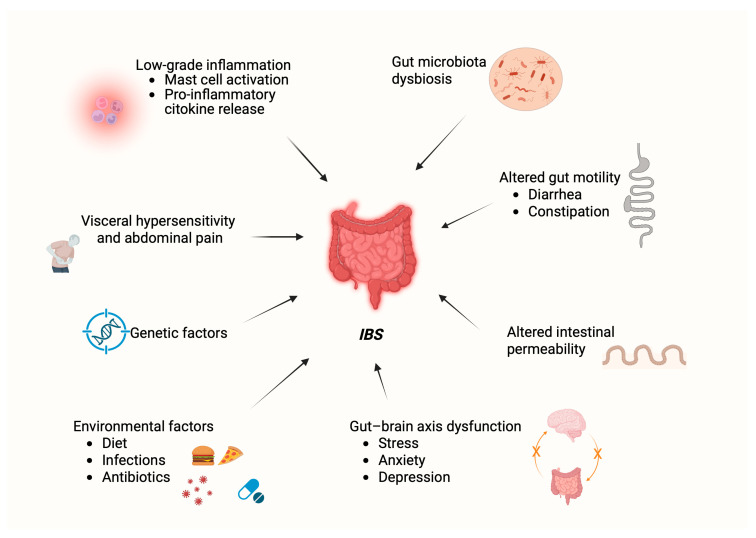
“Various risk factors, such as mental stress, mainly in childhood, a previous transient infection or chronic low-grade inflammation of the GI tract, abnormal intestinal microbiota (dysbiosis), and dysfunction of colon motility have all been related to the development of IBS symptoms [35,36].”
STW 5 (Iberogast) Therapy in Gastrointestinal Functional Disorders
Malfertheiner, P. (2017) · Digestive Diseases · doi:10.1159/000485410 · Cited by 49
Cannabinoid pharmacology and therapy in gut disorders
Uranga, J. A., Vera, G., & Abalo, R. (2018) · Biochemical Pharmacology · doi:10.1016/j.bcp.2018.07.048 · Cited by 48
Self-citationHong, S. W., Chun, J., Park, S., Lee, H. J., Im, J. P., & Kim, J. S. (2018) · Journal of Neurogastroenterology and Motility · doi:10.5056/jnm18077 · Cited by 41
Elbadawi, M., Ammar, R. M., Aziz-Kalbhenn, H., Rabini, S., Klauck, S. M., Dawood, M., Saeed, M. E. M., Kampf, C. J., & Efferth, T. (2021) · Phytomedicine · doi:10.1016/j.phymed.2021.153589 · Cited by 39
Risk factors for developing irritable bowel syndrome: systematic umbrella review of reviews
Sulaimi, F., Ong, T. S. K., Tang, A. S. P., Quek, J., Pillay, R. M., Low, D. T., Lee, C. K. L., Siah, K. T. H., & Ng, Q. X. (2025) · BMC Medicine · doi:10.1186/s12916-025-03930-5 · Cited by 38
van Orten-Luiten, A.-C. B., de Roos, N. M., Majait, S., Witteman, B. J. M., & Witkamp, R. F. (2022) · Cannabis & Cannabinoid Research · doi:10.1089/can.2020.0087 · Cited by 34
Singh, S. V., Ganguly, R., Jaiswal, K., Yadav, A. K., Kumar, R., & Pandey, A. K. (2023) · World Journal of Clinical Cases · doi:10.12998/wjcc.v11.i19.4458 · Cited by 33
Zhang, C., Huang, Y., Li, P., Chen, X., Liu, F., & Hou, Q. (2020) · BMC Complementary Medicine and Therapies · doi:10.1186/s12906-020-03059-3 · Cited by 31
JohnBritto, J. S., Ciaula, A. D., Noto, A., Cassano, V., Sciacqua, A., Khalil, M., Portincasa, P., & Bonfrate, L. (2024) · European Journal of Internal Medicine · doi:10.1016/j.ejim.2024.03.011 · Cited by 30
Di Ciaula, A. (2018) · Annals of Gastroenterology · doi:10.20524/aog.2018.0304 · Cited by 29
Addressing the Role of Food in Irritable Bowel Syndrome Symptom Management
Capili, B., Anastasi, J. K., & Chang, M. (2016) · The Journal for Nurse Practitioners · doi:10.1016/j.nurpra.2015.12.007 · Cited by 28
An evidence-based update on the diagnosis and management of irritable bowel syndrome
Black, C. J., & Ford, A. C. (2025) · Expert Review of Gastroenterology & Hepatology · doi:10.1080/17474124.2025.2455586 · Cited by 27
Kim, H. J., Wie, J., So, I., Jung, M. H., Ha, K.-T., & Kim, B. J. (2016) · Cellular Physiology and Biochemistry · doi:10.1159/000445549 · Cited by 26
Mechanism of Action of STW 5 in Functional Dyspepsia and IBS: The Origin of Multi-Target
Allescher, H., & Abdel-Aziz, H. (2017) · Digestive Diseases · doi:10.1159/000485456 · Cited by 26
Association of Coffee and Caffeine Intake With Irritable Bowel Syndrome in Adults
Koochakpoor, G., Salari-Moghaddam, A., Keshteli, A. H., Esmaillzadeh, A., & Adibi, P. (2021) · Frontiers in Nutrition · doi:10.3389/fnut.2021.632469 · Cited by 26
Lima, C. C., de Holanda-Angelin-Alves, C. M., Pereira-Gonçalves, Á., Kennedy-Feitosa, E., Evangelista-Costa, E., Bezerra, M. A. C., Coelho‐de‐Souza, A. N., & Leal‐Cardoso, J. H. (2020) · Heliyon · doi:10.1016/j.heliyon.2020.e05445 · Cited by 25
Gut modulation to regulate NF-κB in colorectal and gastric cancer therapy and inflammation
Kearns, R. (2025) · Cancer Immunology Immunotherapy · doi:10.1007/s00262-025-04118-9 · Cited by 25
Drug Development for the Irritable Bowel Syndrome: Current Challenges and Future Perspectives
De Ponti, F. (2013) · Frontiers in Pharmacology · doi:10.3389/fphar.2013.00007 · Cited by 24
Lin, Y.-M., Fu, Y., Wu, C. C., Xu, G., Huang, L.-Y. M., & Shi, X.-Z. P. (2014) · American Journal of Physiology-Gastrointestinal and Liver Physiology · doi:10.1152/ajpgi.00328.2014 · Cited by 24
Probiotics in digestive, emotional, and pain-related disorders
Román, P., Abalo, R., Marco, E. M., & Cardona, D. (2018) · Behavioural Pharmacology · doi:10.1097/fbp.0000000000000385 · Cited by 24
Self-citationThe Latest Data Concerning the Etiology and Pathogenesis of Irritable Bowel Syndrome
Ionescu, V. A., Gheorghe, G., Georgescu, T. F., Bacalbaşa, N., Gheorghe, F., & Diaconu, C. C. (2024) · Journal of Clinical Medicine · doi:10.3390/jcm13175124 · Cited by 23
Novel Irritable Bowel Syndrome Subgroups Are Reproducible in the Global Adult Population
Black, C. J., Houghton, L. A., West, R. M., Bangdiwala, S. I., Palsson, O. S., Sperber, A. D., & Ford, A. C. (2024) · Clinical Gastroenterology and Hepatology · doi:10.1016/j.cgh.2024.05.042 · Cited by 22
Kazemian, A., Toghiani, A., Shafiei, K., Afshar, H., Rafiei, R., Memari, M., & Adibi, P. (2017) · Journal of Research in Medical Sciences · doi:10.4103/jrms.jrms_905_16 · Cited by 21
Targeting the Adipose Tissue–Liver–Gut Microbiota Crosstalk to Cure MASLD
Gabbia, D., & Martin, S. D. (2023) · Biology · doi:10.3390/biology12121471 · Cited by 21
Self-citationMulti-Target Treatment for Irritable Bowel Syndrome with STW 5: Pharmacological Modes of Action
Allescher, H.-D., Burgell, R., Malfertheiner, P., & Mearin, F. (2020) · Journal of Gastrointestinal and Liver Diseases · doi:10.15403/jgld-814 · Cited by 20
Zheng, H., Jin, S., Shen, Y.-L., Peng, W.-Y., Ye, K., Tang, T.-C., Zhao, J., Chen, M., & Li, Z.-G. (2021) · Frontiers in Pharmacology · doi:10.3389/fphar.2021.694741 · Cited by 19
Soufan, F., Ghosson, A., Jaber, R. A., Ghandour, A., & Uwishema, O. (2025) · Health Science Reports · doi:10.1002/hsr2.70660 · Cited by 18
Anderson, B. D., Sepulveda, D. E., Nachnani, R., Cortez-Resendiz, A., Coates, M. D., Beckett, A., Bisanz, J. E., Kellogg, J. J., & Raup-Konsavage, W. M. (2024) · The Journal of Pharmacology and Experimental Therapeutics · doi:10.1124/jpet.124.002204 · Cited by 17
Zhang, X., Jin, W., & Wang, H. (2024) · World Journal of Gastroenterology · doi:10.3748/wjg.v30.i35.3985 · Cited by 17
Julián-Flores, A., Aguilar-Zárate, P., Michel, M. R., Sepúlveda-Torre, L., Torres-León, C., Aguilar, C. N., & Chávez-González, M. L. (2025) · Plants · doi:10.3390/plants14050642 · Cited by 17
Michael, R., Bettina, V., & Eckehard, L. (2022) · Complementary Therapies in Medicine · doi:10.1016/j.ctim.2022.102873 · Cited by 15
Molecular Mechanisms and Pathways in Visceral Pain
Zhou, Q., & Verne, G. N. (2025) · Cells · doi:10.3390/cells14151146 · Cited by 15
Innovations in the diagnosis, treatment, and management of disorders of gut-brain interaction (DGBI)
Krynicka, P., Koulaouzidis, G., Marlicz, W. M., & Koulaouzidis, A. (2025) · Expert Review of Gastroenterology & Hepatology · doi:10.1080/17474124.2025.2508967 · Cited by 14
Sex-specific brain microstructural reorganization in irritable bowel syndrome
Labus, J. S., Wang, C., Mayer, E. A., Gupta, A., Oughourlian, T. C., Kilpatrick, L. A., Tillisch, K., Chang, L., Naliboff, B. D., & Ellingson, B. M. (2022) · Pain · doi:10.1097/j.pain.0000000000002699 · Cited by 13
Lee, J., Yau, C., Loh, C., Lim, W., Teoh, S., Yau, C., Ong, C., Thumboo, J., Namasivayam, V., & Ng, Q. (2023) · Nutrients · doi:10.3390/nu15224745 · Cited by 13
Coffee, Alcohol, and Artificial Sweeteners Have Temporal Associations with Gastrointestinal Symptoms
Clevers, E., Launders, D., Helme, D., Nybacka, S., Störsrud, S., Corsetti, M., Van Oudenhove, L., Simrén, M., & Tack, J. (2024) · Digestive Diseases and Sciences · doi:10.1007/s10620-024-08457-y · Cited by 13
Functional Foods and Nutraceuticals in Irritable Bowel Syndrome
Marasco, G., Cremon, C., Salvi, D., Meacci, D., Dajti, E., Colecchia, L., Barbaro, M. R., Stanghellini, V., & Barbara, G. (2025) · Journal of Clinical Medicine · doi:10.3390/jcm14061830 · Cited by 13
Tu, X., Ren, H., & Bu, S. (2023) · Frontiers in Microbiology · doi:10.3389/fmicb.2023.1274559 · Cited by 12
Goodoory, V. C., Riggott, C., Khasawneh, M., Black, C. J., & Ford, A. C. (2024) · Alimentary Pharmacology & Therapeutics · doi:10.1111/apt.18363 · Cited by 12
Ahluwalia, B., Magnusson, M. K., Böhn, L., Störsrud, S., Larsson, F., Öhman, L., & Simrén, M. (2021) · Therapeutic Advances in Gastroenterology · doi:10.1177/17562848211048133 · Cited by 11
A systematic review of the efficacy and safety of turmeric in the treatment of digestive disorders
Thavorn, K., Wolfe, D., Faust, L., Shorr, R., Akkawi, M., Isaranuwatchai, W., Klinger, C., Chai‐Adisaksopa, C., Tanvejsilp, P., Nochaiwong, S., et al. (2024) · Phytotherapy Research · doi:10.1002/ptr.8189 · Cited by 11
Pellegrino, R., & Gravina, A. G. (2025) · World Journal of Gastroenterology · doi:10.3748/wjg.v31.i8.101357 · Cited by 11
Lin, M., Chen, L., Xiao, Y., & Yu, B. (2019) · Neurogastroenterology & Motility · doi:10.1111/nmo.13555 · Cited by 10
The Role and Function of TRPM8 in the Digestive System
Wu, Z., Peng, S., Huang, W., Zhang, Y., Liu, Y., Yu, X., & Shen, L. (2024) · Biomolecules · doi:10.3390/biom14070877 · Cited by 10
Pop, D. M., Pop, R. S., & Farcău, D. (2023) · Nutrients · doi:10.3390/nu15204351 · Cited by 9
Aguilar, A., Benslaiman, B., & Serra, J. (2024) · Neurogastroenterology & Motility · doi:10.1111/nmo.14765 · Cited by 9
Systematic Review: Integrated Models of Care for Managing Irritable Bowel Syndrome
Warner, M. M., Soliman, O. M., Crichton, M., Marshall, S., Staudacher, H. M., & Kelly, J. T. (2025) · Neurogastroenterology & Motility · doi:10.1111/nmo.14989 · Cited by 9
Matsueda, K., Fukudo, S., Ogishima, M., Naito, Y., & Nakamura, S. (2024) · BioPsychoSocial Medicine · doi:10.1186/s13030-024-00302-y · Cited by 8
Entourage Effects of Nonpsychotropic Cannabinoids on Visceral Sensitivity in Experimental Colitis
Svendsen, K., Bradaia, A., Gandini, M. A., Defaye, M., Matisz, C., Abdullah, N. S., Gruber, A., Zamponi, G. W., Sharkey, K. A., & Altier, C. (2025) · The Journal of Pharmacology and Experimental Therapeutics · doi:10.1016/j.jpet.2025.103389 · Cited by 8
Stress and the gut microbiota-brain axis
Hyder, N., & Raza, M. L. (2025) · Progress in brain research · doi:10.1016/bs.pbr.2025.01.002 · Cited by 8
Moniruzzaman, M., Shah, A., Morrison, M., Koloski, N., Gwee, K. A., Chen, M., Kim, Y., Ayaki, K., Efferth, T., & Holtmann, G. (2025) · Digestive and Liver Disease · doi:10.1016/j.dld.2025.07.010 · Cited by 8
Li, F., Yano, Y., Étiévant, L., Daniel, C. R., Sharma, S. V., Brown, E. L., Li, R., Loftfield, E., Lan, Q., Sinha, R. R., et al. (2024) · The American Journal of Gastroenterology · doi:10.14309/ajg.0000000000002675 · Cited by 7
Krynicka, P., Kaczmarczyk, M., Skonieczna‐Żydecka, K., Cembrowska-Lech, D., Podsiadło, K., Dąbkowski, K., Gaweł, K., Botke, N., Zawada, I., Ławniczak, M., et al. (2025) · BMC Gastroenterology · doi:10.1186/s12876-024-03580-6 · Cited by 7
Carter, K. A. (2024) · JAAPA · doi:10.1097/01.jaa.0000000000000035 · Cited by 6
Editorial: Rebuilding Rome—Revising Diagnostic Criteria for Irritable Bowel Syndrome
Butt, M. F., & Corsetti, M. (2024) · Alimentary Pharmacology & Therapeutics · doi:10.1111/apt.18400 · Cited by 6
Zhang, Q., Xu, Y., Guo, D., He, H., Zhang, Z., Wang, X., & Yu, S. (2025) · Neurogastroenterology & Motility · doi:10.1111/nmo.14994 · Cited by 6
Gastrointestinal transit abnormalities in irritable bowel syndrome and their relation to symptoms
Aliyu, A. I., Katsumata, R., Törnblom, H., & Simrén, M. (2025) · Expert Review of Gastroenterology & Hepatology · doi:10.1080/17474124.2025.2493867 · Cited by 5
Goelen, N., Scheepers, J., Carbone, F., Holvoet, L., Vandenberghe, A., Arts, J., Boeckxstaens, G. E., Caenepeel, P., Gijsen, I., Latour, P., et al. (2025) · Neurogastroenterology & Motility · doi:10.1111/nmo.70019 · Cited by 4
Efficacy and Safety of a Colic Relief Remedy in Infantile Colic
Evans, C., & Lorentz, W. P. (2022) · Global Pediatric Health · doi:10.1177/2333794x221100810 · Cited by 3
Santonicola, A., Moscato, P., Soldaini, C., Loi, G., Merchionda, A., D'Addieco, P., Lauritano, A., Pellegrino, G., Sarzi‐Puttini, P., & Iovino, P. (2025) · Clinical and Experimental Rheumatology · doi:10.55563/clinexprheumatol/o5ck22 · Cited by 3
The Evolution of Irritable Bowel Syndrome as a Group of Organic Diseases: A Narrative Review
Saidara, E., Barlow, G. M., & Pimentel, M. (2025) · Expert Review of Gastroenterology & Hepatology · doi:10.1080/17474124.2025.2549381 · Cited by 3
The Use of Herbal Medicines and Spices in Children with Irritable Bowel Syndrome: A Narrative Review
Pop, D., Pop, R. S., & Farcău, D. (2023) · doi:10.20944/preprints202309.0083.v1 · Cited by 3
Drug Survival of Drugs Recommended for Irritable Bowel Syndrome: A Retrospective Observational Study
Sandberg‐Janzon, A., & Karling, P. (2025) · Neurogastroenterology & Motility · doi:10.1111/nmo.70063 · Cited by 2
Wu, Y., Guo, F., Xu, X., Liu, Y., & Liu, J. (2025) · Mediators of Inflammation · doi:10.1155/mi/7748351 · Cited by 2
(2013) · PubMed
Research works printed but not linked: 1
- Roshini, 2024, Spasmolytic Effects of Medicinal Plants—A Review, Int. J. Pharm. Sci., 02, 1
Cited by
Aggeletopoulou, I., Karaivazoglou, K., Kalafateli, M., & Triantos, C. K. (2025) · Nutrients · doi:10.3390/nu17223595 · Cited by 6
Natural Compounds for Counteracting GI and Liver Diseases
Abalo, R., & Gabbia, D. (2026) · International Journal of Molecular Sciences · doi:10.3390/ijms27146475 · Cited by 1
Self-citationCurrent Treatment Strategies for Irritable Bowel Syndrome - A Literature Review
Michałek, S., Rokosz, J., Sładek, K., Koczuk, J., Mazur, K., Trzepizur, A., & Wnorowski, B. (2026) · Journal of Education Health and Sport · doi:10.12775/jehs.2026.90.70580
Pathophysiology-driven use of natural products in irritable bowel syndrome: a review
Mohamed, F. A., Hassan, M.-A. M., Aboulmagd, Y. M., Attallah, K. A., Ghaiad, H. R., El‐Shiekh, R. A., & Fahmy, M. I. (2026) · Naunyn-Schmiedeberg s Archives of Pharmacology · doi:10.1007/s00210-026-05337-2
Choi, W.-G., Choi, N. R., Jung, D., Kim, S. C., Woo, J., & Kim, B. J. (2026) · Frontiers in Pharmacology · doi:10.3389/fphar.2026.1813619
Metadata
- Authors
- Abalo, R., Gallego-Barceló, P., & Gabbia, D.
- Affiliations
- Consejo Superior de Investigaciones Científicas (ES)
- Universidad Rey Juan Carlos (ES)
- University of Padua (IT)
- Corresponding author
- Abalo, Raquel
- Gabbia, Daniela
- Venue
- International Journal of Molecular Sciences
- Publisher
- MDPI AG
- Published
- 2025-09-24
- Volume
- 26
- Issue
- 19
- Pages
- 9345
- ISSN
- 1422-0067 (ISSN-L)
- PMC
- PMC12525128
- OpenAlex
- W4414516413
- Cited by
- 5
- References
- 110
- Citations by year
- 2026: 4 · 2025: 1
- FWCI
- 0.70
- Type
- journal article
- Language
- en
- Open access
- gold
- doi.org
- Licence
- Locations
- International Journal of Molecular Sciences (publishedVersion, cc-by)
- PubMed Central (publishedVersion, cc-by)
- Europe PMC (PubMed Central) (publishedVersion, cc-by)
- PubMed (publishedVersion)
- Padua Research Archive (University of Padova) (submittedVersion, cc-by)
- Funders
- University Rey Juan Carlos (URJC, Bridge project 2024, A671)
- Topics
- Health Sciences › Medicine › Gastroenterology › Gastrointestinal motility and disorders
- Health Sciences › Medicine › Complementary and alternative medicine › Complementary and Alternative Medicine Studies
- Health Sciences › Medicine › Pediatrics, Perinatology and Child Health › Infant Health and Development
- Keywords
- irritable bowel syndrome, herbal medicine, complementary therapy, peppermint oil, Iberogast, curcumin, fennel essential oil, cannabis derivatives, anti-inflammatory activity, antispasmodic activity, herb-drug interactions, long-term safety, randomized controlled trials
- MeSH terms
- Animals, Humans, Phytotherapy, Plant Oils, Quality of Life, Randomized Controlled Trials as Topic, Mentha piperita, Irritable Bowel Syndrome
About these checks
Registry, retraction, Cites and statistics results are computed, not judged, with one exception: a printed reference that no index lists is read once by a model before it counts as a citation error. Claims are extracted by a model and kept only when their quote appears verbatim in the text; each cited source is then checked, with a model’s help, for whether it says what the claim relies on. Those verdicts can be wrong — read the claim’s quote and the cited source before relying on one.
A language model drew the claims from the paper on 2026-11-14, under version 3 of the claim definition (model deepseek-v4.1-flash, prompt extract-v3).
A second model labelled each claim on 2026-11-14 (model jev-1.13-20260917, definition revision gold-guideline-v0.2).
Statistics and arithmetic are recomputed, not judged.
Confidence bands are shown only for fields calibrated on our annotated test set. None is calibrated yet, so no band is shown.
What counts as a claim ›How we measure confidence ›How we check this ›
Are you an author, or do you see a problem with this page? Request a review
Data sources
Bibliographic data: Semantic Scholar, OpenAlex, Crossref.
Contains information from the Semantic Scholar Academic Graph Datasets, made available under the ODC Attribution License (ODC-BY 1.0).
Semantic Scholar’s data is described in: Kinney, R., et al. (2023). The Semantic Scholar Open Data Platform. arXiv:2301.10140.
