

The DOI matches its Crossref record; 56 of the 56 references it cites were found in a registry or an index.
Chemistry and Biochemistry of Dietary Polyphenols
Open accessAbstract
Polyphenols are the biggest group of phytochemicals, and many of them have been found in plant-based foods. Polyphenol-rich diets have been linked to many health benefits. This paper is intended to review the chemistry and biochemistry of polyphenols as related to classification, extraction, separation and analytical methods, their occurrence and biosynthesis in plants, and the biological activities and implications in human health. The discussions are focused on important and most recent advances in the above aspects, and challenges are identified for future research.
Overview
The claims and statistics of this paper haven’t been checked yet.
Run the check — free, no account needed. It reads the open-access text and checks the sources it cites.
Integrity signals
Registry
Cites
Statistics
Figures
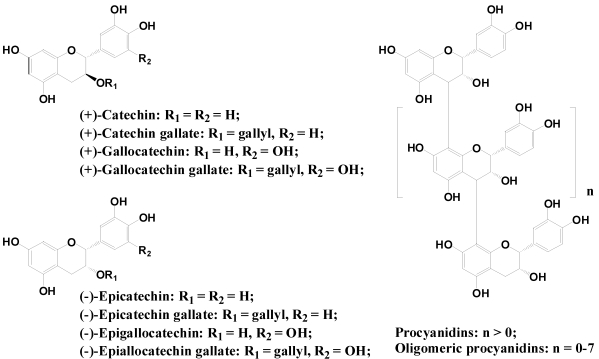
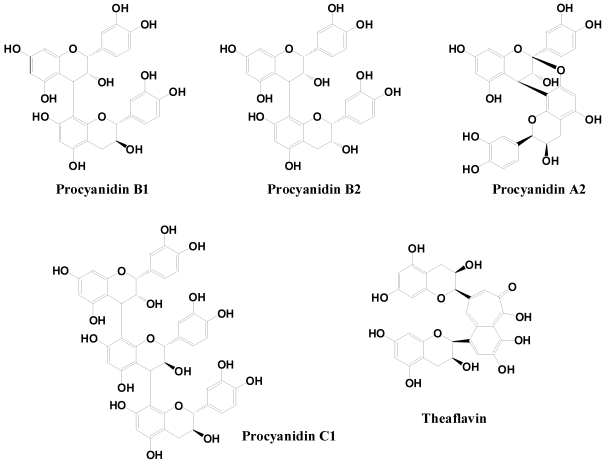
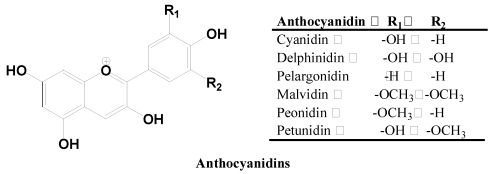
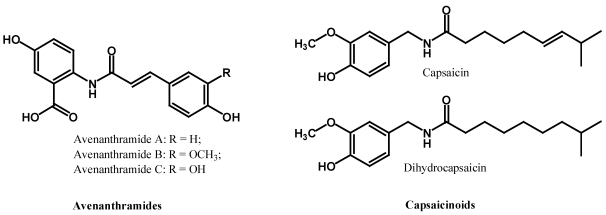
Verification
Claims the paper makes
The claims and statistics of this paper haven’t been checked yet.
Run the check — free, no account needed. It reads the open-access text and checks the sources it cites.
Claims other papers make about this one
Each is checked against this paper’s own text: does it say what the citing paper says it does?
In the citing paper
“They exhibit anti-inflammatory, antibacterial, antifungal, antiviral, antiallergic, anticancer and anticoagulant properties [190,191,192,193,197].”
From Bioactive Compounds for Skin Health: A Review (2021) · cites this paper as [191]
Self-check
Percentages, sums and reported differences re-computed from the paper’s own numbers.
The self-check needs the paper’s full text.
Citations
Cites
Structure-antioxidant activity relationships of flavonoids and phenolic acids
Rice-Evans, C. A., Miller, N. J., & Paganga, G. (1996) · Free Radical Biology and Medicine · doi:10.1016/0891-5849(95)02227-9 · Cited by 9,085
Prior, R. L., Wu, X., & Schaich, K. M. (2005) · Journal of Agricultural and Food Chemistry · doi:10.1021/jf0502698 · Cited by 5,770
Pietta, P. (2000) · Journal of Natural Products · doi:10.1021/np9904509 · Cited by 4,881
Polyphenols: Chemistry, dietary sources, metabolism, and nutritional significance
Bravo, L. (2009) · Nutrition Reviews · doi:10.1111/j.1753-4887.1998.tb01670.x · Cited by 4,030
Advances in flavonoid research since 1992
Harborne, J. B., & Williams, C. A. (2000) · Phytochemistry · doi:10.1016/s0031-9422(00)00235-1 · Cited by 3,956
Flavonoids: antioxidants or signalling molecules?
Williams, R. J., Spencer, J. P. E., & Rice-Evans, C. (2004) · Free Radical Biology and Medicine · doi:10.1016/j.freeradbiomed.2004.01.001 · Cited by 2,016
Total Antioxidant Capacity of Fruits
Wang, H., Cao, G., & Prior, R. (1996) · Journal of Agricultural and Food Chemistry · doi:10.1021/jf950579y · Cited by 1,809
Antioxidant activity of grains.
Adom, K. K., & Liu, R.-H. (2002) · Journal of Agricultural and Food Chemistry · doi:10.1021/jf0205099 · Cited by 1,774
A Review of the Antioxidant Mechanisms of Polyphenol Compounds Related to Iron Binding
Perron, N. R., & Brumaghim, J. L. (2009) · Cell Biochemistry and Biophysics · doi:10.1007/s12013-009-9043-x · Cited by 1,370
Extraction, separation, and detection methods for phenolic acids and flavonoids
Stalikas, C. D. (2007) · Journal of Separation Science · doi:10.1002/jssc.200700261 · Cited by 1,057
Research works printed but not linked: 5
- Goldberg, I. (1994). Functional Foods: Designer Foods, Pharmafoods, Nutraceuticals, Chapman & Hall. · DOI
- Anderson, O.M., and Markham, K.R. (2006). Flavonoids: Chemistry, Biochemistry and Applications, CRC Press/Taylor & Francis Group.
- Anderson, O.M., and Markham, K.R. (2006). Flavonoids: Chemistry, Biochemistry and Applications, CRC Press/Taylor & Francis Group.
- Anderson, O.M., and Markham, K.R. (2006). Flavonoids: Chemistry, Biochemistry and Applications, CRC Press/Taylor & Francis Group.
- Anderson, O.M., and Markham, K.R. (2006). Flavonoids: Chemistry, Biochemistry and Applications, CRC Press/Taylor & Francis Group.
Cited by
Sorted by citations
Items 901–1,000 of 1,000
Shaikh, M. F., Ansari, M. T., Khatoon, S., Kalam, N., Hasnain, M. S., & Hafiz, A. K. (2021) · Current Molecular Pharmacology · doi:10.2174/1874467214666210922120924 · Cited by 23
Bioassay-guided purification of Lippia citriodora polyphenols with AMPK modulatory activity
Cádiz‐Gurrea, M. D. L. L., Olivares-Vicente, M., Herranz‐López, M., Arraéz-Román, D., Fernández‐Arroyo, S., Micol, V., & Segura‐Carretero, A. (2018) · Journal of Functional Foods · doi:10.1016/j.jff.2018.05.026 · Cited by 22
Seker, A., Arslan, B., & Chen, S. (2019) · Molecules · doi:10.3390/molecules24122199 · Cited by 21
Biodisponibilidade e classificação de compostos fenólicos
Arnoso, B. J. D. M., da Costa, G. F., & Schmidt, B. (2019) · Nutrição Brasil · doi:10.33233/nb.v18i1.1432 · Cited by 22
Effect of olive leaves feeding on phenolic composition and lipolytic volatile profile in goat milk
Ianni, A., Innosa, D., Oliva, E., Bennato, F., Grotta, L., Saletti, M. A., Pomilio, F., Sergi, M., & Martino, G. (2021) · Journal of Dairy Science · doi:10.3168/jds.2021-20211 · Cited by 26
Flavonoid delivery by solid dispersion: a systematic review
Colombo, M., Michels, L. R., Teixeira, H. F., & Koester, L. (2021) · Phytochemistry Reviews · doi:10.1007/s11101-021-09763-3 · Cited by 22
Abdollahi, K., Condict, L., Hung, A., & Kasapis, S. (2021) · Food Chemistry · doi:10.1016/j.foodchem.2021.130655 · Cited by 22
Chen, H., Xu, Y., Chen, H., Liu, H., Yu, Q., & Han, L. (2022) · Frontiers in Bioengineering and Biotechnology · doi:10.3389/fbioe.2021.770726 · Cited by 22
Beneficial Effects of Flavonoids on Skeletal Muscle Health: A Systematic Review and Meta-Analysis
Munguía, L., Ortíz-Flores, M., González, C., Portilla, A., Meaney, E., Villarreal, F. J., Nájera, N., & Ceballos, G. M. (2022) · Journal of Medicinal Food · doi:10.1089/jmf.2021.0054 · Cited by 22
Chilicka, K., Rogowska, A. M., Rusztowicz, M., Szyguła, R., Yanakieva, A., Asanova, B., & Wilczyński, S. (2022) · Healthcare · doi:10.3390/healthcare10040684 · Cited by 22
Ngu, E.-L., Tan, C.-Y., Lai, N. J.-Y., Wong, K.-H., Lim, S., Ming, L. C., Tan, K. O., Phang, S., & Yow, Y. (2022) · Metabolites · doi:10.3390/metabo12111147 · Cited by 23
Effect of Thermal Processes on S-Allyl Cysteine Content in Black Garlic
Manoonphol, K., Suttisansanee, U., Promkum, C., & Butryee, C. (2023) · Foods · doi:10.3390/foods12061227 · Cited by 22
The role of dietary polyphenols in the control of chronic noncommunicable diseases
Díaz, Y. A., Cotorruelo, M. S. F., & Battino, M. A. (2023) · Food Safety and Health · doi:10.1002/fsh3.12013 · Cited by 22
de Velde, E. V., Steppe, K., & Labeke, M. V. (2023) · Frontiers in Plant Science · doi:10.3389/fpls.2023.1129335 · Cited by 28
Kinra, M., Ranadive, N., Nampoothiri, M., Arora, D. S., & Mudgal, J. (2023) · Naunyn-Schmiedeberg s Archives of Pharmacology · doi:10.1007/s00210-023-02743-8 · Cited by 22
Phukan, B. C., Roy, R., Gahatraj, I., Bhattacharya, P., & Borah, A. (2023) · Phytotherapy Research · doi:10.1002/ptr.8012 · Cited by 22
The Role of Genistein in Mammalian Reproduction
Guelfi, G., Pasquariello, R., Anipchenko, P., Capaccia, C., Pennarossa, G., Brevini, T. A. L., Gandolfi, F., Zerani, M., & Maranesi, M. (2023) · Molecules · doi:10.3390/molecules28217436 · Cited by 23
Purgatorio, R., Boccarelli, A., Pisani, L., de Candia, M., Catto, M., & Altomare, C. (2024) · Antioxidants · doi:10.3390/antiox13010133 · Cited by 21
Yu, H., Sattanathan, G., Yu, L., Li, L., & Xiao, Y. (2024) · Animals · doi:10.3390/ani14142104 · Cited by 22
Matsushita, Y., Jo, E.-K., Inakoshi, R., Yagami, S., Takamoto, N., Fukushima, K., & Lee, S. (2012) · Industrial Crops and Products · doi:10.1016/j.indcrop.2012.05.030 · Cited by 22
Oboh, G., Nwokocha, K. E., Akinyemi, A. J., & Ademiluyi, A. O. (2014) · Asian Pacific Journal of Tropical Biomedicine · doi:10.12980/apjtb.4.2014c75 · Cited by 22
Application of NMR Spectroscopy in Plant Polyphenols Associated with Human Health
Rupasinghe, H. P. V. (2015) · BENTHAM SCIENCE PUBLISHERS eBooks · doi:10.1016/b978-1-60805-999-7.50001-x · Cited by 22
Collado, A. D. A. M., Dupuy, F. G., Morero, R. D., & Minahk, C. J. (2016) · Biochimica et Biophysica Acta (BBA) - Biomembranes · doi:10.1016/j.bbamem.2016.04.002 · Cited by 22
Juglans regia L. protects against UVB induced apoptosis in human epidermal keratinocytes
Muzaffer, U., Paul, V. I., Prasad, N. R., & Karthikeyan, R. (2018) · Biochemistry and Biophysics Reports · doi:10.1016/j.bbrep.2018.01.004 · Cited by 22
Das, P., Chaudhari, S. K., Das, A., Kundu, S., & Saha, C. (2018) · Journal of Biomolecular Structure and Dynamics · doi:10.1080/07391102.2018.1462732 · Cited by 22
Nanocarrier-Based Antimicrobial Phytochemicals
Fahimirad, S., & Hatami, M. (2019) · Elsevier eBooks · doi:10.1016/b978-0-12-815322-2.00013-4 · Cited by 22
Polyphenols enhance the activity of alkylating agents in leukaemia cell lines
Mahbub, A. A., Maitre, C. L. L., Haywood‐Small, S., Cross, N. A., & Jordan, N. (2019) · Oncotarget · doi:10.18632/oncotarget.27068 · Cited by 22
Cheng, D., Wang, G., Wang, X., Tang, J., Yu, Q., Zhang, X., & Wang, S. (2020) · Journal of Functional Foods · doi:10.1016/j.jff.2020.103984 · Cited by 22
Perrone, P., Rosa, C. D., & D’Angelo, S. (2025) · Antioxidants · doi:10.3390/antiox14070789 · Cited by 21
Polyphenol intake and cognitive decline in the Seguimiento Universidad de Navarra (SUN) Project
Goñi, L., Fernández‐Matarrubia, M., Romanos-Nanclares, A., Razquín, C., Ruiz‐Canela, M., Martínez‐González, M. Á., & Toledo, E. (2020) · British Journal Of Nutrition · doi:10.1017/s000711452000392x · Cited by 21
Aliyeva, D. R., Aydinli, L. M., Pashayeva, A. N., Zulfugarov, I. S., & Huseynova, I. M. (2020) · Photosynthetica · doi:10.32615/ps.2020.074 · Cited by 21
Ali, A. S., Almalki, A. S., & Alharthy, B. T. (2020) · Journal of Experimental Pharmacology · doi:10.2147/jep.s265359 · Cited by 21
Ghanavati, M., Clark, C. C. T., Bahrami, A., Teymoori, F., Movahed, M., Sohrab, G., & Hejazi, E. (2020) · European Journal of Cancer Care · doi:10.1111/ecc.13364 · Cited by 22
Xavier, M. J., Conceição, L. E. C., Valente, L. M. P., Colen, R., Rodrigues, A. C. M., Rocha, R. J. M., Custódio, L. M. B., Carballo, C., Manchado, M., & Engrola, S. A. D. (2021) · Animals · doi:10.3390/ani11051398 · Cited by 27
Zhao, M., Dai, Y., Li, P., Wang, J., Ma, T., & Xu, S. (2021) · Food & Function · doi:10.1039/d1fo00876e · Cited by 21
Study of Selected Flavonoid Structures and Their Potential Activity as Breast Anticancer Agents
Al‐Jumaili, M. H. A., & hdeethi, M. K. Y. A. (2021) · Cancer Informatics · doi:10.1177/11769351211055160 · Cited by 21
Vilkickytė, G., Petrikaitė, V., Pukalskas, A., Šipailienė, A., & Raudonė, L. (2022) · Journal of Ethnopharmacology · doi:10.1016/j.jep.2022.115207 · Cited by 26
Rosero, S., Pozo, F. G. D., Simbaña, W., Álvarez, M., Quinteros, M. F., Carrillo, W., & Morales, D. (2022) · Plants · doi:10.3390/plants11121555 · Cited by 28
Patil, P. H., Birangal, S., Shenoy, G. G., Rao, M., Kadari, S., Wankhede, A., Rastogi, H., Sharma, T., Pinjari, J., & Channabasavaiah, J. P. (2022) · Phytotherapy Research · doi:10.1002/ptr.7547 · Cited by 21
Galić, E., Radić, K., Golub, N., Čepo, D. V., Kalčec, N., Vrček, E., & Vinković, T. (2022) · International Journal of Molecular Sciences · doi:10.3390/ijms23169128 · Cited by 21
Cuerda‐Ballester, M., Proaño, B., Alarcón-Jiménez, J., de Bernardo, N., Villarón-Casales, C., Lajara-Romance, J. M., & Ortí, J. E. D. L. R. (2023) · Food & Function · doi:10.1039/d2fo02207a · Cited by 21
Sun, Y., Ho, C., & Zhang, X. (2023) · Journal of Agricultural and Food Chemistry · doi:10.1021/acs.jafc.2c07742 · Cited by 21
Novel extraction conditions for phytochemicals
Senapati, M. R., & Behera, P. C. (2023) · Elsevier eBooks · doi:10.1016/b978-0-443-19143-5.00019-0 · Cited by 25
Intracellular Redox Behavior of Quercetin and Resveratrol Singly and in Mixtures
Giordano, M. E., & Lionetto, M. G. (2023) · Molecules · doi:10.3390/molecules28124682 · Cited by 22
Approaches in line with human physiology to prevent skin aging
Ahmadi, N. K. (2023) · Frontiers in Physiology · doi:10.3389/fphys.2023.1279371 · Cited by 24
Chu, J.-N., Krishnan, P., & Lim, K. (2023) · Natural Products and Bioprospecting · doi:10.1007/s13659-023-00418-8 · Cited by 22
Engineered Escherichia coli as new source of flavonoids and terpenoids
Putignani, L., Massa, O., & Alisi, A. (2013) · Food Research International · doi:10.1016/j.foodres.2013.01.062 · Cited by 21
Analytical Methods of Phenolic Compounds
Ignat, I., Volf, I., & Popa, V. (2013) · Springer eBooks · doi:10.1007/978-3-642-22144-6_56 · Cited by 21
Mahbub, A. A., Maitre, C. L. L., Haywood‐Small, S., Cross, N. A., & Jordan, N. (2017) · Oncotarget · doi:10.18632/oncotarget.20501 · Cited by 21
Amereh, Z., Hatami, N., Shirazi, F. H., Gholami, S., Hosseini, S. H., Noubarani, M., Kamalinejad, M., Andalib, S., Keyhanfar, F., & Eskandari, M. R. (2017) · EXCLI journal · doi:10.17179/excli2017-389 · Cited by 21
Anticancer Efficacy of Some Plant Phenolics - A Recent Scenario
Chander, M. (2018) · International Journal of Current Microbiology and Applied Sciences · doi:10.20546/ijcmas.2018.710.200 · Cited by 21
Malapert, A., Reboul, E., Tourbin, M., Dangles, O., Thiéry, A., Ziarelli, F., & Tomao, V. (2018) · LWT · doi:10.1016/j.lwt.2018.12.052 · Cited by 21
Delatorre-Herrera, J., Ruiz, K. B., & Pinto, M. E. (2021) · Plants · doi:10.3390/plants10050927 · Cited by 21
Kongdang, P., Dukaew, N., Pruksakorn, D., & Koonrungsesomboon, N. (2021) · Journal of Ethnopharmacology · doi:10.1016/j.jep.2021.114547 · Cited by 25
Protective effects of green tea polyphenol against cisplatin-induced nephrotoxicity in rats
Ahn, T.-G., Kim, H.-K., Park, S., Kim, S.-A., Lee, B.-R., & Han, S. J. (2014) · Obstetrics & Gynecology Science · doi:10.5468/ogs.2014.57.6.464 · Cited by 21
de Oliveira, D. M., Pinto, C. B., Sampaio, G. R., Yonekura, L., Catharino, R. R., & Bastos, D. H. M. (2013) · Journal of Agricultural and Food Chemistry · doi:10.1021/jf401534d · Cited by 21
In Silico Study of Plant Polyphenols' Interactions with VP24–Ebola Virus Matrix Protein
Pleško, S. (2015) · Acta chimica slovenica · doi:10.17344/acsi.2015.1505 · Cited by 21
Banana inflorescence as a new source of bioactive and pharmacological ingredients for food industry
Senevirathna, N., & Karim, A. (2024) · Food Chemistry Advances · doi:10.1016/j.focha.2024.100814 · Cited by 30
Phenolic Compounds and Antioxidant Activity: Analytical Methods and Current Knowledge—A Review
Lisjak, M., Špoljarević, M., Ravlić, J., Lončarić, Z., & Galić, L. (2026) · Methods and Protocols · doi:10.3390/mps9020060 · Cited by 20
1: Bioactive Compounds in Agricultural and Food Production Waste
Bhuyan, D. J., & Basu, A. (2017) · CRC Press eBooks · doi:10.1201/9781315151540-2 · Cited by 20
Pinto, G., Aurilia, M., Illiano, A., Fontanarosa, C., Sannia, G., Trifuoggi, M., Lettera, V., Sperandeo, R., Pucci, P., & Amoresano, A. (2020) · Journal of Mass Spectrometry · doi:10.1002/jms.4651 · Cited by 20
Tan, X. W., Kobayashi, K., Shen, L., Inagaki, J., Ide, M., Hwang, S. S., & Matsuura, E. (2020) · Heliyon · doi:10.1016/j.heliyon.2020.e05743 · Cited by 20
Monroy-García, I. N., Torres, I. E. C., Carranza‐Rosales, P., Oyón-Ardoiz, M., Estévez, I. G., Ayala-Zavala, J. F., Morán‐Martínez, J., & Viveros‐Valdez, E. (2021) · Foods · doi:10.3390/foods10112710 · Cited by 20
Salem, M. F., Tayel, A. A., Alzuaibr, F. M., & Bakr, R. A. (2022) · Polymers · doi:10.3390/polym14102116 · Cited by 22
Co–encapsulation of flavonoids with anti–cancer drugs: A challenge ahead
Renault‐Mahieux, M., Mignet, N., Séguin, J., Alhareth, K., Paul, M., & Andrieux, K. (2022) · International Journal of Pharmaceutics · doi:10.1016/j.ijpharm.2022.121942 · Cited by 21
Días, M., Romaní‐Pérez, M., Romaní, A., Cruz‐Molina, A. V. D. L., Pastrana, L. M., Fuciños, P., & Amado, I. R. (2022) · Applied Sciences · doi:10.3390/app12189271 · Cited by 25
Oh, H. Y., Lee, T., Lee, C.-H., Lee, D., Sohn, M.-Y., Kwon, R.-W., Kim, J., & Kim, H. S. (2023) · Aquaculture · doi:10.1016/j.aquaculture.2023.739383 · Cited by 20
Spagnuolo, L., Posta, S. D., Fanali, C., Dugo, L., & Gara, L. D. (2023) · Molecules · doi:10.3390/molecules28062680 · Cited by 20
Antiviral edible coatings and films: A strategy to ensure food safety
Leite, A. C., Cerqueira, M. Â., Michelin, M., Fuciños, P., & Pastrana, L. M. (2023) · Trends in Food Science & Technology · doi:10.1016/j.tifs.2023.06.038 · Cited by 20
Adem, Ş., Yırtıcı, Ü., Aydın, M., Rawat, R., & Eyüpoğlu, V. (2023) · Archiv der Pharmazie · doi:10.1002/ardp.202300326 · Cited by 20
New Polyphenols Identified in Artemisiae abrotani herba Extract
Comsa, E., Vlase, L., Baiceanu, A., Nanes, M., Rusu, D., & Crișan, G. (2015) · Molecules · doi:10.3390/molecules200611063 · Cited by 20
Larrauri, A., Núñez, Ó., Hernández‐Cassou, S., & Saurina, J. (2017) · Journal of AOAC International · doi:10.5740/jaoacint.16-0407 · Cited by 20
Binding analysis of antioxidant polyphenols with PAMAM nanoparticles
Chanphai, P., & Tajmir‐Riahi, H. A. (2017) · Journal of Biomolecular Structure and Dynamics · doi:10.1080/07391102.2017.1391124 · Cited by 20
Fia, G., Gori, C., Bucalossi, G., Borghini, F., & Zanoni, B. (2018) · Antioxidants · doi:10.3390/antiox7020027 · Cited by 20
Oussaid, S., Madani, K., Houalı, K., Rendueles, M., & Dı́az, M. (2018) · Food and Bioproducts Processing · doi:10.1016/j.fbp.2018.04.008 · Cited by 20
Strižincová, P., Ház, A., Burčová, Z., Feranc, J., Kreps, F., Šurina, I., & Jablonský, M. (2019) · Molecules · doi:10.3390/molecules24224049 · Cited by 21
Tvrdá, E., Michalko, J., Árvay, J., Vuković, N. L., Ivanišová, E., Ďuračka, M., Matušíková, I., & Kačániová, M. (2020) · Evidence-based Complementary and Alternative Medicine · doi:10.1155/2020/7123780 · Cited by 20
Acan, B. G., Toker, Ö. S., Palabıyık, İ., Pirouzian, H. R., Bursa, K., Kılıçlı, M., Yaman, M., Er, T., & Konar, N. (2021) · LWT · doi:10.1016/j.lwt.2021.111548 · Cited by 20
Effect of Epicatechin on Skeletal Muscle
Zbinden‐Foncea, H., Castro‐Sepúlveda, M., Fuentes, J., & Speisky, H. (2021) · Current Medicinal Chemistry · doi:10.2174/0929867329666211217100020 · Cited by 19
Microplastic stress induce bioresource production and response in microalgae: a concise review
Ugya, A. Y., Meguellati, K., Aliyu, A. D., Abba, A., & Musa, M. A. (2022) · Environmental Pollutants and Bioavailability · doi:10.1080/26395940.2022.2033138 · Cited by 21
Rath, P., Ranjan, A., Ghosh, A., Chauhan, A. P. S., Gurnani, M., Tuli, H. S., Habeeballah, H. H., Alkhanani, M., Haque, S., Dhama, K., et al. (2022) · Molecules · doi:10.3390/molecules27072212 · Cited by 20
Won, S. B., Jung, G.-Y., Kim, J., Chung, Y. S., Hong, E. K., & Kwon, Y. H. (2013) · Journal of Medicinal Food · doi:10.1089/jmf.2012.2665 · Cited by 20
Zarza-García, A. L., Sauri‐Duch, E., Raddatz-Mota, D., Cuevas‐Glory, L., PinznLpez, L., Rivera‐Cabrera, F., & Mendoza‐Espinoza, J. A. (2017) · Emirates Journal of Food and Agriculture · doi:10.9755/ejfa.2016-09-1283 · Cited by 20
Mahmud, I., Mirghani, M. E. S., Yusof, F., & Alkhatib, M. F. R. (2019) · Preprints.org · doi:10.20944/preprints201907.0055.v1 · Cited by 19
Elkhalifa, M. E. M., Ashraf, M. Z., Ahmed, A., Usman, A., Hamdoon, A. A. E., Elawad, M. A., Almalki, M. G., Mosa, O. F., Niyazov, L. N., & Ayaz, M. (2024) · Future Microbiology · doi:10.2217/fmb-2023-0175 · Cited by 23
Yu, Y., Fu, H., Du, H.-Y., Zhang, J., Chen, K.-Y., Zhao, Y., Gao, Y., & Li, M. (2024) · Food & medicine homology. · doi:10.26599/fmh.2025.9420057 · Cited by 19
Solcan, M.-B., Vlase, A.-M., Marc, G., Muntean, D. M., Casian, T., Nadăş, G., Novac, C. Ș., Popa, D., & Vlase, L. (2024) · Antibiotics · doi:10.3390/antibiotics13121118 · Cited by 23
Recent Progress in Polyphenol-Based Hydrogels for Wound Treatment and Monitoring
Liu, L., Ma, W., Wang, J., Wang, X., & Li, S. (2025) · Biosensors · doi:10.3390/bios15100657 · Cited by 19
Carotenoid, Tocopherol, and Phenolic Compound Content and Composition in Cover Crops Used as Forage
Maxin, G., Cornu, A., Andueza, D., Laverroux, S., & Graulet, B. (2020) · Journal of Agricultural and Food Chemistry · doi:10.1021/acs.jafc.0c01144 · Cited by 19
Ordóñez-Díaz, J. L., Pereira‐Caro, G., Cardeñosa, V., Muriel, J. L., & Moreno‐Rojas, J. M. (2020) · Applied Sciences · doi:10.3390/app10238459 · Cited by 19
Composition and Biological Activity of Vitis vinifera Winter Cane Extract on Candida Biofilm
Kodeš, Z., Vrublevskaya, M., Kulišová, M., Jaroš, P., Paldrychová, M., Pádrová, K., Lokočová, K., Palyzová, A., Maťátková, O., & Kolouchová, I. (2021) · Microorganisms · doi:10.3390/microorganisms9112391 · Cited by 21
Polyphenols as Emerging Antimicrobial Agents
Ali, A., Parisi, A., & Normanno, G. (2022) · Springer eBooks · doi:10.1007/978-3-030-84126-3_10 · Cited by 21
Adamcová, A., Horna, A., & Šatı́nský, D. (2022) · Pharmaceuticals · doi:10.3390/ph15020244 · Cited by 19
Nanotechnological exploitation of the antioxidant potential of Humulus lupulus L. extract
Lela, L., Ponticelli, M., Caddeo, C., Vassallo, A., Ostuni, A., Sinisgalli, C., Faraone, I., Santoro, V., Tommasi, N. D., & Milella, L. (2022) · Food Chemistry · doi:10.1016/j.foodchem.2022.133401 · Cited by 19
da Costa, P. C. T., de Souza, E. L., Lacerda, D. C., Neto, J. P. R. C., de Sales, L. C. S., Silva-Luis, C. C., Pontes, P. B., Neto, M. P. C., & Alves, J. L. D. B. (2022) · Foods · doi:10.3390/foods11182772 · Cited by 19
Almutairi, M. G., Aldubayan, K., & Molla, H. N. (2022) · Food Science & Nutrition · doi:10.1002/fsn3.3133 · Cited by 19
Protective Role of Natural Compounds under Radiation-Induced Injury
Altomare, A., Fiore, M., D’Ercole, G., Imperia, E., Nicolosi, R. M., Posta, S. D., Pasqua, G., Cicala, M., Gara, L. D., Ramella, S., et al. (2022) · Nutrients · doi:10.3390/nu14245374 · Cited by 19
Nogueira, D. P., Jiménez‐Moreno, N., Esparza, I., Moler, J. A., Ferreira‐Santos, P., Sagües, A., Teixeira, J. A., & Ancín‐Azpilicueta, C. (2023) · Current Research in Food Science · doi:10.1016/j.crfs.2023.100453 · Cited by 19
Development of a Functional Dark Chocolate with Baobab Pulp
Monteiro, S., Dias, J. M., Lourenço, V., Partidário, A. M. C., Lageiro, M., Lampreia, C., Fernandes, J., Lidon, F. C., REBOREDO, F. H., & de Alvarenga, N. B. (2023) · Foods · doi:10.3390/foods12081711 · Cited by 19
Research Progress Regarding the Effect and Mechanism of Dietary Polyphenols in Liver Fibrosis
Chang, J., Huang, C., Li, S., Jiang, X., Chang, H., & Li, M. (2023) · Molecules · doi:10.3390/molecules29010127 · Cited by 20
Metadata
- Authors
- Tsao, R.
- Affiliations
- Agriculture and Agri-Food Canada (CA)
- Corresponding author
- Tsao, Rong
- ORCID
- Tsao, Rong
- Venue
- Nutrients
- Publisher
- MDPI AG
- Published
- 2010-12-10
- Volume
- 2
- Issue
- 12
- Pages
- 1231-1246
- ISSN
- 2072-6643 (ISSN-L)
- PMC
- PMC3257627
- OpenAlex
- W2095142150
- Cited by
- 2,415
- References
- 56
- Citations by year
- 2026: 128 · 2025: 142 · 2024: 250 · 2023: 276 · 2022: 237 · 2021: 267 · 2020: 230 · 2019: 197 · 2018: 167 · 2017: 146 · 2016: 117 · 2015: 68 · 2014: 78 · 2013: 68 · 2012: 34
- FWCI
- 3.06
- Type
- journal article
- Language
- en
- Open access
- gold
- doi.org
- Licence
- Locations
- Nutrients (publishedVersion, cc-by)
- Europe PMC (PubMed Central) (publishedVersion, cc-by)
- PubMed Central (publishedVersion, cc-by)
- PubMed (publishedVersion)
- DOAJ (DOAJ: Directory of Open Access Journals) (submittedVersion, cc-by-sa)
- Topics
- Health Sciences › Medicine › Biochemistry (medical) › Phytochemicals and Antioxidant Activities
- Health Sciences › Nursing › Nutrition and Dietetics › Pomegranate: compositions and health benefits
- Life Sciences › Agricultural and Biological Sciences › Plant Science › Phytochemistry and Biological Activities
- Keywords
- dietary polyphenols, phytochemicals, polyphenol extraction, polyphenol separation, human health benefits, plant-based foods
- MeSH terms
- Amides, Antioxidants, Biochemistry, Flavonoids, Humans, Plants, Edible, Polyphenols, Hydroxybenzoates
About these checks
Registry, retraction, Cites and statistics results are computed, not judged, with one exception: a printed reference that no index lists is read once by a model before it counts as a citation error. Claims are extracted by a model and kept only when their quote appears verbatim in the text; each cited source is then checked, with a model’s help, for whether it says what the claim relies on. Those verdicts can be wrong — read the claim’s quote and the cited source before relying on one.
Statistics and arithmetic are recomputed, not judged.
Confidence bands are shown only for fields calibrated on our annotated test set. None is calibrated yet, so no band is shown.
What counts as a claim ›How we measure confidence ›How we check this ›
Are you an author, or do you see a problem with this page? Request a review
