

High-Intensity Interval Training and Moderate-Intensity Continuous Training Affect Running Economy in Endurance Runners: A Systematic Review and Meta-Analysis of Randomized Controlled Trials
Open accessThe DOI matches its Crossref record; 114 of the 115 references it cites were found in a registry or an index; 14 of the 44 sources its claims cite were checked for support.
Abstract
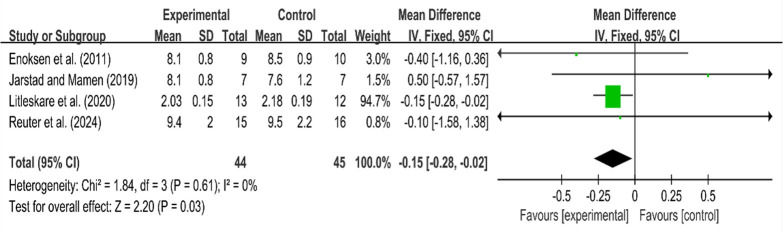
This systematic review evaluated the effects of high-intensity interval training (HIIT) and moderate-intensity continuous training (MICT) on running economy (RE) in endurance runners. The search was completed in March 2024 based on research databases, and the language of publication was restricted to English. The primary outcome measure was RE, and it was categorized into three subgroups: Zone 1 (Z1), Zone 2 (Z2), and Zone 3 (Z3). The secondary outcomes assessed were maximal oxygen uptake (VO2max) and blood lactate concentration. HIIT significantly improved RE compared to MICT (SMD = 0.44, 95% CI [0.15, 0.72], Z = 3.01, p < 0.05). MICT showed a greater effect on VO2max (MD = 2.48, 95% CI [1.61, 3.34], Z = 5.60, p < 0.05). HIIT was more effective at reducing blood lactate levels (MD = −0.15, 95% CI [−0.28, −0.02], Z = 2.20, p < 0.05). The results indicate that HIIT was more effective than MICT in enhancing RE and delaying lactate accumulation. HIIT can further improve RE and postpone blood lactate accumulation when performed at or below the lactate threshold (≤ Z2). VO2max was more pronounced with MICT. These findings suggest that endurance runners and coaches should choose appropriate methods to optimize physiological adaptations.
Overview
CoChat Summary
## TL;DR
This systematic review and meta-analysis of 9 randomized controlled trials found that HIIT improved running economy more than MICT in endurance runners, with the clearest benefit at intensities at or below the lactate threshold (Z2). MICT was more effective for improving VO2max, while HIIT reduced blood lactate more.
## Key findings
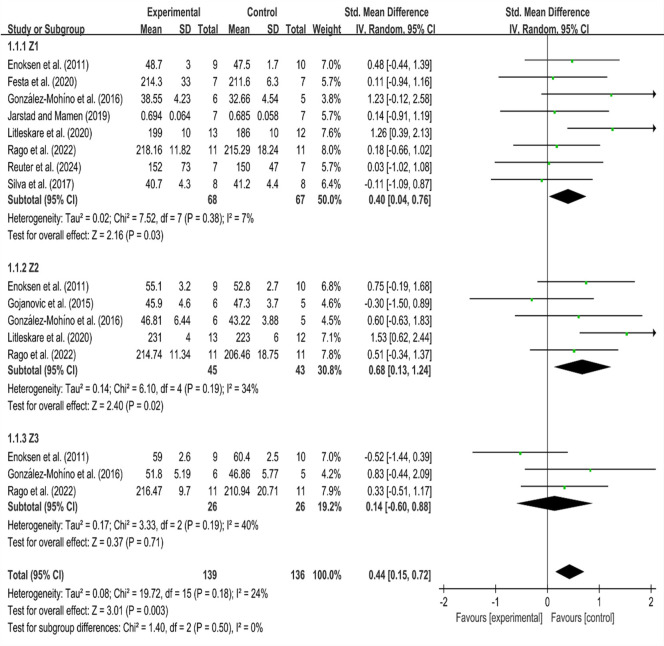
- Across 9 RCTs (168 participants: 110 males, 48 females), HIIT improved running economy versus MICT overall: SMD = 0.44, 95% CI [0.15, 0.72], Z = 3.01, p < 0.05.
- By intensity zone, HIIT improved running economy in Z1 (SMD = 0.40, 95% CI [0.04, 0.76], p < 0.05) and Z2 (SMD = 0.68, 95% CI [0.13, 1.24], p < 0.05), but not in Z3 (SMD = 0.14, 95% CI [−0.60, 0.88], p > 0.05).
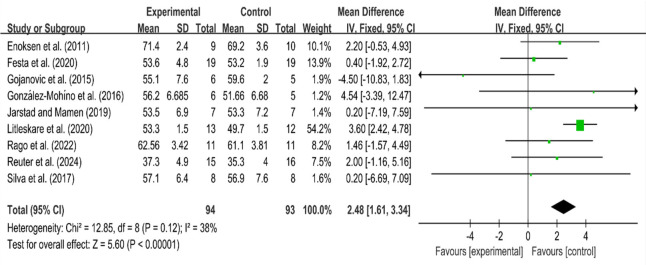
- MICT produced greater VO2max gains than HIIT: MD = 2.48, 95% CI [1.61, 3.34], Z = 5.60, p < 0.05.
- HIIT reduced blood lactate more than MICT: MD = −0.15, 95% CI [−0.28, −0.02], Z = 2.20, p < 0.05.
## Methods
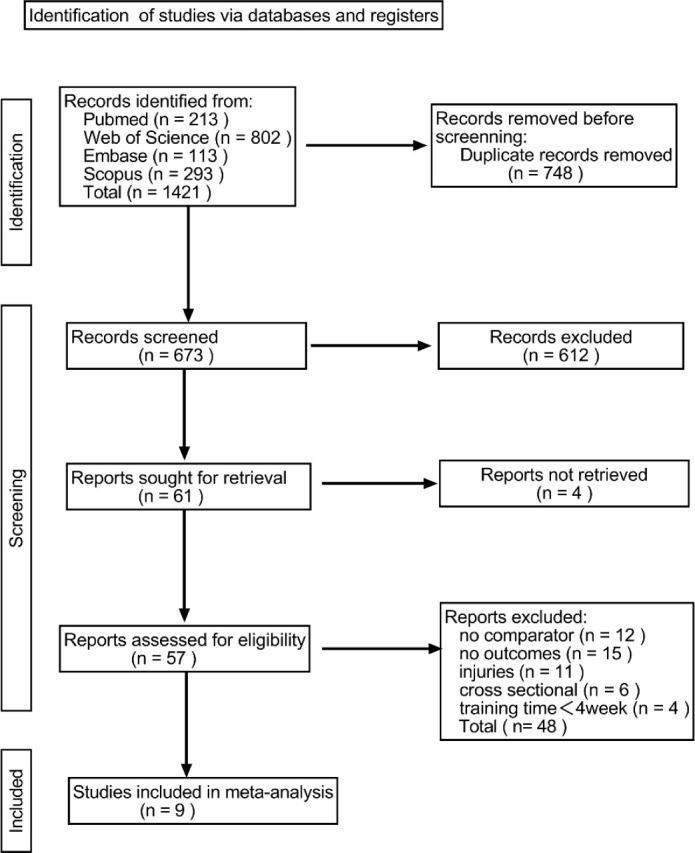
- Systematic review and meta-analysis registered in INPLASY (INPLASY2024110120) and conducted according to PRISMA; databases searched were PubMed, Embase, Scopus, and Web of Science from inception to March 2024, with English-language RCTs only.
- Included endurance runners in studies comparing interval training (HIIT) with continuous training (MICT), lasting at least 4 weeks, and reporting running economy or energy expenditure; secondary outcomes included VO2max and blood lactate.
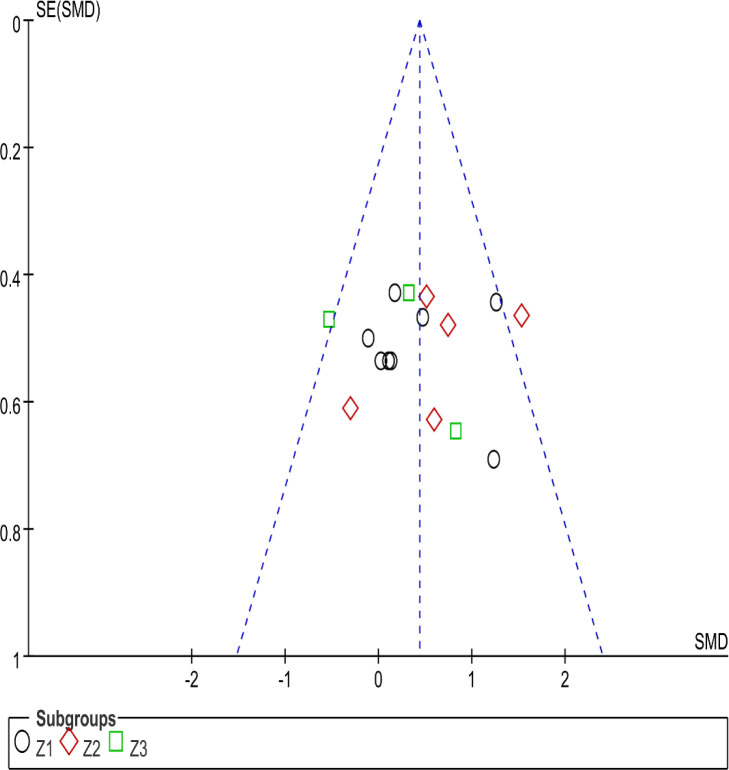
- Two reviewers screened studies, extracted data, and assessed risk of bias with the Cochrane tool; meta-analysis used RevMan 5.3.5, Hedges’ g/SMD for continuous outcomes, random-effects models when heterogeneity was significant, and subgroup/sensitivity analyses plus funnel plot/Egger’s test for publication bias.
## Limitations
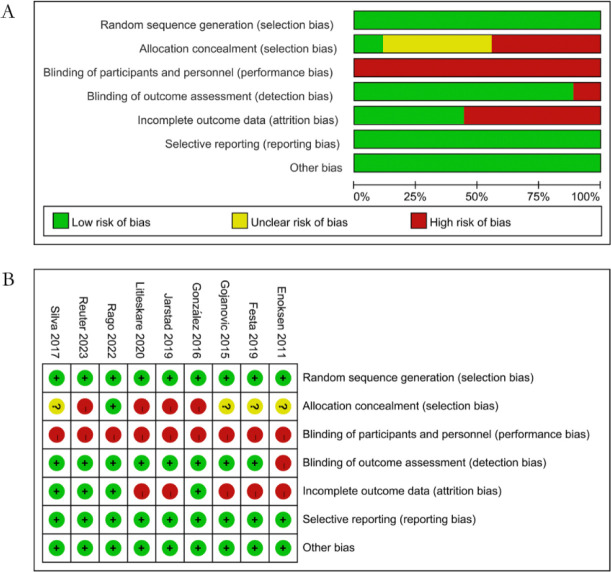
- The paper states that there was methodological and statistical heterogeneity, and some included studies had risk of bias due to methodological weaknesses such as lack of blinding.
- The paper states that measurement methods varied, and that subgroup analysis could not account for all individual-level moderators; it also notes unmeasured factors like environmental conditions, sleep, diet, and psychological stress.
- The paper states that the review was restricted to English-language studies and running, limiting generalizability; additionally, the text makes evident that only 9 RCTs were included, with some outcomes based on fewer studies, which limits precision and breadth of inference.
Model-written summary. Check it against the paper before relying on it.
Integrity signals
Registry
Cites
Statistics
Figures
Verification
Claims the paper makes
12 Valid · 1 Not valid · 17 Not checked · 50 Own results and interpretations
At least one cited source doesn’t support this claim or points to a different paper, and none confirmed it — see the verdicts below.
In the paper
“During a 12-month follow-up, MICT participants were more likely to complete training (Taylor et al., 2020).”
§ High-Intensity Interval Training and Moderate-Intensity Continuous Training Affect Running Economy in Endurance Runners: A Systematic Review and Meta-Analysis of Randomized Controlled Trials > Discussion
What the sources say
- Disputedcites Taylor et al., 2020 matched to “Short-term and Long-term Feasibility, Safety, and Efficacy of High-Intensity Interval Training in Cardiac Rehabilitation: The FITR Heart Study Randomized Clinical Trial” (2020) sourceExperimental — accuracy not yet measured
The Exercise Adherence section reports that over 12 months, adherence was 41% for MICT and 53% for HIIT, with no statistically significant difference (P = .35). It does not support the claim that MICT participants were more likely to complete training; the observed difference was in the opposite direction. (LLM, conf=0.91)
Checked by a reasoning model — may be wrong.
plainstates an association- Asserted: passes — The authors put it forward as true.
- Checkable: passes — It can be checked against evidence.
- Load-bearing: unclear — It is unclear whether the paper’s conclusions depend on it.
- Based: passes — The paper gives a reason why it holds.
- Disputed
The cited sources support only part of this claim — read each source’s verdict below.
In the paper
“The injury risk associated with different interval duration and intensities during HIIT may lead to musculoskeletal pain, especially at higher running speeds (Leite et al., 2023; Wiewelhove et al., 2016).”
§ High-Intensity Interval Training and Moderate-Intensity Continuous Training Affect Running Economy in Endurance Runners: A Systematic Review and Meta-Analysis of Randomized Controlled Trials > Discussion
What the sources say
- Supportedcites Leite et al., 2023 matched to “Exercise-Induced Muscle Damage after a High-Intensity Interval Exercise Session: Systematic Review” (2023) source
The Discussion reports that HIIT-related muscle damage depends on exercise intensity and duration, and that high-intensity protocols may lead to injury. It also reports greater muscle damage and pain with sprint protocols than with longer, submaximal intervals; the cited comparison concerns interval running protocols. This supports the claim’s qualified wording. (LLM, conf=0.84)
- Not matchedcites Wiewelhove et al., 2016
An author–year citation the paper’s reference list doesn’t settle. We don’t search these by name.
hedgedstates a possible cause- Asserted: passes — The authors put it forward as true.
- Checkable: passes — It can be checked against evidence.
- Load-bearing: unclear — It is unclear whether the paper’s conclusions depend on it.
- Based: passes — The paper gives a reason why it holds.
- Supported
The cited sources support only part of this claim — read each source’s verdict below.
In the paper
“Additionally, it can lead to decreased adherence to training, particularly in unsupervised settings (Ekkekakis and Biddle, 2023; Santos et al., 2023).”
§ High-Intensity Interval Training and Moderate-Intensity Continuous Training Affect Running Economy in Endurance Runners: A Systematic Review and Meta-Analysis of Randomized Controlled Trials > Discussion
What the sources say
- Not checked — no full text of the sourcecites Ekkekakis and Biddle, 2023 matched to “Extraordinary claims in the literature on high-intensity interval training (HIIT): IV. Is HIIT associated with higher long-term exercise adherence?” (2023) source
- Partly supportedcites Santos et al., 2023 matched to “Rates of compliance and adherence to high-intensity interval training: a systematic review and Meta-analyses” (2023) sourceExperimental — accuracy not yet measured
The Conclusions report 63% adherence to unsupervised HIIT, compared with 89% compliance in supervised HIIT. But these are different outcomes measured in different settings, not evidence that HIIT causes adherence to decrease; unsupervised HIIT adherence was also comparable to MICT, and the authors caution that the adherence evidence is very low quality. (LLM, conf=0.85)
plainstates a cause- Asserted: passes — The authors put it forward as true.
- Checkable: passes — It can be checked against evidence.
- Load-bearing: unclear — It is unclear whether the paper’s conclusions depend on it.
- Based: passes — The paper gives a reason why it holds.
The cited sources support only part of this claim — read each source’s verdict below.
In the paper
“HIIT for recreational runners may increase their risk of muscle injuries (Leite et al., 2023; Nuuttila et al., 2022).”
§ High-Intensity Interval Training and Moderate-Intensity Continuous Training Affect Running Economy in Endurance Runners: A Systematic Review and Meta-Analysis of Randomized Controlled Trials > Discussion
What the sources say
- Partly supportedcites Leite et al., 2023 matched to “Exercise-Induced Muscle Damage after a High-Intensity Interval Exercise Session: Systematic Review” (2023) sourceExperimental — accuracy not yet measured
The Discussion (p. not provided) says high-intensity HIIT protocols may compromise muscle fibers and lead to injuries, and the Results include running-based HIIT studies. The review does not establish an increased injury risk specifically for recreational runners; it primarily examines markers of muscle damage after a single session. (LLM, conf=0.82)
- Partly supportedcites Nuuttila et al., 2022 matched to “Physiological, Perceptual, and Performance Responses to the 2-Week Block of High- versus Low-Intensity Endurance Training” (2022) sourceExperimental — accuracy not yet measured
The Discussion reports increased muscle soreness in the HIIT group and suggests that HIIT running may place more strain on running muscles than low-intensity training. The Conclusions describe less “margin for error” with the HIIT block, but the paper does not report muscle injuries or establish an increased injury risk. (LLM, conf=0.78)
hedgedstates a possible cause- Asserted: passes — The authors put it forward as true.
- Checkable: passes — It can be checked against evidence.
- Load-bearing: unclear — It is unclear whether the paper’s conclusions depend on it.
- Based: passes — The paper gives a reason why it holds.
- Partly supported
A result the paper reports from its own data — it cites no other source for it, so there is none to check. The quote shows it is in the paper.
In the paper
“which indicates that there was no significant difference in subjects’ running economy between HIIT and MICT at speeds exceeding the lactate threshold.”
§ High-Intensity Interval Training and Moderate-Intensity Continuous Training Affect Running Economy in Endurance Runners: A Systematic Review and Meta-Analysis of Randomized Controlled Trials > Results > Primary Outcomes
hedged- Asserted: passes — The authors put it forward as true.
- Checkable: passes — It can be checked against evidence.
- Load-bearing: unclear — It is unclear whether the paper’s conclusions depend on it.
- Based: passes — The paper gives a reason why it holds.
33 more claims
Create a free account to see all 80 claims and to verify the 3 references still open.
- Probably not a substantial claim. 15
- It may state two separate claims as one. 37
Statistics that don’t add up
Each reported p-value recomputed from its test statistic and degrees of freedom, each partial η² from its F, and each ratio, mean difference or B printed with a p checked against its own confidence interval.
Rated minor: it would not touch a result — a value no result rests on, a p-value that stays on the same side of the significance level, or a conflict that is clerical, resolved elsewhere in the paper, or outside its own findings.
In the paper
“mean difference (MD) of 0.15, with a 95% confidence interval of [−0.28, −0.02], which was statistically significant (Z = 2.20, p < 0.05”
§ High-Intensity Interval Training and Moderate-Intensity Continuous Training Affect Running Economy in Endurance Runners: A Systematic Review and Meta-Analysis of Randomized Controlled Trials > Results > Primary Outcomes
Statistics recomputed
Every reported test result, recomputed from its test statistic and degrees of freedom. A result shows as not adding up only once an independent check has confirmed it.
- Consistentz = 3.01reported p < .05 · recomputed p = .003
“Z = 3.01, p < .05”
- Consistentz = 5.6reported p < .05 · recomputed p < .001
“Z = 5.60, p < .05”
- Consistentz = 2.2reported p < .05 · recomputed p = .028
“Z = 2.20, p < .05”
- Consistentz = 2.16reported p < .05 · recomputed p = .031
“(Z = 2.16, p < .05”
- Consistentz = 2.4reported p < .05 · recomputed p = .016
“(Z = 2.40, p < .05”
4 more recomputed tests
Create a free account to see every test the Stats check recomputed.
Self-check
Percentages, sums and reported differences re-computed from the paper’s own numbers.
Rated major: it would touch a result — a value a result rests on, reported and recomputed p-values on opposite sides of the significance level, two passages that conflict with no sign which is right, or a cited work retracted before this paper was published.
In the paper
“A total of 168 participants (110 males and 48 females) were included in the analysis,”
§ High-Intensity Interval Training and Moderate-Intensity Continuous Training Affect Running Economy in Endurance Runners: A Systematic Review and Meta-Analysis of Randomized Controlled Trials > Results > Study Characteristics
Reported 168 · recomputed 158
Citations
Cites
The PRISMA 2020 statement: An updated guideline for reporting systematic reviews
Page, M. J., McKenzie, J. E., Bossuyt, P. M., Boutron, I., Hoffmann, T. C., Mulrow, C. D., Shamseer, L., Tetzlaff, J. M., Akl, E. A., Brennan, S. E., et al. (2021) · BMJ · doi:10.1136/bmj.n71 · Cited by 108,283
Measuring inconsistency in meta-analyses
Higgins, J. P. T., Thompson, S. G., Deeks, J. J., & Altman, D. G. (2003) · BMJ · doi:10.1136/bmj.327.7414.557 · Cited by 63,139 · cited 1×
“Then, statistical heterogeneity was discussed using the I² statistic, where values of 25%, 50%, and 75% indicated low, moderate, and high heterogeneity, respectively (Higgins et al., 2003).”
Effect size, confidence interval and statistical significance: a practical guide for biologists
Nakagawa, S., & Cuthill, I. C. (2007) · Biological Reviews · doi:10.1111/j.1469-185x.2007.00027.x · Cited by 3,835 · cited 1×
“We calculated Hedges’ g, which represented standardized mean differences (SMD), to assess the magnitude of changes in outcomes between the pre ‐ training and post ‐ training periods (Nakagawa and Cuthill, 2007).”
Endurance exercise performance: the physiology of champions
Joyner, M. J., & Coyle, E. F. (2008) · The Journal of Physiology · doi:10.1113/jphysiol.2007.143834 · Cited by 1,307 · cited 1×
“This may be attributed to an increased muscle oxidative capacity and associated changes in motor unit recruitment patterns, as well as muscle adaptations, enhanced glycolytic capacity, increased oxidative activity, and alterations in lactate transport (Denadai et al., 2006; Joyner and Coyle, 2008).”
(1979) · PubMed · Cited by 1,302
Factors affecting running economy in trained distance runners
Saunders, P. U., Pyne, D. B., Telford, R. D., & Hawley, J. A. (2004) · Sports Medicine · doi:10.2165/00007256-200434070-00005 · Cited by 975 · cited 3×
“Mechanical energy is stored in the muscles, tendons, and ligaments acting across the joints (Saunders et al., 2004).”
Buchheit, M., & Laursen, P. B. (2013) · Sports Medicine · doi:10.1007/s40279-013-0066-5 · Cited by 869 · cited 1×
“These adaptations contribute to the overall efficiency of both aerobic and anaerobic energy systems (Bogdanis et al., 2013; Buchheit and Laursen, 2013).”
Ramos, J. S., Dalleck, L. C., Tjonna, A. E., Beetham, K. S., & Coombes, J. S. (2015) · Sports Medicine · doi:10.1007/s40279-015-0321-z · Cited by 715 · cited 1×
“…both muscles and the cardiovascular system, enhance muscle pumping function and stroke volume (Dolan et al., 2024; Rakobowchuk et al., 2008; Ramos et al., 2015; Seo et al., 2024), increase mitochondrial volume, and reduce plasma H ⁺ concentration (Perry et al., 2008; Ruegsegger et al.,…”
Seiler, K. S., & Kjerland, G. Ø. (2006) · Scandinavian Journal of Medicine & Science in Sports · doi:10.1111/j.1600-0838.2004.00418.x · Cited by 643 · cited 1×
“The first lactate threshold (LT1) occurs at approximately 2 mmol ∙ L ⁻ ¹, while the second lactate threshold (LT2) is observed at approximately 4 mmol ∙ L ⁻ ¹ (Seiler and Kjerland, 2006).”
Schommer, N. C., Hellhammer, D. H., & Kirschbaum, C. (2003) · Psychosomatic Medicine · doi:10.1097/01.psy.0000035721.12441.17 · Cited by 561 · cited 1×
“Psychological stress can also impact performance by altering hormone levels, such as cortisol and adrenaline (Rimmele et al., 2009; Schommer et al., 2003).”
Rognmo, Ø., Moholdt, T., Bakken, H., Hole, T., Mølstad, P., Myhr, N. E., Grimsmo, J., & Wisløff, U. (2012) · Circulation · doi:10.1161/circulationaha.112.123117 · Cited by 511 · cited 1×
“HIIT also carries higher risks, with the incidence of acute cardiac events nearly six times higher (Rognmo et al., 2012), and muscle function impairment linked to elevated blood lactate concentration (Thomas et al., 2004).”
AMPK in skeletal muscle function and metabolism
Kjøbsted, R., Hingst, J. R., Fentz, J., Foretz, M., Sanz, M., Pehmøller, C., Shum, M., Marette, A., Mounier, R., Treebak, J. T., et al. (2018) · The FASEB Journal · doi:10.1096/fj.201700442r · Cited by 496 · cited 1×
“…such as peroxisome proliferator ‐ activated receptor gamma coactivator 1 ‐ alpha (PGC ‐ 1 α ), a key regulator of mitochondrial biogenesis (Torma et al., 2019), and adenosine monophosphate (AMP) activated kinase (AMPK), an important energy ‐ sensing molecule (Gibala, 2009; Kjøbsted et al., 2018).”
Training for intense exercise performance: high‐intensity or high‐volume training?
Laursen, P. B. (2010) · Scandinavian Journal of Medicine & Science in Sports · doi:10.1111/j.1600-0838.2010.01184.x · Cited by 444 · cited 1×
“MICT can activate PGC ‐ 1 α through calcium/calmodulin ‐ dependent protein kinase II (CaMKII) and the phosphatase calcineurin A (CnA), thereby regulating various downstream targets (Furrer et al., 2023; Laursen, 2010).”
Del Vecchio, A., Casolo, A., Negro, F., Scorcelletti, M., Bazzucchi, I., Enoka, R., Felici, F., & Farina, D. (2019) · The Journal of Physiology · doi:10.1113/jp277250 · Cited by 436 · cited 1×
“…as four weeks, the surface electromyography activity of muscles and the hypertrophy of muscles increased significantly at the 4 th week) (Baroni et al., 2013; Del Vecchio et al., 2019; Mayhew et al., 1995; Moritani and deVries, 1979), or if they involved non ‐ interval training interventions.”
Autonomic Recovery after Exercise in Trained Athletes: Intensity and Duration Effects
SEILER, S., HAUGEN, O., & KUFFEL, E. (2007) · Medicine & Science in Sports & Exercise · doi:10.1249/mss.0b013e318060f17d · Cited by 407 · cited 1×
“However, improvements in ventilatory thresholds above the second ventilatory improvements were only observed in well ‐ trained endurance runners (Seiler et al., 2007; Tanji and Nabekura, 2019).”
Daussin, F. N., Zoll, J., Dufour, S. P., Ponsot, E., Lonsdorfer-Wolf, E., Doutreleau, S., Mettauer, B., Piquard, F., Geny, B., & Richard, R. (2008) · American Journal of Physiology-Regulatory, Integrative and Comparative Physiology · doi:10.1152/ajpregu.00875.2007 · Cited by 375 · cited 1×
“MICT can increase muscle capillary density, improve myocardial perfusion, enhance blood flow ‐ mediated dilation, and facilitate oxygen delivery (Cocks et al., 2016; Daussin et al., 2008).”
Rakobowchuk, M., Tanguay, S., Burgomaster, K. A., Howarth, K. R., Gibala, M. J., & MacDonald, M. J. (2008) · American Journal of Physiology-Regulatory, Integrative and Comparative Physiology · doi:10.1152/ajpregu.00069.2008 · Cited by 337 · cited 1×
“…acid production to stimulate both muscles and the cardiovascular system, enhance muscle pumping function and stroke volume (Dolan et al., 2024; Rakobowchuk et al., 2008; Ramos et al., 2015; Seo et al., 2024), increase mitochondrial volume, and reduce plasma H ⁺ concentration (Perry et al.,…”
Perry, C. G. R., Heigenhauser, G. J. F., Bonen, A., & Spriet, L. L. (2008) · Applied Physiology Nutrition and Metabolism · doi:10.1139/h08-097 · Cited by 309 · cited 1×
“…both muscles and the cardiovascular system, enhance muscle pumping function and stroke volume (Dolan et al., 2024; Rakobowchuk et al., 2008; Ramos et al., 2015; Seo et al., 2024), increase mitochondrial volume, and reduce plasma H ⁺ concentration (Perry et al., 2008; Ruegsegger et al., 2023).”
Wen, D., Utesch, T., Wu, J., Robertson, S., Liu, J., Hu, G., & Chen, H. (2019) · Journal of Science and Medicine in Sport · doi:10.1016/j.jsams.2019.01.013 · Cited by 295 · cited 1×
“Increasing the work interval from 30 to 60 s led to an increase in maximal oxygen uptake, despite shorter total training duration (Wen et al., 2019).”
Weston, A. R., Myburgh, K. H., Lindsay, F. H., Dennis, S. C., Noakes, T. D., & Hawley, J. A. (1996) · European Journal of Applied Physiology · doi:10.1007/s004210050119 · Cited by 281 · cited 1×
“These benefits include enhanced recovery of creatine phosphate and increased mitochondrial biogenesis, improved skeletal muscle buffering capacity, enhanced ventilation, and elevated lactate threshold (Driller et al., 2009; Esfarjani and Laursen, 2007; Hoogeveen, 2000; Weston et al., 1997).”
The level of physical activity affects adrenal and cardiovascular reactivity to psychosocial stress
Rimmele, U., Seiler, R., Marti, B., Wirtz, P. H., Ehlert, U., & Heinrichs, M. (2009) · Psychoneuroendocrinology · doi:10.1016/j.psyneuen.2008.08.023 · Cited by 281 · cited 1×
“Psychological stress can also impact performance by altering hormone levels, such as cortisol and adrenaline (Rimmele et al., 2009; Schommer et al., 2003).”
Plasma lactate accumulation and distance running performance
FARRELL, P. A., WILMORE, J. H., COYLE, E. F., BILLING, J. E., & COSTILL, D. L. (1979) · Medicine & Science in Sports & Exercise · doi:10.1249/00005768-197901140-00005 · Cited by 279 · cited 1×
“Distance running performance can be partially predicted by blood lactate concentration at a specific running speed (Farrell et al., 1979; Fay et al., 1989; Yoshida et al., 1993).”
The training intensity distribution among well-trained and elite endurance athletes
Stöggl, T. L., & Sperlich, B. (2015) · Frontiers in Physiology · doi:10.3389/fphys.2015.00295 · Cited by 265 · cited 1×
“…or lactate threshold (approximately 70% VO 2max ), Zone 2 (Z2) included speeds between the first and second thresholds (approximately 75%–85% VO 2max ), and Zone 3 (Z3) encompassed speeds exceeding the second threshold (above 85% VO 2max ) (Casado et al., 2022; Stöggl and Sperlich, 2015).”
Sleep Hygiene for Optimizing Recovery in Athletes: Review and Recommendations
Vitale, K. C., Owens, R., Hopkins, S. R., & Malhotra, A. (2019) · International Journal of Sports Medicine · doi:10.1055/a-0905-3103 · Cited by 264 · cited 1×
“Poor sleep can also deteriorate athletic performance, increasing energy cost during exercise (Vitale et al., 2019).”
Strategies to Improve Running Economy
Barnes, K. R., & Kilding, A. E. (2015) · Sports Medicine · doi:10.1007/s40279-014-0246-y · Cited by 245 · cited 1×
“Previous studies have indicated that different training interventions can have distinct effects on running economy (Barnes and Kilding, 2015; Faelli et al., 2021; Franch et al., 1998).”
Esfarjani, F., & Laursen, P. B. (2007) · Journal of Science and Medicine in Sport · doi:10.1016/j.jsams.2006.05.014 · Cited by 220 · cited 1×
“These benefits include enhanced recovery of creatine phosphate and increased mitochondrial biogenesis, improved skeletal muscle buffering capacity, enhanced ventilation, and elevated lactate threshold (Driller et al., 2009; Esfarjani and Laursen, 2007; Hoogeveen, 2000; Weston et al., 1997).”
Effects of Acute Sleep Loss on Physical Performance: A Systematic and Meta-Analytical Review
Craven, J., McCartney, D., Desbrow, B., Sabapathy, S., Bellinger, P., Roberts, L. A., & Irwin, C. G. (2022) · Sports Medicine · doi:10.1007/s40279-022-01706-y · Cited by 217 · cited 1×
“For instance, acute sleep deprivation can impair performance (Craven et al., 2022), leading to an increased heart rate and minute ventilation during exercise (Mougin et al., 1991).”
Peake, J. M., Tan, S. J., Markworth, J. F., Broadbent, J. A., Skinner, T. L., & Cameron-Smith, D. (2014) · American Journal of Physiology-Endocrinology and Metabolism · doi:10.1152/ajpendo.00276.2014 · Cited by 210 · cited 1×
“…of the autonomic nervous system and parasympathetic nervous systems (Clemente ‐ Suárez and Arroyo ‐ Toledo, 2018), but also induces lactic acid accumulation, activates antioxidant enzyme systems, and improves glycolytic capacity through rapid muscle contractions and exertion (Peake et al., 2014).”
Physiological demands of running at 2-hour marathon race pace
Jones, A. M., Kirby, B. S., Clark, I. E., Rice, H. M., Fulkerson, E., Wylie, L. J., Wilkerson, D. P., Vanhatalo, A., & Wilkins, B. W. (2021) · Journal of Applied Physiology · doi:10.1152/japplphysiol.00647.2020 · Cited by 200 · cited 1×
“It is typically measured by oxygen uptake per unit of body weight over time during exercise (O 2 ml ∙ kg ⁻ ¹ ∙ min ⁻ ¹) or by oxygen uptake per unit of body weight per distance (O 2 ml ∙ kg ⁻ ¹ ∙ km ⁻ ¹) (Jones et al., 2021).”
Bogdanis, G. C., Stavrinou, P., Fatouros, I. G., Philippou, A., Chatzinikolaou, A., Draganidis, D., Ermidis, G., & Maridaki, M. (2013) · Food and Chemical Toxicology · doi:10.1016/j.fct.2013.05.046 · Cited by 194 · cited 1×
“These adaptations contribute to the overall efficiency of both aerobic and anaerobic energy systems (Bogdanis et al., 2013; Buchheit and Laursen, 2013).”
Casado, A., González‐Mohíno, F., González‐Ravé, J. M., & Foster, C. (2022) · International Journal of Sports Physiology and Performance · doi:10.1123/ijspp.2021-0435 · Cited by 194 · cited 2×
“…or lactate threshold (approximately 70% VO 2max ), Zone 2 (Z2) included speeds between the first and second thresholds (approximately 75%–85% VO 2max ), and Zone 3 (Z3) encompassed speeds exceeding the second threshold (above 85% VO 2max ) (Casado et al., 2022; Stöggl and Sperlich, 2015).”
Identification of Non-Invasive Exercise Thresholds: Methods, Strategies, and an Online App
Keir, D. A., Iannetta, D., Mattioni Maturana, F., Kowalchuk, J. M., & Murias, J. M. (2022) · Sports Medicine · doi:10.1007/s40279-021-01581-z · Cited by 193 · cited 1×
“The ventilation threshold exhibits a similar pattern, with the first ventilation threshold (VT1) corresponding to the LT1 (approximately 75% VO 2max ) and the second ventilation threshold (VT2) aligning with the LT2 (approximately 85% VO 2max ) (Keir et al., 2022).”
Sawyer, B. J., Tucker, W. J., Bhammar, D. M., Ryder, J. R., Sweazea, K. L., & Gaesser, G. A. (2016) · Journal of Applied Physiology · doi:10.1152/japplphysiol.00024.2016 · Cited by 178 · cited 1×
“Additionally, HIIT enhances muscle and mitochondrial size (Estes et al., 2017; Ruegsegger et al., 2023), increases hemoglobin levels, and improves blood flow ‐ mediated vasodilation (Mandi ć et al., 2022; Sawyer et al., 2016).”
Effects of sleep disturbances on subsequent physical performance
Mougin, F., Simon-Rigaud, M.-L., Davenne, D., Renaud, A., Garnier, A., Kantelip, J., & Magnin, P. (1991) · European Journal of Applied Physiology · doi:10.1007/bf00235173 · Cited by 166 · cited 1×
“For instance, acute sleep deprivation can impair performance (Craven et al., 2022), leading to an increased heart rate and minute ventilation during exercise (Mougin et al., 1991).”
Jung, M. E., Bourne, J. E., Beauchamp, M. R., Robinson, E., & Little, J. P. (2015) · Journal of Diabetes Research · doi:10.1155/2015/191595 · Cited by 165 · cited 1×
“While short ‐ term compliance with HIIT is higher (Jung et al., 2015), long ‐ term adherence drops significantly, with dropout rates higher than MICT (Roy et al., 2018).”
Effects of Exercise‐Induced ROS on the Pathophysiological Functions of Skeletal Muscle
Wang, F., Wang, X., Liu, Y., & Zhang, Z. (2021) · Oxidative Medicine and Cellular Longevity · doi:10.1155/2021/3846122 · Cited by 165 · cited 1×
“These effects are beneficial for energy supply during exercise and contribute to the body’s long ‐ term resistance to fatigue (Wang et al., 2021).”
Self-citationImproved running economy following intensified training correlates with reduced ventilatory demands
FRANCH, J., MADSEN, K., DJURHUUS, M. S., & PEDERSEN, P. K. (1998) · Medicine& Science in Sports & Exercise · doi:10.1097/00005768-199808000-00011 · Cited by 154
Taylor, J. L., Holland, D. J., Keating, S. E., Leveritt, M. D., Gomersall, S. R., Rowlands, A. V., Bailey, T. G., & Coombes, J. S. (2020) · JAMA Cardiology · doi:10.1001/jamacardio.2020.3511 · Cited by 148 · cited 1×
“During a 12 ‐ month follow ‐ up, MICT participants were more likely to complete training (Taylor et al., 2020).”
Thomas, C., Sirvent, P., Perrey, S., Raynaud, E., & Mercier, J. (2004) · Journal of Applied Physiology · doi:10.1152/japplphysiol.00387.2004 · Cited by 141 · cited 1×
“HIIT also carries higher risks, with the incidence of acute cardiac events nearly six times higher (Rognmo et al., 2012), and muscle function impairment linked to elevated blood lactate concentration (Thomas et al., 2004).”
PHYSIOLOGICAL CONSEQUENCES OF THE BIOCHEMICAL ADAPTATIONS TO ENDURANCE EXERCISE*
Holloszy, J. O., Rennie, M. J., Hickson, R. C., Conlee, R. K., & Hagberg, J. M. (1977) · Annals of the New York Academy of Sciences · doi:10.1111/j.1749-6632.1977.tb38220.x · Cited by 141 · cited 1×
“These adaptations lead to a slower rate of muscle glycogen consumption in the active musculature, reduced disruption of homeostasis, and improvements in RE (Holloszy et al., 1977).”
Gibala, M. (2009) · Applied Physiology, Nutrition, and Metabolism · doi:10.1139/h09-046 · Cited by 139 · cited 1×
“…such as peroxisome proliferator ‐ activated receptor gamma coactivator 1 ‐ alpha (PGC ‐ 1 α ), a key regulator of mitochondrial biogenesis (Torma et al., 2019), and adenosine monophosphate (AMP) activated kinase (AMPK), an important energy ‐ sensing molecule (Gibala, 2009; Kjøbsted et al., 2018).”
Variation in the aerobic demand of running among trained and untrained subjects
MORGAN, D. W., BRANSFORD, D. R., COSTILL, D. L., DANIELS, J. T., HOWLEY, E. T., & KRAHENBUHL, G. S. (1995) · Medicine & Science in Sports & Exercise · doi:10.1249/00005768-199503000-00017 · Cited by 138 · cited 1×
“Numerous studies have indicated that trained individuals are more economical than their untrained or less ‐ trained counterparts (Morgan et al., 1995; Unhjem, 2024).”
Sperlich, B., Zinner, C., Heilemann, I., Kjendlie, P.-L., Holmberg, H.-C., & Mester, J. (2010) · European Journal of Applied Physiology · doi:10.1007/s00421-010-1586-4 · Cited by 131 · cited 1×
“HIIT can induce changes in various physiological factors, including lactic acid accumulation, glycolysis, and oxidative utilization, through varying interval intensities and continuous training protocols (Morais et al., 2025; Sperlich et al., 2010).”
Hooren, B. V., Jukić, I., Cox, M., Frenken, K. G., Bautista, I. J., & Moore, I. S. (2024) · Sports Medicine · doi:10.1007/s40279-024-01997-3 · Cited by 128 · cited 1×
“RE is influenced by various factors, including the environment, sports biomechanics, physiology, and others (Saunders et al., 2004; Van Hooren et al., 2024).”
Mølmen, K. S., Almquist, N. W., & Skattebo, Ø. (2025) · Sports Medicine · doi:10.1007/s40279-024-02120-2 · Cited by 123 · cited 2×
“Some researchers pointed out that HIIT was particularly effective in improving VO 2max during the initial stages of training for individuals with lower fitness levels (Mølmen et al., 2025).”
D’Souza, R. F., Woodhead, J. S. T., Zeng, N., Blenkiron, C., Merry, T. L., Cameron-Smith, D., & Mitchell, C. J. (2018) · American Journal of Physiology-Endocrinology and Metabolism · doi:10.1152/ajpendo.00138.2018 · Cited by 121 · cited 1×
“HIIT promotes mitochondrial biogenesis (Dohlmann et al., 2018) and induces various microRNAs, including miR ‐ 486 ‐ 5p, miR ‐ 208b, and miR199a ‐ 3p, which significantly enhance muscle protein synthesis and hypertrophy (D’Souza et al., 2018; Grieb et al., 2023).”
(2004) · International Journal of Sports Medicine · doi:10.1055/s-2004-819945 · Cited by 120 · cited 1×
“Additionally, there is an increased capacity to engage larger volumes of muscle mass (Creer et al., 2004) and a greater ability to oxidize fat relative to carbohydrates (Atakan et al., 2022).”
Cocks, M., Shaw, C. S., Shepherd, S. O., Fisher, J. P., Ranasinghe, A., Barker, T. A., & Wagenmakers, A. J. M. (2016) · The Journal of Physiology · doi:10.1113/jphysiol.2014.285254 · Cited by 117 · cited 5×
“MICT can enhance the body’s capacity to transport and utilize oxygen, improve cardiovascular efficiency, and decrease oxygen uptake during exercise by increasing the adaptability of physiological factors, such as mitochondrial content and capillary density (Cocks et al., 2016; Hesketh et al., 2019).”
InfluentialDenadai, B. S., Ortiz, M. J., Greco, C. C., & de Mello, M. T. (2006) · Applied Physiology, Nutrition, and Metabolism · doi:10.1139/h06-080 · Cited by 116 · cited 1×
“This may be attributed to an increased muscle oxidative capacity and associated changes in motor unit recruitment patterns, as well as muscle adaptations, enhanced glycolytic capacity, increased oxidative activity, and alterations in lactate transport (Denadai et al., 2006; Joyner and Coyle, 2008).”
Dietary protein for athletes: from requirements to metabolic advantage
Phillips, S. M. (2006) · Applied Physiology, Nutrition, and Metabolism · doi:10.1139/h06-035 · Cited by 114
The Effects of High-Intensity Interval Training in Well-Trained Rowers
Driller, M. W., Fell, J. W., Gregory, J. R., Shing, C. M., & Williams, A. D. (2009) · International Journal of Sports Physiology and Performance · doi:10.1123/ijspp.4.1.110 · Cited by 109 · cited 1×
“These benefits include enhanced recovery of creatine phosphate and increased mitochondrial biogenesis, improved skeletal muscle buffering capacity, enhanced ventilation, and elevated lactate threshold (Driller et al., 2009; Esfarjani and Laursen, 2007; Hoogeveen, 2000; Weston et al., 1997).”
Flockhart, M., & Larsen, F. J. (2023) · Sports Medicine · doi:10.1007/s40279-023-01910-4 · Cited by 103 · cited 1×
“Additionally, moderate carbohydrate intake before and after exercise can improve endurance and glycogen reserves (Flockhart and Larsen, 2024; Khanna and Manna, 2005), while proper protein supplementation aids muscle synthesis and repair (Phillips and Van Loon, 2011).”
Time Course of Neuromuscular Adaptations to Knee Extensor Eccentric Training
Baroni, B., Rodrigues, R., Franke, R., Geremia, J., Rassier, D., & Vaz, M. (2013) · International Journal of Sports Medicine · doi:10.1055/s-0032-1333263 · Cited by 96 · cited 1×
“…as little as four weeks, the surface electromyography activity of muscles and the hypertrophy of muscles increased significantly at the 4 th week) (Baroni et al., 2013; Del Vecchio et al., 2019; Mayhew et al., 1995; Moritani and deVries, 1979), or if they involved non ‐ interval training…”
High intensity interval training and molecular adaptive response of skeletal muscle
Torma, F., Gombos, Z., Jokai, M., Takeda, M., Mimura, T., & Radak, Z. (2019) · Sports Medicine and Health Science · doi:10.1016/j.smhs.2019.08.003 · Cited by 95 · cited 2×
“…pathways such as peroxisome proliferator ‐ activated receptor gamma coactivator 1 ‐ alpha (PGC ‐ 1 α ), a key regulator of mitochondrial biogenesis (Torma et al., 2019), and adenosine monophosphate (AMP) activated kinase (AMPK), an important energy ‐ sensing molecule (Gibala, 2009; Kjøbsted et…”
Hesketh, K. L., Shepherd, S. O., Strauss, J. A., Low, D. A., Cooper, R. J., Wagenmakers, A. J. M., & Cocks, M. S. (2019) · American Journal of Physiology-Heart and Circulatory Physiology · doi:10.1152/ajpheart.00816.2018 · Cited by 94 · cited 1×
“MICT can enhance the body’s capacity to transport and utilize oxygen, improve cardiovascular efficiency, and decrease oxygen uptake during exercise by increasing the adaptability of physiological factors, such as mitochondrial content and capillary density (Cocks et al., 2016; Hesketh et al., 2019).”
ROY, M., WILLIAMS, S. M., BROWN, R. C., MEREDITH-JONES, K. A., OSBORNE, H., JOSPE, M., & TAYLOR, R. W. (2018) · Medicine & Science in Sports & Exercise · doi:10.1249/mss.0000000000001642 · Cited by 86 · cited 1×
“While short ‐ term compliance with HIIT is higher (Jung et al., 2015), long ‐ term adherence drops significantly, with dropout rates higher than MICT (Roy et al., 2018).”
Schaun, G. Z., Pinto, S. S., Silva, M. R., Dolinski, D. B., & Alberton, C. L. (2018) · Journal of Strength and Conditioning Research · doi:10.1519/jsc.0000000000002594 · Cited by 82
Atakan, M. M., Guzel, Y., Shrestha, N., Kosar, S. N., Grgic, J., Astorino, T. A., Turnagol, H. H., & Pedisic, Z. (2022) · British Journal of Sports Medicine · doi:10.1136/bjsports-2021-105181 · Cited by 77 · cited 2×
“Additionally, HIIT improves fat oxidation and oxygen uptake (Atakan et al., 2022).”
Physiological parameters related to distance running performance in female athletes
FAY, L., LONDEREE, B. R., LAFONTAINE, T. P., & VOLEK, M. R. (1989) · Medicine & Science in Sports & Exercise · doi:10.1249/00005768-198906000-00016 · Cited by 72 · cited 1×
“Distance running performance can be partially predicted by blood lactate concentration at a specific running speed (Farrell et al., 1979; Fay et al., 1989; Yoshida et al., 1993).”
Effects of Phosphatidylserine on Oxidative Stress following Intermittent Running
KINGSLEY, M. I., WADSWORTH, D., KILDUFF, L. P., MCENENY, J., & BENTON, D. (2005) · Medicine & Science in Sports & Exercise · doi:10.1249/01.mss.0000175306.05465.7e · Cited by 71 · cited 2×
“Repeated training in Z3 may result in muscle damage, fatigue, and decreased parasympathetic nerve activity (Kingsley et al., 2005; Nuuttila et al., 2022).”
Exercise-Induced Muscle Damage after a High-Intensity Interval Exercise Session: Systematic Review
Leite, C. D. F. C., Zovico, P. V. C., Rica, R. L., Barros, B. M., Machado, A. F., Evangelista, A. L., Leite, R. D., Barauna, V. G., Maia, A. F., & Bocalini, D. S. (2023) · International Journal of Environmental Research and Public Health · doi:10.3390/ijerph20227082 · Cited by 70 · cited 3×
“HIIT can cause muscle damage and pain, increase cellular damage, lipid peroxidation, inflammatory response, and adversely affect muscle cell structure and the function of contractile proteins (Kingsley et al., 2005; Leite et al., 2023).”
Khanna, G. L., & Manna, I. (2005) · PubMed · Cited by 68
Muscular adaptation to concentric and eccentric exercise at equal power levels
MAYHEW, T. P., ROTHSTEIN, J. M., FINUCANE, S. D., & LAMB, R. L. (1995) · Medicine & Science in Sports & Exercise · doi:10.1249/00005768-199506000-00011 · Cited by 66 · cited 1×
“…as four weeks, the surface electromyography activity of muscles and the hypertrophy of muscles increased significantly at the 4 th week) (Baroni et al., 2013; Del Vecchio et al., 2019; Mayhew et al., 1995; Moritani and deVries, 1979), or if they involved non ‐ interval training interventions.”
Ekkekakis, P., & Biddle, S. J. H. (2023) · Psychology of Sport and Exercise · doi:10.1016/j.psychsport.2022.102295 · Cited by 64 · cited 2×
“In contrast, MICT is relatively effective in mitigating these risks and enhancing runners’ compliance with their training regimens (Ekkekakis and Biddle, 2023; Santos et al., 2023).”
Dohlmann, T. L., Hindsø, M., Dela, F., Helge, J. W., & Larsen, S. (2018) · Physiological Reports · doi:10.14814/phy2.13857 · Cited by 62 · cited 1×
“HIIT promotes mitochondrial biogenesis (Dohlmann et al., 2018) and induces various microRNAs, including miR ‐ 486 ‐ 5p, miR ‐ 208b, and miR199a ‐ 3p, which significantly enhance muscle protein synthesis and hypertrophy (D’Souza et al., 2018; Grieb et al., 2023).”
Endurance exercise training-responsive miR-19b-3p improves skeletal muscle glucose metabolism
Massart, J., Sjögren, R. J. O., Egan, B., Garde, C., Lindgren, M., Gu, W., Ferreira, D. M. S., Katayama, M., Ruas, J. L., Barrès, R., et al. (2021) · Nature Communications · doi:10.1038/s41467-021-26095-0 · Cited by 62 · cited 1×
“These microRNAs (miRNAs) can regulate myoblast proliferation and differentiation, enhance the oxidative metabolism of slow ‐ twitch muscle fibers, and promote muscle adaptation (Gonçalves et al., 2019; Grieb et al., 2023; Massart et al., 2021; Widmann et al., 2022).”
Hov, H., Wang, E., Lim, Y. R., Trane, G., Hemmingsen, M., Hoff, J., & Helgerud, J. (2022) · Scandinavian Journal of Medicine and Science in Sports · doi:10.1111/sms.14251 · Cited by 61
Psychological stress during exercise: cardiorespiratory and hormonal responses
Webb, H. E., Weldy, M. L., Fabianke, E. C., Orndorff, G. R., Kamimori, G. H., & Acevedo, E. O. (2008) · European Journal of Applied Physiology · doi:10.1007/s00421-008-0852-1 · Cited by 60 · cited 1×
“Pre ‐ match anxiety can elevate the heart rate and blood pressure, impairing energy utilization and performance (Nibbeling et al., 2012; Webb et al., 2008).”
Enoksen, E., Shalfawi, S. A. I., & Tønnessen, E. (2011) · Journal of Strength and Conditioning Research · doi:10.1519/jsc.0b013e3181cc2291 · Cited by 59 · cited 2×
“Despite potential bias in some studies (e.g., differences in oxygen uptake between Reuter et al. (2024) and Enoksen et al.’s (2011) studies), sensitivity analysis showed that including or excluding these studies did not significantly affect the final results.”
Santos, A., Braaten, K., MacPherson, M., Vasconcellos, D., Vis-Dunbar, M., Lonsdale, C., Lubans, D., & Jung, M. E. (2023) · International Journal of Behavioral Nutrition and Physical Activity · doi:10.1186/s12966-023-01535-w · Cited by 59 · cited 2×
“In contrast, MICT is relatively effective in mitigating these risks and enhancing runners’ compliance with their training regimens (Ekkekakis and Biddle, 2023; Santos et al., 2023).”
Shaw, A. J., Ingham, S. A., Fudge, B. W., & Folland, J. P. (2013) · Applied Physiology, Nutrition, and Metabolism · doi:10.1139/apnm-2013-0055 · Cited by 55 · cited 1×
“RE is defined as the energy expenditure associated with running at submaximal intensities (specific running speeds) and the ratio of work output to oxygen consumption (Saunders et al., 2004; Shaw et al., 2013).”
The effect of endurance training on the ventilatory response to exercise in elite cyclists
Hoogeveen, A. R. (2000) · European Journal of Applied Physiology · doi:10.1007/s004210050650 · Cited by 47 · cited 1×
“These benefits include enhanced recovery of creatine phosphate and increased mitochondrial biogenesis, improved skeletal muscle buffering capacity, enhanced ventilation, and elevated lactate threshold (Driller et al., 2009; Esfarjani and Laursen, 2007; Hoogeveen, 2000; Weston et al., 1997).”
Physiological characteristics related to endurance running performance in female distance runners
Yoshida, T., Udo, M., Iwai, K., & Yamaguchi, T. (1993) · Journal of Sports Sciences · doi:10.1080/02640419308729964 · Cited by 46 · cited 1×
“Distance running performance can be partially predicted by blood lactate concentration at a specific running speed (Farrell et al., 1979; Fay et al., 1989; Yoshida et al., 1993).”
Vourimaa, Vasankari, & Rusko (2000) · International Journal of Sports Medicine · doi:10.1055/s-2000-8867 · Cited by 45 · cited 1×
“Doubling the interval duration (2 min versus 1 min) resulted in a substantial increase in anaerobic glycolytic energy release, along with an even greater enhancement in oxygen availability (Vuorimaa et al., 2000).”
Effects of a 4-week high-intensity interval training on pacing during 5-km running trial
Silva, R., Damasceno, M. V., Cruz, R., Silva‐Cavalcante, M. D., Lima‐Silva, A. E., Bishop, D. J., & Bertuzzi, R. (2017) · Brazilian Journal of Medical and Biological Research · doi:10.1590/1414-431x20176335 · Cited by 44
Effects of anxiety on running with and without an aiming task
Nibbeling, N., Daanen, H. A. M., Gerritsma, R. M., Hofland, R. M., & Oudejans, R. R. D. (2011) · Journal of Sports Sciences · doi:10.1080/02640414.2011.617386 · Cited by 43 · cited 1×
“Pre ‐ match anxiety can elevate the heart rate and blood pressure, impairing energy utilization and performance (Nibbeling et al., 2012; Webb et al., 2008).”
González‐Mohíno, F., González‐Ravé, J. M., Santos‐García, D. J., Fernández, F. A., Castellanos, R. B., & Newton, R. U. (2015) · The Journal of Strength and Conditioning Research · doi:10.1519/jsc.0000000000001174 · Cited by 43
Liu, H., Li, R., Zheng, W., Ramírez‐Campillo, R., de Villarreal, E. S., & Zhang, M. (2024) · Journal of Sports Science and Medicine · doi:10.52082/jssm.2024.718 · Cited by 41 · cited 1×
“The included studies were screened by the Endnote X9 citation manager (Liu et al., 2024).”
Mesocycles with Different Training Intensity Distribution in Recreational Runners
ZINNER, C., SCHÄFER OLSTAD, D., & SPERLICH, B. (2018) · Medicine & Science in Sports & Exercise · doi:10.1249/mss.0000000000001599 · Cited by 39 · cited 2×
“This finding is consistent with research indicating that when lactate concentration is greater than 4 mmol/L, the enhancement in running economy diminishes (Zinner et al., 2018).”
Ruegsegger, G. N., Pataky, M. W., Simha, S., Robinson, M. M., Klaus, K. A., & Nair, K. S. (2023) · Journal of Applied Physiology · doi:10.1152/japplphysiol.00405.2023 · Cited by 38 · cited 2×
“Additionally, HIIT enhances muscle and mitochondrial size (Estes et al., 2017; Ruegsegger et al., 2023), increases hemoglobin levels, and improves blood flow ‐ mediated vasodilation (Mandi ć et al., 2022; Sawyer et al., 2016).”
Skelly, L. E., Gillen, J. B., Frankish, B. P., MacInnis, M. J., Godkin, F. E., Tarnopolsky, M. A., Murphy, R. M., & Gibala, M. J. (2021) · Journal of Applied Physiology · doi:10.1152/japplphysiol.00862.2020 · Cited by 38 · cited 2×
“MICT recruits a greater proportion of slow ‐ twitch muscle fibers, enhances mitochondrial content, and increases the oxidative capacity of muscle fibers (Skelly et al., 2021).”
Collagen XXV promotes myoblast fusion during myogenic differentiation and muscle formation
Gonçalves, T. J. M., Boutillon, F., Lefebvre, S., Goffin, V., Iwatsubo, T., Wakabayashi, T., Oury, F., & Armand, A. (2019) · Scientific Reports · doi:10.1038/s41598-019-42296-6 · Cited by 38 · cited 1×
“These microRNAs (miRNAs) can regulate myoblast proliferation and differentiation, enhance the oxidative metabolism of slow ‐ twitch muscle fibers, and promote muscle adaptation (Gonçalves et al., 2019; Grieb et al., 2023; Massart et al., 2021; Widmann et al., 2022).”
Faelli, E. L., Panascì, M., Ferrando, V., Bisio, A., Filipas, L., Ruggeri, P., & Bove, M. (2021) · International Journal of Environmental Research and Public Health · doi:10.3390/ijerph18168386 · Cited by 37 · cited 1×
“Previous studies have indicated that different training interventions can have distinct effects on running economy (Barnes and Kilding, 2015; Faelli et al., 2021; Franch et al., 1998).”
Skovgaard, C., Christiansen, D., Christensen, P. M., Almquist, N. W., Thomassen, M., & Bangsbo, J. (2018) · Physiological Reports · doi:10.14814/phy2.13601 · Cited by 36 · cited 3×
“Several studies have investigated the effects of HIIT and MICT on improving running economy (Schaun et al., 2018; Skovgaard et al., 2018a).”
Clemente‐Suárez, V. J., & Arroyo-Toledo, J. J. (2018) · Journal of Medical Systems · doi:10.1007/s10916-018-0907-8 · Cited by 36 · cited 1×
“It not only enhances the functions of the autonomic nervous system and parasympathetic nervous systems (Clemente ‐ Suárez and Arroyo ‐ Toledo, 2018), but also induces lactic acid accumulation, activates antioxidant enzyme systems, and improves glycolytic capacity through rapid muscle contractions…”
Unhjem, R. (2024) · Scandinavian Journal of Medicine and Science in Sports · doi:10.1111/sms.14637 · Cited by 35 · cited 1×
“Numerous studies have indicated that trained individuals are more economical than their untrained or less ‐ trained counterparts (Morgan et al., 1995; Unhjem, 2024).”
Effects of Different Training Intensity Distribution in Recreational Runners
Festa, L., Tarperi, C., Skroče, K., Torre, A. L., & Schena, F. F. (2020) · Frontiers in Sports and Active Living · doi:10.3389/fspor.2019.00070 · Cited by 35
Overspeed HIIT in Lower-Body Positive Pressure Treadmill Improves Running Performance
Gojanovic, B., Shultz, R., Feihl, F., & Matheson, G. O. (2015) · Medicine & Science in Sports & Exercise · doi:10.1249/mss.0000000000000707 · Cited by 33
Parmar, A., Jones, T. W., & Hayes, P. (2021) · Journal of Sports Sciences · doi:10.1080/02640414.2021.1876313 · Cited by 29 · cited 2×
“Some studies employing similar training strategies found no significant improvements (Parmar et al., 2021; Wang and Wang, 2024).”
Lamboley, C. R. H., Rouffet, D., Dutka, T. L., McKenna, M. J., & Lamb, G. D. (2020) · Journal of Applied Physiology · doi:10.1152/japplphysiol.00014.2020 · Cited by 28 · cited 1×
“HIIT can activate larger motor units, increase the recruitment of fast oxidative and glycolytic muscle fibers (Jastrz ę bski et al., 2025; Lamboley et al., 2020; Laursen et al., 2007;)”
Liu, B., Wu, J., Shi, Q., Hao, F., Xiao, W., Yu, J., Yu, F., & Ren, Z. (2022) · Frontiers in Physiology · doi:10.3389/fphys.2022.1059221 · Cited by 27
Is There an Optimal Speed for Economical Running?
Black, M. I., Handsaker, J. C., Allen, S. J., Forrester, S. E., & Folland, J. P. (2018) · International Journal of Sports Physiology and Performance · doi:10.1123/ijspp.2017-0015 · Cited by 26 · cited 1×
“Runners with high running economy (RE) utilize less oxygen at the same steady ‐ state speed compared to runners with low RE (Black et al., 2018).”
Skovgaard, C., Almquist, N. W., & Bangsbo, J. (2017) · Scandinavian Journal of Medicine and Science in Sports · doi:10.1111/sms.12916 · Cited by 26 · cited 2×
“Several studies have investigated the effects of HIIT and MICT on improving running economy (Schaun et al., 2018; Skovgaard et al., 2018a).”
Wang, Z., & Wang, J. (2024) · European Journal of Applied Physiology · doi:10.1007/s00421-024-05532-0 · Cited by 25 · cited 2×
“There is no consensus regarding the effects of HIIT and MICT on running economy (González ‐ Mohíno et al., 2020; Wang and Wang, 2024).”
Litleskare, S., Enoksen, E., Sandvei, M., Støen, L., Stensrud, T., Johansen, E., & Jensen, J. (2020) · International Journal of Environmental Research and Public Health · doi:10.3390/ijerph17113865 · Cited by 24
González-Mohíno, F., Santos-Concejero, J., Yustres, I., & González-Ravé, J. M. (2020) · Sports Medicine · doi:10.1007/s40279-019-01201-x · Cited by 21 · cited 5×
“There is no consensus regarding the effects of HIIT and MICT on running economy (González ‐ Mohíno et al., 2020; Wang and Wang, 2024).”
InfluentialLaursen, P. B., Marsh, S. A., Jenkins, D. G., & Coombes, J. S. (2007) · Applied Physiology, Nutrition, and Metabolism · doi:10.1139/h07-006 · Cited by 20 · cited 1×
“HIIT can activate larger motor units, increase the recruitment of fast oxidative and glycolytic muscle fibers (Jastrz ę bski et al., 2025; Lamboley et al., 2020; Laursen et al., 2007;)”
MANDIĆ, M., HANSSON, B., LOVRIĆ, A., SUNDBLAD, P., VOLLAARD, N. B. J., LUNDBERG, T. R., GUSTAFSSON, T., & RULLMAN, E. (2022) · Medicine & Science in Sports & Exercise · doi:10.1249/mss.0000000000002872 · Cited by 20 · cited 1×
“Additionally, HIIT enhances muscle and mitochondrial size (Estes et al., 2017; Ruegsegger et al., 2023), increases hemoglobin levels, and improves blood flow ‐ mediated vasodilation (Mandi ć et al., 2022; Sawyer et al., 2016).”
Specific Intensity for Peaking: Is Race Pace the Best Option?
Muñoz‐Pérez, I., Seiler, S., Alcocer‐Gamboa, A., Carr, N., & Esteve-Lanao, J. (2015) · Asian Journal of Sports Medicine · doi:10.5812/asjsm.24900 · Cited by 19 · cited 1×
“Furthermore, the impact on running economy continues to decline as exercise intensity increases (Munoz et al., 2015).”
Grieb, A., Schmitt, A., Fragasso, A., Widmann, M., Maturana, F. M., Burgstahler, C., Erz, G., Schellhorn, P., Niess, A. M., & Munz, B. (2023) · Biomolecules · doi:10.3390/biom13060884 · Cited by 17 · cited 4×
“These microRNAs (miRNAs) can regulate myoblast proliferation and differentiation, enhance the oxidative metabolism of slow ‐ twitch muscle fibers, and promote muscle adaptation (Gonçalves et al., 2019; Grieb et al., 2023; Massart et al., 2021; Widmann et al., 2022).”
InfluentialMorais, J. E., Kilit, B., Arslan, E., Bragada, J. A. A., Soylu, Y., & Marinho, D. A. (2024) · Journal of Human Kinetics · doi:10.5114/jhk/189691 · Cited by 17 · cited 1×
“HIIT can induce changes in various physiological factors, including lactic acid accumulation, glycolysis, and oxidative utilization, through varying interval intensities and continuous training protocols (Morais et al., 2025; Sperlich et al., 2010).”
Estes, R., Thrush, D., Malinowski, A., Piacentini, M., Salley, E., Losey, C., & Hayes, E. (2017) · International Journal of Exercise Science · doi:10.70252/ulic9262 · Cited by 16 · cited 1×
“Additionally, HIIT enhances muscle and mitochondrial size (Estes et al., 2017; Ruegsegger et al., 2023), increases hemoglobin levels, and improves blood flow ‐ mediated vasodilation (Mandi ć et al., 2022; Sawyer et al., 2016).”
Guo, Y., Xiao, C., Zhao, K., He, Z., Liu, S., Wu, X., Shi, S., Chen, Z., & Shi, R. (2022) · Journal of Cardiovascular Pharmacology · doi:10.1097/fjc.0000000000001254 · Cited by 16 · cited 1×
“Our meta ‐ analysis found that MICT had a greater effect on peak oxygen uptake than HIIT, which is consistent with a recent review of related studies (Guo et al., 2022; Liang et al., 2024).”
Seo, M.-W., Park, T., & Jung, H. C. (2023) · Journal of Human Kinetics · doi:10.5114/jhk/170964 · Cited by 15 · cited 1×
“…both muscles and the cardiovascular system, enhance muscle pumping function and stroke volume (Dolan et al., 2024; Rakobowchuk et al., 2008; Ramos et al., 2015; Seo et al., 2024), increase mitochondrial volume, and reduce plasma H ⁺ concentration (Perry et al., 2008; Ruegsegger et al., 2023).”
NUUTTILA, O.-P., NUMMELA, A., KYRÖLÄINEN, H., LAUKKANEN, J., & HÄKKINEN, K. (2022) · Medicine & Science in Sports & Exercise · doi:10.1249/mss.0000000000002861 · Cited by 15 · cited 2×
“Repeated training in Z3 may result in muscle damage, fatigue, and decreased parasympathetic nerve activity (Kingsley et al., 2005; Nuuttila et al., 2022).”
Jarstad, E., & Mamen, A. (2019) · Applied Physiology, Nutrition, and Metabolism · doi:10.1139/apnm-2018-0575 · Cited by 15
Rago, V., Krustrup, P., & Mohr, M. (2022) · Journal of Human Kinetics · doi:10.2478/hukin-2022-0060 · Cited by 14
Reuter, M., Rosenberger, F., Barz, A., Venhorst, A., Blanz, L., Röecker, K., & Meyer, T. (2024) · Frontiers in Sports and Active Living · doi:10.3389/fspor.2023.1298877 · Cited by 14 · cited 2×
“Despite potential bias in some studies (e.g., differences in oxygen uptake between Reuter et al. (2024) and Enoksen et al.’s (2011) studies), sensitivity analysis showed that including or excluding these studies did not significantly affect the final results.”
Jastrzębski, Z., Wakuluk, D., Arslan, E., Kilit, B., Soylu, Y., & Radzimiński, Ł. (2024) · Journal of Human Kinetics · doi:10.5114/jhk/190842 · Cited by 13 · cited 1×
“HIIT can activate larger motor units, increase the recruitment of fast oxidative and glycolytic muscle fibers (Jastrz ę bski et al., 2025; Lamboley et al., 2020; Laursen et al., 2007;)”
Che, K., Qiu, J., Yi, L., Zou, M., Li, Z., Carr, A. J., Snipe, R. M. J., & Benardot, D. (2021) · Nutrients · doi:10.3390/nu13031033 · Cited by 13 · cited 1×
“%) intake promoting fat oxidation and improved submaximal running economy (Che et al., 2021).”
Maunder, E., Bradley, H., Deane, C. S., Hodgson, A. B., Jones, M., Joanisse, S., Turner, A. M., Breen, L., Philp, A., & Wallis, G. A. (2021) · Journal of Applied Physiology · doi:10.1152/japplphysiol.00811.2020 · Cited by 13 · cited 1×
“Dietary intake of carbohydrates and fats influences fuel utilization and running economy (Maunder et al., 2021), with low carbohydrate (<20”
Liang, W., Liu, C., Yan, X., Hou, Y., Yang, G., Dai, J., & Wang, S. (2024) · PeerJ · doi:10.7717/peerj.17064 · Cited by 12 · cited 1×
“Our meta ‐ analysis found that MICT had a greater effect on peak oxygen uptake than HIIT, which is consistent with a recent review of related studies (Guo et al., 2022; Liang et al., 2024).”
miRNAs as markers for the development of individualized training regimens: A pilot study
Widmann, M., Maturana, F. M., Burgstahler, C., Erz, G., Schellhorn, P., Fragasso, A., Schmitt, A., Niess, A. M., & Munz, B. (2022) · Physiological Reports · doi:10.14814/phy2.15217 · Cited by 11 · cited 3×
“These microRNAs (miRNAs) can regulate myoblast proliferation and differentiation, enhance the oxidative metabolism of slow ‐ twitch muscle fibers, and promote muscle adaptation (Gonçalves et al., 2019; Grieb et al., 2023; Massart et al., 2021; Widmann et al., 2022).”
The Effect of Time-Equated Concurrent Training Programs in Resistance-Trained Men
Dolan, C., Quiles, J. M., Goldsmith, J. A., Mendez, K. M., Klemp, A., Robinson, Z. P., Pelland, J. C., Coccia, C. C., & Zourdos, M. C. (2024) · Journal of Human Kinetics · doi:10.5114/jhk/185637 · Cited by 7 · cited 1×
“, induce lactic acid production to stimulate both muscles and the cardiovascular system, enhance muscle pumping function and stroke volume (Dolan et al., 2024; Rakobowchuk et al., 2008; Ramos et al., 2015; Seo et al., 2024), increase mitochondrial volume, and reduce plasma H ⁺ concentration (Perry…”
Tanji, F., & Nabekura, Y. (2019) · The Journal of Sports Medicine and Physical Fitness · doi:10.23736/s0022-4707.18.08828-x · Cited by 5 · cited 1×
“However, improvements in ventilatory thresholds above the second ventilatory improvements were only observed in well ‐ trained endurance runners (Seiler et al., 2007; Tanji and Nabekura, 2019).”
Research works printed but not linked: 2
- Wang, T. Y., Ho, C. F., Chan, K. H., Lee, W. C., & Hsu, M. C. (2012). Effects of consecutive 7-day high-versus moderate-intensity training on endurance determinants and muscle damage in basketball players. International SportMed Journal, 13(1), 18– 28.
- Wiewelhove, T., Fernandez-Fernandez, J., Raeder, C., Kappenstein, J., Meyer, T., Kellmann, M., Pfeiffer, M., & Ferrauti, A. (2016). Acute responses and muscle damage in different high-intensity interval running protocols. Journal of Sports Medicine and Physical Fitness, 56(5), 606– 615. 27285349
Cited by
Wulandari, F. Y., Pambudi, N. A., Jatmikanto, R. S., Hafidz, A., Fajar, M. K., Daulay, D. A. A., Widohardhono, R., Andriana, L. M., & Adi, S. (2026) · Physical Education Theory and Methodology · doi:10.17309/tmfv.2026.1.19 · Cited by 5
“Its combination of high metabolic stress, broad motor-unit recruitment, enhanced mitochondrial and neuromuscular adaptation, and superior autonomic recovery explains its superiority over Fartlek and MCT. Variability in previous studies is largely explained by differences in sample and protocol characteristics, whereas…”
InfluentialSteidle, T., Meixner, B. J., Lenk, M., Schaffarczyk, M., & Sperlich, B. (2026) · Frontiers in Sports and Active Living · doi:10.3389/fspor.2026.1936767
Metadata
- Authors
- Feng, Y., Li, D., Liu, Y., & Tang, D.
- Affiliations
- Qinghai Normal University (CN)
- Beijing Normal University (CN)
- Corresponding author
- Tang, Donghui
- Venue
- Journal of Human Kinetics
- Publisher
- Termedia Sp. z.o.o.
- Published
- 2025-09-23
- Volume
- 100
- Pages
- 113-134
- ISSN
- 1640-5544 (ISSN-L)
- 1899-7562
- PMC
- PMC12946864
- OpenAlex
- W4414449060
- Cited by
- 3
- References
- 113
- Citations by year
- 2026: 3
- FWCI
- 0.65
- Type
- journal article
- Language
- en
- Open access
- diamond
- doi.org
- Licence
- cc-by
- creativecommons.org/licenses/by/4.0/ (vor)
- creativecommons.org/licenses/by/4.0/ (am)
- creativecommons.org/licenses/by/4.0/ (tdm)
- Locations
- Journal of Human Kinetics (publishedVersion, cc-by)
- PubMed (publishedVersion)
- PubMed Central (publishedVersion, cc-by)
- Topics
- Health Sciences › Medicine › Orthopedics and Sports Medicine › Sports Performance and Training
- Health Sciences › Medicine › Physiology (medical) › Cardiovascular and exercise physiology
- Health Sciences › Nursing › Nutrition and Dietetics › Muscle metabolism and nutrition
- Keywords
- high-intensity interval training, moderate-intensity continuous training, running economy, endurance runners, VO2max, blood lactate, lactate threshold, training zones, exercise training effects
About these checks
Registry, retraction, Cites and statistics results are computed, not judged, with one exception: a printed reference that no index lists is read once by a model before it counts as a citation error. Claims are extracted by a model and kept only when their quote appears verbatim in the text; each cited source is then checked, with a model’s help, for whether it says what the claim relies on. Those verdicts can be wrong — read the claim’s quote and the cited source before relying on one.
The claim verdicts this report counts are experimental: their accuracy is not yet measured.
A language model drew the claims from the paper on 2026-10-10, under version 3 of the claim definition (model deepseek-v4.1-flash, prompt extract-v3).
A second model labelled each claim on 2026-10-10 (model jev-1.13-20260917, definition revision gold-guideline-v0.2).
Cited sources are checked with a language model’s help (gpt-6-sol).
Statistics and arithmetic are recomputed, not judged.
Confidence bands are shown only for fields calibrated on our annotated test set. None is calibrated yet, so no band is shown.
What counts as a claim ›How we measure confidence ›How we check this ›
Are you an author, or do you see a problem with this page? Request a review
Data sources
Bibliographic data: Semantic Scholar, OpenAlex, Crossref.
Contains information from the Semantic Scholar Academic Graph Datasets, made available under the ODC Attribution License (ODC-BY 1.0).
Semantic Scholar’s data is described in: Kinney, R., et al. (2023). The Semantic Scholar Open Data Platform. arXiv:2301.10140.
