

Physical and chemical characterization of biochars derived from different agricultural residues
Open accessPublished version of a preprint
The DOI matches its Crossref record; 55 of the 55 references it cites were found in a registry or an index.
Abstract
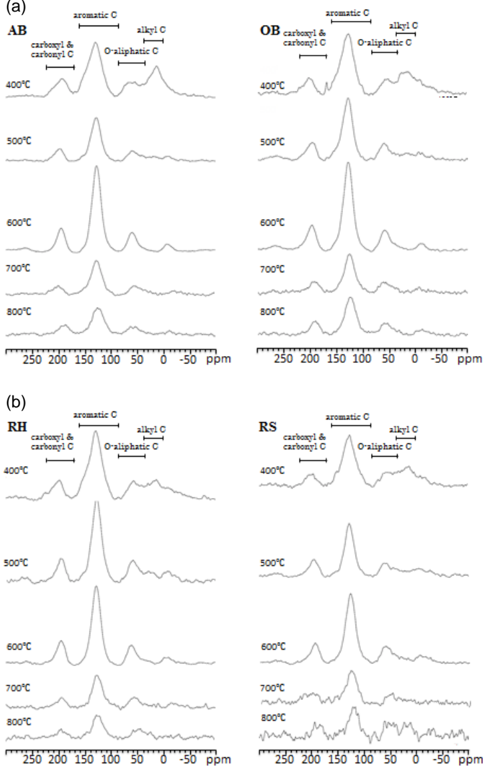
Biochar is widely recognized as an efficient tool for carbon sequestration and soil fertility. The understanding of its chemical and physical properties, which are strongly related to the type of the initial material used and pyrolysis conditions, is crucial to identify the most suitable application of biochar in soil. A selection of organic wastes with different characteristics (e.g., rice husk (RH), rice straw (RS), wood chips of apple tree (Malus pumila) (AB), and oak tree (Quercus serrata) (OB)) were pyrolyzed at different temperatures (400, 500, 600, 700, and 800 °C) in order to optimize the physicochemical properties of biochar as a soil amendment. Low-temperature pyrolysis produced high biochar yields; in contrast, high-temperature pyrolysis led to biochars with a high C content, large surface area, and high adsorption characteristics. Biochar obtained at 600 °C leads to a high recalcitrant character, whereas that obtained at 400 °C retains volatile and easily labile compounds. The biochar obtained from rice materials (RH and RS) showed a high yield and unique chemical properties because of the incorporation of silica elements into its chemical structure. The biochar obtained from wood materials (AB and OB) showed high carbon content and a high absorption character.
Overview
The claims and statistics of this paper haven’t been checked yet.
Free: it reads the open-access text and checks the first 5 claims that cite a source we can check. Create a free account to check every claim.
Integrity signals
Registry
Cites
Statistics
Figures
Verification
Claims the paper makes
The claims and statistics of this paper haven’t been checked yet.
Free: it reads the open-access text and checks the first 5 claims that cite a source we can check. Create a free account to check every claim.
Claims other papers make about this one
Each is checked against this paper’s own text: does it say what the citing paper says it does?
The source backs part of the claim, not all of it — or backs it for a different population, condition or comparison.
In the citing paper
“Higher temperatures, such as above 500 °C, produce biochar with a high C content, lower volatile matter, higher pH, large specific surface area and higher micropore volume.”
From Comparing straw, compost, and biochar regarding their suitability as agricultural soil amendments to affect soil structure, nutrient leaching, microbial communities, and the fate of pesticides (2021) · cites this paper as Jindo et al., 2014
Experimental — accuracy not yet measuredThe cited source says what the claim attributes to it.
In the citing paper
“The pyrolysis temperature is strongly correlated with changes in the structure and physicochemical properties of biochar”
From Biochar physicochemical properties: pyrolysis temperature and feedstock kind effects (2020) · cites this paper as Jindo et al. 2014
Self-check
Percentages, sums and reported differences re-computed from the paper’s own numbers.
The self-check needs the paper’s full text.
Citations
Cites
Characteristics of hemicellulose, cellulose and lignin pyrolysis
Yang, H., Yan, R., Chen, H., Lee, D. H., & Zheng, C. (2007) · Fuel · doi:10.1016/j.fuel.2006.12.013 · Cited by 8,155 · cited 1×
“Yang et al. (2007) and Khodadad et al. (2011) found that the biochar derived from wood Biogeosciences, 11, 6613–6621, 2014 www.biogeosciences.net/11/6613/2014/ Fig.”
BackgroundBiochar effects on soil biota – A review
Lehmann, J., Rillig, M. C., Thies, J., Masiello, C. A., Hockaday, W. C., & Crowley, D. (2011) · Soil Biology and Biochemistry · doi:10.1016/j.soilbio.2011.04.022 · Cited by 5,074
The forms of alkalis in the biochar produced from crop residues at different temperatures
Yuan, J.-H., Xu, R.-K., & Zhang, H. (2011) · Bioresource Technology · doi:10.1016/j.biortech.2010.11.018 · Cited by 2,029
Lehmann, J. (2007) · Frontiers in Ecology and the Environment · doi:10.1890/1540-9295(2007)5[381:bitb]2.0.co;2 · Cited by 1,714
Beesley, L., Moreno-Jiménez, E., Gomez-Eyles, J. L., Harris, E., Robinson, B., & Sizmur, T. (2011) · Environmental Pollution · doi:10.1016/j.envpol.2011.07.023 · Cited by 1,610 · cited 2×
“In addition to the studies on the use of biochar for carbon sequestration, a number of reports have focused on alternative applications of biochar for the improvement of soil fertility, plant growth, and decontamination of pollutants such as pesticides, heavy metals, and hydrocarbons (Beesley et al., 2011; Cabrera et…”
BackgroundPositive and negative carbon mineralization priming effects among a variety of biochar-amended soils
Zimmerman, A. R., Gao, B., & Ahn, M.-Y. (2011) · Soil Biology and Biochemistry · doi:10.1016/j.soilbio.2011.02.005 · Cited by 1,438
Review of the stability of biochar in soils: predictability of O:C molar ratios
Spokas, K. A. (2010) · Carbon Management · doi:10.4155/cmt.10.32 · Cited by 1,160
Characterization of biochars to evaluate recalcitrance and agronomic performance
Enders, A., Hanley, K., Whitman, T., Joseph, S., & Lehmann, J. (2012) · Bioresource Technology · doi:10.1016/j.biortech.2012.03.022 · Cited by 1,113 · cited 3×
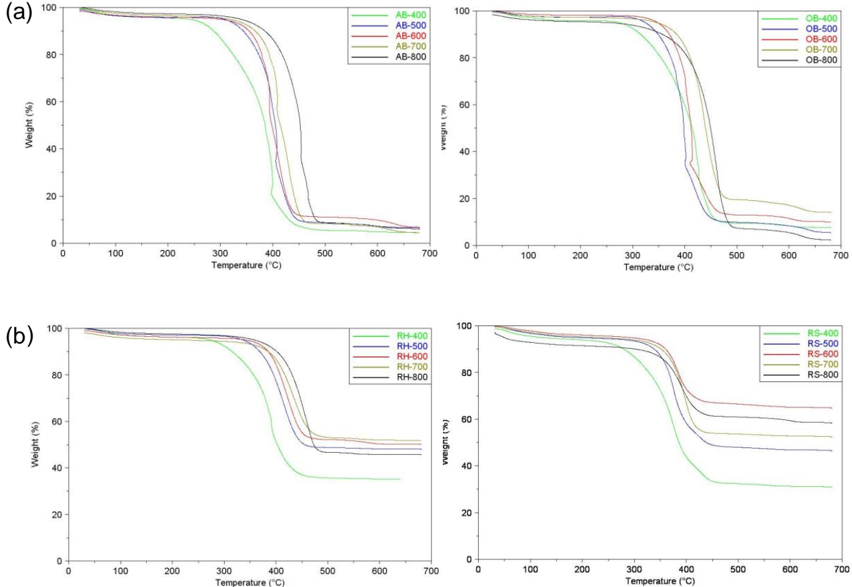
“Among the different biochar types, woody biochars (AB and OB) showed a larger change in the volatile content from 400 to 800 ◦C than non-woody biochars (RS and RH), as previously observed (Enders et al., 2012).”
BackgroundResultInfluentialEffect of Low-Temperature Pyrolysis Conditions on Biochar for Agricultural Use
Gaskin, J. W., Steiner, C., Harris, K., Das, K. C., & Bibens, B. (2008) · Transactions of the ASABE · doi:10.13031/2013.25409 · Cited by 1,015
Characterisation and evaluation of biochars for their application as a soil amendment
Singh, B., Singh, B. P., & Cowie, A. L. (2010) · Soil Research · doi:10.1071/sr10058 · Cited by 991 · cited 2×
“that of wood (Eucalyptus) biochar (Singh et al., 2010), while the treatment of soil with woodchip biochar results in higher saturated hydraulic conductivities than that treated with manure-based biochar (Lei and Zhang, 2012).”
Background
Cited by
Biochar physicochemical properties: pyrolysis temperature and feedstock kind effects
Tomczyk, A., Sokołowska, Z., & Boguta, P. (2020) · Reviews in Environmental Science and Bio/Technology · doi:10.1007/s11157-020-09523-3 · Cited by 2,948
Dai, Y., Zhang, N., Xing, C., Cui, Q., & Sun, Q. (2019) · Chemosphere · doi:10.1016/j.chemosphere.2019.01.161 · Cited by 935
Xiao, X., Chen, B., Chen, Z., Zhu, L., & Schnoor, J. L. (2018) · Environmental Science & Technology · doi:10.1021/acs.est.7b06487 · Cited by 914
Qambrani, N. A., Rahman, M. M., Won, S., Shim, S., & Ra, C. (2017) · Renewable and Sustainable Energy Reviews · doi:10.1016/j.rser.2017.05.057 · Cited by 774
Domingues, R. R., Trugilho, P. F., Silva, C. A., Melo, I. C. N. A. D., Melo, L. C. A., Magriotis, Z. M., & Sánchez-Monedero, M. A. (2017) · PLOS ONE · doi:10.1371/journal.pone.0176884 · Cited by 654
Self-citationMultifunctional applications of biochar beyond carbon storage
Bolan, N., Hoang, S. A., Beiyuan, J., Gupta, S., Hou, D., Karakoti, A., Joseph, S., Jung, S., Kim, K.-H., Kirkham, M. B., et al. (2022) · International Materials Reviews · doi:10.1080/09506608.2021.1922047 · Cited by 638
Biochar soil amendment on alleviation of drought and salt stress in plants: a critical review
Ali, S., Rizwan, M., Qayyum, M. F., Ok, Y. S., Ibrahim, M., Riaz, M., Arif, M. S., Hafeez, F., Al-Wabel, M. I., & Shahzad, A. N. (2017) · Environmental Science and Pollution Research · doi:10.1007/s11356-017-8904-x · Cited by 598
Siedt, M., Schäffer, A., Smith, K. E. C., Nabel, M., Roß-Nickoll, M., & van Dongen, J. T. (2021) · Science of The Total Environment · doi:10.1016/j.scitotenv.2020.141607 · Cited by 563
Biochemical cycling of nitrogen and phosphorus in biochar-amended soils
Gul, S., & Whalen, J. K. (2016) · Soil Biology and Biochemistry · doi:10.1016/j.soilbio.2016.08.001 · Cited by 519
Pariyar, P., Kumari, K., Jain, M. K., & Jadhao, P. S. (2020) · Science of The Total Environment · doi:10.1016/j.scitotenv.2019.136433 · Cited by 454
Janu, R., Mrlik, V., Ribitsch, D., Hofman, J., Sedláček, P., Bielská, L., & Soja, G. (2021) · Carbon Resources Conversion · doi:10.1016/j.crcon.2021.01.003 · Cited by 453
Zhang, X., Zhang, P., Yuan, X., Li, Y., & Han, L. (2020) · Bioresource Technology · doi:10.1016/j.biortech.2019.122318 · Cited by 445
Recent developments on algal biochar production and characterization
Yu, K. L., Lau, B. F., Show, P. L., Ong, H. C., Ling, T. C., Chen, W.-H., Ng, E. P., & Chang, J.-S. (2017) · Bioresource Technology · doi:10.1016/j.biortech.2017.08.009 · Cited by 425
Ghodake, G. S., Shinde, S. K., Kadam, A. A., Saratale, R. G., Saratale, G. D., Kumar, M., Palem, R. R., AL-Shwaiman, H. A., Elgorban, A. M., Syed, A., et al. (2021) · Journal of Cleaner Production · doi:10.1016/j.jclepro.2021.126645 · Cited by 414
Impact of biochar properties on soil conditions and agricultural sustainability: A review
Al‐Wabel, M. I., Hussain, Q., Usman, A. R. A., Ahmad, M., Abduljabbar, A., Sallam, A. S., & Ok, Y. S. (2018) · Land Degradation & Development · doi:10.1002/ldr.2829 · Cited by 298
A critical review on production, modification and utilization of biochar
Xie, Y., Wang, L., Li, H., Westholm, L. J., Carvalho, L., Thorin, E., Yu, Z., Yu, X., & Skreiberg, Ø. (2022) · Journal of Analytical and Applied Pyrolysis · doi:10.1016/j.jaap.2021.105405 · Cited by 290
Bandara, T., Franks, A., Xu, J., Bolan, N., Wang, H., & Tang, C. (2020) · Critical Reviews in Environmental Science and Technology · doi:10.1080/10643389.2019.1642832 · Cited by 289
Biochar bound urea boosts plant growth and reduces nitrogen leaching
Shi, W., Ju, Y., Bian, R., Li, L., Joseph, S., Mitchell, D. R. G., Munroe, P., Taherymoosavi, S., & Pan, G. (2020) · Science of The Total Environment · doi:10.1016/j.scitotenv.2019.134424 · Cited by 284
Potential role of biochar in advanced oxidation processes: A sustainable approach
Nidheesh, P. V., Gopinath, A., Ranjith, N., Praveen Akre, A., Sreedharan, V., & Suresh Kumar, M. (2021) · Chemical Engineering Journal · doi:10.1016/j.cej.2020.126582 · Cited by 284
Li, S., & Chen, G. (2018) · Waste Management · doi:10.1016/j.wasman.2018.05.048 · Cited by 279
Wang, S., Kwak, J.-H., Islam, M. S., Naeth, M. A., Gamal El-Din, M., & Chang, S. X. (2020) · Science of The Total Environment · doi:10.1016/j.scitotenv.2020.136538 · Cited by 270
Biochar as a support for nanocatalysts and other reagents: Recent advances and applications
Pereira Lopes, R., & Astruc, D. (2021) · Coordination Chemistry Reviews · doi:10.1016/j.ccr.2020.213585 · Cited by 257
Biochar application: A sustainable approach to improve soil health
Singh Yadav, S. P., Bhandari, S., Bhatta, D., Poudel, A., Bhattarai, S., Yadav, P., Ghimire, N., Paudel, P., Paudel, P., Shrestha, J., et al. (2023) · Journal of Agriculture and Food Research · doi:10.1016/j.jafr.2023.100498 · Cited by 257
Banik, C., Lawrinenko, M., Bakshi, S., & Laird, D. A. (2018) · Journal of Environmental Quality · doi:10.2134/jeq2017.11.0432 · Cited by 244
Removal of aqueous Cr(VI) by a magnetic biochar derived from Melia azedarach wood
Zhang, X., Lv, L., Qin, Y., Xu, M., Jia, X., & Chen, Z. (2018) · Bioresource Technology · doi:10.1016/j.biortech.2018.01.145 · Cited by 241
Domingues, R. R., Sánchez-Monedero, M. A., Spokas, K. A., Melo, L. C. A., Trugilho, P. F., Valenciano, M. N., & Silva, C. A. (2020) · Agronomy · doi:10.3390/agronomy10060824 · Cited by 237
Self-citationVithanage, M., Mayakaduwa, S. S., Herath, I., Ok, Y. S., & Mohan, D. (2016) · Chemosphere · doi:10.1016/j.chemosphere.2015.11.002 · Cited by 233
“This may be due to the presence of lignin in rice husk biomass and possible interactions between organics and inorganics during biomass pyrolysis (Jindo et al., 2014).”
BackgroundVarying effect of biochar on Cd, Pb and As mobility in a multi-metal contaminated paddy soil
Yin, D., Wang, X., Chen, C., Peng, B., Tan, C., & Li, H. (2016) · Chemosphere · doi:10.1016/j.chemosphere.2016.01.044 · Cited by 233
“0 cmol kg 1) (Gaskin et al., 2007; Atkinson et al., 2010; Beesley et al., 2011; Ahmad et al., 2014; Jindo et al., 2014), which resulted in effective immobilization of metal cations mainly through metal precipitation and surface complexation (Inyang et al.”
BackgroundBiochar Role in the Sustainability of Agriculture and Environment
Ayaz, M., Feizienė, D., Tilvikienė, V., Akhtar, K., Stulpinaitė, U., & Iqbal, R. (2021) · Sustainability · doi:10.3390/su13031330 · Cited by 224
Pathy, A., Meher, S., & P, B. (2020) · Algal Research · doi:10.1016/j.algal.2020.102006 · Cited by 224
Application Research of Biochar for the Remediation of Soil Heavy Metals Contamination: A Review
Cheng, S., Chen, T., Xu, W., Huang, J., Jiang, S., & Yan, B. (2020) · Molecules · doi:10.3390/molecules25143167 · Cited by 216
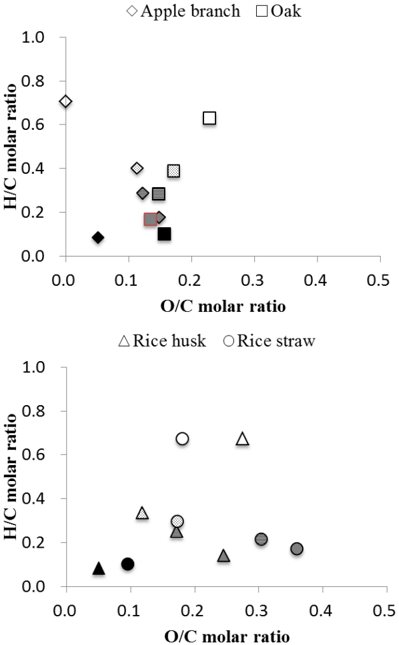
“[66] reported that the O/C ratio of biochar pyrolyzed in the temperature range of 400~500 ◦C changed according to the following order: rice straw > rice husk > wood chips of apple tree > wood chips of oak tree.”
BackgroundHossain, N., Nizamuddin, S., Griffin, G., Selvakannan, P., Mubarak, N. M., & Mahlia, T. M. I. (2020) · Scientific Reports · doi:10.1038/s41598-020-75936-3 · Cited by 214
Zeghioud, H., Fryda, L., Djelal, H., Assadi, A., & Kane, A. (2022) · Journal of Water Process Engineering · doi:10.1016/j.jwpe.2022.102801 · Cited by 209
Ashokkumar, V., Flora, G., Venkatkarthick, R., SenthilKannan, K., Kuppam, C., Mary Stephy, G., Kamyab, H., Chen, W.-H., Thomas, J., & Ngamcharussrivichai, C. (2022) · Fuel · doi:10.1016/j.fuel.2022.124313 · Cited by 207
Biochar properties: Transport, fate, and impact
Aller, M. F. (2016) · Critical Reviews in Environmental Science and Technology · doi:10.1080/10643389.2016.1212368 · Cited by 204
Nitrogen retention of biochar derived from different feedstocks at variable pyrolysis temperatures
Li, S., Barreto, V., Li, R., Chen, G., & Hsieh, Y. P. (2018) · Journal of Analytical and Applied Pyrolysis · doi:10.1016/j.jaap.2018.04.010 · Cited by 202
Sustainable improvement of soil health utilizing biochar and arbuscular mycorrhizal fungi: A review
Gujre, N., Soni, A., Rangan, L., Tsang, D. C. W., & Mitra, S. (2021) · Environmental Pollution · doi:10.1016/j.envpol.2020.115549 · Cited by 188
H2O2 treatment enhanced the heavy metals removal by manure biochar in aqueous solutions
Wang, Y., & Liu, R. (2018) · Science of The Total Environment · doi:10.1016/j.scitotenv.2018.02.137 · Cited by 187
Mona, S., Malyan, S. K., Saini, N., Deepak, B., Pugazhendhi, A., & Kumar, S. S. (2021) · Chemosphere · doi:10.1016/j.chemosphere.2021.129856 · Cited by 186
Khater, E.-S., Bahnasawy, A., Hamouda, R., Sabahy, A., Abbas, W., & Morsy, O. M. (2024) · Scientific Reports · doi:10.1038/s41598-024-52336-5 · Cited by 178
“These results agree with those obtained by Jindo et al 5 , they found that the total nitrogen decreased from 0.76 to 0.34%, 0.69 to 0.32%, 0.69 to 0.22%, and 1.22 to 0.25% for apple tree, tree oak, rice husk, and rice straw, respectively, when the pyrolysis temperature increased from 400 to 800 °C.”
ResultInfluentialIbrahim, M. M., Tong, C., Hu, K., Zhou, B., Xing, S., & Mao, Y. (2020) · Science of The Total Environment · doi:10.1016/j.scitotenv.2020.140065 · Cited by 178
Neogi, S., Sharma, V., Khan, N., Chaurasia, D., Ahmad, A., Chauhan, S., Singh, A., You, S., Pandey, A., & Chaturvedi, P. (2021) · Chemosphere · doi:10.1016/j.chemosphere.2021.133474 · Cited by 177
Engineered algal biochar for contaminant remediation and electrochemical applications
Singh, A., Sharma, R., Pant, D., & Malaviya, P. (2021) · Science of The Total Environment · doi:10.1016/j.scitotenv.2021.145676 · Cited by 172
“Physico-chemical properties of algal biochar are determined by the pyrolytic procedure, the temperature at which the process occurs, chemical activation, residence time, heating rate, and reaction vessel (Mukome et al., 2013; Jindo et al., 2014).”
BackgroundWu, Y., Wang, X., Zhang, L., Zheng, Y., Liu, X., & Zhang, Y. (2023) · Frontiers in Plant Science · doi:10.3389/fpls.2023.1163451 · Cited by 175
Kanjanarong, J., Giri, B. S., Jaisi, D. P., Oliveira, F. R., Boonsawang, P., Chaiprapat, S. S., Singh, R. S., Balakrishna, A., & Khanal, S. K. (2017) · Bioresource Technology · doi:10.1016/j.biortech.2017.03.009 · Cited by 171
Mierzwa–Hersztek, M., Gondek, K., Jewiarz, M., & Dziedzic, K. (2019) · Journal of Material Cycles and Waste Management · doi:10.1007/s10163-019-00832-6 · Cited by 170
Assessing biochar ecotoxicology for soil amendment by root phytotoxicity bioassays
Visioli, G., Conti, F. D., Menta, C., Bandiera, M., Malcevschi, A., Jones, D. L., & Vamerali, T. (2016) · Environmental Monitoring and Assessment · doi:10.1007/s10661-016-5173-y · Cited by 168
Campos, P., Miller, A. Z., Knicker, H., Costa-Pereira, M. F., Merino, A., & De la Rosa, J. M. (2020) · Waste Management · doi:10.1016/j.wasman.2020.02.013 · Cited by 167
Athira, G., Bahurudeen, A., Appari, S., & Nanthagopalan, P. (2018) · Journal of Cleaner Production · doi:10.1016/j.jclepro.2018.08.252 · Cited by 166
Agricultural and Environmental Applications of Biochar: Advances and Barriers
Guo, M., Uchimiya, S. M., & He, Z. (2016) · SSSA Special Publications · doi:10.2136/sssaspecpub63.2014.0054 · Cited by 150
Wang, Y., & Liu, R. (2017) · Fuel Processing Technology · doi:10.1016/j.fuproc.2017.02.019 · Cited by 165
Gonzaga, M. I. S., Mackowiak, C. L., de Almeida, A. Q., Júnior, J. I. T. D. C., & Andrade, K. R. (2017) · CATENA · doi:10.1016/j.catena.2017.10.018 · Cited by 164
Recent Advances in Biochar Polymer Composites
Bartoli, M., Arrigo, R., Malucelli, G., Tagliaferro, A., & Duraccio, D. (2022) · Polymers · doi:10.3390/polym14122506 · Cited by 161
“In particular, a concurrent decrease of the O/C and N/C ratios is usually observed in BC pyrolyzed at high temperatures due to the occurrence of temperature-induced dehydration and decarboxylation processes [38,39].”
BackgroundA quantitative understanding of the role of co-composted biochar in plant growth using meta-analysis
Wang, Y., Villamil, M. B., Davidson, P. C., & Akdeniz, N. (2019) · Science of The Total Environment · doi:10.1016/j.scitotenv.2019.06.244 · Cited by 161
Zhang, J., Jin, J., Wang, M., Naidu, R., Liu, Y., Man, Y. B., Liang, X., Wong, M. H., Christie, P., Zhang, Y., et al. (2020) · Environmental Research · doi:10.1016/j.envres.2020.110034 · Cited by 160
Tan, K., Qin, Y., & Wang, J. (2021) · Construction and Building Materials · doi:10.1016/j.conbuildmat.2021.125648 · Cited by 160
Sun, T., Levin, B. D. A., Schmidt, M. P., Guzman, J. J. L., Enders, A., Martínez, C. E., Muller, D. A., Angenent, L. T., & Lehmann, J. C. (2018) · Environmental Science & Technology · doi:10.1021/acs.est.8b02340 · Cited by 159
Tu, P., Zhang, G., Wei, G., Li, J., Li, Y., Deng, L., & Yuan, H. (2022) · Bioresources and Bioprocessing · doi:10.1186/s40643-022-00618-z · Cited by 159
Mašek, O., Buss, W., Roy-Poirier, A., Lowe, W., Peters, C., Brownsort, P. A., Mignard, D., Pritchard, C., & Sohi, S. (2018) · Journal of Analytical and Applied Pyrolysis · doi:10.1016/j.jaap.2018.02.020 · Cited by 159
Nanobiochar for the remediation of contaminated soil and water: challenges and opportunities
Jiang, M., He, L., Niazi, N. K., Wang, H., Gustave, W., Vithanage, M. S., Geng, K., Shang, H., Zhang, X., & Wang, Z. (2023) · Biochar · doi:10.1007/s42773-022-00201-x · Cited by 158
Bhat, S. A., Kuriqi, A., Dar, M. U. D., Bhat, O. A., Sammen, S. S., Islam, A. R. M. T., Elbeltagi, A., Shah, O., Al-Ansari, N. A., Ali, R., et al. (2022) · Sustainability · doi:10.3390/su141711104 · Cited by 160
Rasul, M., Cho, J., Shin, H.-S., & Hur, J. (2022) · Science of The Total Environment · doi:10.1016/j.scitotenv.2021.150304 · Cited by 154
Dhar, S. A., Sakib, T. U., & Hilary, L. N. (2020) · Biomass Conversion and Biorefinery · doi:10.1007/s13399-020-01116-y · Cited by 153
Shakoor, A., Arif, M. S., Shahzad, S. M., Farooq, T. H., Ashraf, F., Altaf, M. M., Ahmed, W., Tufail, M. A., & Ashraf, M. (2021) · Environmental Research · doi:10.1016/j.envres.2021.111789 · Cited by 151
Biochar efficiency in pesticides sorption as a function of production variables—a review
Yavari, S., Malakahmad, A., & Sapari, N. (2015) · Environmental Science and Pollution Research · doi:10.1007/s11356-015-5114-2 · Cited by 147
Sarfaraz, Q., da Silva, L. S., Drescher, G. L., Zafar, M., Severo, F. F., Kokkonen, A. A., Molin, G. D., Shafi, M. I., Shafique, Q., & Solaiman, Z. M. (2020) · Scientific Reports · doi:10.1038/s41598-020-57987-8 · Cited by 147
Biochar as a means to improve soil fertility and crop productivity: a review
Kapoor, A., Sharma, R., Kumar, A., & Sepehya, S. (2022) · Journal of Plant Nutrition · doi:10.1080/01904167.2022.2027980 · Cited by 147
A review of the next-generation biochar production from waste biomass for material applications
Mishra, R. K., & Mohanty, K. (2023) · Science of The Total Environment · doi:10.1016/j.scitotenv.2023.167171 · Cited by 146
Phytolith‐rich biochar: A potential Si fertilizer in desilicated soils
Li, Z., & Delvaux, B. (2019) · GCB Bioenergy · doi:10.1111/gcbb.12635 · Cited by 142
Estimating the organic oxygen content of biochar
Bakshi, S., Banik, C., & Laird, D. A. (2020) · Scientific Reports · doi:10.1038/s41598-020-69798-y · Cited by 132
Singh, R., & Patel, M. (2022) · Biomass & Bioenergy · doi:10.1016/j.biombioe.2022.106411 · Cited by 115
Anand, A., Gautam, S., & Ram, L. C. (2023) · Journal of Analytical and Applied Pyrolysis · doi:10.1016/j.jaap.2023.105881 · Cited by 146
Biochar and Rhizobacteria Amendments Improve Several Soil Properties and Bacterial Diversity
Ren, H., Huang, B., Fernández‐García, V., Miesel, J., Li, Y., & Lv, C. (2020) · Microorganisms · doi:10.3390/microorganisms8040502 · Cited by 145
Effective Usage of Biochar and Microorganisms for the Removal of Heavy Metal Ions and Pesticides
Manikandan, S. K., Pallavi, P., Shetty, K., Bhattacharjee, D., Giannakoudakis, D. A., Katsoyiannis, I. A., & Nair, V. (2023) · Molecules · doi:10.3390/molecules28020719 · Cited by 144
Use of biochar as feed supplements for animal farming
Man, K. Y., Chow, K. L., Man, Y. B., Mo, W. Y., & Wong, M. H. (2021) · Critical Reviews in Environmental Science and Technology · doi:10.1080/10643389.2020.1721980 · Cited by 142
Shaheen, S. M., Antoniadis, V., Shahid, M. A. R., Yang, Y., Abdelrahman, H. M., Zhang, T., Hassan, N. E. E., Bibi, I., Niazi, N. K., Younis, S. A., et al. (2021) · Renewable and Sustainable Energy Reviews · doi:10.1016/j.rser.2021.111791 · Cited by 143
Biochar from vegetable wastes: agro-environmental characterization
Pradhan, S., Abdelaal, A. H., Mroué, K. H., Al‐Ansari, T. A., Mackey, H. R., & McKay, G. (2020) · Biochar · doi:10.1007/s42773-020-00069-9 · Cited by 143
The Use of Biochar for Plant Pathogen Control
Poveda, J., Martínez‐Gómez, Á., Fenoll, C., & Escobar, C. (2021) · Phytopathology · doi:10.1094/phyto-06-20-0248-rvw · Cited by 142
Hussain, R., Ravi, K., & Garg, A. (2020) · Soil and Tillage Research · doi:10.1016/j.still.2020.104713 · Cited by 140
Characteristics and applications of biochar for remediating Cr(VI)-contaminated soils and wastewater
Xia, S., Song, Z., Jeyakumar, P., Bolan, N. S., & Wang, H. (2019) · Environmental Geochemistry and Health · doi:10.1007/s10653-019-00445-w · Cited by 141
Taskin, E., de Castro Bueno, C., Allegretta, I., Terzano, R., Rosa, A. H., & Loffredo, E. (2019) · Chemosphere · doi:10.1016/j.chemosphere.2019.05.204 · Cited by 138
Suitability of marginal biomass-derived biochars for soil amendment
Buss, W., Graham, M. C., Shepherd, J. G., & Mašek, O. (2016) · Science of The Total Environment · doi:10.1016/j.scitotenv.2015.11.148 · Cited by 136
Pratiwi, E. P. A., & Shinogi, Y. (2016) · Paddy and Water Environment · doi:10.1007/s10333-015-0521-z · Cited by 134
Mojiri, A., Andasht Kazeroon, R., & Gholami, A. (2019) · Water · doi:10.3390/w11030551 · Cited by 122
Influence of pyrolysis temperature on chemical and physical properties of biochar from sewage sludge
Figueiredo, C., Lopes, H., Coser, T., Vale, A., Busato, J., Aguiar, N., Novotny, E., & Canellas, L. (2018) · Archives of Agronomy and Soil Science · doi:10.1080/03650340.2017.1407870 · Cited by 130
“Since the total N content increased at 300°C (Figure 1(b)), N is probably preserved in the material but converted to more stable compounds, like pyrrole-type N (Novak et al. 2009).”
BackgroundInfluentialPyrolysis of coconut husk biomass: Analysis of its biochar properties
Suman, S., & Gautam, S. (2017) · Energy Sources, Part A: Recovery, Utilization, and Environmental Effects · doi:10.1080/15567036.2016.1263252 · Cited by 105
Ali, I., He, L., Ullah, S., Zhao, Q., Wei, S., Iqbal, A., Munsif, F., Shah, T. M., Xuan, Y., Luo, Y., et al. (2020) · Food and Energy Security · doi:10.1002/fes3.208 · Cited by 130
Mašek, O., Buss, W., Brownsort, P. A., Rovere, M., Tagliaferro, A., Zhao, L., Cao, X., & Xu, G. (2019) · Scientific Reports · doi:10.1038/s41598-019-41953-0 · Cited by 128
Jayabalakrishnan, D., Prabhu, P., Shajahan, M. I., Mugendiran, V., Ravi, S., & Prakash, V. R. A. (2021) · Polymer Composites · doi:10.1002/pc.26393 · Cited by 126
Mujtaba, G., Hayat, R., Hussain, Q., & Ahmed, M. (2021) · Sustainability · doi:10.3390/su13094628 · Cited by 125
Khalil, A., Sergeevich, N., & Borisova, V. (2018) · Adsorption Science & Technology · doi:10.1177/0263617418768944 · Cited by 113
Biochar for delivery of agri-inputs: Current status and future perspectives
Sashidhar, P., Kochar, M., Singh, B., Gupta, M., Cahill, D., Adholeya, A., & Dubey, M. (2020) · Science of The Total Environment · doi:10.1016/j.scitotenv.2019.134892 · Cited by 111
Stylianou, M., Christou, A., Dalias, P., Polycarpou, P., Michael, C., Agapiou, A., Papanastasiou, P., & Fatta-Kassinos, D. (2020) · Journal of the Energy Institute · doi:10.1016/j.joei.2020.05.002 · Cited by 122
Sustainable carbon materials from the pyrolysis of lignocellulosic biomass
Yu, S., Wang, L., Li, Q., Zhang, Y., & Zhou, H. (2022) · Materials Today Sustainability · doi:10.1016/j.mtsust.2022.100209 · Cited by 122
Dunnigan, L., Ashman, P. J., Zhang, X., & Kwong, P. C. W. (2016) · Journal of Cleaner Production · doi:10.1016/j.jclepro.2016.11.107 · Cited by 122
Nair, R. R., Mondal, M. M., & Weichgrebe, D. (2022) · Biomass Conversion and Biorefinery · doi:10.1007/s13399-020-01000-9 · Cited by 121
Alotaibi, K. D., & Schoenau, J. J. (2019) · Agronomy · doi:10.3390/agronomy9060327 · Cited by 121
Adeniyi, A. G., Ighalo, J. O., & Onifade, D. V. (2020) · Chemistry Africa · doi:10.1007/s42250-020-00119-6 · Cited by 120
van Schalkwyk, D. L., Mandegari, M. A., Farzad, S., & Görgens, J. F. (2020) · Energy Conversion and Management · doi:10.1016/j.enconman.2020.112815 · Cited by 121
Conversion of waste into organo-mineral fertilizers: current technological trends and prospects
Bouhia, Y., Hafidi, M., Ouhdouch, Y., Boukhari, M. E. M. E., Mphatso, C., Zeroual, Y., & Lyamlouli, K. (2022) · Reviews in Environmental Science and Bio/Technology · doi:10.1007/s11157-022-09619-y · Cited by 120
Metadata
- Authors
- Jindo, K., Mizumoto, H., Sawada, Y., Sanchez-Monedero, M. A., & Sonoki, T.
- Affiliations
- Consejo Superior de Investigaciones Científicas (ES)
- Hirosaki University (JP)
- Institute of Industrial Science, The University of Tokyo (JP)
- Corresponding author
- Jindo, K.
- Venue
- Biogeosciences
- Publisher
- Copernicus GmbH
- Published
- 2014-12-01
- Volume
- 11
- Issue
- 23
- Pages
- 6613-6621
- ISSN
- 1726-4170 (ISSN-L)
- 1726-4189
- OpenAlex
- W2144553596
- Cited by
- 822
- References
- 54
- Citations by year
- 2026: 64 · 2025: 80 · 2024: 83 · 2023: 87 · 2022: 82 · 2021: 98 · 2020: 116 · 2019: 72 · 2018: 64 · 2017: 43 · 2016: 25 · 2015: 8
- FWCI
- 13.15
- Type
- journal article
- Language
- en
- Open access
- gold
- doi.org
- Licence
- Locations
- Biogeosciences (publishedVersion, cc-by)
- DIGITAL.CSIC (Spanish National Research Council (CSIC)) (submittedVersion, cc-by)
- DOAJ (DOAJ: Directory of Open Access Journals) (submittedVersion, cc-by-sa)
- Funders
- Japan Society for the Promotion of Science
- Consejo Superior de Investigaciones Científicas
- Topics
- Physical Sciences › Energy › Fuel Technology › Thermochemical Biomass Conversion Processes
- Life Sciences › Agricultural and Biological Sciences › Soil Science › Soil Carbon and Nitrogen Dynamics
- Physical Sciences › Environmental Science › Water Science and Technology › Adsorption and biosorption for pollutant removal
- Keywords
- biochar, agricultural residues, pyrolysis temperature, rice husk, rice straw, oak wood chips, soil amendment, carbon sequestration, biochar yield, surface area, adsorption, recalcitrant carbon, silica incorporation, organic waste valorization
About these checks
Registry, retraction, Cites and statistics results are computed, not judged, with one exception: a printed reference that no index lists is read once by a model before it counts as a citation error. Claims are extracted by a model and kept only when their quote appears verbatim in the text; each cited source is then checked, with a model’s help, for whether it says what the claim relies on. Those verdicts can be wrong — read the claim’s quote and the cited source before relying on one.
Statistics and arithmetic are recomputed, not judged.
Confidence bands are shown only for fields calibrated on our annotated test set. None is calibrated yet, so no band is shown.
What counts as a claim ›How we measure confidence ›How we check this ›
Are you an author, or do you see a problem with this page? Request a review
Data sources
Bibliographic data: Semantic Scholar, OpenAlex, Crossref.
Contains information from the Semantic Scholar Academic Graph Datasets, made available under the ODC Attribution License (ODC-BY 1.0).
Semantic Scholar’s data is described in: Kinney, R., et al. (2023). The Semantic Scholar Open Data Platform. arXiv:2301.10140.
