

ELISA in the multiplex era: Potentials and pitfalls
Open accessThe DOI matches its Crossref record; 92 of the 92 references it cites were found in a registry or an index.
Abstract
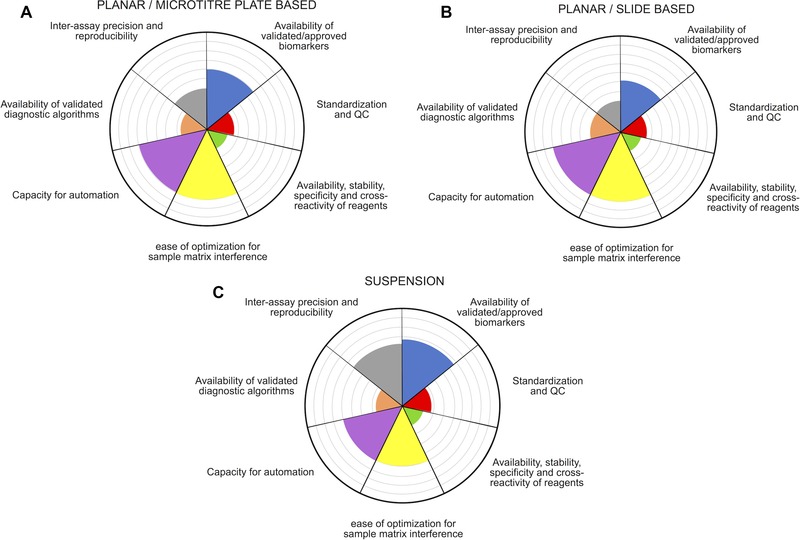
Multiplex immunoassays confer several advantages over widely adopted singleplex immunoassays including increased efficiency at a reduced expense, greater output per sample volume ratios and higher throughput predicating more resolute, detailed diagnostics and facilitating personalised medicine. Nonetheless, to date, relatively few protein multiplex immunoassays have been validated for in vitro diagnostics in clinical/point‐of‐care settings. This review article will outline the challenges, which must be ameliorated prior to the widespread integration of multiplex immunoassays in clinical settings: (i) biomarker validation; (ii) standardisation of immunoassay design and quality control (calibration and quantification); (iii) availability, stability, specificity and cross‐reactivity of reagents; (iv) assay automation and the use of validated algorithms for transformation of raw data into diagnostic results. A compendium of multiplex immunoassays applicable to in vitro diagnostics and a summary of the diagnostic products currently available commercially are included, along with an analysis of the relative states of development for each format (namely planar slide based, suspension and planar/microtitre plate based) with respect to the aforementioned issues.
Overview
The claims and statistics of this paper haven’t been checked yet.
Free: it reads the open-access text and checks the first 5 claims that cite a source we can check. Create a free account to check every claim.
Integrity signals
Registry
Cites
Statistics
Figures
Verification
Claims the paper makes
The claims and statistics of this paper haven’t been checked yet.
Free: it reads the open-access text and checks the first 5 claims that cite a source we can check. Create a free account to check every claim.
Claims other papers make about this one
Each is checked against this paper’s own text: does it say what the citing paper says it does?
The cited source doesn’t support the claim as written.
In the citing paper
“This technology can perform up to 500 bioassays simultaneously from a small quantity of liquid biopsy.”
From Tumor-Induced Inflammatory Cytokines and the Emerging Diagnostic Devices for Cancer Detection and Prognosis (2021) · cites this paper as [129]
Checked by a reasoning model — may be wrong.
Experimental — accuracy not yet measuredThe cited source says what the claim attributes to it.
In the citing paper
“Despite the popularity of the multiplexing assays, only a few have been validated for IVD applications (129).”
From Tumor-Induced Inflammatory Cytokines and the Emerging Diagnostic Devices for Cancer Detection and Prognosis (2021) · cites this paper as [129]
The cited source says what the claim attributes to it.
In the citing paper
“The multiplexed sandwich ELISA came in planar- and microbead-based arrays.”
From Tumor-Induced Inflammatory Cytokines and the Emerging Diagnostic Devices for Cancer Detection and Prognosis (2021) · cites this paper as [129]
Self-check
Percentages, sums and reported differences re-computed from the paper’s own numbers.
The self-check needs the paper’s full text.
Citations
Cites
Continuous cultures of fused cells secreting antibody of predefined specificity
KÖHLER, G., & MILSTEIN, C. (1975) · Nature · doi:10.1038/256495a0 · Cited by 17,229 · cited 1×
“Moreover, the advent of hybridoma technology in the 70s as a means of generating monoclonal antibodies [6] has facilitated the generation of highly robust, antibody-based assays with a proclivity for standardisation and automation.”
BackgroundMET Amplification Leads to Gefitinib Resistance in Lung Cancer by Activating ERBB3 Signaling
Engelman, J. A., Zejnullahu, K., Mitsudomi, T., Song, Y., Hyland, C., Park, J. O., Lindeman, N., Gale, C.-M., Zhao, X., Christensen, J., et al. (2007) · Science · doi:10.1126/science.1141478 · Cited by 4,496
Coactivation of receptor tyrosine kinases affects the response of tumor cells to targeted therapies
Stommel, J. M., Kimmelman, A. C., Ying, H., Nabioullin, R., Ponugoti, A. H., Wiedemeyer, R., Stegh, A. H., Bradner, J. E., Ligon, K. L., Brennan, C., et al. (2007) · Science · doi:10.1126/science.1142946 · Cited by 938
Vanmassenhove, J., Vanholder, R., Nagler, E., & Van Biesen, W. (2013) · Nephrology Dialysis Transplantation · doi:10.1093/ndt/gfs380 · Cited by 377
Quantitative Single Cell Analysis and Sorting
Horan, P. K., & Wheeless, L. L. (1977) · Science · doi:10.1126/science.905822 · Cited by 366 · cited 3×
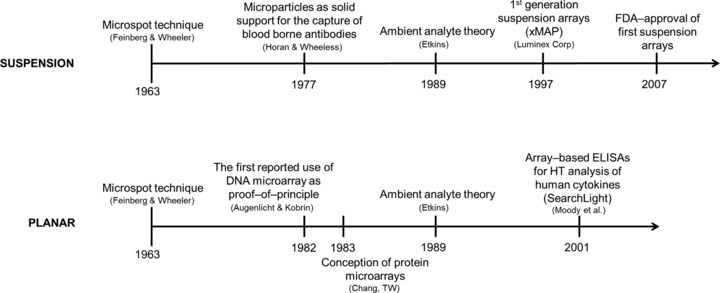
“The origins of suspension immunoassay technology date back to the 1970s when Horan and Wheeless [64] recognised, as part of a review describing some of the diverse applications of flow cytometry, that micro-particles harbouring antigen could constitute a solid support for the capture of blood-borne antibodies; moreove…”
BackgroundInfluentialAntibody-Based Protein Multiplex Platforms: Technical and Operational Challenges
Ellington, A. A., Kullo, I. J., Bailey, K. R., & Klee, G. G. (2010) · Clinical Chemistry · doi:10.1373/clinchem.2009.127514 · Cited by 313 · cited 5×
“Currently, monoclonal antibodies generated by classical hybridoma techniques constitute the most widely utilised capture ligands [66].”
BackgroundInfluentialUpdate on the biomarker core of the Alzheimer's Disease Neuroimaging Initiative subjects
Trojanowski, J. Q., Vandeerstichele, H., Korecka, M., Clark, C. M., Aisen, P. S., Petersen, R. C., Blennow, K., Soares, H., Simon, A., Lewczuk, P., et al. (2010) · Alzheimer's & Dementia · doi:10.1016/j.jalz.2010.03.008 · Cited by 307
Heterophilic antibodies: a problem for all immunoassays.
Boscato, L. M., & Stuart, M. C. (1988) · Clinical Chemistry · doi:10.1093/clinchem/34.1.27 · Cited by 300 · cited 1×
“Heterophile antibodies (those that cross phyla in their reactivity) are present in up to 40% of blood donors, and show low avidity and multispecies specificity [84, 85].”
BackgroundEkins, R. P. (1989) · Journal of Pharmaceutical and Biomedical Analysis · doi:10.1016/0731-7085(89)80079-2 · Cited by 294 · cited 1×
“Ekins devised the ambient analyte theory [8] postulating that miniaturisation of immunoassays (i.”
BackgroundChowdhury, F., Williams, A., & Johnson, P. (2009) · Journal of Immunological Methods · doi:10.1016/j.jim.2008.10.002 · Cited by 284 · cited 1×
“Chowdhury and colleagues [46] reported high intra-assay reproducibility and even comparable inter-assay precision between Luminex and Mesoscale Discovery technologies when measuring high target analyte concentrations, but for measuring low concentrations, interassay variation was variable and analyte dependent.”
Research works printed but not linked: 1
- Guo, A., Zhu, X.‐Y., in: Predki P. (Ed.), Functional Protein Microarrays: Pathways to Discovery, CRC Press, Boca Raton, FL 2006, pp. 60– 61.
Cited by
Krämer, J., Kang, R., Grimm, L. M., De Cola, L., Picchetti, P., & Biedermann, F. (2022) · Chemical Reviews · doi:10.1021/acs.chemrev.1c00746 · Cited by 449
Precision diagnostics: moving towards protein biomarker signatures of clinical utility in cancer
Borrebaeck, C. A. K. (2017) · Nature Reviews Cancer · doi:10.1038/nrc.2016.153 · Cited by 435
Kartikasari, A. E. R., Huertas, C. S., Mitchell, A., & Plebanski, M. (2021) · Frontiers in Oncology · doi:10.3389/fonc.2021.692142 · Cited by 343
Li, S., Zhang, H., Zhu, M., Kuang, Z., Li, X., Xu, F., Miao, S., Zhang, Z., Lou, X., Li, H., et al. (2023) · Chemical Reviews · doi:10.1021/acs.chemrev.1c00759 · Cited by 309
Highly Sensitive and Multiplexed Protein Measurements
Cohen, L., & Walt, D. R. (2019) · Chemical Reviews · doi:10.1021/acs.chemrev.8b00257 · Cited by 294
The Exposome: Molecules to Populations
Niedzwiecki, M. M., Walker, D. I., Vermeulen, R., Chadeau-Hyam, M., Jones, D. P., & Miller, G. W. (2019) · Annual Review of Pharmacology and Toxicology · doi:10.1146/annurev-pharmtox-010818-021315 · Cited by 248
Advantages, Disadvantages and Modifications of Conventional ELISA
Hosseini, S., Vázquez‐Villegas, P., Rito‐Palomares, M., & Martinez-Chapa, S. O. (2017) · SpringerBriefs in applied sciences and technology · doi:10.1007/978-981-10-6766-2_5 · Cited by 250
Pashchenko, O., Shelby, T., Banerjee, T., & Santra, S. (2018) · ACS Infectious Diseases · doi:10.1021/acsinfecdis.8b00023 · Cited by 232
Liposomes and lipid bilayers in biosensors
Mazur, F., Bally, M., Städler, B., & Chandrawati, R. (2017) · Advances in Colloid and Interface Science · doi:10.1016/j.cis.2017.05.020 · Cited by 223
“its high specificity, standard configuration, and ease of readability [1,2].”
BackgroundLi, J., & Macdonald, J. (2016) · Biosensors and Bioelectronics · doi:10.1016/j.bios.2016.04.021 · Cited by 223
Surface Modification of Polymer Substrates for Biomedical Applications
Neděla, O., Slepička, P., & Švorčík, V. (2017) · Materials · doi:10.3390/ma10101115 · Cited by 213
Raman Spectroscopy: An Emerging Tool in Neurodegenerative Disease Research and Diagnosis
Devitt, G., Howard, K., Mudher, A., & Mahajan, S. (2018) · ACS Chemical Neuroscience · doi:10.1021/acschemneuro.7b00413 · Cited by 212
Biomedical application of optical fibre sensors
Correia, R., James, S., Lee, S.-W., Morgan, S. P., & Korposh, S. (2018) · Journal of Optics · doi:10.1088/2040-8986/aac68d · Cited by 206
A roadmap for serum biomarkers for hepatitis B virus: current status and future outlook
Kramvis, A., Chang, K.-M., Dandri, M., Farci, P., Glebe, D., Hu, J., Janssen, H. L. A., Lau, D. T. Y., Penicaud, C., Pollicino, T., et al. (2022) · Nature Reviews Gastroenterology & Hepatology · doi:10.1038/s41575-022-00649-z · Cited by 185
SERS Quantification and Characterization of Proteins and Other Biomolecules
Feliu, N., Hassan, M., Garcia Rico, E., Cui, D., Parak, W., & Alvarez-Puebla, R. (2017) · Langmuir · doi:10.1021/acs.langmuir.7b01567 · Cited by 170
Dye-doped silica nanoparticles: synthesis, surface chemistry and bioapplications
Gubala, V., Giovannini, G., Kunc, F., Monopoli, M. P., & Moore, C. J. (2020) · Cancer Nanotechnology · doi:10.1186/s12645-019-0056-x · Cited by 165
Gold Nanoparticles for Diagnostics: Advances towards Points of Care
Cordeiro, M., Carlos, F. F., Pedrosa, P., López, A. C., & Baptista, P. V. (2016) · Diagnostics · doi:10.3390/diagnostics6040043 · Cited by 167
“Some LFA AuNP-based tests available on the market have already been compared with standard conventional techniques (ELISA), overcoming them in performance.”
MethodInfluentialSanjay, S. T., Jolly, P., Durr, N., Yafia, M., & Ingber, D. E. (2021) · Accounts of Chemical Research · doi:10.1021/acs.accounts.1c00382 · Cited by 148
Organic Electrochemical Transistors for Biomarker Detections
Liu, H., Song, J., Zhao, Z., Zhao, S., Tian, Z., & Yan, F. (2024) · Advanced Science · doi:10.1002/advs.202305347 · Cited by 146
Miniaturized surface engineered technologies for multiplex biosensing devices
Srivastava, V. R., Kumari, R., & Chandra, P. (2023) · Electroanalysis · doi:10.1002/elan.202200355 · Cited by 143
Blood biomarkers in ischemic stroke: potential role and challenges in clinical practice and research
Makris, K., Haliassos, A., Chondrogianni, M. E., & Tsivgoulis, G. K. (2018) · Critical Reviews in Clinical Laboratory Sciences · doi:10.1080/10408363.2018.1461190 · Cited by 140
VanElzakker, M. B., Brumfield, S. A., & Mejia, P. S. L. (2019) · Frontiers in Neurology · doi:10.3389/fneur.2018.01033 · Cited by 139
The Statistical Value of Raw Fluorescence Signal in Luminex xMAP Based Multiplex Immunoassays
Breen, E. J., Tan, W., & Khan, A. (2016) · Scientific Reports · doi:10.1038/srep26996 · Cited by 134
Recent developments in mass-spectrometry-based targeted proteomics of clinical cancer biomarkers
Wenk, D., Zuo, C., Kislinger, T., & Sepiashvili, L. (2024) · Clinical Proteomics · doi:10.1186/s12014-024-09452-1 · Cited by 131
“…clinical development of an immunoassay in the absence of a commercially available kit or antibody is impractical since the large-scale production and characterization of high-quality monoclonal antibodies for immunoassays are labour-intensive, time consuming (years), and cost-prohibitive [63].”
BackgroundLiu, D., Li, X., Zhou, J., Liu, S., Tian, T., Song, Y., Zhu, Z., Zhou, L., Ji, T., & Yang, C. J. (2017) · Biosensors and Bioelectronics · doi:10.1016/j.bios.2017.04.044 · Cited by 125
Real-Time Monitoring of a Protein Biomarker
Parolo, C., Idili, A., Ortega, G., Csordas, A. T., Hsu, A., Arroyo‐Currás, N., Yang, Q., Ferguson, B. S., Wang, J., & Plaxco, K. W. (2020) · ACS Sensors · doi:10.1021/acssensors.0c01085 · Cited by 124
Siavashy, S., Soltani, M., Rahimi, S., Hosseinali, M., Guilandokht, Z., & Raahemifar, K. (2024) · Biosensors and Bioelectronics X · doi:10.1016/j.biosx.2024.100489 · Cited by 125
Kaushik, A. M., Hsieh, K., & Wang, T. (2018) · Wiley Interdisciplinary Reviews Nanomedicine and Nanobiotechnology · doi:10.1002/wnan.1522 · Cited by 123
Comes, A. L., Papiol, S., Müeller, T., Geyer, P. E., Mann, M., & Schulze, T. G. (2018) · Translational Psychiatry · doi:10.1038/s41398-018-0219-2 · Cited by 121
Analytical techniques for multiplex analysis of protein biomarkers
van Gool, A. J., Corrales, F. J., Čolović, M. B., Krstic, D. Z., Oliver‐Martos, B., Martínez-Cáceres, E. M., Jakaša, I., Gajski, G., Brun, V., Kyriacou, K. C., et al. (2020) · Expert Review of Proteomics · doi:10.1080/14789450.2020.1763174 · Cited by 120
“In addition, the use of different fluorochromes to detect different antibodies enables multiple parallel read-outs, visualizing multiple proteins simultaneously [15].”
BackgroundPlasmonic-ELISA: expanding horizons
Satija, J., Punjabi, N., Mishra, D., & Mukherji, S. (2016) · RSC Advances · doi:10.1039/c6ra16750k · Cited by 114
Liu, Y., Thaker, H., Wang, C., Xu, Z., & Dong, M. (2022) · Toxins · doi:10.3390/toxins15010010 · Cited by 112
“There are still challenges for ELISA; most of the antigens used in ELISA are mixed soluble antigens and the antigens of different parts of the same microorganism or other substances are not separated; it is often difficult to explain some nonspecific reactions; the quality of the solid phase carrier and the stability,…”
BackgroundNunzio, M. D., Picone, G., Pasini, F., Chiarello, E., Caboni, M., Capozzi, F., Gianotti, A., & Bordoni, A. (2020) · Food Research International · doi:10.1016/j.foodres.2019.108940 · Cited by 80
Liquid biomarkers in melanoma: detection and discovery
Lim, S. Y., Lee, J., Diefenbach, R. J., Kefford, R. F., & Rizos, H. (2018) · Molecular Cancer · doi:10.1186/s12943-018-0757-5 · Cited by 104
Frew, J. W., Hawkes, J. E., & Krueger, J. G. (2018) · F1000Research · doi:10.12688/f1000research.17267.1 · Cited by 103
Combes, G. F., Vučković, A., Bakulić, M. P., Antoine, R., Bonačić‐Koutecký, V., & Trajković, K. (2021) · Cancers · doi:10.3390/cancers13164206 · Cited by 99
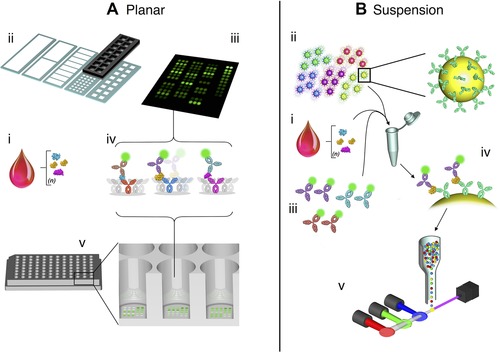
“Protein biomarkers are then revealed by enzyme-labeled antibodies [31] that produce a fluorescent signal/color that corresponds to the amount of biomarker immobilized by the capturing antibody.”
BackgroundMonoplex and multiplex immunoassays: approval, advancements, and alternatives
Ahsan, H. (2021) · Comparative Clinical Pathology · doi:10.1007/s00580-021-03302-4 · Cited by 95
“1 3 The bead analyte reporter constructs are analysed in a flow chamber where lasers excite the reporters and the emitted light is collected by a series of detectors for quantitative analysis (Tighe et al. 2015).”
BackgroundInfluentialRecent advancements in lateral flow immunoassays: A journey for toxin detection in food
Tripathi, P., Upadhyay, N., & Nara, S. (2017) · Critical Reviews in Food Science and Nutrition · doi:10.1080/10408398.2016.1276048 · Cited by 93
“© 2018 Taylor & Francis Group, LLC include polymerase chain reaction (PCR; Tighe et al. 2015, hybridization assays, and microarrays.”
MethodLabel-free electrochemical immunosensors: A practical guide
Cancelliere, R., Paialunga, E., Grattagliano, A., & Micheli, L. (2024) · TrAC Trends in Analytical Chemistry · doi:10.1016/j.trac.2024.117949 · Cited by 88
Jing, W., Wang, Y., Yang, Y., Wang, Y., Ma, G., Wang, S., & Tao, N. J. (2019) · ACS Nano · doi:10.1021/acsnano.9b02771 · Cited by 87
Jayaraman, P., Lim, R., Ng, J., & Vemuri, M. C. (2021) · Frontiers in Cell and Developmental Biology · doi:10.3389/fcell.2021.648472 · Cited by 86
Ren, A. H., Diamandis, E. P., & Kulasingam, V. (2021) · Molecular & Cellular Proteomics · doi:10.1016/j.mcpro.2021.100155 · Cited by 89
“The simultaneous detection of multiple protein analytes can come with sizeable obstacles, including nonspecific binding, interference, and cross-reactivity due to the different subpopulations of antibodies and intervening factors in complex matrices (23).”
BackgroundBarcoded DNA nanostructures for the multiplexed profiling of subcellular protein distribution
Sundah, N. R., Ho, N. R. Y., Lim, G. S., Natalia, A., Ding, X., Liu, Y., Seet, J. E., Chan, C. W., Loh, T. P., & Shao, H. (2019) · Nature Biomedical Engineering · doi:10.1038/s41551-019-0417-0 · Cited by 84
Add-on plasmonic patch as a universal fluorescence enhancer
Luan, J., Morrissey, J. J., Wang, Z., Derami, H. G., Liu, K., Cao, S., Jiang, Q., Wang, C., Kharasch, E. D., Naik, R. R., et al. (2018) · Light Science & Applications · doi:10.1038/s41377-018-0027-8 · Cited by 84
Precision Medicine for Neonatal Sepsis
Ng, S., Strunk, T., Jiang, P., Muk, T., Sangild, P. T., & Currie, A. J. (2018) · Frontiers in Molecular Biosciences · doi:10.3389/fmolb.2018.00070 · Cited by 81
“A point-of-care proteinmicroarray device for quantification of multiple serum proteins using minimal sample volume from neonates has previously been developed, supporting potential to translate validatedmultiprotein biomarker panels for bedside diagnosis (Buchegger et al., 2012; Tighe et al., 2015).”
MethodVanElzakker, M. B., Brumfield, S. A., & Mejia, P. S. L. (2020) · Frontiers in Neurology · doi:10.3389/fneur.2020.00863 · Cited by 81
Surface-functionalized SERS platform for deep learning-assisted diagnosis of Alzheimer's disease
Kim, M., Huh, S., Park, H. J., Cho, S. H., Lee, M., Jo, S., & Jung, Y. S. (2024) · Biosensors and Bioelectronics · doi:10.1016/j.bios.2024.116128 · Cited by 78
Hepatitis B plasmonic biosensor for the analysis of clinical serum samples
Riedel, T., Surman, F., Hageneder, S., Pop‐Georgievski, O., Noehammer, C., Hofner, M., Brynda, E., Rodriguez‐Emmenegger, C., & Dostálek, J. (2016) · Biosensors and Bioelectronics · doi:10.1016/j.bios.2016.05.014 · Cited by 78
Leligdowicz, A., Conroy, A. L., Hawkes, M., Zhong, K., Lebovic, G., Matthay, M. A., & Kain, K. C. (2017) · PLoS ONE · doi:10.1371/journal.pone.0175130 · Cited by 75
Simultaneous detection of small molecules, proteins and microRNAs using single molecule arrays
Wang, X., & Walt, D. R. (2020) · Chemical Science · doi:10.1039/d0sc02552f · Cited by 74
Multiplexed Nucleic Acid Hybridization Assays Using Single‐FRET‐Pair Distance‐Tuning
Qiu, X., Guo, J., Jin, Z., Petreto, A., Medintz, I. L., & Hildebrandt, N. (2017) · Small · doi:10.1002/smll.201700332 · Cited by 75
Martínez-García, E., Lesur, A., Devis, L., Cabrera, S., Matías‐Guiu, X., Hirschfeld, M., Asberger, J., van Oostrum, J., de Cal, M. C., Gómez‐Tato, A., et al. (2017) · Clinical Cancer Research · doi:10.1158/1078-0432.ccr-17-0474 · Cited by 73
“Despite this, multiplexed immunoassays have tremendous potential for in vitro diagnostics, and several diagnostic protein arrays have been already approved by the FDA (50).”
BackgroundMetabolomics Biomarkers for Detection of Colorectal Neoplasms: A Systematic Review
Erben, V., Bhardwaj, M., Schrotz‐King, P., & Brenner, H. (2018) · Cancers · doi:10.3390/cancers10080246 · Cited by 73
“New multiplex assays enable detection of several substrates at a time [82].”
BackgroundSalivary biomarkers of inflammation and oxidative stress in healthy adults
Nam, Y., Kim, Y., Chang, J., & Kho, H. (2018) · Archives of Oral Biology · doi:10.1016/j.archoralbio.2018.10.026 · Cited by 72
Serra, M., Ferraro, D., Pereiro, I., Viovy, J., & Descroix, S. (2017) · Lab on a Chip · doi:10.1039/c7lc00582b · Cited by 72
Practical guide to characterize biomolecule adsorption on solid surfaces (Review)
Migliorini, E., Weidenhaupt, M., & Picart, C. (2018) · Biointerphases · doi:10.1116/1.5045122 · Cited by 70
Recent advances in airborne pathogen detection using optical and electrochemical biosensors
Sivakumar, R., & Lee, N. Y. (2022) · Analytica Chimica Acta · doi:10.1016/j.aca.2022.340297 · Cited by 68
“Furthermore, this technique has higher sensitivity than microscopy or immunoassay-based methods [10,11].”
MethodBolton, J. S., Chaudhury, S., Dutta, S., Gregory, S., Locke, E., Pierson, T., & Bergmann‐Leitner, E. S. (2020) · Malaria Journal · doi:10.1186/s12936-020-03225-5 · Cited by 66
Dagher, M., Ongo, G., Robichaud, N., Kong, J., Rho, W., Teahulos, I., Tavakoli, A., Bovaird, S., Merjaneh, S., Tan, A., et al. (2025) · Nature Methods · doi:10.1038/s41592-025-02861-6 · Cited by 63
“This problem has limited the multiplexing of immunoassays to 50-plex, even with intensive selection of antibodies to minimize rCR. 1,2,4 Efforts to minimize rCR has resulted in commercially available platforms such as Olink’s proximity extension assay (PEA) technology, 5 which does not prevent rCR…”
Degasperi, A., Fey, D., & Kholodenko, B. Ν. (2017) · npj Systems Biology and Applications · doi:10.1038/s41540-017-0023-2 · Cited by 63
“This is because the most common type of experimental data are relative data (e.g. western blotting, 27, 28 multiplexed Elisa, 29 proteomics or RT-qPCR 30 ), which means that the values of the data points are in arbitrary units (au), such as optical densities.”
BackgroundJabbari, E., Woodside, J., Guo, T., Magdalinou, N. K., Chelban, V., Athauda, D. S., Lees, A. J., Foltynie, T., Houlden, H., Church, A., et al. (2019) · Journal of Neurology Neurosurgery & Psychiatry · doi:10.1136/jnnp-2018-320151 · Cited by 59
Mateos, J., Estévez, O., González‐Fernández, Á., Anibarro, L., Pallarés, Á., Reljić, R., Mussá, T., Gomes-Maueia, C., Nguilichane, A., Gallardo, J. M., et al. (2020) · Scientific Reports · doi:10.1038/s41598-020-60753-5 · Cited by 58
Biosensors for detecting viral and bacterial infections using host biomarkers: a review
Qureshi, A., & Niazi, J. H. (2020) · The Analyst · doi:10.1039/d0an00896f · Cited by 58
Multiple biomarker approach for the diagnosis and therapy of rheumatoid arthritis
Savvateeva, E. N., Smoldovskaya, O., Feyzkhanova, G., & Rubina, A. Y. (2020) · Critical Reviews in Clinical Laboratory Sciences · doi:10.1080/10408363.2020.1775545 · Cited by 57
“However, the introduction of multiplex technologies into clinical practice for the treatment of autoimmune diseases is limited by the availability of reliable, reproducible, and accurate analytical assays [82].”
BackgroundKraemer, S., Schneider, D. J., Paterson, C., Perry, D., Westacott, M. J., Hagar, Y., Katilius, E., Lynch, S. A., Russell, T. M., Johnson, T., et al. (2024) · Journal of Proteome Research · doi:10.1021/acs.jproteome.4c00411 · Cited by 57
Bessa, J., Albino‐Teixeira, A., Reina‐Couto, M., & Sousa, T. (2020) · Clinica Chimica Acta · doi:10.1016/j.cca.2020.07.041 · Cited by 57
International Journal of Immunogenetics
(2010) · International Journal of Immunogenetics · doi:10.1111/(issn)1744-313x · Cited by 55
Karakosta, T. D., Soosaipillai, A. R., Diamandis, E. P., Batruch, I., & Drabovich, A. P. (2016) · Molecular & Cellular Proteomics · doi:10.1074/mcp.m115.057695 · Cited by 54
“a single assay (20), multiplex SRM assays facilitate measure-”
Methodvan Amerongen, A., Veen, J., Arends, H. A., & Koets, M. (2018) · Elsevier eBooks · doi:10.1016/b978-0-12-811762-0.00007-4 · Cited by 54
Sowing seeds for the future: The need for on-site plant diagnostics
Cassedy, A., Mullins, E. D., & O’Kennedy, R. J. (2019) · Biotechnology Advances · doi:10.1016/j.biotechadv.2019.02.014 · Cited by 54
Wash-Free, Digital Immunoassay in Polydisperse Droplets
Byrnes, S. A., Huynh, T., Chang, T. C., Anderson, C. E., McDermott, J. J., Oncina, C. I., Weigl, B. H., & Nichols, K. P. (2020) · Analytical Chemistry · doi:10.1021/acs.analchem.9b02526 · Cited by 53
Günther, A., Becker, M., Göpfert, J. C., Joos, T. O., & Schneiderhan‐Marra, N. (2020) · Frontiers in Immunology · doi:10.3389/fimmu.2020.572634 · Cited by 53
Early Diagnosis of Sepsis: Is an Integrated Omics Approach the Way Forward?
Langley, R. J., & Wong, H. R. (2017) · Molecular Diagnosis & Therapy · doi:10.1007/s40291-017-0282-z · Cited by 53
Multiplex biomarker approach to cardiovascular diseases
Adamcová, M., & Šimko, F. (2018) · Acta Pharmacologica Sinica · doi:10.1038/aps.2018.29 · Cited by 52
Plasma Markers of Neurodegeneration Are Raised in Friedreich’s Ataxia
Zeitlberger, A. M., Thomas‐Black, G., García‐Moreno, H., Foiani, M. S., Heslegrave, A., Zetterberg, H., & Giunti, P. (2018) · Frontiers in Cellular Neuroscience · doi:10.3389/fncel.2018.00366 · Cited by 52
Zhang, S. J., Wu, C., & Walt, D. R. (2024) · ACS Nano · doi:10.1021/acsnano.4c10340 · Cited by 51
Rapid and Selective Biomarker Detection with Conductometric Sensors
Perera, G. S., Ahmed, T., Heiss, L., Walia, S., Bhaskaran, M. C., & Sriram, S. (2021) · Small · doi:10.1002/smll.202005582 · Cited by 50
Agoston, R., Izake, E. L., Sivanesan, A., Lott, W. B., Sillence, M. N., & Steel, R. (2015) · Nanomedicine Nanotechnology Biology and Medicine · doi:10.1016/j.nano.2015.11.003 · Cited by 49
Next-Generation Proteomics and Its Application to Clinical Breast Cancer Research
Mardamshina, M., & Geiger, T. (2017) · American Journal Of Pathology · doi:10.1016/j.ajpath.2017.07.003 · Cited by 50
Khondakar, K. R., Dey, S., Wuethrich, A., Sina, A. A. I., & Trau, M. (2019) · Accounts of Chemical Research · doi:10.1021/acs.accounts.9b00192 · Cited by 50
Hidese, S., Hattori, K., Sasayama, D., Tsumagari, T., Miyakawa, T., Matsumura, R., Yokota, Y., Ishida, I., Matsuo, J., Yoshida, S., et al. (2020) · Translational Psychiatry · doi:10.1038/s41398-020-0843-5 · Cited by 48
Ibáñez, L., Liu, M., Beric, A., Timsina, J., Kohlfeld, P., Bergmann, K., Lowery, J., Sykora, N., Montejo, B. S., Brock, W., et al. (2024) · Alzheimer s & Dementia · doi:10.1002/alz.14413 · Cited by 47
Huang, W. C., Wu, J., Mao, Y., Zhu, S., Huang, G. F., Petritis, B. O., & Huang, R. (2019) · Journal of Periodontology · doi:10.1002/jper.19-0173 · Cited by 47
Hierarchically structured microchip for point-of-care immunoassays with dynamic detection ranges
Mou, L., Dong, R., Hu, B., Li, Z., Zhang, J., & Jiang, X. (2019) · Lab on a Chip · doi:10.1039/c9lc00517j · Cited by 46
Katchman, B. A., Smith, J. T., Obahiagbon, U., Kesiraju, S., Lee, Y.-K., O’Brien, B. P., Kaftanoglu, K., Christen, J. B., & Anderson, K. S. (2016) · Scientific Reports · doi:10.1038/srep29057 · Cited by 46
Zhang, Y., Guo, Y., Liu, G., Zhou, S., Su, R., Ma, Q., Ge, Y., Lu, Y., Cui, L., & Wang, G. (2024) · Lab on a Chip · doi:10.1039/d4lc00326h · Cited by 45
Personalized Proteomics for Precision Health: Identifying Biomarkers of Vitreoretinal Disease
Velez, G., Tang, P. H., Cabral, T., Cho, G. Y., Machlab, D. A., Tsang, S. H., Bassuk, A. G., & Mahajan, V. B. (2018) · Translational Vision Science & Technology · doi:10.1167/tvst.7.5.12 · Cited by 45
“Multiplex immunoassays are a powerful and efficient approach to simultaneously quantifying hundreds of proteins in a biological sample, 38 reducing assay costs, time, and the sample volume required for analysis.”
BackgroundBime, C., Camp, S. M., Casanova, N. G., Oita, R. C., Ndukum, J., Lynn, H., & Garcia, J. G. N. (2020) · Translational research · doi:10.1016/j.trsl.2020.06.010 · Cited by 43
“Ideally, novel biomarker assays would typically undergo optimization and confirmation of analytical validity.(92) Unfortunately, without standardization of platform techniques and robust external analytical validation, it is difficult to rule out analytical flaws and laboratory errors in many studies claiming an assoc…”
BackgroundMethodInfluentialLiu, L., Grillo, F., Canfarotta, F., Whitcombe, M. J., Morgan, S. P., Piletsky, S. A., Correia, R. G., He, C., Norris, A. M., & Korposh, S. (2021) · Biosensors and Bioelectronics · doi:10.1016/j.bios.2021.113002 · Cited by 41
Dixon, A. S., Kim, S. J., Baumgartner, B. K., Krippner, S., & Owen, S. C. (2017) · Scientific Reports · doi:10.1038/s41598-017-07569-y · Cited by 40
Lee, M., Hsu, W., Huang, H.-Y., Tseng, H.-Y., Lee, C.-T., Hsu, C.-Y., Shieh, Y.-C., Wang, S.-H., Yao, D.-J., & Liu, C. (2019) · Biosensors and Bioelectronics · doi:10.1016/j.bios.2019.111851 · Cited by 40
Koidou, V. P., Cavalli, N., Hagi‐Pavli, E., Nibali, L., & Donos, N. (2020) · Journal of Periodontal Research · doi:10.1111/jre.12795 · Cited by 41
He, Z., Huffman, J. L., Curtin, K., Garner, K. L., Bowdridge, E. C., Li, X., Nurkiewicz, T. R., & Li, P. (2020) · Analytical Chemistry · doi:10.1021/acs.analchem.0c03651 · Cited by 40
Liquid Biopsy Proteomics in Ophthalmology
Wolf, J., Franco, J. A., Yip, R., Dabaja, M. Z., Velez, G., Liu, F., Bassuk, A. G., Mruthyunjaya, P., Dufour, A., & Mahajan, V. B. (2024) · Journal of Proteome Research · doi:10.1021/acs.jproteome.3c00756 · Cited by 40
Mass Spectrometric Immunoassays in Characterization of Clinically Significant Proteoforms
Trenchevska, O., Nelson, R. W., & Nedelkov, D. (2016) · Proteomes · doi:10.3390/proteomes4010013 · Cited by 39
“The majority of methods for analysis of protein biomarkers in clinics are designed for intact protein analysis and provide information about the abundance of the targeted protein in the biological sample [3,4].”
BackgroundWang, Y., Wu, N., Yang, T., & Wang, J. (2020) · Analytical Chemistry · doi:10.1021/acs.analchem.0c00403 · Cited by 39
Microfluidic flow cytometry for blood-based biomarker analysis
Zhang, Y., Zhao, Y., Cole, T., Zheng, J., Bayinqiaoge, B., Guo, J., & Tang, S. (2022) · The Analyst · doi:10.1039/d2an00283c · Cited by 39
Multiarray on a test strip (MATS): rapid multiplex immunodetection of priority potato pathogens
Safenkova, I. V., Pankratova, G., Zaitsev, I. A., Varitsev, Y. A., Vengerov, Y. Y., Zherdev, A. V., & Dzantiev, B. B. (2016) · Analytical and Bioanalytical Chemistry · doi:10.1007/s00216-016-9463-6 · Cited by 38
Multiplexed Nucleic Acid Hybridization Assays Using Single‐FRET‐Pair Distance‐Tuning
Qiu, X., Guo, J., Jin, Z., Petreto, A., Medintz, I. L., & Hildebrandt, N. (2017) · Small · doi:10.1002/smll.201701625 · Cited by 35
Xu, J., Guo, J., Golob‐Schwarzl, N., Haybaeck, J., Qiu, X., & Hildebrandt, N. (2020) · ACS Sensors · doi:10.1021/acssensors.0c00432 · Cited by 35
Metadata
- Authors
- Tighe, P. J., Ryder, R. R., Todd, I., & Fairclough, L. C.
- Affiliations
- University of Nottingham (GB)
- Corresponding author
- Fairclough, Lucy C.
- Venue
- PROTEOMICS – Clinical Applications
- Publisher
- Wiley
- Published
- 2015-03-25
- Volume
- 9
- Issue
- 3-4
- Pages
- 406-422
- ISSN
- 1862-8346 (ISSN-L)
- 1862-8354
- PMC
- PMC6680274
- OpenAlex
- W2136663003
- Semantic Scholar
- e664df4333c34cbf6341682d8fc287a0ef279e2a
- Cited by
- 464
- References
- 92
- Citations by year
- 2026: 58 · 2025: 39 · 2024: 51 · 2023: 35 · 2022: 36 · 2021: 40 · 2020: 48 · 2019: 36 · 2018: 47 · 2017: 35 · 2016: 27 · 2015: 11
- FWCI
- 3.88
- Type
- journal article
- Language
- en
- Open access
- hybrid
- doi.org
- Licence
- Locations
- PROTEOMICS - CLINICAL APPLICATIONS (publishedVersion, cc-by-nc-nd)
- Europe PMC (PubMed Central) (publishedVersion, cc-by-nc-nd)
- PubMed Central (publishedVersion, cc-by-nc-nd)
- PubMed (publishedVersion)
- Repository@Nottingham (University of Nottingham) (publishedVersion, cc-by-nc-nd)
- Repository@Nottingham (University of Nottingham) (submittedVersion, cc-by-nc-nd)
- Nottingham ePrints (University of Nottingham) (submittedVersion, cc-by-nc-nd)
- Topics
- Life Sciences › Biochemistry, Genetics and Molecular Biology › Molecular Biology › Advanced Biosensing Techniques and Applications
- Health Sciences › Health Professions › Medical Laboratory Technology › Clinical Laboratory Practices and Quality Control
- Physical Sciences › Chemistry › Spectroscopy › Advanced Proteomics Techniques and Applications
- Keywords
- multiplex immunoassay, ELISA, in vitro diagnostics, biomarker validation, quality control, reagent specificity, cross-reactivity, assay automation, point-of-care testing, personalized medicine
- MeSH terms
- Enzyme-Linked Immunosorbent Assay, Humans, Immunoassay, Biomarkers
About these checks
Registry, retraction, Cites and statistics results are computed, not judged, with one exception: a printed reference that no index lists is read once by a model before it counts as a citation error. Claims are extracted by a model and kept only when their quote appears verbatim in the text; each cited source is then checked, with a model’s help, for whether it says what the claim relies on. Those verdicts can be wrong — read the claim’s quote and the cited source before relying on one.
Statistics and arithmetic are recomputed, not judged.
Confidence bands are shown only for fields calibrated on our annotated test set. None is calibrated yet, so no band is shown.
What counts as a claim ›How we measure confidence ›How we check this ›
Are you an author, or do you see a problem with this page? Request a review
Data sources
Bibliographic data: Semantic Scholar, OpenAlex, Crossref.
Contains information from the Semantic Scholar Academic Graph Datasets, made available under the ODC Attribution License (ODC-BY 1.0).
Semantic Scholar’s data is described in: Kinney, R., et al. (2023). The Semantic Scholar Open Data Platform. arXiv:2301.10140.
